Get 50% OFF All Premium 3D & STL Models!

The world is rapidly evolving, shifting towards sustainable technologies and smarter urban infrastructures. At the heart of this transformation lies the electric vehicle (EV) – a symbol of innovation, efficiency, and a cleaner future. For 3D artists, designers, architects, and game developers, this paradigm shift presents both a challenge and an immense opportunity. Capturing the essence of modern mobility in digital spaces requires assets that are not only visually stunning but also technically precise and culturally relevant. Generic vehicles simply won’t suffice when depicting the cutting-edge landscapes of tomorrow’s smart cities or the immersive experiences of next-generation games.
This is where specialized, high-fidelity 3D car models become indispensable. The demand for accurate, optimized electric vehicle models, complete with the unique design language and technical intricacies of real-world counterparts, has never been higher. From realistic architectural visualizations (ArchViz) that showcase eco-conscious developments to dynamic game environments populated with believable traffic, premium EV assets are the foundation of compelling digital narratives. We’ll explore the critical role these models play, delve into the technical specifications that make them indispensable, and highlight how a curated collection like the The Future of Mobility: Smart City EV 3D Models Bundle provides an unparalleled resource for professionals looking to stay ahead of the curve.
Digital content creation is in a constant state of flux, driven by advancements in rendering technology, real-time engines, and the ever-increasing expectations of audiences. For automotive visualization, this evolution is particularly pronounced, reflecting global shifts in vehicle design and urban planning.
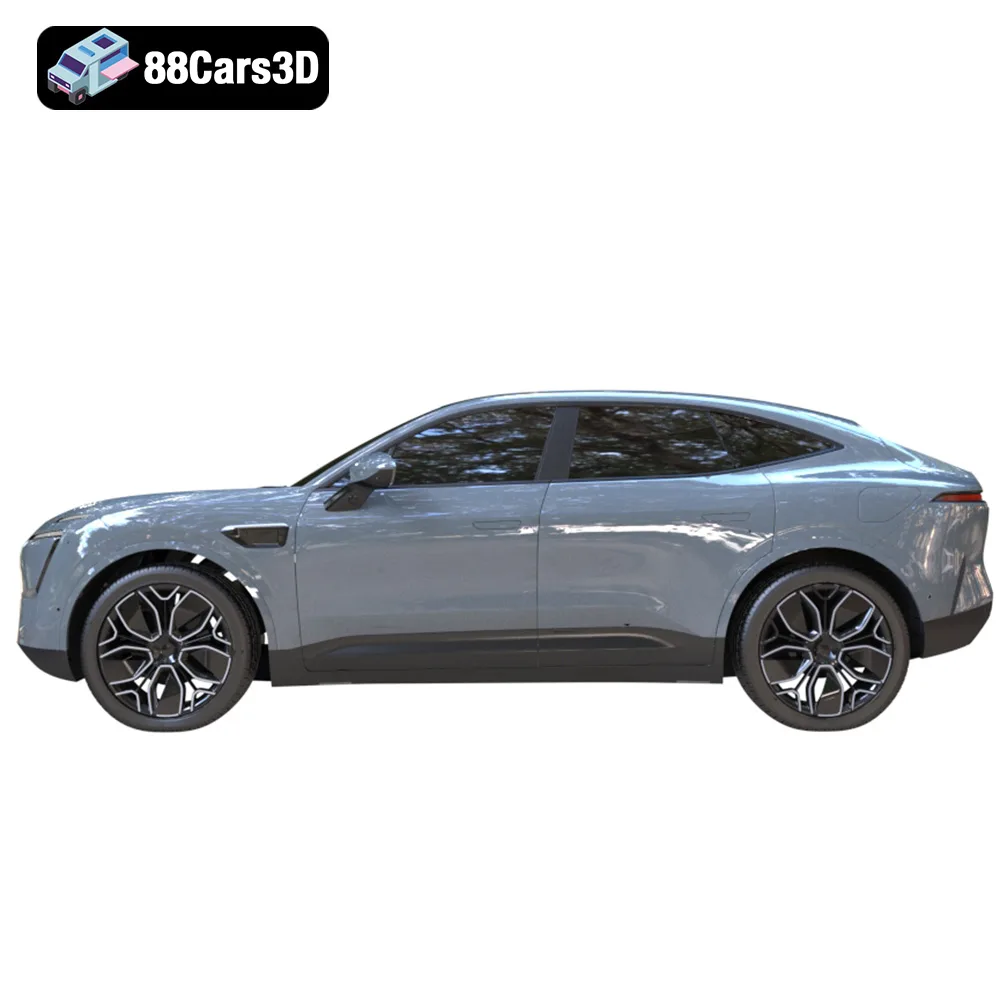
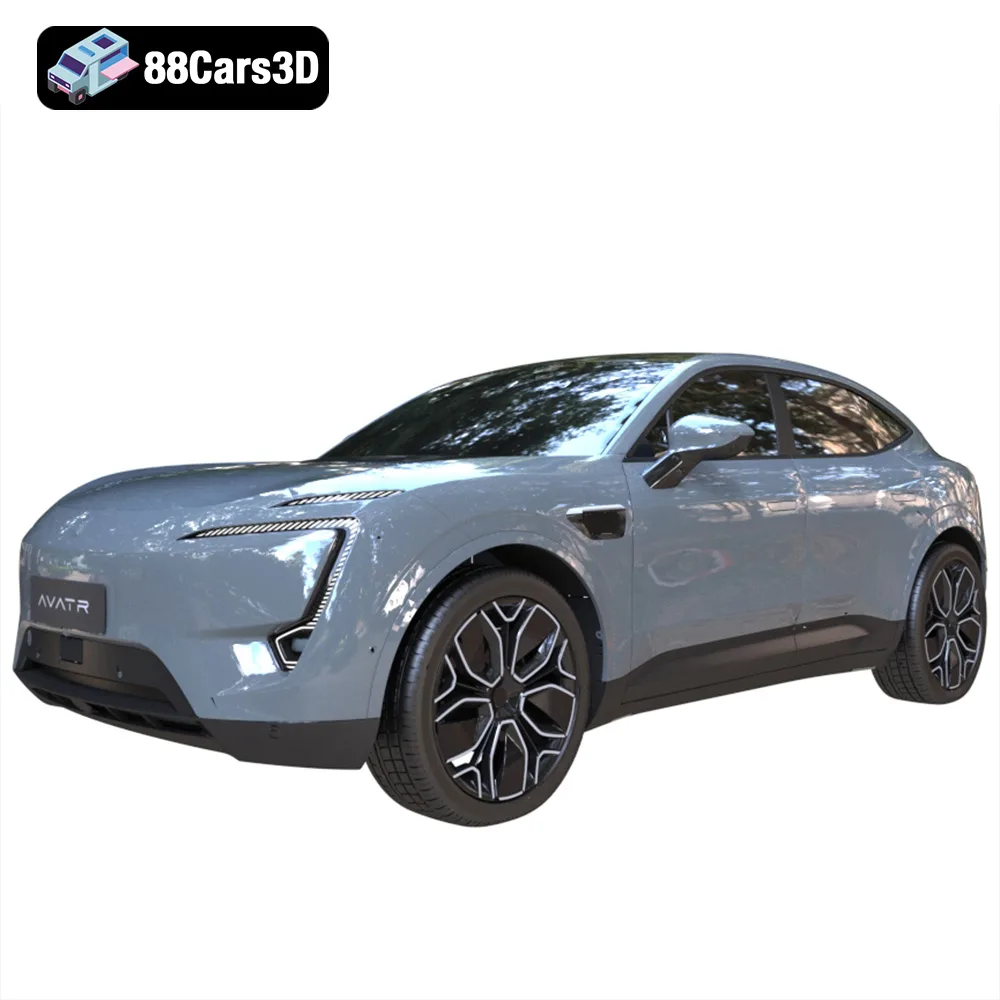
Electric vehicles possess a distinct aesthetic that sets them apart from traditional internal combustion engine (ICE) cars. Their designs often prioritize aerodynamics, resulting in sleek, minimalist profiles, flush door handles, and closed-off grilles. Futuristic LED light signatures, such as Volvo’s “Thor’s Hammer” or the ultra-slim bars seen on models like the AVATR 11, define their front fascia. These unique visual cues are critical for designers to incorporate. Using outdated or generic car models can instantly detract from the realism and forward-thinking vision of a project. High-quality 3D car models of modern EVs allow artists to accurately represent these stylistic elements, ensuring their renders and scenes feel contemporary and authentic.
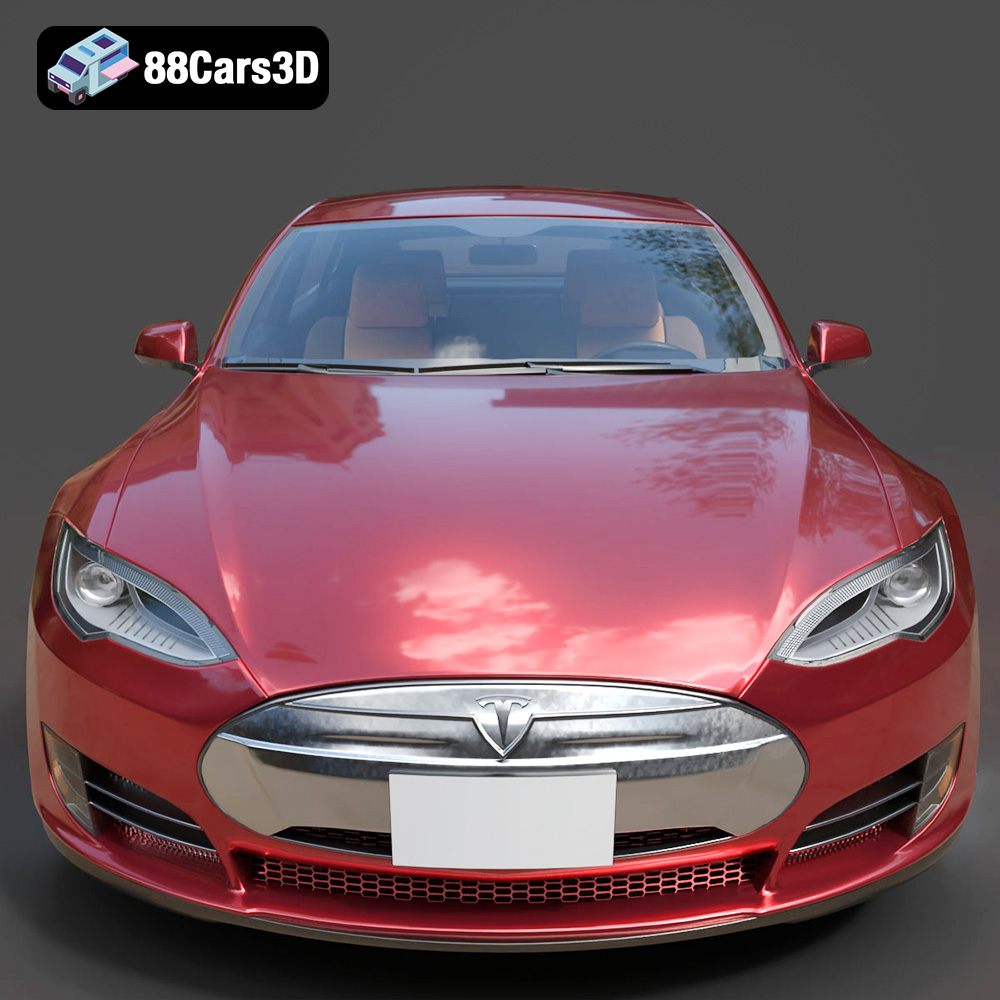
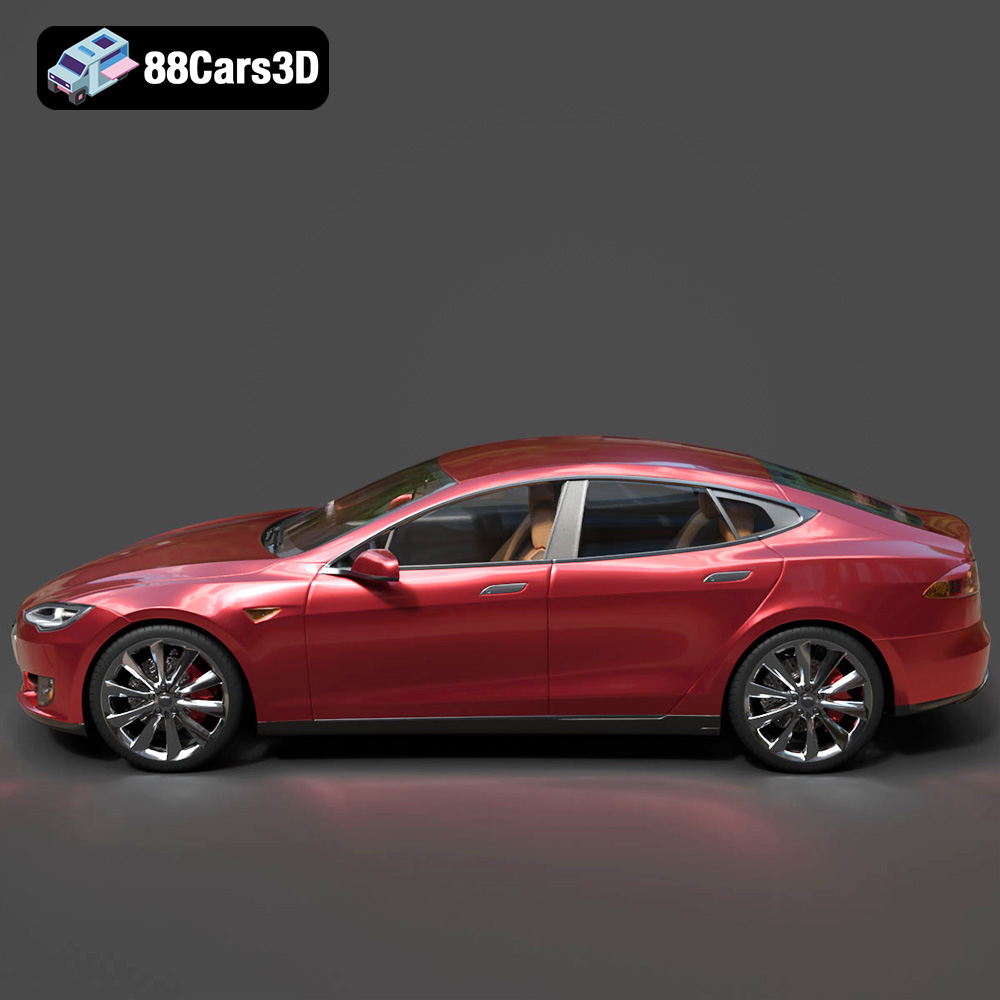
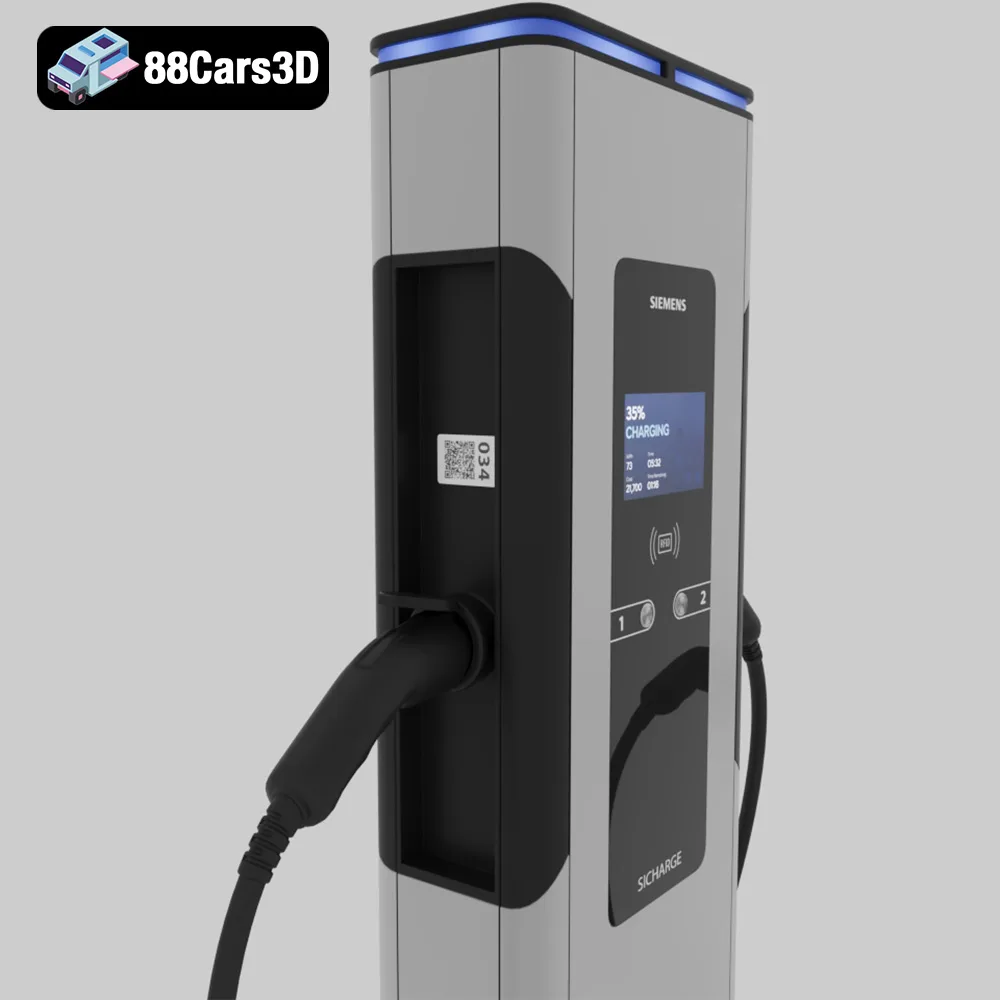
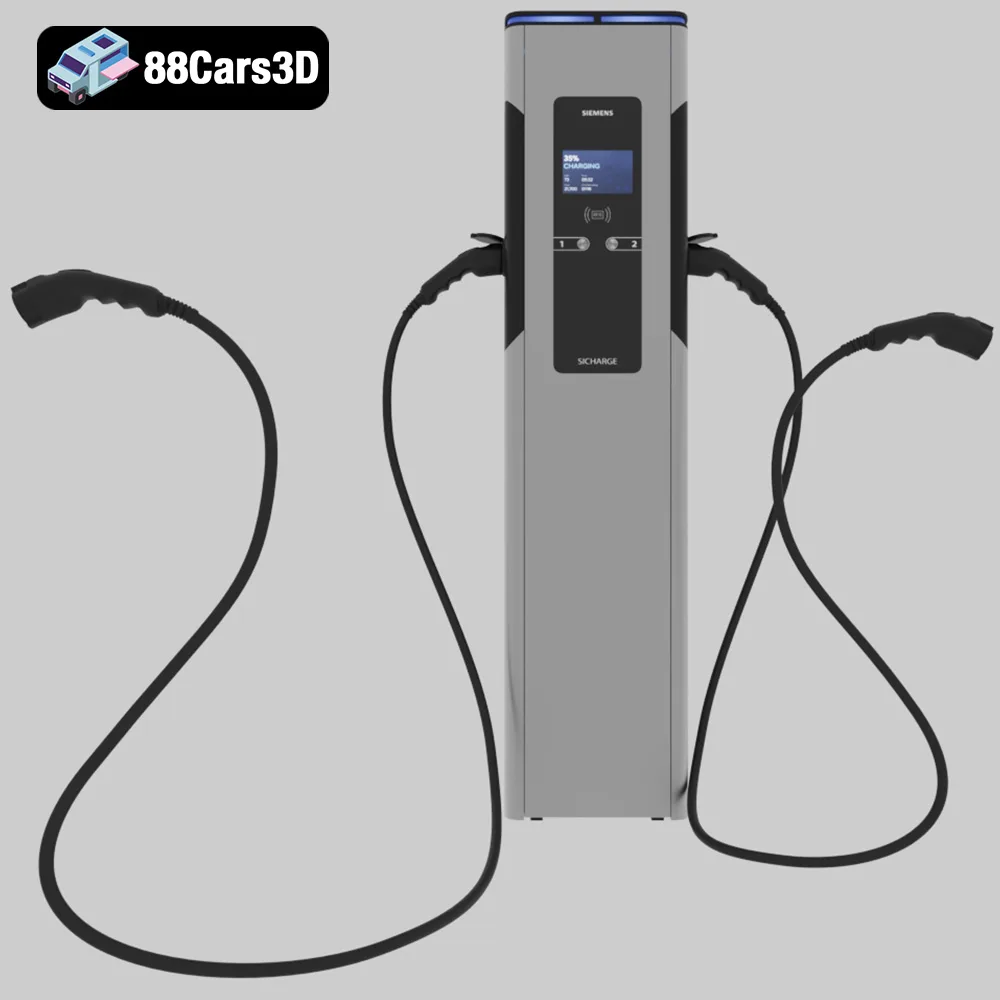
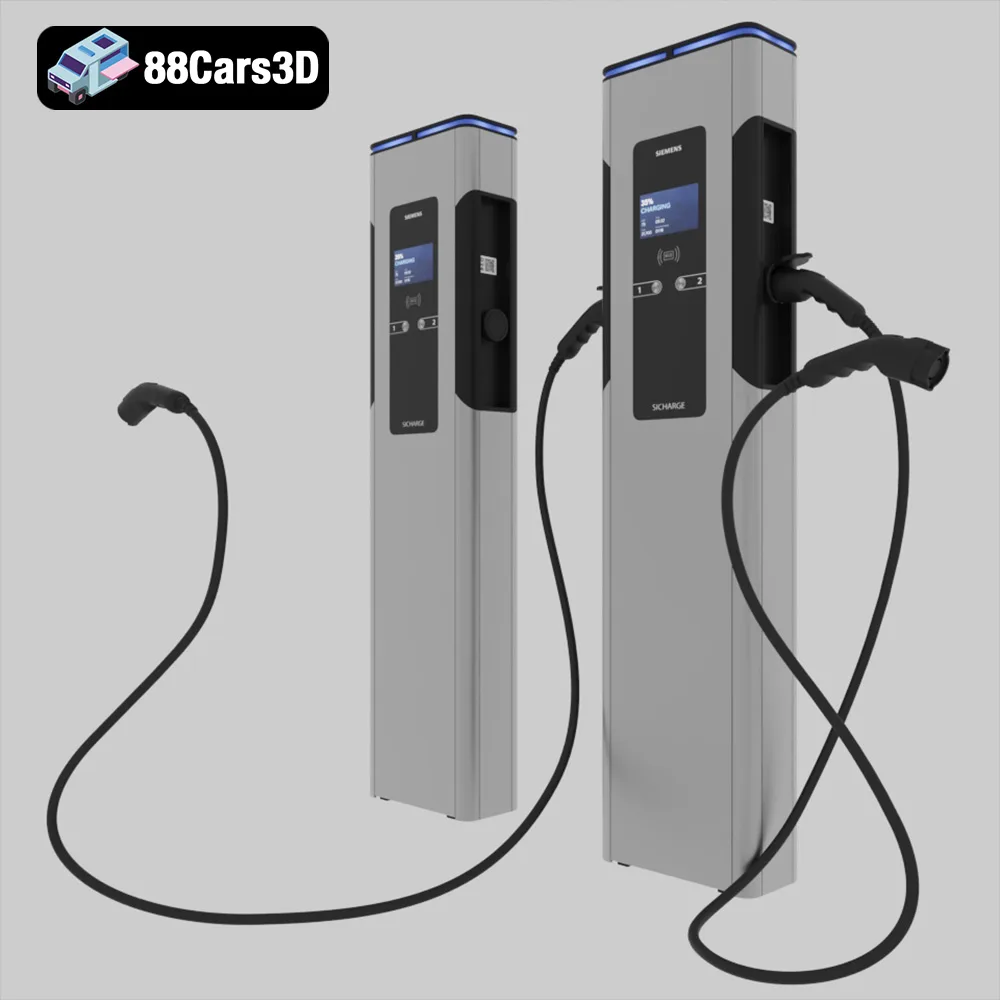
The concept of smart cities – interconnected urban environments powered by technology and sustainable solutions – is no longer a distant dream but an active development. EVs are integral to this vision, seamlessly integrating with smart grids, charging infrastructure, and autonomous driving systems. For architects visualizing new urban developments, game developers building open-world metropolises, or virtual production teams crafting future-set narratives, populating these digital spaces with appropriate vehicles is paramount. The presence of a Tesla Model S pulling up to a Siemens SiCharge EV Charging Station, or a fleet of Volvo EX30s navigating a futuristic streetscape, immediately grounds the scene in a believable, near-future reality. These 3D car models aren’t just props; they are essential components that contribute to the environmental storytelling.
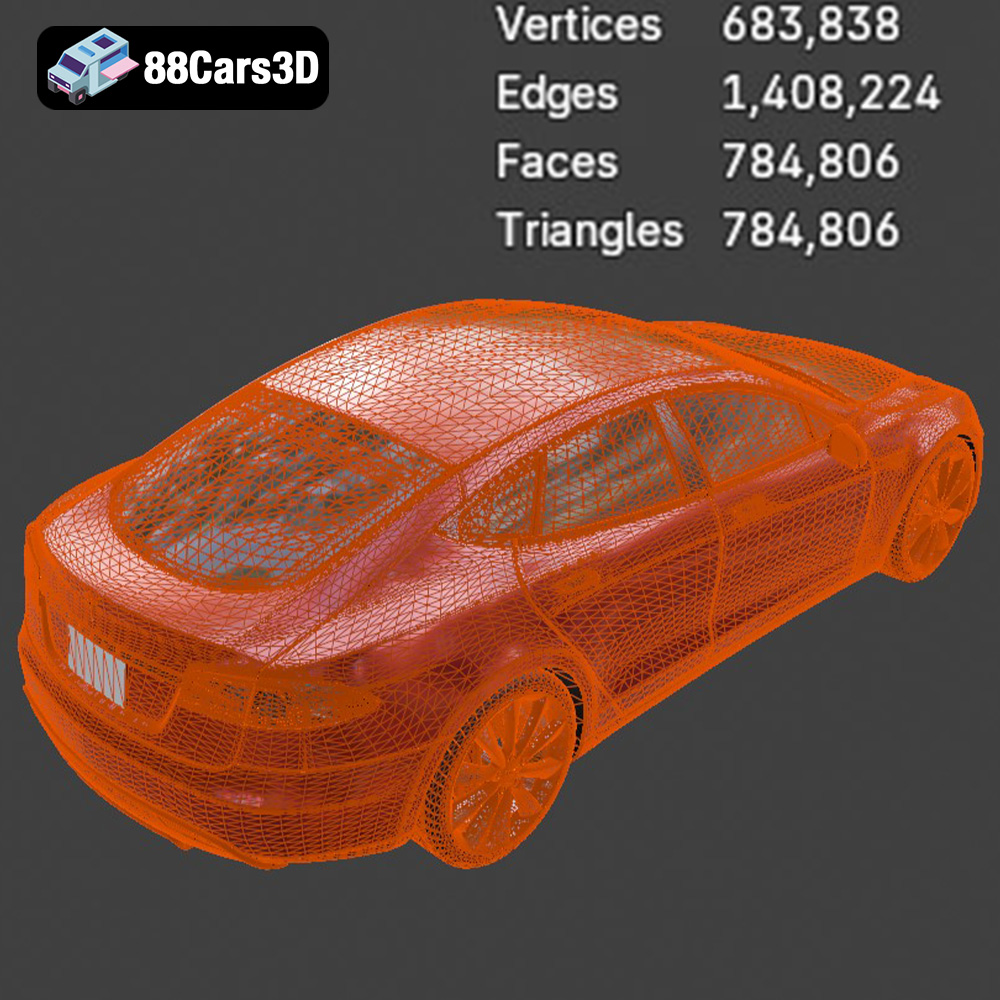
In a competitive digital landscape, authenticity and meticulous detail are non-negotiable. Whether it’s a client presentation for a multi-million-dollar architectural project, a marketing campaign for a new EV, or an immersive virtual reality experience, the fidelity of 3D assets directly impacts perceived quality. Imperfect topology, low-resolution textures, or inaccurate proportions can undermine the entire project. Professionals demand models with clean geometry, proper scale, separated parts for animation, and material setups that react realistically to light. This level of detail is precisely what premium 3D car models from resources like 88cars3d.com deliver, ensuring that every curve and reflection contributes to an unparalleled visual experience.
Navigating the world of 3D assets requires a solid understanding of file formats. Each format has its strengths, weaknesses, and preferred use cases, dictating how a model can be utilized across different software and pipelines. Choosing the right format is crucial for maintaining data integrity, optimizing performance, and ensuring compatibility. The The Future of Mobility: Smart City EV 3D Models Bundle wisely provides a range of these formats, ensuring maximum flexibility for artists.
The .blend format is the native file type for Blender, an increasingly popular open-source 3D creation suite. A .blend file is much more than just a mesh; it’s a complete scene package. It includes all mesh data, materials (often set up for Blender’s Cycles or Eevee render engines), textures, lighting, cameras, animations, physics simulations, and even custom scripts. This makes it an ideal format for artists primarily working within Blender who require full editability and access to the original project structure. When you open a .blend file, you’re essentially loading the artist’s working environment, allowing for deep customization of materials, topology, and rigging. For those who want to dissect the models from the Future of Mobility bundle and learn from their construction, or integrate them deeply into a Blender-based project, the .blend format is invaluable.
.fbx (Filmbox) is arguably the most widely used proprietary 3D exchange format, especially dominant in game development and animation pipelines. Developed by Autodesk, FBX excels at preserving a wide range of data, including mesh geometry, materials (with some limitations on complex shader networks), textures, animations, skinning, and bone hierarchies. Its strength lies in its robust support across major 3D applications like 3ds Max, Maya, Cinema 4D, and critically, game engines such as Unreal Engine and Unity. For the “game-ready” aspects of 3D car models like those in the Smart City EV bundle – separated parts for rigging, proper pivots for wheels, and optimized geometry – FBX is the go-to. It ensures that the model, its materials, and any pre-setup animation hooks transfer smoothly into real-time environments.
The .obj (Wavefront OBJ) format is a venerable, universally recognized geometry definition file. It’s an open, non-proprietary standard that primarily stores mesh geometry (vertices, normals, texture coordinates, and faces) and references to external material files (.mtl). While .obj is excellent for raw mesh exchange between almost any 3D software, it does not support animation, rigging, or complex material properties beyond basic color and texture maps. Its simplicity makes it extremely stable and reliable for cross-software compatibility when only the static mesh is needed. If you need to import the Volvo EX30 into a niche rendering engine or a CAD program that only supports basic geometry, .obj is a dependable choice.
.glb (GL Transmission Format Binary) is a relatively newer format, specifically designed for efficient transmission and loading of 3D scenes and models in web and real-time applications. It’s the binary version of .gltf, packing all assets (geometry, textures, animations, materials) into a single file. This makes .glb highly optimized for AR/VR experiences, browser-based 3D viewers, and interactive web applications. Its compact size and single-file nature streamline deployment, making the AVATR 11 perfect for an interactive digital showroom or a mobile AR app showcasing the future of urban transport. Models provided in .glb are ready for immediate use in these cutting-edge contexts.
.stl (Stereolithography) is the undisputed standard file format for 3D printing. It represents a 3D model as a series of connected triangles (a triangulated surface mesh), defining only the surface geometry of an object without color, texture, or other attributes. For anyone looking to bring the Porsche Taycan or the Siemens SiCharge station from the digital realm into a physical miniature collectible, the .stl format is essential. While simple, it’s crucial for ensuring “manifold” geometry – meaning the mesh is completely enclosed and has no holes, which is necessary for a successful print. The Future of Mobility bundle includes .stl files, ready for prototyping or creating physical diecast models.
The .ply (Polygon File Format, or Stanford Triangle Format) is similar to .obj in that it describes 3D objects as a collection of polygons. However, .ply often supports a wider range of properties, including color, transparency, surface normals, and even data from 3D scanners. While less common for general-purpose 3D model distribution than .fbx or .obj, it’s frequently used in scientific applications, 3D scanning, and some CAD/CAM workflows where precision and additional data attributes are important. It offers a robust alternative for specific industrial or analytical applications.
While not a universal file format in the traditional sense, “.unreal” typically refers to assets specifically packaged or optimized for direct import into Unreal Engine projects. This might involve an FBX file that has been thoroughly checked, optimized, and perhaps even pre-textured or material-assigned with Unreal’s PBR workflow in mind. It signifies that the asset is designed for seamless integration, potentially including pre-configured collision meshes, LODs (Levels of Detail), and appropriate material instances. For models in the Future of Mobility bundle intended for game development, an “.unreal” designation means less setup time and more immediate deployment in your virtual worlds.
Finally, the .max format is the native scene file for Autodesk 3ds Max, a powerful 3D modeling, animation, and rendering software widely used in architectural visualization, product design, and game asset creation. Like .blend files, a .max file stores the entire scene, including geometry, materials (V-Ray, Corona, Arnold setups), textures, lights, cameras, animations, modifiers, and scene settings. It provides the highest level of editability and customization within its native environment. For ArchViz professionals or animators using 3ds Max, having the original .max files for the Tesla Model S or Porsche Taycan allows for intricate adjustments, custom rigging, or even re-texturing with specific rendering plugins, offering unparalleled control over the final output.
The The Future of Mobility: Smart City EV 3D Models Bundle is a meticulously curated collection designed to address the specific needs of modern digital artists. It’s more than just a pack of cars; it’s a statement about evolving design and environmental consciousness.
This 5-in-1 package stands out by offering not just generic vehicles, but four of the most iconic and forward-thinking electric vehicles available today, alongside a crucial piece of urban infrastructure. This selection ensures relevance and visual impact for any project aiming for a modern or near-future aesthetic.
The true value of any 3D asset lies in its technical foundation. This bundle is built on principles of optimization, accuracy, and ease of use, making it genuinely production-ready.
The versatility of the The Future of Mobility: Smart City EV 3D Models Bundle makes it an invaluable asset across multiple professional domains. Its diverse file formats and optimized geometry ensure smooth integration into various software pipelines.
For high-end automotive rendering, precision and aesthetic appeal are paramount. Tools like 3ds Max (often paired with V-Ray or Corona Renderer) and Blender (with Cycles or Eevee) are the industry standards. The models from this bundle are perfect for these environments:
The “game-ready” aspects of these 3D car models make them exceptional assets for real-time environments. Developers using Unreal Engine or Unity can significantly accelerate their workflow:
As interactive experiences become more prevalent, the need for performant and visually rich 3D assets grows. The .glb format, included in the bundle, is a game-changer for these applications:
Beyond screen-based applications, the The Future of Mobility: Smart City EV 3D Models Bundle extends its utility into the physical world through 3D printing. This capability caters to designers, hobbyists, and collectors who wish to bring these cutting-edge EV designs into tangible form.
3D printing has revolutionized prototyping and personal manufacturing, allowing digital models to materialize with astounding detail. For automotive enthusiasts, this means creating bespoke scale models, custom diecast cars, or even physical prototypes of future vehicle concepts. The inclusion of .stl files in the bundle makes this possible, transforming the virtual blueprint of a Tesla Model S or a Volvo EX30 into a collectible item you can hold.
Successfully 3D printing intricate automotive models requires careful attention to specific settings. The recommendations provided with the bundle are crucial for achieving optimal results:
For designers, these 3D printable files open avenues for rapid prototyping, design validation, or creating physical mock-ups for presentations. For enthusiasts, it’s about the joy of digital manufacture – transforming a virtual concept into a tangible artifact. Whether for a tabletop display, a scale model collection, or even a unique gift, the ability to physically manifest these cutting-edge electric vehicles adds another dimension to the value of the bundle.
In today’s fast-paced digital creation environment, making smart investments in your asset library is crucial. The The Future of Mobility: Smart City EV 3D Models Bundle represents not just a collection of models, but a strategic advantage for any professional.
The shift to electric vehicles and smart city infrastructure is not a fleeting trend; it’s the trajectory of global development. By integrating high-quality EV 3D models into your projects, you ensure your portfolio remains current, relevant, and visually compelling for future clients and employers. Demonstrating expertise in rendering and integrating these modern vehicles signals that you are attuned to industry advancements and capable of delivering cutting-edge visualizations.
First impressions are lasting, especially in design and visualization. Presenting an architectural render with a sleek Porsche Taycan or an interactive game environment featuring the futuristic AVATR 11 elevates the perceived quality of your work. These premium assets enhance fidelity, making your scenes more believable and professional. This attention to detail can be the deciding factor in winning bids, securing projects, and leaving a lasting positive impression on clients who demand excellence.
Sourcing high-quality 3D car models individually can be a time-consuming and expensive endeavor. The painstaking process of finding reliable vendors, vetting model quality, and ensuring technical compatibility can significantly slow down production. The Future of Mobility bundle from 88cars3d.com offers a curated, 5-in-1 solution at an unbeatable discount, saving you the equivalent of finding, evaluating, and purchasing these assets separately. This efficiency allows you to allocate more time to creative tasks, iteration, and refinement, ultimately leading to higher quality final outputs and more satisfied clients. It’s a pragmatic choice for professionals seeking both quality and efficiency in their asset acquisition.
The journey towards a sustainable, technologically advanced future is unfolding, and 3D visualization stands at the forefront of illustrating this evolution. High-fidelity 3D car models, particularly those depicting the sleek designs of electric vehicles and the vital infrastructure of smart cities, are no longer optional but essential components of professional digital content. From breathtaking automotive rendering to immersive game development and innovative 3D printing, the demand for technically precise and visually stunning assets continues to grow.
The The Future of Mobility: Smart City EV 3D Models Bundle exemplifies this necessity, offering a comprehensive and expertly crafted collection of modern EVs and an indispensable charging station. Its meticulous attention to detail, optimized topology, and multi-format compatibility ensure it integrates seamlessly into a wide array of professional workflows, empowering artists to create compelling, future-proof projects. By leveraging such premium resources, designers can confidently drive their visions forward, accurately reflecting the cutting edge of mobility and urban design. Explore this bundle and other exceptional 3D car models at 88cars3d.com to elevate your next project.
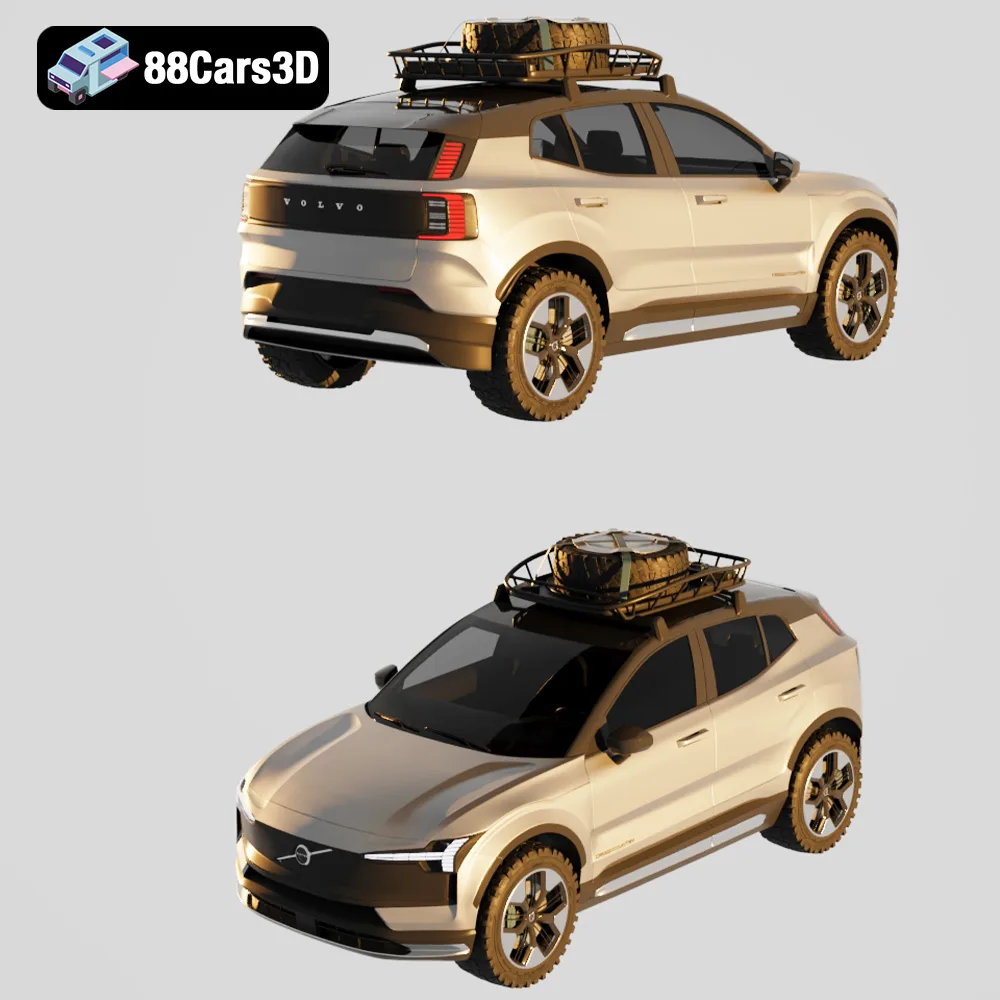
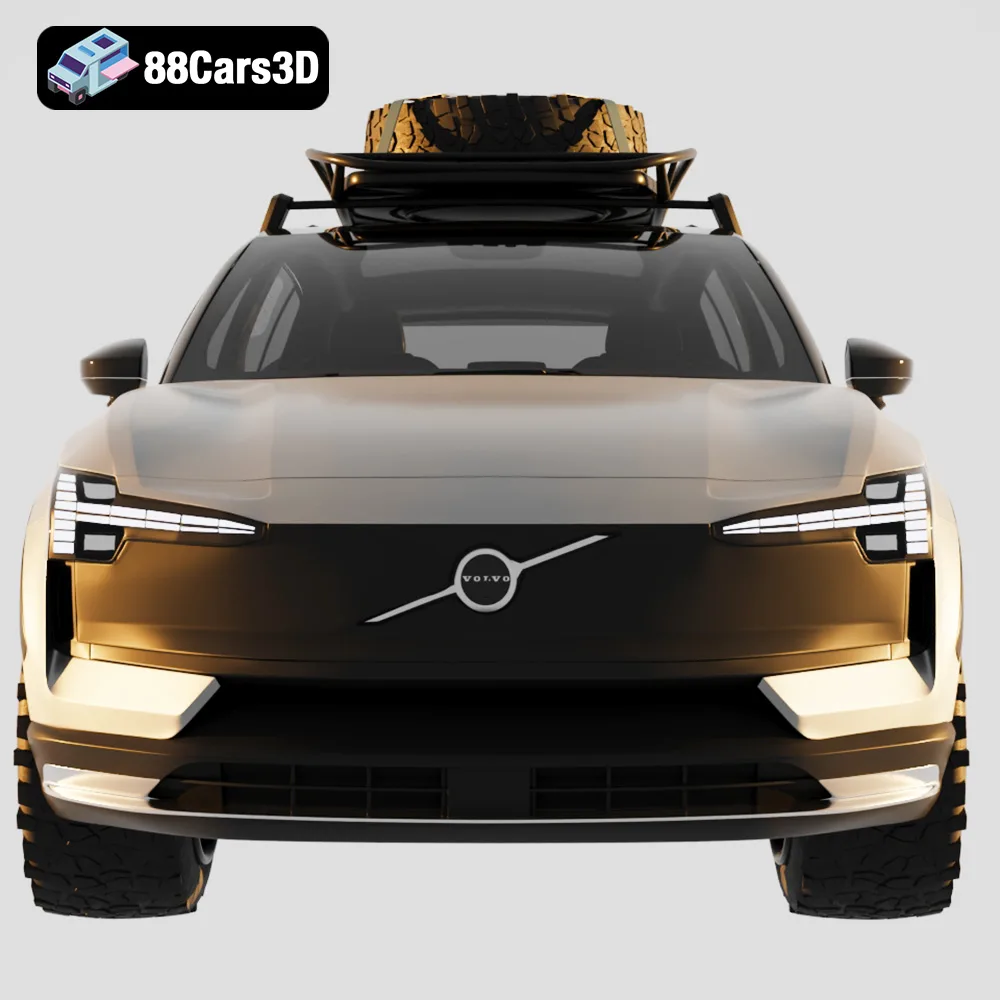
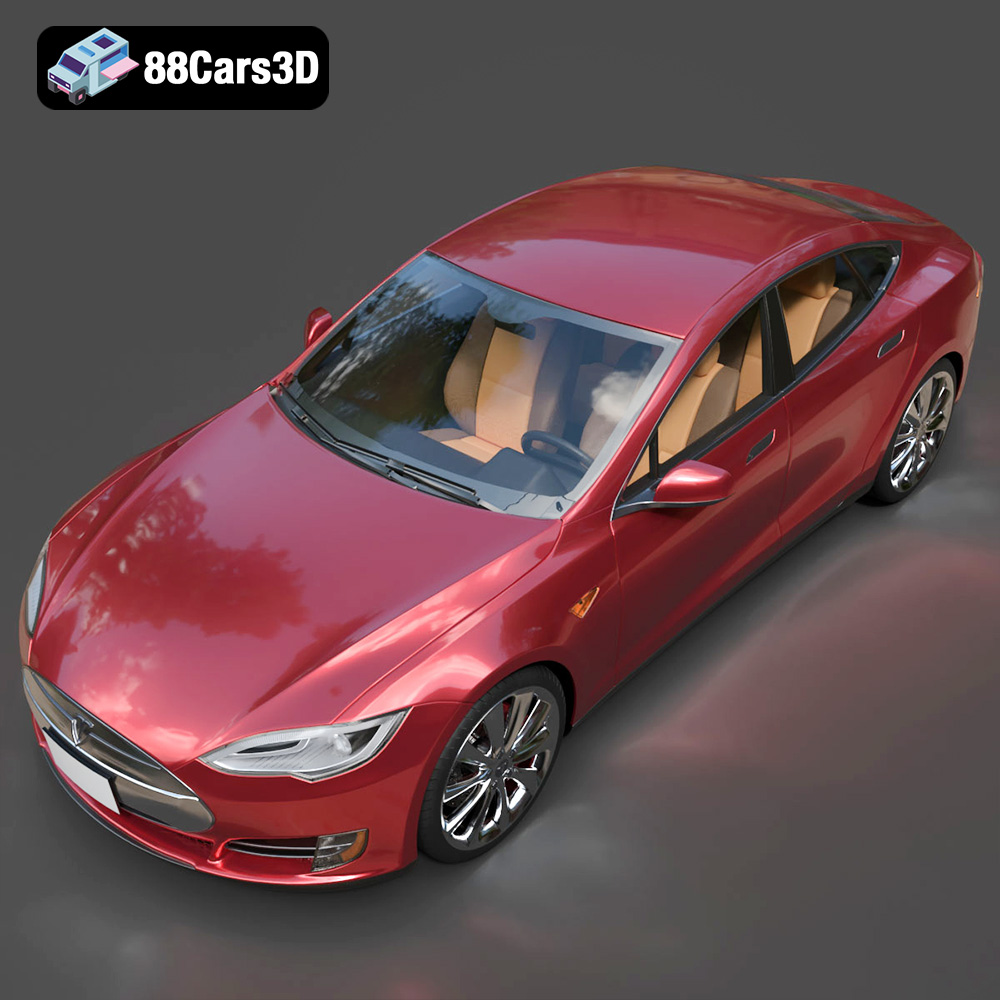
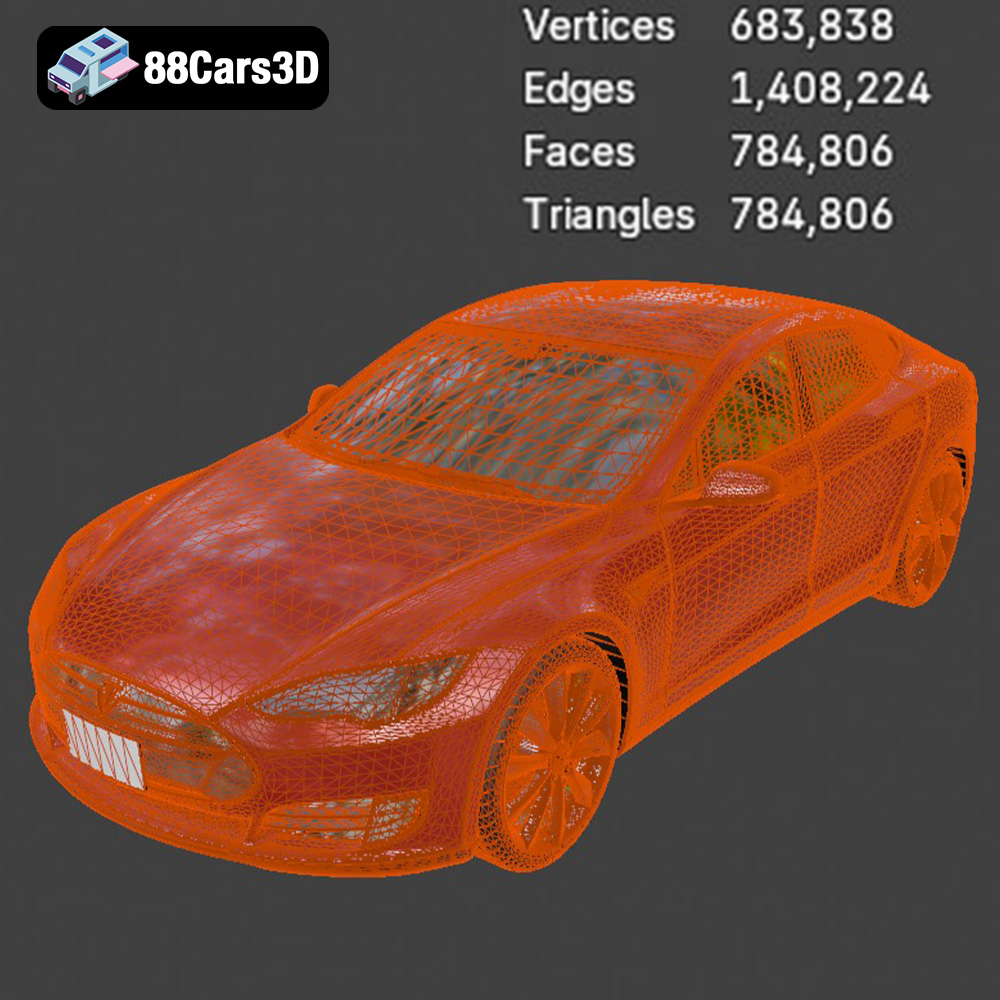
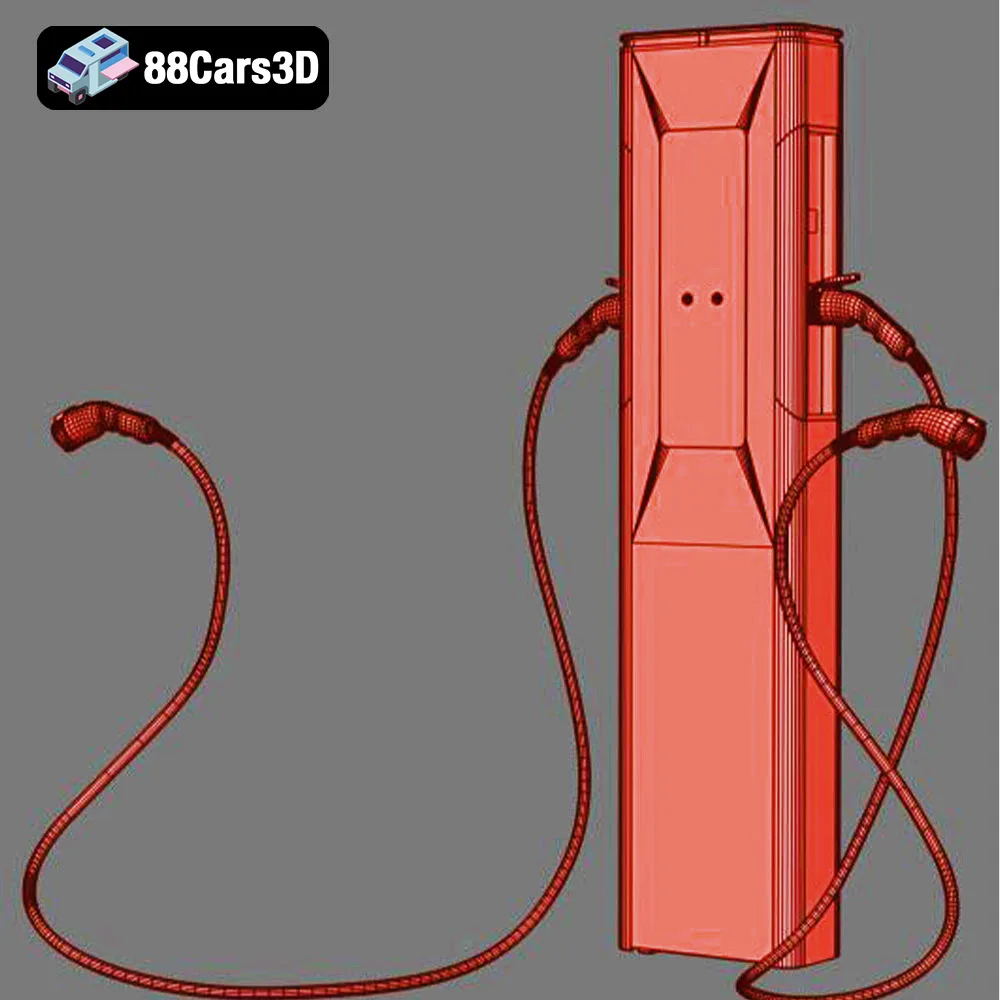
The Future of Mobility 3D Models Bundle is the ultimate, eco-conscious collection designed for modern architectural visualization (ArchViz), smart-city game environments, and forward-thinking digital showrooms. As the world transitions to electric vehicles, 3D artists need premium, realistic EV assets to make their renders culturally relevant and visually striking. This comprehensive 5-in-1 package provides exactly that. Instead of sourcing these high-quality models individually (Total Value: €184.95), this bundle gives you four of the most recognizable modern electric vehicles plus a highly detailed EV charging station at an unbeatable discount. What’s Included in the Bundle? 1. Volvo EX30 Cross Country Electric Crossover (Individual Value: €59.99) The epitome of modern Scandinavian design. This rugged yet futuristic crossover features Volvo’s signature closed-off grille, Thor’s Hammer LED headlights, and an optimized mid-poly geometry perfect for architectural driveways. 2. Tesla Model S (Individual Value: €49.99) The pioneer of the EV revolution. A sleek, aerodynamic luxury sedan boasting fluid lines, flush door handles, and a flawless exterior topology that reflects light beautifully in ray-traced rendering engines. 3. AVATR 11 Electric SUV (Individual Value: €24.99) A cutting-edge, next-generation electric SUV with bold, sci-fi-inspired proportions, ultra-slim LED light bars, and an aggressive stance. Perfect for setting a futuristic tone in any virtual city. 4. Porsche Taycan Turbo S Cross Turismo 2021 (Individual Value: €24.99) The absolute pinnacle of electric performance and luxury. Captures the iconic Porsche silhouette blended with a practical, shooting-brake wagon design and aggressive aerodynamic wheels. 5. Siemens SiCharge EV Charging Station (Individual Value: €24.99) The missing piece for a truly realistic scene! Drop this ultra-detailed electric vehicle charger into your garage, parking lot, or streetscape renders to give your project an authentic, smart-city feel. Key Features Across All Models: • EV-Specific Details: Accurate representation of electric vehicle features, including closed grilles, futuristic LED light clusters, and distinct aerodynamic wheel designs. • Separated Parts: Wheels, doors, and steering components are intelligently separated, allowing for easy rigging and interaction in game engines. • Clean Topology: Highly optimized, quad-heavy geometry ensures smooth subdivisions and zero shading artifacts. Beautifully balanced for both foreground hero shots and dense background traffic. Technical Specifications & Advantages: • Scale: 100% Real-world scale accuracy based on factory dimensions. • Pivots: Proper pivot point setup for wheels and steering, ready for vehicle physics controllers. • Environment Ready: Whether you are building an Unreal Engine 5 metropolis or a Corona-rendered eco-villa, these assets drop in perfectly without overloading your poly count. Applications: • ArchViz: Instantly upgrade your architectural renders by parking a Taycan or EX30 next to the Siemens SiCharge station in a modern smart-home driveway. • Game Development: Excellent as drivable vehicles or high-quality traffic in open-world, near-future city simulators. • Virtual Production: Ideal for automotive commercials, VFX shots, and interactive VR EV configurators. 3D Print Setting (For Diecast Enthusiasts): • Recommended scale: 1:24 / 1:32 / 1:43 • Layer height: 0.04–0.05 mm (SLA/Resin printing recommended to capture intricate EV details and rims). • Orientation: Print bodies at an angle to ensure smooth roofs; print wheels and the charging station separately. Included File Formats: .blend, .fbx, .obj, .glb, .stl, .max (Varies slightly per model, but universal exchange formats are guaranteed).
$89.99
archviz-pack
avatr-11
car-bundle
eco-friendly
electric-vehicle-3d-model
ev-bundle
ev-charger-3d
game-ready
porsche-taycan
smart-city
tesla-model-s
volvo-ex30