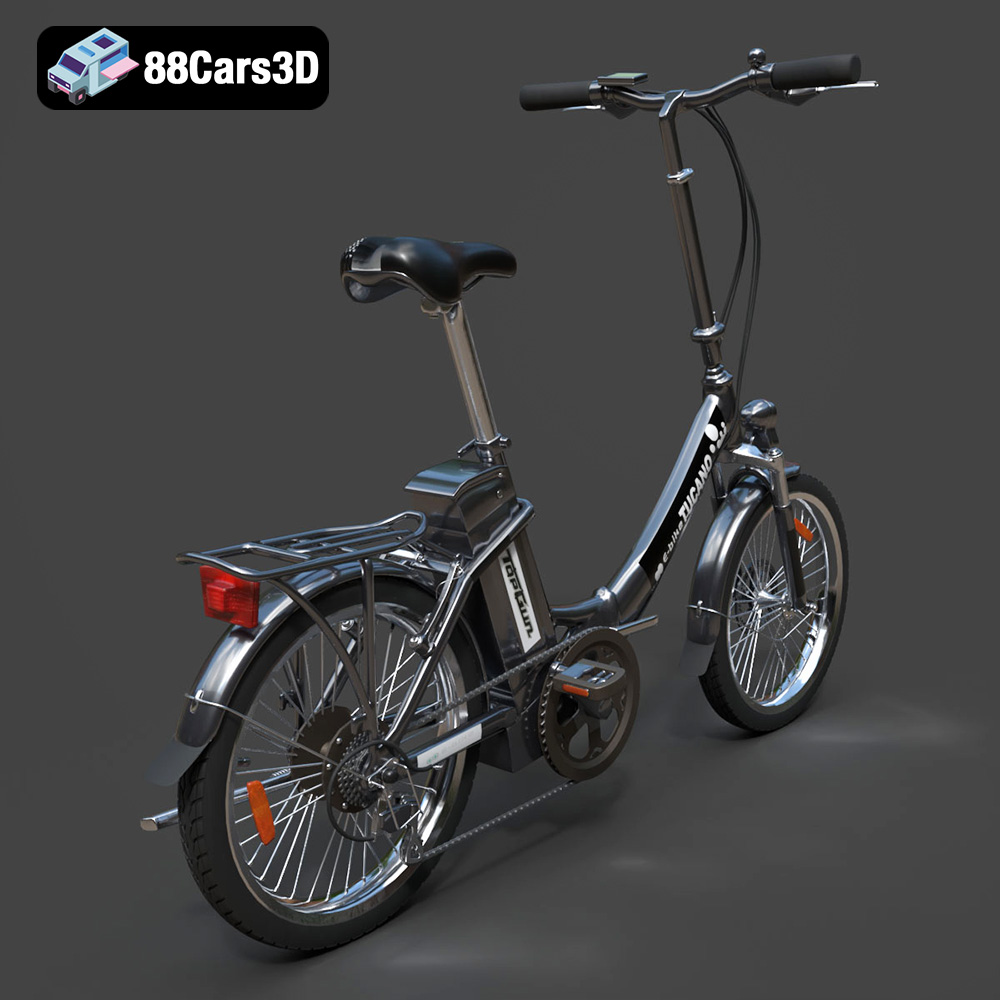
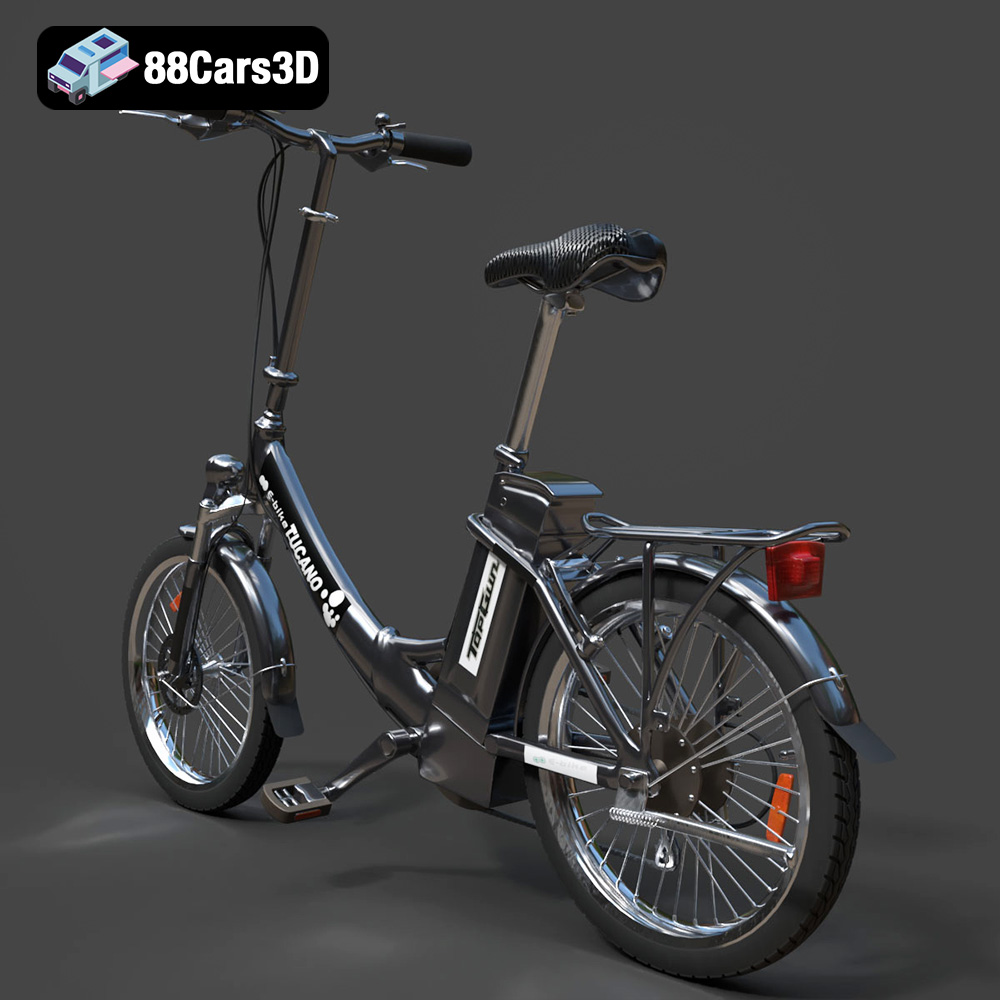
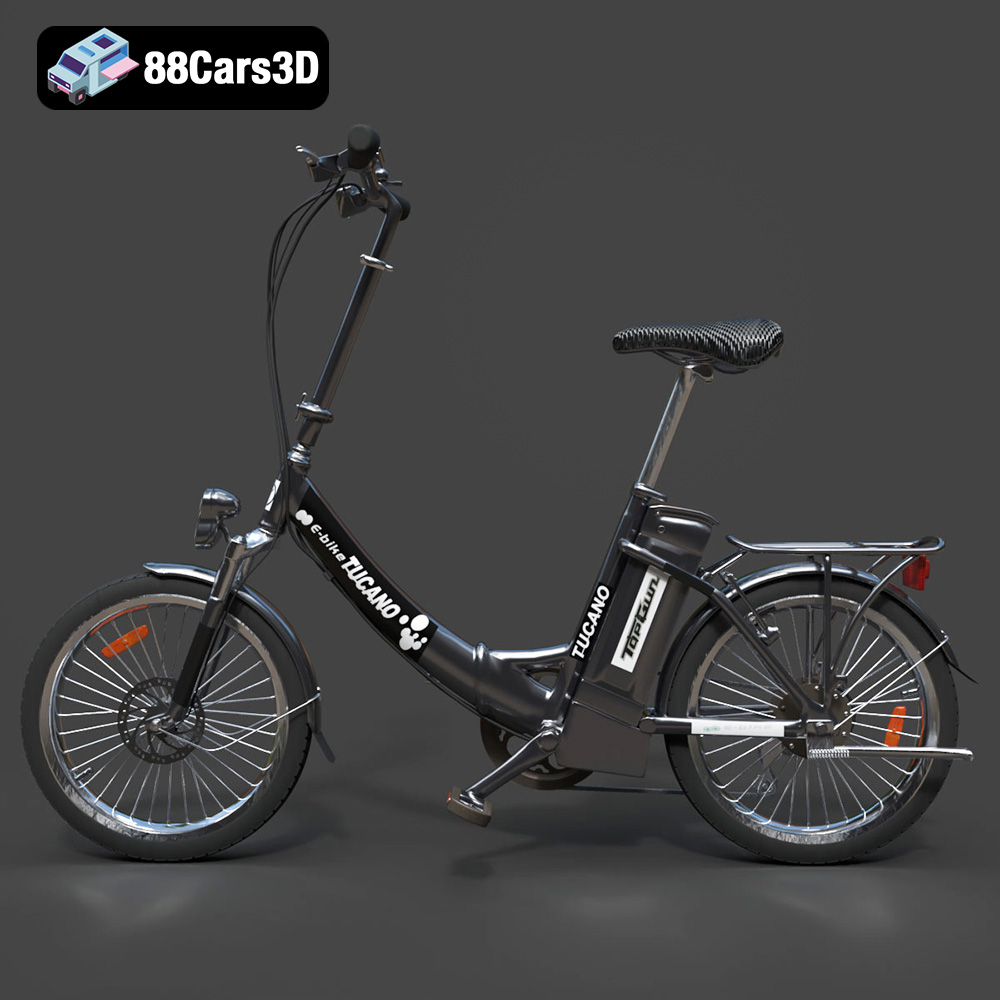
Get 50% OFF All Premium 3D & STL Models!

In the dynamic world of 3D visualization, the demand for highly detailed, versatile, and production-ready assets is ceaseless. From cinematic renders to immersive virtual realities and intricate game environments, the quality of a 3D model can significantly elevate a project’s impact. Professionals across architectural visualization, game development, film, and even product design constantly seek models that not only look authentic but also integrate seamlessly into diverse workflows. It’s in this spirit that assets like the Bici Tucano 3D Model emerge as invaluable tools. This meticulously crafted urban utility bicycle model offers a perfect blend of realistic detail and technical efficiency, making it a cornerstone for a multitude of digital and physical applications. Whether populating a bustling city street in an architectural render or providing a dynamic prop in a game, the Bici Tucano exemplifies the kind of high-quality 3D car models and complementary assets that can truly transform a creative endeavor.
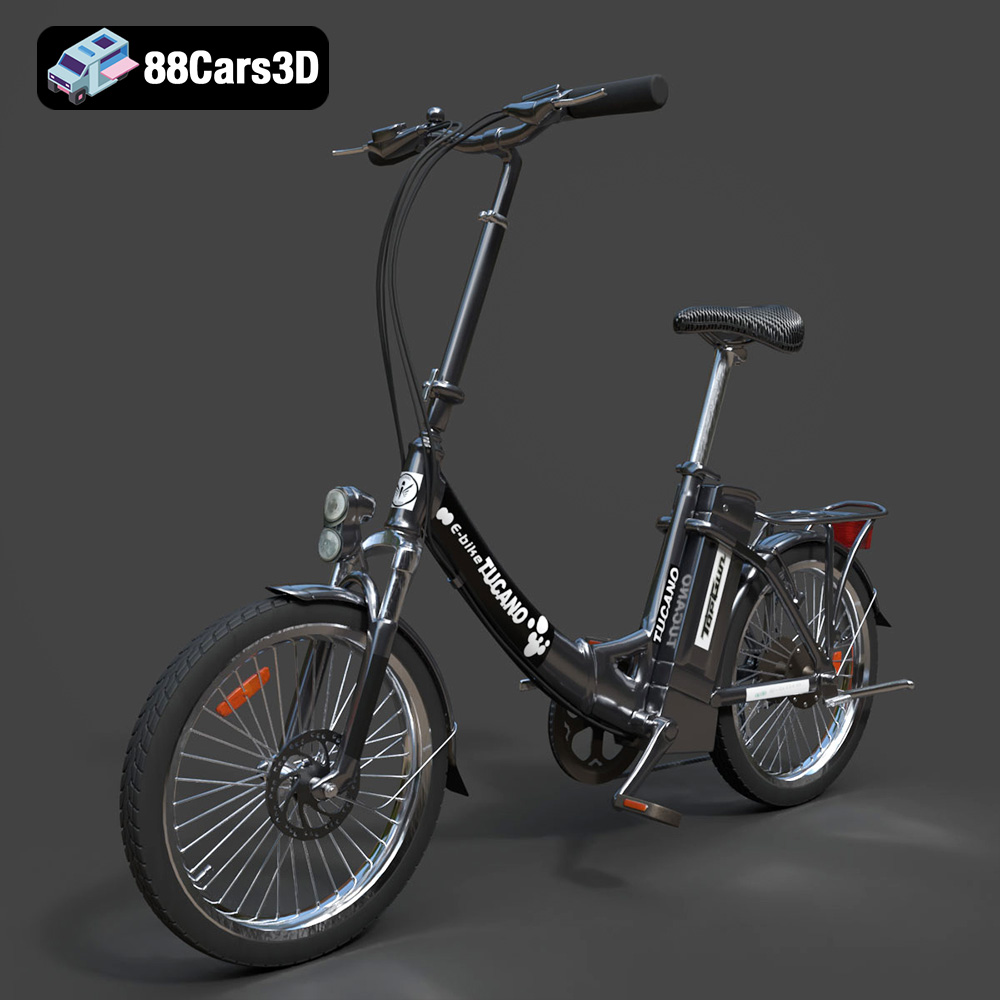
The Bici Tucano 3D Model stands out as a prime example of a meticulously designed asset, inspired by the practical and enduring aesthetics of European city bikes. These bicycles, known for their robust design and functional character, are ubiquitous in urban landscapes, serving commuters and cargo transport alike. Capturing this essence, the Bici Tucano provides a digital recreation that feels authentic and lived-in, making it an ideal choice for a vast array of projects.
The model’s design ethos centers on realism and functional integrity. Every curve of the frame, the positioning of the handlebars for an upright riding stance, and the sturdy components speak to a bicycle designed for the rigors of city life. This attention to detail extends to the accurate spoke wheels, rubber tires, and the visible braking system, all contributing to a convincing visual narrative. Such authenticity is crucial when aiming to create believable scenes, ensuring that the Bici Tucano feels like a natural part of its environment, rather than a mere placeholder. It’s not just a collection of polygons; it’s a character in its own right, ready to tell a story.
The utility of the Bici Tucano 3D Model spans a broad spectrum of professional applications. In automotive rendering and architectural visualization, it can effortlessly populate exterior scenes, bringing life to city streets, park environments, and commercial plazas. For game development, its optimized structure makes it suitable for integration into open-world titles, mobility simulations, or even as a central element in delivery gameplay systems. Furthermore, its detail and realism make it perfect for AR/VR projects, allowing users to interact with a convincing virtual bicycle, enhancing experiences in interactive transportation demos or urban mobility simulations. The model also lends itself to simulation scenes, offering a precise representation for traffic modeling and general scene enrichment.
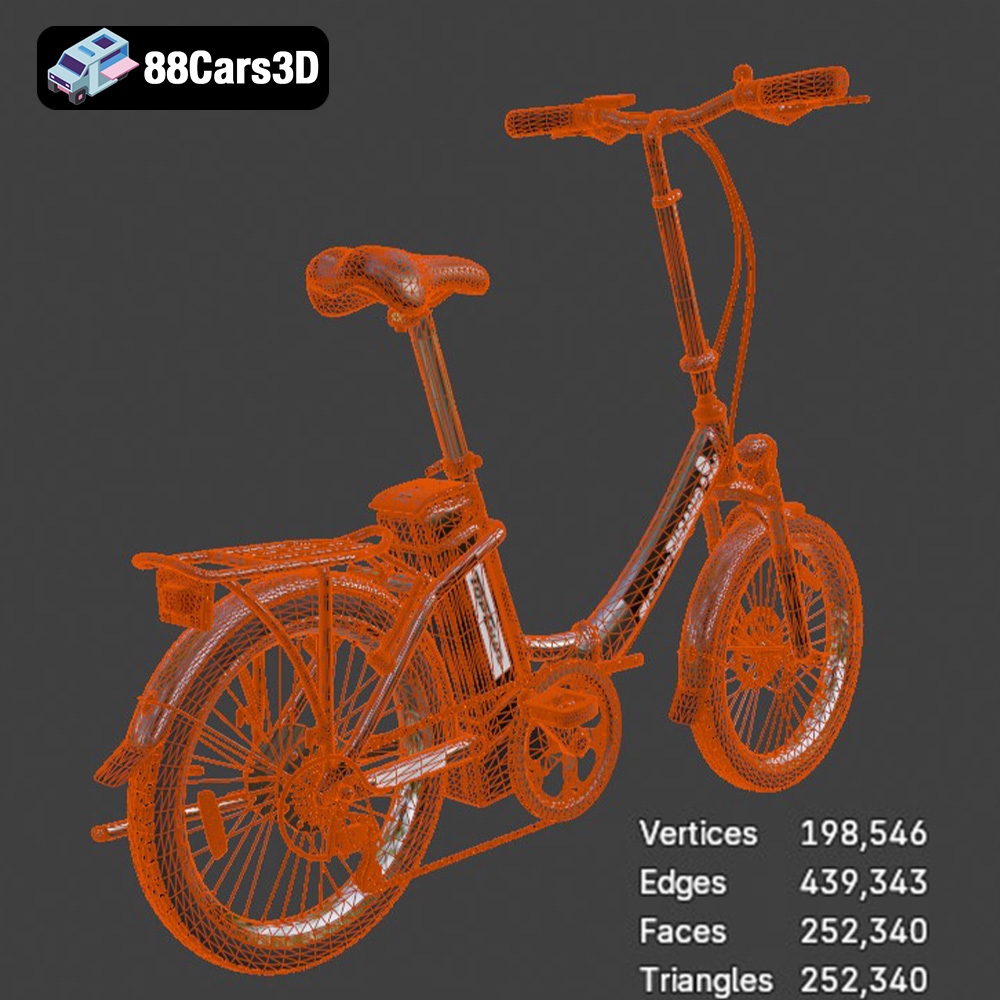
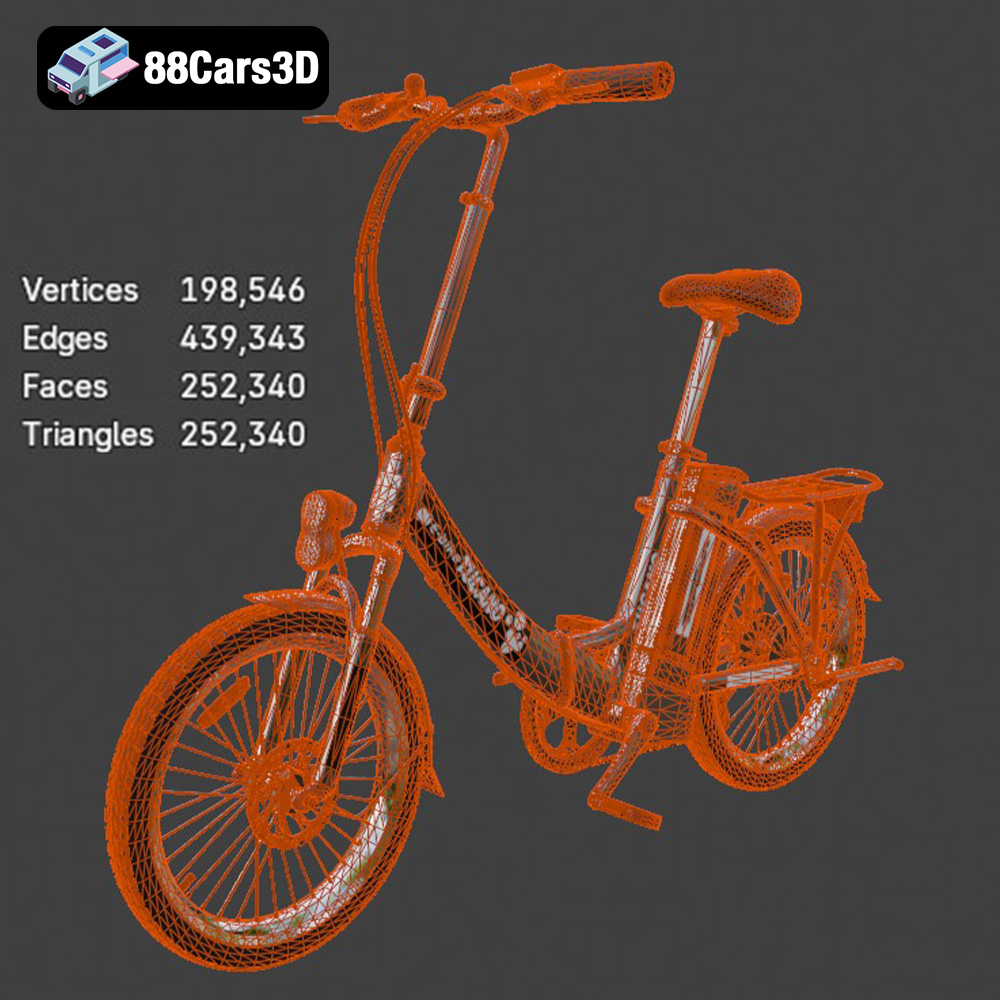
Beyond its aesthetic appeal, the Bici Tucano boasts significant technical advantages that underscore its professional value. It features clean topology and an organized mesh hierarchy, crucial for easy manipulation and optimization in any 3D software. The model adheres to real-world scale accuracy, eliminating guesswork during integration and ensuring consistent proportions within any scene. Critical for animation, it includes proper pivot points for wheel rotation and pedal animation, enabling dynamic movement with minimal setup. This lightweight geometry is specifically designed to perform well in real-time game engines without compromising visual fidelity, making it a highly adaptable asset for any professional pipeline.
Navigating the diverse landscape of 3D model file formats is a critical skill for any professional working in visualization, game development, or digital fabrication. Each format serves a specific purpose, offering unique advantages in terms of compatibility, data integrity, and workflow efficiency. The Bici Tucano 3D Model, recognizing this need for flexibility, comes with a comprehensive suite of file types, ensuring it can be integrated into virtually any pipeline.
When maximum control and customization are paramount, native software formats are indispensable. The Bici Tucano is available in:
Cross-software compatibility is often a necessity, especially when collaborating or moving assets between different applications. The Bici Tucano offers formats designed for broad interoperability:
Certain projects have unique requirements, from web-based interaction to physical fabrication. The Bici Tucano addresses these with:
By offering the Bici Tucano in such a comprehensive array of formats, 88cars3d.com ensures that users can confidently select the exact file type that aligns with their software, project requirements, and desired output, from high-end rendering to physical 3D prints.
For rendering artists and architectural visualization specialists, the goal is often photorealism – making a digital image indistinguishable from a photograph. The Bici Tucano 3D Model is engineered to meet these exacting standards, offering a rich level of detail and flexibility for compelling visual narratives. Its robust design, inspired by real-world city bikes, provides a perfect complement to urban scenes, adding character and a sense of scale.
Integrating the Bici Tucano into an architectural visualization scene in either 3ds Max or Blender is a straightforward process, thanks to its clean geometry and native file formats. After importing the respective .max or .blend file, artists can immediately appreciate the model’s organized mesh hierarchy, which facilitates easy selection and manipulation of individual components. The next crucial step involves material setup. Leveraging PBR (Physically Based Rendering) workflows, artists can apply realistic textures and shaders for the frame, tires, seat, and metallic components. This involves carefully setting up albedo, roughness, metallic, normal, and displacement maps to accurately simulate how light interacts with different surfaces. For instance, a subtle grunge map can be added to the chain and gears to suggest wear, or a slight reflectivity to the frame paint for a glossy finish. Lighting plays an equally vital role; utilizing HDRI (High Dynamic Range Image) environments combined with strategically placed area lights can create incredibly realistic reflections and shadows, grounding the Bici Tucano firmly within its digital environment, whether it’s parked outside a cafe or leaning against a brick wall in a bustling city street scene.
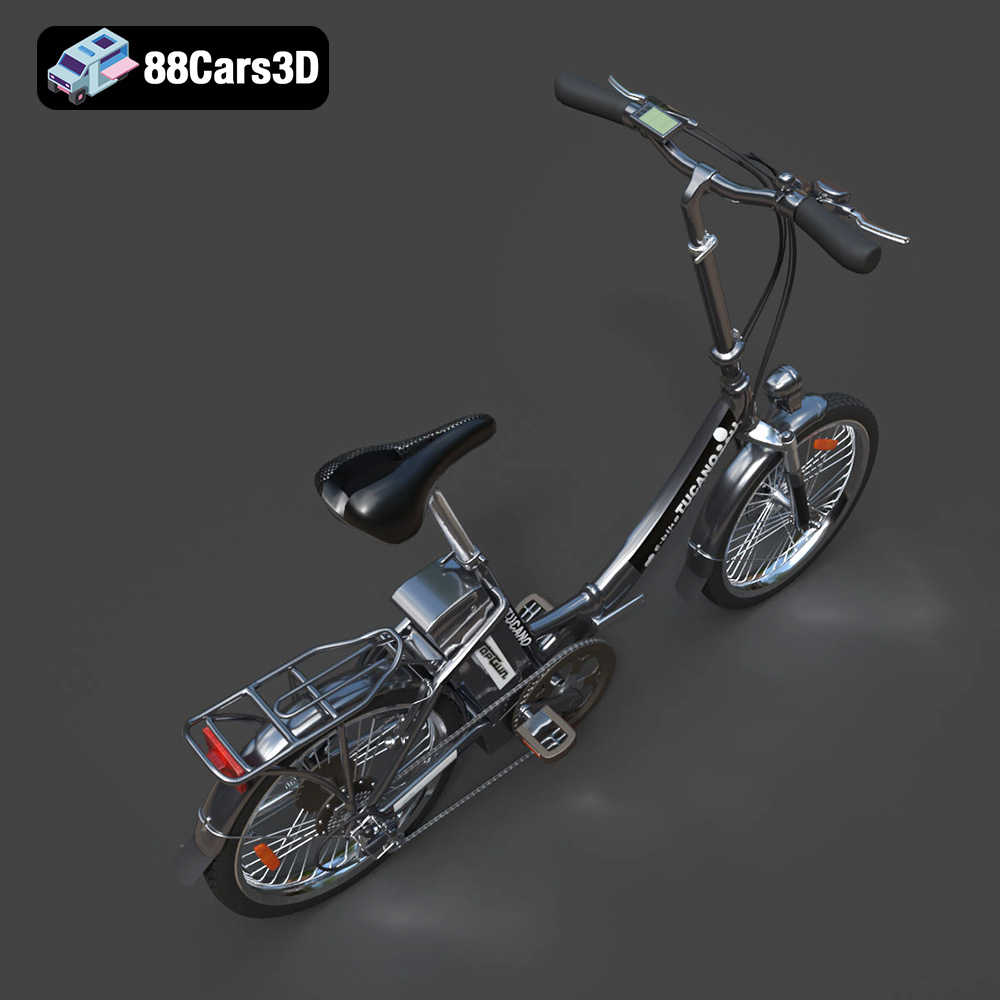
The strength of the Bici Tucano lies in its meticulous attention to both exterior and mechanical details. The realistic city bicycle frame geometry, detailed front fork, and rear triangle structure provide a solid foundation. Closer inspection reveals accurately modeled pedals, a crankset, and a chain system that could almost function. The spoke wheels and rubber tires are rendered with precision, offering subtle textures that enhance realism. Furthermore, the functional handlebars and braking system components are all modeled to a high standard. Internally, the drivetrain components, including the chainring, sprockets, and gear structure, are represented with enough detail to hold up under close-up renders. Crucially for animation, all these components, such as the wheels and pedals, have proper pivot points, allowing for effortless animation of movement without complex rigging setups. This level of detail makes the Bici Tucano perfect for close-up product presentations or as a focal point in a scene.
Consider an urban lifestyle render for an architectural project – perhaps a new apartment complex or a revitalized city plaza. Placing a static, generic bicycle might fill a space, but integrating the Bici Tucano elevates the scene. Imagine the bicycle leaning against a modern building facade, its design complementing the architecture, or parked at a bike rack, implying active residents and a sustainable lifestyle. The model’s realistic proportions and detailed components contribute to a narrative of authentic city living. For product presentations, the Bici Tucano could be featured in a lifestyle shot, showcasing a new range of cycling accessories or urban apparel, where the bicycle itself acts as a key visual anchor. The model’s inherent customizability, from changing frame colors and finishes to adding specific attachments like a rear rack or delivery box, allows artists to tailor it precisely to their client’s vision, making it an indispensable asset for diverse rendering needs found on platforms like 88cars3d.com.
In the world of real-time applications like video games, AR/VR experiences, and interactive simulations, performance is paramount. Every asset must strike a delicate balance between visual fidelity and computational efficiency. The Bici Tucano 3D Model is specifically engineered with this balance in mind, ensuring it not only looks great but also performs flawlessly within demanding interactive environments.
Game developers utilizing Unreal Engine or Unity will find the Bici Tucano exceptionally ready for integration. The included .fbx and .unreal formats are specifically tailored for these engines. Importing the .fbx file into either engine allows for a smooth transfer of mesh data, UV mapping, and a clean hierarchy. The model’s lightweight geometry and clean topology are critical here, minimizing draw calls and polygon counts to maintain high frame rates. PBR material setup within game engines is straightforward; artists can easily apply the provided textures and adjust material parameters to achieve realistic rendering under various lighting conditions, ensuring consistency with the engine’s real-time rendering pipeline. Furthermore, for optimal performance, the Bici Tucano’s optimized structure is conducive to generating LODs (Levels of Detail), which automatically swap out higher-poly versions for lower-poly ones as the camera moves further away, and creating simple collision meshes for accurate physics interactions.
The Bici Tucano is an excellent candidate for interactive experiences. Its .glb format makes it perfect for web-based AR/VR applications, allowing users to view and interact with the bicycle directly through a browser or on a mobile device without requiring complex software installations. The separated components, such as the wheels and pedals, are crucial for dynamic interaction. Developers can easily script these parts for realistic wheel rotation based on velocity or pedal movement in response to user input. In simulation environments, the Bici Tucano can serve as a highly believable vehicle for training modules or mobility modeling. Imagine a traffic simulation where the realistic movement of the bicycle, coupled with accurate physics, adds a layer of authenticity to the scenario, allowing for nuanced analysis of urban transportation patterns. Its clean structure and proper pivot points simplify the process of adding physics constraints and animation controllers, making it highly versatile for any interactive mobility simulation.
Integrating the Bici Tucano into various game development workflows opens up numerous possibilities. In an open-world city game, multiple instances of the bicycle can populate streets, bike paths, and parks, contributing to a vibrant and realistic urban environment. Its optimized geometry ensures that even a large number of these 3D car models and complementary assets won’t significantly impact performance. For a game focused on delivery services, the Bici Tucano could be the player’s primary mode of transport, with possibilities for customizing it with different cargo racks or delivery boxes. The model’s “separated components for wheel rotation and pedal animation” are essential here, enabling a fluid and believable riding experience. The clean topology also makes it easier for developers to implement damage states or attach additional gameplay elements, enhancing the overall player experience and adding depth to gameplay systems.
The journey of a 3D model doesn’t always end on a digital screen. For many designers and hobbyists, the ultimate goal is to bring their digital creations into the physical world. The Bici Tucano 3D Model is uniquely suited for this transition, offering the potential to become a tangible collectible, a miniature prop, or even a prototype, thanks to its carefully considered geometry and the inclusion of the .stl format.
The conversion of a digital model into a physical object via 3D printing requires specific considerations, and the Bici Tucano is well-prepared. The provided .stl format is the industry standard for 3D printing, representing the model’s surface as a mesh of triangles. Crucially, the model’s geometry is designed to be “manifold,” meaning it forms a completely enclosed, watertight volume—a non-negotiable requirement for successful 3D printing. The product description provides excellent guidance on print settings, recommending scales like 1:10, 1:12, or 1:18, which are ideal for tabletop displays and maintaining fine details. A suggested layer height of 0.08–0.16 mm ensures that intricate elements like the spokes are rendered with sufficient precision, while a wall thickness of 1.5–2 mm and infill of 15–25% guarantee structural integrity. Supports are indeed required for areas like the frame interior gaps, pedals, and handlebars, common for such complex geometries. The recommended print orientation—frame printed flat on its side, wheels printed separately—is a best practice to minimize support material and achieve better surface quality. For extremely fine details, especially for the delicate spokes, resin printing (SLA/DLP) is often recommended over FDM, as it can achieve much higher resolution and smoother finishes.
Once the Bici Tucano is 3D printed, the choice of material and subsequent post-processing can dramatically impact the final aesthetic. FDM printers commonly use PLA or PETG filaments, offering a range of colors and decent strength. Resin printers use various photopolymer resins, which provide superior detail and a smoother surface straight off the print bed. Regardless of the material, post-processing is key to achieving a professional finish. This typically involves sanding to remove layer lines or support nubs, followed by applying a primer to create a uniform surface for paint. Finally, the model can be painted with matte or gloss finishes, allowing for customization to match any desired look – from a weathered utility bike to a pristine showroom piece. This hands-on process allows creators to add their personal touch to the physical manifestation of the Bici Tucano.
The ability to 3D print the Bici Tucano opens up a world of possibilities for tangible assets. Miniature bicycle models make fantastic collectibles for automotive enthusiasts, architects showcasing urban developments, or even as unique gifts. They can serve as physical props in stop-motion animation or as detailed elements in large-scale architectural models, adding a touch of realism that digital-only representations cannot provide. For product designers, 3D printing offers a quick and cost-effective way to create physical prototypes. Before investing in expensive manufacturing, a printed Bici Tucano could be used to evaluate proportions, test scale within a physical diorama, or simply serve as a cool desktop display, demonstrating the model’s versatility beyond the digital realm and its value to any creative studio.
In today’s fast-paced digital production environment, time is a precious commodity. Artists, designers, and developers are constantly seeking ways to optimize their workflows without compromising on quality. This is where specialized online marketplaces like 88cars3d.com become indispensable, providing access to expertly crafted 3D car models and vehicle assets, including versatile items like the Bici Tucano.
The primary advantage of sourcing models from a curated marketplace is the significant time saving. Instead of spending hours or days modeling a complex asset like a bicycle from scratch, professionals can instantly acquire a high-quality, production-ready model. The Bici Tucano 3D Model, available on 88cars3d.com, is a prime example of such an asset. It comes fully textured, with organized geometry, and in multiple industry-standard formats, meaning it’s ready to be dropped into a scene with minimal setup. This allows artists to focus their valuable time on the creative aspects of their project – lighting, composition, animation, or interactive logic – rather than the laborious task of foundational modeling. This efficiency directly translates to faster project turnaround times and increased productivity for studios and freelancers alike.
When purchasing 3D assets, quality is non-negotiable. 88cars3d.com prides itself on offering models that adhere to high technical standards. This includes ensuring clean topology, which is crucial for smooth deformations during animation and proper subdivision in rendering. The Bici Tucano, for instance, features organized mesh hierarchy, ensuring that all components are logically grouped and easily selectable, preventing frustration during scene assembly. Real-world scale accuracy is another hallmark, guaranteeing that models integrate seamlessly without requiring extensive resizing or recalibration. Furthermore, attributes like proper pivot points for animation, lightweight geometry optimized for game engines, and compatibility with major 3D platforms speak to the technical excellence embedded in each asset. This commitment to quality minimizes troubleshooting and maximizes the model’s utility across diverse professional pipelines.
Beyond individual assets, 88cars3d.com offers a rich repository of 3D car models and other vehicles that can dramatically expand a creator’s toolkit. Whether you need a vintage classic for a cinematic render, a modern electric vehicle for a futuristic game, or a utility bike like the Bici Tucano for an urban scene, the marketplace provides a diverse selection. This breadth of choice empowers artists to tackle a wider range of projects, experiment with different styles, and consistently deliver high-fidelity results. By providing access to such a comprehensive and quality-checked library, 88cars3d.com serves as an invaluable resource, enabling creative professionals to bring their most ambitious visions to life efficiently and effectively.
The landscape of 3D production demands assets that are not only visually compelling but also technically robust and adaptable. The Bici Tucano 3D Model stands as a testament to this principle, offering a meticulously detailed digital recreation of an urban utility bicycle that excels across a multitude of applications. From enhancing the realism of high-fidelity automotive rendering and architectural visualizations to serving as an optimized prop for game development and immersive AR/VR experiences, its versatility is unmatched. Its clean geometry, real-world scale, and organized structure ensure seamless integration into popular software like 3ds Max, Blender, and Unreal Engine. Furthermore, its potential for physical manifestation through 3D printing in .stl format broadens its utility, allowing for tangible collectibles and prototypes. The comprehensive range of included file formats ensures that artists and developers have the right tool for every task. By choosing quality assets like the Bici Tucano from trusted sources such as 88cars3d.com, professionals can significantly streamline their workflows, save valuable time, and consistently achieve outstanding results, pushing the boundaries of what’s possible in the digital realm.
The Bici Tucano 3D Model is a detailed digital recreation of a classic urban utility bicycle, inspired by practical European city bikes commonly used for commuting and cargo transport. Designed with clean geometry and realistic proportions, this model captures the simplicity, durability, and functional character of traditional city bicycles. The model features a sturdy frame structure, comfortable upright riding position, and practical components suitable for urban environments. It is ideal for rendering, animation, architectural visualization, game development, AR/VR projects, and simulation scenes requiring a realistic bicycle asset. Perfect for city streets, park environments, lifestyle visualizations, delivery scenarios, and interactive mobility simulations. 3D Print Setting: • Recommended scale: 1:24 / 1:32 / 1:43 • Layer height: 0.04–0.12 mm (Resin printing recommended for the smaller scale details like the Thor’s Hammer headlights) • Wall thickness: 1.2–2.0 mm • Infill: 15–25% • Supports: Required for side mirrors, wheel arches, and the subtle rear roof spoiler • Print orientation: Body printed angled for a smooth surface finish; wheels printed separately • Post-processing: Sanding, primer, and modern Volvo factory colors (like Sage Green, Glacier Silver, or Crystal White) paired with a gloss black roof.3D Printing, STL, 3D Printable, Miniature Car, Scale Model, FDM Ready, Resin Print, SLA, Digital Manufacture, Car Prototype, Automotive Collectible, 3D Print Model, Physical Asset, Tabletop Display, Manifold Geometry.
$14.9
.arvr
.bicycle
.blend
.citybike
.cycling
.fbx
.gameasset
.glb
.max
.obj
.ply
.rendering
.simulation
.stl
.transportasset
.unreal
.urbanbike
.vehicle3dmodel
mobility