Get 50% OFF All Premium 3D & STL Models!

“`html
The world of 3D printing offers enthusiasts and hobbyists an unparalleled opportunity to bring intricate designs to life. For automotive aficionados, the ability to 3D print detailed car models, especially those with complex interiors, is a dream come true. At 88cars3d.com, we understand the passion behind creating these miniature marvels. This comprehensive guide will delve into the technical nuances of transforming high-quality STL files into stunningly accurate 3D printed car interiors. We’ll cover everything from file preparation and slicing techniques to printer settings and post-processing, empowering you to achieve professional-level results with your 3D printer.
Whether you’re using FDM or resin printing technology, mastering these steps is crucial for capturing the delicate details of dashboards, seats, steering wheels, and more. We’ll explore the trade-offs between different printing methods, discuss the importance of mesh integrity, and provide actionable advice to overcome common printing challenges. Get ready to elevate your printable car models hobby to the next level!
The journey to a perfect 3D printed car interior begins with the STL file itself. This ubiquitous file format is the backbone of 3D printing, representing a 3D model’s surface geometry as a collection of triangular facets. For intricate components like car interiors, the quality of the STL is paramount. Models found on platforms like 88cars3d.com are specifically curated and prepared to ensure clean geometry, watertight meshes, and optimized structures for printing.
A “manifold” or “watertight” mesh is essential. Imagine a balloon; it has no holes. Similarly, a manifold mesh has no gaps or non-manifold edges (edges shared by more than two faces), which can confuse slicing software and lead to print failures. Understanding the basic structure of an STL – its vertices, edges, and faces – helps in diagnosing potential issues. When dealing with complex interiors, components might be sculpted as separate parts or integrated into a single mesh. This approach can influence how you prepare the model for printing and subsequent assembly.
Mesh topology refers to how the vertices, edges, and faces are connected. For car interiors, tight curves, sharp edges, and small details like vents or buttons require a well-structured mesh. A high polygon count can capture intricate details but might also lead to larger file sizes and processing challenges for some slicers. Conversely, a low polygon count can result in a blocky, less detailed appearance. Professional modelers often use software like Blender, Meshmixer, or Autodesk Netfabb to refine STL files, ensuring a balance between detail and printability. They check for intersecting faces, inverted normals (faces pointing inwards), and small “islands” of geometry that are disconnected from the main mesh. These issues can be particularly problematic for small, delicate interior parts.
One of the most common pitfalls in 3D printing detailed models is inadequate wall thickness. Slicing software needs to recognize solid surfaces to extrude plastic correctly. If a wall is too thin, it might be sliced away entirely or result in a weak, brittle feature. For car interiors, elements like door panels, dashboard elements, and seat stitching require minimum wall thicknesses appropriate for your chosen printing technology and material. For FDM printing, a minimum of 0.8mm to 1.2mm is often recommended for most features, while resin printers can achieve finer details with thinner walls, sometimes down to 0.2mm or 0.4mm depending on the specific resin and model scale. Verifying these dimensions within your 3D modeling software or using slicer preview tools is a critical pre-print step.
The slicing software is your interpreter between the digital 3D model and the physical 3D printer. For detailed car interiors, the slicing parameters are crucial for achieving high fidelity and print success. Generic settings often won’t cut it; you’ll need to fine-tune your slicer (such as Cura, PrusaSlicer, or Simplify3D) to handle the complexities of these models.
When downloading print-ready STL files from marketplaces such as 88cars3d.com, the designers have often optimized them for common printing scenarios. However, understanding the impact of each setting allows you to adapt and excel. Key considerations include layer height, print speed, retraction settings, and cooling, all of which directly affect the quality of fine details like textures, small buttons, and delicate trim.
Layer height is arguably the most significant setting impacting visual detail. A lower layer height (e.g., 0.05mm to 0.1mm for resin, or 0.08mm to 0.12mm for FDM) results in finer resolution, smoother curves, and sharper edges, ideal for capturing the subtleties of a car’s interior. However, this comes at the cost of significantly increased print time. For example, printing a detailed dashboard at 0.08mm layer height could take several hours, whereas at 0.2mm, it might be completed in under an hour. For FDM printing, extremely low layer heights can sometimes lead to “layer adhesion” issues if the hotend temperature isn’t perfectly calibrated. A common approach is to use a balance: perhaps 0.12mm for most FDM prints of car interiors, stepping down to 0.08mm or even 0.06mm for particularly high-detail sections or if using a resin printer.
Printing too fast can lead to artifacts like ghosting (ringing), poor layer adhesion, and a loss of fine detail, especially on sharp corners or small protrusions characteristic of car interiors. For detailed models, reducing print speed is often necessary. For FDM, printing outer walls at speeds between 25-40 mm/s and infill at 40-60 mm/s is a good starting point. For resin printing, the lift speed (how quickly the build plate retracts) is crucial; slower speeds (e.g., 40-60 mm/min) reduce peeling forces and are better for delicate features. The exposure time per layer also plays a critical role in resin printing – too long and small details can “blob” and lose definition; too short and they may not cure properly.
Retraction settings (distance and speed) are vital for FDM printing to prevent filament oozing during non-printing moves, which can create stringing and mar fine details. Experimentation is key, as optimal values depend on your specific filament and printer. For cooling, adequate airflow is essential for FDM to solidify extruded plastic quickly, helping to maintain sharp edges and prevent overhangs from drooping. However, excessive cooling can sometimes hinder layer adhesion. Ensure your printer’s part cooling fan is set appropriately, typically around 50-100% for PLA after the initial layers, but potentially reduced for materials like ABS.
Car interiors are rife with overhangs, bridges, and intricate geometries that often necessitate the use of support structures. Properly generated and placed supports are critical for a successful print, preventing sagging, collapsing, and ultimately, print failure. However, poorly implemented supports can damage delicate details during removal or leave unsightly marks.
Modern slicers offer sophisticated support generation tools, allowing for customization of type (normal, tree/organic), density, contact distance, and interface layers. Choosing the right support strategy is an art that balances structural integrity with ease of removal and minimal surface scarring.
FDM printers often benefit from “tree” or “organic” supports (available in Cura and PrusaSlicer). These supports branch out like trees, touching the model only where necessary, reducing material usage and contact points compared to traditional linear supports. For resin printers, supports are essential but often require manual placement or careful adjustment of auto-generated supports to avoid obscuring key visual details. The goal is to support overhangs exceeding 45-60 degrees, depending on the material and cooling capabilities.
Crucially, consider the orientation of your model on the build plate. Placing a car interior with the dashboard facing upwards might minimize supports on the main visible surfaces but can create issues with large, flat horizontal areas needing extensive support underneath. Sometimes, printing the interior in sections and assembling them later allows for optimal orientation of each piece to minimize visible support scarring.
A “support interface” is a denser layer of material printed just below the model’s surface where supports attach. This creates a smoother surface finish where supports are removed and makes them easier to peel away. Fine-tuning the support Z distance (the gap between the support tip and the model) is crucial. A smaller gap (e.g., 0.1mm to 0.2mm for FDM) leads to better surface quality but makes removal harder. A larger gap (e.g., 0.3mm to 0.4mm) simplifies removal but may result in a rougher surface finish. After printing, carefully remove supports using flush cutters, hobby knives, or pliers. For resin prints, supports are often removed after washing but before final curing, as the resin is softer. A quick dip in isopropyl alcohol can sometimes soften supports for easier removal.
The choice of 3D printing technology (FDM vs. resin) and material significantly influences the level of detail achievable for car interiors. Each has its strengths and weaknesses, and understanding these is key to selecting the right approach for your project.
While FDM printing is more accessible and offers a wider range of materials, resin printing excels in capturing extremely fine details, making it a popular choice for highly intricate models and miniatures. However, resin prints often require more post-processing and careful handling due to the nature of the materials and processes involved.
For FDM, materials like PLA are excellent for beginners due to their ease of printing and minimal warping. PETG offers greater durability and temperature resistance, while ABS provides strength but requires a heated enclosure and good ventilation due to fumes. To maximize detail with FDM, consider using a smaller nozzle size, such as 0.2mm or 0.3mm, instead of the standard 0.4mm. This allows for finer extrusion lines and sharper details. However, smaller nozzles are more prone to clogging and significantly increase print times. Calibrating your printer meticulously – ensuring steps/mm are correct, extruder E-steps are calibrated, and filament flow is accurately set – is paramount for consistent results with fine details.
Resin printers (SLA, DLP, and MSLA) use light to cure liquid photopolymer resin layer by layer. This process inherently allows for much higher resolution and finer detail than FDM. Small LCD-based MSLA printers, in particular, offer incredible detail at an affordable price point. For car interiors, a resin printer can reproduce intricate textures, small dials, and crisp edges with remarkable fidelity. Popular resin types include standard resins (good all-around performance), tough resins (increased durability), and flexible resins. When printing with resin, proper ventilation and personal protective equipment (gloves, eye protection) are essential. Post-processing involves washing the print in isopropyl alcohol or a specialized resin cleaner and then curing it under UV light to achieve its final hardness and stability. When selecting models from 88cars3d.com for resin printing, look for those explicitly designed with high-detail printing in mind, as designers often cater to this capability.
As mentioned, reducing the nozzle size on an FDM printer is a direct way to increase potential detail. A 0.2mm nozzle can lay down lines half the width of a 0.4mm nozzle, allowing for much finer feature reproduction. However, this comes with significant trade-offs: significantly longer print times (as the nozzle has to traverse more paths to fill areas), increased risk of clogs, and potentially weaker layer adhesion if not properly tuned. When using a small nozzle, it’s often beneficial to use a corresponding smaller layer height (e.g., 0.06-0.1mm) to fully exploit the increased resolution. Careful calibration of extrusion multiplier (flow rate) is also critical with smaller nozzles to prevent over-extrusion, which can fill in fine details.
Once your car interior is successfully printed, the post-processing stage begins. This is where you refine the print, remove imperfections, and prepare it for painting or assembly. The techniques employed will depend on the printing technology used and the desired final finish.
For both FDM and resin prints, common steps include support removal, sanding, filling imperfections, and priming. The level of effort required often correlates with the detail level and the printing technology – resin prints may require less sanding but more careful handling during initial cleaning and support removal.
For FDM prints, sanding is often necessary to smooth out layer lines and remove support marks. Start with a coarser grit sandpaper (e.g., 120-220 grit) to remove major imperfections and gradually move to finer grits (e.g., 400, 800, 1200 grit, and even higher) for a smooth finish. Wet sanding (using sandpaper with water) can help reduce dust and achieve a smoother surface. For resin prints, sanding is also possible but requires care as the material can be more brittle. Filler primers, such as automotive filler primers, are excellent for FDM prints as they fill in fine layer lines and provide a uniform base for paint. Multiple light coats are usually better than one heavy coat.
Even with careful printing, small gaps or imperfections might appear, especially at layer lines or where supports were removed. For FDM prints, modeling putty, Bondo, or even specialized 3D printing filler materials can be used. Apply the filler, let it cure, and then sand it smooth. For resin prints, UV-curing putty or even a thin layer of resin applied with a brush and cured under a UV lamp can be used for repairs. Achieving a perfectly smooth surface on highly detailed car interiors can be a time-consuming process, but the results are well worth the effort.
Painting is where the real magic happens, bringing the details of the car interior to life. Use acrylic model paints, airbrushing, or even spray paints designed for plastics. Apply a primer first for better paint adhesion. Pay attention to subtle color variations and weathering techniques to add realism. If the interior was printed in multiple parts, assembly will be the final step. Cyanoacrylate glue (super glue) or specialized plastic cements are typically used. For resin parts, UV resin or a two-part epoxy can provide a strong bond. When printing complex interiors from high-quality sources like 88cars3d.com, designers often include alignment pins or keys to simplify the assembly process, ensuring your miniature dashboard or cockpit fits together perfectly.
Even with the best preparation, 3D printing can present challenges. For intricate car interiors, specific issues are more likely to arise. Identifying and resolving these problems quickly will save you time, material, and frustration.
Common issues include failed supports, stringing, warping, and loss of fine detail. Understanding the root cause of these problems and knowing the appropriate solutions is a hallmark of an experienced 3D printer operator. Many of these issues stem from a lack of proper calibration, incorrect slicing settings, or environmental factors.
Support failure, where supports collapse or detach from the model or build plate, is often caused by poor bed adhesion, insufficient support density, or printing too fast. Ensure your build plate is clean and level. For FDM, using a brim can increase surface area for adhesion. For resin, ensure the build plate is clean and properly leveled. If supports are failing mid-print, try increasing support density, using a slower print speed, or adding more structural supports to critical areas. Delamination, where layers separate, can be a sign of poor layer adhesion due to low printing temperature, insufficient cooling, or printing too quickly.
Stringing and oozing on FDM prints are typically caused by filament retaining heat and leaking during non-printing movements. This can obscure delicate details on car interiors. Solutions include adjusting retraction settings (increasing retraction distance and speed), reducing printing temperature (within the filament’s acceptable range), decreasing travel speed, and ensuring proper filament drying, as moist filament can exacerbate oozing. Using a filament enclosure can also help maintain a stable temperature.
Warping, where the corners of a print lift off the build plate, is a common problem, especially with materials like ABS and sometimes PETG. It’s caused by uneven cooling and internal stresses within the plastic. For FDM, solutions include using a heated bed (set to the material’s recommended temperature), using a brim or raft, ensuring good bed adhesion (using glue stick, hairspray, or specialized build surfaces), and printing in an enclosure to maintain a consistent ambient temperature. For resin printers, poor bed adhesion can lead to the entire print detaching. Ensure your resin vat and build plate are clean and the FEP film is in good condition.
Bringing the intricate details of a car’s interior to life through 3D printing is a rewarding endeavor that combines technical skill with artistic vision. From understanding the fundamental structure of STL files to meticulously calibrating your 3D printer settings and mastering post-processing techniques, each step plays a vital role in achieving a high-fidelity result. By paying close attention to layer height, print speed, support generation, and material selection, you can overcome common printing challenges and unlock the full potential of your 3D printer for creating stunningly accurate automotive models.
Whether you’re printing a classic dashboard with delicate dials or a modern cockpit with intricate seats, the principles discussed here provide a robust framework for success. Remember that practice and experimentation are key. Don’t be afraid to tweak settings, try different materials, and explore new techniques. Platforms like 88cars3d.com offer a fantastic starting point with their library of high-quality, print-ready 3D car models, designed with enthusiasts like you in mind. With this knowledge and a bit of patience, you’ll soon be creating miniature automotive masterpieces that showcase the incredible capabilities of modern additive manufacturing.
“`

Texture: Yes | Material: Yes | 3D Printable: Yes. Download the Italian Thoroughbreds Bundle featuring 5 iconic 3D models: Lamborghini Huracán Performante, Ferrari 458 Italia, Lamborghini Urus, Diablo SV, and Maserati GT. Optimized for 4K rendering and 3D printing (STL included). Save 50% with this ultimate Italian vehicle collection.
Price: $199.99

Download the Elite Future Mobility Bundle featuring 4 highly optimized 3D models: Tesla Model S, Avatr 11, Li L9, and Zoox Robotaxi. Perfect for ArchViz, Smart City renders, and game dev. Optimized for Unreal Engine and Blender. Includes .fbx, .obj, and .max formats.
Price: $99

🚗 5 Iconic German Cars (BMW M4 G82, M5 CS, X3, 1 Series & Mercedes E-Class). ✅ Optimized for ArchViz: Ready for Corona & V-Ray. 💰 Save €71 with this limited-time collection! 🚀 Instant Download after purchase.
Price: $119

Download the Extreme Off-Road & Survival 3D Models Bundle! Includes the Brabus 800 Adventure, Dodge Ram Bigfoot, Spec Truck, and a Caravan. Save over €210 on this premium 4-in-1 off-grid vehicle pack for ArchViz and game development.
Price: $149.99
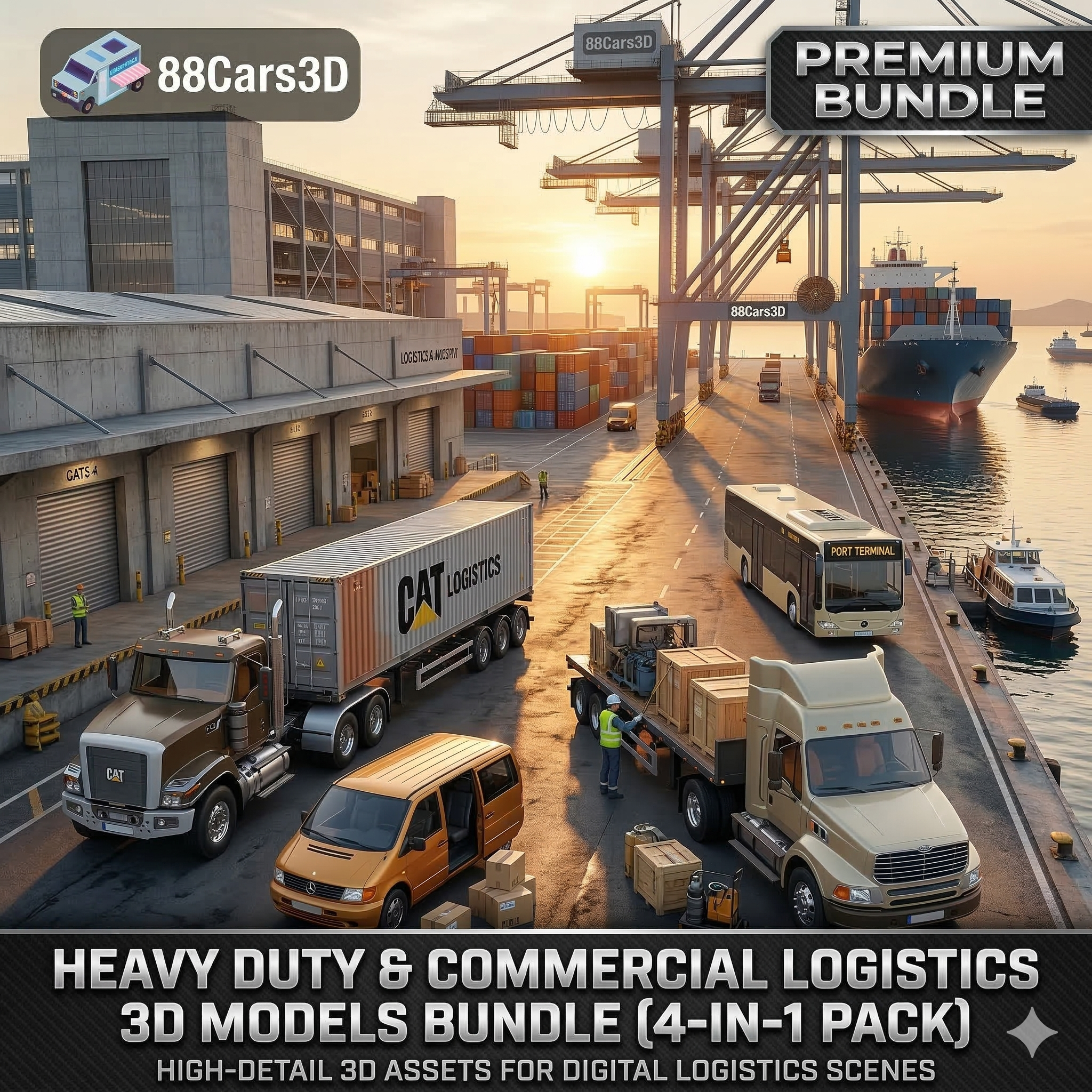
Download the Heavy Duty & Commercial Logistics 3D Models Bundle! Includes the Ford Sterling, Caterpillar CT680, Mercedes Citaro Bus, and Vito Van. Save over €130 on this massive, game-ready 4-in-1 industrial vehicle pack.
Price: $109.99

Download the Ultimate Custom Motorcycles 3D Models Bundle. Includes a Custom Chopper, Ducati 916 Café Fighter, Harley XR1200X, and BMW K100. Perfect premium props for luxury ArchViz garages. Save over €250 today!
Price: $159.99

Download the ultimate JDM Street Racing 3D Models Bundle! Includes the Nissan GT-R, Toyota Supra, Mazda RX-7, Lancer Evo IX, and Honda NSX. Save big on this highly optimized, game-ready 5-in-1 Japanese legend car pack.
Price: $129.99

Download the ultimate American Muscle & Cinematic Classics 3D Models Bundle! Includes the Dodge Charger ’68, Mustang Eleanor GT500, Camaro Z28 ’79, and a custom ’69 Mustang. Save over €240 on this game-ready, premium 4-in-1 pack.
Price: $149.99
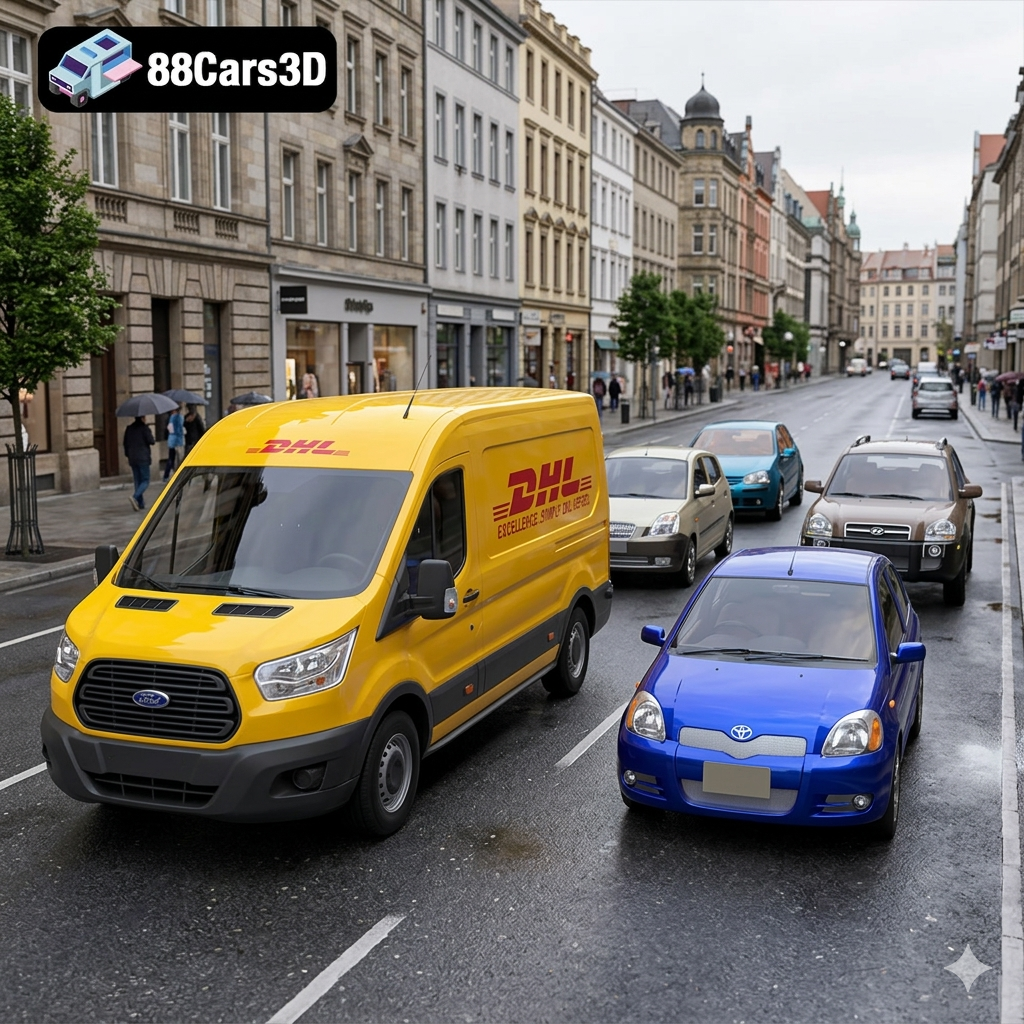
Download the Everyday City Traffic 3D Models Bundle. Includes the VW Golf, Kia Picanto, Hyundai Tucson, Toyota Yaris, and a DHL Ford Transit Van. Save big on this 5-in-1 pack, perfectly optimized for realistic ArchViz streets and game traffic.
Price: $99.99
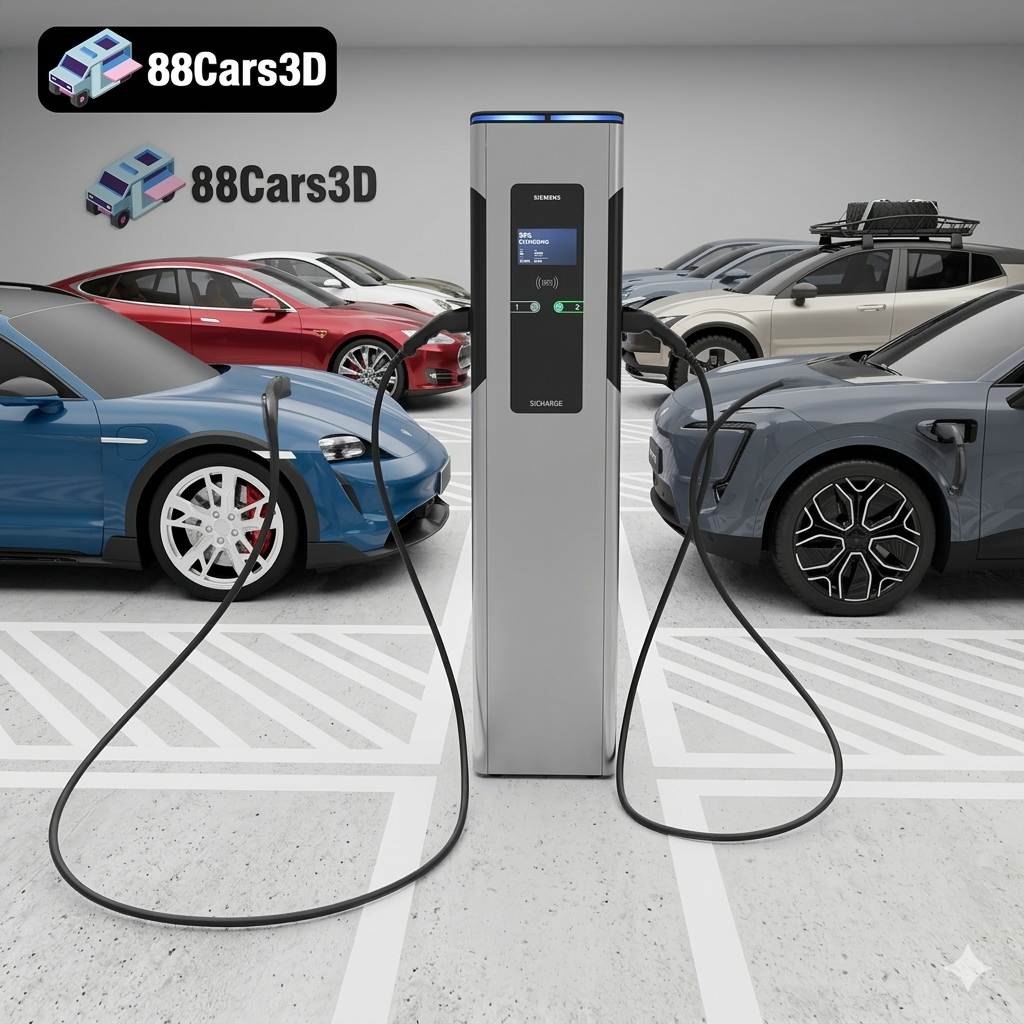
Download the Future of Mobility EV 3D Models Bundle. Includes the Volvo EX30, Tesla Model S, AVATR 11, Porsche Taycan, and a Siemens EV Charger. Save big on this highly optimized 5-in-1 pack for ArchViz and game development!
Price: $89.99

