Get 50% OFF All Premium 3D & STL Models!

In the vast landscape of digital creation, the demand for highly detailed, versatile 3D assets is ever-growing. From cinematic productions that transport viewers to epic battlefields to interactive game environments that immerse players in high-stakes combat, the need for realistic and functional models is paramount. Even in the burgeoning world of 3D printing, enthusiasts seek intricate designs to bring their digital visions into the physical realm. At the intersection of these diverse applications stands a class of models designed for resilience and impact, embodying strength and mechanical complexity. One such exemplary asset that meets these stringent demands is the Heavy Armored Tank 3D Model, a formidable creation available at 88cars3d.com, crafted to elevate any project requiring robust military presence.
This technical deep dive explores the intricacies of integrating such a sophisticated model into various professional workflows, from the foundational understanding of its file formats to its application in advanced rendering, game development, and the precise art of 3D printing. We will uncover how its meticulously balanced topology and thoughtful design make it not just an asset, but a cornerstone for projects aiming for unparalleled realism and performance.
Navigating the world of 3D modeling often begins with understanding the various file formats, each tailored for specific purposes, software compatibility, and pipeline requirements. The Heavy Armored Tank 3D Model, for instance, comes in a comprehensive suite of formats, ensuring maximum flexibility for creators. Knowing which format to use and when can significantly streamline your workflow and optimize your project’s performance.
The .blend file format is the native format for Blender, a powerful open-source 3D creation suite. When you download the Heavy Armored Tank 3D Model in .blend, you receive a fully editable Blender scene. This means not just the mesh data, but also materials, textures, lighting setups, cameras, animations (if included), and even modifier stacks are preserved. It’s ideal for Blender users who want immediate access to all aspects of the model for further modification, re-rigging, re-texturing, or integrating into existing Blender projects. The .blend file format is incredibly robust, often backwards and forwards compatible within Blender versions, and offers a compact way to store complex scene data.
.fbx (Filmbox) is a proprietary file format owned by Autodesk, widely recognized as an industry standard for 3D data interchange. Its strength lies in its ability to store a wide array of 3D data, including geometry, materials, textures, animations, skinning, and camera information, making it incredibly versatile. For the Heavy Armored Tank 3D Model, .fbx is ideal for transferring the asset between different 3D software packages like 3ds Max, Maya, Blender, and directly into game engines such as Unreal Engine and Unity. It’s particularly favored for real-time pipelines due to its comprehensive data retention and optimization features for animation and rigging, ensuring that the tank’s articulated turret and tracks translate seamlessly into interactive environments.
The .obj (Wavefront OBJ) format is one of the oldest and most widely supported 3D file formats. Primarily, it stores geometry data—vertices, normals, texture coordinates, and faces—along with references to external material files (.mtl). While it doesn’t store animation or rigging data, its universal compatibility makes it an excellent choice for cross-software interchange where basic mesh data is the priority. For the Heavy Armored Tank 3D Model, .obj serves as a robust fallback for virtually any 3D application, ensuring that the core geometry of the heavy plating and intricate tracks is accessible, even if materials need to be reapplied or re-linked manually.
.glb (GLB, the binary version of glTF) is a relatively newer format, rapidly gaining traction for its efficiency and suitability for web-based 3D applications, augmented reality (AR), and virtual reality (VR) experiences. It’s a self-contained file, embedding textures and materials directly, which makes it incredibly easy to share and load. When considering the Heavy Armored Tank 3D Model for interactive web configurators, AR overlays on mobile devices, or VR training simulations, .glb is the format of choice. Its optimization focuses on quick loading and rendering within constrained environments, making your armored vehicle accessible across modern browsers and devices with minimal fuss.
.stl (STereoLithography) is the de facto standard file format for 3D printing. It represents a 3D model as a series of connected triangles (a tessellation of the surface geometry). It contains no color, texture, or material information, focusing solely on the object’s surface geometry. For military modelers or tabletop wargaming enthusiasts looking to physically manifest the Heavy Armored Tank 3D Model, the .stl format is essential. It’s the format your slicer software will use to prepare the model for additive manufacturing, converting its digital mesh into printable layers. The precision of the tank’s geometry in .stl ensures that all the intricate track links and armor details are accurately translated for printing.
.ply (Polygon File Format or Stanford Triangle Format) is another format for storing 3D data, often used for data from 3D scanners. It can store a wider range of properties than .obj or .stl, including color, transparency, and even normal information per vertex. While less common for general 3D asset distribution than .fbx or .obj, .ply can be valuable in specific technical workflows, such as precision mesh analysis, scientific visualization, or certain CAD applications where retaining detailed vertex data is critical. For the Heavy Armored Tank, a .ply file would offer robust geometric data for engineering or detailed structural analysis.
The .unreal designation typically refers to assets packaged specifically for Unreal Engine, often through direct export or pre-processing to ensure optimal compatibility. While not a standalone file type in the same way as .fbx or .obj, an asset provided in an “.unreal” context means it has been prepared with Unreal Engine’s conventions in mind, potentially including LODs, collision meshes, and material setups ready for direct import and use within the engine’s ecosystem. This saves significant setup time for developers using the Heavy Armored Tank 3D Model in high-fidelity military simulations or next-gen game titles.
Similar to .blend for Blender, .max is the native file format for Autodesk 3ds Max, a leading software for 3D modeling, animation, and rendering. A .max file of the Heavy Armored Tank 3D Model will include all scene data—geometry, materials, textures, lighting, cameras, animation, and rigging—exactly as it was created in 3ds Max. This format is crucial for professionals who rely on 3ds Max for their architectural visualization, cinematic rendering, or complex animation projects, offering full access to the model’s structure and modifiability within their familiar environment.
The availability of the Heavy Armored Tank 3D Model in such a comprehensive array of formats from 88cars3d.com underscores its versatility, ensuring that artists, developers, and designers can integrate this high-quality asset into virtually any professional workflow without compatibility roadblocks.
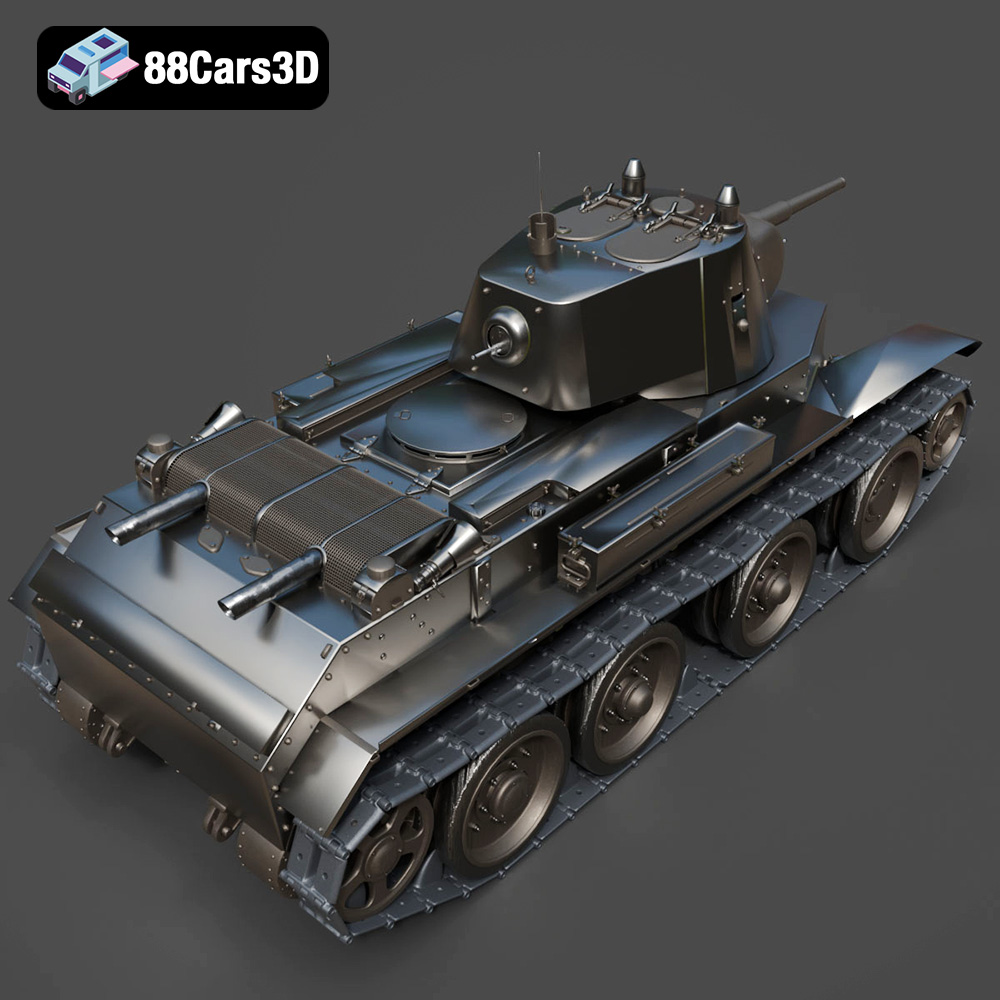
The true measure of a 3D model lies in its intricate details and robust construction. The Heavy Armored Tank 3D Model is a testament to this, meticulously crafted to represent the imposing presence and mechanical complexity of a modern combat vehicle. Its design showcases an exceptional balance between visual fidelity and technical efficiency, making it suitable for a myriad of demanding applications.
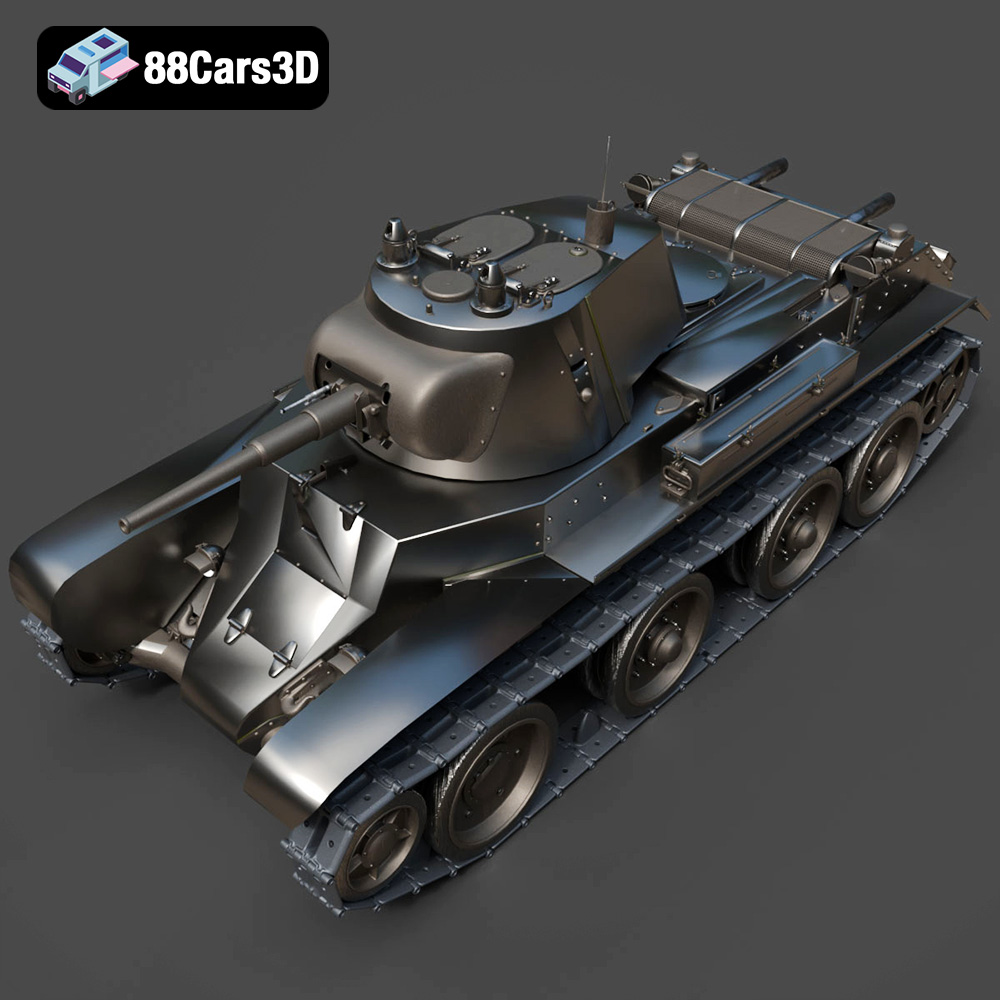
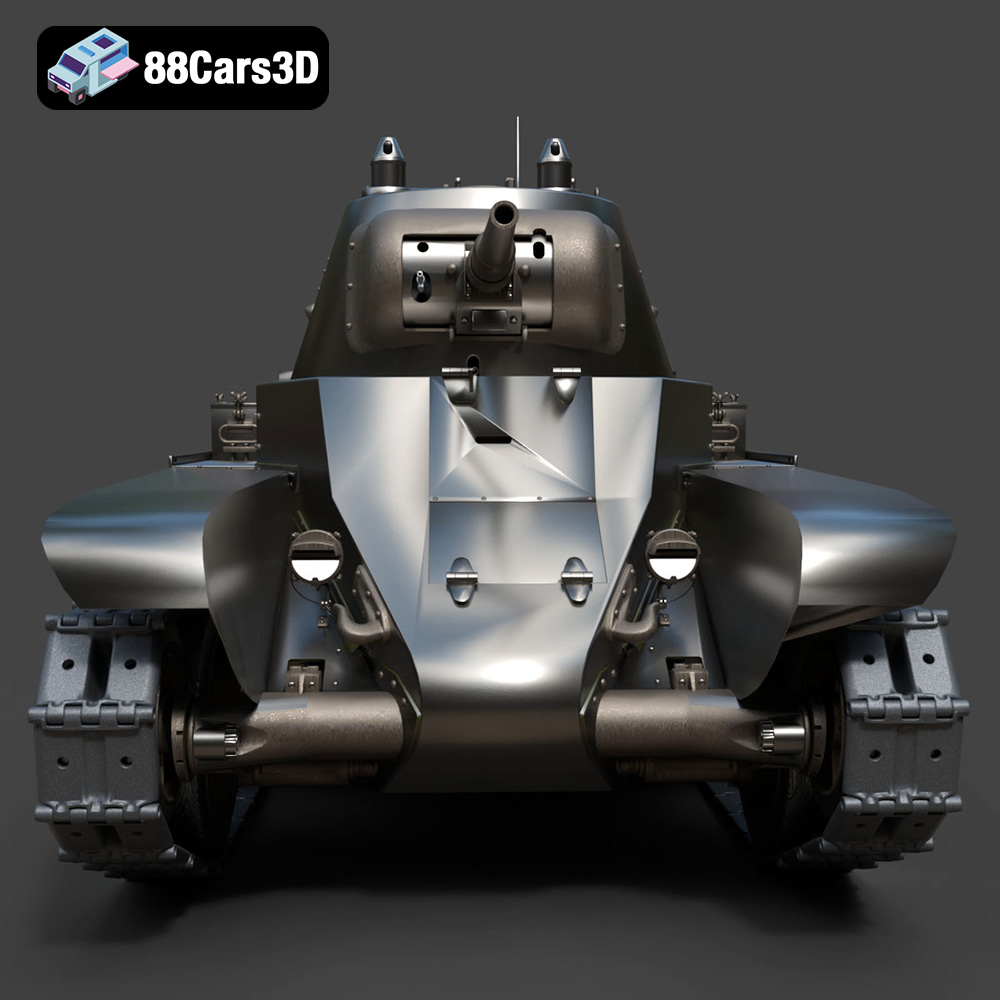
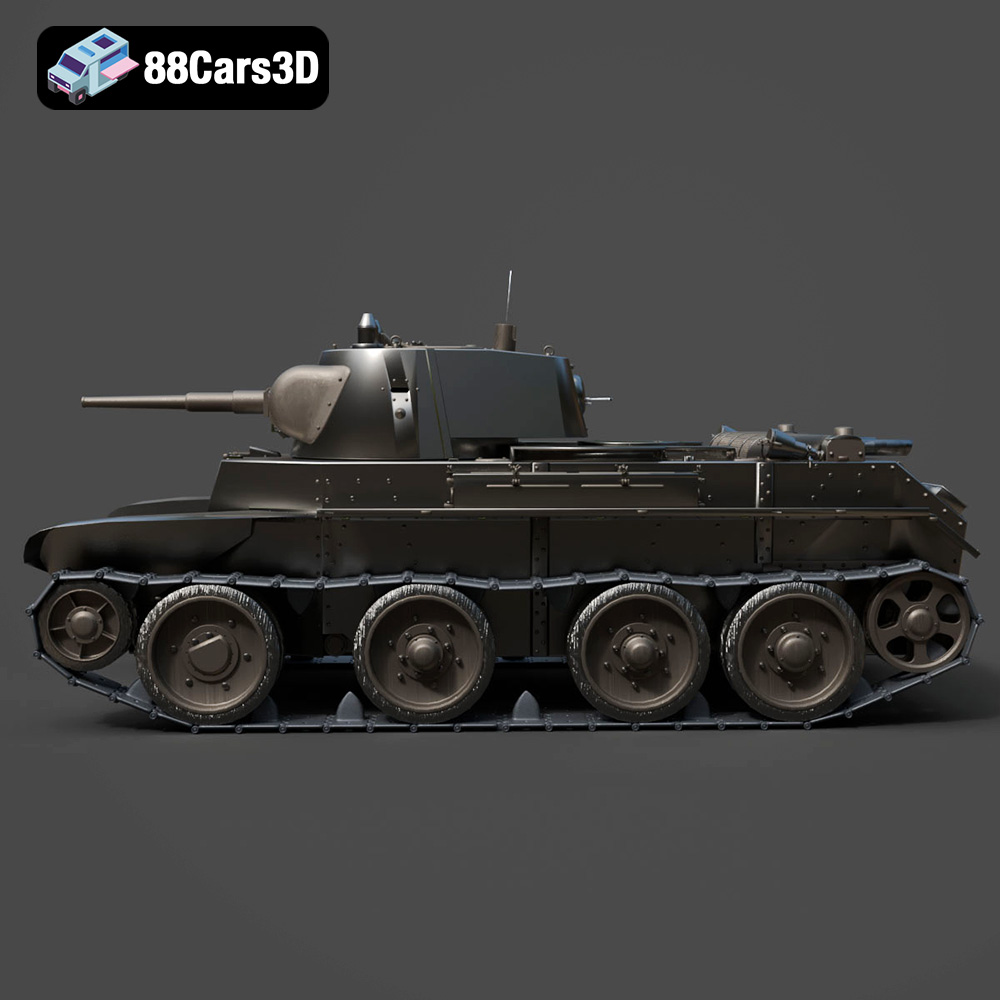
Every aspect of this tank model speaks to a commitment to realism. The accurate armored vehicle proportions and heavy hull geometry immediately convey its formidable nature. A standout feature is the highly detailed continuous track system (caterpillar tracks), which includes individual links and drive sprockets. This level of detail is crucial for realistic animation and close-up renders, where the texture and movement of each link contribute significantly to the overall immersion. The fully rotating turret assembly, complete with an elevating main gun barrel, allows for dynamic posing and animation, essential for battlefield cinematics or interactive game scenarios.
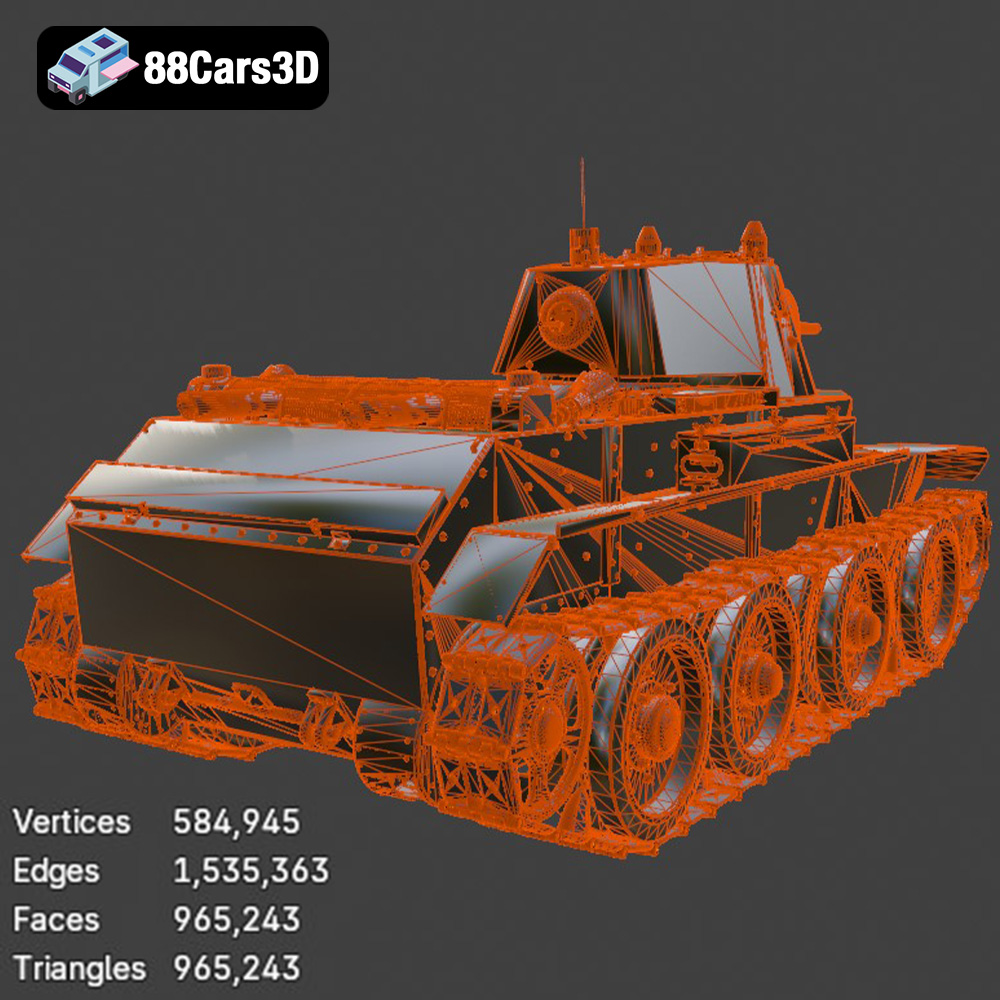
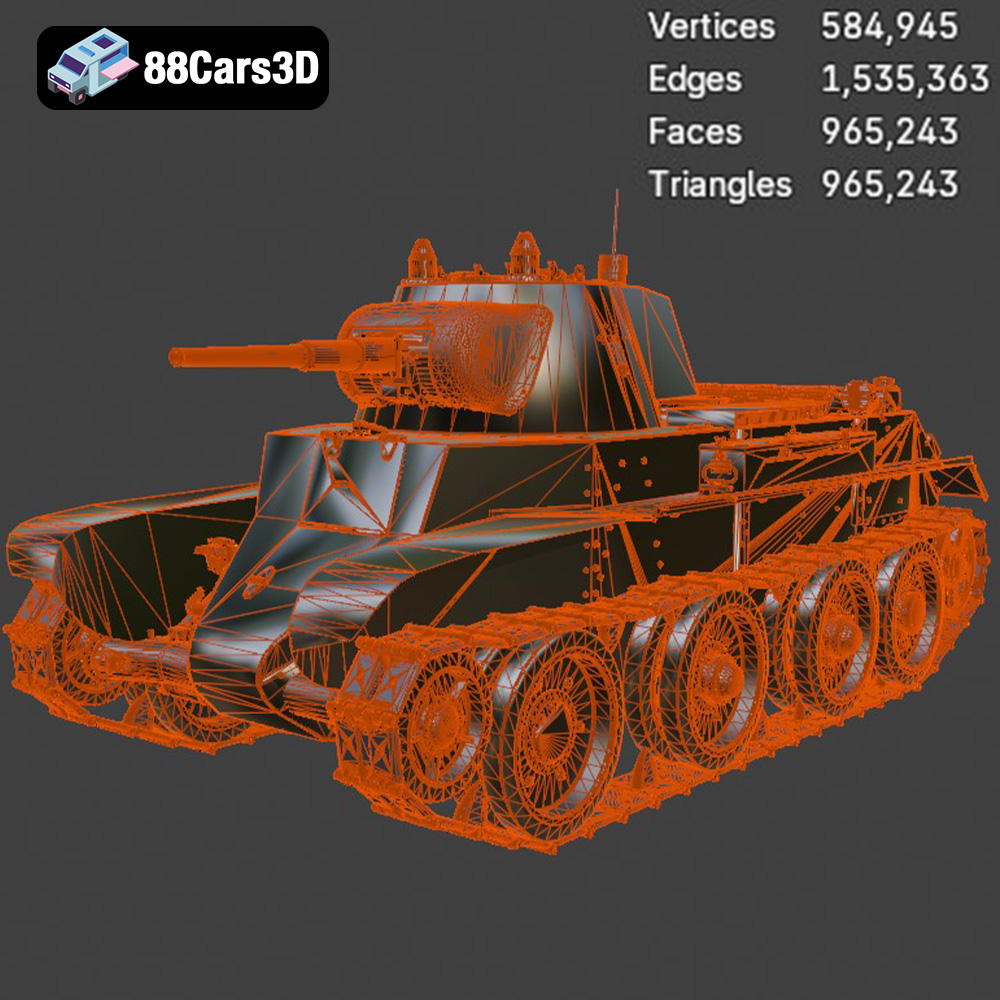
Further enhancing its authenticity are smaller yet critical details: commander and gunner hatches, optical viewports, and heavy machine gun mounts that suggest crew interaction and operational readiness. Detailed engine exhaust grilles, tow cables, and realistic reactive armor plating or sloped armor contribute to its battle-ready aesthetic. Technically, the model boasts 584,945 vertices, 1,535,363 edges, and 965,243 faces/triangles. This “perfectly balanced topology”—just under 1 million triangles—delivers incredible mechanical detail for the tracks and armor without excessively burdening rendering software or current-gen game engines. This optimization is a key advantage, especially when dealing with scenes populated by multiple high-fidelity assets.
While designed primarily for external viewing, the Heavy Armored Tank 3D Model doesn’t neglect critical aspects that enhance immersion. The detailed exterior hatch geometry and commander’s cupola with periscope and optics detailing are meticulously crafted, allowing for believable “commander view” perspectives in gaming or virtual reality. This attention to visible interactive elements extends to optimized geometry, which, while not a fully modeled interior cabin, provides enough detail to support immersive first-person perspectives without unnecessary polygon overhead.
Beyond static detail, the model is engineered for dynamic interaction. It features a proper pivot setup for turret rotation, barrel elevation, and track/wheel movement. This pre-configured rigging foundation is invaluable for game developers and animators, drastically reducing setup time for realistic animation and physics rigging. Whether it’s the subtle recoil of the main gun or the complex articulation of the tracks over uneven terrain, the model is built to support authentic movement, making it a powerful asset for military simulators and action-packed game environments.
The versatility of the Heavy Armored Tank 3D Model from 88cars3d.com shines brightest when integrated into various professional pipelines. Its robust technical specifications and multiple file formats ensure seamless adoption across rendering, game development, and simulation platforms.
For artists focused on breathtaking visuals, the Heavy Armored Tank 3D Model is an exceptional starting point. In software like 3ds Max (utilizing the .max file) or Blender (with the .blend file), it can be pushed to its photorealistic limits. Render engines such as V-Ray, Corona, Cycles, or Eevee can leverage its high-detail geometry and potentially included PBR textures to create stunning images. Imagine dramatic warzone lighting setups, where volumetric fog interacts with the tank’s heavy armor, or gritty battlefield dioramas with mud-splattered tracks and exhaust fumes. The model’s inherent detail allows for incredibly close-up shots without loss of fidelity, perfect for military history documentaries, product visualization, or high-end advertising. Customization options are vast: apply various camouflage liveries (Desert Storm, Winter Splinter, Urban Digital), add intense weathering textures (mud-caked tracks, scorch marks, rusted exhaust), and adapt lighting for dramatic nighttime firefights or bright, dusty desert engagements. This flexibility makes it an ideal asset for crafting compelling visual narratives.
The current-gen performance balance of the Heavy Armored Tank 3D Model makes it a prime candidate for game development. Its optimized triangle count (965k) is perfectly suitable for a “hero” drivable vehicle in modern PC/console shooters, strategy games, and realistic tank simulators. Using formats like .fbx or the engine-ready .unreal file, developers can swiftly import the model into engines like Unreal Engine or Unity. The included pivot setup for turret rotation, barrel elevation, and track/wheel movement significantly accelerates the rigging and animation process. Developers can then focus on implementing advanced physics, artificial intelligence for enemy tanks, and immersive sound design. Even for first-person “commander view” in VR experiences, the exterior hatch geometry and cupola detailing provide enough visual information to create a convincing cockpit-like perspective. This model reduces the burden on development teams, allowing them to iterate faster on gameplay mechanics and environmental design.
The allure of holding a digital creation in your hands is undeniable, and the Heavy Armored Tank 3D Model fully embraces this possibility through its 3D printable nature. This section delves into the specifics of transforming this high-detail digital asset into a tangible, display-worthy model.
The journey from a digital 3D model to a physical object begins with the .stl file format. As the universal standard for 3D printing, the .stl version of the Heavy Armored Tank provides a tessellated representation of its intricate geometry, ready for slicing software. This conversion ensures that all the robust details—from individual track links to the formidable main gun barrel and heavy plating—are accurately preserved for additive manufacturing. Modelers can utilize popular slicers to prepare the manifold geometry for FDM (Fused Deposition Modeling) or, for superior detail, SLA/DLP (Stereolithography/Digital Light Processing) resin printers. The inherent design quality means minimal issues with non-manifold edges or inverted normals, leading to a smoother printing experience.
Achieving a high-quality physical replica requires careful consideration of 3D print settings. For the Heavy Armored Tank, recommended scales include 1:35, 1:48, or 1:72, aligning with standard military modeling scales. To capture the intricate track links and machine gun barrels effectively, a fine layer height of 0.04–0.08 mm is suggested, with resin printing highly recommended for its precision. Wall thickness should be maintained between 1.5–2.5 mm to ensure structural integrity, and an infill of 20–40% provides a solid base and prevents warping, crucial for a robust tank model.
Supports are definitively required for overhanging elements such as the main gun barrel, external fuel tanks, and various turret features. For optimal results, the hull should be printed flat for structural stability, while the turret and barrel are best printed separately and assembled afterward. Post-processing is where the model truly comes to life. After printing, meticulous sanding and priming prepare the surface for painting. Military modelers can then apply a base coat of Olive Drab, Desert Sand, or Woodland Camo, followed by extensive weathering techniques like mud-caked tracks, scorch marks, and rust effects. This transformational process allows enthusiasts to create highly personalized, battle-hardened display pieces or formidable units for tabletop wargaming, truly bridging the digital and physical worlds with this exceptional 3D car model from 88cars3d.com.
The Heavy Armored Tank 3D Model is far more than just a static asset; its design flexibility and technical robustness enable a vast array of creative and practical applications, extending its utility beyond traditional rendering and gaming.
In addition to cinematic rendering and game development, this tank model is incredibly useful for simulation and training. Military simulators can leverage its accurate proportions and articulated components for tactical training scenarios, vehicle identification, or even driver training modules. Its optimized geometry is well-suited for integration into real-time environments where performance is critical. Furthermore, the .glb format opens doors for augmented reality (AR) and virtual reality (VR) experiences, allowing users to inspect the tank in a virtual showroom or place it realistically within their physical environment via AR applications. For educational content, the model can serve as a detailed visual aid for studying military history, vehicle mechanics, or modern combat technology. Digital artists and concept designers will also find it invaluable as a foundational asset, saving countless hours on modeling core elements and allowing them to focus on innovative designs or intricate scene compositions. The quality of this 3D car model makes it a staple for any serious digital asset library.
The true power of a high-quality 3D model lies in its capacity for customization, and the Heavy Armored Tank provides an excellent canvas for creative expression. Artists can apply various camouflage liveries—from historical patterns like classic Olive Drab to modern Urban Digital or Desert Storm schemes—to suit specific narrative requirements. The detailed geometry supports the application of intense weathering textures, allowing for realistic mud-caked tracks, scorch marks on the barrel from prolonged firing, or rusted exhaust grilles that tell a story of battle and endurance. Beyond textures, the model’s modularity, with separate components for the turret, main gun, wheels, and tracks, allows for physical modifications. Imagine swapping external payloads, adding extra fuel drums for extended operations, sandbags for improvised ballistic protection, or additional reactive armor blocks to alter its defensive profile. Lighting is another powerful tool; adapting it for dramatic nighttime firefights, casting long shadows under a moonlit sky, or simulating bright, dusty desert engagements can profoundly change the mood and impact of any scene. This level of customization ensures that the Heavy Armored Tank 3D Model remains a dynamic and reusable asset, empowering creators to tell diverse and compelling stories.
The digital landscape is a demanding arena, requiring assets that are not only visually stunning but also technically sound and highly adaptable. The Heavy Armored Tank 3D Model exemplifies these qualities, offering a meticulously crafted, battle-ready vehicle that stands as a testament to expert 3D artistry. Its perfectly balanced topology, extensive detail in every component from individual track links to intricate hatches, and its comprehensive array of included file formats (.blend, .fbx, .obj, .glb, .stl, .ply, .unreal, .max) make it an indispensable asset for a wide range of professionals.
Whether you are a cinematic artist aiming for dramatic photorealistic renders, a game developer building the next generation of military simulations, an AR/VR content creator pushing immersive experiences, or a 3D printing enthusiast eager to bring digital models to life, this tank model provides the foundation for success. Its thoughtful design streamlines workflows, enabling quicker integration and extensive customization across major software and platforms. This commitment to quality and versatility is precisely what defines the offerings at 88cars3d.com, ensuring that creators have access to premium 3D models that elevate their projects to new heights.
In a world where digital assets are the building blocks of innovation, investing in high-quality 3D car models and other specialized assets like this Heavy Armored Tank is a strategic decision that pays dividends in both efficiency and visual impact. Explore this formidable model and other exceptional 3D resources today at 88cars3d.com, and empower your next creative endeavor with assets built for excellence.
The Heavy Armored Tank 3D Model is a high-detail digital recreation of a formidable tracked combat vehicle. Designed to represent the raw power and tactical dominance of armored warfare, this model features heavy plating, a commanding main gun barrel, a fully articulated turret, and intricate continuous track (caterpillar) systems. This 3D model accurately captures the rugged, battle-ready aesthetic of modern or classic armored cavalry. It features detailed road wheels, drive sprockets, exhaust grilles, external storage compartments, and commander hatches. Built with an optimized, highly balanced topology (just under 1 million triangles), it provides fantastic visual fidelity for close-up rendering while remaining efficient enough to serve as a high-end hero asset in modern game engines or military simulators. Perfect for intense battlefield cinematic scenes, military strategy games, historical or modern combat simulations, and highly detailed diorama renders.
$29
.blend
.fbx
.mbt
.military
.obj
.rendering
.stl
.tank
3d printing
armored-vehicle
combat
game asset
main-battle-tank
mid-poly
military-3d-model
tracks
turret
war