Get 50% OFF All Premium 3D & STL Models!

In the dynamic world of 3D creation, the demand for high-quality, meticulously crafted assets is constant. Whether you’re a game developer pushing the boundaries of realism, a visualization artist crafting immersive cinematic experiences, or a hobbyist bringing digital designs to life through 3D printing, the foundational strength of your project often lies in the quality of its core models. Today, we delve into an exceptional example that transcends these diverse applications: the Heavy Armored Tank 3D Model. This formidable digital recreation, available on 88cars3d.com, is far more than just a model; it’s a versatile toolkit designed to integrate seamlessly into a multitude of professional workflows, from intense battlefield rendering to detailed simulations and even tangible tabletop wargaming. Its balanced topology, intricate details, and comprehensive file format support make it a standout asset for anyone seeking to inject authentic military power into their digital or physical projects.
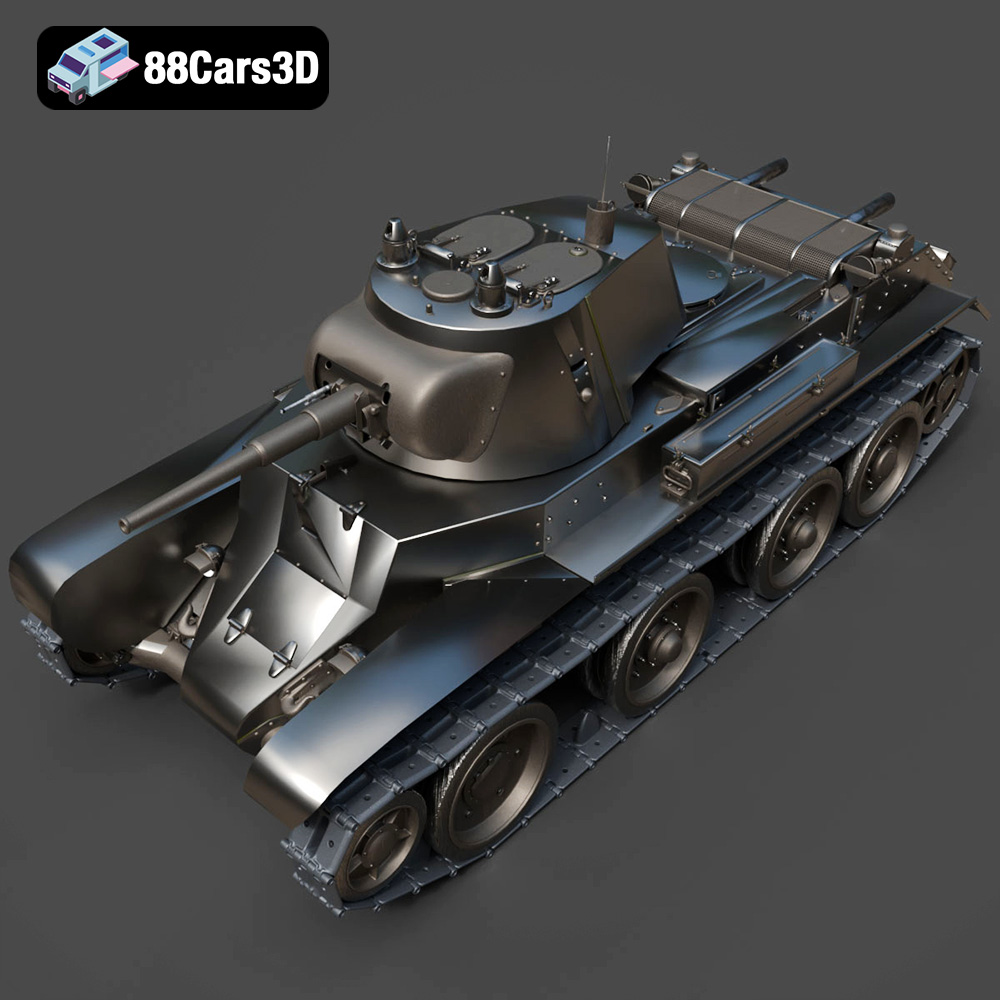
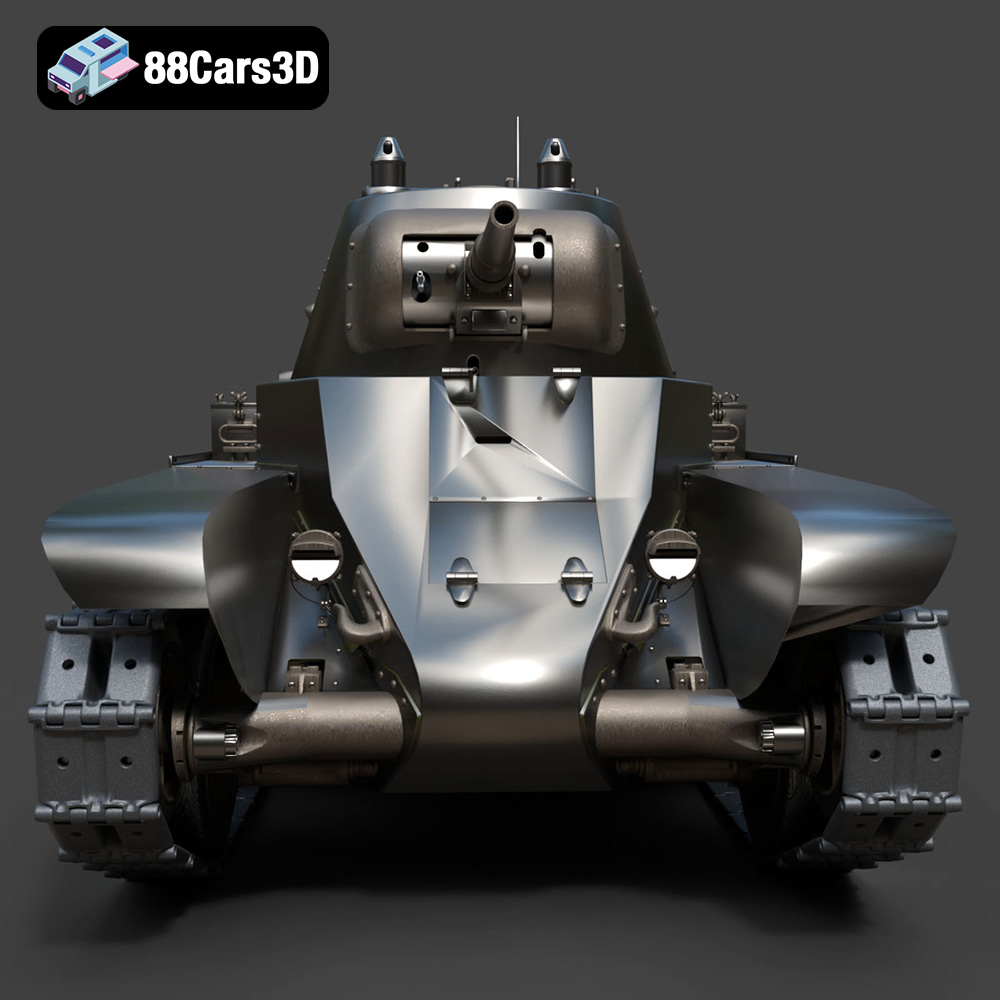
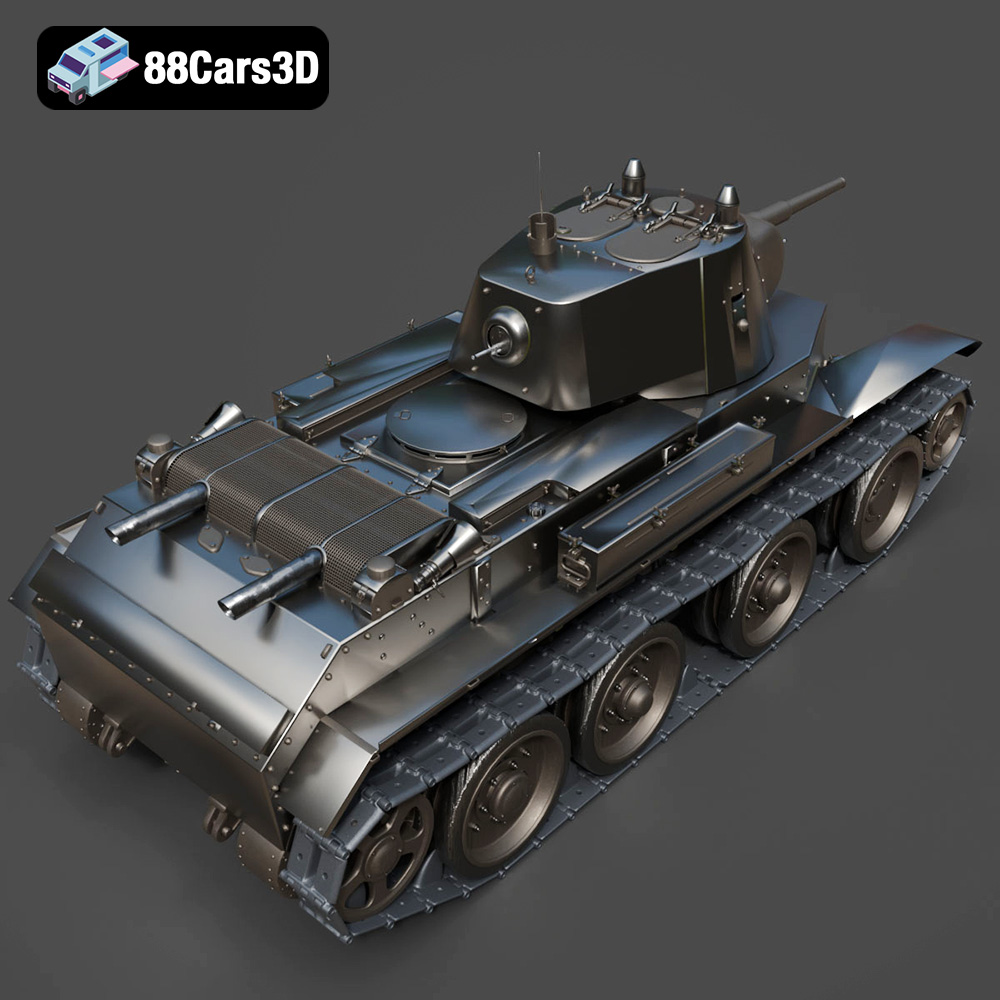
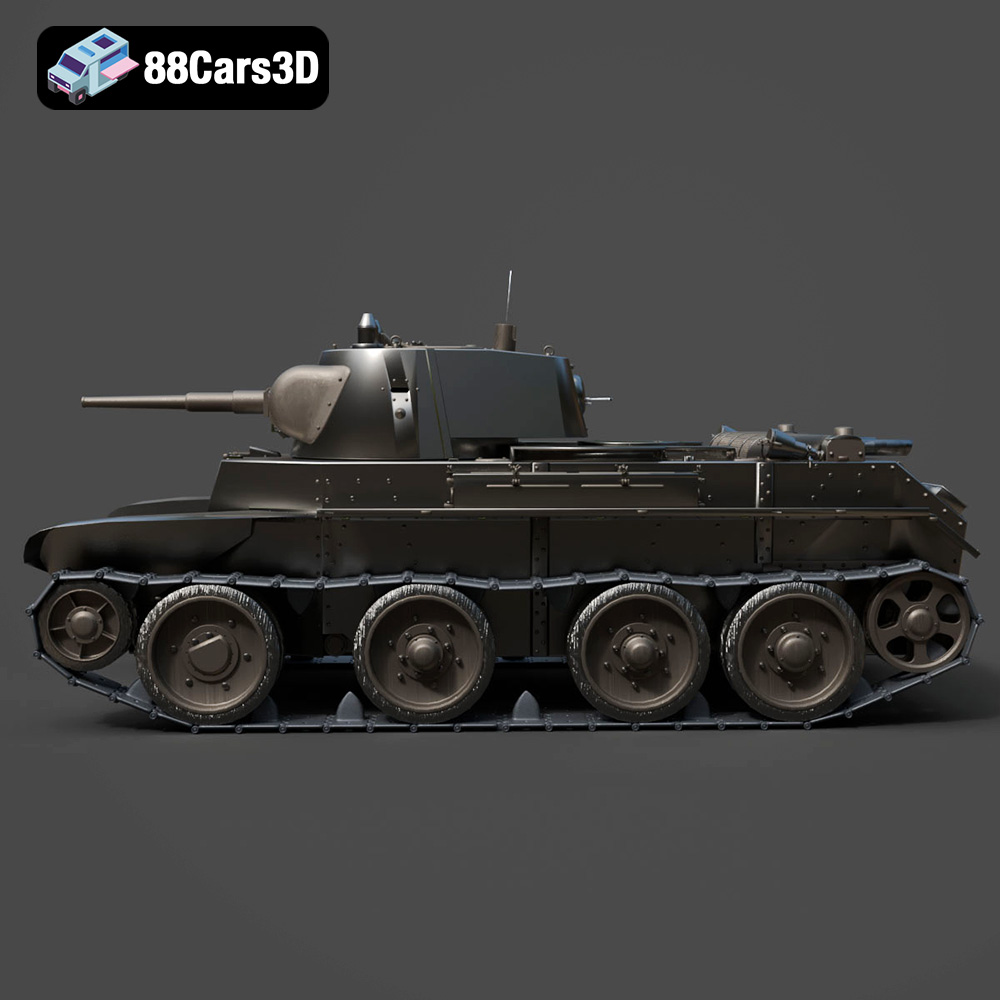
The Heavy Armored Tank model boasts heavy plating, a commanding main gun barrel, a fully articulated turret, and intricate continuous track systems, all captured with remarkable fidelity. This isn’t merely a generic tank; it’s a testament to detailed digital craftsmanship, designed to represent the raw power and tactical dominance of armored warfare. Its optimized mesh, striking a perfect balance between visual fidelity and performance, ensures it’s suitable for close-up renders and demanding real-time environments alike.
When acquiring a 3D asset as complex and detailed as the Heavy Armored Tank, understanding the various file formats it comes in is crucial for maximizing its utility across different software and applications. Each format serves a specific purpose, offering unique advantages for particular workflows, from real-time game development to precision 3D printing. The Heavy Armored Tank 3D Model from 88cars3d.com is provided in a comprehensive suite of formats, ensuring unparalleled compatibility.
The .blend format is the native file type for Blender, one of the most powerful and widely used open-source 3D creation suites. When you receive a .blend file, you’re getting a fully editable Blender scene, complete with materials, textures, lighting setups, and any rigging or animation data. For the Heavy Armored Tank, this means Blender users can immediately dive in, inspect the clean topology, modify materials, adjust UVs, or even re-rig components with Blender’s native tools. It offers the most flexibility for those working within the Blender ecosystem, providing direct access to all aspects of the model’s construction.
.fbx (Filmbox) is arguably the most widely adopted proprietary 3D file format for data exchange between different 3D software packages and game engines. Developed by Autodesk, it’s ideal for transferring models with complex data, including geometry, materials, textures, animations, and skeletal rigging. For assets like the Heavy Armored Tank, .fbx is the go-to for importing into Unreal Engine, Unity, and other real-time pipelines, ensuring that pivot points for the turret, barrel, and tracks are preserved, along with material assignments. Its robust support for animation makes it indispensable for game developers.
The .obj (Wavefront OBJ) format is a universal standard for storing 3D geometry. It’s a simpler format compared to .fbx, primarily focusing on vertices, faces, UV coordinates, and normals. While it doesn’t typically store rigging or animation data, its widespread support across virtually all 3D software makes it excellent for cross-software compatibility. If you need to import the Heavy Armored Tank into a niche renderer or a less common modeling package, .obj will almost always be a reliable choice, often accompanied by a separate .mtl (material) file for basic material properties.
.glb (GL Transmission Format Binary) is the binary version of glTF, a royalty-free specification for the efficient transmission and loading of 3D scenes and models by applications. It packages textures and other assets directly into a single file, making it highly optimized for AR (Augmented Reality), VR (Virtual Reality), and browser-based display. For showcasing the Heavy Armored Tank on a website, in an AR app, or within a WebGL viewer, .glb ensures fast loading and excellent visual quality without requiring multiple files.
The .stl (Stereolithography) format is the de facto standard for 3D printing. It represents a 3D model as a series of connected triangles, defining only the surface geometry of an object without color, texture, or other CAD attributes. When converting the Heavy Armored Tank for 3D printing, the .stl file ensures that the model’s intricate armor plating and track details are accurately translated into a manifold (watertight) mesh, ready for slicing software. This format is crucial for bringing the digital tank into the physical world at scales like 1:35 or 1:72.
The .ply (Polygon File Format) is another format for storing 3D data, often used in scientific and engineering applications. It can store a wider range of properties than .stl, including color, transparency, and sometimes even confidence values for points. While less common for general 3D asset exchange, .ply is excellent for preserving precision mesh data, especially useful for CAD applications, historical archiving, or detailed analysis of the tank’s geometry.
While not a traditional open format, the inclusion of an .unreal or Unreal-optimized asset package signifies that the Heavy Armored Tank has been specifically prepared for direct import and use within Unreal Engine. This often means pre-configured materials, collision meshes, LODs (Levels of Detail), and potentially even basic blueprints for functionality, significantly streamlining development time for game creators. This format demonstrates a commitment to providing truly engine-ready assets for real-time environments.
Finally, the .max format is the native file type for Autodesk 3ds Max, a leading software for 3D modeling, animation, rendering, and visualization. Similar to .blend for Blender, the .max file provides a fully editable scene within 3ds Max. This allows users to access all modifiers, material setups, lighting, and animation data directly. For professional studios heavily invested in Autodesk’s ecosystem, having the Heavy Armored Tank in .max format ensures maximum flexibility for integration into existing pipelines, complex animation rigs, or high-end rendering projects.
This extensive support for various file formats underscores the versatility and professional-grade nature of the Heavy Armored Tank 3D Model, making it an invaluable asset for a broad spectrum of digital artists and developers.
A truly professional 3D asset goes beyond just visual appeal; it’s built on a foundation of sound technical specifications. The Heavy Armored Tank 3D Model exemplifies this with its perfectly balanced topology and thoughtful design, making it a high-performance asset suitable for demanding production environments.
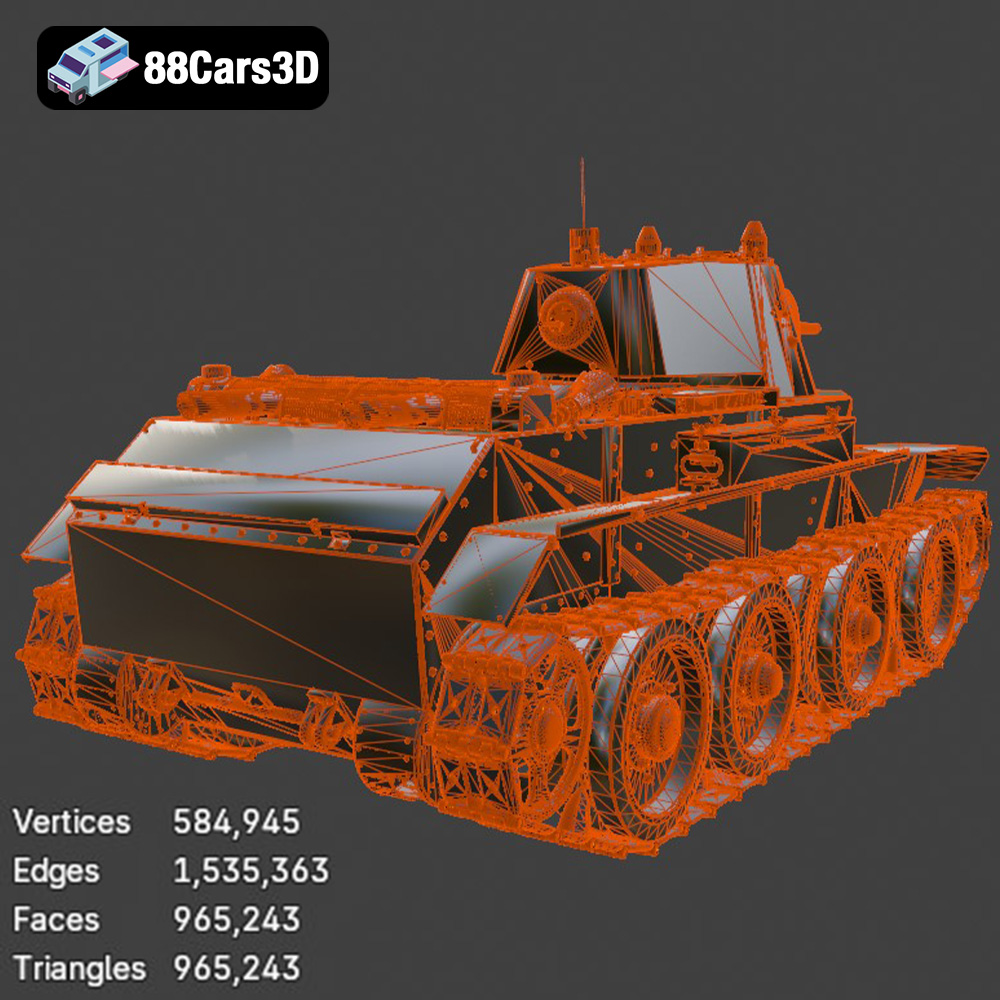
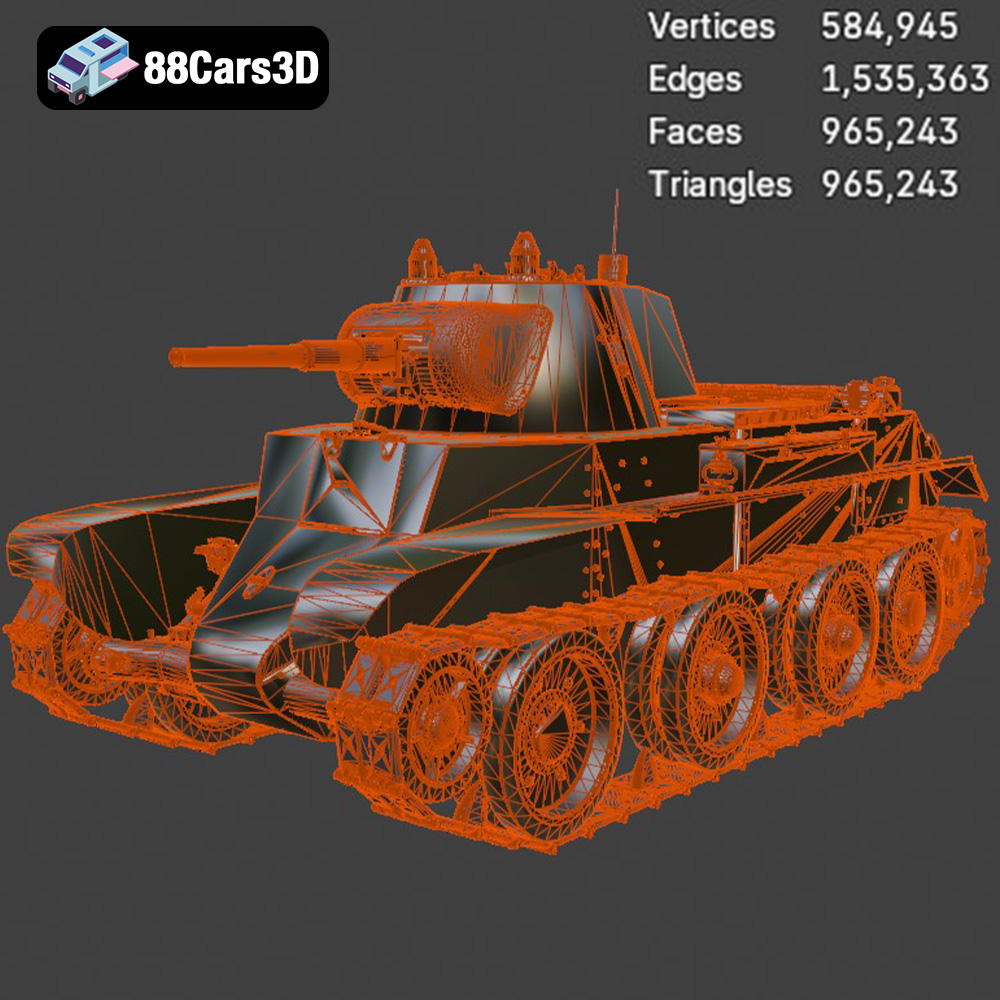
The model boasts impressive technical specifications: 584,945 Vertices, 1,535,363 Edges, and 965,243 Faces/Polygons, resulting in precisely 965,243 Triangles. This “just under 1 million triangles” count is critically important. It’s a sweet spot that delivers incredible mechanical detail—essential for the intricate track links, detailed armor plating, and complex turret components—without overburdening rendering software or current-generation game engines. The term “perfectly balanced topology” is key here. It means the mesh is clean, efficient, and free of unnecessary geometry, which prevents rendering artifacts and ensures smooth performance. This level of optimization allows the tank to serve as a “hero” asset, holding up under close-up camera scrutiny in cinematics while remaining performant enough to be featured prominently in real-time applications.
One of the most significant advantages for game developers and animators is the model’s modularity. The Heavy Armored Tank features separate turret, main gun, wheels, and tracks. This design decision is crucial for realistic animation and physics rigging. Animators can easily set up independent rotation for the turret and elevation for the main gun. Game developers can rig the continuous track system with dynamic physics, allowing it to conform realistically to terrain, and integrate wheel suspension for a believable driving experience. Proper pivot points are already established, saving significant setup time. This modularity not only enhances realism but also simplifies the process of integrating the model into complex interactive systems.
For game developers, a compelling game asset must be more than just visually appealing; it needs to be “game-ready.” The Heavy Armored Tank 3D Model is meticulously designed for seamless integration into modern real-time engines like Unreal Engine and Unity, offering both visual fidelity and performance efficiency.
In Unreal Engine, importing the Heavy Armored Tank, especially in its .fbx or .unreal formats, is a straightforward process. The separate components (turret, barrel, tracks) facilitate easy skeletal mesh or static mesh importation with correct pivot points. Once imported, artists can quickly assign PBR (Physically Based Rendering) materials, utilizing the texture sets typically included with such high-quality assets. Blueprinting then allows developers to create sophisticated interactive elements: driving mechanics for the tracks and wheels, realistic turret rotation and gun elevation based on player input or AI, and dynamic destruction states. For immersive “commander view” scenarios, the optimized geometry for external hatches and cupola detailing ensures a believable perspective.
Maintaining high frame rates is paramount in game development. The tank’s balanced topology (under 1 million triangles) is an excellent starting point. Further optimization in-engine can include generating LODs (Levels of Detail) to automatically swap lower-poly versions of the tank when it’s further from the camera, significantly reducing polygon count in the scene. Implementing efficient collision meshes, simplifying physics interactions where appropriate, and utilizing instancing for multiple tanks on screen are all strategies that work effectively with a well-constructed base model like this one. This strategic optimization ensures that the Heavy Armored Tank can be a central “hero” vehicle in a game without compromising performance.
Beyond interactive experiences, the Heavy Armored Tank 3D Model is an exceptional asset for creating stunning photorealistic renders and visualizations. Its attention to detail makes it ideal for cinematic sequences, military documentaries, product showcases, and evocative digital dioramas.
Achieving photorealism heavily relies on the quality of materials and textures. While the description mentions “Texture: Yes | Material: Yes,” a truly high-end model would typically employ a PBR workflow (Albedo/Base Color, Metallic, Roughness, Normal, Ambient Occlusion maps). These maps allow render engines (like V-Ray, Corona, Arnold, Cycles, or even Unreal’s native renderer) to accurately simulate how light interacts with the tank’s surfaces—from the dull, heavy plating to the weathered tracks and the glint of optical viewports. The ability to apply various camouflage liveries (Desert Storm, Winter Splinter, Urban Digital) and intense weathering textures (mud-caked tracks, scorch marks, rusted exhaust) further enhances realism, allowing artists to tell a compelling story through visual detail.
With a robust model like the Heavy Armored Tank, the creative possibilities for scene design are endless. Artists can craft dramatic warzone lighting setups, mimicking dusty desert engagements, gloomy nighttime firefights with muzzle flashes, or the starkness of a snow-covered battlefield. HDR (High Dynamic Range) environment maps can provide realistic global illumination, while carefully placed volumetric lights and particle effects (smoke, dust, sparks) can elevate the sense of atmosphere and destruction. The real-world scale accuracy of the model, based on standard Main Battle Tank (MBT) dimensions, ensures it integrates convincingly into any environment.
The digital realm isn’t the only frontier for the Heavy Armored Tank. Its suitability for 3D printing opens up exciting avenues for military modelers, tabletop wargaming enthusiasts, and collectors who wish to bring this formidable machine into the physical world.
Converting a high-detail digital model into a successful 3D print requires careful consideration of printer capabilities and material properties. The provided 3D print settings are invaluable: Recommended scales (1:35, 1:48, 1:72) align with standard military modeling scales, offering flexibility. A layer height of 0.04–0.08 mm, especially with the recommendation for resin printing, highlights the model’s intricate detail, particularly for track links and machine gun barrels. Resin printers excel at capturing such fine features. Critical settings like wall thickness (1.5–2.5 mm) and infill (20–40%) ensure structural integrity, preventing warping. Furthermore, specific guidance on supports (required for the main gun barrel, external fuel tanks, and overhanging turret features) and print orientation (hull flat, turret/barrel separately) are crucial for minimizing print failures and achieving optimal surface quality.
Bringing a 3D print to life is an art form in itself. After successful printing, post-processing steps are essential. Sanding to remove support marks, priming to create an even surface for paint, and then applying a base coat (Olive Drab, Desert Sand, Woodland Camo) are standard practices. However, where this model truly shines is in the potential for extensive weathering. The intricate details of the armored vehicle – the exhaust grilles, tow cables, and reactive armor plating – provide perfect canvases for applying techniques like dry brushing, washes, mud effects, and rust streaks. The ability to swap external payloads (fuel drums, sandbags) further enhances customization, allowing modelers to create unique, battle-hardened dioramas and wargaming pieces that feel truly authentic.
A truly versatile 3D asset provides a robust foundation, but also invites and supports extensive customization. The Heavy Armored Tank 3D Model offers abundant opportunities for artists and developers to personalize it, adapting it to specific project requirements and creative visions.
The base model is a canvas for limitless aesthetic variations. Artists can easily apply various camouflage liveries, ranging from historical accuracy like a classic Olive Drab to modern patterns such as Winter Splinter or Urban Digital. Beyond simple color changes, the model’s detailed geometry allows for the application of complex weathering textures. Imagine mud-caked tracks from a recent skirmish, scorch marks adorning the main gun barrel from sustained fire, or realistic rust blooming on neglected exhaust ports. These textural layers, combined with thoughtful material setups, allow the tank to convincingly represent a vehicle fresh from the factory, or one that has seen years of brutal combat in diverse environments.
The separate components and clean topology of the tank make it highly adaptable. Artists can easily swap external payloads, adding extra fuel drums for long-range operations, sandbags for improvised protection in urban environments, or additional reactive armor blocks to bolster its defenses. This modularity extends to integrating the tank into larger scenes. Whether it’s positioned amidst dynamic terrain, surrounded by infantry, or serving as the centerpiece of a destroyed urban landscape, the model’s meticulous construction ensures it scales and interacts realistically with other scene elements. Furthermore, the flexibility to adapt lighting for dramatic nighttime firefights or bright, dusty desert engagements ensures the tank always commands attention within its chosen environment.
The Heavy Armored Tank 3D Model stands as a testament to what high-quality digital asset creation can achieve. From its perfectly balanced topology and intricate detailing to its modular design for animation and comprehensive multi-format support, this model is built for professional-grade applications across the entire spectrum of 3D artistry. Whether your goal is to render photorealistic cinematic sequences, implement a responsive and visually stunning vehicle in a next-generation game, contribute to military simulations, or even print a highly detailed physical model, this asset provides an exceptional foundation.
Its technical specifications, including just under one million triangles, strike an ideal balance between visual fidelity and performance, ensuring it excels as a “hero” asset in any scenario. The provision of formats like .blend, .fbx, .obj, .glb, .stl, .ply, .unreal, and .max guarantees seamless integration into virtually any 3D workflow, from Blender to Unreal Engine and 3ds Max. The detailed 3D printing recommendations further extend its value, transforming a digital blueprint into a tangible masterpiece.
For creators seeking unparalleled quality and versatility in military 3D assets, the Heavy Armored Tank 3D Model from 88cars3d.com is an indispensable resource. It represents not just a vehicle, but a commitment to excellence in digital craftsmanship, ready to elevate your next project to new heights of realism and impact.
The Heavy Armored Tank 3D Model is a high-detail digital recreation of a formidable tracked combat vehicle. Designed to represent the raw power and tactical dominance of armored warfare, this model features heavy plating, a commanding main gun barrel, a fully articulated turret, and intricate continuous track (caterpillar) systems. This 3D model accurately captures the rugged, battle-ready aesthetic of modern or classic armored cavalry. It features detailed road wheels, drive sprockets, exhaust grilles, external storage compartments, and commander hatches. Built with an optimized, highly balanced topology (just under 1 million triangles), it provides fantastic visual fidelity for close-up rendering while remaining efficient enough to serve as a high-end hero asset in modern game engines or military simulators. Perfect for intense battlefield cinematic scenes, military strategy games, historical or modern combat simulations, and highly detailed diorama renders.
$29
.blend
.fbx
.mbt
.military
.obj
.rendering
.stl
.tank
3d printing
armored-vehicle
combat
game asset
main-battle-tank
mid-poly
military-3d-model
tracks
turret
war