Get 50% OFF All Premium 3D & STL Models!

In the vibrant world of 3D modeling, few automotive niches command as much passion and dedication as the Japanese Domestic Market, or JDM. These cars are more than just vehicles; they are cultural icons, symbols of engineering prowess, and canvases for personal expression. From the blistering speed of a Nissan GT-R on the circuit to the precision drifting of a Mazda RX-7 on a neon-lit Tokyo street, JDM legends embody a spirit of performance and customization that resonates deeply with enthusiasts worldwide.
For 3D artists, game developers, animators, and even hobbyist 3D printers, recreating these revered machines presents both a challenge and an opportunity. Achieving photorealistic detail, game-ready optimization, and print-perfect geometry demands significant expertise and countless hours. This is where a meticulously crafted asset bundle becomes invaluable. Today, we delve into the intricate world of digital automotive creation, highlighting how a comprehensive package like the Japanese Legends: JDM Street Racing 3D Models Bundle (5-in-1 Pack) available on 88cars3d.com, empowers professionals and enthusiasts to bring their JDM visions to life with unparalleled quality and efficiency. This bundle isn’t just a collection of 3D car models; it’s a gateway to accelerating your projects, ensuring technical fidelity, and capturing the raw essence of JDM culture.
When working with 3D assets, understanding the nuances of different file formats is paramount. Each format serves specific purposes, offering unique advantages for various stages of the production pipeline, from initial modeling to real-time rendering and physical fabrication. The Japanese Legends: JDM Street Racing 3D Models Bundle thoughtfully includes a variety of these formats, ensuring maximum compatibility and utility across diverse professional workflows.
The .blend format is native to Blender, the increasingly popular open-source 3D creation suite. A .blend file is a complete snapshot of a Blender project, containing not just the raw mesh data but also materials, textures, lighting, cameras, animations, rigging, and even scene settings. For artists primarily working within Blender, this means immediate access to a fully editable scene, allowing for seamless integration, modifications, and expansion of the original models. It preserves all modifiers, procedural textures, and node-based materials, offering the highest degree of flexibility for customization and refinement.
Autodesk’s .fbx (Filmbox) format is an industry-standard interchange format, widely adopted across various 3D applications and game engines. It excels at preserving complex scene data, including meshes, materials, textures, animations, and skeletal rigging, making it ideal for transferring assets between software like 3ds Max, Maya, Blender, and directly into real-time environments such as Unreal Engine and Unity. Its robust support for PBR (Physically Based Rendering) materials ensures that models maintain their visual integrity across different platforms, making it a critical format for game-ready assets and complex animation pipelines.
The .obj (Wavefront OBJ) format is one of the most widely supported and simplest 3D file formats. It primarily stores geometric data (vertices, normals, UV coordinates) and can reference external material files (.mtl) for basic color and texture information. While it doesn’t support advanced features like animation or rigging, its universality makes it an excellent choice for static meshes, ensuring cross-software compatibility when complex scene data isn’t required. It’s often used as a fallback or for simple mesh exchange, guaranteeing that almost any 3D software can open and work with the model’s core geometry.
The .glb (GL Transmission Format Binary) format is a relatively newer, highly optimized format designed for efficient transmission and loading of 3D scenes and models on the web and in augmented/virtual reality (AR/VR) applications. It bundles all necessary data—geometry, materials, textures, animations—into a single, compact binary file. This self-contained nature and optimization make .glb perfect for showcasing models interactively in web browsers, deploying them in AR apps, or integrating them into lightweight real-time experiences without complex external dependencies.
The .stl (Stereolithography) format is the de facto standard for 3D printing. It represents a 3D model as a collection of unconnected triangular facets, defining the surface geometry of an object. Crucially, .stl files do not contain color, texture, or material information, focusing solely on the object’s shape. For models destined for physical fabrication, ensuring “manifold geometry” (a watertight, solid mesh without gaps or internal intersections) in an .stl file is essential for successful printing. The inclusion of .stl in the JDM bundle directly caters to enthusiasts looking to create scale models of their favorite cars.
The .ply (Polygon File Format) is another format often used for storing 3D data, particularly from 3D scanners or for applications requiring precise mesh information. It can store a wider range of properties than .obj, including color, transparency, surface normals, and even confidence values per vertex. While less common for general 3D asset exchange, it finds niche applications in scientific visualization, CAD, and scenarios where detailed vertex attributes are crucial for analysis or high-fidelity reproduction.
While not a traditional file format in the same vein as .fbx or .obj, the inclusion of “.unreal” in the context of an asset pack typically signifies that the assets are meticulously prepared and optimized for seamless integration into Unreal Engine. This implies specific internal structuring, proper pivot point setups for components like wheels (crucial for Unreal’s Chaos Vehicles), collision meshes, appropriate material setup using Unreal’s PBR workflow, and often, pre-configured blueprints or skeletal meshes. It guarantees that the 3D car models will behave as expected within the engine, minimizing setup time and maximizing performance for real-time applications.
The .max format is the native file extension for Autodesk 3ds Max, a powerful 3D modeling, animation, and rendering software widely used in architectural visualization, game development, and film VFX. A .max file contains the complete 3ds Max scene, including all geometry, textures, materials (such as V-Ray or Corona shaders), lighting setups, cameras, animation timelines, and modifiers. For artists working within 3ds Max, this format provides full editability and direct access to the original project structure, allowing for complex modifications, animation rigging, and advanced rendering setups using integrated renderers.
The availability of these diverse formats in the JDM Street Racing 3D Models Bundle means that whether you are a Blender artist, a game developer using Unreal, an architect rendering in V-Ray, or a hobbyist 3D printer, these 3D car models are ready to be integrated into your workflow with minimal friction. This versatility is a hallmark of truly professional 3D assets.
The appeal of JDM culture transcends automotive enthusiasm; it’s a global phenomenon built on a foundation of iconic design, performance engineering, and a vibrant customization scene. Translating this culture into 3D demands not just technical skill but an understanding of the vehicles’ soul.
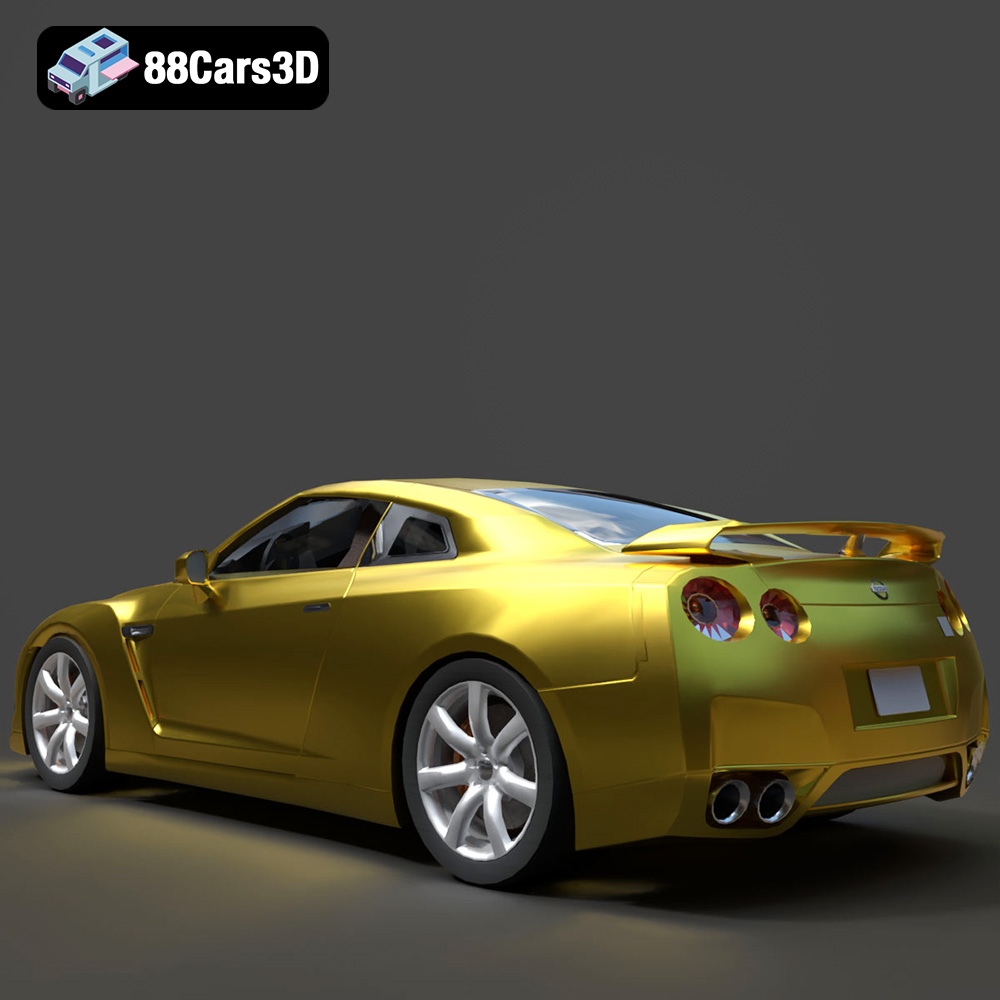
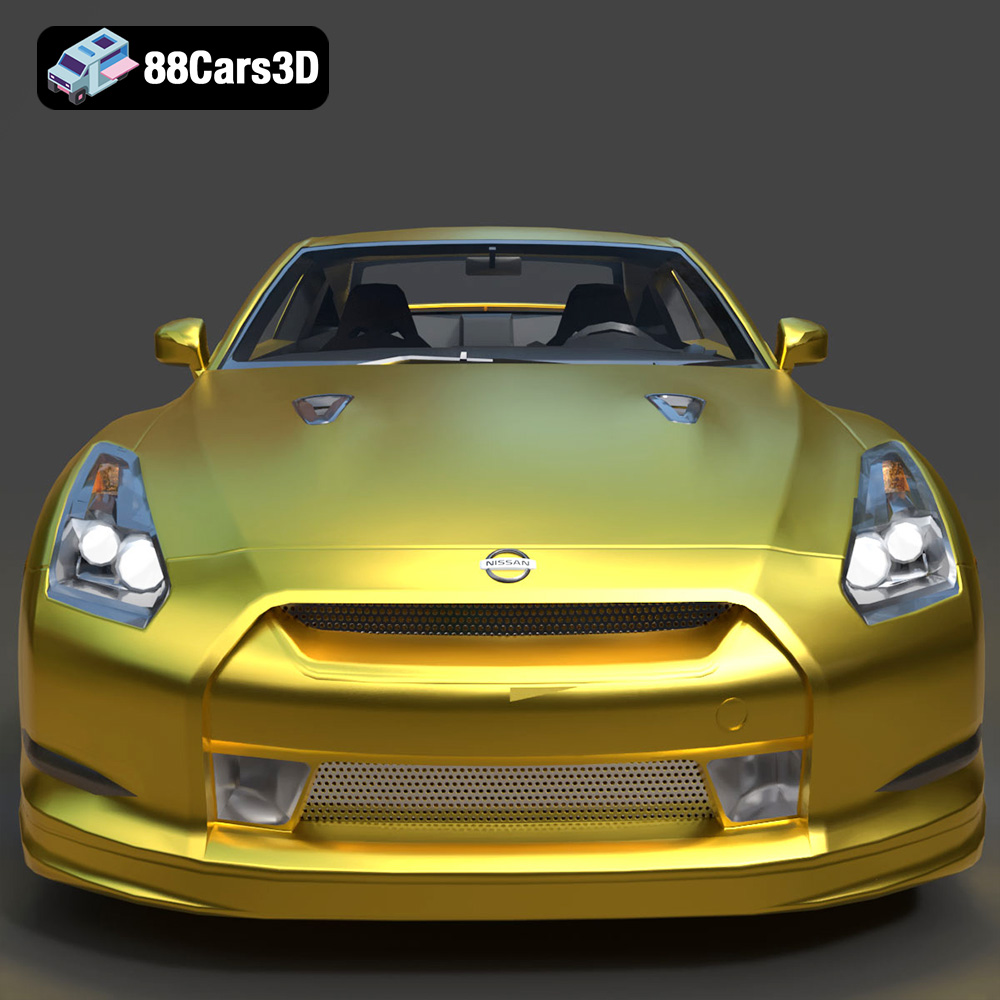
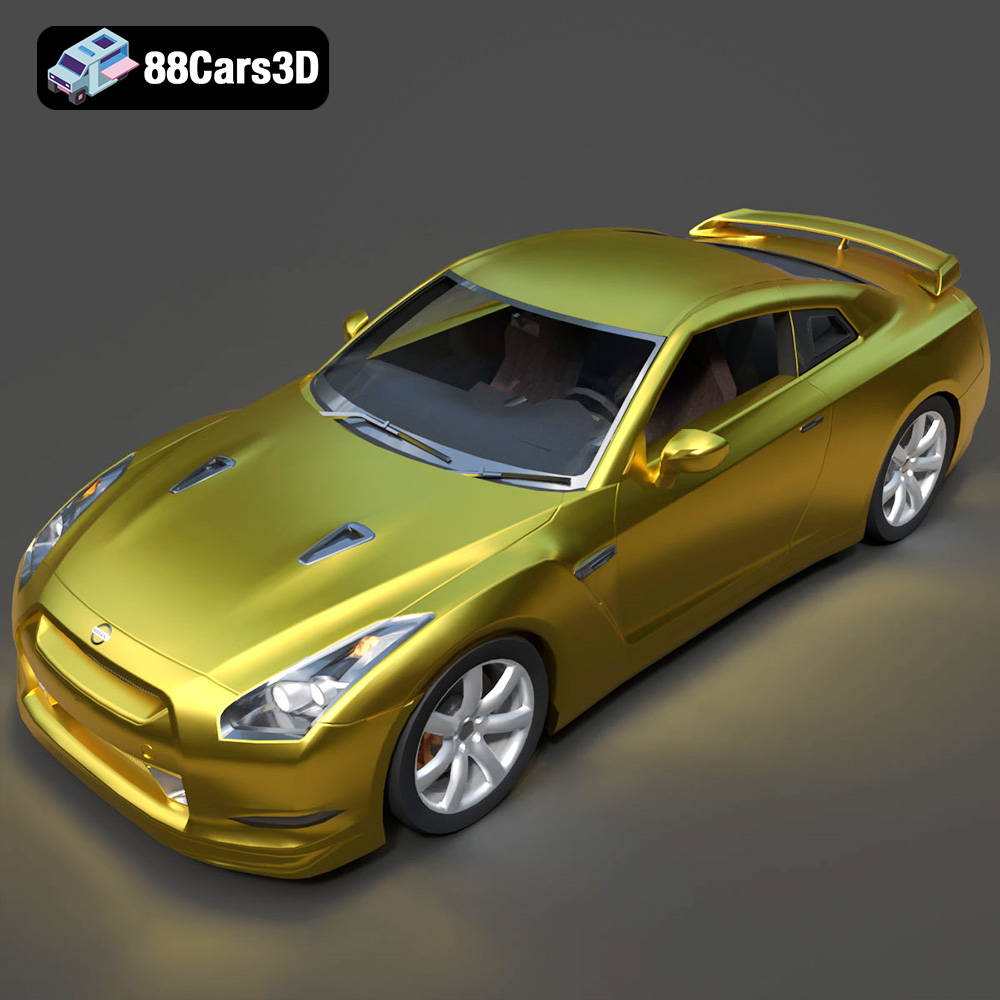
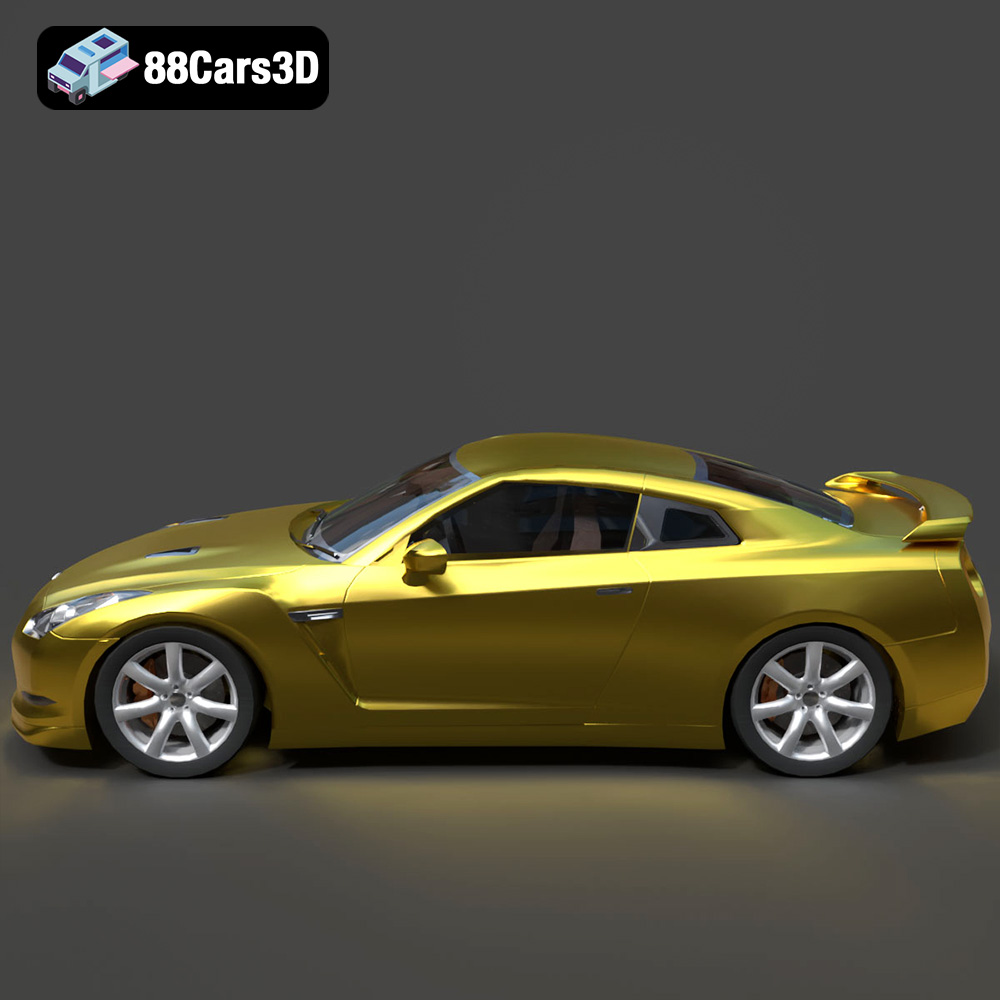
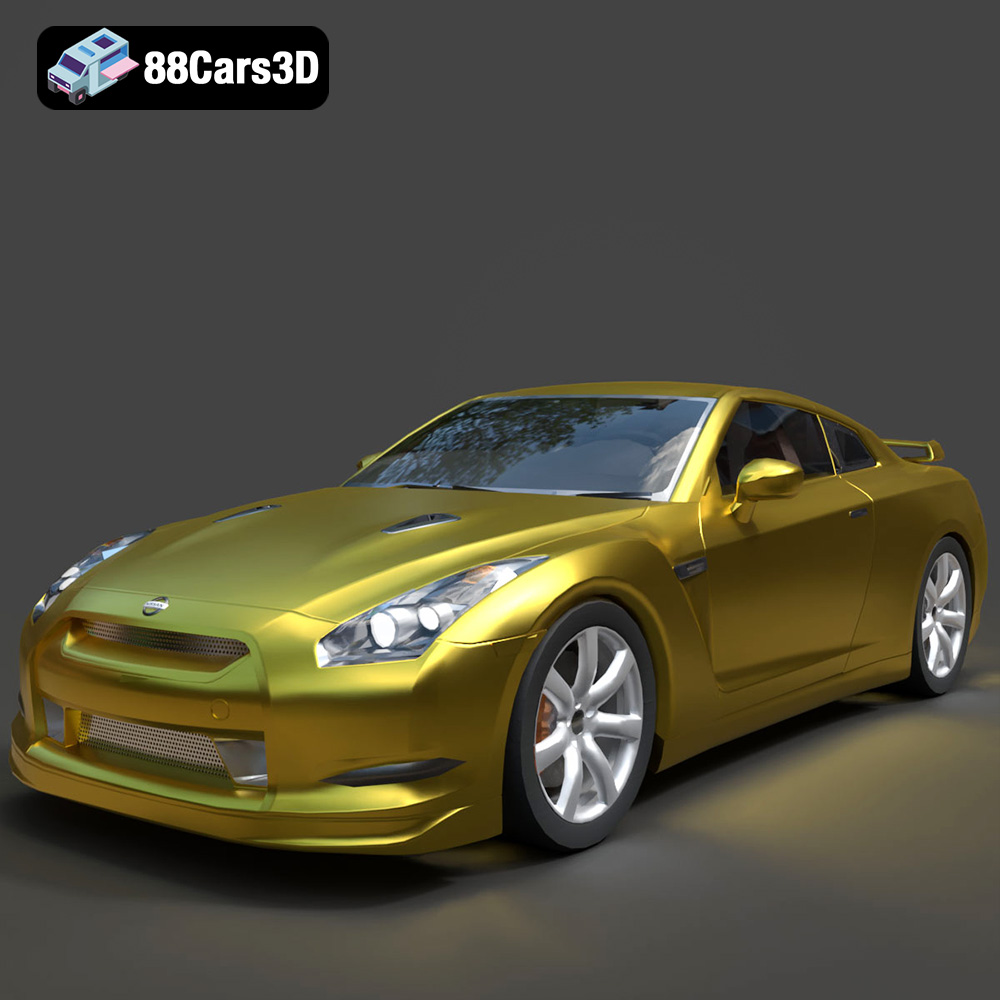
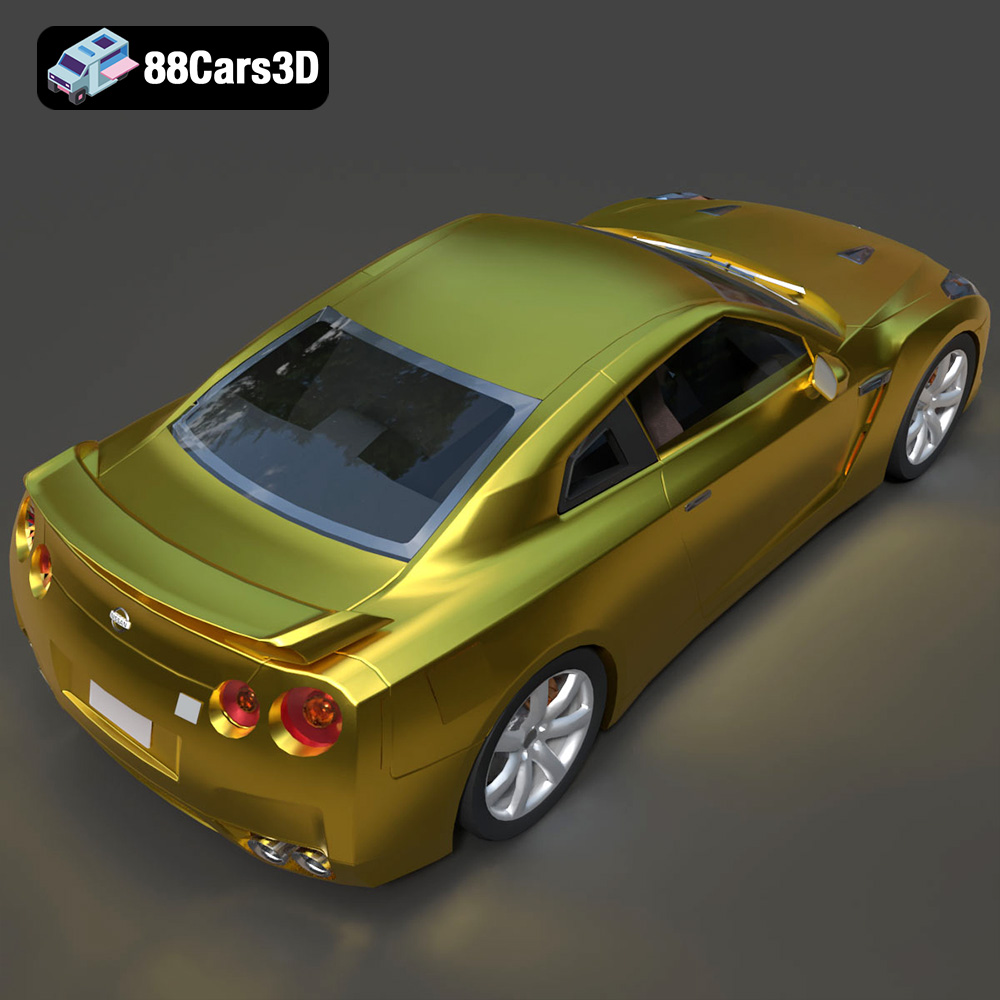
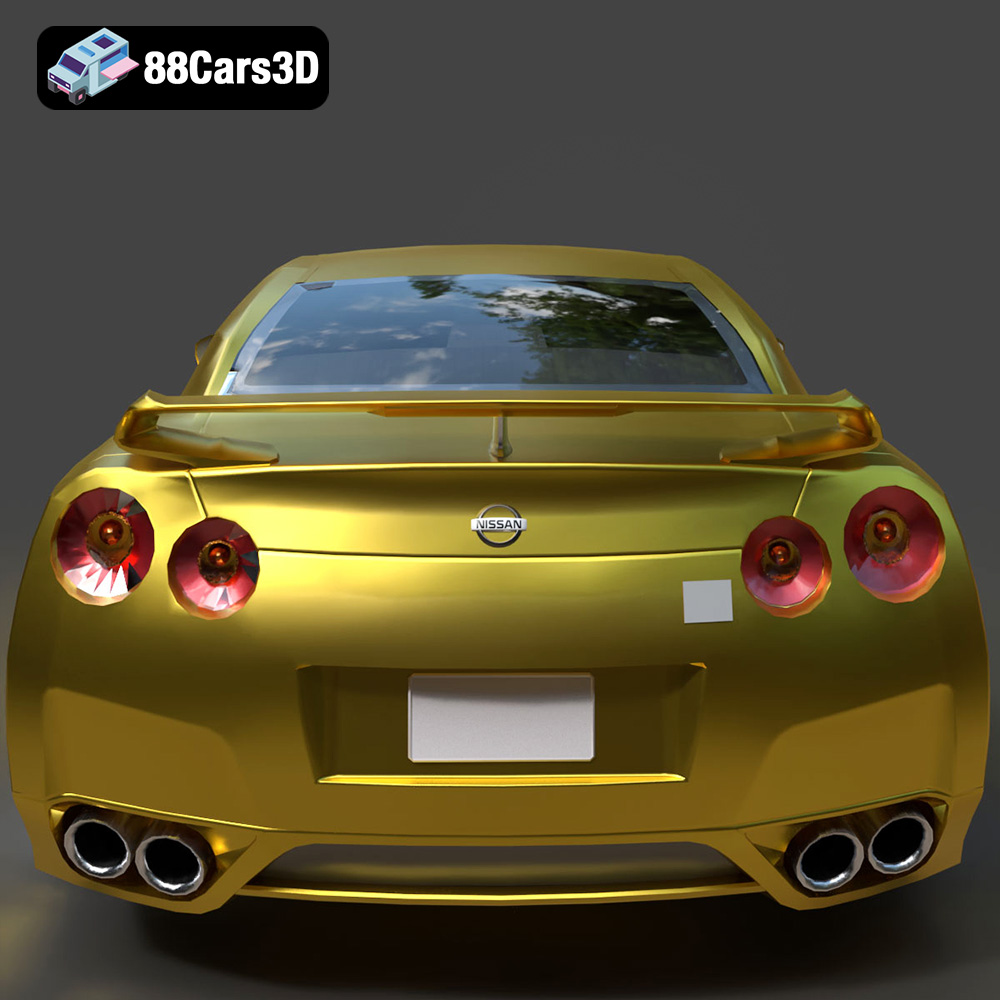
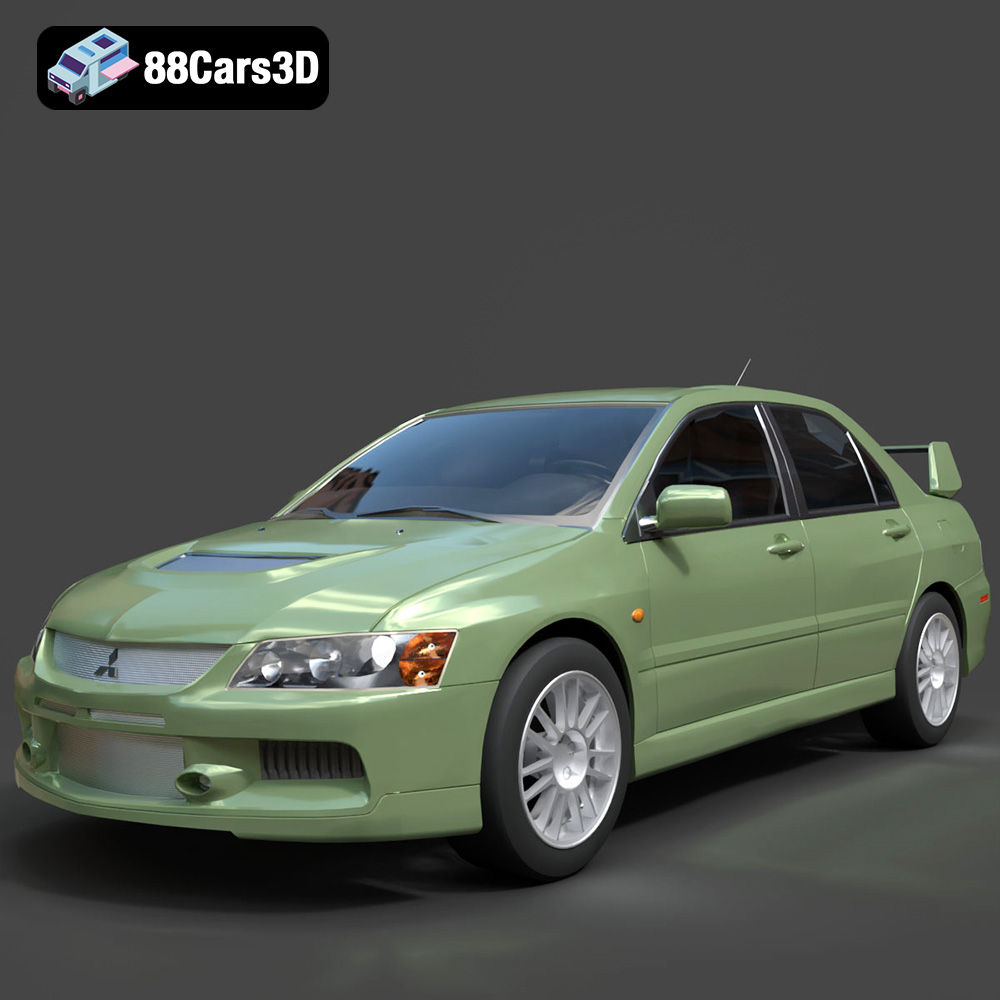
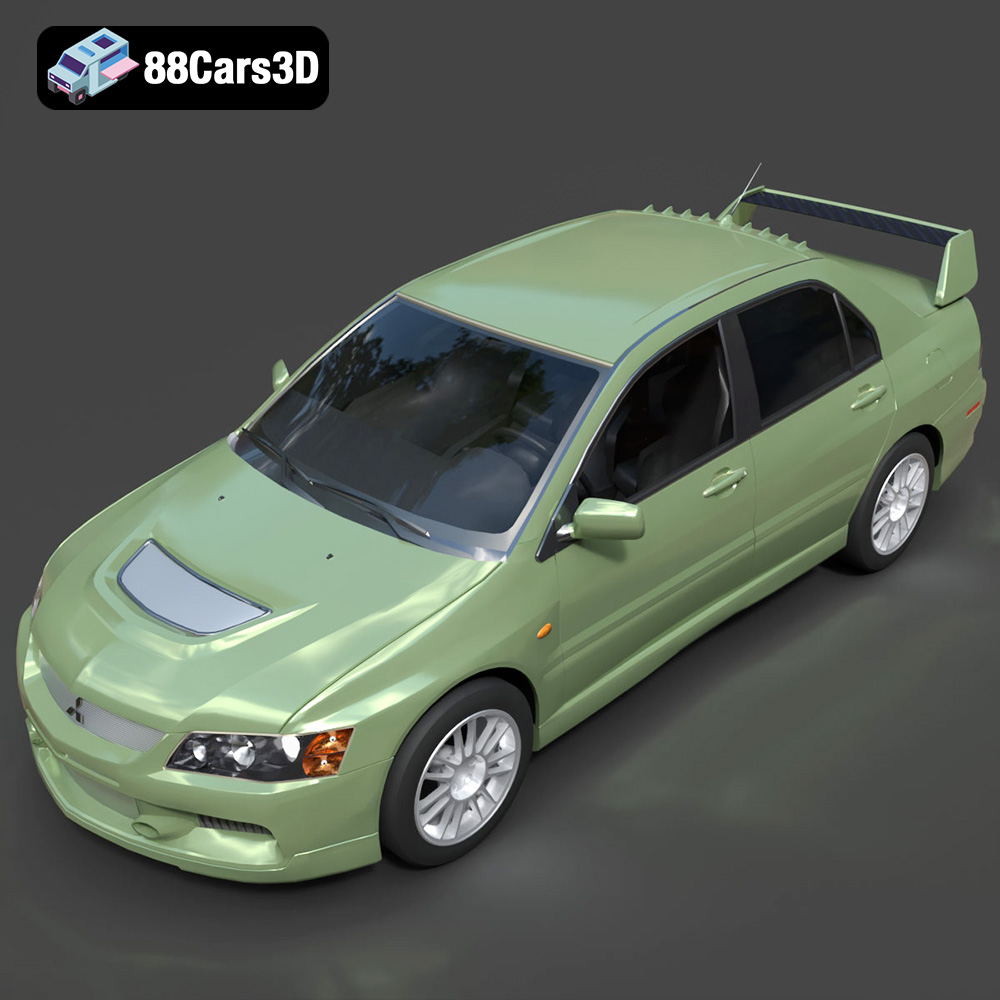
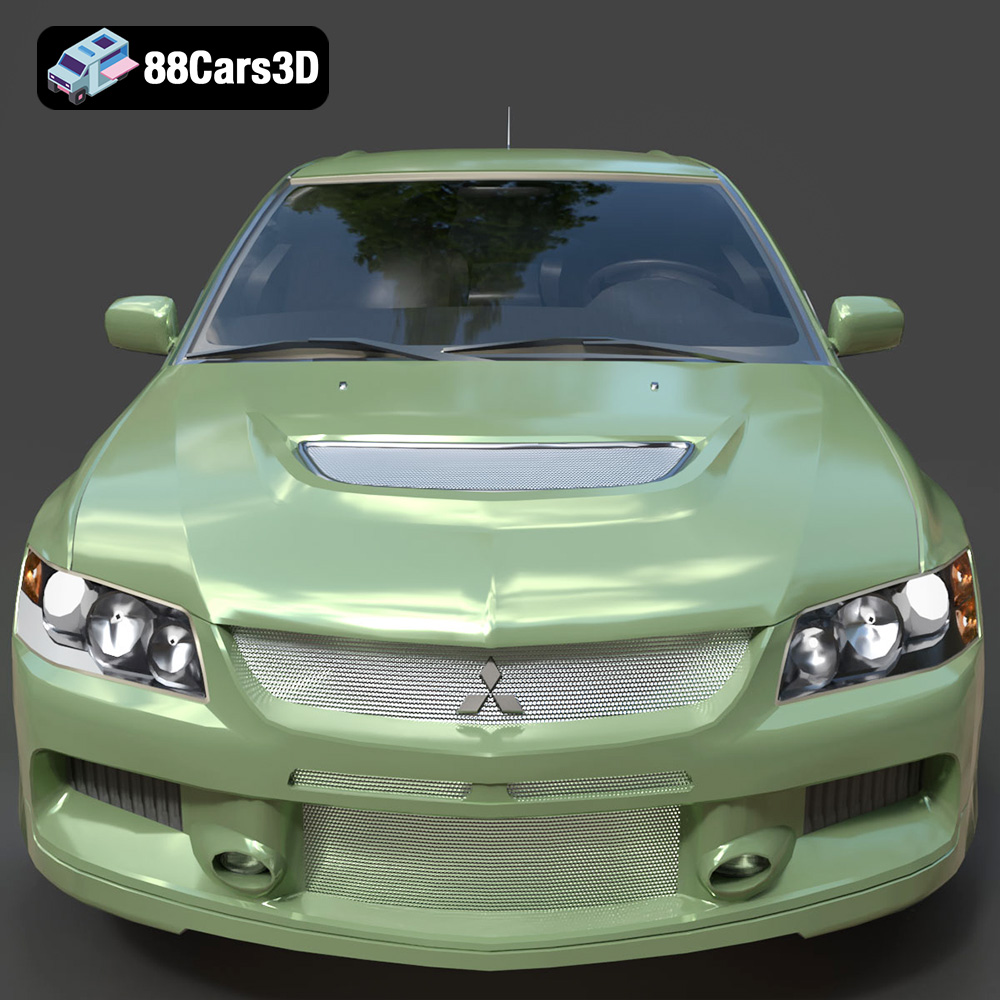
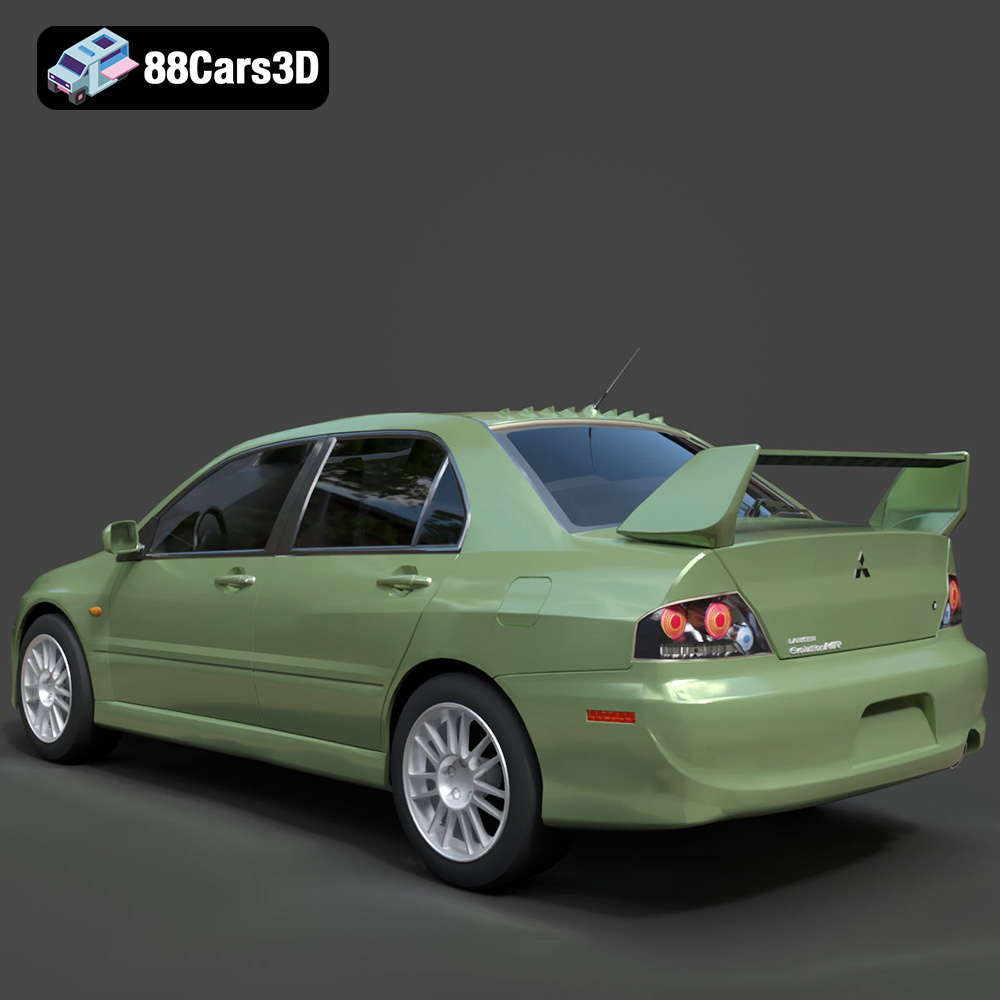
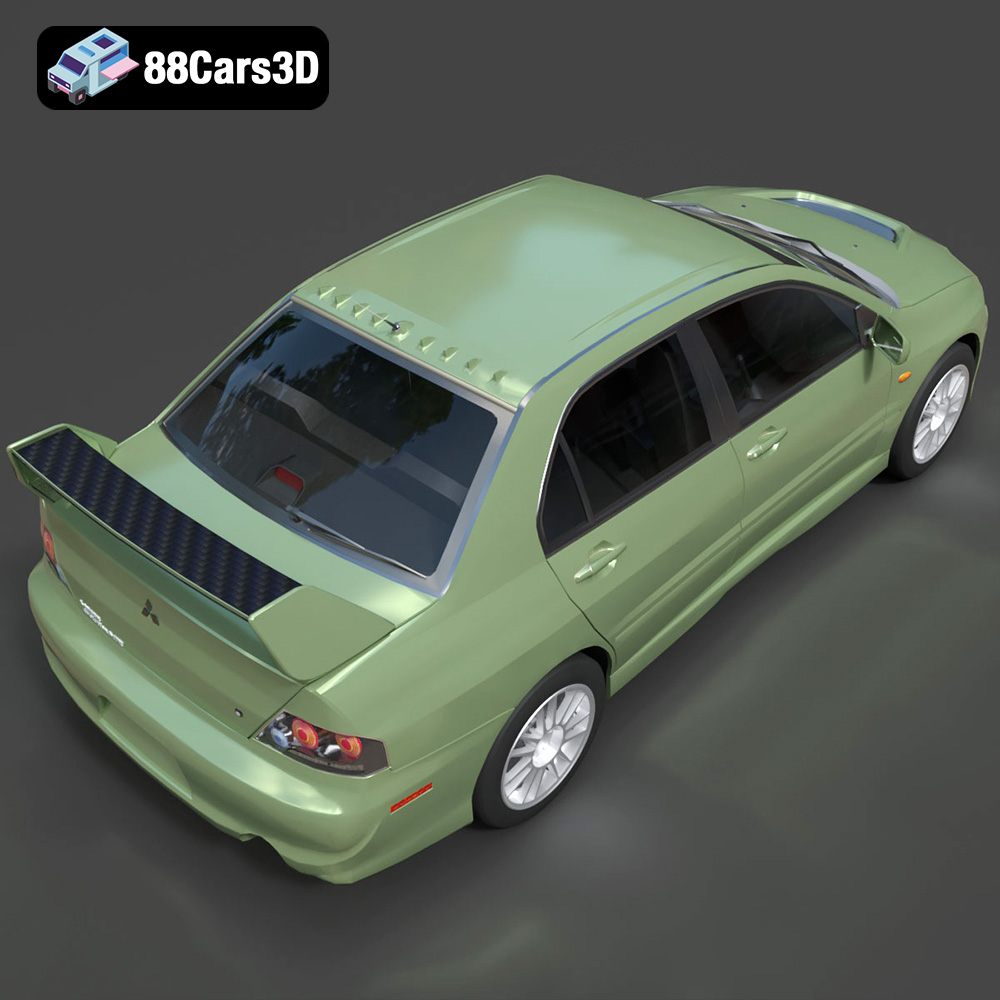
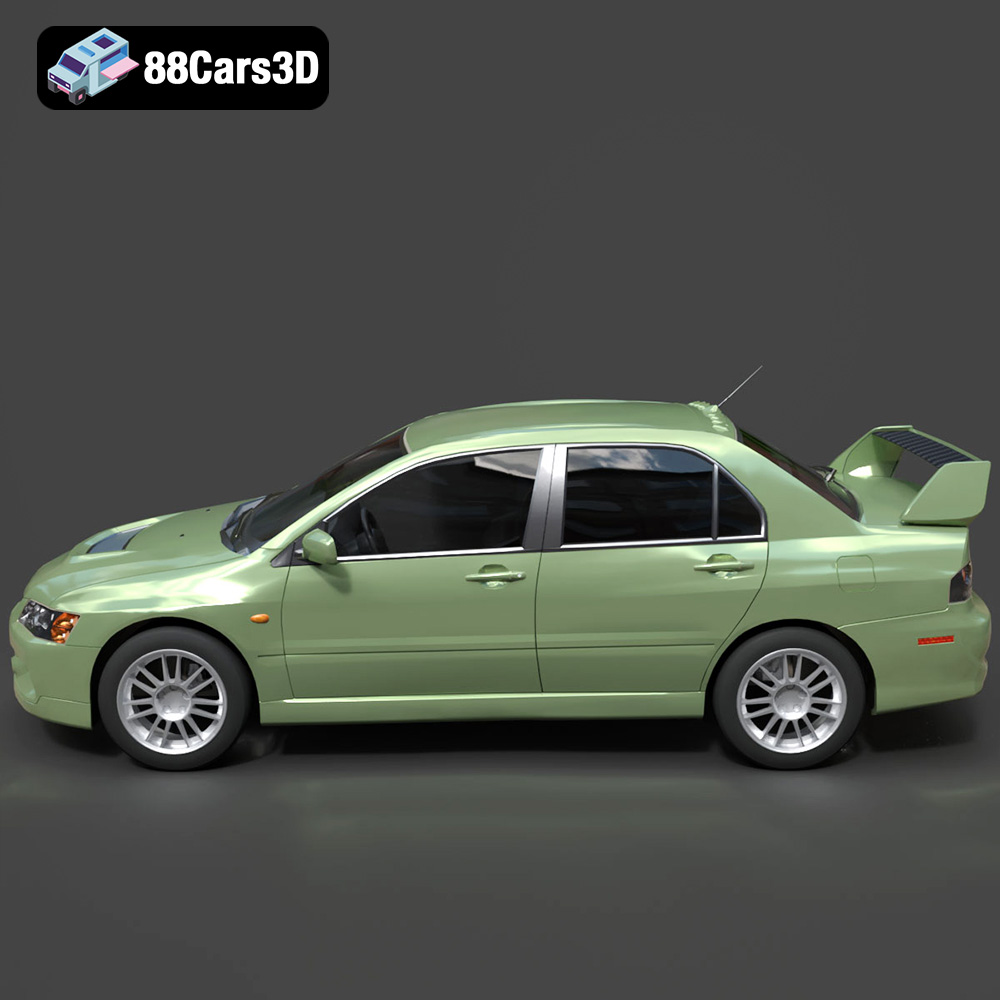
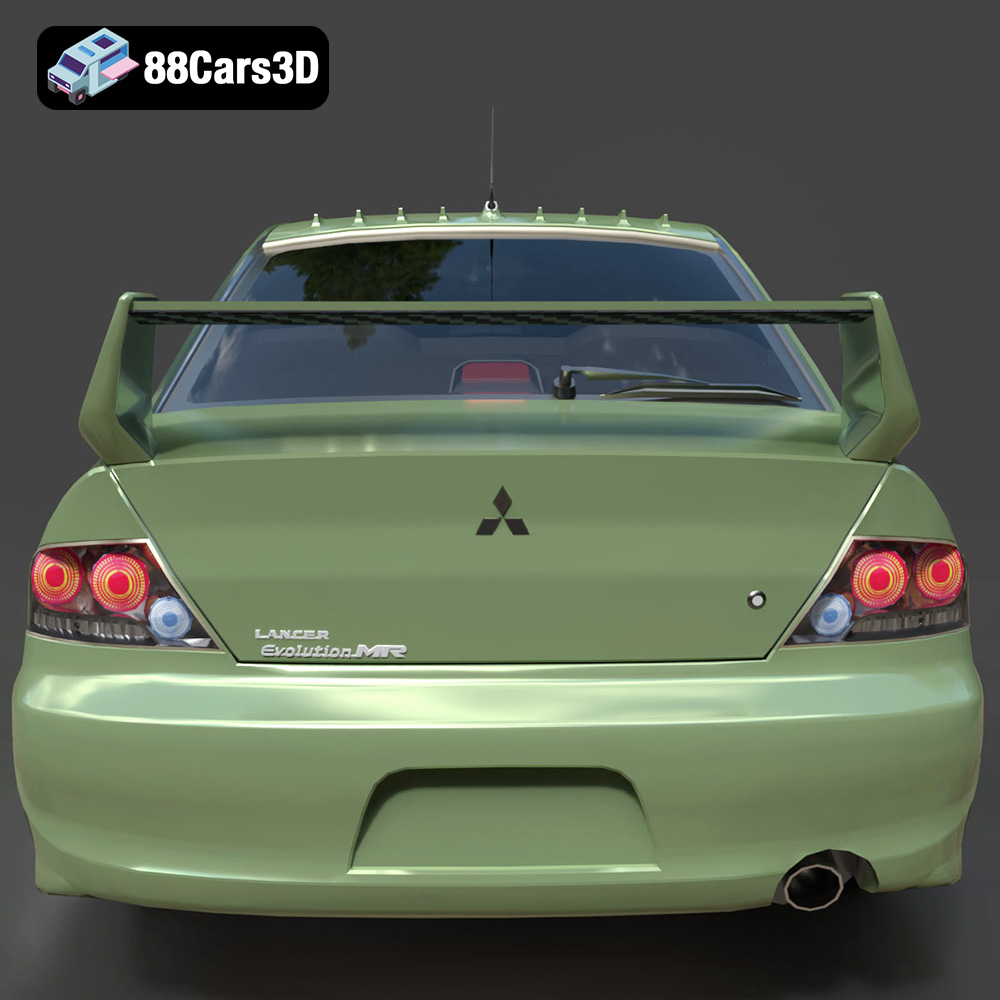
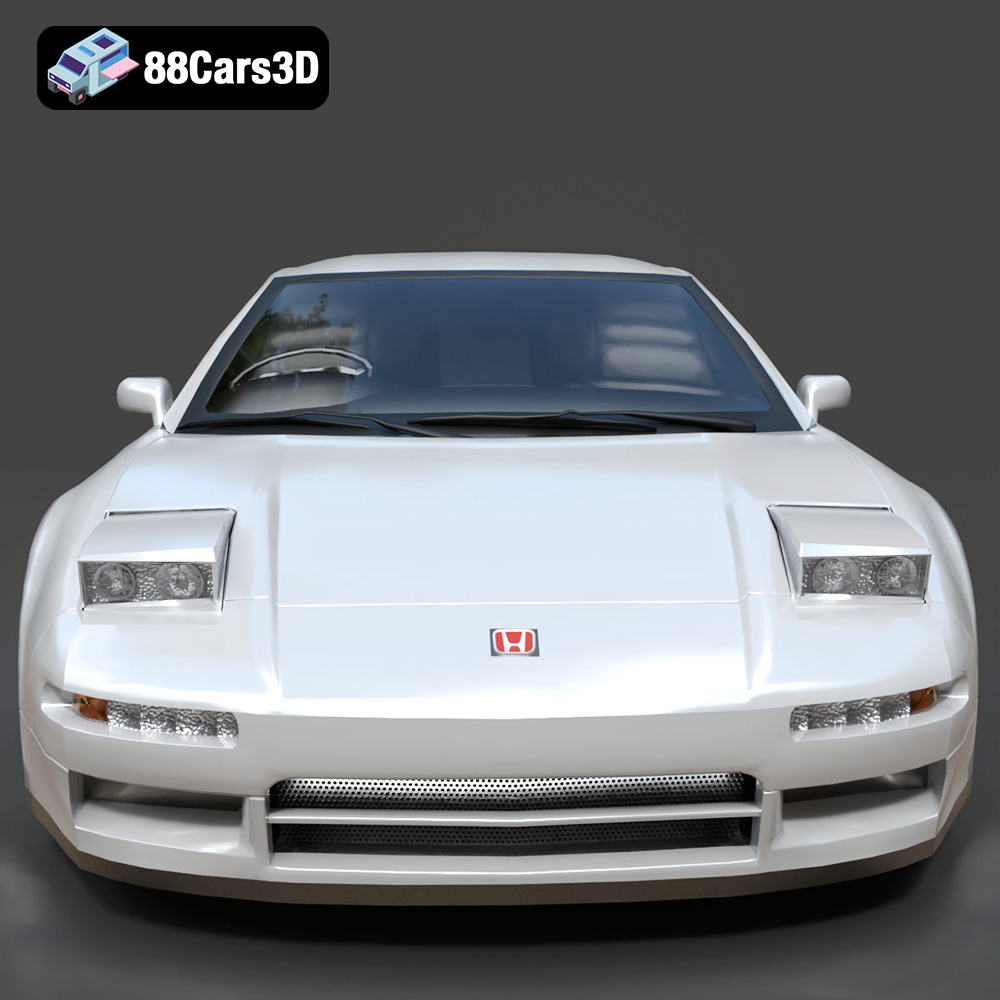
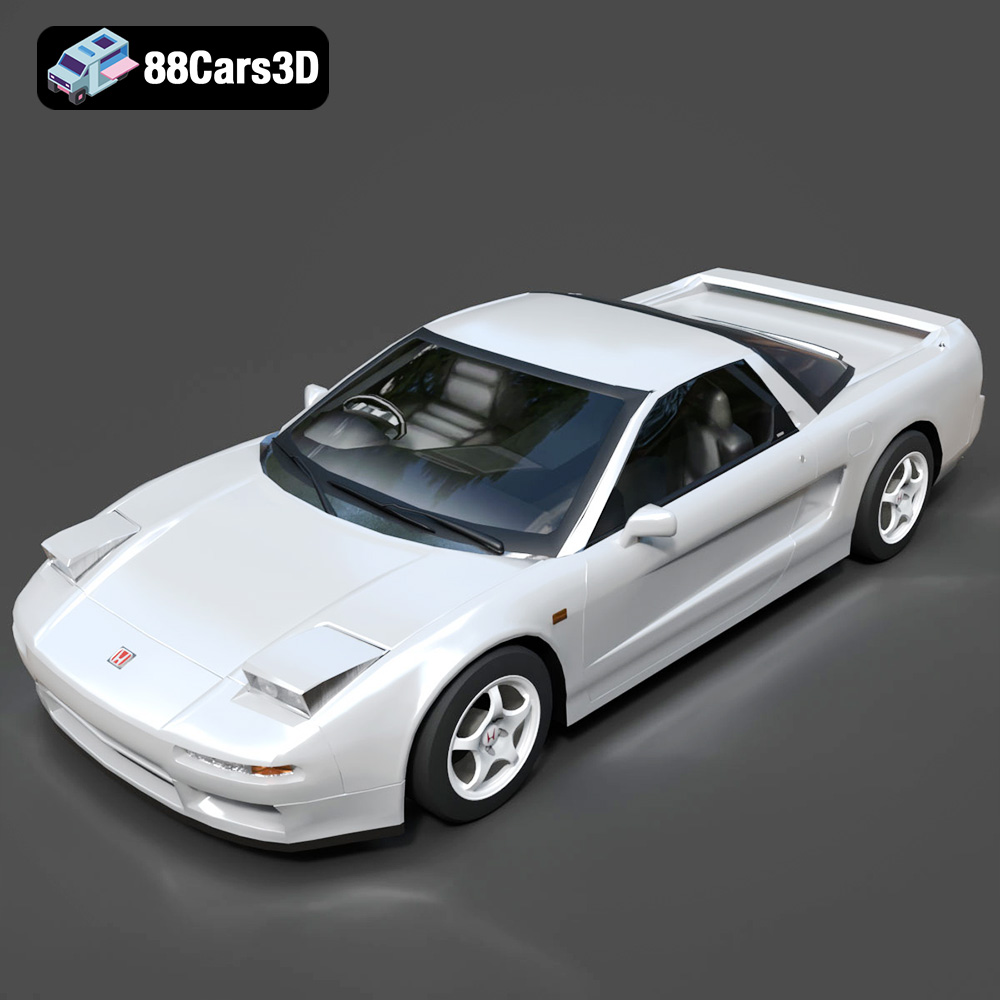
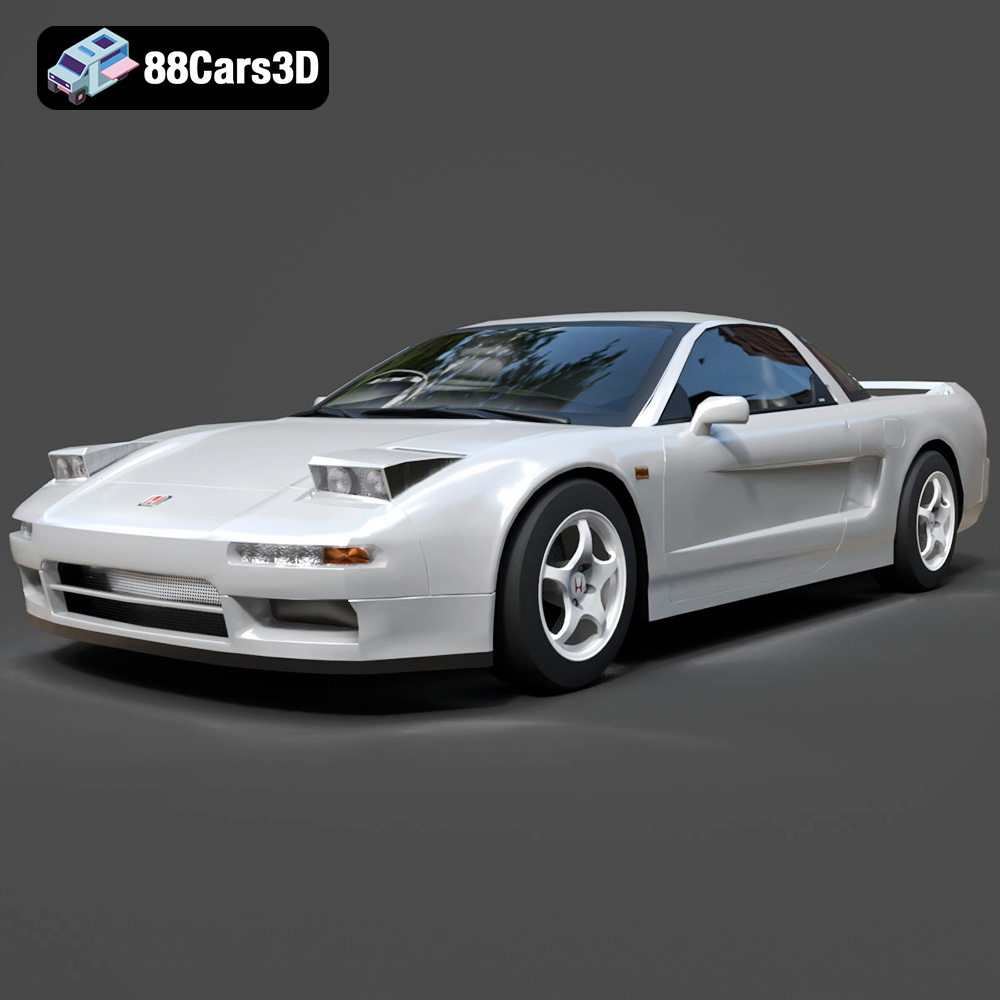
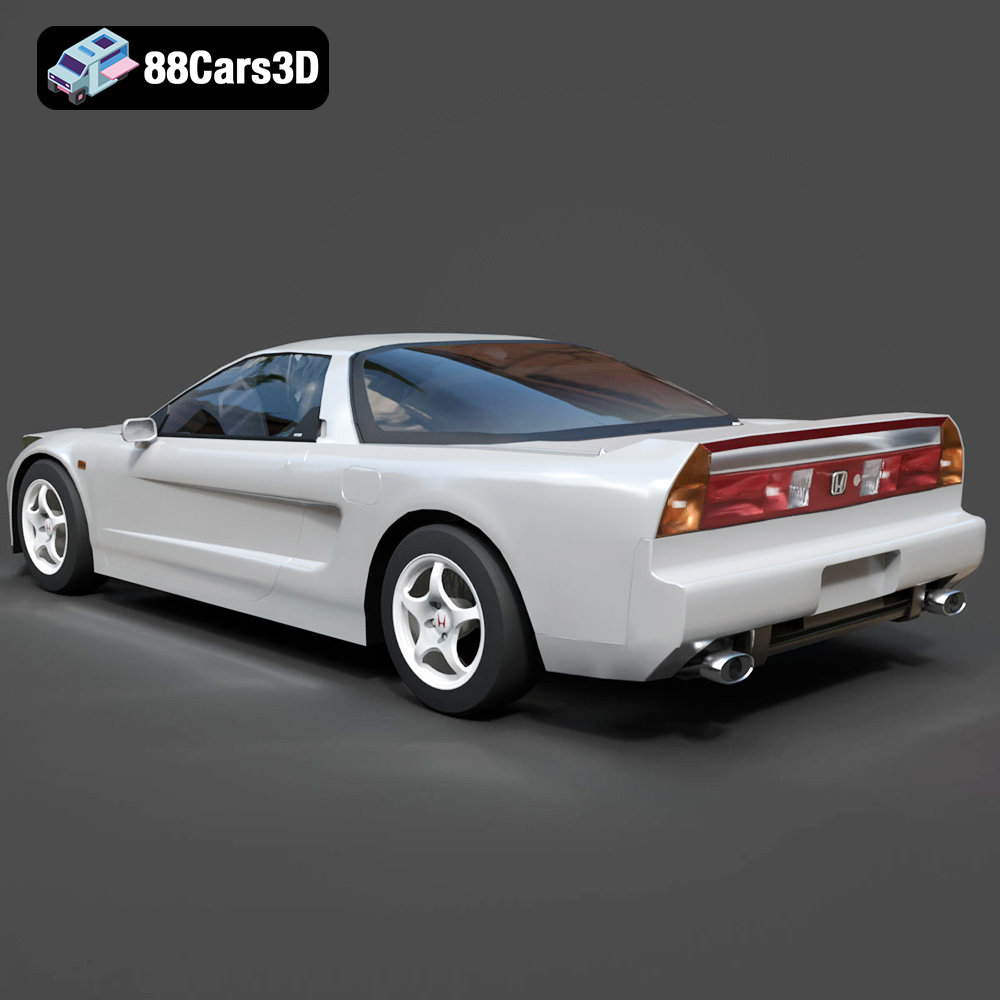
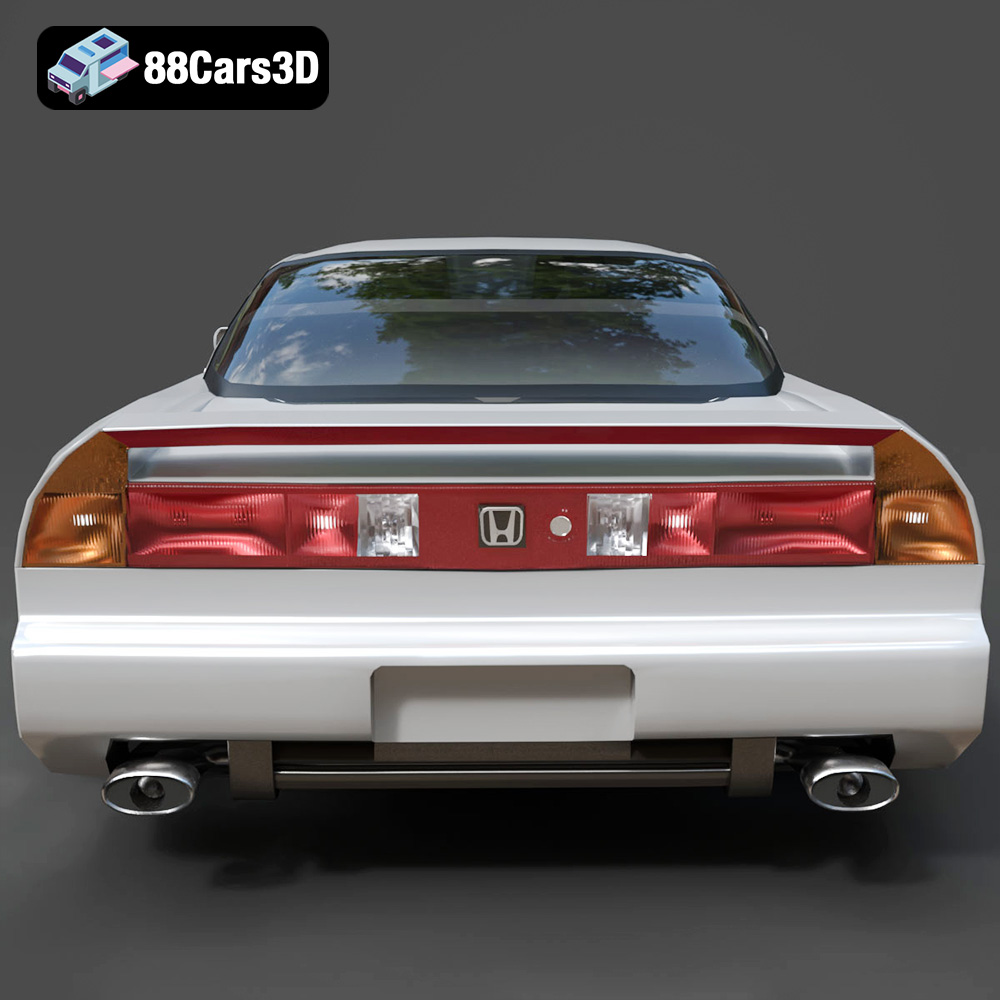
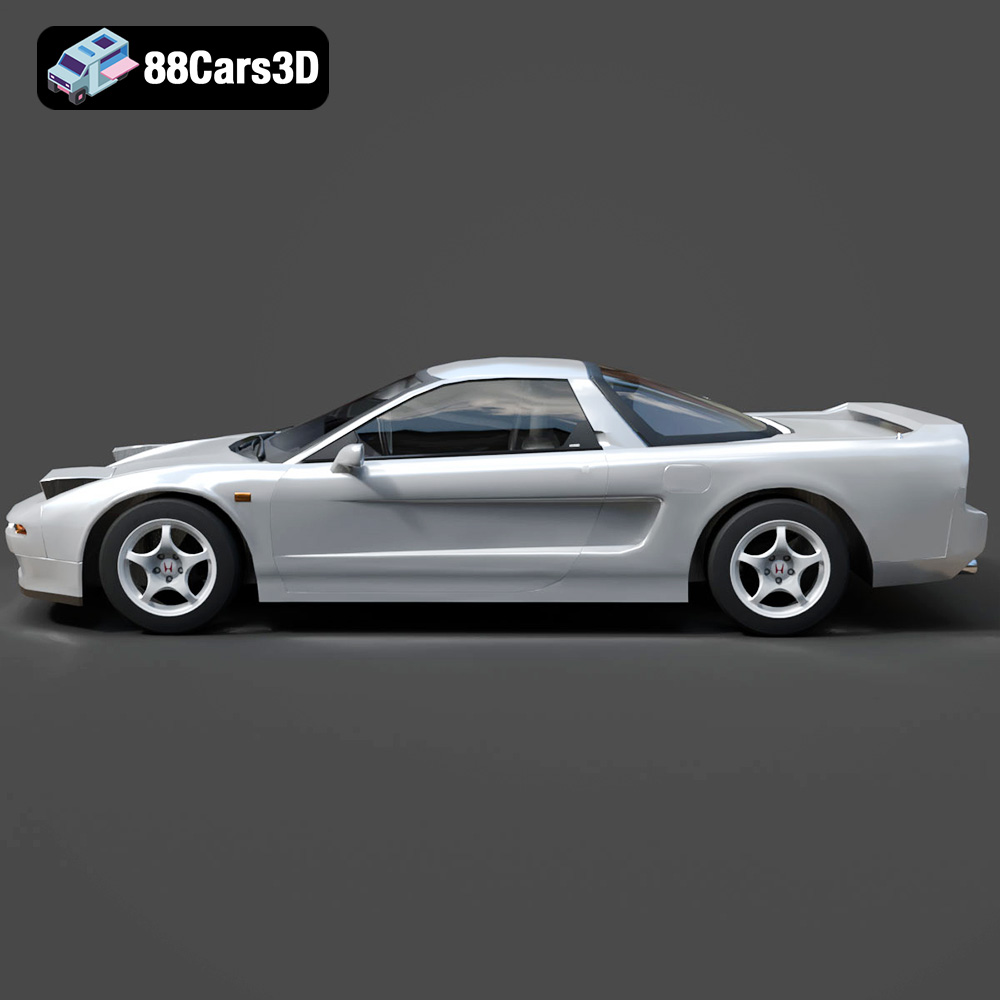
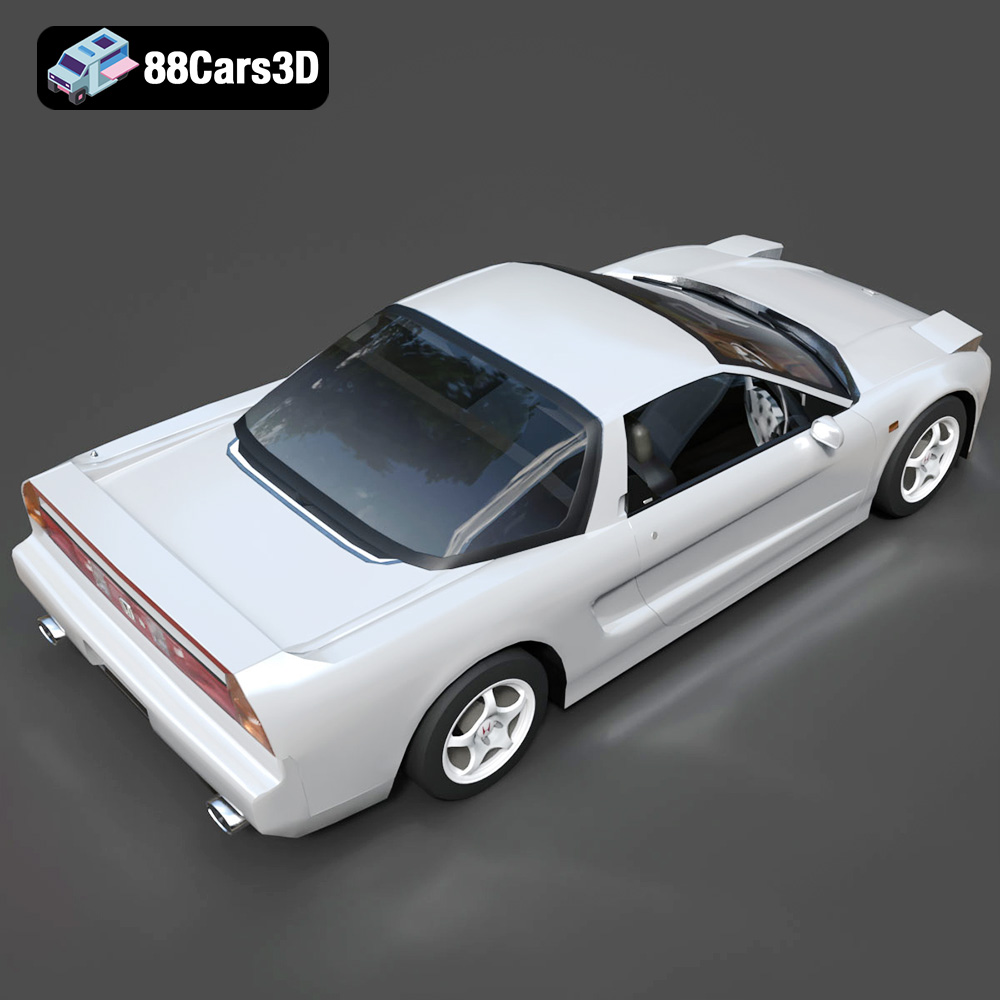
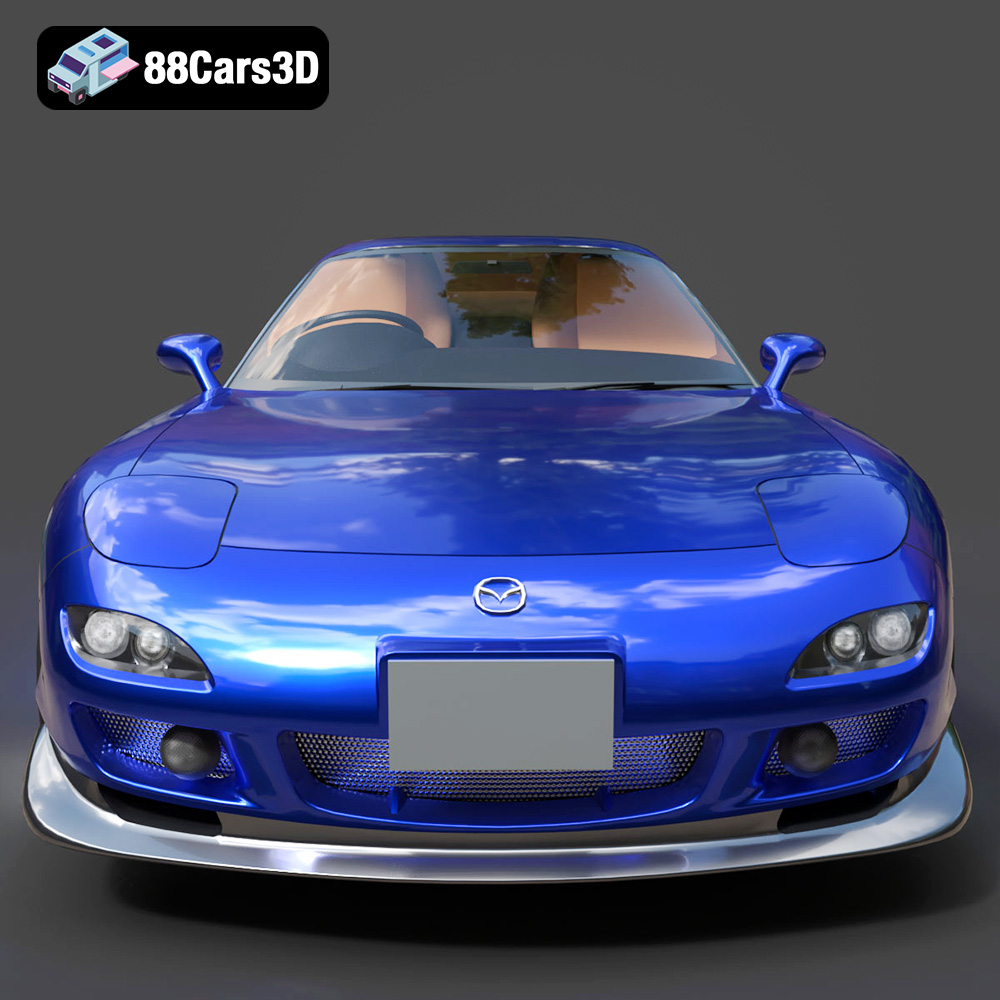
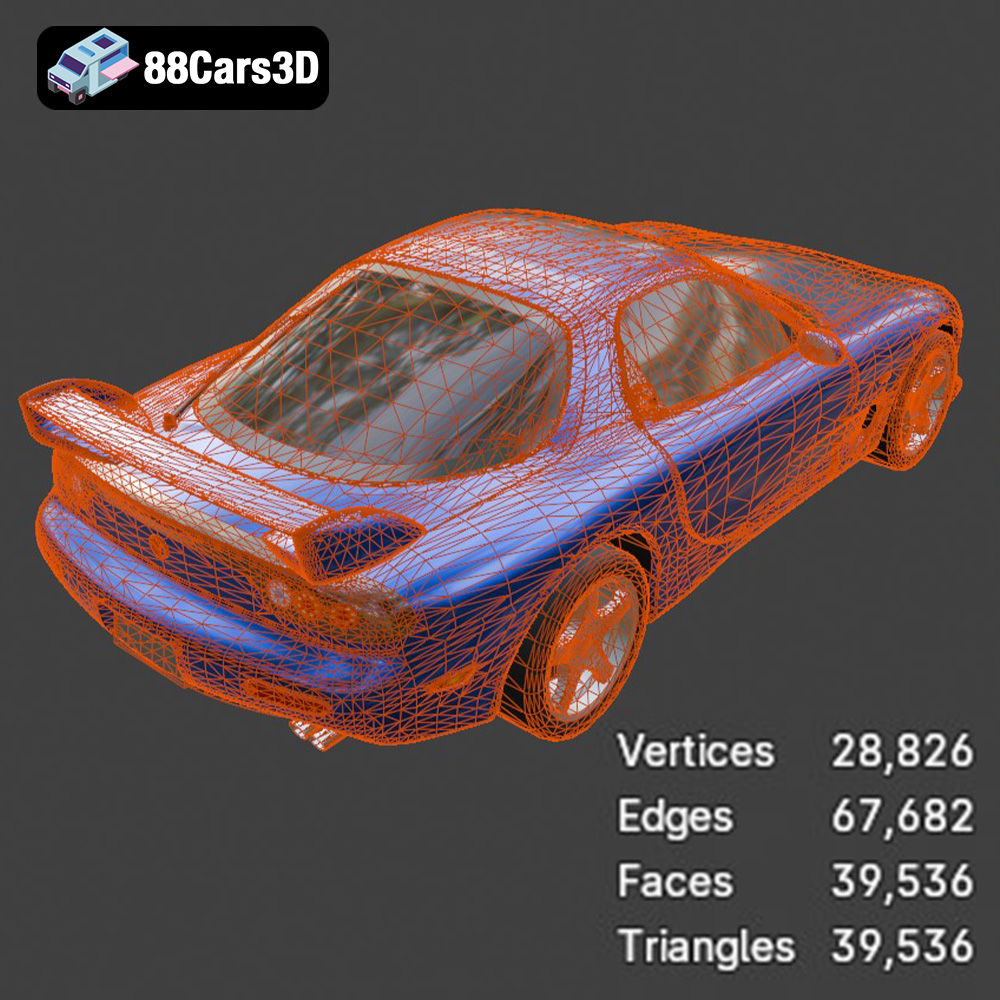
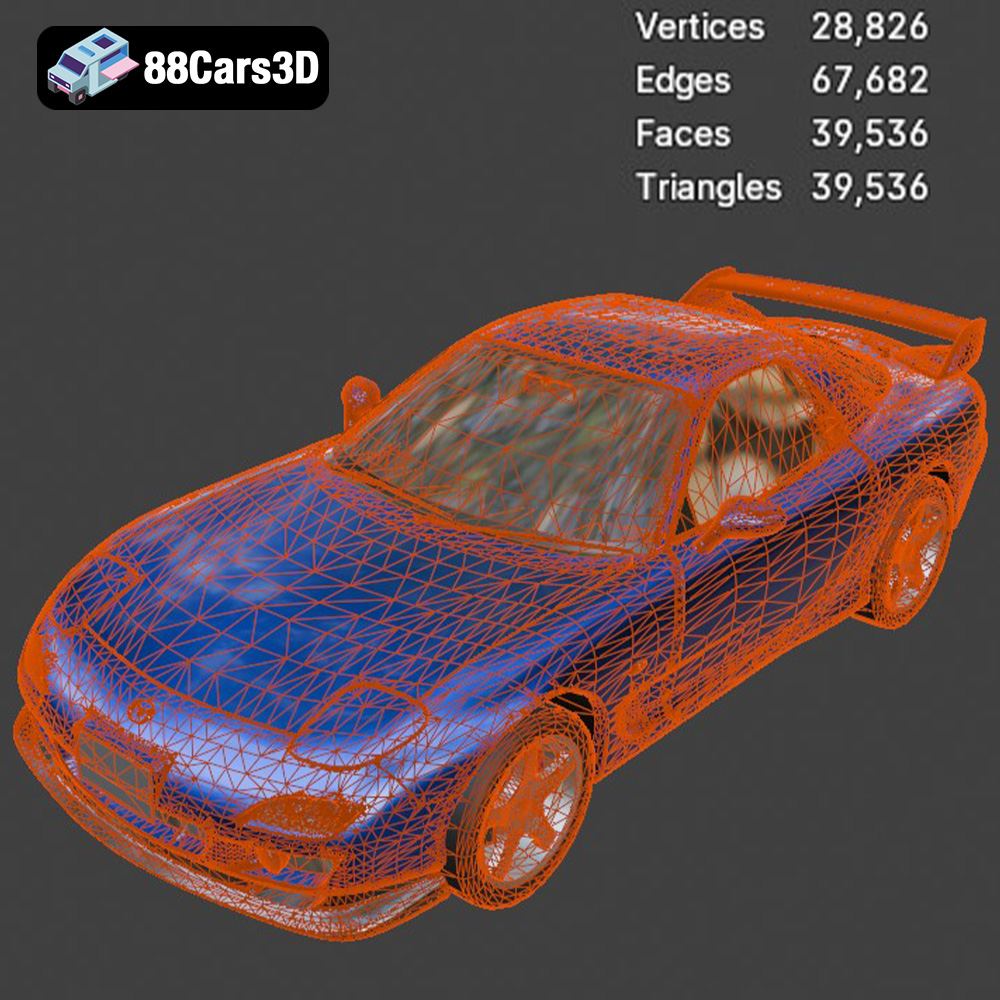
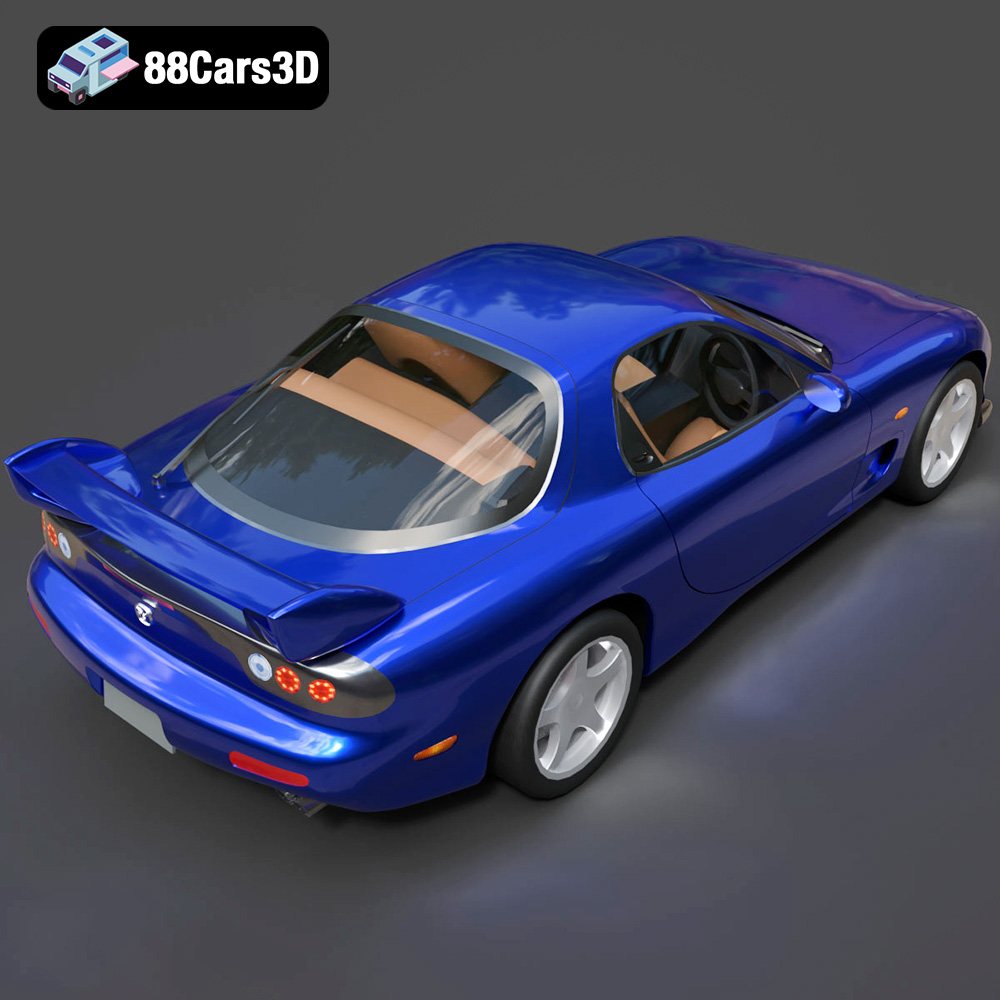
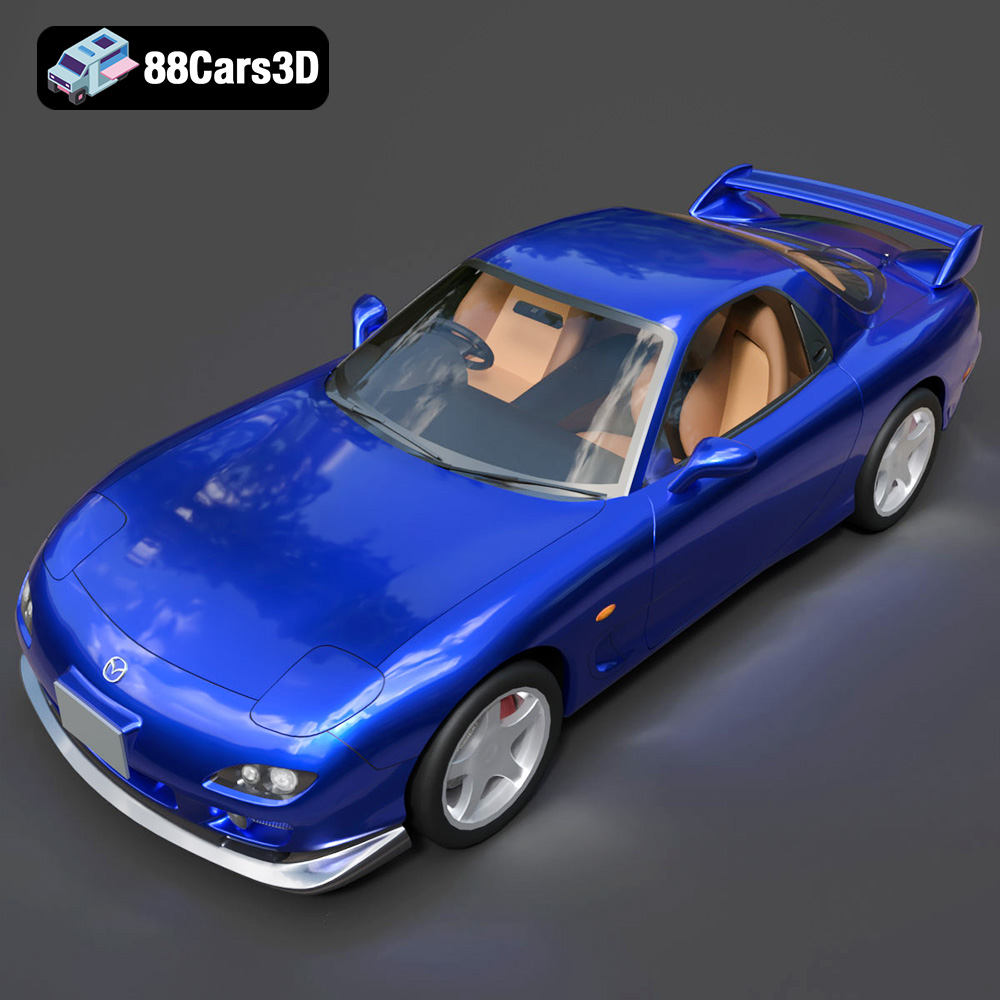
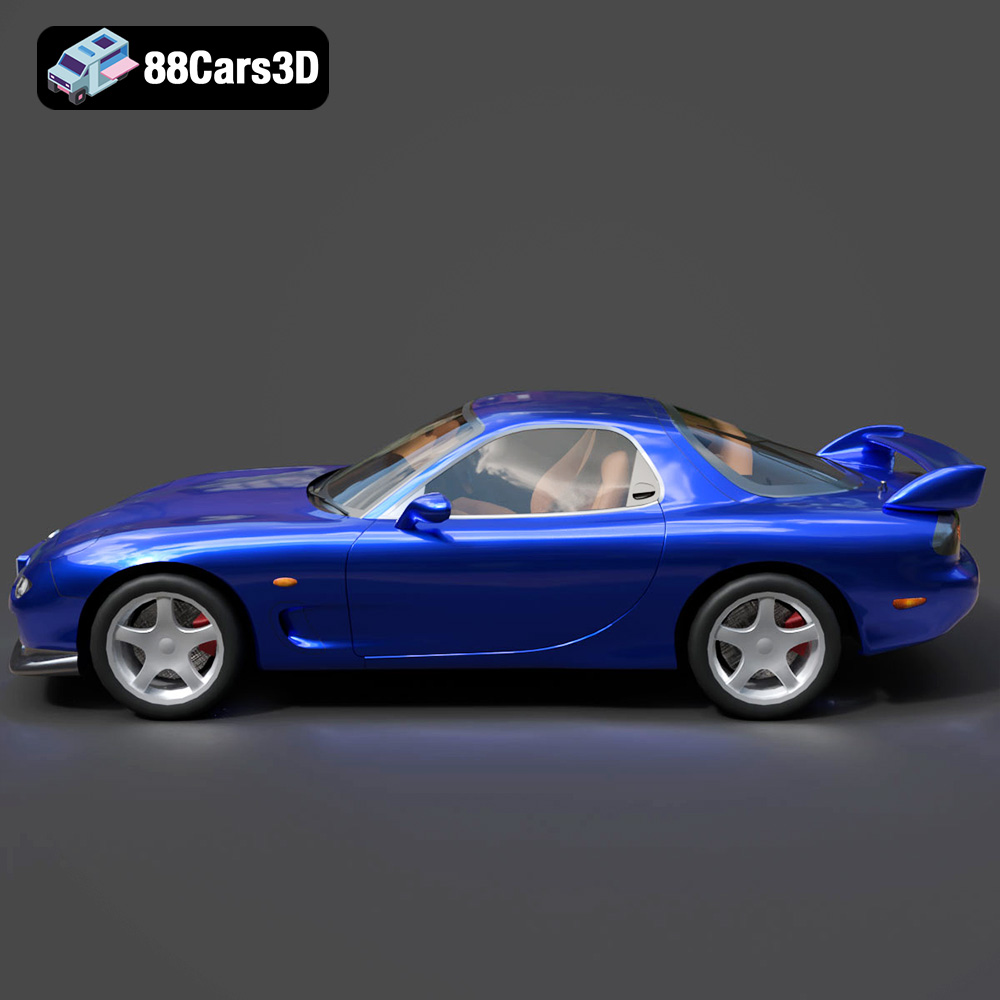
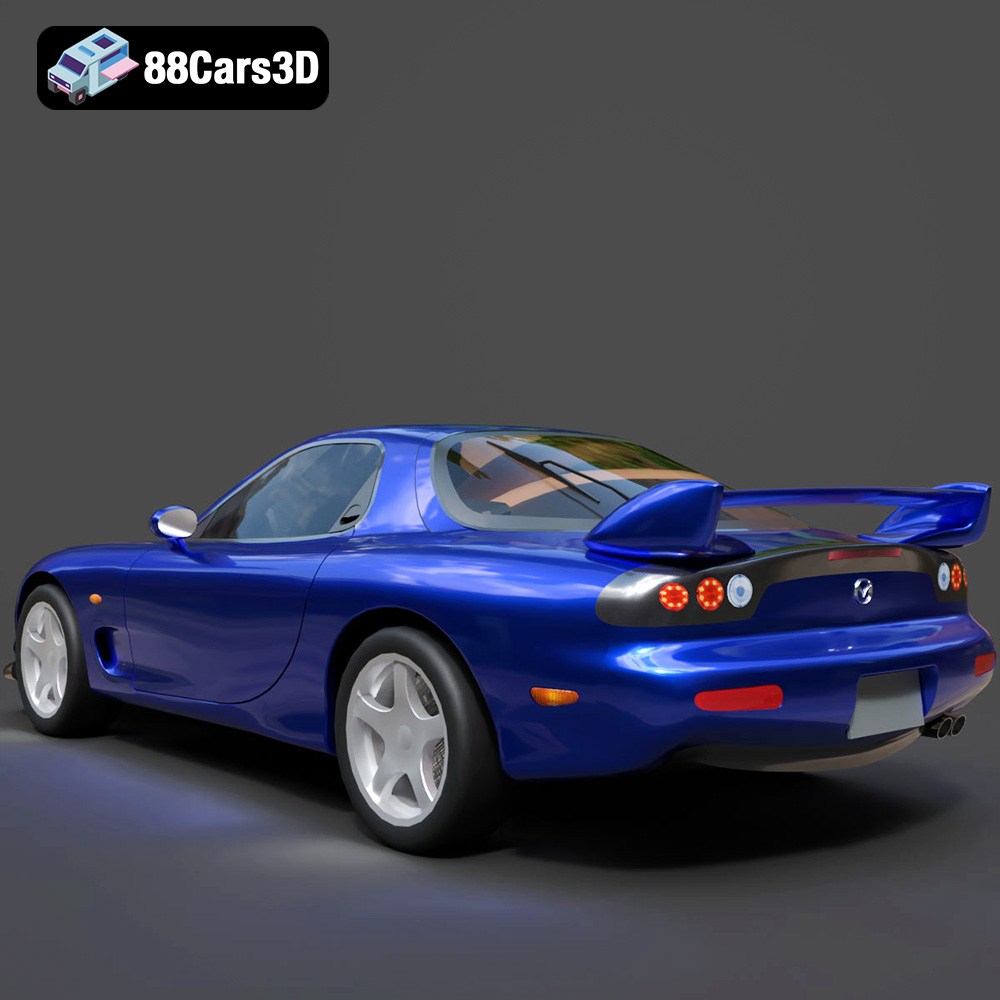
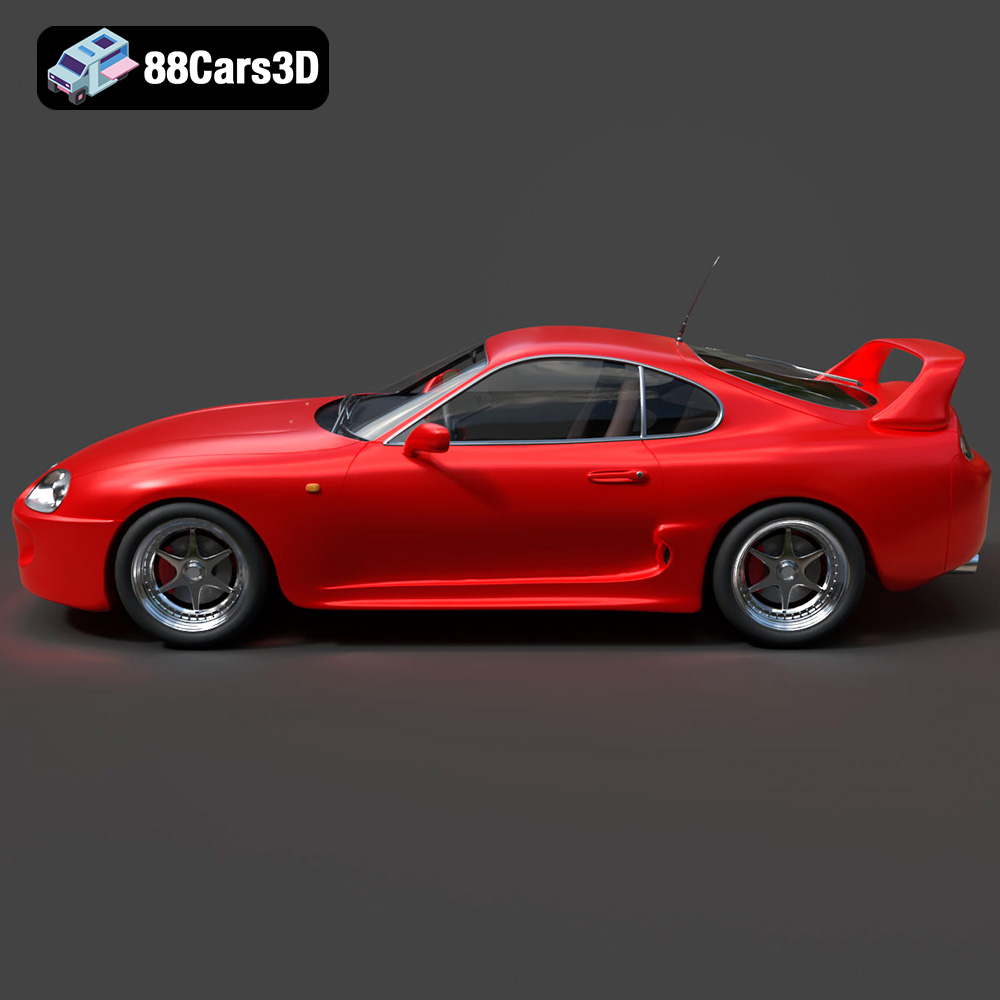
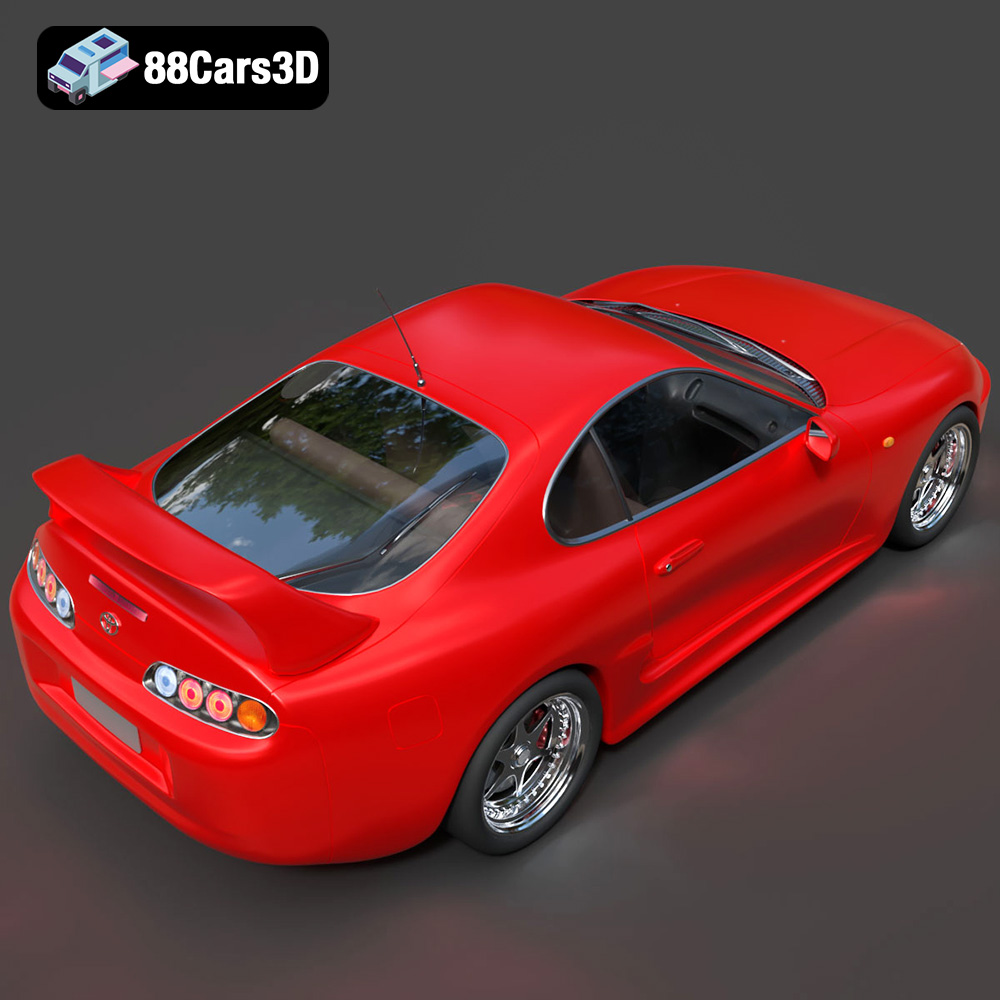
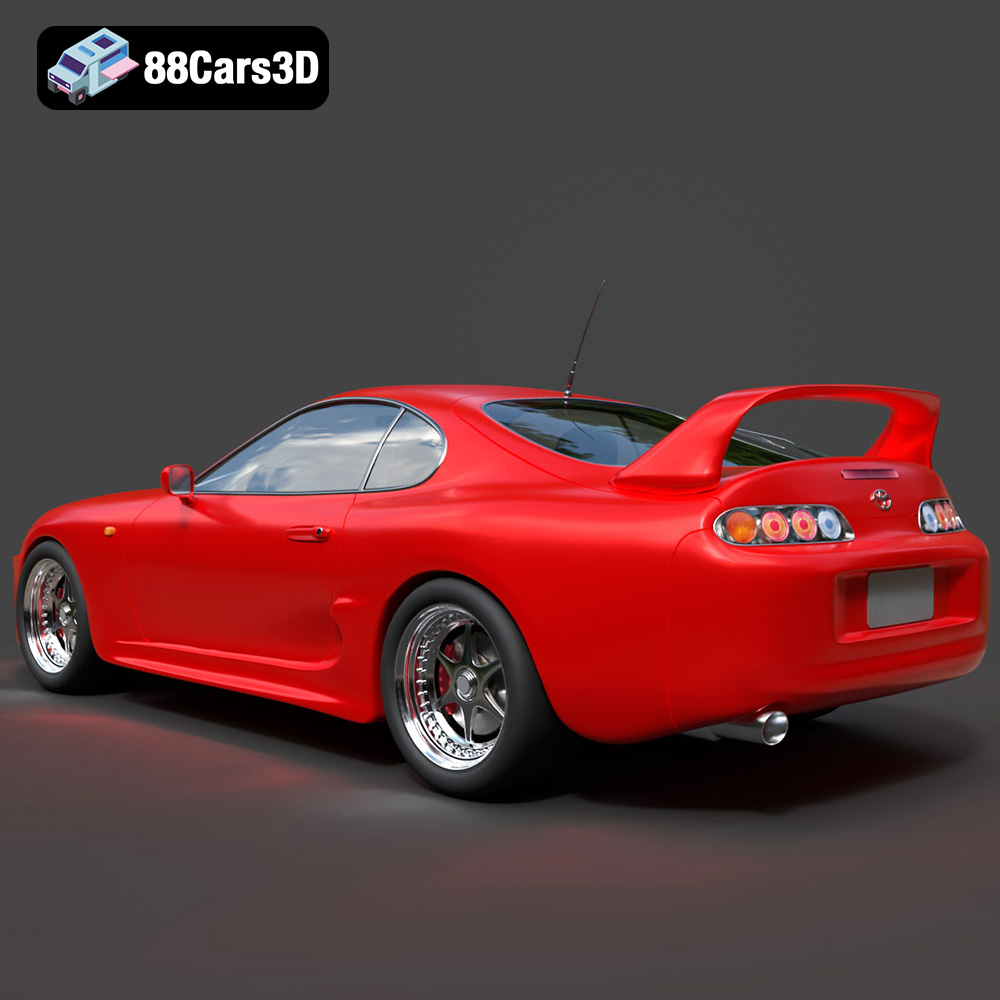
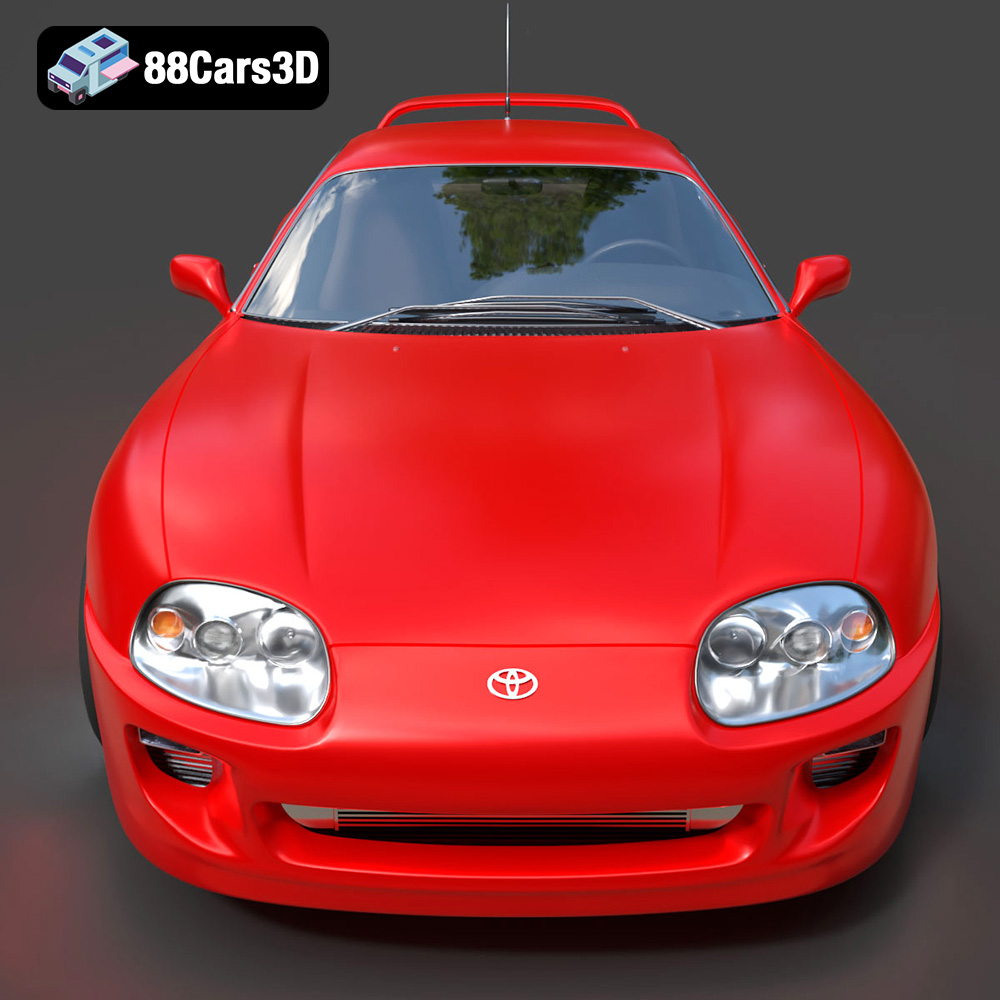
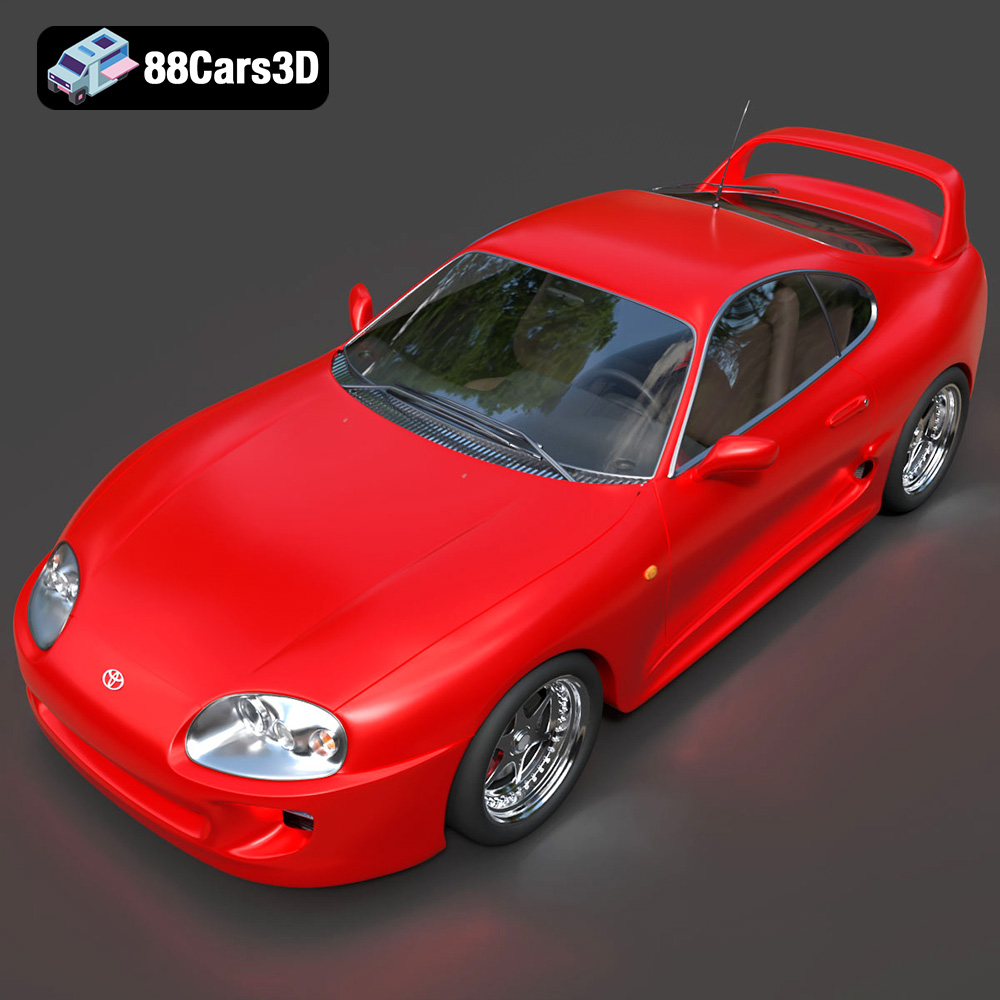
The cars featured in the Japanese Legends bundle are not merely generic vehicles; they are legends. Each model—the Nissan GT-R 2008, Mitsubishi Lancer Evolution IX, Honda NSX-R 1992, Mazda RX-7, and Toyota Supra 2020—carries a specific legacy and a distinctive design language. The bundle excels in capturing these nuances. For instance, the “Godzilla” GT-R model meticulously replicates its aggressive front fascia and signature quad round taillights. The Evo IX showcases its iconic hood vents and large rear spoiler, while the NSX-R resurrects the timeless aerodynamic wedge and pop-up headlights of the 90s. The smooth, flowing curves of the FD-generation RX-7, perfect for drifting scenes, are beautifully preserved, and the modern aggressive aerodynamics of the A90 Supra are rendered with precision. This commitment to accurate digital representation is what transforms generic 3D car models into genuine pieces of JDM history, ready for any project.
A core tenet of JDM culture is customization. Owners don’t just drive these cars; they personalize them, transforming them into reflections of their unique style. This bundle embraces that philosophy with its “Tuning Ready” design. The models feature clean geometry, making it exceptionally easy for 3D artists to apply their creative touch. Components like wheels, doors, and steering are intelligently separated, providing instant access for modification. Imagine easily swapping stock rims for massive aftermarket ones, adding a custom widebody kit for an aggressive stance, or integrating a colossal spoiler for aerodynamic flair. This modularity means artists aren’t stuck with a fixed design; they can evolve these 3D car models to fit any vision, whether it’s a subtle street tune or an extreme track monster.
Beyond aesthetics, the true measure of high-quality 3D assets lies in their technical foundation. Professional workflows demand precision, optimization, and compatibility, all of which are built into the Japanese Legends bundle.
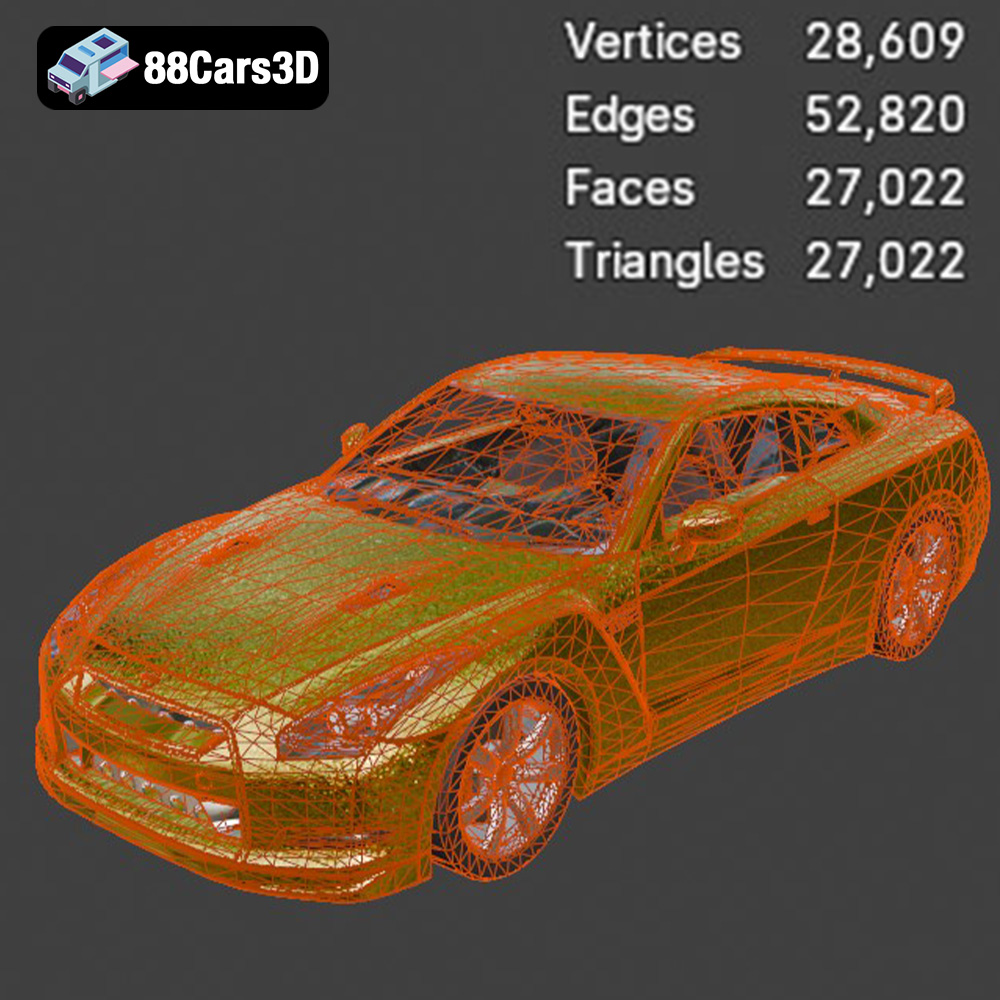
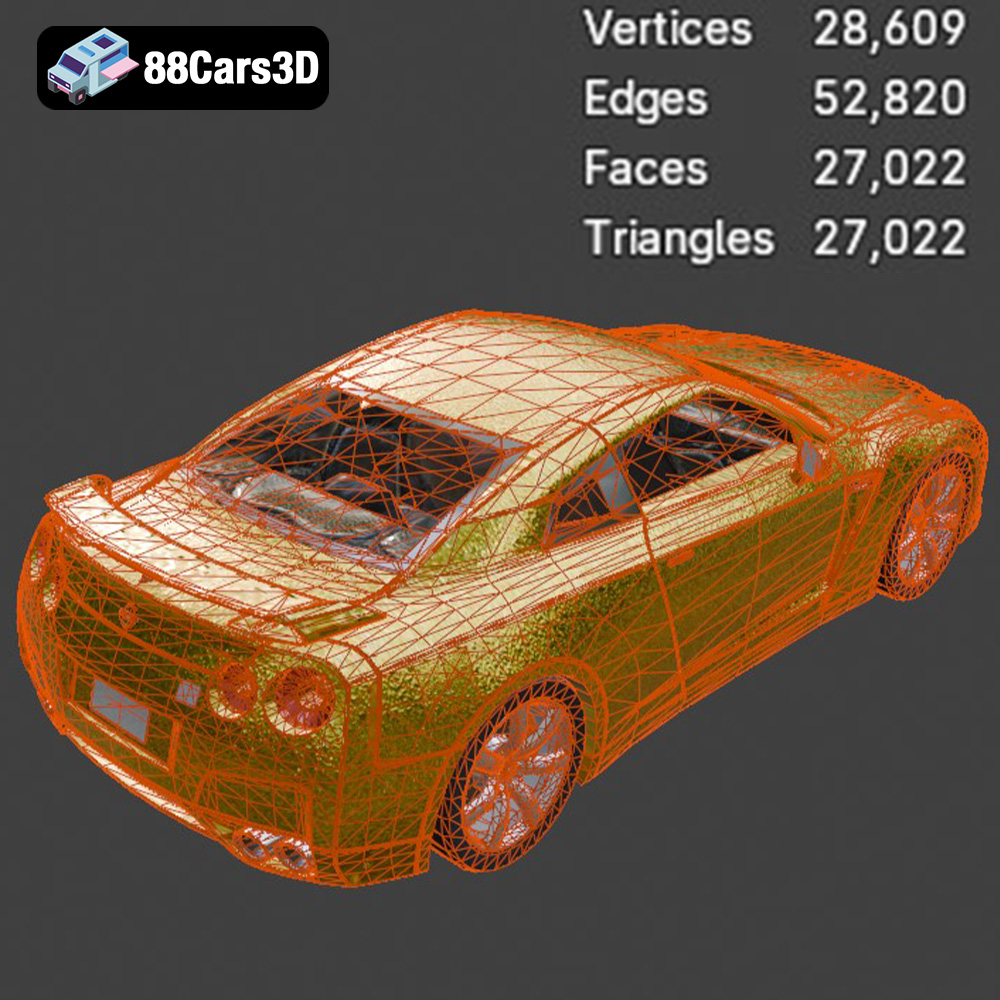
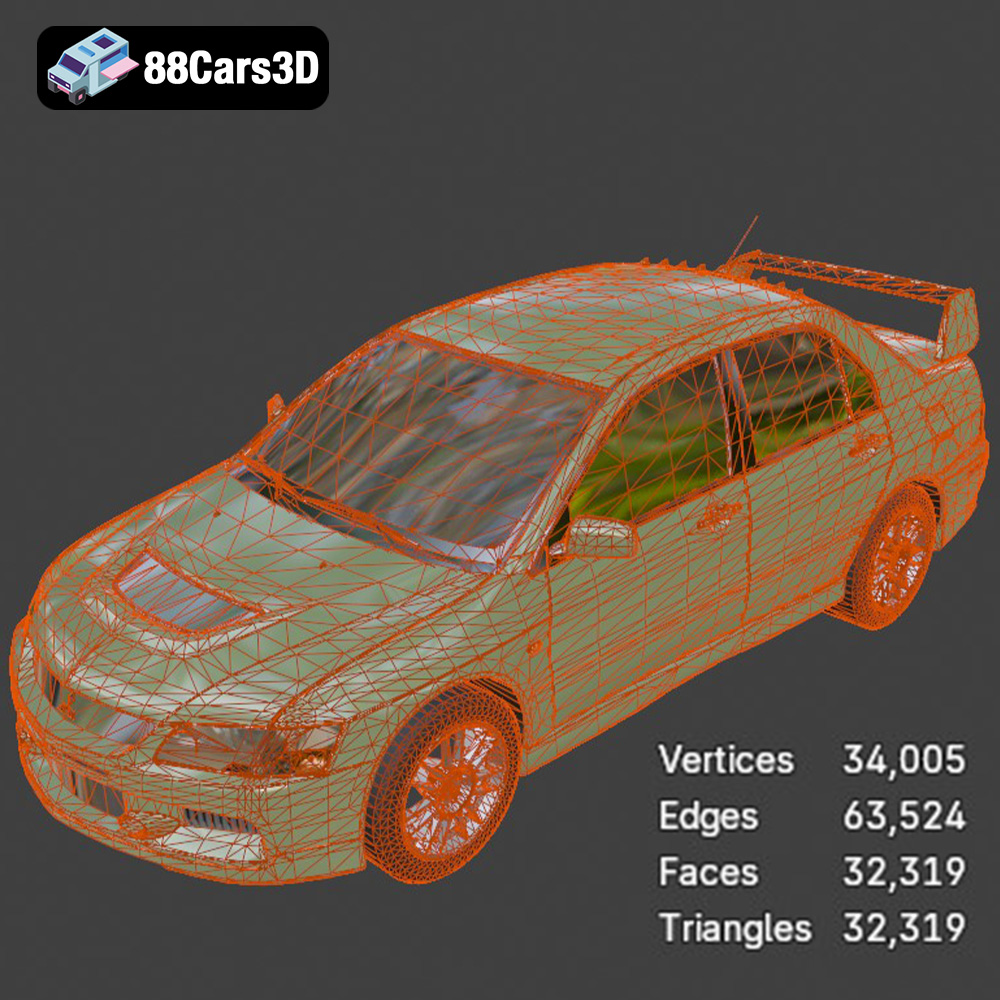
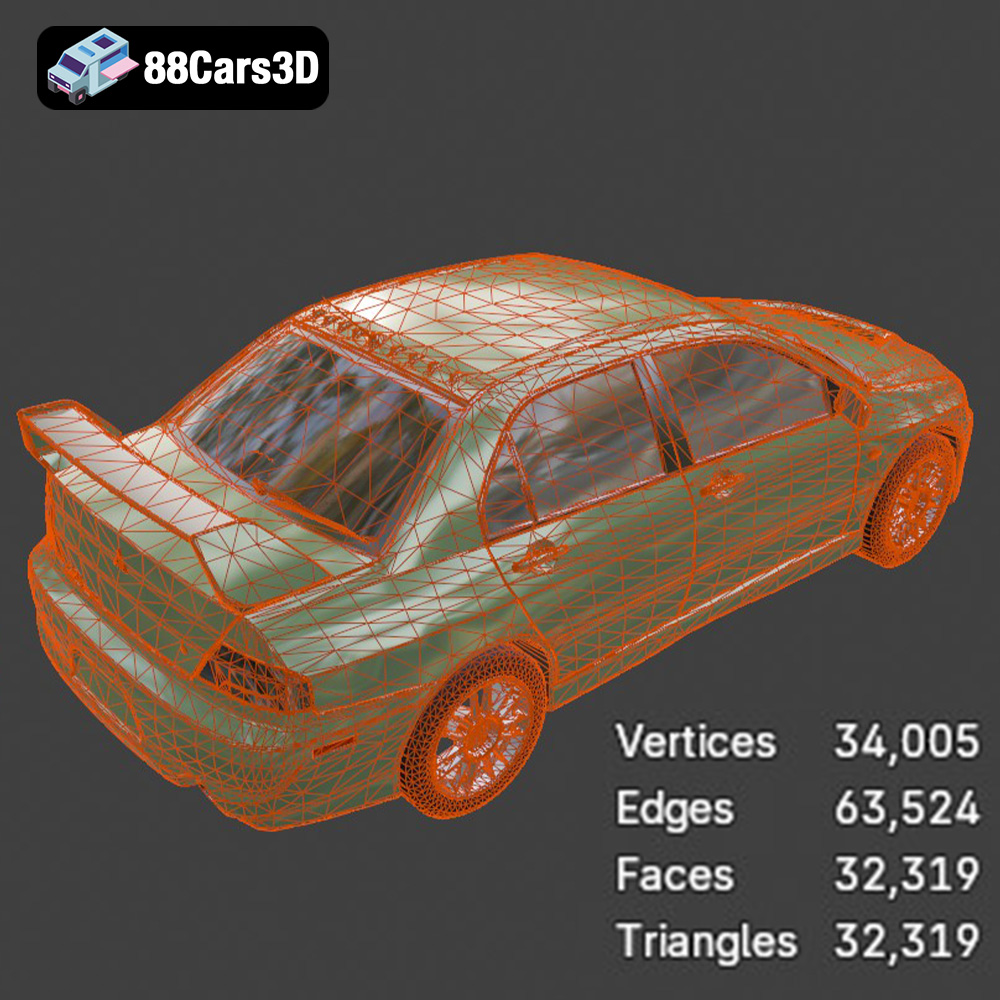
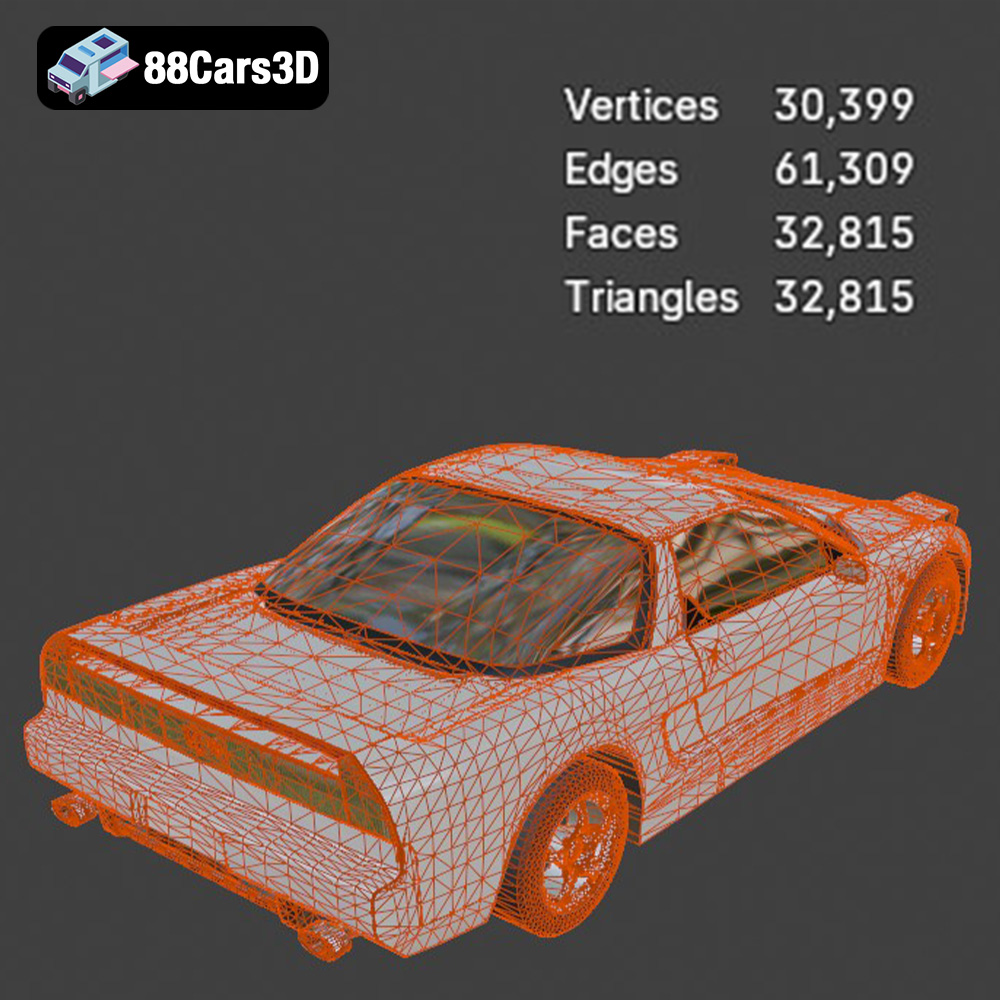
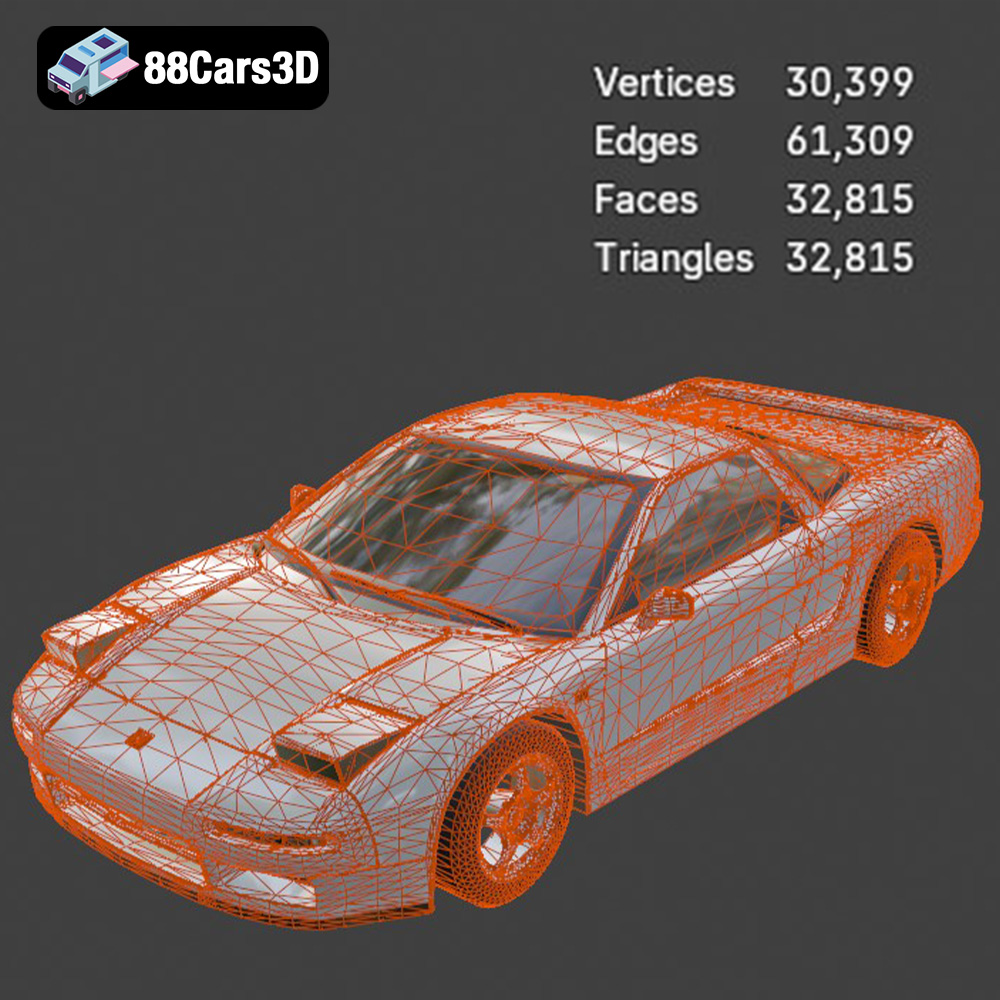
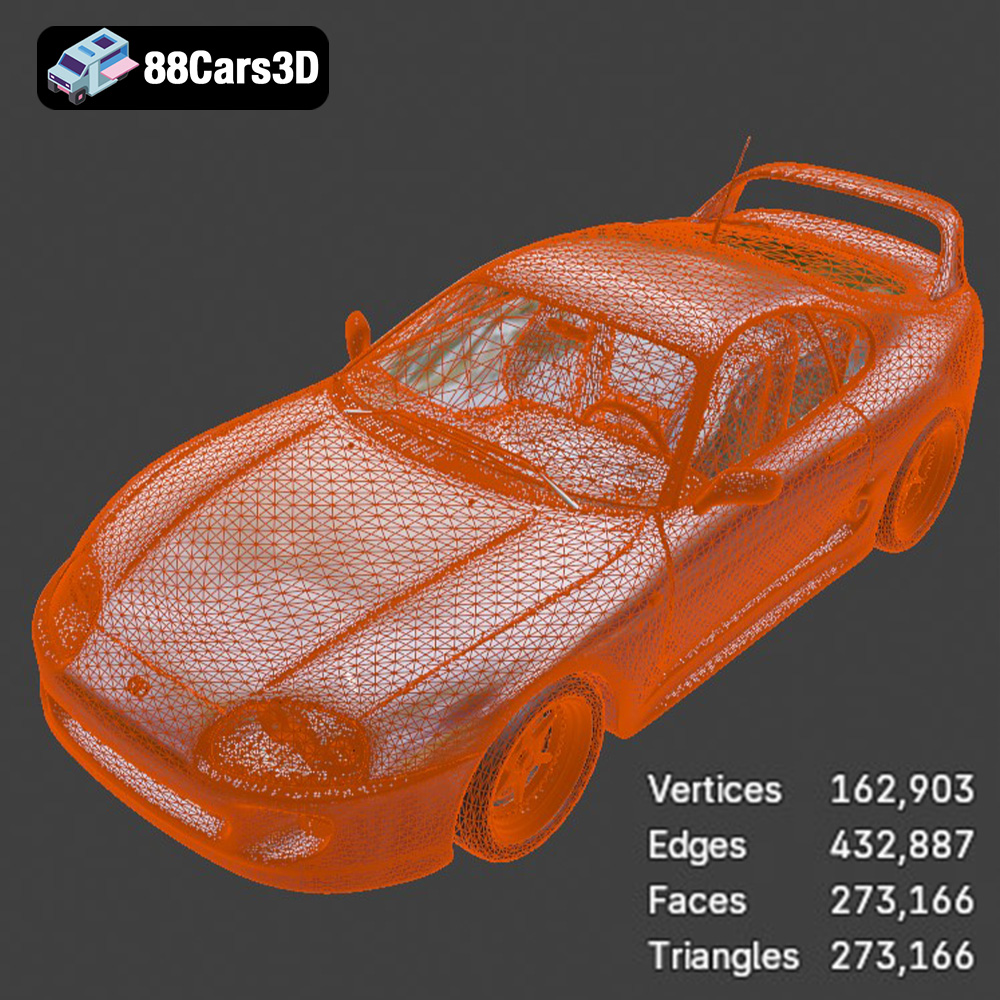
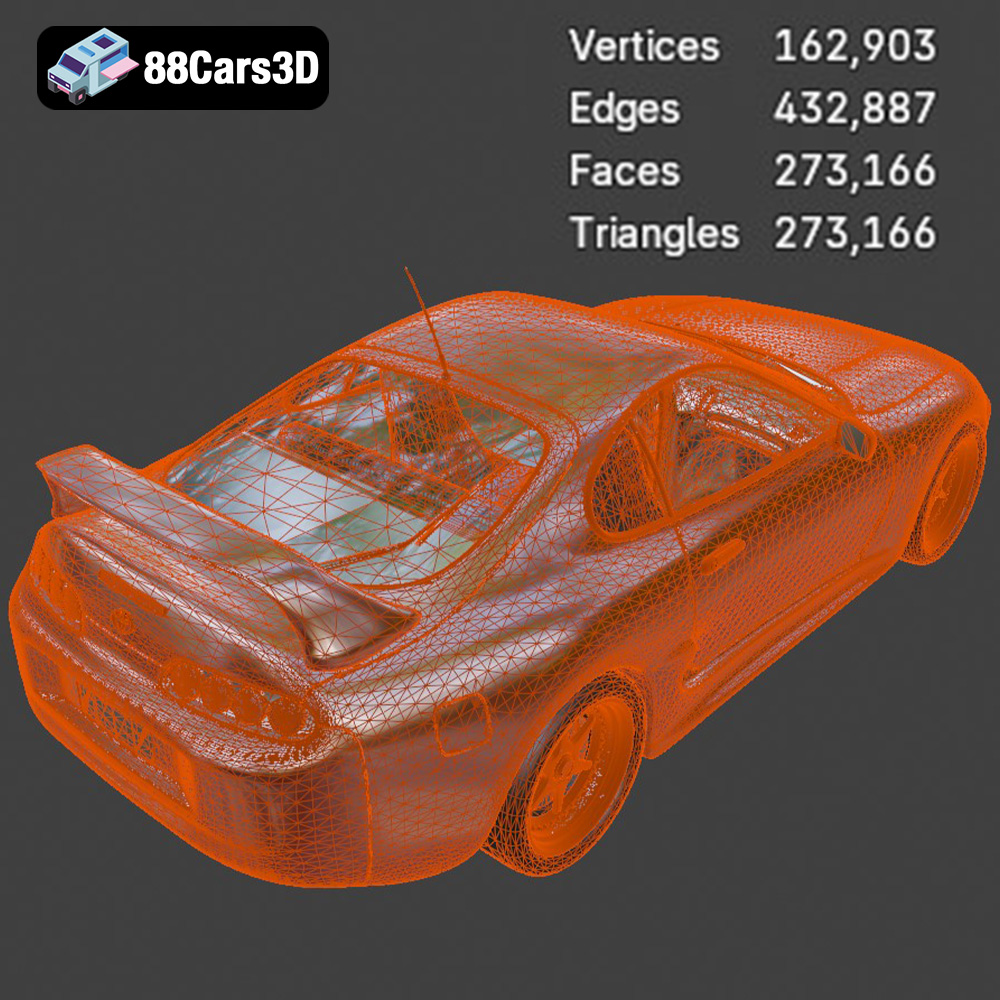
The phrase “beautifully balanced quad-heavy geometry” is not mere jargon; it’s a technical specification critical for achieving photorealistic results. Quadrilateral polygons (quads) are the industry standard for modeling organic shapes and hard-surface objects like cars because they subdivide smoothly without introducing artifacts. This optimized topology ensures that when rendering these JDM 3D car models, especially with advanced techniques like subdivision surfaces, reflections remain crisp, and surfaces appear flawlessly smooth. Poor topology, characterized by excessive triangles or n-gons, can lead to visible pinching, shading errors, and even render crashes, particularly in demanding ray-tracing renderers like V-Ray, Corona, and Arnold. The clean topology of these models guarantees efficient rendering and stunning visual output, saving artists invaluable time in troubleshooting.
For game developers, “game-ready assets” implies much more than just a 3D model. It means models are structured for optimal performance, interaction, and integration into real-time engines like Unreal Engine and Unity. The separated parts, particularly for wheels, doors, and steering components, are essential. This intelligent segmentation allows game engines to apply physics accurately—wheels can rotate independently, doors can open, and steering can articulate. Crucially, the “Proper Pivot Point Setup” for all wheels is paramount for Unreal Engine’s Chaos Vehicles system or Unity’s wheel colliders, ensuring realistic driving and drifting physics from the moment the model is imported. These 3D car models are designed for fast integration, reducing the often-tedious process of preparing assets for real-time environments and allowing developers to focus on gameplay and immersive experiences.
The versatility and technical quality of the Japanese Legends bundle make it an indispensable resource across various professional 3D disciplines. Its assets are designed to streamline workflows and elevate the final output, whether for still images, interactive experiences, or cinematic sequences.
For automotive artists and visualization studios, the bundle provides a robust starting point for stunning photorealistic renders. Imagine creating a high-end advertisement for a custom tuner shop, showcasing a Mazda RX-7 bathed in dynamic studio lighting, or an underground parking garage scene featuring a modified Nissan GT-R under neon glow. The workflow typically involves importing the high-poly 3D car models into software like 3ds Max or Blender. Artists can then fine-tune PBR materials, adjusting paint reflectivity, tire roughness, and glass transparency to perfection. With renderers like V-Ray, Corona, or Arnold, the optimized topology ensures smooth reflections and accurate light bounces, crucial for achieving that showroom-quality look. The pre-separated parts also allow for dynamic presentation, such as showcasing open doors or detailed engine bays, without complex additional modeling, significantly accelerating production timelines for client projects or portfolio pieces.
The JDM Street Racing bundle is tailor-made for game development. Consider building a new street racing simulator where players can customize their dream cars, or a drift game set in meticulously recreated urban environments. Developers can import the FBX files into Unreal Engine or Unity, immediately benefiting from the “game-ready” attributes. The proper pivot point setup for wheels makes configuring Unreal’s Chaos Vehicles or Unity’s physics systems a straightforward process, allowing for realistic driving, braking, and, most importantly, authentic drifting mechanics. The separated components also mean that damage models, custom liveries, and performance upgrades can be implemented with ease. These 3D car models serve as the perfect foundation for player-controlled vehicles or AI traffic, providing high visual fidelity while being optimized for real-time performance, a delicate balance crucial for engaging gameplay.
In the realm of visual effects (VFX) and animation, the quality of 3D car models directly impacts the believability of a scene. Whether it’s an action-packed chase sequence for a film, a stylish music video featuring JDM culture, or an animated short, these models provide the necessary detail. Animators can rig the separated parts to create realistic movement – steering wheels turning, suspension reacting to bumps, and doors opening smoothly. The high-poly topology allows for extreme close-ups without pixelation or loss of detail, essential for cinematic sequences. Advanced techniques can be applied, such as dynamic simulations for tire smoke during a drift, debris from a collision, or realistic motion blur during high-speed shots. The included formats like .max and .blend facilitate complex animation setups and integration into various VFX pipelines, making the Japanese Legends bundle a powerful asset for visual storytellers.
The utility of these 3D car models extends beyond digital screens, offering a tangible connection to JDM culture through 3D printing. The bundle’s inclusion of the .stl format is a thoughtful addition for enthusiasts who want to hold a physical representation of their favorite legends.
3D printing transforms a digital model into a physical object, allowing JDM enthusiasts and model makers to create highly detailed scale replicas. The .stl format, while lacking color or texture data, accurately defines the geometry of the car, providing a blueprint for the printer. The recommended scale of 1:24 (or 1:32 / 1:43) aligns perfectly with the standard sizes for traditional Japanese model car kits, making these digital assets a fantastic complement or alternative to physical kits. This enables a new level of customization, where artists can digitally modify the models (e.g., adding unique body kits or rims) and then 3D print their custom creations, bridging the gap between digital design and physical craftsmanship. The critical aspect here is ensuring the .stl files represent “manifold geometry” – a perfectly watertight mesh without holes or overlapping faces – which is essential for a successful print and is implicitly handled by high-quality assets.
Achieving a high-quality 3D print, especially for intricate automotive details, often necessitates specific printing techniques. The recommendation for resin printing (SLA/DLP) over FDM is crucial for the JDM bundle. Resin printers can achieve significantly finer details, smoother surface finishes, and more intricate geometries, which are vital for capturing the delicate curves, sharp edges, and small components like side mirrors and subtle spoilers on these 3D car models. Specific print settings, such as a low layer height (0.04–0.12 mm), are advised to maximize resolution. Proper orientation (body printed at an angle, wheels separately) and judicious use of supports (for overhangs like wheel arches and rear spoilers) further ensure print success. Once printed, a meticulous post-processing workflow—sanding to remove layer lines, applying primer for an even surface, and painting with automotive-grade colors (like classic Volvo factory shades for a clean aesthetic)—can elevate the printed model to a collectible display piece, embodying the attention to detail seen in high-end scale modeling.
The journey through the world of digital JDM legends reveals a profound blend of artistic passion and technical precision. The Japanese Legends: JDM Street Racing 3D Models Bundle (5-in-1 Pack) stands out as a premier collection for anyone looking to tap into this rich automotive culture. From its meticulously crafted designs of the Nissan GT-R, Mitsubishi Lancer Evolution IX, Honda NSX-R, Mazda RX-7, and Toyota Supra, to its optimized topology and game-ready features, this bundle delivers exceptional value.
Whether you are an automotive renderer striving for photorealism, a game developer building the next iconic racing title, a VFX artist crafting dynamic cinematic sequences, or a hobbyist eager to 3D print a scale model of your dream JDM car, these 3D car models provide a robust, versatile, and high-quality foundation. The comprehensive inclusion of various file formats like .blend, .fbx, .obj, .glb, .stl, and .max ensures seamless integration into virtually any professional workflow, dramatically reducing production time and allowing artists to focus on creativity. By providing such expertly prepared game assets, 88cars3d.com empowers creators to achieve their artistic and technical goals with confidence and efficiency.
Ultimately, the Japanese Legends bundle is more than just a set of 3D car models; it’s an investment in quality, efficiency, and the enduring legacy of JDM street racing. Explore this incredible bundle and other premium 3D models today at 88cars3d.com to accelerate your creative projects.
The Japanese Legends: JDM Street Racing 3D Models Bundle is the ultimate digital garage for automotive artists, game developers, and drifting enthusiasts. Japanese Domestic Market (JDM) cars have created a massive, devoted culture worldwide. Whether you are creating an underground street racing game, a neon-lit Tokyo cinematic animation, or custom tuning renders, this pack gives you the most iconic Japanese sports cars ever built.Instead of acquiring these highly sought-after tuner cars individually (Total Value: €282.95), this 5-in-1 bundle gives you an irresistible opportunity to own five absolute legends of the street racing scene at a massive discount.What’s Included in the Bundle?1. Nissan GT-R 2008 (Individual Value: €89.99)The ultimate supercar killer. Known as “Godzilla,” this model features a flawlessly modeled aggressive front fascia, signature quad round taillights, and a high-poly topology perfect for photorealistic automotive studio renders.2. Mitsubishi Lancer Evolution IX (Individual Value: €89.99)The rally-bred street warrior. Accurately captures the iconic aggressive hood vents, dynamic front bumper, and large rear spoiler that make the Evo IX a tuning legend.3. Honda NSX-R 1992 (Individual Value: €39.99)The pure Japanese supercar. A beautifully nostalgic model showcasing the mid-engine proportions, iconic pop-up headlights, and timeless aerodynamic wedge design of the 90s.4. Mazda RX-7 (Individual Value: €49.99)The rotary-engine masterpiece. Features the famous smooth, flowing curves and pop-up headlights that make the FD-generation RX-7 one of the most beautiful Japanese cars ever designed. Perfect for drifting scenes.5. Toyota Supra 2020 (Individual Value: €12.99)The modern revival of a legend. This model perfectly captures the aggressive modern aerodynamics, distinct double-bubble roof, and sharp LED headlight signature of the A90 Supra.Key Features Across All Models:• Tuning Ready: Clean geometry makes it easy for 3D artists to modify these cars by adding custom widebody kits, massive spoilers, or aftermarket rims.• Separated Parts: Wheels, doors, and steering components are intelligently separated, making them instantly game-engine ready for driving and drifting physics.• Optimized Topology: Beautifully balanced quad-heavy geometry ensuring crisp reflections in automotive paint materials without crashing your render engine.Technical Specifications & Advantages:• Scale: 100% Real-world scale accuracy.• Pivots: Proper pivot point setup for all wheels, ready for Unreal Engine (Chaos Vehicles) or Unity.• Compatibility: Fully compatible with V-Ray, Corona, Arnold, and real-time engines for fast integration into your projects.Applications:• Game Development: The absolute perfect starter pack for street racing, drifting, or car-tuning simulators.• Automotive Rendering: Ideal for creating highly stylized, neon-lit cyberpunk or underground parking garage renders.• VFX & Animation: High-quality assets suitable for action-packed cinematic chase sequences.3D Print Setting (For JDM Scale Modelers):• Recommended scale: 1:24 (The standard scale for Japanese model car kits like Tamiya).• Layer height: 0.04–0.05 mm (Resin printing is strictly recommended).• Orientation: Print bodies at a 45-degree angle to ensure a smooth finish for painting.Included File Formats:.blend, .fbx, .obj, .glb, .stl, .max (universal exchange formats guaranteed for smooth importing).
$129.99
car-bundle
game-ready-cars
honda-nsx
jdm-3d-model
lancer-evo
mazda-rx7
nissan-gtr-3d
street-racing-cars
tokyo-drift
toyota-supra-3d
tuning-cars