Get 50% OFF All Premium 3D & STL Models!

The roar of a finely tuned engine, the gleam of polished chrome under neon lights, the adrenaline rush of a perfectly executed drift – these are the sensations that define Japanese Domestic Market (JDM) street racing culture. For decades, JDM cars have captivated enthusiasts worldwide, evolving from grassroots street scenes into a global phenomenon. This enduring passion has translated into a significant demand within the digital realm, driving the need for incredibly detailed and technically robust 3D car models for everything from blockbuster games to hyper-realistic automotive rendering projects and immersive AR/VR experiences.
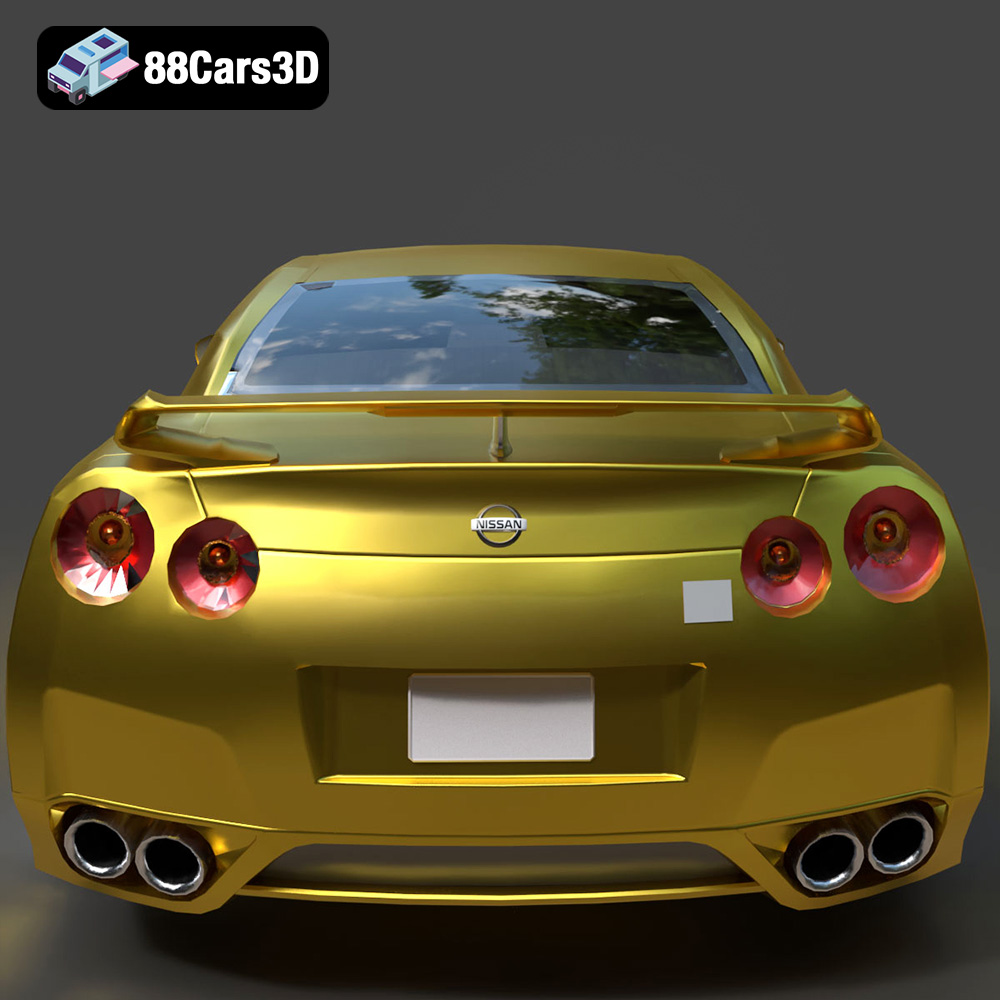
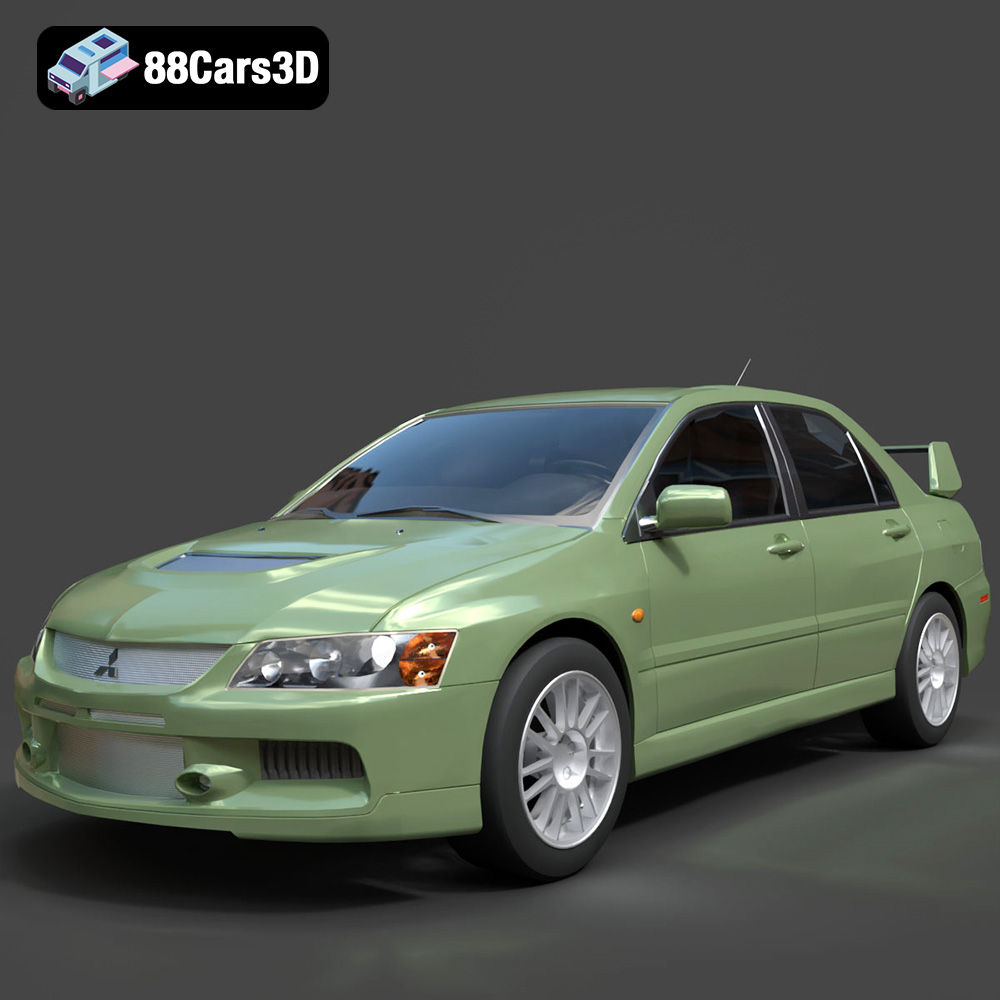
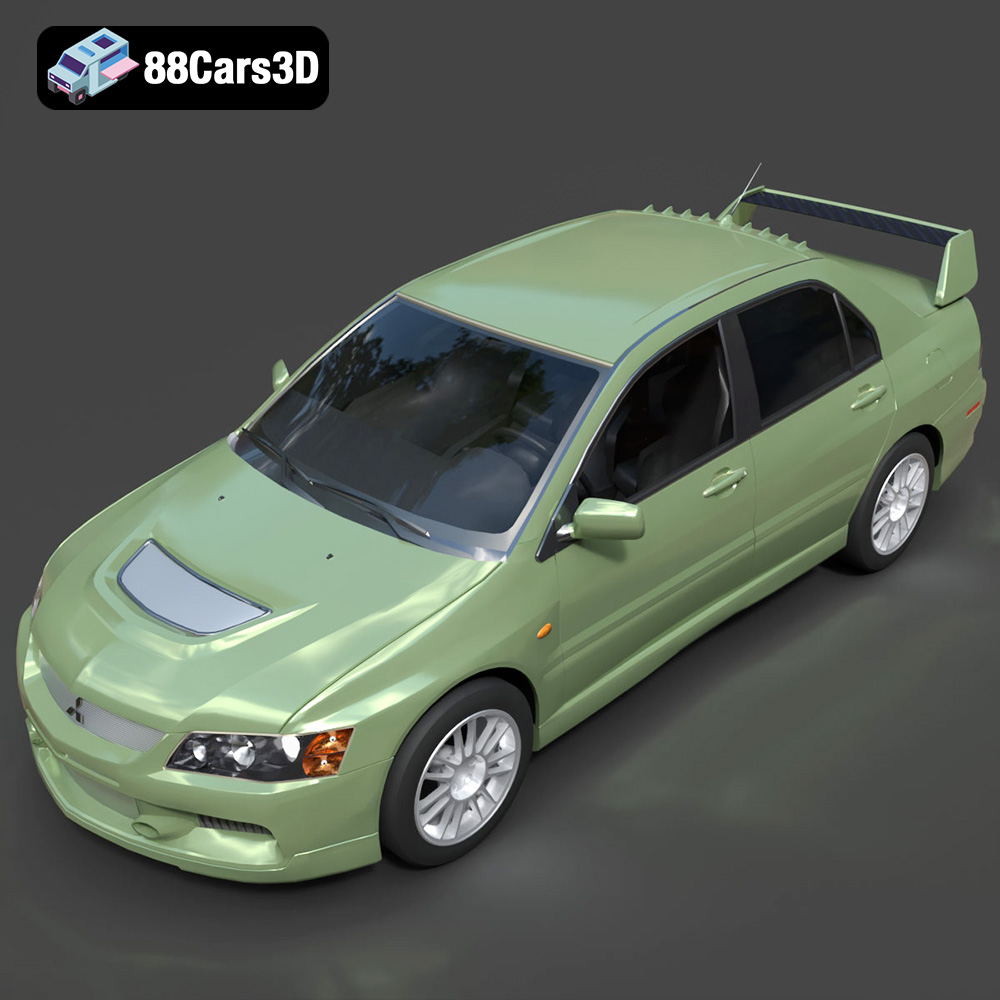
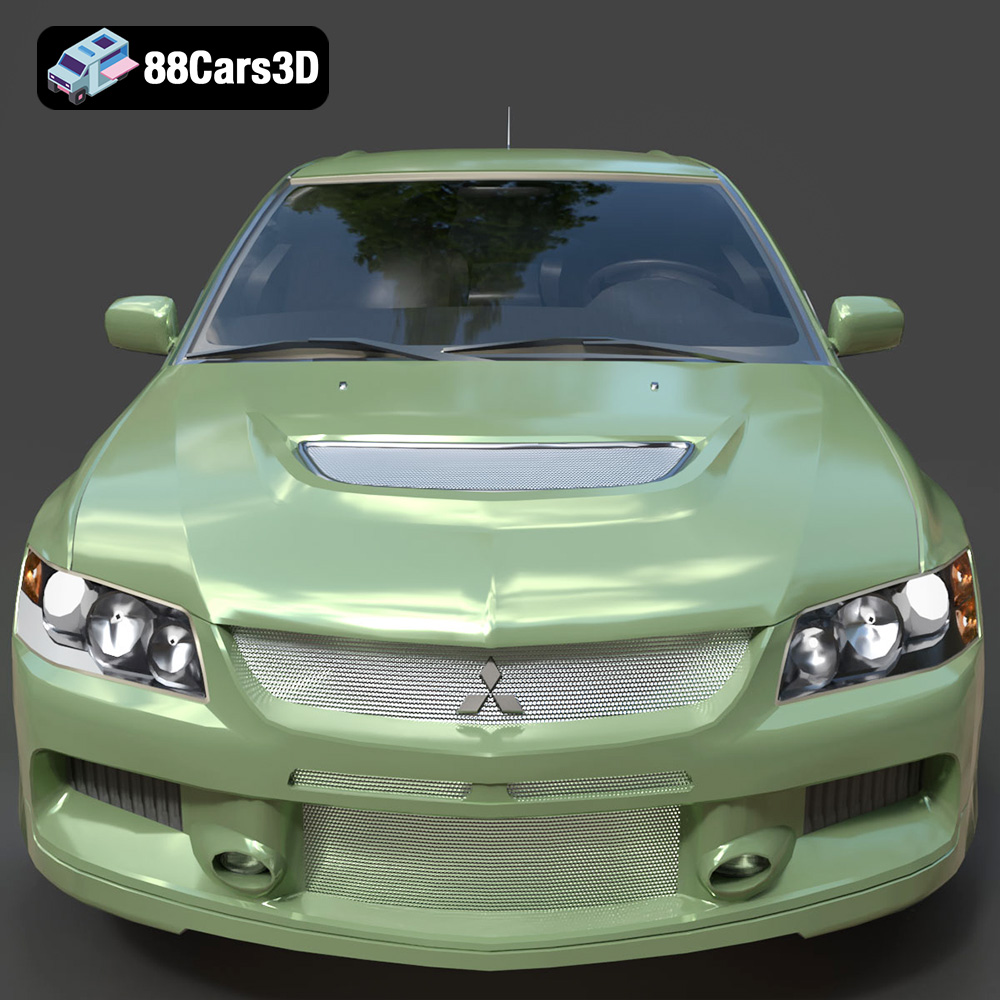
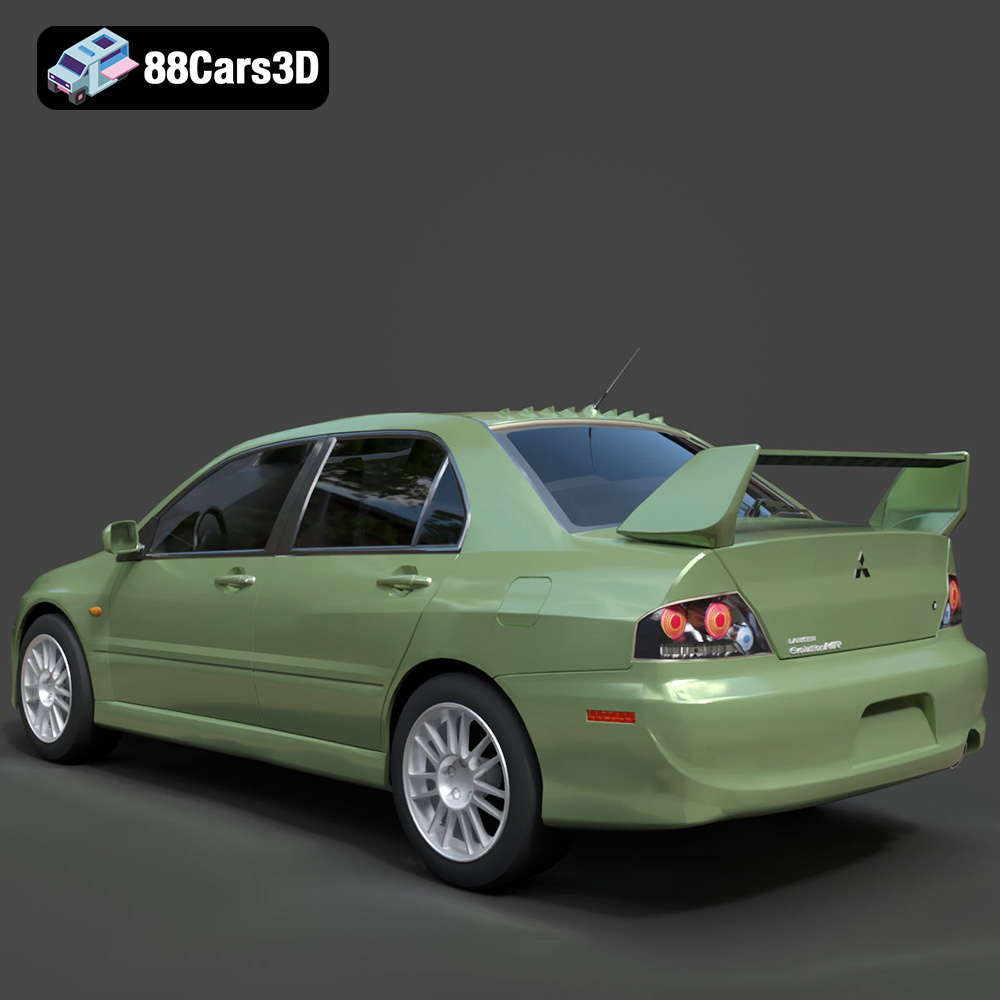
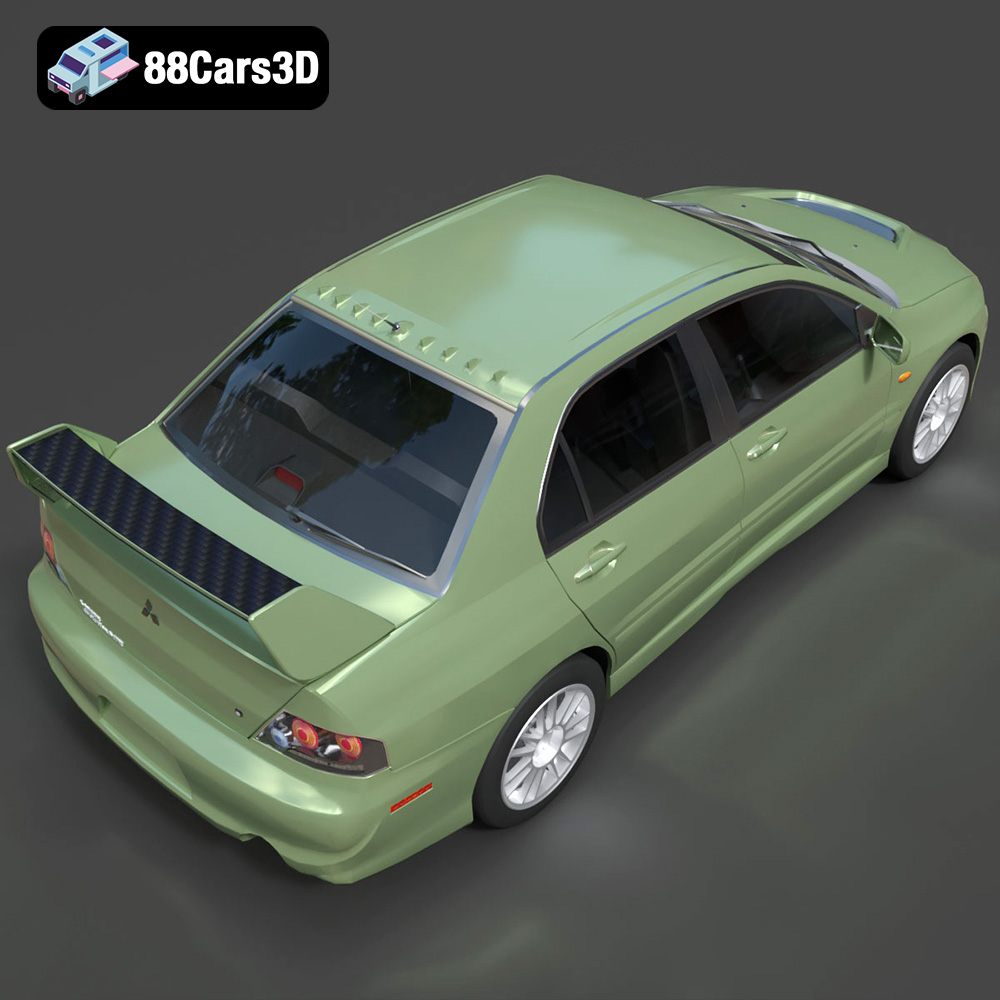
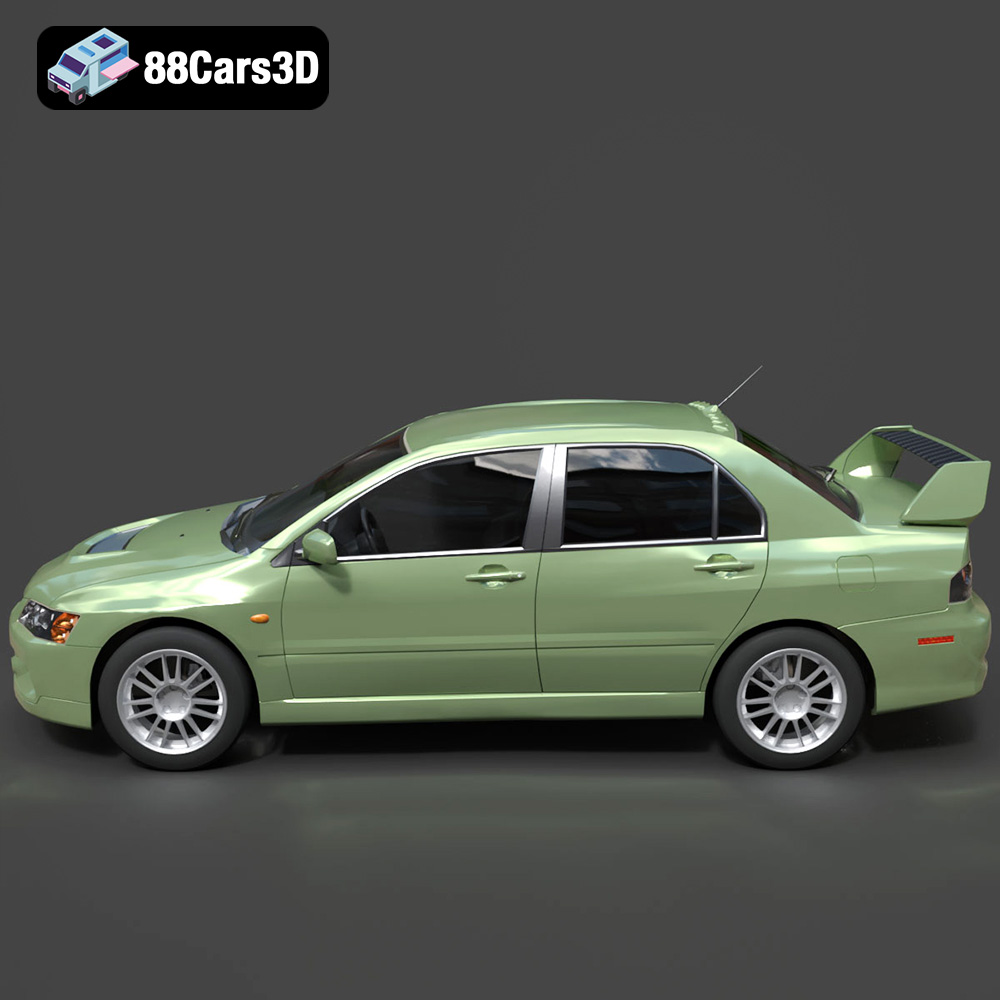
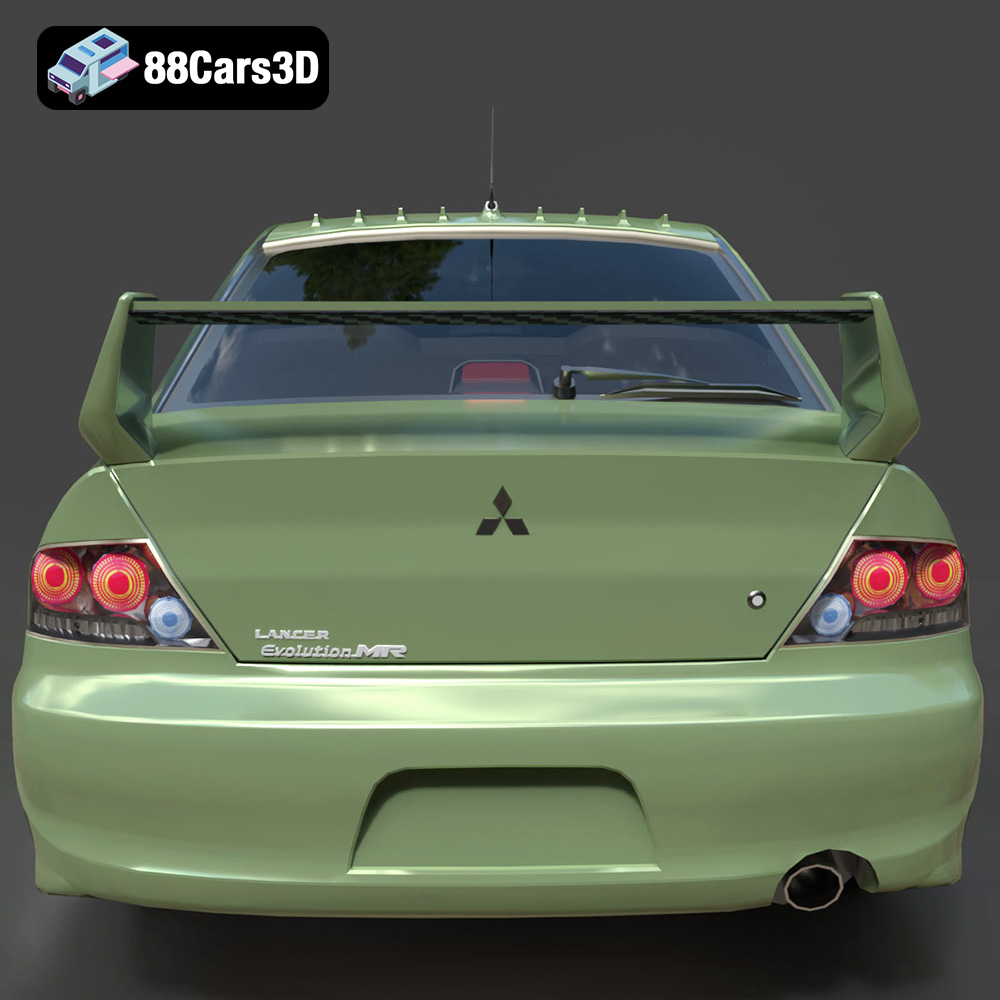
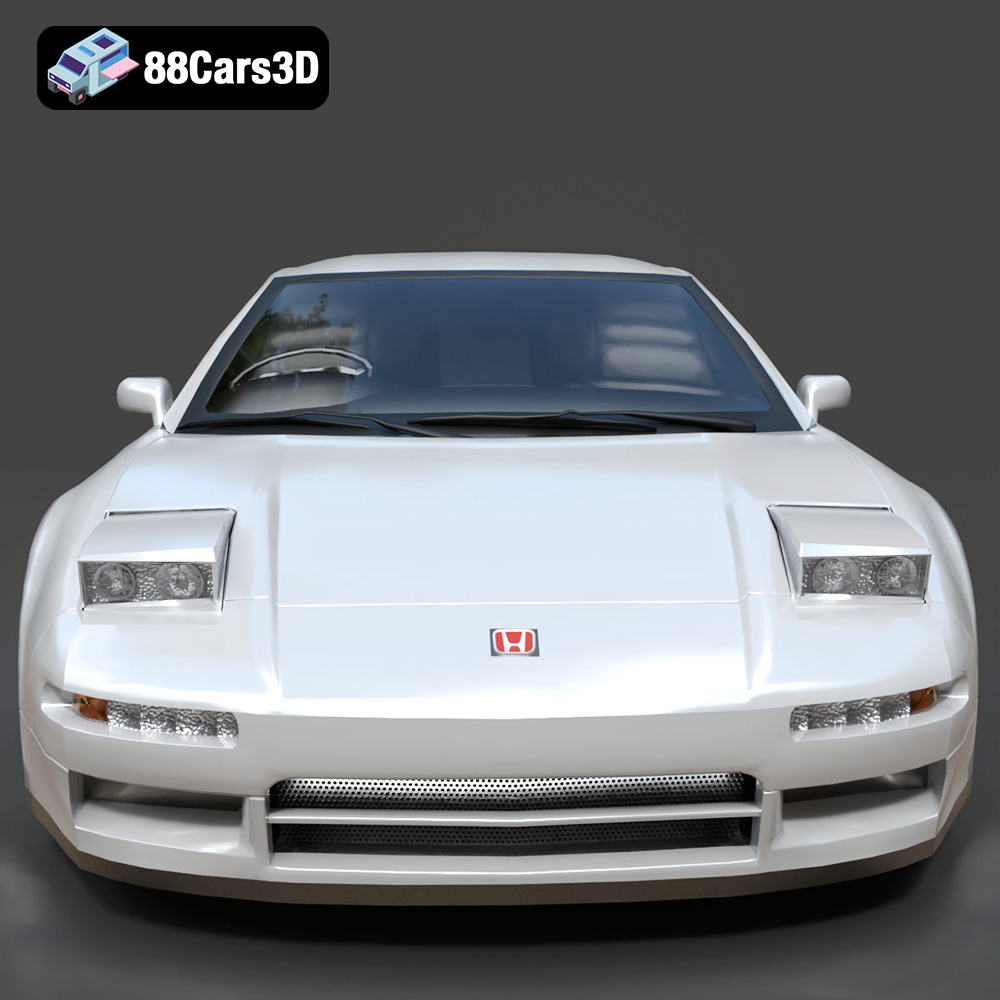
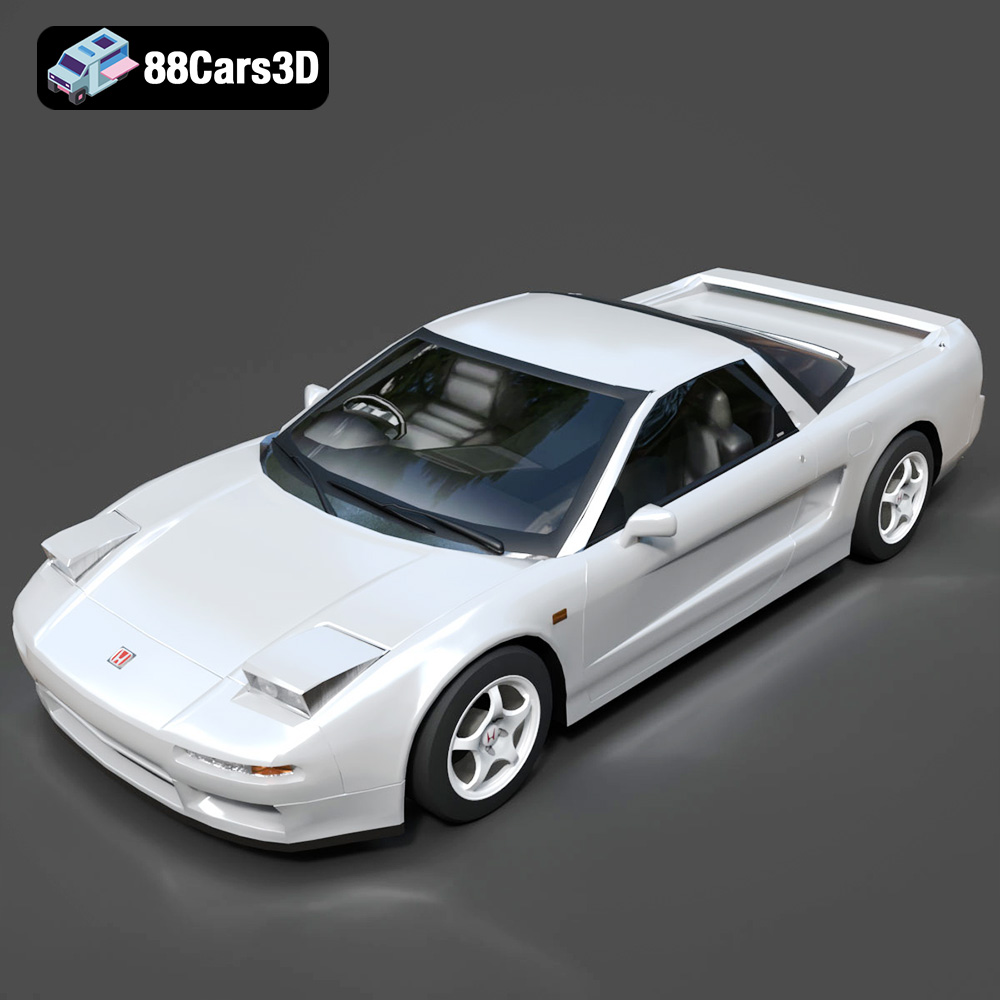
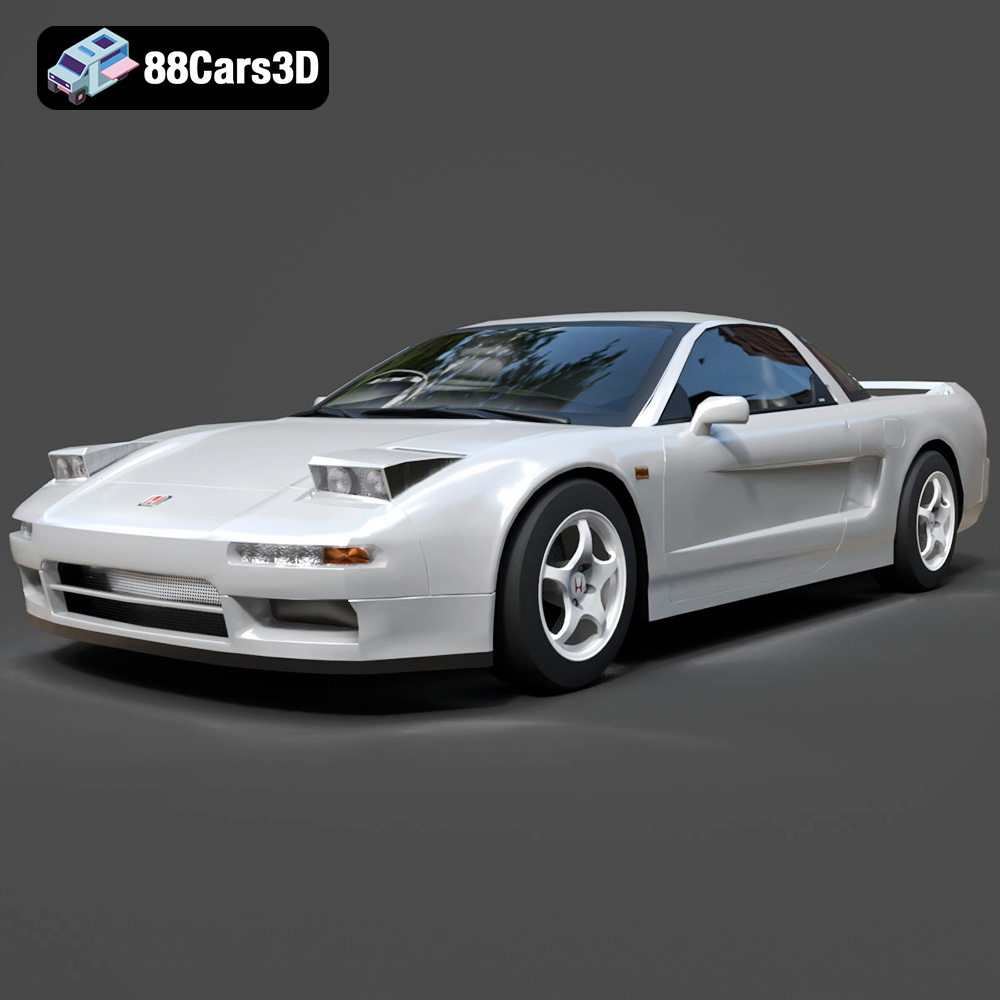
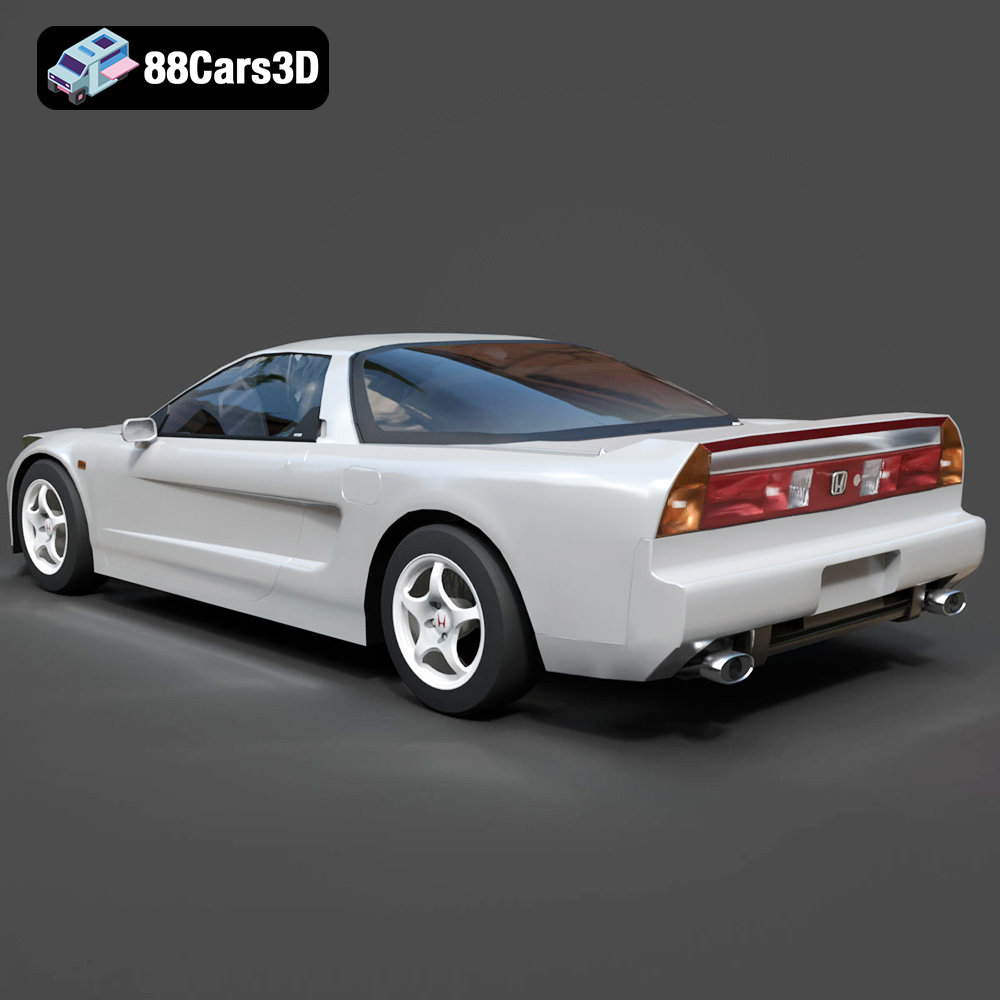
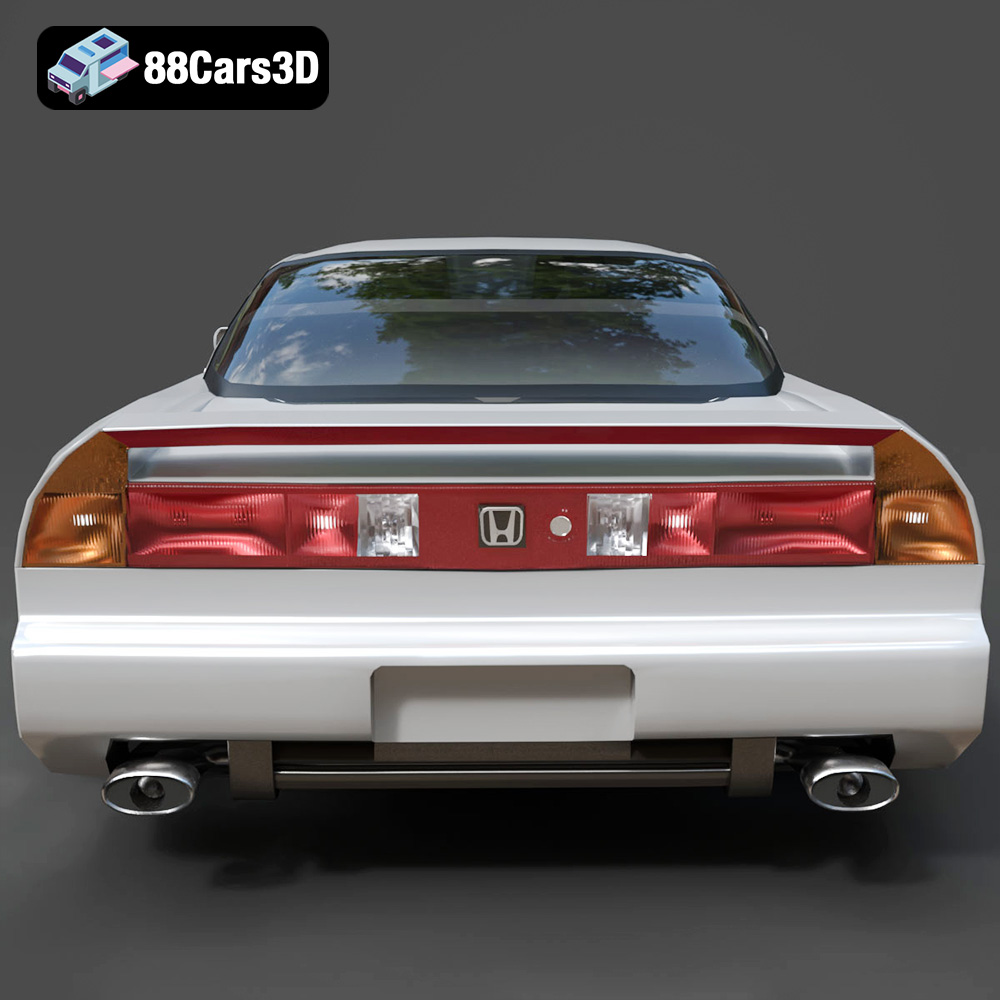
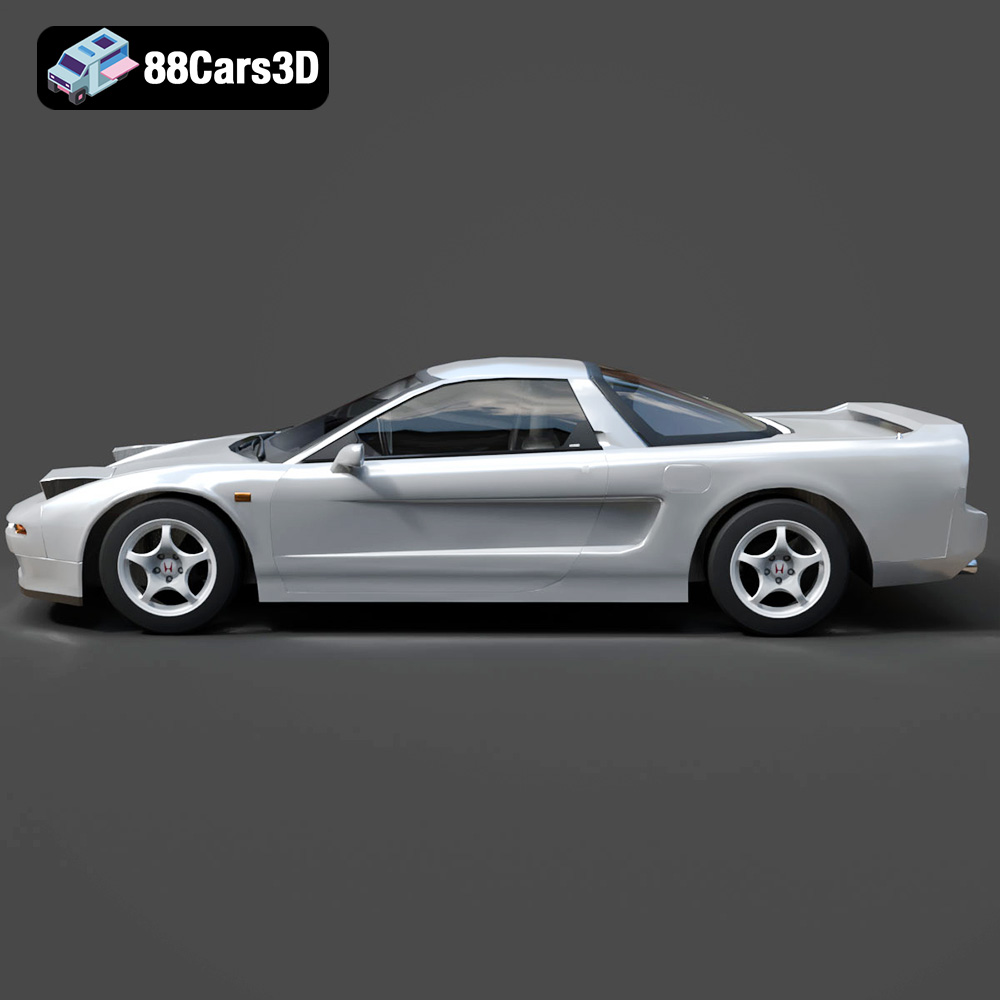
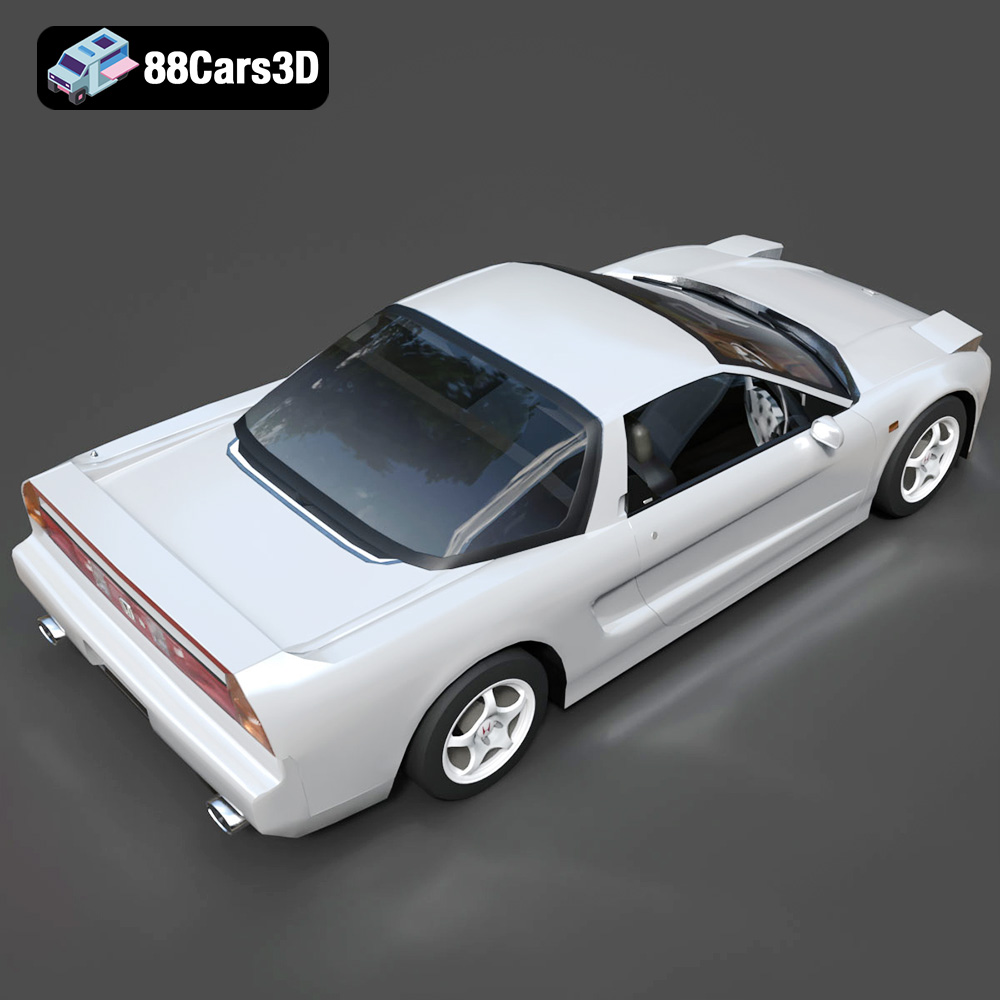
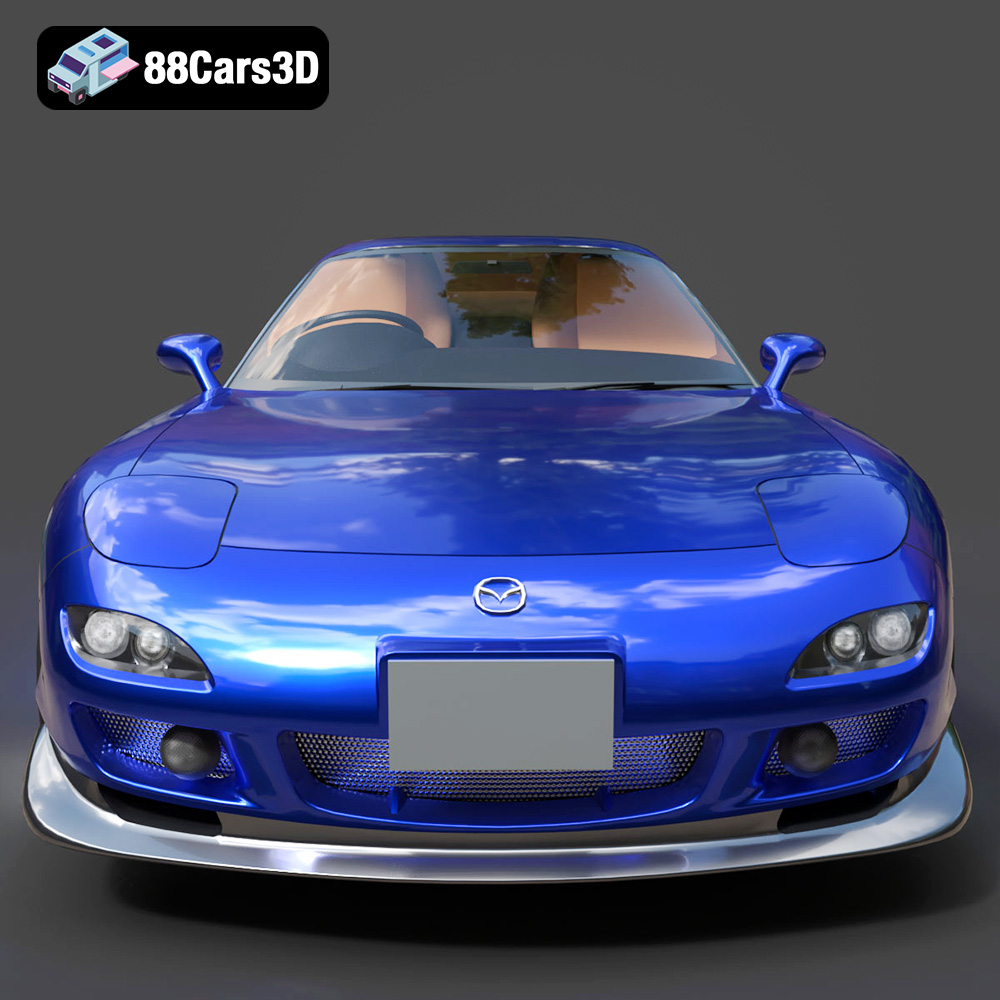
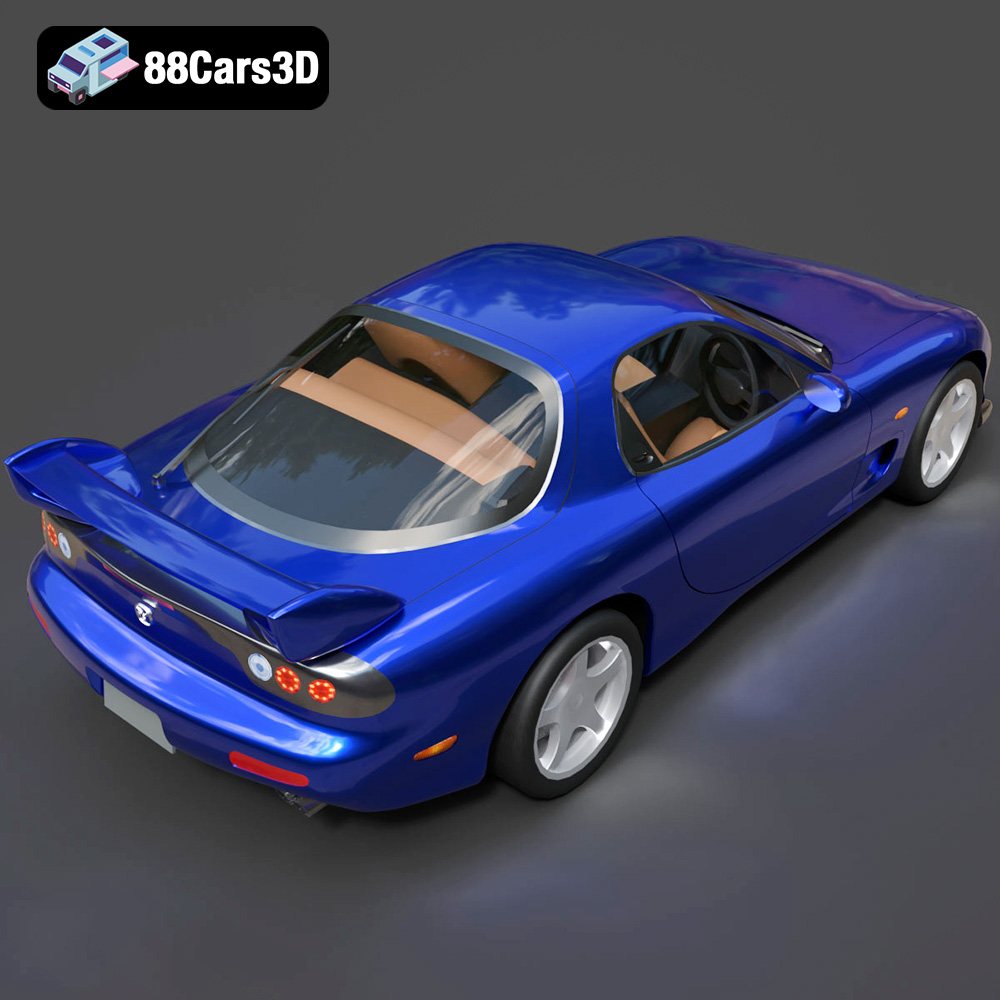
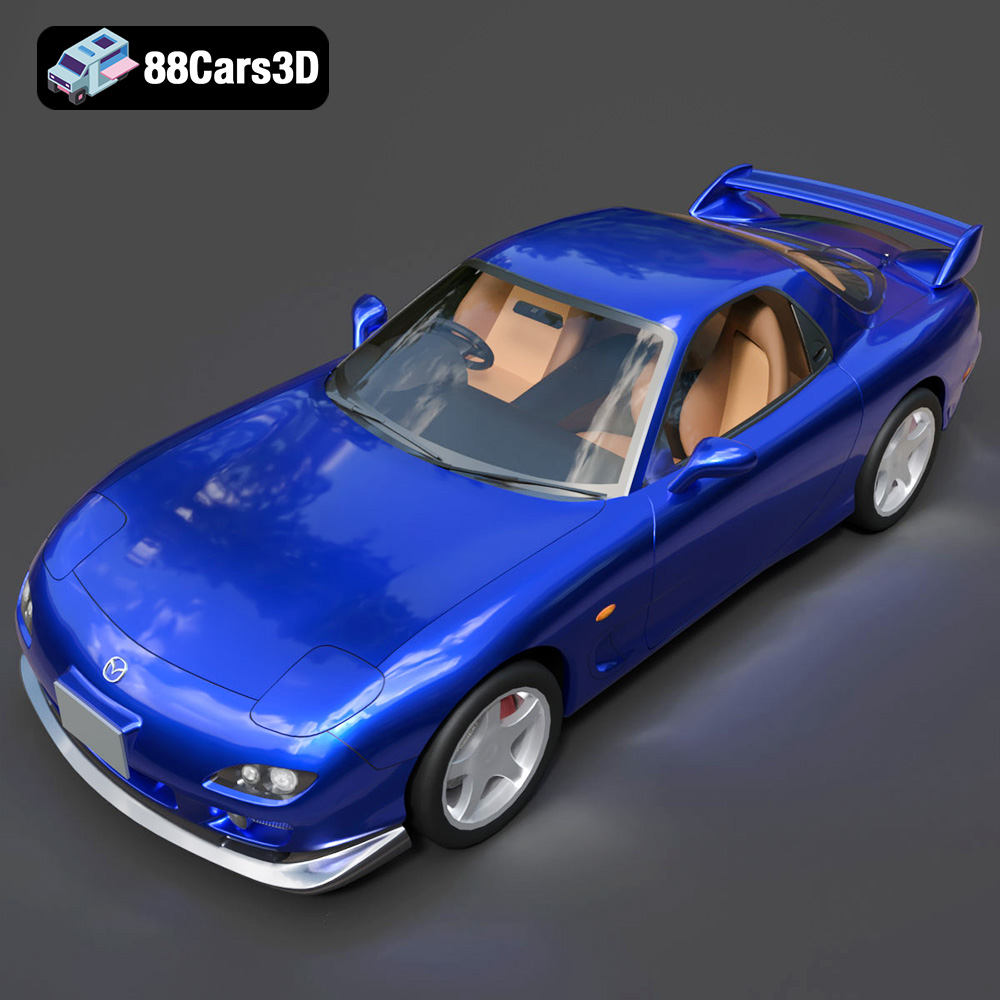
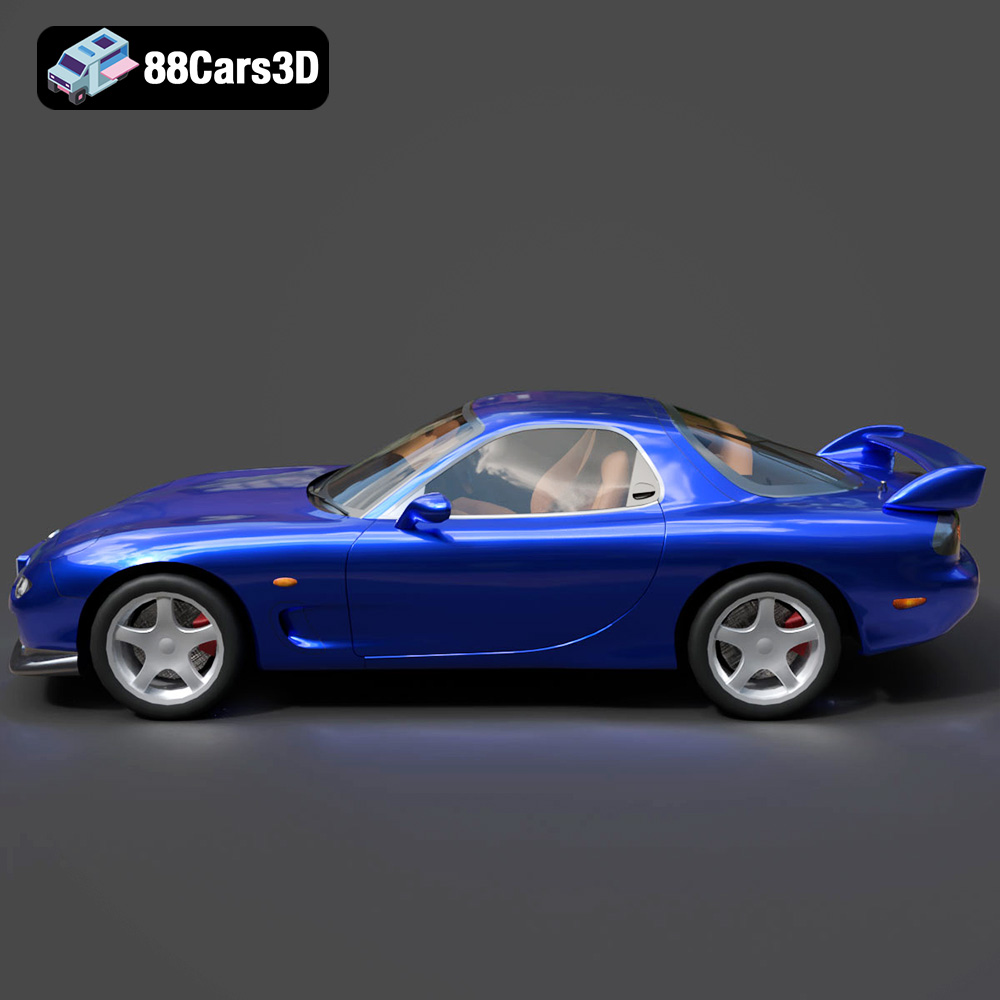
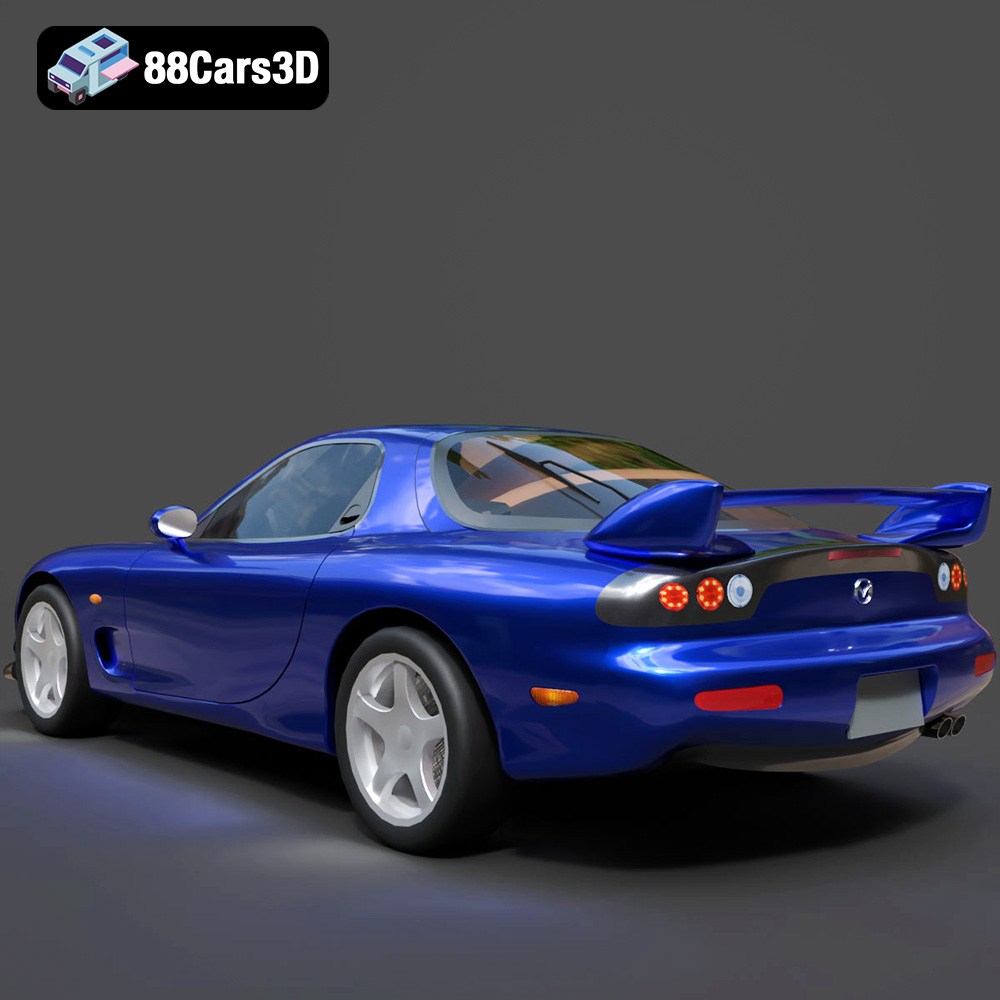
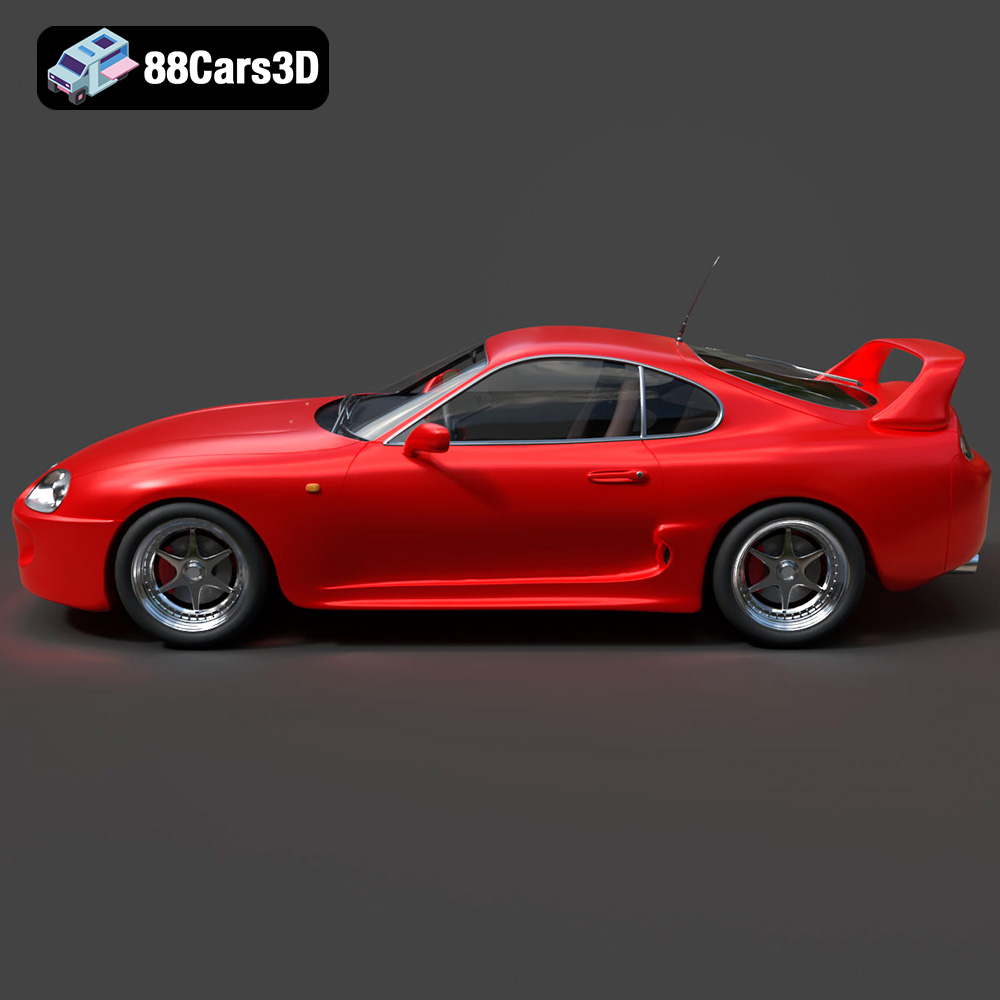
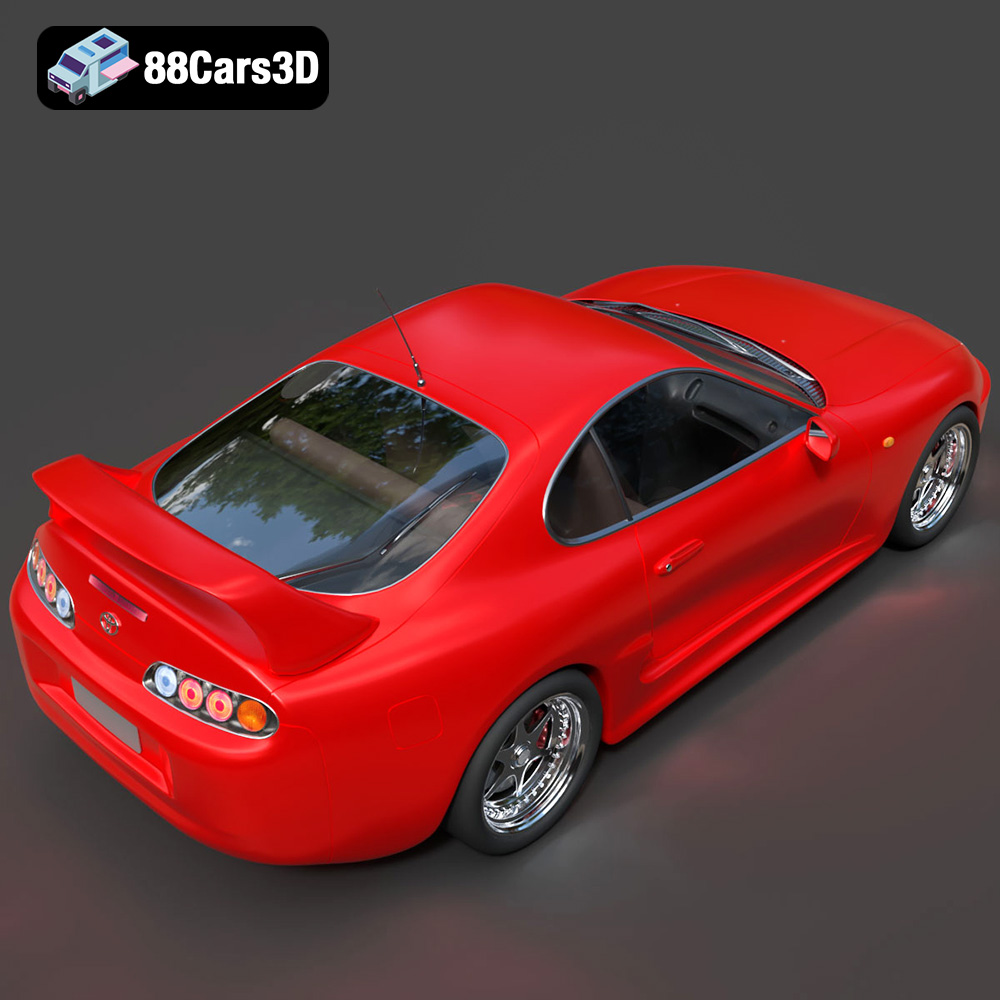
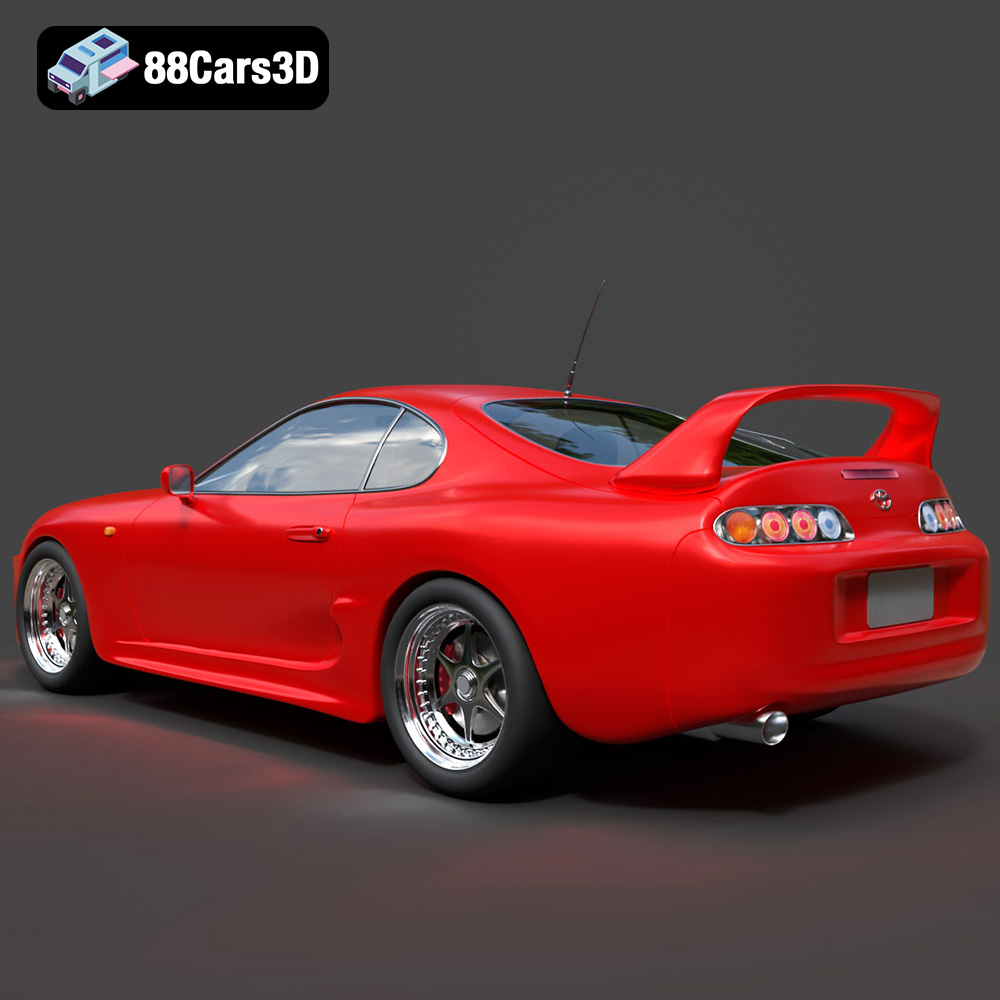
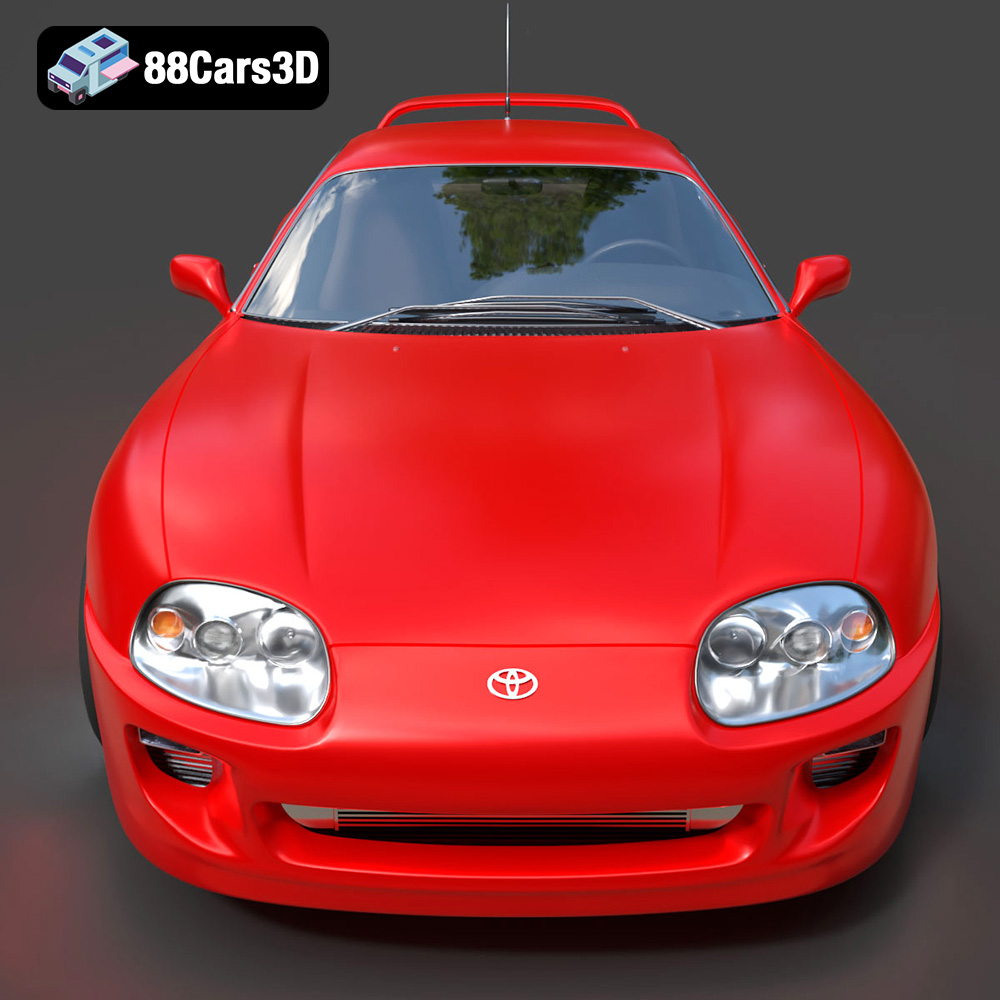
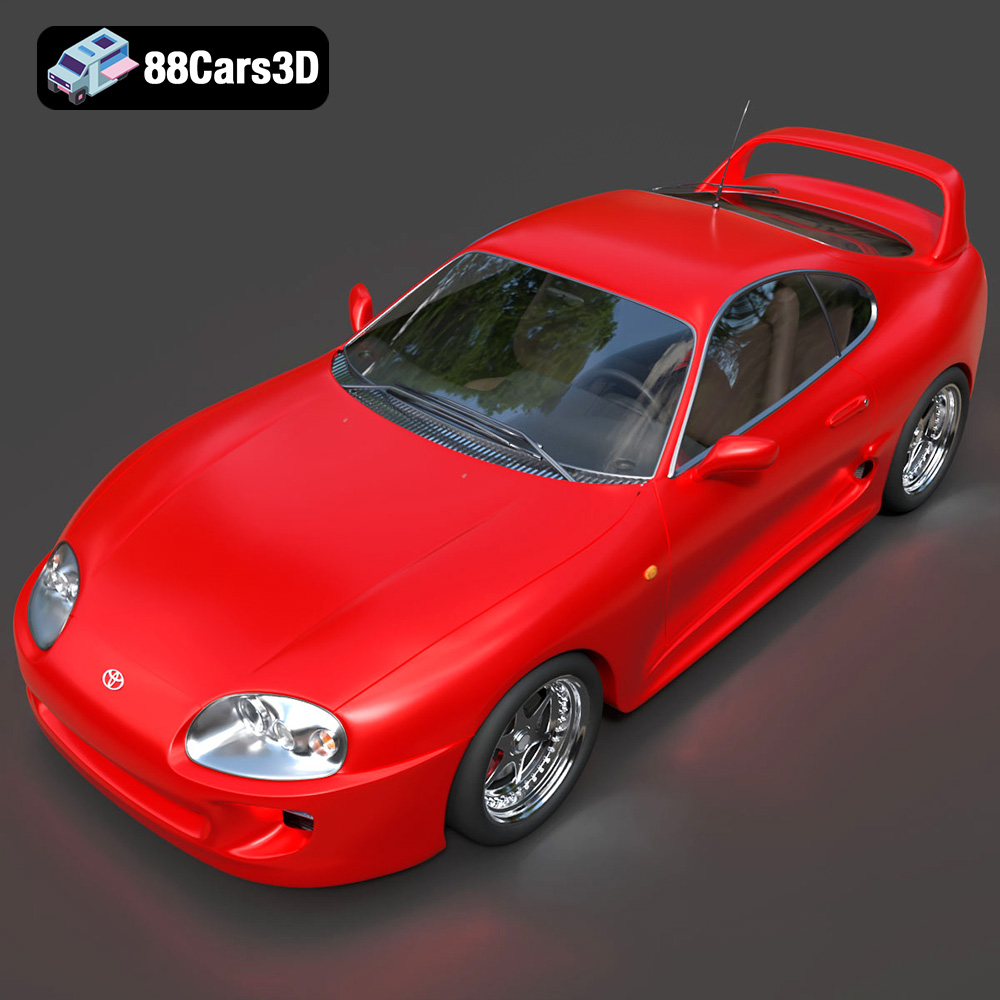
Creating these iconic vehicles from scratch is a monumental task, requiring hundreds of hours of expert modeling, texturing, and optimization. This is where premium asset bundles become invaluable. Today, we’re diving deep into an exceptional collection that brings the heart of JDM culture straight to your digital garage: the Japanese Legends: JDM Street Racing 3D Models Bundle. This 5-in-1 pack, available at 88cars3d.com, is not just a collection of cars; it’s a meticulously crafted toolkit designed to elevate professional workflows across multiple industries. Featuring legends like the Nissan GT-R, Mitsubishi Lancer Evo IX, Honda NSX-R, Mazda RX-7, and the modern Toyota Supra, this bundle promises unparalleled quality and versatility for any project.
The appeal of JDM cars extends far beyond their performance specifications; it’s rooted in their distinctive aesthetics, rich history, and the vibrant customization culture surrounding them. These vehicles represent a unique blend of engineering prowess and individual expression, making them perfect subjects for digital artists and developers looking to evoke excitement and authenticity.
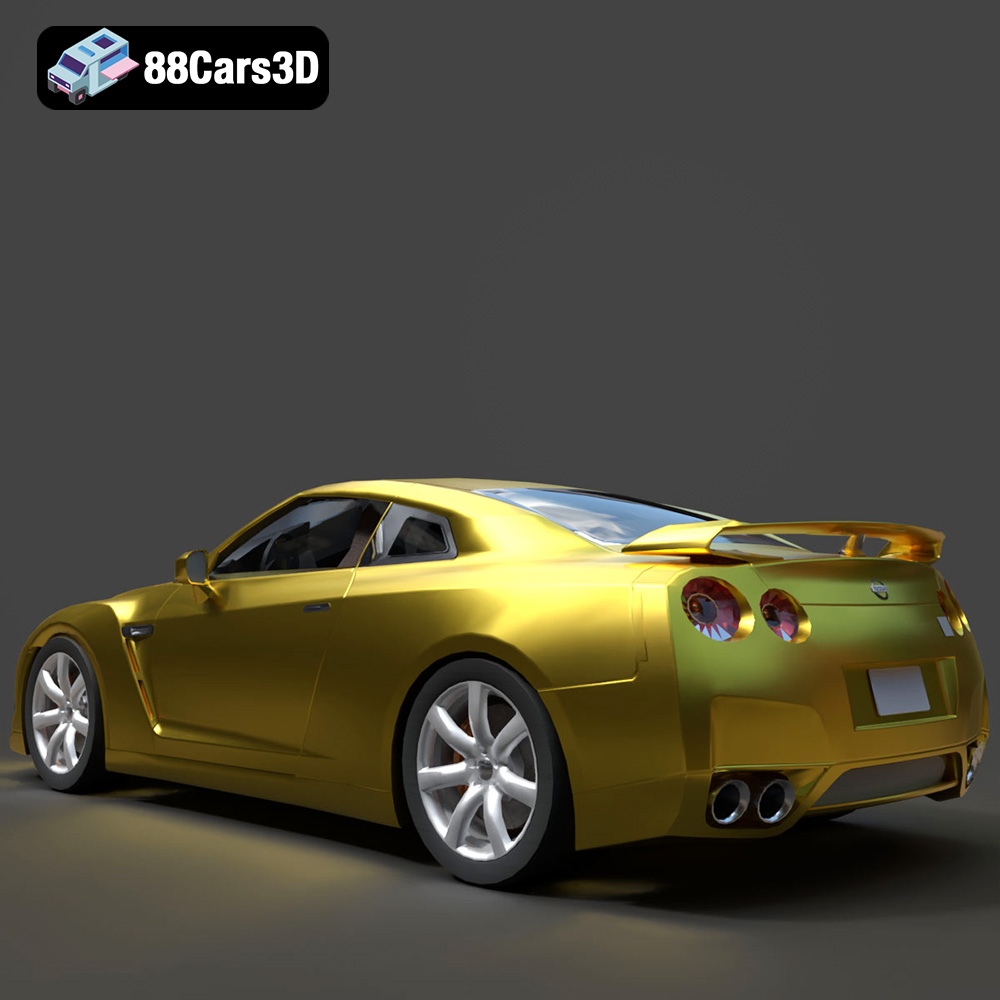
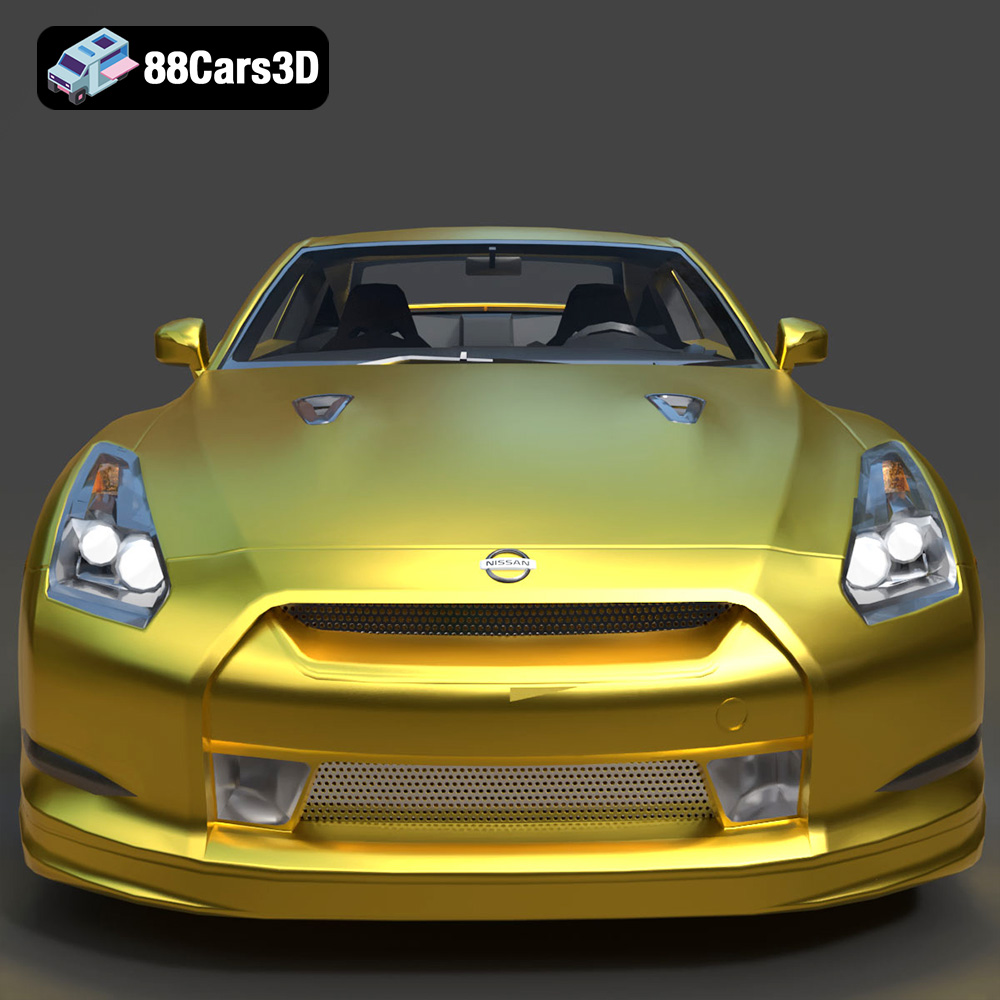
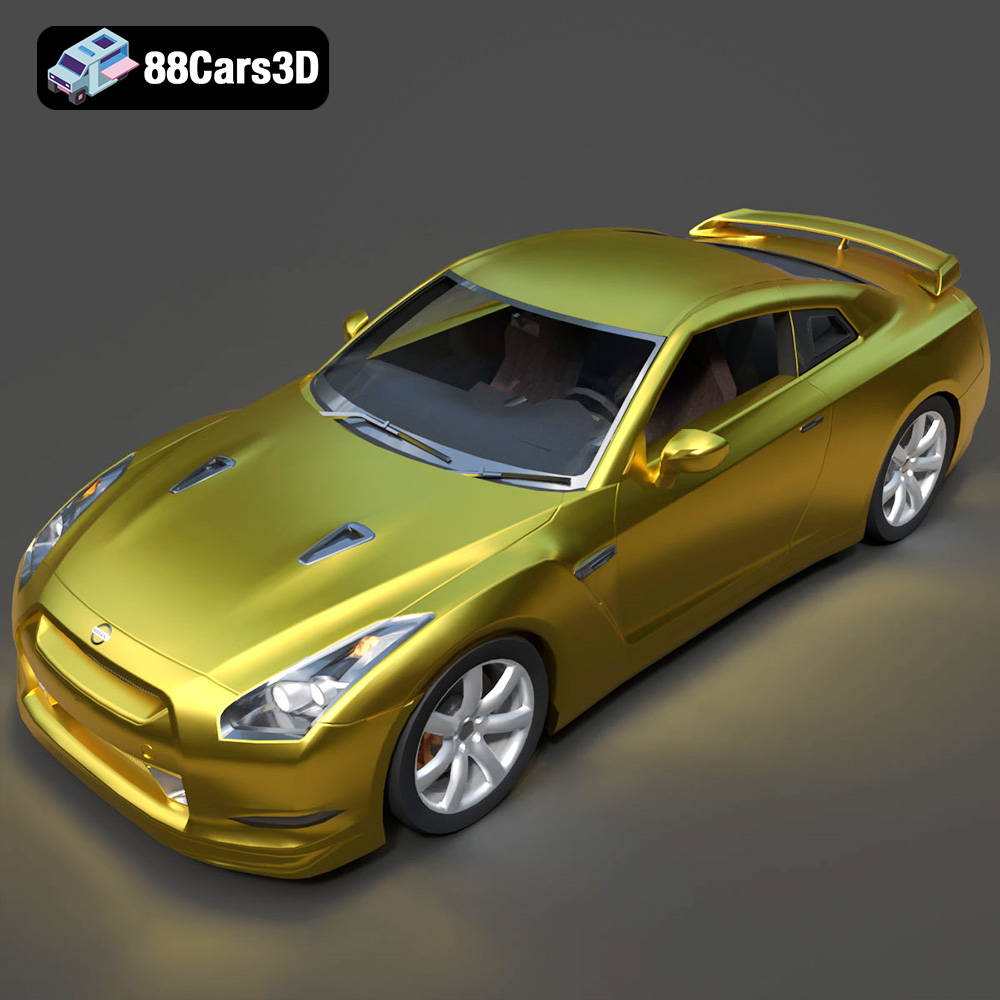
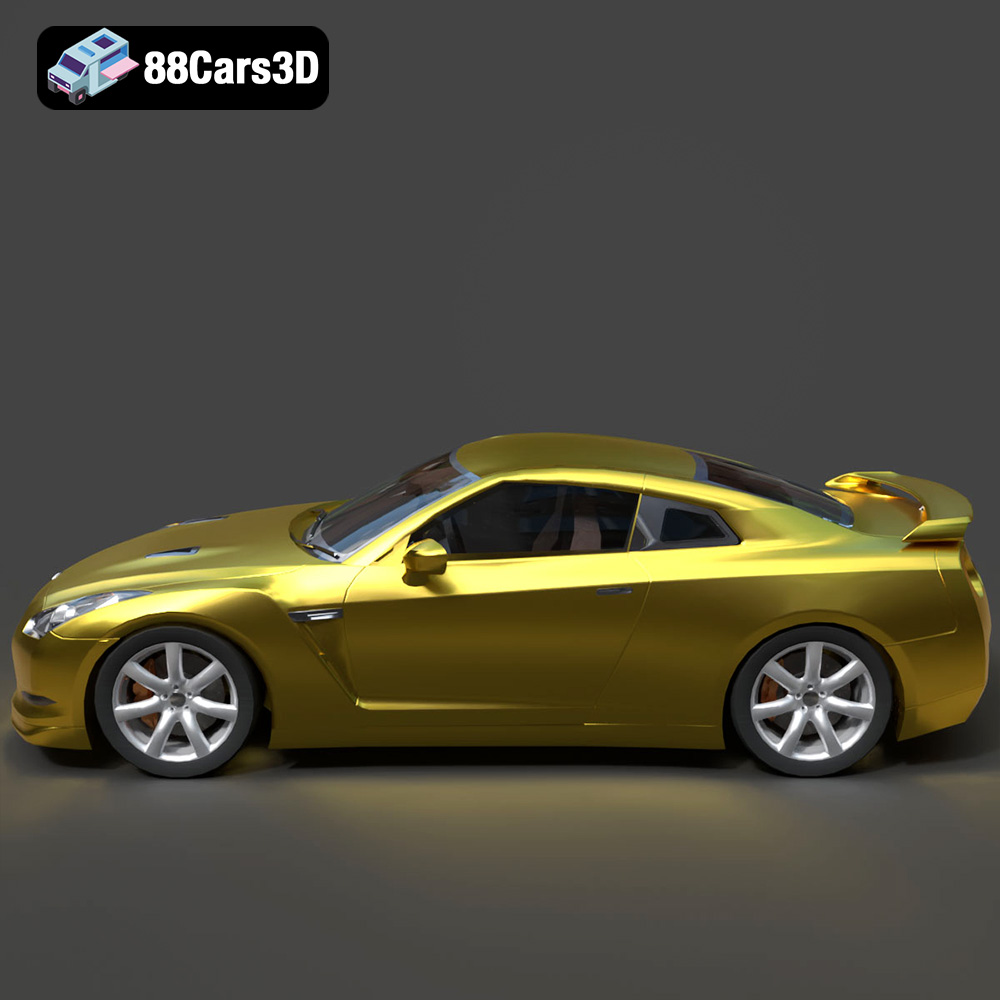
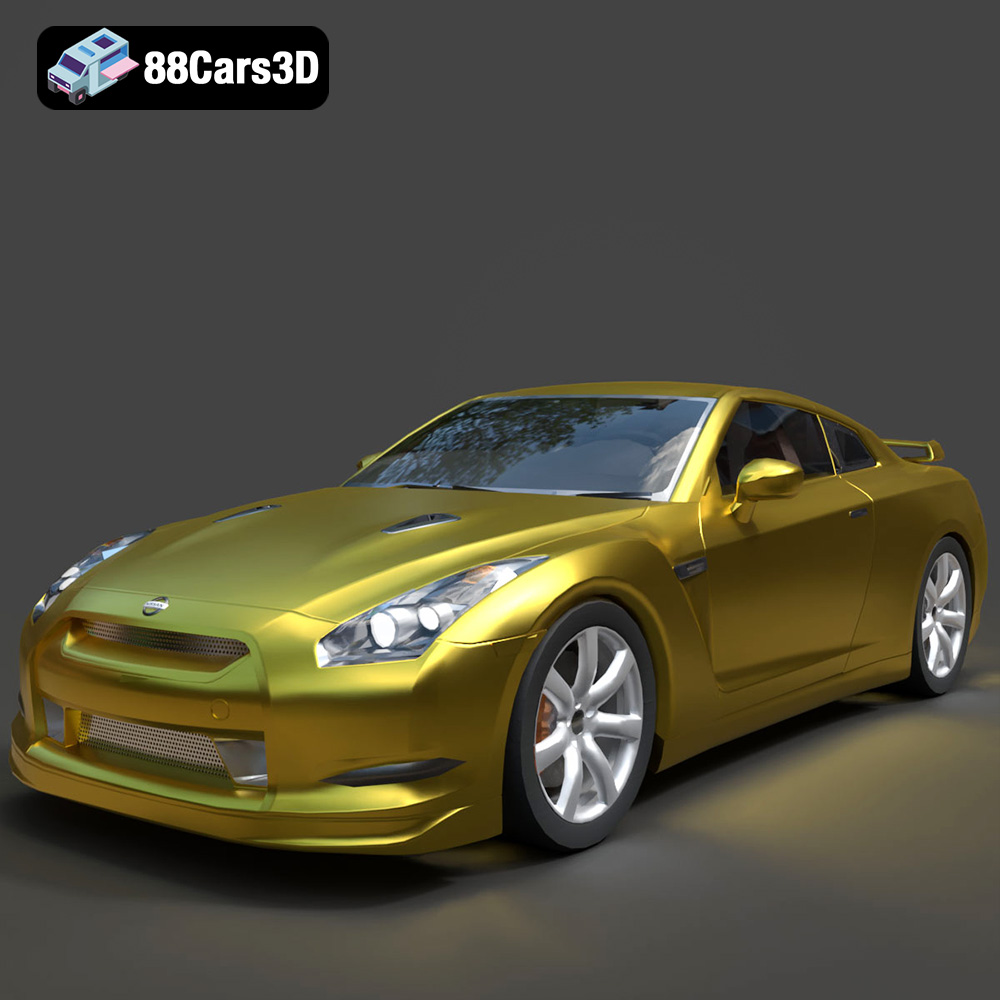
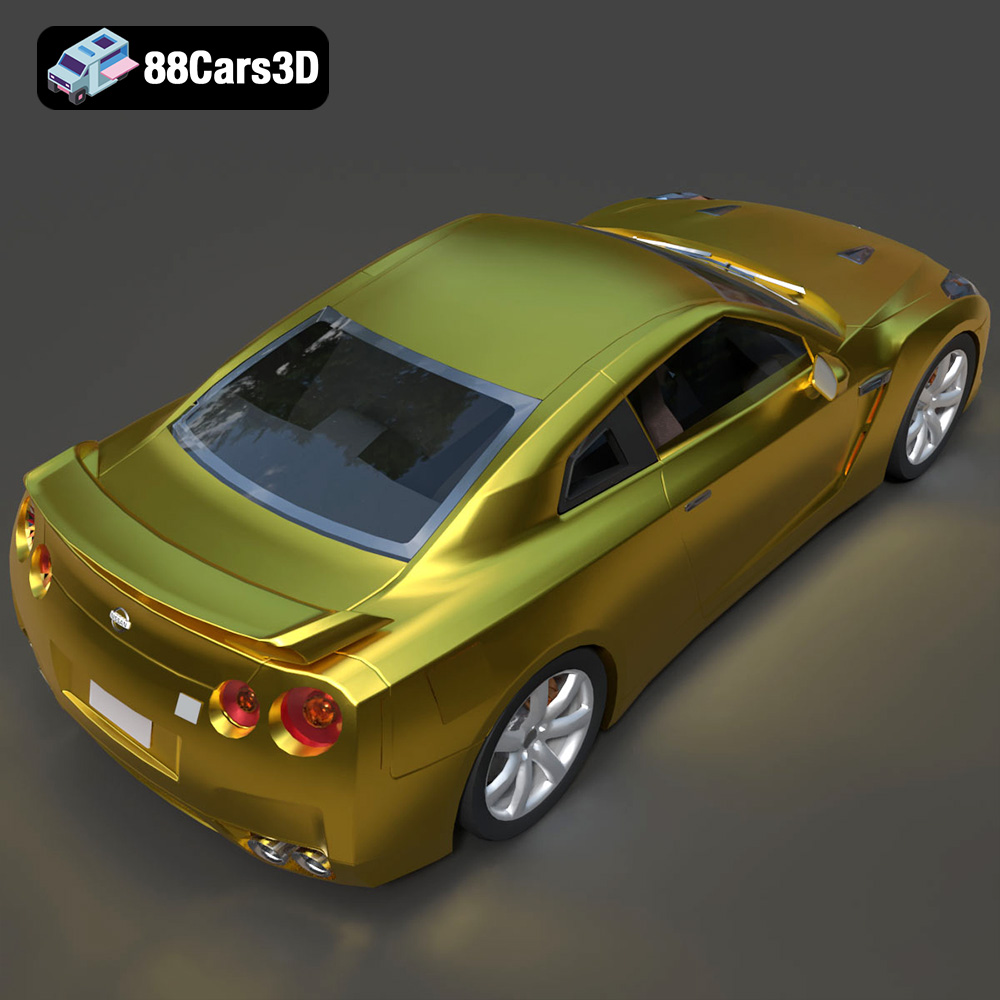
In the early days of racing games, JDM cars were often simplified representations, relying on player imagination. Today, the expectation is photorealism. Artists leveraging high-quality 3D car models, such as those found in the Japanese Legends bundle, can achieve breathtaking renders that are indistinguishable from real-life photographs. Imagine the aggressive lines of the Nissan GT-R 2008 glinting under the precise lighting of an automotive studio render, or the timeless curves of the Honda NSX-R 1992 showcased with cinematic flair. The inherent design characteristics of these cars—their sharp angles, distinctive spoilers, and unique headlight signatures—lend themselves beautifully to detailed rendering, allowing artists to explore a wide spectrum of visual styles, from gritty street scenes to pristine showroom presentations.
For game developers, JDM cars are a goldmine. Titles centered around street racing, drifting, or car customization thrive on the inclusion of these iconic vehicles. The challenge lies in creating models that are not only visually stunning but also optimized for real-time performance. Game assets need clean topology, separated parts for animation (doors, wheels, steering), and correctly set up pivot points for physics engines. The “Japanese Legends” bundle addresses these needs head-on, providing game-ready assets that integrate seamlessly into engines like Unreal and Unity, forming the perfect foundation for an engaging gameplay experience, whether it’s a high-octane racing simulator or a casual tuning game.
A significant part of JDM culture is personalizing and tuning cars. This translates directly to 3D workflows. Artists frequently need to modify models—adding widebody kits, custom rims, spoilers, or intricate livery designs. A truly professional 3D car model must have clean, quad-heavy geometry that allows for easy modification without introducing artifacts or topology issues. The models in the Japanese Legends bundle are specifically described as “Tuning Ready,” making them ideal for artists who want to push creative boundaries and replicate the real-world customization ethos within their digital projects.
The utility of any 3D asset often hinges on its file format. A versatile bundle like the Japanese Legends: JDM Street Racing 3D Models Bundle understands this, offering a comprehensive array of formats to ensure compatibility across diverse professional workflows. Choosing the right format is critical for efficiency, data integrity, and achieving your desired output, whether it’s a photorealistic render, a real-time game asset, or a physical 3D print. Let’s break down the included formats and their primary applications.
The .blend format is Blender’s native file type. When you receive a .blend file, you’re essentially getting the complete project file as it was created in Blender. This means all the geometry, materials, textures, lighting setups, cameras, animations, and even modifiers are preserved and fully editable within Blender. For artists who primarily work in Blender, this is often the most convenient format, offering maximum flexibility for modifications, rigging, and rendering without any translation issues. The inclusion of the .blend file in the Japanese Legends bundle ensures that Blender users have immediate, unhindered access to every aspect of the models.
FBX (Filmbox) is a proprietary file format owned by Autodesk, but it has become an industry-standard exchange format, particularly for game development. It excels at transferring 3D model data, including geometry, materials, textures, bones, and animation. FBX is highly favored for its robust support in game engines like Unreal Engine and Unity, where it can be directly imported with much of its original data intact, making it perfect for creating game assets like the JDM street racing cars. Its ability to maintain hierarchy and pivot points, as specified for the “Japanese Legends” bundle, is crucial for game-ready vehicle physics and animations.
OBJ (or .obj) is one of the oldest and most widely supported 3D file formats. It is a universal exchange format for geometry, supporting vertices, normals, UV coordinates, and faces. While it doesn’t store animation or complex material setups as comprehensively as FBX or .blend, its strength lies in its widespread compatibility. Almost every 3D software application can import and export OBJ files, making it an excellent fallback or a primary choice when basic mesh data is needed for cross-software collaboration or when you intend to re-materialize the model from scratch in your preferred application. For a bundle like “Japanese Legends,” .obj ensures maximum reach for users of niche or specialized 3D software.
GLB (GL Transmission Format Binary) is the binary version of glTF, a royalty-free specification for the efficient transmission and loading of 3D scenes and models by applications. GLB bundles the entire 3D model—geometry, materials, textures, and even animation—into a single file, making it highly efficient and portable. It is rapidly becoming the standard for web-based 3D, AR (Augmented Reality), and VR (Virtual Reality) experiences. Its optimization for lightweight, real-time rendering makes it perfect for displaying the Toyota Supra 2020 in a web viewer or integrating the Mazda RX-7 into an AR app for interactive viewing.
STL (STereoLithography) is the most common file format for 3D printing. It describes only the surface geometry of a 3D object using a mesh of interconnected triangles. STL files do not contain color, texture, or material information, focusing purely on the shape for physical fabrication. For enthusiasts looking to 3D print the Mitsubishi Lancer Evolution IX or any other JDM legend into a physical scale model, the .stl format is indispensable. The “Japanese Legends” bundle specifically caters to this need, providing clean STL files optimized for resin printing at common scales like 1:24.
PLY (Polygon File Format or Stanford Triangle Format) is another format that describes 3D objects as a collection of polygons, primarily triangles. It can store various properties for each vertex and face, including color, transparency, surface normals, and range data. While less common than OBJ or STL for general asset exchange, PLY is often used in scientific and engineering applications, such as 3D scanning, CAD (Computer-Aided Design), and precision analysis. For highly specific automotive visualization or reverse engineering tasks, the .ply format offers a robust, detailed mesh representation.
The .unreal format refers to assets specifically packaged and optimized for Unreal Engine. While often derived from FBX, a native .unreal file implies a higher level of preparation and optimization directly within the engine’s ecosystem. This might include pre-configured materials, collision meshes, LODs (Levels of Detail), and blueprint setups ready for immediate integration into an Unreal project. Having an .unreal variant for the JDM street racing models means significantly faster deployment and less setup time for game developers working within the Unreal environment, ensuring components like the proper pivot points for Chaos Vehicles are already configured.
Similar to .blend for Blender, the .max format is the native scene file for Autodesk 3ds Max. This file contains the complete 3ds Max scene, including all geometry, modifiers, materials, textures, lights, cameras, animations, and render settings. For professionals using 3ds Max for high-end automotive rendering or complex animations, the .max file provides the greatest fidelity and flexibility. It allows artists to dive directly into the original project file, making it easy to fine-tune details, adjust materials for specific renderers like V-Ray or Corona, or set up elaborate cinematic sequences with the featured JDM cars.
Beyond simply having good-looking models, professional 3D assets require meticulous engineering. The Japanese Legends: JDM Street Racing 3D Models Bundle excels in its technical foundation, providing a framework for flawless execution in diverse applications.
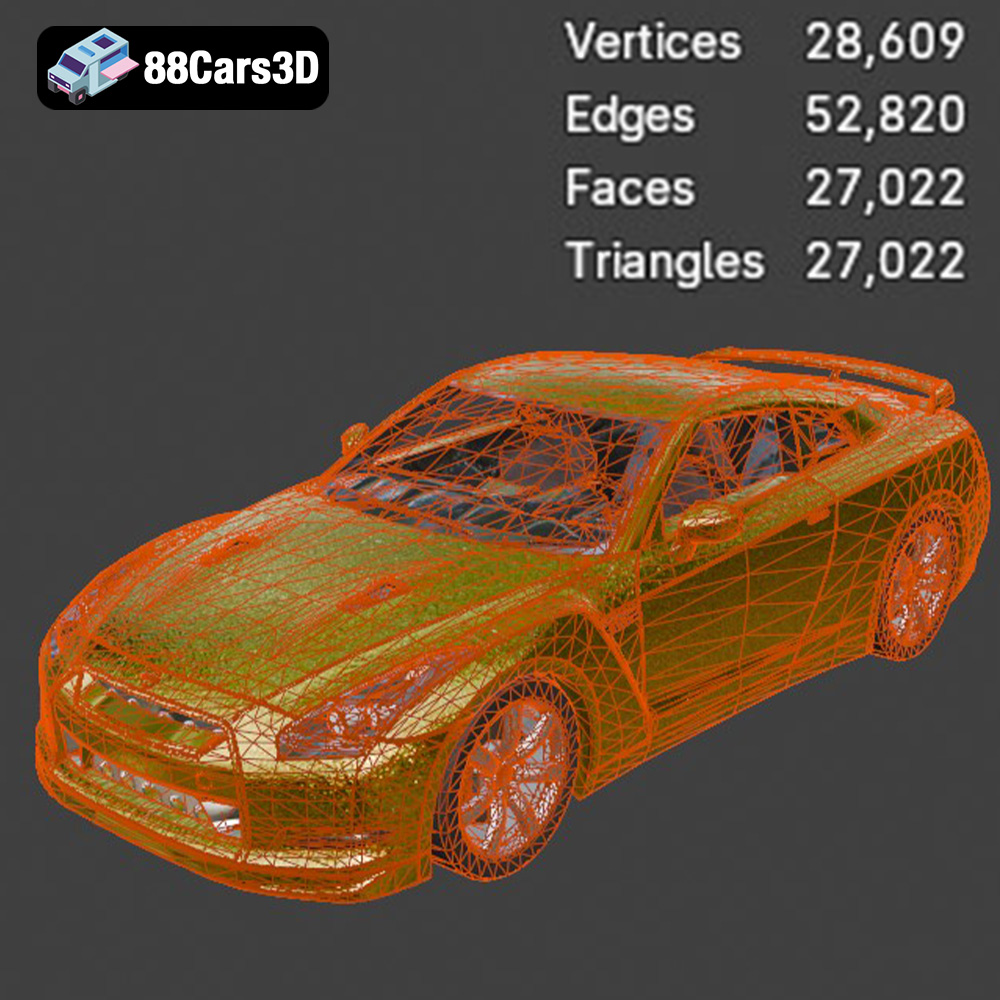
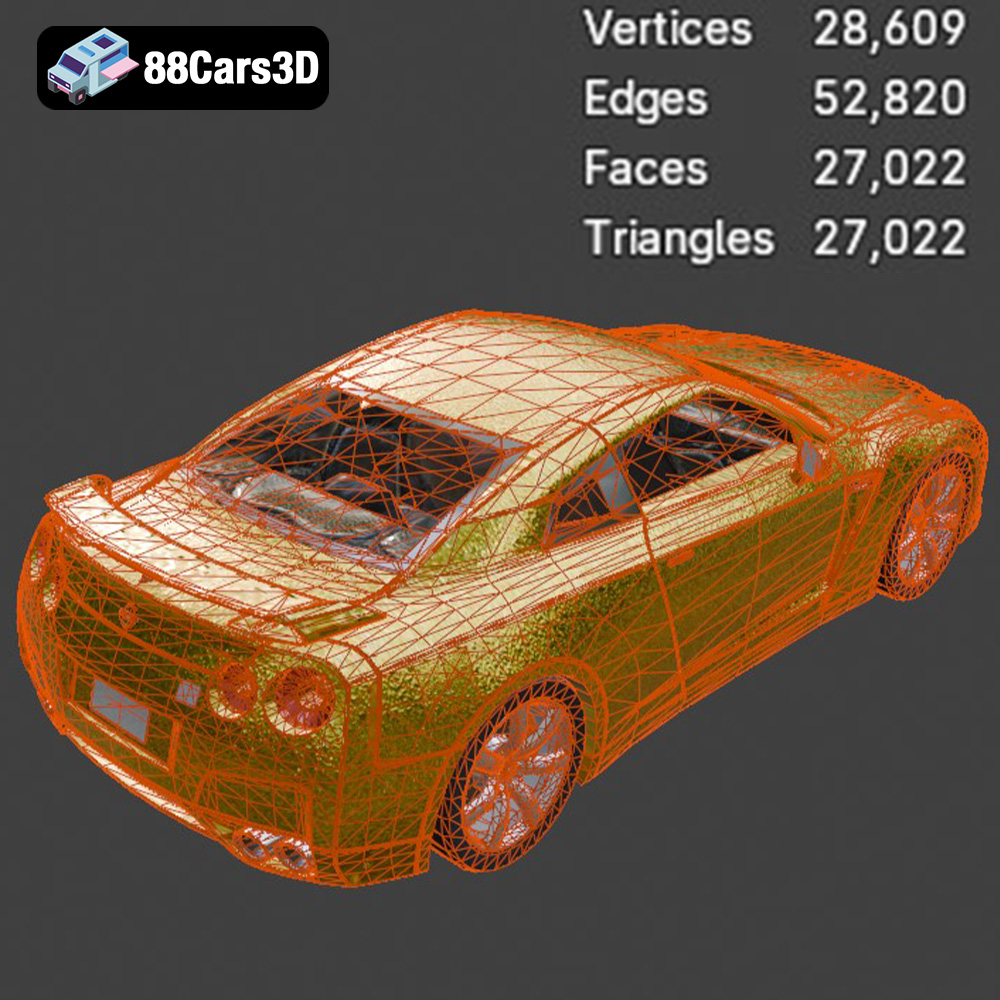
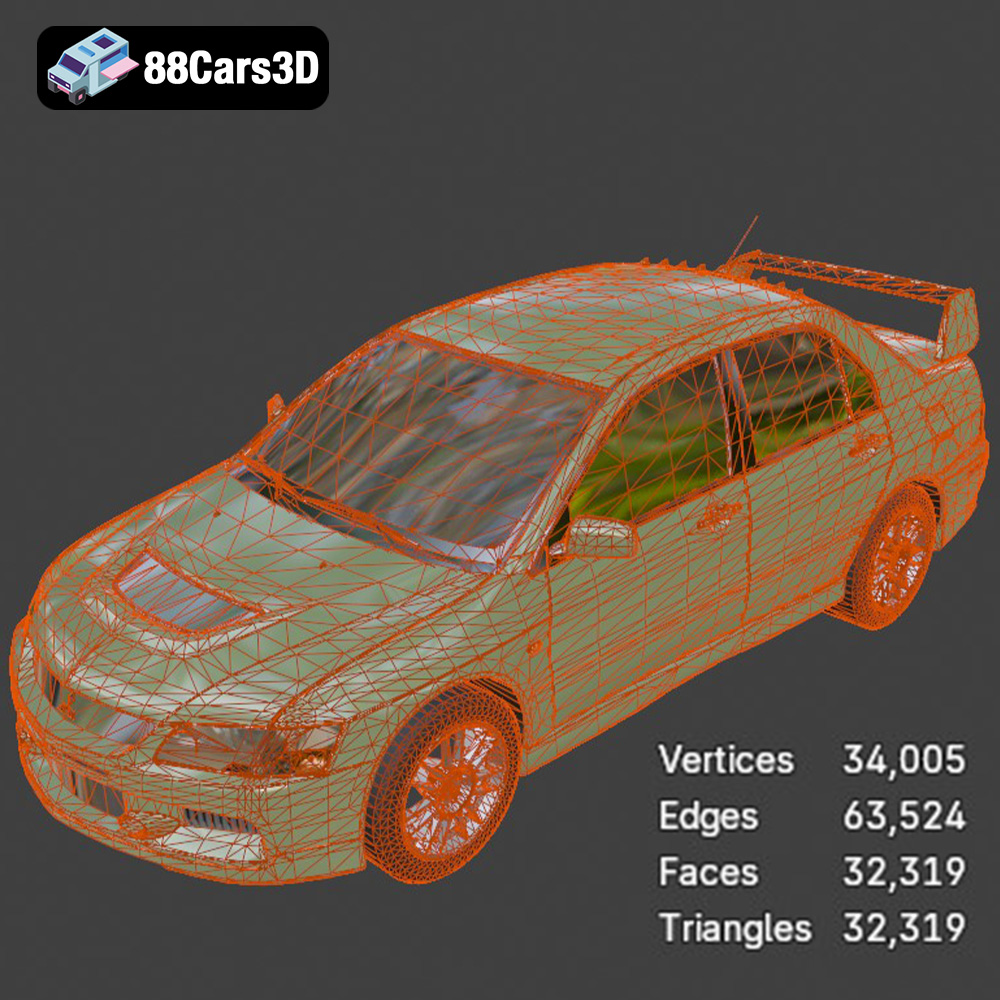
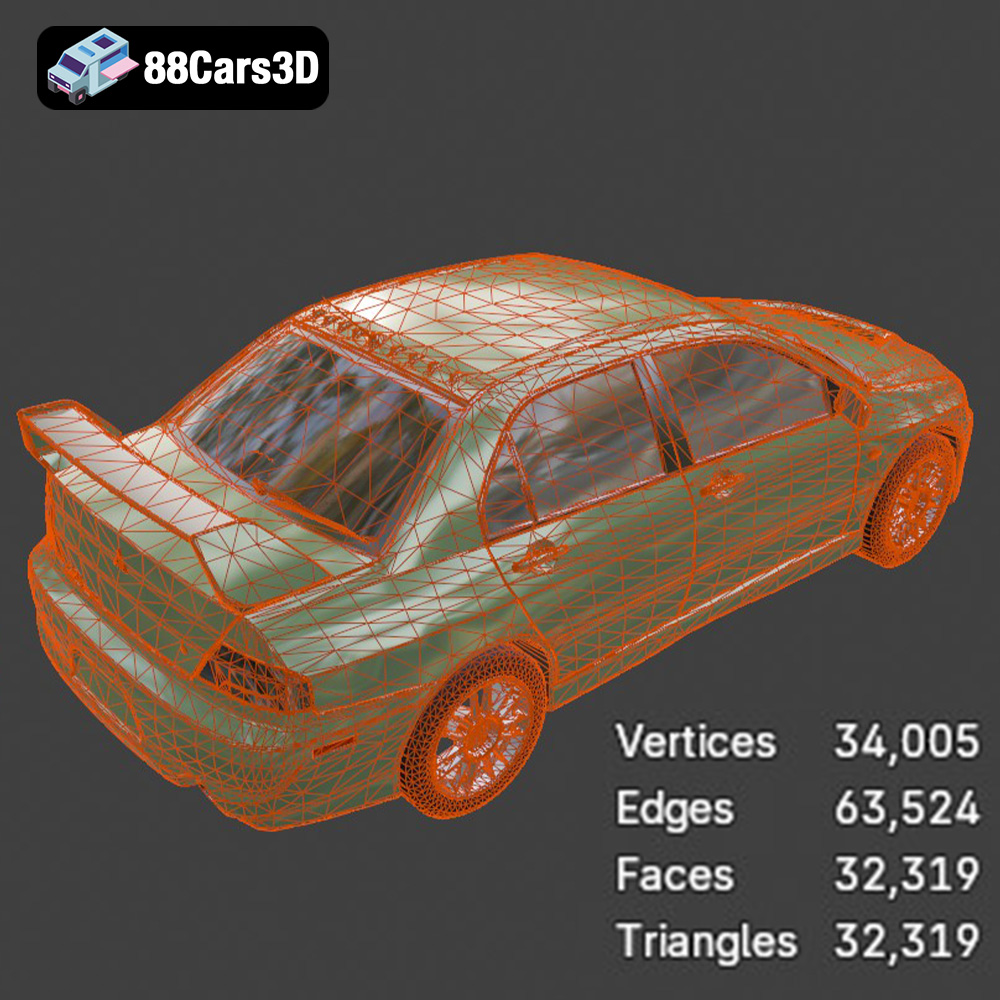
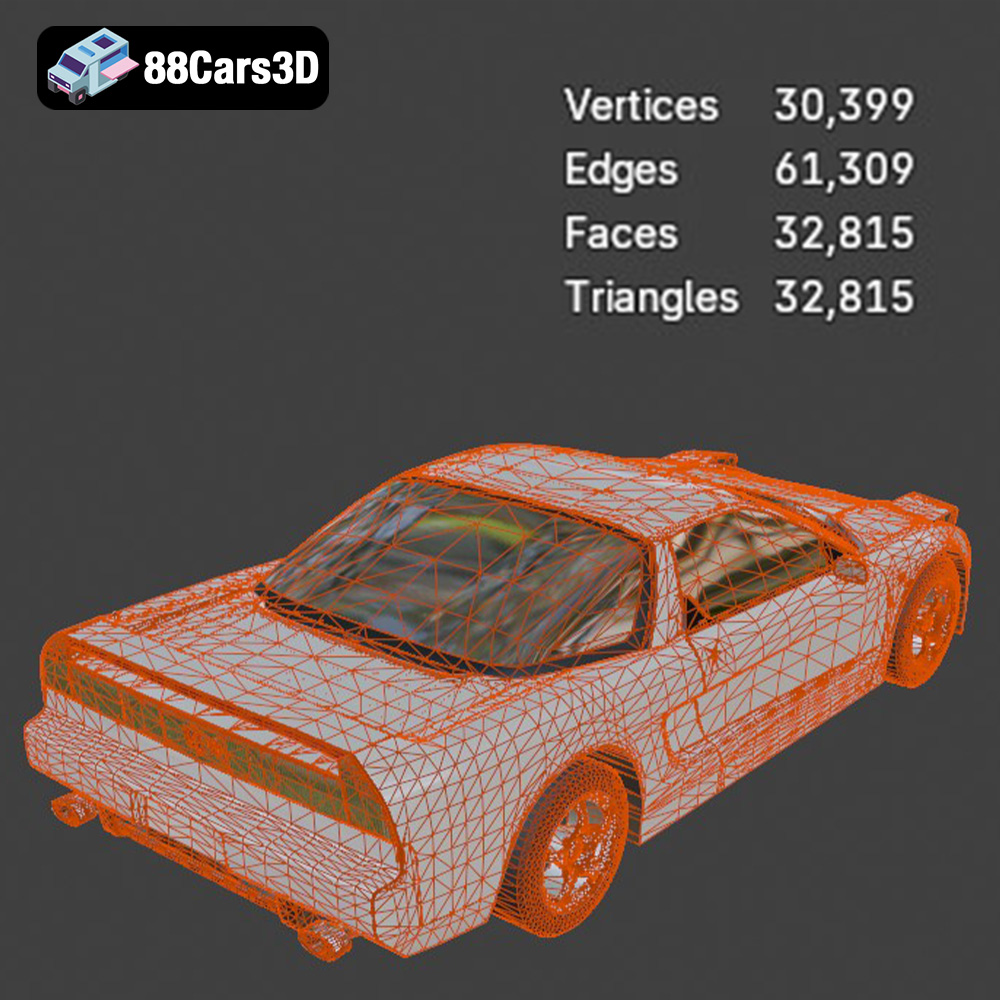
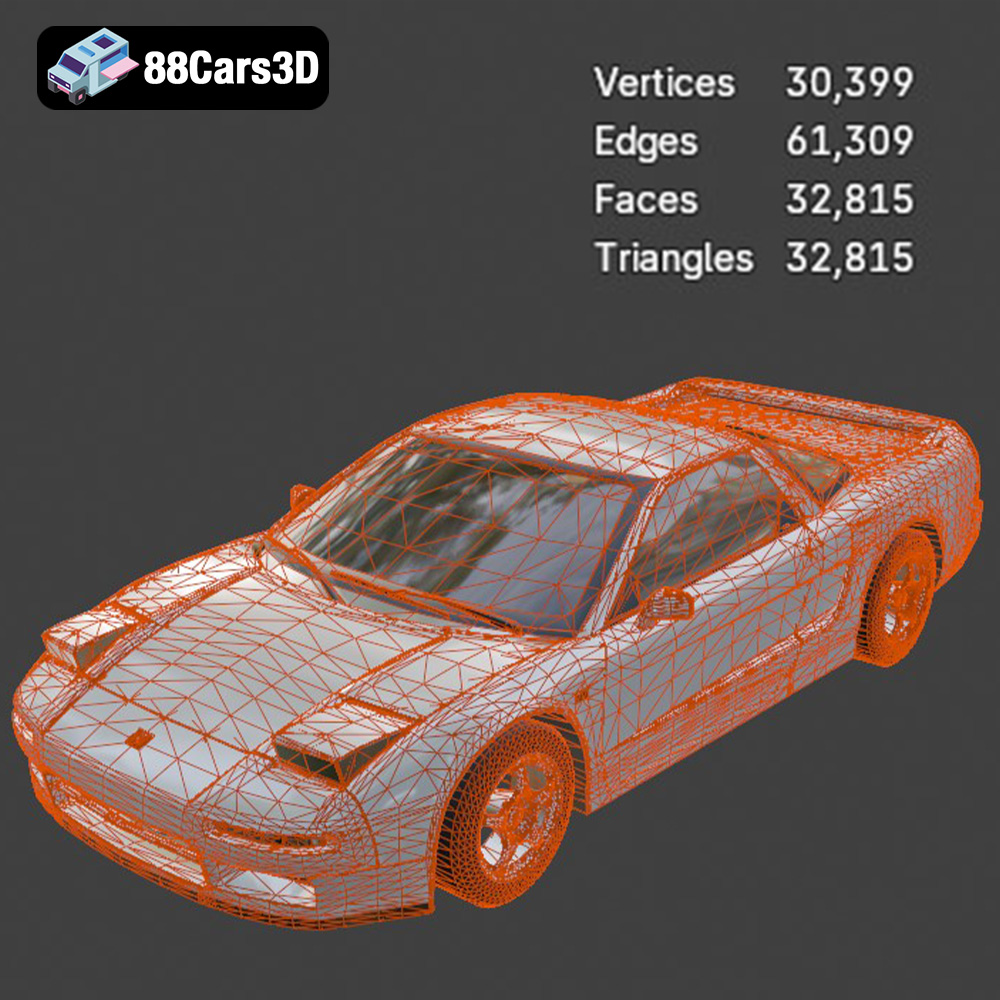
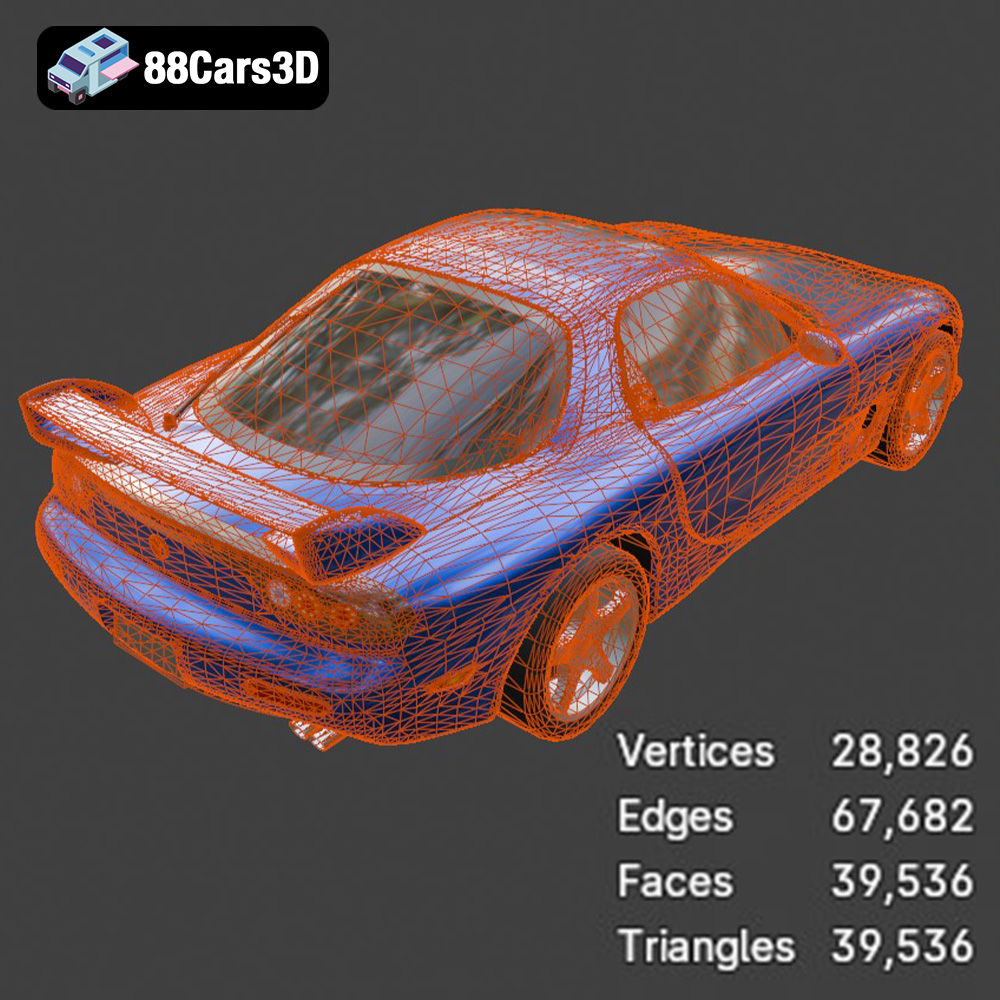
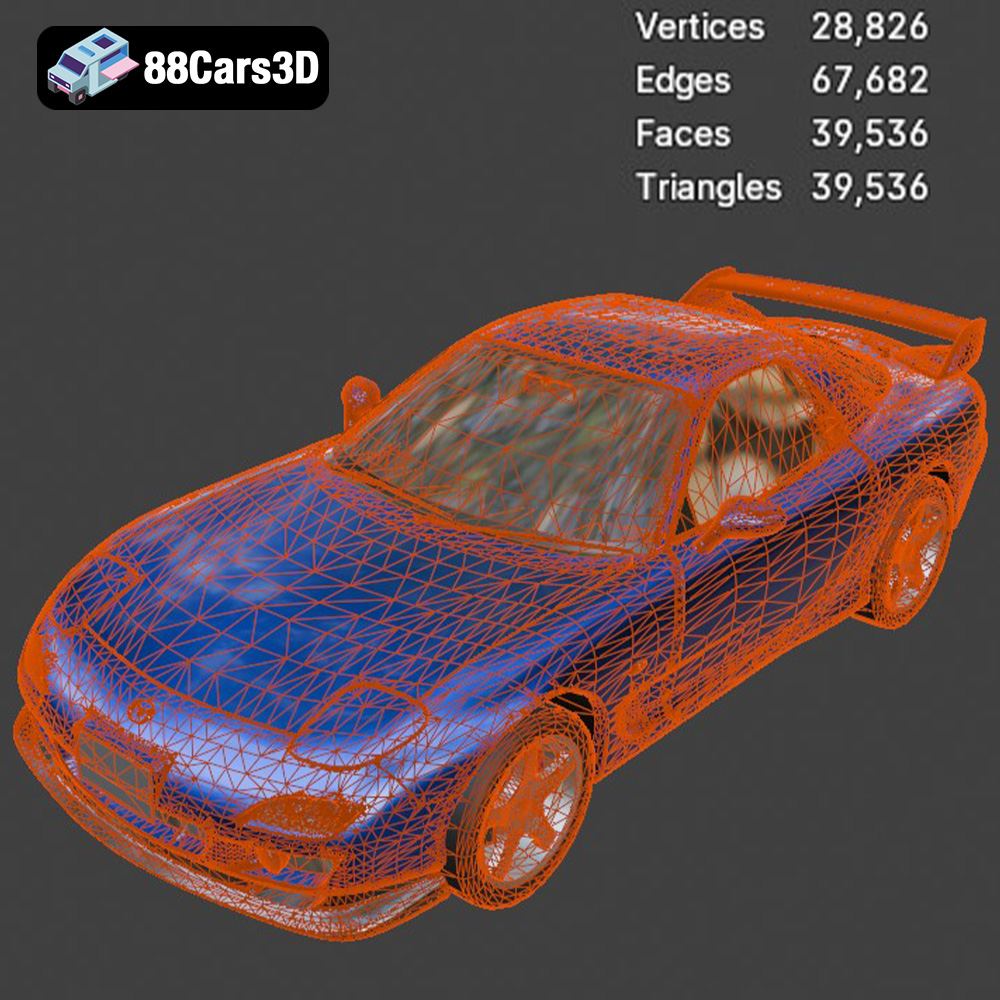
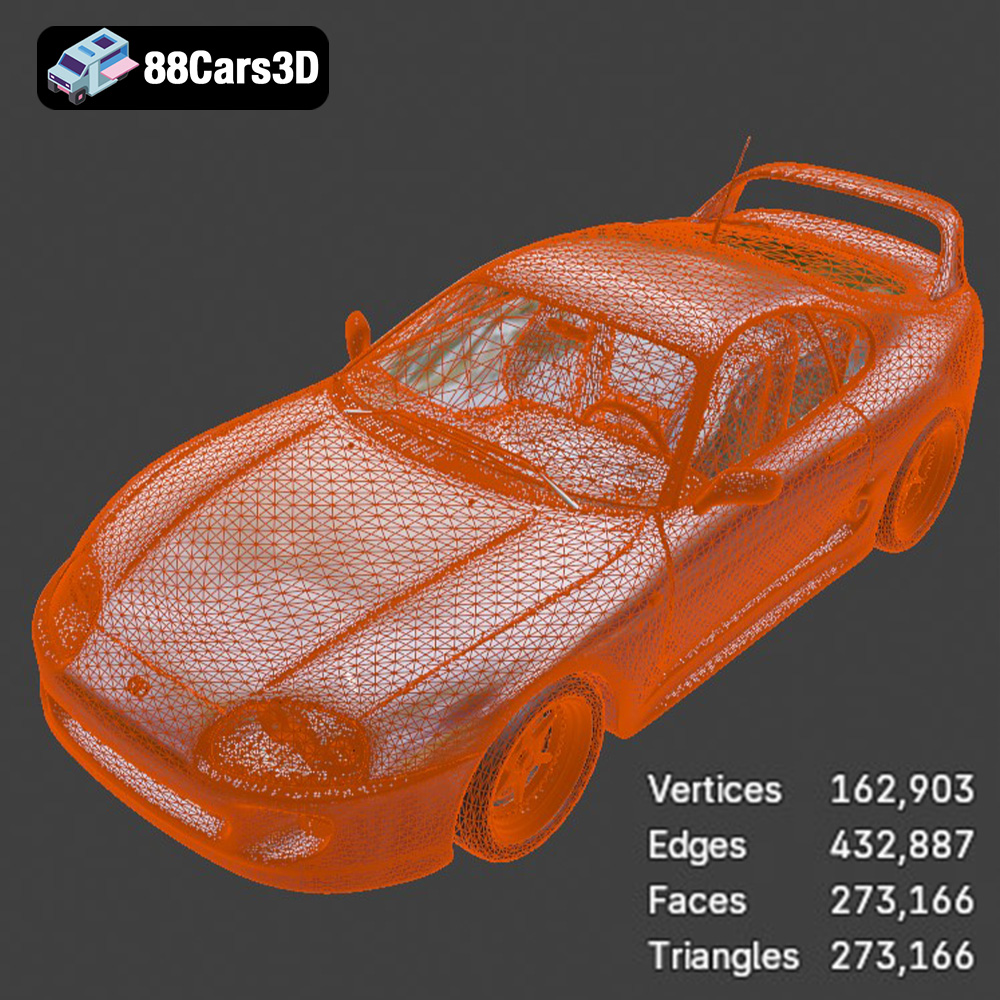
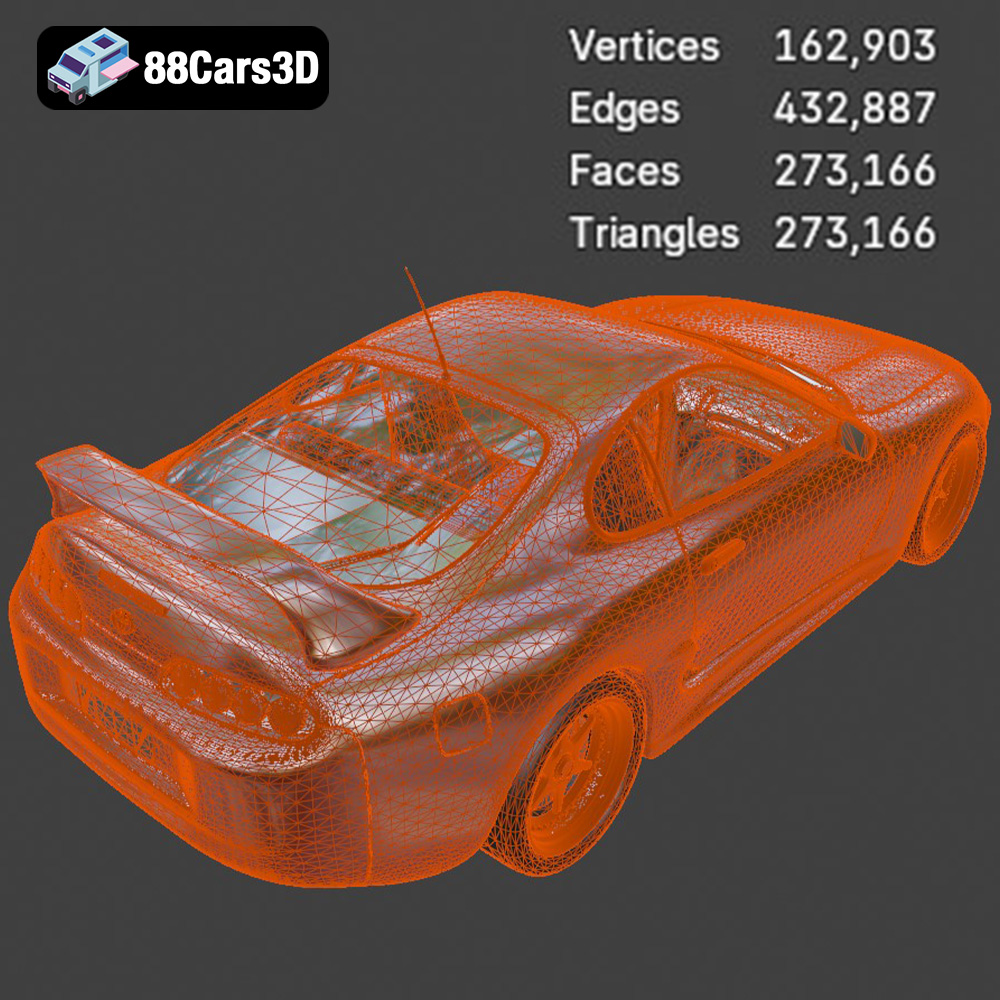
The hallmark of a high-quality 3D car model, especially for automotive rendering, is its topology. The bundle emphasizes “Beautifully balanced quad-heavy geometry,” which is paramount for achieving crisp, artifact-free reflections on curved surfaces. Car paint, particularly on iconic vehicles like the Nissan GT-R or Mazda RX-7, is highly reflective. Poor topology (e.g., excessive triangles, n-gons, or stretched polygons) can lead to ugly shading artifacts, pinching, or noticeable seams, ruining the illusion of a smooth, painted surface. Quad-heavy meshes facilitate proper edge flow, essential for applying subdivisional modifiers (like TurboSmooth in 3ds Max or Subdivision Surface in Blender) while maintaining clean, flowing surfaces. This attention to detail ensures that your automotive paint materials will look spectacular without “crashing your render engine” due to complex, messy geometry.
For game developers, efficiency and functionality are key. The “Separated Parts” feature—with wheels, doors, and steering components intelligently detached—is a critical advantage. This enables seamless animation of opening doors, rotating wheels, and articulated steering without complex rigging. Furthermore, “Proper pivot point setup for all wheels” is a non-negotiable requirement for accurate vehicle physics. Without correctly placed pivots, wheels would rotate off-center, leading to unrealistic driving behavior in game engines. The bundle’s explicit mention of readiness for “Unreal Engine (Chaos Vehicles) or Unity” underscores its commitment to delivering immediately functional game assets, significantly reducing setup time for developers.
Accuracy in 3D modeling begins with correct scale. The “100% Real-world scale accuracy” ensures that when you import any of the JDM cars from the bundle into your scene, they will be dimensionally correct relative to other assets and environments. This prevents common scaling issues that can disrupt physics simulations, architectural visualizations, or scene composition. Moreover, the models are “Fully compatible with V-Ray, Corona, Arnold, and real-time engines.” This broad compatibility means artists can confidently integrate these assets into their preferred rendering pipeline, knowing they can leverage the full power of their chosen renderer for materials, lighting, and global illumination, be it for a detailed Honda NSX-R showcase or a dynamic Toyota Supra racing scene.
The true value of premium 3D assets lies in their ability to streamline and enhance professional workflows. The Japanese Legends bundle offers versatile assets that fit seamlessly into various production pipelines.
High-end automotive rendering demands precision and attention to detail. With the .max and .blend files included, artists using 3ds Max or Blender can unlock the full potential of these JDM models. The workflow typically involves:
The “game-engine ready” nature of the bundle makes it a perfect starting point for interactive experiences. Using the .fbx or .unreal files, developers can:
For immersive and interactive experiences, the .glb format is a game-changer. These lightweight, single-file models are ideal for:
The allure of JDM cars isn’t confined to digital screens. Many enthusiasts enjoy collecting physical scale models. The inclusion of .stl files in the Japanese Legends bundle bridges the gap between digital asset and tangible collectible, opening up exciting possibilities for 3D printing.
3D printing requires specific considerations to ensure successful fabrication. The .stl format provided in the bundle is designed with this in mind. Key steps for preparing these JDM models for printing include:
A successful 3D print is often just the beginning. To achieve a showroom-quality scale model, post-processing is essential:
To truly appreciate the power of the Japanese Legends: JDM Street Racing 3D Models Bundle, let’s explore how it can be leveraged in real-world creative scenarios.
Imagine creating a cinematic animation short set in a futuristic, neon-lit Tokyo. You need a fleet of iconic JDM cars to populate this vibrant world. The bundle provides the perfect starting point. You could feature the Nissan GT-R 2008 as the hero car, drifting through rain-slicked streets, chased by a modified Mitsubishi Lancer Evolution IX, with the sleek Mazda RX-7 making a cameo appearance in the background. The models’ “high-poly topology” and “flawlessly modeled aggressive front fascia” ensure they hold up to extreme close-ups. Leveraging the .max or .blend files, an artist could:
For a game studio developing a detailed car customization simulator, the “Japanese Legends” bundle is a foundational asset. The “Tuning Ready” geometry and “Separated Parts” are crucial here. Players could select the Honda NSX-R 1992 or the Toyota Supra 2020 and then:
Beyond entertainment, these 3D car models are invaluable for automotive designers and concept artists. A designer might use the classic Mazda RX-7 as a base to explore modern interpretations of its iconic rotary-engine silhouette. Or, the aggressive lines of the Toyota Supra 2020 could be a starting point for developing unique aftermarket body kits for real-world manufacturing visualization. Using the .obj or .max files, designers can:
The digital automotive landscape demands assets that are not only visually appealing but also technically robust, versatile, and optimized for specific workflows. The Japanese Legends: JDM Street Racing 3D Models Bundle delivers precisely that. From the photorealistic “Godzilla” Nissan GT-R to the modern, aggressive Toyota Supra 2020, each model in this 5-in-1 pack is a testament to meticulous craftsmanship and a deep understanding of professional needs.
Whether you are an automotive rendering artist seeking flawless reflections, a game developer building the next big racing title, or a designer exploring new concepts, this bundle provides a solid foundation. Its comprehensive file format support (from .blend and .max for native editing to .fbx and .unreal for game engines, .glb for web/AR, and .stl for 3D printing) ensures seamless integration into virtually any pipeline. The attention to “Optimized Topology,” “Separated Parts,” and “Proper pivot points” significantly streamlines production, saving invaluable time and resources.
For anyone looking to capture the iconic spirit and technical precision of JDM culture in their digital creations, this bundle from 88cars3d.com offers an irresistible opportunity to acquire five absolute legends at exceptional value. Elevate your projects and unleash the power of these street icons today.
The Japanese Legends: JDM Street Racing 3D Models Bundle is the ultimate digital garage for automotive artists, game developers, and drifting enthusiasts. Japanese Domestic Market (JDM) cars have created a massive, devoted culture worldwide. Whether you are creating an underground street racing game, a neon-lit Tokyo cinematic animation, or custom tuning renders, this pack gives you the most iconic Japanese sports cars ever built.
$129.99
car-bundle
game-ready-cars
honda-nsx
jdm-3d-model
lancer-evo
mazda-rx7
nissan-gtr-3d
street-racing-cars
tokyo-drift
toyota-supra-3d
tuning-cars