Get 50% OFF All Premium 3D & STL Models!

In the expansive and ever-evolving world of 3D modeling, the demand for highly detailed and historically accurate assets is constant. Whether you’re an automotive renderer aiming for photorealism, a game developer crafting an immersive retro-themed open world, or an architect populating a developing-market visualization, the quality of your 3D models can make or break a project. Today, we delve into a prime example of such a versatile asset: the Suzuki Super Carry 1000 Microvan 3D Model. This iconic vehicle, a symbol of compact utility from the 1980s and 1990s, offers a unique blend of nostalgia and practical design, making it an indispensable addition to any professional 3D library. Its accurate recreation provides an incredible foundation for a myriad of projects, from detailed close-up renders to interactive AR/VR experiences, and even physical 3D prints. Acquired from trusted sources like 88cars3d.com, such high-quality 3D car models ensure that your creative vision is never compromised by subpar assets.
This blog post will explore the technical nuances and creative opportunities presented by models like the Suzuki Super Carry 1000 Microvan. We’ll discuss its integration into popular 3D software and game engines, examine the critical role of file formats, and uncover how this specific model can elevate your professional automotive rendering, game development, and even 3D printing endeavors. Prepare to unlock the full potential of retro realism in your next project.
When working with 3D models, especially complex automotive assets like the Suzuki Super Carry 1000 Microvan, understanding the various file formats available is paramount. Each format serves a specific purpose, offering different levels of compatibility, data retention, and optimization for various workflows. The Suzuki Super Carry model from 88cars3d.com is provided in an impressive array of formats, ensuring maximum flexibility for any professional pipeline.
The .blend format is Blender’s native file type. It encapsulates an entire Blender scene, including the mesh geometry, materials, textures, lighting, cameras, animation data, and even physics simulations. For artists primarily working in Blender, this is the most advantageous format as it offers full editability and preserves all scene-specific settings. When you download a .blend file, you’re not just getting the model; you’re getting a fully set-up environment, ready for immediate iteration, tweaking, or integration into a larger Blender project. This is ideal for those who want to dive deep into the model’s construction, understand its material nodes, or modify its rigging for custom animations.
.fbx (Filmbox) is a proprietary file format developed by Autodesk, widely recognized as the industry standard for exchanging 3D data between various software applications and game engines. It excels at preserving complex data like animated characters, bone structures (rigging), blend shapes, lights, cameras, and material properties. For game development, particularly with engines like Unreal Engine and Unity, .fbx is often the go-to format due to its robust support for animations and hierarchical object structures. When importing the Suzuki Super Carry as an .fbx, you can expect its separated components (wheels, doors, steering) and any basic pivot setups to transfer cleanly, making it game-engine ready for simple animations.
The .obj (Wavefront OBJ) format is one of the oldest and most widely supported 3D file formats. It’s a universal standard for storing 3D geometry data, including vertices, normals, UV coordinates, and material group information. While it doesn’t typically store animation or rigging data, its simplicity makes it incredibly compatible across virtually all 3D software. If you need a clean mesh to work with in a less common application, or simply want the raw geometry to build upon, .obj is an excellent choice. It often comes paired with an .mtl file that defines basic material properties and links to texture maps.
.glb (GL Transmission Format Binary) is the binary version of glTF, a royalty-free specification for the efficient transmission and loading of 3D scenes and models by applications. It packages geometry, materials, textures, and animation into a single compact file, making it perfectly suited for augmented reality (AR), virtual reality (VR), and browser-based 3D viewers. For showcasing the Suzuki Super Carry in an interactive web application or an AR product configurator, the .glb format offers a streamlined, optimized solution for fast loading and rendering.
The .stl (Stereolithography) format is almost exclusively used for 3D printing. It represents a 3D model as a series of connected triangles (a triangular mesh) without any color, texture, or material information. Its primary purpose is to define the surface geometry of a 3D object for manufacturing. The Suzuki Super Carry 1000 Microvan is noted as “3D Printable STL,” meaning its geometry is manifold (watertight) and optimized for successful physical fabrication. This allows hobbyists and professionals to bring the digital model into the physical world, creating scale models or prototypes.
.ply (Polygon File Format, also known as Stanford Triangle Format) is a file format for storing three-dimensional data from 3D scanners. It supports properties like color, transparency, surface normals, and range data, making it useful for applications requiring high precision and detailed vertex data. While less common for general 3D model distribution than .fbx or .obj, its inclusion ensures compatibility for specific scientific, engineering, or CAD-related workflows where exact mesh representation is critical, especially for analysis or reverse engineering tasks.
The inclusion of a dedicated .unreal asset signifies a model specifically prepared for Unreal Engine. This often means the model has already been imported, scaled, had collision meshes generated, and potentially basic material slots or LODs (Levels of Detail) set up within an Unreal project structure. This greatly accelerates integration for game developers and architectural visualization artists working within Unreal Engine, minimizing setup time and ensuring optimal performance in real-time environments.
Finally, the .max format is the native file type for Autodesk 3ds Max, a powerful 3D modeling, animation, rendering, and compositing software. Like .blend, it stores all scene data, including geometry, materials, textures, lighting, cameras, and animation. For 3ds Max users, this file provides complete control over the model, allowing for extensive customization, advanced rendering setups with V-Ray or Corona, and complex animation sequences. The Suzuki Super Carry in .max format is ideal for high-end automotive rendering and cinematic productions.
The availability of such a wide range of formats for the Suzuki Super Carry 1000 Microvan underscores its versatility and the commitment to professional-grade assets on platforms like 88cars3d.com. Artists can confidently select the format best suited for their specific software and project needs, knowing they have a robust foundation.
The Suzuki Super Carry 1000 Microvan 3D Model, with its high-fidelity mesh and meticulous detailing, is perfectly poised for integration into industry-standard 3D software like 3ds Max and Blender. These platforms offer powerful tools for automotive rendering and visualization, allowing artists to transform raw 3D data into stunning photorealistic imagery or compelling animations.
For professionals leveraging 3ds Max, the included .max file format is a game-changer. It means the model likely comes pre-scaled, with pivots correctly set for components like doors, wheels, and steering, and potentially even basic material slots defined. This significantly reduces setup time. The workflow typically involves:
Blender users benefit immensely from the native .blend file. This provides immediate access to the entire scene setup, potentially including lights, cameras, and a well-organized hierarchy. The process in Blender mirrors 3ds Max in many aspects but leverages Blender’s unique toolset:
Regardless of the software chosen, the Suzuki Super Carry 1000 Microvan 3D Model provides a robust and detailed foundation, saving countless hours of modeling work and allowing artists to focus on the creative aspects of lighting, texturing, and rendering.
Beyond screen-based applications, the Suzuki Super Carry 1000 Microvan 3D Model offers an exciting avenue for physical creation through 3D printing. The inclusion of the .stl format, combined with specific recommendations for print settings, positions this model as an excellent candidate for miniature car enthusiasts, diorama builders, or even educational purposes. Transforming a digital asset into a tangible object requires careful consideration of mesh integrity and print parameters.
The product description highlights the model’s suitability for 3D printing, specifically mentioning its conversion to .stl format. This indicates that the base model likely has manifold geometry – meaning it’s “watertight” without gaps or intersecting faces, which is crucial for successful 3D printing. However, depending on the scale and desired level of detail, some preparation might still be necessary:
The type of 3D printer significantly impacts the final quality:
Once printed, the real fun of customization begins. The recommended post-processing steps – sanding, primer, and painting – are crucial for a professional finish. Artists can choose from various factory colors (Commercial White, Pastel Blue, Forest Green, Bright Red) to match a specific era or vision. Furthermore, the physical model can be customized with custom decals, weathering effects, or even modifications to create unique diorama pieces or collectible scale models. Imagine a 1:24 scale Suzuki Super Carry, meticulously painted and weathered, nestled into a retro street scene or a bustling market diorama.
The ability to transform this digital Suzuki Super Carry 1000 Microvan into a physical object opens up new creative avenues, extending the model’s utility beyond screens and into the tangible world of bespoke collectibles and highly detailed props.
In the interactive realms of game development and AR/VR, the Suzuki Super Carry 1000 Microvan 3D Model is more than just a pretty face; it’s a functional asset designed to enhance player immersion and create believable virtual environments. Its specific technical attributes and detailed design make it a strong candidate for various real-time applications, from adding background realism to a bustling city to serving as a central interactive element.
For game developers, efficiency and optimization are key. The inclusion of .fbx and specifically .unreal file formats for the Suzuki Super Carry is a significant advantage. The .fbx format ensures excellent compatibility with both Unreal Engine and Unity, allowing for a smooth import of the mesh, materials, and any pre-configured pivots for animation.
The immersive nature of AR and VR demands high-quality assets that perform well in real-time. The Suzuki Super Carry 1000 Microvan is an excellent candidate for these technologies, particularly with the inclusion of the .glb format, optimized for such applications.
Whether cruising through a virtual city or appearing as a digital overlay in the real world, the Suzuki Super Carry 1000 Microvan 3D Model brings a distinctive character and robust functionality to any real-time interactive experience.
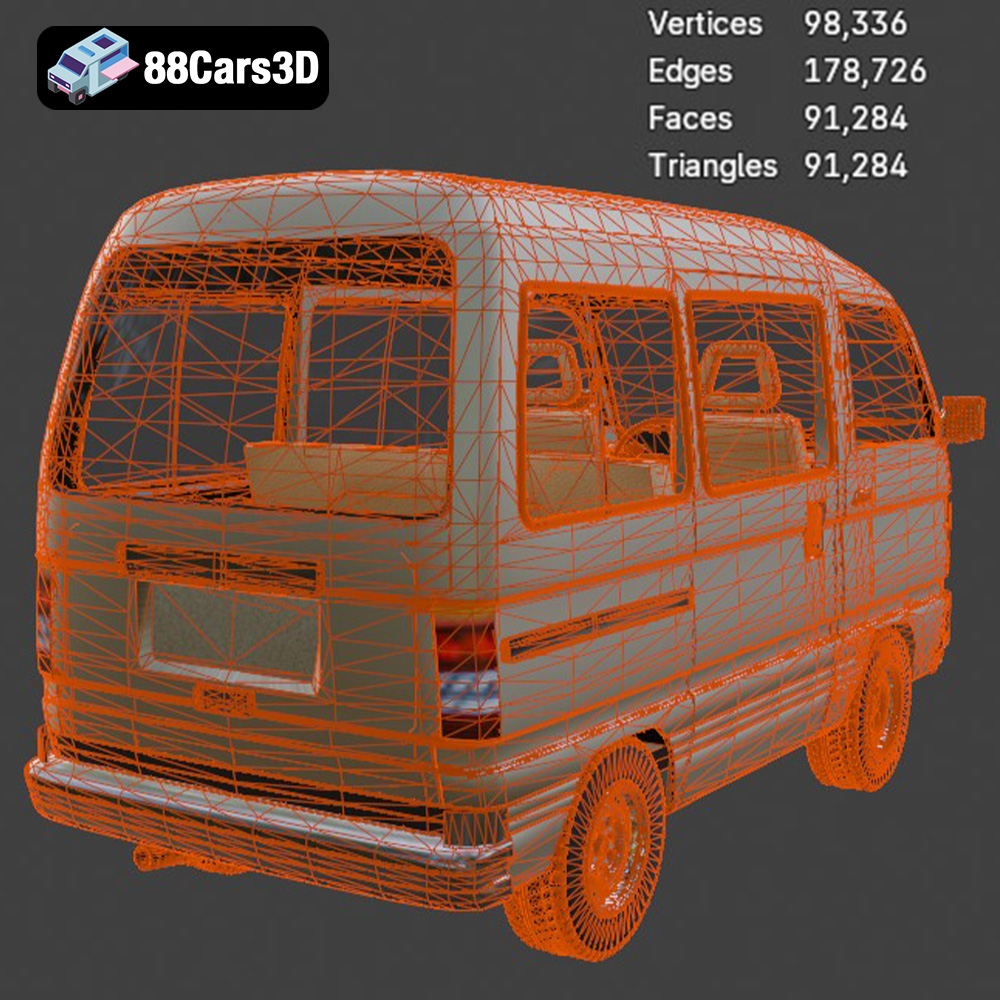
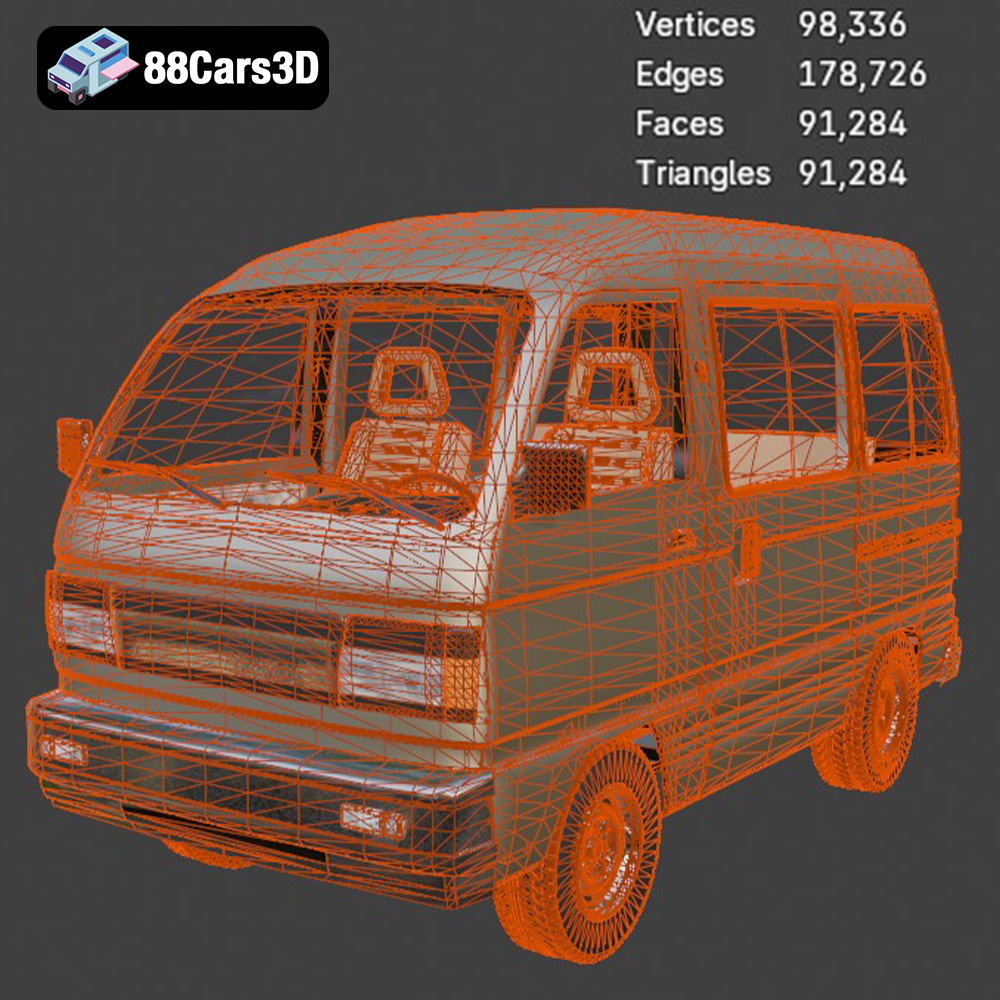
The true value of a premium 3D model lies not just in its accurate representation, but also in its underlying technical quality and the scope it offers for customization. The Suzuki Super Carry 1000 Microvan 3D Model stands out with its meticulously crafted details and flexibility, making it a powerful asset for diverse professional needs. From its high-poly structure to its adaptable design, every aspect contributes to its utility.
The provided technical specifications are a testament to the model’s high quality and readiness for demanding visual projects:
The Suzuki Super Carry 1000 Microvan 3D Model isn’t just a static representation; it’s a dynamic canvas for creative expression. The customization options unlock a vast array of possibilities:
These technical strengths and customization pathways ensure that the Suzuki Super Carry 1000 Microvan 3D Model is not just a specific vehicle, but a versatile tool capable of adapting to almost any creative vision, further cementing its value in professional 3D pipelines.
The journey through the technical intricacies and creative applications of the Suzuki Super Carry 1000 Microvan 3D Model reveals an asset of remarkable versatility and enduring appeal. We’ve explored how its meticulously crafted, high-polygon mesh and real-world scale accuracy provide an exceptional foundation for photorealistic automotive rendering in software like 3ds Max and Blender, allowing artists to capture its iconic 1980s/1990s charm with stunning fidelity. Its robust construction, featuring separated parts and proper pivot setups, makes it animation-ready, whether for dynamic sequences or subtle interactive elements.
Crucially, the comprehensive suite of included file formats – from the native editability of .blend and .max, to the universal compatibility of .fbx and .obj, the AR/VR optimization of .glb, and the dedicated game-ready .unreal format – ensures that this model seamlessly integrates into virtually any professional workflow. This broad format support, including the essential .stl for 3D printing, highlights its adaptability across different industry segments. The detailed discussion on 3D printing, from optimal scales to post-processing, underscores its potential to bridge the gap between digital and physical, offering miniature enthusiasts and collectors a tangible piece of automotive history.
For game developers and AR/VR creators, the Suzuki Super Carry isn’t just a static object; it’s a dynamic element ready to populate immersive environments, drive player interaction, and add authentic period detail to digital worlds. Its robust technical specifications and thoughtful customization options empower artists to tailor the model to specific narratives, whether it’s a bustling urban street scene, a quirky camper conversion, or a nostalgic advertisement. Ultimately, the Suzuki Super Carry 1000 Microvan 3D Model is more than just a digital recreation; it’s a highly functional, expertly crafted tool that embodies the perfect balance of technical precision and creative potential.
For professionals seeking high-quality 3D car models that offer both fidelity and flexibility, resources like 88cars3d.com continue to be invaluable. Assets such as the Suzuki Super Carry 1000 Microvan exemplify the standard of excellence required to elevate any project, ensuring that your automotive rendering, game development, or 3D printing endeavors achieve truly exceptional results. Embrace the charm of this microvan and let it drive your next creative masterpiece.
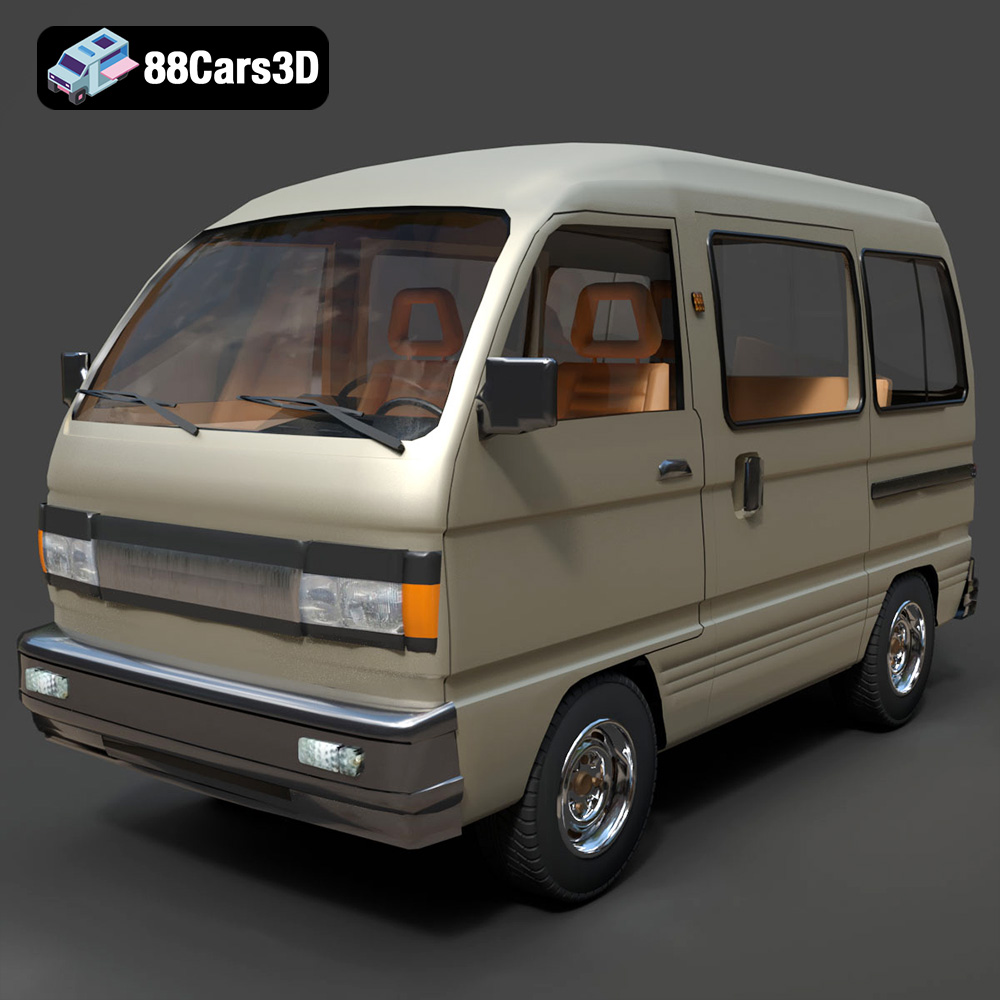
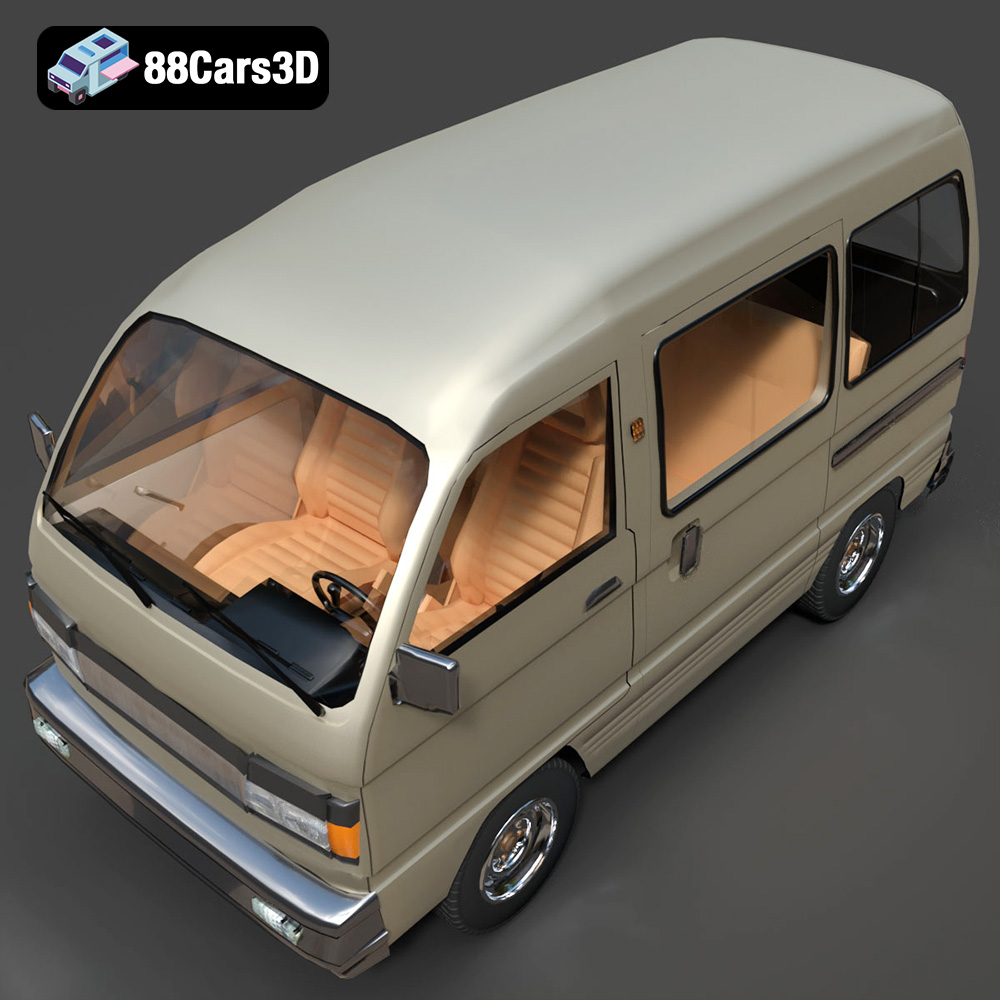
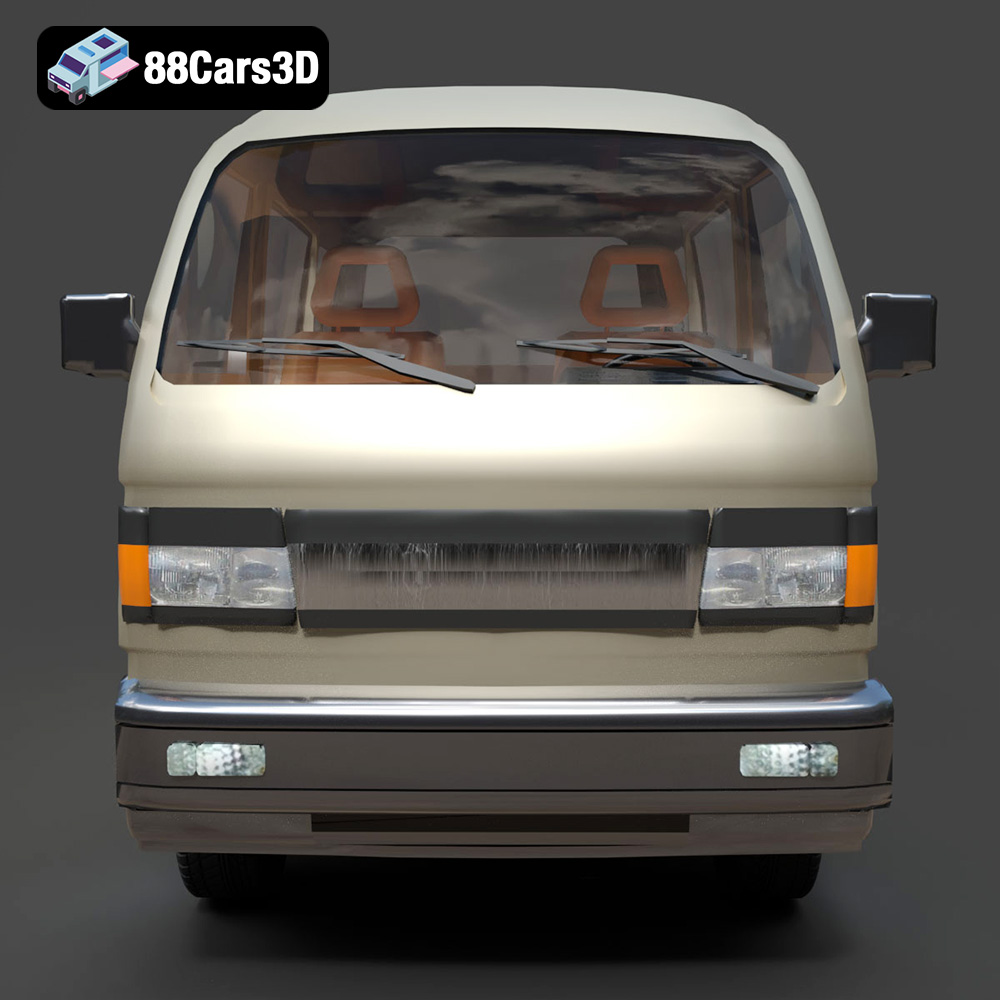
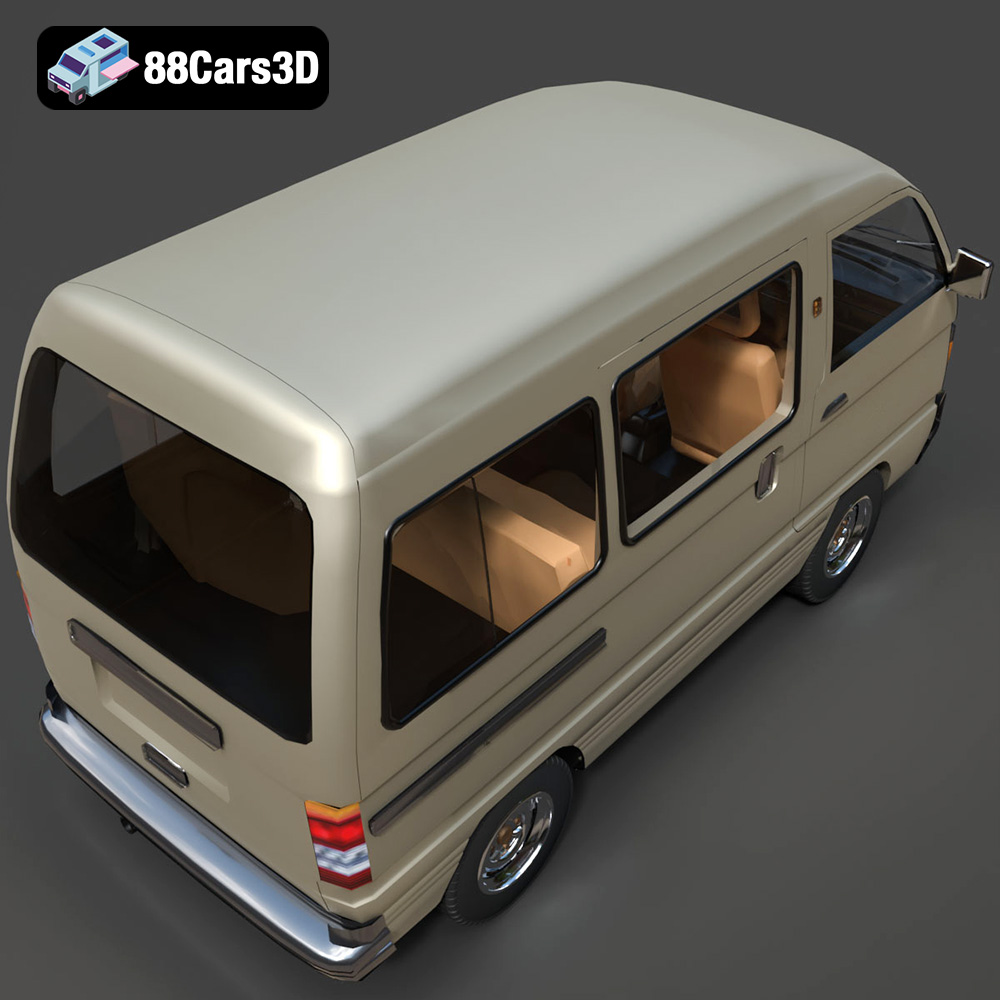
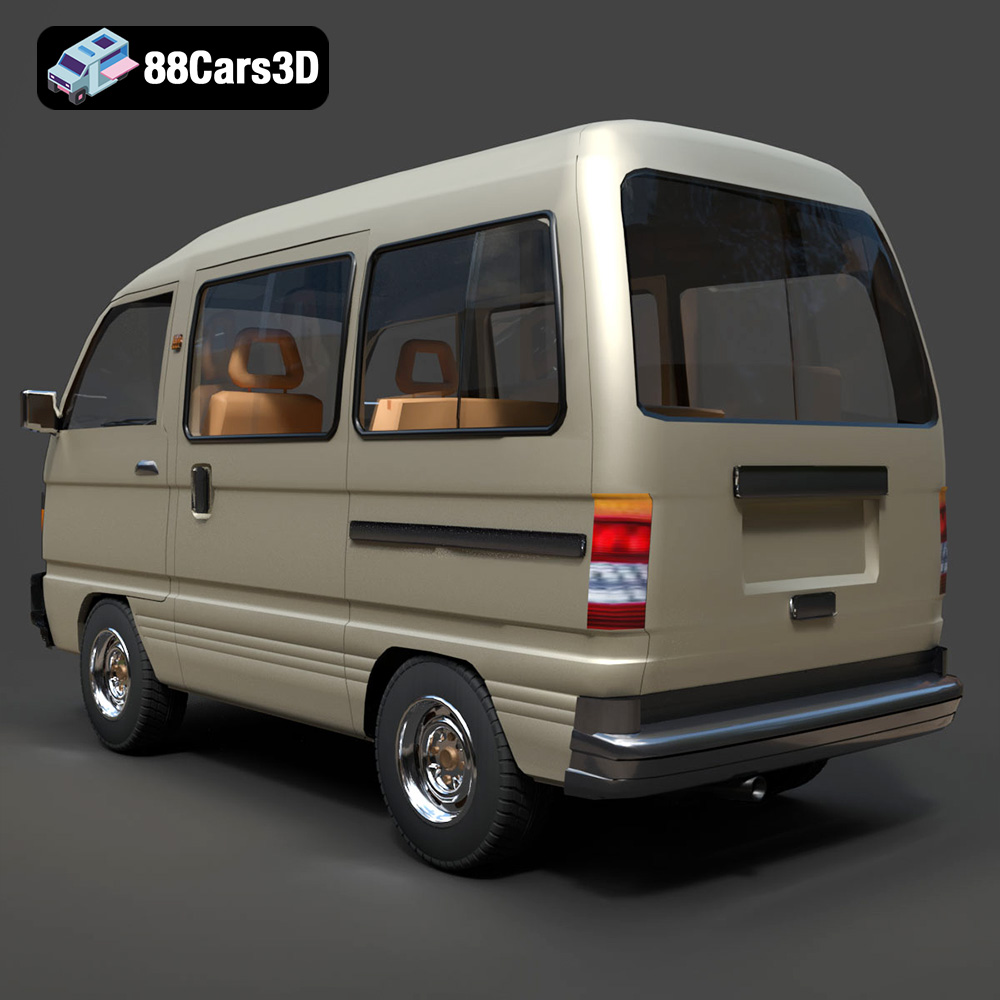
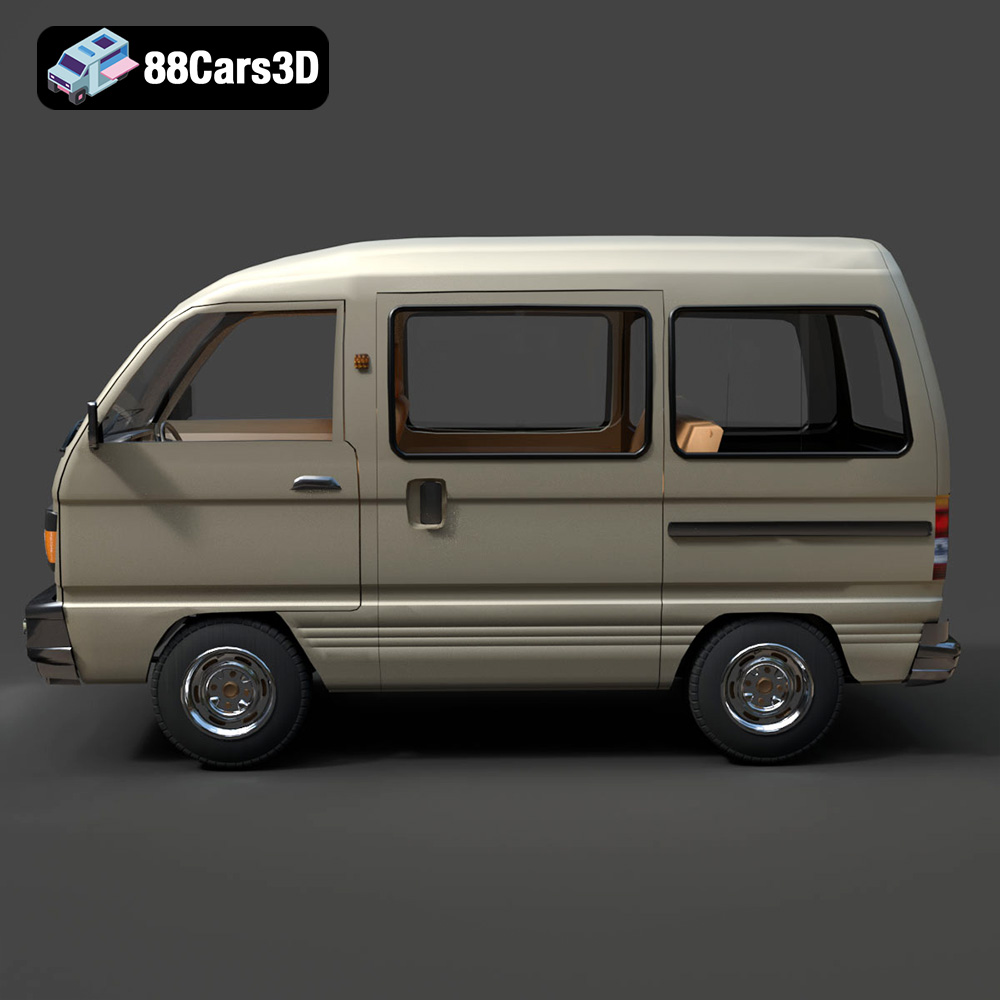
The Suzuki Super Carry 1000 Microvan 3D Model is a high-detail digital recreation of the legendary compact utilitarian workhorse from the 1980s and 1990s. Known for its incredible space efficiency and rugged simplicity, the Super Carry (often associated with the SK410 generation) combines a classic cabover design with highly practical proportions, making it a global icon of urban logistics and everyday transport. This 3D model accurately represents the iconic boxy silhouette, flat front fascia, classic headlight housings, dual sliding side doors, rear liftgate, and tiny but functional 12-inch steel wheels. Built with dense, clean topology for premium visual fidelity and real-world scale accuracy, it is ideal for close-up rendering, retro urban environment visualization, animation, indie game development, and AR/VR classic vehicle showcases.
$0
.automotive
.blend
.cabover
.fbx
.obj
.rendering
.stl
.suzuki
1000cc
3d printing
car-3d-model
game asset
high poly
kei-van
microvan
retro-van
super-carry
utility-vehicle