Get 50% OFF All Premium 3D & STL Models!

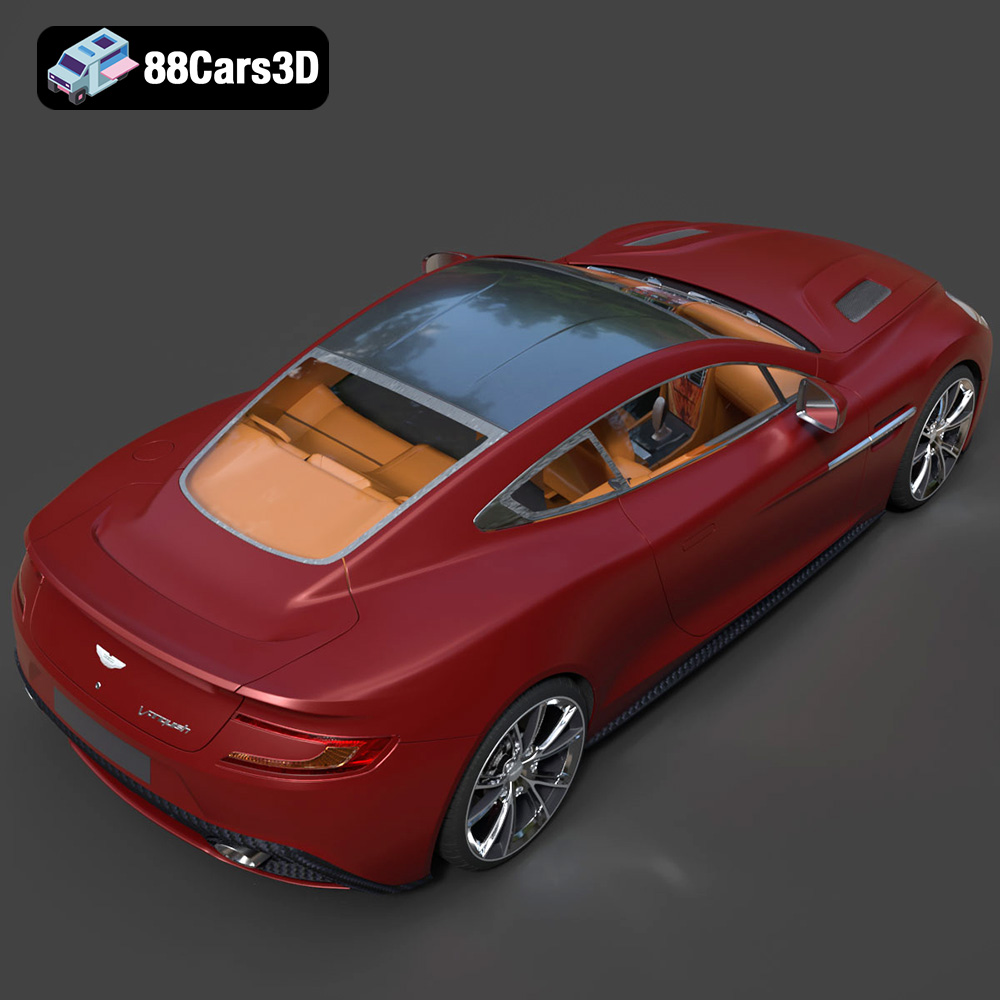
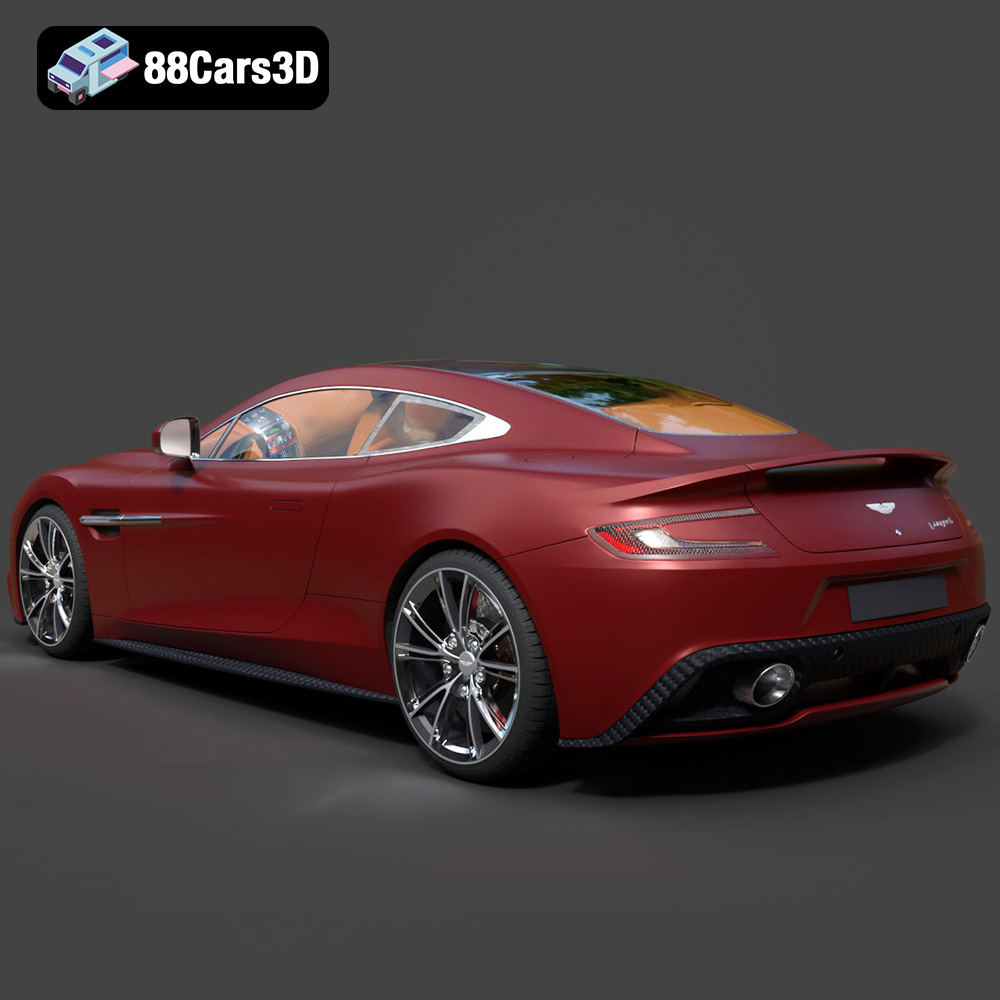
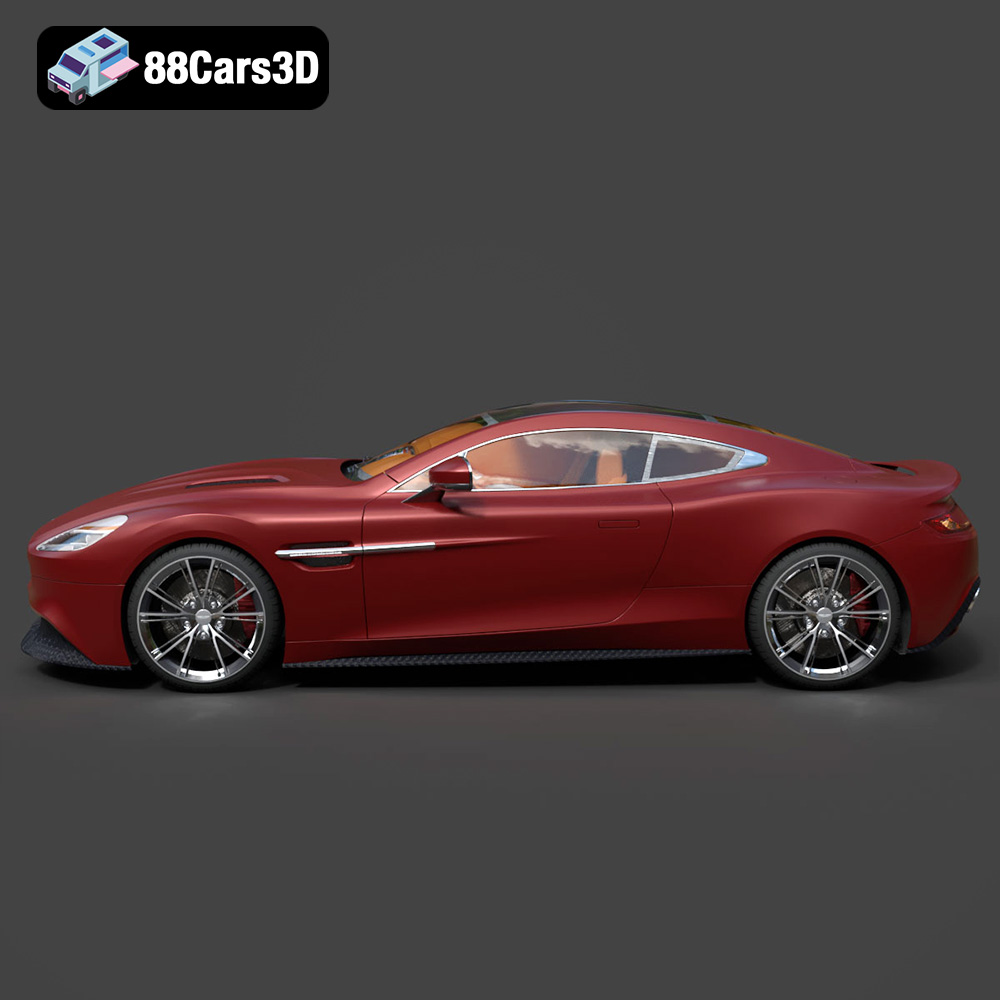
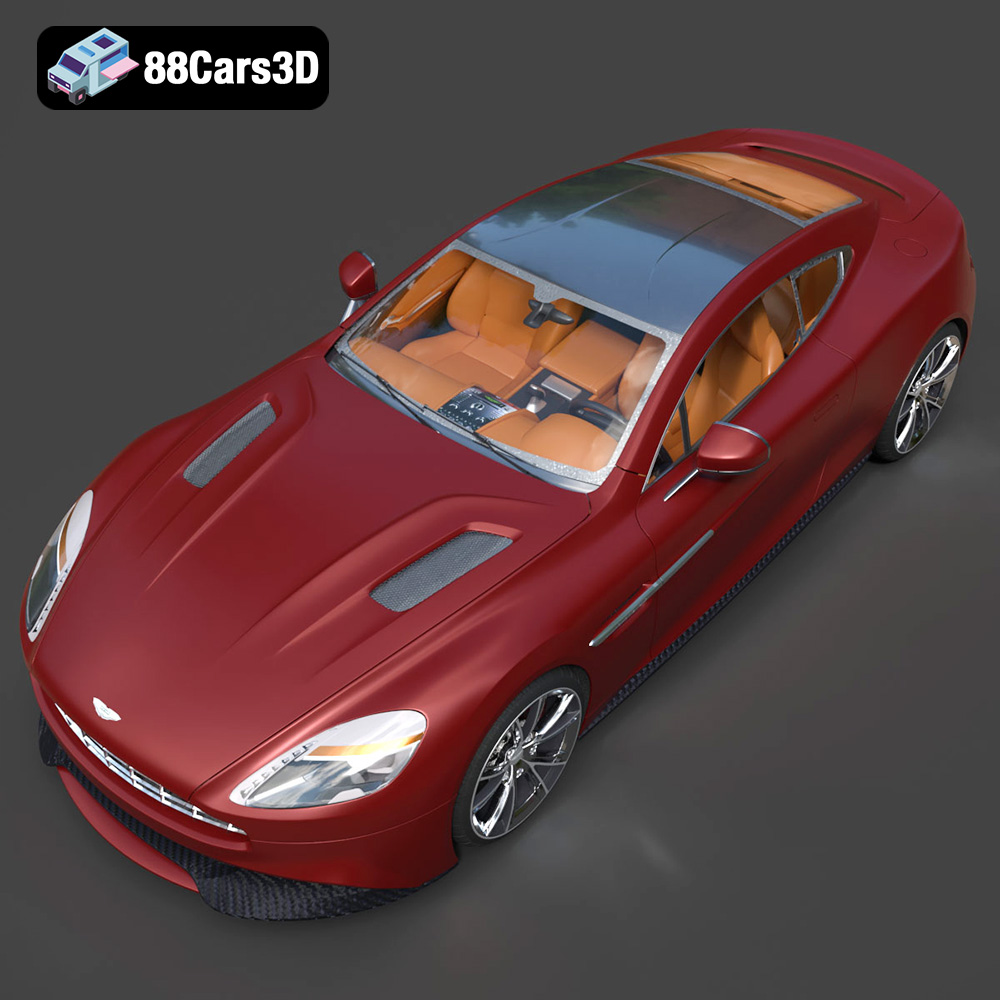
The Aston Martin 2013 AM 310 Vanquish is a masterpiece of automotive design, blending raw power with refined elegance. Now, thanks to 3D printing technology and resources like 88cars3d.com, you can bring a scaled-down version of this iconic grand tourer to life. This comprehensive guide will walk you through every step of the process, from selecting the right materials and settings to post-processing techniques that will ensure a stunning final result. Whether you’re a seasoned 3D printing enthusiast or just starting out, this guide will provide the knowledge you need to create your own 3D printed Aston Martin Vanquish.
Before diving into the specifics of 3D printing the Aston Martin Vanquish, it’s crucial to understand the various file formats used in 3D modeling and which ones are best suited for additive manufacturing. Different formats store geometric data differently, impacting print quality, file size, and compatibility with slicing software.
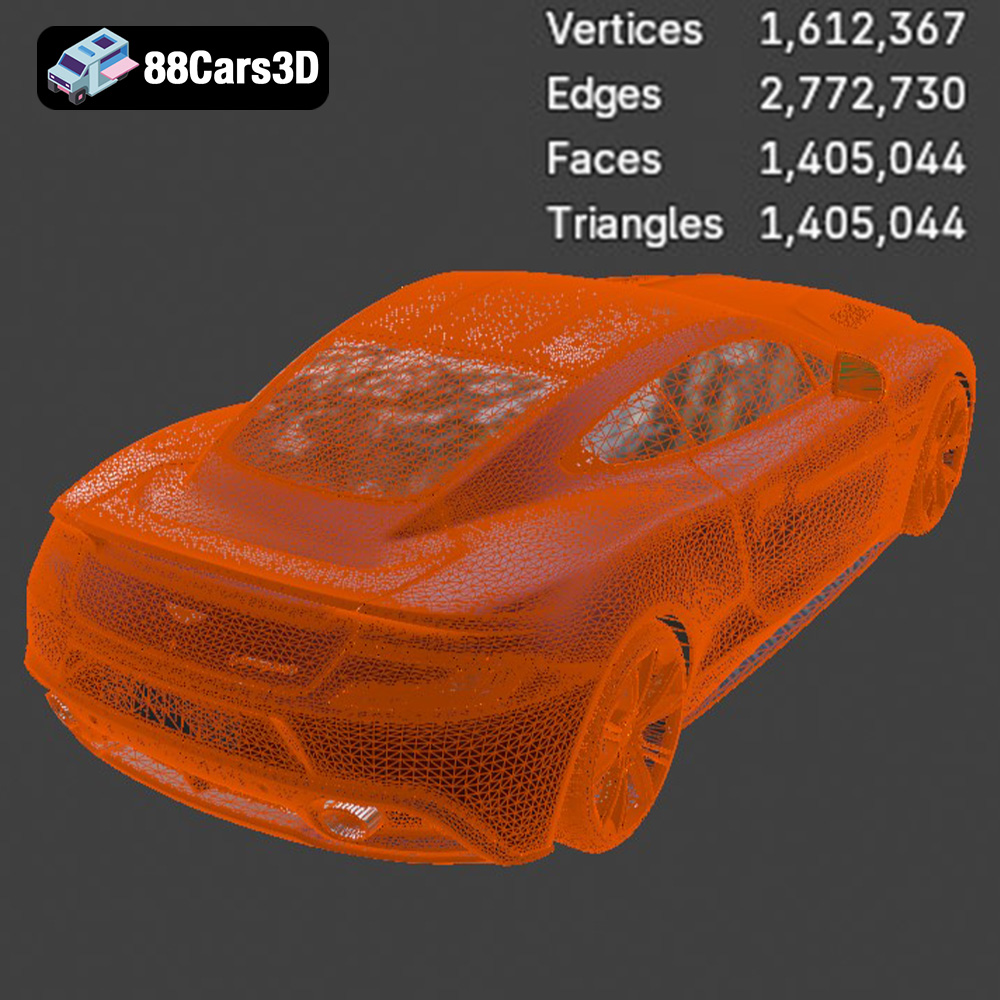
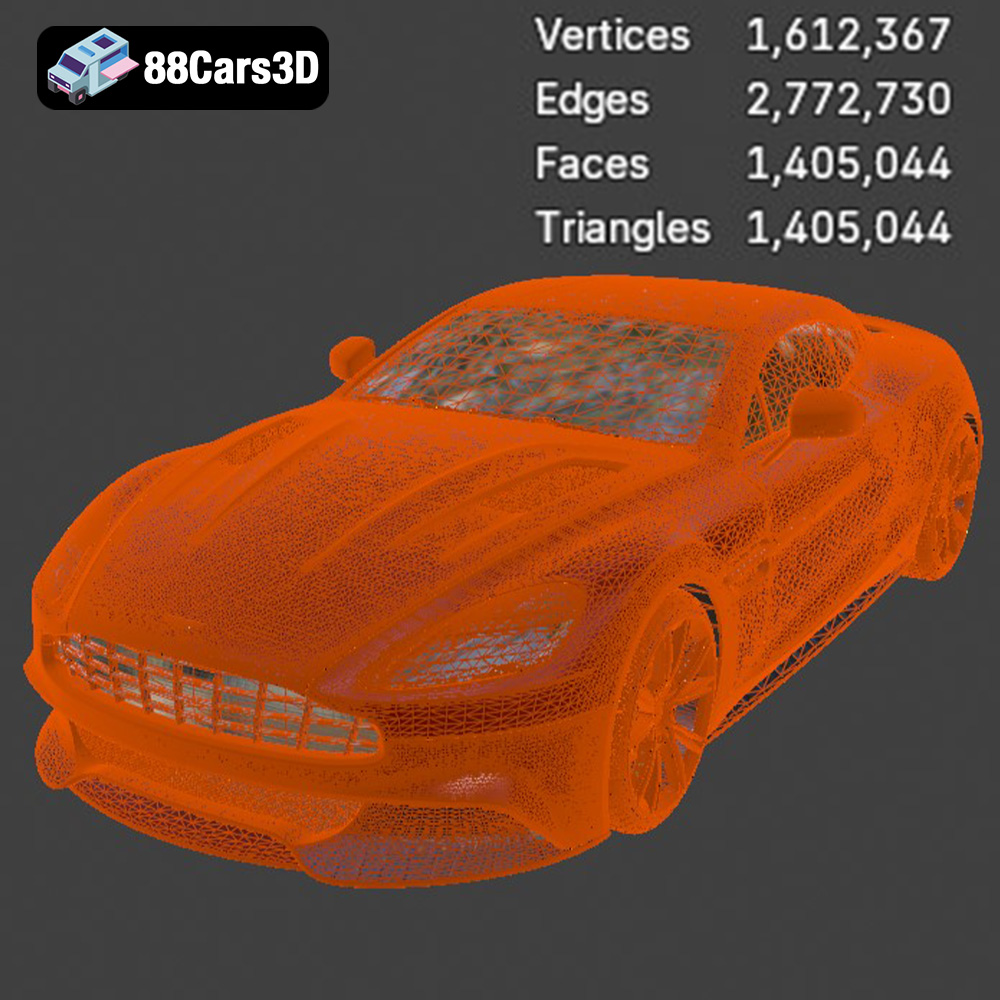
The .stl (stereolithography) file format is the industry standard for 3D printing. It represents the surface geometry of a 3D object as a collection of triangles. This simplicity makes it universally compatible with nearly all 3D printers and slicing software. However, the .stl format only stores the mesh data, meaning it doesn’t include information about color, texture, or materials. For the Aston Martin Vanquish, the .stl file provides the foundational geometric data necessary for creating a physical model. It’s important to ensure the .stl file is of sufficient quality, with a high enough triangle count to accurately represent the curves and details of the car. Low-resolution .stl files can result in a faceted, less-detailed print.
* **.obj (Wavefront Object):** A more versatile format than .stl, .obj files can store color and texture information, making them suitable for colored 3D prints (although less common). They can also represent more complex geometries. However, some older slicing software may have limited support for .obj files compared to .stl.
* **.ply (Polygon File Format):** Designed for storing 3D data acquired from 3D scanners, .ply files can capture highly detailed mesh data, including vertex colors and surface normals. They are often used for applications requiring precise geometric representation.
* **.blend (Blender File):** This is the native file format for Blender, a popular open-source 3D modeling software. While .blend files are not directly used for 3D printing, they are incredibly useful for customizing the Aston Martin Vanquish model before exporting it to a printable format like .stl. You can make modifications, add details, or prepare the model for specific printing needs within Blender.
* **.fbx (Filmbox):** An exchange format developed by Autodesk, .fbx files are commonly used for transferring 3D models between different software applications. They can store mesh data, textures, materials, and animation information. While not ideal for direct 3D printing, .fbx can be useful for importing the Aston Martin Vanquish model into slicing software that supports material assignments.
* **.glb (GL Transmission Format Binary):** .glb is a binary file format that represents 3D models in a compact and efficient manner. It’s well-suited for web-based applications and Augmented Reality (AR) previews, allowing you to visualize the Aston Martin Vanquish on your phone or tablet before committing to a print.
* **.max (3ds Max):** Similar to .blend, .max is the native file format for 3ds Max, another professional 3D modeling software. It’s useful for extensive modifications to the 3D model, adding complex details and adjusting the mesh before exporting as an .STL.
For 3D printing the Aston Martin 2013 AM 310 Vanquish, the .stl file is generally the best choice due to its widespread compatibility and simplicity. When downloading from platforms like 88cars3d.com, prioritize .stl files that have been specifically prepared and optimized for 3D printing. Ensure the mesh is clean, manifold (watertight), and has sufficient resolution for the desired level of detail. If extensive modifications are needed, using .blend or .max files in their respective software before exporting to .stl can be beneficial.
Selecting the appropriate 3D printing technology and materials is paramount for achieving a high-quality Aston Martin Vanquish model. Each technology offers unique advantages and limitations in terms of resolution, material properties, and cost.
FDM is the most common and affordable 3D printing technology. It works by extruding molten plastic filament layer by layer to build the model.
* **Material Recommendations:** PLA (Polylactic Acid) is a biodegradable and easy-to-print material, ideal for beginners. PETG (Polyethylene Terephthalate Glycol) offers improved strength and heat resistance compared to PLA. ABS (Acrylonitrile Butadiene Styrene) provides higher strength and durability but requires a heated bed and enclosure to prevent warping.
* **Pros:** Cost-effective, wide range of materials, relatively simple to use.
* **Cons:** Lower resolution compared to resin printing, visible layer lines, may require more post-processing.
* **Considerations for the Vanquish:** PLA is suitable for display models, while PETG or ABS might be preferred for models that will be handled frequently. The recommended settings in the product description such as “Layer height: 0.10–0.16 mm” and “Infill: 15–25%” are ideal for FDM printing.
SLA and DLP are resin-based 3D printing technologies that use a light source to cure liquid resin layer by layer.
* **Material Recommendations:** Standard resin is affordable and offers good detail. Tough resin provides increased strength and impact resistance. Flexible resin allows for printing parts with some flexibility.
* **Pros:** High resolution, smooth surface finish, excellent for intricate details.
* **Cons:** More expensive than FDM, limited material options, resin can be messy and requires careful handling, requires post-curing.
* **Considerations for the Vanquish:** Resin printing is ideal for capturing the fine details of the Aston Martin Vanquish, such as the intricate grille and headlight designs. Resin would be especially advantageous for smaller-scale models, for example 1:43.
Material jetting involves jetting droplets of liquid photopolymer onto a build platform and then curing them with UV light. This technology offers the highest level of detail and the ability to print in multiple colors and materials simultaneously.
* **Material Recommendations:** Varies depending on the printer, but typically involves proprietary photopolymers.
* **Pros:** Extremely high resolution, multi-material and multi-color printing.
* **Cons:** Most expensive 3D printing technology, limited build volume.
* **Considerations for the Vanquish:** Material jetting would be the ultimate choice for a highly detailed, full-color Aston Martin Vanquish model, but it’s generally not accessible to hobbyists due to the high cost.
Once you’ve chosen your 3D printing technology and material, the next step is to prepare the 3D model for printing using slicing software. This involves importing the .stl file, adjusting settings, and generating the toolpath that the printer will follow.
* **Cura:** A free and open-source slicer with a user-friendly interface and a wide range of customizable settings.
* **PrusaSlicer:** Another excellent free slicer known for its advanced features and accurate print estimations.
* **Simplify3D:** A paid slicer with a more streamlined interface and advanced support generation capabilities.
* **Lychee Slicer/ Chitubox:** Leading slicers for resin printing with advanced support generation and hollowing features.
* **Layer Height:** The layer height determines the resolution of the print. Lower layer heights (e.g., 0.1mm) result in smoother surfaces and finer details, but also increase print time. As specified in the product description, a layer height of 0.10-0.16 mm is recommended.
* **Infill Density:** Infill density affects the strength and weight of the model. A higher infill density (e.g., 25%) makes the model stronger but also increases material usage. A lower infill density (e.g., 15%) is suitable for display models where strength is not a primary concern.
* **Wall Thickness:** Wall thickness determines the thickness of the outer shell of the model. Thicker walls (e.g., 1.5-2.5mm) increase the strength and rigidity of the model.
* **Supports:** Supports are necessary for printing overhangs and complex geometries. Carefully consider the placement of supports to minimize their impact on the surface finish. Automatic support generation is helpful, but manual adjustments are often needed for optimal results. The product description recommends supports for mirrors, diffuser edges, and spoiler sections.
* **Print Orientation:** The orientation of the model on the build plate can significantly impact print quality and support requirements. For the Aston Martin Vanquish, the product description recommends printing the body at an angle to improve surface quality. Printing the wheels separately allows for easier support removal and potentially better detail.
Before slicing, it’s essential to ensure that the .stl file is clean and free of errors.
* **Mesh Analysis:** Use the mesh analysis tools in your slicing software or dedicated software like Meshmixer to identify and repair any issues such as non-manifold edges, holes, or intersecting faces.
* **Hollowing (for Resin Printing):** If printing with resin, hollowing the model can significantly reduce material consumption and print time. Be sure to add drain holes to allow the resin to escape.
* **Scaling:** The 88cars3d.com product description recommends scales of 1:32, 1:24, 1:18, and 1:14. Choose a scale that suits your printer’s build volume and desired level of detail.
With the model prepared and the slicing settings configured, it’s time to start the 3D printing process.
* **Leveling the Bed:** Ensure that the print bed is properly leveled to ensure good adhesion of the first layer.
* **Bed Adhesion Methods:** Use techniques like a heated bed, blue painter’s tape, or a brim to improve bed adhesion, especially for larger models.
* **First Layer:** Pay close attention to the first layer to ensure it adheres properly to the bed.
* **Layer-by-Layer Inspection:** Periodically check the print progress to identify any potential issues such as warping, delamination, or support failures.
* **Temperature and Environment:** Maintain a stable printing environment with consistent temperature and minimal drafts to prevent warping and other issues.
* **Print Time:** The print time will vary depending on the size of the model, layer height, infill density, and printer speed. Expect a print time of several hours to several days for a full Aston Martin Vanquish model.
* **Material Cost:** Estimate the material cost based on the weight of the model and the price of your chosen filament or resin.
Once the 3D print is complete, the next step is post-processing to remove supports, smooth the surface, and add the finishing touches.
* **Gentle Removal:** Carefully remove supports using pliers, cutters, or a sharp knife.
* **Dissolvable Supports:** If using dissolvable support material (e.g., PVA with PLA), soak the model in water to dissolve the supports.
* **Sanding:** Sand the model with progressively finer grits of sandpaper to remove layer lines and smooth the surface.
* **Priming:** Apply a primer coat to fill in any remaining imperfections and provide a smooth base for painting.
* **Chemical Smoothing (for ABS):** Use acetone vapor to smooth the surface of ABS prints (use with caution and in a well-ventilated area).
* **Automotive Paint:** Use high-quality automotive paint to achieve a professional-looking finish.
* **Masking:** Use masking tape to create clean lines and multi-color designs.
* **Decals and Details:** Add decals, badges, and other details to enhance the realism of the model.
* **Separate Parts:** Assemble the separate parts (e.g., body, wheels, interior) using glue or fasteners.
* **Alignment:** Pay close attention to alignment to ensure a proper fit.
Even with careful preparation, 3D printing can sometimes present challenges. Here are some common issues and solutions:
* **Warping:** Caused by uneven cooling, warping can be minimized by using a heated bed, enclosure, and brim.
* **Delamination:** Delamination (layer separation) can be caused by insufficient bed adhesion, low printing temperature, or drafts.
* **Stringing:** Stringing (thin strands of plastic between parts) can be reduced by adjusting retraction settings and printing temperature.
* **Support Failures:** Support failures can be caused by insufficient support density, weak support structures, or poor bed adhesion.
* **Elephant’s Foot:** The “elephant’s foot” effect (expansion of the first layer) can be minimized by adjusting the initial layer height and flow rate.
To achieve the best possible results when 3D printing the Aston Martin 2013 AM 310 Vanquish, consider these specific optimizations:
* **Separate Complex Parts:** Separate intricate parts like the side mirrors, rear spoiler, and wheels into separate files for printing. This allows for optimal orientation and support placement for each part.
* **Add Locator Pins:** Add small locator pins to the parts to aid in alignment during assembly.
* **Hollow and Shell the Body:** Hollow the main body and create a thin shell to reduce material usage and print time, especially for larger scales.
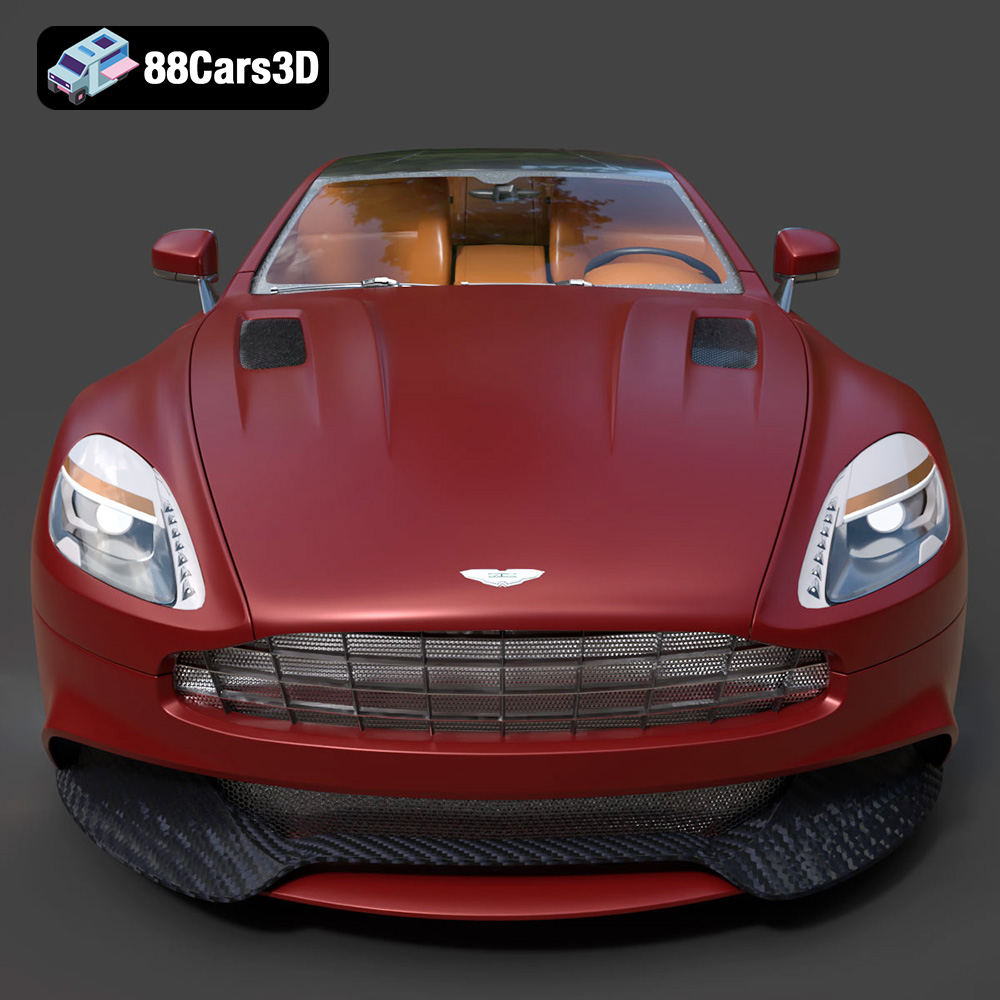
* **Detailing Considerations:** The Aston Martin has many fine details, such as the front grille and intricate panel lines. Using resin printing is recommended for retaining these details, or consider scaling up the model when FDM printing.
By following these guidelines and carefully considering the specific requirements of the Aston Martin Vanquish model, you can create a stunning 3D printed replica that captures the beauty and performance of this iconic car. Remember to visit 88cars3d.com for high-quality STL files and other 3D models optimized for printing.
The Aston Martin 2013 AM 310 Vanquish 3D Model is a high-detail digital recreation of the iconic British grand tourer known for its carbon-fiber body structure, aggressive stance, and refined luxury performance. Built with clean topology and real-world scale accuracy, it is ideal for rendering, animation, automotive visualization, game development, and AR/VR showroom applications. Also convertible to .stl format for collectible scale supercar models and display miniatures.
$9.99