Get 50% OFF All Premium 3D & STL Models!

The roar of an engine, the gleam of polished chrome, the timeless lines of a truly iconic vehicle – these elements captivate us, connecting us to a rich tapestry of automotive history. For designers, animators, game developers, and visualization specialists, recreating these masterpieces in the digital realm presents both a challenge and an immense opportunity. It’s about more than just replicating shapes; it’s about capturing the essence, the spirit, and the technical brilliance that defined an era. Few vehicles embody this spirit quite like the BMW 328 Mille Miglia Touring Coupe. A legend forged in the crucible of endurance racing, its aerodynamic form and pioneering lightweight construction set new benchmarks for pre-war motorsport. Today, thanks to meticulously crafted 3D car models, this icon lives on, ready to be integrated into everything from hyper-realistic renders to interactive virtual experiences.
At 88cars3d.com, we understand the demand for precision and authenticity in digital assets. Our curated collection provides professionals with the tools to bring their visions to life. This article delves into the technical intricacies and creative potential offered by such high-fidelity assets, with a particular focus on the extraordinary BMW 328 Mille Miglia Touring Coupe 3D Model – a testament to both automotive heritage and advanced 3D modeling expertise. We’ll explore the critical role of file formats, integration into diverse workflows, and the thrilling prospects of turning digital dreams into tangible 3D printable realities.
The foundation of any successful 3D project lies in choosing and understanding the correct file formats. A versatile 3D model, such as the BMW 328 Mille Miglia Touring Coupe 3D Model, provides a suite of formats, each optimized for specific applications and workflows. This multi-format approach ensures maximum compatibility and efficiency, allowing artists and developers to seamlessly integrate the asset into their preferred software and pipelines.
The .blend format is Blender’s native file type. It’s a complete package, containing all aspects of a Blender project: mesh data, materials, textures, lighting setups, animation data, cameras, and scene configurations. For users deeply integrated into the Blender ecosystem, a .blend file offers the highest degree of editability and flexibility. You can open it and immediately have access to the original scene, allowing for direct modifications to the topology, UV maps, materials, or even adding custom animations. This is invaluable for artists who want to render the model with Blender’s Cycles or Eevee engines, or to export specific components with precise control.
.fbx (Filmbox) is arguably one of the most widely adopted proprietary 3D file formats, particularly dominant in game development and animation. Developed by Autodesk, it supports a vast array of 3D data, including geometry, materials, textures, animations, rigging, and cameras. Its binary nature makes it efficient for data transfer between different applications like Maya, 3ds Max, Cinema 4D, and critically, game engines such as Unreal Engine and Unity. When a model like the BMW 328 is provided in .fbx, it often comes pre-configured with correct scales, pivot points, and potentially even simple skeletal animation (e.g., for wheel rotation), making it an ideal game asset for immediate implementation.
The .obj (Wavefront OBJ) format is a venerable, open, and universally supported standard for exchanging 3D geometry. While simpler than .fbx, it’s incredibly robust for transferring mesh data (vertices, normals, UV coordinates, faces) between almost any 3D software. It stores material information in an accompanying .mtl (material template library) file, which references texture maps. For users needing a clean mesh for sculpting, retopology, or import into less common software, .obj is often the go-to. Its human-readable text-based structure can also be advantageous for debugging or simple parsing.
.glb (GL Transmission Format Binary) is the binary version of glTF, a modern, royalty-free specification for 3D scenes and models. It’s designed for efficient transmission and loading of 3D content in web applications, augmented reality (AR), and virtual reality (VR) experiences. A .glb file packages everything (geometry, materials, textures, animations) into a single, compact binary file, making it perfect for rapid deployment in browser-based viewers, mobile AR apps, or WebVR/AR platforms. For showcasing the BMW 328 in an interactive web configurator or an AR classic car exhibition, .glb is the superior choice.
.stl (STereoLithography) is the de facto standard file format for 3D printing. It represents a 3D model as a collection of unconnected triangular facets, defining only the surface geometry without color, texture, or material information. For models like the BMW 328 intended to be physically manufactured, a well-prepared .stl file is crucial. It must represent a “manifold” (water-tight) mesh, free of gaps or intersecting geometry, to ensure a successful print. The product description highlights the 3D printable nature of the BMW 328 model, making .stl an essential inclusion for scale model enthusiasts.
.ply (Polygon File Format or Stanford Triangle Format) is another format for storing 3D data, often used for scanned data, CAD, and scientific applications. It’s more flexible than .stl, allowing for the storage of color, transparency, normals, texture coordinates, and other properties per vertex or per face. While less common in artistic pipelines than .fbx or .obj, its precision and ability to store complex data make it valuable for specific engineering, analysis, or highly detailed digital capture workflows where the BMW 328 might be part of a larger technical study.
The inclusion of an .unreal file implies an asset specifically prepared and optimized for direct import into the Unreal Engine. While Unreal primarily imports .fbx, an .unreal file suggests a pre-packaged asset with materials, textures, and possibly blueprints already configured within an Unreal project structure. This greatly accelerates workflow for Unreal Engine developers, saving considerable time on asset setup, material creation, and LOD (Level of Detail) configuration. For integrating the BMW 328 into a realistic racing simulator or a historical visualization in Unreal, this format offers unparalleled convenience.
Similar to .blend for Blender, the .max file is the native project file for Autodesk 3ds Max. It contains the complete scene data, including geometry, modifiers, materials, textures, lights, cameras, animation, and rendering settings. For professionals using 3ds Max for high-end rendering, architectural visualization, or cinematic animation, the .max file provides full creative control and access to the original modeling setup. This is particularly useful for customizing the BMW 328 model for specific client projects or integrating it into complex 3ds Max scenes.
The allure of the BMW 328 Mille Miglia Touring Coupe lies not just in its racing pedigree but in its revolutionary design. Crafting a 3D car model of such an iconic vehicle demands meticulous attention to historical accuracy and technical precision. The model from 88cars3d.com exemplifies this dedication, translating the physical marvel into a digital masterpiece suitable for a myriad of applications.
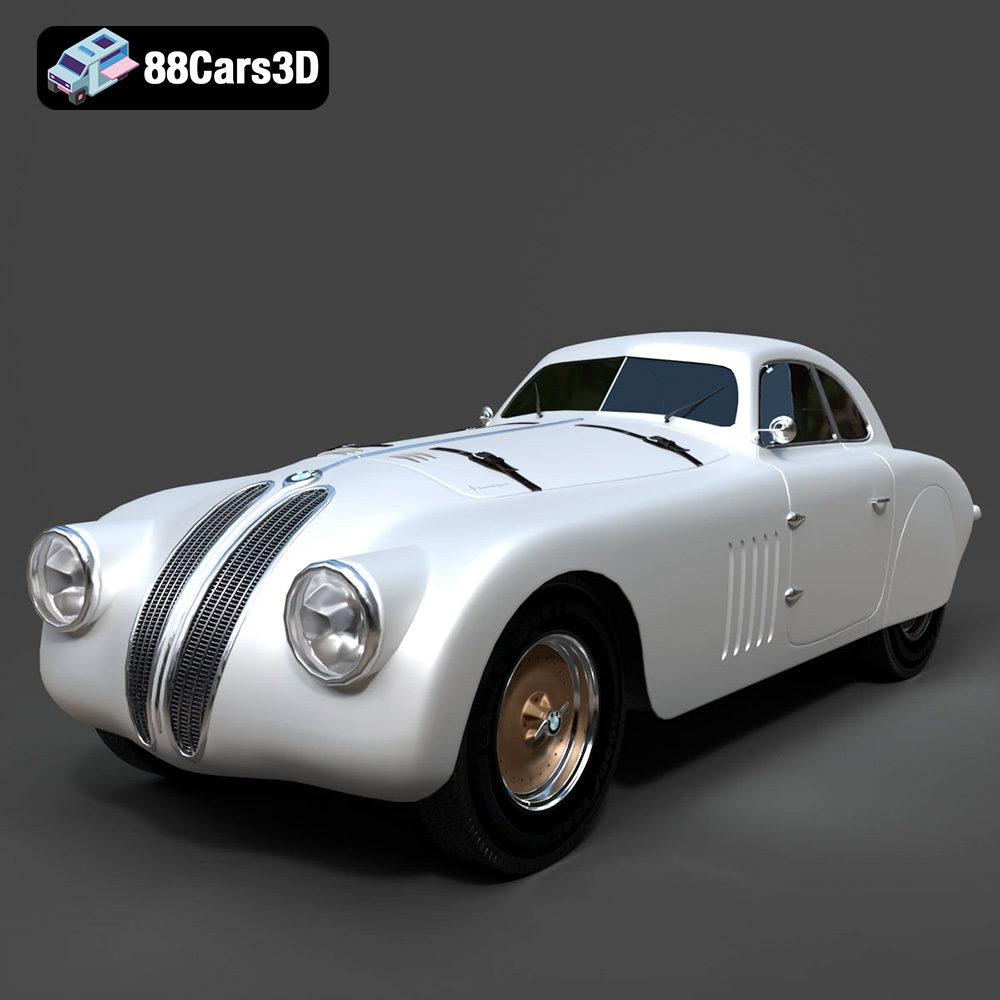
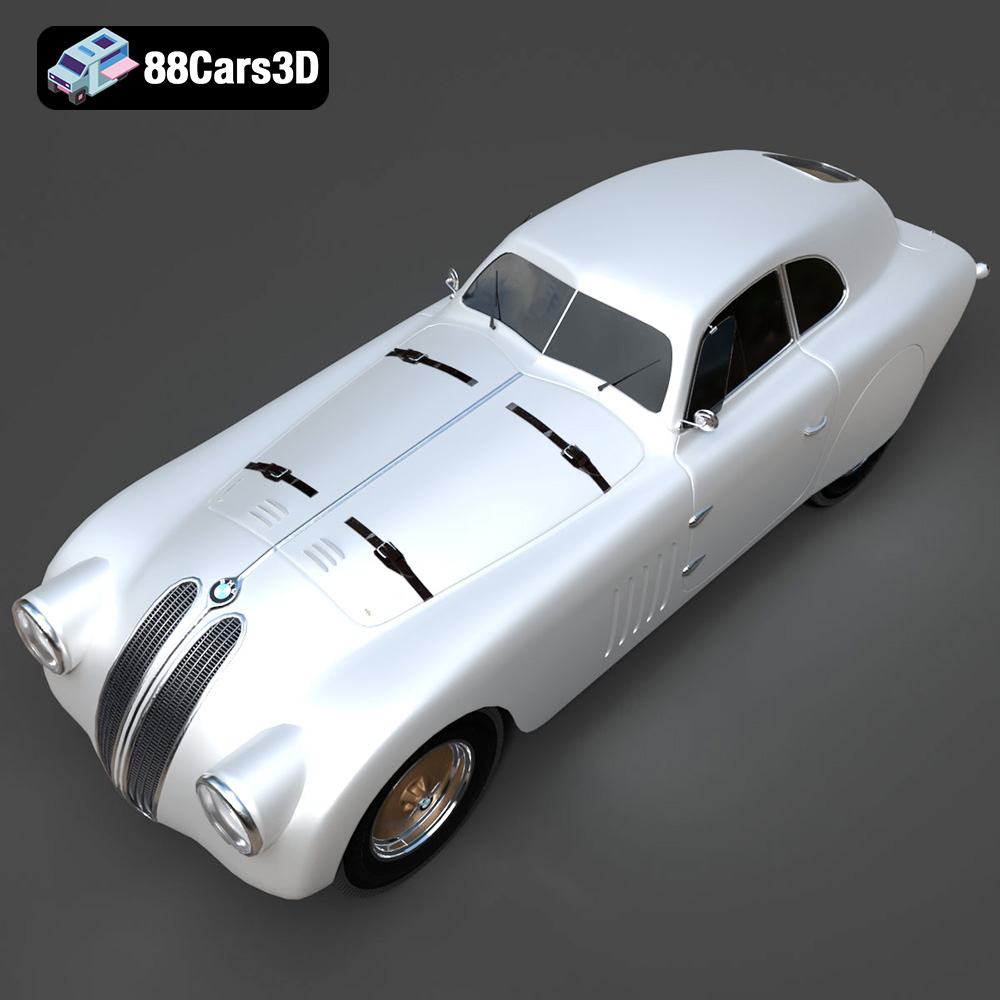
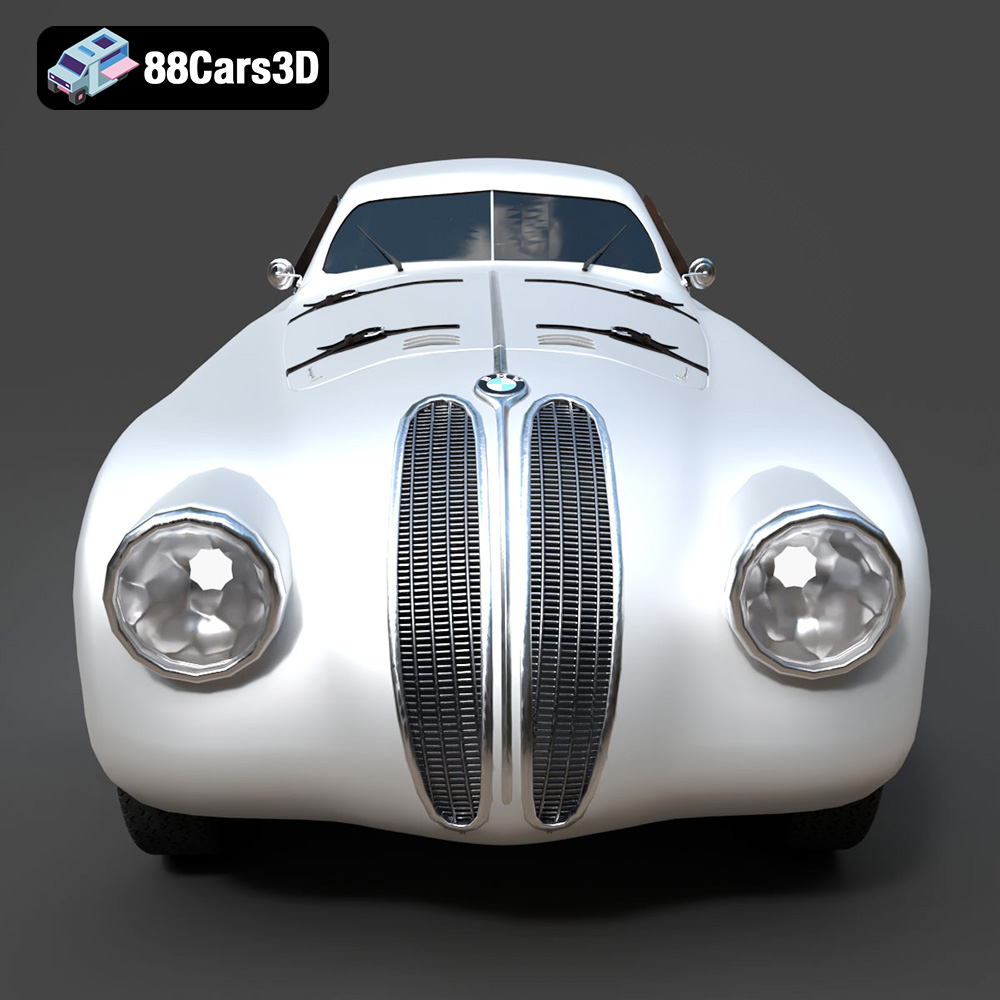
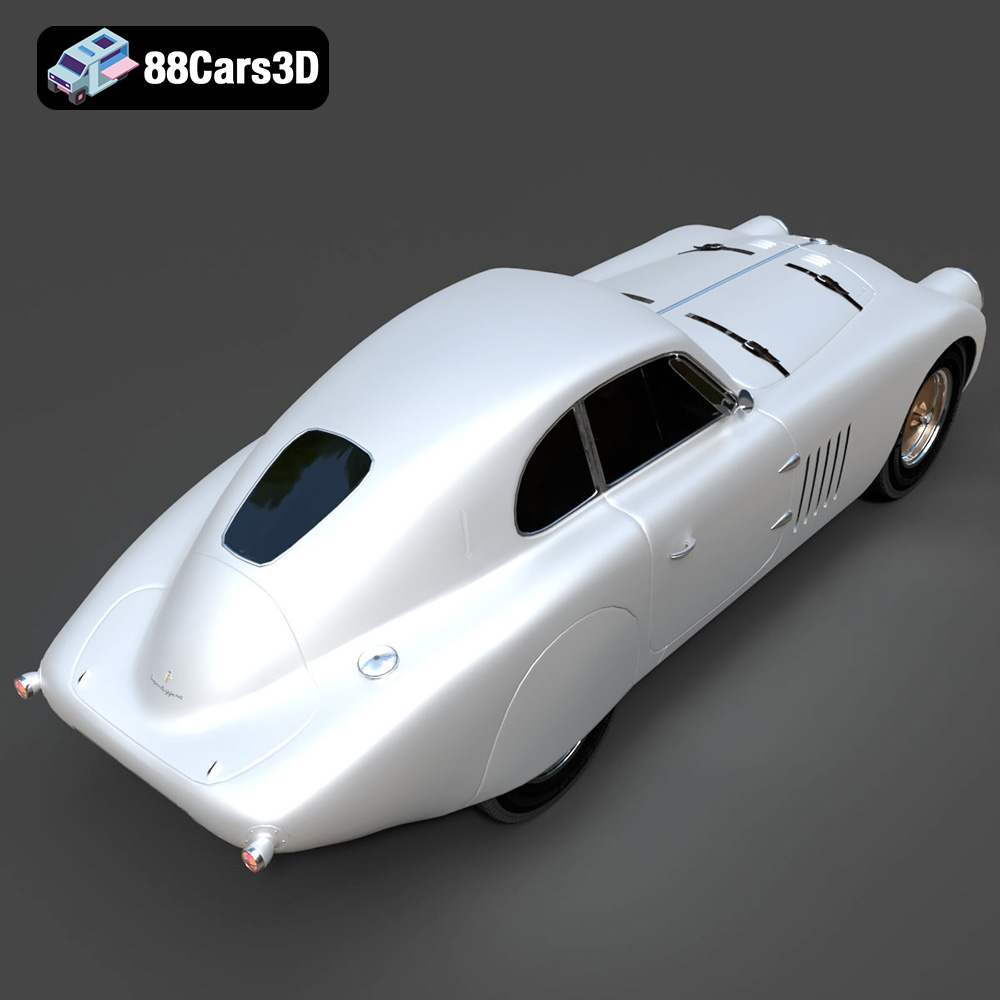
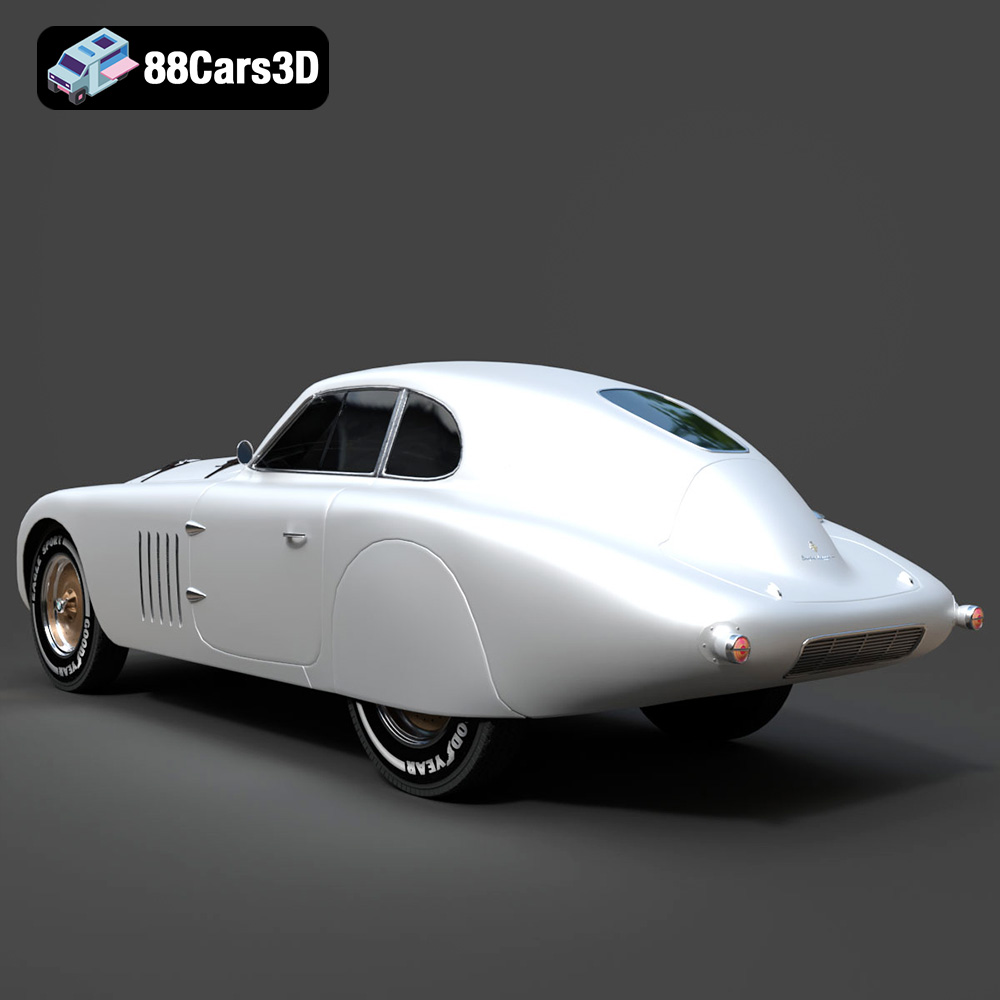
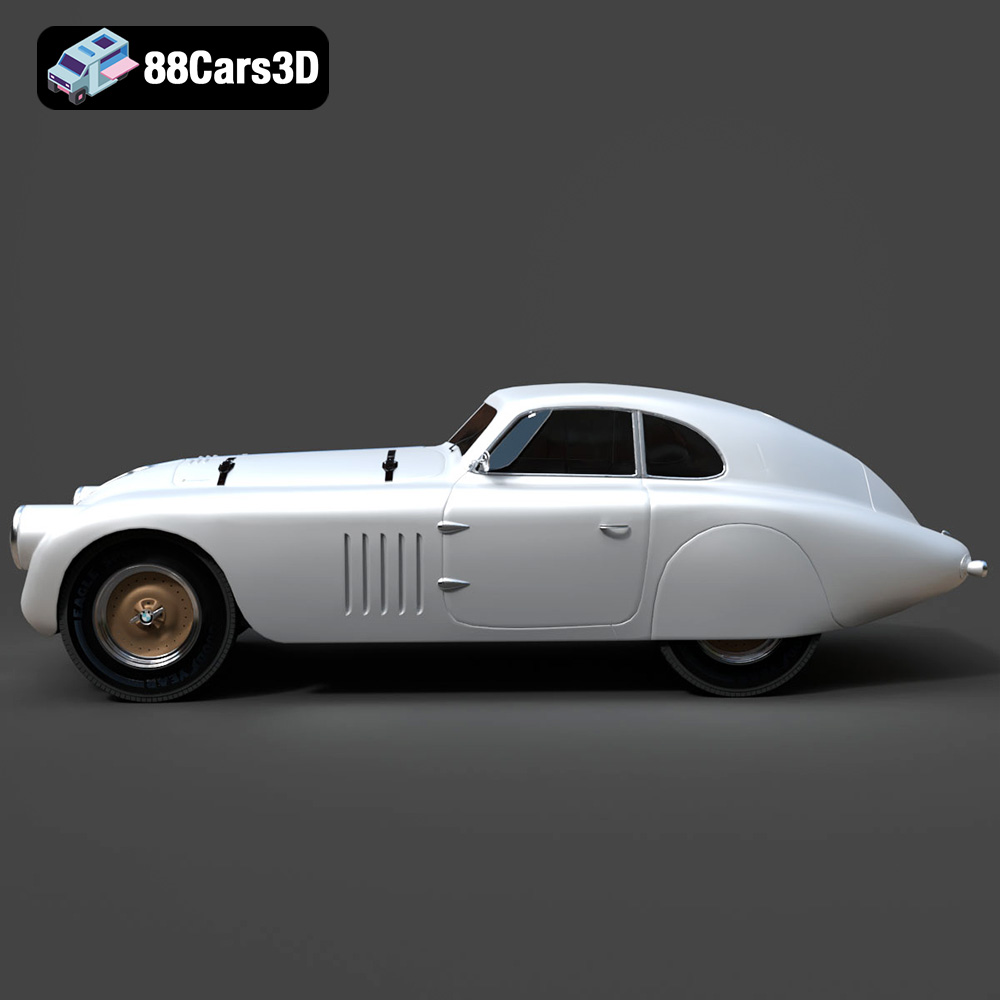
The BMW 328 Mille Miglia Touring Coupe was a triumph of aerodynamic engineering, with its streamlined fastback body, covered headlamps, and integrated wheel covers. The 3D model painstakingly recreates these distinctive features. Every curve of the aluminum-style body panels, the delicate articulation of the signature kidney grille, and the subtle contours of the covered headlights are rendered with high fidelity. The inclusion of period-correct racing wheels and covers, along with precise chrome trim and emblem detailing, ensures that the digital rendition is indistinguishable from its historical counterpart in a high-resolution render. Furthermore, separate components for wheels and steering allow for dynamic animation, bringing life to virtual racing scenes or historical documentaries.
While the exterior screams speed, the interior of the BMW 328 Mille Miglia Coupe was a testament to minimalist, functional racing design. The 3D model accurately captures this utilitarian elegance. From the period-style steering wheel and analog instrument cluster to the racing seat configuration and essential dashboard controls, every detail contributes to an authentic vintage racing cockpit experience. This level of interior detail is crucial for projects requiring close-up shots, virtual reality walkthroughs, or simulations where the user might experience the car from the driver’s seat.
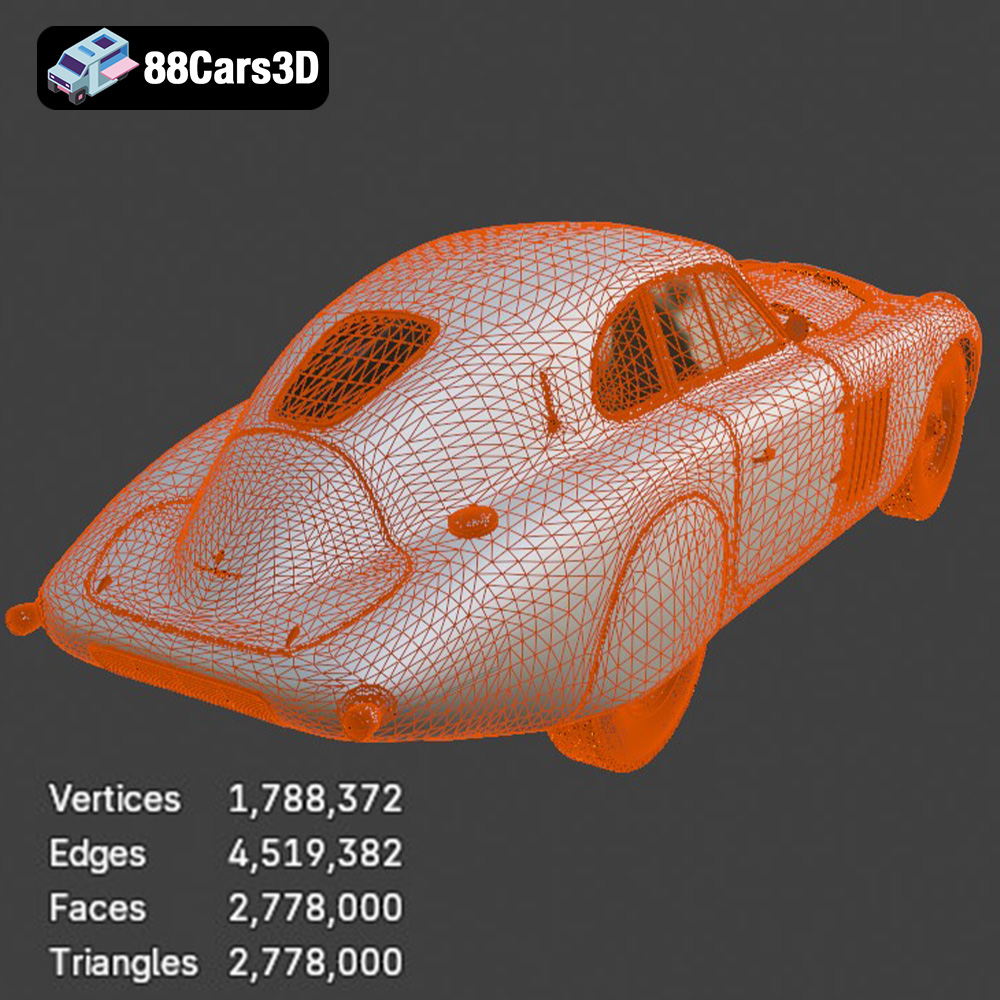
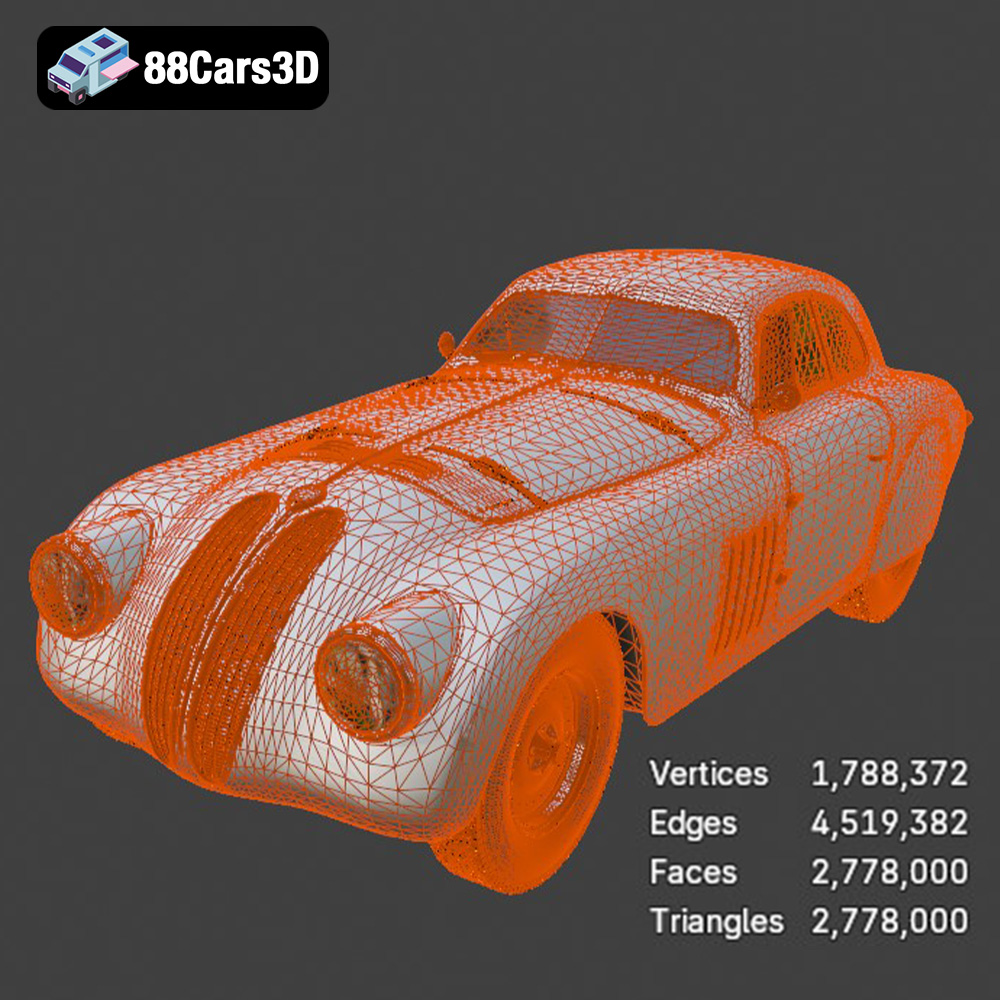
Beyond visual accuracy, the technical underpinnings of a 3D car model determine its usability. The BMW 328 model boasts a clean and well-organized mesh structure, a critical factor for smooth deformation during animation and efficient rendering. Real-world scale accuracy ensures that the model fits perfectly into any scene without manual resizing, maintaining correct proportions relative to other assets. Perhaps most importantly, the optimized polygon flow strikes a balance between detail and performance. This means the model looks fantastic in high-quality renders but remains efficient enough for real-time applications like game engines. Proper pivot setup for steering and wheel rotation further streamlines the animation process, saving artists countless hours of rigging and setup time.
The versatility of a high-quality 3D car model like the BMW 328 Mille Miglia Touring Coupe lies in its seamless integration into diverse professional workflows. Whether you’re aiming for cinematic realism or interactive performance, this asset provides a robust foundation.
For automotive artists and visualization specialists, rendering is where a 3D model truly shines. Using software like 3ds Max (with V-Ray or Corona Renderer) or Blender (with Cycles), the BMW 328 model can be illuminated and textured to achieve photorealistic results. The clean topology ensures smooth reflections and accurate light bounces across its sleek surfaces. Artists can experiment with various paint finishes—from a high-gloss period racing livery to a more weathered, battle-hardened look—and meticulously adjust chrome and glass materials to capture the nuances of light interaction. This makes it ideal for classic automotive marketing campaigns, digital museum exhibits, or high-resolution imagery for historical publications. Imagine the BMW 328 rendered against a backdrop of the Italian countryside, evoking the spirit of the Mille Miglia race.
The demand for high-quality game assets is ever-growing, and the BMW 328 model is perfectly suited for this dynamic environment. Its optimized geometry and proper pivot setups make it an excellent candidate for integration into Unreal Engine or Unity. Developers can leverage the provided .fbx and .unreal formats to quickly set up the car for vintage racing games, open-world historical environments, or immersive motorsport simulations. For AR/VR applications, the .glb format offers crucial optimization for interactive classic car exhibitions or virtual driving experiences. Imagine stepping into an AR app and having the BMW 328 appear life-sized in your driveway, allowing you to walk around it, admire its details, and even peek into its cockpit. The model’s technical advantages—clean mesh, real-world scale, optimized polygon flow—directly translate to smoother performance and higher frame rates in real-time applications, ensuring a compelling user experience.
Beyond games and static renders, the BMW 328 Mille Miglia Touring Coupe 3D Model excels in historical visualization and cinematic projects. Documentary filmmakers, historical preservationists, and educational content creators can use this model to accurately reconstruct past events, demonstrate engineering principles, or create compelling narratives. Imagine a documentary segment using the 3D model to illustrate the BMW 328’s aerodynamic innovations or its victorious journey through the Mille Miglia race. The ability to animate separate components like wheels and steering allows for realistic motion studies, making complex mechanical actions easy to visualize and understand.
The digital realm offers incredible freedom, but sometimes, the desire to hold a piece of history in your hands is irresistible. The BMW 328 Mille Miglia Touring Coupe 3D Model’s inclusion of the .stl format, alongside its inherent design precision, opens up exciting avenues for 3D printing. This allows enthusiasts and professionals alike to create tangible scale models, collector’s items, or even functional prototypes of this automotive legend.
Converting a high-detail digital model into a successful physical print requires careful preparation. The .stl format, specifically designed for 3D printing, provides the necessary geometric data. However, the user must then process this file using slicing software. The recommended scales (1:32, 1:24, 1:18, 1:12) offer flexibility depending on the desired level of detail and printer capabilities. For intricate details like mirrors, delicate underbody components, and the curves of wheel arches, supports are an absolute necessity during the printing process. Proper print orientation, such as printing the body angled for optimal surface detail and the wheels separately, minimizes support material and enhances print quality. For smaller scales and finer details, resin (SLA/DLP) printing is often recommended over FDM due to its superior resolution and smoother surface finish.
Once printed, the journey from raw plastic to a museum-quality miniature begins with post-processing. This typically involves carefully removing supports, followed by sanding to smooth out layer lines or support marks. A good primer coat prepares the surface for painting, which is where the model truly comes to life. Applying a gloss vintage racing paint finish, perhaps replicating the original Mille Miglia livery, and adding optional historical race decals can transform a plastic print into a stunning collectible. This entire process is an art form in itself, blending digital precision with traditional craftsmanship to create a unique piece of automotive history that can be displayed and admired.
The true power of a meticulously crafted 3D car model like the BMW 328 Mille Miglia Touring Coupe 3D Model lies in its adaptability. While it’s a faithful recreation of history, its digital nature allows for boundless customization, empowering designers to explore creative variations and integrate it into diverse narrative contexts.
A static model is just the beginning. The BMW 328 model serves as a centerpiece for dynamic scene creation. Designers can configure lighting setups to evoke specific moods – a dramatic spotlight for a museum display, the warm glow of a sunset for a historical race track scene, or the harsh light of a modern studio for a detailed showcase. By adjusting environmental lighting, reflections, and shadows, the car can be placed anywhere from a dusty, forgotten garage to the bustling pit lane of a 1940s endurance race. These environmental manipulations enhance the realism and narrative impact of any render or animation.
The model’s clean mesh and included materials provide an excellent starting point, but the customization options are extensive. Artists can easily change the body color, apply different racing numbers, or adapt the Mille Miglia race livery to represent specific entries or historical moments. Beyond simple color changes, the model allows for sophisticated material rework: applying a polished aluminum finish that realistically catches ambient light, rendering a painted body with subtle imperfections for a more authentic aged look, or even exploring fantasy finishes not seen on the original car. Modifying wheel styles or finishes can also dramatically alter the vehicle’s character, allowing for period-specific variations or imaginative interpretations. This flexibility ensures the BMW 328 model can serve as a canvas for endless creative expression within the confines of its historical accuracy.
The journey from a digital concept to a tangible, interactive, or visually stunning outcome is streamlined when starting with high-quality 3D car models. The BMW 328 Mille Miglia Touring Coupe 3D Model from 88cars3d.com is more than just a collection of polygons; it’s a meticulously engineered asset, a historical artifact meticulously brought into the digital age. Its comprehensive file format support, from editable Blender and 3ds Max scenes to game-ready FBX and Unreal assets, and even 3D printable STL, ensures its utility across every major creative pipeline.
Whether your goal is to produce breathtaking automotive renders, develop an immersive game experience, create an interactive AR/VR showcase, or simply print and assemble a stunning scale model, this BMW 328 model provides the fidelity and flexibility required by discerning professionals. It embodies the precision that 88cars3d.com is known for, offering a reliable and inspiring foundation for your next project. By investing in such high-quality assets, you’re not just acquiring a model; you’re gaining a powerful tool to elevate your work, celebrate automotive heritage, and bring your most ambitious visions to life with unparalleled realism and detail.
The BMW 328 Mille Miglia Touring Coupe 3D Model is a high-detail digital recreation of the legendary pre-war racing coupe that achieved historic success in the 1940 Mille Miglia endurance race. Renowned for its aerodynamic aluminum body crafted by Touring of Milan and its lightweight tubular frame, the BMW 328 Mille Miglia Coupe stands as an icon of classic motorsport engineering. This 3D model accurately represents the streamlined fastback body, covered headlamps, signature kidney grille design, aerodynamic wheel covers, racing cockpit layout, and period-correct detailing. Built with clean topology and real-world scale accuracy, it is ideal for rendering, animation, historical visualization, game development, and AR/VR classic automotive showcases. Perfect for vintage racing scenes, museum presentations, cinematic historical projects, concours displays, and classic car simulations.
$9.99
.arvr
.blend
.bmw328
.car3dmodel
.classicracecar
.fbx
.gameasset
.glb
.max
.millemiglia
.motorsport
.obj
.ply
.prewarcar
.rendering
.simulation
.stl
.touringcoupe
.unreal
.vintagecar