Get 50% OFF All Premium 3D & STL Models!

In the realm of real-time rendering and automotive visualization, the difference between a good render and a breathtaking cinematic often lies in the subtle yet powerful art of post-processing. While high-quality 3D car models and meticulous lighting are foundational, it’s the strategic application of Unreal Engine‘s post-process effects that truly elevates a scene, imbuing it with atmosphere, mood, and cinematic polish. For developers, artists, and visualization professionals aiming to create stunning visuals for games, virtual production, or interactive experiences, understanding and mastering these effects is paramount.
This comprehensive guide delves into the world of Unreal Engine post-process effects, designed specifically to help you achieve a compelling cinematic look for your automotive projects. We’ll explore everything from fundamental concepts like the Post Process Volume to advanced techniques such as color grading with LUTs, dynamic depth of field, and optimizing these effects for peak performance. Whether you’re working with meticulously crafted assets from marketplaces like 88cars3d.com or building custom scenes, these insights will empower you to transform your raw renders into visually rich, professional-grade cinematics. Get ready to unlock the full artistic potential of Unreal Engine and make your automotive visualizations truly shine.
At the heart of Unreal Engine’s post-processing system lies the Post Process Volume. This essential actor acts as a container for all the visual effects you want to apply to your scene, from subtle color adjustments to dramatic stylistic shifts. When you place a Post Process Volume in your level, you can configure its settings to apply effects globally (by setting its ‘Unbound’ property to true) or localize them to specific areas of your environment. This flexibility allows you to create varied visual treatments within a single scene, transitioning smoothly between different moods or styles as the viewer moves through the space.
Before diving into specific effects, it’s crucial to understand the fundamental role of initial setup. A well-calibrated scene forms the perfect canvas for post-process magic. Key global settings like exposure, white balance, contrast, and saturation provide the initial color and light balance. Without a solid foundation here, even the most sophisticated post-effects can fall flat. For instance, correctly exposing your 3D car models and their environment ensures that your lights and shadows are within an acceptable dynamic range, preventing crushed blacks or blown-out whites. This foundational step is critical for maintaining realism and providing a consistent base for further artistic grading.
Professional automotive visualization often begins in a controlled studio environment within Unreal Engine, allowing for precise control over lighting and camera. This setup is ideal for look development, where post-process effects can be iterated upon without interference from complex outdoor lighting conditions. When sourcing automotive assets from marketplaces such as 88cars3d.com, ensure your initial scene setup correctly represents the PBR materials and textures, giving post-processing the best possible input to work with.
To begin, simply drag a ‘Post Process Volume’ from the Modes panel (Place Actors) into your scene. For most cinematic look development, especially in automotive showcase scenes, you’ll want to tick the ‘Unbound’ checkbox in the Details panel. This ensures the volume’s effects apply to the entire scene, regardless of camera position. Next, under the ‘Settings’ category, you’ll find a vast array of parameters. It’s often best to start with a “zeroed out” approach, disabling effects you don’t immediately need, and then enabling them one by one. This methodical approach helps you understand the contribution of each individual effect. Always work in a linear color space for consistency and accurately portray PBR materials. Refer to the official Unreal Engine documentation for detailed explanations on each Post Process Volume setting.
Accurate exposure is foundational. In the Post Process Volume, navigate to the ‘Exposure’ section. ‘Min Brightness’ and ‘Max Brightness’ control the automatic exposure range, but for cinematic control, you might want to switch ‘Meter Mode’ to ‘Manual’ and adjust ‘Exposure Compensation’. This gives you direct control over the scene’s overall brightness. For white balance, crucial for color accuracy, adjust the ‘White Balance’ ‘Temp’ (temperature) and ‘Tint’ settings. A cooler temperature (lower value) will introduce more blue, while a warmer temperature (higher value) will introduce more orange/yellow. Tint influences green/magenta. Getting these settings right early ensures that your 3D car models appear with their intended colors under your chosen lighting, preventing unwanted color casts before you even begin with artistic color grading.
While global illumination, reflections, and shadows are fundamentally part of the lighting pipeline, their contribution to the final image quality is intrinsically linked to how post-process effects interact with and enhance them. A cinematic look isn’t just about effects; it’s about making the entire scene visually cohesive and believable. Post-process effects act as the final polish, refining the raw output of these core rendering components, making them appear more integrated and photo-realistic. Unreal Engine’s cutting-edge technologies like Lumen and sophisticated reflection systems provide an incredibly rich source for post-processing to build upon.
Lumen, Unreal Engine’s real-time global illumination and reflections system, revolutionizes how light interacts within a scene. When Lumen is active, light bounces dynamically, creating realistic indirect lighting and reflections that react instantly to changes. Post-process effects, particularly those related to tone mapping, color grading, and ambient occlusion, can significantly enhance Lumen’s output. For example, by carefully adjusting the exposure and contrast in post-processing, you can bring out the subtle nuances of Lumen’s indirect lighting, adding depth and realism to crevices and shadowed areas of your automotive visualization.
Reflections are critical for giving 3D car models their characteristic metallic sheen and glossy surfaces. Unreal Engine offers multiple reflection techniques, including Screen Space Reflections (SSR), Lumen Reflections, and Ray Traced Reflections. Each has its strengths and performance implications. Post-process effects like sharpening can make reflections appear crisp, while bloom can add an artistic glow to highly reflective areas or light sources reflected on polished car paint. Understanding how these reflection systems work and how post-processing can refine their visual impact is key to achieving truly stunning real-time renders.
Lumen provides a dynamic and visually rich foundation for cinematic lighting. To fully leverage it, ensure Lumen GI and Reflections are enabled in your Project Settings under ‘Rendering’. In your Post Process Volume, Lumen has its own dedicated section. Here, you can tweak settings like ‘Final Gather Quality’ for indirect lighting, ‘Reflections Quality’, and ‘Indirect Lighting Spectular Bounce’ which impacts how much light bounces off shiny surfaces. By increasing these values, you’ll get higher fidelity and more nuanced global illumination and reflections, which post-process effects like ‘Ambient Occlusion’ and ‘Color Grading’ can then further enhance. The vibrant and accurate bounce light from Lumen, especially on intricate car interiors and exteriors, provides an excellent baseline for subsequent artistic treatments.
For automotive visualization, realistic reflections are non-negotiable. Begin by ensuring your PBR materials for car paint, glass, and chrome are correctly set up with appropriate metallic and roughness values. Lumen Reflections offer real-time, ray-traced-like reflections for most surfaces, but for truly pristine, pixel-perfect reflections, especially for off-screen objects, consider enabling ‘Hardware Ray Tracing’ in your Project Settings and utilizing Ray Traced Reflections in your Post Process Volume. Here, you can control ‘Max Roughness’, ‘Samples Per Pixel’, and ‘Reflections Bounces’. For performance-sensitive scenarios like real-time rendering in games or AR/VR, prioritize Screen Space Reflections (SSR) and fine-tune its ‘Intensity’ and ‘Roughness’ limits. Post-process effects like ‘Screen Space Ambient Occlusion’ can ground your car models by adding subtle contact shadows that reinforce the reflections.
Once your lighting and foundational rendering elements are established, the true artistry of cinematic look development begins with the core post-process effects. These are the tools that allow you to inject personality, direct viewer attention, and emulate the characteristics of a high-end film camera. Each effect plays a crucial role in transforming a technically accurate render into a captivating visual story, making your 3D car models not just objects, but characters within a scene.
Color Grading, perhaps the most impactful of all post-effects, allows you to define the entire mood and style of your visualization. By adjusting hues, saturation, and luminance, or by applying Look Up Tables (LUTs), you can evoke emotions – from the gritty realism of a documentary to the stylized vibrancy of a commercial. Complementing this, Depth of Field (DoF) is essential for cinematic storytelling. It mimics the optical properties of real-world cameras, allowing you to selectively focus on your subject – be it a gleaming headlight or a specific interior detail – while artistically blurring the foreground and background. This guides the viewer’s eye and adds a profound sense of scale and realism.
Other vital effects contribute to visual fidelity and immersion. Bloom adds an ethereal glow to bright light sources and reflective surfaces, enhancing highlights on polished car bodies or the emission from brake lights. A subtle Vignette can draw the viewer’s focus towards the center, subtly framing the automotive subject. Lens Flares, when used judiciously, replicate the optical imperfections of camera lenses, adding a dynamic layer of realism, especially when showcasing a car in direct sunlight. Finally, a touch of Film Grain can lend a tactile, organic feel, breaking up the digital perfection and adding a subtle texture that resonates with traditional filmmaking. The combination and careful tuning of these effects are what truly define a cinematic presentation.
Color grading is where you imbue your scene with emotion and a distinctive visual identity. In the Post Process Volume, navigate to the ‘Color Grading’ section. You’ll find ‘Global’ controls for hue, saturation, and contrast. For more advanced control, utilize the ‘Color Wheels’ for shadows, midtones, and highlights, allowing precise adjustments to different tonal ranges. The most powerful tool for cinematic grading is the use of Look Up Tables (LUTs). These are 2D textures that remap the colors of your scene. To create a LUT, export a screenshot from Unreal Engine, modify it in image editing software (like Photoshop or DaVinci Resolve) to achieve your desired look, and then re-import it as a 2D texture. Apply this texture in the Post Process Volume’s ‘Color Grading’ section under ‘Film’ > ‘Look’. This allows for consistent, complex color transformations across your entire project, crucial for maintaining a cohesive visual style across multiple cinematic shots featuring 3D car models from 88cars3d.com.
Depth of Field (DoF) is a powerful tool for visual storytelling. In the Post Process Volume under the ‘Depth of Field’ section, enable ‘Method’ (typically ‘Bokeh’ for higher quality). You can manually set an ‘Focal Distance’ and ‘Focal Region’ to define your plane of focus, or even drive it dynamically via Blueprint or Sequencer. Adjust ‘Blade Count’ and ‘Bokeh Shape’ for artistic control over the blur pattern, and ‘Max Bokeh Size’ for the intensity of the blur. For automotive visualization, DoF is excellent for isolating a specific car part, or for creating an intimate portrait of the entire vehicle. Bloom (under the ‘Lens’ section) adds a soft glow to bright areas. Control ‘Threshold’ to define how bright a pixel needs to be to bloom, ‘Intensity’ for the strength of the glow, and ‘Dirt Mask’ to simulate smudges or imperfections on a lens, adding realism. Use bloom sparingly to enhance highlights on chrome, headlights, or tail lights, ensuring it doesn’t wash out details but rather enhances their luminosity.
Achieving a truly professional cinematic look in Unreal Engine involves more than just applying basic effects; it requires a nuanced understanding of advanced post-processing techniques and, critically, how to balance visual fidelity with performance, especially for real-time rendering applications like games, AR/VR, or interactive configurators. Each additional post-process effect adds to the rendering overhead, so strategic optimization becomes a vital part of the look development process. Understanding the trade-offs and knowing which effects to prioritize or customize can significantly impact the fluidity and responsiveness of your experience.
Technologies like Temporal Super Resolution (TSR) and Temporal Anti-Aliasing (TAA) are foundational for modern Unreal Engine rendering, addressing aliasing artifacts by leveraging information from previous frames. While they provide excellent edge smoothing, they can sometimes introduce a slight softness or ghosting. This is where effects like sharpening can come into play, carefully recovering detail lost during the anti-aliasing process without over-saturating the image with artificial sharpness. Similarly, Motion Blur, crucial for conveying speed and fluid camera movement in automotive cinematics, needs to be finely tuned to avoid excessive blurring that obscures detail, particularly on fast-moving 3D car models.
For projects requiring lightweight global illumination, especially when Lumen might be too demanding, Screen Space Global Illumination (SSGI) offers a performant alternative. While not as accurate or dynamic as Lumen, it can significantly enhance the sense of depth and indirect lighting with a much lower performance cost, making it ideal for certain game assets or mobile AR/VR applications. Developing a keen eye for balancing these effects – understanding when a subtle effect is more impactful than an intense one, and when to completely disable an effect that isn’t contributing significantly – is a hallmark of an experienced Unreal Engine developer. This iterative process of refinement and optimization ensures your visualizations are not only stunning but also run smoothly across target platforms.
Performance optimization is key for interactive automotive visualization. Every post-process effect carries a cost. To manage this, start by using the ‘stat gpu’ command in the Unreal Engine console to monitor your GPU performance in real-time. Identify the most expensive effects and consider reducing their intensity or quality. For example, high ‘Samples Per Pixel’ for Depth of Field or Ray Traced Reflections can be extremely costly. In the Post Process Volume, many effects have a ‘Quality’ or ‘Intensity’ scalar you can adjust. For AR/VR automotive applications, consider simplifying your post-process stack significantly, prioritizing essential effects like basic tone mapping and a minimal bloom. For mobile, disable effects like Screen Space Reflections and complex Ambient Occlusion, relying more on baked lighting and simpler material properties. Always test on your target hardware, and consider using scalability settings to offer different quality presets to users, ensuring broad compatibility while maintaining visual integrity.
For effects beyond the standard Post Process Volume offerings, Unreal Engine allows you to create custom post-process materials using the Material Editor. This is where you can unleash truly unique visual styles, going beyond predefined sliders. To create one, make a new Material and set its ‘Material Domain’ to ‘Post Process’. You can then sample the scene color (using a ‘SceneTexture’ node set to ‘SceneColor’) and apply your custom logic – from intricate distortion effects and stylized edge detection to complex artistic filters. These custom materials can then be assigned to the ‘Post Process Materials’ array within your Post Process Volume. This approach is invaluable for highly stylized automotive visualization or for replicating very specific camera looks. For example, you could create a material that simulates thermal vision, a retro VHS filter, or a unique painterly effect applied to your 3D car models, offering endless creative possibilities. Remember, custom shaders can be performance-intensive, so optimize their complexity carefully.
The true power of Unreal Engine‘s post-processing system is fully realized when integrated seamlessly into larger production workflows. It’s not just about static visual enhancements; it’s about dynamic control, cinematic storytelling, and adapting to diverse project needs, from interactive configurators to high-end virtual production. Understanding how post-process effects interlink with tools like Sequencer and Blueprint transforms them from simple visual filters into integral components of a dynamic, interactive, or narrative experience. When working with high-quality assets, such as the optimized 3D car models found on 88cars3d.com, these integrations become even more impactful, as the underlying detail and realism truly shine through the cinematic polish.
Unreal Engine’s Sequencer is the non-linear editor for creating stunning cinematics, and post-process effects are a cornerstone of its capabilities. By keyframing post-process parameters over time, you can achieve sophisticated visual transitions: a gradual shift in color grading as a car drives into a new environment, a dynamic depth of field rack focus to highlight a specific feature, or a surge of bloom and motion blur to emphasize speed. This level of granular control allows artists to choreograph the visual narrative of their automotive animations with precision, ensuring every frame contributes to the desired aesthetic and emotional impact.
Beyond linear cinematics, Blueprint visual scripting unlocks the potential for interactive post-process control. Imagine an automotive configurator where changing a car’s color also subtly adjusts the scene’s white balance, or an AR/VR experience where a user gesture triggers a stylistic filter change. Blueprint allows developers to create these dynamic systems, responding to user input or in-game events. Furthermore, in the rapidly evolving field of virtual production, particularly with LED wall workflows, maintaining visual consistency between real-world foreground elements and the Unreal Engine background is critical. Post-process effects play a vital role in color matching and blending, ensuring that the final composite looks seamless and convincing to the camera.
Sequencer is your director’s chair for cinematic look development. To integrate post-process effects, simply add a Post Process Volume to your level, then drag it into your Sequencer timeline. You’ll gain access to every single parameter within the volume. You can keyframe any property – from ‘Exposure Compensation’ and ‘Color Grading’ values to ‘Focal Distance’ for Depth of Field and ‘Intensity’ for Bloom. This allows for incredibly detailed and dynamic visual changes throughout your cinematic. For example, you could animate a subtle vignette to grow stronger during a dramatic moment, or gradually shift the ‘Film Grain’ intensity. Using Sequencer to animate post-process effects is essential for creating compelling visual narratives, showcasing the intricate details of your 3D car models, and bringing your automotive visualization to life. For advanced Sequencer techniques, consult the official Unreal Engine documentation.
For interactive experiences, Blueprint provides the means to control post-process effects dynamically. You can create a Blueprint class that references your Post Process Volume (or a ‘Post Process Component’ if attached to a camera). From there, you can use ‘Set’ nodes for almost any property – for example, ‘Set Exposure Compensation’, ‘Set Bloom Intensity’, or ‘Set Focal Distance’. This allows you to create interactive configurators where, for instance, clicking on a “sport mode” button not only changes the car’s state but also applies a more aggressive color grade, increases motion blur, and slightly desaturates the scene for a more intense feel. Or, in an AR/VR application, you could trigger a special visual effect when the user looks at a specific car part. This dynamic control enhances user engagement and adds a layer of responsiveness to your real-time rendering projects, making your game assets or visualization tools more powerful and immersive.
Mastering Unreal Engine’s post-process effects is an indispensable skill for anyone serious about creating professional-grade automotive visualization and cinematic content. From the foundational calibration of a scene’s exposure and white balance to the sophisticated artistry of color grading with LUTs and dynamic depth of field, each effect serves as a powerful brushstroke in your visual toolkit. We’ve explored how these effects interact with core rendering technologies like Lumen, how they can be optimized for real-time performance, and how they seamlessly integrate with production workflows through tools like Sequencer and Blueprint.
The journey to creating truly stunning real-time renders involves meticulous attention to detail at every stage, from the quality of your 3D car models – such as those meticulously crafted and optimized for Unreal Engine available on 88cars3d.com – to the final, transformative layer of post-processing. By understanding and strategically applying these techniques, you gain the ability to not just render a scene, but to imbue it with mood, atmosphere, and a compelling visual narrative that resonates with your audience. Don’t underestimate the power of these final touches; they are often what elevates a good project to an unforgettable one.
Now, armed with this comprehensive knowledge, we encourage you to dive into Unreal Engine, experiment with the Post Process Volume, and unlock the full cinematic potential of your automotive projects. The possibilities for creating immersive, visually rich experiences are limitless. Start experimenting today and transform your visions into breathtaking realities!
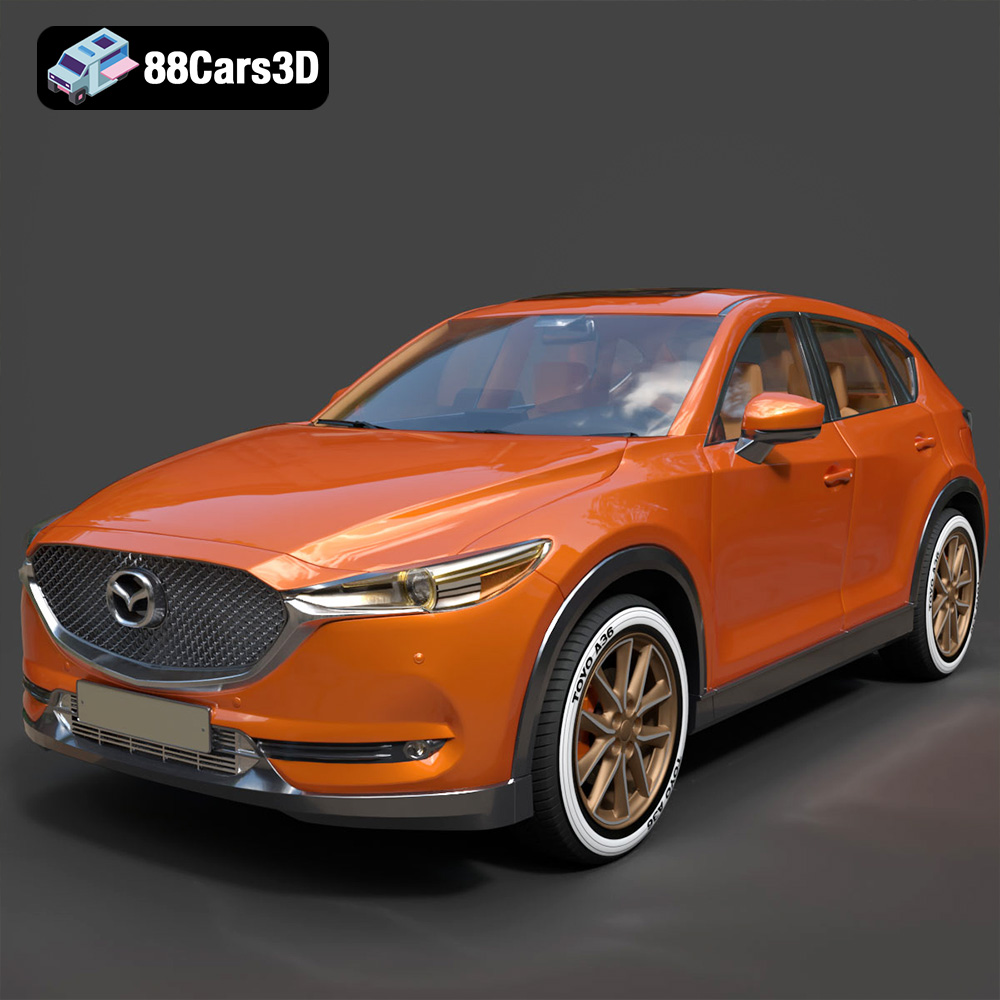
Texture: Yes | Material: Yes
Download the highly optimized Mazda CX-5 2014 3D Model (294k Triangles). Features the dynamic Kodo design language, signature grille, and a clean interior. Perfectly balanced for ArchViz, background traffic, and game development. Includes .blend, .fbx, .obj, .glb, .stl, and .max formats.
Price: $19.99
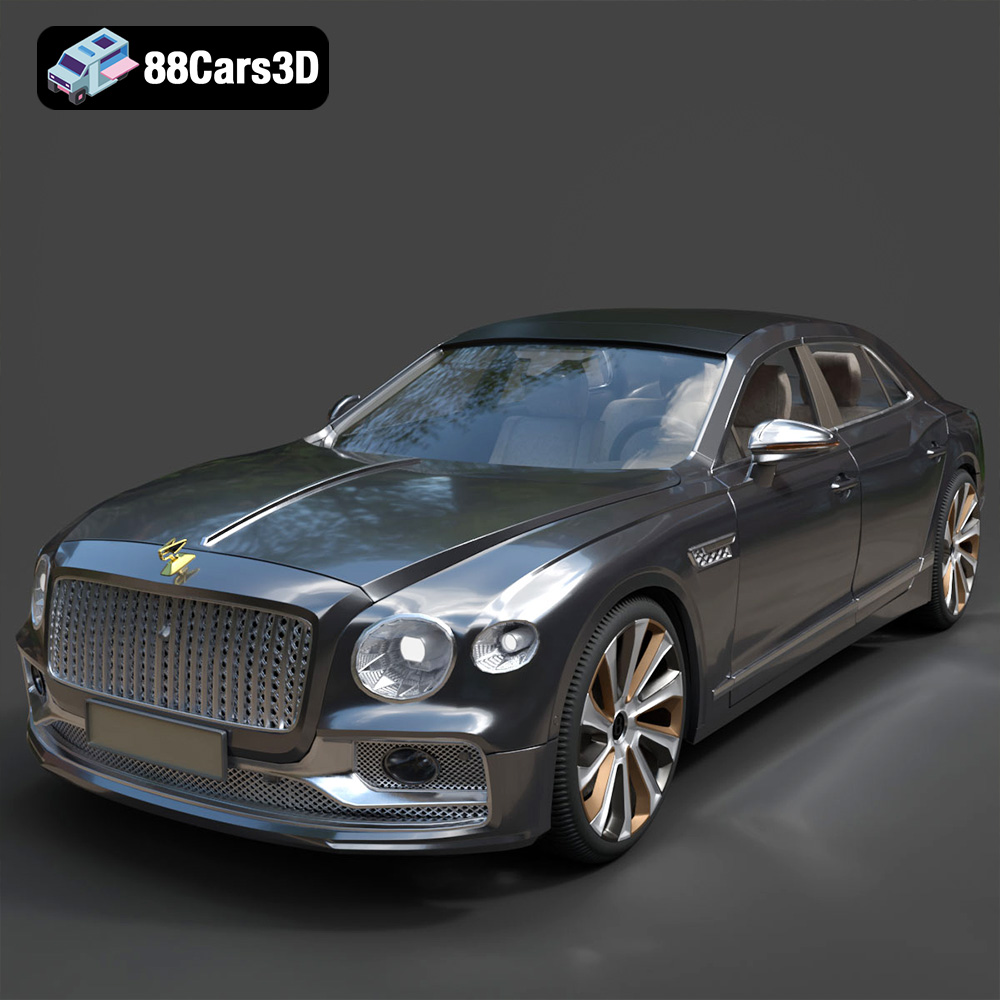
Texture: Yes | Material: Yes Download the ultra-high-detail Bentley Flying Spur Mulliner 2022 3D Model (2.94M Triangles). Features the bespoke Double Diamond grille, a fully modeled diamond-quilted interior, and exquisite luxury styling. Perfect for high-end ArchViz, VFX, and cinematic rendering. Includes .blend, .fbx, .obj, .glb, .stl, and .max formats.
Price: $19.90
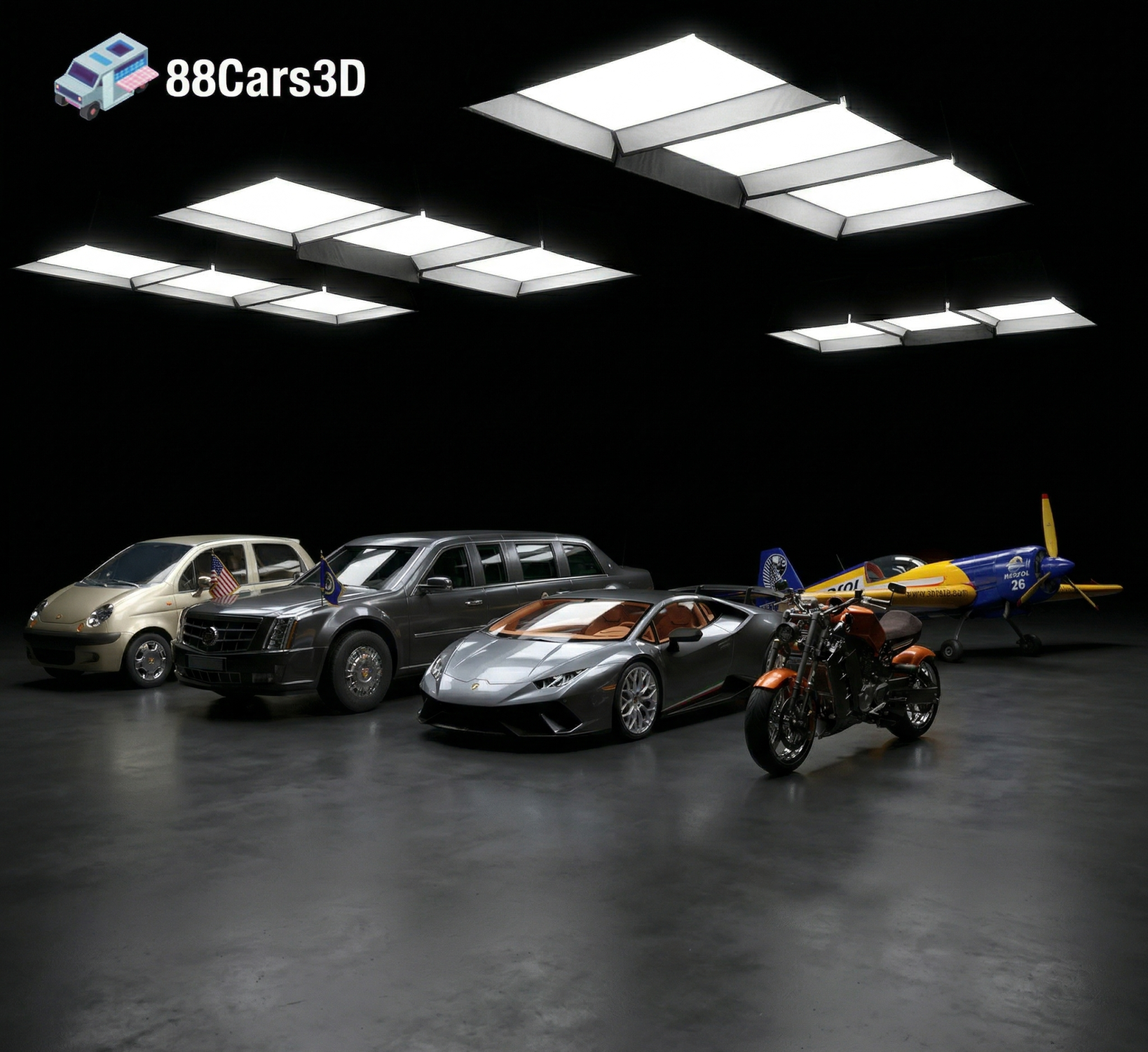
Texture: Yes | Material: Yes | 3D Printable: Yes. Download the Ultimate Creators’ Showcase featuring 5 premium 3D models: Lamborghini Huracan, ZAV Concept Motorcycle, Sukhoi SU-26, Presidential Limousine, and Daewoo Damas. Optimized for 4K CGI rendering and 3D printing. Save massive with this exclusive multi-category bundle!
Price: $99.99

Texture: Yes | Material: Yes | 3D Printable: Yes. Download the Italian Thoroughbreds Bundle featuring 5 iconic 3D models: Lamborghini Huracán Performante, Ferrari 458 Italia, Lamborghini Urus, Diablo SV, and Maserati GT. Optimized for 4K rendering and 3D printing (STL included). Save 50% with this ultimate Italian vehicle collection.
Price: $199.99

Download the Elite Future Mobility Bundle featuring 4 highly optimized 3D models: Tesla Model S, Avatr 11, Li L9, and Zoox Robotaxi. Perfect for ArchViz, Smart City renders, and game dev. Optimized for Unreal Engine and Blender. Includes .fbx, .obj, and .max formats.
Price: $99

🚗 5 Iconic German Cars (BMW M4 G82, M5 CS, X3, 1 Series & Mercedes E-Class). ✅ Optimized for ArchViz: Ready for Corona & V-Ray. 💰 Save €71 with this limited-time collection! 🚀 Instant Download after purchase.
Price: $119

Download the Extreme Off-Road & Survival 3D Models Bundle! Includes the Brabus 800 Adventure, Dodge Ram Bigfoot, Spec Truck, and a Caravan. Save over €210 on this premium 4-in-1 off-grid vehicle pack for ArchViz and game development.
Price: $149.99

Download the Heavy Duty & Commercial Logistics 3D Models Bundle! Includes the Ford Sterling, Caterpillar CT680, Mercedes Citaro Bus, and Vito Van. Save over €130 on this massive, game-ready 4-in-1 industrial vehicle pack.
Price: $109.99

Download the Ultimate Custom Motorcycles 3D Models Bundle. Includes a Custom Chopper, Ducati 916 Café Fighter, Harley XR1200X, and BMW K100. Perfect premium props for luxury ArchViz garages. Save over €250 today!
Price: $159.99

Download the ultimate JDM Street Racing 3D Models Bundle! Includes the Nissan GT-R, Toyota Supra, Mazda RX-7, Lancer Evo IX, and Honda NSX. Save big on this highly optimized, game-ready 5-in-1 Japanese legend car pack.
Price: $129.99

