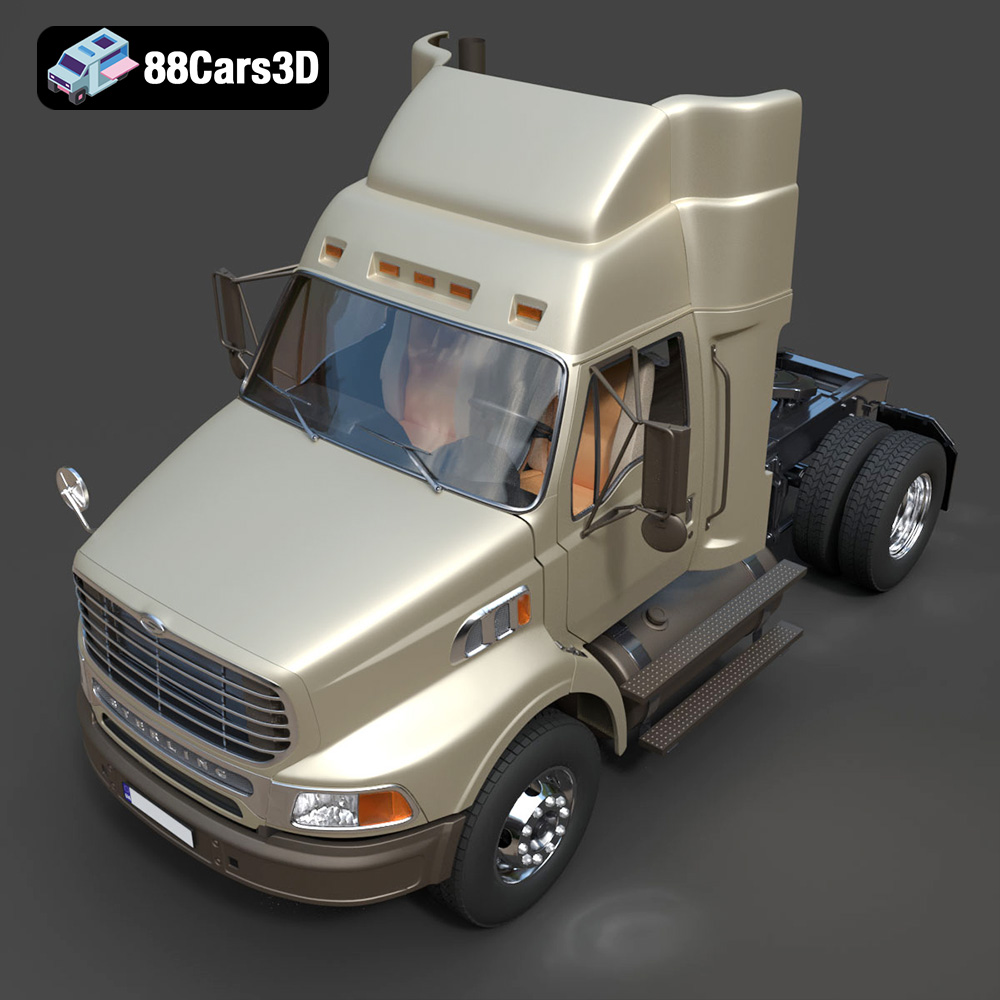
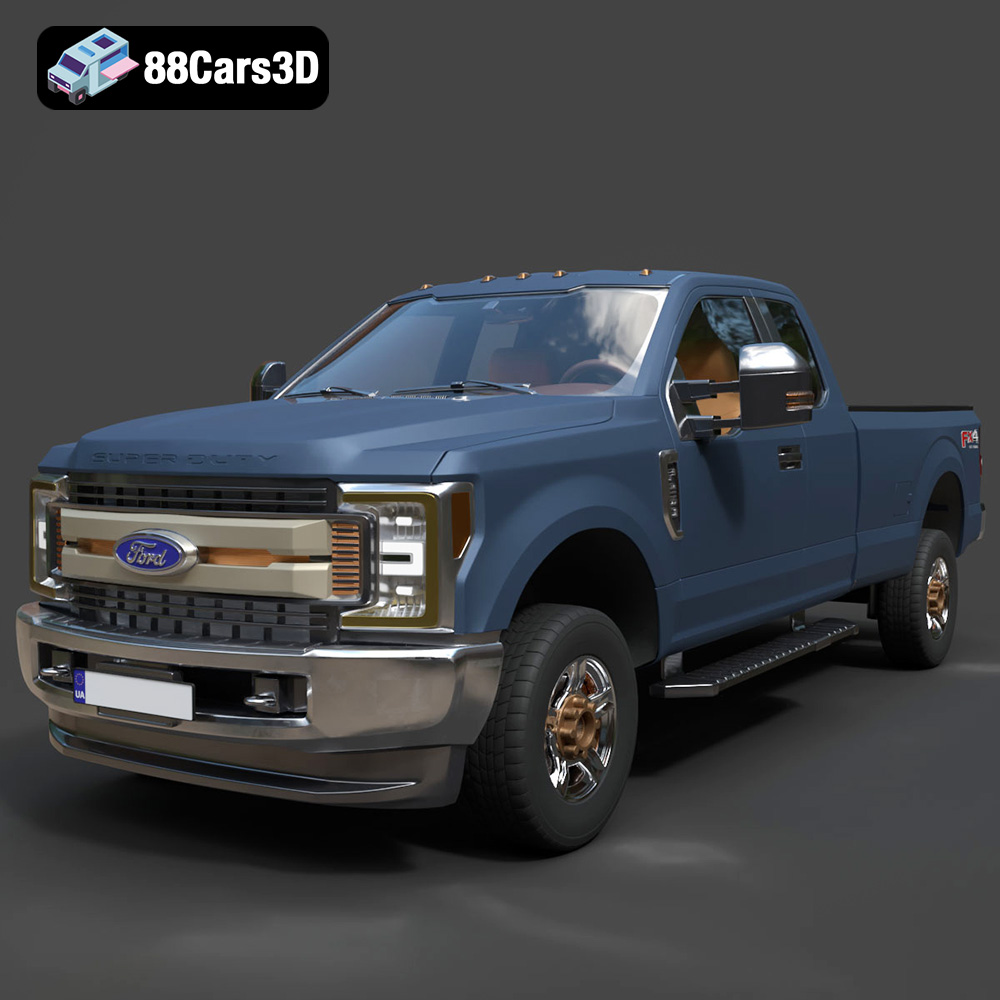
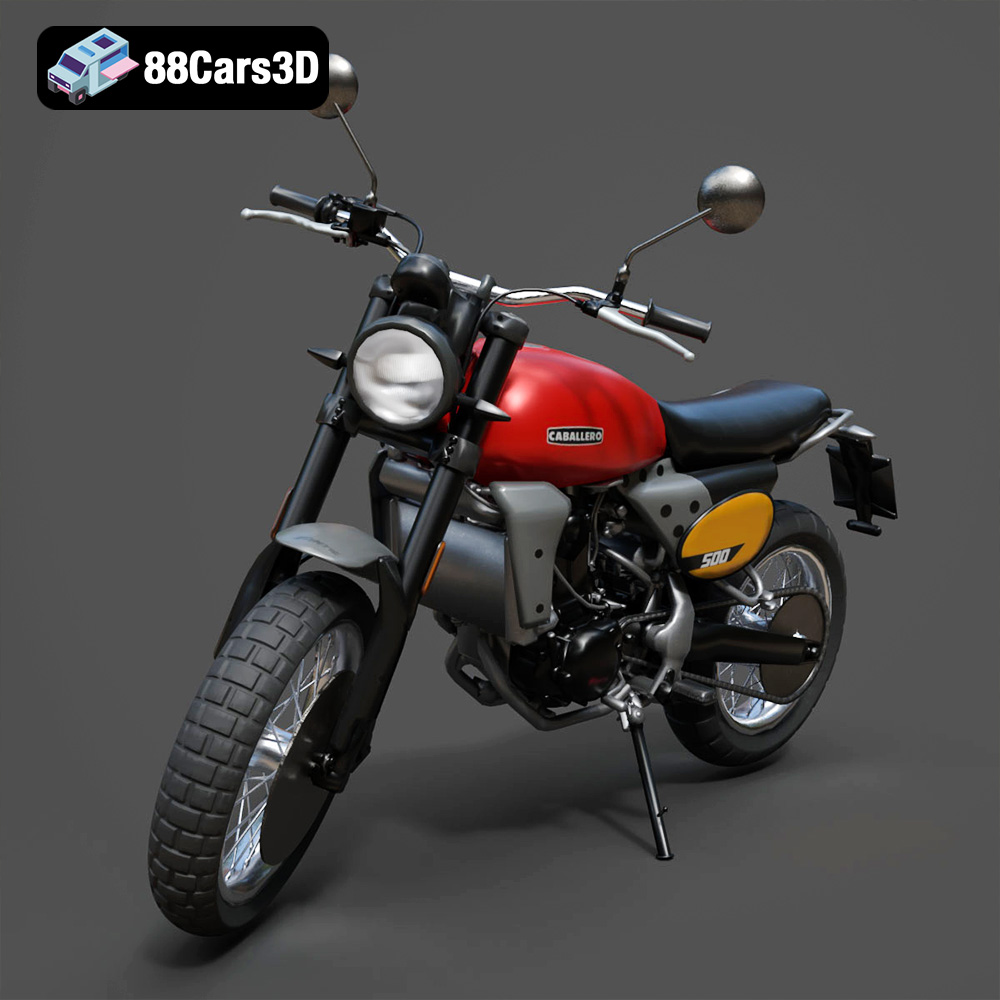
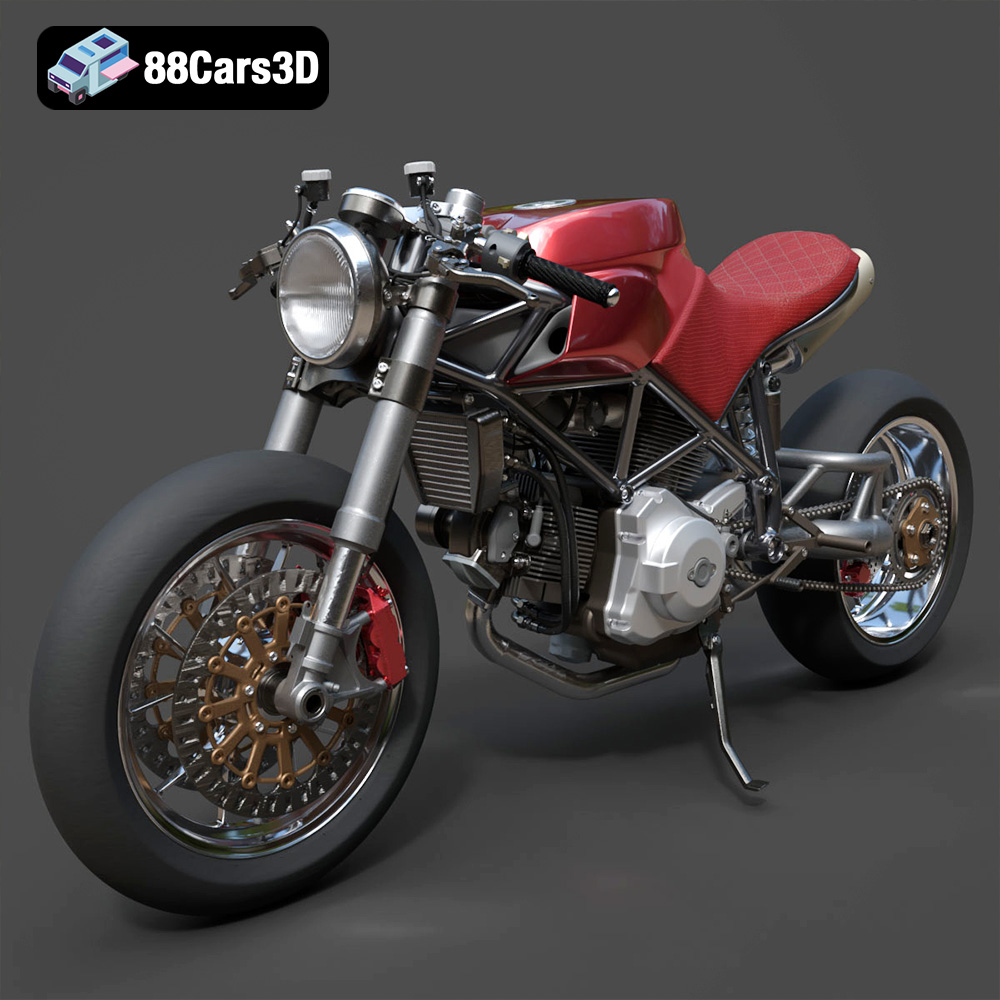
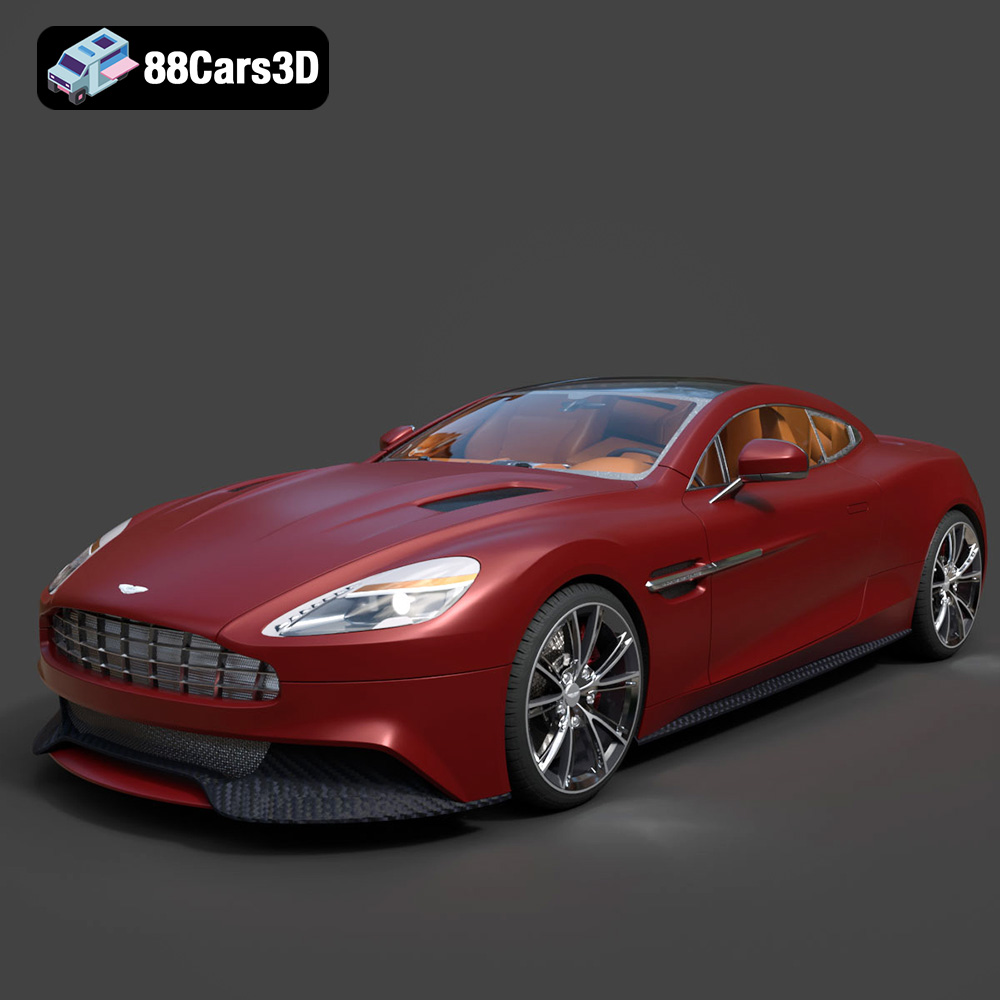
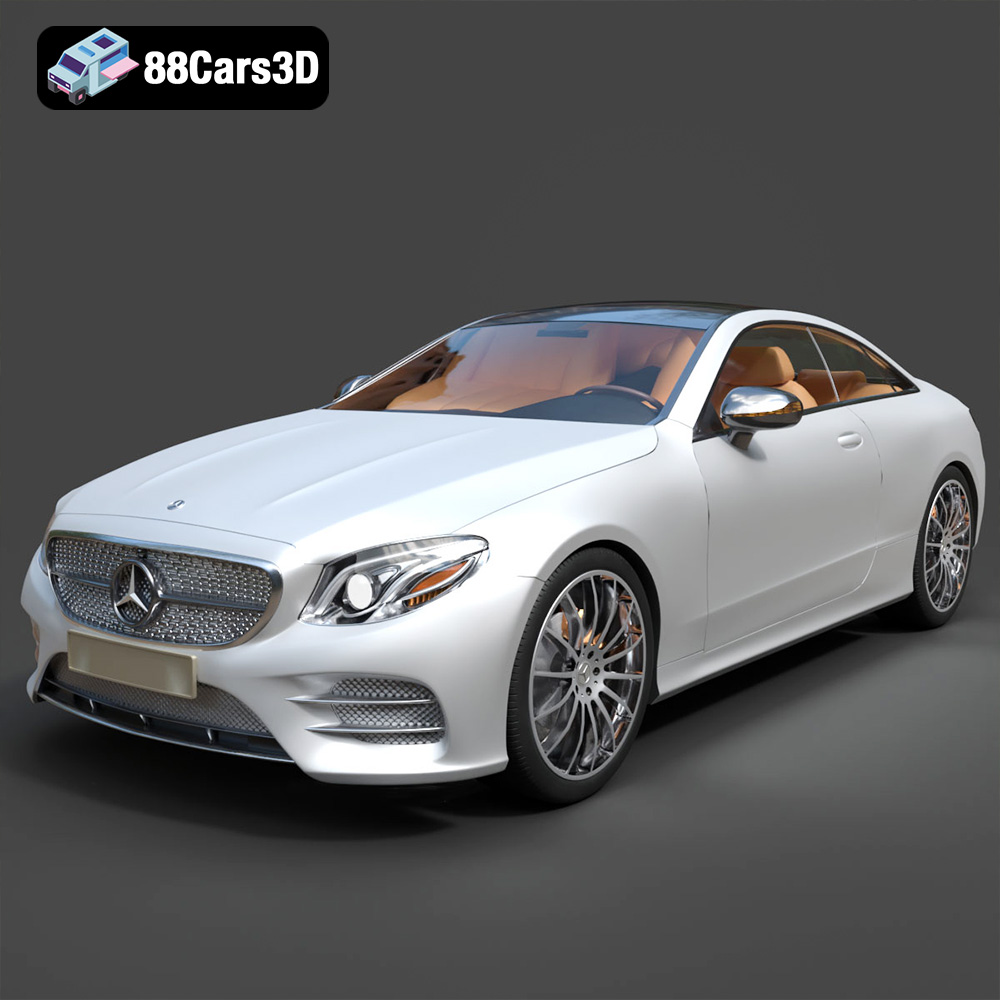
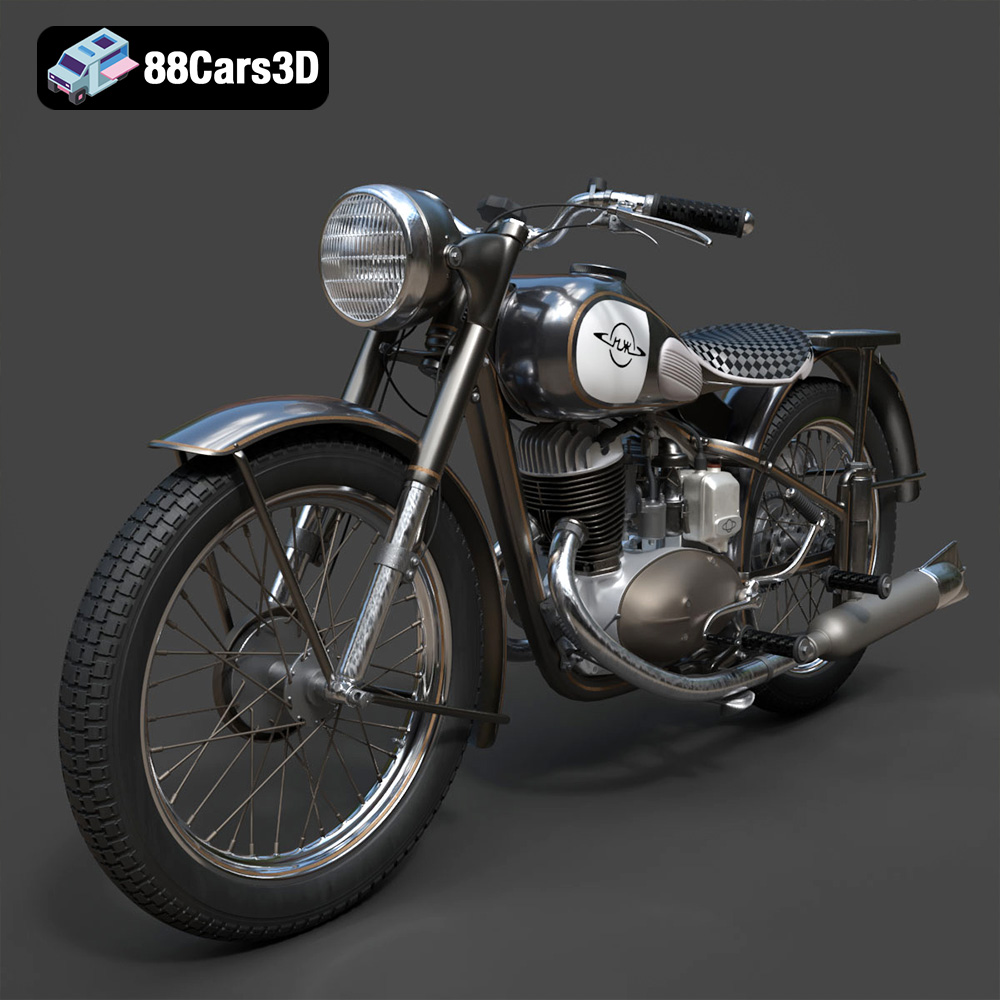
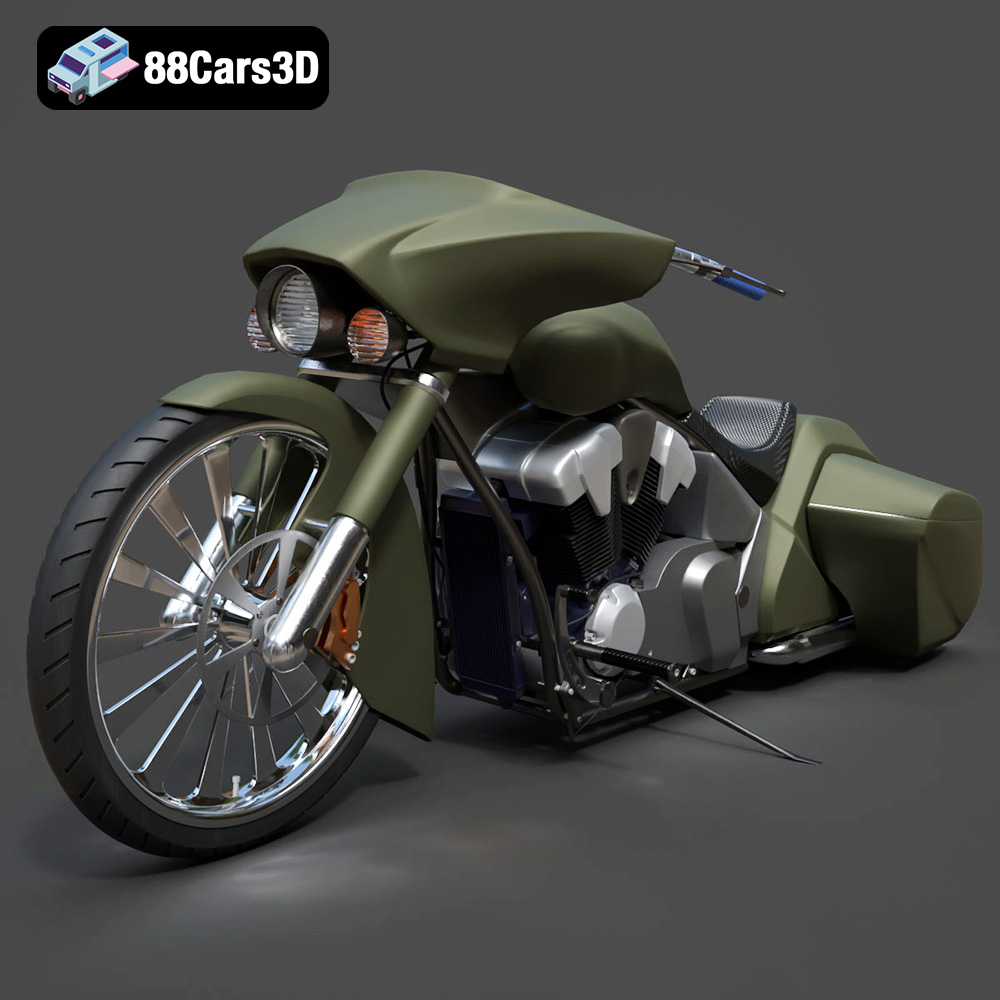
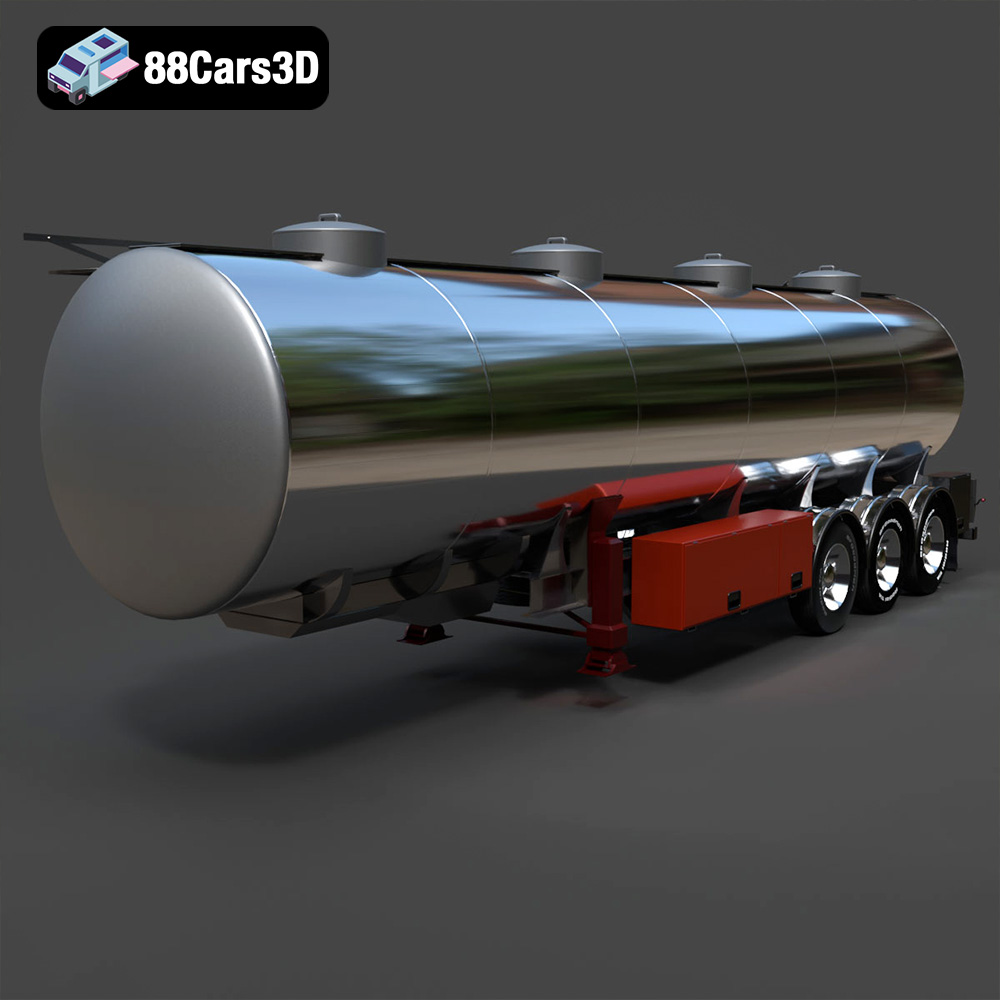
Get 50% OFF All Premium 3D & STL Models!

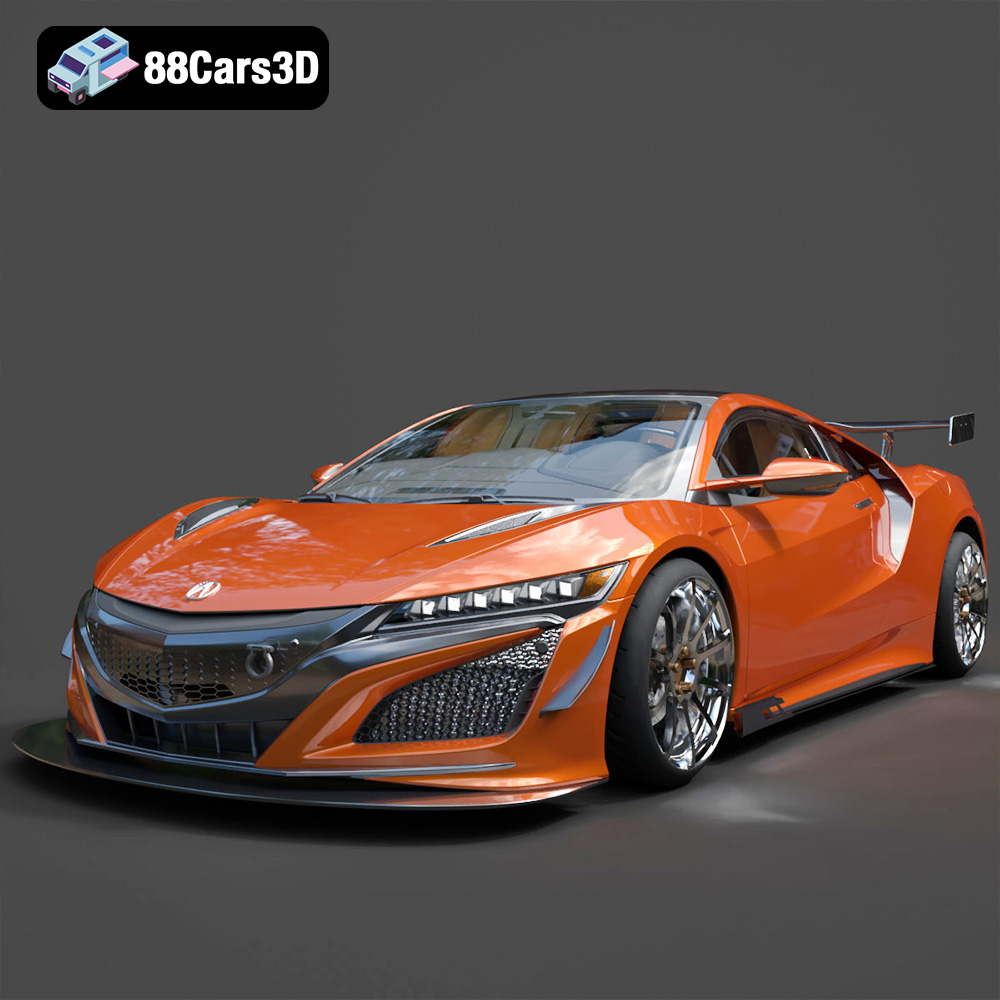
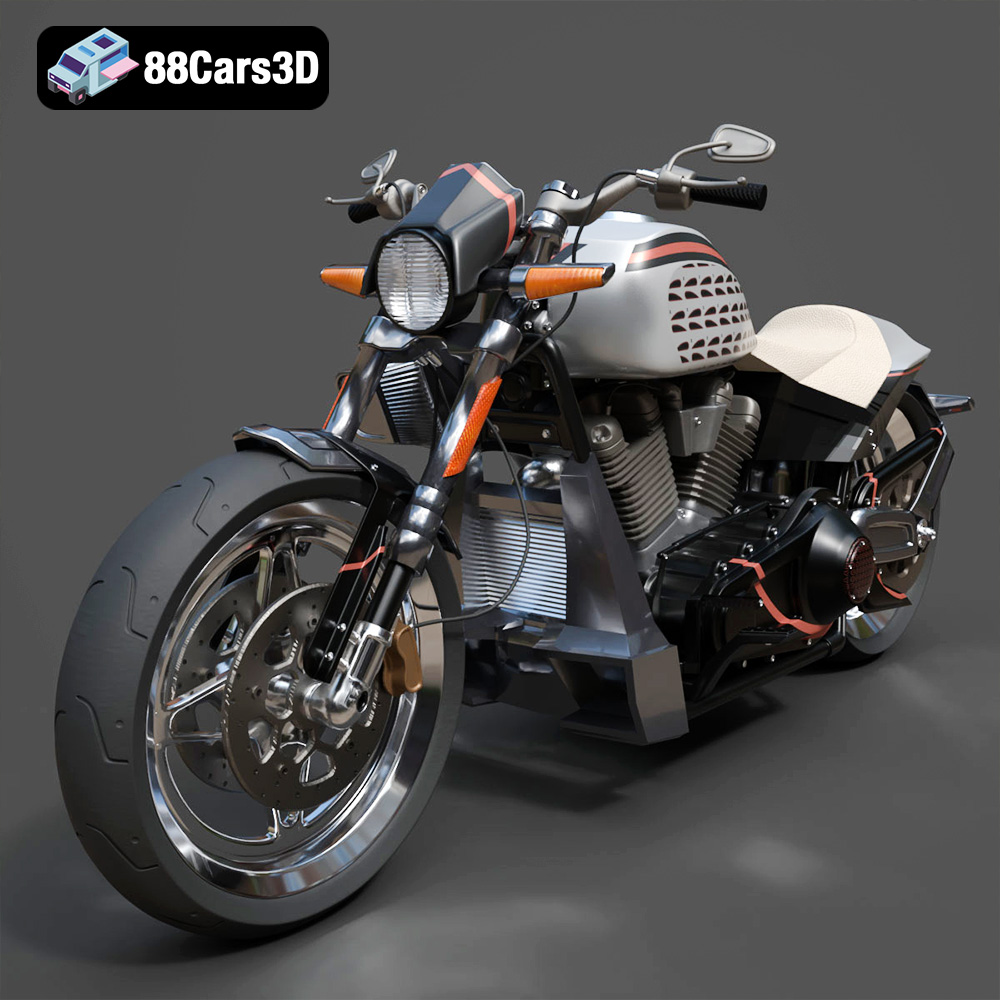
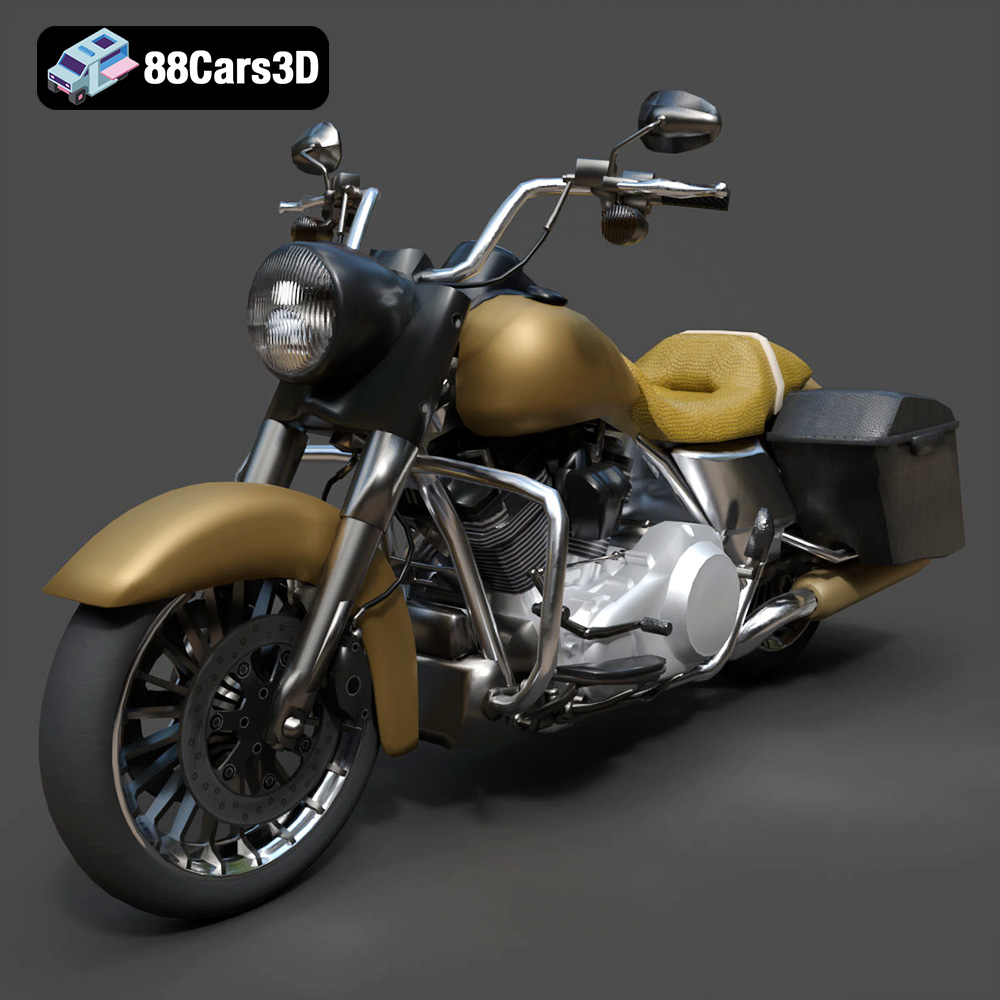
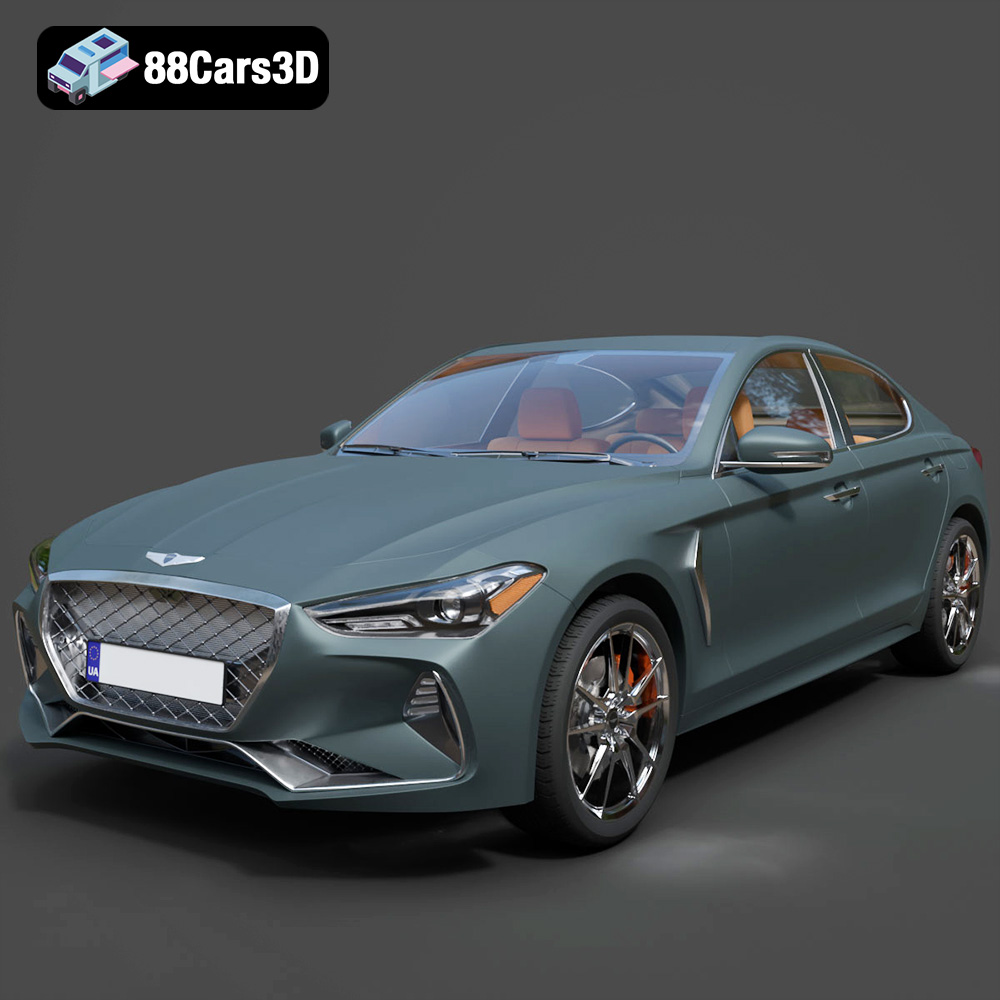
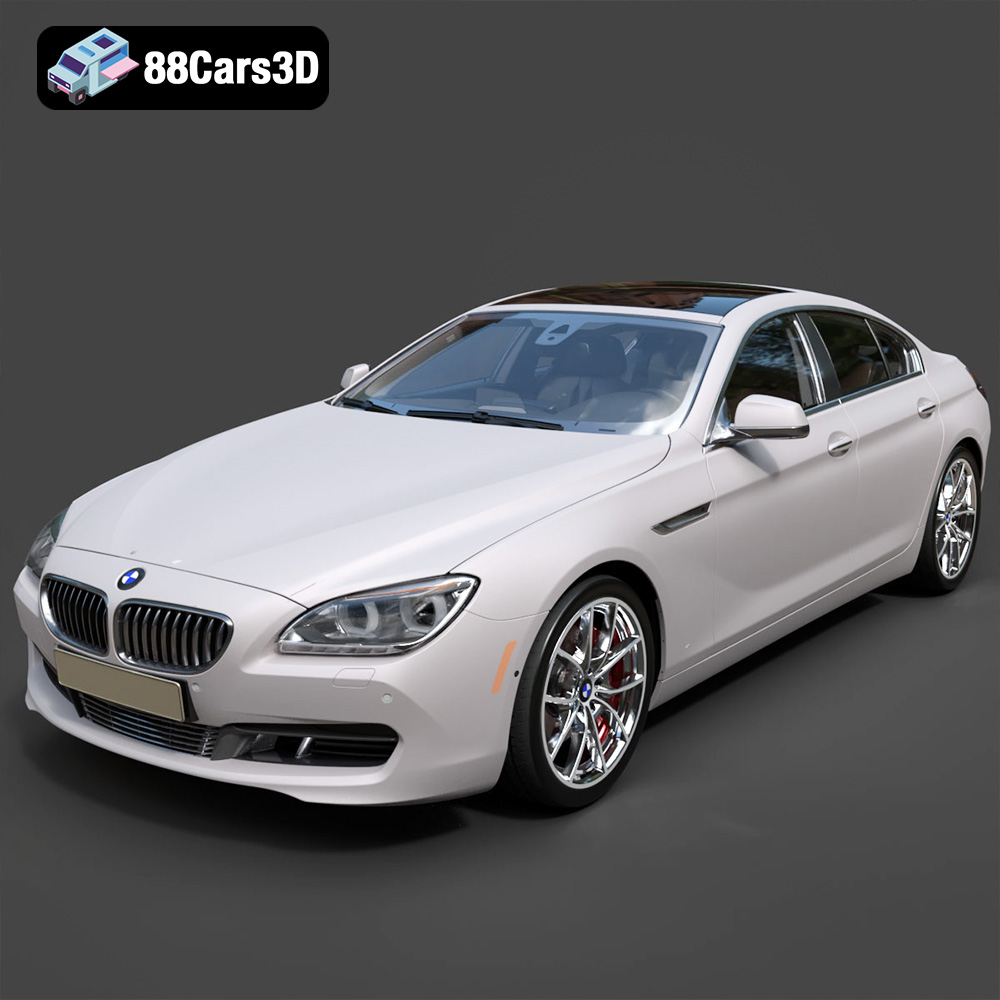
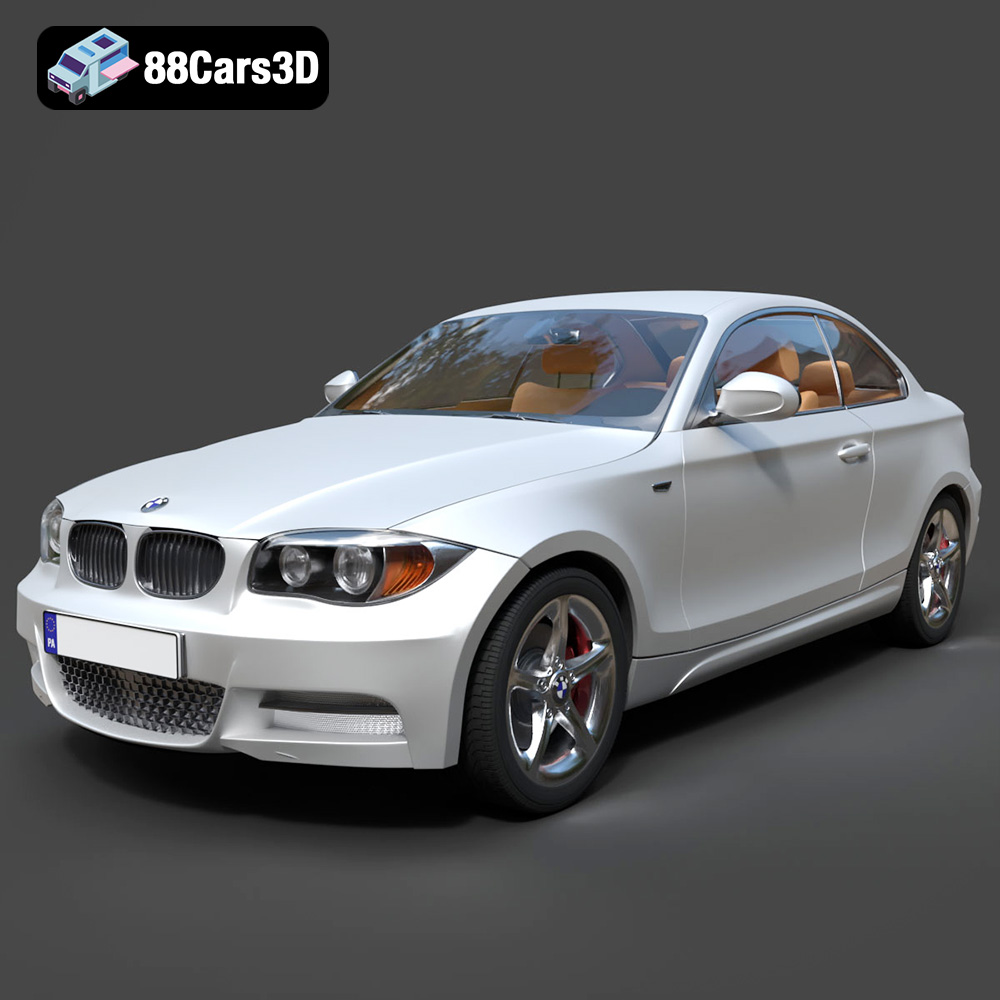
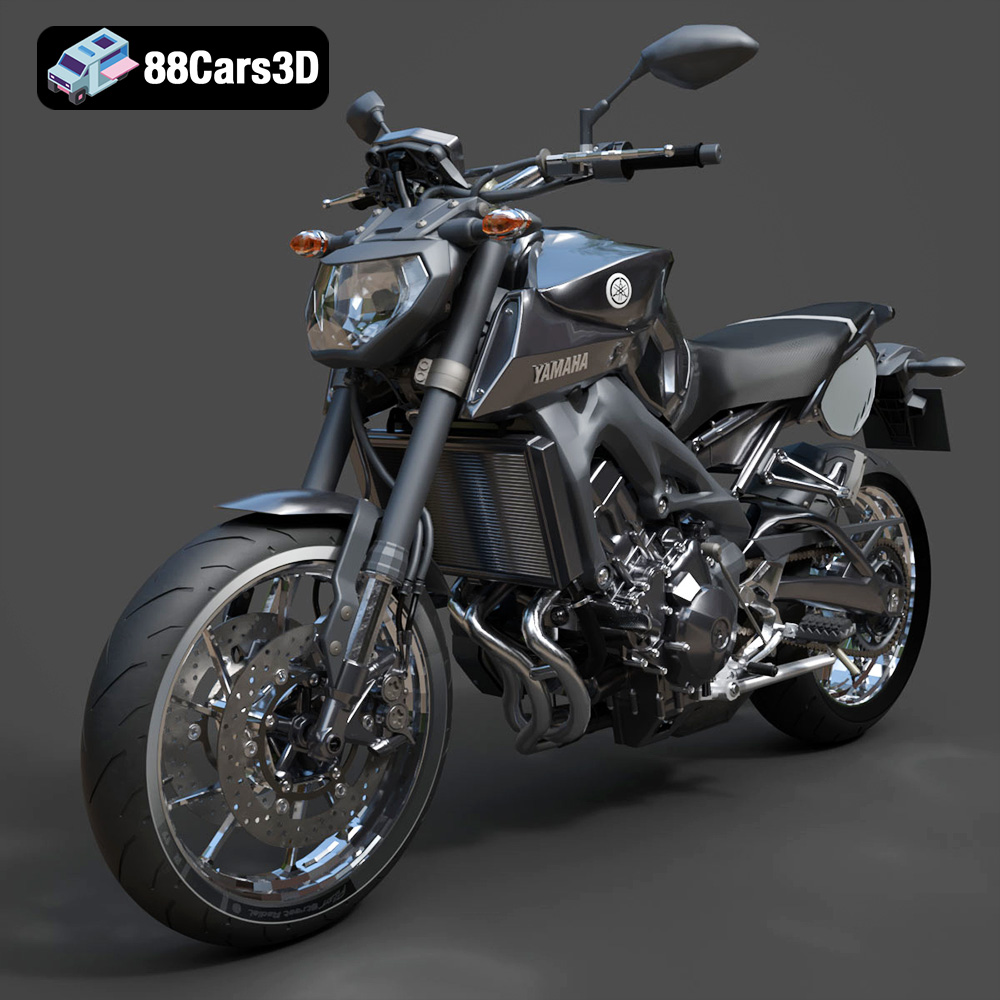
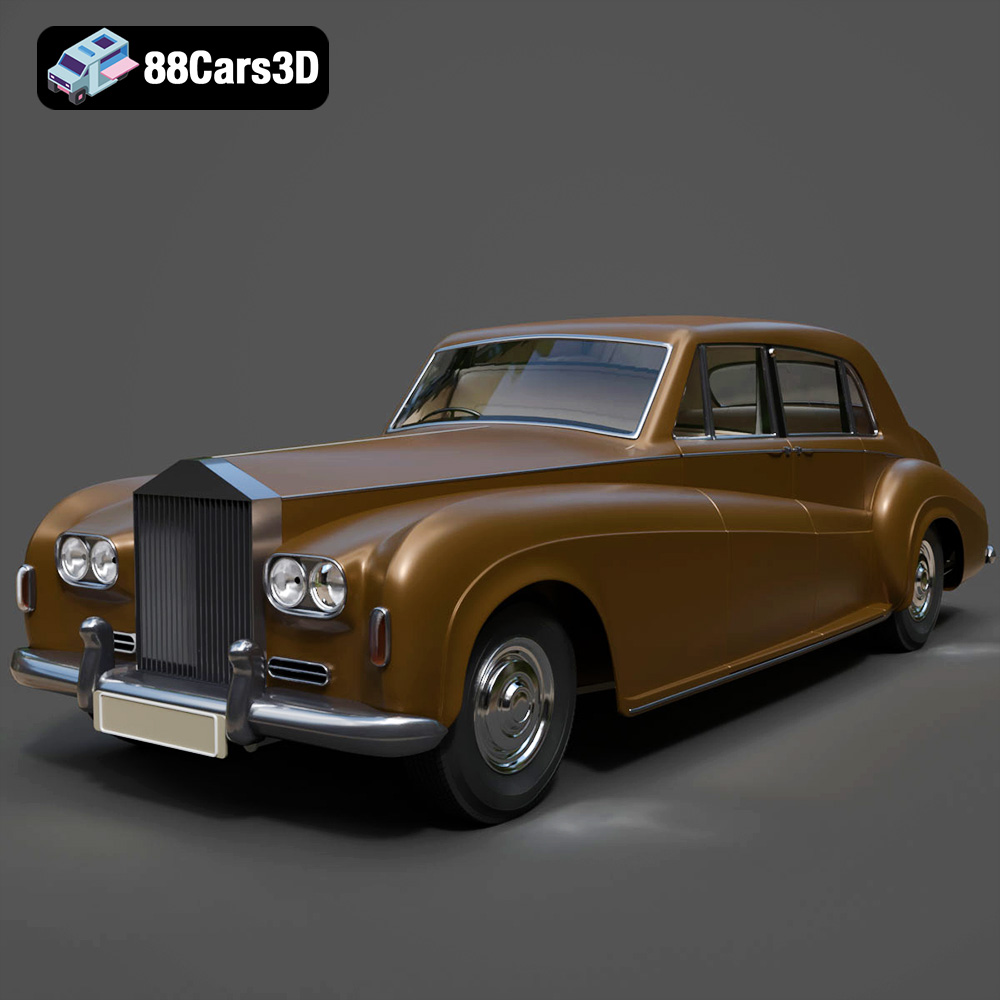
The world of automotive visualization is rapidly evolving. No longer are static photographs or hand-drawn sketches the primary tools for showcasing designs. Instead, 3D car models have emerged as the cornerstone of modern automotive design, marketing, and even entertainment. From hyper-realistic automotive renderings that grace magazine covers to high-octane game assets fueling immersive driving experiences, the demand for expertly crafted 3D car models is surging. This article explores the key considerations, technical nuances, and real-world applications of these digital marvels, offering insights for designers, developers, and enthusiasts alike.
Selecting the right file format is paramount when working with 3D car models. Each format offers distinct advantages and disadvantages, impacting compatibility, performance, and suitability for specific workflows. Choosing wisely ensures seamless integration into your chosen software and pipeline.
The .blend format is the native file type for Blender, the popular open-source 3D creation suite. Its key strength lies in its ability to store a complete Blender scene, including meshes, textures, materials (using Blender’s shader nodes), lighting setups, animations, and modifiers. This makes it ideal for iterative design and complex scene creation within Blender. However, its compatibility is limited outside of the Blender ecosystem, necessitating conversion to other formats for use in different software.
.fbx, or Filmbox, is a widely supported interchange format developed by Autodesk. It is designed for interoperability between different 3D applications, including 3ds Max, Maya, Unity, and Unreal Engine. .fbx excels at preserving complex scene data, such as geometry, textures, materials, animations (including skinning and morph targets), and camera setups. This makes it a go-to choice for game asset pipelines and situations where seamless data transfer between different software packages is crucial. When using .fbx, be mindful of the export settings, particularly the version, to ensure optimal compatibility with your target application.
.obj (or Wavefront .obj) is one of the oldest and most universally supported 3D file formats. Its simplicity makes it highly compatible with a wide range of 3D software. It primarily stores geometric data, including vertices, faces, and texture coordinates. While .obj can store material information through a separate .mtl file, it lacks support for advanced features like animations or complex material setups. Its strength lies in its ability to facilitate basic geometry transfer between different programs, making it a valuable tool for initial model exchange or archiving simple geometry.
.glb (GL Transmission Format Binary) is a relatively new format gaining significant traction in the fields of Augmented Reality (AR), Virtual Reality (VR), and web-based 3D viewing. It is designed to be compact and efficient, bundling all necessary data, including geometry, textures, materials, and animations, into a single binary file. This makes it ideal for delivering 3D content over the web and for use in mobile AR/VR applications where performance and file size are critical. .glb is based on the glTF (GL Transmission Format) standard, which is maintained by the Khronos Group, the same organization behind OpenGL.
.stl (Stereolithography) is the de facto standard format for 3D printing. It represents the surface geometry of a 3D object as a collection of triangles. .stl files do not contain information about color, textures, or materials; they solely focus on the shape of the object. Before 3D printing, it is essential to ensure that your .stl model is manifold (watertight) and free of errors to avoid printing issues. This often requires using specialized software for mesh repair.
.ply (Polygon File Format), also known as Stanford Triangle Format, is a file format designed for storing 3D data acquired from 3D scanners. It can store a variety of data, including vertices, faces, colors, normals, and texture coordinates. .ply is often used in CAD (Computer-Aided Design) applications and for analyzing 3D scanned data, where preserving detailed geometric information is paramount.
While not strictly a file format in the traditional sense, “.unreal” often refers to assets prepared and packaged specifically for use within the Unreal Engine. These assets typically consist of a collection of files, including .uasset (Unreal Asset) files containing meshes, textures, materials, and animations. Importing a 3D car model into Unreal Engine often involves using the .fbx format as an intermediary, followed by further optimization and material setup within the engine’s editor.
The .max format is the native file type for 3ds Max, another industry-leading 3D modeling and animation software package from Autodesk. Similar to Blender’s .blend format, .max files store a complete 3ds Max scene, including geometry, textures, materials, lighting, animation rigs, and modifiers. It offers the same benefits and drawbacks as .blend, providing complete control within its native environment but requiring export to other formats for broader compatibility.
Beyond file formats, understanding the technical specifications of 3D car models is essential for achieving desired visual quality and performance. Polygon count, UV mapping, and texture resolution play crucial roles in determining the final result.
Polygon count refers to the number of polygons (typically triangles or quads) used to represent the surface of a 3D model. A higher polygon count results in a smoother, more detailed model, but it also increases the computational load on the rendering engine. For automotive renderings, a high polygon count is often desirable to capture the intricate details of the car’s design. However, for real-time applications like games, a balance must be struck between visual fidelity and performance. Game assets typically require optimized polygon counts to ensure smooth frame rates, which often involves using techniques like LOD (Level of Detail) to reduce polygon counts for distant objects.
UV mapping is the process of unwrapping a 3D model’s surface onto a 2D plane to apply textures. A well-executed UV map ensures that textures are applied correctly and without distortion, resulting in a realistic and visually appealing appearance. For 3D car models, UV mapping is particularly important for areas with complex shapes and intricate details, such as the interior, wheels, and headlights. Poor UV mapping can lead to texture stretching, seams, and other visual artifacts. There are different unwrapping techniques and tools to achieve great UV maps. Splitting seams at sharp edges is one of the best practices.
Texture resolution refers to the size of the texture images used to apply surface details to a 3D model. Higher resolution textures provide more detail but also consume more memory and can impact performance. The optimal texture resolution depends on the intended use of the model and the viewing distance. For close-up automotive renderings, high-resolution textures are often necessary to capture fine details like paint imperfections and material textures. However, for game assets, lower resolution textures are typically used to optimize performance, often in conjunction with techniques like mipmapping to reduce aliasing at a distance. Consider using different texture maps for different purposes: Albedo (color), normal, roughness, metalness, AO, etc.
Let’s examine how 3D car models are utilized within popular software packages, highlighting key workflows and techniques.
3ds Max is a powerful 3D modeling and rendering software widely used in the automotive industry for creating high-quality visualizations. A typical workflow in 3ds Max involves importing a 3D car model (often in .fbx or .obj format), setting up materials using the Physical Material or V-Ray Material, adding lighting using V-Ray lights or Arnold lights, and rendering the scene using a renderer like V-Ray or Arnold. 3ds Max also offers advanced tools for animation and rigging, making it suitable for creating animated automotive visualizations. 88cars3d.com often provides models suitable for 3ds Max, allowing users to quickly integrate high-quality assets into their scenes.
Blender, the open-source 3D creation suite, offers a versatile and accessible alternative to commercial software packages. A Blender workflow typically involves importing a 3D car model (often in .fbx or .obj format), setting up materials using Blender’s node-based shader system (Cycles or Eevee renderers), adding lighting using area lights or HDRIs, and rendering the scene using either the Cycles or Eevee render engines. Blender also offers powerful sculpting tools for refining the model’s geometry and animation tools for creating dynamic visualizations.
Unreal Engine is a leading game engine widely used for creating interactive automotive experiences, such as virtual showrooms and driving simulators. An Unreal Engine workflow involves importing a 3D car model (typically in .fbx format), creating materials using Unreal Engine’s material editor, adding lighting using real-time lighting or ray tracing, and setting up interactive elements using Blueprints or C++. Unreal Engine offers a powerful rendering pipeline that can deliver stunning visuals in real-time, making it ideal for creating immersive automotive experiences.
The applications of 3D car models are vast and varied, spanning across multiple industries.
3D car models are extensively used in automotive marketing to showcase new designs and features. Hyper-realistic renderings are used in brochures, websites, and advertisements to create visually appealing images of the vehicles. 3D models also allow for interactive experiences, such as virtual showrooms where customers can explore the car’s interior and exterior in detail. These interactive experiences can be deployed on websites, tablets, and VR headsets, providing a more engaging and informative way for customers to learn about the vehicles.
3D car models are essential assets in racing games and driving simulators. The models need to be highly detailed and visually accurate to create an immersive driving experience. Game developers often use specialized tools and techniques to optimize the models for real-time performance, ensuring smooth frame rates and realistic handling. 88cars3d.com offers a selection of game-ready 3D car models, simplifying the asset creation process for game developers.
While not the primary focus, 3D car models are often integrated into architectural visualizations to provide context and scale. Placing a realistic 3D car model in a rendered scene of a building or landscape helps to create a more believable and engaging visual. This is particularly useful for showcasing parking spaces, driveways, and other areas where vehicles interact with the built environment.
The specific optimization strategies for 3D car models depend heavily on the intended use case. Let’s examine some common scenarios.
When optimizing for rendering, the primary goal is to achieve the highest possible visual quality. This typically involves using high-resolution textures, detailed geometry, and advanced material setups. Polygon counts can be higher than those used for real-time applications, but it’s still important to avoid unnecessary detail that can impact rendering times. Using displacement maps can add intricate surface detail without significantly increasing polygon counts. Careful attention should be paid to lighting and shading to create realistic and visually appealing images.
Optimizing for game engines requires a different approach, prioritizing performance and efficiency. Polygon counts must be carefully managed to ensure smooth frame rates. Textures should be optimized for size and memory usage. LOD (Level of Detail) techniques should be used to reduce polygon counts for distant objects. Materials should be simple and efficient, avoiding complex shader networks that can impact performance. Collision meshes should be created to enable realistic physics interactions.
Optimizing for AR/VR presents unique challenges, as the models need to be lightweight enough to run smoothly on mobile devices or VR headsets while still providing an immersive experience. Polygon counts and texture sizes should be kept to a minimum. Using optimized file formats like .glb can help to reduce file sizes and improve loading times. Attention should be paid to ensuring a comfortable viewing experience, avoiding visual artifacts or performance issues that can cause motion sickness.
3D car models are indispensable tools in modern automotive visualization, offering versatility and realism across diverse applications. Understanding file formats, mastering technical specifications, and optimizing models for specific use cases are crucial for achieving desired results. Whether creating stunning automotive renderings, developing immersive game assets, or exploring AR/VR experiences, the power of 3D car models lies in their ability to bring automotive designs to life. Exploring resources like 88cars3d.com can provide a wealth of high-quality assets to accelerate your projects and elevate your visualizations.

Price: $129.99

Price: $99.99

Price: $89.99