Get 50% OFF All Premium 3D & STL Models!

The automotive industry is undergoing a profound transformation, driven by the insatiable demand for cutting-edge visualization and immersive experiences. From design studios and marketing agencies to game development houses and virtual production stages, the need for photorealistic, real-time rendering of vehicles has never been greater. At the forefront of this revolution stands Unreal Engine, a powerful platform that empowers artists and developers to transcend traditional boundaries and create breathtaking automotive content.
This comprehensive guide delves deep into the essential workflows and advanced techniques for leveraging Unreal Engine to achieve unparalleled automotive visualization. We’ll explore everything from efficient project setup and meticulous 3D car model optimization to crafting stunning PBR materials, mastering dynamic lighting, and implementing interactive experiences. Whether you’re an automotive designer showcasing a new concept, a game developer integrating realistic vehicles, or a visualization professional creating compelling marketing assets, this article will equip you with the knowledge to push the limits of real-time rendering. Prepare to unlock the full potential of your 3D car models and transform static assets into dynamic, interactive showcases within the powerful ecosystem of Unreal Engine.
Embarking on any Unreal Engine project demands a thoughtful approach to setup and configuration, especially when aiming for high-fidelity automotive visualization. A well-organized and correctly configured project serves as the bedrock for efficient development, ensuring optimal performance and streamlined workflows. For automotive projects, specific template choices and plugin activations can significantly impact your capabilities, particularly when dealing with complex geometry and advanced rendering features.
Typically, starting with the "Blank" or "Games" template provides the most flexibility, allowing you to tailor the project exactly to your needs. However, the "Architectural Visualization" template can offer a good starting point with pre-configured lighting and post-processing relevant to realistic environments. Regardless of the template, immediate attention should be paid to scalability settings. Unreal Engine 5’s new features like Nanite and Lumen are enabled by default for new projects, which is ideal for high-end automotive renders. For more detailed insights into project configuration, consult the official Unreal Engine documentation.
Once your project is created, several initial configurations are crucial. Navigate to Edit > Project Settings and review the Engine – Rendering section. Ensure that features like Lumen Global Illumination and Lumen Reflections are enabled for cutting-edge real-time lighting. For geometry, Nanite Support should be active, as it will be indispensable for handling the high-polygon count of detailed 3D car models without crippling performance. Under Engine > Physics, consider adjusting the default physics settings to cater to more realistic vehicle interactions later on.
Beyond core settings, a suite of plugins is indispensable for comprehensive automotive visualization:
Activating these plugins early prevents issues down the line and expands your toolkit for professional-grade results. You can enable them via Edit > Plugins and restart the editor as prompted.
Maintaining a clean and logical Content Browser hierarchy is paramount for efficient asset management, especially when dealing with hundreds or thousands of assets in a complex automotive project. Establish a clear folder structure from the outset. A common and effective approach involves categorizing assets by type (e.g., "Models," "Materials," "Textures," "Blueprints," "Maps," "Sequences") and then by specific vehicle or project component. For instance, within "Models," you might have subfolders like "Car_A_Model," "Car_B_Model," each containing their respective static meshes, skeletal meshes, and LODs.
When sourcing high-quality 3D car models from platforms like 88cars3d.com, it’s wise to create a dedicated folder structure for each imported vehicle. For example: /Content/Vehicles/CarName/Model, /Content/Vehicles/CarName/Materials, /Content/Vehicles/CarName/Textures. Consistent naming conventions for assets are equally important. Use prefixes like SM_ for Static Meshes, M_ for Materials, T_ for Textures, and BP_ for Blueprints. This systematic organization drastically reduces search times, minimizes errors, and facilitates collaborative efforts within a team. Regular content browser cleanup and consolidation of similar assets can also help maintain project performance and reduce package size over time, which is vital for any professional real-time rendering pipeline.
The foundation of any compelling automotive visualization in Unreal Engine is a high-quality 3D car model. However, simply importing a CAD model or a richly detailed game asset isn’t enough; careful optimization is crucial to achieve smooth real-time performance without sacrificing visual fidelity. Automotive models often come with intricate details, high polygon counts, and multiple sub-objects, all of which need intelligent management within the engine.
Marketplaces like 88cars3d.com provide models often pre-optimized for various engines, but even these may require further adjustments based on your specific project’s requirements and target platforms (e.g., desktop, VR, virtual production). The goal is to strike a balance: retain the necessary detail for photorealism while minimizing the performance overhead. Unreal Engine offers a robust toolset, including Nanite and Level of Detail (LOD) systems, to achieve this balance effectively.
The primary formats for importing 3D car models into Unreal Engine are FBX and USD (Universal Scene Description). FBX is widely supported and excellent for static meshes, skeletal meshes, and basic animations. USD, on the other hand, is gaining traction for its robust scene description capabilities, allowing for complex hierarchies, material definitions, and even variations to be carried over more comprehensively, making it an excellent choice for automotive configurators.
For complex assets, consider importing parts separately to manage their individual optimization more effectively. This modular approach is particularly useful for vehicles where different components might have varying detail requirements or interactivity.
Nanite virtualized geometry is a game-changer for high-fidelity automotive visualization in Unreal Engine 5. It allows you to import cinematic-quality 3D car models with millions of polygons without worrying about traditional polygon budget constraints. Nanite automatically handles geometric complexity, streaming only the necessary detail to the screen, drastically improving performance while maintaining visual fidelity.
Properly leveraging Nanite alongside targeted LODs ensures that your stunning 3D car models perform optimally across various scenarios, from close-up beauty shots to distant background elements, making your real-time rendering projects both beautiful and efficient.
The visual impact of any 3D car model in Unreal Engine heavily relies on its materials and textures. Achieving photorealism in automotive visualization means mastering the Physical Based Rendering (PBR) pipeline. PBR materials accurately simulate how light interacts with surfaces in the real world, producing consistent and believable results under any lighting condition. Car finishes, in particular, demand a sophisticated PBR setup to capture their unique properties – the metallic flake in paint, the subtle roughness of matte finishes, the clear coat reflections, and the intricate details of interior fabrics.
A deep understanding of the Material Editor, texture mapping, and how various PBR channels contribute to the final look is essential. This section will guide you through creating materials that make your 3D car models truly shine.
Unreal Engine’s Material Editor is a node-based system that allows you to construct complex materials from various inputs. For automotive applications, the Standard Material model is typically used, relying on base color, metallic, specular, roughness, and normal maps.
Use Material Functions to modularize common setups (e.g., a universal car paint shader) and Material Instances to quickly create variations (different colors, metallic flakes) without recompiling the base material, significantly speeding up iterations for automotive configurators.
Texture resolution is a critical factor for visual fidelity and performance. High-resolution textures (e.g., 4K or 8K) provide incredible detail but consume more memory and can impact load times. For hero assets like 3D car models, 4K textures for primary surfaces (body, large interior panels) are common, while smaller, less visible parts might use 2K or 1K. For distant elements or AR/VR applications, even lower resolutions are preferable for optimization.
By meticulously crafting PBR materials and optimizing texture assets, you can transform your 3D car models into dazzling, lifelike representations, elevating the overall quality of your real-time rendering projects.
Lighting is the soul of any compelling visual, and in automotive visualization within Unreal Engine, it’s paramount. The interplay of light and shadow defines a vehicle’s form, highlights its intricate details, and evokes emotion. Unreal Engine 5’s revolutionary lighting system, Lumen, offers unprecedented realism and flexibility for global illumination and reflections, making it easier than ever to create stunning real-time renders of 3D car models. However, understanding both Lumen and traditional lighting methodologies is key to achieving truly professional results.
The right lighting setup can dramatically enhance the perceived quality of your 3D car models, making reflections pop, paint finishes gleam, and interiors feel truly lived-in. We’ll explore how to harness Unreal Engine’s powerful lighting tools to create dynamic and breathtaking automotive scenes.
Lumen Global Illumination is Unreal Engine 5’s fully dynamic global illumination and reflections system, designed for next-generation consoles and high-end PCs. It eliminates the need for complex lightmap baking, offering real-time bounce light and indirect illumination that reacts instantly to changes in light sources or geometry. This is incredibly powerful for automotive visualization, where vehicles move through environments, open doors, or change colors in automotive configurators.
Lumen brings unparalleled realism to real-time rendering, allowing for dynamic time-of-day changes, moving vehicles in complex scenes, and interactive material swaps with accurate lighting feedback.
While Lumen offers dynamic glory, traditional lighting techniques, often combined with HDRI (High Dynamic Range Image) environments, still hold immense value, especially for controlled studio setups, specific cinematic shots, or when targeting platforms where Lumen might be too demanding (e.g., lower-end AR/VR).
By blending the power of Lumen with precise traditional lighting and the immersive qualities of HDRIs, you can craft captivating and visually stunning environments that truly showcase the artistry of your 3D car models.
Beyond static beauty shots, Unreal Engine excels at creating interactive and dynamic experiences with 3D car models. Whether you’re building an automotive configurator, a realistic driving simulator, or a high-end cinematic, Unreal’s powerful tools empower you to breathe life into your vehicles. Blueprint visual scripting offers intuitive ways to add interactivity without writing a single line of code, while the Chaos Vehicle system provides robust physics simulation. For storytelling and marketing, Sequencer delivers Hollywood-grade cinematics in real time.
This section explores how to integrate these core Unreal Engine features to create engaging and immersive automotive content, transforming passive viewers into active participants or captivated audiences.
Blueprint visual scripting is the backbone of interactivity in Unreal Engine. For automotive configurators, Blueprint allows users to customize vehicles in real time, changing paint colors, wheel designs, interior trims, and even adding accessories. This is crucial for sales tools, marketing demos, and interactive showcases that leverage high-quality 3D car models like those found on 88cars3d.com.
By combining robust Blueprint scripting with well-prepared assets, you can create highly engaging and functional automotive configurators that provide a truly interactive experience.
For realistic driving experiences, whether in a game or a high-fidelity simulator, accurate vehicle physics are paramount. Unreal Engine‘s Chaos Vehicle system (enabled via the Chaos Vehicles plugin) provides a comprehensive framework for simulating car dynamics.
Detailed physics simulation transforms your 3D car models from static objects into responsive, drivable vehicles, opening doors for realistic driving simulations and engaging interactive experiences.
When it comes to creating stunning cinematics, product showcases, or contributing to virtual production pipelines, Unreal Engine’s Sequencer is an industry-leading tool. It’s a non-linear editor that allows you to orchestrate every aspect of your scene over time, from camera movements and character animations to material changes and special effects.
With Sequencer, you can craft compelling narratives and showcase your 3D car models with a level of polish and dynamism that rivals traditional film production, making it indispensable for high-end automotive visualization and marketing.
The versatility of Unreal Engine extends far beyond traditional game development and linear cinematics. For the automotive sector, it’s becoming the platform of choice for cutting-edge applications like augmented reality (AR) and virtual reality (VR) experiences, as well as seamless integration into virtual production pipelines. These advanced uses, however, demand meticulous attention to optimization to ensure smooth performance and a truly immersive experience for high-fidelity 3D car models.
From experiencing a new concept car in your garage via AR to showcasing design iterations on an LED volume, Unreal Engine empowers innovators. Understanding the unique challenges and solutions for these environments is crucial for pushing the boundaries of automotive visualization.
AR and VR offer unparalleled immersion for showcasing 3D car models, but they come with stringent performance requirements. Maintaining high frame rates (typically 72-90 FPS per eye for VR, 30-60 FPS for AR) is critical to prevent motion sickness and deliver a comfortable experience. This necessitates aggressive optimization strategies.
For more detailed guidelines on AR/VR optimization, refer to the Unreal Engine documentation on mobile development and VR best practices.
Virtual production, particularly with LED volumes, is revolutionizing filmmaking and high-end advertising. Unreal Engine is at the core, rendering real-time environments that extend the physical set. For automotive visualization, this means placing a real car (or a partial set) in front of an LED wall displaying a dynamic Unreal Engine environment.
This powerful integration allows automotive brands to create stunning, dynamic commercials and product reveals, leveraging the flexibility of digital sets while interacting with physical 3D car models and props.
Across all applications, constant vigilance regarding performance is key. Here are overarching strategies for optimization in Unreal Engine automotive projects:
Stat GPU, Stat RHI, Stat Engine, Stat FPS, and the Session Frontend) to identify bottlenecks. This will tell you if you’re CPU-bound, GPU-bound, or limited by draw calls.By consistently applying these optimization techniques, your Unreal Engine projects, featuring high-quality 3D car models from sources like 88cars3d.com, will run smoothly and efficiently, delivering the high-fidelity experience your audience expects.
The journey through mastering automotive visualization in Unreal Engine reveals a landscape of incredible possibilities, where highly detailed 3D car models are transformed into dynamic, interactive, and breathtaking real-time experiences. We’ve covered the critical steps from an optimized project setup and the efficient import of high-fidelity car models, leveraging revolutionary features like Nanite and strategic LOD management. We delved into the art of crafting photorealistic PBR materials that make every surface shimmer and explored the power of Lumen and traditional lighting to bring scenes to life.
Furthermore, we’ve seen how Blueprint visual scripting can create sophisticated automotive configurators, how the Chaos Vehicle system provides realistic physics, and how Sequencer unlocks cinematic storytelling and seamlessly integrates into virtual production. Finally, we touched upon crucial optimization strategies for delivering smooth performance across demanding platforms like AR/VR. The synergy of these techniques is what elevates a raw 3D asset into a captivating digital experience.
As the industry continues to evolve, Unreal Engine remains at the forefront, constantly pushing the boundaries of what’s possible in real-time rendering. The skills you develop in this powerful engine are highly sought after, enabling you to create compelling marketing assets, immersive design reviews, and next-generation interactive applications. By continuing to refine your workflows, experimenting with new features, and sourcing top-tier assets from marketplaces such as 88cars3d.com, you’ll be well-equipped to drive innovation in automotive visualization and beyond. Embrace the power of Unreal Engine and accelerate your projects to new levels of realism and interactivity.
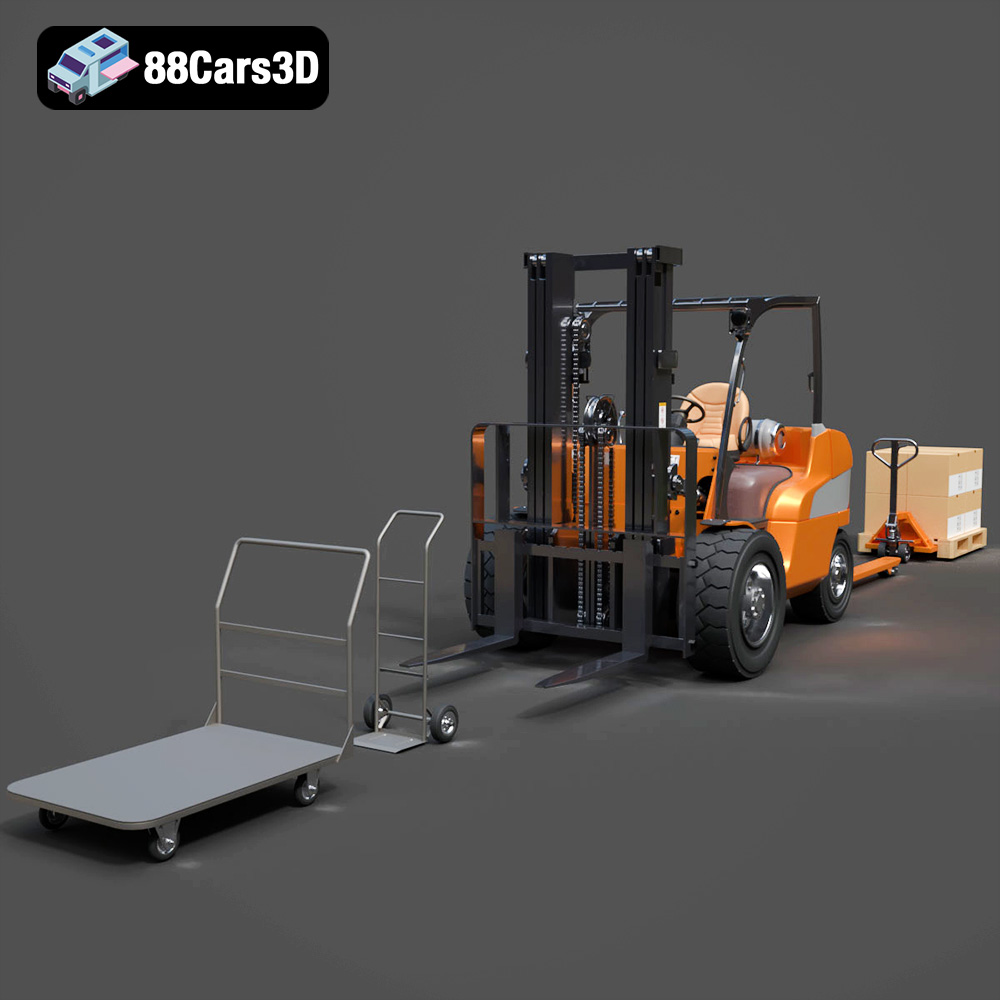
Texture: Yes | Material: Yes Download the highly detailed CAT Manual Loader & Warehouse Carts Kit 3D Model (2.4M Triangles). Features a macro-detailed hydraulic pallet jack, heavy-duty forks, and transport carts. Perfect for industrial ArchViz, factory rendering, and logistics simulations. Includes .blend, .fbx, .obj, .glb, .stl, and .max formats.
Price: $19.99
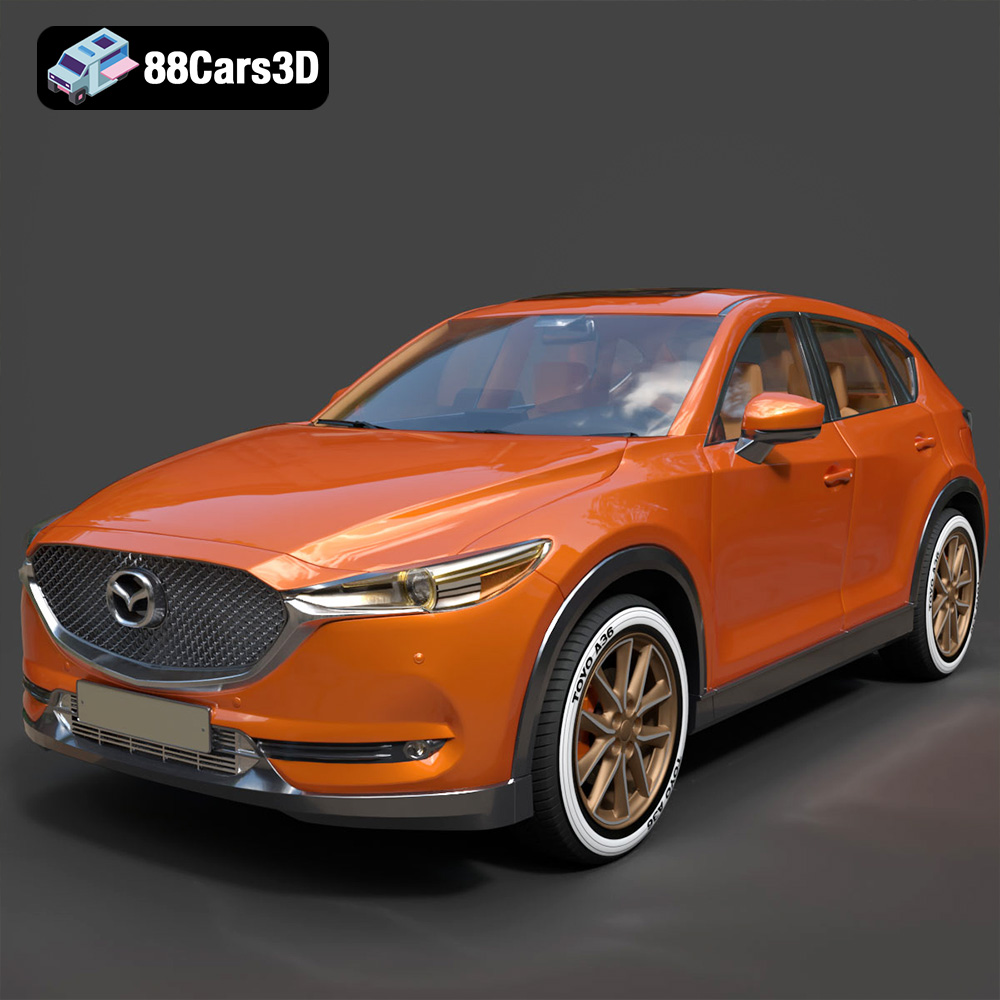
Texture: Yes | Material: Yes
Download the highly optimized Mazda CX-5 2014 3D Model (294k Triangles). Features the dynamic Kodo design language, signature grille, and a clean interior. Perfectly balanced for ArchViz, background traffic, and game development. Includes .blend, .fbx, .obj, .glb, .stl, and .max formats.
Price: $19.99
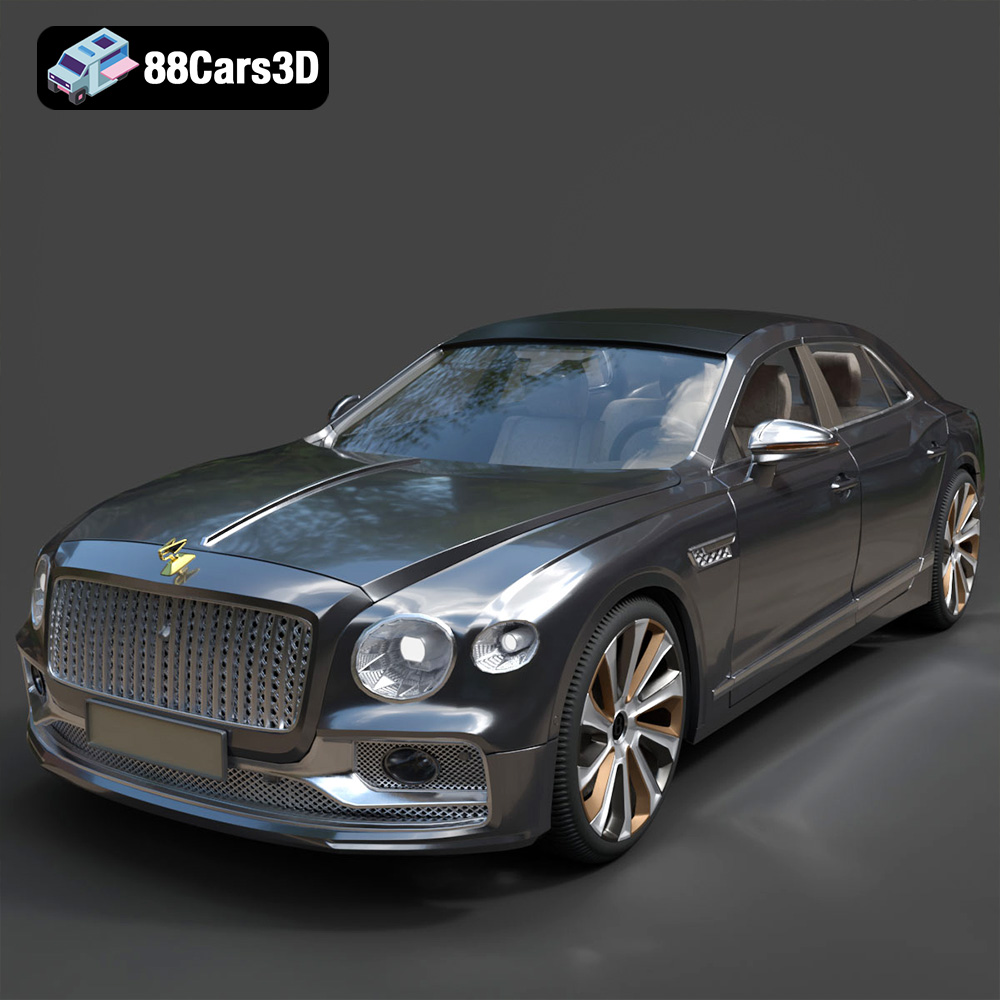
Texture: Yes | Material: Yes Download the ultra-high-detail Bentley Flying Spur Mulliner 2022 3D Model (2.94M Triangles). Features the bespoke Double Diamond grille, a fully modeled diamond-quilted interior, and exquisite luxury styling. Perfect for high-end ArchViz, VFX, and cinematic rendering. Includes .blend, .fbx, .obj, .glb, .stl, and .max formats.
Price: $19.90
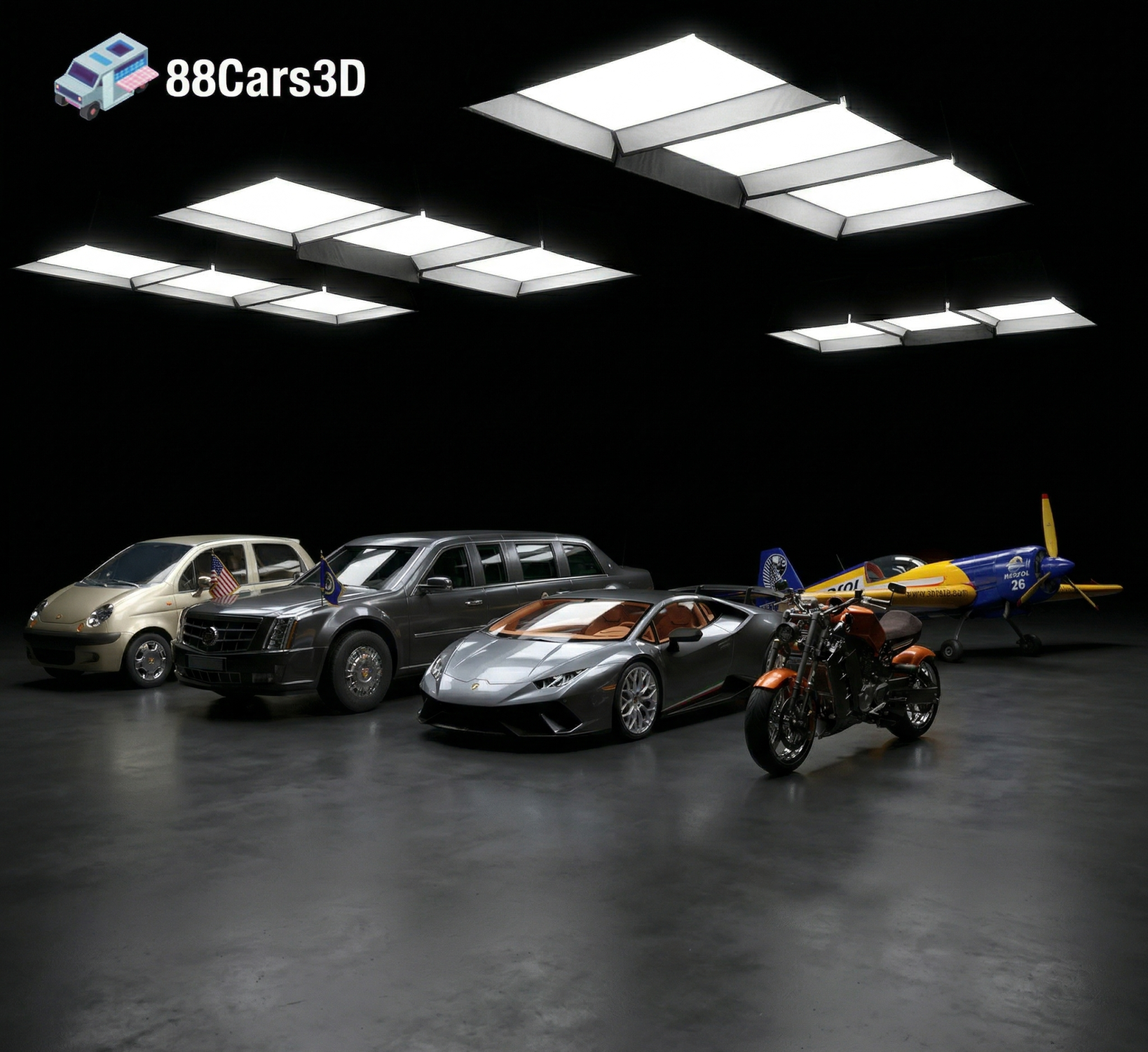
Texture: Yes | Material: Yes | 3D Printable: Yes. Download the Ultimate Creators’ Showcase featuring 5 premium 3D models: Lamborghini Huracan, ZAV Concept Motorcycle, Sukhoi SU-26, Presidential Limousine, and Daewoo Damas. Optimized for 4K CGI rendering and 3D printing. Save massive with this exclusive multi-category bundle!
Price: $99.99

Texture: Yes | Material: Yes | 3D Printable: Yes. Download the Italian Thoroughbreds Bundle featuring 5 iconic 3D models: Lamborghini Huracán Performante, Ferrari 458 Italia, Lamborghini Urus, Diablo SV, and Maserati GT. Optimized for 4K rendering and 3D printing (STL included). Save 50% with this ultimate Italian vehicle collection.
Price: $199.99

Download the Elite Future Mobility Bundle featuring 4 highly optimized 3D models: Tesla Model S, Avatr 11, Li L9, and Zoox Robotaxi. Perfect for ArchViz, Smart City renders, and game dev. Optimized for Unreal Engine and Blender. Includes .fbx, .obj, and .max formats.
Price: $99

🚗 5 Iconic German Cars (BMW M4 G82, M5 CS, X3, 1 Series & Mercedes E-Class). ✅ Optimized for ArchViz: Ready for Corona & V-Ray. 💰 Save €71 with this limited-time collection! 🚀 Instant Download after purchase.
Price: $119

Download the Extreme Off-Road & Survival 3D Models Bundle! Includes the Brabus 800 Adventure, Dodge Ram Bigfoot, Spec Truck, and a Caravan. Save over €210 on this premium 4-in-1 off-grid vehicle pack for ArchViz and game development.
Price: $149.99

Download the Heavy Duty & Commercial Logistics 3D Models Bundle! Includes the Ford Sterling, Caterpillar CT680, Mercedes Citaro Bus, and Vito Van. Save over €130 on this massive, game-ready 4-in-1 industrial vehicle pack.
Price: $109.99

Download the Ultimate Custom Motorcycles 3D Models Bundle. Includes a Custom Chopper, Ducati 916 Café Fighter, Harley XR1200X, and BMW K100. Perfect premium props for luxury ArchViz garages. Save over €250 today!
Price: $159.99

