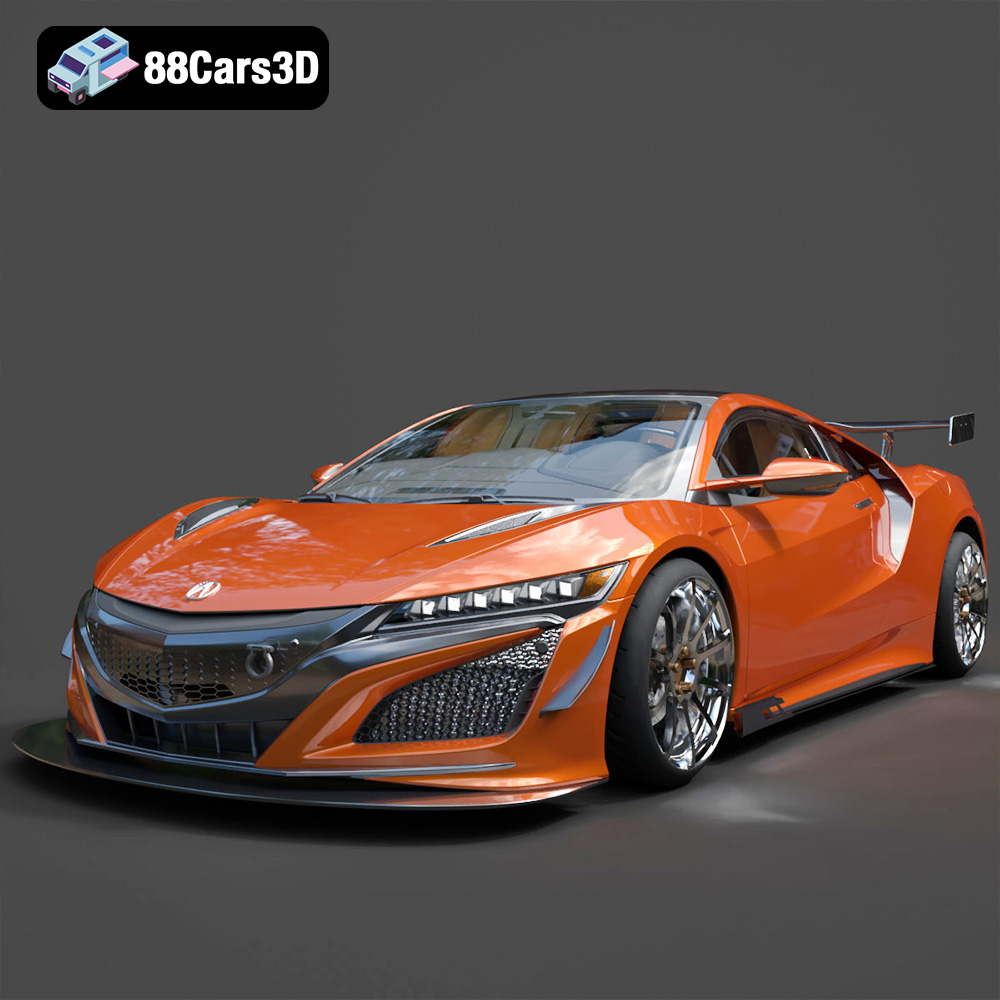
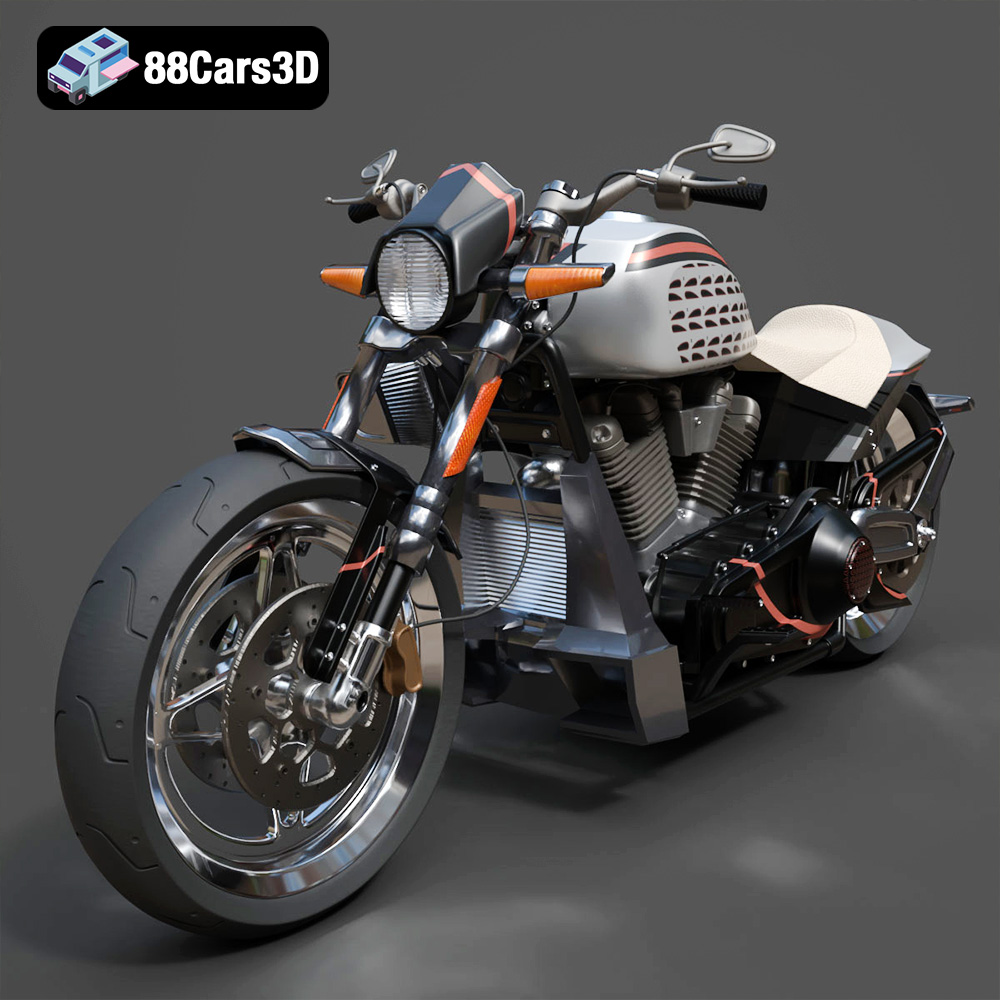
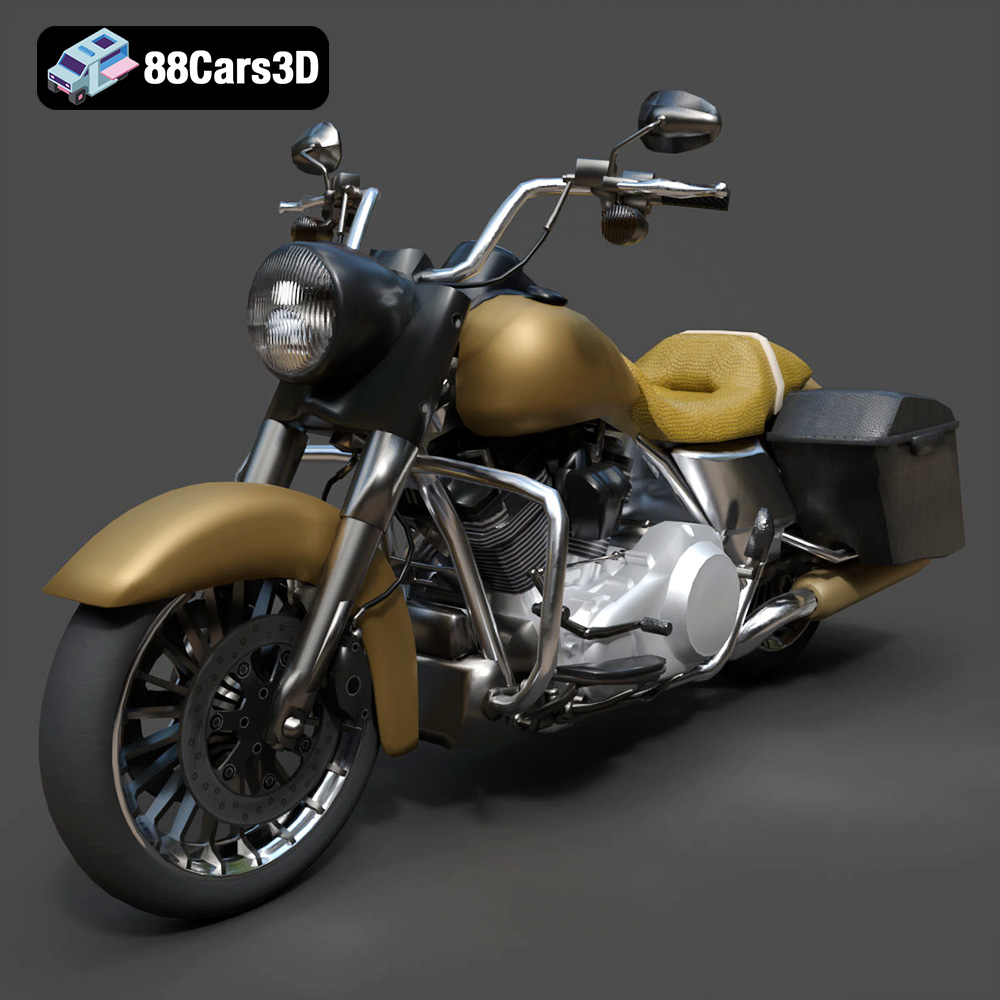
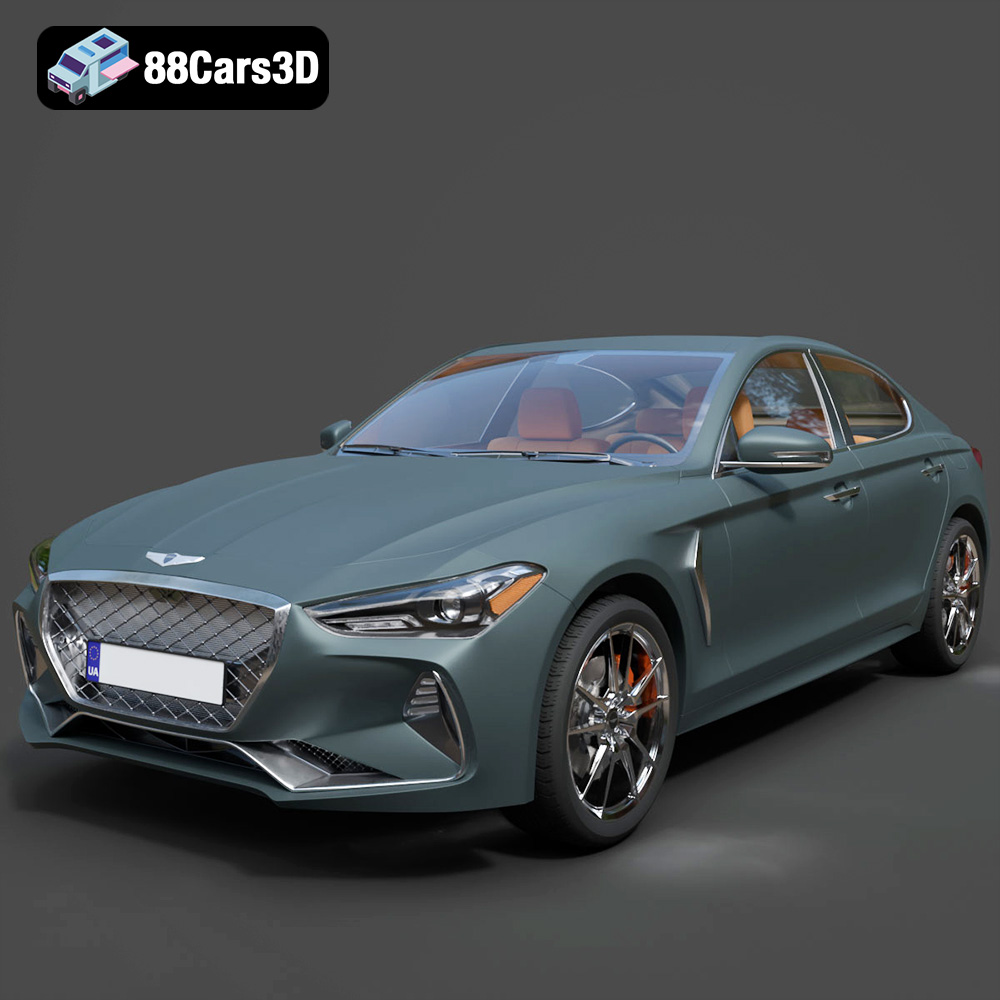
Get 50% OFF All Premium 3D & STL Models!

“`html
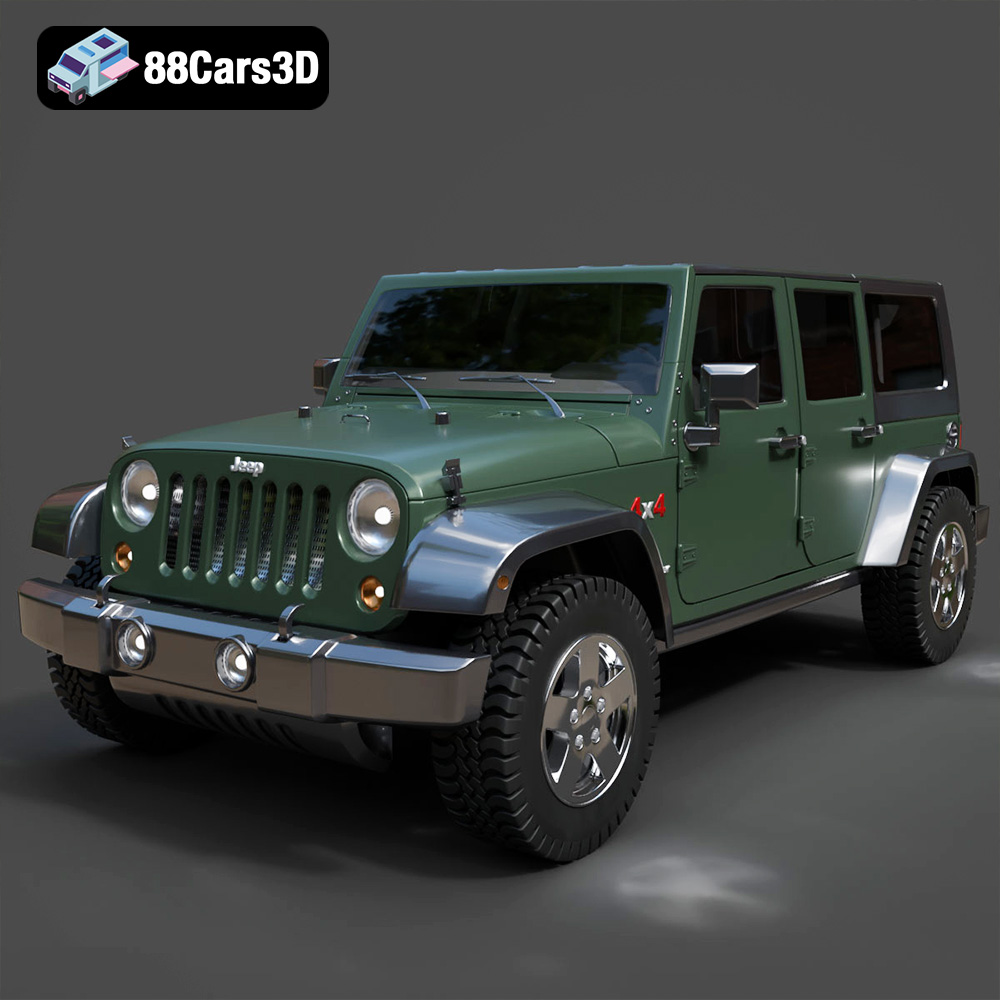
The world of 3D modeling has revolutionized how we visualize, design, and interact with automobiles. From stunning automotive renderings that grace magazine covers to immersive game assets that power virtual worlds, high-quality 3D car models are essential. This comprehensive guide will delve into the intricacies of using 3D car models, covering everything from file formats and optimization techniques to real-world applications in rendering, game development, and beyond. Whether you’re a seasoned professional or just starting your journey into the world of 3D, this article will provide valuable insights and practical knowledge to elevate your projects.
Choosing the right file format is crucial for ensuring compatibility, performance, and visual fidelity in your 3D car model projects. Each format has its strengths and weaknesses, making it essential to understand their characteristics before making a decision. Here’s a detailed breakdown of common 3D model file formats:
.blend is the native file format for Blender, a powerful and free open-source 3D creation suite. This format stores all aspects of a Blender scene, including geometry, textures, materials, animations, and modifiers. Its strength lies in its comprehensive support for Blender’s features, making it ideal for projects primarily developed and maintained within the Blender ecosystem. If you’re working solely in Blender, using .blend offers maximum flexibility for editing and refining your 3D car models. However, transferring assets to other software packages may require exporting to a more universal format like .fbx or .obj.
.fbx (Filmbox) is a proprietary format developed by Autodesk and widely used for transferring 3D data between different software applications, especially in game development. It’s particularly well-suited for real-time pipelines using engines like Unreal Engine and Unity. .fbx supports geometry, textures, materials, animations, and even skeletal data, making it a versatile choice for complex 3D car models. One of its key advantages is its ability to retain animation data and complex material setups during the import process. For game developers and those creating interactive experiences, .fbx is often the preferred format.
.obj (Wavefront Object) is a simple and widely supported format that primarily stores geometric data – vertices, faces, and texture coordinates. It’s a popular choice for transferring models between different software packages due to its excellent compatibility. However, .obj has limitations; it doesn’t natively support animations or complex material setups. Materials are typically stored in a separate .mtl file associated with the .obj file. Despite its limitations, .obj remains a valuable option when interoperability is paramount, especially when dealing with older software or when only the basic geometry of the 3D car model is needed.
.glb is a binary file format that represents 3D models using the glTF (GL Transmission Format) standard. It’s designed for efficient transmission and loading of 3D assets, making it ideal for Augmented Reality (AR), Virtual Reality (VR), and web-based applications. .glb files can contain geometry, textures, materials, and animations, all packaged into a single, compact file. Its optimized structure allows for faster loading times and reduced file sizes, crucial for delivering seamless experiences on mobile devices and web browsers. When creating 3D car models for AR/VR applications or interactive web presentations, .glb is an excellent choice.
.stl (Stereolithography) is a file format primarily used for 3D printing. It represents the surface geometry of a 3D object as a collection of triangles. .stl files do not contain any color, texture, or material information; they only describe the shape of the object. This simplicity makes it suitable for 3D printing, where the focus is on accurately reproducing the geometry. When preparing a 3D car model for 3D printing, .stl is the go-to format. Ensure the model is manifold (watertight) and has sufficient detail to capture the desired features.
.ply (Polygon File Format) is a format designed to store 3D data from various sources, including 3D scanners. It can store not only geometry but also color, normals, and other properties associated with each vertex. .ply is often used in CAD (Computer-Aided Design) and analysis applications where precise measurements and detailed surface information are essential. While less common than other formats for general 3D modeling, .ply can be useful when working with scanned data or when exporting data for specific engineering analysis purposes. It supports both ASCII and binary encodings.
While not a traditional file format in the same sense as the others, “.unreal” represents an asset package specifically designed for Unreal Engine. This package can contain a variety of assets, including 3D models, textures, materials, and animations, all optimized for the Unreal Engine environment. Importing 3D car models into Unreal Engine often involves using .fbx as an intermediary format, but the final result is an .unreal asset package that’s ready to be used within the engine. Proper use of materials and blueprint scripting within unreal is required to leverage the engine-ready asset.
.max is the native file format for 3ds Max, a professional 3D modeling, animation, and rendering software. Similar to .blend for Blender, .max files store all aspects of a 3ds Max scene, including geometry, textures, materials, animations, lighting, and rendering settings. It’s the ideal format for projects primarily developed and maintained within 3ds Max. If you require full control over all aspects of the scene and plan to use 3ds Max’s advanced rendering capabilities, using .max ensures maximum flexibility. Exporting to other formats may be necessary for compatibility with other software.
Optimization is a critical step in ensuring your 3D car models perform well across different platforms and applications. A highly detailed model that looks fantastic in a high-end rendering environment may be completely unusable in a mobile game due to performance constraints. Here’s how to optimize your models for various use cases:
The number of polygons (faces) in a 3D model directly impacts its performance. High polygon counts can lead to slow rendering times, lag in game engines, and increased file sizes. Techniques for reducing polygon count include:
For game assets, aim for lower polygon counts (e.g., 50,000 polygons or less for a car model), while for high-resolution renderings, you can afford to have higher polygon counts (e.g., 500,000 or more), depending on your hardware.
UV unwrapping is the process of unfolding a 3D model’s surface onto a 2D plane, allowing you to apply textures correctly. Proper UV unwrapping is crucial for achieving realistic and visually appealing results. Texture optimization involves:
Efficient UV layouts and optimized textures can significantly improve performance and reduce memory usage.
Automotive rendering is the art of creating photorealistic images or animations of cars using 3D models. It’s widely used in advertising, marketing, and design visualization. Achieving stunning results requires careful attention to detail in modeling, texturing, lighting, and rendering.
Materials define how light interacts with the surface of a 3D model. Creating realistic automotive materials involves using physically based rendering (PBR) principles and carefully adjusting parameters such as:
Experimenting with different material settings is crucial for achieving the desired look and feel.
Lighting plays a crucial role in automotive rendering. Use High Dynamic Range (HDR) environment maps to create realistic reflections and ambient lighting. Key considerations include:
Proper lighting can bring out the details in your 3D car model and create a sense of realism.
3D car models are essential assets in many video games, from racing games to open-world adventures. Integrating these models into game engines like Unreal Engine and Unity requires optimization and careful attention to detail.
Unreal Engine is a powerful game engine known for its high-fidelity graphics and robust features. To import a 3D car model into Unreal Engine, you typically use the .fbx format. Once imported, you’ll need to:
Optimizing the model for performance is crucial, especially in complex game environments.
Realistic vehicle physics and handling are essential for creating an immersive driving experience. Unreal Engine provides tools and features for simulating vehicle dynamics, including:
Fine-tuning these parameters can create a compelling and realistic driving experience.
Augmented Reality (AR) and Virtual Reality (VR) are rapidly growing fields with numerous applications for 3D car models, including interactive showrooms, virtual test drives, and design visualization.
AR and VR applications often run on mobile devices, which have limited processing power compared to desktop computers. Optimizing 3D car models for mobile AR/VR involves:
Careful optimization is crucial for achieving smooth and responsive AR/VR experiences.
AR and VR offer unique opportunities for creating interactive experiences with 3D car models. Possibilities include:
These interactive experiences can provide a more engaging and informative way to learn about and experience cars.
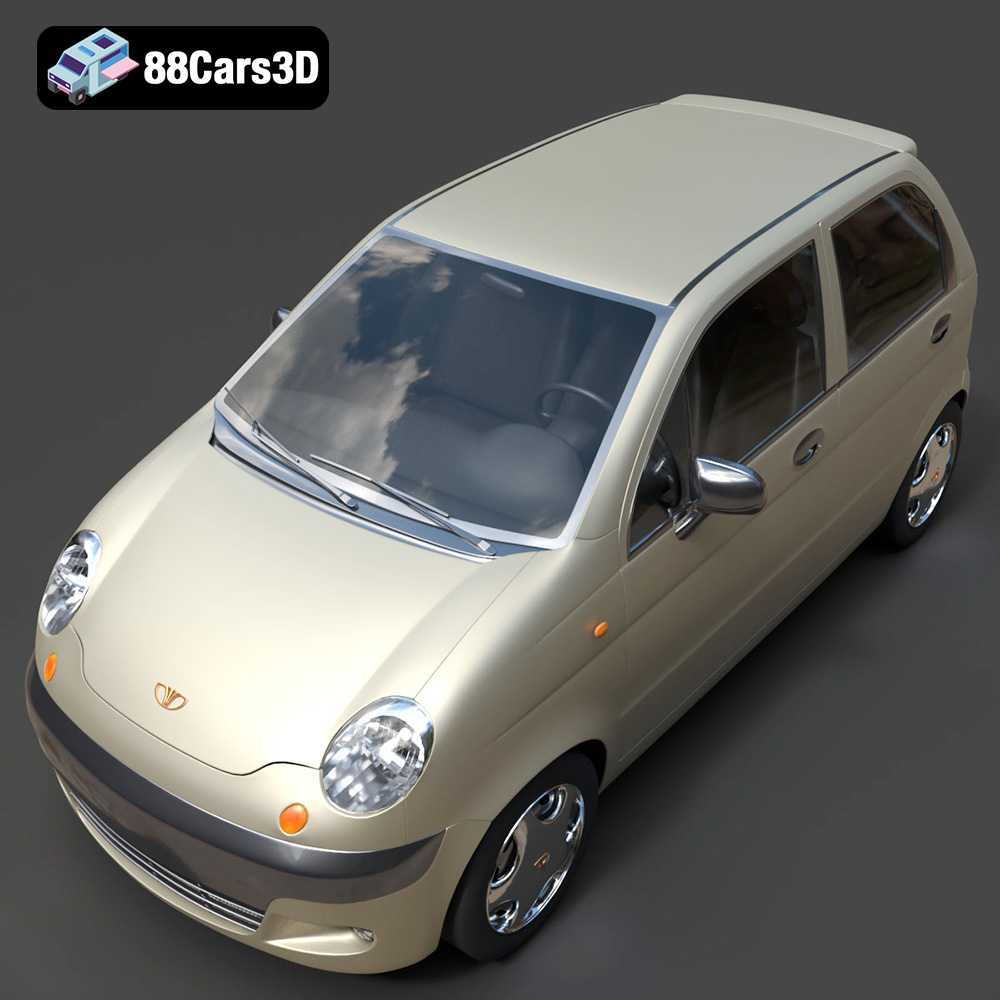
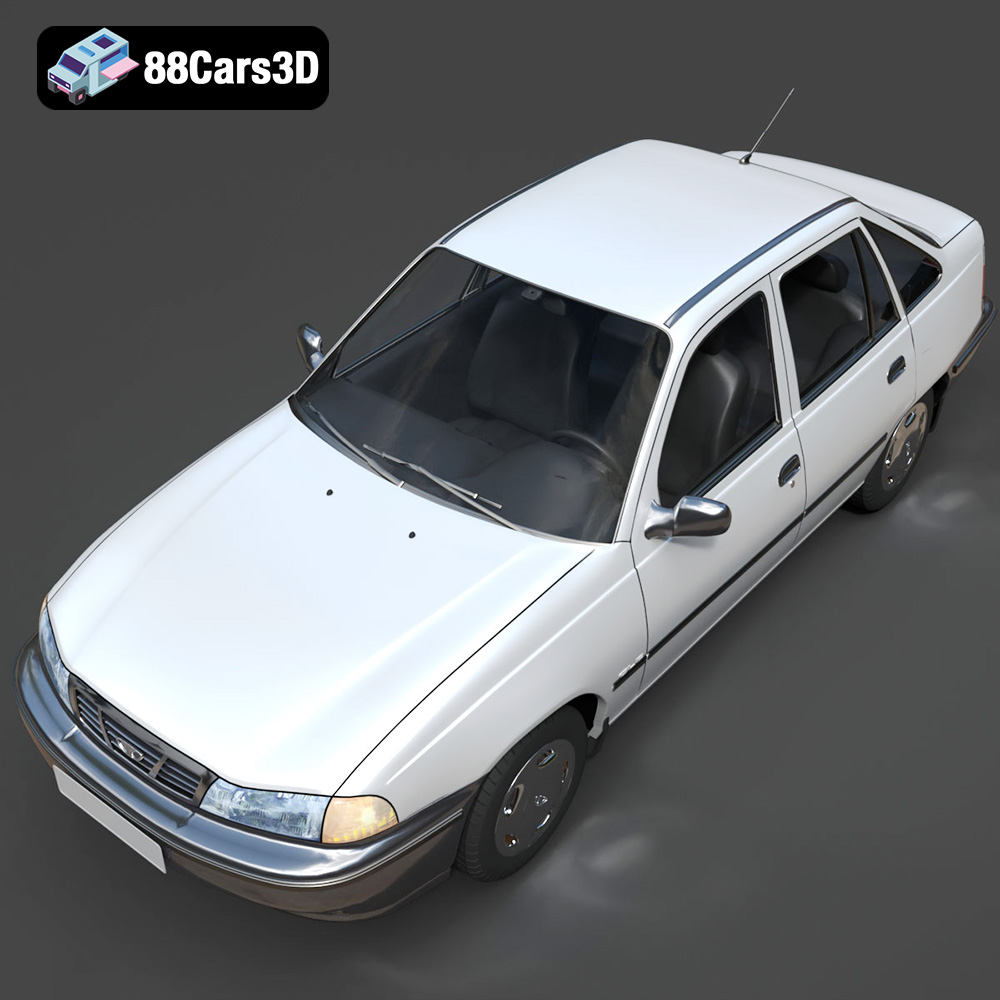
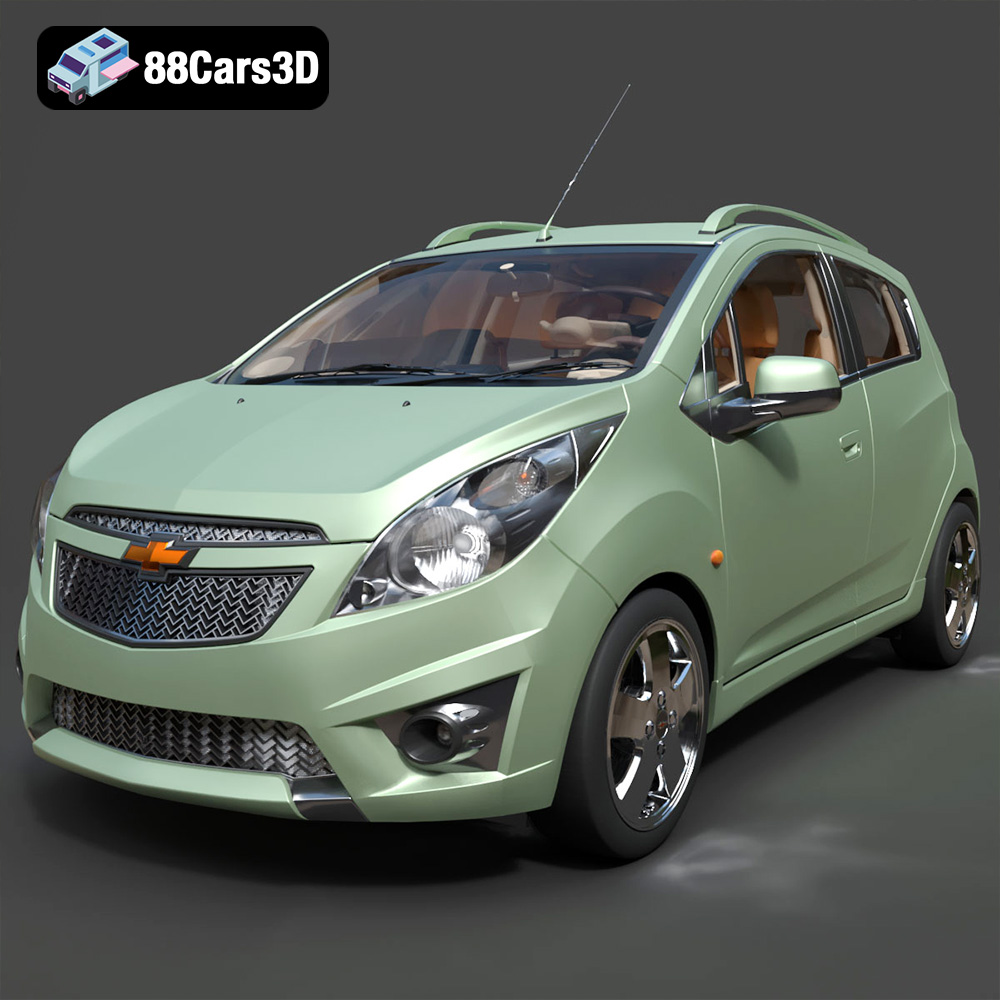
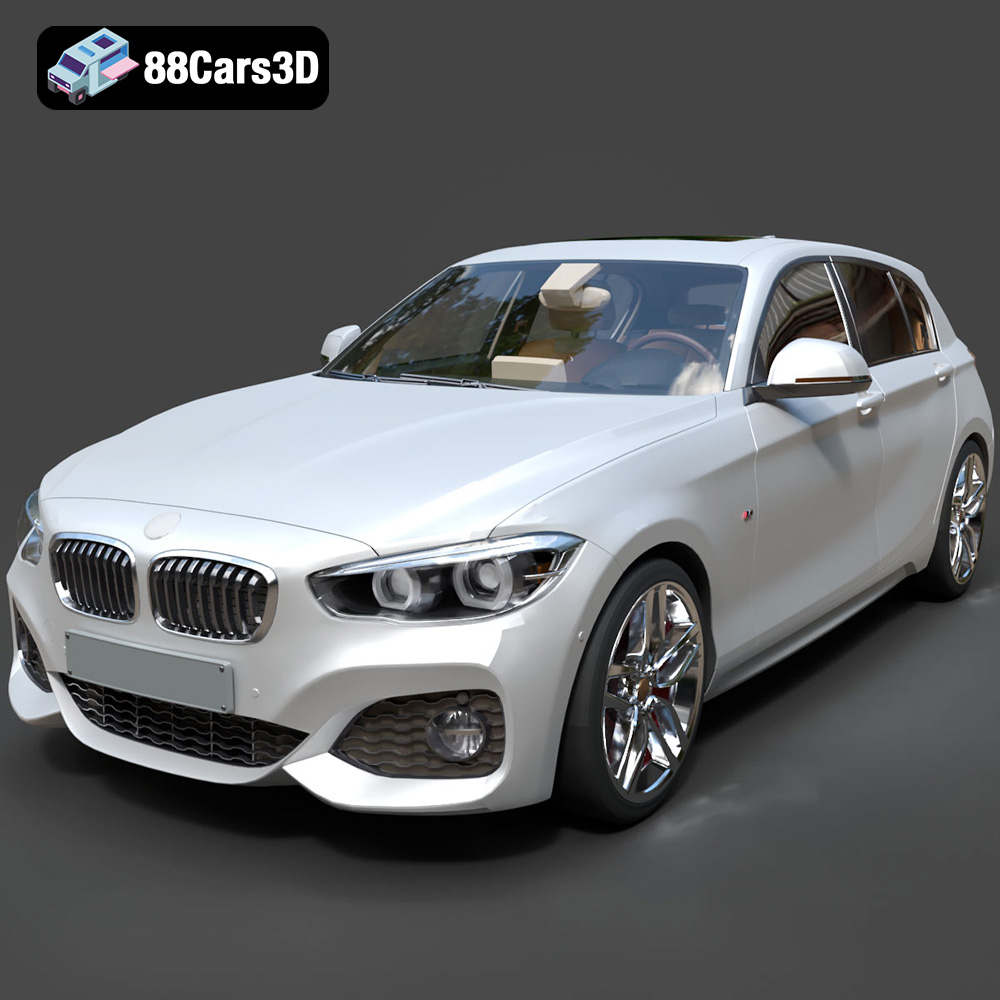
Finding high-quality 3D car models can be a challenge. 88cars3d.com offers a wide selection of meticulously crafted 3D car models suitable for a variety of applications, from automotive rendering to game development. Our models are optimized for performance and visual fidelity, ensuring that you get the best possible results. Whether you’re looking for a classic vintage car or the latest sports car, you’ll find it at 88cars3d.com. Stop by today and browse our collection!
To illustrate the versatility of 3D car models, let’s look at some real-world case studies:
A major automotive manufacturer used 3D car models to create photorealistic images and animations for their latest advertising campaign. By using 3D models, they were able to create stunning visuals without the need for expensive and time-consuming physical photography. The 3D models were also used to create interactive configurators on the company’s website, allowing customers to customize their dream car.
An independent game developer used 3D car models from 88cars3d.com to create a realistic racing game. The models were carefully optimized for performance, ensuring smooth gameplay on a variety of devices. The game features realistic vehicle physics and handling, providing players with an immersive and engaging racing experience.
A car dealership used 3D car models to create an AR application that allowed customers to view cars in their own driveways before visiting the dealership. This innovative application helped to increase customer engagement and drive sales. The 3D models were optimized for mobile AR, ensuring a smooth and responsive experience.
3D car models are powerful tools for visualization, design, and interaction. By understanding the different file formats, optimization techniques, and application workflows, you can unlock the full potential of these models. Whether you’re creating stunning automotive renderings, developing immersive games, or building innovative AR/VR experiences, 3D car models can help you achieve your goals. Remember to consider the specific requirements of your project and choose the right tools and techniques accordingly. With the right approach, you can create compelling and engaging experiences that captivate your audience. And don’t forget to check out 88cars3d.com for a wide selection of high-quality 3D car models to fuel your creativity.
“`

Price: $129.99

Price: $99.99

Price: $89.99