Get 50% OFF All Premium 3D & STL Models!

“`html
The world of 3D printing has revolutionized countless hobbies, and automotive model collecting is no exception. The ability to download and print detailed car models in the comfort of your own home opens up a universe of possibilities, from replicating classic cars to creating custom designs. But navigating this exciting landscape requires a solid understanding of STL files, 3D printer settings, and post-processing techniques. This guide will walk you through everything you need to know to successfully 3D print stunning car models, covering file preparation, slicing parameters, material selection, and more. Whether you’re a seasoned 3D printing enthusiast or a curious beginner, this deep dive will equip you with the knowledge to bring your dream car collection to life.
The STL (stereolithography) file format is the bedrock of 3D printing. It represents the surface geometry of a 3D object using a mesh of triangles. Understanding the structure of an STL file and its implications for print quality is crucial for achieving optimal results, especially when printing complex shapes like cars.
The finer the mesh, the smoother the surface of the printed object will be. However, a higher resolution STL file also means a larger file size and increased processing time during slicing. Finding the right balance is key. For car models, areas like curved surfaces (hoods, fenders) benefit from higher resolution, while simpler, flatter surfaces can tolerate a lower resolution. When downloading models from marketplaces such as 88cars3d.com, check the file details to understand the mesh density. If you need to adjust the resolution, software like Meshmixer or Blender allows you to remesh the model.
A “manifold” mesh is a closed, watertight surface. Non-manifold geometry (e.g., holes, self-intersections, inverted normals) can cause slicing errors and lead to print failures. Before printing any STL file, it’s essential to check for and repair any errors. Software like Netfabb or Meshmixer can automatically detect and fix most common mesh problems. Look for options like “Make Manifold” or “Repair STL” within these programs. A common issue with car models is internal geometry that isn’t connected correctly. These need to be addressed before slicing to ensure a successful print.
Slicing is the process of converting a 3D model into a series of 2D layers that your 3D printer can understand. The slicer software translates the STL file into G-code, the language that controls the printer’s movements and settings. Selecting the right slicing parameters is critical for achieving the desired level of detail, strength, and surface finish in your printed car models.
Layer height directly impacts the vertical resolution of your print. Lower layer heights (e.g., 0.1mm or 0.05mm) result in smoother surfaces and finer details, but they also significantly increase print time. Higher layer heights (e.g., 0.2mm or 0.3mm) are faster but produce more visible layer lines. For car models, a layer height between 0.1mm and 0.15mm is a good starting point for balancing detail and print speed. Experiment with different layer heights to find the sweet spot for your specific printer and model.
Infill refers to the internal structure of the 3D printed object. It determines the strength, weight, and print time. Different infill patterns (e.g., grid, honeycomb, gyroid) offer varying levels of strength and material usage. For car models, consider using a gyroid infill pattern for its isotropic strength (equal strength in all directions). The infill density (expressed as a percentage) controls how much material is used inside the model. A higher infill density (e.g., 20-30%) provides greater strength and rigidity, while a lower density (e.g., 10-15%) reduces weight and print time. For models intended for display, a lower infill is typically sufficient. If you plan on assembling and handling the car model frequently, a higher infill will make it more durable.
Support structures are temporary scaffolding that helps to print overhanging features and bridges in your 3D model. They are essential for printing complex geometries, but they also need to be removed carefully after printing to avoid damaging the model. Efficient support generation and removal are crucial skills for any 3D printing enthusiast.
Most slicer software offers automatic support generation, which analyzes the model and automatically adds supports where needed. However, automatic supports can sometimes be inefficient or difficult to remove. Manual support generation allows you to precisely control the placement and type of supports, optimizing for both print quality and ease of removal. Software like Meshmixer excels at manual support creation. For car models, pay close attention to areas like wheel arches, spoilers, and mirrors, as these often require supports.
The material used for supports can significantly impact their removability. Some materials are designed to be easily breakable or even soluble in water. Using a different material for the support interface layer (the layer directly touching the model) can also improve surface finish and reduce scarring. For example, you can use a lower-density material for the interface layer to make it easier to peel off. With dual-extrusion printers, you can use a dedicated support material like HIPS (High Impact Polystyrene) which can be dissolved in Limonene.
The material you choose for your 3D printed car model will impact its appearance, strength, and durability. Different materials offer different properties, and the best choice depends on your specific needs and the intended use of the model.
PLA (Polylactic Acid) is a biodegradable thermoplastic that is easy to print and produces good surface finish. It’s a great choice for beginners and for models that are primarily for display. However, PLA is not very heat-resistant and can become brittle over time. PETG (Polyethylene Terephthalate Glycol) is a stronger and more heat-resistant alternative to PLA. It’s also more flexible and less prone to warping. ABS (Acrylonitrile Butadiene Styrene) is a durable and heat-resistant plastic that is commonly used in automotive parts. However, ABS is more difficult to print than PLA and PETG and requires a heated bed and enclosure to prevent warping. For car models intended for outdoor use or high-temperature environments, ABS is a better choice, but for most hobbyist projects, PETG offers a good balance of properties. A table summarizing the materials and their use cases would be as follows:
| Material | Pros | Cons | Ideal Use |
|---|---|---|---|
| PLA | Easy to print, good surface finish, biodegradable | Low heat resistance, brittle | Display models, beginner projects |
| PETG | Strong, heat-resistant, flexible, less warping | Slightly more difficult to print than PLA | General-purpose models, functional parts |
| ABS | Durable, heat-resistant | Difficult to print, requires heated bed and enclosure | Outdoor use, high-temperature environments |
Resin printing (stereolithography or digital light processing) uses liquid resin that is cured by UV light. Resin printing offers much higher resolution and finer details than FDM printing, making it ideal for intricate car models. SLA printers use a laser to cure the resin, while DLP printers use a projector. Different types of resin are available, each with its own properties. Standard resin is suitable for most models, while tough resin is more durable and impact-resistant. Flexible resin can be used for tires or other parts that need to bend. When working with resin, always wear gloves and eye protection, and ensure adequate ventilation.
Post-processing is the finishing touch that transforms a 3D printed car model from a rough prototype into a polished masterpiece. It involves sanding, painting, and assembling the printed parts to create a realistic and visually appealing model. Platforms like 88cars3d.com offer print-ready STL files, but the final result is still heavily dependent on your post-processing skills.
Sanding removes layer lines and imperfections from the surface of the printed model. Start with a coarse grit sandpaper (e.g., 220 grit) to remove larger imperfections, and then gradually move to finer grits (e.g., 400 grit, 600 grit, 800 grit) to create a smooth surface. Wet sanding (using sandpaper with water) can help to reduce dust and create an even smoother finish. For resin prints, sanding can also help to remove any remaining support marks.
Painting brings your car model to life. Use automotive-grade paints for a durable and realistic finish. Apply a primer coat to improve adhesion and create a uniform base for the paint. Use masking tape to create clean lines and details. Airbrushing is a great way to achieve smooth, even coats of paint, especially for complex shapes. Consider adding details like panel lines, badges, and lights to enhance the realism of the model. Decals can also be used to add logos and other markings.
Even with careful planning and preparation, 3D printing can sometimes be frustrating. Common issues like warping, stringing, and poor bed adhesion can derail your project. Understanding the causes of these problems and knowing how to fix them is essential for achieving successful prints.
Warping occurs when the corners of the print lift off the build plate. This is often caused by uneven cooling or poor bed adhesion. To prevent warping, ensure that your build plate is clean and level. Use a bed adhesion aid like glue stick or hairspray. Increase the bed temperature and reduce the printing speed. For ABS printing, an enclosure is essential to maintain a consistent temperature. If warping persists, try adding a brim or raft to the model.
Stringing occurs when the printer extrudes filament while traveling between different parts of the model. This can be caused by excessive retraction distance, high printing temperature, or slow travel speed. To reduce stringing, adjust the retraction settings in your slicer software. Lower the printing temperature and increase the travel speed. For resin printing, ensure that the resin is properly mixed and that the exposure time is correct. Excessive support material can be caused by inefficient support generation settings. Experiment with different support patterns and densities to minimize the amount of support material used.
3D printing car models is a rewarding hobby that combines technical skill with artistic creativity. By understanding the intricacies of STL files, mastering slicing parameters, and honing your post-processing techniques, you can create stunning replicas of your favorite vehicles. Remember to choose the right material for your project, troubleshoot common printing issues, and always prioritize safety. With dedication and practice, you’ll be able to build an impressive collection of 3D printed car models that you can proudly display. Start exploring the vast library of STL files available online, and embark on your 3D printing journey today. The possibilities are truly endless.
“`
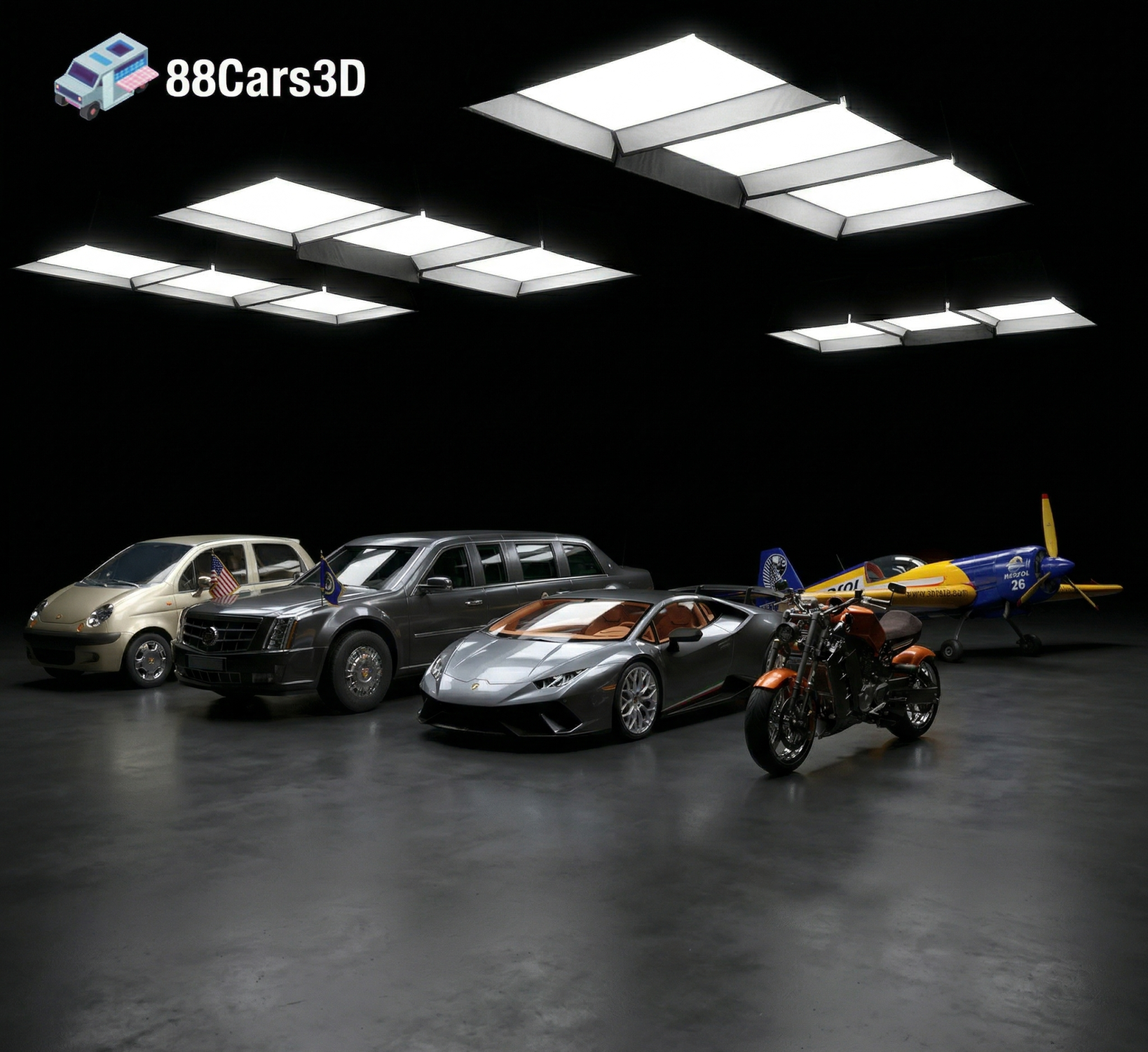
Texture: Yes | Material: Yes | 3D Printable: Yes. Download the Ultimate Creators’ Showcase featuring 5 premium 3D models: Lamborghini Huracan, ZAV Concept Motorcycle, Sukhoi SU-26, Presidential Limousine, and Daewoo Damas. Optimized for 4K CGI rendering and 3D printing. Save massive with this exclusive multi-category bundle!
Price: $99.99

Texture: Yes | Material: Yes | 3D Printable: Yes. Download the Italian Thoroughbreds Bundle featuring 5 iconic 3D models: Lamborghini Huracán Performante, Ferrari 458 Italia, Lamborghini Urus, Diablo SV, and Maserati GT. Optimized for 4K rendering and 3D printing (STL included). Save 50% with this ultimate Italian vehicle collection.
Price: $199.99

Download the Elite Future Mobility Bundle featuring 4 highly optimized 3D models: Tesla Model S, Avatr 11, Li L9, and Zoox Robotaxi. Perfect for ArchViz, Smart City renders, and game dev. Optimized for Unreal Engine and Blender. Includes .fbx, .obj, and .max formats.
Price: $99

🚗 5 Iconic German Cars (BMW M4 G82, M5 CS, X3, 1 Series & Mercedes E-Class). ✅ Optimized for ArchViz: Ready for Corona & V-Ray. 💰 Save €71 with this limited-time collection! 🚀 Instant Download after purchase.
Price: $119

Download the Extreme Off-Road & Survival 3D Models Bundle! Includes the Brabus 800 Adventure, Dodge Ram Bigfoot, Spec Truck, and a Caravan. Save over €210 on this premium 4-in-1 off-grid vehicle pack for ArchViz and game development.
Price: $149.99

Download the Heavy Duty & Commercial Logistics 3D Models Bundle! Includes the Ford Sterling, Caterpillar CT680, Mercedes Citaro Bus, and Vito Van. Save over €130 on this massive, game-ready 4-in-1 industrial vehicle pack.
Price: $109.99

Download the Ultimate Custom Motorcycles 3D Models Bundle. Includes a Custom Chopper, Ducati 916 Café Fighter, Harley XR1200X, and BMW K100. Perfect premium props for luxury ArchViz garages. Save over €250 today!
Price: $159.99

Download the ultimate JDM Street Racing 3D Models Bundle! Includes the Nissan GT-R, Toyota Supra, Mazda RX-7, Lancer Evo IX, and Honda NSX. Save big on this highly optimized, game-ready 5-in-1 Japanese legend car pack.
Price: $129.99

Download the ultimate American Muscle & Cinematic Classics 3D Models Bundle! Includes the Dodge Charger ’68, Mustang Eleanor GT500, Camaro Z28 ’79, and a custom ’69 Mustang. Save over €240 on this game-ready, premium 4-in-1 pack.
Price: $149.99
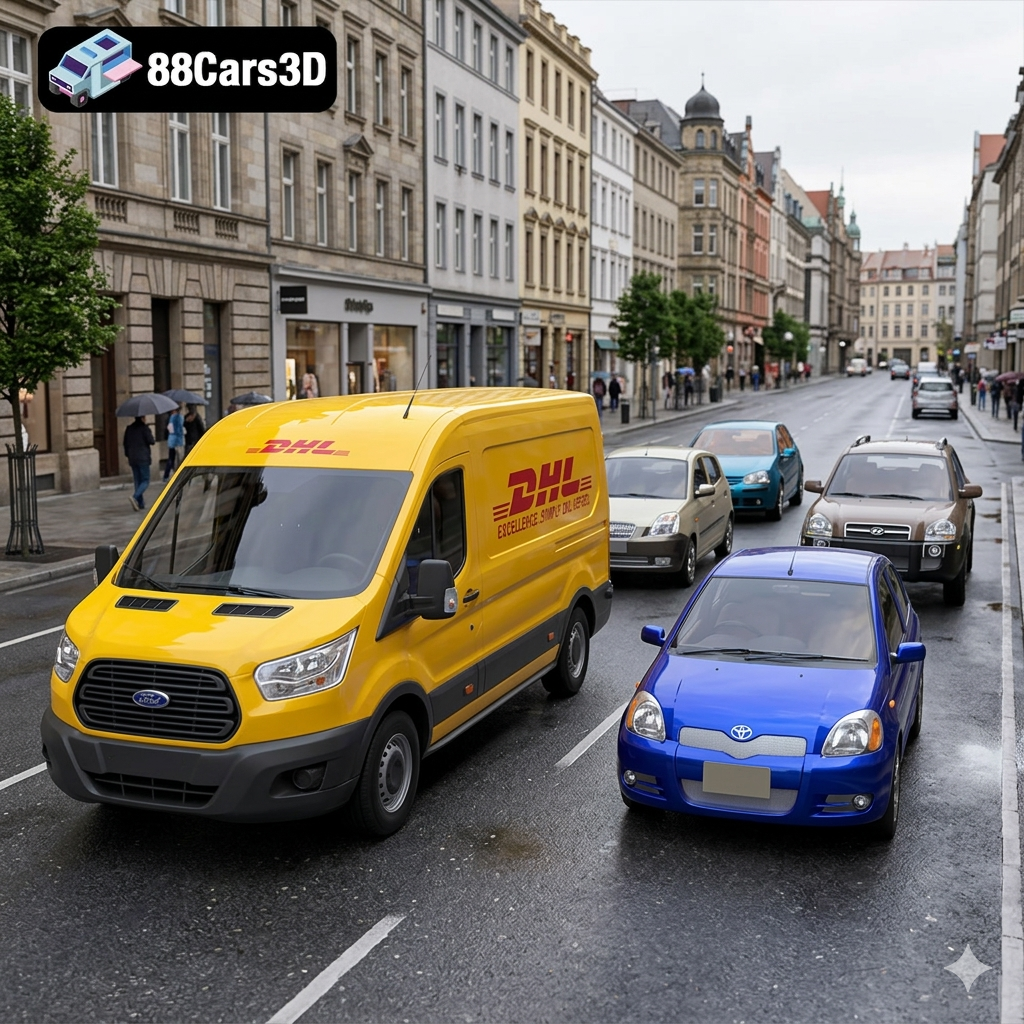
Download the Everyday City Traffic 3D Models Bundle. Includes the VW Golf, Kia Picanto, Hyundai Tucson, Toyota Yaris, and a DHL Ford Transit Van. Save big on this 5-in-1 pack, perfectly optimized for realistic ArchViz streets and game traffic.
Price: $99.99

