Get 50% OFF All Premium 3D & STL Models!

“`html
The world of 3D printing has opened up incredible possibilities for automotive enthusiasts and model makers. Creating detailed, accurate replicas of your favorite vehicles is now within reach, but the journey from a digital model to a physical object requires careful planning and execution. This guide will walk you through the process of converting vehicle models into print-ready STL files, covering everything from file formats and mesh optimization to slicing parameters and support structure generation. Whether you’re a seasoned 3D printing veteran or just starting out, this article provides the knowledge you need to create stunning 3D printed car models. You’ll learn about best practices for preparing your models, optimizing them for printing, and understanding the nuances of different 3D printing technologies. This includes detailed workflows using software like Blender, MeshMixer, Cura, and PrusaSlicer. We’ll also touch upon troubleshooting common printing issues, material selection, and post-processing techniques. Our goal is to equip you with the skills to consistently produce high-quality prints, especially when using platforms like 88cars3d.com which offer a wide array of vehicle models.
The STL (Stereolithography) file format is the workhorse of 3D printing. It represents the surface geometry of a 3D object using a collection of triangles. Understanding the structure and properties of STL files is crucial for successful printing. A well-formed STL file contains a closed, manifold mesh with consistent surface normals. Issues like open edges, self-intersections, and inverted normals can lead to printing errors. Furthermore, the density of the triangular mesh directly impacts the print quality and file size. A denser mesh captures finer details but increases processing time and resource consumption.
The level of detail in your 3D print is directly related to the number of triangles used to represent the model. More triangles mean a smoother surface, especially on curved areas. However, an excessively dense mesh can be overkill, especially if your printer’s resolution can’t capture the finest details. Finding the right balance is key. A good starting point is to aim for a triangle size that’s roughly equal to your desired layer height. For example, if you’re printing at a 0.1mm layer height, try to keep the average triangle edge length around 0.1mm. This ensures that the printer can accurately reproduce the surface features. If you are downloading models from marketplaces such as 88cars3d.com, they will usually provide high-quality models, but it is always good to double-check the resolution.
A manifold mesh is one that’s watertight – it has no holes or gaps in the surface. This is essential for 3D printing because the slicer software needs to be able to define a clear inside and outside. Common mesh errors include:
Software like MeshMixer and Netfabb can automatically detect and repair these errors. Netfabb, in particular, is known for its robust mesh repair capabilities. For example, in MeshMixer, you can use the “Inspector” tool to identify and automatically fix most common mesh errors.
Several software packages are available for converting and preparing vehicle models for 3D printing. Popular choices include Blender, Meshmixer, Netfabb, and even CAD software like SolidWorks or Fusion 360. Blender is a powerful open-source 3D modeling tool that allows you to manipulate and optimize the mesh. Meshmixer is specifically designed for preparing models for 3D printing, offering tools for mesh repair, support structure generation, and hollowing. Netfabb is a professional-grade software suite that provides advanced mesh repair, analysis, and optimization tools. The choice depends on your familiarity with 3D modeling and the complexity of the required modifications.
Blender is a versatile tool for refining your vehicle model. Here’s a basic workflow:
Remember to apply all modifiers before exporting to ensure the changes are baked into the mesh.
MeshMixer excels at preparing models for printing. Key features include:
When generating supports, pay attention to overhang angles and areas that require significant support. Experiment with different support densities to find a balance between support strength and ease of removal.
Slicing is the process of converting the STL file into a series of instructions that the 3D printer can understand. The slicer software divides the model into thin layers and generates a toolpath that dictates how the printer will deposit material. Key slicing parameters include layer height, infill density, print speed, and temperature. Optimizing these parameters is crucial for achieving the desired print quality, strength, and speed. Understanding the interplay between these settings is key to producing successful 3D prints.
Layer height is a critical parameter that affects both print quality and print time. Smaller layer heights (e.g., 0.1mm) result in smoother surfaces and finer details but increase print time. Larger layer heights (e.g., 0.2mm) print faster but may result in visible layer lines. For vehicle models, a layer height of 0.1mm to 0.15mm is generally recommended to capture the intricate details of the bodywork. Consider using adaptive layer height features in slicers like PrusaSlicer, which automatically adjust the layer height based on the curvature of the model.
Infill refers to the internal structure of the 3D print. It determines the strength and weight of the model. Higher infill densities (e.g., 50% or more) create stronger parts but consume more material and increase print time. Lower infill densities (e.g., 10-20%) are suitable for decorative models that don’t require high strength. Common infill patterns include grid, honeycomb, gyroid, and lightning. Gyroid infill offers a good balance of strength and material efficiency. For car models, consider using a higher infill density (30-40%) in areas that are prone to stress, such as the chassis and suspension components.
The choice of material depends on the intended use of the 3D printed car model. PLA (Polylactic Acid) is a biodegradable thermoplastic that’s easy to print and suitable for decorative models. PETG (Polyethylene Terephthalate Glycol) offers improved strength and temperature resistance compared to PLA. ABS (Acrylonitrile Butadiene Styrene) is a strong and durable plastic that’s commonly used in automotive applications, but it requires a heated bed and enclosure to prevent warping. Resin printing offers exceptional detail and smooth surfaces but requires careful post-processing. Printer settings such as nozzle temperature, bed temperature, and print speed should be adjusted based on the chosen material.
FDM (Fused Deposition Modeling) and resin printing are the two main 3D printing technologies. FDM printers melt and extrude thermoplastic filament, while resin printers use UV light to cure liquid resin. FDM is generally more affordable and versatile, while resin printing offers superior detail and surface finish. For car models, resin printing is often preferred for its ability to capture fine details such as panel lines and intricate trim. However, FDM can be a viable option for larger models or when strength is a primary concern.
Each material has its own optimal printing settings. Here’s a general guideline:
Experiment with different settings to find what works best for your printer and material. Bed adhesion is particularly important, especially for larger prints. Use a brim or raft to improve adhesion and prevent warping.
Support structures are temporary scaffolding that’s printed to support overhanging features and prevent them from collapsing during printing. The type of support structure and the method of removal can significantly impact the final print quality. Common support types include linear supports, tree supports, and dissolvable supports. The best support structure depends on the geometry of the model and the material being used. Careful planning and execution of support removal are essential to avoid damaging the printed part. The models available on platforms like 88cars3d.com are often pre-configured with optimized support structures, but understanding these principles is still vital.
Different support structures are better suited for different geometries:
When generating supports, consider the angle of the overhangs and the required support density. Use support blockers to prevent supports from being generated in areas where they are not needed.
Removing supports can be a delicate process. Here are some tips:
For resin prints, soaking the part in warm water can soften the supports and make them easier to remove. Dissolvable supports are the easiest to remove, simply dissolving away, but require a dual-extrusion FDM printer.
Post-processing refers to the steps taken after printing to improve the appearance and functionality of the 3D printed car model. Common post-processing techniques include sanding, priming, painting, and assembly. Sanding removes layer lines and imperfections, creating a smooth surface for painting. Priming provides a uniform base for paint to adhere to. Painting adds color and detail to the model, bringing it to life. Assembly involves joining multiple parts together to create a complete model. Proper post-processing can transform a rough 3D print into a professional-looking masterpiece.
Sanding is essential for removing layer lines and achieving a smooth surface. Start with a coarse grit sandpaper (e.g., 220 grit) and gradually move to finer grits (e.g., 400, 600, 800 grit). Wet sanding can help to reduce dust and improve the surface finish. After sanding, apply a primer to create a uniform base for painting. Choose a primer that is compatible with the material you are printing with. Apply several thin coats of primer, allowing each coat to dry completely before applying the next.
Painting is where you can really bring your 3D printed car model to life. Use high-quality acrylic paints designed for model making. Apply thin, even coats to avoid runs and drips. Mask off areas that you don’t want to paint using masking tape. Add details such as panel lines, trim, and emblems using fine-tipped brushes or paint markers. Consider using an airbrush for a professional-looking finish. A clear coat can protect the paint and add a glossy or matte finish.
Converting vehicle models into printable STL files is a rewarding process that combines technical skill with artistic expression. By understanding the fundamentals of STL files, slicing parameters, material selection, and post-processing techniques, you can consistently produce high-quality 3D printed car models. Remember to experiment with different settings and techniques to find what works best for your printer and materials. Platforms like 88cars3d.com offer a wealth of pre-designed models to get you started, but mastering the process of preparing and optimizing STL files will allow you to create truly unique and personalized projects. So, dive in, experiment, and enjoy the journey of bringing your favorite vehicles to life in 3D!
“`
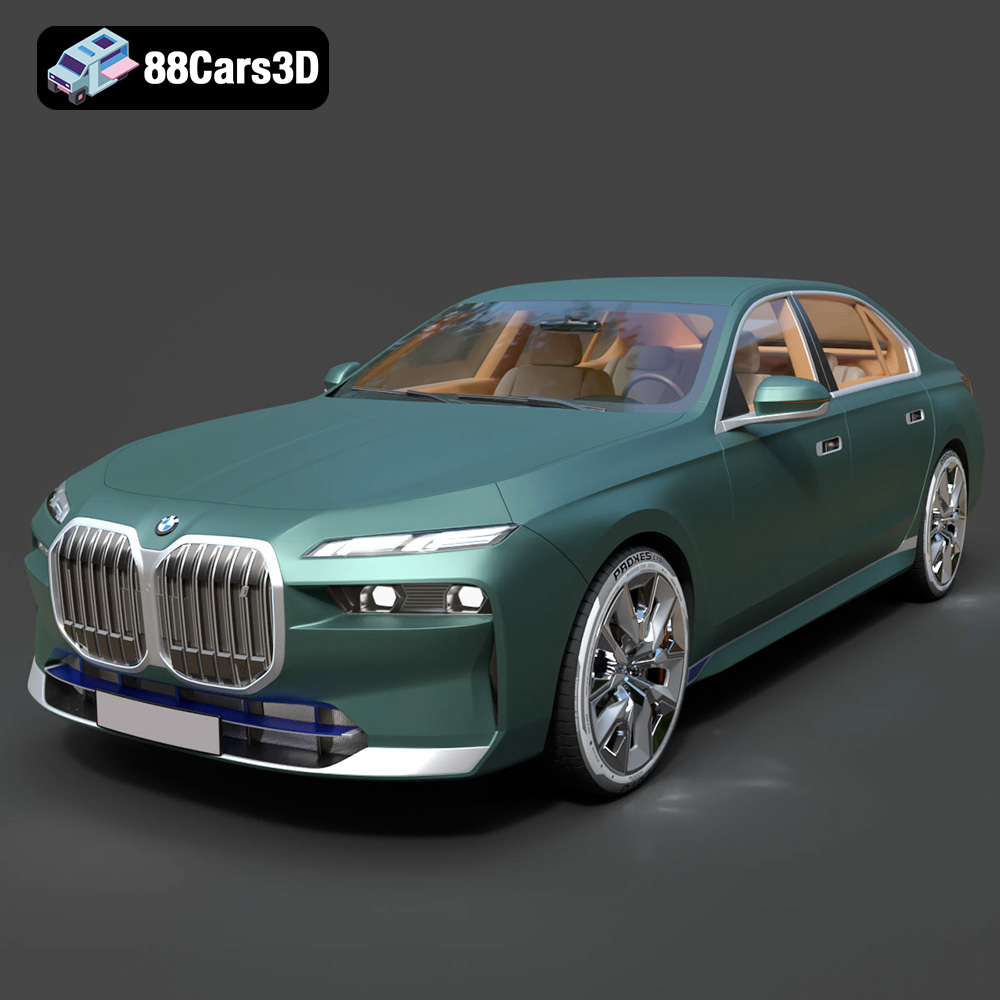
Texture: Yes | Material: Yes Download the ultra-high-detail BMW i7 (2023) 3D Model (4.14M Triangles). Features the illuminated kidney grille, split crystal headlights, fully modeled Theatre Screen interior, and monolithic luxury styling. Perfect for ArchViz, VFX, and cinematic rendering. Includes .blend, .fbx, .obj, .glb, .stl, and .max formats.
Price: $19.99
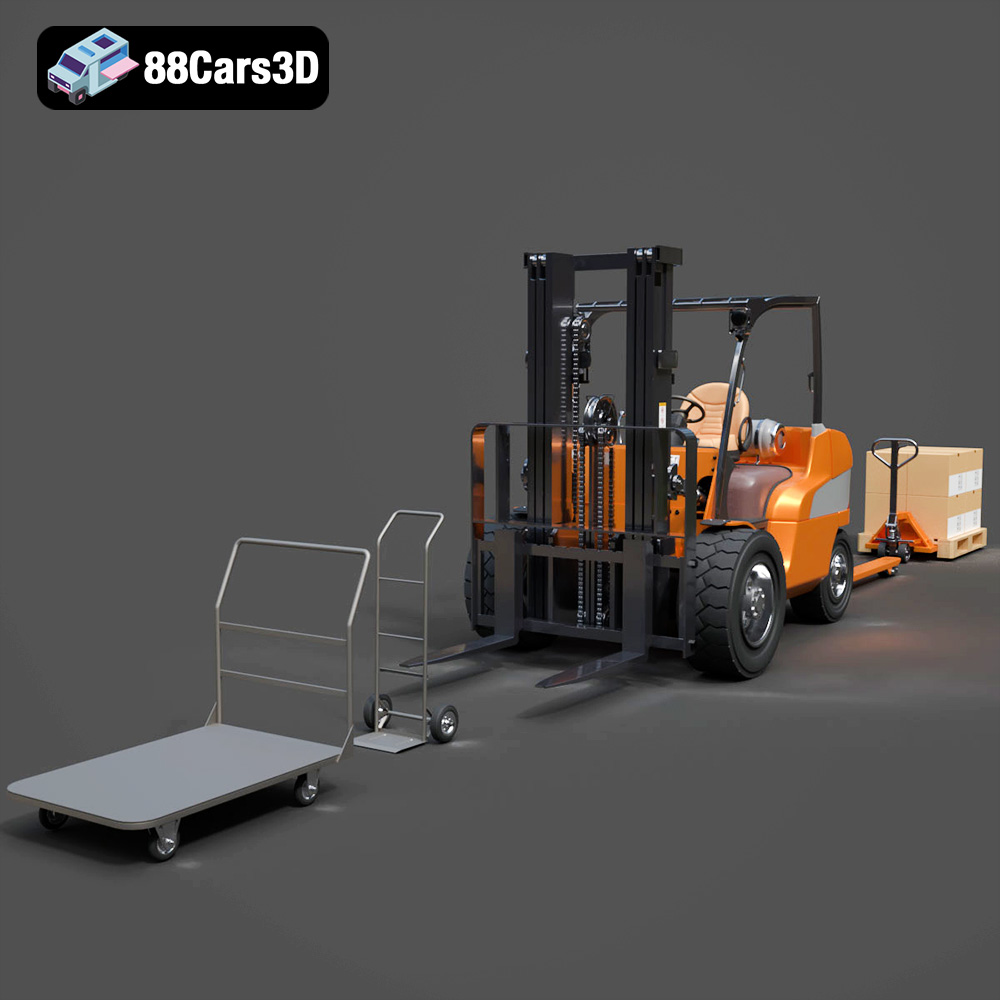
Texture: Yes | Material: Yes Download the highly detailed CAT Manual Loader & Warehouse Carts Kit 3D Model (2.4M Triangles). Features a macro-detailed hydraulic pallet jack, heavy-duty forks, and transport carts. Perfect for industrial ArchViz, factory rendering, and logistics simulations. Includes .blend, .fbx, .obj, .glb, .stl, and .max formats.
Price: $19.99

Texture: Yes | Material: Yes
Download the highly optimized Mazda CX-5 2014 3D Model (294k Triangles). Features the dynamic Kodo design language, signature grille, and a clean interior. Perfectly balanced for ArchViz, background traffic, and game development. Includes .blend, .fbx, .obj, .glb, .stl, and .max formats.
Price: $19.99
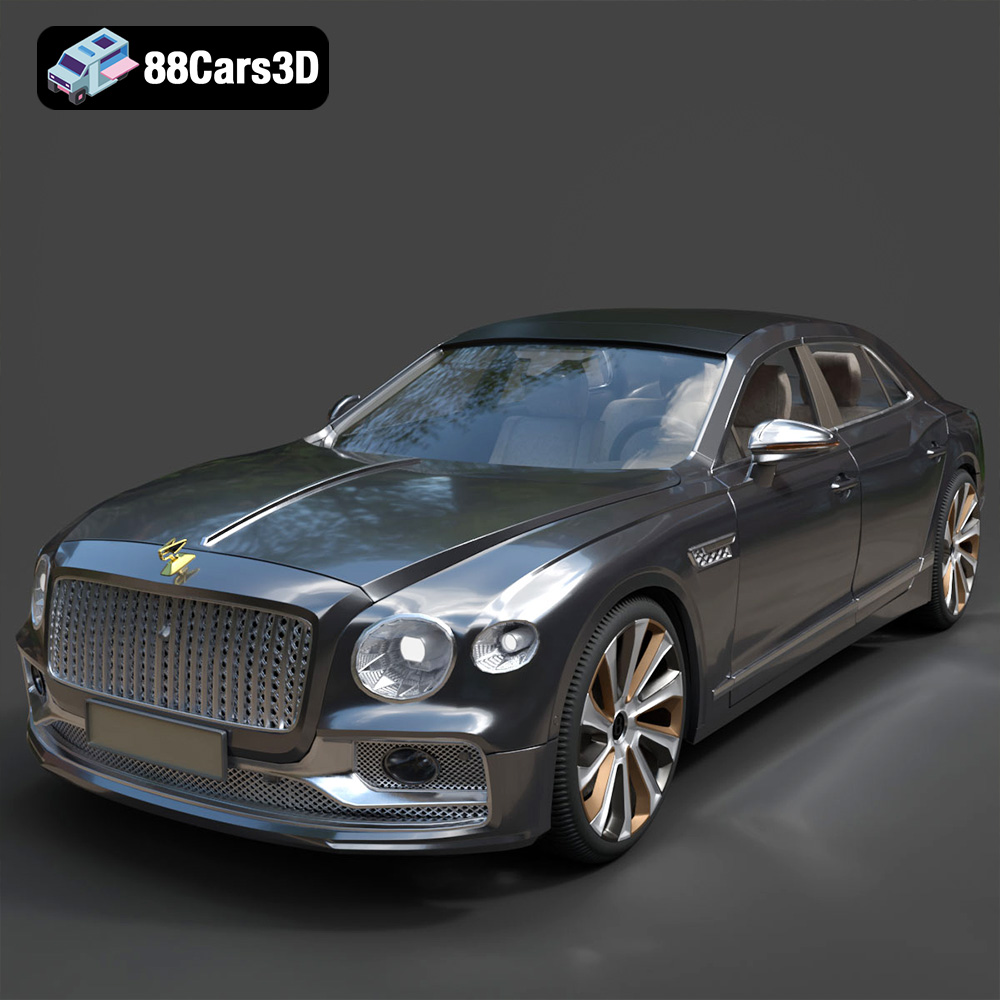
Texture: Yes | Material: Yes Download the ultra-high-detail Bentley Flying Spur Mulliner 2022 3D Model (2.94M Triangles). Features the bespoke Double Diamond grille, a fully modeled diamond-quilted interior, and exquisite luxury styling. Perfect for high-end ArchViz, VFX, and cinematic rendering. Includes .blend, .fbx, .obj, .glb, .stl, and .max formats.
Price: $19.90
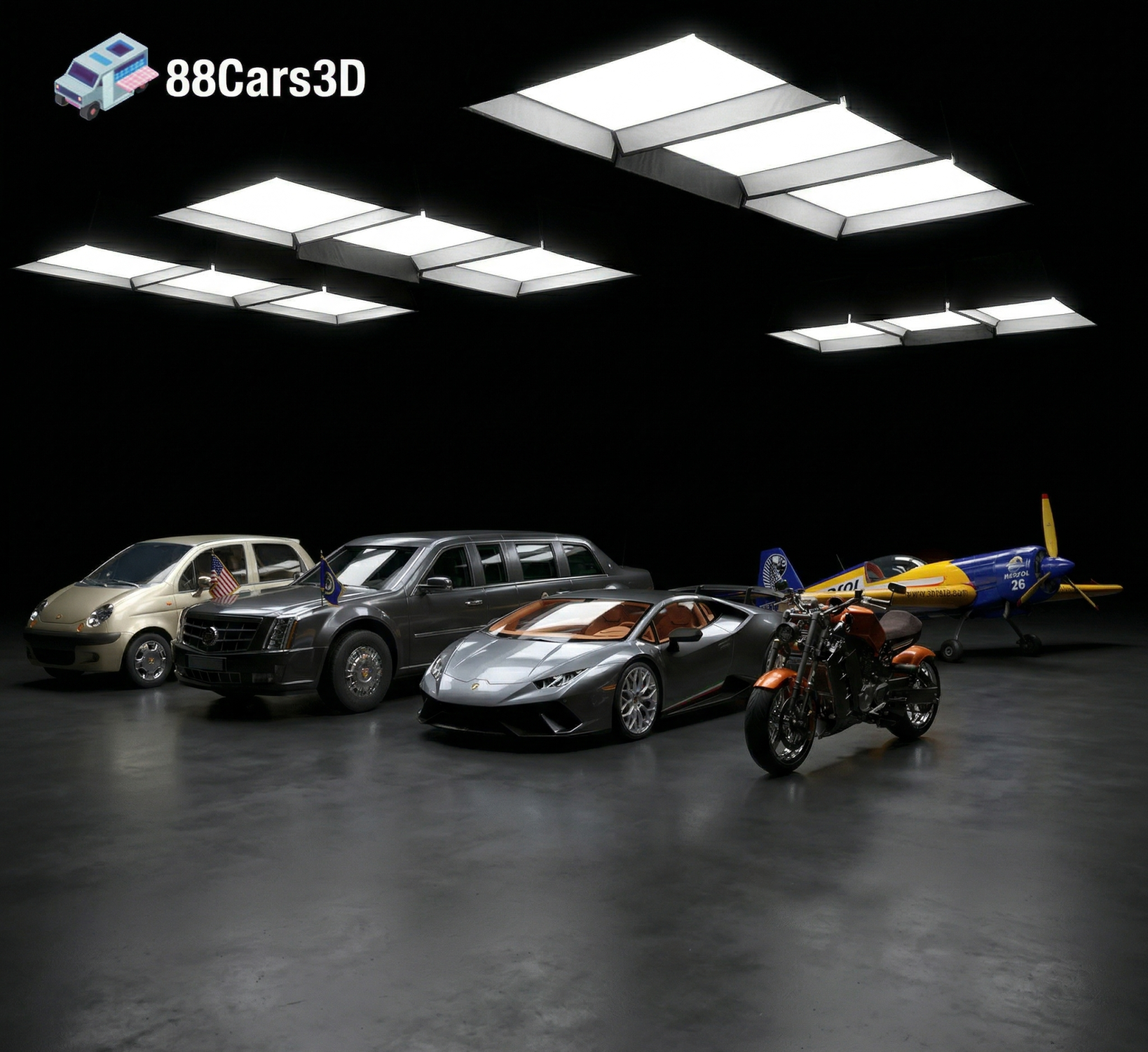
Texture: Yes | Material: Yes | 3D Printable: Yes. Download the Ultimate Creators’ Showcase featuring 5 premium 3D models: Lamborghini Huracan, ZAV Concept Motorcycle, Sukhoi SU-26, Presidential Limousine, and Daewoo Damas. Optimized for 4K CGI rendering and 3D printing. Save massive with this exclusive multi-category bundle!
Price: $99.99

Texture: Yes | Material: Yes | 3D Printable: Yes. Download the Italian Thoroughbreds Bundle featuring 5 iconic 3D models: Lamborghini Huracán Performante, Ferrari 458 Italia, Lamborghini Urus, Diablo SV, and Maserati GT. Optimized for 4K rendering and 3D printing (STL included). Save 50% with this ultimate Italian vehicle collection.
Price: $199.99

Download the Elite Future Mobility Bundle featuring 4 highly optimized 3D models: Tesla Model S, Avatr 11, Li L9, and Zoox Robotaxi. Perfect for ArchViz, Smart City renders, and game dev. Optimized for Unreal Engine and Blender. Includes .fbx, .obj, and .max formats.
Price: $99

🚗 5 Iconic German Cars (BMW M4 G82, M5 CS, X3, 1 Series & Mercedes E-Class). ✅ Optimized for ArchViz: Ready for Corona & V-Ray. 💰 Save €71 with this limited-time collection! 🚀 Instant Download after purchase.
Price: $119

Download the Extreme Off-Road & Survival 3D Models Bundle! Includes the Brabus 800 Adventure, Dodge Ram Bigfoot, Spec Truck, and a Caravan. Save over €210 on this premium 4-in-1 off-grid vehicle pack for ArchViz and game development.
Price: $149.99

Download the Heavy Duty & Commercial Logistics 3D Models Bundle! Includes the Ford Sterling, Caterpillar CT680, Mercedes Citaro Bus, and Vito Van. Save over €130 on this massive, game-ready 4-in-1 industrial vehicle pack.
Price: $109.99

