Get 50% OFF All Premium 3D & STL Models!

“`html
The world of 3D printing has opened incredible doors for automotive enthusiasts, model makers, and engineers alike. The ability to create tangible, detailed replicas of vehicles, whether classic cars or cutting-edge concepts, is now within reach. However, the journey from a digital 3D model to a physical print starts with the STL file. This guide will walk you through the process of converting vehicle models into optimized, print-ready STL files, ensuring successful 3D prints every time. We’ll cover everything from understanding STL file structure to advanced mesh repair techniques, material selection, and best practices for achieving high-quality results. Whether you’re a seasoned 3D printing expert or just starting out, this comprehensive guide will provide the knowledge and tools you need to bring your favorite vehicles to life.
In this comprehensive guide, you will learn:
At the heart of 3D printing lies the STL (Stereolithography) file format. It represents a 3D object as a collection of interconnected triangles, approximating the surface geometry. The density and arrangement of these triangles, known as mesh topology, significantly impact the quality and printability of your model. Understanding STL file structure and optimizing mesh topology are crucial steps in converting vehicle models for 3D printing. A poorly optimized STL file can lead to printing errors, weak spots, and a finished product that lacks detail.
An STL file, whether in ASCII or binary format, defines the surface geometry of a 3D object using a series of triangular facets. Each facet is described by the coordinates of its three vertices and a normal vector indicating the facet’s orientation. The complexity of the model dictates the number of triangles required; more complex models require a higher triangle count to accurately capture intricate details. When downloading models from marketplaces such as 88cars3d.com, you’ll find that the STL files are already optimized for printing, but understanding the underlying structure is still beneficial.
Optimizing mesh topology involves ensuring a balance between accuracy and file size. Redundant or poorly distributed triangles can create unnecessary complexity, increasing processing time and potentially introducing errors during printing. Strategies for mesh optimization include:
For example, using Blender, you can apply a “Decimate” modifier with a “Collapse” ratio to reduce the triangle count. A ratio of 0.5 will typically reduce the triangles by half. Remember to carefully inspect the model after decimation to ensure that important details are not lost.
Converting a vehicle model to STL format often requires specialized software. Whether you’re working with CAD models, 3D scans, or models downloaded from online repositories, selecting the right tools is essential. Common software packages used for this conversion include CAD programs like SolidWorks and AutoCAD, 3D modeling software like Blender and 3ds Max, and mesh editing tools like Meshmixer and MeshLab. The specific techniques will vary depending on the software and the initial file format.
If you’re starting with a CAD model (e.g., STEP, IGES, or SolidWorks part), the process typically involves exporting the model to STL format directly from the CAD software. Most CAD programs offer customizable export settings, allowing you to control the resolution of the STL mesh. Higher resolution results in more detailed models but also larger file sizes. A good starting point is to use a deviation tolerance of 0.01mm and an angle tolerance of 5 degrees. For example, in SolidWorks, go to “File > Save As” and select “STL (*.stl)” as the file type. Click “Options” and adjust the “Deviation” and “Angle” settings.
3D modeling software like Blender provides more flexibility in manipulating the mesh before exporting to STL. You can add details, repair errors, and optimize the model for 3D printing. In Blender, import your vehicle model (e.g., OBJ or FBX). Use the “Remesh” modifier to create a more uniform mesh or the “Decimate” modifier to reduce the triangle count. After making any necessary adjustments, select “File > Export > Stl (.stl)” to export the model. Ensure that the “Selection Only” option is unchecked if you want to export the entire scene.
Mesh editing tools like Meshmixer and MeshLab are invaluable for repairing and optimizing STL files. These tools offer a range of features, including:
In Meshmixer, import your STL file and use the “Analysis > Inspector” tool to identify and automatically fix errors. You can also use the “Sculpt” tools to refine the surface and add details. Don’t forget to use “Make Solid” to ensure your model is a watertight manifold before exporting. A good starting point is to use “Accurate” solid type and adjust the “Mesh Density” slider accordingly.
The slicing process converts the STL file into a series of instructions (G-code) that the 3D printer can understand. Slicing software, such as Cura, PrusaSlicer, and Simplify3D, allows you to control various parameters that affect the print quality, speed, and strength. Choosing the right slicing parameters and 3D printer settings is crucial for achieving successful prints of vehicle models, especially those with intricate details.
Layer height is a fundamental slicing parameter that determines the thickness of each layer printed. Lower layer heights (e.g., 0.1mm) result in smoother surfaces and finer details but increase print time. Higher layer heights (e.g., 0.3mm) print faster but sacrifice surface quality. For vehicle models, a layer height of 0.15mm to 0.2mm is a good balance between detail and print time. Print speed also affects the quality of the print. Slower speeds (e.g., 40mm/s) generally produce better results, especially for intricate details and overhangs. Experiment with different speeds to find the optimal setting for your printer and material. For FDM printing with PLA, a temperature of 200-210°C and a bed temperature of 60°C are typical starting points.
Infill density determines the amount of material used inside the model. Higher infill densities (e.g., 50%) increase the strength and weight of the print but also increase print time and material consumption. Lower infill densities (e.g., 15%) print faster and use less material but may result in a weaker model. For vehicle models that require structural integrity, an infill density of 20-30% is usually sufficient. The infill pattern also affects the strength and print time. Common infill patterns include:
For example, in Cura, you can select the “Infill Density” and “Infill Pattern” under the “Infill” settings. Consider using a Gyroid pattern for complex vehicle models requiring significant strength.
Ensuring good bed adhesion is crucial for preventing warping and ensuring that the print sticks to the build plate throughout the printing process. Common bed adhesion methods include:
For vehicle models, a brim is often sufficient. You can adjust the brim width in your slicing software. A brim width of 5-10mm is generally effective. Applying a thin layer of glue stick or hairspray to the build plate can also improve bed adhesion, especially for materials like ABS.
Support structures are essential for printing models with overhangs and complex geometries. They provide temporary support to prevent the model from collapsing during printing. However, generating and removing support structures can be a challenging task. Choosing the right support settings and removal techniques is crucial for achieving a clean and accurate print.
Support structures can be generated automatically by slicing software or manually placed for more control. Automatic support generation is convenient but may result in unnecessary supports in areas that don’t require them. Manual support placement allows you to optimize the support structure for minimal material usage and ease of removal. The density of the support structure also affects its strength and ease of removal. Higher support densities provide more support but can be more difficult to remove. Lower support densities are easier to remove but may not provide sufficient support for large overhangs. Experiment with different support densities to find the optimal balance. In Cura, you can adjust the “Support Density” under the “Support” settings. A support density of 15-20% is a good starting point.
The material used for support structures can be the same as the model material or a different material specifically designed for support. Soluble support materials, such as PVA for PLA, can be dissolved in water, making removal effortless. However, soluble support materials require a dual-extrusion printer. The interface between the support structure and the model is also important. A dense support interface provides better support but can be more difficult to remove. A sparse support interface is easier to remove but may not provide sufficient support. Adjust the “Support Interface Density” and “Support Interface Thickness” in your slicing software to optimize the interface. A good starting point is to use a support interface density of 50% and a thickness of 1 layer.
Removing support structures can be a delicate process. Using the wrong techniques can damage the model. Common support removal techniques include:
For manual removal, start by removing the large support structures first. Then, carefully remove the smaller supports near the model surface. Use a sharp knife or scraper to remove any remaining support material. Be patient and take your time to avoid damaging the model.
Despite careful preparation and optimized settings, 3D printing is not without its challenges. Common issues include warping, stringing, layer adhesion problems, and elephant’s foot. Understanding these issues and knowing how to troubleshoot them is essential for achieving successful prints of vehicle models.
Warping occurs when the corners of the print lift off the build plate during printing. This is often caused by uneven cooling and poor bed adhesion. To prevent warping:
If warping occurs, try increasing the bed temperature by 5-10°C and applying a thicker layer of bed adhesion aid.
Stringing occurs when the nozzle oozes material while traveling between different parts of the print. Blobs are small clumps of material that form on the surface of the print. To prevent stringing and blobs:
For example, in Cura, you can adjust the “Retraction Distance” and “Retraction Speed” under the “Travel” settings. A retraction distance of 5-7mm and a retraction speed of 40-60mm/s are typical starting points for PLA.
Layer adhesion problems occur when the layers of the print do not bond together properly. This can result in weak and brittle prints. To improve layer adhesion:
Increasing the printing temperature by 5-10°C can significantly improve layer adhesion. Also, ensure that the nozzle is not too far from the build plate during the first layer. You can adjust the Z-offset in your printer settings to fine-tune the first layer height.
Once the 3D printing is complete, post-processing techniques can enhance the appearance and durability of the vehicle model. These techniques include sanding, filling, painting, and assembly. The specific techniques will depend on the material used and the desired finish.
Sanding is used to smooth the surface of the print and remove any imperfections. Start with coarse sandpaper (e.g., 150 grit) and gradually move to finer grits (e.g., 400 grit, 600 grit, 800 grit) to achieve a smooth finish. Filling is used to fill in any gaps or imperfections on the surface of the print. Use a filler specifically designed for the material used (e.g., epoxy putty for PLA, ABS cement for ABS). Apply the filler in thin layers and allow it to dry completely before sanding.
Painting can add color and detail to the vehicle model. Use a primer to prepare the surface for paint. Apply the primer in thin, even layers and allow it to dry completely before painting. Use acrylic paints or automotive paints for best results. Apply the paint in thin, even layers and allow it to dry completely between coats. Clear coating will protect the paint and add a glossy finish. Platforms like 88cars3d.com offer print-ready STL files that look great even without painting, but detailing can bring your model to life. Experiment with different painting techniques, such as dry brushing and weathering, to add realism.
Many vehicle models consist of multiple parts that need to be assembled after printing. Use glue or screws to assemble the parts. Pay attention to the alignment and fit of the parts. Add details, such as decals, lights, and interior components, to enhance the realism of the model. For example, you can use small LED lights to create functional headlights and taillights. Apply decals using a decal setting solution to ensure proper adhesion and prevent air bubbles.
Converting vehicle models into printable STL files is a multifaceted process requiring careful attention to detail and a thorough understanding of 3D printing principles. From optimizing mesh topology to selecting the right slicing parameters and mastering post-processing techniques, each step plays a crucial role in achieving a high-quality, accurate replica. By following the guidelines and tips outlined in this comprehensive guide, you can confidently transform your favorite vehicle models into tangible creations.
Remember to experiment with different settings and techniques to find what works best for your printer and material. Don’t be afraid to make mistakes and learn from them. The world of 3D printing is constantly evolving, and there’s always something new to discover. Take your newly acquired knowledge and start creating your own fleet of 3D-printed vehicles!
Next steps:
“`
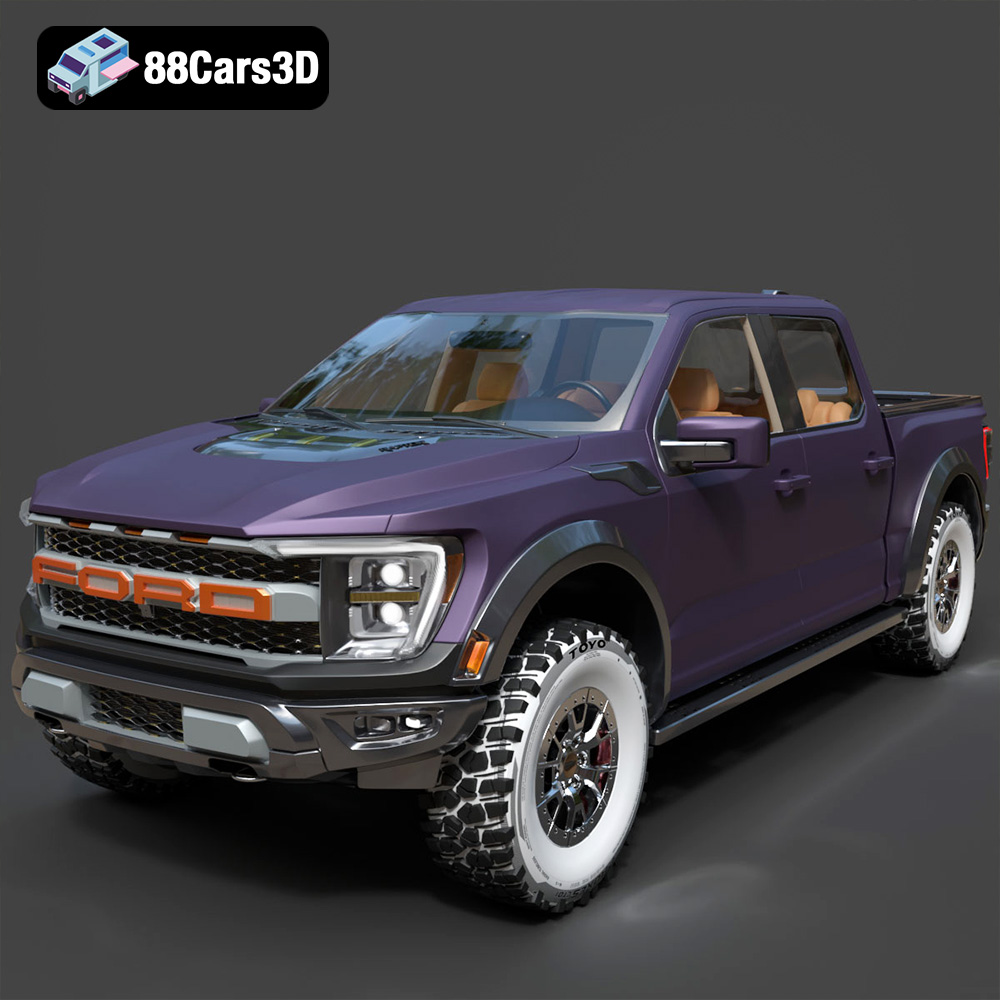
Texture: Yes | Material: Yes Download the ultra-high-detail Ford F-150 Raptor 2021 3D Model (8.73M Triangles). Features uncompromised widebody styling, fully modeled Fox Live Valve suspension, 37-inch tires, and interior. Perfect for premium VFX, cinematic rendering, and ArchViz. Includes .blend, .fbx, .obj, .glb, .stl, and .max formats.
Price: $29.99
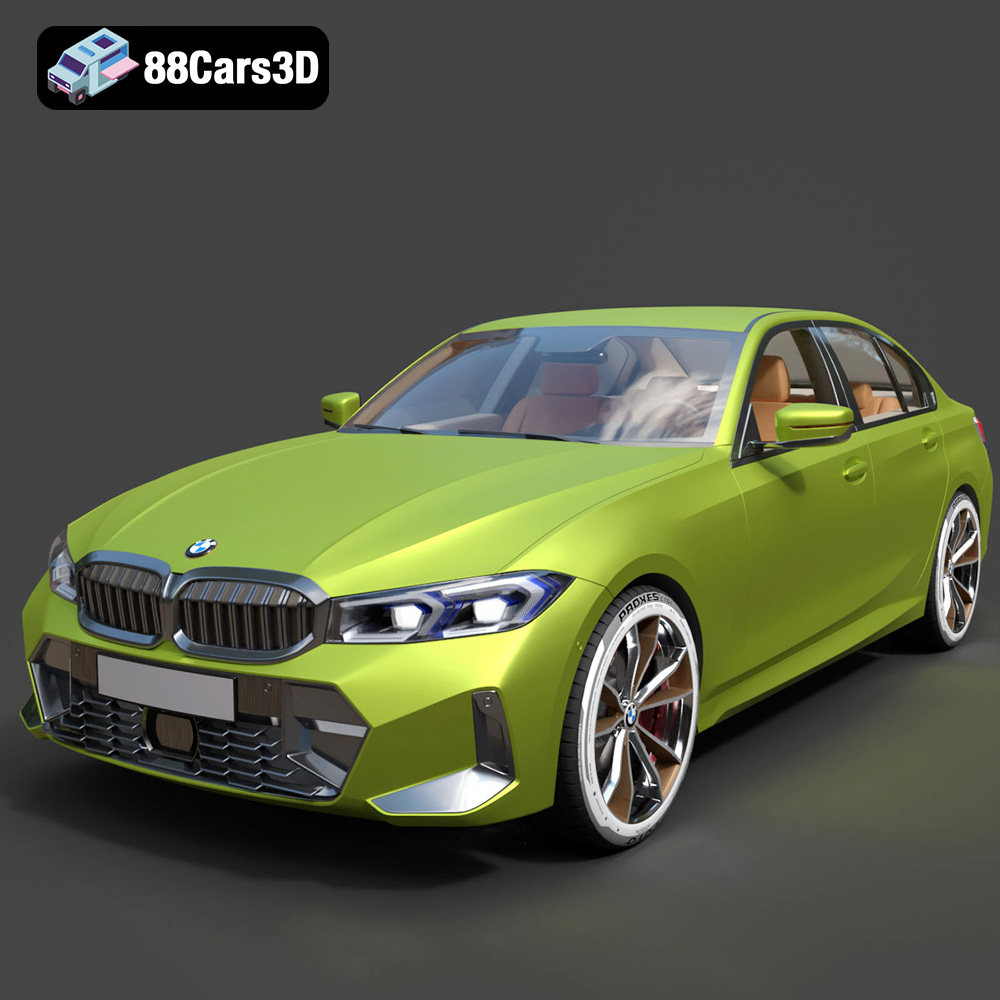
Texture: Yes | Material: Yes Download the ultra-high-detail BMW 3 Series Limousine (2022) 3D Model (4.16M Triangles). Features the modernized G20 LCI exterior, the all-new BMW Curved Display interior, and ultra-dense topology. Perfect for ArchViz, VFX, and cinematic rendering. Includes .blend, .fbx, .obj, .glb, .stl, and .max formats.
Price: $19.99
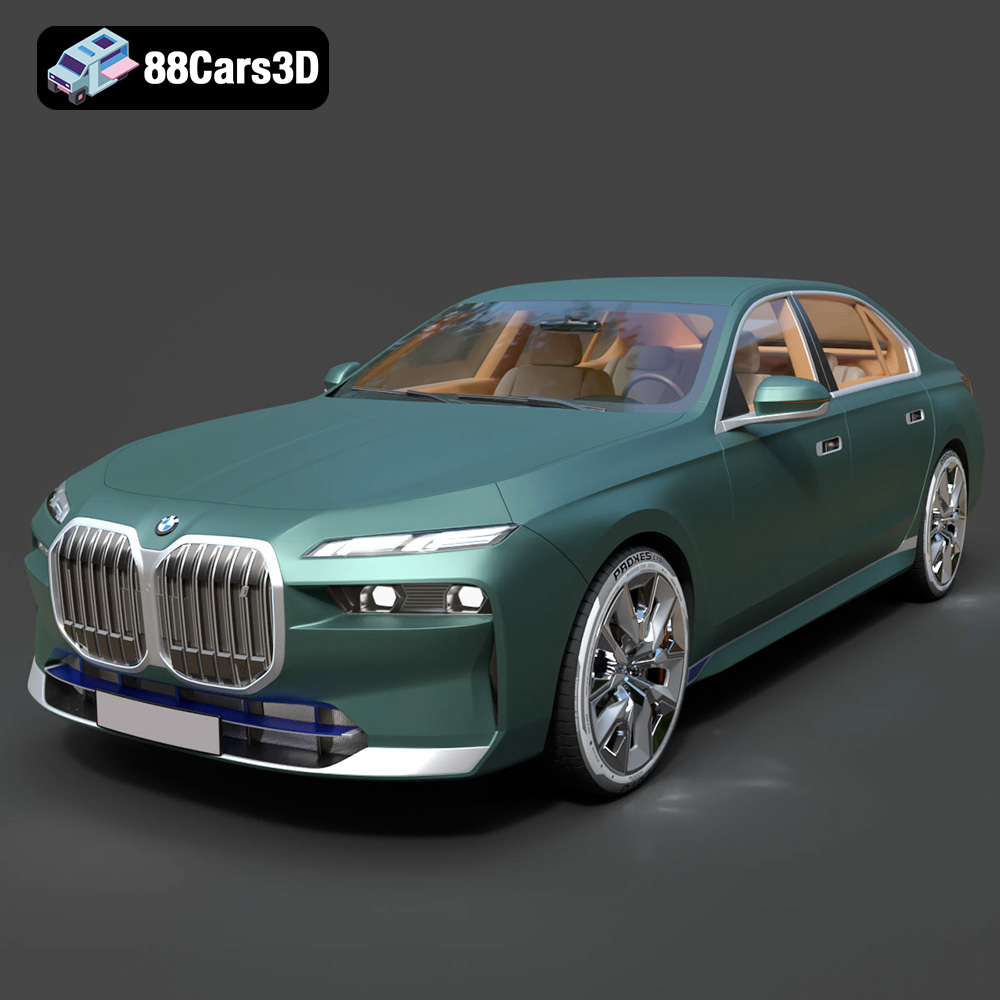
Texture: Yes | Material: Yes Download the ultra-high-detail BMW i7 (2023) 3D Model (4.14M Triangles). Features the illuminated kidney grille, split crystal headlights, fully modeled Theatre Screen interior, and monolithic luxury styling. Perfect for ArchViz, VFX, and cinematic rendering. Includes .blend, .fbx, .obj, .glb, .stl, and .max formats.
Price: $19.99
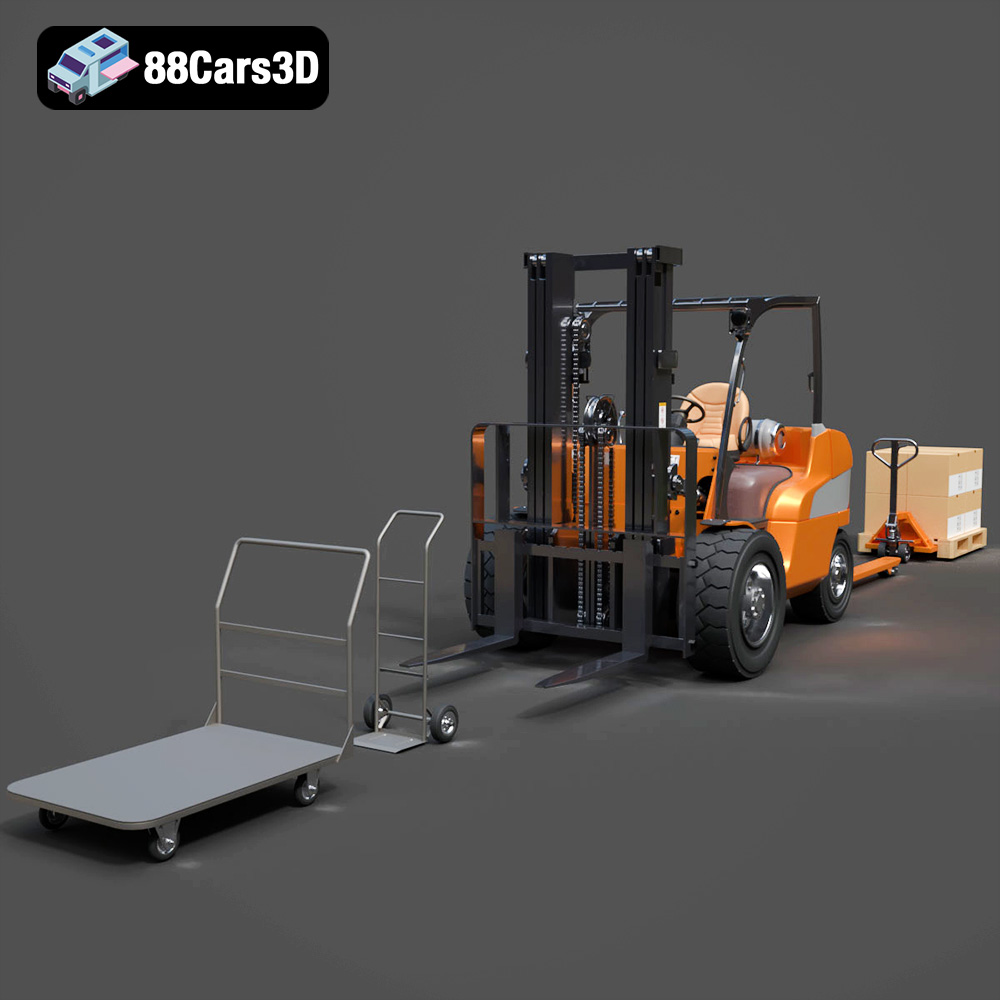
Texture: Yes | Material: Yes Download the highly detailed CAT Manual Loader & Warehouse Carts Kit 3D Model (2.4M Triangles). Features a macro-detailed hydraulic pallet jack, heavy-duty forks, and transport carts. Perfect for industrial ArchViz, factory rendering, and logistics simulations. Includes .blend, .fbx, .obj, .glb, .stl, and .max formats.
Price: $19.99

Texture: Yes | Material: Yes
Download the highly optimized Mazda CX-5 2014 3D Model (294k Triangles). Features the dynamic Kodo design language, signature grille, and a clean interior. Perfectly balanced for ArchViz, background traffic, and game development. Includes .blend, .fbx, .obj, .glb, .stl, and .max formats.
Price: $19.99
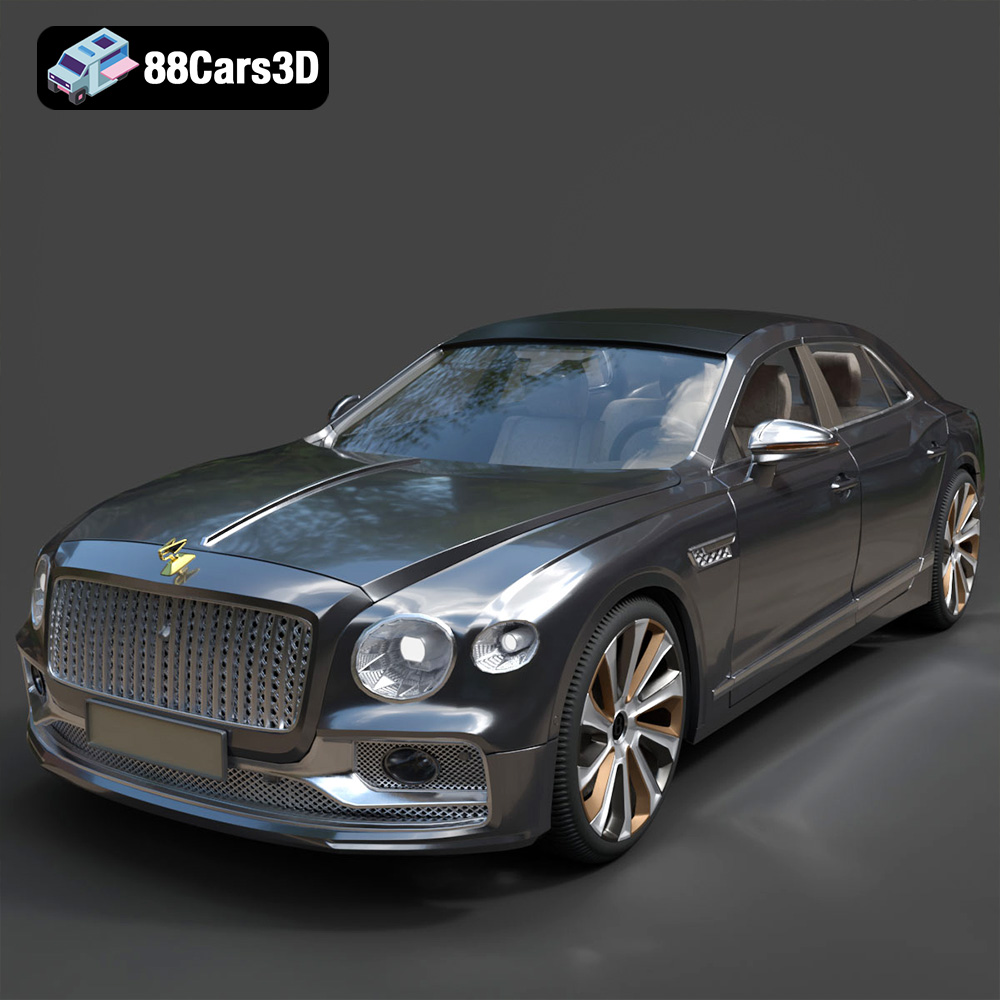
Texture: Yes | Material: Yes Download the ultra-high-detail Bentley Flying Spur Mulliner 2022 3D Model (2.94M Triangles). Features the bespoke Double Diamond grille, a fully modeled diamond-quilted interior, and exquisite luxury styling. Perfect for high-end ArchViz, VFX, and cinematic rendering. Includes .blend, .fbx, .obj, .glb, .stl, and .max formats.
Price: $19.90
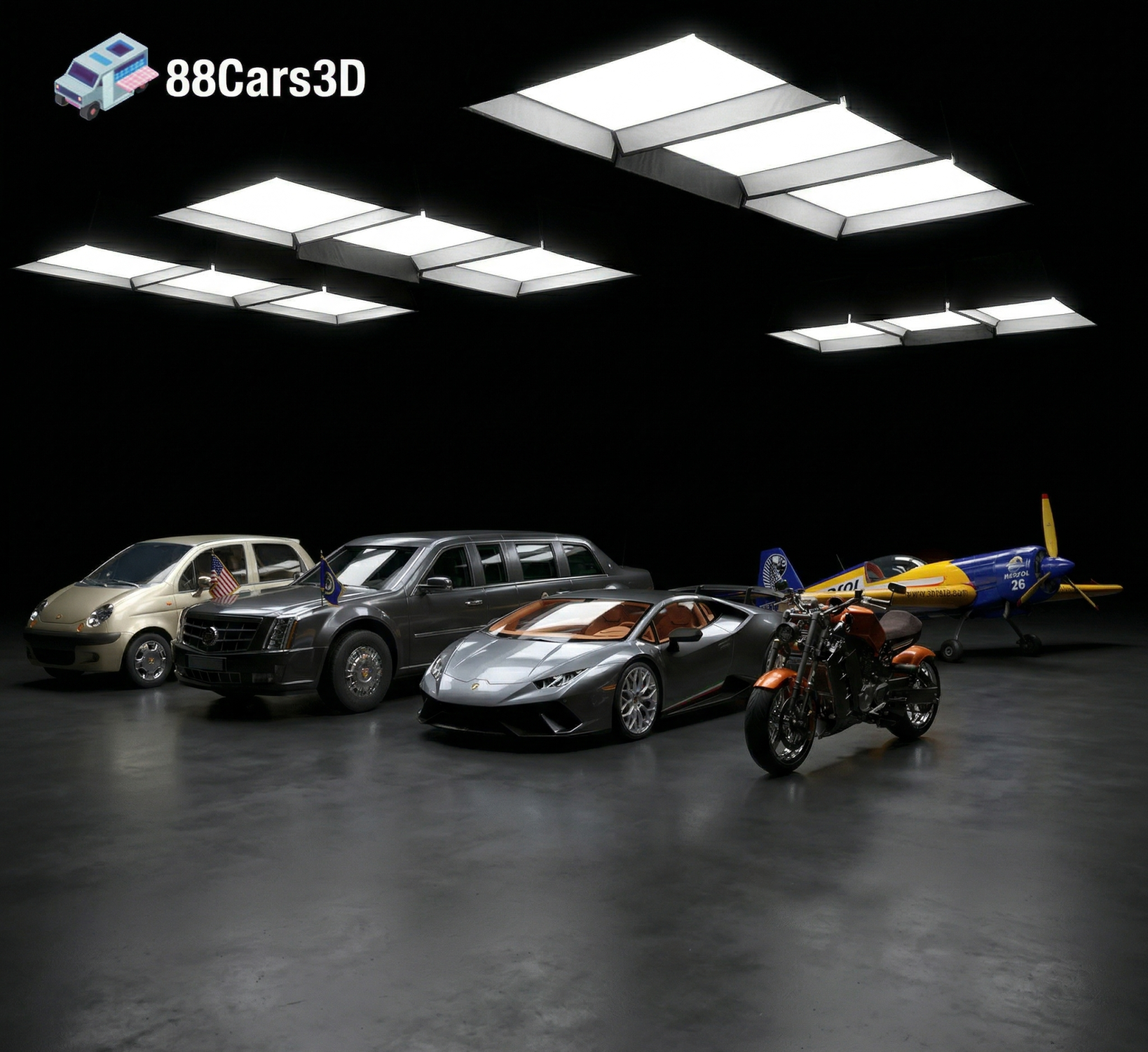
Texture: Yes | Material: Yes | 3D Printable: Yes. Download the Ultimate Creators’ Showcase featuring 5 premium 3D models: Lamborghini Huracan, ZAV Concept Motorcycle, Sukhoi SU-26, Presidential Limousine, and Daewoo Damas. Optimized for 4K CGI rendering and 3D printing. Save massive with this exclusive multi-category bundle!
Price: $99.99

Texture: Yes | Material: Yes | 3D Printable: Yes. Download the Italian Thoroughbreds Bundle featuring 5 iconic 3D models: Lamborghini Huracán Performante, Ferrari 458 Italia, Lamborghini Urus, Diablo SV, and Maserati GT. Optimized for 4K rendering and 3D printing (STL included). Save 50% with this ultimate Italian vehicle collection.
Price: $199.99

Download the Elite Future Mobility Bundle featuring 4 highly optimized 3D models: Tesla Model S, Avatr 11, Li L9, and Zoox Robotaxi. Perfect for ArchViz, Smart City renders, and game dev. Optimized for Unreal Engine and Blender. Includes .fbx, .obj, and .max formats.
Price: $99

🚗 5 Iconic German Cars (BMW M4 G82, M5 CS, X3, 1 Series & Mercedes E-Class). ✅ Optimized for ArchViz: Ready for Corona & V-Ray. 💰 Save €71 with this limited-time collection! 🚀 Instant Download after purchase.
Price: $119

