In the dynamic world of automotive design, marketing, and game development, the ability to visualize vehicles with stunning realism and interactivity is paramount. Unreal Engine stands at the forefront of this revolution, offering unparalleled tools for creating photorealistic automotive experiences in real-time. Whether you’re an automotive designer showcasing a new concept, a game developer crafting the next-gen racing simulator, or an architect integrating vehicles into a virtual city, mastering Unreal Engine is your key to unlocking endless possibilities.
This comprehensive guide delves into the intricate process of leveraging Unreal Engine for cutting-edge automotive visualization. We’ll explore everything from efficient project setup and meticulous 3D model integration to crafting breathtaking materials, implementing advanced lighting with Lumen, and building interactive experiences with Blueprint. We’ll also cover performance optimization strategies like Nanite and LODs, enabling you to deliver high-fidelity visuals without compromising real-time performance. By the end of this journey, you’ll have a robust understanding of how to transform high-quality 3D car models, like those available on 88cars3d.com, into immersive, interactive automotive visualizations that captivate your audience and drive innovation.
Establishing the Foundation: Unreal Engine Project Setup for Automotive
Kicking off any ambitious Unreal Engine project requires a methodical setup, and automotive visualization is no exception. A well-configured project provides the optimal environment for importing, optimizing, and rendering intricate vehicle models, ensuring both visual fidelity and development efficiency. This initial phase sets the stage for everything that follows, from material creation to interactive functionalities.
Choosing the Right Template and Settings
When creating a new project, selecting the appropriate template is crucial. For automotive visualization, the “Blank” or “Games” > “Blank” template often serves as a flexible starting point, allowing you to build up the necessary features without unnecessary overhead. Alternatively, the “Automotive” template (if available in your Unreal Engine version, sometimes part of specific content packs) provides industry-specific assets and configurations that can accelerate development. Regardless of the template, several key project settings require immediate attention for optimal automotive rendering.
- Default RHI (Rendering Hardware Interface): For modern GPU architectures and features like Lumen and Nanite, ensure your project is set to DirectX 12 (Windows) or Vulkan (cross-platform, Linux, Android) under Project Settings > Platforms > Windows. This unlocks advanced rendering capabilities.
- Starter Content: Decide if you need starter content. For a clean automotive project, often it’s best to deselect it to keep project size down, as you’ll be importing specific car models and environments.
- Scalability Settings: Access this via the Settings dropdown in the editor viewport. For high-fidelity automotive work, set all options (View Distance, Anti-Aliasing, Post Processing, Shadows, Textures, Effects, Global Illumination, Reflections, Shading) to “Epic” or “Cinematic.” This ensures the engine renders at its highest quality.
- Plugin Activation: Essential plugins for automotive visualization include “Datasmith Importer” for CAD data, “OpenVDB” for advanced volumetric effects (e.g., smoke), “Sequencer” for cinematic tools, and potentially “VR/AR” plugins if developing for those platforms. Navigate to Edit > Plugins and activate these as needed, restarting the editor when prompted.
Project Structure and Content Management
Maintaining a clean and organized content browser is vital for long-term project health, especially when dealing with numerous high-resolution assets. A logical folder structure makes assets easy to find, manage, and share within a team. For automotive projects, consider a structure like this:
/Content
    /Vehicles
        /[CarManufacturer]
            /[CarModel]
                /Meshes
                /Materials
                /Textures
                /Blueprints
                /Animations
    /Environments
        /Studios
        /Cityscapes
        /Landscapes
    /Lighting
    /PostProcess
    /Blueprints (General)
    /Effects (Niagara)
Consistency in naming conventions (e.g., SM_CarBody for Static Mesh, M_CarPaint for Material, T_CarPaint_BaseColor for Texture) prevents confusion and streamlines workflows. When importing assets from sources like 88cars3d.com, ensure you place them into these designated folders to maintain order from the outset. Leveraging the built-in Redirectors and Fix Up Redirectors in the Content Browser is also a good practice if you move or rename assets to prevent broken references, which can be a significant headache in larger projects.
Importing and Optimizing 3D Car Models for Unreal Engine
The journey from a raw 3D model to a real-time, interactive car begins with efficient importation and meticulous optimization. High-quality 3D car models, like those often found on 88cars3d.com, are typically designed with clean topology and proper UV mapping, which significantly eases the integration process into Unreal Engine. However, even the best models require specific adjustments to shine in a real-time environment.
Efficient Model Import and Initial Setup
The primary file formats for importing 3D models into Unreal Engine are FBX and USD/USDZ. FBX is a widely supported format for static meshes, skeletal meshes, and animations, offering robust import options. USD (Universal Scene Description) is increasingly gaining traction, particularly for complex scene assembly, collaborative workflows, and virtual production, providing a powerful way to bring in entire automotive scenes with intricate hierarchies and data. Unreal Engine’s Datasmith plugin is invaluable for importing CAD data (e.g., SolidWorks, Catia, Rhino) and other complex scene formats, automatically converting geometry, materials, and scene hierarchy into Unreal Engine assets.
Upon import, pay close attention to settings such as:
- Scale Factor: Ensure the imported model’s scale matches Unreal Engine’s unit system (1 Unreal Unit = 1 cm). Discrepancies here can lead to issues with physics, lighting, and perceived scale.
- Combine Meshes: For individual components (e.g., car body, doors, wheels), consider combining them into a single static mesh if they will never need to move independently. For interactive elements like opening doors or turning wheels, keep them separate.
- Generate Lightmap UVs: Essential for static lighting (though less critical with Lumen), Unreal can generate a second UV channel (UV Channel 1) for lightmaps. Even with dynamic lighting, having clean UVs is crucial for material mapping and reflections.
- Collision Generation: For physical interactions, Unreal can automatically generate simple collision meshes. For accurate vehicle physics, you’ll often need to create custom collision meshes in your 3D software or refine Unreal’s auto-generated ones.
Optimizing Geometry with Nanite and LODs
High-fidelity automotive models can easily contain millions of polygons, a challenge for real-time rendering. Unreal Engine offers powerful solutions to manage this complexity:
- Nanite Virtualized Geometry: This revolutionary feature allows artists to import cinematic-quality assets with incredibly high polygon counts directly into Unreal Engine without manual polygon reduction. Nanite intelligently streams and processes only the necessary geometry at a per-pixel level, maintaining visual fidelity while drastically improving performance. For car models, enabling Nanite is a game-changer, allowing ultra-detailed meshes for the car body, interior, and intricate engine components without performance bottlenecks. To enable, select your Static Mesh in the Content Browser, right-click > Asset Actions > Bulk Edit via Property Matrix, or open the static mesh editor and tick “Enable Nanite Support” under the “Nanite Settings” section. Rebuild the mesh if prompted. More details can be found in the official Unreal Engine documentation on Nanite Virtualized Geometry.
- Level of Detail (LODs): While Nanite handles geometric complexity for primary views, traditional LODs remain critical for non-Nanite meshes (e.g., translucent geometry, foliage) and for optimizing performance when models are far from the camera or in less critical scenarios (like AR/VR where performance is paramount). Unreal Engine can automatically generate LODs, but for critical assets like car models, manual creation in your 3D software (e.g., 3ds Max, Blender) offers superior control over polygon reduction and visual integrity. Configure LOD settings within the Static Mesh Editor, specifying screen size thresholds for each LOD to activate.
Typical polygon counts for car models optimized for real-time can range from 100,000 to 500,000 triangles for standard game-ready assets, scaling up to several million for high-end visualization with Nanite. Aim for clean, quad-based topology where possible, as it deforms better for animations and simplifies UV unwrapping.
Crafting Photorealistic PBR Materials in Unreal Engine
Visual fidelity in automotive visualization hinges significantly on the quality of your materials. Unreal Engine’s Physically Based Rendering (PBR) system allows artists to create incredibly realistic surfaces that react accurately to light, mirroring real-world materials. This section dives into the specifics of building compelling car paint, glass, and intricate interior materials.
Understanding PBR Workflow and Material Inputs
PBR is a workflow that aims to simulate how light interacts with surfaces in a physically accurate manner, leading to more consistent and realistic results across various lighting conditions. Key PBR texture maps and their corresponding Unreal Engine Material Editor inputs include:
- Base Color (RGB): The color of the material (or albedo). In Unreal, this connects to the “Base Color” input.
- Normal Map (RGB): Adds surface detail without increasing polygon count. Connects to the “Normal” input.
- Roughness (Grayscale): Controls the microscopic surface irregularities, determining how spread out or sharp reflections are. Connects to the “Roughness” input. A value of 0 is perfectly smooth (mirror-like), 1 is completely rough (matte).
- Metallic (Grayscale): Dictates whether a material is a metal (value of 1) or a dielectric (non-metal, value of 0). Connects to the “Metallic” input. Values between 0 and 1 are typically reserved for specialized materials like oxidized metals.
- Ambient Occlusion (Grayscale): Simulates soft global illumination shadows where surfaces are close together. Connects to the “Ambient Occlusion” input.
- Emissive Color (RGB): For surfaces that emit light, like headlights or glowing displays. Connects to the “Emissive Color” input.
High-resolution textures (e.g., 2K, 4K, or even 8K for hero assets) are crucial for close-up detail in automotive models. Ensure proper texture compression settings in Unreal (e.g., DXT1 for diffuse, DXT5 for normal maps, BC5 for uncompressed normal maps for higher quality) to balance quality and memory usage.
Creating Advanced Car Paint and Glass Materials
Automotive paint is notoriously complex, often featuring multiple layers (base coat, clear coat) that contribute to its distinctive metallic sheen and depth. In Unreal Engine, this can be simulated using layered materials or advanced material graphs:
- Car Paint (Clear Coat Material):
- Start with a standard PBR material.
- Use a color parameter for the base paint color, allowing for easy customization.
- For metallic flake, multiply a high-frequency noise texture (or a custom flake texture) by a small value and add it to the base color, controlling its intensity with a parameter.
- Crucially, utilize the “Clear Coat” and “Clear Coat Roughness” inputs available on the main material node. The Clear Coat input enables a second specular lobe, mimicking the glossy top layer of car paint. Set Clear Coat Roughness to a very low value (e.g., 0.05-0.1) for a polished finish.
- Experiment with Fresnel effects to accurately simulate how reflections change with viewing angle.
- Glass Materials:
- Set the material’s Blend Mode to “Translucent.”
- For realism, avoid setting Opacity to 0; instead, use a slight tint and a low opacity value (e.g., 0.1-0.2).
- Use a very low Roughness value (e.g., 0.05) for smooth glass.
- Connect a normal map for subtle imperfections or raindrops.
- The “Refraction” input is vital. Use a constant value for the Index of Refraction (IOR), typically 1.5-1.6 for standard glass, and connect it to a “Refraction” input node in the material graph. Ensure your project has the “Path Tracing” plugin enabled for highest quality refractions.
- Consider using “Screen Space Reflections” or “Ray Tracing Reflections” for accurate reflections on glass surfaces.
For more advanced materials, exploring Material Functions and Master Materials can streamline the creation of multiple variants (e.g., different paint colors, interior trims) from a single, robust parent material, improving consistency and reducing iteration time.
Real-Time Lighting and Ambiance: Lumen and Traditional Methods
Lighting is the soul of any visualization, and in Unreal Engine, achieving photorealistic lighting for automotive scenes is a blend of art and technical expertise. Unreal Engine 5’s Lumen global illumination and reflections system offers unprecedented realism, but understanding traditional lighting techniques remains essential for comprehensive control and performance optimization.
Mastering Lumen Global Illumination and Reflections
Lumen is Unreal Engine 5’s fully dynamic global illumination and reflections system, designed to deliver high-quality indirect lighting and reflections at real-time speeds. For automotive visualization, Lumen is a game-changer, accurately simulating how light bounces off surfaces, producing realistic color bleeding, soft shadows, and convincing reflections on car paint and glass.
- Enabling Lumen: Ensure your project is configured for DirectX 12 or Vulkan. In Project Settings > Engine > Rendering, set “Global Illumination” and “Reflections” to “Lumen.”
- Lumen Scene Setup: Lumen works best with a scene that contains enclosed spaces (like a studio environment) or large outdoor areas that provide bounce light. Ensure your primary light sources (Directional Light for sun, Sky Light for ambient sky lighting) are properly configured.
- Sky Light: A Sky Light is crucial for capturing the ambient environment lighting, whether from an HDRI (High Dynamic Range Image) or the procedural sky. Make sure its “Source Type” is set to “SLS Captured Scene” or “SLS Specified Cubemap” (with an HDRI) and its “Cubemap Resolution” is high (e.g., 2048 or 4096) for crisp reflections.
- Emissive Materials and Lumen: Lumen automatically considers emissive materials as light sources, meaning car headlights and interior displays can naturally illuminate the scene without manual point lights. Ensure the emissive strength is calibrated correctly within your material.
- Performance & Quality: Lumen has several settings in Project Settings > Engine > Rendering under the “Lumen” section, such as “Software Ray Tracing Mode,” “Max Trace Distance,” and “Screen Probe Gather Quality.” Adjust these to balance visual quality with performance targets. For highest quality, especially for cinematic renders, consider setting “Software Ray Tracing Mode” to “Hit Lighting for Reflections” and increasing “Final Gather Quality.”
For detailed information on configuring and optimizing Lumen, consult the official Unreal Engine documentation at Lumen Global Illumination and Reflections.
Traditional Lighting Techniques and Environmental Setup
While Lumen handles global illumination, direct lighting still requires careful placement and configuration of individual light sources:
- Directional Light: Simulates the sun. Crucial for outdoor scenes, providing sharp shadows and defining the primary light direction. Use it in conjunction with a Sky Light.
- Point Lights, Spot Lights, Rect Lights: These are essential for studio setups, illuminating specific parts of the car, highlighting curves, or mimicking artificial light sources. Rect Lights are particularly useful for softbox-like illumination in studio environments.
- Light Functions and IES Profiles: For advanced realism, use Light Functions with texture maps to project specific patterns onto surfaces (e.g., car headlights beams). IES (Illuminating Engineering Society) profiles accurately simulate the light distribution patterns of real-world light fixtures, adding a layer of authenticity.
- Post-Processing Volume: This is where you fine-tune the final look of your scene. Adjust settings like Exposure, White Balance, Color Grading, Bloom, Lens Flares, Vignette, and Depth of Field to achieve a cinematic or photographic quality. Ensure “Infinite Extent (Unbound)” is checked for global effects or define its bounds carefully.
- HDRI Backdrops and Environments: For realistic outdoor scenes, an HDRI (High Dynamic Range Image) mapped onto a Sky Sphere or used as the Sky Light source provides accurate ambient lighting and reflections, grounding the car realistically in its environment. Combine this with a simple ground plane and potentially some distant geometry for parallax.
When creating a studio environment, focus on a clean, reflective floor and soft, diffuse lighting to highlight the car’s contours and paint finish. Experiment with multiple rect lights and careful placement to achieve desired reflections and highlights.
Bringing Cars to Life: Blueprint for Interactive Experiences
Photorealistic rendering is just one aspect of compelling automotive visualization. Adding interactivity elevates the user experience, allowing them to explore features, customize options, and even simulate driving. Unreal Engine’s Blueprint visual scripting system empowers artists and designers to create complex interactive functionalities without writing a single line of code.
Blueprint for Automotive Configurators and Customization
One of the most powerful applications of Blueprint in automotive visualization is the creation of interactive configurators. These allow users to change paint colors, wheel designs, interior trims, and other vehicle options in real-time. The core principle involves swapping out or modifying components based on user input.
- Component Structure: Ensure your car model is broken down into interchangeable components (e.g., separate meshes for body, wheels, interior elements) during import.
- Material Swapping:
- Create an “Actor Blueprint” for your car.
- Add Static Mesh Components for each part (e.g., CarBody, FrontLeftWheel).
- Expose Material Parameters in your master car paint material (e.g., “PaintColor”).
- In the Blueprint Event Graph, create custom events (e.g.,
ChangePaintColor).
- When the event is triggered (e.g., by a UI button click), use a “Set Vector Parameter Value on Materials” node (for color) or a “Set Material” node (to swap entire materials) to update the target component.
- For example, to change paint color, cast to your Car Paint material instance, get the “PaintColor” parameter, and set its value using a new color vector.
- Mesh Swapping:
- For interchangeable parts like wheels or spoilers, add multiple Static Mesh Components to the Blueprint, initially hidden.
- On user selection, use “Set Static Mesh” or “Set Visibility” nodes to swap between different meshes.
- User Interface (UMG): Design interactive buttons, sliders, and dropdown menus using Unreal Motion Graphics (UMG) to serve as controls for the configurator. Bind these UI elements to your Blueprint events to trigger the customization logic.
This system allows for a vast array of permutations, offering users a personalized experience. For performance, keep the number of unique materials and textures for variants manageable, often using material instances to modify parameters rather than creating entirely new materials for each option.
Interactive Controls, Animations, and Physics Simulation
Beyond configurators, Blueprint can drive dynamic elements, animations, and even basic physics interactions:
- Door/Hood Animations: Using “Sequencer” to create a cinematic animation of a door opening (see next section), you can then trigger this sequence via Blueprint. Use “Play Sequence Player” nodes in response to user input (e.g., a mouse click on the door) to open and close car components.
- Headlight/Taillight Toggle: Control the visibility and intensity of light components (Point Lights, Spot Lights) or the Emissive Color parameter of materials using Blueprint. A simple Boolean variable and a UI button can toggle these on and off.
- Camera Controls: Blueprint can create custom camera setups, allowing users to orbit around the car, zoom in on details, or switch between predefined camera angles. Use “Set View Target with Blend” to smoothly transition between cameras.
- Vehicle Dynamics (Chaos Physics): For basic driving simulations or realistic car movement, Unreal Engine’s Chaos Physics system offers robust tools. While complex driving games typically involve C++ and advanced vehicle templates, Blueprint can be used to set up basic car movement, suspension, and collision responses using the “Vehicle Wheel” and “Chaos Vehicle Movement Component” nodes. You can link input axes (keyboard, gamepad) to control acceleration, braking, and steering. This is crucial for interactive demos where users can test drive the car in a virtual environment.
Effective use of Blueprint for these interactive elements significantly enhances the perceived value and engagement of your automotive visualizations, making them more than just static renders.
Advanced Unreal Engine Features for Cinematic and Immersive Automotive
Unreal Engine provides a powerful suite of advanced features that push the boundaries of real-time automotive visualization, enabling cinematic sequences, virtual production workflows, and immersive AR/VR experiences. These tools allow you to tell compelling stories and present vehicles in the most captivating ways.
Sequencer for Cinematic Trailers and Virtual Production
Unreal Engine’s Sequencer is a powerful non-linear editor for creating cinematic sequences, animations, and camera movements. It’s an indispensable tool for generating high-quality automotive trailers, commercials, or even pre-visualizations for film.
- Creating a Cinematic Sequence: In the editor, navigate to Cinematics > Add Level Sequence. Drag your car Blueprint and relevant environmental assets into the Sequencer timeline.
- Animating Transforms: Keyframe the car’s position, rotation, and scale over time to create realistic movement paths. You can also attach it to a spline component in Blueprint and use Sequencer to animate its progress along the spline.
- Camera Animation: Add a Cine Camera Actor to Sequencer. Keyframe its position, rotation, focal length, aperture, and focus distance to achieve professional cinematic camera work. Experiment with camera shakes, depth of field, and motion blur for added realism.
- Material Parameter Animation: Animate material parameters like car paint color, metallic flake intensity, or emissive light strength directly in Sequencer, allowing for dynamic visual changes over time.
- Virtual Production and LED Walls: For cutting-edge virtual production, Sequencer plays a central role. Car models can be placed in virtual environments rendered on large LED walls, allowing real-world actors or physical props (like actual car prototypes) to be filmed in front of dynamic, high-fidelity backdrops. Sequencer drives these virtual environments, synchronizing camera movements and lighting changes to create seamless composites in-camera. This drastically reduces post-production time and offers unprecedented creative freedom.
Sequencer also integrates with Blueprint, allowing you to trigger specific cinematic sequences based on user interaction, enhancing the storytelling potential of your automotive projects.
AR/VR Optimization and Advanced Visual Effects
Extending automotive visualization to Augmented Reality (AR) and Virtual Reality (VR) platforms presents unique opportunities and challenges. Performance optimization is paramount to maintain comfortable frame rates in immersive experiences.
- AR/VR Optimization Strategies:
- Target Frame Rate: Aim for 72-90 FPS for VR and a consistent 30-60 FPS for AR to prevent motion sickness.
- Polygon Count: Even with Nanite, consider traditional LODs for distant objects or simplified meshes for specific AR/VR experiences where maximum performance is critical.
- Draw Calls: Minimize draw calls by combining meshes where possible and using texture atlases.
- Shadows: Optimize shadow settings. Consider using baked shadows for static elements or reducing shadow map resolution for dynamic lights.
- Post-Processing: Reduce or disable expensive post-processing effects like Screen Space Reflections, complex Depth of Field, or Bloom where performance is tight.
- Material Complexity: Simplify material graphs. Avoid complex material functions or excessive texture lookups.
- Advanced Visual Effects (Niagara): For effects like exhaust smoke, tire particulate, water splashes, or even dynamic dust in a showroom, Unreal Engine’s Niagara particle system is incredibly powerful. Niagara allows for highly customizable and physically accurate particle simulations.
- Create custom emitters and modules to define particle behavior, spawning, and rendering.
- Integrate Niagara systems with Blueprint to trigger effects based on vehicle speed, collision events, or user interaction. For instance, exhaust smoke could increase with engine RPM, or tire smoke could activate during sharp turns.
- Livery Editor (UI/UX): For deeper customization in AR/VR, building a robust Livery Editor with UMG allows users to dynamically apply custom decals, stripes, and designs onto the car body. This involves dynamically applying texture masks and blend modes within the car paint material, controlled by Blueprint.
By carefully balancing visual fidelity with performance, you can create truly immersive and interactive automotive experiences across a range of platforms.
Performance Optimization and Industry Best Practices
Creating stunning automotive visualizations in Unreal Engine is only half the battle; ensuring they run smoothly in real-time is equally critical. Optimization isn’t an afterthought; it’s an iterative process integrated throughout development, especially when working with high-fidelity assets like 3D car models.
Strategies for Real-Time Performance Enhancement
Achieving optimal frame rates while maintaining visual quality requires a multi-faceted approach. Here are key strategies:
- Texture Optimization:
- Resolution & Compression: Use appropriate texture resolutions (e.g., 4K for hero assets, 2K for secondary, 1K for tertiary). Apply efficient compression settings (DXT1/BC1 for Base Color, DXT5/BC3 for masks, BC5 for normal maps) in the texture properties.
- Texture Streaming: Enable texture streaming to only load textures at the required resolution based on camera distance, saving VRAM.
- Atlasing: Combine multiple smaller textures into a single, larger texture atlas to reduce draw calls.
- Geometry Optimization:
- Nanite: As discussed, Nanite is crucial for high-poly car models. Ensure it’s enabled for static meshes where detail is paramount.
- LODs: Implement manual or auto-generated LODs for non-Nanite meshes, especially for transparent elements or props in the environment.
- Occlusion Culling: Unreal Engine’s built-in occlusion culling automatically hides objects that are occluded by others, saving rendering time. Ensure your environment meshes are watertight.
- Precomputed Visibility: For static scenes, precomputing visibility can further improve culling performance.
- Material and Shader Optimization:
- Material Complexity: Keep material graphs as simple as possible. Avoid excessive nodes or complex mathematical operations where simpler alternatives exist.
- Material Instances: Use Master Materials and Material Instances extensively. This significantly reduces shader compilation time and allows for runtime parameter changes without creating new shader permutations.
- Shader Complexity Viewer: Use the “Shader Complexity” view mode (Alt+8) to identify overly complex materials (red indicates high cost) and simplify them.
- Lighting Optimization:
- Lumen Settings: Tweak Lumen quality settings (e.g., “Software Ray Tracing Mode,” “Max Trace Distance,” “Final Gather Quality”) to balance performance and visual fidelity.
- Light Counts: Minimize the number of dynamic lights in a scene, especially expensive ones like Point and Spot lights. Use baked lighting (Lightmass) for static scene elements where possible (though less common with dynamic Lumen).
- Shadow Settings: Reduce shadow map resolution, cascade count, and distance for dynamic shadows if performance is an issue.
Regularly profile your project using Unreal Engine’s built-in tools (Stat commands like Stat GPU, Stat FPS, and the Session Frontend’s Unreal Insights) to identify bottlenecks and guide your optimization efforts. For comprehensive guidance on performance, Epic Games’ official Unreal Engine documentation has detailed sections on Performance and Optimization.
Industry Workflows and Case Studies
Leading automotive studios and visualization houses adopt specific workflows to achieve their stunning results:
- Data Preparation Pipeline: Often, CAD data is the starting point. Tools like Datasmith efficiently import and prepare this data, tessellating surfaces and managing scene hierarchy. Cleanup in a 3D modeling package (e.g., separating components, creating LODs, repairing topology) before Unreal Engine import is crucial.
- Virtual Showrooms and Configurators: Companies like Porsche, GM, and Mercedes-Benz use Unreal Engine to create immersive virtual showrooms, allowing customers to explore and customize vehicles remotely. These applications leverage Blueprint for interactivity, Lumen for photorealistic lighting, and high-fidelity 3D car models to deliver a compelling sales experience.
- Real-time Design Review: Automotive designers use Unreal Engine to review new car concepts in real-time, making instant iterations on materials, colors, and design elements within a realistic environment, drastically accelerating the design cycle.
- Game Development: Racing games like Forza Motorsport or simulation titles rely on highly optimized car models, advanced physics (often custom solutions integrated with Unreal Engine), and sophisticated rendering pipelines to deliver exhilarating driving experiences. Models sourced from platforms like 88cars3d.com often serve as excellent starting points for these applications, offering a high standard of quality and optimization.
By adopting these industry best practices, developers can create automotive visualizations that not only look incredible but also perform flawlessly across a wide range of hardware and platforms.
Conclusion: Driving the Future of Automotive Visualization with Unreal Engine
Unreal Engine has firmly established itself as the premier platform for real-time automotive visualization, offering an unparalleled ecosystem of tools and features that bridge the gap between artistic vision and technical execution. From the intricate details of a car’s metallic paint to the sweeping cinematic movements of a virtual production set, Unreal Engine empowers artists and developers to create experiences that are not only visually stunning but also deeply interactive and profoundly immersive.
We’ve traversed the essential steps, from meticulously setting up your Unreal Engine project and efficiently importing high-quality 3D car models to crafting photorealistic PBR materials, illuminating scenes with the revolutionary Lumen system, and building dynamic configurators with Blueprint. We’ve also explored advanced features like Nanite for unparalleled geometric detail, Sequencer for cinematic storytelling, and vital optimization strategies for AR/VR applications. The ability to integrate such complex functionalities and achieve cinematic quality in real-time is what sets Unreal Engine apart, making it an indispensable tool for game developers, automotive designers, and visualization professionals alike.
The journey to mastering automotive visualization in Unreal Engine is continuous, driven by ongoing innovation and creative exploration. By consistently applying the best practices outlined here and leveraging high-quality assets available on marketplaces like 88cars3d.com, you are well-equipped to push the boundaries of what’s possible. Dive in, experiment, and let Unreal Engine be the engine that drives your next automotive masterpiece. The future of automotive experience is real-time, and it’s built with Unreal Engine.
Featured 3D Car Models
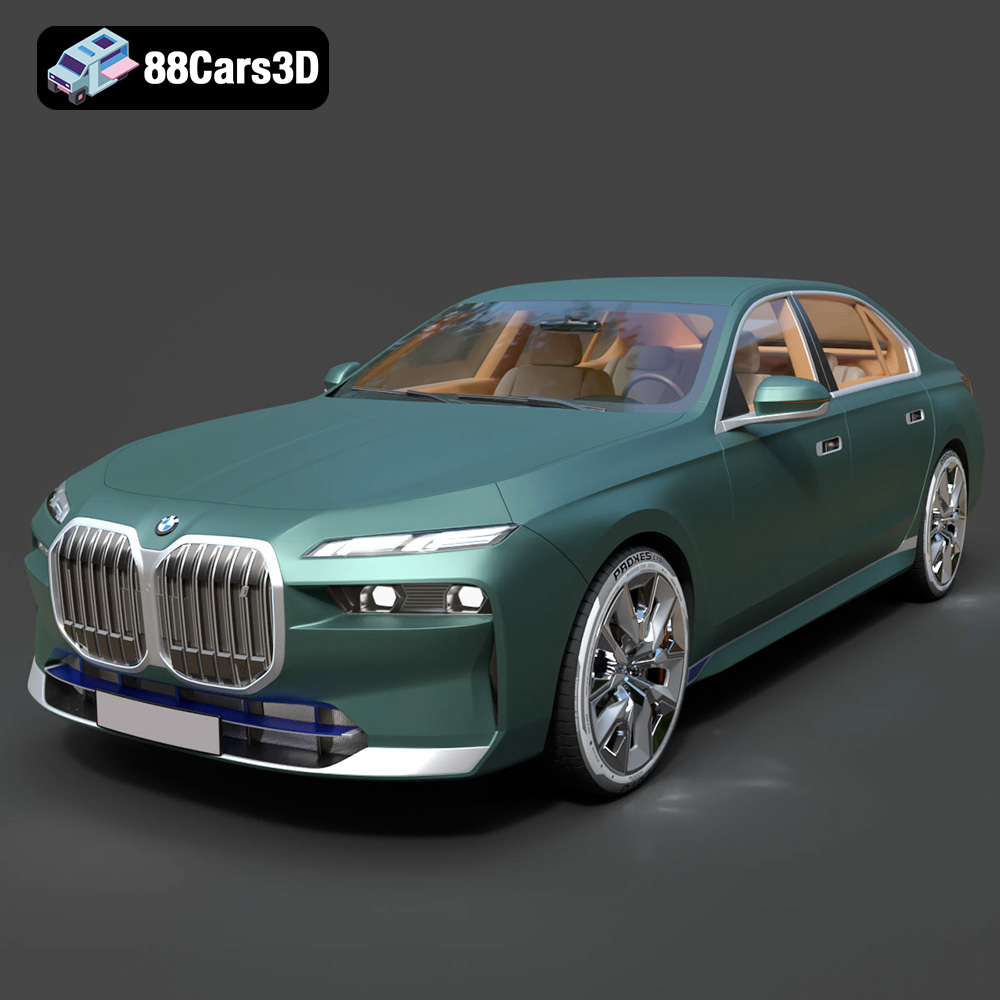
Texture: Yes | Material: Yes Download the ultra-high-detail BMW i7 (2023) 3D Model (4.14M Triangles). Features the illuminated kidney grille, split crystal headlights, fully modeled Theatre Screen interior, and monolithic luxury styling. Perfect for ArchViz, VFX, and cinematic rendering. Includes .blend, .fbx, .obj, .glb, .stl, and .max formats.
Price: $19.99
View Product
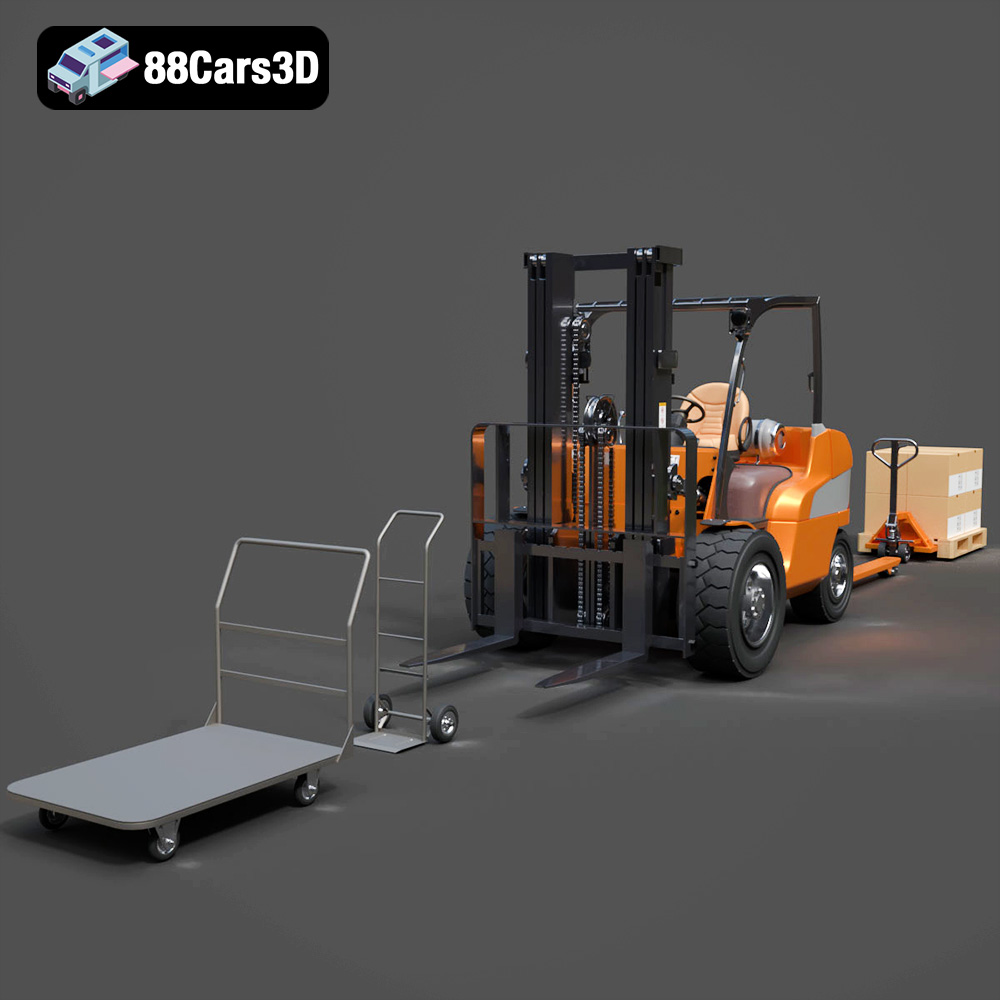
Texture: Yes | Material: Yes Download the highly detailed CAT Manual Loader & Warehouse Carts Kit 3D Model (2.4M Triangles). Features a macro-detailed hydraulic pallet jack, heavy-duty forks, and transport carts. Perfect for industrial ArchViz, factory rendering, and logistics simulations. Includes .blend, .fbx, .obj, .glb, .stl, and .max formats.
Price: $19.99
View Product
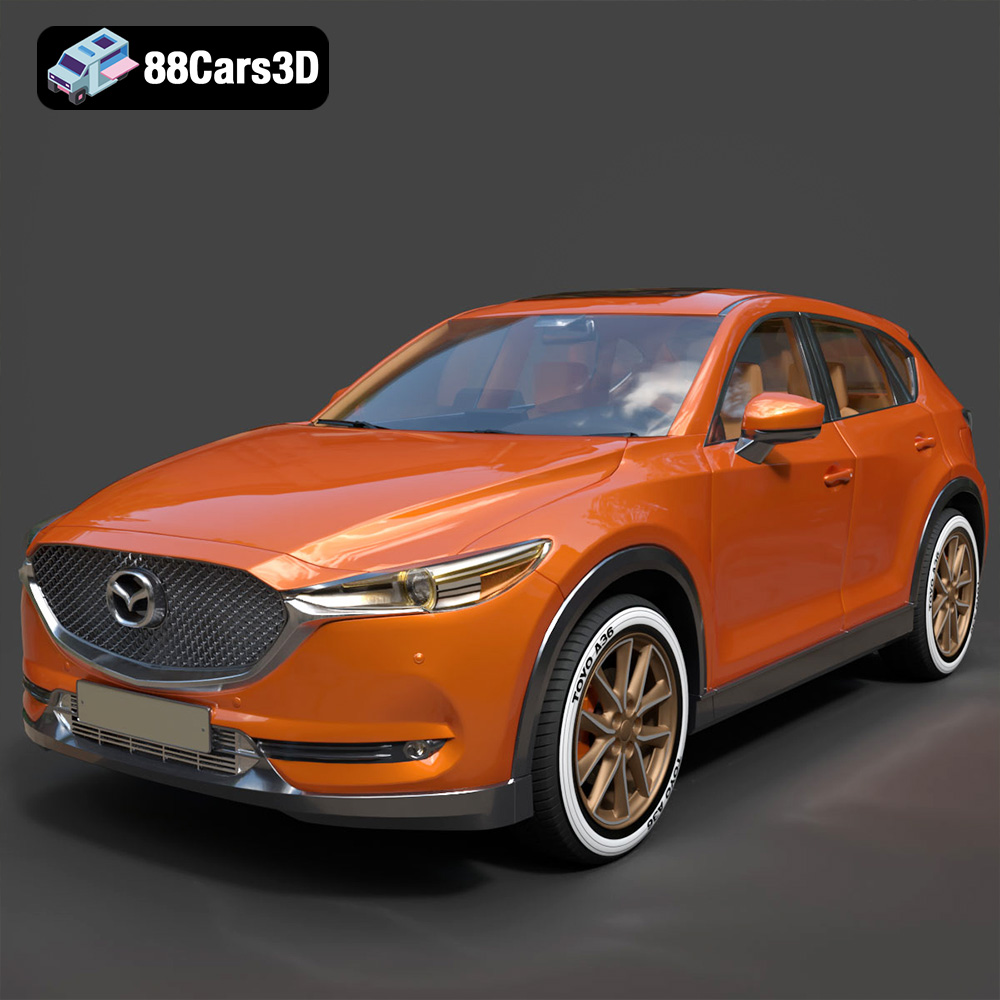
Texture: Yes | Material: Yes
Download the highly optimized Mazda CX-5 2014 3D Model (294k Triangles). Features the dynamic Kodo design language, signature grille, and a clean interior. Perfectly balanced for ArchViz, background traffic, and game development. Includes .blend, .fbx, .obj, .glb, .stl, and .max formats.
Price: $19.99
View Product
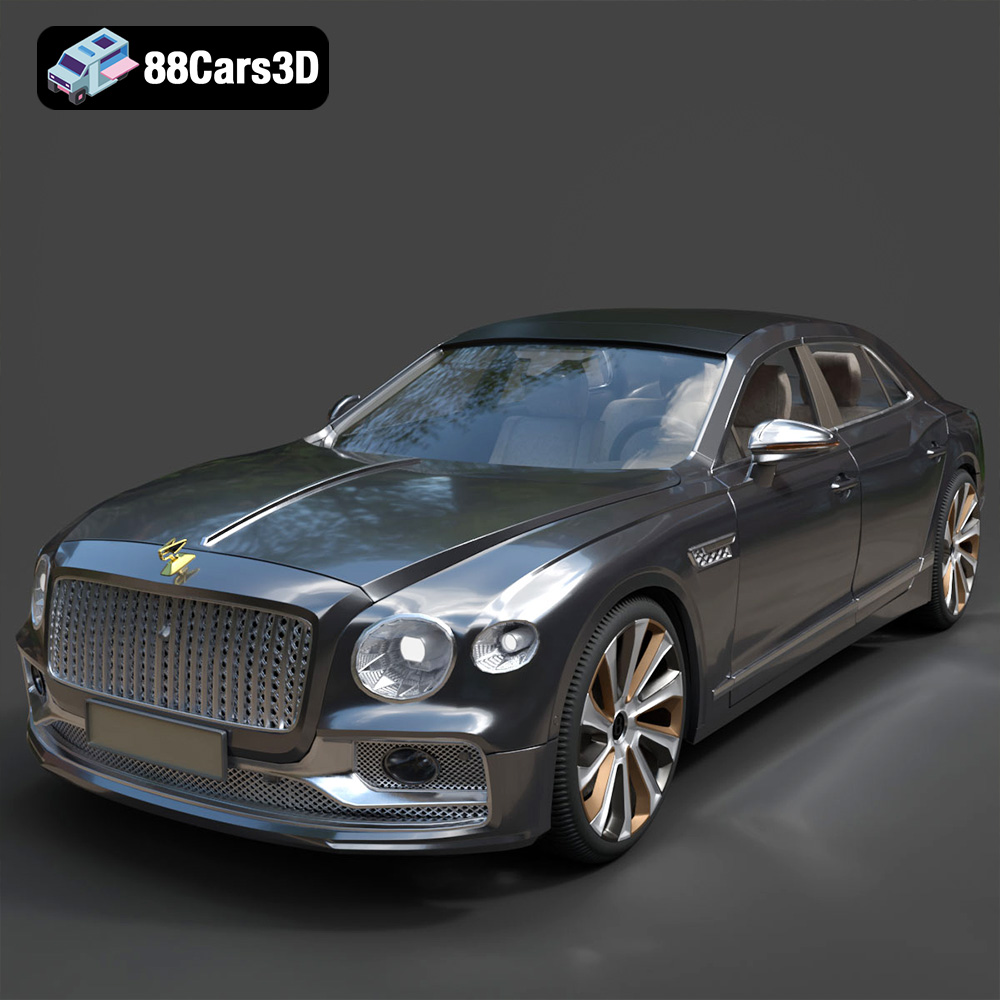
Texture: Yes | Material: Yes Download the ultra-high-detail Bentley Flying Spur Mulliner 2022 3D Model (2.94M Triangles). Features the bespoke Double Diamond grille, a fully modeled diamond-quilted interior, and exquisite luxury styling. Perfect for high-end ArchViz, VFX, and cinematic rendering. Includes .blend, .fbx, .obj, .glb, .stl, and .max formats.
Price: $19.90
View Product
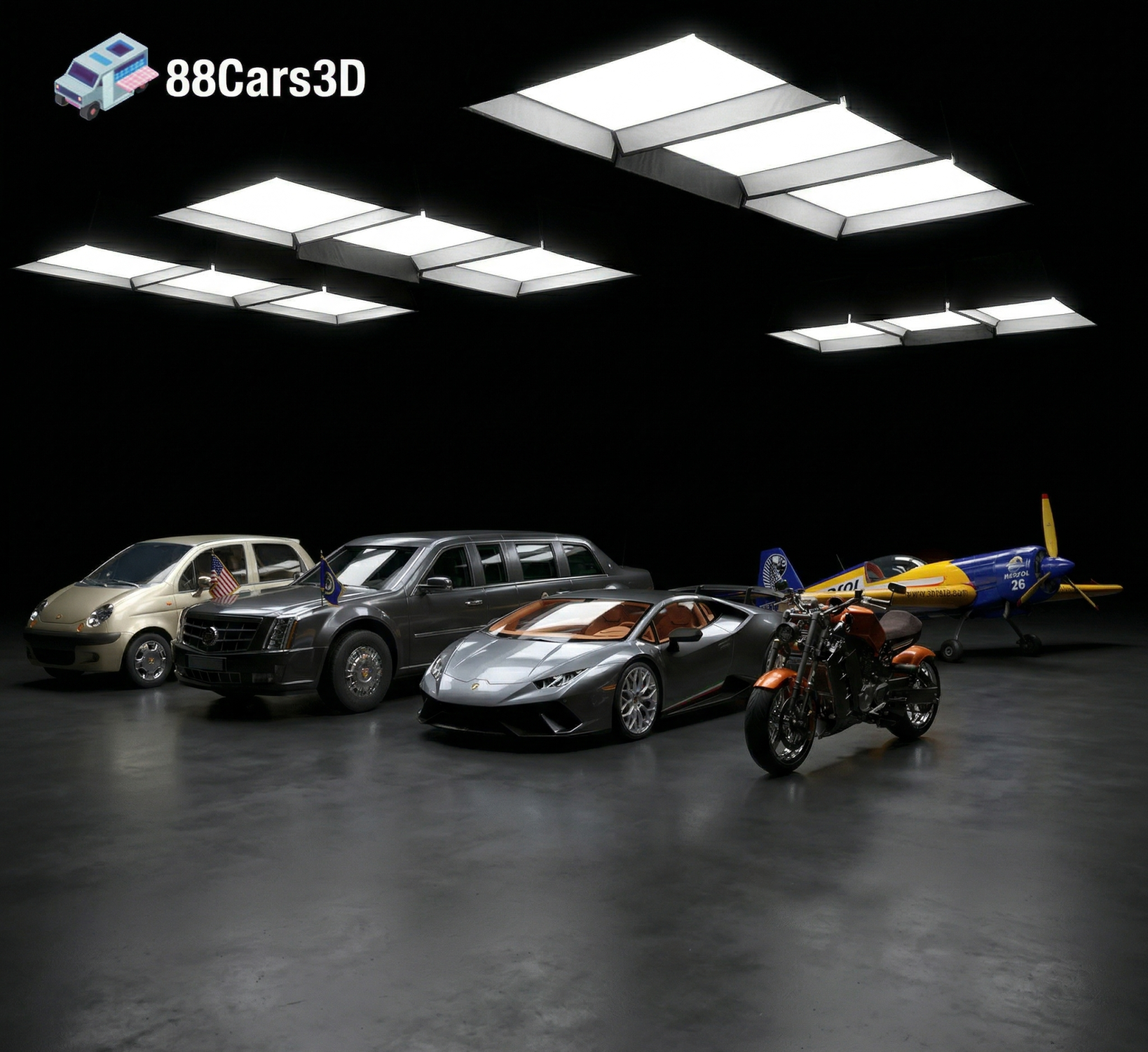
Texture: Yes | Material: Yes | 3D Printable: Yes. Download the Ultimate Creators’ Showcase featuring 5 premium 3D models: Lamborghini Huracan, ZAV Concept Motorcycle, Sukhoi SU-26, Presidential Limousine, and Daewoo Damas. Optimized for 4K CGI rendering and 3D printing. Save massive with this exclusive multi-category bundle!
Price: $99.99
View Product

Texture: Yes | Material: Yes | 3D Printable: Yes. Download the Italian Thoroughbreds Bundle featuring 5 iconic 3D models: Lamborghini Huracán Performante, Ferrari 458 Italia, Lamborghini Urus, Diablo SV, and Maserati GT. Optimized for 4K rendering and 3D printing (STL included). Save 50% with this ultimate Italian vehicle collection.
Price: $199.99
View Product

Download the Elite Future Mobility Bundle featuring 4 highly optimized 3D models: Tesla Model S, Avatr 11, Li L9, and Zoox Robotaxi. Perfect for ArchViz, Smart City renders, and game dev. Optimized for Unreal Engine and Blender. Includes .fbx, .obj, and .max formats.
Price: $99
View Product

🚗 5 Iconic German Cars (BMW M4 G82, M5 CS, X3, 1 Series & Mercedes E-Class). ✅ Optimized for ArchViz: Ready for Corona & V-Ray. 💰 Save €71 with this limited-time collection! 🚀 Instant Download after purchase.
Price: $119
View Product

Download the Extreme Off-Road & Survival 3D Models Bundle! Includes the Brabus 800 Adventure, Dodge Ram Bigfoot, Spec Truck, and a Caravan. Save over €210 on this premium 4-in-1 off-grid vehicle pack for ArchViz and game development.
Price: $149.99
View Product

Download the Heavy Duty & Commercial Logistics 3D Models Bundle! Includes the Ford Sterling, Caterpillar CT680, Mercedes Citaro Bus, and Vito Van. Save over €130 on this massive, game-ready 4-in-1 industrial vehicle pack.
Price: $109.99
View Product


