Get 50% OFF All Premium 3D & STL Models!

In the vast landscape of 3D visualization, from breathtaking architectural renders to expansive open-world game environments, the pursuit of realism is paramount. Artists and developers often focus on hero assets, intricate buildings, or stunning natural landscapes, yet a crucial element often overlooked is the subtle, yet powerful, impact of everyday detail. Imagine a meticulously rendered skyscraper or a sprawling virtual city street – what truly makes it feel alive, believable, and ‘lived-in’? More often than not, it’s the mundane, the ubiquitous, the vehicles that populate its arteries.
Supercars and futuristic concept vehicles certainly command attention, but an entire street populated solely by exotic machinery can ironically break the illusion of reality. True urban authenticity comes from the familiar sight of a family SUV, a compact hatchback navigating city traffic, or a commercial van making deliveries. These are the unsung heroes of virtual environments, providing context, scale, and a sense of bustling activity. This is precisely where specialized collections like the Everyday City Traffic Essentials pack from 88cars3d.com become indispensable, offering a curated selection of highly detailed, yet common, vehicles designed to inject unparalleled realism into any scene.
The human eye is remarkably adept at detecting inconsistencies. While it might forgive a slightly off-texture on a distant building, an unnatural collection of vehicles on a street can immediately disrupt the immersive experience. Everyday cars serve as visual anchor points, connecting the digital world to our real-world experiences. They signal activity, suggest demographics, and provide an unspoken narrative to any scene.
For architectural visualization (ArchViz), the goal is to present a building not just as a static structure, but as a part of a dynamic, functioning ecosystem. A new high-rise isn’t truly complete until you can envision the flow of life around it. Populating the surrounding streets and parking lots with familiar cars like a Volkswagen Golf or a Toyota Yaris instantly grounds the building in a believable urban context. These vehicles don’t steal the show; they enhance it, making the architecture feel integrated and functional, rather than isolated.
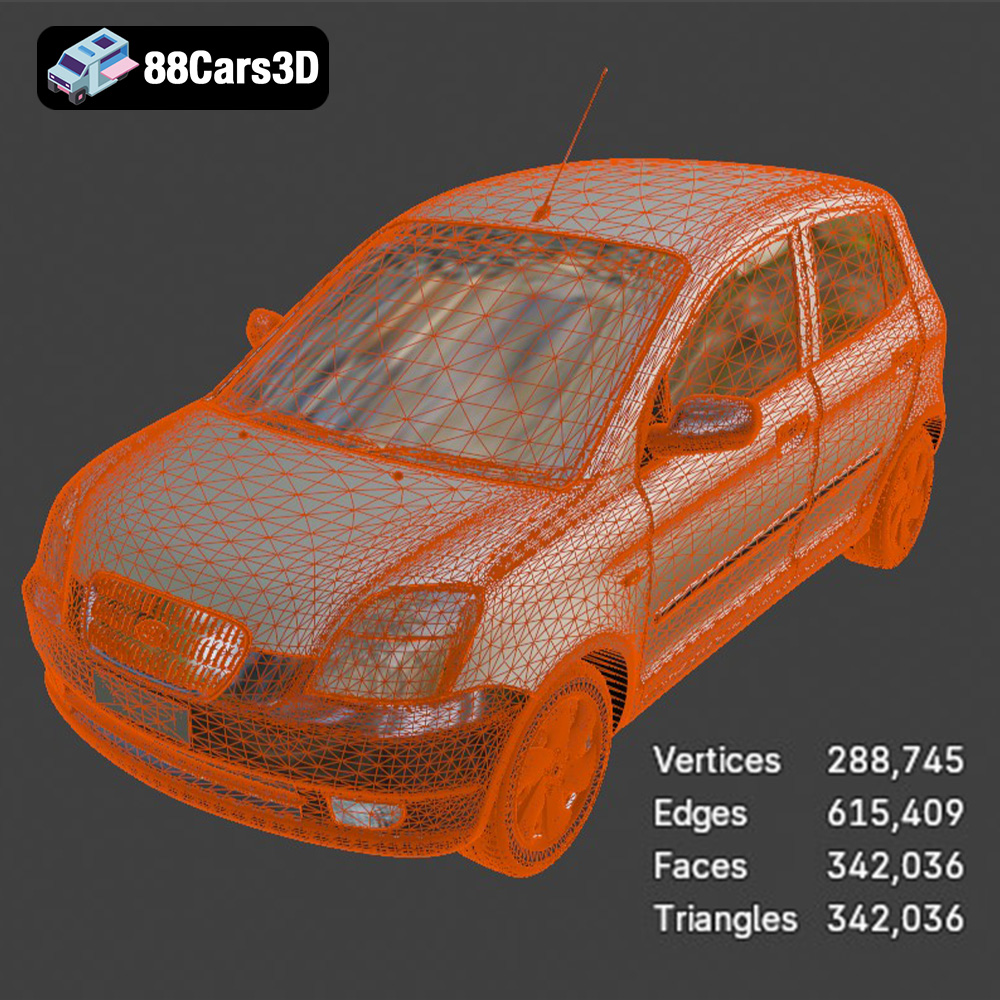
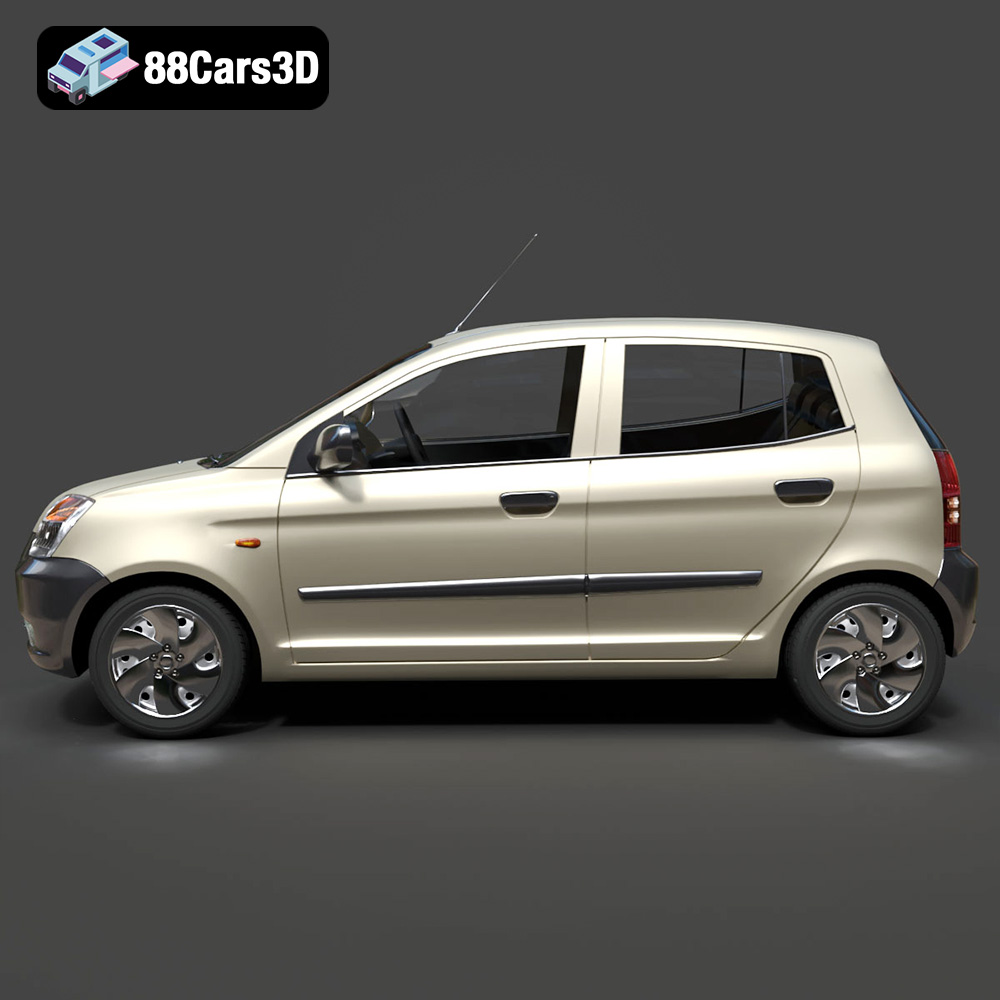
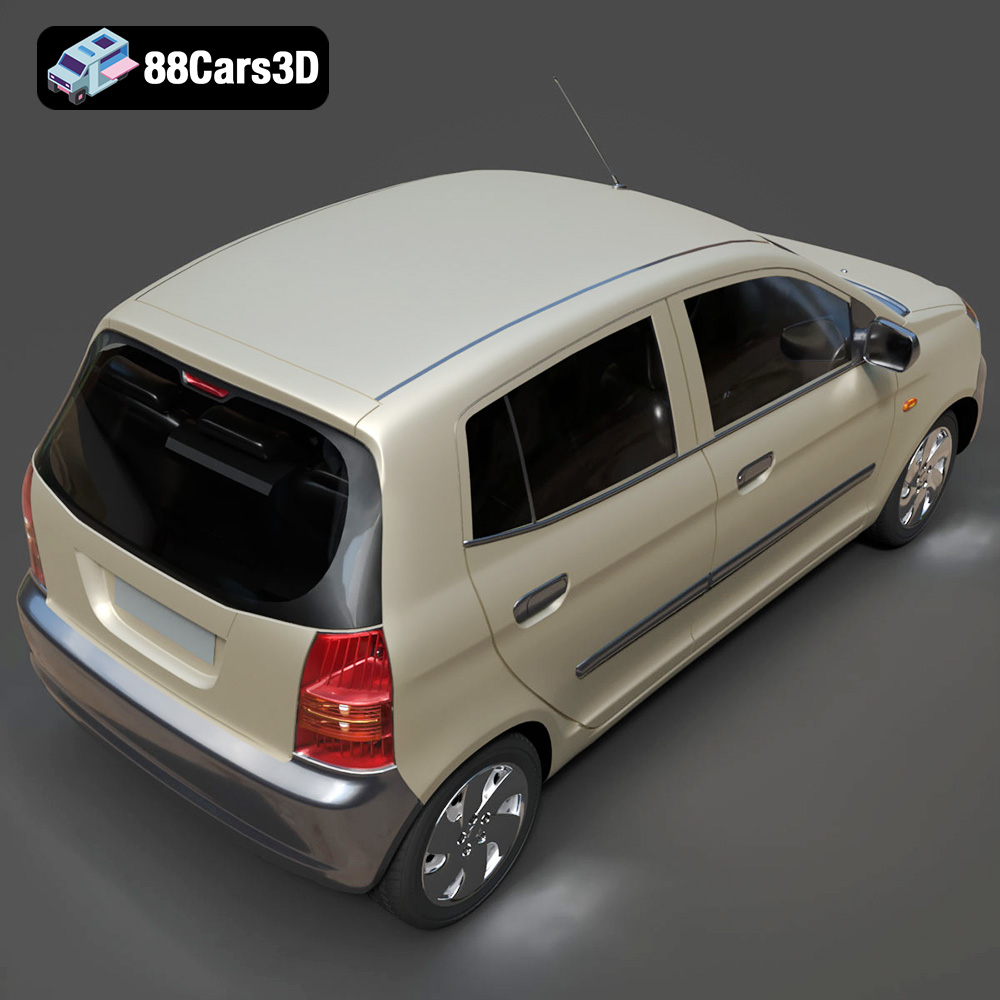
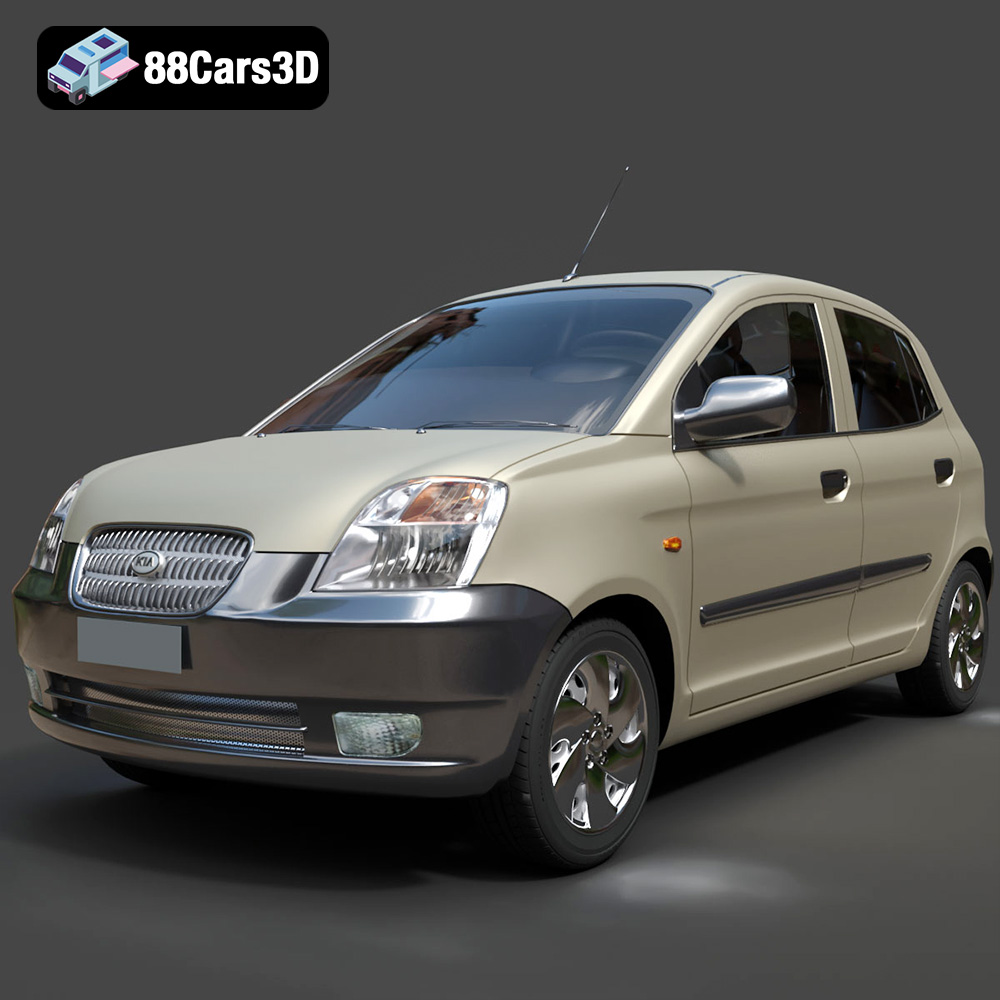
In game development, especially for open-world titles, the challenge is scalability and maintaining visual fidelity across vast distances. While player-driven vehicles might be highly detailed hero assets, the vast majority of vehicles encountered will be background or mid-ground elements. Using high-quality, optimized 3D car models for these non-interactive elements is critical. The subtle variations in age and type, like a classic Hyundai Tucson or a modern Kia Picanto, ensure that traffic doesn’t appear repetitive or generic, adding depth and credibility to the game world without taxing performance unnecessarily.
Choosing the right 3D model file format is crucial for seamless integration into your workflow, dictating everything from compatibility to the level of detail and animation support. The Everyday City Traffic Essentials pack thoughtfully includes a wide array of formats, ensuring broad applicability across various software and platforms. Understanding each format’s strengths and typical use cases is key to maximizing your efficiency and project quality.
The native file format for Blender, .blend files are comprehensive containers. They store not just the mesh data, but also materials, textures (often packed within the file), lighting setups, cameras, animations, and even scene organization. This makes them ideal for users working primarily in Blender, offering the highest degree of editability and flexibility. You can open a .blend file and immediately have access to all scene elements, ready for modification, rendering with Cycles or Eevee, or further development. For the Everyday City Traffic Essentials pack, this means you can dive straight into adjusting colors, adding damage, or modifying parts with Blender’s powerful toolset.
Autodesk’s Filmbox (.fbx) is perhaps the most widely adopted 3D exchange format, especially in game development and animation pipelines. It excels at preserving complex scene data including mesh geometry, materials, textures, rigging, skinning, and animation. Its robust support for skeletal animation and hierarchy makes it the go-to choice for importing animated characters and vehicles into real-time game engines like Unreal Engine and Unity. When importing an .fbx car model, you can expect its separated parts, like wheels and doors, to maintain their hierarchy, making it straightforward to rig for vehicle physics or simple animations.
Wavefront .obj is one of the oldest and most universal 3D file formats. It’s renowned for its simplicity and broad compatibility across virtually all 3D software. An .obj file primarily stores geometric data – vertices, normals, UV coordinates, and faces. Material information is typically stored in a separate .mtl (material template library) file, which references external texture maps. While .obj does not support animation, rigging, or scene hierarchy, its universality makes it excellent for static mesh exchange, especially when you need a clean mesh to start with in a new software environment. For the detailed cars in the Essentials pack, .obj offers a reliable base for cross-platform asset transfer.
The GLB (GL Transmission Format Binary) is a relatively modern format that’s gaining significant traction, particularly in the realm of augmented reality (AR), virtual reality (VR), and web-based 3D applications. It’s the binary version of glTF, packing all 3D model data (geometry, materials, textures, animations, and scene graph) into a single, self-contained file. This optimization makes .glb files incredibly efficient for rapid loading and rendering in browser-based viewers, mobile AR apps, and lightweight VR experiences. For showcasing 3D car models interactively online or integrating into AR prototypes, .glb is the clear choice.
Stereolithography (.stl) is the standard file format for 3D printing. Unlike other formats that describe surface appearance or complex scene data, .stl exclusively represents the surface geometry of a 3D object using a collection of triangular facets. It contains no color, texture, or material information. For designers and hobbyists looking to bring their digital car models into the physical world, an .stl file ensures manifold geometry, crucial for successful printing. The Everyday City Traffic Essentials pack’s inclusion of .stl files means these vehicles can be easily scaled and printed for dioramas, scale models, or architectural mock-ups, with specific recommendations provided for optimal resin printing.
The Polygon File Format (.ply) is a versatile format capable of storing a wide range of data, including geometry (vertices, faces), colors, transparency, normals, texture coordinates, and even properties like confidence values for scan data. It’s often used in scientific applications, 3D scanning, and CAD (Computer-Aided Design) where precise topological information and additional per-vertex or per-face data are important. While less common for everyday artistic exchange than FBX or OBJ, its inclusion signifies models with high data integrity, useful for analytical purposes or specialized pipelines that require robust mesh data.
While ‘.unreal’ isn’t a standalone 3D model file format in the same way FBX or OBJ are, it typically refers to an asset or package specifically structured and optimized for direct import or use within Unreal Engine. Often, this means the original 3D model (e.g., an FBX) has been processed, textured, and set up within Unreal Engine’s native asset system, potentially with pre-configured materials, LODs (Levels of Detail), and even basic collision meshes. For a product advertising an ‘.unreal’ component, it often implies a streamlined, plug-and-play experience, saving developers significant time on engine setup for real-time environments.
The .max file format is the native scene file for Autodesk 3ds Max. Similar to .blend for Blender, it encapsulates an entire 3ds Max project, including all geometry, modifiers, materials, textures, lighting, cameras, animation keyframes, and scene settings. This format provides the most complete and editable version of the 3D car models for users of 3ds Max, which is a dominant software in architectural visualization and high-end rendering. Having the .max file means full access to the original scene, allowing for advanced rendering with V-Ray or Corona, complex animation setups, or detailed model modifications.
The Everyday City Traffic Essentials pack from 88cars3d.com isn’t just a random collection; it’s a strategically assembled bundle designed to provide a cross-section of common vehicles that define urban and suburban landscapes across different eras. This thoughtful curation is what truly elevates its utility for professionals.
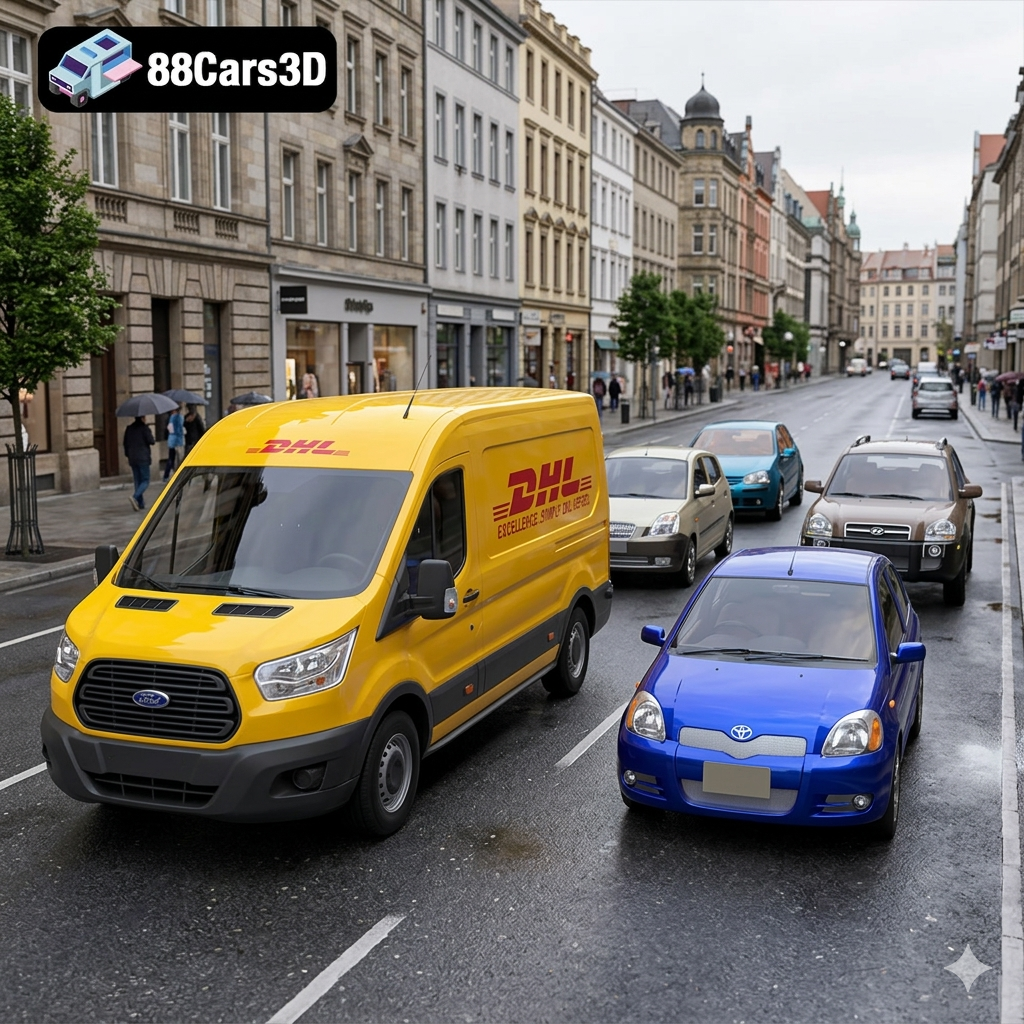
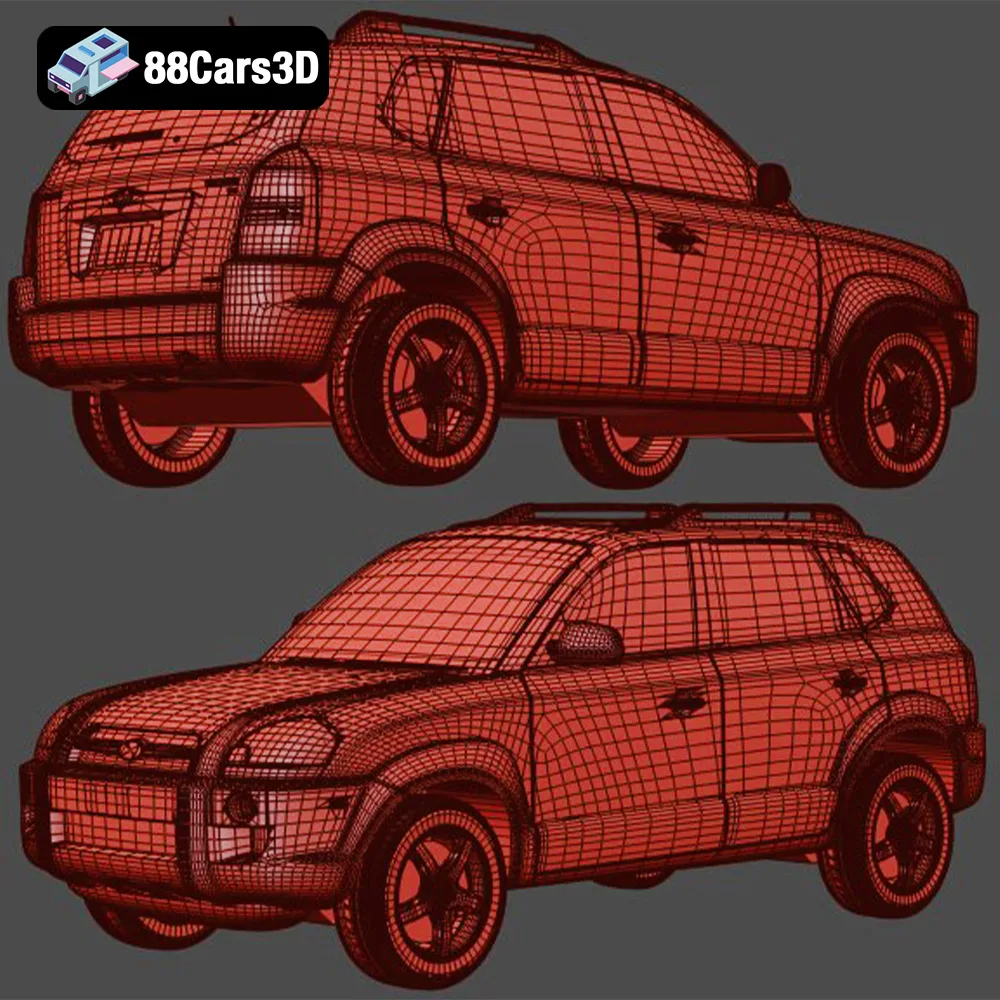
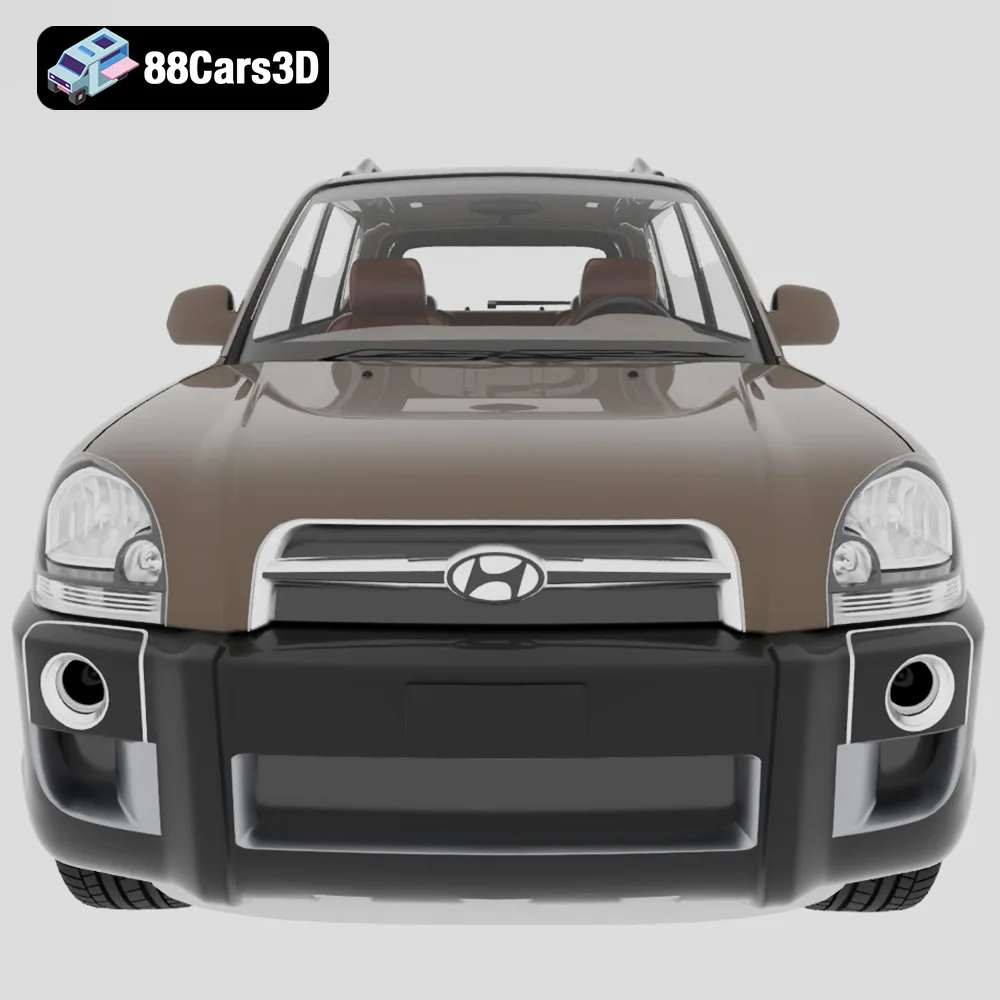
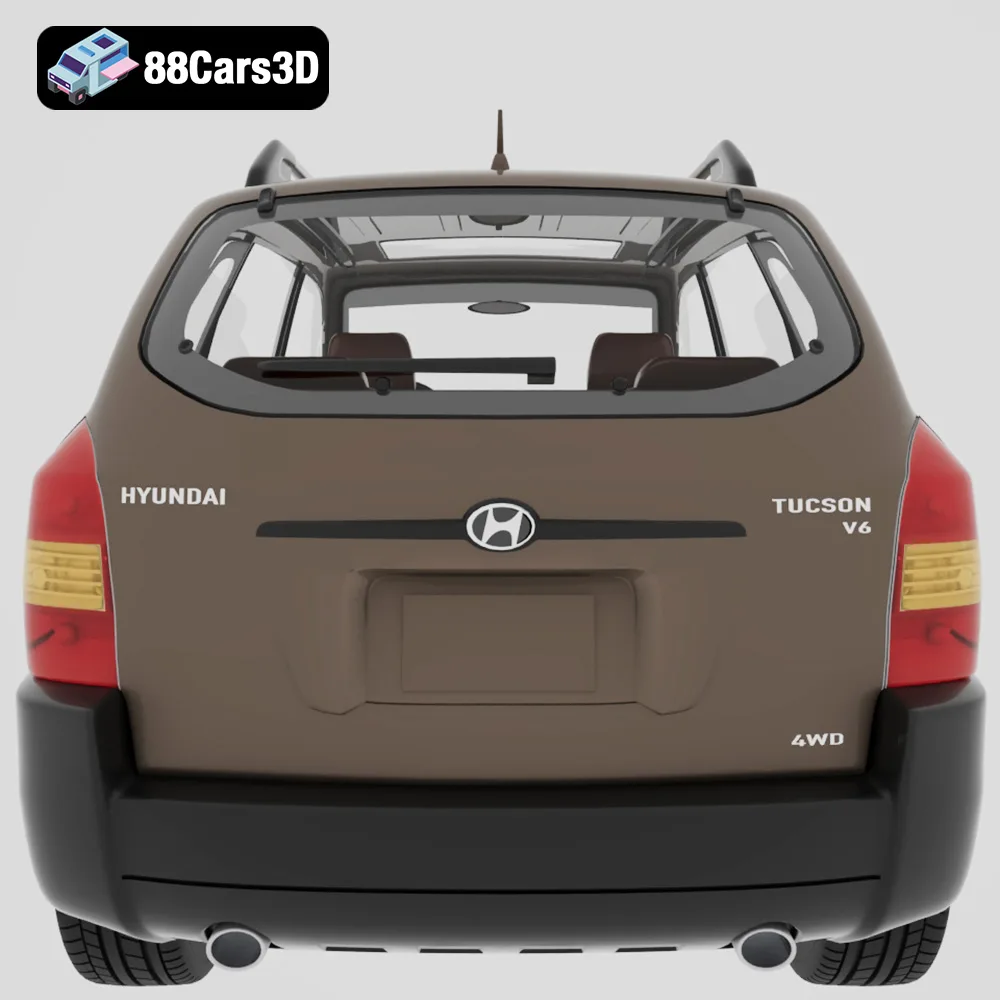
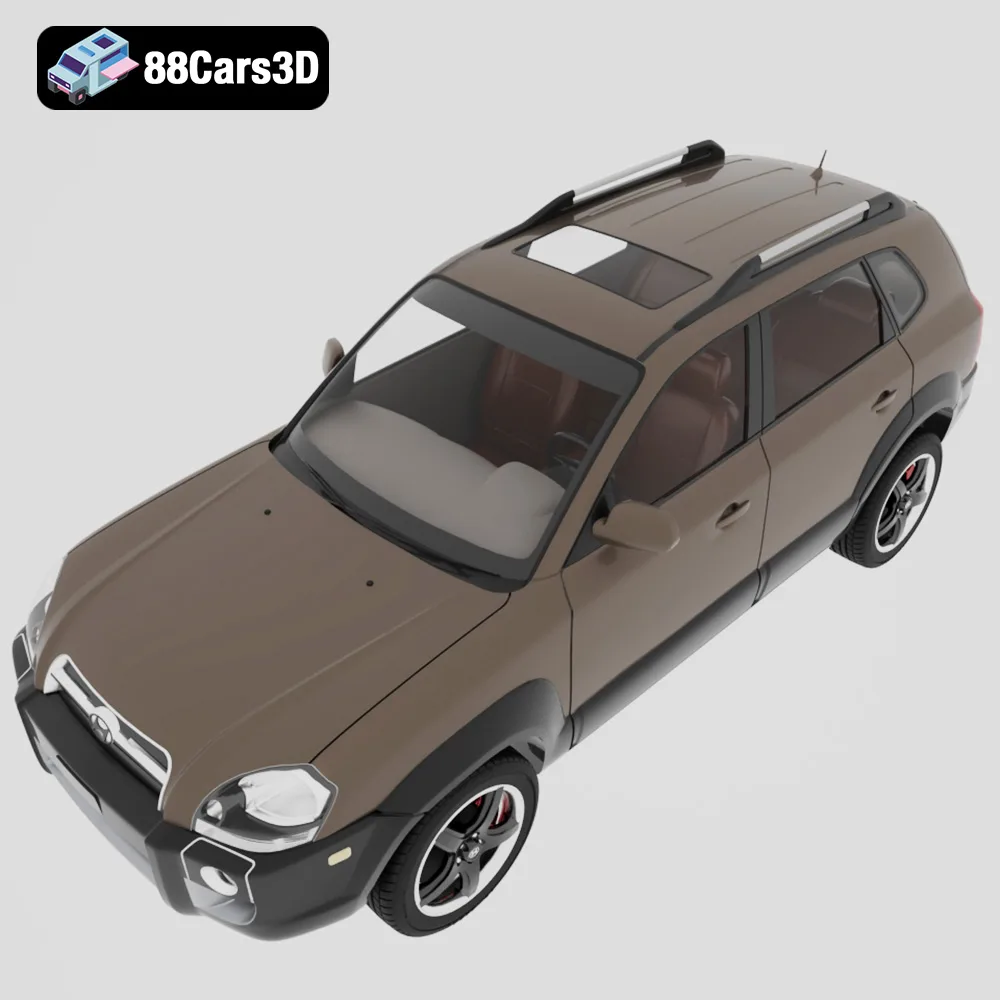
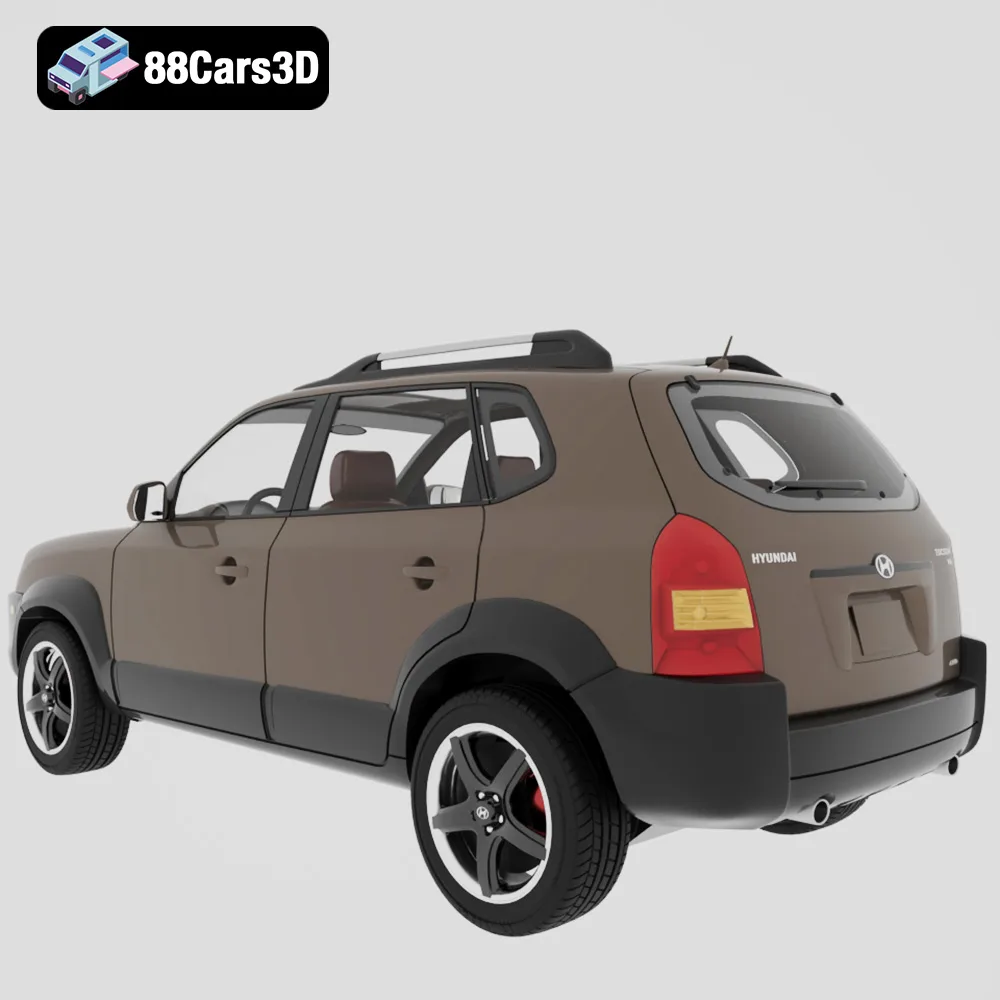
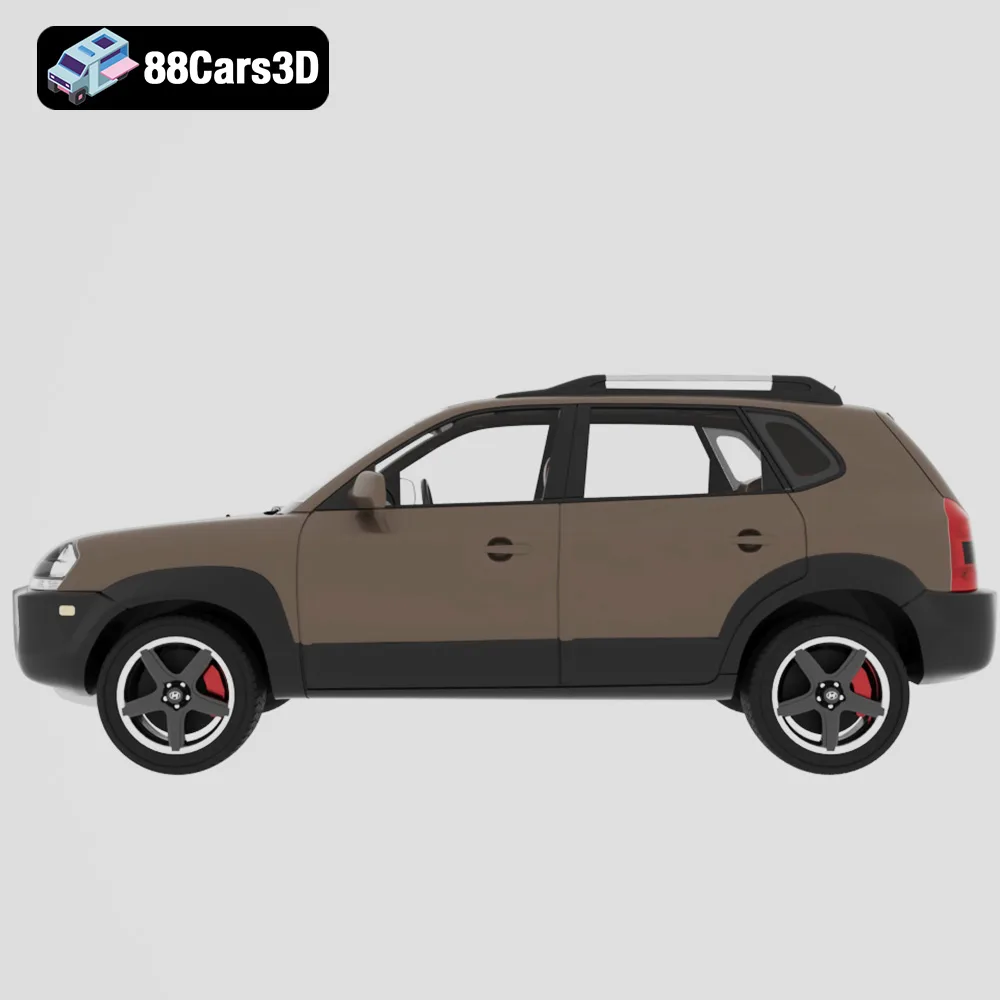
The 2005 Hyundai Tucson represents a pivotal moment in the rise of the compact crossover SUV. Its inclusion instantly grounds a scene in the mid-2000s, resonating with a sense of familiarity for viewers. Ideal for populating suburban driveways, shopping mall parking lots, or mid-tier urban traffic, its detailed exterior modeling ensures that even as a background element, it holds up to scrutiny. The precise headlights, for instance, capture the distinctive design of the era.
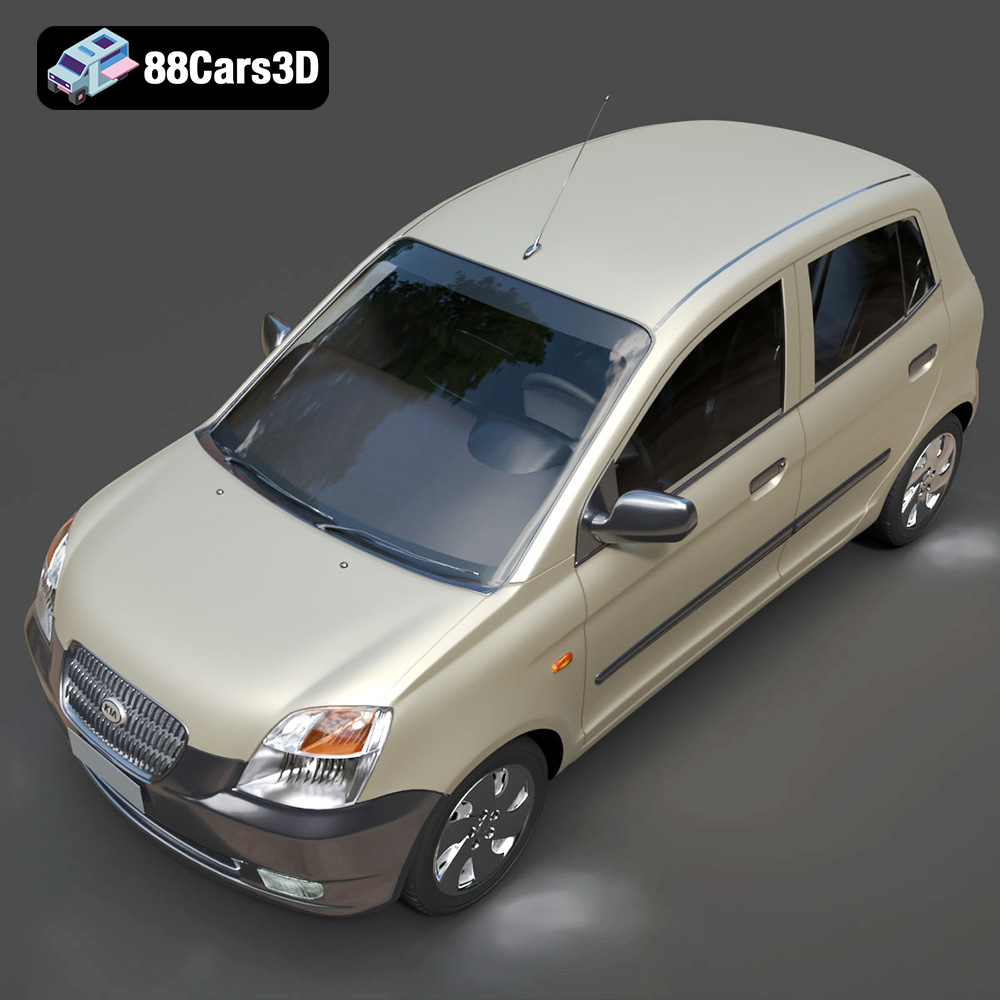
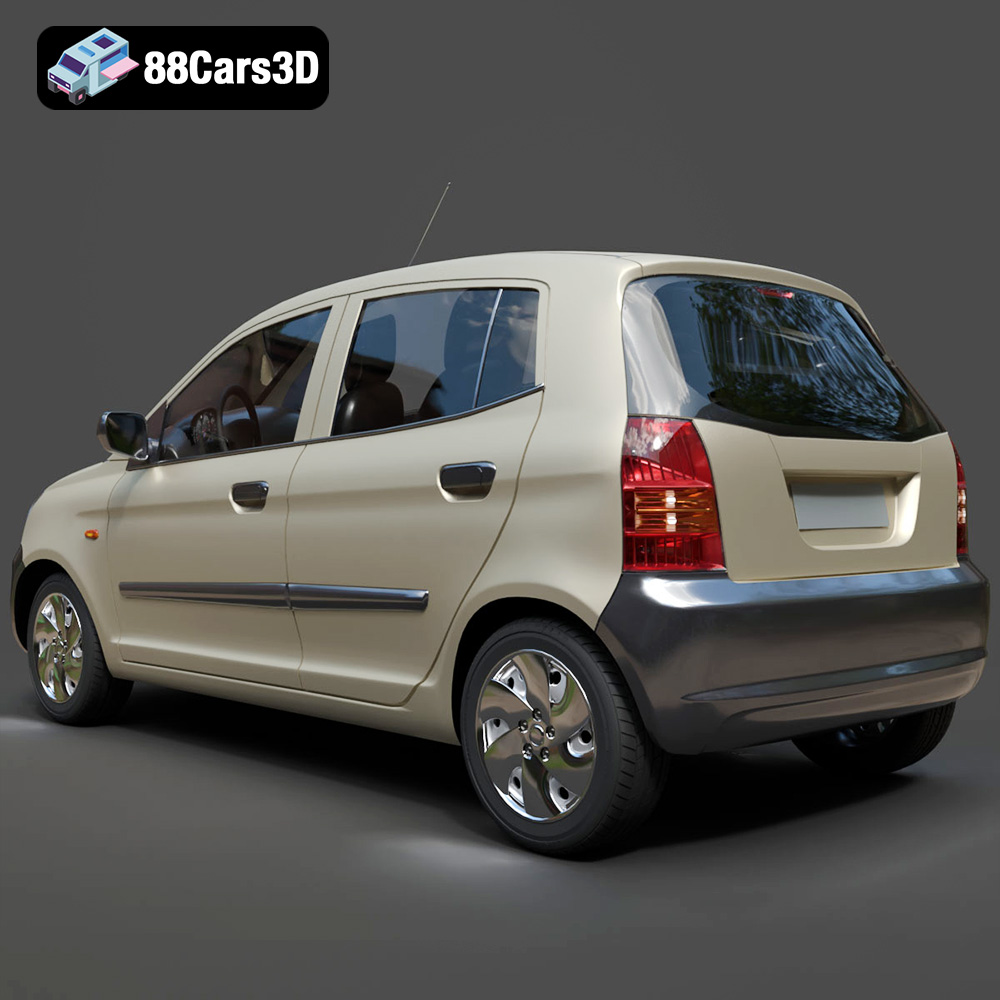
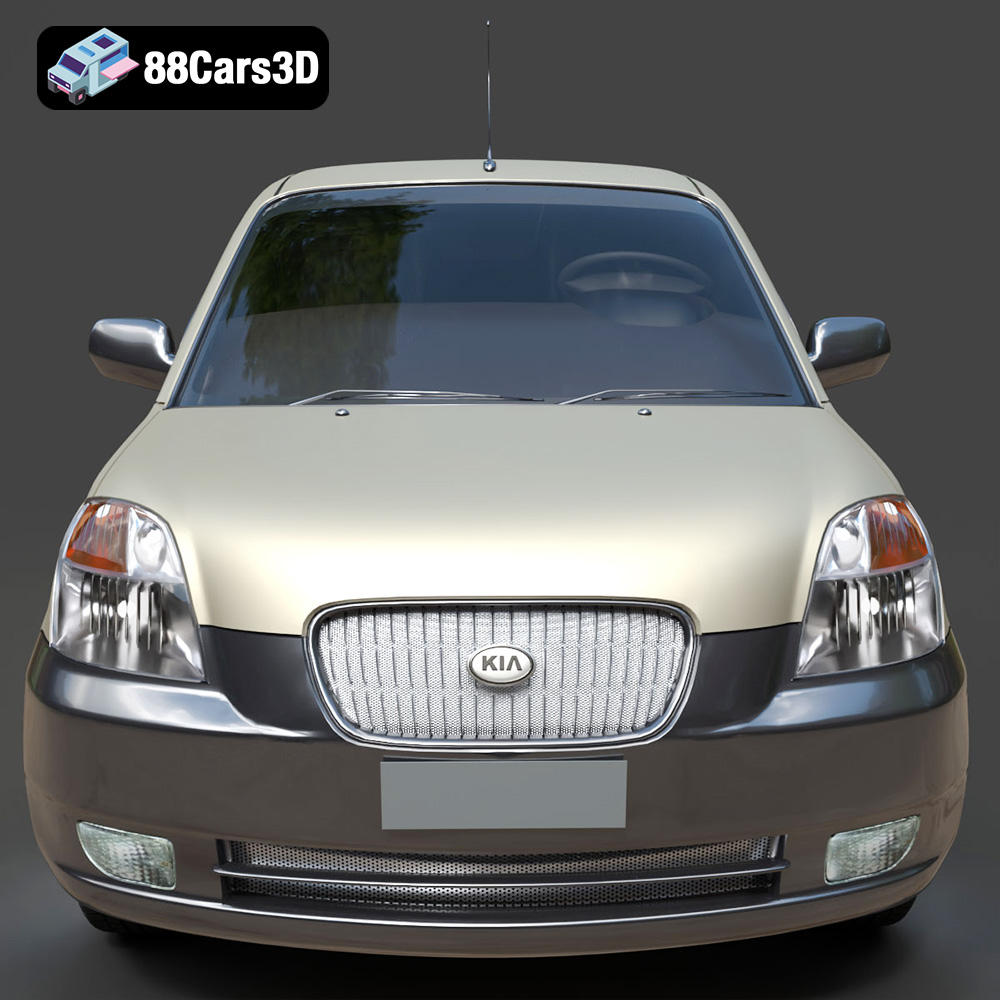
Fast-forward to the present with the 2024 Kia Picanto. This modern, aggressive, and compact hatchback is the embodiment of contemporary city commuting. Its sharp lines and updated design cues immediately bring a scene into the current day, perfect for bustling European or Asian streetscapes. The Picanto serves as a fantastic counterpoint to older models, illustrating the evolution of automotive design and adding visual diversity to traffic flows.
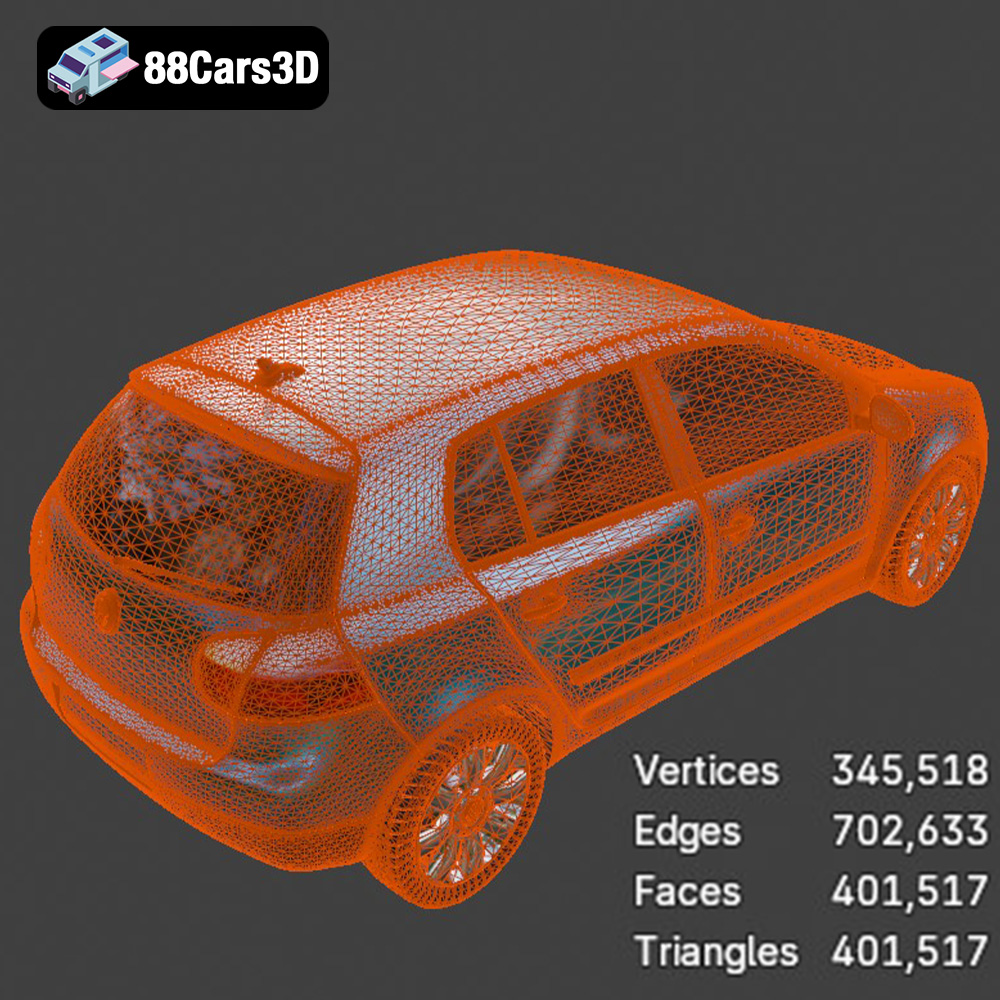
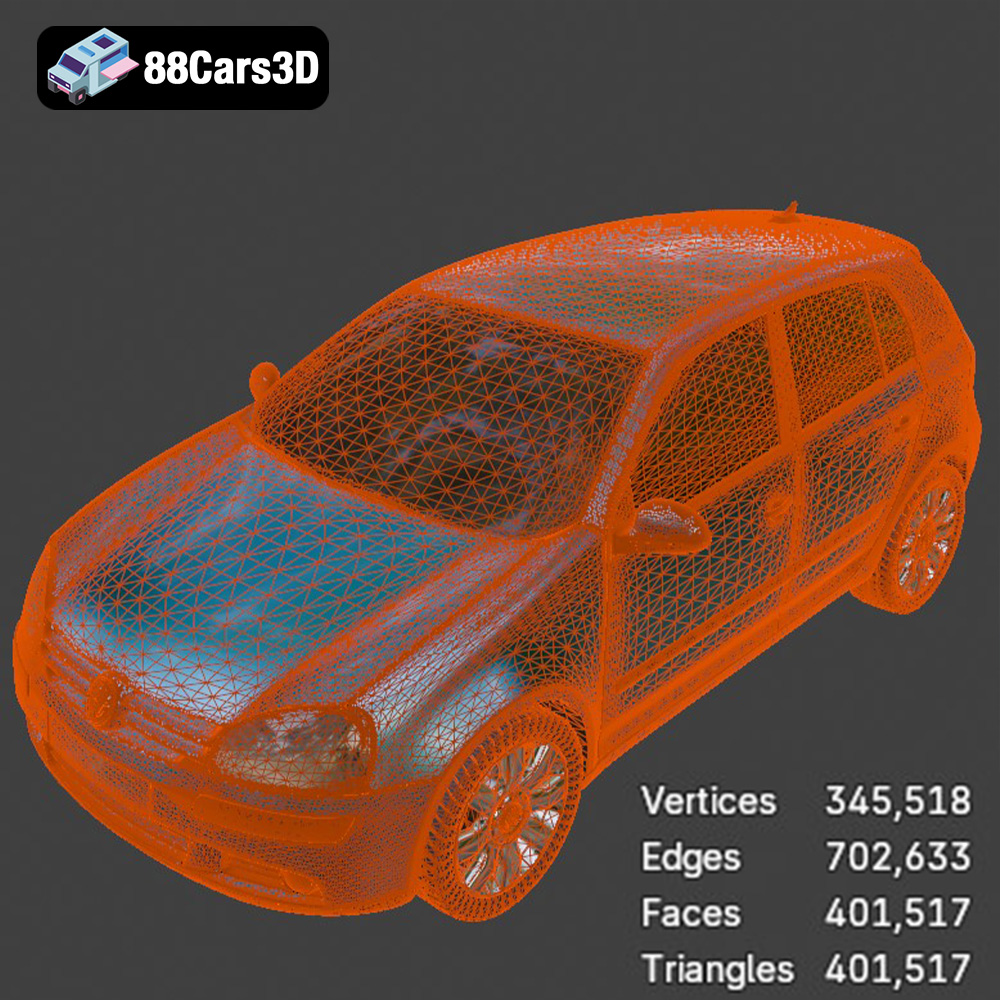
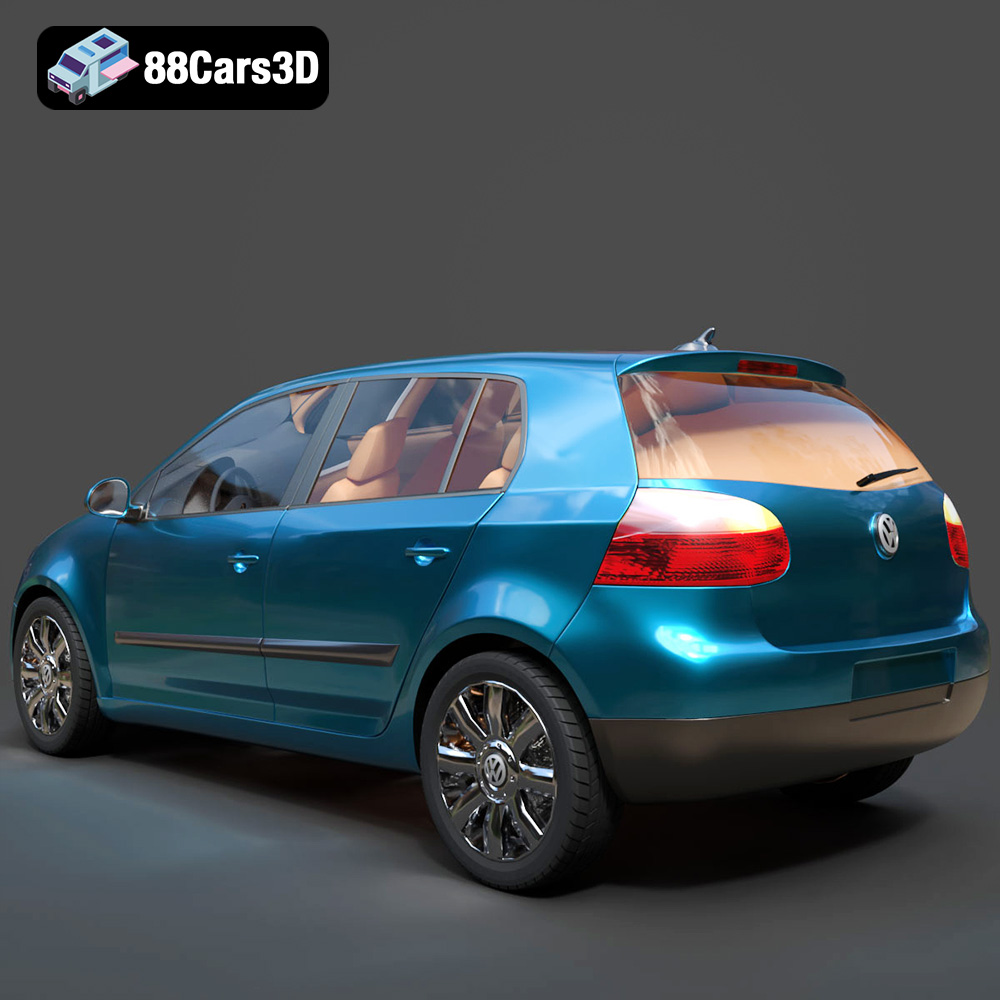
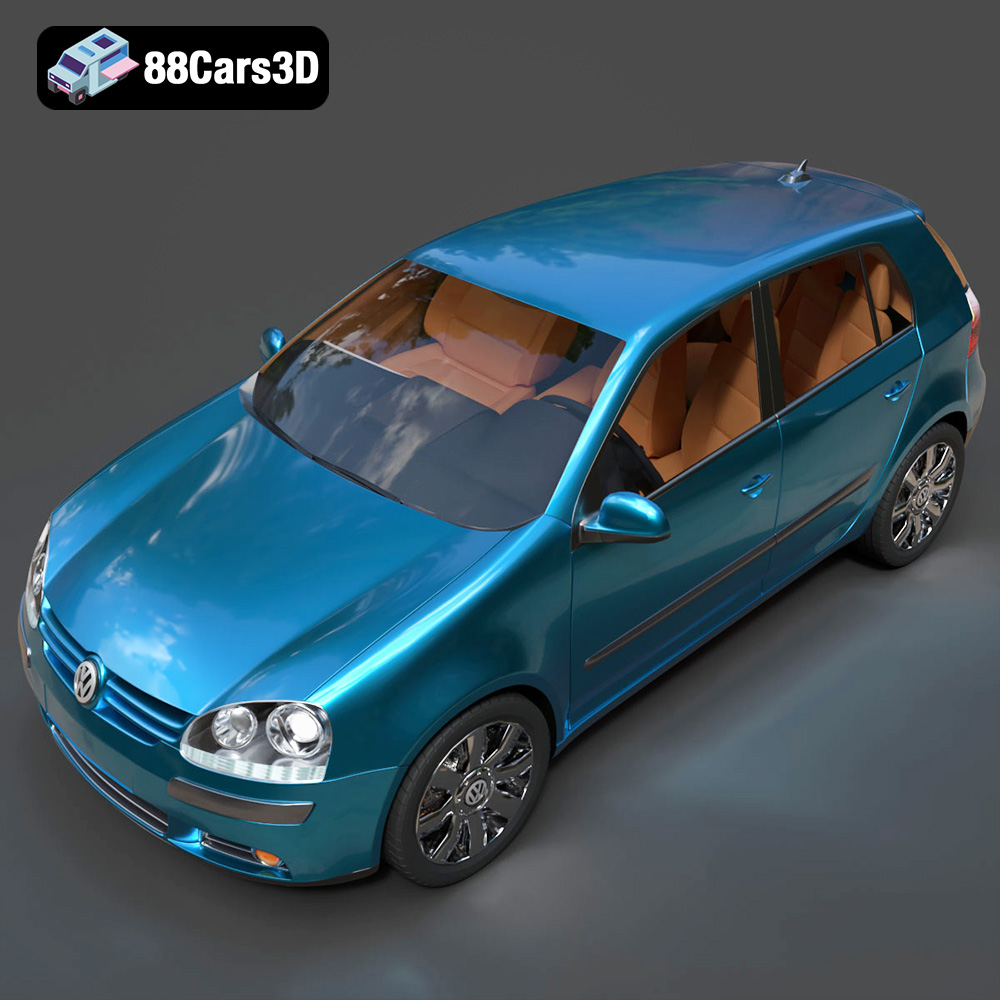
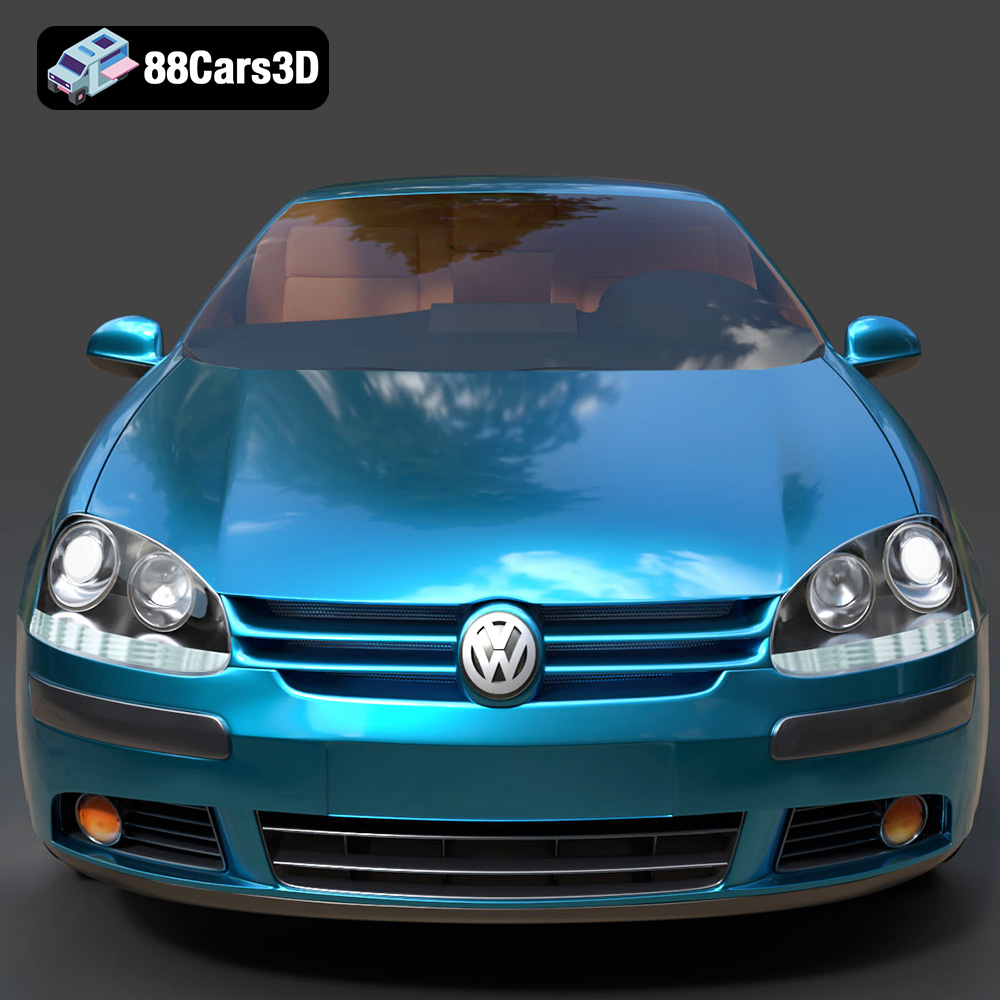
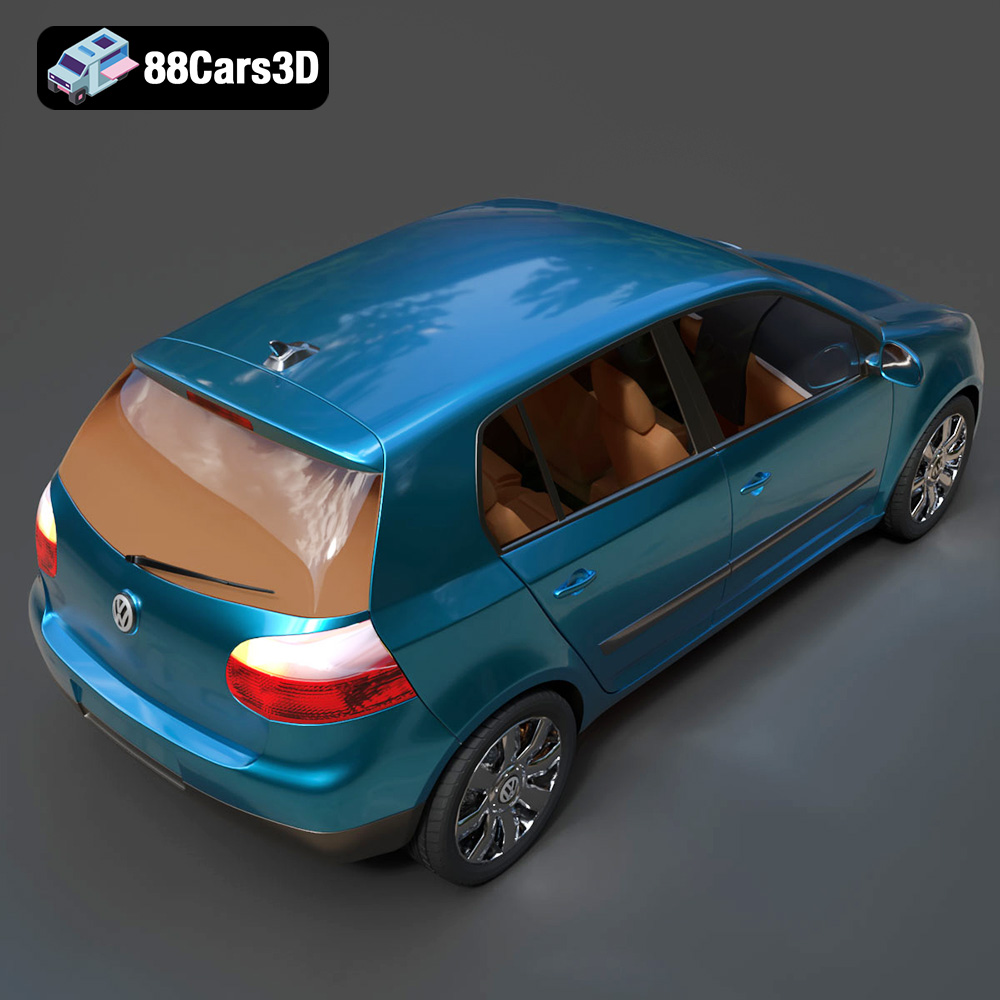
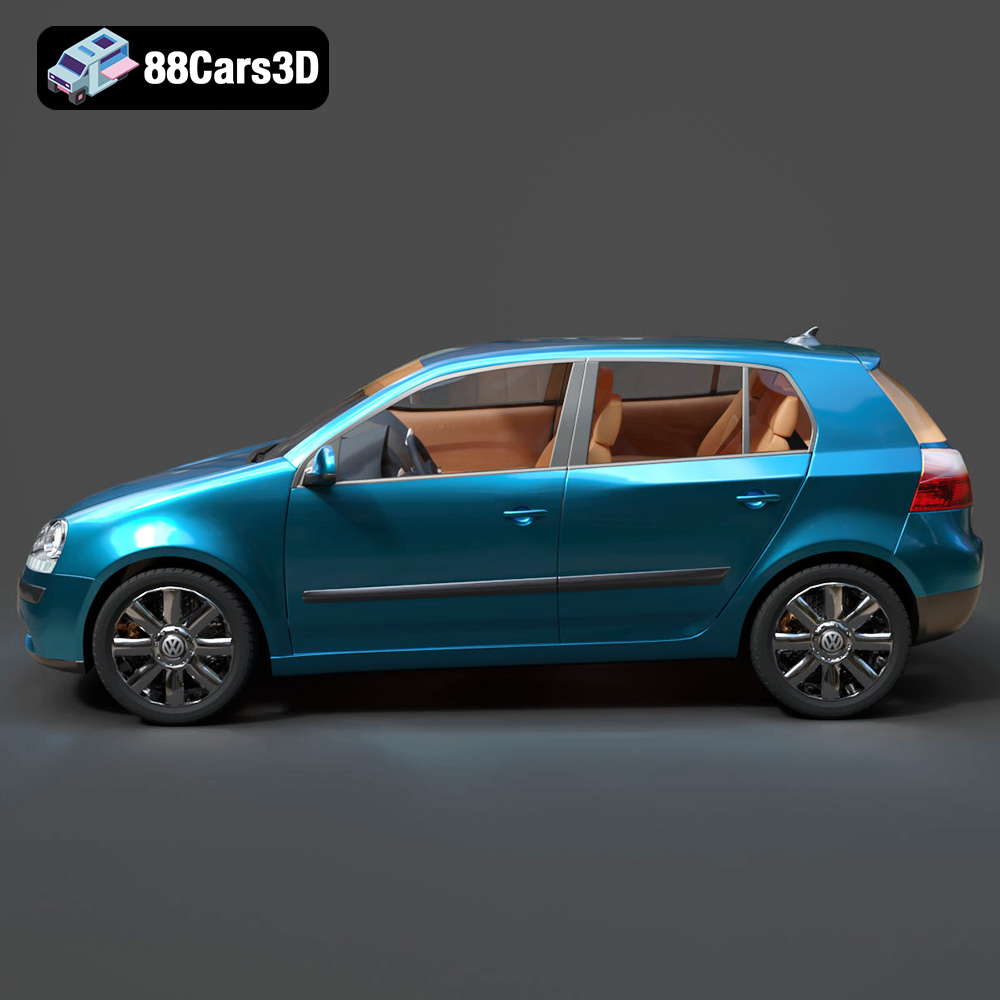
No collection of everyday cars is complete without a Volkswagen Golf. The Golf V, from 2006, is arguably the quintessential European hatchback, a ubiquitous presence on roads worldwide. Its inclusion in the pack is non-negotiable for achieving authentic street scenes. The model’s flawless topology, meticulously capturing every curve, ensures it can be rendered from any angle with photorealistic results, making it an indispensable asset for any urban environment.
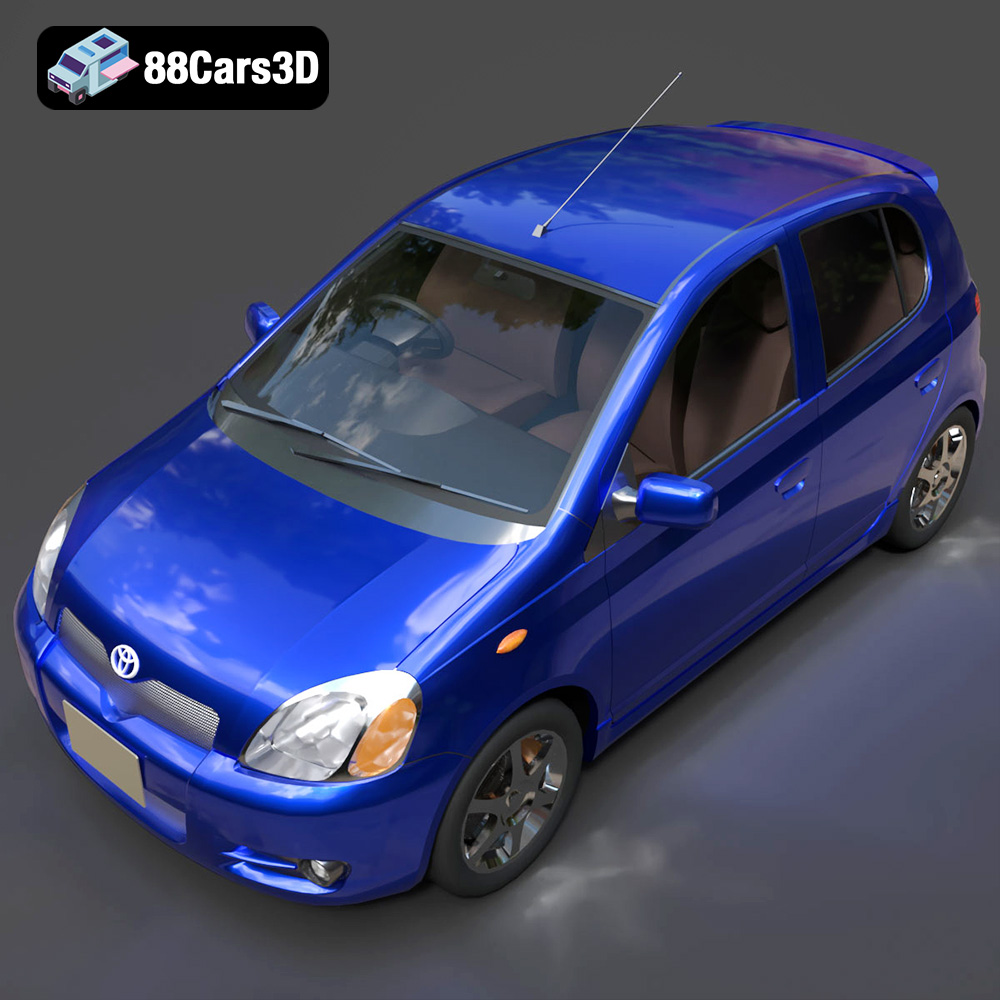
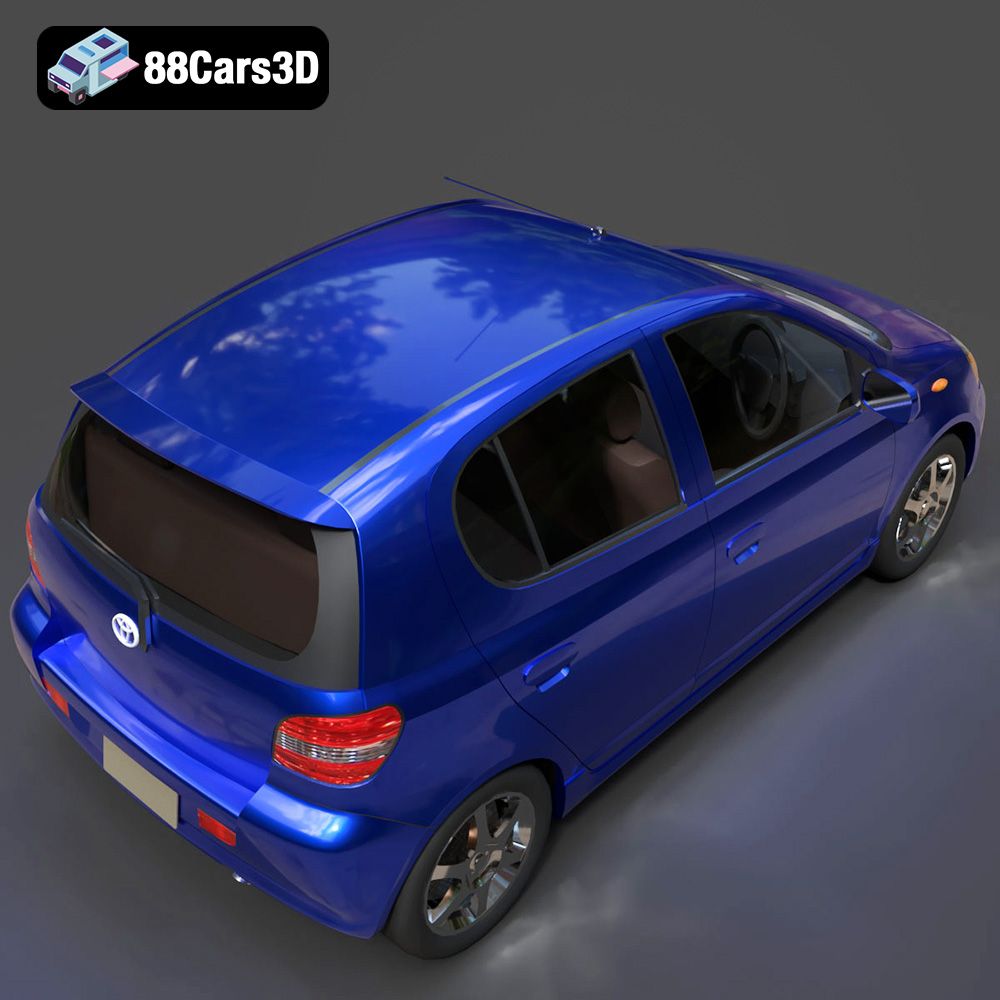
Adding a touch of nostalgia and realism, the 1999 Toyota Yaris is the ‘secret weapon’ for experienced artists. Slightly older, less flashy vehicles like this Yaris are crucial for making renders look genuinely lived-in and natural. They suggest the passage of time, the diversity of car ownership, and prevent scenes from appearing artificially pristine. This model offers that perfect balance of being instantly recognizable yet not overly dominant, making it ideal for background and mid-ground placement.
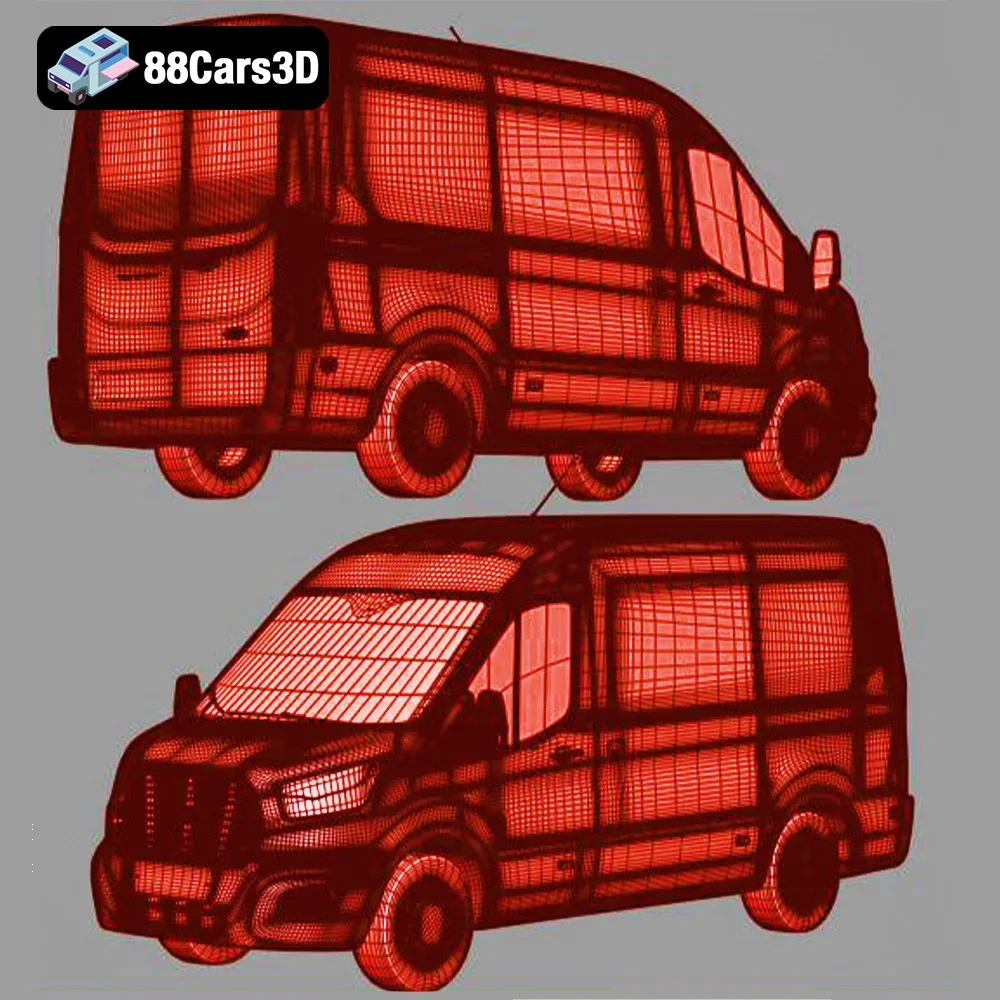
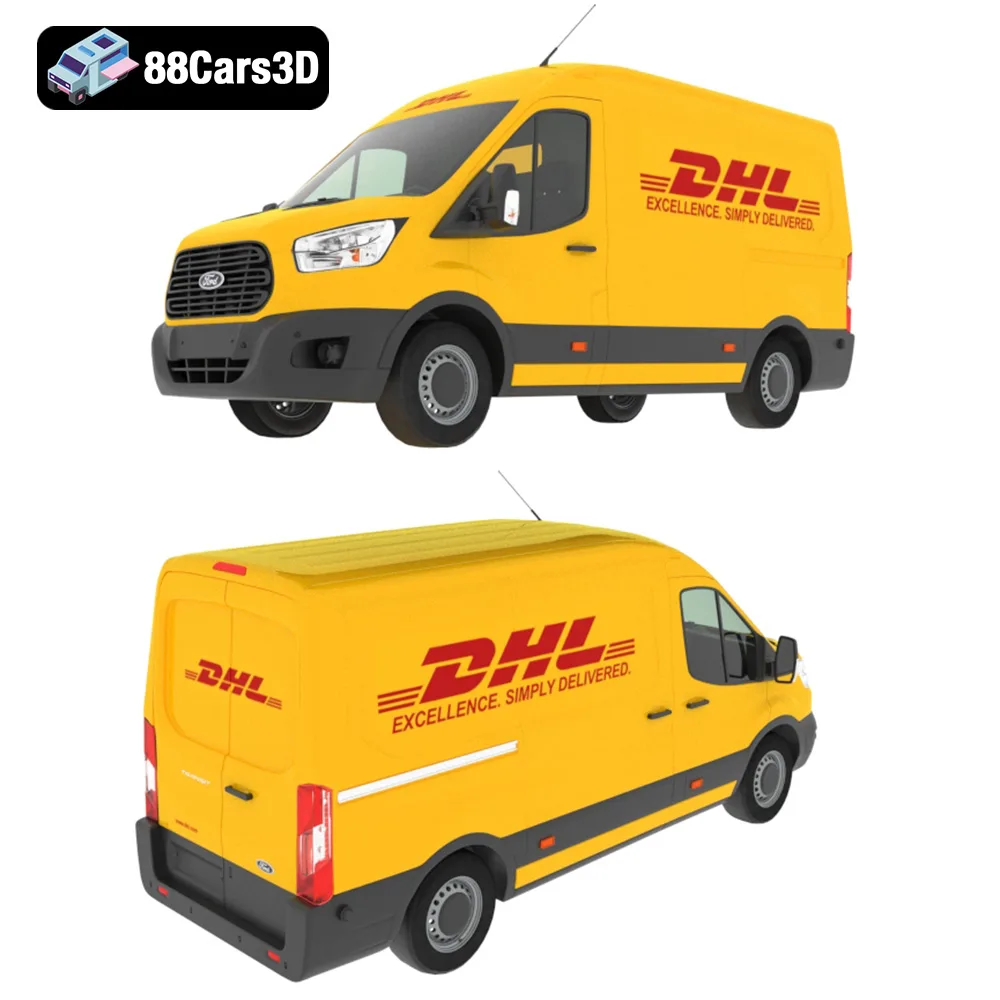
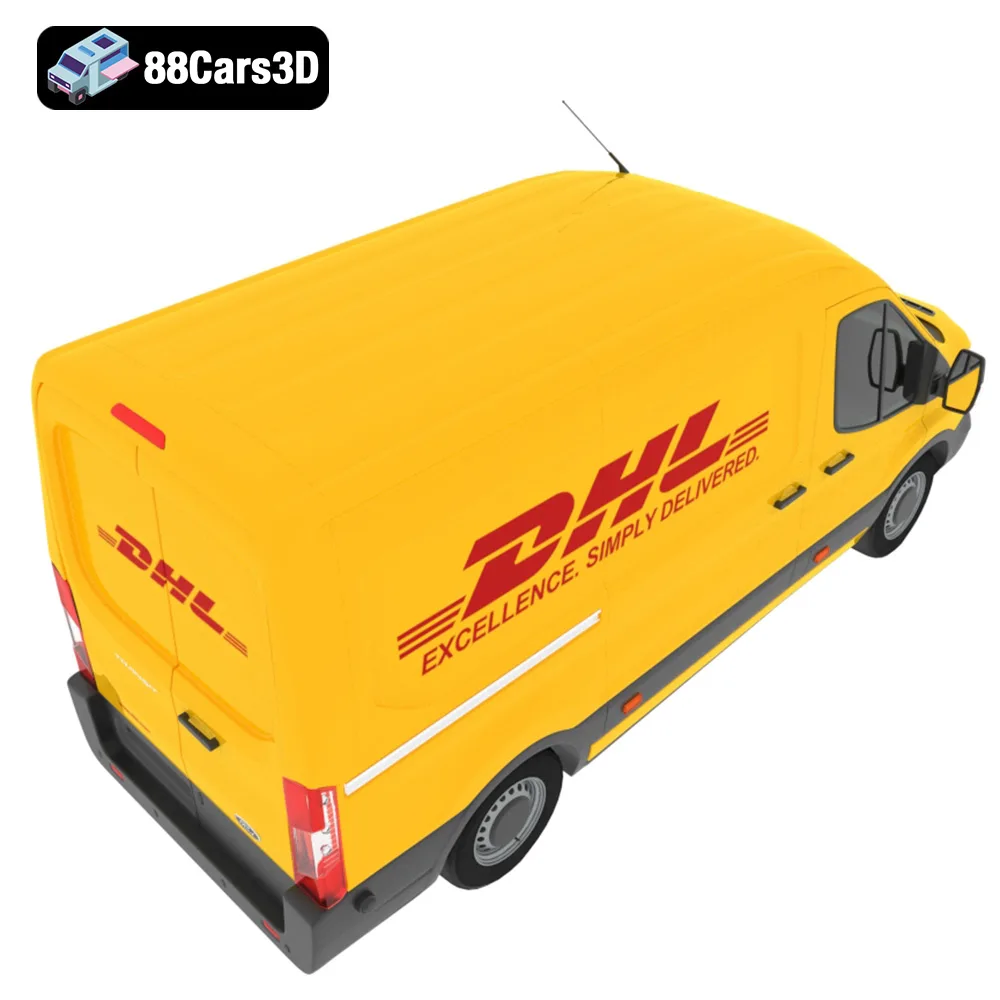
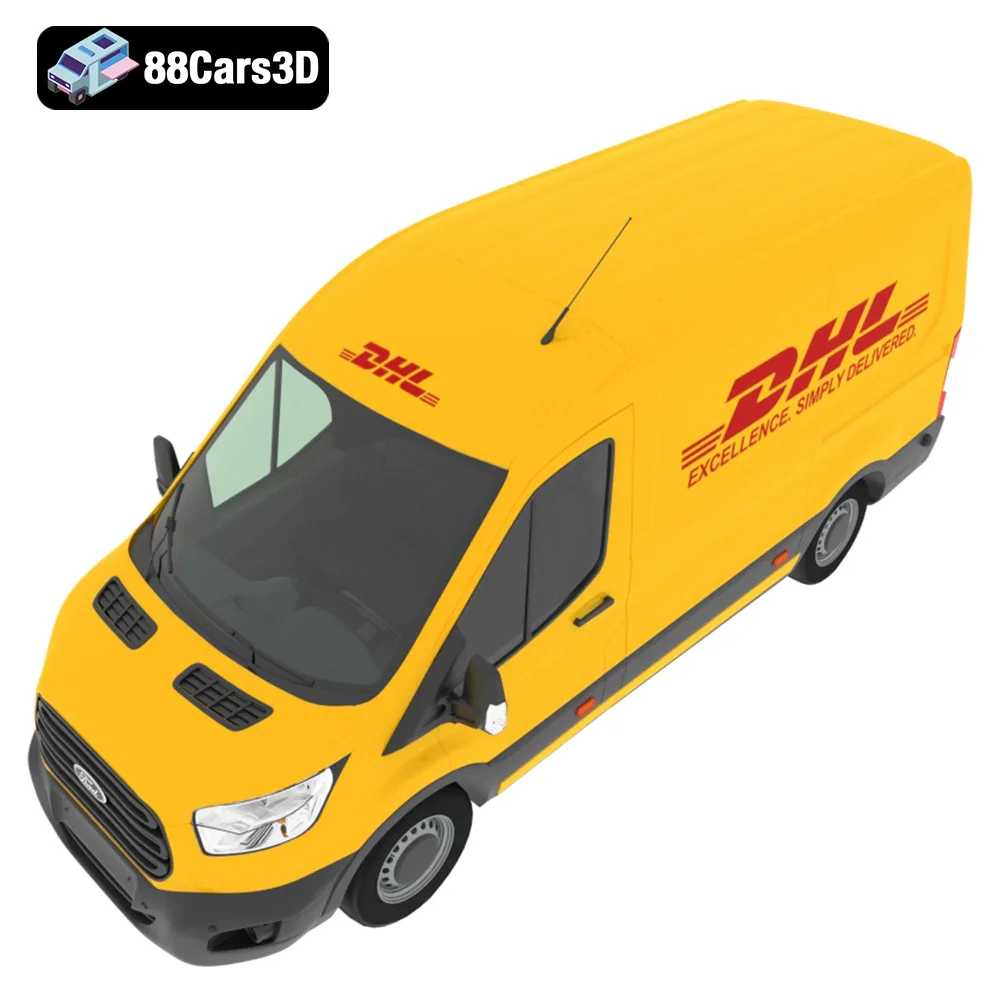
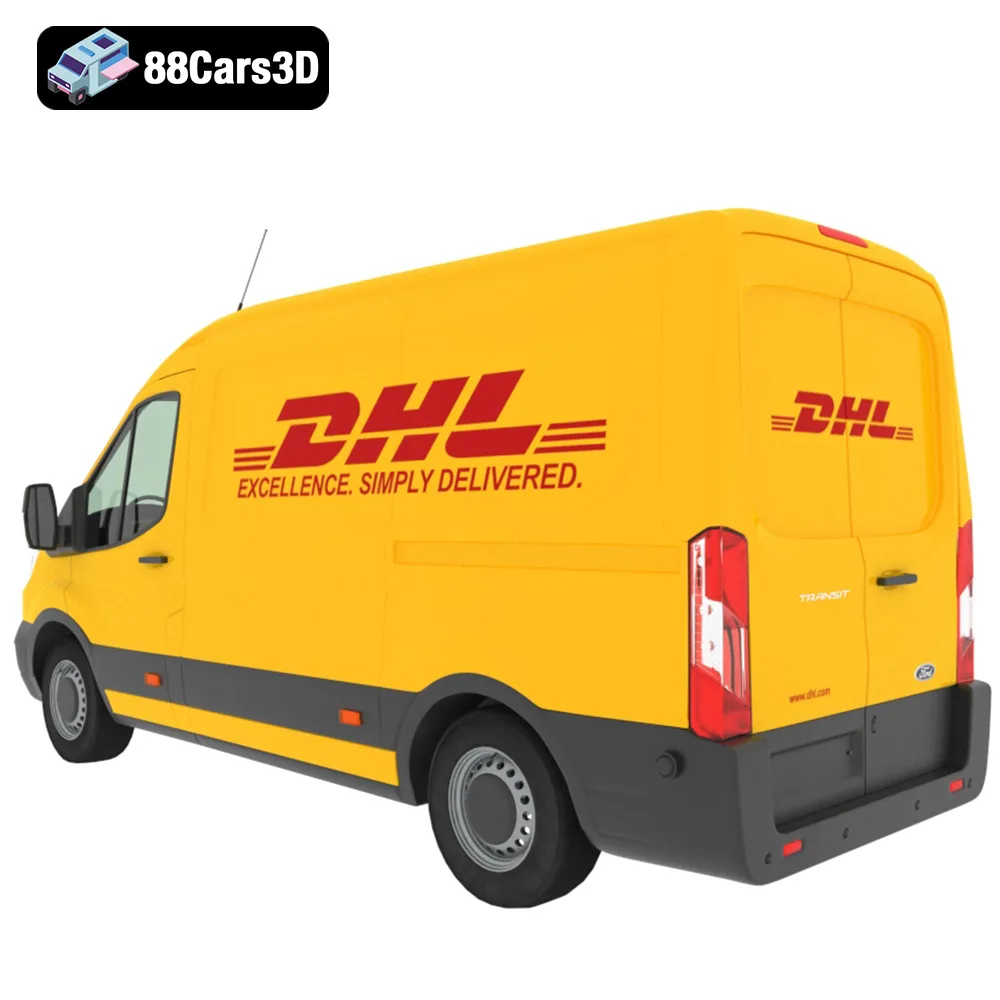
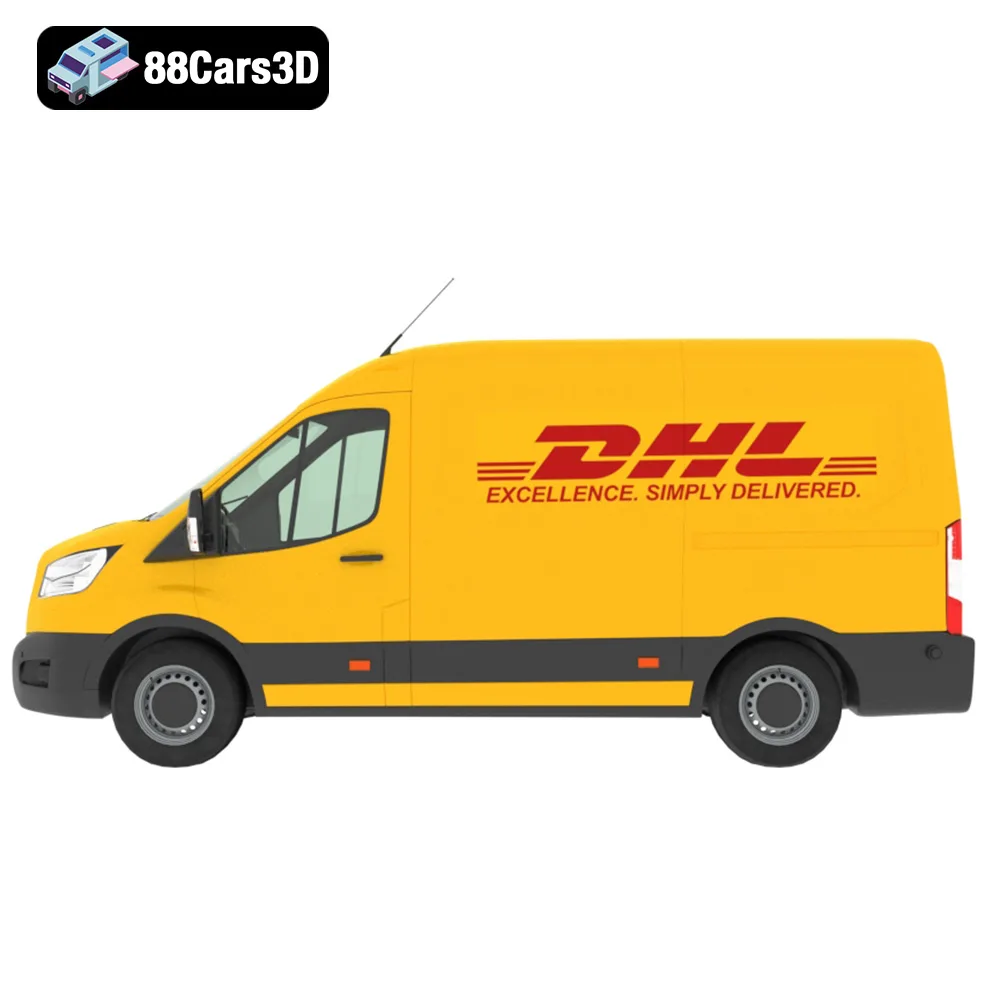
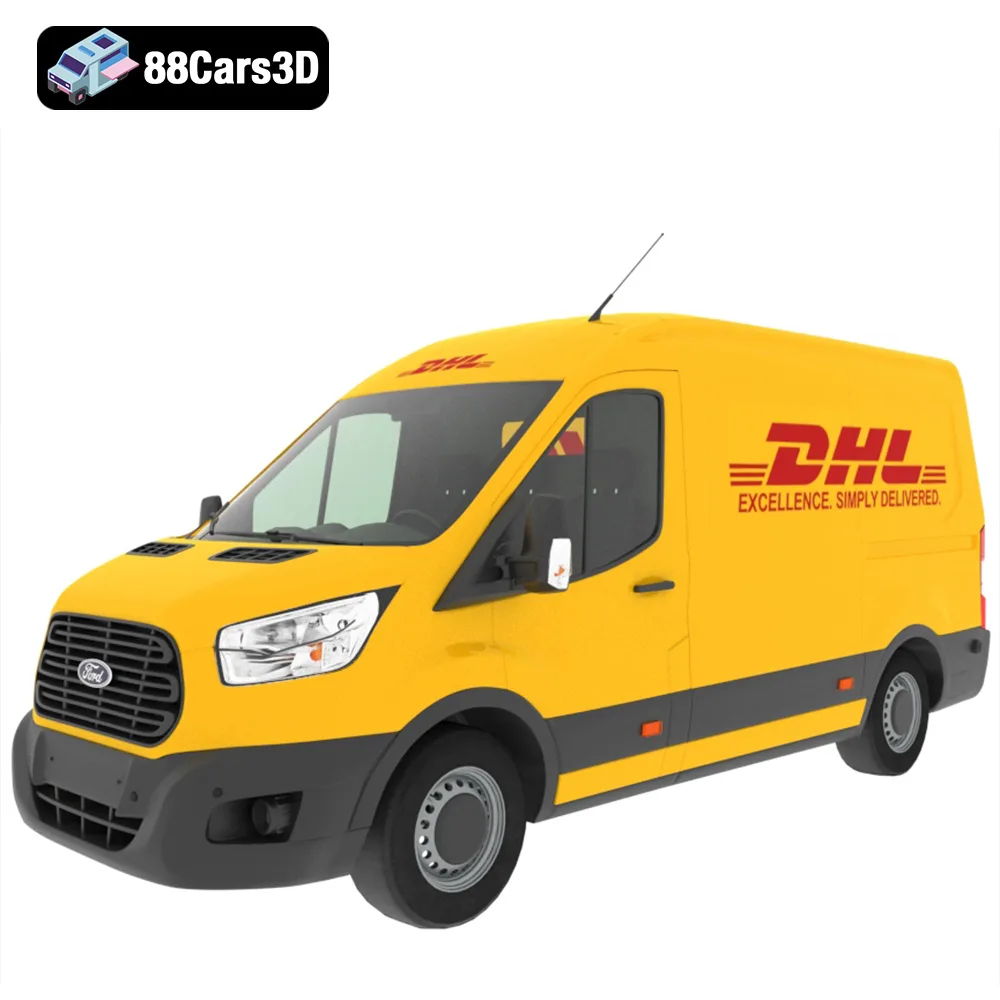
The Ford Transit DHL 2013 Delivery Van is perhaps the ultimate realism booster in the pack. Commercial vehicles, especially those with authentic liveries like DHL, instantly inject narrative and function into a scene. It signals commerce, activity, and purpose. Whether parked curbside, driving past a storefront, or pulled up to a loading dock, this van grounds your ArchViz or game environment in a tangible reality that generic vehicles simply cannot achieve. It tells a story without needing a single line of dialogue.
Beyond the selection of models, the true value of 3D car models like those in the Everyday City Traffic Essentials pack lies in their technical execution. Professional assets must be optimized for performance, flexibility, and compatibility across various pipelines. The attention to detail in topology, scaling, and engine readiness is paramount for demanding production environments.
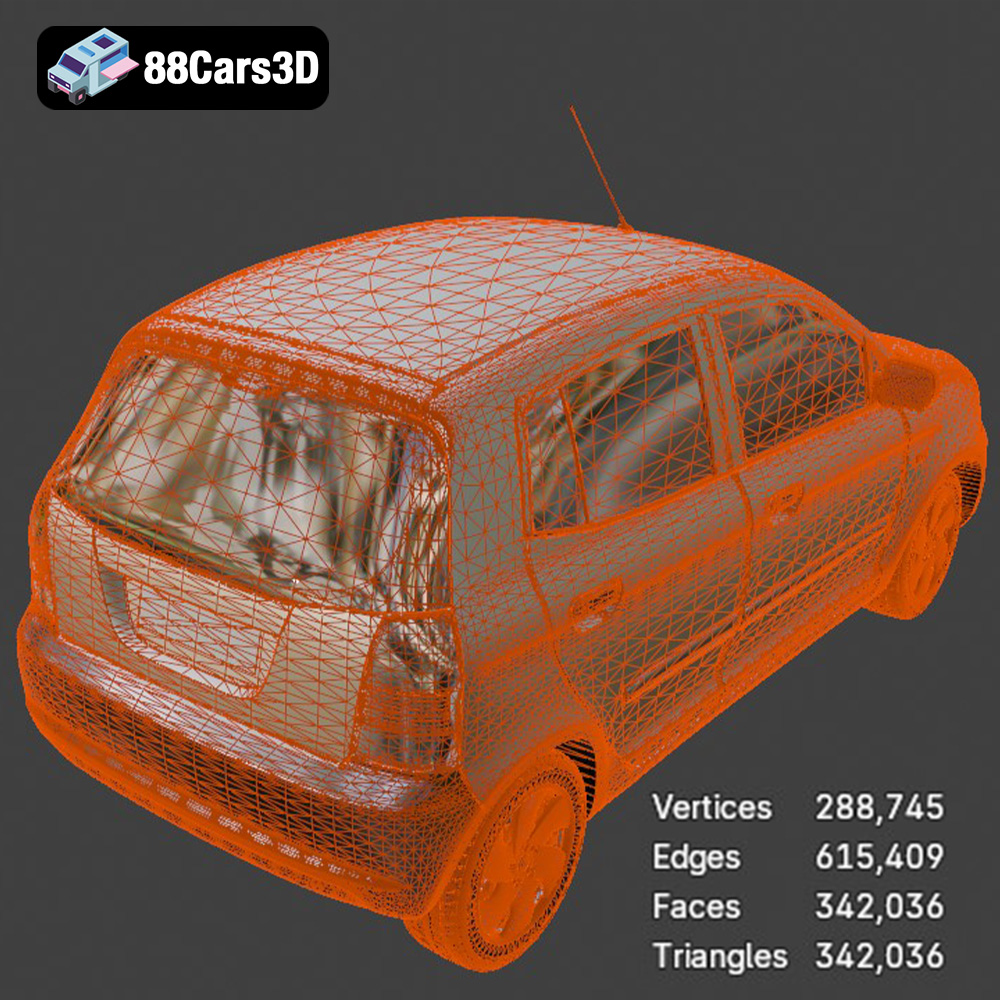
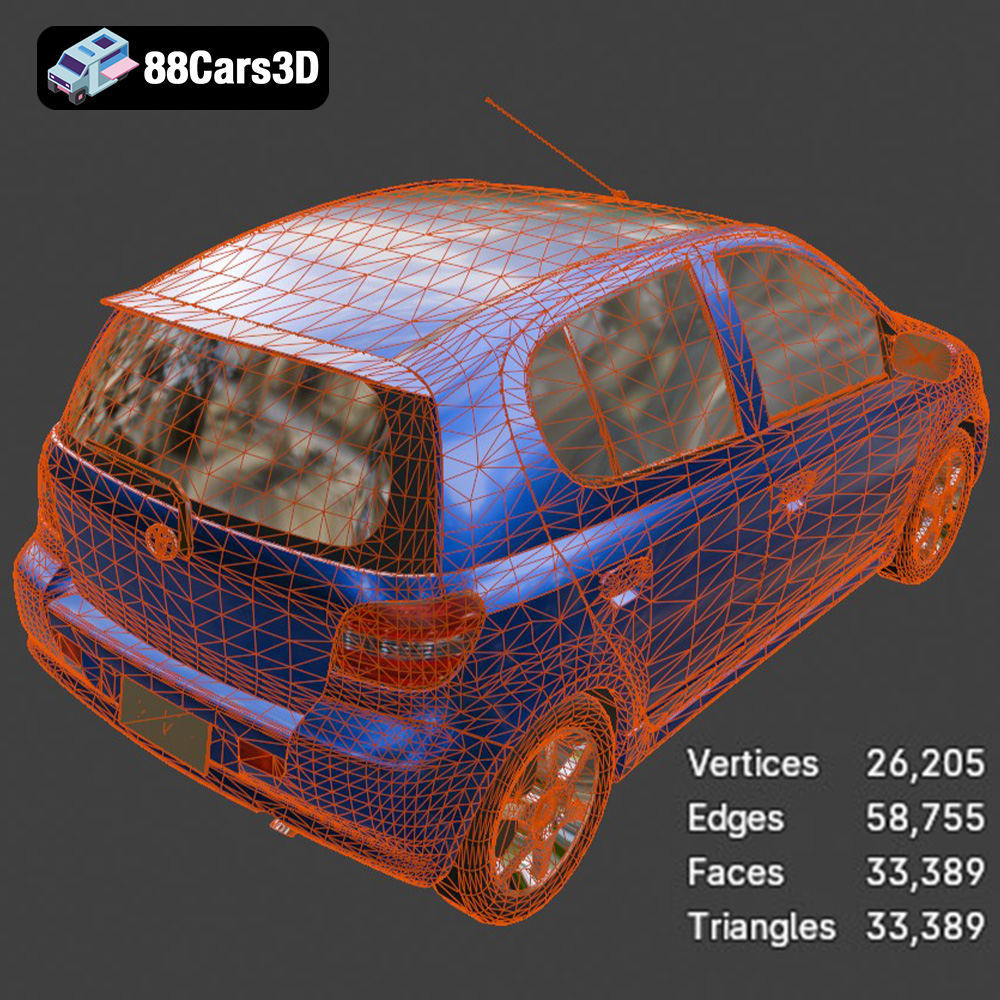
All models in the pack boast clean, quad-based geometry. This is a critical technical advantage. Quad topology ensures smooth subdivisions, predictable deformations during animation, and optimized poly counts that prevent rendering engines from bogging down. Furthermore, key components like wheels, doors, and steering wheels are separated objects. This foresight allows for effortless rigging, enabling realistic traffic simulations with proper wheel rotation and suspension, or even simple door animations for interactive scenes. This level of preparation saves countless hours in post-production.
Accuracy is key in 3D, and the models adhere to 100% real-world scale. This ensures that when integrated into architectural scenes or game environments, they maintain correct proportions relative to buildings, characters, and other assets. Crucially, proper pivot point setup for all wheels means they are immediately ready for integration with vehicle controllers in game engines like Unreal Engine or Unity. The models are fully compatible with leading renderers such as V-Ray, Corona, and Arnold, as well as real-time engines, guaranteeing consistent visual quality regardless of your rendering solution.
For large-scale urban scenes, manually placing hundreds or thousands of individual 3D car models is impractical and inefficient. The Everyday City Traffic Essentials pack is designed for seamless integration with powerful scatter plugins like Forest Pack or Chaos Scatter. Their optimized geometry and efficient material setup mean you can duplicate these cars numerous times across vast city blocks without encountering performance bottlenecks or crashing your render engine. This allows for rapid and realistic traffic generation, transforming empty streets into vibrant, bustling thoroughfares with minimal effort.
The versatility of high-quality 3D car models extends across a multitude of professional disciplines. The Everyday City Traffic Essentials pack, with its diverse range of formats and optimizations, is designed to serve as a foundational asset for several key industries.
For ArchViz specialists, the challenge is not just to showcase a building, but to sell a lifestyle, a feeling, or a future. Populating the foreground and background of exterior renders with believable, everyday traffic dramatically enhances this narrative. The pack offers the perfect collection for this purpose, transforming static renders into dynamic visual stories. Whether it’s the contemporary Kia Picanto reflecting off a modern glass facade or the nostalgic Toyota Yaris parked near a renovated historic building, these 3D car models provide essential context and scale, making your buildings stand out by making their environment feel utterly natural.
In game development, especially for open-world titles, the demands are immense. Developers need a vast array of assets that are both visually compelling and performant. The Everyday City Traffic Essentials pack is game-ready, perfectly suited for generating background traffic, furnishing parking lots with realistic props, and serving as civilian NPC (Non-Player Character) vehicles. The separated parts and proper pivot setups mean they can be easily integrated into vehicle physics systems, adding an extra layer of immersion to virtual cityscapes. Their optimized topology ensures that even with hundreds of cars on screen, performance remains smooth.
A unique aspect of this bundle is its consideration for 3D printing. The inclusion of .stl files, coupled with specific recommendations for scale (1:43 / 1:64) and printing parameters, opens up a new avenue for use. Architectural model makers can 3D print these cars to create highly detailed dioramas and physical architectural mock-ups. Hobbyists can produce miniature scale models for display or wargaming tables. The focus on resin printing (SLA) for smaller scale details ensures fidelity to the digital model, allowing for tangible, physical representations of these versatile vehicles.
Integrating 3D car models into existing professional pipelines requires an understanding of how each software handles external assets and leverages their specific features. The Everyday City Traffic Essentials pack is designed for flexibility, supporting robust workflows in industry-standard applications like Blender, 3ds Max, and Unreal Engine.
For Blender artists, the native .blend files offer the most straightforward integration. Simply open the file, and all geometry, materials, and basic scene setup are immediately available. For rendering, you can utilize Blender’s powerful Cycles renderer for photorealistic results or Eevee for real-time visualization. To populate a scene with traffic, import the desired car model, duplicate it, and use Blender’s built-in array modifiers or geometry nodes for distribution along splines (roads). For more advanced scattering, third-party add-ons like Scatter 5 can be used. Adjusting materials and lighting is intuitive, allowing for quick customization to match specific scene requirements.
3ds Max users will find the .max files directly compatible, providing full access to the original scene setup. For importing the .fbx or .obj variants, use the “Import” function, ensuring correct scale and axis orientation. Once imported, the models are ready for rendering with industry-leading engines like V-Ray or Corona Renderer. The clean topology of these 3D car models makes them ideal candidates for use with scatter plugins such as Chaos Scatter or Forest Pack. Set up your roads as distribution surfaces, select the car models, and let the plugin intelligently populate the scene with thousands of instances, all while maintaining rendering efficiency. Material adjustments for V-Ray or Corona are easily done using the included texture maps and reassigning them within the material editor.
Integrating these game assets into Unreal Engine is a streamlined process. The .fbx format is the preferred method for importing static and animated meshes. During import, ensure you enable options for importing materials and textures. Unreal Engine will automatically create static mesh assets and material instances. For the Everyday City Traffic Essentials pack, the separated wheels and proper pivot points are crucial. These allow for straightforward creation of vehicle blueprints. Developers can assign each wheel to a “Wheel Handler” component, enabling realistic suspension and steering. For background traffic, these models can be instantiated as static meshes or used within AI vehicle systems, populating open-world maps with dynamic movement. Optimizing draw calls and using LODs (Levels of Detail) generated by Unreal’s engine itself, or pre-made if included, will ensure excellent performance.
Achieving truly immersive and believable 3D environments hinges not just on the grandeur of hero assets, but on the meticulous inclusion of everyday details that resonate with authenticity. The humble presence of an ordinary car navigating a street, or a delivery van parked curbside, breathes life into a scene in a way that nothing else can. The Everyday City Traffic Essentials pack from 88cars3d.com is a testament to this philosophy, offering a meticulously curated collection of 3D car models that are technically robust, artistically diverse, and exceptionally versatile.
Whether you’re an ArchViz artist striving for photorealistic renders, a game developer building expansive open worlds, or a designer bringing concepts to life through 3D printing, this bundle provides the indispensable background vehicles that elevate your projects from good to truly great. By understanding the nuances of different file formats and leveraging these high-quality assets in your preferred workflows, you can inject unparalleled realism and narrative depth into every virtual street and digital cityscape. Invest in the authenticity that comes with everyday traffic, and watch your creations come alive.
The Everyday City Traffic 3D Models Bundle is the ultimate “realism toolkit” for architectural visualization (ArchViz) artists, game developers, and VFX studios. While supercars grab attention, nothing breaks the realism of a virtual city faster than a street filled only with luxury vehicles. To make an urban scene look truly photorealistic and believable, you need authentic, everyday traffic. This highly versatile 5-in-1 package provides the perfect mix of civilian cars spanning different decades, alongside a realistic commercial delivery van. Instead of buying these essential background and mid-ground assets individually (Total Value: €233.95), this bundle equips your library with everything you need at a massive discount.
$99.99
archviz-traffic
background-vehicles
city-traffic-bundle
everyday-cars-3d
ford-transit-dhl
game-ready
hyundai-tucson
kia-picanto
npc-cars
toyota-yaris
urban-environment
vw-golf