Get 50% OFF All Premium 3D & STL Models!

Unreal Engine has revolutionized how we visualize and interact with digital content, particularly within the automotive industry. From stunning cinematic trailers to immersive configurators and cutting-edge virtual production, the demand for high-fidelity, real-time automotive experiences is soaring. At the heart of creating these captivating worlds lies exemplary level design – the art and science of building environments that are not only visually spectacular but also performant and engaging. It’s a delicate balance, especially when dealing with the intricate details of high-quality 3D car models, which are often the stars of the show.
This comprehensive guide dives deep into the best practices for level design in Unreal Engine, specifically tailored for projects involving premium 3D car models. Whether you’re a game developer, an automotive visualization artist, or an AR/VR experience creator, understanding these principles is crucial. We’ll explore everything from efficient project setup and asset integration – leveraging resources like the meticulously optimized 3D car models found on 88cars3d.com – to advanced lighting, material creation, and robust optimization techniques. By the end, you’ll have a clear roadmap to design and implement levels that push the boundaries of real-time rendering, ensuring your automotive visions come to life with unparalleled realism and interactivity.
The success of any Unreal Engine project, especially those centered around automotive visualization, hinges on a solid foundation. Proper project setup and efficient asset integration are not merely procedural steps; they are critical decisions that impact performance, workflow, and scalability throughout development. When working with detailed 3D car models, which can be graphically intensive, these initial choices become even more paramount.
Establishing a well-organized project structure and understanding how to import and initially optimize your high-fidelity assets are the first steps toward a seamless development experience. It’s about laying the groundwork for clean, performant, and maintainable levels. This foundation ensures that the intricate details of vehicles, such as those provided by marketplaces like 88cars3d.com, integrate flawlessly into your Unreal Engine environment, ready for further artistic refinement and technical optimization. These early decisions prevent costly rework and provide a stable platform for leveraging Unreal Engine’s advanced rendering capabilities.
Starting with the right project configuration sets the stage for optimal performance and a streamlined workflow. When launching a new Unreal Engine project, consider whether you need a C++ or Blueprint template; for most visualization and interactive demos, a Blueprint template provides sufficient flexibility. Always aim for a clear, logical folder structure within the Content Browser from day one. Categorize assets by type (e.g., “Vehicles,” “Environments,” “Materials,” “Blueprints”) and establish consistent naming conventions (e.g., “SM_Car_Sports,” “M_CarPaint_Red,” “BP_CarConfigurator”). This discipline is invaluable, especially in collaborative environments or large-scale projects.
Carefully review your project settings. Ensure that the target hardware is correctly set under “Platforms” > “Target Hardware” to guide default scalability settings. For high-end automotive visualization, you’ll typically target “Desktop/Console” with “Maximum Quality.” Enabling specific plugins early, such as Datasmith for CAD import, Niagara for particle effects, or nDisplay for virtual production, can save time later. Regularly saving your project and creating backups are also non-negotiable best practices to safeguard your progress. Understanding and configuring these initial settings correctly will save significant time and resources as your level design evolves.
Bringing high-quality 3D car models into Unreal Engine requires a systematic approach to ensure fidelity and performance. Platforms like 88cars3d.com provide models pre-optimized for Unreal Engine, often supplied in formats like FBX or USD. When importing, always select appropriate settings:
Once imported, use the Static Mesh Editor to review the model. Check its scale – ensure it’s accurate (e.g., 1 unit = 1cm is standard in UE). Adjust the pivot point if needed, especially for interactive parts like doors or wheels. For extremely high-polygon meshes not intended for Nanite, consider using the “Decimate” tool within your 3D modeling software or Unreal’s built-in tools to reduce poly count for LODs. Even with Nanite, a clean, well-optimized base mesh is always preferable. Reference the official Unreal Engine documentation at https://dev.epicgames.com/community/unreal-engine/learning for detailed guides on importing assets and Static Mesh workflows.
The visual impact of a 3D car model in Unreal Engine is heavily dependent on the quality and realism of its materials. For automotive visualization, achieving a believable car paint, reflective chrome, realistic glass, and intricate interior fabrics is paramount. This section delves into the principles of Physically Based Rendering (PBR) and advanced material creation techniques that elevate your 3D car models from mere digital objects to lifelike representations.
Unreal Engine’s Material Editor provides a powerful node-based system to build sophisticated materials. Mastering PBR concepts and applying them correctly ensures that your assets react realistically to light, regardless of the lighting environment. This realism is not just an aesthetic choice; it’s a critical component of immersive experiences, especially when showcasing the design and features of a vehicle. By understanding how different material properties interact with light, artists can create surfaces that are indistinguishable from their real-world counterparts, making the high-quality base meshes from 88cars3d.com truly shine.
PBR is a rendering technique that aims to simulate how light interacts with surfaces in a physically accurate manner. In Unreal Engine, this means defining material properties such as Base Color (Albedo), Metallic, Specular, Roughness, Normal, and Ambient Occlusion. For a realistic car model:
By accurately defining these parameters, your materials will respond correctly to various lighting conditions, creating a consistent and believable appearance. This foundational understanding is key to creating compelling automotive visuals.
While basic PBR is essential, advanced techniques are often required to capture the nuances of automotive materials. Car paint, for instance, is rarely a simple PBR material. It typically involves a complex layered shader:
Utilize Material Functions to encapsulate complex material graphs for reusability across different car models or paint variations. Material Instances are crucial for customization, allowing artists to change parameters like paint color, roughness, or flake density without recompiling the base material, enabling rapid iteration for configurators. For details like badges, warning labels, or subtle dirt, employ Decals. These projected materials allow for non-destructive detailing. When it comes to textures, prioritize UV mapping accuracy on your 3D car models. Use appropriate texture resolutions; 4K for hero assets (like the car body), 2K for significant details, and 1K or less for smaller, less prominent elements, ensuring efficient texture streaming and GPU performance. Implementing these techniques effectively transforms a good 3D model into an outstanding visual experience.
Lighting is the single most powerful tool for conveying mood, enhancing realism, and highlighting the design of a 3D car model within an Unreal Engine level. Achieving photorealistic lighting in real-time environments requires a deep understanding of Unreal Engine’s advanced illumination systems, such as Lumen, combined with strategic placement of traditional light sources and the careful crafting of atmospheric effects. For automotive visualization, lighting isn’t just about making the scene visible; it’s about making the vehicle look desirable, showcasing its curves, reflections, and material properties.
The interplay between direct light, global illumination, reflections, and environmental ambience dramatically impacts how a car is perceived. A well-lit scene can transform a high-quality asset from 88cars3d.com into a breathtaking focal point, while poor lighting can diminish its impact. This section explores how to harness Unreal Engine’s lighting capabilities to create dynamic, realistic, and performant lighting setups that truly make your automotive levels shine.
Unreal Engine 5 introduced Lumen, a fully dynamic global illumination and reflection system that fundamentally changes real-time lighting workflows. For automotive visualization, Lumen is a game-changer because it provides:
To enable Lumen, go to “Project Settings” > “Engine” > “Rendering” and set “Global Illumination” and “Reflections” to “Lumen.” Then, ensure you have a Post Process Volume in your level with “Lumen Global Illumination” and “Lumen Reflections” enabled. Properly configured, Lumen allows emissive materials (like car headlights or dashboard displays) to contribute to scene illumination, further enhancing realism. While powerful, Lumen is also performance-intensive. Optimize by controlling the complexity of your scene, managing overall light bounce distances, and utilizing Screen Space Global Illumination (SSGI) as a fallback for specific scenarios. Understanding the interaction between Lumen and your scene is vital for both visual quality and runtime performance.
Beyond Lumen, traditional light sources and atmospheric effects are essential for crafting the perfect automotive scene. Your primary light source will often be a Directional Light, simulating the sun. Pair this with a Sky Light, which captures the lighting from a surrounding HDRI (High Dynamic Range Image) or the Sky Atmosphere system, providing realistic ambient light and reflections. Using an HDRI Backdrop asset is highly recommended; it provides both realistic background visuals and contributes to the Sky Light’s environmental information, giving immediate context and realism to your vehicle’s reflections.
Introduce atmospheric depth with Exponential Height Fog or more advanced Volumetric Fog. These create haze, god rays, and enhance the sense of scale. For subtle effects, consider Light Functions (material-driven light patterns) or IES Profiles for realistic light distribution from artificial fixtures. Pay attention to light channels; you can assign specific lights to only affect certain objects, which is useful for specialized lighting passes or performance optimization. By combining these elements strategically, you can sculpt light to emphasize form, material, and ultimately, the appeal of your automotive design.
In real-time rendering, achieving stunning visuals often comes at a performance cost. For automotive visualization, where intricate 3D car models and highly detailed environments are common, striking the right balance between visual fidelity and smooth frame rates is critical. Unreal Engine provides a suite of advanced features and profiling tools specifically designed to help artists and developers push visual boundaries without compromising performance. Leveraging these tools is not just about making a scene run; it’s about making it run beautifully and efficiently on target hardware.
This section delves into two of Unreal Engine’s most powerful optimization features: Nanite virtualized geometry and robust LOD (Level of Detail) management. We’ll also explore essential performance profiling techniques, equipping you with the knowledge to identify and resolve bottlenecks in your level design. By mastering these strategies, you can ensure that your high-quality automotive assets, such as those from 88cars3d.com, are rendered with breathtaking detail and run flawlessly, whether in an interactive configurator, a cinematic sequence, or an AR/VR experience.
Nanite is Unreal Engine 5’s groundbreaking virtualized geometry system, designed to handle massive amounts of geometric detail with unprecedented efficiency. For 3D car models, Nanite is a game-changer, allowing artists to import and render film-quality assets with millions of polygons directly into Unreal Engine without manual LOD creation or significant performance penalties. This means you can use the highest fidelity models from marketplaces like 88cars3d.com directly, preserving every intricate detail.
To enable Nanite, simply select your static mesh in the Content Browser, right-click, and choose “Nanite” > “Enable Nanite.” You can also configure Nanite settings within the Static Mesh Editor, such as the “Proxy Triangle Percent” which controls detail reduction at distance. While Nanite handles geometric complexity, it’s not suitable for every mesh (e.g., meshes with complex animation or certain types of transparent materials). For these cases, or for projects targeting older hardware, traditional LOD (Level of Detail) management remains essential. Create multiple versions of a mesh with progressively lower polygon counts, and Unreal Engine will automatically swap them based on distance from the camera. You can generate LODs automatically within the Static Mesh Editor or import custom LOD meshes. For very large environments, Hierarchical LODs (HLODs) can group many smaller meshes into single, optimized proxy meshes, dramatically improving rendering performance for distant geometry. Knowing when and how to deploy Nanite alongside traditional LODs is crucial for comprehensive optimization.
Optimization is an iterative process that begins with identifying performance bottlenecks. Unreal Engine provides robust profiling tools to help you understand where your frame rate is being spent. The most common console commands include:
stat unit: Displays overall frame time, game thread, draw thread, and GPU times. This is your first stop for identifying the primary bottleneck.stat rhi: Shows rendering hardware interface statistics, useful for draw call count and primitive counts.stat gpu: Provides detailed breakdown of GPU rendering passes, helping pinpoint expensive shaders or post-processing effects.stat fps: Simple FPS counter.Once bottlenecks are identified, consider strategies like:
For lighting, consider baking static lights with GPU Lightmass for environments that don’t require full dynamism, offloading significant runtime cost from Lumen. Regularly profiling your scene throughout development ensures you maintain target performance while pushing visual quality. The official Unreal Engine documentation provides extensive guides on profiling and optimization techniques, an invaluable resource for any developer.
A static scene, however beautiful, only tells part of the story. To truly engage an audience, especially in automotive visualization, levels must offer interactivity, dynamic elements, and compelling narrative experiences. Unreal Engine excels in these areas, providing powerful tools like Blueprint visual scripting for user interaction and Sequencer for cinematic content creation. These features enable artists and developers to move beyond simple showcasing and create immersive experiences that highlight a vehicle’s features, allow for customization, or tell a compelling story.
Whether you’re building an interactive car configurator, a virtual showroom, or a high-fidelity cinematic, integrating dynamic elements transforms a passive viewing experience into an active and memorable one. This section explores how to harness Blueprint to create responsive environments and utilize Sequencer to craft professional-grade animations and virtual productions, ensuring your automotive levels are not just seen, but truly experienced.
Blueprint is Unreal Engine’s powerful visual scripting system, allowing developers to create complex gameplay and interactive elements without writing C++ code. For automotive visualization, Blueprint is indispensable for:
By leveraging Event Dispatchers and Blueprint Interfaces, you can create highly modular and reusable interactive systems. This makes it easier to update or expand your configurator functionality without breaking existing logic, which is crucial for scalable automotive projects.
Sequencer is Unreal Engine’s multi-track non-linear editor for creating cinematic sequences, animations, and camera paths. It’s the go-to tool for crafting high-quality automotive cinematics and is central to virtual production workflows:
For Virtual Production, Sequencer integrates with nDisplay, allowing content to be projected onto LED walls, creating immersive backgrounds for real-time camera tracking. This enables filmmakers to shoot live-action talent interacting with CG cars and environments rendered in real-time. By leveraging Sequencer, you can produce broadcast-quality automotive content directly within Unreal Engine, streamlining traditional production pipelines and offering unprecedented creative freedom.
The real-time capabilities of Unreal Engine extend far beyond traditional games and static visualizations, especially within the automotive sector. As technology evolves, so too do the demands for how cars are presented, interacted with, and designed. From highly optimized experiences for augmented and virtual reality to collaborative data-driven design processes, Unreal Engine is at the forefront of these innovations. Level design principles, while remaining foundational, must adapt to these specialized applications, considering unique technical constraints and opportunities.
This section explores how to tailor your Unreal Engine level design for cutting-edge automotive applications like AR/VR and delves into the transformative power of data-driven workflows, such as those facilitated by USD and Datasmith. Understanding these areas is crucial for staying ahead in a rapidly evolving industry, ensuring that your high-quality 3D car models are not only visually impressive but also technically optimized for the future of automotive interaction and design.
Developing for AR/VR and mobile platforms introduces a unique set of constraints and optimization challenges. While a desktop automotive configurator might run on high-end hardware, a mobile AR app or a VR experience on an untethered headset requires far greater efficiency to maintain smooth frame rates (e.g., 90 FPS for VR to prevent motion sickness). Here are key considerations for level design:
Testing on target hardware early and often is paramount. Use Unreal Engine’s Mobile Previewer or deploy directly to devices to get accurate performance feedback.
The automotive industry thrives on iteration and collaboration. Unreal Engine supports data-driven workflows that streamline the design and review process, especially when integrating engineering data with artistic visualization:
These data-driven approaches transform Unreal Engine into a powerful tool for product design review, concept validation, and marketing, bridging the gap between engineering precision and artistic presentation. They enable automotive companies to accelerate development cycles and make more informed decisions by visualizing their designs in real-time, high-fidelity environments.
Mastering level design in Unreal Engine for automotive visualization is a multifaceted journey that blends artistic vision with technical expertise. From the initial project setup and meticulous integration of high-quality 3D car models to the nuanced crafting of materials, dynamic lighting, and robust performance optimization, every decision contributes to the final immersive experience. We’ve explored the foundational steps of configuring your project, the art of PBR material creation for realistic vehicle surfaces, and the power of Lumen and strategic lighting to breathe life into your scenes. Furthermore, we delved into advanced techniques like Nanite for unparalleled geometric detail, meticulous LOD management, and essential profiling tools to ensure smooth real-time performance.
Beyond aesthetics and performance, we highlighted the transformative potential of Blueprint for interactive experiences like car configurators and the cinematic prowess of Sequencer for virtual productions and storytelling. Finally, we touched upon specialized applications in AR/VR and the importance of data-driven workflows using USD and Datasmith for collaborative design. By consistently applying these best practices, you can leverage the full power of Unreal Engine to create automotive levels that are not just visually stunning but also highly performant, interactive, and perfectly suited for the evolving demands of the industry. We encourage you to apply these insights in your next project and explore the meticulously crafted 3D car models available on platforms like 88cars3d.com to bring your automotive visions to life with unparalleled realism and efficiency.
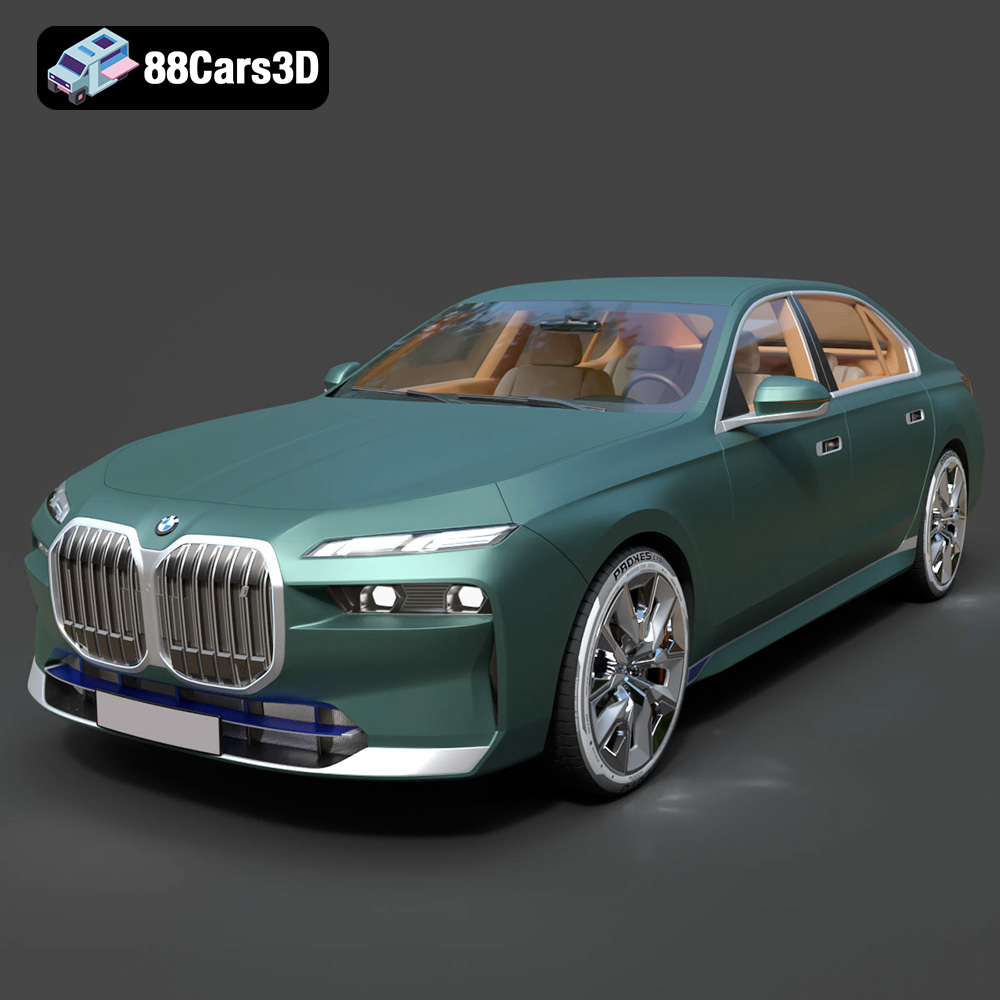
Texture: Yes | Material: Yes Download the ultra-high-detail BMW i7 (2023) 3D Model (4.14M Triangles). Features the illuminated kidney grille, split crystal headlights, fully modeled Theatre Screen interior, and monolithic luxury styling. Perfect for ArchViz, VFX, and cinematic rendering. Includes .blend, .fbx, .obj, .glb, .stl, and .max formats.
Price: $19.99
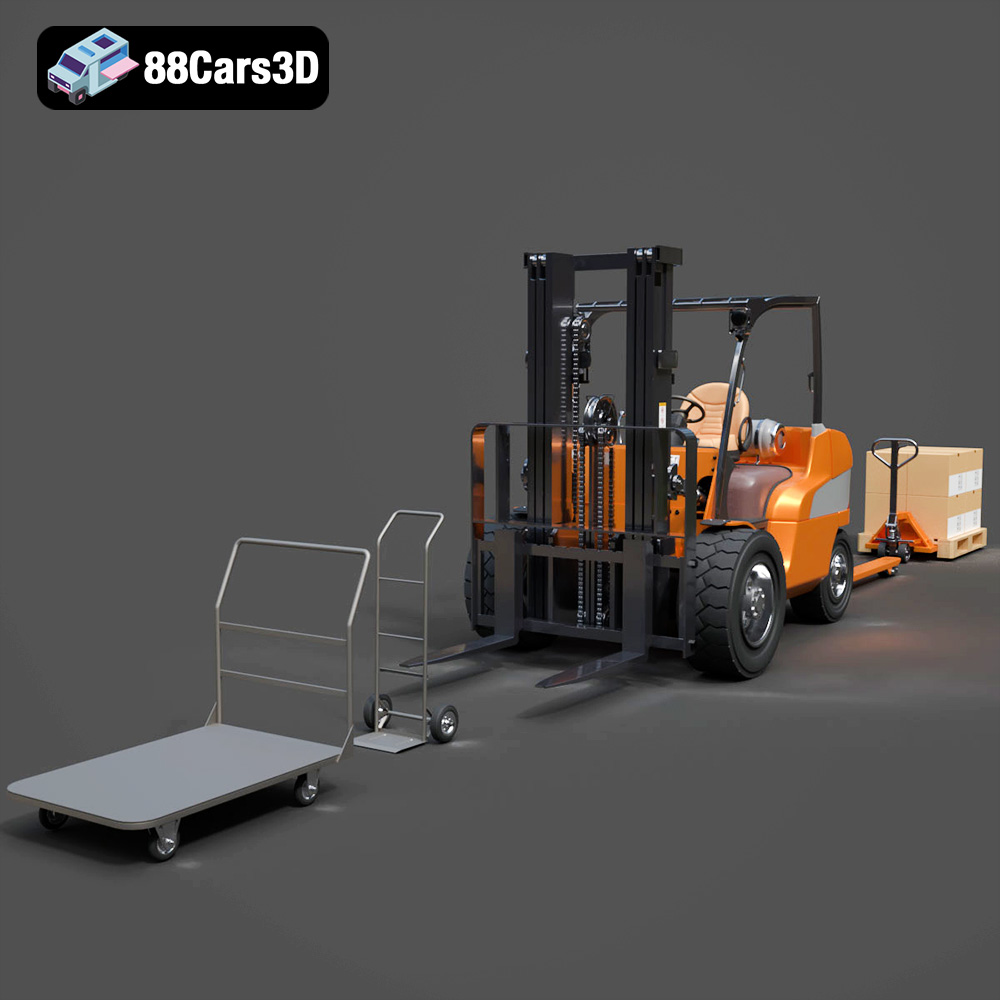
Texture: Yes | Material: Yes Download the highly detailed CAT Manual Loader & Warehouse Carts Kit 3D Model (2.4M Triangles). Features a macro-detailed hydraulic pallet jack, heavy-duty forks, and transport carts. Perfect for industrial ArchViz, factory rendering, and logistics simulations. Includes .blend, .fbx, .obj, .glb, .stl, and .max formats.
Price: $19.99
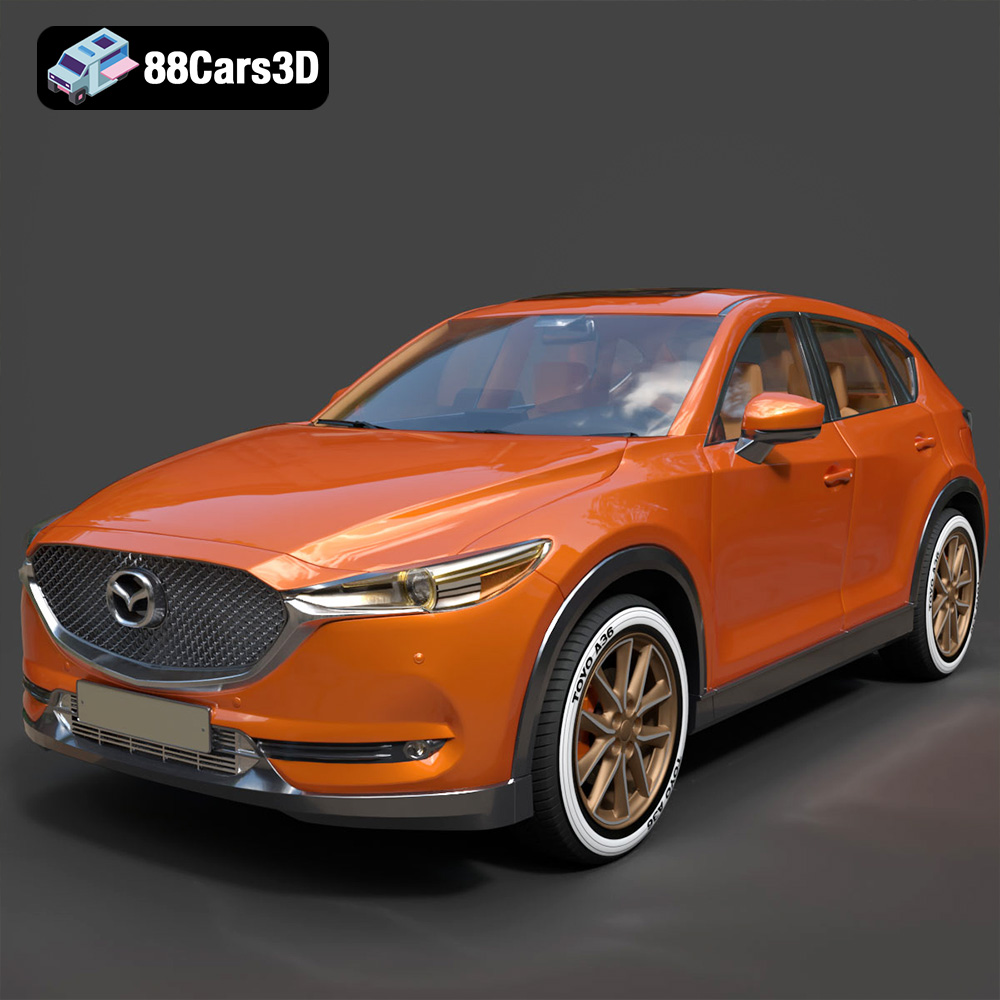
Texture: Yes | Material: Yes
Download the highly optimized Mazda CX-5 2014 3D Model (294k Triangles). Features the dynamic Kodo design language, signature grille, and a clean interior. Perfectly balanced for ArchViz, background traffic, and game development. Includes .blend, .fbx, .obj, .glb, .stl, and .max formats.
Price: $19.99
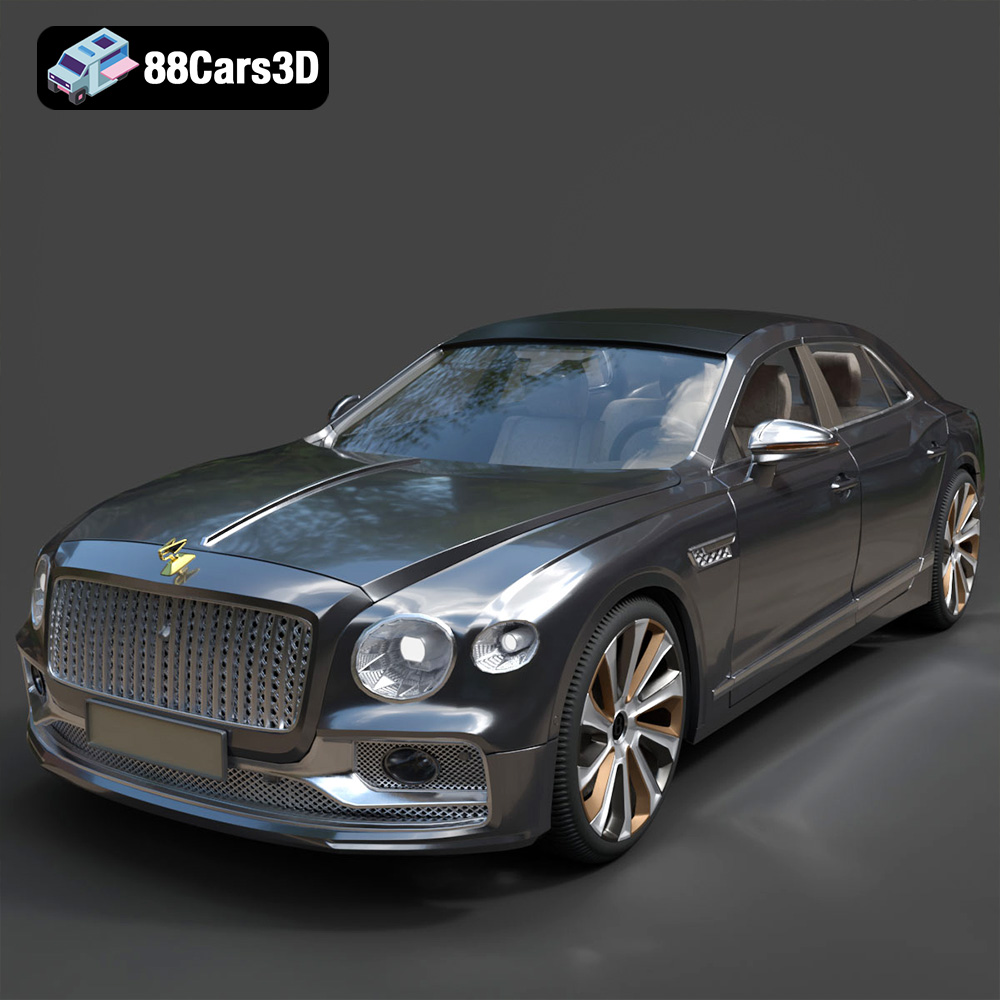
Texture: Yes | Material: Yes Download the ultra-high-detail Bentley Flying Spur Mulliner 2022 3D Model (2.94M Triangles). Features the bespoke Double Diamond grille, a fully modeled diamond-quilted interior, and exquisite luxury styling. Perfect for high-end ArchViz, VFX, and cinematic rendering. Includes .blend, .fbx, .obj, .glb, .stl, and .max formats.
Price: $19.90
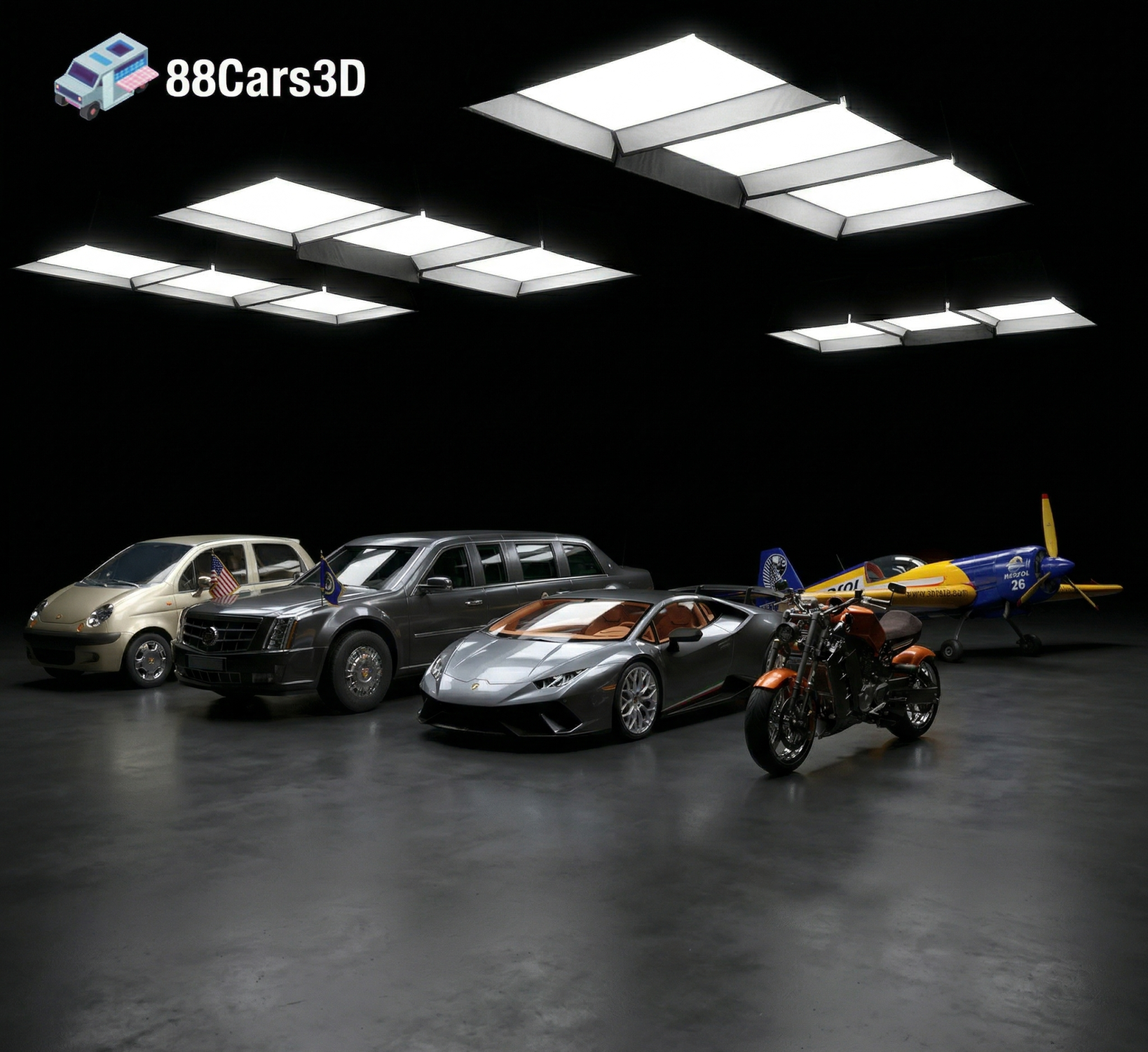
Texture: Yes | Material: Yes | 3D Printable: Yes. Download the Ultimate Creators’ Showcase featuring 5 premium 3D models: Lamborghini Huracan, ZAV Concept Motorcycle, Sukhoi SU-26, Presidential Limousine, and Daewoo Damas. Optimized for 4K CGI rendering and 3D printing. Save massive with this exclusive multi-category bundle!
Price: $99.99

Texture: Yes | Material: Yes | 3D Printable: Yes. Download the Italian Thoroughbreds Bundle featuring 5 iconic 3D models: Lamborghini Huracán Performante, Ferrari 458 Italia, Lamborghini Urus, Diablo SV, and Maserati GT. Optimized for 4K rendering and 3D printing (STL included). Save 50% with this ultimate Italian vehicle collection.
Price: $199.99

Download the Elite Future Mobility Bundle featuring 4 highly optimized 3D models: Tesla Model S, Avatr 11, Li L9, and Zoox Robotaxi. Perfect for ArchViz, Smart City renders, and game dev. Optimized for Unreal Engine and Blender. Includes .fbx, .obj, and .max formats.
Price: $99

🚗 5 Iconic German Cars (BMW M4 G82, M5 CS, X3, 1 Series & Mercedes E-Class). ✅ Optimized for ArchViz: Ready for Corona & V-Ray. 💰 Save €71 with this limited-time collection! 🚀 Instant Download after purchase.
Price: $119

Download the Extreme Off-Road & Survival 3D Models Bundle! Includes the Brabus 800 Adventure, Dodge Ram Bigfoot, Spec Truck, and a Caravan. Save over €210 on this premium 4-in-1 off-grid vehicle pack for ArchViz and game development.
Price: $149.99

Download the Heavy Duty & Commercial Logistics 3D Models Bundle! Includes the Ford Sterling, Caterpillar CT680, Mercedes Citaro Bus, and Vito Van. Save over €130 on this massive, game-ready 4-in-1 industrial vehicle pack.
Price: $109.99

