Get 50% OFF All Premium 3D & STL Models!

“`html
The sleek lines of a concept car, the roar of an engine in a cutting-edge video game, or the immersive experience of a virtual showroom – behind every stunning automotive visualization lies a meticulously crafted 3D model. But what happens when that vision starts as highly precise Computer-Aided Design (CAD) data? The journey from engineering-driven CAD to an art-ready, performance-optimized 3D model is a critical and often challenging process. It requires a unique blend of technical expertise, artistic sensibility, and a deep understanding of various software ecosystems.
This comprehensive guide delves into the intricate world of converting automotive CAD designs into high-quality 3D assets suitable for a myriad of applications, from photorealistic rendering and interactive game development to augmented reality experiences and even 3D printing. We’ll explore the fundamental differences between CAD and polygon meshes, dissect advanced topology techniques, master PBR material creation, optimize for real-time engines, and navigate the complex landscape of file formats. By the end, you’ll possess the knowledge to transform raw CAD data into captivating digital representations, ready for platforms like 88cars3d.com, where quality and fidelity are paramount.
At its core, CAD data is fundamentally different from the polygon meshes artists typically work with. CAD software like SolidWorks, CATIA, Fusion 360, and Rhino utilize mathematical equations (NURBS – Non-Uniform Rational B-Splines, or parametric solids) to define surfaces and solids with absolute precision. This approach is ideal for engineering, manufacturing, and industrial design, where accuracy and manufacturability are key. However, this mathematical precision doesn’t translate directly into the triangulated or quad-based geometry preferred for rendering, animation, and real-time applications.
When CAD data is exported to common 3D formats like STEP, IGES, or SAT, and then imported into a polygon modeling package, it undergoes a tessellation process. This converts the smooth, mathematically defined surfaces into a mesh of polygons (usually triangles). This conversion often introduces a cascade of issues that 3D artists must meticulously resolve. These challenges include excessively dense meshes with non-uniform tessellation, meaning some areas might be overly dense with tiny triangles while others are sparse. Surface imperfections like small gaps between surfaces, overlapping geometry, or inverted normals are also common, stemming from the way CAD software handles complex intersections and fillets. Furthermore, CAD materials rarely transfer with any useful information for physically based rendering (PBR), and UV mapping, crucial for applying textures, is almost entirely absent. Scale discrepancies are another frequent headache, as different software packages may interpret units differently, leading to models that are either massive or tiny upon import.
One of the most immediate problems encountered is the sheer density of the initial mesh. CAD models often have millions of triangles, far exceeding what’s practical for real-time applications or even efficient offline rendering without careful optimization. This dense triangulation can also be inconsistent, creating uneven polygon distribution that makes subsequent retopology and sculpting difficult. Resolving these issues often involves a multi-step process. First, artists must use robust import settings in their 3D software to attempt a balanced tessellation upon entry. Secondly, significant manual cleanup is typically required, including merging vertices, stitching gaps, and recalculating normals to ensure a watertight and manifold mesh. Specialized tools within 3ds Max, Maya, or Blender can aid in this process, helping to identify and fix common geometry errors before moving on to more advanced stages. Overlapping geometry, especially in complex assemblies like engine bays or chassis, demands careful isolation and removal to prevent rendering artifacts and improve performance.
The loss of meaningful material information and the complete absence of UV maps are significant hurdles. CAD software might assign basic color or reflectivity, but this is far from the intricate PBR material definitions required for modern rendering. Artists must be prepared to rebuild all materials from scratch, which underscores the importance of a clean mesh suitable for UV unwrapping. For best results, when exporting from CAD, always aim for neutral formats like STEP or IGES if direct software compatibility isn’t possible. If your CAD software allows, investigate tessellation options during export. Often, there are settings to control the deviation tolerance or the maximum edge length, which can help create a more uniform and manageable initial mesh, reducing the severity of issues that need fixing later. While no CAD export will be perfect, a thoughtful export strategy can significantly reduce the workload during the 3D modeling phase, setting a stronger foundation for a high-quality final asset.
Once the initial CAD data has been converted and cleaned, the most critical step for creating a high-quality, versatile 3D automotive model is mastering topology and edge flow. Retopology – the process of rebuilding the mesh with clean, optimized polygon distribution – is often necessary to achieve the desired results for rendering, animation, and game engine performance. Raw tessellated CAD data, with its often chaotic triangulation and inconsistent edge loops, is simply not suitable for these applications.
The goal of retopology is to create a quad-based mesh where polygons are evenly distributed, follow the natural contours and design lines of the vehicle, and facilitate smooth subdivision. Consistent edge flow is paramount; it ensures that when subdivision surfaces (like Turbosmooth in 3ds Max or Subdivision Surface modifier in Blender) are applied, the model maintains its intricate curves and sharp creases without pinching or artifacts. Strategic edge loops are vital for defining panel gaps, character lines, and other critical details. For example, two or three tight edge loops running parallel to a panel gap will maintain its crispness even under subdivision, whereas a single loop would result in a soft, rounded edge. The density of these loops should be balanced to provide enough detail where needed, without unnecessarily increasing polygon count in flat areas.
The bedrock of good automotive topology is a mesh composed almost entirely of quads (four-sided polygons). While triangles are perfectly acceptable for static, non-subdivided game meshes, quads are essential for models intended for subdivision, animation, or highly deformable surfaces. Quads make it easier to maintain smooth curvature and predictable deformation. A common pitfall to avoid is creating “poles” with too many edges converging at a single vertex, especially on highly curved surfaces. While poles are sometimes unavoidable, they should be placed in areas of minimal visual impact or curvature. Consistent edge flow means that the edges of your polygons should intuitively follow the contours of the car’s body panels, the creases around lights, and the natural breaks in the design. Think of it as a river flowing smoothly around obstacles. This mindful distribution of edges ensures that when the mesh is subdivided, the interpolated surfaces remain clean, without lumps, bumps, or unsightly pinching that can ruin the realism of an automotive render. This principle extends to every part of the car, from the main body shell to intricate interior details and wheel spokes.
Artists employ various tools and techniques for retopology. Dedicated retopology tools like Quad Draw in Maya, RetopoFlow in Blender (an excellent add-on), or ZBrush’s ZRemesher provide interactive ways to draw new polygon strips over a high-resolution reference mesh. Manual retopology, though time-consuming, offers the most precise control and is often necessary for achieving truly professional results. In Blender, for example, artists can utilize snapping tools and the Knife Project feature (as described in the official Blender 4.4 documentation) to project clean topology onto a dense CAD import, then refine it with manual edge manipulation and loop cuts. When planning topology, always consider your target polygon budget. For high-resolution offline rendering, models might range from 500,000 to several million polygons (including subdivision). For game cinematics, a mid-poly range of 100,000 to 500,000 polygons might be appropriate. For real-time game assets, especially mobile or VR applications, a low-poly budget of 10,000 to 100,000 polygons (often with Level of Detail, or LODs, discussed later) is crucial. Platforms like 88cars3d.com typically offer models with varying poly counts to suit diverse project needs, emphasizing the importance of this foundational step.
With a clean, optimized topology established, the next crucial phase is UV mapping – the process of unwrapping the 3D model’s surfaces into a 2D plane so that textures can be applied accurately. For complex automotive surfaces, strategic UV unwrapping is key to avoiding distortion and ensuring consistent texel density. Poor UVs lead to blurry, stretched, or misaligned textures, severely compromising realism.
Seam placement is a meticulous art. Artists must strategically hide seams in areas that are less visible or where natural breaks occur, such as along panel gaps, under trim, or within interior crevices. The goal is to minimize their visual impact. Maintaining consistent texel density across all UV shells is paramount; this ensures that textures appear uniformly sharp or detailed regardless of where they are applied on the model. Variations in texel density can make certain parts of the car look higher or lower resolution than others. For hard surface objects like car panels, utilizing straight UV shells whenever possible simplifies texture painting and minimizes distortion. Conversely, curved surfaces might require more organic, flowing UV layouts. Overlapping UVs can be used judiciously for efficiency, especially on symmetrical or repeating parts like wheels, brake calipers, or identical bolts, but care must be taken to avoid baking artifacts if unique details are required.
Effective UV unwrapping for a car model involves breaking it down into manageable, logical pieces. The main body shell might be unwrapped into several large shells, with seams hidden along natural design lines or panel gaps. Interior elements, wheels, tires, glass, and intricate components like emblems or grilles will all have their own distinct UV layouts. A common practice is to create multiple UV sets or channels: one for diffuse/PBR textures, and another for lightmaps in game engines, which must be uniquely unwrapped with no overlapping islands. Texel density should be calculated based on the highest resolution texture you plan to use and the importance of the specific part. A car body will typically require a higher texel density than, say, the underside of the chassis. Many 3D applications offer tools to visualize texel density, helping artists ensure uniformity. For intricate parts like engine components or undercarriage details, UDIM (U-Dimension) workflows can be invaluable, allowing artists to utilize multiple UV tiles (separate 0-1 UV spaces) for a single mesh, distributing high-resolution texture data across many textures without increasing the resolution of a single, massive texture map. This is especially useful for models intended for close-up renders.
Creating physically based rendering (PBR) materials is essential for achieving photorealistic automotive renders. PBR ensures that materials react to light in a physically plausible way, regardless of the lighting environment. The two primary PBR workflows are Metallic-Roughness and Specular-Glossiness. The Metallic-Roughness workflow, widely adopted in game engines and many renderers, defines materials using an Albedo (Base Color) map, a Metallic map (0 for dielectric, 1 for metallic), and a Roughness map (0 for perfectly smooth, 1 for perfectly rough). Key texture maps include Albedo, Metallic, Roughness, Normal (for surface detail without added geometry), and Ambient Occlusion (simulating indirect shadows). Tools like Substance Painter and Quixel Mixer are industry standards for generating these PBR texture sets, allowing artists to procedurally paint and layer complex materials.
Automotive paint shaders are particularly complex, often involving layered materials. A typical car paint shader consists of a base coat (color, metallic flakes), followed by one or more clear coats that provide gloss, reflectivity, and depth. These clear coats have their own distinct metallic and roughness properties. Advanced shaders might also incorporate subtle orange peel effects, light scratches, or even iridescent qualities depending on the paint type. In Blender’s Cycles and Eevee renderers, for instance, artists construct these layered shaders using the node editor, combining Principled BSDF shaders with Mix Shaders and Fresnel nodes to accurately simulate the interaction of light with the various paint layers. The official Blender 4.4 documentation provides in-depth information on creating complex node-based materials. Similarly, 3ds Max with Corona or V-Ray, and Maya with Arnold, offer powerful material editors and dedicated physical materials that simplify the creation of these sophisticated automotive finishes.
With a meticulously modeled and textured automotive asset, the next step is bringing it to life through stunning renders. This involves a careful orchestration of lighting, camera work, rendering engine settings, and post-processing to achieve photorealistic results. The scene setup is just as important as the model itself.
Establishing a realistic automotive rendering scene begins with the environment. High Dynamic Range Imaging (HDRI) maps are indispensable for realistic lighting and reflections. An HDRI acts as both a light source and a reflection map, capturing real-world lighting information and projecting it onto the scene, creating incredibly convincing illumination and reflections on the car’s bodywork. Beyond HDRIs, a traditional three-point lighting setup (Key, Fill, Back lights) can be used for studio renders, providing precise control over highlights, shadows, and overall illumination. The Key light is the primary light source, the Fill light softens shadows, and the Back light creates a rim effect, separating the car from the background. Crucially, using physical cameras within your 3D software (such as Corona Physical Camera, V-Ray Physical Camera, or Blender’s Camera object with realistic settings) is vital. Adjusting exposure, aperture (for depth of field), and shutter speed emulates real-world photography, giving your renders a cinematic quality.
Different renderers offer unique workflows and features. Corona Renderer and V-Ray, popular in 3ds Max, are known for their ease of use and powerful capabilities. Corona’s Interactive Renderer provides instant feedback, allowing artists to tweak lighting and materials in real-time. Both offer advanced features like Light Mix (to adjust individual lights after rendering) and extensive render elements (separate passes for diffuse, reflection, refractions, etc.) that provide immense control in post-processing. Blender’s Cycles and Maya’s Arnold are physically accurate, unbiased renderers that excel at complex light interactions. Cycles, for instance, leverages the node editor for shader creation and can utilize both CPU and GPU for rendering, with excellent denoising options to reduce render times. The official Blender 4.4 documentation details its comprehensive render settings. Optimization for render speed involves careful management of sampling rates, ray bounces, and scene complexity. Geometry optimization, such as using instancing for repeated objects (e.g., bolts, tires), or creating proxy objects for background elements, can significantly reduce memory usage and speed up renders. Efficient texture formats and, as mentioned, UDIMs for large, high-resolution models, also contribute to faster rendering.
The rendering process doesn’t end when the image is complete; post-processing and compositing are critical for elevating a good render to a truly spectacular one. This stage involves using image editing software like Adobe Photoshop, Affinity Photo, or compositing tools like DaVinci Resolve Fusion or Blender’s Compositor. Key post-processing steps include color correction to achieve the desired mood, adjusting contrast for visual punch, and adding subtle effects like vignette, chromatic aberration, or lens flares to mimic real camera imperfections. The true power of compositing comes from utilizing render passes. By rendering out separate layers like diffuse, reflection, refraction, ambient occlusion, shadow, and Z-depth (depth information), artists gain unparalleled control. For example, reflections can be selectively boosted, shadows can be darkened or lightened, and depth of field can be precisely adjusted without re-rendering the entire scene. This non-destructive workflow allows for extensive artistic manipulation, fine-tuning every aspect of the image to achieve a cinematic and impactful final visualization, perfectly showcasing the intricate details of your 3D car models.
Converting a high-fidelity automotive model designed for offline rendering into an optimized asset for real-time game engines or interactive media like AR/VR presents a distinct set of challenges. The goal is to maintain visual quality while adhering to strict performance budgets, ensuring smooth frame rates and responsive interactions. This process is about striking a delicate balance between visual fidelity and computational efficiency.
Preparing models for real-time environments starts with aggressive optimization. Level of Detail (LODs) are paramount: creating multiple versions of your mesh, each with a progressively lower polygon count, allows the game engine to switch to less detailed models when the car is further from the camera. This drastically reduces the number of polygons rendered at any given time. Reducing draw calls is another critical optimization; this refers to the number of times the CPU tells the GPU to render something. Merging meshes that share the same material and using texture atlasing (combining multiple smaller textures into one larger texture map) can significantly reduce draw calls. Dedicated collision meshes, simplified geometric proxies that define the physical boundaries of the car, are essential for realistic physics interactions without relying on the high-poly visual mesh. Finally, lightmap UVs are crucial for baked lighting; unlike texture UVs, these must be uniquely unwrapped with no overlapping islands to prevent lighting artifacts and shadows from bleeding incorrectly.
Integrating optimized automotive models into game engines like Unreal Engine and Unity requires specific workflows. Unreal Engine’s Datasmith plugin is a powerful tool for importing CAD data directly, offering options for tessellation and hierarchical preservation, although manual retopology often remains the superior choice for high-quality assets. Once imported, the Static Mesh Editor in Unreal allows for LOD setup, collision mesh assignment, and material adjustments. Unreal’s Material Editor, with its node-based shader graphs, enables artists to create complex PBR materials that are highly optimized for real-time. Unity follows a similar pipeline, importing FBX assets and allowing artists to configure materials using its Standard, High Definition Render Pipeline (HDRP), or Universal Render Pipeline (URP) shaders. Understanding performance budgets — limitations on vertex count, material complexity (number of instructions in a shader), and texture memory — is key for game developers. These budgets vary significantly based on the target platform (PC, console, mobile, VR), dictating the level of optimization required. For instance, a mobile game might have a total polygon budget of 50,000 for all vehicles on screen, while a high-end PC title could handle much more.
Augmented Reality (AR) and Virtual Reality (VR) environments impose even stricter performance targets due to their demanding requirements for high frame rates (typically 90 FPS or higher to prevent motion sickness) and immersive experiences. This translates to extremely low polygon counts, highly efficient shaders, and careful management of render passes. Ensuring real-world scale is paramount in AR/VR to maintain immersion; a car that looks too big or too small breaks the illusion. Optimization techniques like occlusion culling, which prevents the rendering of objects that are hidden from the camera’s view, are critical for maximizing performance. For AR/VR, specific file formats have gained prominence. GLB (the binary version of gLTF) is highly efficient and widely supported for web-based AR experiences and real-time 3D viewers due to its compact nature and ability to embed textures and animations. USDZ, Apple’s proprietary format built on Universal Scene Description (USD), is essential for AR applications on iOS devices. Platforms like 88cars3d.com often provide models specifically prepared with these demanding AR/VR optimization techniques and file formats, offering ready-to-use assets for developers pushing the boundaries of interactive automotive experiences.
The journey of an automotive 3D model doesn’t end with a final render or game integration; managing file formats, preparing for niche applications like 3D printing, and adopting practices for future-proofing your assets are vital for longevity and versatility. Understanding the strengths and weaknesses of different file formats is crucial for effective collaboration and distribution.
FBX remains the industry standard for 3D asset interchange, capable of storing meshes, UVs, materials, animations, and even skeletal data, making it ideal for transferring assets between different 3D software and game engines. OBJ is a simpler format, excellent for basic mesh and UV data, but it lacks support for advanced features like animation or PBR materials. GLB/gLTF has rapidly emerged as the “JPEG of 3D” – a highly efficient, web-friendly format optimized for real-time rendering and AR/VR applications due to its compact size and ability to embed all necessary data (meshes, textures, shaders, animations) into a single file. USD (Universal Scene Description), and its AR-optimized variant USDZ, developed by Pixar, are gaining significant traction as a powerful framework for complex scene description, pipeline integration, and interoperability, promising a more streamlined future for large-scale production. Other formats like Alembic (ABC) are specialized for caching complex geometry and animation data, useful in visual effects pipelines. Best practices for conversion and export include meticulously cleaning up your scene before export: deleting unnecessary history, freezing transformations, and removing unused materials or geometry. Decide whether to embed textures (for self-contained files) or keep them external (for easier texture management), and always ensure unit consistency across all software to avoid scale issues.
Preparing a 3D car model for 3D printing introduces a unique set of requirements centered around mesh integrity. Unlike rendering, where a visually perfect surface might suffice, 3D printing demands a “manifold” mesh – a completely watertight, solid geometry with no holes, inverted normals, or self-intersecting surfaces. Any non-manifold geometry will likely cause errors during slicing or lead to failed prints. Before exporting, models often require mesh repair. Tools like Netfabb, Meshmixer, or Blender’s built-in 3D Print Toolbox are invaluable for identifying and automatically (or manually) fixing these common issues. The official Blender 4.4 documentation offers detailed guidance on using the 3D Print Toolbox to check for common problems like non-manifold edges, zero-area faces, and intersections, and provides tools to help resolve them. Additionally, consider wall thickness: ensuring all parts of your model are thick enough to be physically printable and durable. Export formats for 3D printing are typically STL (Stereolithography), OBJ, or 3MF, with 3MF gaining favor for its ability to store more information than STL, such as color and material data.
To ensure your hard work remains valuable and adaptable for future projects, adopt practices that future-proof your automotive assets. Prioritize non-destructive workflows whenever possible. This means keeping modifiers (like subdivision surfaces, mirror modifiers, or bevels) in your native scene file and only collapsing them when absolutely necessary for export. Save iterations of your work, clearly labeled, allowing you to revert to previous stages or explore different design choices without losing progress. Crucially, maintain well-organized scene files with clear naming conventions for meshes, materials, and textures. Utilize layers, collections, or groups to keep complex scenes manageable. Finally, think about modular design; breaking down complex car models into logical, reusable components (e.g., individual body panels, interior modules, separate wheel assemblies) can significantly enhance reusability and adaptability for future projects, whether for custom configurations or entirely new vehicle designs. By embracing these principles, the automotive 3D models you create or source from platforms like 88cars3d.com will remain robust, flexible, and ready for whatever the evolving landscape of 3D visualization and interactive media brings.
The journey from a precise CAD blueprint to a high-quality, art-ready 3D automotive model is a testament to the blend of technical skill and artistic vision. We’ve navigated the intricate process, beginning with the fundamental differences and inherent challenges of converting engineering-centric CAD data into usable polygon meshes. From there, we delved into the artistry of topology and edge flow, understanding how a clean, quad-based mesh forms the bedrock of stunning visuals and optimal performance.
Mastering UV mapping for complex automotive surfaces and constructing sophisticated PBR material networks are crucial steps in achieving photorealistic realism. We explored the nuances of rendering techniques, from establishing believable lighting environments to leveraging powerful renderers like Corona, V-Ray, Cycles, and Arnold, complemented by the transformative power of post-processing and compositing. Furthermore, we tackled the rigorous demands of real-time applications, understanding the importance of LODs, draw call optimization, and specific considerations for game engines and immersive AR/VR experiences. Finally, we covered the critical aspects of file format management, the unique requirements for 3D printing, and actionable strategies to future-proof your invaluable 3D assets.
The creation of a truly exceptional automotive 3D model is an iterative process, demanding patience, precision, and continuous learning. By applying the detailed technical insights and best practices outlined in this guide, you are well-equipped to transform raw data into captivating digital masterpieces. Whether you’re a seasoned professional or an aspiring artist, explore the vast potential of high-quality 3D car models. To kickstart your next project or to expand your library of professionally crafted assets, consider platforms like 88cars3d.com, where you can find meticulously prepared models designed to meet the highest industry standards for rendering, game development, AR/VR, and visualization.
“`
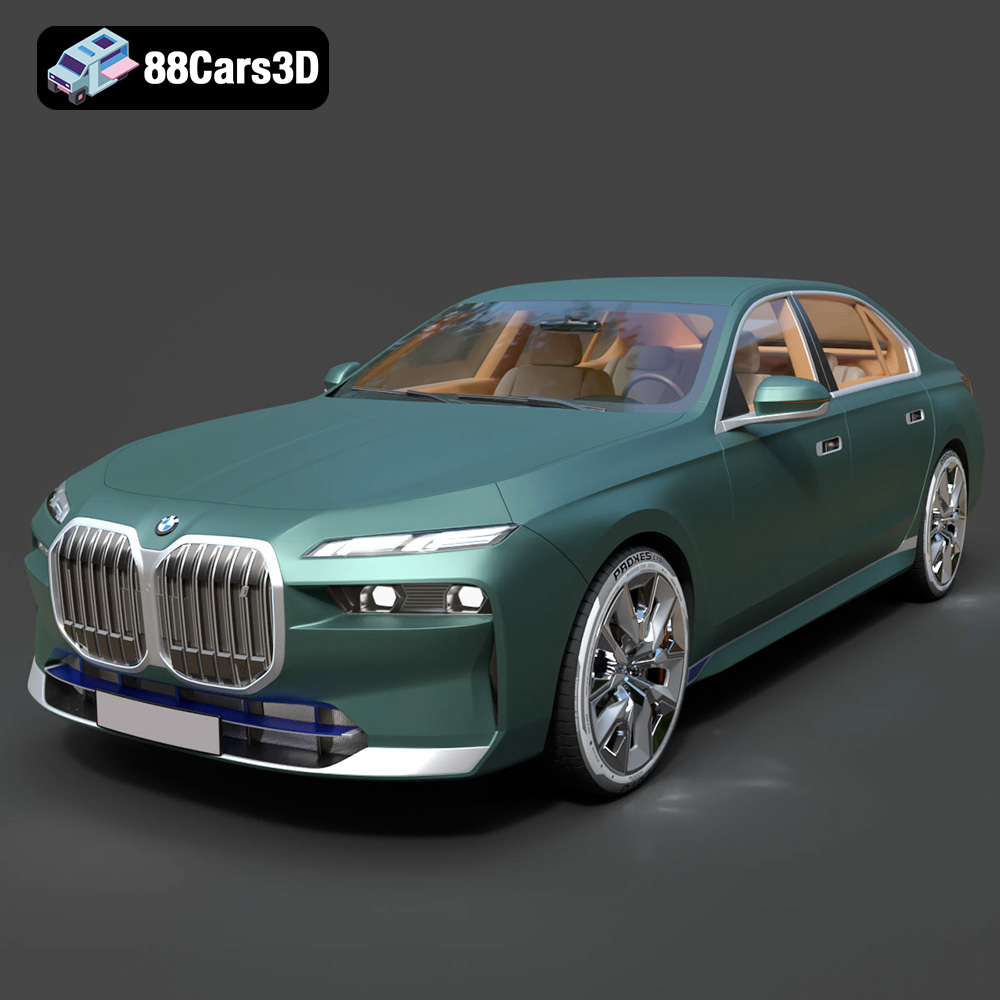
Texture: Yes | Material: Yes Download the ultra-high-detail BMW i7 (2023) 3D Model (4.14M Triangles). Features the illuminated kidney grille, split crystal headlights, fully modeled Theatre Screen interior, and monolithic luxury styling. Perfect for ArchViz, VFX, and cinematic rendering. Includes .blend, .fbx, .obj, .glb, .stl, and .max formats.
Price: $19.99
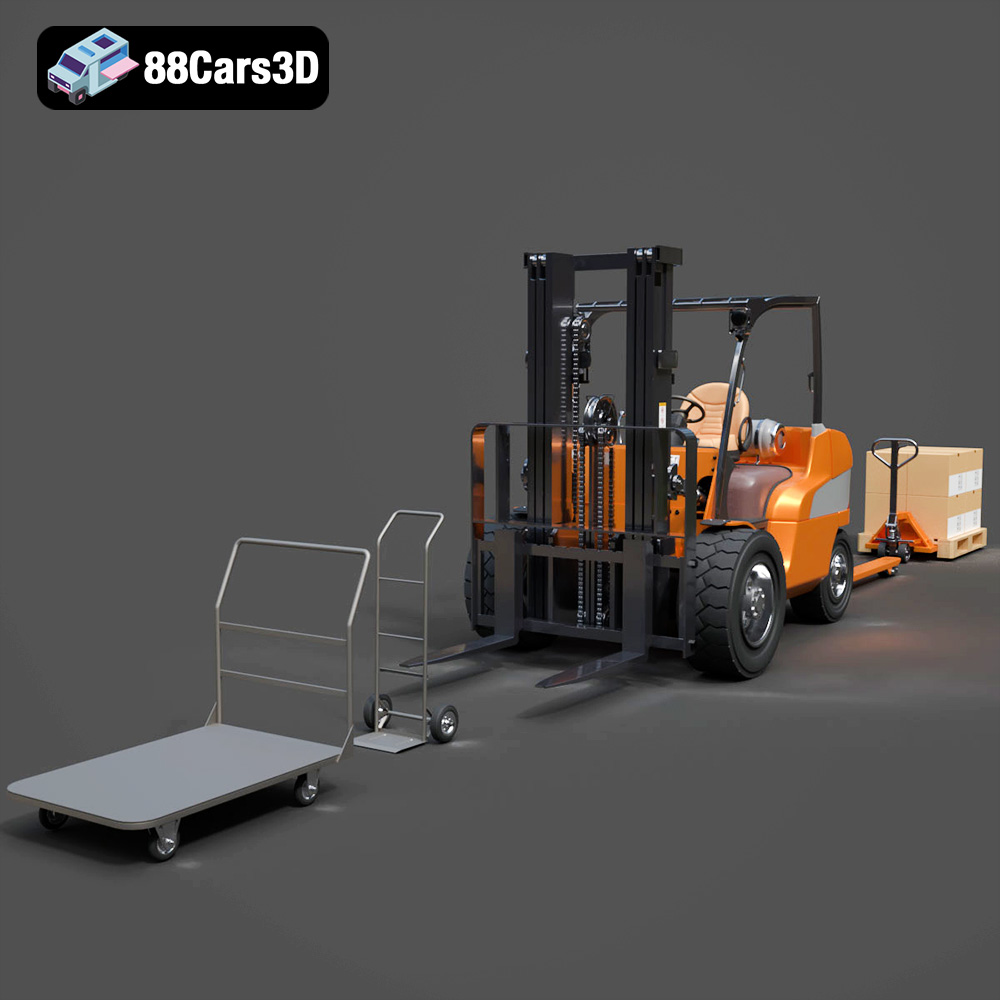
Texture: Yes | Material: Yes Download the highly detailed CAT Manual Loader & Warehouse Carts Kit 3D Model (2.4M Triangles). Features a macro-detailed hydraulic pallet jack, heavy-duty forks, and transport carts. Perfect for industrial ArchViz, factory rendering, and logistics simulations. Includes .blend, .fbx, .obj, .glb, .stl, and .max formats.
Price: $19.99
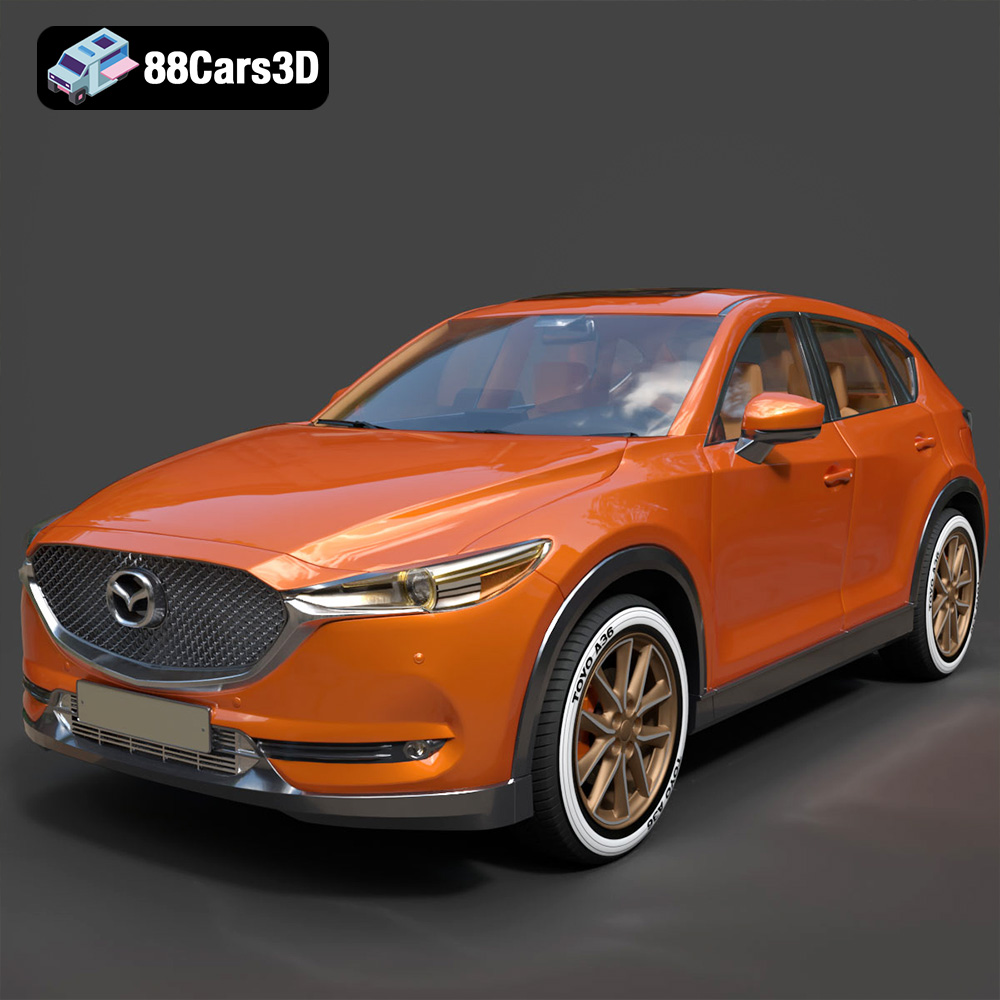
Texture: Yes | Material: Yes
Download the highly optimized Mazda CX-5 2014 3D Model (294k Triangles). Features the dynamic Kodo design language, signature grille, and a clean interior. Perfectly balanced for ArchViz, background traffic, and game development. Includes .blend, .fbx, .obj, .glb, .stl, and .max formats.
Price: $19.99
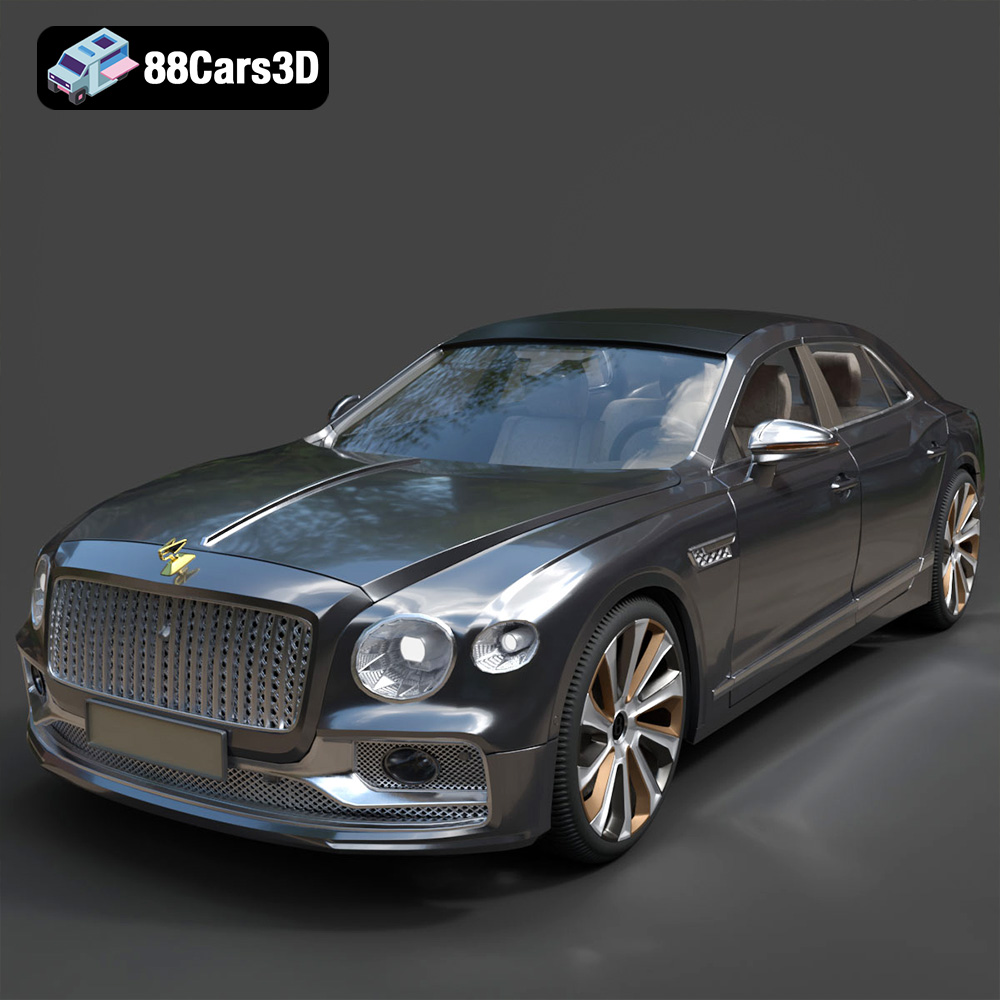
Texture: Yes | Material: Yes Download the ultra-high-detail Bentley Flying Spur Mulliner 2022 3D Model (2.94M Triangles). Features the bespoke Double Diamond grille, a fully modeled diamond-quilted interior, and exquisite luxury styling. Perfect for high-end ArchViz, VFX, and cinematic rendering. Includes .blend, .fbx, .obj, .glb, .stl, and .max formats.
Price: $19.90
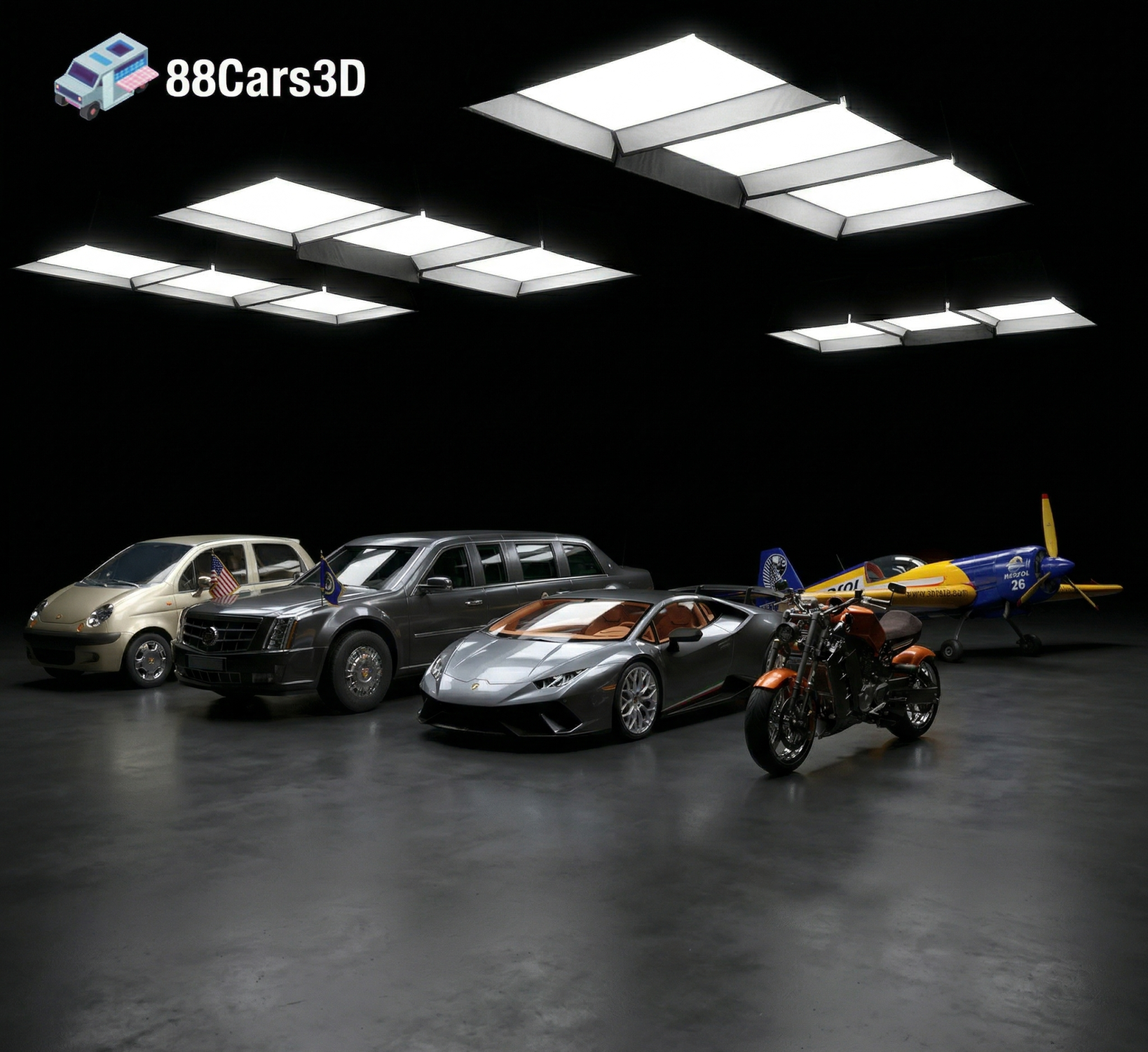
Texture: Yes | Material: Yes | 3D Printable: Yes. Download the Ultimate Creators’ Showcase featuring 5 premium 3D models: Lamborghini Huracan, ZAV Concept Motorcycle, Sukhoi SU-26, Presidential Limousine, and Daewoo Damas. Optimized for 4K CGI rendering and 3D printing. Save massive with this exclusive multi-category bundle!
Price: $99.99

Texture: Yes | Material: Yes | 3D Printable: Yes. Download the Italian Thoroughbreds Bundle featuring 5 iconic 3D models: Lamborghini Huracán Performante, Ferrari 458 Italia, Lamborghini Urus, Diablo SV, and Maserati GT. Optimized for 4K rendering and 3D printing (STL included). Save 50% with this ultimate Italian vehicle collection.
Price: $199.99

Download the Elite Future Mobility Bundle featuring 4 highly optimized 3D models: Tesla Model S, Avatr 11, Li L9, and Zoox Robotaxi. Perfect for ArchViz, Smart City renders, and game dev. Optimized for Unreal Engine and Blender. Includes .fbx, .obj, and .max formats.
Price: $99

🚗 5 Iconic German Cars (BMW M4 G82, M5 CS, X3, 1 Series & Mercedes E-Class). ✅ Optimized for ArchViz: Ready for Corona & V-Ray. 💰 Save €71 with this limited-time collection! 🚀 Instant Download after purchase.
Price: $119

Download the Extreme Off-Road & Survival 3D Models Bundle! Includes the Brabus 800 Adventure, Dodge Ram Bigfoot, Spec Truck, and a Caravan. Save over €210 on this premium 4-in-1 off-grid vehicle pack for ArchViz and game development.
Price: $149.99

Download the Heavy Duty & Commercial Logistics 3D Models Bundle! Includes the Ford Sterling, Caterpillar CT680, Mercedes Citaro Bus, and Vito Van. Save over €130 on this massive, game-ready 4-in-1 industrial vehicle pack.
Price: $109.99

