Get 50% OFF All Premium 3D & STL Models!

“`html
3D printing, especially when dealing with complex geometries like the intricate designs of printable car models available on platforms like 88cars3d.com, often necessitates the use of support structures. These supports act as temporary scaffolding, holding up overhanging features during the printing process. While automatic support generation in slicing software can be convenient, manual support placement offers greater control, leading to improved print quality, material savings, and easier post-processing. This guide provides a deep dive into the art and science of manual support creation, covering everything from identifying critical overhangs to optimizing support geometry and removal techniques.
In this article, you will learn:
The fundamental principle of FDM (Fused Deposition Modeling) 3D printing involves building objects layer by layer. This works seamlessly for vertical structures, but when a layer needs to extend beyond the layer beneath it – creating an overhang – gravity poses a challenge. Without support, the molten plastic would simply droop or collapse, resulting in a failed print. Similarly, bridging sections (horizontal spans between two points) also benefit from supports, especially over longer distances. Identifying these critical areas is the first step towards successful manual support implementation.
A critical overhang angle is generally considered to be anything exceeding 45 degrees. However, this is just a guideline. Factors like material, layer height, and print speed influence the maximum overhang possible without support. Visually inspecting your STL model in the slicer software is crucial. Look for areas where a significant portion of the layer isn’t directly supported by the layer below. Bridges are easier to spot: any horizontal section spanning a gap is a bridge. Consider the length of the bridge; shorter bridges (under 5-10mm, depending on the material) might print successfully without support, especially with optimized bridging settings in your slicer.
Automatic support generation is a quick and easy solution. Slicing software analyzes the model and automatically places supports where needed. However, automatically generated supports often use more material than necessary, can be difficult to remove, and might not always be optimally placed for complex geometries. Manual support creation allows for precise control over support placement, minimizing material waste, optimizing support structure for easy removal, and preventing support marks in critical areas. It requires more effort upfront but often leads to superior print quality and a cleaner final product, especially for detailed models like those found on 88cars3d.com.
Several software options are available for creating manual supports, each with its own strengths and weaknesses. Meshmixer, a free software from Autodesk, is a popular choice due to its intuitive interface and powerful sculpting and support generation tools. Blender, a free and open-source 3D modeling software, offers more advanced capabilities for creating custom support structures with precise geometry. Other options include Netfabb (commercial) and even some advanced features within slicing software like PrusaSlicer.
Meshmixer provides a dedicated “Support” tool that allows you to automatically generate supports and then manually edit and refine them. To create custom supports from scratch, use the “Sculpt” tools to add geometry to the model. Start by creating simple shapes like cylinders or cones at the points where support is needed. Then, use the “Smooth” and “Move” brushes to blend the support structure into the model and the build plate. Experiment with different support shapes and thicknesses to find what works best for your specific model and printer.
Blender offers unparalleled control over support structure design. You can create custom support geometries from basic shapes or sculpt them directly onto the model. Use Blender’s modifiers, like the “Array” modifier, to quickly replicate support elements along a curve or surface. The “Boolean” modifier can be used to precisely connect the supports to the model and the build plate. While Blender has a steeper learning curve, the level of customization it provides is invaluable for complex projects requiring specialized support structures. For example, creating tree-like supports that branch out to support multiple overhangs with minimal material usage is much easier in Blender than in Meshmixer.
Effective manual support placement is a delicate balance between providing sufficient support for overhangs and bridges while minimizing the impact on the final print. A well-placed support structure should be strong enough to prevent sagging or collapse during printing but also easy to remove without damaging the model. Several factors influence the optimal placement strategy, including the geometry of the model, the material being used, and the printing technology (FDM or resin).
Focus on supporting only the most critical overhangs and bridges. Avoid placing supports in areas that are easily accessible for post-processing, such as flat surfaces or areas with intricate details. Consider the orientation of the model on the build plate. Rotating the model can sometimes minimize the need for supports altogether. For example, tilting a car model from 88cars3d.com at a 45-degree angle can reduce the overhang area significantly.
The shape and thickness of the support structure play a crucial role in its effectiveness and ease of removal. Thin, spindly supports are easier to remove but might not be strong enough to support heavy overhangs. Thick, bulky supports provide more stability but can be difficult to remove and may leave noticeable marks on the print. Experiment with different support geometries, such as tree-like supports, which are strong at the base but branch out into thinner structures at the point of contact with the model. This design minimizes material usage while providing sufficient support where it’s needed most.
Slicing software converts the 3D model and its support structures into a series of instructions that the 3D printer can understand. Optimizing the slicing parameters for support structures is essential for ensuring print quality, minimizing material usage, and facilitating easy removal. Key parameters include support density, support pattern, support interface, and support Z distance.
Support density determines the amount of material used to create the support structure. Higher densities provide more support but also increase material usage and make the supports more difficult to remove. Lower densities save material but might not provide sufficient support for heavy overhangs. Experiment with different support densities to find the right balance for your specific model and material. Common support patterns include rectilinear, grid, and honeycomb. The choice of pattern depends on the desired strength and ease of removal. A rectilinear pattern is generally easier to remove than a honeycomb pattern, while a grid pattern offers a good compromise between strength and ease of removal.
The support interface is the layer that connects the support structure to the model. This interface can be adjusted to improve adhesion and ease of removal. A denser interface provides better support but can be more difficult to remove cleanly. A sparse interface is easier to remove but might not provide sufficient support. The support Z distance is the gap between the support structure and the model. A small Z distance (e.g., 0.1-0.2mm) provides better support but can result in the support fusing to the model. A larger Z distance (e.g., 0.3-0.4mm) makes the support easier to remove but might compromise the quality of the supported surface. Experiment with different Z distances to find the optimal setting for your printer and material. Using a dedicated support interface material (like breakaway supports on dual-extrusion printers) can also significantly improve support removal.
The choice of material and printer settings significantly impacts the performance of support structures. Different materials have different strengths, stiffnesses, and adhesion properties, which affect their suitability for support structures. Similarly, printer settings like layer height, print speed, and temperature can influence the strength and quality of the support structures.
PLA (Polylactic Acid) is a popular choice for 3D printing due to its ease of use and biodegradability. It’s generally suitable for support structures, especially for models with simple overhangs. PETG (Polyethylene Terephthalate Glycol) offers improved strength and flexibility compared to PLA, making it a good option for supporting heavier overhangs or bridging longer distances. ABS (Acrylonitrile Butadiene Styrene) is a strong and durable material but requires higher printing temperatures and a heated bed to prevent warping. It’s often used for functional parts and can also be used for support structures, but its strong adhesion can make removal more challenging. For specialized applications, materials like HIPS (High Impact Polystyrene) can be used as a dedicated support material that can be dissolved in Limonene, providing seamless support removal.
Proper printer calibration and maintenance are crucial for successful 3D printing, including the creation of support structures. Ensure that your printer is properly leveled, that the nozzle is clean, and that the belts are tensioned correctly. Regularly calibrate your printer’s extrusion multiplier to ensure that the correct amount of material is being extruded. Perform test prints to fine-tune your printer settings and identify any potential issues before printing complex models with support structures. For resin printing, proper bed leveling and exposure time calibration are crucial for successful support adhesion. Neglecting maintenance can lead to poor layer adhesion, warping, and other issues that can compromise the strength and stability of the support structures.
After the print is complete, the support structures need to be removed. The removal process should be done carefully to avoid damaging the printed part. Several techniques can be used, including manual removal, chemical dissolution (for specific support materials), and specialized tools.
Manual removal is the most common method for removing support structures. Use a pair of pliers, a hobby knife, or a specialized support removal tool to carefully break away the supports from the model. Start by removing the supports from the outer edges of the model and work your way inwards. Be patient and avoid using excessive force, as this can damage the printed part. If the supports are difficult to remove, try softening them with heat from a heat gun or hair dryer. For delicate areas, consider using a small file or sandpaper to smooth out any remaining support marks. When downloading models from marketplaces such as 88cars3d.com, check if the designer provides specific recommendations for support removal.
For materials like HIPS, chemical dissolution offers a clean and effortless way to remove support structures. HIPS can be dissolved in Limonene, a citrus-based solvent. Simply submerge the printed part in Limonene and let it soak until the HIPS supports dissolve. This process can take several hours or even overnight, depending on the size and density of the supports. After the supports are dissolved, rinse the part with water and allow it to dry. This method is particularly useful for complex geometries with intricate support structures that are difficult to remove manually. Note that appropriate safety precautions should always be taken when working with solvents.
Manual support creation is an invaluable skill for any 3D printing enthusiast, especially when working with intricate models like printable car models. While it requires more effort upfront, the benefits – improved print quality, reduced material waste, and easier post-processing – are well worth the investment. By understanding the principles of support placement, mastering the tools and techniques for creating custom supports, and optimizing slicing parameters, you can significantly enhance your 3D printing capabilities. Remember to always prioritize careful planning and experimentation to find the optimal support strategy for your specific model and printer. With practice and patience, you’ll be able to confidently tackle even the most challenging 3D printing projects.
Actionable Next Steps:
“`
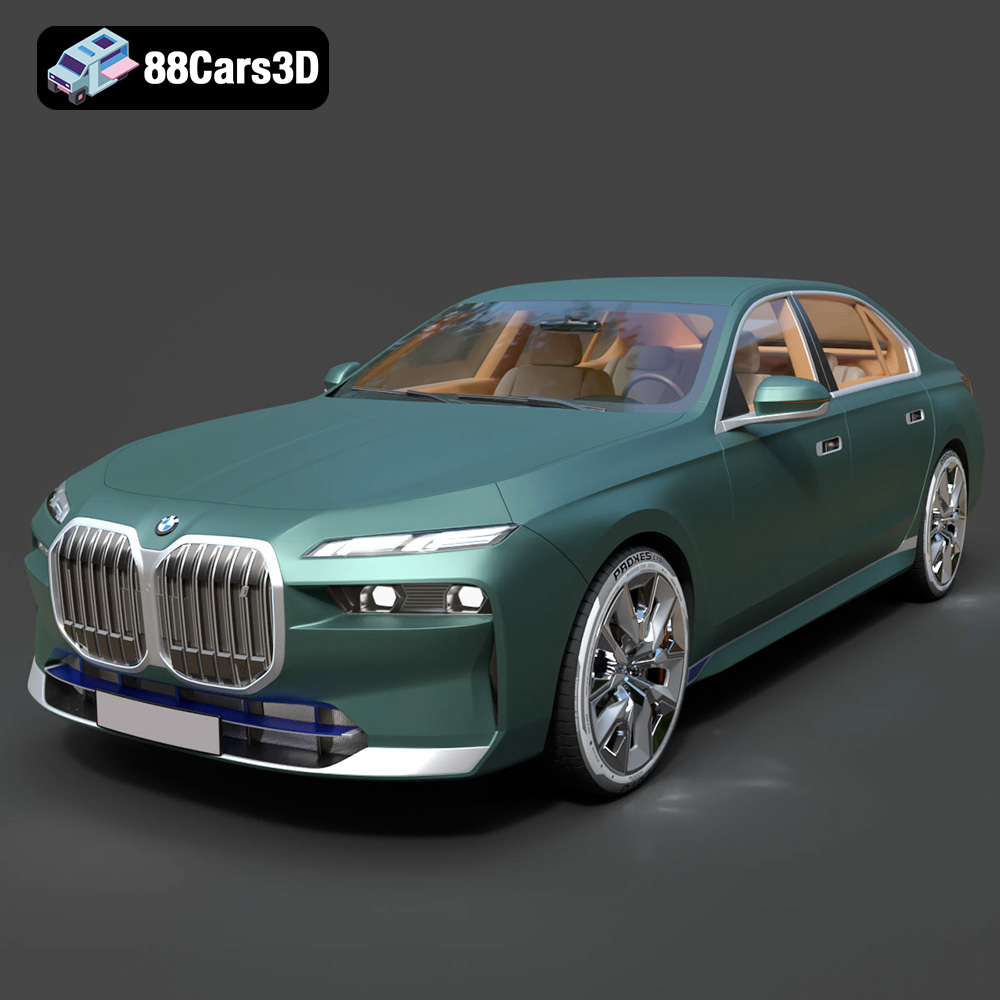
Texture: Yes | Material: Yes Download the ultra-high-detail BMW i7 (2023) 3D Model (4.14M Triangles). Features the illuminated kidney grille, split crystal headlights, fully modeled Theatre Screen interior, and monolithic luxury styling. Perfect for ArchViz, VFX, and cinematic rendering. Includes .blend, .fbx, .obj, .glb, .stl, and .max formats.
Price: $19.99
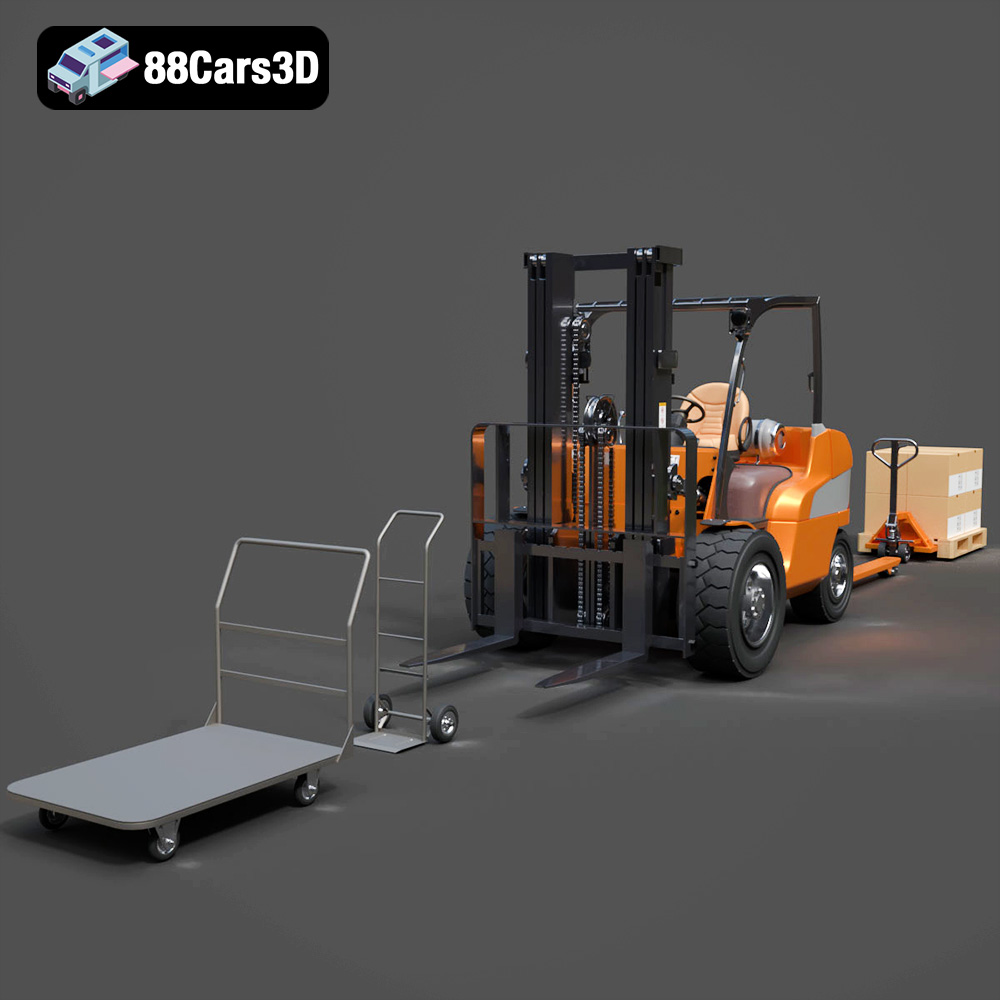
Texture: Yes | Material: Yes Download the highly detailed CAT Manual Loader & Warehouse Carts Kit 3D Model (2.4M Triangles). Features a macro-detailed hydraulic pallet jack, heavy-duty forks, and transport carts. Perfect for industrial ArchViz, factory rendering, and logistics simulations. Includes .blend, .fbx, .obj, .glb, .stl, and .max formats.
Price: $19.99

Texture: Yes | Material: Yes
Download the highly optimized Mazda CX-5 2014 3D Model (294k Triangles). Features the dynamic Kodo design language, signature grille, and a clean interior. Perfectly balanced for ArchViz, background traffic, and game development. Includes .blend, .fbx, .obj, .glb, .stl, and .max formats.
Price: $19.99
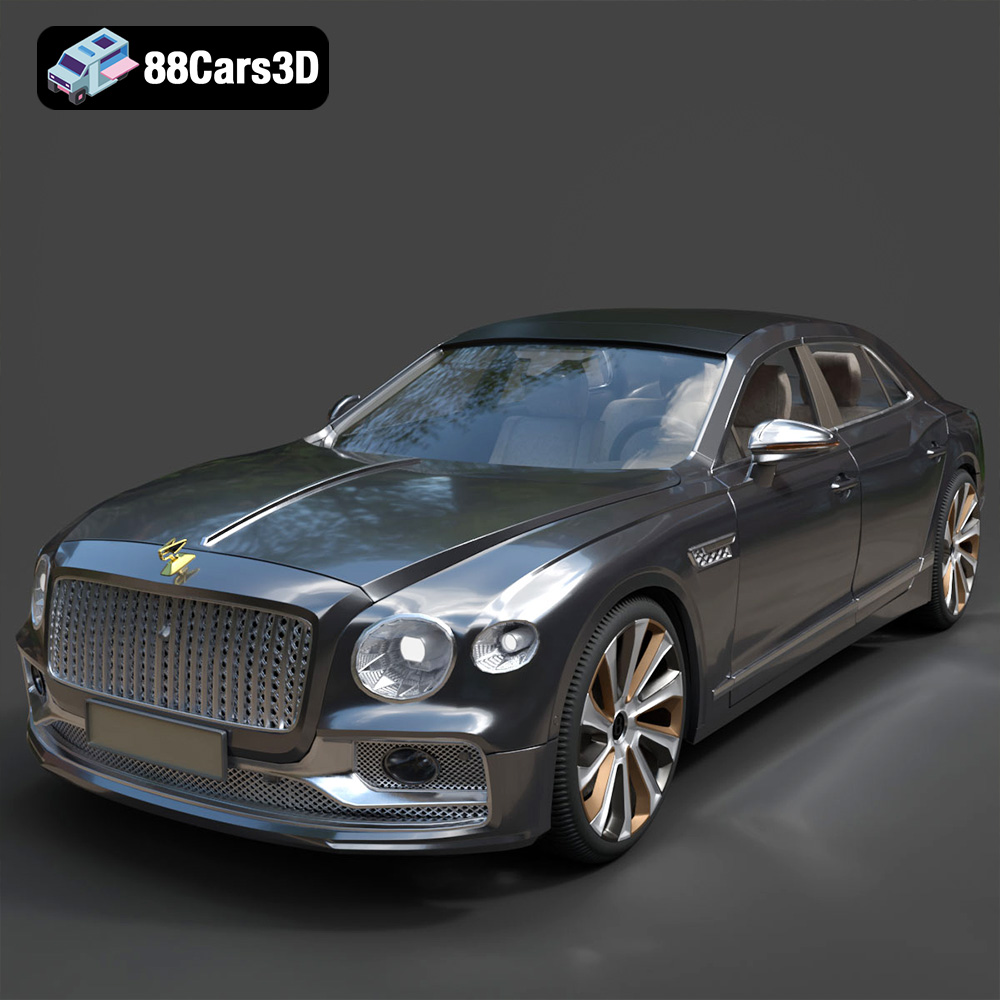
Texture: Yes | Material: Yes Download the ultra-high-detail Bentley Flying Spur Mulliner 2022 3D Model (2.94M Triangles). Features the bespoke Double Diamond grille, a fully modeled diamond-quilted interior, and exquisite luxury styling. Perfect for high-end ArchViz, VFX, and cinematic rendering. Includes .blend, .fbx, .obj, .glb, .stl, and .max formats.
Price: $19.90

Texture: Yes | Material: Yes | 3D Printable: Yes. Download the Ultimate Creators’ Showcase featuring 5 premium 3D models: Lamborghini Huracan, ZAV Concept Motorcycle, Sukhoi SU-26, Presidential Limousine, and Daewoo Damas. Optimized for 4K CGI rendering and 3D printing. Save massive with this exclusive multi-category bundle!
Price: $99.99

Texture: Yes | Material: Yes | 3D Printable: Yes. Download the Italian Thoroughbreds Bundle featuring 5 iconic 3D models: Lamborghini Huracán Performante, Ferrari 458 Italia, Lamborghini Urus, Diablo SV, and Maserati GT. Optimized for 4K rendering and 3D printing (STL included). Save 50% with this ultimate Italian vehicle collection.
Price: $199.99

Download the Elite Future Mobility Bundle featuring 4 highly optimized 3D models: Tesla Model S, Avatr 11, Li L9, and Zoox Robotaxi. Perfect for ArchViz, Smart City renders, and game dev. Optimized for Unreal Engine and Blender. Includes .fbx, .obj, and .max formats.
Price: $99

🚗 5 Iconic German Cars (BMW M4 G82, M5 CS, X3, 1 Series & Mercedes E-Class). ✅ Optimized for ArchViz: Ready for Corona & V-Ray. 💰 Save €71 with this limited-time collection! 🚀 Instant Download after purchase.
Price: $119

Download the Extreme Off-Road & Survival 3D Models Bundle! Includes the Brabus 800 Adventure, Dodge Ram Bigfoot, Spec Truck, and a Caravan. Save over €210 on this premium 4-in-1 off-grid vehicle pack for ArchViz and game development.
Price: $149.99

Download the Heavy Duty & Commercial Logistics 3D Models Bundle! Includes the Ford Sterling, Caterpillar CT680, Mercedes Citaro Bus, and Vito Van. Save over €130 on this massive, game-ready 4-in-1 industrial vehicle pack.
Price: $109.99

