Get 50% OFF All Premium 3D & STL Models!

The roar of a finely tuned engine, the gleam of polished paint under neon lights, the adrenaline of a high-speed chase through city streets – these are the sensations that define the world of street racing, a culture deeply rooted in the iconic vehicles of the Japanese Domestic Market. For automotive artists, game developers, VFX specialists, and even dedicated 3D printing enthusiasts, capturing the essence of JDM (Japanese Domestic Market) vehicles is not just about modeling a car; it’s about recreating a cultural phenomenon. From the precision engineering of a Nissan GT-R to the rotary symphony of a Mazda RX-7, these machines are more than just transport – they are legends.
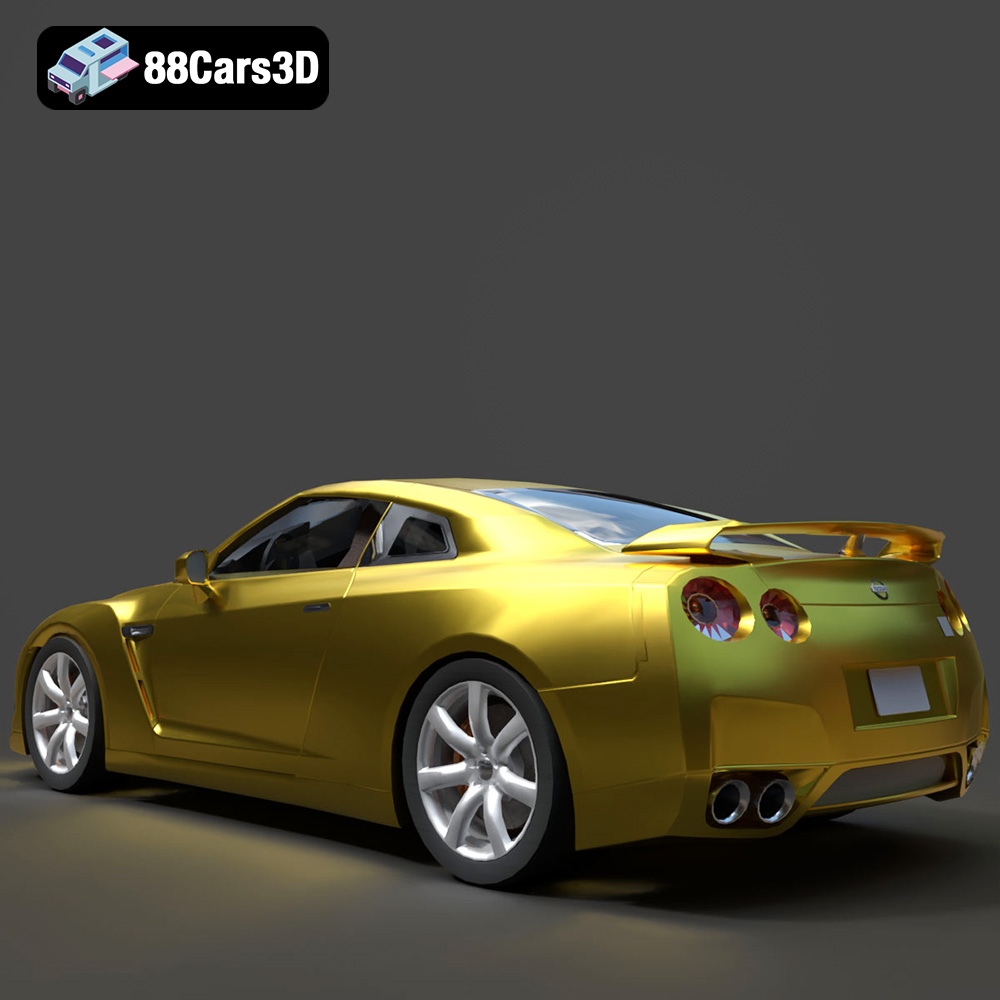
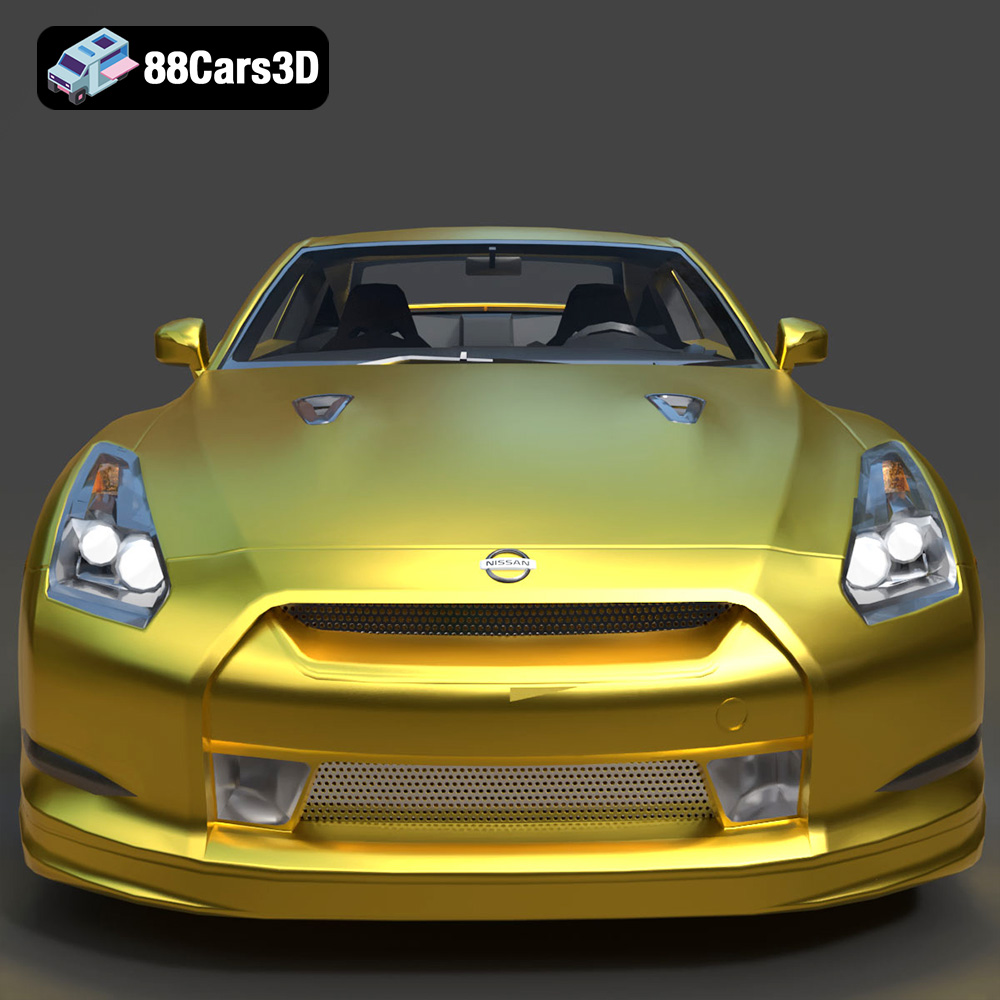
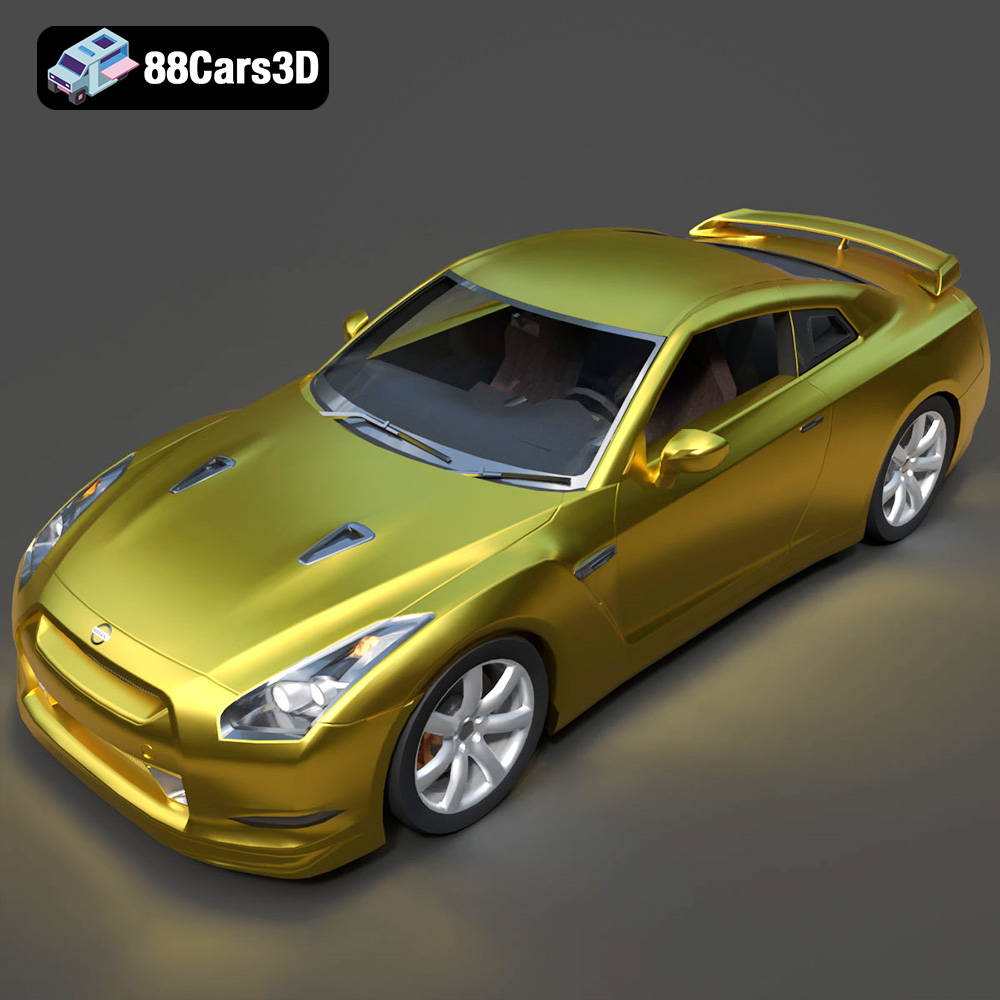
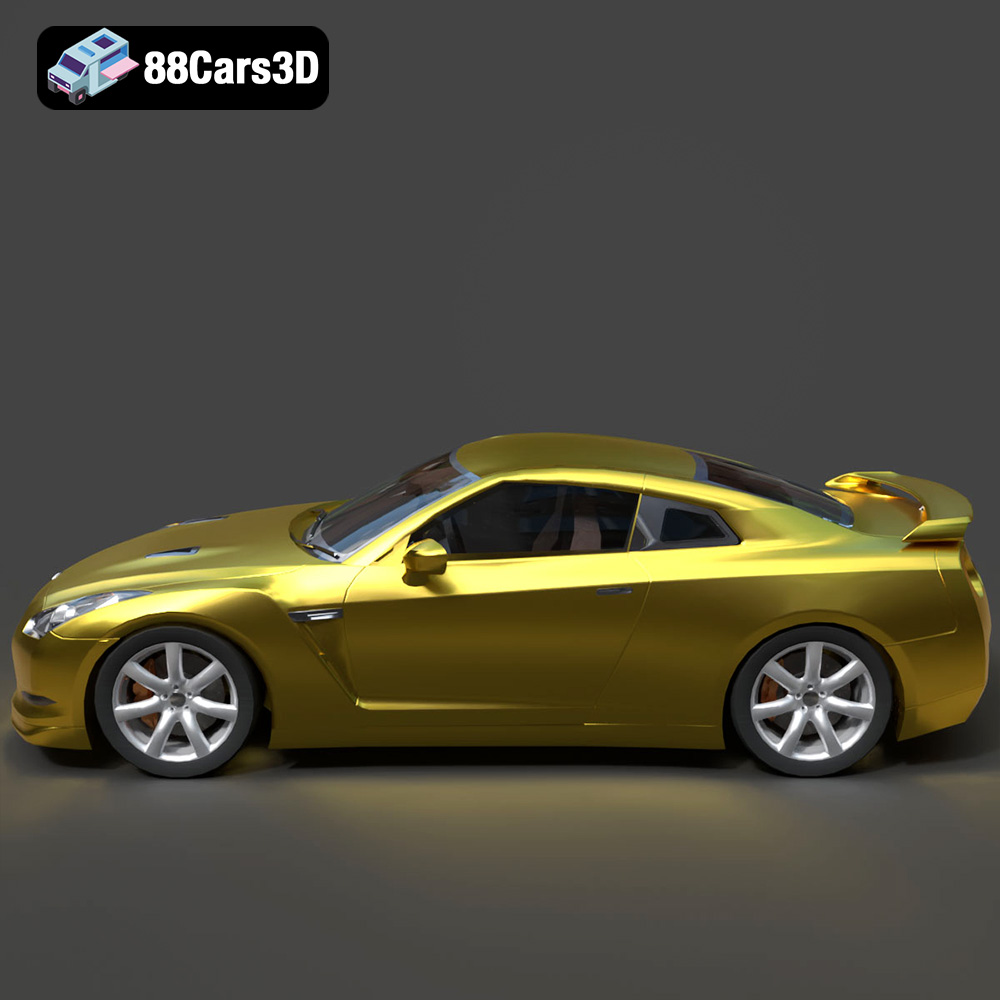
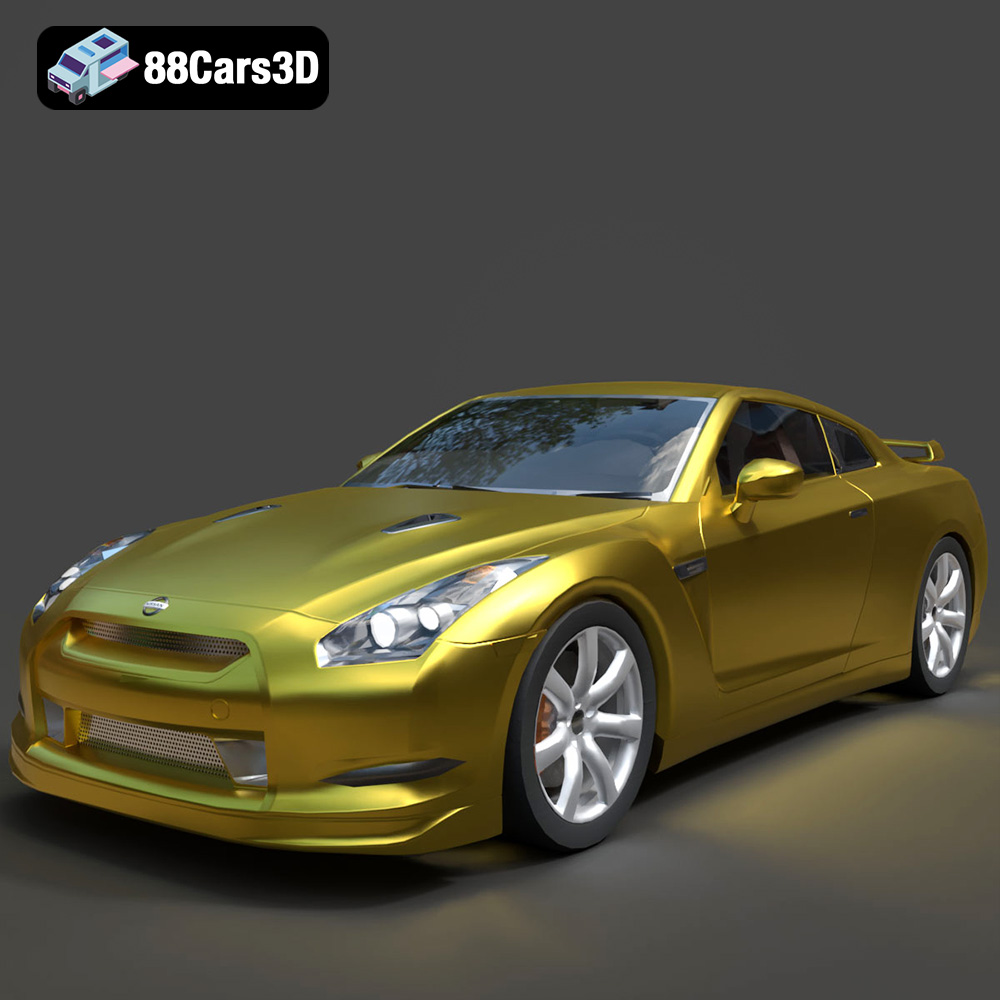
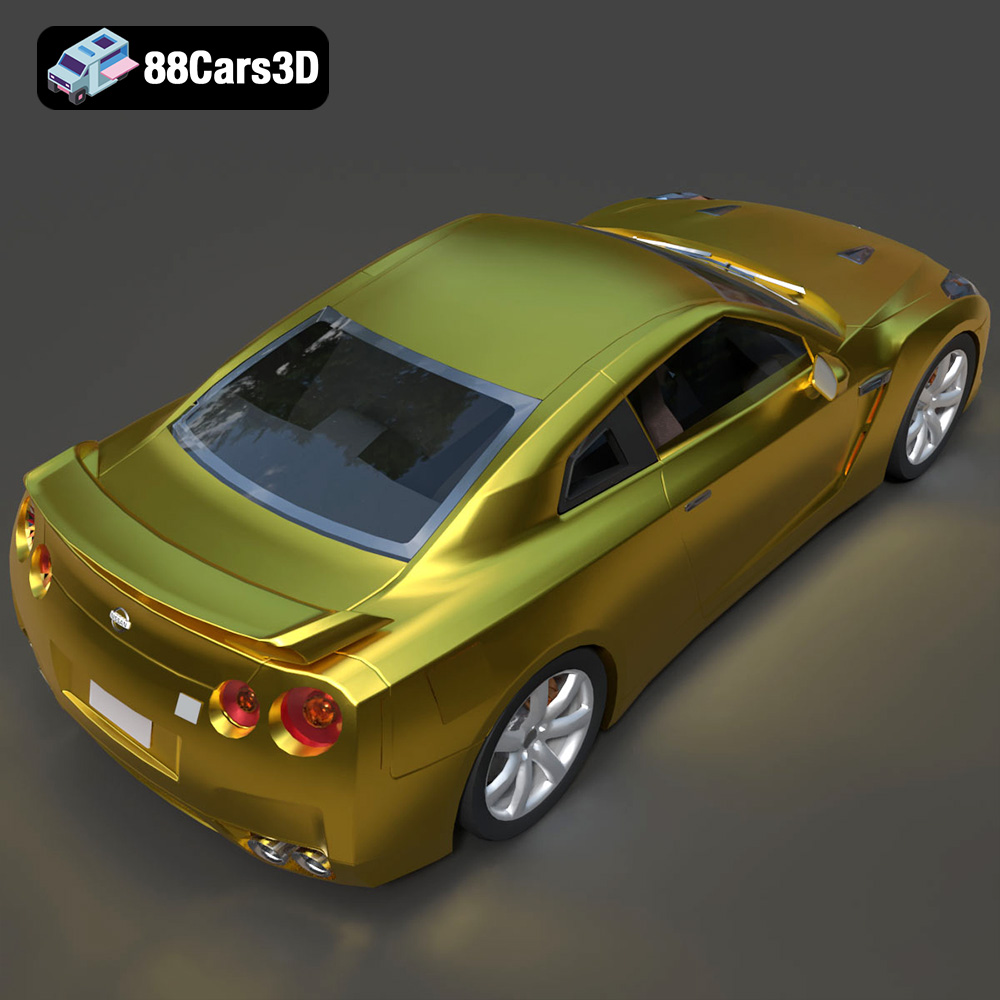
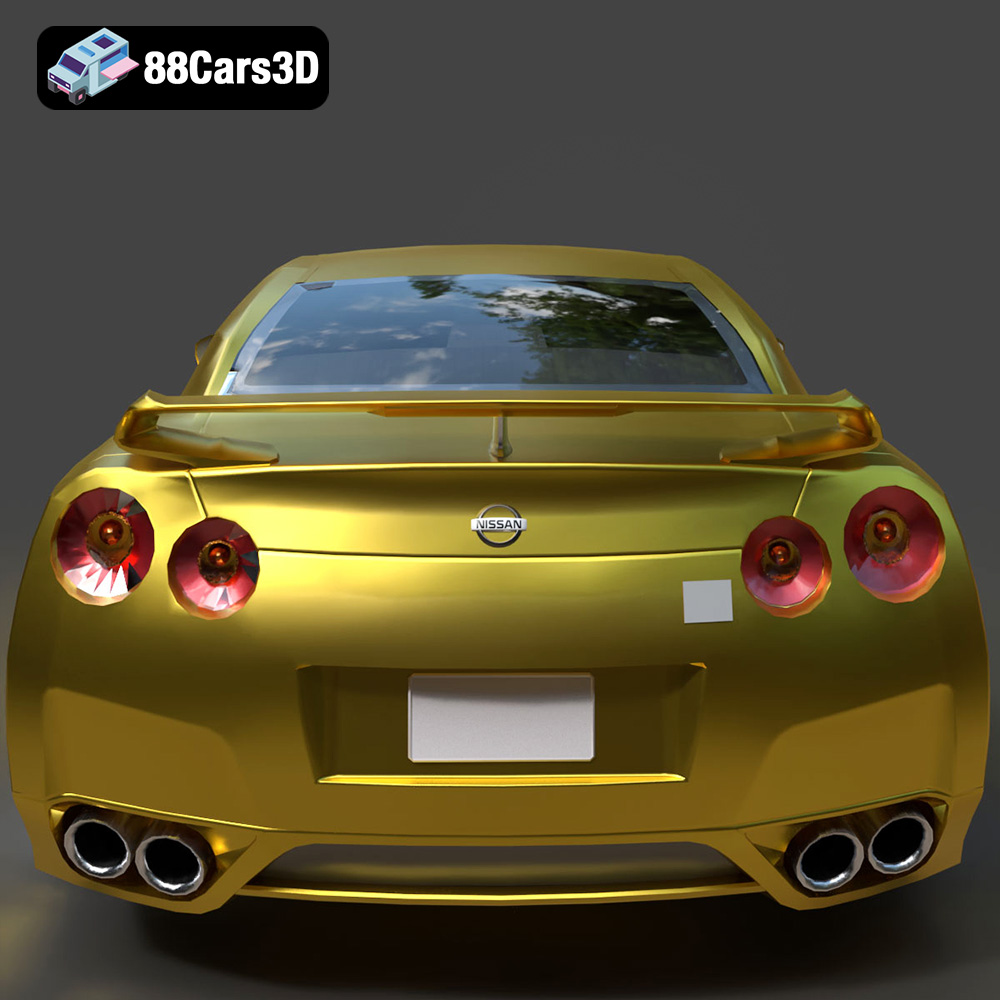
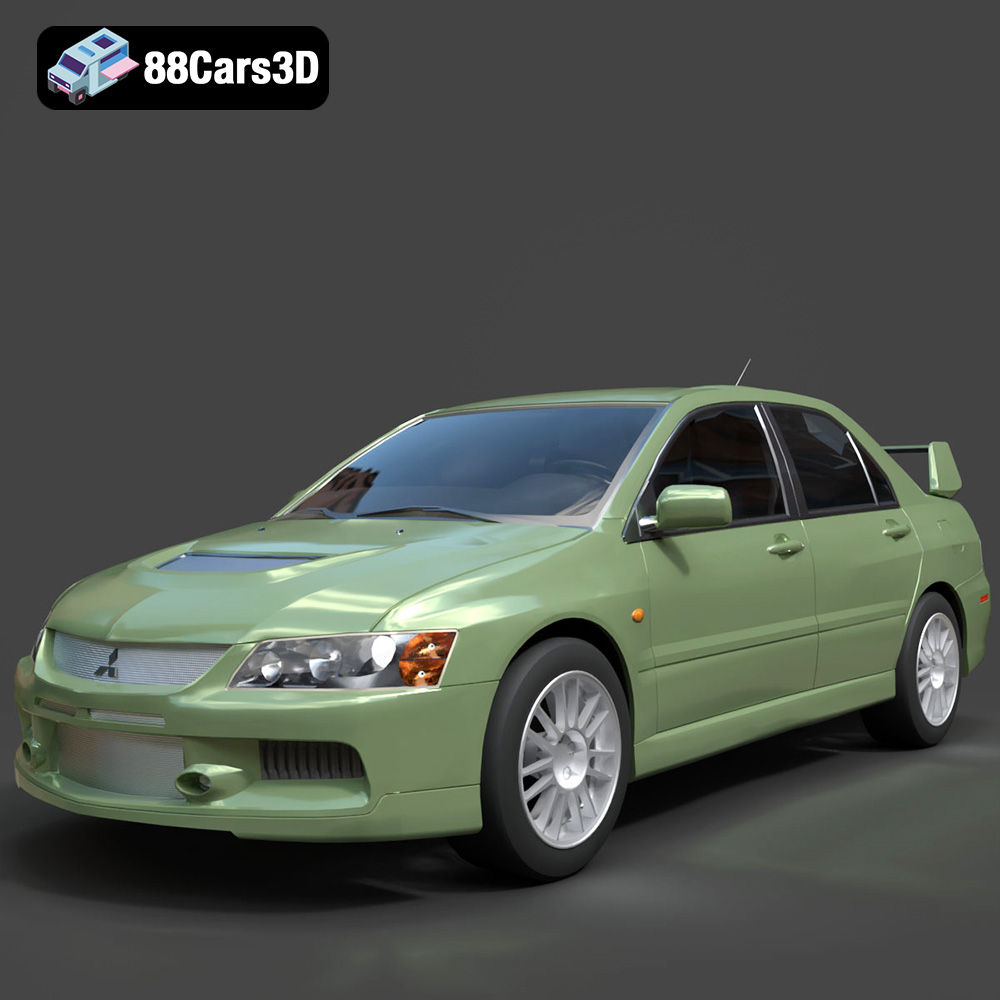
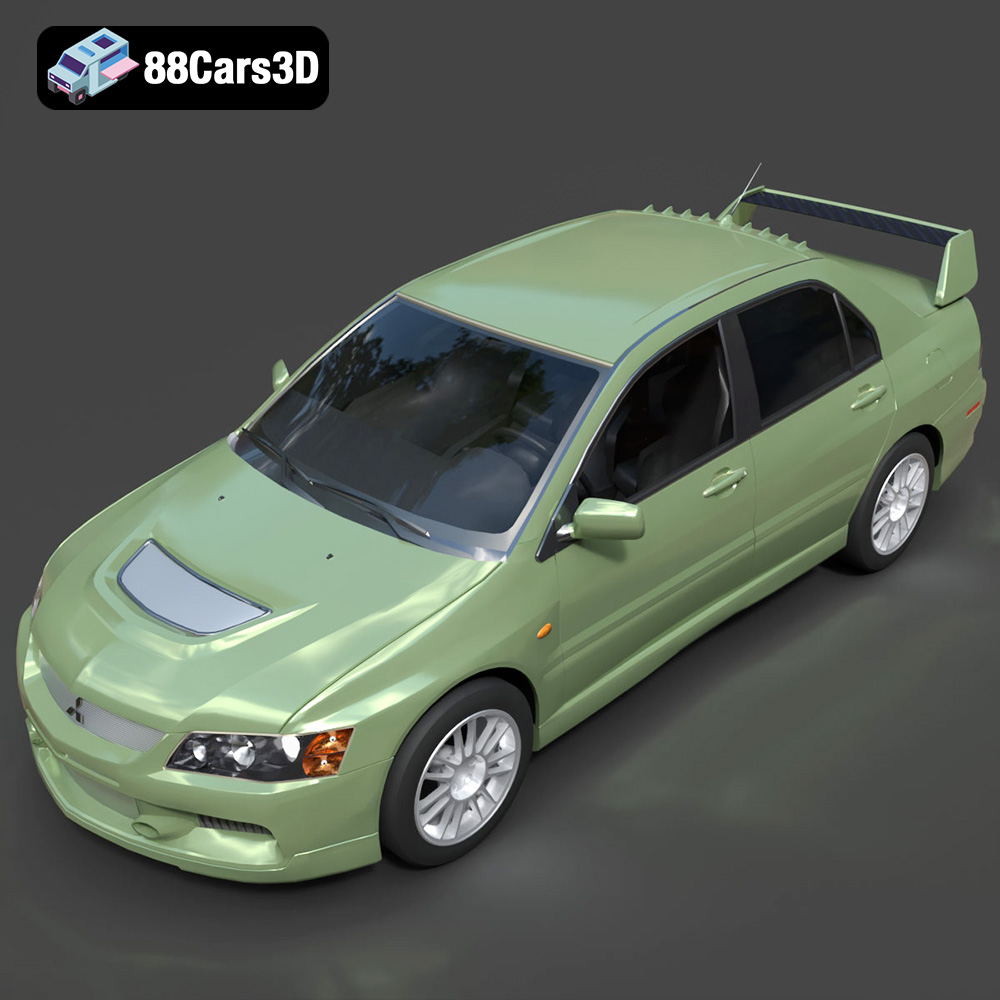
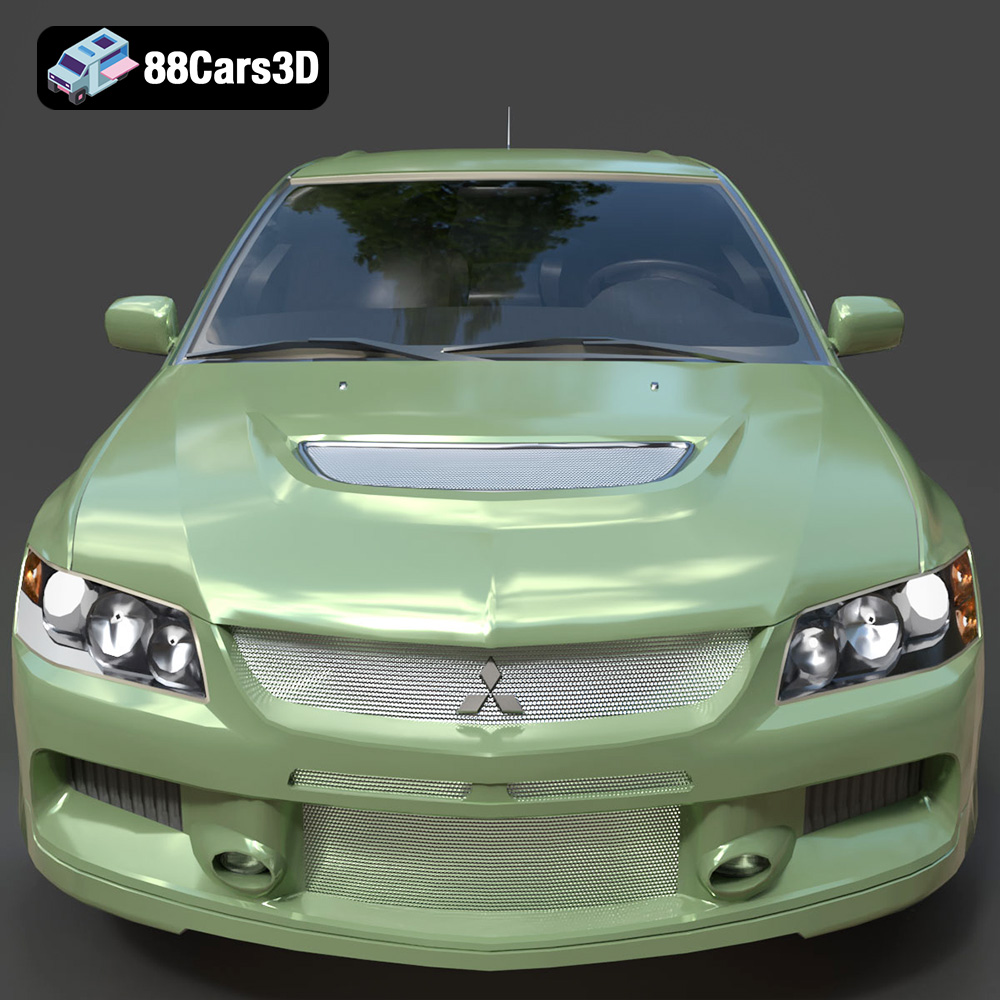
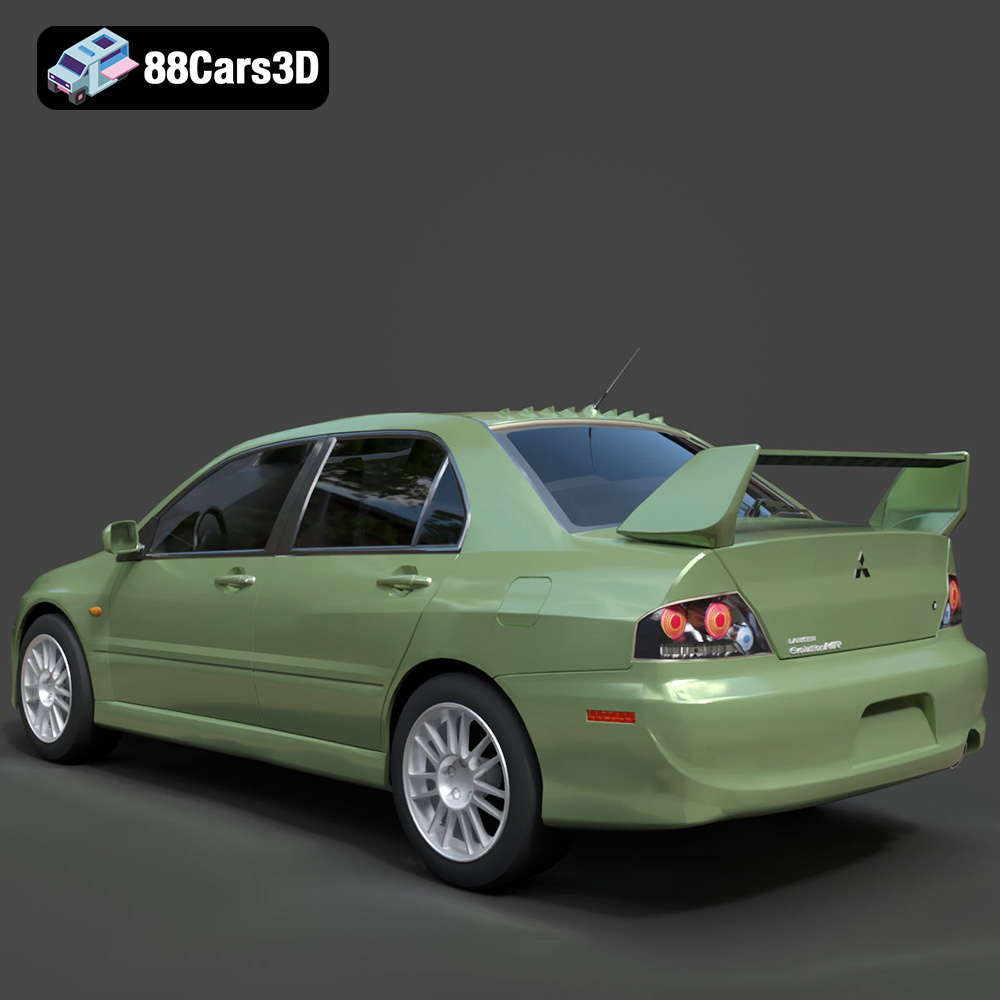
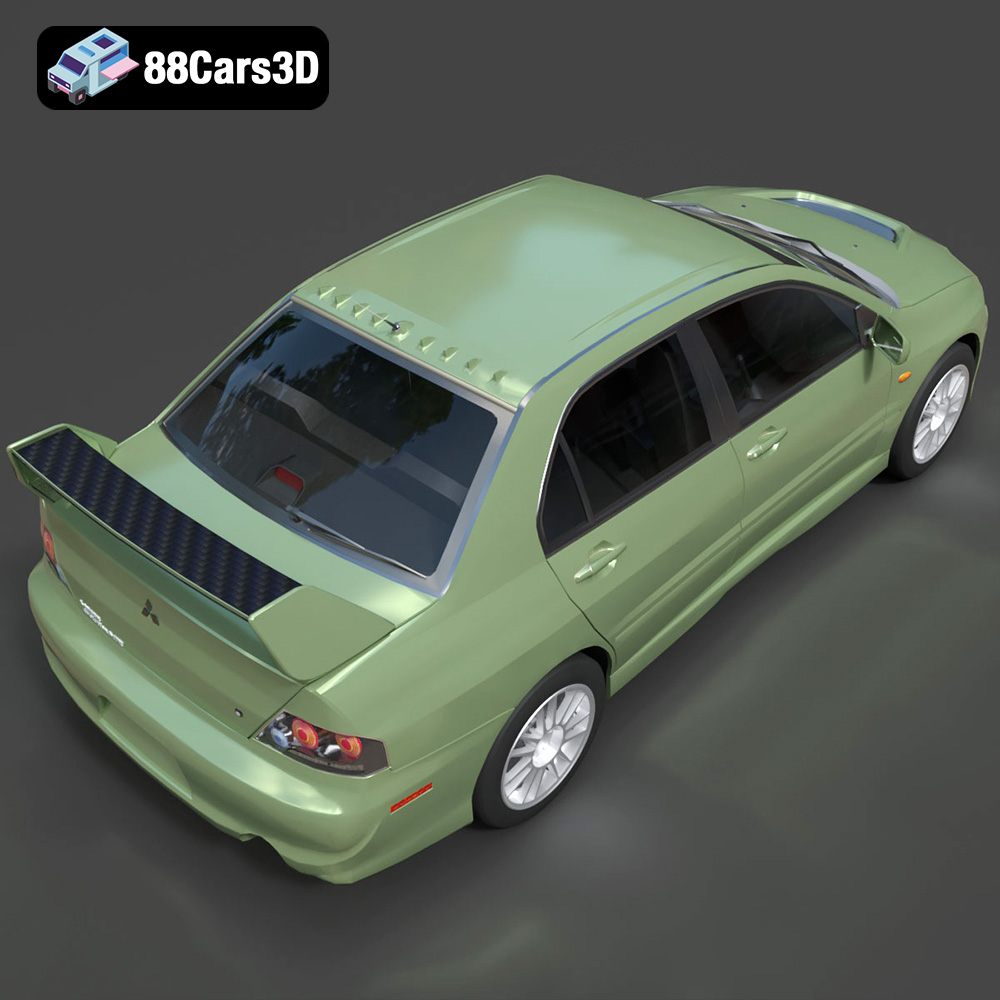
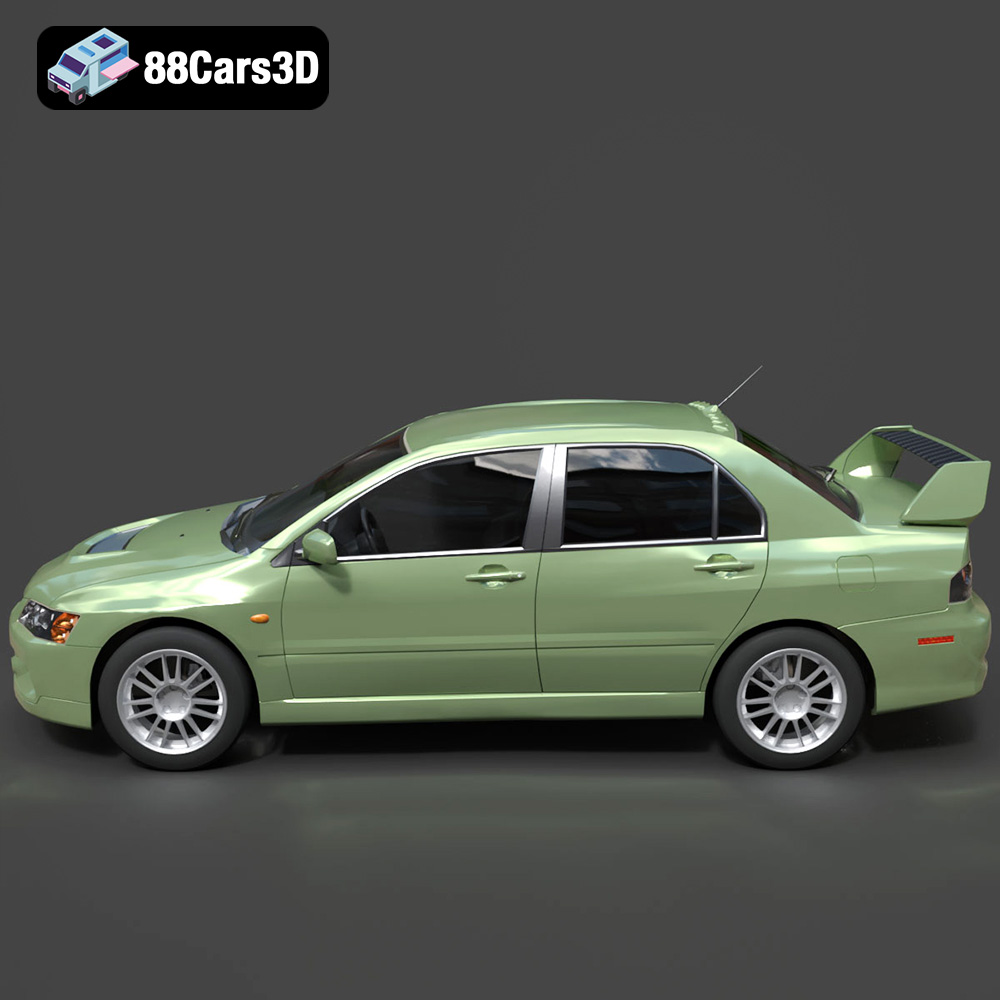
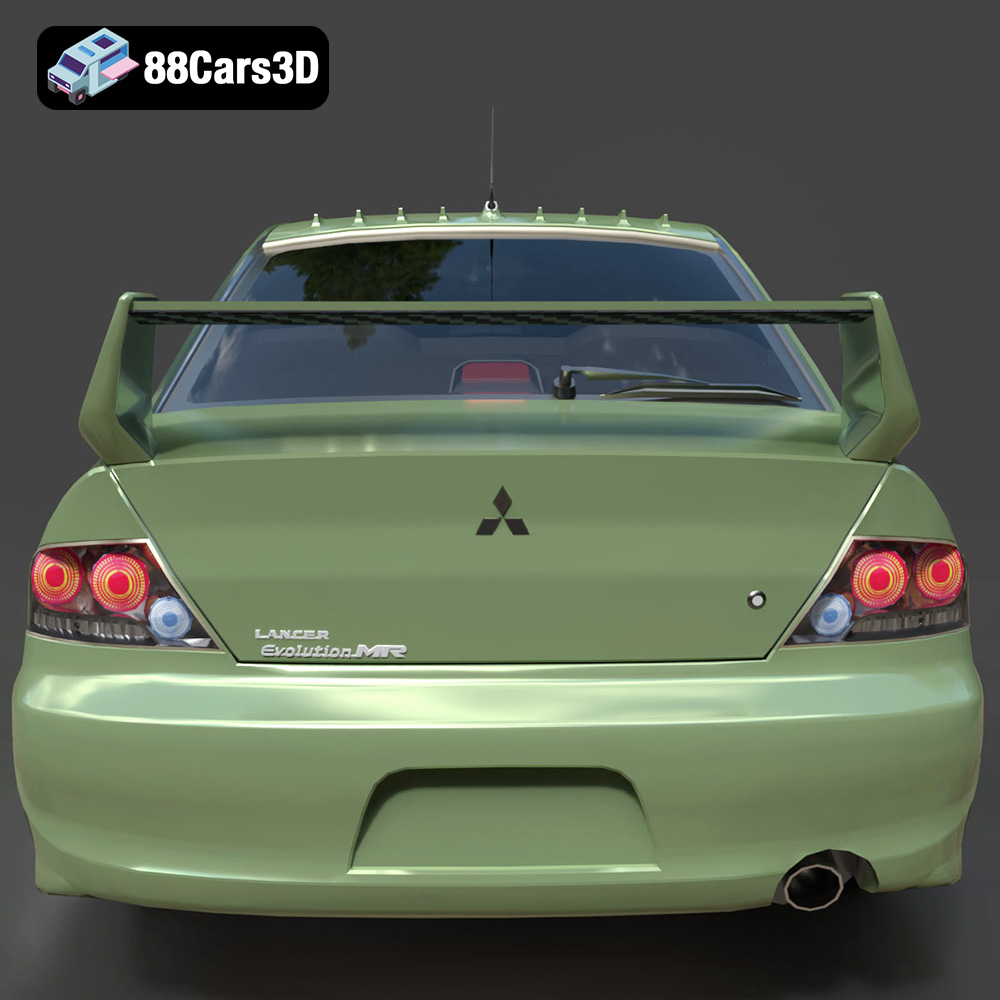
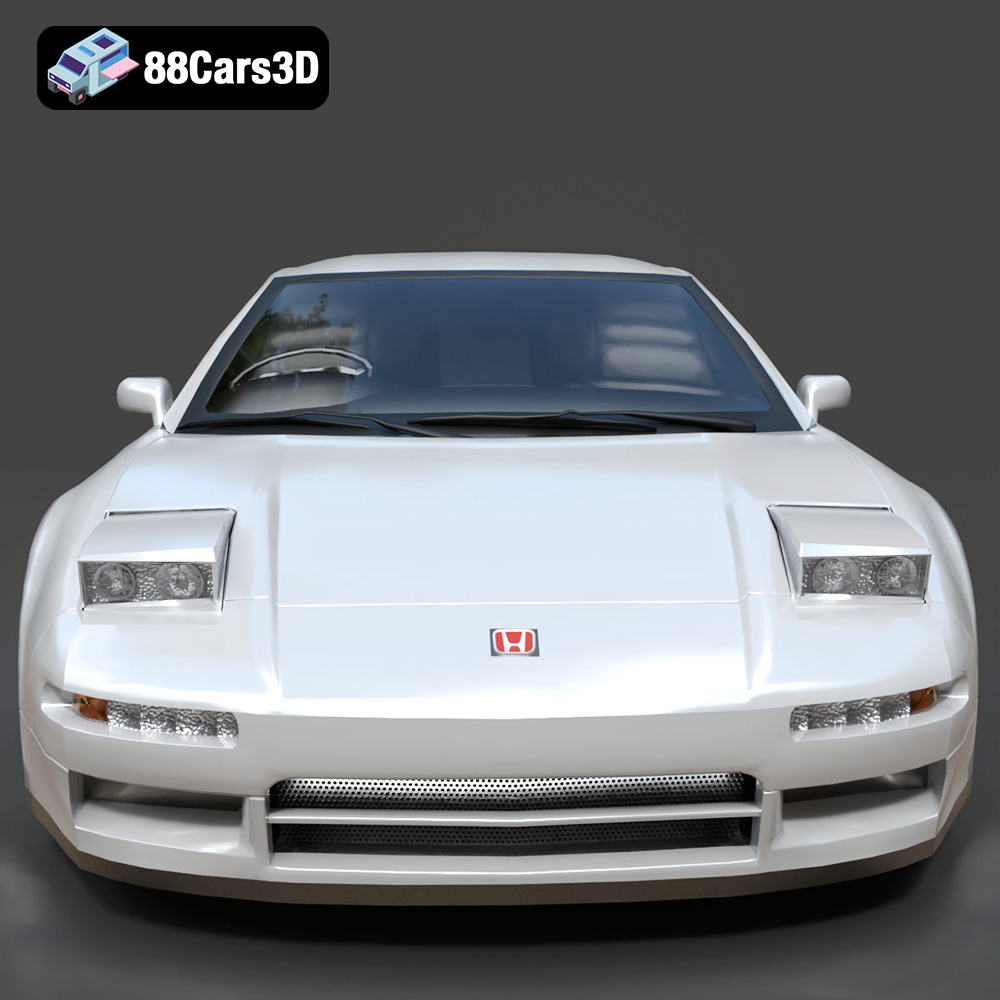
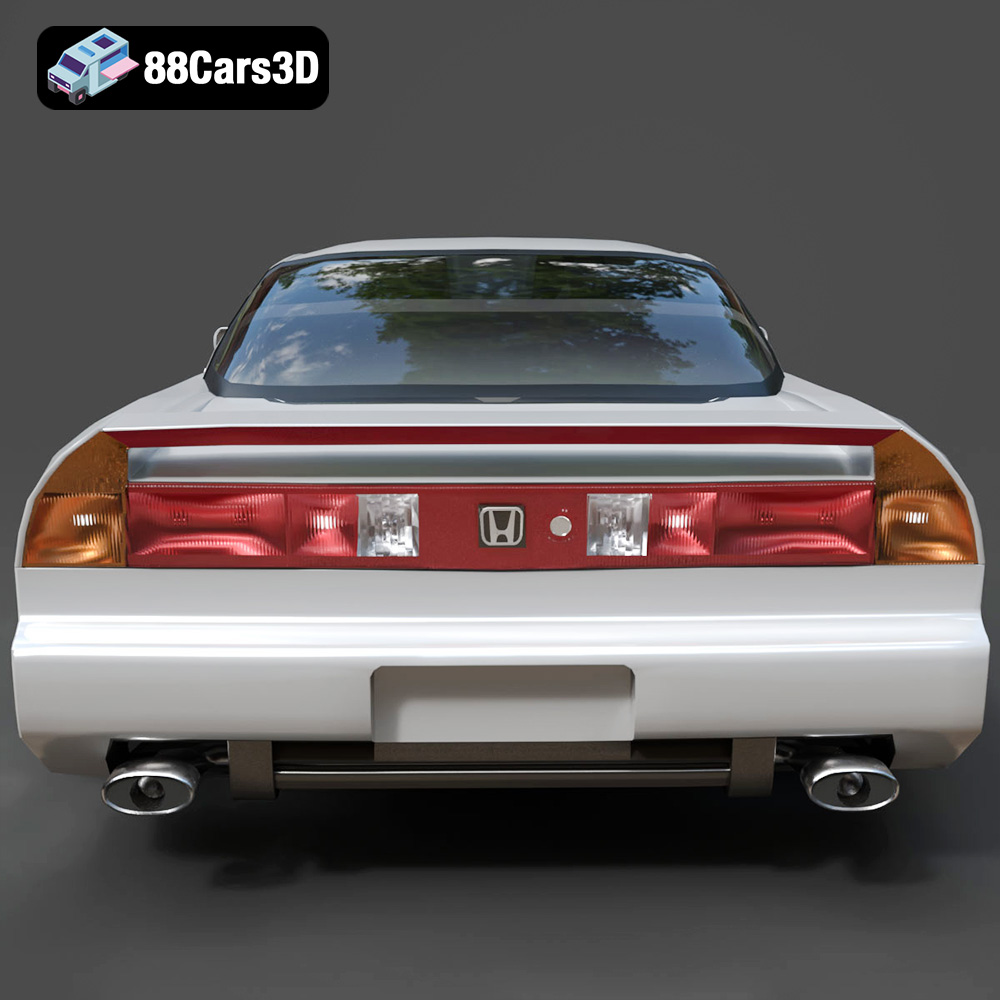
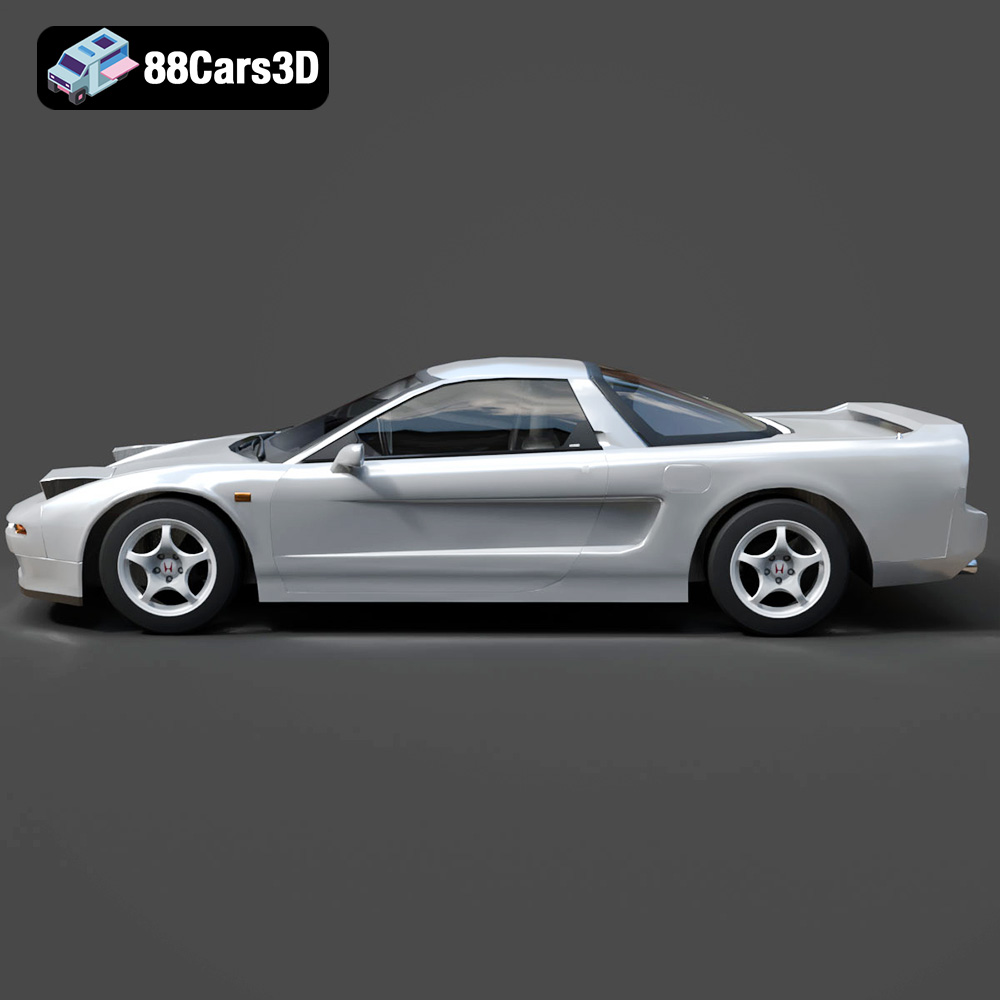
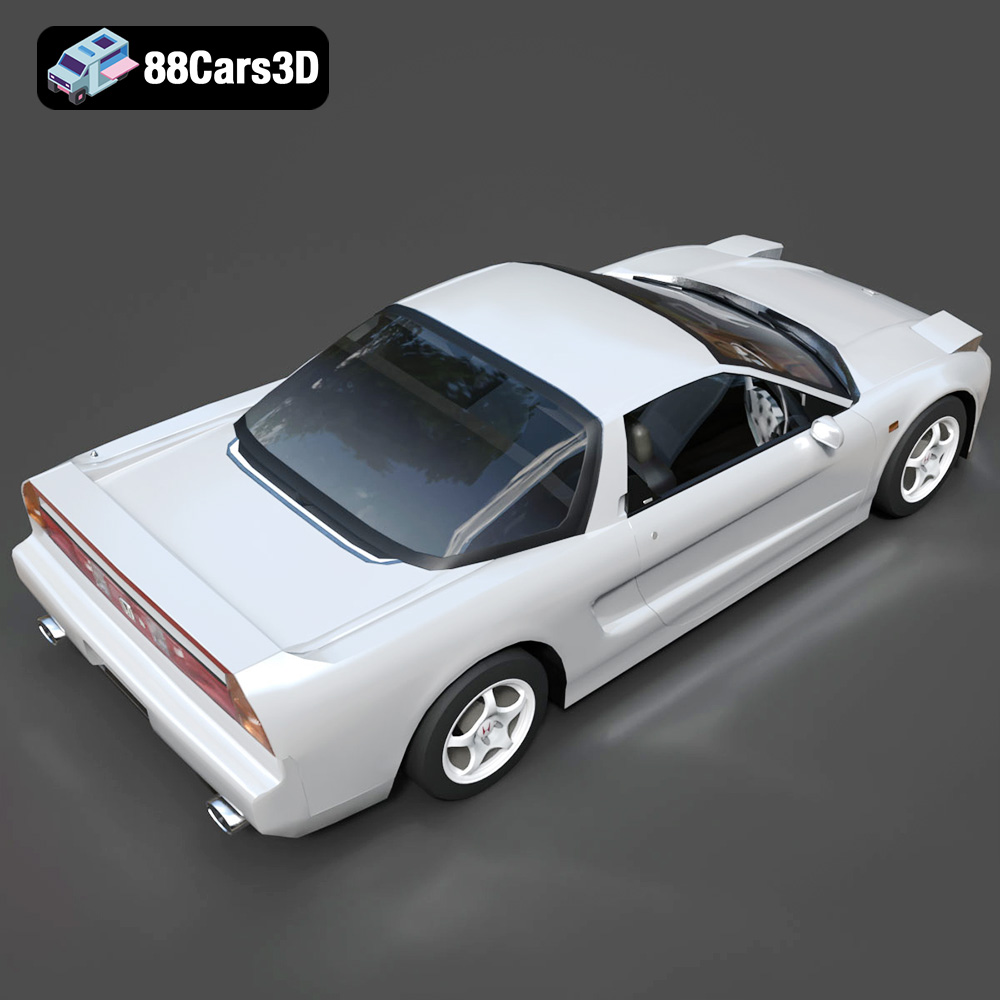
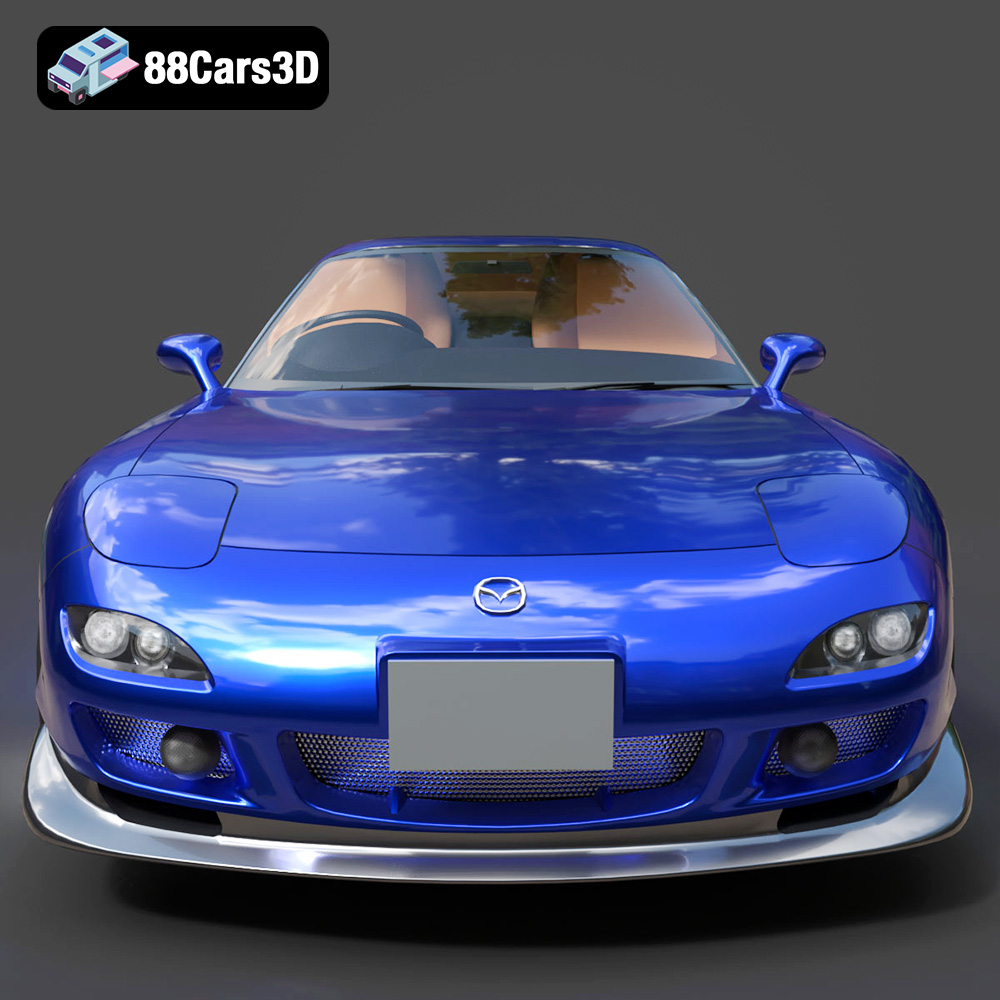
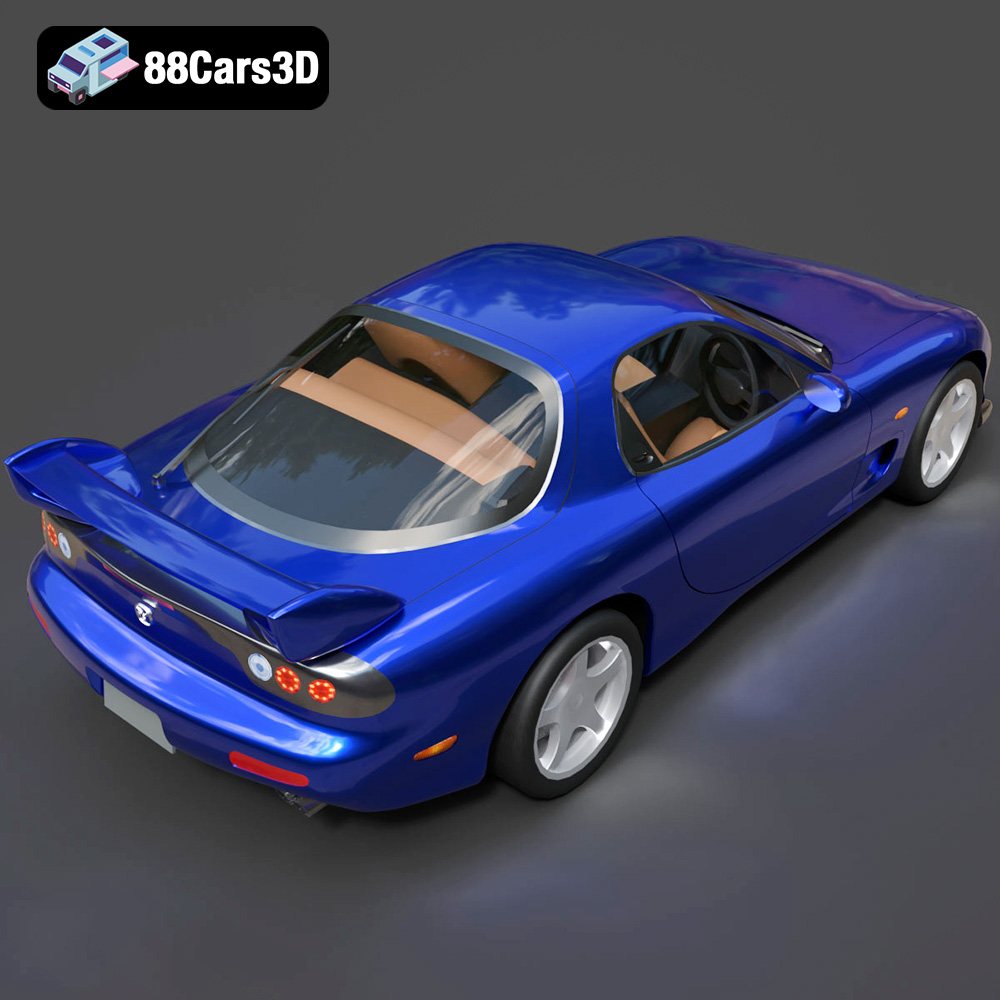
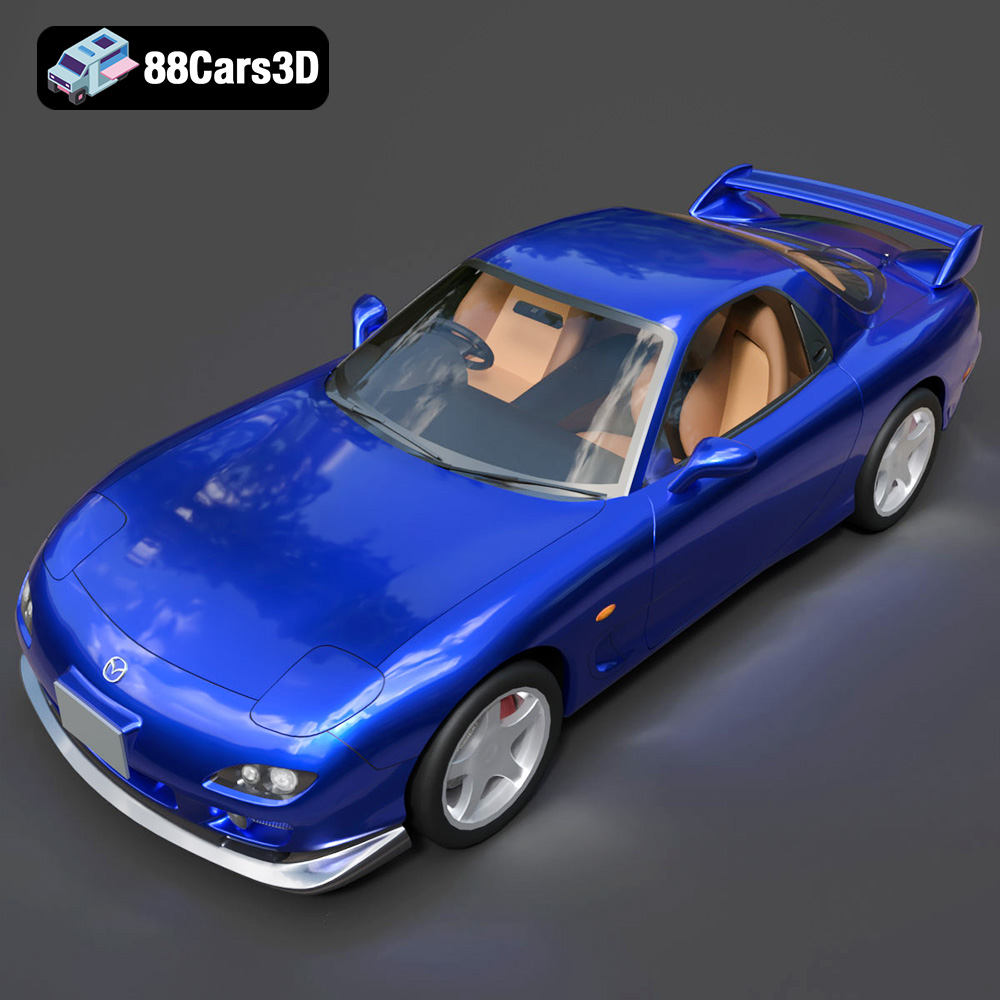
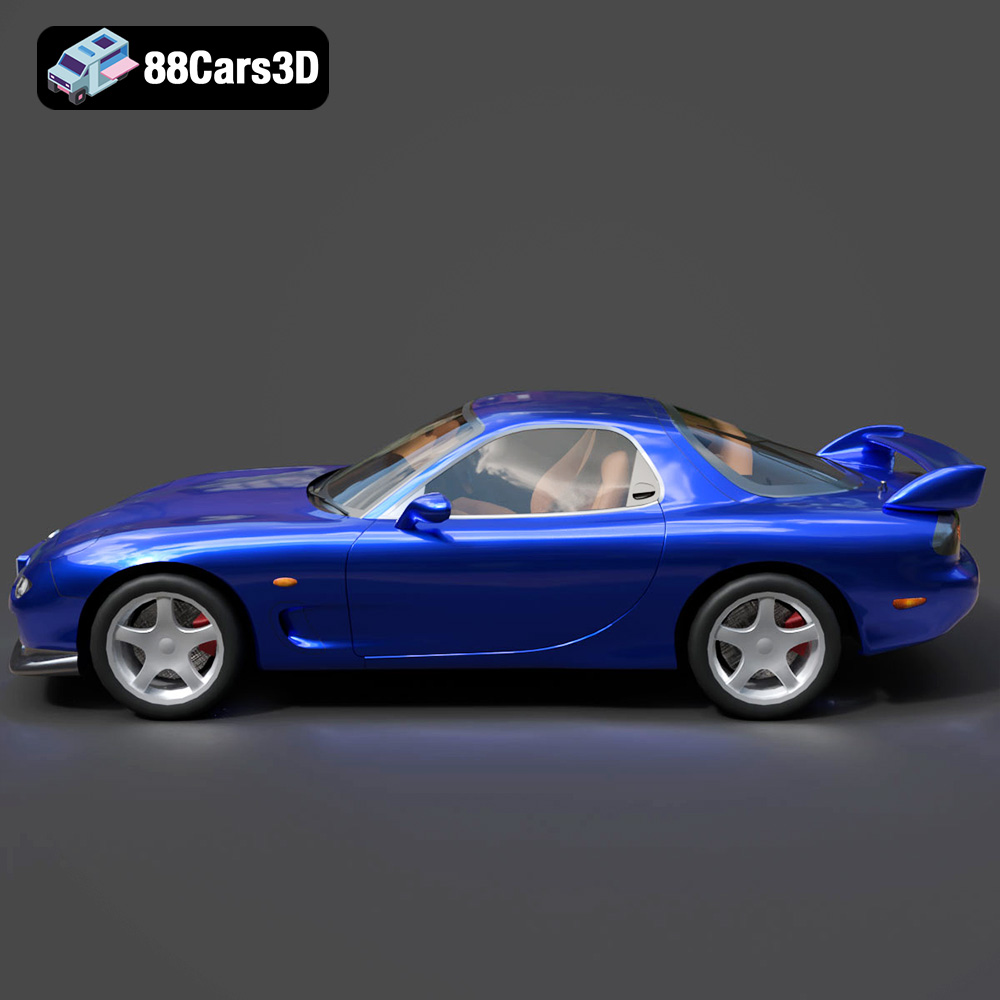
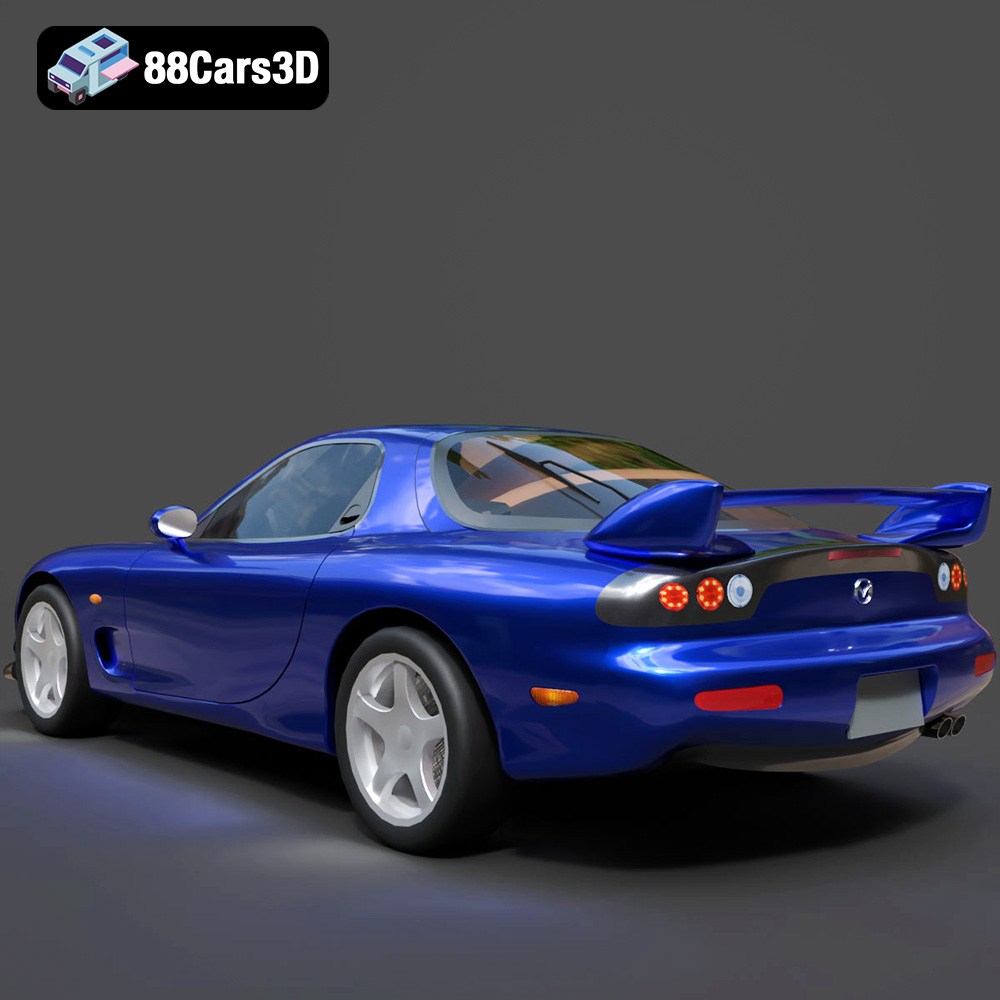
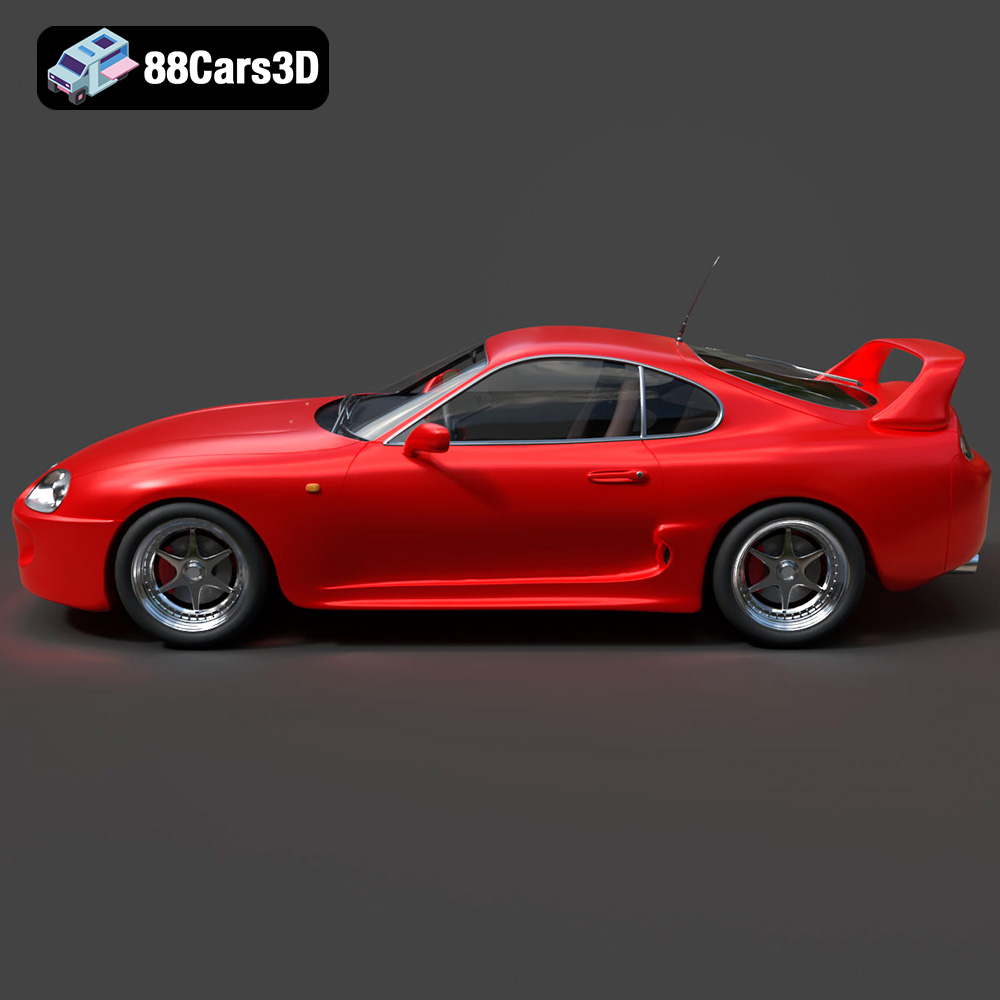
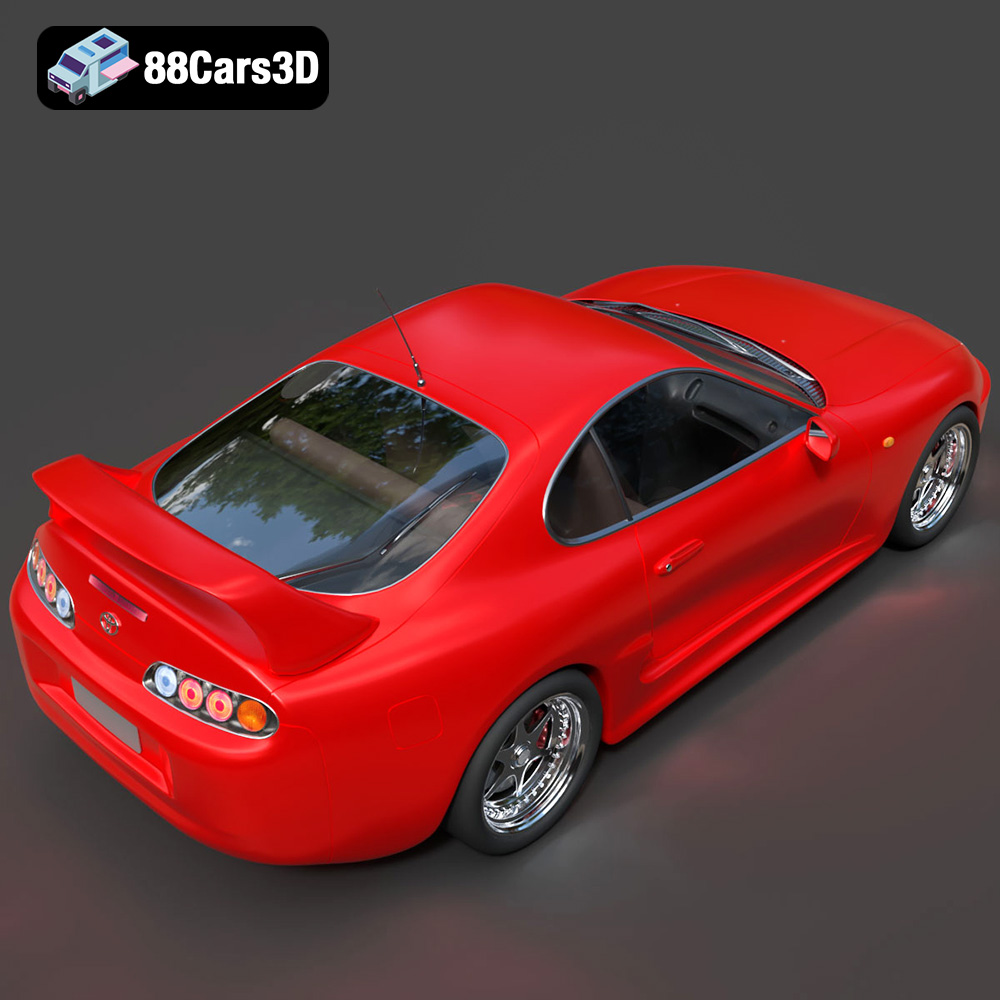
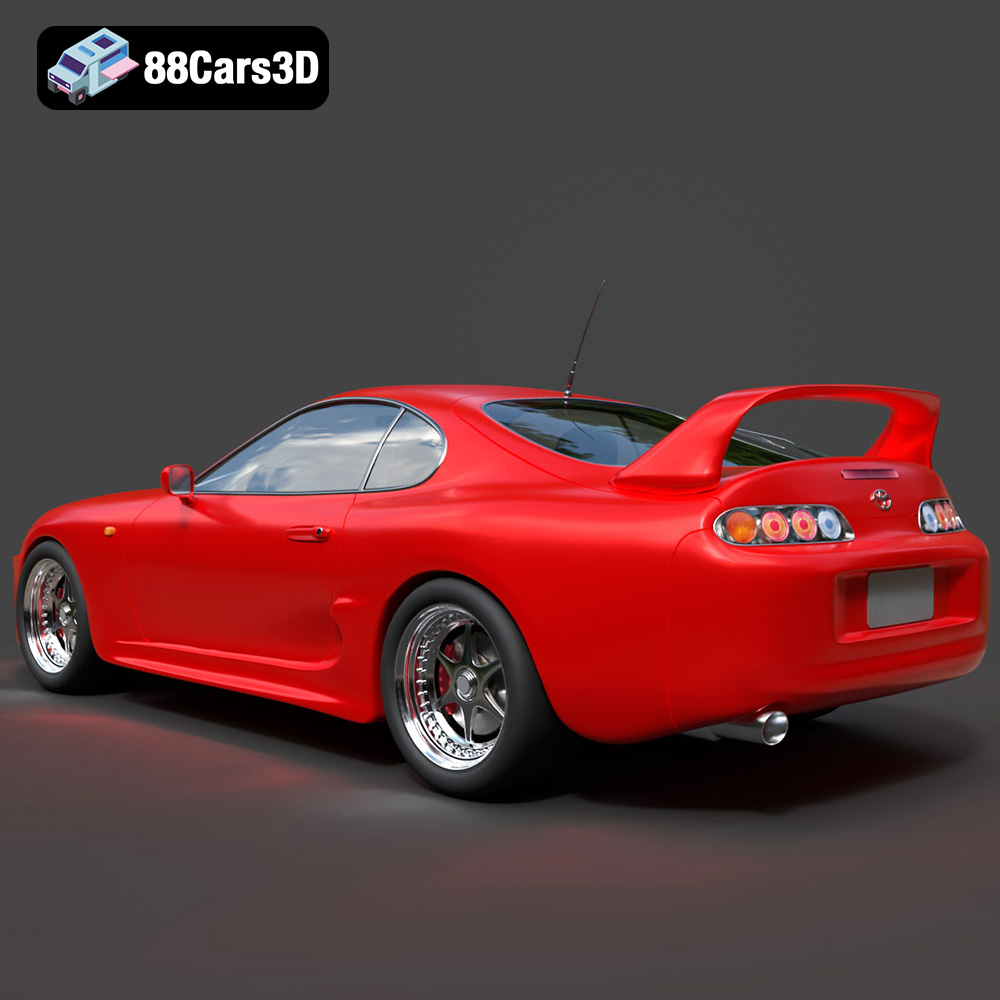
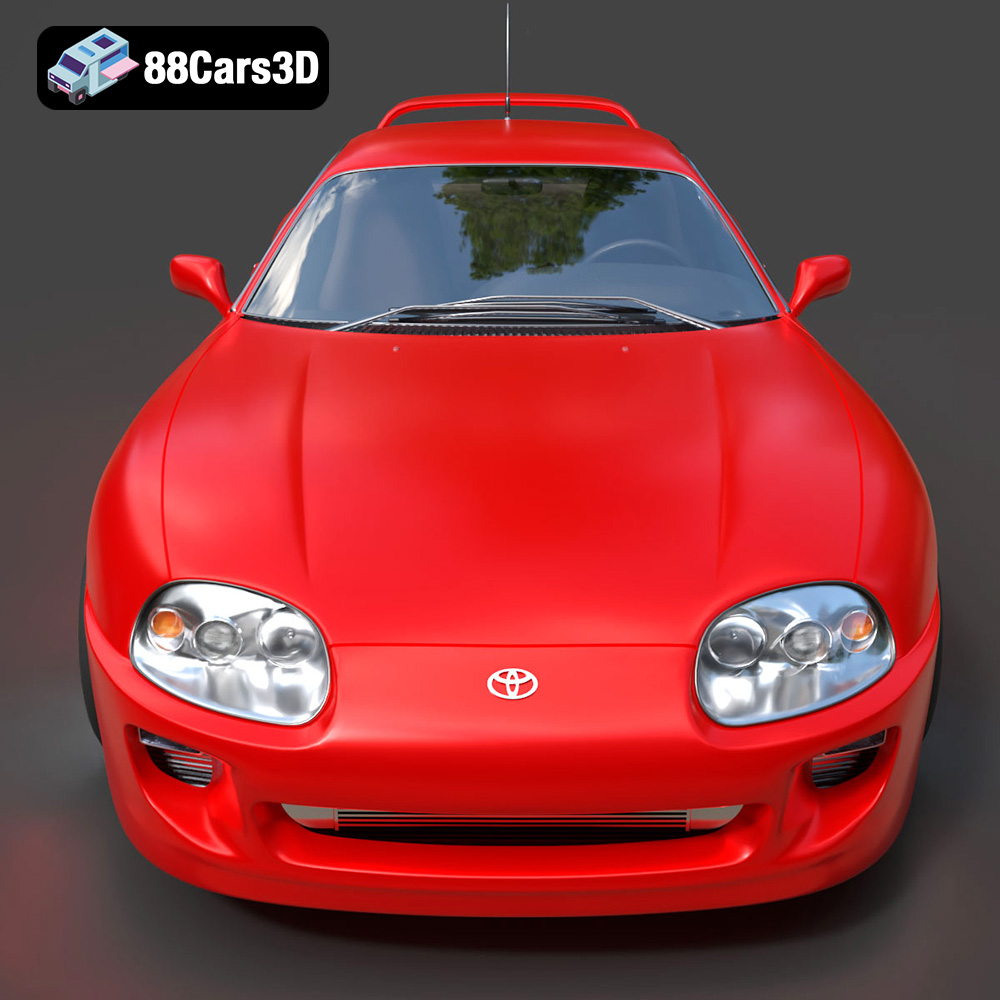
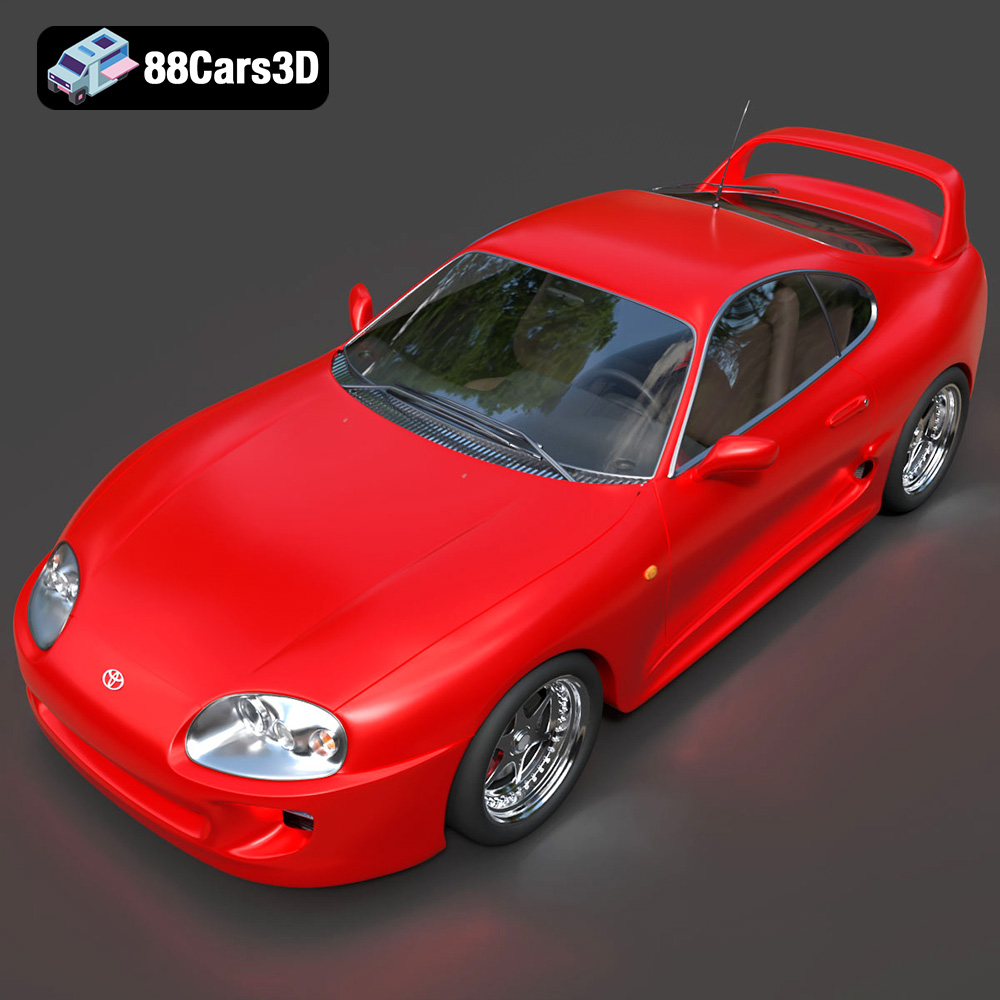
In the highly competitive realms of 3D visualization and interactive experiences, access to high-quality, meticulously crafted 3D car models can be the difference between a project that merely exists and one that truly captivates. This is where comprehensive bundles, like the Japanese Legends: JDM Street Racing 3D Models Bundle (5-in-1 Pack), become invaluable. Offering a curated selection of five absolute titans of the JDM scene – the Nissan GT-R 2008, Mitsubishi Lancer Evolution IX, Honda NSX-R 1992, Mazda RX-7, and Toyota Supra 2020 – this pack provides the foundation for stunning renders, immersive game worlds, and accurate physical prototypes. It’s an opportunity to infuse your projects with the soul of Japanese automotive engineering and street racing heritage.
In the intricate world of 3D modeling and visualization, selecting the correct file format is crucial for workflow efficiency, compatibility, and ultimately, the success of your project. Each format serves a specific purpose, catering to different software, pipelines, and end uses. The Japanese Legends bundle from 88cars3d.com wisely provides multiple formats, ensuring broad utility.
The .blend file is the native format for Blender, a powerful and increasingly popular open-source 3D creation suite. When you receive a .blend file, you’re getting a complete Blender scene, often including cameras, lighting setups, materials, and even animations. This format is ideal for users who primarily work in Blender, offering full editability without any loss of data or conversion artifacts. Artists can easily inspect the scene’s construction, modify meshes, tweak materials, or re-rig components with all native Blender tools at their disposal. For the JDM bundle, the .blend files would contain the fully set-up car models with their optimized quad topology and material assignments, ready for immediate rendering or further manipulation within Blender.
The Filmbox (.fbx) format, developed by Autodesk, is the industry standard for interoperability between 3D software applications and, critically, real-time game engines like Unreal Engine and Unity. .fbx files are excellent at carrying not just mesh data but also materials, textures, animations, and rigging information. This makes it an indispensable format for game developers. Its ability to maintain hierarchical relationships between objects (like car body, wheels, doors) with correct pivot points is vital for physics simulations and interactive elements in games. For the JDM bundle, the .fbx files would be perfectly set up for direct import into game engines, allowing developers to immediately integrate these iconic cars into racing simulators or open-world environments, complete with driving and drifting physics.
The Wavefront .obj format is one of the most widely supported and simplest 3D file formats. It’s a universal exchange format, readable by almost every 3D application on the market. An .obj file primarily contains geometry data (vertices, normals, texture coordinates, and faces) and can link to an external Material Template Library (.mtl) file for basic material properties. While it doesn’t support advanced features like rigging or animation, its simplicity and ubiquitous compatibility make it a reliable choice for transferring raw mesh data between different software packages. If you need to import one of the JDM models into a less common 3D application or simply require a clean mesh for sculpting or retopology, .obj is often the go-to.
GLB (GL Transmission Format Binary) is a modern, efficient, and compact 3D file format optimized for web-based applications, augmented reality (AR), and virtual reality (VR) experiences. It packages 3D model data – including geometry, materials, textures, and animation – into a single binary file, making it easy to share and load quickly in browsers and mobile apps. The self-contained nature of .glb reduces loading times and simplifies deployment, making it ideal for showcasing the JDM models in interactive web viewers or AR experiences where users can view the cars in their real-world environment via a smartphone. Its efficiency is paramount for smooth performance in these emerging technologies.
Stereolithography (.stl) is the de facto standard file format for 3D printing. An .stl file represents the surface geometry of a 3D object using a collection of interconnected triangles. It contains no color, texture, or material information, focusing solely on the object’s shape. This precision in defining geometric surfaces makes it perfect for additive manufacturing processes. The inclusion of .stl files in the Japanese Legends bundle specifically caters to enthusiasts who wish to bring these digital icons into the physical world, creating detailed scale models for display or customization. The product description’s recommendations for layer height, resin printing, and orientation highlight the attention to detail for physical output.
The Polygon File Format (.ply), also known as the Stanford Triangle Format, is primarily used for storing 3D data from 3D scanners. It can store various properties for each polygon or vertex, including color, transparency, normals, texture coordinates, and confidence values. While less common for general asset exchange than .fbx or .obj, .ply is valued in scientific, engineering, and CAD applications where precise mesh data, often derived from real-world scans or complex computations, is critical. For a car model, it could potentially be used for detailed surface analysis or integration into specialized simulation software, though its primary use for consumers is often for models that have undergone specific processing.
While not a universal exchange format, an .unreal asset typically refers to a natively imported and optimized asset within an Unreal Engine project. This isn’t a single file you’d download, but rather the result of importing an .fbx (or similar) into Unreal and configuring it as a game-ready asset, including materials, collision meshes, skeletal rigs (if animated), and Blueprints for functionality. The Japanese Legends bundle explicitly states its models have “Proper pivot point setup for all wheels, ready for Unreal Engine (Chaos Vehicles),” meaning the provided .fbx files are pre-engineered for seamless integration and minimal setup once imported into Unreal Engine, streamlining the workflow for game developers aiming to use Unreal’s powerful vehicle physics system.
The .max file is the native format for Autodesk 3ds Max, a professional 3D computer graphics program widely used for architectural visualization, animation, and high-end rendering. A .max file contains all the data related to a 3ds Max scene, including geometry, materials, textures, lighting, cameras, animation, and modifiers. For users entrenched in the 3ds Max ecosystem, the .max files in the JDM bundle offer the highest level of detail and editability. Artists can leverage 3ds Max’s robust modeling and rendering tools to create photorealistic automotive studio renders or complex cinematic animations, ensuring complete control over every aspect of the scene.
The term “JDM” transcends mere geography; it represents a philosophy of automotive design and performance that has captivated enthusiasts worldwide. It’s a culture built on tuner cars, precision engineering, lightweight construction, and an unmistakable aesthetic. The vehicles included in the Japanese Legends bundle are not just cars; they are symbols of innovation, speed, and customization, making them incredibly popular subjects for 3D artists and developers.
Think of the aggressive lines of a Nissan GT-R, the rally pedigree of a Mitsubishi Lancer Evolution, the elegant simplicity of a Honda NSX, the rotary marvel of a Mazda RX-7, or the modern resurgence of the Toyota Supra. Each car carries a storied legacy, often amplified by appearances in movies, video games, and real-world racing circuits. This inherent iconic status makes them immediately recognizable and desirable for any project aiming to evoke excitement and authenticity. Their presence in a digital scene instantly communicates a certain mood, whether it’s a nostalgic nod to the 90s or a hyper-futuristic street race.
For many 3D artists, the passion for cars began long before they touched a digital modeling tool. The JDM scene offers a direct bridge between this real-world passion and digital creativity. Having access to accurately modeled versions of these revered machines allows artists to explore design, physics, and animation in a way that resonates deeply with their interests. Game developers can build engaging racing experiences, while automotive renderers can craft portfolio pieces that showcase both their technical skill and their appreciation for automotive design. This emotional connection enhances the creative process, leading to more authentic and compelling results.
Creating high-quality 3D car models is a painstaking process, requiring a deep understanding of geometry, topology, and material science. The Japanese Legends: JDM Street Racing 3D Models Bundle excels in these areas, offering assets that are not only visually stunning but also technically robust for diverse applications.
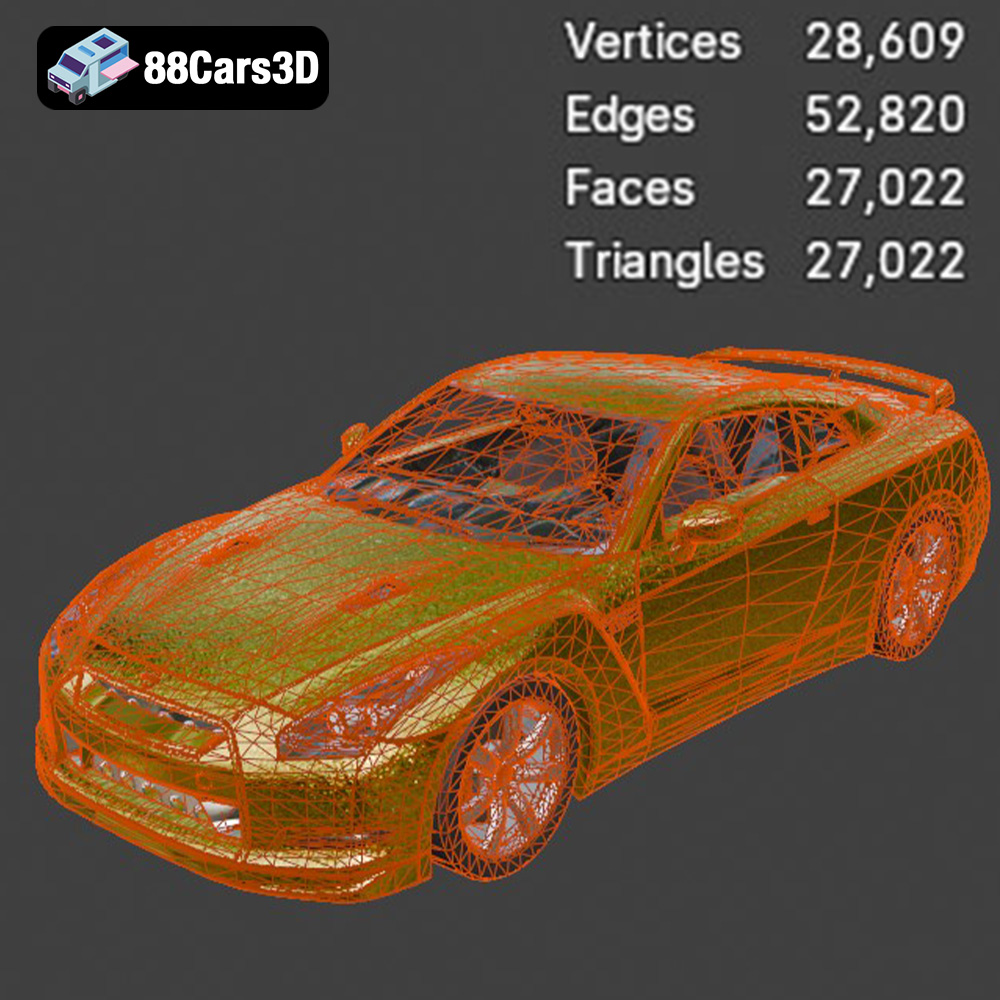
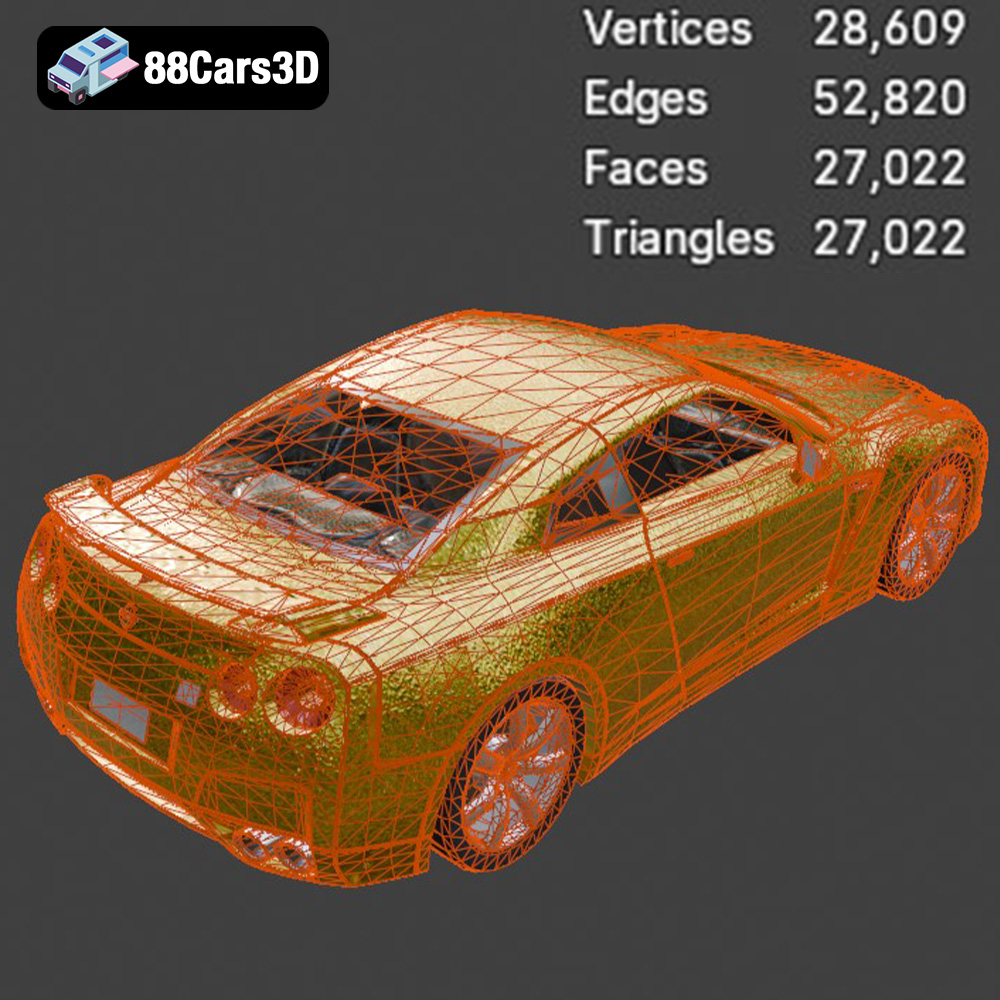
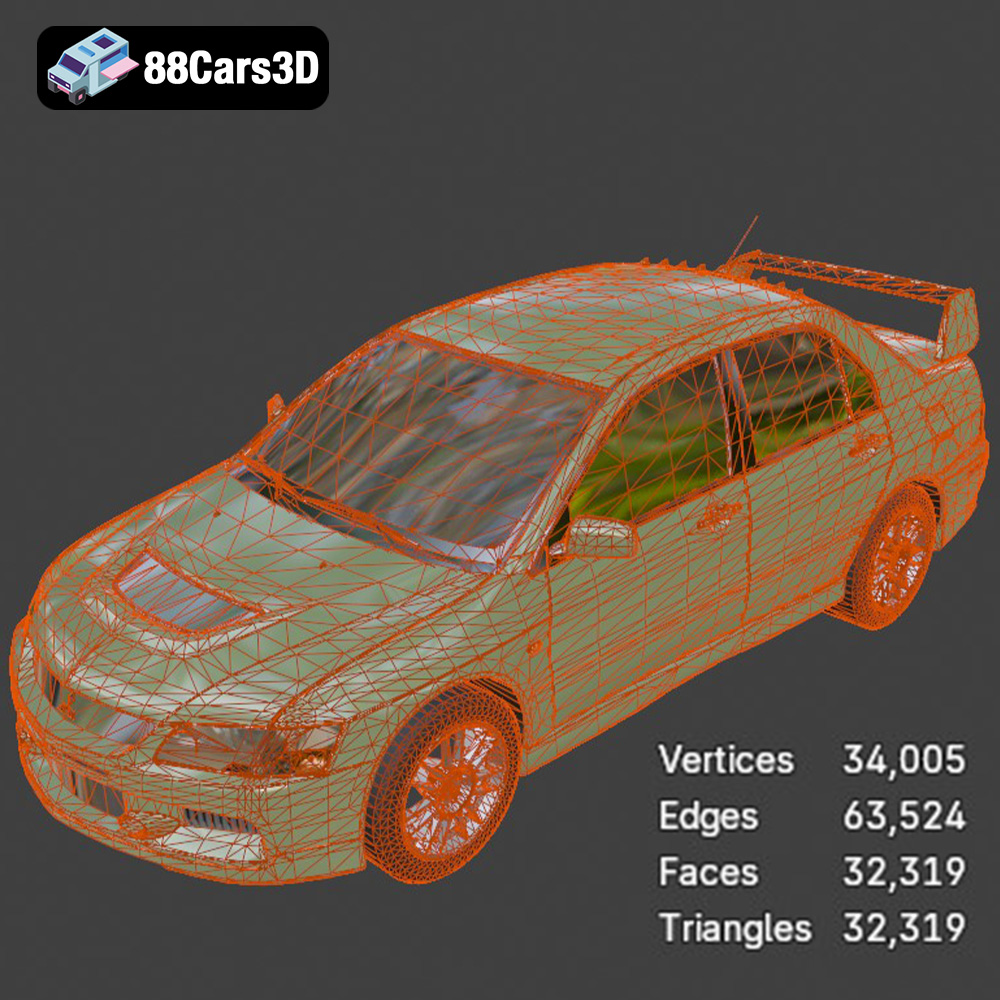
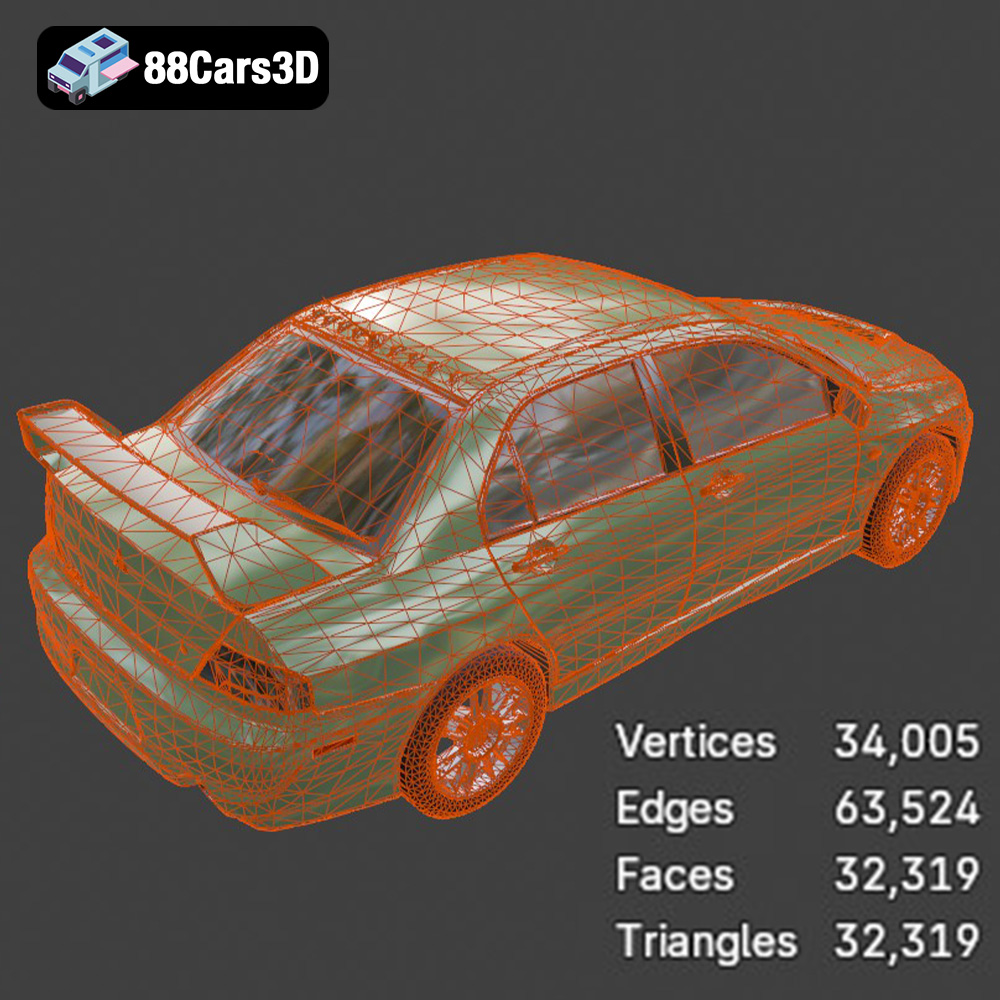
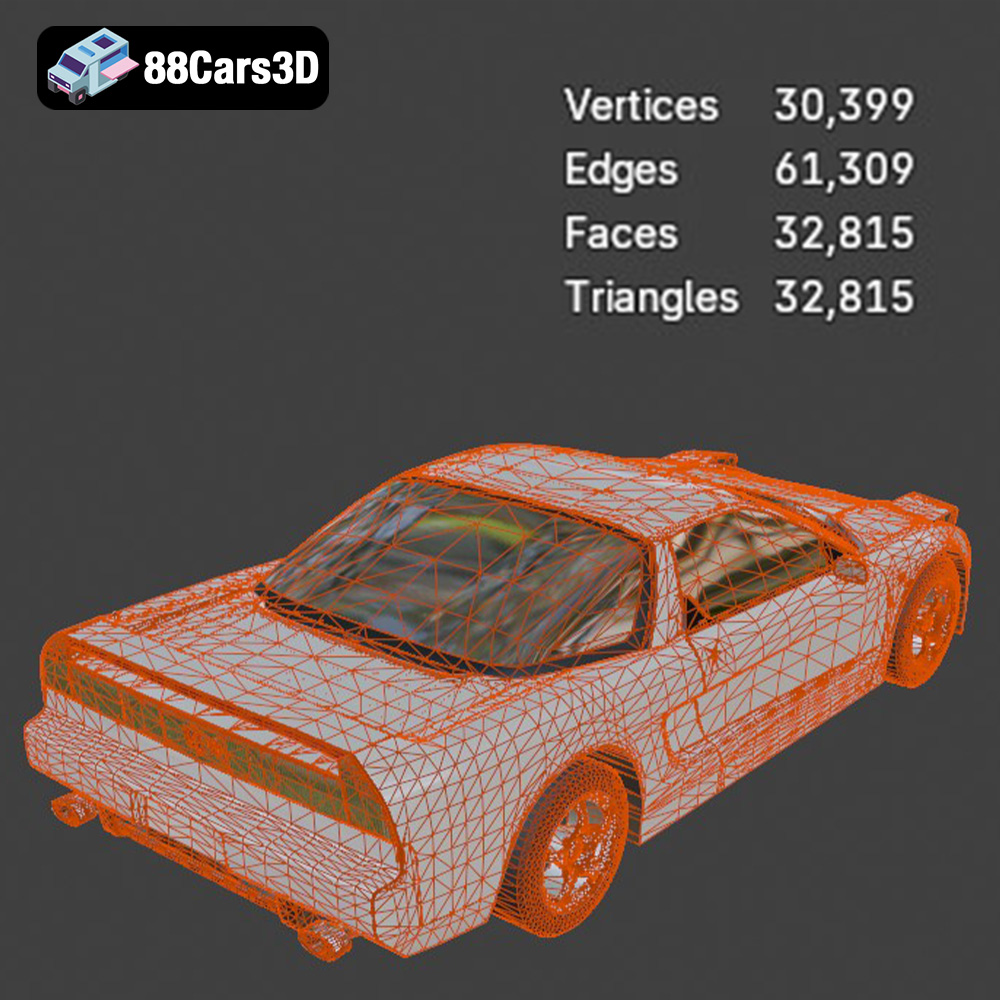
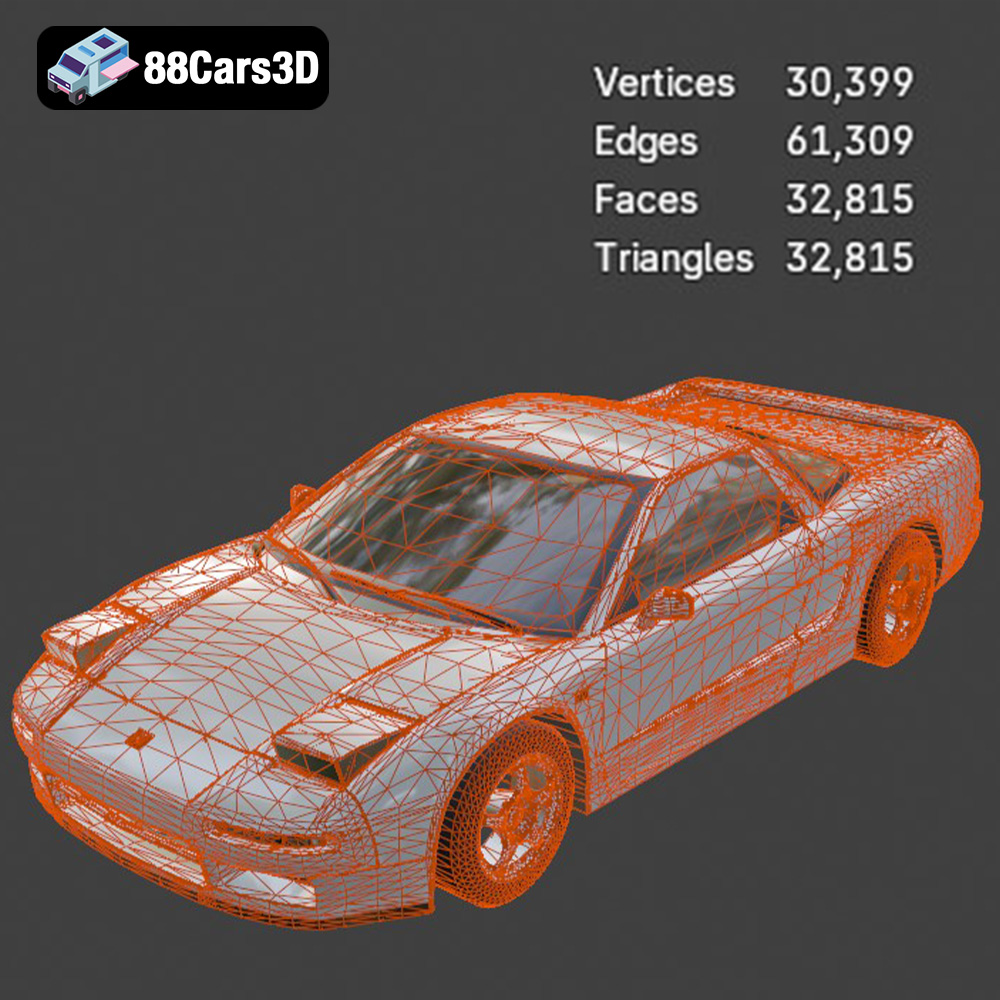
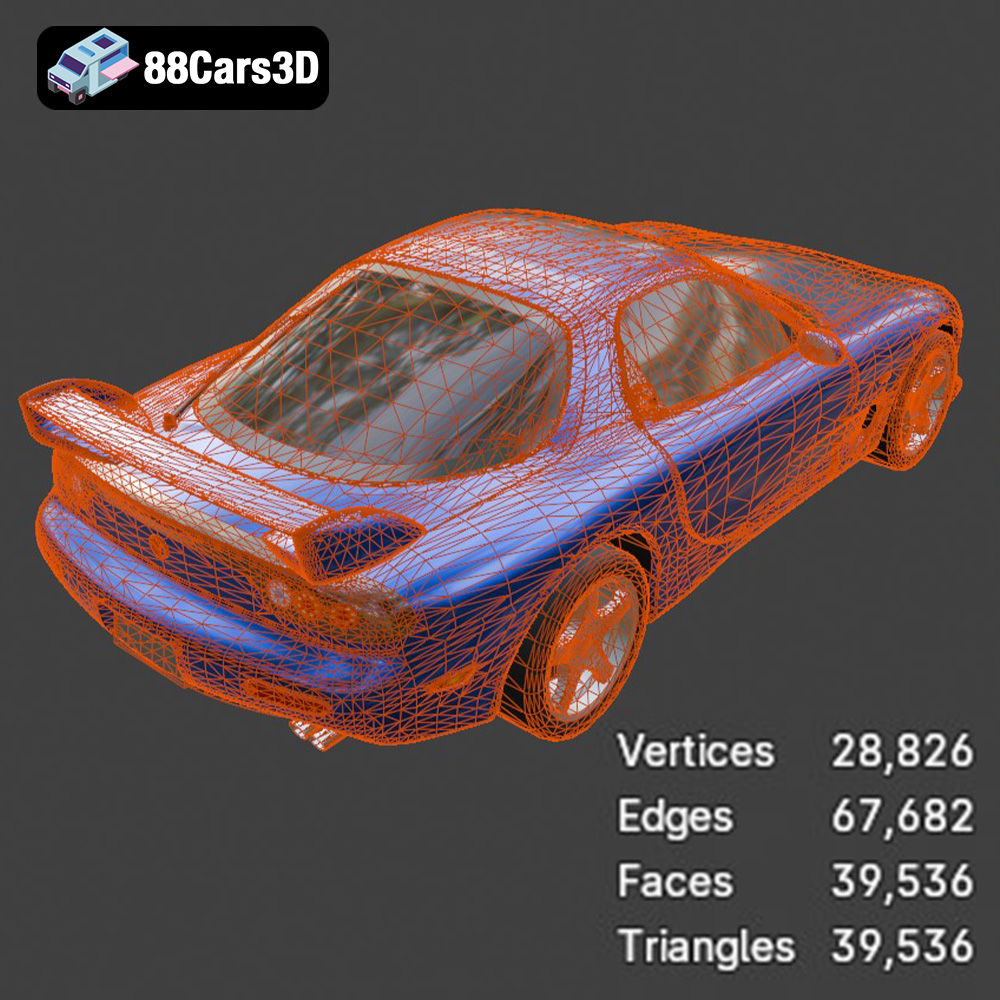
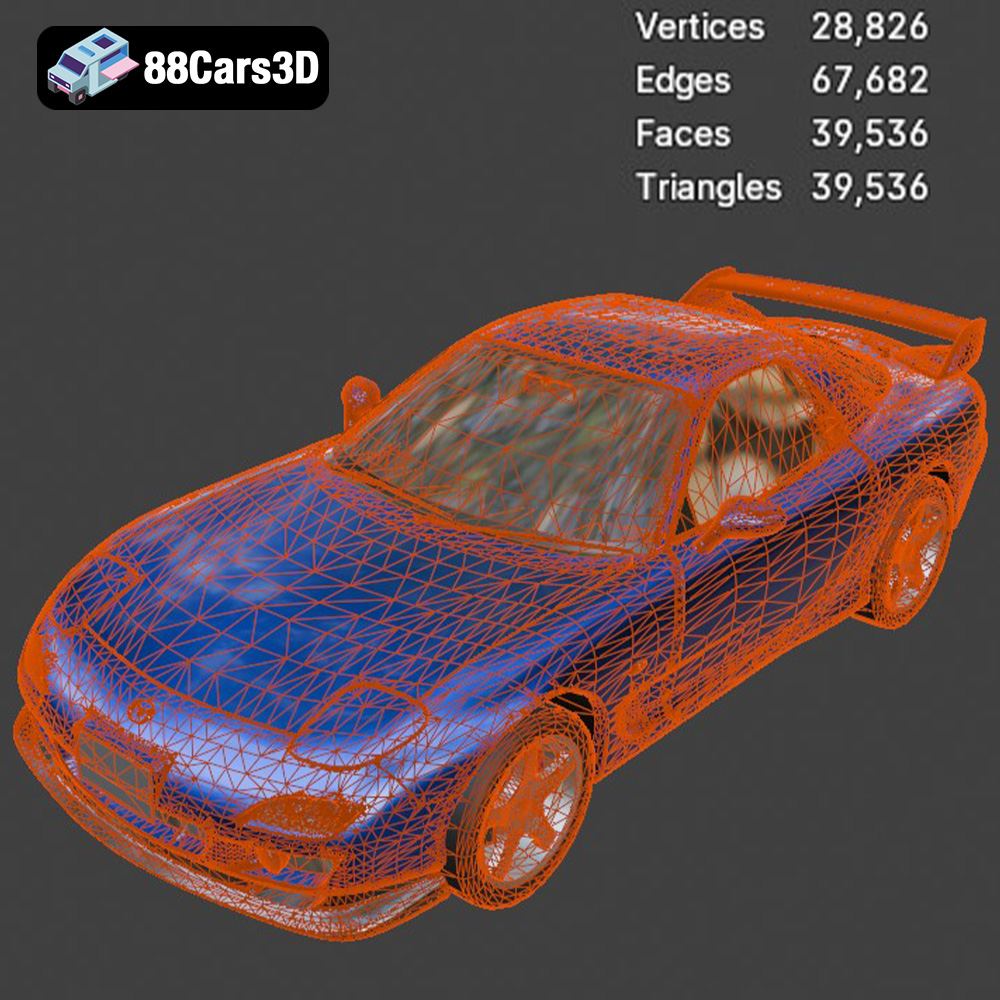
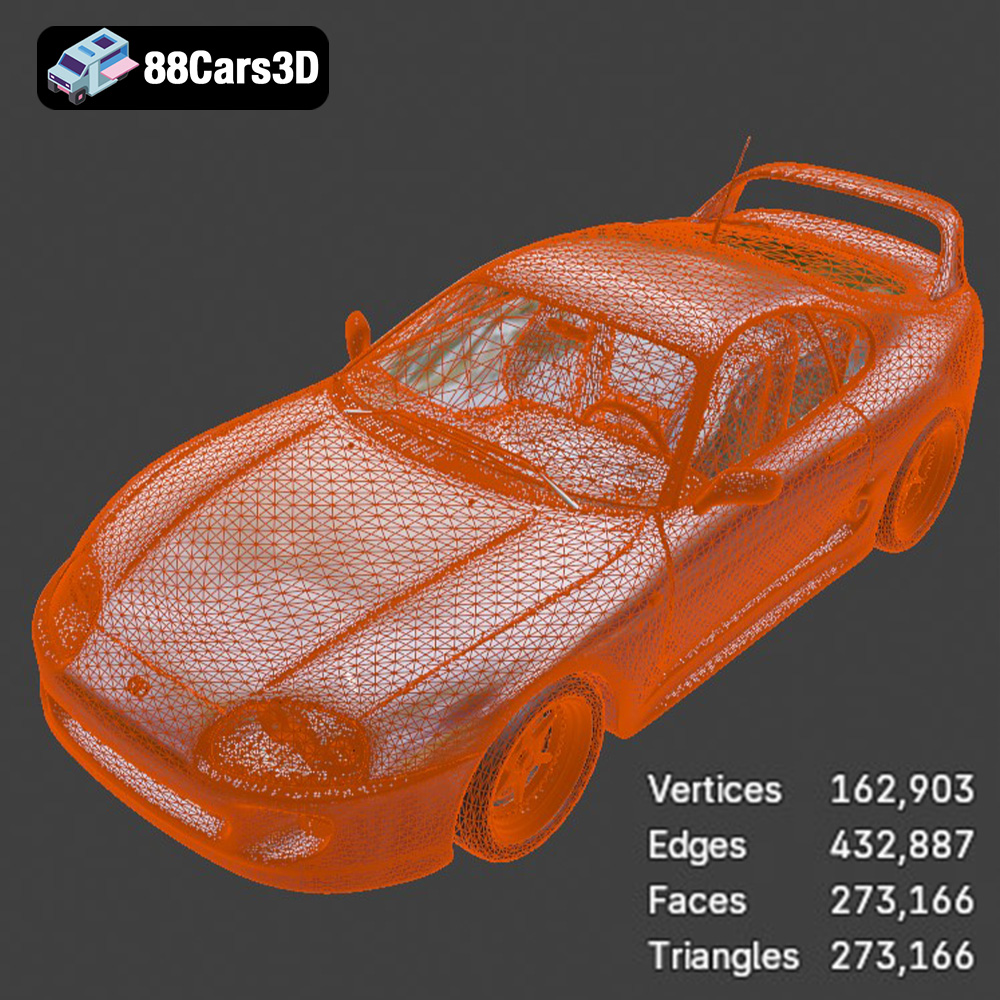
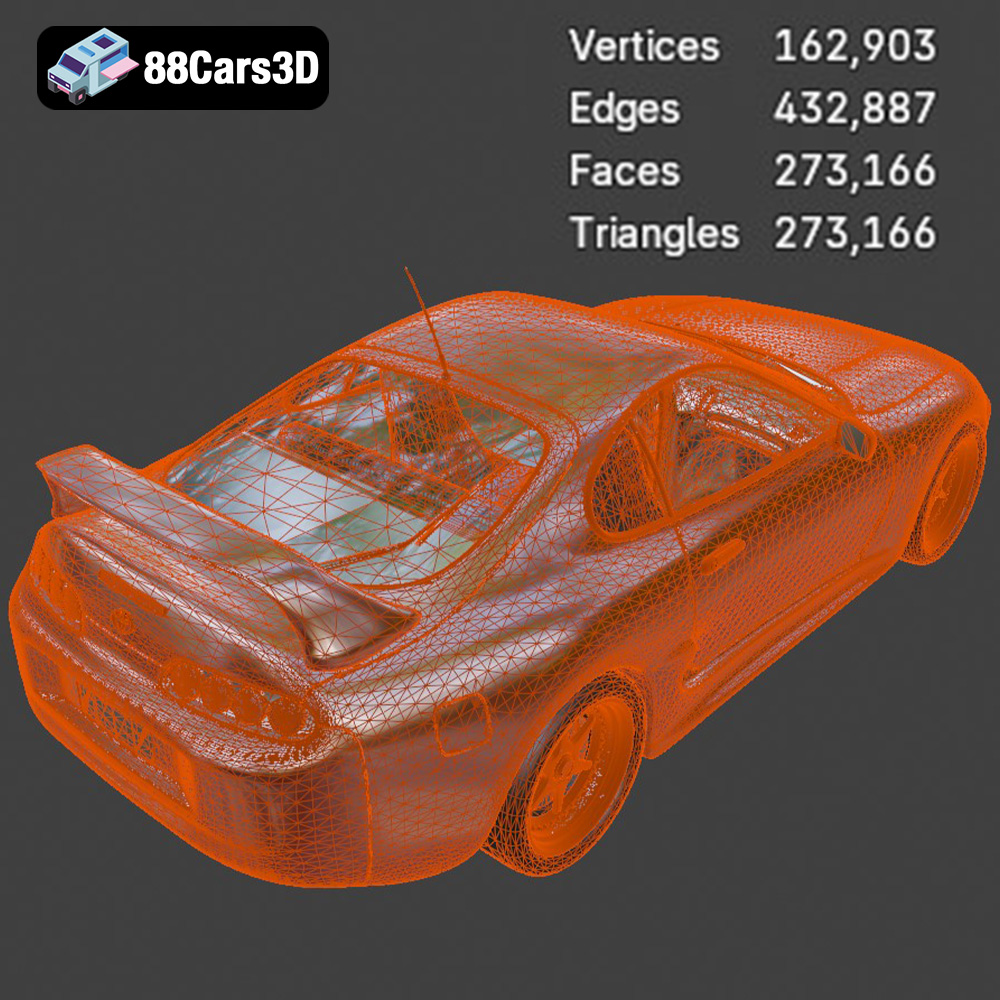
The product description highlights “Optimized Topology: Beautifully balanced quad-heavy geometry ensuring crisp reflections in automotive paint materials without crashing your render engine.” This is a critical technical detail. Quad-heavy topology refers to a mesh constructed primarily of four-sided polygons (quads), which deform more smoothly than triangles, especially during animation or subdivision. This results in cleaner reflections, essential for rendering realistic automotive paint, and provides a solid foundation for further detailing or sculpting. Optimized topology also means efficient poly counts that deliver high visual fidelity without overburdening rendering engines or real-time performance, a crucial balance for any high-end 3D model.
Game development demands specific technical considerations. The bundle addresses these directly with “Separated Parts: Wheels, doors, and steering components are intelligently separated, making them instantly game-engine ready for driving and drifting physics” and “Pivots: Proper pivot point setup for all wheels, ready for Unreal Engine (Chaos Vehicles) or Unity.” These features are game-changers:
“Tuning Ready: Clean geometry makes it easy for 3D artists to modify these cars by adding custom widebody kits, massive spoilers, or aftermarket rims.” This feature speaks directly to the heart of JDM culture, which is synonymous with personalization. The clean, predictable topology of these models makes it straightforward for artists to:
The versatility and technical quality of the Japanese Legends bundle make it suitable for a wide array of professional applications, from high-fidelity rendering to interactive experiences and even physical prototyping. Its multi-format availability from 88cars3d.com ensures compatibility with leading industry tools.
For automotive visualization studios and freelance artists, the bundle provides an exceptional foundation for photorealistic renders. The “quad-heavy geometry” is perfect for high-resolution output, allowing for detailed close-ups and stunning reflections. Compatibility with renderers like V-Ray, Corona, and Arnold means artists can leverage their existing rendering pipelines and material libraries. Imagine a render showcasing the Nissan GT-R 2008 under a dramatic studio light, its paint reflecting every nuance, or a cinematic shot of the Mazda RX-7 drifting through a neon-lit Tokyo street. The clean topology facilitates the creation of complex car paint shaders, realistic tire textures, and intricate lighting setups, resulting in images indistinguishable from real photography.
The bundle’s game-ready features are a significant boon for development teams. Whether building a dedicated street racing simulator, an open-world RPG with drivable vehicles, or even a virtual showroom, these JDM models are optimized for real-time performance. The separated parts and correctly set pivot points for wheels ensure smooth integration with vehicle physics systems in Unreal Engine or Unity. Developers can focus on gameplay mechanics and environmental design, knowing that the core vehicle assets are robust and performant. The models are also ideal for implementing custom tuning systems within games, allowing players to personalize their virtual rides just like real JDM enthusiasts.
Beyond the digital realm, the inclusion of .stl files caters to the burgeoning field of 3D printing. This allows designers, hobbyists, and model makers to transform these digital assets into tangible objects. The product’s detailed 3D print settings – recommending resin printing for fine details, specific layer heights, and angled body orientation for smooth finishes – underscore its suitability for creating high-quality physical scale models. This is invaluable for:
The versatility of the Japanese Legends bundle means it can inspire and facilitate a vast range of creative projects. Here are just a few examples of how artists and developers can leverage these high-quality 3D car models:
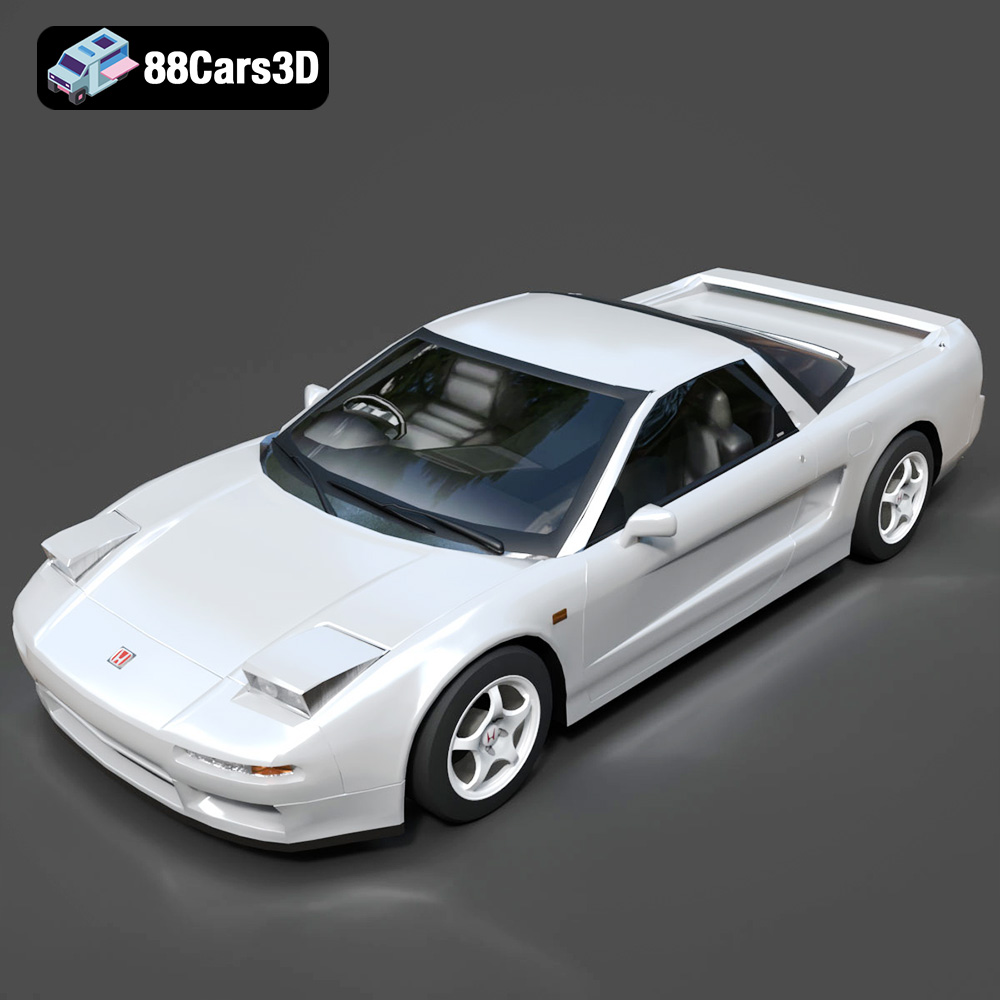
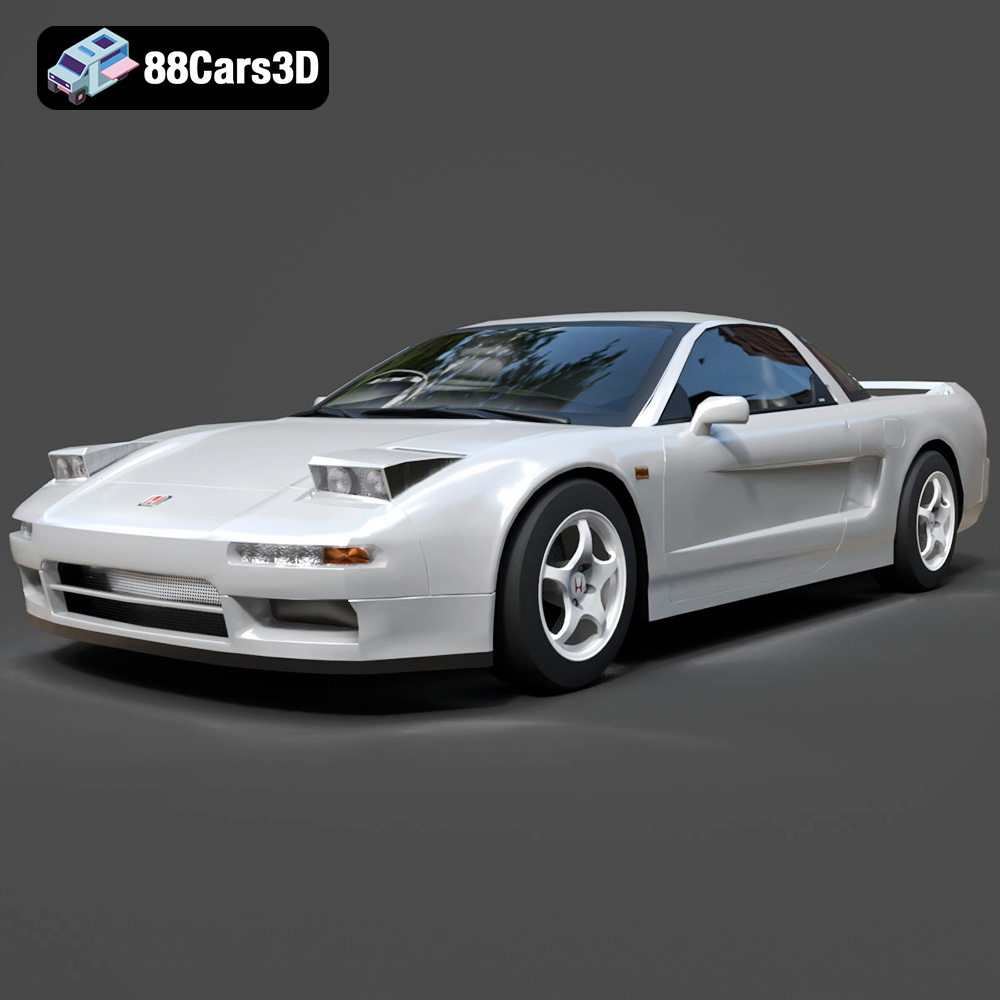
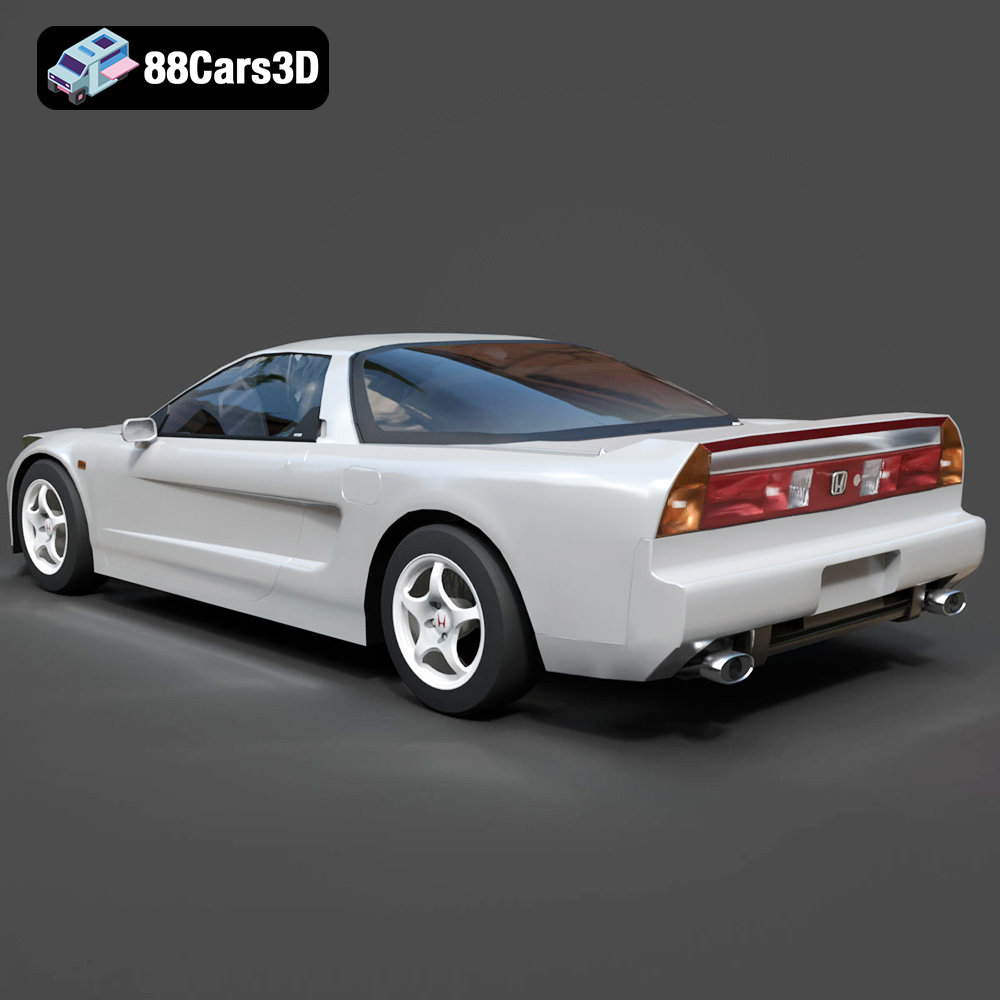
Imagine the Honda NSX-R 1992, with its iconic pop-up headlights, cruising down a rain-slicked digital highway, or the Mitsubishi Lancer Evolution IX engaging in a high-octane chase sequence. The optimized quad geometry of these models ensures they hold up to extreme close-ups and dynamic camera movements in cinematic animations. VFX artists can integrate these cars seamlessly into live-action footage, creating explosive action scenes or subtle environmental dressing. Their clean mesh also makes them ideal candidates for destruction simulations or advanced material effects, adding layers of realism and drama to any production.
With the .glb format included, these JDM models are perfectly poised for cutting-edge AR/VR applications. Picture a user standing in their living room, pulling out their phone, and instantly seeing a virtual Mazda RX-7 parked before them, rendered in real-time and perfectly scaled. VR applications could allow users to sit inside a virtual Nissan GT-R, explore its interior, or even “drive” it in an immersive simulation. The optimization for these platforms means lower poly counts where necessary (without sacrificing detail) and efficient texture packing, ensuring smooth performance and engaging interactive experiences.
Much like real-world car enthusiasts meticulously photograph their vehicles, digital artists can use these models to create stunning “automotive photography.” By placing the cars in various digital environments – a bustling city street, a desolate mountain pass, or a minimalist studio – and experimenting with different lighting setups, camera angles, and depth of field, artists can produce portfolio-worthy images. The high fidelity of the models allows for convincing renders, where the texture of the asphalt, the reflections on the paint, and the subtle glint of chrome all contribute to a powerful visual narrative.
In the dynamic landscape of 3D content creation, efficiency, quality, and versatility are paramount. The Japanese Legends: JDM Street Racing 3D Models Bundle delivers on all fronts, providing a comprehensive collection of meticulously crafted vehicles that are ready for virtually any professional pipeline. From the intricate topology that ensures flawless automotive rendering to the game-ready architecture designed for seamless integration into real-time engines, and the precise geometry tailored for 3D printing, this bundle is a powerhouse.
Whether you’re developing the next big racing game, producing a captivating automotive advertisement, or bringing these iconic machines to life as physical collectibles, the value of having such a robust and versatile asset pack cannot be overstated. By choosing high-quality 3D car models like those available at 88cars3d.com, you’re not just saving development time; you’re investing in the visual integrity and technical excellence of your projects. Embrace the legacy of Japanese street racing and unleash your creativity with this ultimate JDM legends collection.
The Japanese Legends: JDM Street Racing 3D Models Bundle is the ultimate digital garage for automotive artists, game developers, and drifting enthusiasts. Japanese Domestic Market (JDM) cars have created a massive, devoted culture worldwide. Whether you are creating an underground street racing game, a neon-lit Tokyo cinematic animation, or custom tuning renders, this pack gives you the most iconic Japanese sports cars ever built.
$129.99
car-bundle
game-ready-cars
honda-nsx
jdm-3d-model
lancer-evo
mazda-rx7
nissan-gtr-3d
street-racing-cars
tokyo-drift
toyota-supra-3d
tuning-cars