Get 50% OFF All Premium 3D & STL Models!

In the realm of luxury automobiles, few names evoke the same sense of grandeur and timeless prestige as Rolls-Royce. Among its most iconic creations, the Phantom V stands as a monumental testament to an era of unparalleled automotive opulence, serving as the preferred transport for royalty, heads of state, and the global elite. Recreating such a masterpiece in the digital domain requires not only a keen eye for detail but also a deep understanding of 3D modeling principles and the diverse applications it serves.
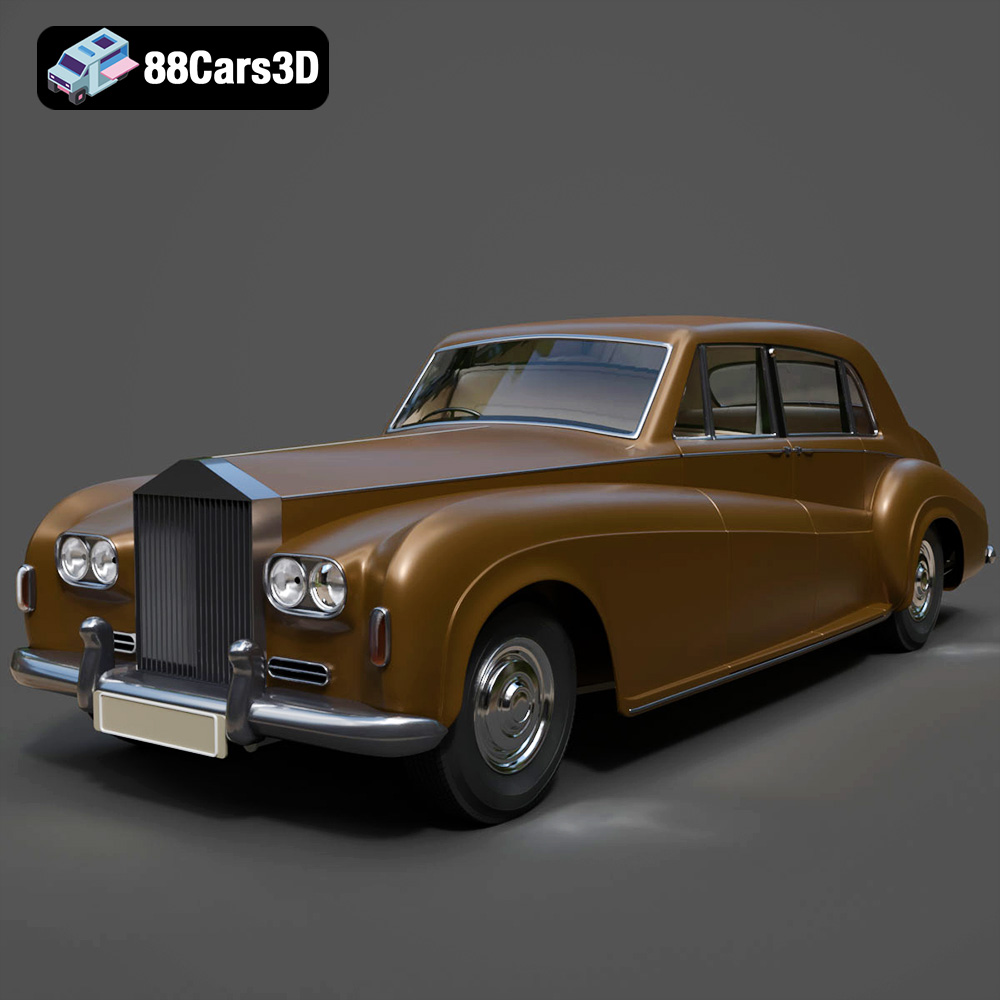
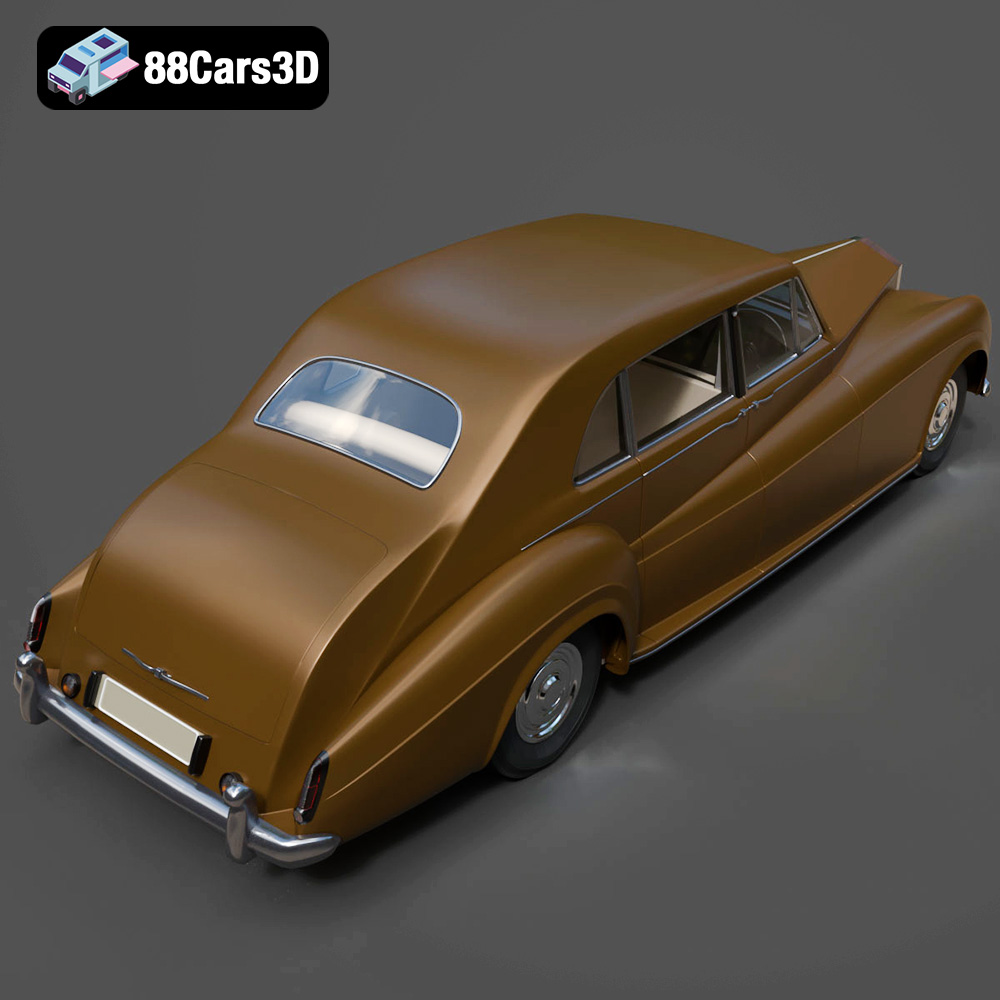
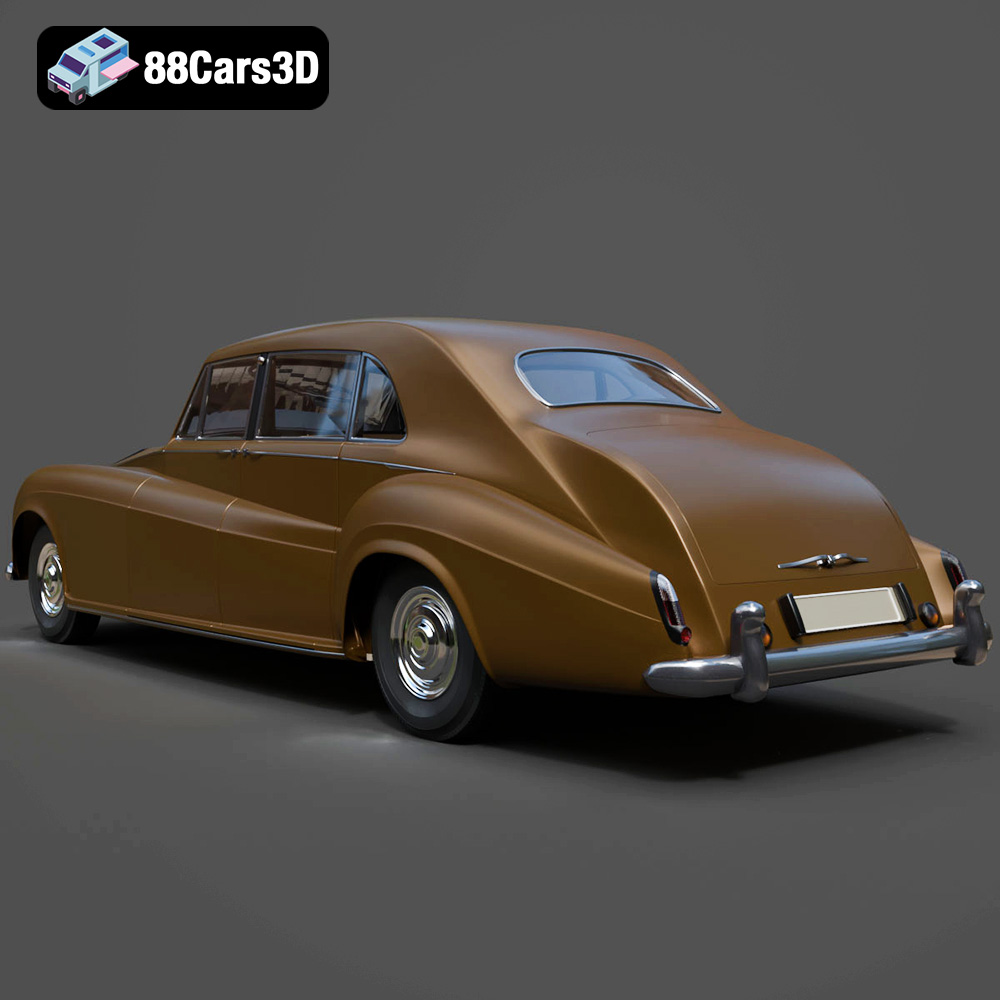
Today, artists and developers can access meticulously crafted 3D car models that bring these legendary vehicles to life for a myriad of purposes. The Rolls-Royce Phantom V 3D Model, available at 88cars3d.com, exemplifies this dedication to digital preservation and utility. It offers a high-fidelity digital recreation of the ultra-luxury limousine, capturing its stately proportions, hand-crafted refinement, and iconic features for use in everything from cinematic renderings to interactive game environments and even physical 3D prints. Let’s delve into the technical intricacies and creative potential unlocked by such a specialized asset.
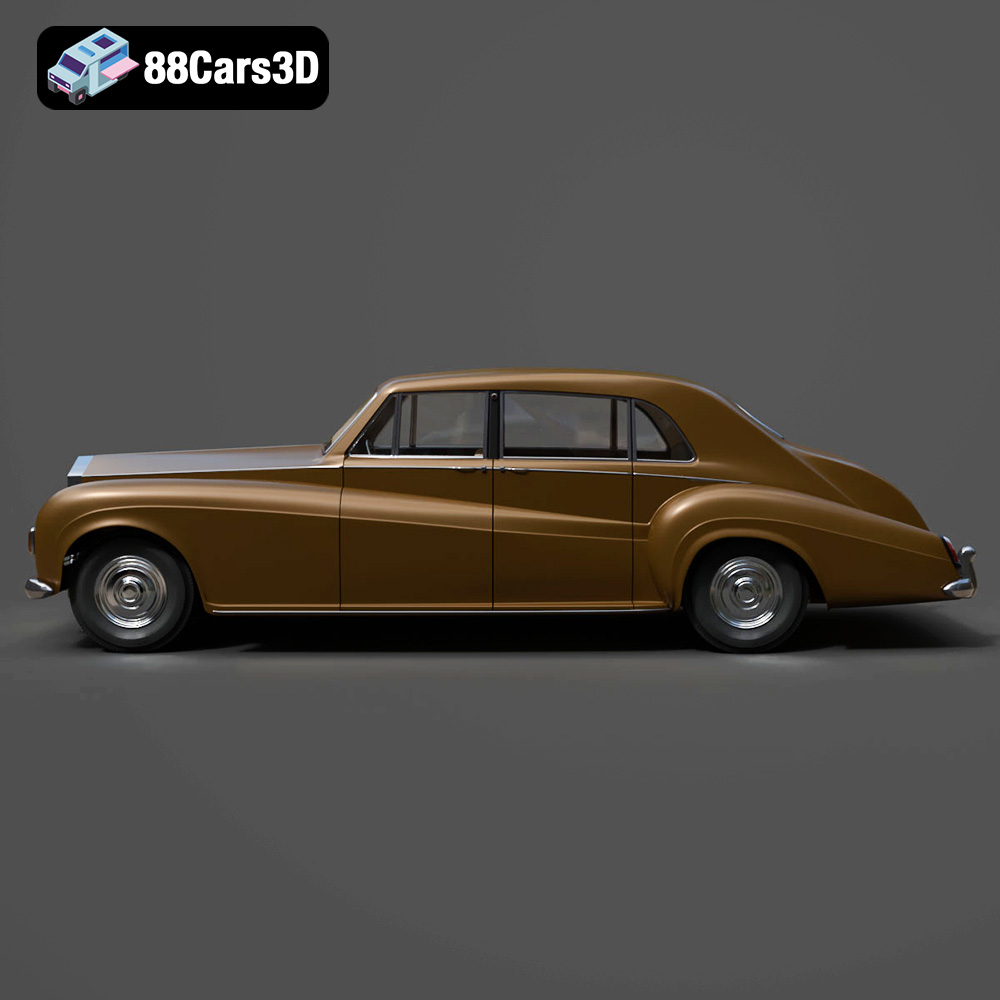
The Rolls-Royce Phantom V, produced between 1959 and 1968, is more than just a car; it’s a rolling piece of history, synonymous with ultimate luxury and power. Its distinctive long-wheelbase limousine body, upright chrome grille, and the iconic Spirit of Ecstasy hood ornament define an era of bespoke automotive craftsmanship. Translating this historical significance and intricate design into a robust 3D model presents unique challenges and opportunities for digital artists.
Recreating a vehicle like the Phantom V involves meticulous research into its historical specifications, photographic references, and even engineering diagrams where possible. Every curve, panel gap, and piece of trim must be accurately represented to ensure the digital model pays true homage to its real-world counterpart. This attention to authenticity is crucial, especially when the model is destined for heritage automotive showcases or historical simulations, where accuracy is paramount to immersion and educational value.
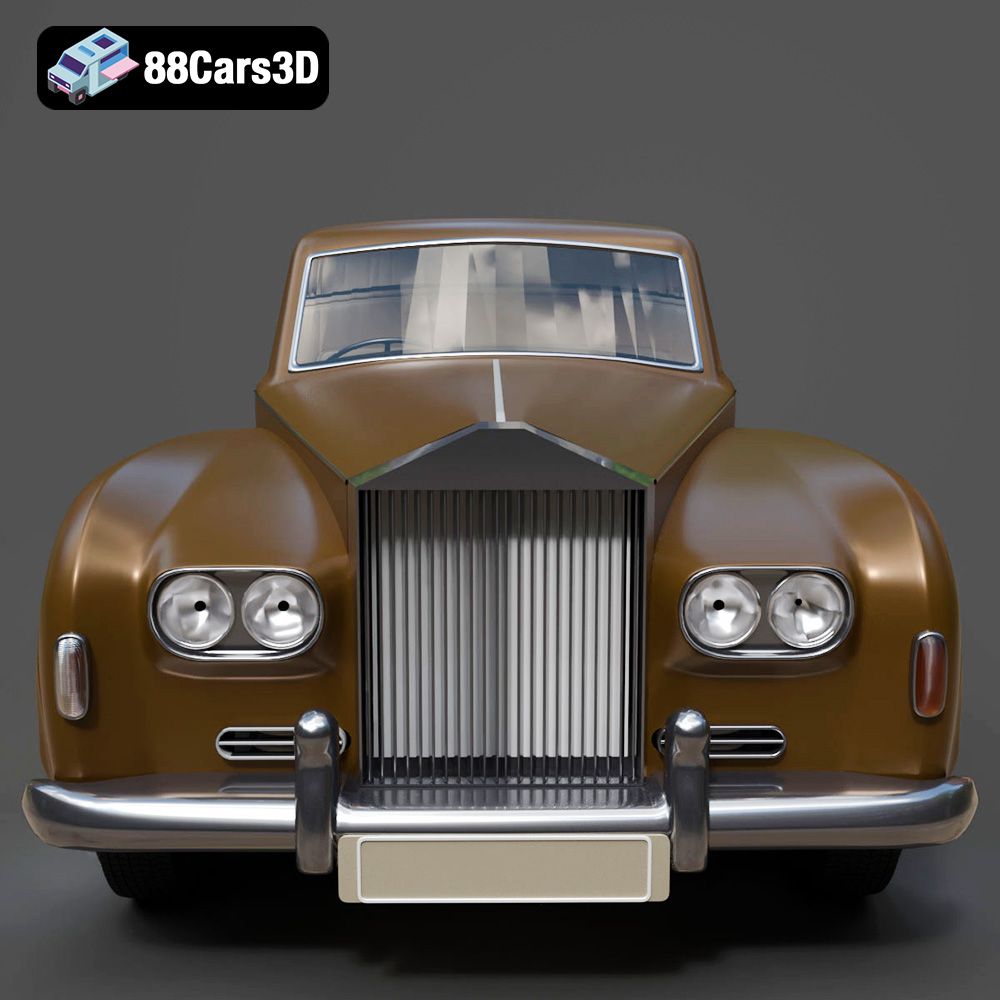
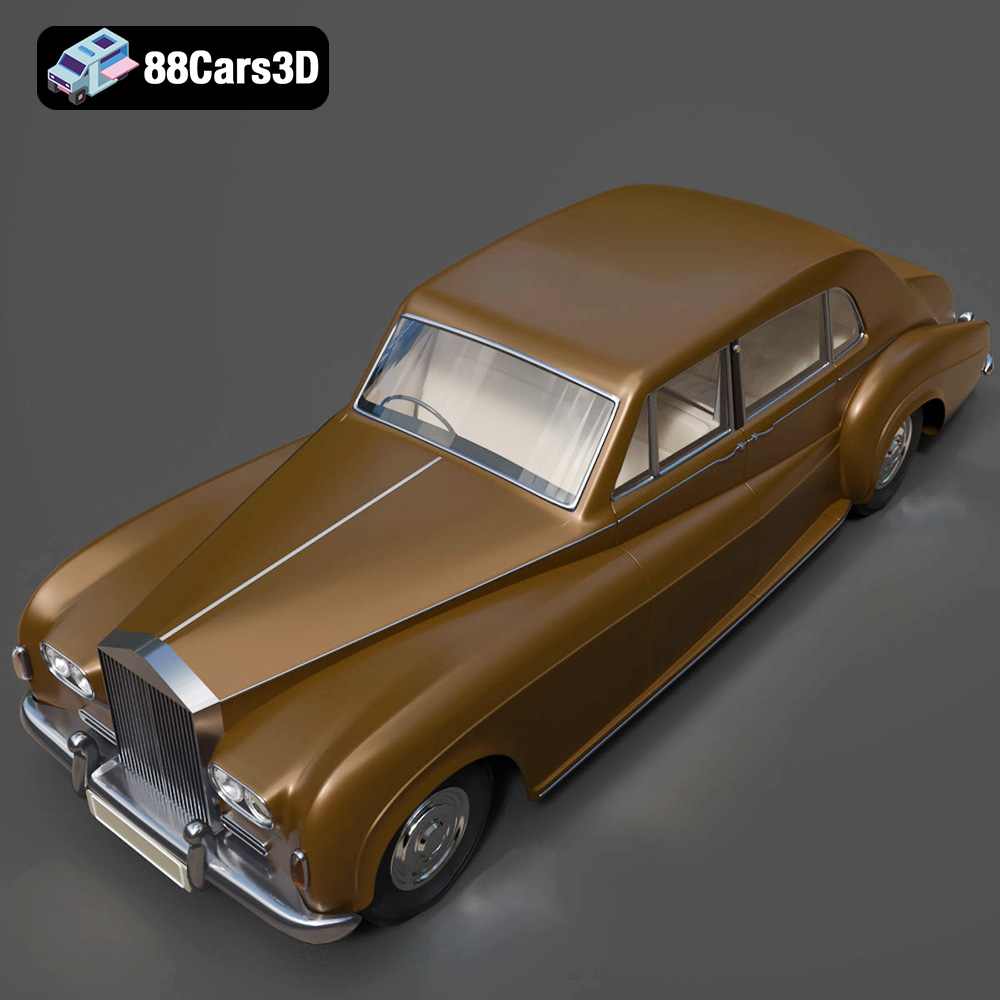
The Rolls-Royce Phantom V 3D Model meticulously captures all the defining characteristics: the dominant vertical chrome grille, the distinctive dual round headlamp configuration, the sweeping fenders, and the unique rear-hinged coach doors that signify its limousine status. Inside, the vintage luxury dashboard layout, large classic steering wheel, and the expansive rear passenger compartment with wood veneer trim are faithfully reproduced. These details are not merely aesthetic; they provide the foundation for compelling narratives and visualizations, from rendering a diplomatic motorcade to an immersive AR/VR experience stepping inside a bygone era of luxury.
When acquiring a high-quality 3D asset like the Rolls-Royce Phantom V 3D Model, understanding the various included file formats is critical. Each format serves a specific purpose, offering advantages for different stages of the 3D pipeline—from initial editing and rendering to real-time integration and physical production. The Phantom V model from 88cars3d.com comes equipped with a comprehensive suite of formats, ensuring maximum compatibility and flexibility for professionals.
The .blend format represents a native Blender scene file. For users of Blender, this is often the most desirable format as it preserves all aspects of the scene, including meshes, materials, textures, lighting, cameras, animations, and even modifiers. It’s fully editable, allowing artists to dive deep into the model’s construction, make custom adjustments, re-rig components, or change material properties directly within Blender’s powerful environment. This level of access is invaluable for those who wish to integrate the Phantom V into complex Blender projects or leverage Blender’s Cycles or Eevee rendering capabilities.
The .fbx (Filmbox) format is arguably the most widely adopted interchange format in the 3D industry. Developed by Autodesk, it excels at transferring 3D model data between different software applications like 3ds Max, Maya, Blender, and game engines such as Unreal Engine and Unity. FBX files support geometry, materials (with some limitations on complex node-based setups), textures, animations, and even rigging. It is the ideal choice for developers looking to import the Phantom V into real-time pipelines due to its robust support for animation and scene hierarchy, making it perfect for creating dynamic game assets.
The .obj (Wavefront Object) format is one of the oldest and most universally supported 3D file types. It’s a simple, text-based format that primarily stores geometry data (vertices, normals, UV coordinates, faces) and references external material files (.mtl) for basic shading information. While it doesn’t support advanced features like animation or rigging, its widespread compatibility makes it an excellent fallback for cross-software transfers when other formats prove problematic. The .obj version of the Phantom V ensures that virtually any 3D software can import and work with its core mesh data.
.glb (GL Transmission Format Binary) is the binary version of glTF, a modern, royalty-free specification for 3D scenes and models. Optimized for efficiency and speed, .glb files are increasingly popular for web-based 3D applications, augmented reality (AR), and virtual reality (VR) experiences. They package all necessary assets—geometry, materials, textures, and animations—into a single, compact file, making them perfect for fast loading and display in browsers or mobile AR/VR viewers. For showcasing the Phantom V in an interactive web configurator or an immersive AR showroom, .glb is the format of choice.
The .stl (Stereolithography) format is the standard for 3D printing and computer-aided manufacturing. It represents 3D surfaces as a series of connected triangles, forming a “shell” that 3D printers can interpret to build a physical object layer by layer. While it contains no color or material information, its simplicity and ubiquitous support make it indispensable for translating digital models into tangible objects. The .stl version of the Rolls-Royce Phantom V is specifically prepared for physical scale models, allowing designers to produce collectible miniatures or prototypes.
.ply (Polygon File Format) is another common format for storing 3D data, particularly useful for scanned data and high-precision meshes. It can store various properties for each vertex (e.g., color, transparency, normals) and face (e.g., color), making it more versatile than .obj for certain applications. While less common for packaged models, its inclusion for the Phantom V suggests meticulous attention to detail, potentially stemming from or suitable for CAD environments or detailed analysis where geometric fidelity is paramount.
The .unreal format refers to assets specifically packaged or optimized for direct import into the Unreal Engine. This often means pre-configured materials, collision meshes, LODs (Levels of Detail), and sometimes even basic animation setups, tailored to Unreal’s specific asset pipeline. While technically often an FBX imported and configured within Unreal, providing it as an “unreal” specific asset implies it’s ready to drop into an Unreal project with minimal setup, making it an incredibly efficient option for game developers or virtual production studios utilizing Unreal Engine.
The .max format is the native scene file for Autodesk 3ds Max, a powerful 3D modeling, animation, and rendering software widely used in architectural visualization, automotive design, and film/TV production. Like .blend, the .max file retains all scene information, including complex material setups (e.g., V-Ray, Corona), lighting, animation, and modifier stacks. For professionals working within the 3ds Max ecosystem, this format offers the highest degree of editability and ensures that all intricate details and advanced rendering configurations of the Phantom V are preserved.
Beyond the choice of file format, the intrinsic quality of a 3D car model is defined by its technical craftsmanship. The Rolls-Royce Phantom V 3D Model at 88cars3d.com stands out due to its adherence to professional standards, ensuring both visual fidelity and performance efficiency across various applications.
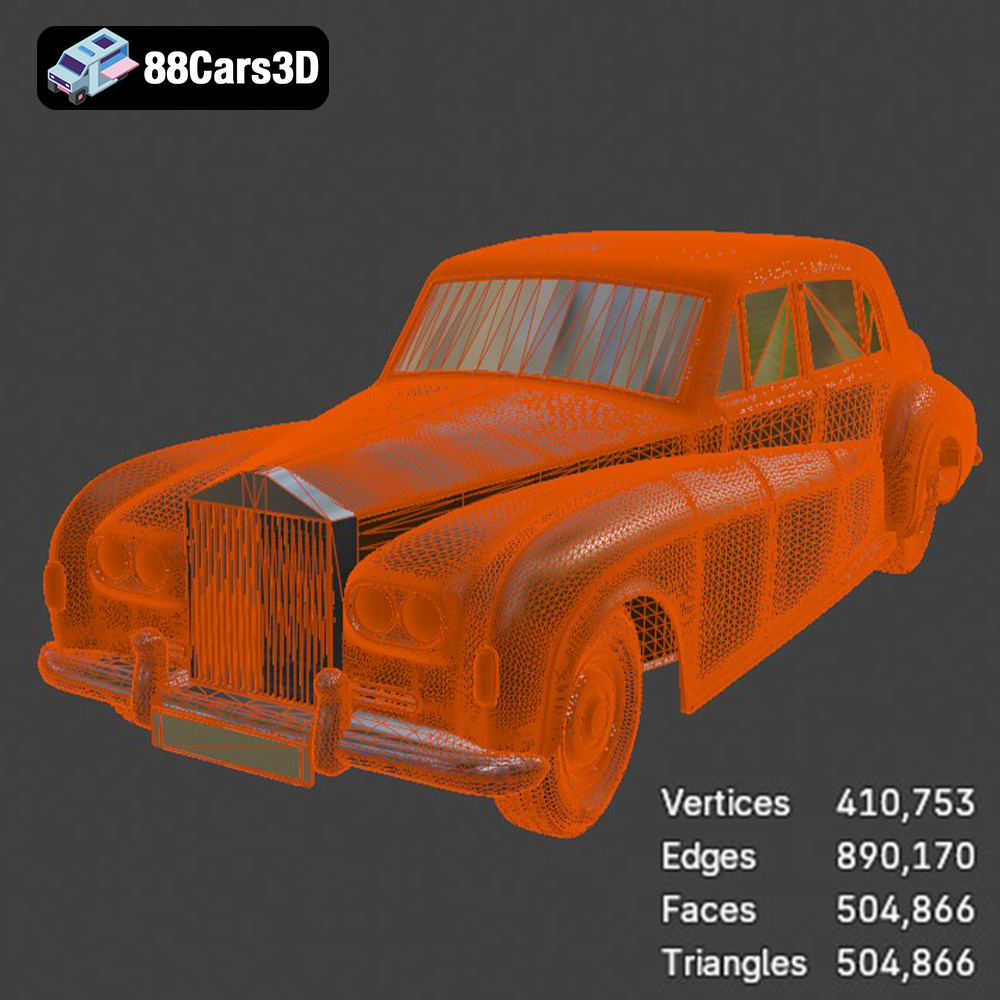
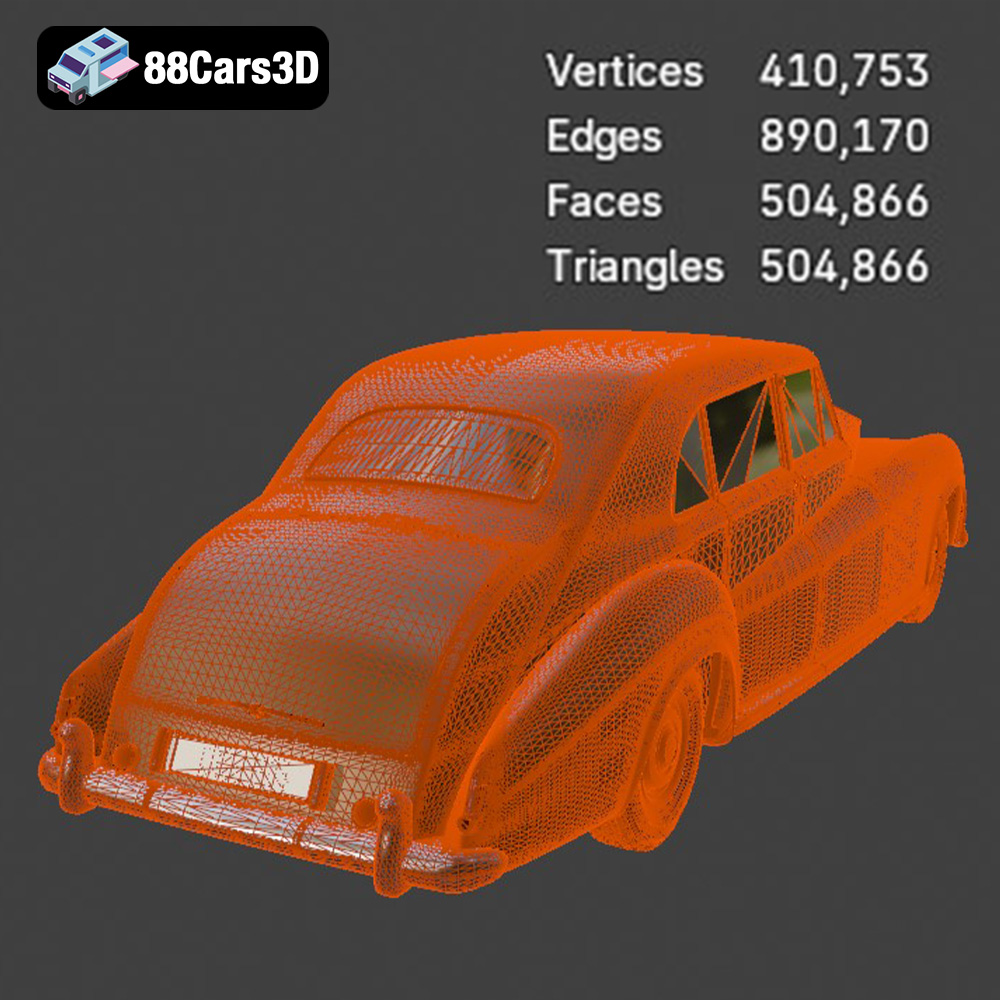
A “clean and well-organized mesh structure” is fundamental for any professional 3D asset. This means the model uses efficient polygon counts, avoids unnecessary triangulation, and maintains logical edge loops that facilitate smooth deformations and realistic reflections. For the Phantom V, this translates into accurately rendered curves and body panels that catch light convincingly. Crucially, the model is built to “real-world scale accuracy,” meaning its dimensions precisely match the actual Phantom V. This is vital for applications requiring accurate spatial representation, such as architectural visualization, precise vehicle simulations, or fitting into existing scene environments.
The model’s exterior boasts accurate long-wheelbase proportions, the iconic vertical chrome grille, a detailed Spirit of Ecstasy ornament, and period-correct chrome accents and wheels. These are not merely textures; they are modeled components, often with separate meshes for greater flexibility. On the interior, the vintage luxury dashboard, classic steering wheel, and the rear limousine seating configuration are all present, along with wood veneer and chrome trim detailing. The “optimized geometry for real-time engines and high-quality renders” ensures that whether you’re creating a photorealistic still image or populating a game world, the model performs effectively without compromising visual quality.
A static model has its uses, but the ability to animate brings a vehicle to life. The Phantom V model features “separate wheels and steering components for animation” and a “proper pivot setup for steering and wheel rotation.” This means artists can easily rig the car for driving sequences, turning maneuvers, or even more subtle animations like door opening or suspension articulation. This pre-configured separation and pivot setup save countless hours in a production pipeline, making it a truly production-ready game asset or cinematic prop.
The versatility of a well-crafted 3D car model like the Rolls-Royce Phantom V allows it to seamlessly integrate into various professional workflows, from high-end visualization to interactive experiences.
For advertising agencies, automotive design studios, or luxury brands, the Phantom V is an invaluable asset for automotive rendering and visualization. It’s ideal for creating stunning marketing materials, historical documentaries, or even digital concept art for events. Imagine a ceremonial scene rendered with cinematic realism, showcasing the Phantom V in its full glory with reflections dancing across its polished surfaces. The model’s clean topology and detailed materials facilitate quick setup in render engines like V-Ray, Corona, Arnold, or Cycles, yielding photorealistic results that can be indistinguishable from actual photography.
Game developers seeking to populate open-world environments, historical simulations, or luxury-themed games will find the Phantom V to be an excellent game asset. Its optimized polygon flow ensures efficient performance within engines like Unreal Engine and Unity. With separate components for animation, it can be easily rigged for player-controlled vehicles or AI-driven traffic. The inclusion of the .unreal format further streamlines the process, allowing for rapid deployment into Unreal Engine projects with pre-configured settings for materials and possibly LODs, reducing the workload for technical artists and enabling faster iteration on game levels.
The growing fields of AR and VR demand highly optimized, yet visually rich 3D content. The Phantom V is perfect for immersive vintage showroom experiences, interactive historical exhibitions, or even educational applications. Imagine walking around the Phantom V in a virtual museum, examining its features up close, or placing it in your driveway via an AR app. The .glb format is particularly beneficial here, offering a lightweight yet visually robust package for seamless integration into web-based AR/VR viewers and mobile applications. This capability allows brands and educators to create truly engaging and memorable digital experiences.
One of the most exciting capabilities of a well-engineered 3D model is its potential for physical manifestation. The Rolls-Royce Phantom V 3D Model specifically includes an .stl format, making it suitable for 3D printing and transforming the digital asset into a tangible collectible or prototype.
Converting a digital model for 3D printing requires careful consideration of manifold geometry (ensuring no open edges or holes), wall thickness, and printability of fine details. The Phantom V’s inclusion of an .stl file indicates that these considerations have likely been addressed, providing a ready-to-print mesh. This allows hobbyists and professionals alike to produce scale models of this legendary limousine, ranging from desktop display pieces to larger, more detailed collector’s items. Recommended scales, such as 1:32, 1:24, 1:18, or 1:12, allow for varying levels of detail and print resolution.
Achieving a high-quality 3D print goes beyond just having the right file. Specific print settings are crucial. For the Phantom V, recommended layer heights (0.08–0.16 mm), wall thickness (1.5–2.5 mm), and infill (15–25%) guide users towards optimal results. Supports will be necessary for intricate areas like mirrors, the Spirit of Ecstasy hood ornament, and bumper overhangs, while printing the body angled and wheels separately helps achieve smoother surfaces and better detail. Post-processing, including sanding, priming, and applying a gloss black or two-tone finish with chrome detailing, is essential to bring the printed model to a level of aesthetic fidelity that truly reflects the Phantom V’s luxury.
The true value of a versatile 3D asset lies in its adaptability. The Rolls-Royce Phantom V 3D Model offers ample customization opportunities, extending its utility across various creative and professional projects.
With a clean mesh and separate components, artists can easily modify the model to suit specific project needs. This includes changing the body color to a classic two-tone luxury scheme, adding custom license plates or ceremonial flags for a specific historical context, or altering the wheel finish to match a particular era or preference. The ability to add chauffeur detailing elements or configure lighting for formal event scenes or vintage city environments provides endless possibilities for personalization, allowing the Phantom V to become a bespoke element within any digital composition.
Consider a luxury brand launching a new high-end product, seeking to evoke a sense of timeless elegance. The Phantom V 3D Model could be rendered in a sophisticated advertisement, symbolizing heritage and prestige. For a historical film or television series, it could serve as a faithful period vehicle, enhancing authenticity without the prohibitive cost of sourcing a physical car. Game developers might integrate it into a historical racing game or a narrative-driven adventure set in a specific time period. Furthermore, educational institutions could use the model for virtual museum tours, allowing students to interact with and learn about this iconic vehicle in a dynamic, immersive way. The detailed and versatile nature of this 3D car model from 88cars3d.com ensures it can meet the demanding requirements of diverse professional applications.
The Rolls-Royce Phantom V stands as an unparalleled icon of automotive luxury and history. Its digital counterpart, the Rolls-Royce Phantom V 3D Model, is a meticulously crafted asset that brings this legacy into the modern creative landscape. With its clean topology, real-world scale, detailed exterior and interior features, and animation-ready components, it serves as a robust foundation for a multitude of projects.
From high-fidelity automotive rendering and visualization to the creation of compelling game assets for real-time engines, and from immersive AR/VR experiences to precise 3D-printable scale models, this versatile asset empowers artists and developers. The comprehensive suite of file formats—including .blend, .fbx, .obj, .glb, .stl, .ply, .unreal, and .max—ensures compatibility and streamlines workflows across virtually every major 3D software and engine. Whether you’re a seasoned professional or an aspiring enthusiast, the Rolls-Royce Phantom V 3D Model from 88cars3d.com offers an exquisite blend of historical accuracy and technical excellence, ready to elevate your digital creations to the pinnacle of luxury and realism.
The Rolls-Royce Phantom V 3D Model is a high-detail digital recreation of the ultra-luxury limousine produced between 1959 and 1968. Renowned for its stately proportions, hand-crafted refinement, and association with royalty and world leaders, the Phantom V represents one of the most prestigious classic luxury vehicles ever built. This 3D model accurately captures the long-wheelbase limousine body, upright chrome grille, Spirit of Ecstasy hood ornament, round headlamps, chrome bumpers, rear-hinged coach doors, and elegant body lines. Designed with clean topology and real-world scale accuracy, it is ideal for rendering, animation, automotive visualization, game development, and AR/VR experiences. Perfect for heritage automotive showcases, ceremonial scenes, luxury-themed projects, cinematic productions, and classic car simulations. Includes .blend, .fbx, .obj, .glb, .stl, .ply, .unreal, and .max formats for rendering, simulation, AR/VR, game development, and 3D printing.
$9.99
.arvr
.automotive
.blend
.britishluxury
.car3dmodel
.classiclimousine
.fbx
.gameasset
.glb
.luxurycar
.max
.obj
.phantomv
.ply
.rendering
.rollsroyce
.simulation
.stl
.unreal
.vintagecar