Get 50% OFF All Premium 3D & STL Models!

“`html
The world of 3D printing has revolutionized model making, allowing enthusiasts and professionals alike to create intricate and highly detailed vehicle models. Whether you’re a hobbyist looking to build a collection, an engineer prototyping a design, or simply an automotive aficionado, the right 3D printer can make all the difference. This comprehensive guide explores the best 3D printers for achieving exceptional results when printing detailed car models in STL format, diving into the nuances of FDM and resin printing, crucial printer settings, and essential post-processing techniques. We’ll discuss how to optimize your workflow to achieve stunning realism and accuracy in your 3D printed vehicles. Get ready to rev up your 3D printing journey and create models that will impress even the most discerning eyes.
In this article, we’ll cover:
The two primary 3D printing technologies suitable for detailed vehicle models are Fused Deposition Modeling (FDM) and Stereolithography (SLA), often referred to as resin printing. Each technology has its strengths and weaknesses, making them suitable for different aspects of vehicle model printing.
FDM printers extrude molten plastic filament layer by layer. They are generally more affordable and easier to maintain than resin printers. FDM printers are ideal for larger models where fine details are less critical. Common materials include PLA, PETG, and ABS. PLA is often favored for its ease of use and biodegradability, while PETG offers better durability and heat resistance. ABS is known for its strength but requires a heated bed and enclosure to prevent warping.
However, FDM printed models tend to have visible layer lines, which can detract from the overall detail. Achieving smooth surfaces on curved areas can be challenging. Small, intricate details, such as thin panel lines or delicate trim, can be difficult to reproduce accurately. You can mitigate these issues by printing at very low layer heights (e.g., 0.1mm or less) and employing advanced slicing techniques to optimize support structures. For example, when downloading models from marketplaces such as 88cars3d.com, consider the scale and intended use of the model to determine if FDM printing is appropriate.
Resin printers use a light source (laser or projector) to cure liquid resin layer by layer. This technology offers significantly higher resolution and accuracy compared to FDM, making it ideal for intricate details and smooth surfaces. Resin printers excel at reproducing fine details, sharp edges, and complex geometries. The primary downside is the smaller build volume and the need for post-processing, including washing and curing the printed part. Resin printing also involves handling potentially hazardous chemicals, requiring proper ventilation and safety precautions.
Resin printers, like those using DLP (Digital Light Processing) or SLA (Stereolithography), excel at capturing the nuances of a vehicle’s design. Thin panels, intricate grilles, and even small logos can be reproduced with impressive fidelity. Common resins include standard resin, tough resin, and flexible resin. Standard resin is suitable for general-purpose printing, while tough resin offers increased impact resistance. Flexible resin can be used for tires or other parts requiring some degree of flexibility. Platforms like 88cars3d.com offer print-ready STL files often designed with resin printing in mind, featuring intricate details that FDM printers may struggle to reproduce.
Regardless of whether you choose FDM or resin printing, optimizing your 3D printer settings is crucial for achieving high-quality vehicle models. Fine-tuning parameters like layer height, print speed, temperature, and support structures can significantly impact the final result. It is important to test different settings to dial in what works best for your specific printer, material, and model.
For FDM printing, start with a layer height of 0.1mm or less to minimize layer lines. Reduce print speed to 40-60mm/s for better accuracy, especially for intricate details. Ensure proper bed adhesion using techniques like a heated bed (60°C for PLA, 100-110°C for ABS), a glue stick, or painter’s tape. Carefully configure support structures to minimize their impact on the finished surface. Use a small nozzle size (0.4mm or even 0.25mm) to further enhance detail resolution. Experiment with different infill patterns to find the best balance between strength and print time. Consider using adaptive layer height in your slicing software to focus higher resolution on areas with finer details, while maintaining faster print speeds for less critical sections.
When working with filaments like PETG or ABS, maintaining a consistent temperature is crucial to prevent warping and delamination. An enclosure can help stabilize the ambient temperature around the printer. Retraction settings should be carefully calibrated to minimize stringing and oozing, which can be particularly noticeable on detailed models. Before starting a large print, always run a small test print to verify that your settings are optimized.
For resin printing, layer height is even more critical. Aim for layer heights between 0.025mm and 0.05mm for exceptional detail. Proper exposure time is paramount to ensure that each layer is fully cured. Consult the resin manufacturer’s recommendations and perform exposure tests to find the optimal setting for your specific resin. Orient the model to minimize the cross-sectional area of each layer, reducing the force required to separate the printed part from the build plate. This can help prevent warping and layer separation. Use high-quality support structures to prevent sagging and ensure that delicate features are properly supported. Ensure that your resin is thoroughly mixed and free of bubbles before starting the print.
Calibrating your resin printer is essential for achieving consistent results. Regularly clean and level the build plate to ensure proper adhesion. Replace the FEP film (the transparent film at the bottom of the resin vat) periodically to maintain optimal print quality. Monitor the resin temperature, as variations can affect curing times. Post-processing, including washing and curing, should be performed according to the resin manufacturer’s instructions. Under-curing can lead to weak parts, while over-curing can make the resin brittle.
Support structures are often necessary when 3D printing complex vehicle models, but they can also leave unsightly marks on the finished surface. Minimizing the need for support structures through clever slicing techniques is a crucial skill for achieving high-quality prints.
The orientation of your model on the build plate significantly impacts the number and placement of support structures. For example, printing a car model on its side can reduce the need for supports under the roof and hood. However, this may require more supports for the wheels and suspension components. Experiment with different orientations in your slicing software to find the one that minimizes support requirements while maintaining print quality. Consider the aesthetic importance of different surfaces when choosing the orientation. Surfaces that will be highly visible should ideally face upwards during printing to minimize the impact of support removal.
In FDM printing, orienting the model so that the majority of the overhangs are less than 45 degrees can often eliminate the need for supports. In resin printing, orienting the model at an angle (e.g., 45 degrees) can reduce the cross-sectional area of each layer, making it easier to print and reducing the risk of layer separation. Using software such as Meshmixer can help you analyze overhangs and identify the optimal print orientation.
Most slicing software packages allow you to customize the placement and density of support structures. Instead of relying on automatic support generation, manually place supports only where they are absolutely necessary. Use thin and easily removable supports to minimize scarring. Experiment with different support patterns, such as tree supports or line supports, to find the best balance between support strength and ease of removal. In Cura, for example, you can adjust the support overhang angle, support density, and support placement to fine-tune the support structures. In PrusaSlicer, you can use the paint-on supports feature to selectively add or remove supports in specific areas.
For resin printing, consider using pre-supported models, which are often available from online marketplaces. These models have been carefully designed with optimized support structures that minimize scarring and ensure successful printing. If you need to generate your own supports, use thin and strategically placed supports to minimize the force required to remove them. Use light supports near the detailed areas. Also, use thicker supports on the base to ensure that the model adheres to the bed.
Post-processing is an essential step in achieving a professional finish on your 3D printed vehicle models. This includes removing support structures, sanding, filling gaps, priming, and painting. The specific techniques used will depend on the printing technology (FDM or resin) and the desired level of detail.
Carefully remove support structures using tools like pliers, cutters, and sandpaper. Take care not to damage the model surface. For FDM prints, start with coarse sandpaper (e.g., 120 grit) and gradually move to finer grits (e.g., 400 grit, 600 grit, and 800 grit) to smooth out layer lines and support scars. Wet sanding can help reduce dust and improve the smoothness of the surface. For resin prints, use sharp tools to carefully remove supports, as the resin can be brittle. Use a soft brush and isopropyl alcohol to clean the model and remove any residual resin.
For FDM prints, consider using a chemical smoothing agent like acetone (for ABS) or ethyl acetate (for PLA) to further reduce layer lines. However, use caution when working with these chemicals, as they are flammable and can be harmful. Always wear appropriate safety gear and work in a well-ventilated area. Chemical smoothing can significantly improve the surface finish, but it can also soften the model and reduce its dimensional accuracy.
Apply a primer coat to prepare the model for painting. Primer helps to fill in any remaining surface imperfections and provides a better surface for the paint to adhere to. Use multiple thin coats of primer rather than one thick coat to avoid drips and runs. Sand the primer lightly between coats to achieve a smooth surface. Choose high-quality paints specifically designed for models. Acrylic paints are a popular choice for their ease of use and wide range of colors. Apply multiple thin coats of paint, allowing each coat to dry completely before applying the next. Use masking tape to create clean lines and avoid overspray. For detailed work, use fine brushes and consider techniques like dry brushing or washing to highlight details.
Add clear coat to protect your paint job and enhance the shine. Decals and weathering effects can add realism to your vehicle model. Seal the decals with a clear coat to protect them from damage. Consider using weathering powders, washes, and dry brushing to create realistic effects like dirt, rust, and wear and tear. With patience and attention to detail, you can transform your 3D printed model into a stunning work of art.
Even with careful planning and preparation, 3D printing can sometimes be challenging. Common issues include warping, layer separation, stringing, and poor bed adhesion. Understanding the causes of these issues and how to troubleshoot them is essential for achieving successful prints.
Warping occurs when the corners of the model lift off the build plate due to uneven cooling. To prevent warping, ensure that your build plate is properly leveled and heated. Use a heated bed (60°C for PLA, 100-110°C for ABS) and apply a bed adhesion aid like a glue stick or painter’s tape. Enclosing the printer can help stabilize the ambient temperature and prevent drafts. Layer separation occurs when layers fail to properly adhere to each other. This can be caused by insufficient print temperature, insufficient cooling, or poor layer adhesion. Increase the print temperature and reduce the cooling fan speed. Ensure that your filament is dry and free of moisture. For resin printing, warping can be minimized by proper orientation and using a raft or brim.
Check the tension of your filament drive gear to ensure that the filament is being properly fed into the hot end. A loose or worn drive gear can cause inconsistent extrusion and layer separation. Regularly clean your build plate to remove any residues that may interfere with adhesion. Check that the Z axis is moving correctly and isn’t binding.
Stringing occurs when molten filament oozes from the nozzle during travel moves, leaving thin strands of plastic between different parts of the model. To prevent stringing, optimize your retraction settings. Increase the retraction distance and retraction speed. Reduce the nozzle temperature to minimize oozing. Ensure that your filament is dry and free of moisture. A wet filament can cause excessive stringing. Poor bed adhesion can be caused by a dirty build plate, an improperly leveled bed, or insufficient bed temperature. Clean the build plate with isopropyl alcohol and re-level the bed. Increase the bed temperature and apply a bed adhesion aid like a glue stick or painter’s tape. Consider using a brim or raft to increase the surface area in contact with the build plate.
Check the nozzle for clogs and clean it if necessary. A partially clogged nozzle can cause inconsistent extrusion and poor bed adhesion. Reduce travel speed if needed, because faster movements can contribute to stringing. If you are still having issues, test with a new spool of filament to rule out any material issues.
Creating detailed vehicle models with 3D printing is a rewarding but technically demanding endeavor. Choosing the right 3D printer, optimizing printer settings, mastering slicing techniques, and perfecting post-processing are all crucial steps in achieving stunning results. By understanding the strengths and weaknesses of FDM and resin printing, you can select the technology that best suits your needs. Remember to experiment with different settings and techniques to find what works best for your specific printer, materials, and models. Sites like 88cars3d.com offer a wealth of resources, including high-quality STL files, to help you get started. With patience, practice, and a passion for automotive design, you can create 3D printed vehicle models that are truly exceptional.
Next steps:
“`
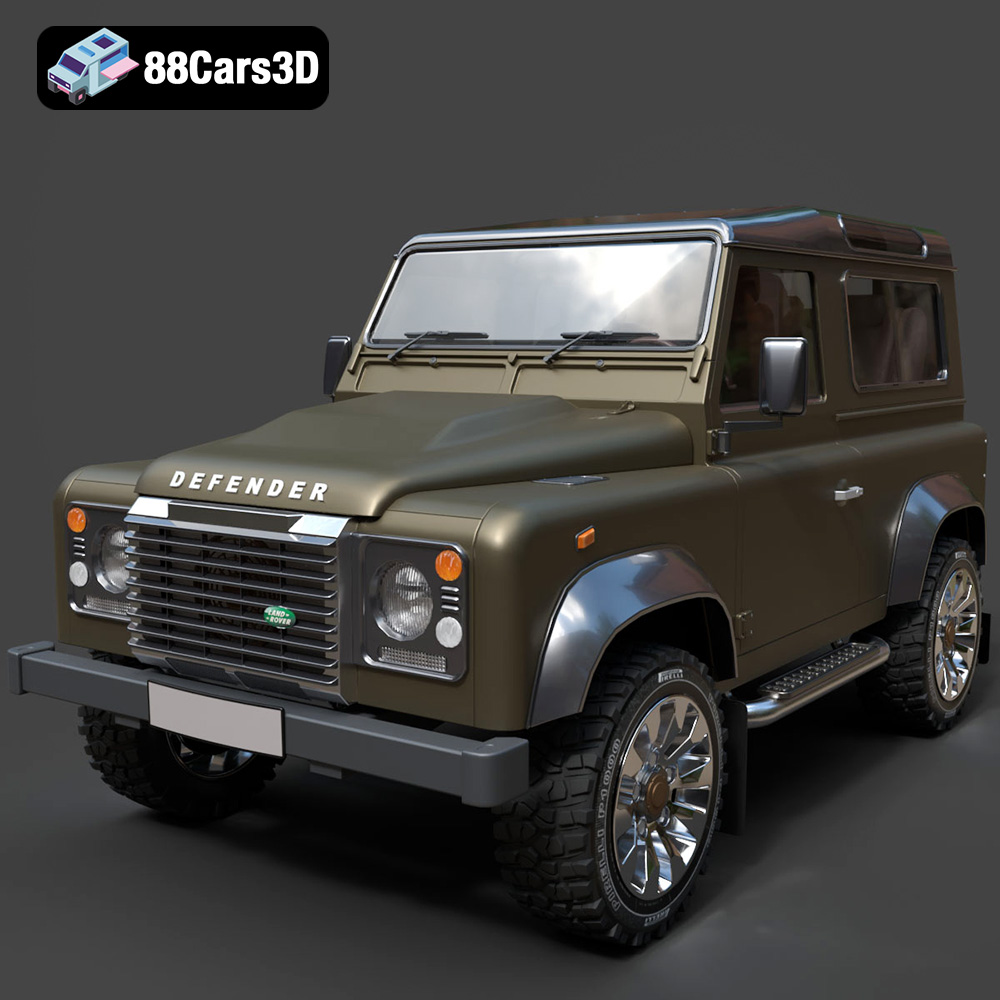
Texture: Yes
Material: Yes
Download the Land Rover Defender Works V8 3D Model featuring clean geometry, realistic detailing, and a fully modeled interior. Includes .blend, .fbx, .obj, .glb, .stl, .ply, .unreal, and .max formats for rendering, simulation, and game development.
Price: $19.99
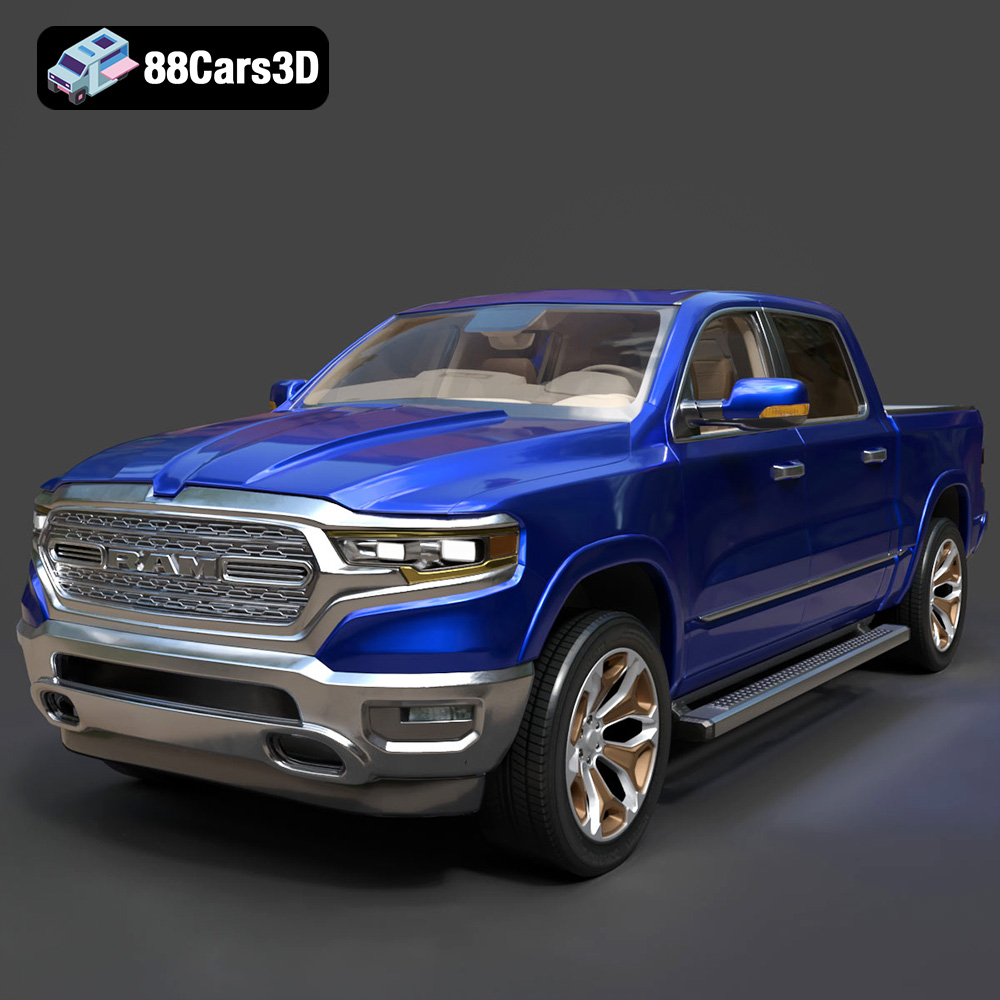
Texture: Yes
Material: Yes
Download the Dodge RAM 2019 3D Model featuring clean geometry, realistic detailing, and a fully modeled interior. Includes .blend, .fbx, .obj, .glb, .stl, .ply, .unreal, and .max formats for rendering, simulation, and game development.
Price: $19.99
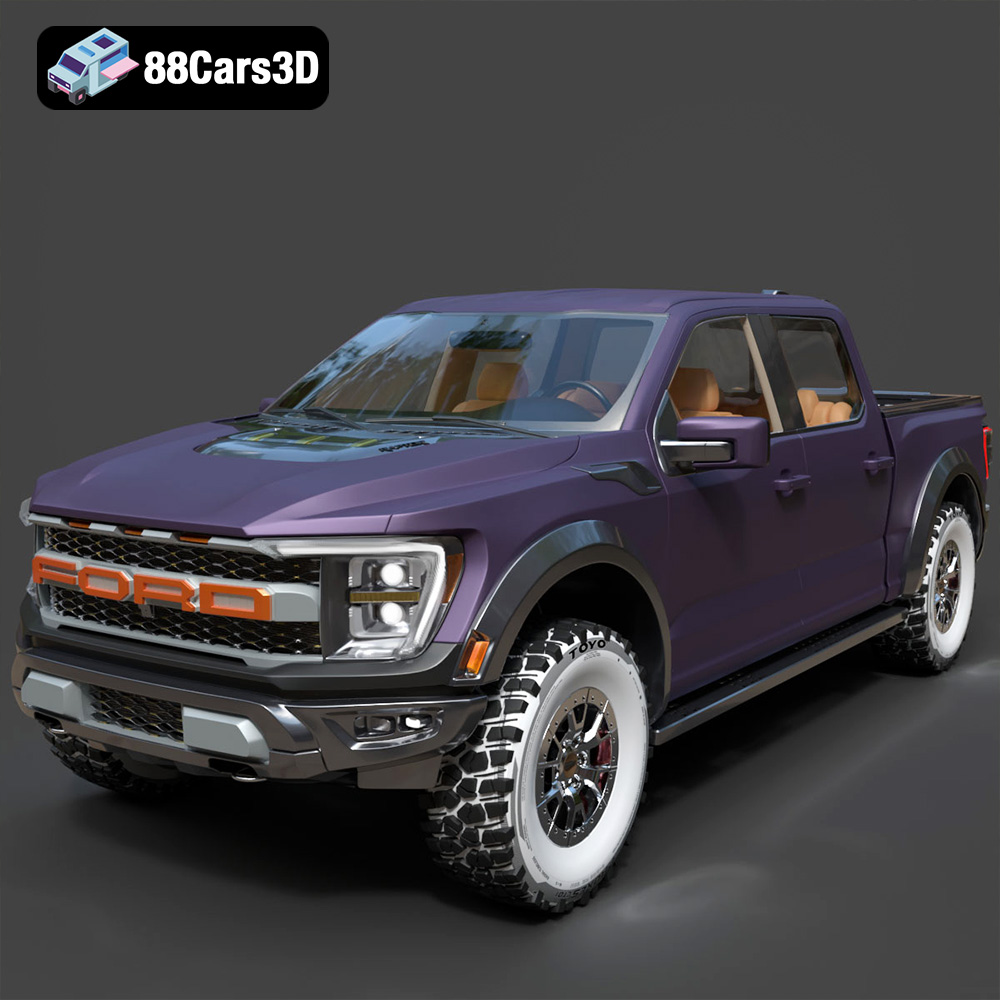
Texture: Yes | Material: Yes Download the ultra-high-detail Ford F-150 Raptor 2021 3D Model (8.73M Triangles). Features uncompromised widebody styling, fully modeled Fox Live Valve suspension, 37-inch tires, and interior. Perfect for premium VFX, cinematic rendering, and ArchViz. Includes .blend, .fbx, .obj, .glb, .stl, and .max formats.
Price: $29.99
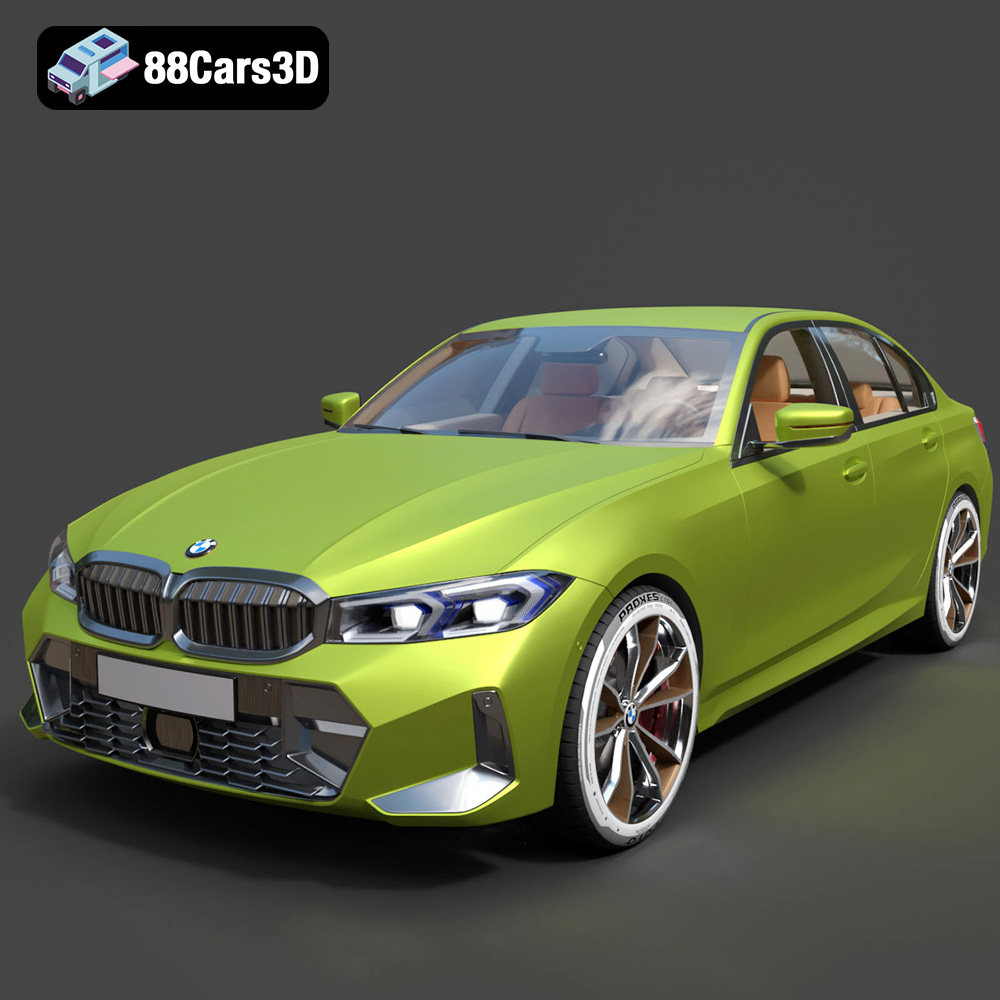
Texture: Yes | Material: Yes Download the ultra-high-detail BMW 3 Series Limousine (2022) 3D Model (4.16M Triangles). Features the modernized G20 LCI exterior, the all-new BMW Curved Display interior, and ultra-dense topology. Perfect for ArchViz, VFX, and cinematic rendering. Includes .blend, .fbx, .obj, .glb, .stl, and .max formats.
Price: $19.99
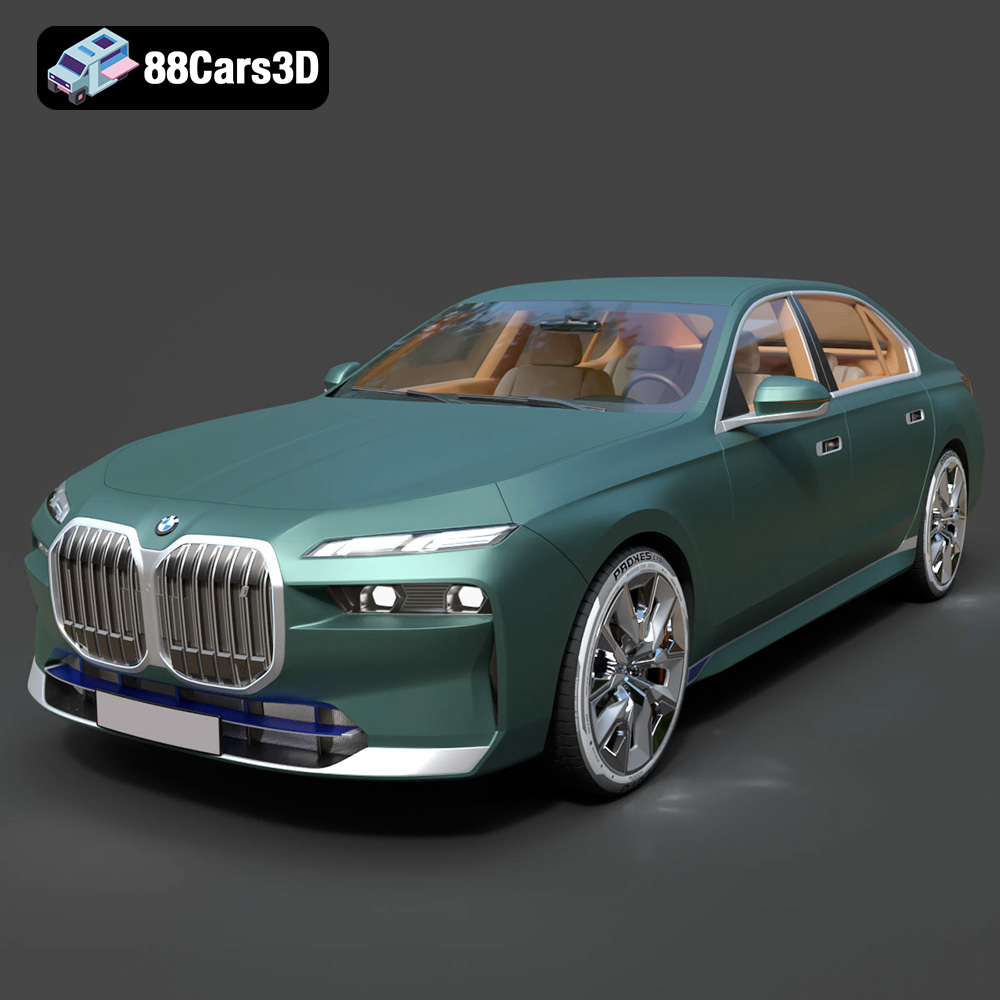
Texture: Yes | Material: Yes Download the ultra-high-detail BMW i7 (2023) 3D Model (4.14M Triangles). Features the illuminated kidney grille, split crystal headlights, fully modeled Theatre Screen interior, and monolithic luxury styling. Perfect for ArchViz, VFX, and cinematic rendering. Includes .blend, .fbx, .obj, .glb, .stl, and .max formats.
Price: $19.99
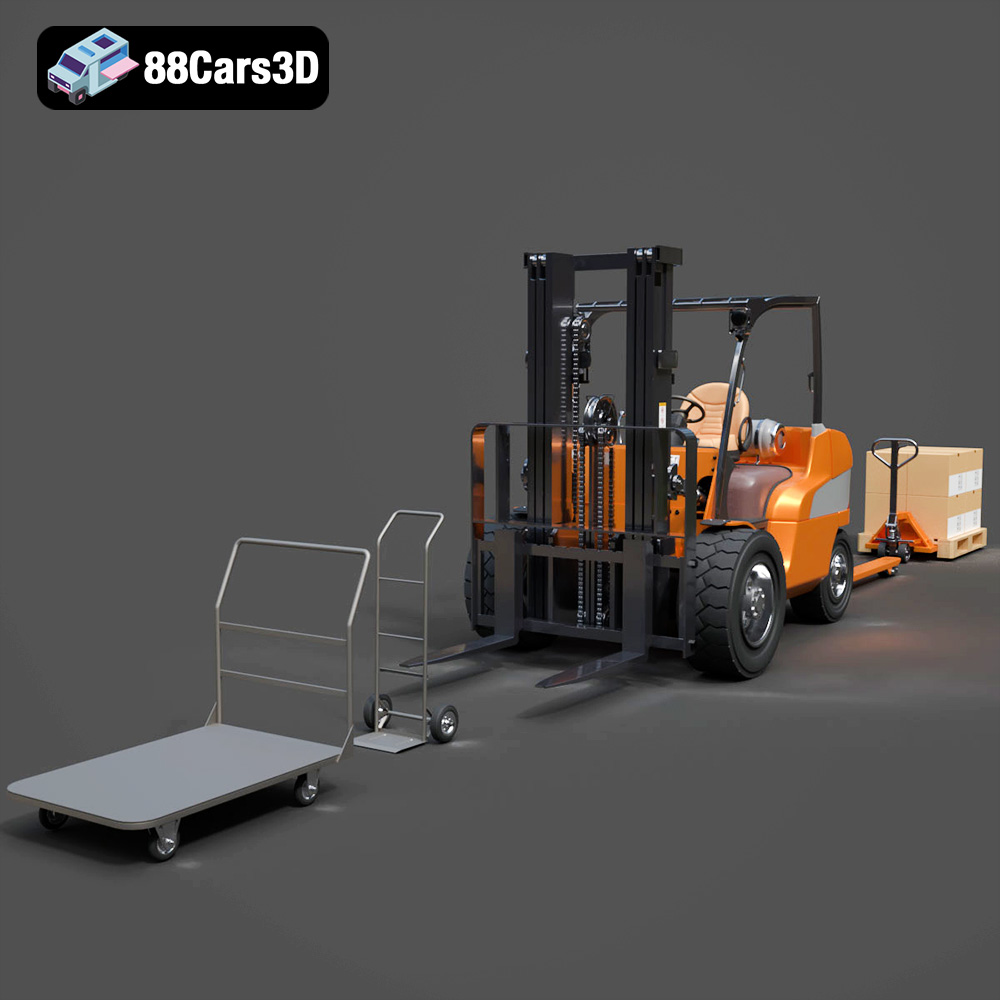
Texture: Yes | Material: Yes Download the highly detailed CAT Manual Loader & Warehouse Carts Kit 3D Model (2.4M Triangles). Features a macro-detailed hydraulic pallet jack, heavy-duty forks, and transport carts. Perfect for industrial ArchViz, factory rendering, and logistics simulations. Includes .blend, .fbx, .obj, .glb, .stl, and .max formats.
Price: $19.99

Texture: Yes | Material: Yes
Download the highly optimized Mazda CX-5 2014 3D Model (294k Triangles). Features the dynamic Kodo design language, signature grille, and a clean interior. Perfectly balanced for ArchViz, background traffic, and game development. Includes .blend, .fbx, .obj, .glb, .stl, and .max formats.
Price: $19.99
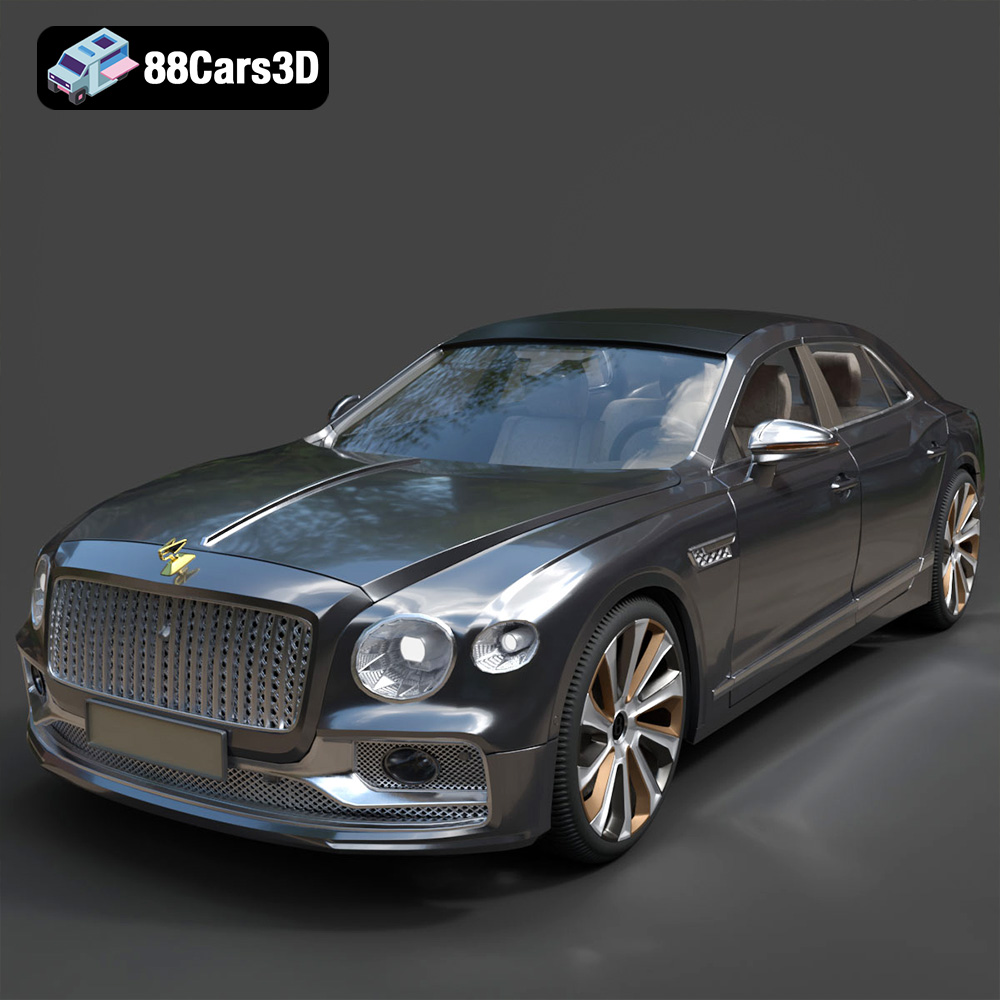
Texture: Yes | Material: Yes Download the ultra-high-detail Bentley Flying Spur Mulliner 2022 3D Model (2.94M Triangles). Features the bespoke Double Diamond grille, a fully modeled diamond-quilted interior, and exquisite luxury styling. Perfect for high-end ArchViz, VFX, and cinematic rendering. Includes .blend, .fbx, .obj, .glb, .stl, and .max formats.
Price: $19.90
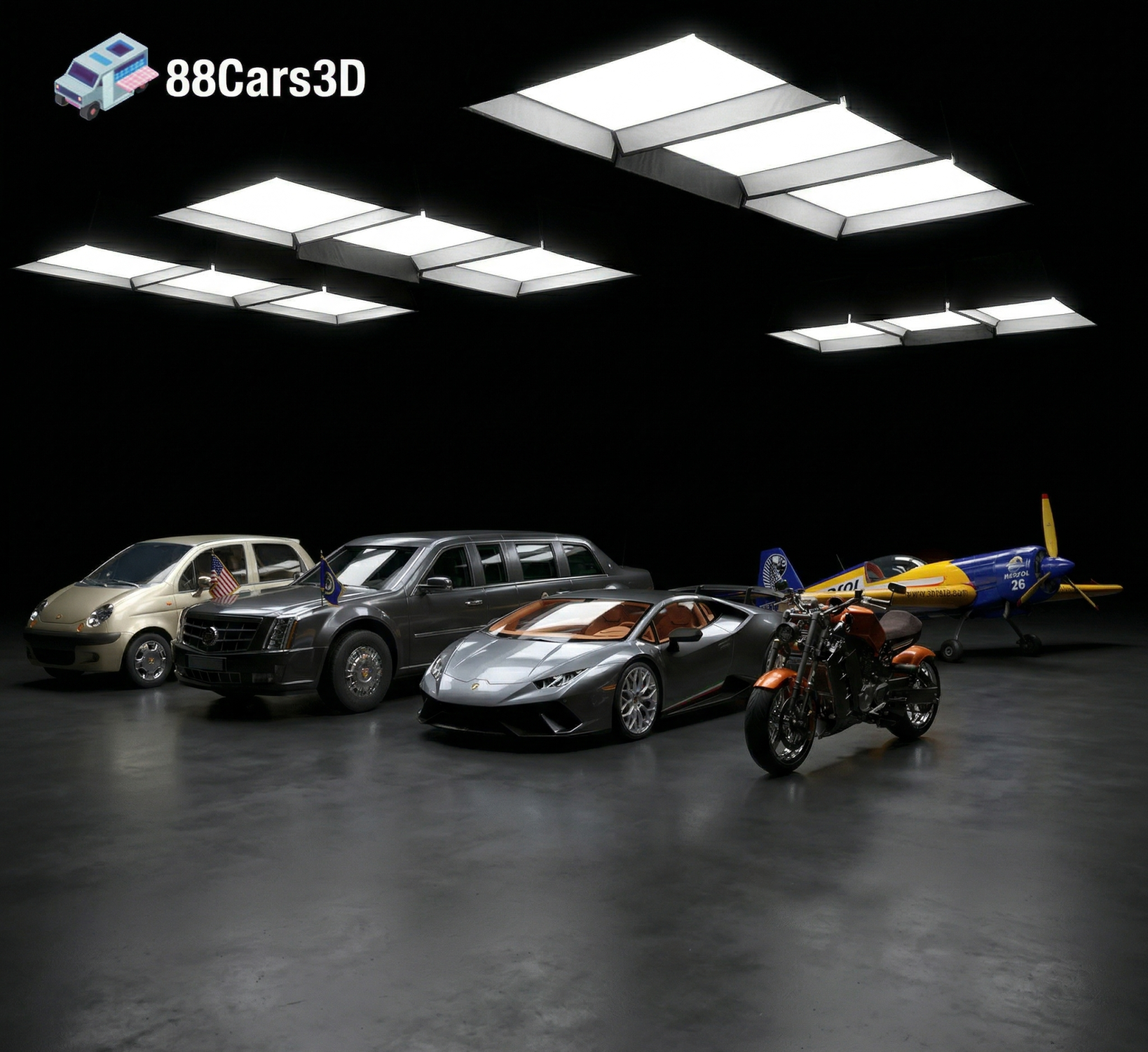
Texture: Yes | Material: Yes | 3D Printable: Yes. Download the Ultimate Creators’ Showcase featuring 5 premium 3D models: Lamborghini Huracan, ZAV Concept Motorcycle, Sukhoi SU-26, Presidential Limousine, and Daewoo Damas. Optimized for 4K CGI rendering and 3D printing. Save massive with this exclusive multi-category bundle!
Price: $99.99

Texture: Yes | Material: Yes | 3D Printable: Yes. Download the Italian Thoroughbreds Bundle featuring 5 iconic 3D models: Lamborghini Huracán Performante, Ferrari 458 Italia, Lamborghini Urus, Diablo SV, and Maserati GT. Optimized for 4K rendering and 3D printing (STL included). Save 50% with this ultimate Italian vehicle collection.
Price: $199.99

