Get 50% OFF All Premium 3D & STL Models!

The quest for ultimate realism in real-time experiences has driven incredible advancements in game development, architectural visualization, and virtual production. For automotive applications, this pursuit often culminates in the desire to simulate not just the pristine beauty of a vehicle, but also the dynamic forces that act upon it – from subtle deformations to catastrophic destruction. Enter Unreal Engine’s Chaos Physics system: a robust, high-performance physics engine designed to bring unparalleled realism and interactivity to dynamic simulations.
For 3D artists, game developers, and visualization professionals leveraging platforms like 88cars3d.com for high-quality 3D car models, understanding Chaos Physics is no longer optional; it’s a superpower. This comprehensive guide will deep dive into Unreal Engine’s Chaos system, focusing on its application for automotive destruction and simulation. We’ll explore everything from preparing your meticulously crafted car models for fracture to orchestrating cinematic crash sequences, optimizing performance, and integrating with other cutting-edge Unreal Engine features like Nanite and Lumen. Get ready to unlock a new dimension of interactive realism for your automotive projects.
Unreal Engine’s Chaos Physics system represents a monumental leap forward in real-time simulation, replacing the long-standing PhysX as the engine’s default physics solution. Designed from the ground up to be multithreaded, scalable, and fully deterministic, Chaos empowers developers to create incredibly complex and visually rich interactive destruction, fluid simulations, and rigid body dynamics. For automotive visualization, this means moving beyond static car models to dynamic, destructible, and truly interactive vehicles.
The transition to Chaos was driven by the need for a more flexible, open-source, and performance-oriented physics engine that could handle the demands of next-generation games and high-fidelity real-time applications. Chaos allows for a deeper integration with Unreal Engine’s other core systems, providing a more cohesive development experience. It supports massive destruction scenarios with thousands of individual pieces, offering unparalleled control over how objects break, deform, and react to forces. This level of detail is crucial for accurately portraying everything from a minor fender bender to a high-speed collision, making car models sourced from marketplaces like 88cars3d.com truly come alive with dynamic interaction.
While PhysX served Unreal Engine well for many years, Chaos was developed to overcome its limitations, particularly concerning scalability and determinism. PhysX was largely single-threaded, which could become a bottleneck in scenes with numerous physics objects. Chaos, on the other hand, is built for modern CPU architectures, utilizing multithreading to distribute physics calculations across multiple cores. This parallel processing capability is vital for maintaining high frame rates in scenes with extensive destruction or complex vehicle dynamics.
Furthermore, Chaos offers greater determinism, meaning that physics simulations will produce the same results consistently across different machines and runs, a critical feature for competitive multiplayer games and precise scientific simulations. For automotive applications, this ensures that a simulated crash test will behave identically every time, allowing for more reliable analysis and repeatable results. This shift empowers artists and engineers to push the boundaries of realism without sacrificing performance or predictability, ensuring that even intricate damage on a high-fidelity car model behaves as expected.
To harness the power of Chaos for destruction, you’ll primarily interact with three core components: Geometry Collections, Fields, and configurable Breaking Materials. A Geometry Collection is the central asset for destructible meshes. It’s essentially a static mesh that has been pre-fractured into multiple smaller pieces, ready to be simulated by Chaos. Unreal Engine provides intuitive tools within the editor to generate these collections, allowing you to control the density, pattern, and depth of the fractures.
Fields are a powerful concept in Chaos, allowing you to define areas or volumes where specific forces or behaviors are applied to physics objects. You can use fields to apply radial forces for explosions, set collision properties, or even disable physics in certain areas. This granular control is invaluable for orchestrating complex destruction events. Lastly, Breaking Materials define the properties of the material that is being fractured, such as its strength, resistance to impact, and how pieces separate. By adjusting these parameters, you can simulate different types of materials, from brittle glass to ductile metal, directly influencing the realism of your automotive destruction. Understanding how these components interact is key to creating convincing and performant damage effects.
The foundation of any compelling visual experience in Unreal Engine begins with high-quality assets. When it comes to automotive visualization and real-time destruction, starting with well-optimized and meticulously modeled 3D car models is paramount. Platforms like 88cars3d.com provide exactly this—models with clean topology, realistic PBR materials, and proper UV mapping—which significantly streamlines the process of integrating them into Unreal Engine and preparing them for Chaos Physics. A poorly optimized model, especially one intended for destruction, can quickly lead to performance bottlenecks and visual artifacts.
Preparing your imported car model for Chaos involves a series of critical steps, from ensuring correct scale and pivot points to applying the initial fracturing using Unreal Engine’s built-in tools. The goal is to create a Geometry Collection that accurately represents the car’s structure and material properties, allowing for believable and performant destruction. Attention to detail at this stage will pay dividends in the realism and efficiency of your final simulation. Remember, Chaos performs best when it has intelligent geometry to work with, not just raw polygon counts.
When importing a 3D car model from a reputable source like 88cars3d.com, you’re already ahead, as these models are typically provided in common formats like FBX or USD, often with accompanying PBR textures. After importing your chosen model into Unreal Engine, the first critical step is to verify its scale and pivot points. An incorrect scale can lead to disproportionate physics calculations and visual discrepancies. Ensure the model’s pivot point is logically placed, usually at the center of its base, as this will affect how the model rotates and interacts with forces.
For models intended for destruction, it’s often beneficial to separate components into individual static meshes before creating a Geometry Collection. For instance, a car body, doors, hood, trunk, and fenders might be separate meshes. This allows for more targeted destruction, where only a specific part of the vehicle fractures upon impact, rather than the entire car breaking into tiny pieces instantly. This modular approach also aids in optimizing performance, as only the relevant Geometry Collections need to be simulated. Always inspect the mesh’s topology for any non-manifold geometry or open edges that could cause issues during fracturing. Clean geometry is key to predictable destruction.
Once your static mesh (or collection of meshes) is ready, the next step is to create a Geometry Collection. In the Unreal Editor, right-click on your static mesh asset and select “Create Geometry Collection.” This will convert your static mesh into a new Geometry Collection asset. Double-clicking this asset opens the Geometry Collection Editor, where the magic happens. Here, you can utilize various fracture methods:
Crucially, you can define different ‘Levels’ of fracture. For example, Level 0 might be the intact object, Level 1 breaks it into large sections, and Level 2 further shatters those sections into smaller debris. This tiered approach is vital for performance optimization and visual fidelity, allowing detailed destruction up close and simpler destruction at a distance. When fracturing, be mindful of the polygon count of the generated pieces. While Nanite handles high-poly meshes exceptionally well for rendering, each physics-simulated piece still incurs a performance cost. Aim for a reasonable number of pieces, perhaps 50-200 for a car’s body panel, depending on the desired detail and target platform. For more advanced details on fracturing, refer to the official Unreal Engine learning resources at dev.epicgames.com/community/unreal-engine/learning.
Materials play a crucial role in how a destructible car model looks both before and after fracturing. Using physically based rendering (PBR) materials, as typically provided with high-quality 3D car models, ensures realistic surface properties like metallic sheen, paint reflectivity, and rubber textures. When a Geometry Collection is fractured, Unreal Engine automatically creates “inner” surfaces for the newly exposed geometry. These inner surfaces often require their own materials to simulate the internal structure of the object.
In the Geometry Collection Editor, you can assign different materials to these inner faces. For a car, this might mean assigning a rusty metal material or a painted underside material to simulate the exposed interior of a damaged panel. Furthermore, Chaos allows you to define “Breaking Materials” that influence the physics behavior of the fracture. You can specify a “Max Stress” property, which determines how much force a material can withstand before breaking. A lower Max Stress will make the material more fragile, while a higher value will make it more resilient. By intelligently applying PBR materials and configuring breaking material properties, you can achieve highly convincing visual and physical realism for your damaged vehicles.
Once your car models are prepared as Geometry Collections, the real fun begins: making them react dynamically to forces and interactions within your Unreal Engine environment. Chaos provides powerful tools to trigger destruction, control the behavior of fractured pieces, and fine-tune the overall simulation to achieve the desired level of realism and performance. This involves leveraging Unreal Engine’s visual scripting system, Blueprint, to orchestrate events, configure physics properties, and ensure your vehicles interact believably with the world.
Implementing dynamic destruction goes beyond merely breaking objects; it’s about creating a believable narrative of cause and effect. A car part shouldn’t just disappear; it should deform, break, and send debris flying in a manner consistent with the forces applied. This section will guide you through applying forces, configuring physics assets for fractured pieces, and crucial optimization strategies to keep your interactive automotive experiences running smoothly, even with complex destruction events.
The primary way to initiate destruction and interaction with Chaos Geometry Collections is by applying forces and impulses. This is most effectively done using Unreal Engine’s Blueprint visual scripting system. Common scenarios include:
Each of these methods offers distinct levels of control, enabling you to choreograph a wide range of destructive events for your car models, from minor scrapes to spectacular pile-ups. Experiment with different force magnitudes and damage thresholds to achieve visually convincing and mechanically accurate destruction for various automotive scenarios.
Once a Geometry Collection is fractured, each individual piece becomes a simulated rigid body. To control the behavior of these pieces, you interact with the underlying Chaos Physics Asset system. While the Geometry Collection Editor handles the initial fracturing, you can further refine how pieces behave in the Physics Asset Editor. Here, you can:
By carefully configuring these parameters, you can fine-tune the physics simulation to match the material properties and structural integrity of your 3D car models, ensuring that the destruction looks and feels authentic.
Complex destruction can be very demanding on system resources. Optimizing your Chaos simulations is crucial, especially for real-time applications like games or AR/VR experiences. Here are key strategies:
By implementing these optimization techniques, you can ensure that your impressive car destruction sequences run smoothly without compromising the overall performance of your Unreal Engine project. Always profile your scenes to identify bottlenecks and adjust settings accordingly.
Beyond basic destruction, Chaos offers a suite of advanced features that can elevate automotive scenarios to unprecedented levels of realism and interactivity. Integrating Chaos with Unreal Engine’s other cutting-edge technologies like Nanite and Lumen allows for visually stunning results, while Blueprint scripting enables complex, responsive vehicle behaviors. From realistic car handling to dynamic lighting on fractured surfaces, Chaos is the cornerstone of next-generation automotive experiences.
These advanced capabilities are particularly impactful when working with high-fidelity car models, enabling not just superficial damage but deep, structural responses. Imagine a car’s chassis deforming under impact, or debris scattering with dynamic global illumination. This section explores how to harness these powerful features to create truly immersive and believable automotive simulations, pushing the boundaries of what’s possible in real-time.
Unreal Engine 5 introduced the Chaos Vehicle plugin, providing a robust and flexible framework for simulating realistic vehicle dynamics. Unlike previous vehicle systems, Chaos Vehicle leverages the core Chaos Physics engine, allowing for more accurate and stable simulations of everything from suspension travel and tire friction to complex collision responses. Integrating this with destructible car models from 88cars3d.com allows for a holistic simulation where driving dynamics directly influence destruction outcomes.
Key aspects include:
This deep integration ensures that the vehicle’s physics are cohesive, with damage affecting handling and vice-versa, offering an immersive experience for racing games, driving simulators, or virtual crash test scenarios.
The visual quality of real-time destruction is dramatically enhanced by Unreal Engine’s next-generation rendering features: Lumen and Nanite. Lumen, Unreal’s fully dynamic global illumination and reflections system, ensures that fractured car pieces and exposed interiors are realistically lit, even in highly dynamic scenes. When a car shatters, Lumen instantly recalculates light bounces, making sure that newly exposed surfaces and scattered debris contribute to and receive light realistically. This means that if a car’s engine is exposed after a crash, the light will appropriately illuminate its internal components and cast accurate shadows.
Nanite, the virtualized geometry system, is particularly revolutionary for high-fidelity destructible meshes. Historically, complex destruction involving thousands of small pieces would devastate performance due to high polygon counts. Nanite allows you to render incredibly detailed fractured Geometry Collections without traditional LODs or significant performance penalties. It automatically manages the polygon density, rendering only the necessary detail for what’s visible on screen. This enables you to fracture car models into hundreds or even thousands of small, intricate pieces, maintaining stunning visual detail even up close, while Chaos handles the underlying physics simulation. The synergy between Nanite for rendering, Lumen for lighting, and Chaos for physics truly delivers photorealistic destruction in real-time.
Blueprint visual scripting is the glue that binds all these advanced features together, allowing you to create richly interactive automotive experiences. With Blueprint, you can design sophisticated logic for triggering destruction, modifying vehicle behavior, and creating dynamic environments. For example:
By mastering Blueprint, you gain the power to turn static automotive scenes into engaging, dynamic, and fully interactive simulations that captivate your audience.
The capabilities of Chaos Physics extend far beyond interactive gameplay; they are indispensable for crafting stunning cinematic sequences, revolutionizing virtual production workflows, and optimizing experiences for cutting-edge platforms like AR/VR. For automotive content creators, this opens up a world of possibilities, from choreographing breathtaking car chase scenes to rendering real-time damage on massive LED volumes, all while maintaining peak performance across diverse hardware. The high-quality assets available from 88cars3d.com serve as an excellent starting point for these demanding applications.
Achieving cinematic quality destruction requires precise control over timing, visual effects, and camera work, all of which Chaos facilitates beautifully. Integrating these simulations into virtual production allows filmmakers to visualize and capture complex stunts in real-time, while careful optimization ensures that detailed car destruction is performant even on mobile AR or standalone VR headsets. This section delves into these advanced applications, providing insights into leveraging Chaos for professional-grade results.
Unreal Engine’s Sequencer is a powerful non-linear cinematic editor that allows you to choreograph complex animations, camera movements, and event triggers with incredible precision. When combined with Chaos, it becomes an invaluable tool for creating cinematic car destruction sequences. Instead of baking destruction, you can simulate it in real-time and record the results into Sequencer. Here’s how:
This level of control ensures that every shattered piece and every flying fragment contributes to the narrative, making your automotive cinematics truly spectacular.
No destruction sequence is complete without dynamic visual effects. Unreal Engine’s Niagara particle system is perfectly suited for integrating these effects with Chaos destruction. Niagara’s modular architecture and GPU-accelerated simulation allow for incredibly dense and realistic particle simulations, perfectly complementing the physics of fracturing car parts.
You can use Niagara to create:
Crucially, Niagara systems can be spawned and controlled via Blueprint, allowing you to trigger specific effects based on collision intensity, material type, or the amount of damage inflicted on a Chaos Geometry Collection. This synergy between Chaos and Niagara ensures that your car destruction is not only physically accurate but also visually stunning.
The real-time nature of Chaos Physics makes it an ideal candidate for virtual production workflows, where dynamic car crashes can be simulated and displayed live on massive LED volumes. This allows filmmakers to see and adjust complex stunt sequences in real-time, eliminating the need for costly physical set pieces and reshoots. By projecting a destructible 3D car model onto an LED wall, actors can interact with a virtual environment where damage occurs dynamically, greatly enhancing immersion and creative freedom. Performance here is paramount, as multiple high-resolution displays must be fed with real-time physics data.
For AR/VR applications, particularly automotive configurators or interactive demos, optimization becomes even more critical. While Nanite assists with rendering complex geometry, the CPU cost of simulating many physics objects can quickly overwhelm mobile or standalone VR hardware. Key optimization strategies include:
By carefully balancing visual fidelity with performance, you can bring the excitement of dynamic car destruction to a wider audience across diverse and demanding platforms.
Unreal Engine’s Chaos Physics system is a transformative technology for anyone involved in automotive visualization, game development, or real-time rendering. It empowers creators to move beyond static models and deliver truly dynamic, interactive, and visually stunning experiences where vehicles react realistically to forces, impacts, and destruction. From the initial preparation of high-quality 3D car models sourced from platforms like 88cars3d.com to the intricate choreography of cinematic crashes and the meticulous optimization for AR/VR, Chaos provides the tools to achieve unparalleled realism.
Mastering Chaos, along with its seamless integration with features like Nanite, Lumen, Sequencer, and Niagara, unlocks a new frontier for immersive automotive content. Whether you’re designing a high-octane racing game, simulating virtual crash tests for engineering analysis, or crafting a blockbuster virtual production sequence, understanding and implementing Chaos Physics is now an essential skill. Dive in, experiment with its powerful capabilities, and push the boundaries of what’s possible in real-time automotive simulation. The road to breathtaking realism is paved with Chaos, and it’s an exciting journey indeed.
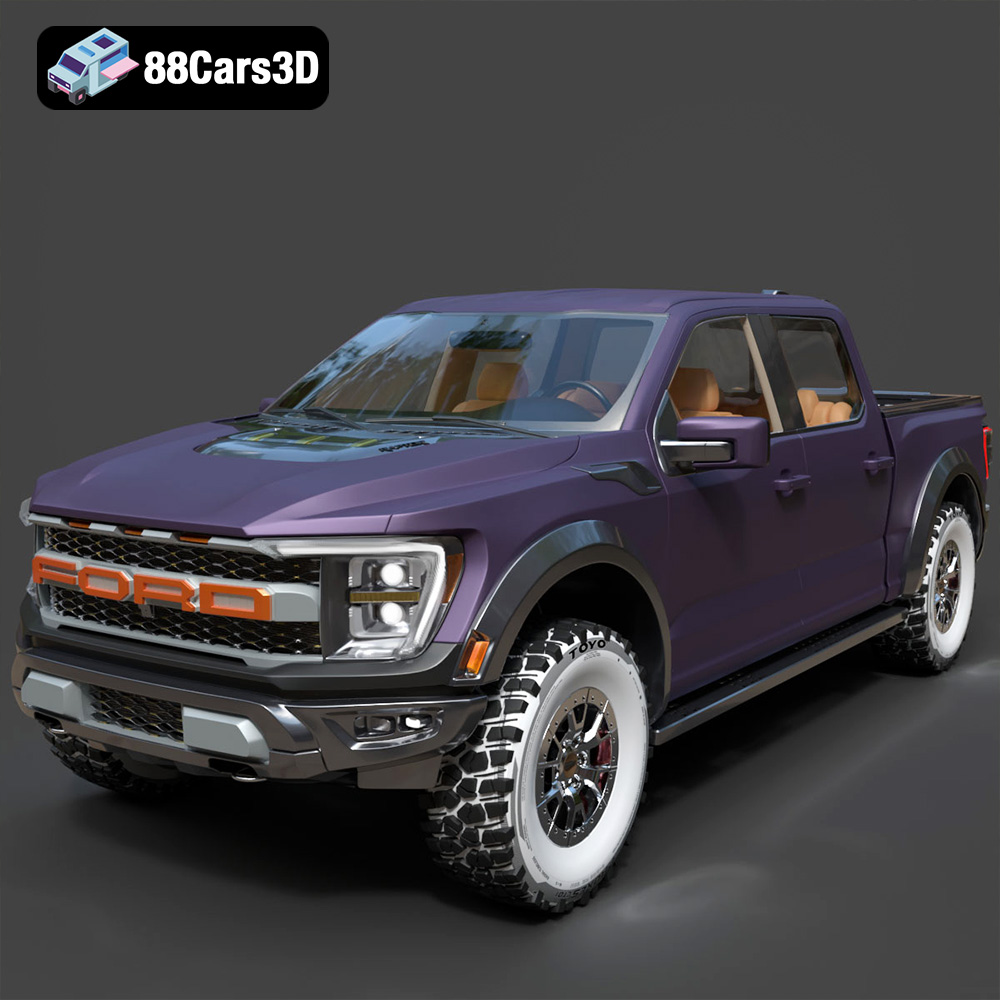
Texture: Yes | Material: Yes Download the ultra-high-detail Ford F-150 Raptor 2021 3D Model (8.73M Triangles). Features uncompromised widebody styling, fully modeled Fox Live Valve suspension, 37-inch tires, and interior. Perfect for premium VFX, cinematic rendering, and ArchViz. Includes .blend, .fbx, .obj, .glb, .stl, and .max formats.
Price: $29.99
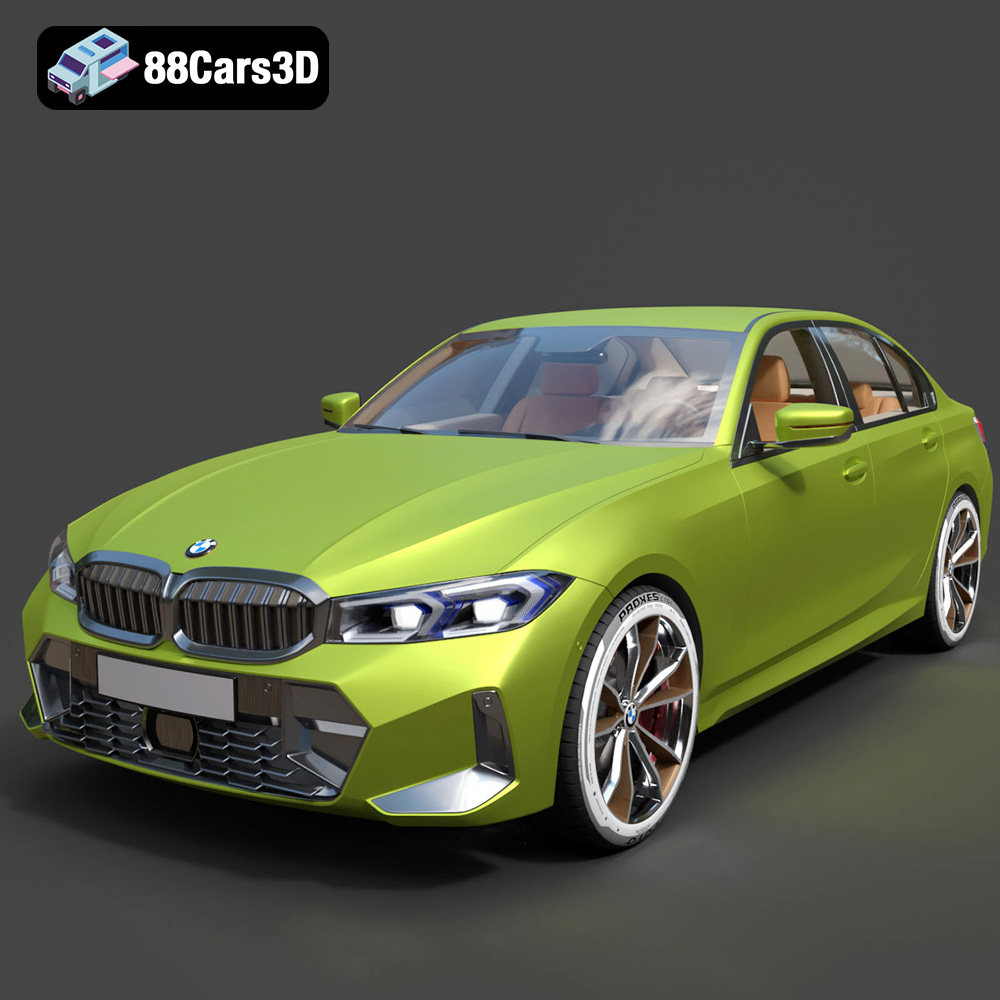
Texture: Yes | Material: Yes Download the ultra-high-detail BMW 3 Series Limousine (2022) 3D Model (4.16M Triangles). Features the modernized G20 LCI exterior, the all-new BMW Curved Display interior, and ultra-dense topology. Perfect for ArchViz, VFX, and cinematic rendering. Includes .blend, .fbx, .obj, .glb, .stl, and .max formats.
Price: $19.99
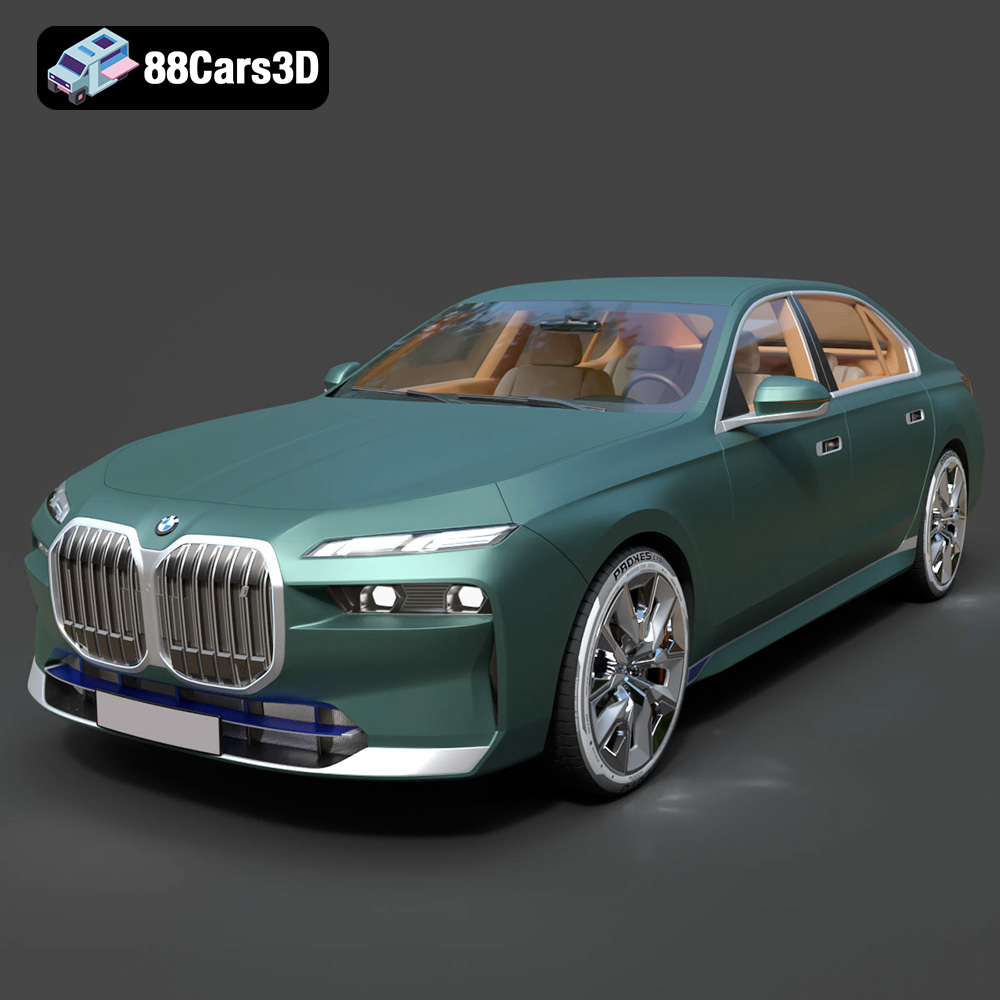
Texture: Yes | Material: Yes Download the ultra-high-detail BMW i7 (2023) 3D Model (4.14M Triangles). Features the illuminated kidney grille, split crystal headlights, fully modeled Theatre Screen interior, and monolithic luxury styling. Perfect for ArchViz, VFX, and cinematic rendering. Includes .blend, .fbx, .obj, .glb, .stl, and .max formats.
Price: $19.99
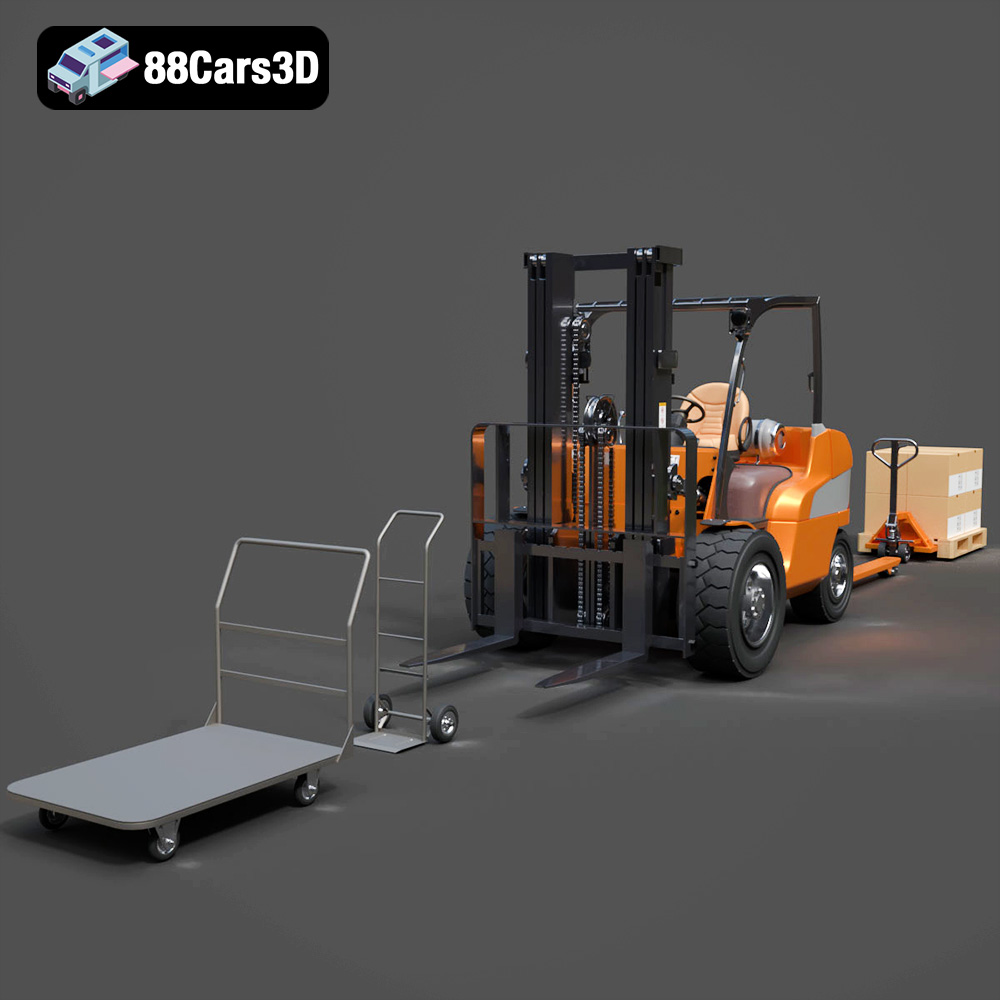
Texture: Yes | Material: Yes Download the highly detailed CAT Manual Loader & Warehouse Carts Kit 3D Model (2.4M Triangles). Features a macro-detailed hydraulic pallet jack, heavy-duty forks, and transport carts. Perfect for industrial ArchViz, factory rendering, and logistics simulations. Includes .blend, .fbx, .obj, .glb, .stl, and .max formats.
Price: $19.99

Texture: Yes | Material: Yes
Download the highly optimized Mazda CX-5 2014 3D Model (294k Triangles). Features the dynamic Kodo design language, signature grille, and a clean interior. Perfectly balanced for ArchViz, background traffic, and game development. Includes .blend, .fbx, .obj, .glb, .stl, and .max formats.
Price: $19.99
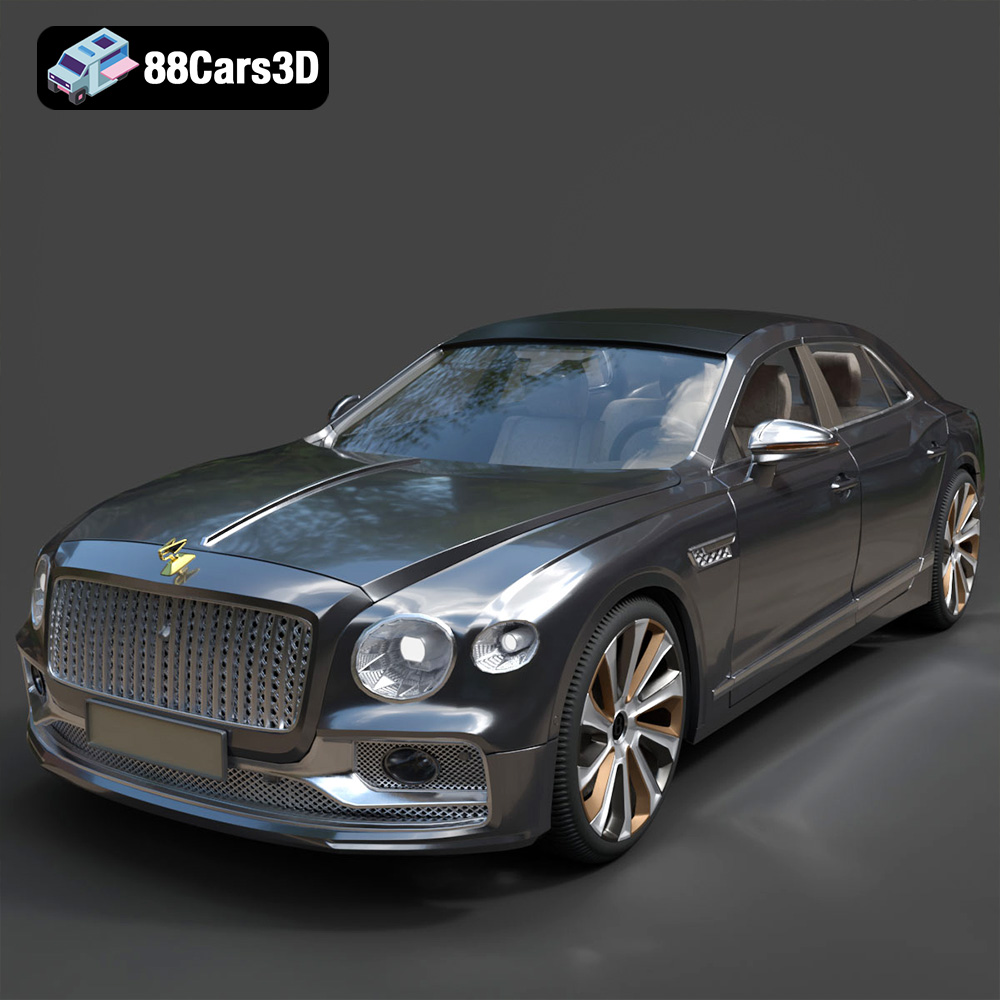
Texture: Yes | Material: Yes Download the ultra-high-detail Bentley Flying Spur Mulliner 2022 3D Model (2.94M Triangles). Features the bespoke Double Diamond grille, a fully modeled diamond-quilted interior, and exquisite luxury styling. Perfect for high-end ArchViz, VFX, and cinematic rendering. Includes .blend, .fbx, .obj, .glb, .stl, and .max formats.
Price: $19.90
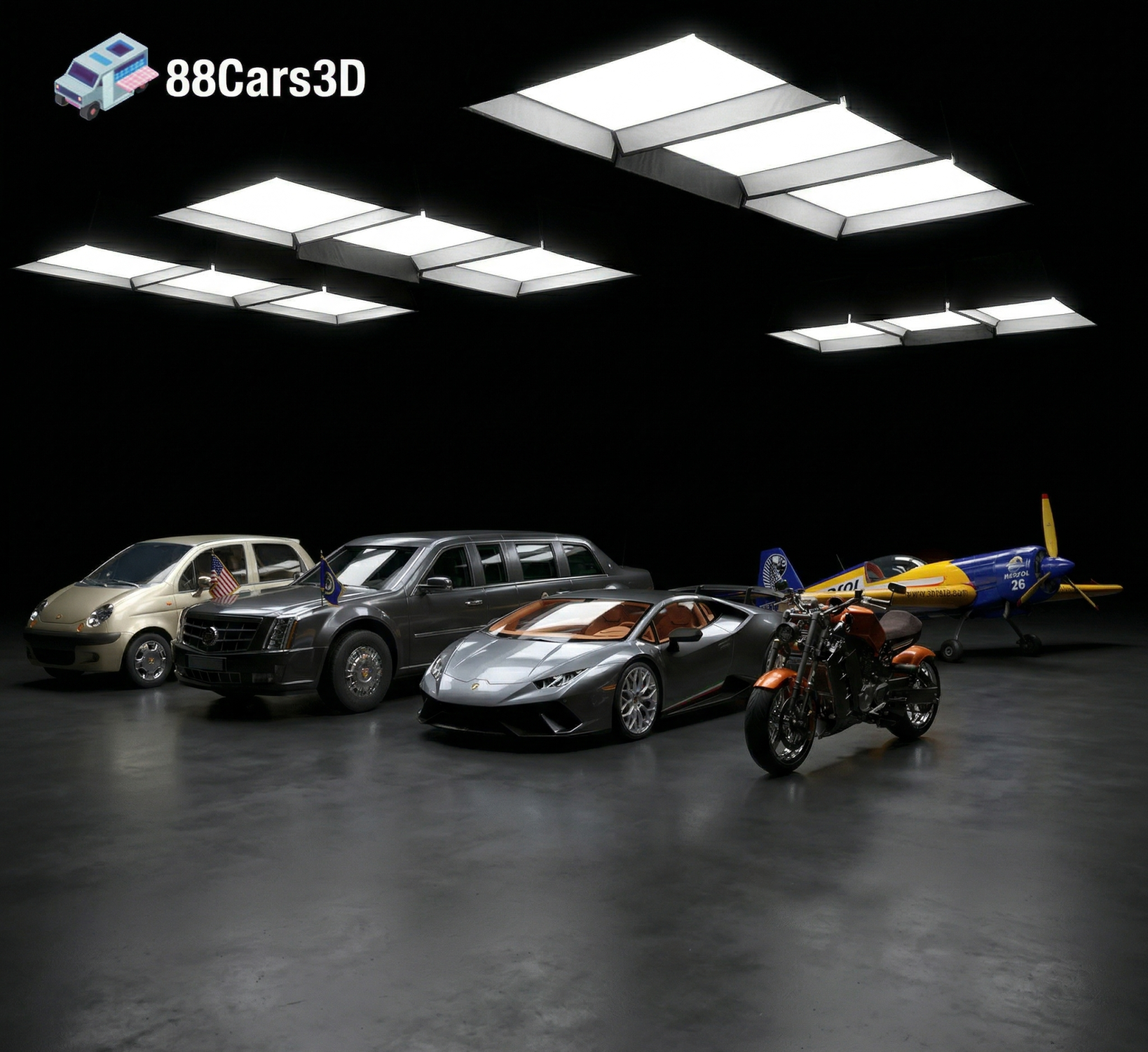
Texture: Yes | Material: Yes | 3D Printable: Yes. Download the Ultimate Creators’ Showcase featuring 5 premium 3D models: Lamborghini Huracan, ZAV Concept Motorcycle, Sukhoi SU-26, Presidential Limousine, and Daewoo Damas. Optimized for 4K CGI rendering and 3D printing. Save massive with this exclusive multi-category bundle!
Price: $99.99

Texture: Yes | Material: Yes | 3D Printable: Yes. Download the Italian Thoroughbreds Bundle featuring 5 iconic 3D models: Lamborghini Huracán Performante, Ferrari 458 Italia, Lamborghini Urus, Diablo SV, and Maserati GT. Optimized for 4K rendering and 3D printing (STL included). Save 50% with this ultimate Italian vehicle collection.
Price: $199.99

Download the Elite Future Mobility Bundle featuring 4 highly optimized 3D models: Tesla Model S, Avatr 11, Li L9, and Zoox Robotaxi. Perfect for ArchViz, Smart City renders, and game dev. Optimized for Unreal Engine and Blender. Includes .fbx, .obj, and .max formats.
Price: $99

🚗 5 Iconic German Cars (BMW M4 G82, M5 CS, X3, 1 Series & Mercedes E-Class). ✅ Optimized for ArchViz: Ready for Corona & V-Ray. 💰 Save €71 with this limited-time collection! 🚀 Instant Download after purchase.
Price: $119

