Get 50% OFF All Premium 3D & STL Models!

The landscape of urban planning, architectural visualization, and interactive entertainment is undergoing a dramatic transformation. As our cities evolve into smart, interconnected ecosystems, the vehicles that populate them must reflect this progressive shift. Electric vehicles (EVs) are no longer a niche concept; they are the present and future of personal and public transportation. For 3D artists, designers, and developers, this means a growing demand for high-quality, culturally relevant, and technically robust 3D car models that accurately represent the cutting edge of automotive design.
Capturing the sleek lines, advanced aesthetics, and unique characteristics of modern EVs requires more than just generic car models. It demands precision, optimization, and a keen eye for detail. This is where specialized asset bundles become invaluable. Imagine having instant access to a collection of the most iconic and futuristic electric vehicles, ready to be dropped into your next architectural render, game environment, or virtual production scene. The Future of Mobility: Smart City EV 3D Models Bundle (5-in-1 Pack) from 88cars3d.com is designed precisely for this purpose. This comprehensive package provides not only the latest in EV design but also the crucial infrastructure element of an EV charging station, ensuring your digital worlds are truly future-proof and visually compelling.
The digital realm mirrors the physical world, and the rapid adoption of electric vehicles has profoundly impacted how we approach automotive 3D design and visualization. Artists and developers are constantly striving for realism and relevance, making the inclusion of modern EVs essential for any contemporary project.
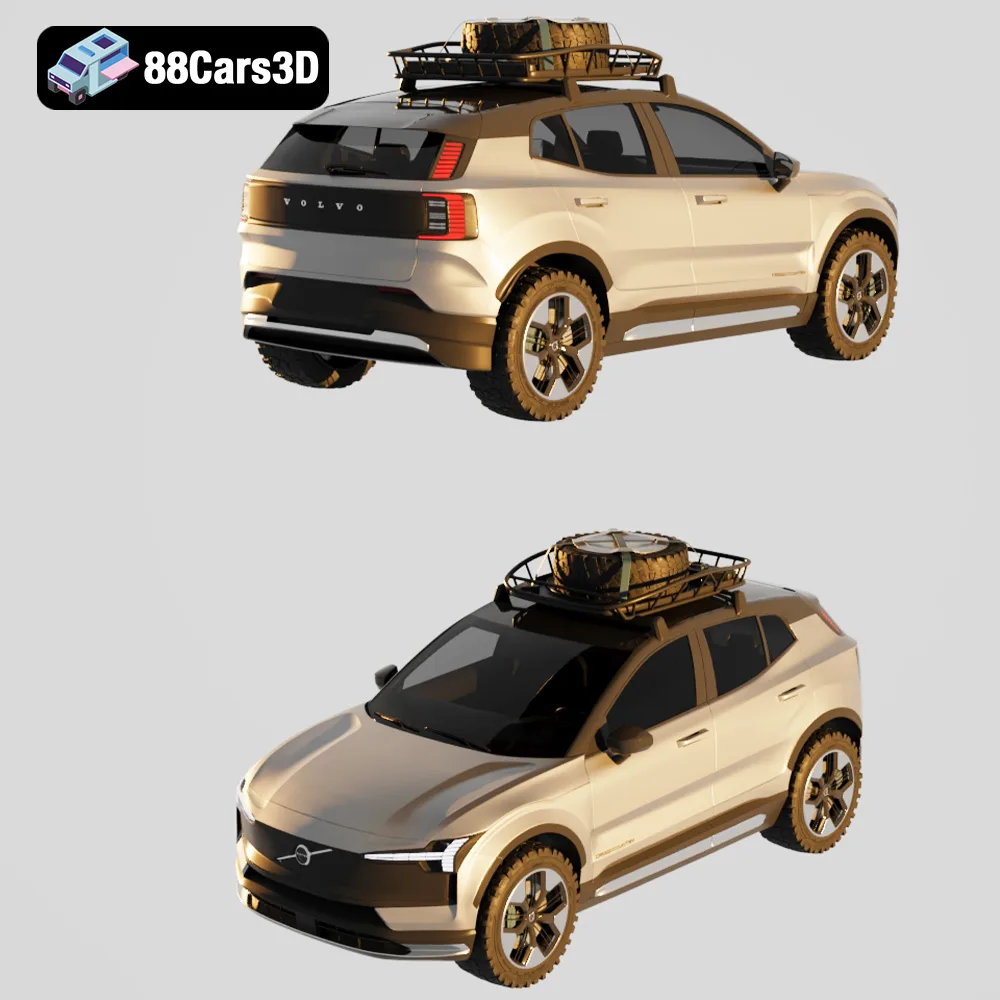
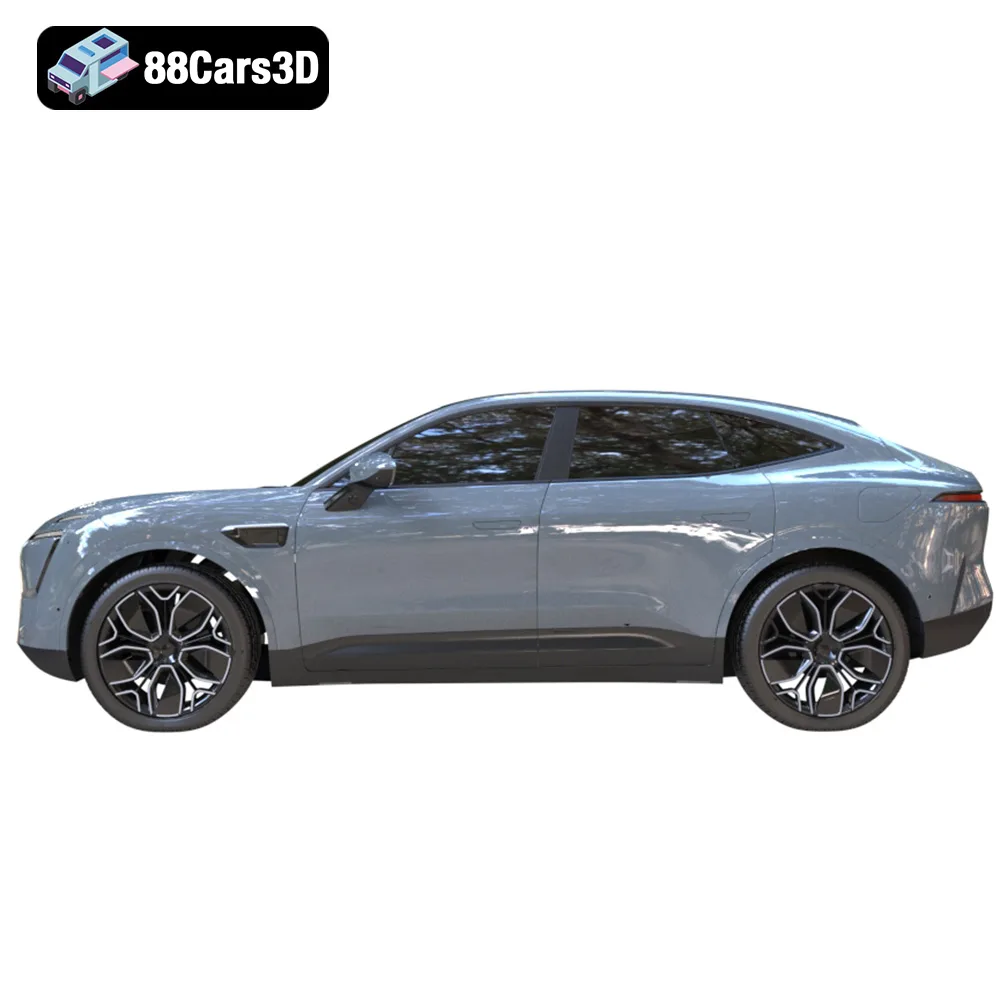
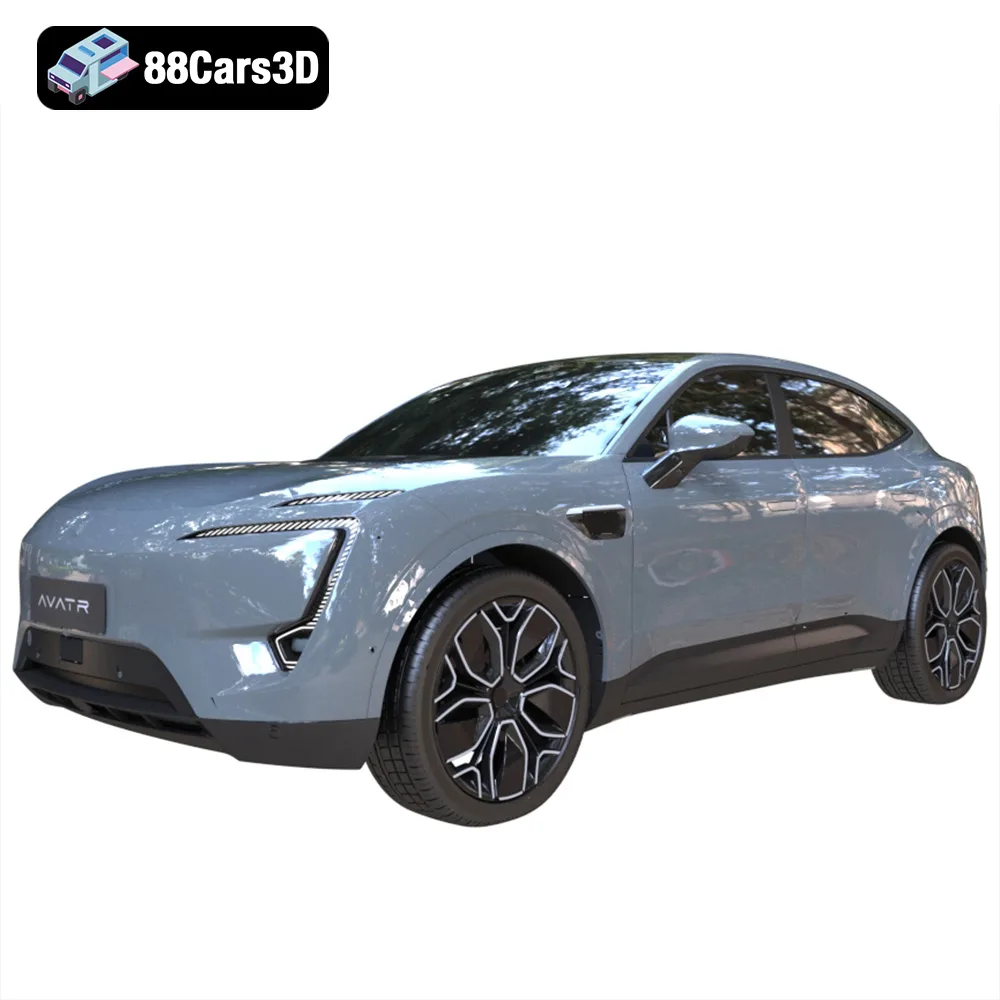
Gone are the days when a generic combustion engine vehicle sufficed for every scene. Today’s audiences expect to see the vehicles they encounter in daily life reflected in digital environments. Electric vehicles, with their distinct design language—closed grilles, intricate LED light clusters, and aerodynamic profiles—present unique modeling challenges and opportunities. For architectural visualization, parking a Volvo EX30 Cross Country or a Tesla Model S in front of a modern home instantly conveys a sense of sophistication and environmental consciousness. In game development, populating a city with AVATR 11 Electric SUVs or Porsche Taycan Turbo S Cross Turismos creates an immersive and forward-thinking atmosphere. This bundle directly addresses this need by providing premium 3D car models that are not only accurate but also designed to integrate seamlessly into diverse projects.
The demand for automotive 3D models typically falls into two broad categories: high-fidelity assets for static rendering (Architectural Visualization, product showcases) and optimized assets for real-time environments (game development, AR/VR). Historically, these two areas required different approaches to asset creation. However, modern workflows increasingly demand versatility. A single asset often needs to serve both purposes, requiring a delicate balance between polygon count, texture detail, and optimization for performance. The “Future of Mobility” bundle is meticulously crafted to bridge this gap, offering models with clean topology and optimized geometry that look stunning in a ray-traced render while remaining performant enough for dense game environments. The inclusion of separated parts for wheels, doors, and steering components further enhances their utility for interactive applications.
Choosing the right 3D model file format is a critical decision that impacts workflow, compatibility, and the ultimate utility of an asset. Professionals must understand the strengths and limitations of each format to ensure seamless integration into their diverse projects. The 88cars3d.com Smart City EV Bundle offers a wide array of formats, providing maximum flexibility for any pipeline.
The “Future of Mobility” bundle provides these crucial formats, ensuring that whether your pipeline involves high-resolution cinematic rendering in 3ds Max, real-time interactive experiences in Unreal Engine, or tangible 3D prints, you have the right version of each vehicle at your fingertips.
The true value of premium 3D car models lies in their underlying technical execution. It’s not just about how they look, but how they are built, optimized, and prepared for diverse applications. The Smart City EV Bundle from 88cars3d.com demonstrates exemplary technical craftsmanship, making these assets a sound investment for any professional.
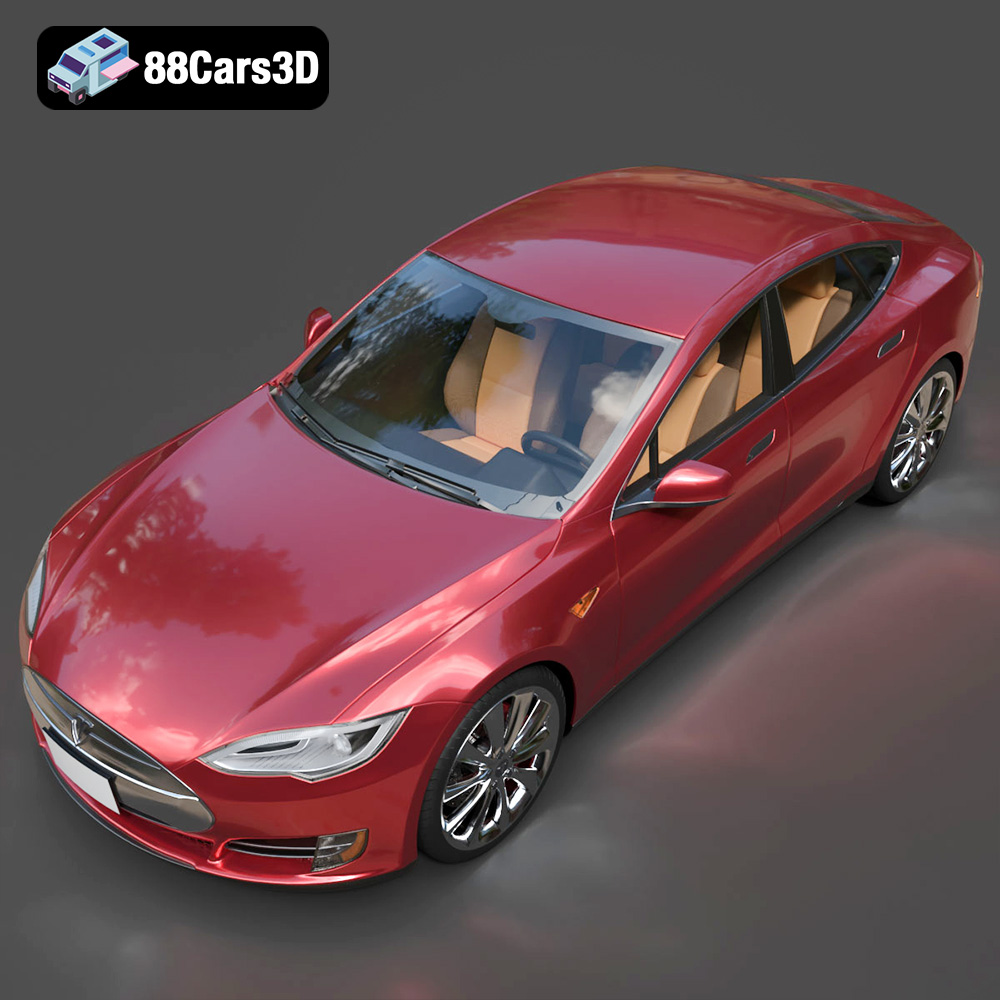
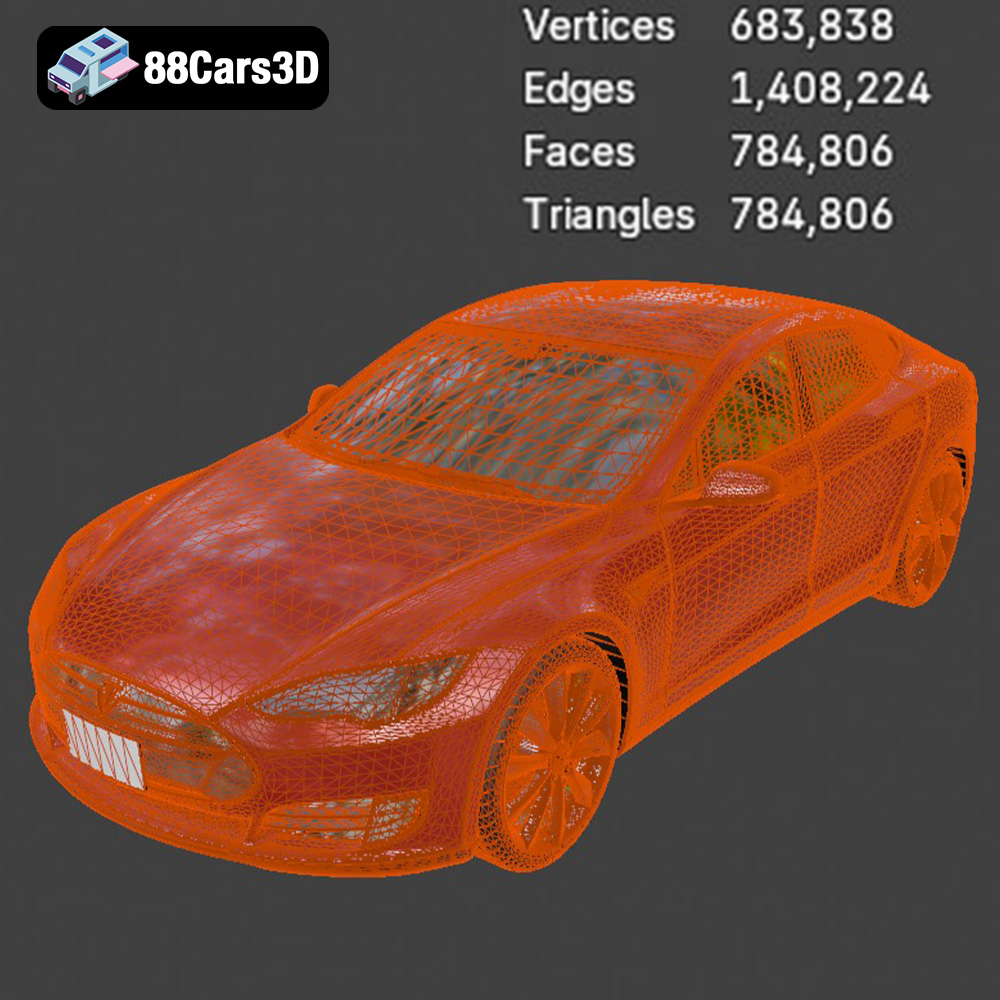
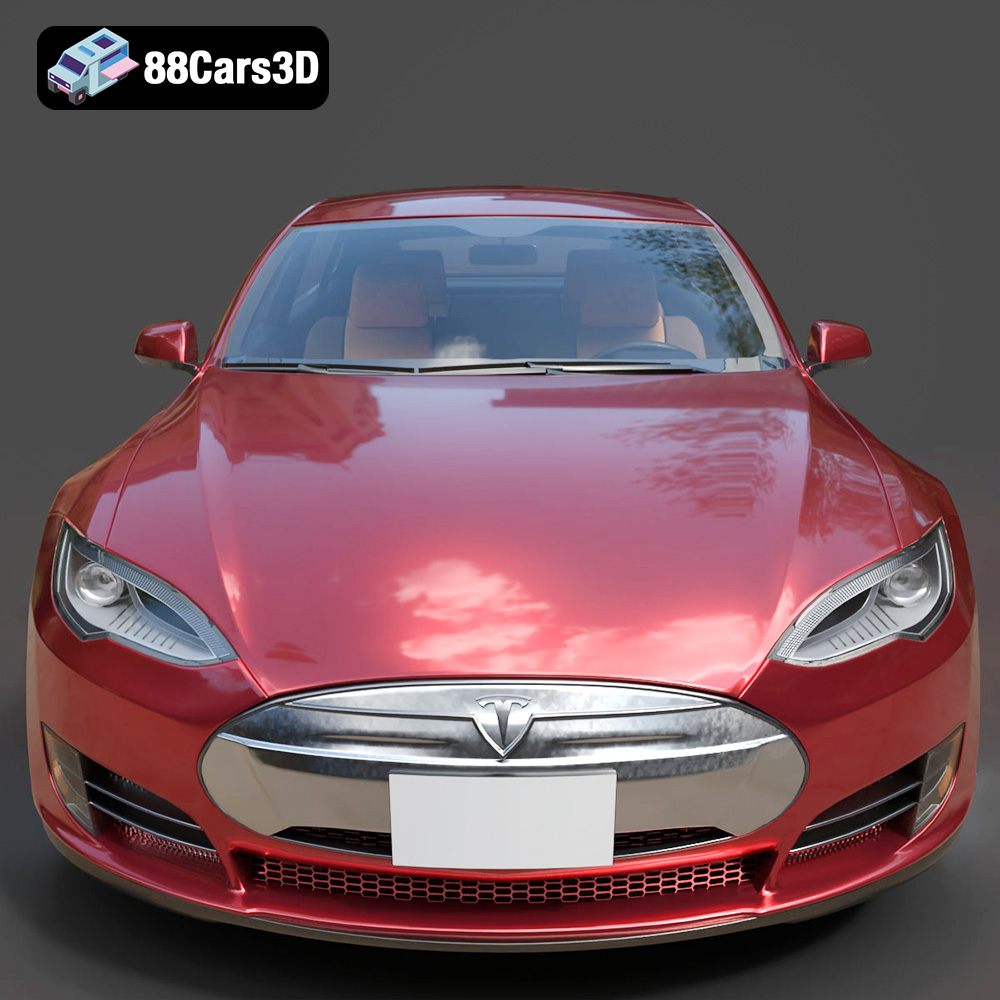
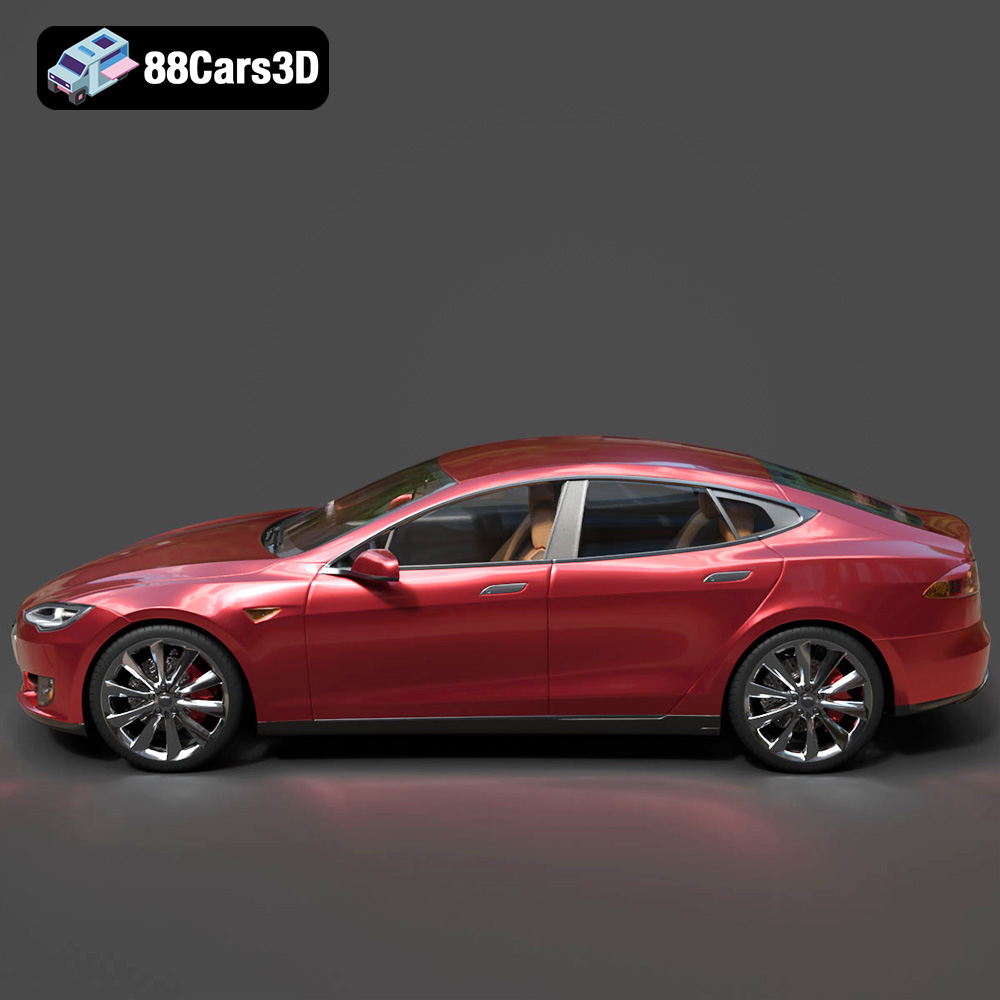
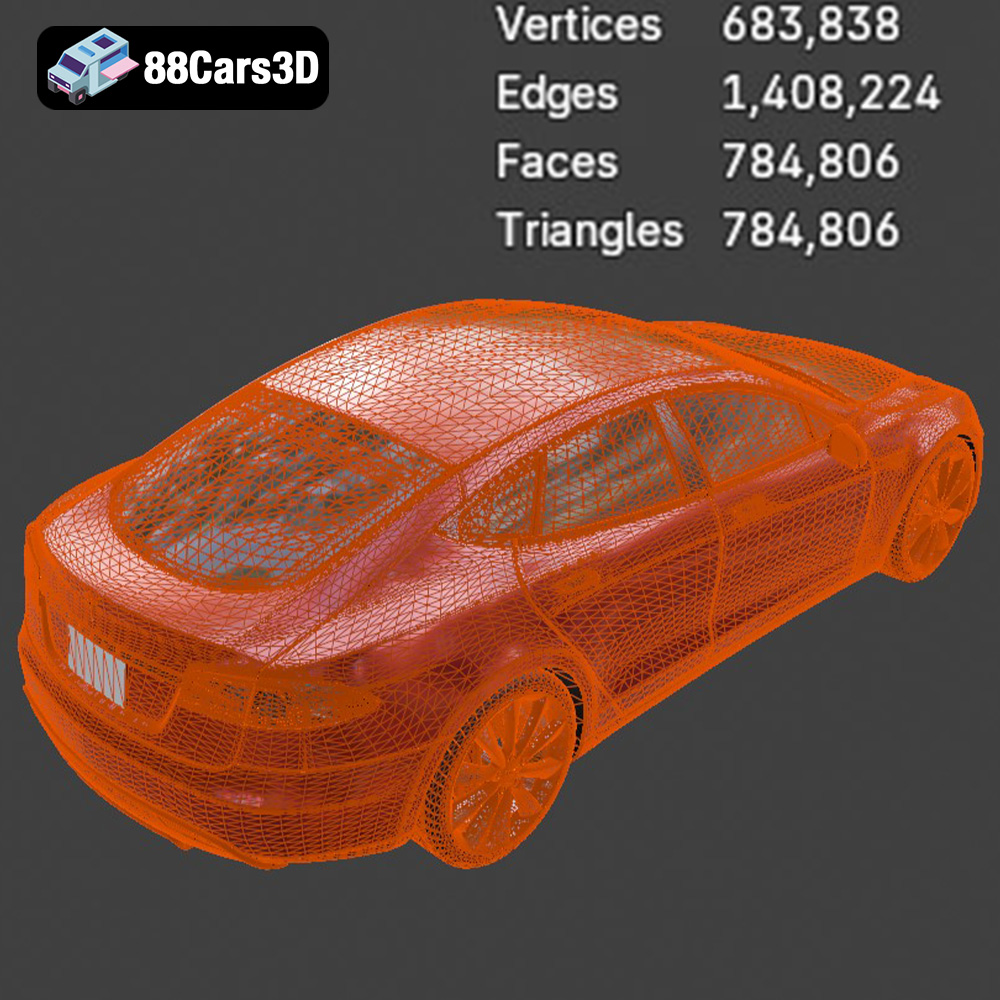
At the core of any high-quality 3D model is its topology. The models in this bundle boast “clean topology” and “quad-heavy geometry,” which are critical for several reasons. Quad-based meshes are inherently more flexible and predictable during deformation and subdivision, preventing unsightly pinching or artifacts. This is paramount for achieving “smooth subdivisions” when applying turbosmooth or subdivision surface modifiers, ensuring that details like the sleek body panels of the Tesla Model S or the intricate elements of the AVATR 11 remain flawless even at high render resolutions. Furthermore, the description highlights “optimized mid-poly geometry.” This is a sophisticated balance, providing enough detail for close-up hero shots without burdening real-time engines with excessive polygon counts. This optimization means less time spent reducing polygons and more time focused on creative output, allowing these assets to function beautifully as both foreground elements and dense background traffic.
While not explicitly mentioned as “UVs,” the “flawless exterior topology that reflects light beautifully in ray-traced rendering engines” inherently implies meticulously crafted UV maps. Proper UV mapping is essential for seamless texture application and ensures that light and reflections behave realistically across complex surfaces, critical for achieving photo-realistic automotive rendering.
Accuracy and functionality are key for professional 3D assets. The “Future of Mobility” bundle excels in these areas:
These technical specifications collectively contribute to assets that are not only visually appealing but also functionally robust, reducing pipeline friction and accelerating project completion.
The true measure of a 3D asset’s utility lies in how effectively it integrates into professional workflows. The “Future of Mobility: Smart City EV 3D Models Bundle” is designed with this in mind, offering unparalleled flexibility for various industry applications.
For architectural visualization (ArchViz) artists, realism is paramount. Dropping a generic car into a high-end architectural render can instantly break immersion. Modern, iconic vehicles like the Volvo EX30 Cross Country or the sleek Tesla Model S, paired with the Siemens SiCharge EV Charging Station, elevate any scene. In a typical workflow using 3ds Max with renderers like Corona or V-Ray, an artist would:
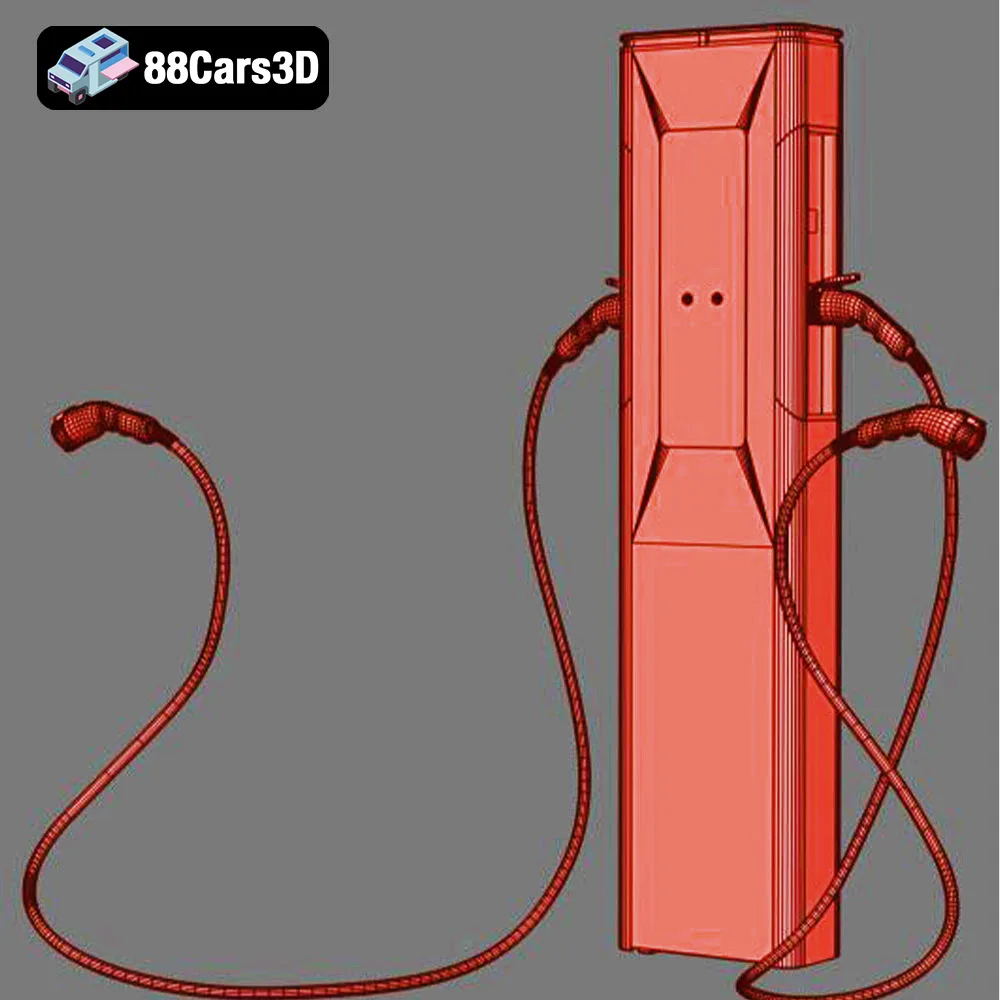
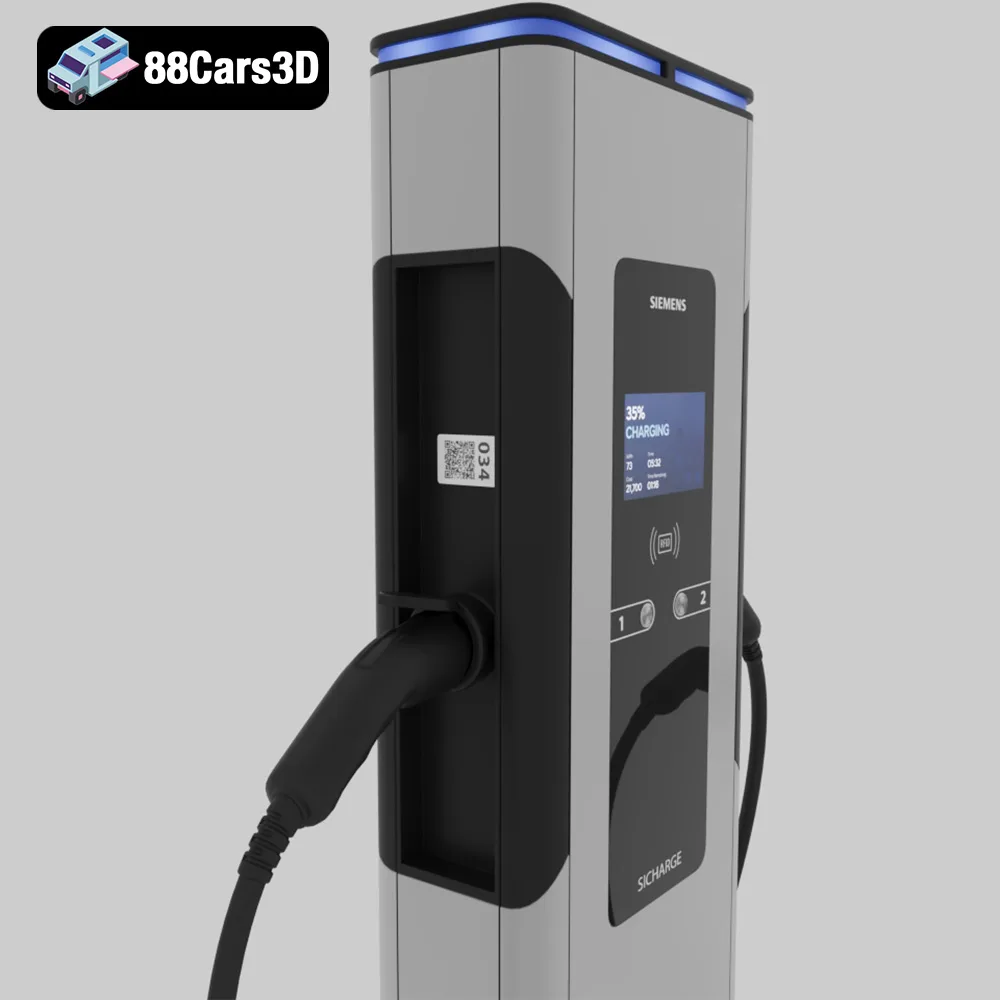
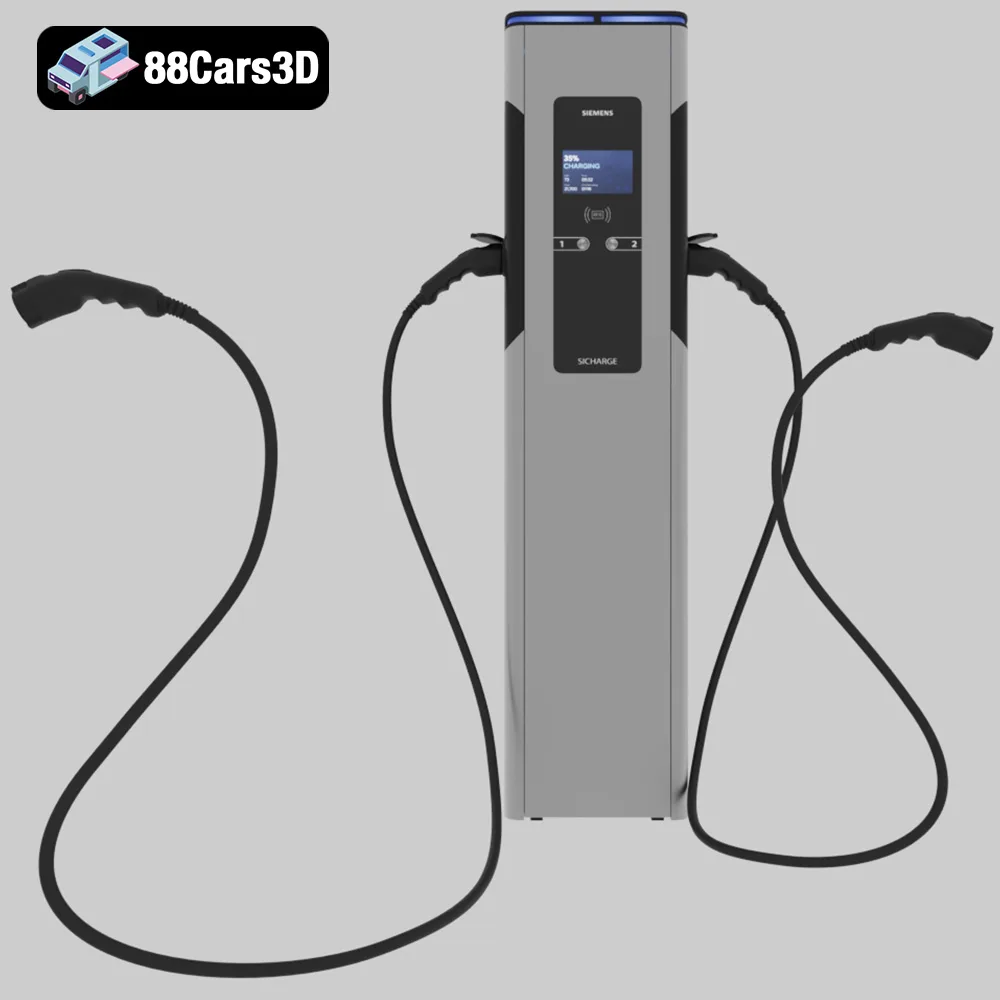
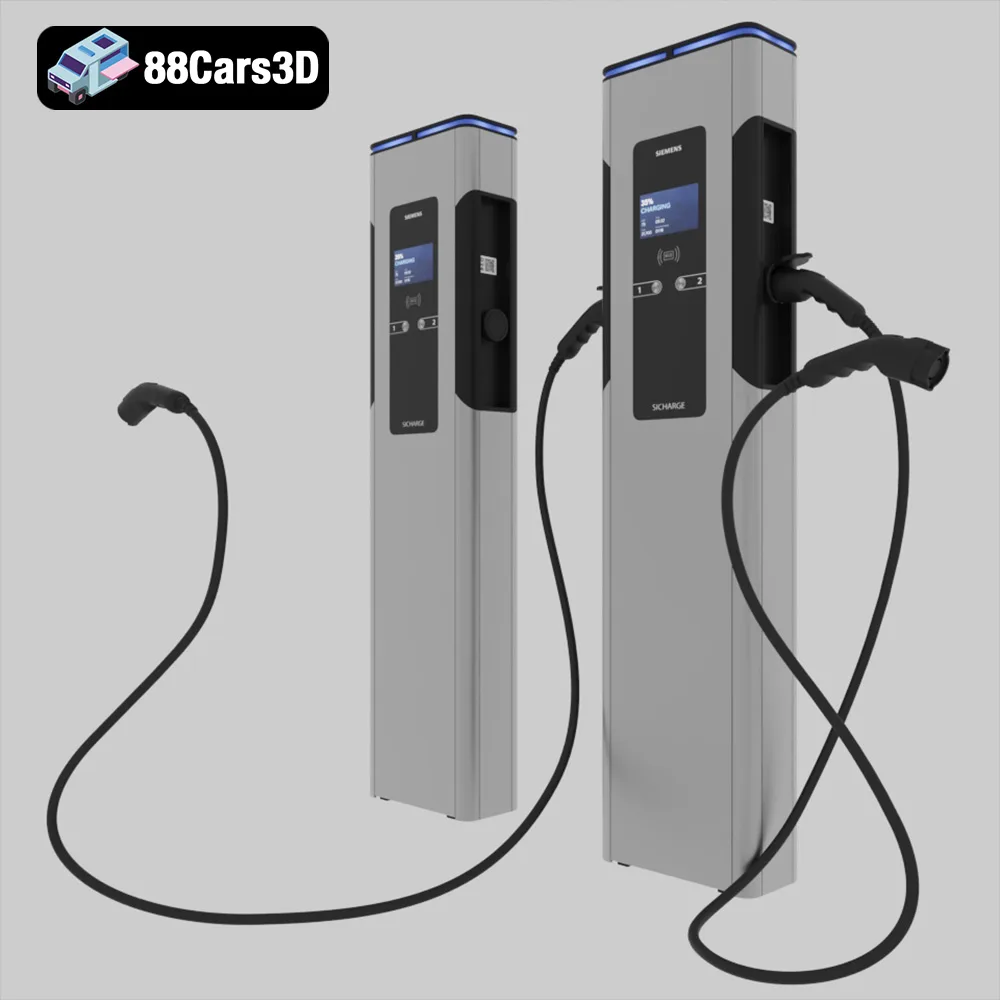
The addition of the Siemens SiCharge EV Charging Station is a game-changer for authenticity, transforming a simple parking spot into a believable, modern smart-home context.
Game developers demand efficient, performant, and versatile assets. The “Future of Mobility” bundle is engineered for real-time environments:
These assets enable rapid prototyping and final-quality integration, making them excellent game assets for open-world, near-future city simulators.
Beyond traditional rendering and gaming, 3D car models are central to cutting-edge applications like virtual production and interactive digital showrooms. The versatility of the bundle supports these emerging fields:
The diverse file formats and technical quality ensure that the bundle’s 3D car models are ready for the evolving demands of digital media production.
The utility of high-quality 3D car models extends beyond pixels and polygons into the tangible world of physical objects. For enthusiasts, designers, and hobbyists, the ability to transform a digital model into a physical miniature or prototype offers a unique dimension of engagement. The “Future of Mobility” bundle specifically caters to this, providing `.stl` files optimized for 3D printing.
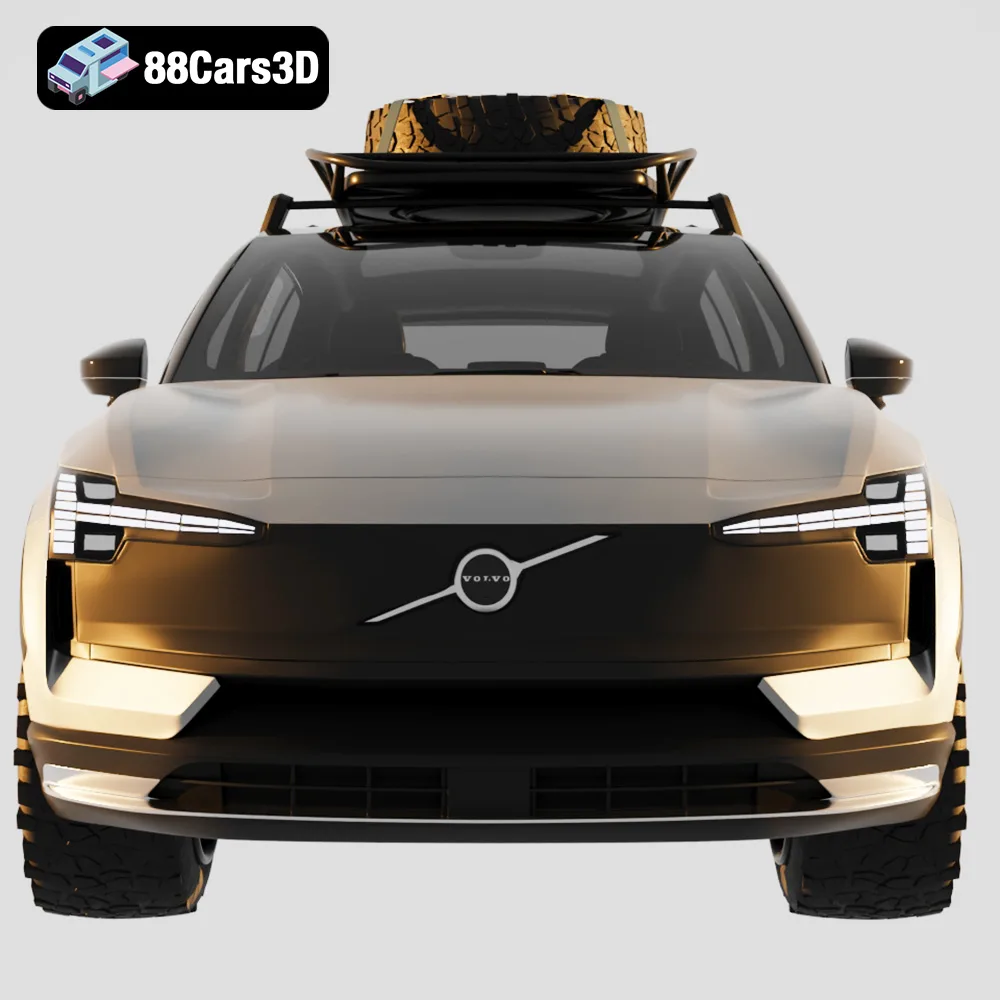
3D printing requires precise digital geometry. The `.stl` format is the industry standard for sending models to 3D printers, representing the object’s surface as a tessellated mesh of triangles. Crucially, for a successful print, the mesh must be “manifold,” meaning it has no holes, self-intersections, or inverted normals – effectively, it must be “watertight.” While not explicitly stated, the professional-grade “clean topology” and “optimized mid-poly geometry” of the models in this bundle strongly suggest they are built with robust, manifold geometry, making them excellent candidates for 3D printing without extensive cleanup. This is vital for ensuring that the intricate details of the Volvo EX30’s Thor’s Hammer headlights or the Porsche Taycan’s aggressive aerodynamic wheels translate faithfully into a physical model.
For designers, having a 3D printable version of these modern EVs means they can create physical prototypes for scale models, design reviews, or even as collectible diecast models. This capability bridges the gap between digital ideation and physical manifestation, a key aspect of contemporary product development and personal fabrication.
To achieve the best results when 3D printing these highly detailed electric vehicles, specific print settings and post-processing steps are recommended:
By following these guidelines, enthusiasts can transform the digital brilliance of these 3D car models into stunning physical representations, making the “Future of Mobility” bundle a truly versatile asset for both virtual and tangible creations.
In a fast-paced digital design industry, having access to premium, ready-to-use assets is not just a convenience; it’s a strategic advantage. The “Future of Mobility: Smart City EV 3D Models Bundle” from 88cars3d.com exemplifies this by offering an unbeatable combination of quality, relevance, and efficiency.
Modeling a single high-fidelity 3D car model from scratch can take hundreds of hours for a skilled artist, let alone five distinct vehicles and a detailed charging station. This involves extensive research, blueprint matching, meticulous poly modeling, UV mapping, and material creation. The time and cost associated with this process can be prohibitive for many projects. By opting for a curated bundle like this, artists and studios instantly gain access to a collection of assets that would individually represent a total value of €184.95, but are available at a significant discount.
This translates directly into saved labor hours, reduced project timelines, and optimized budgets. Instead of dedicating valuable resources to asset creation, teams can focus on creative iteration, scene assembly, animation, or game logic. Furthermore, purchasing a bundle ensures a consistent level of quality and optimization across all included assets, eliminating the need to reconcile disparate models from various sources.
The automotive industry is in constant flux, with new models and technologies emerging rapidly. Investing in 3D car models that accurately reflect current trends, particularly the shift to electric vehicles, is crucial for keeping your digital library relevant and your projects cutting-edge. The “Future of Mobility” bundle focuses on modern, recognizable EVs – the Volvo EX30, Tesla Model S, AVATR 11, and Porsche Taycan – along with essential infrastructure like the Siemens SiCharge EV Charging Station. These are not generic cars; they are symbols of contemporary innovation and design.
By integrating these types of relevant 3D car models into your workflow, you ensure your architectural renders appear current, your game environments feel authentic and futuristic, and your virtual productions resonate with modern audiences. 88cars3d.com specializes in providing high-quality, up-to-date automotive assets, ensuring that your investment in their products helps future-proof your creative endeavors.
The digital landscape demands realism, relevance, and technical excellence. As the world accelerates towards smart cities and electric mobility, the need for high-quality 3D car models that reflect this future has never been greater. For architectural visualization, game development, virtual production, and even 3D printing enthusiasts, sourcing accurate, optimized, and versatile assets is paramount.
The Future of Mobility: Smart City EV 3D Models Bundle (5-in-1 Pack) stands out as an exceptional solution, providing a meticulously crafted collection of modern electric vehicles and an essential EV charging station. From its clean topology and real-world scale to its comprehensive range of file formats and optimized components for interactivity, this bundle empowers artists and developers to create immersive, current, and visually stunning digital experiences. By leveraging such premium assets, professionals can save valuable time, enhance the realism of their projects, and confidently navigate the evolving demands of automotive rendering and game asset development. Invest in the future of your digital creations with the best in 3D car models.
The Future of Mobility 3D Models Bundle is the ultimate, eco-conscious collection designed for modern architectural visualization (ArchViz), smart-city game environments, and forward-thinking digital showrooms. As the world transitions to electric vehicles, 3D artists need premium, realistic EV assets to make their renders culturally relevant and visually striking. This comprehensive 5-in-1 package provides exactly that. Instead of sourcing these high-quality models individually (Total Value: €184.95), this bundle gives you four of the most recognizable modern electric vehicles plus a highly detailed EV charging station at an unbeatable discount. What’s Included in the Bundle? 1. Volvo EX30 Cross Country Electric Crossover (Individual Value: €59.99) The epitome of modern Scandinavian design. This rugged yet futuristic crossover features Volvo’s signature closed-off grille, Thor’s Hammer LED headlights, and an optimized mid-poly geometry perfect for architectural driveways. 2. Tesla Model S (Individual Value: €49.99) The pioneer of the EV revolution. A sleek, aerodynamic luxury sedan boasting fluid lines, flush door handles, and a flawless exterior topology that reflects light beautifully in ray-traced rendering engines. 3. AVATR 11 Electric SUV (Individual Value: €24.99) A cutting-edge, next-generation electric SUV with bold, sci-fi-inspired proportions, ultra-slim LED light bars, and an aggressive stance. Perfect for setting a futuristic tone in any virtual city. 4. Porsche Taycan Turbo S Cross Turismo 2021 (Individual Value: €24.99) The absolute pinnacle of electric performance and luxury. Captures the iconic Porsche silhouette blended with a practical, shooting-brake wagon design and aggressive aerodynamic wheels. 5. Siemens SiCharge EV Charging Station (Individual Value: €24.99) The missing piece for a truly realistic scene! Drop this ultra-detailed electric vehicle charger into your garage, parking lot, or streetscape renders to give your project an authentic, smart-city feel. Key Features Across All Models: • EV-Specific Details: Accurate representation of electric vehicle features, including closed grilles, futuristic LED light clusters, and distinct aerodynamic wheel designs. • Separated Parts: Wheels, doors, and steering components are intelligently separated, allowing for easy rigging and interaction in game engines. • Clean Topology: Highly optimized, quad-heavy geometry ensures smooth subdivisions and zero shading artifacts. Beautifully balanced for both foreground hero shots and dense background traffic. Technical Specifications & Advantages: • Scale: 100% Real-world scale accuracy based on factory dimensions. • Pivots: Proper pivot point setup for wheels and steering, ready for vehicle physics controllers. • Environment Ready: Whether you are building an Unreal Engine 5 metropolis or a Corona-rendered eco-villa, these assets drop in perfectly without overloading your poly count. Applications: • ArchViz: Instantly upgrade your architectural renders by parking a Taycan or EX30 next to the Siemens SiCharge station in a modern smart-home driveway. • Game Development: Excellent as drivable vehicles or high-quality traffic in open-world, near-future city simulators. • Virtual Production: Ideal for automotive commercials, VFX shots, and interactive VR EV configurators. 3D Print Setting (For Diecast Enthusiasts): • Recommended scale: 1:24 / 1:32 / 1:43 • Layer height: 0.04–0.05 mm (SLA/Resin printing recommended to capture intricate EV details and rims). • Orientation: Print bodies at an angle to ensure smooth roofs; print wheels and the charging station separately. Included File Formats: .blend, .fbx, .obj, .glb, .stl, .max (Varies slightly per model, but universal exchange formats are guaranteed).
$89.99
archviz-pack
avatr-11
car-bundle
eco-friendly
electric-vehicle-3d-model
ev-bundle
ev-charger-3d
game-ready
porsche-taycan
smart-city
tesla-model-s
volvo-ex30