Get 50% OFF All Premium 3D & STL Models!

The world of 3D modeling has revolutionized industries from automotive design and marketing to game development and virtual reality. At the heart of many of these applications lie meticulously crafted 3D car models. These digital assets are far more than just pretty pictures; they are versatile tools that empower creators to visualize, simulate, and interact with automotive designs in unprecedented ways. Whether you’re creating photorealistic automotive renderings, developing immersive racing games, or prototyping new vehicle concepts, the quality and availability of your 3D car models are paramount. In this comprehensive guide, we’ll delve deep into the world of 3D car models, exploring their applications, technical specifications, and optimal workflows.
3D car models are no longer confined to a single industry; their adaptability makes them valuable assets in a wide range of fields.
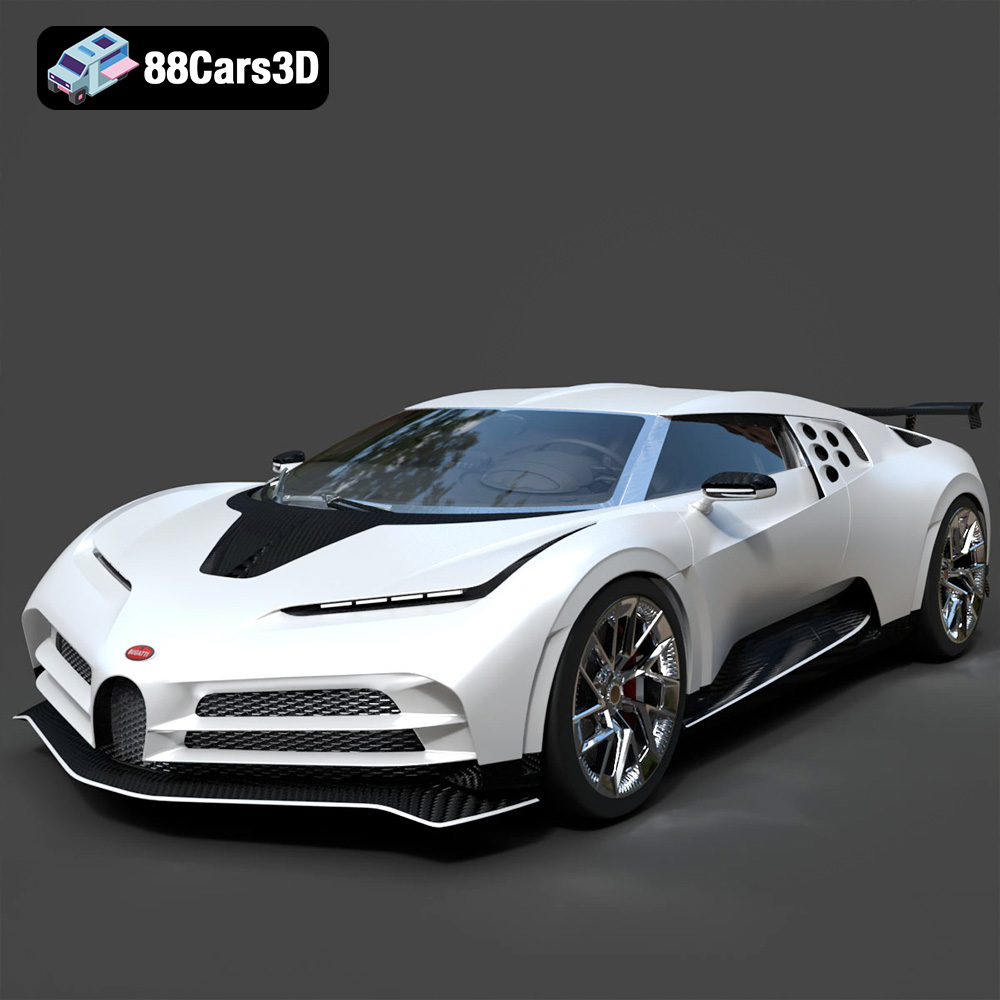
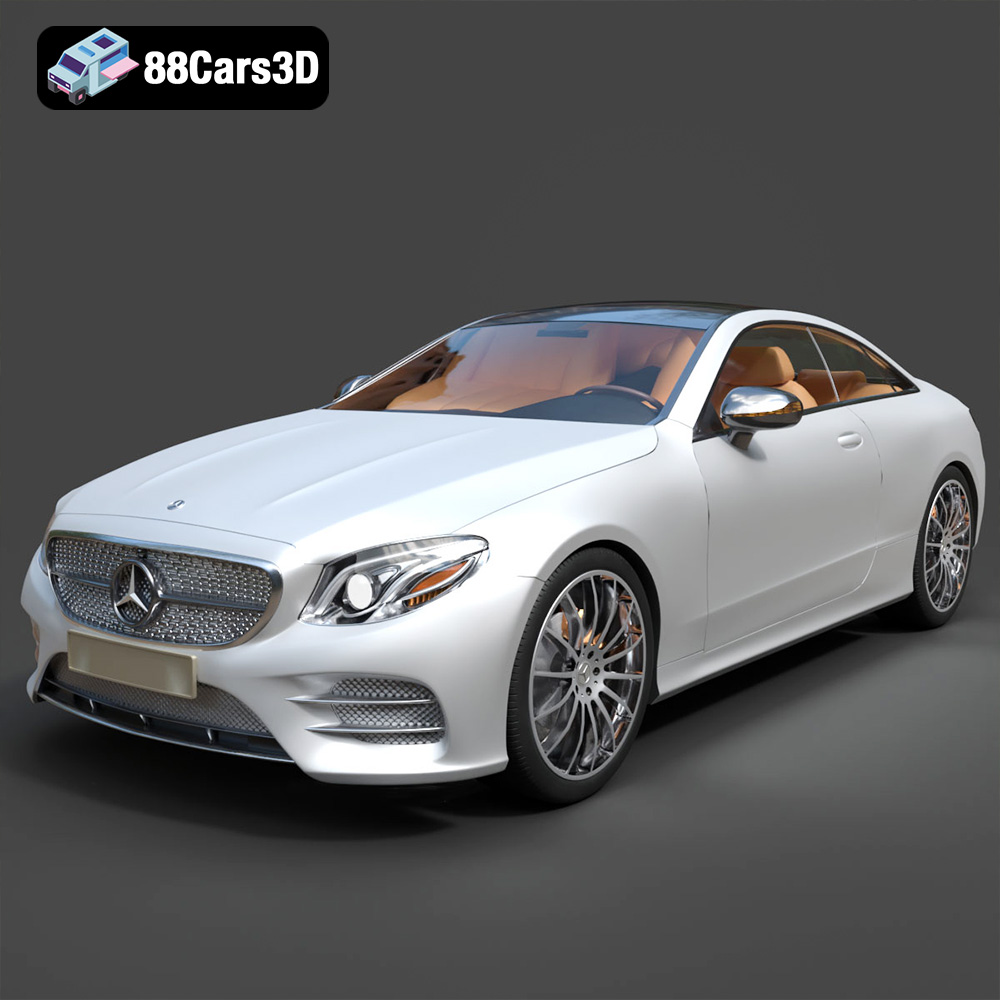
High-quality 3D car models are essential for creating stunning visuals in automotive marketing and advertising. These renderings allow manufacturers to showcase vehicles in photorealistic detail, highlighting design features and creating emotional connections with potential customers. Software like V-Ray, Corona Renderer, and Octane Render are frequently used with 3D models to achieve these results. Car configurators, allowing customers to customize vehicles online, also heavily rely on accurate and visually appealing 3D car models.
From racing games to open-world driving simulations, 3D car models form the backbone of the automotive experience. Game developers require optimized models that strike a balance between visual fidelity and performance, ensuring a smooth and immersive gameplay experience. The assets on 88cars3d.com are designed to meet the specific requirements of various game engines, delivering exceptional quality without compromising performance.
Augmented and Virtual Reality applications are increasingly incorporating 3D car models to create interactive and engaging experiences. Imagine exploring the interior of a new car from the comfort of your home using AR, or experiencing a virtual test drive in VR. The accuracy and realism of the 3D models are crucial for creating a compelling and believable sense of presence in these immersive environments.
3D car models can also be used as blueprints for creating physical prototypes using 3D printing technology. This allows designers and engineers to quickly iterate on designs and test physical properties before committing to expensive tooling and manufacturing processes. Formats like STL and PLY are particularly well-suited for 3D printing workflows.
Choosing the right file format for your 3D car model is crucial for ensuring compatibility, preserving data integrity, and optimizing performance within your chosen software or platform. Each format has its own strengths and weaknesses, making it essential to understand their specific characteristics.
The .blend format is the native file format for Blender, a popular open-source 3D creation suite. It encapsulates the entire Blender scene, including the 3D geometry, materials, textures, lighting, and animation data. .blend files are ideal for projects that are primarily developed within Blender, allowing for seamless editing and modification. The format supports a wide range of features, including complex material setups using Blender’s node-based system, and advanced animation rigging. However, its compatibility with other software packages may be limited, often requiring export to a more universal format.
.fbx (Filmbox) is a widely used proprietary format developed by Autodesk for interoperability between different 3D software packages. It’s a versatile format that supports geometry, textures, materials, animation, and skeletal rigging. .fbx is the go-to choice for importing 3D car models into game engines like Unreal Engine and Unity. Its robust support for animation and skeletal data makes it essential for creating interactive and dynamic automotive experiences. When exporting to .fbx, it’s important to consider the target engine’s specific requirements for naming conventions, scaling, and coordinate systems.
.obj (Wavefront Object) is a simple and widely supported file format that stores only the basic 3D geometry data, including vertices, faces, and texture coordinates. It does not contain information about materials, animations, or rigging. .obj is often used as an intermediate format for transferring 3D models between different software packages that may not directly support each other’s native formats. While it’s highly compatible, it’s important to note that .obj files typically require additional setup in the target software to define materials and textures.
.glb (GL Transmission Format Binary) is a modern file format designed for efficient delivery and display of 3D models in real-time environments, particularly in AR/VR applications and web browsers. It’s a binary format that combines the 3D geometry, textures, and animations into a single file, making it easy to share and deploy. .glb files are optimized for fast loading and rendering, making them ideal for creating interactive and engaging automotive experiences on web and mobile platforms.
.stl (Stereolithography) is a file format primarily used for 3D printing. It represents the surface geometry of a 3D model as a collection of triangles. .stl files are simple and widely supported by 3D printing software, but they do not contain information about color, textures, or materials. When preparing a 3D car model for 3D printing, it’s crucial to ensure that the model is watertight (i.e., has no holes or gaps in the surface) and that the triangle resolution is sufficient for the desired print quality.
.ply (Polygon File Format or Stanford Triangle Format) is a file format commonly used for storing 3D data acquired from 3D scanners or generated by CAD software. It can store various types of data, including vertices, faces, colors, normals, and texture coordinates. .ply files are often used in scientific and engineering applications where precise representation of 3D geometry is required. The file format can handle large and complex models, making it suitable for detailed automotive designs and simulations.
While not technically a file format for exchanging models, mentioning “.unreal” refers to assets packaged specifically for Unreal Engine. These assets are often pre-configured with materials, textures, and LODs (Level of Detail) optimized for real-time performance within Unreal Engine. Importing a pre-configured Unreal asset can significantly speed up the development process and ensure optimal visual quality. At 88cars3d.com, some models are available as Unreal Engine projects, complete with optimized materials and lighting setups.
.max is the native file format for 3ds Max, a professional 3D modeling, animation, and rendering software. Similar to .blend for Blender, .max files contain the entire scene setup, including geometry, materials, textures, lighting, animation, and rendering settings. This format is ideal for projects primarily developed within 3ds Max, allowing for seamless editing and modification. It’s particularly useful for creating high-quality automotive renderings and animations. However, compatibility with other software packages requires exporting to formats like .fbx or .obj.
Regardless of the application, optimizing 3D car models for performance is crucial. This involves reducing the polygon count, optimizing textures, and implementing Level of Detail (LOD) techniques.
The polygon count of a 3D model directly impacts its rendering performance. Reducing the polygon count while preserving visual fidelity is a key optimization technique. Tools like decimation modifiers in Blender or ProOptimizer in 3ds Max can be used to automatically reduce the number of polygons in a model without significantly altering its appearance. When reducing polygons, it’s important to focus on areas of the model that are less visible or less important to the overall visual impact.
Textures play a significant role in the visual quality of a 3D car model, but they can also impact performance. Optimizing textures involves reducing their resolution, compressing them using efficient formats like JPEG or PNG, and utilizing texture atlases to minimize the number of draw calls. Mipmapping, a technique that generates lower-resolution versions of textures, can also improve performance by reducing the amount of texture filtering required during rendering.
To effectively utilize 3D car models, it’s essential to understand how to integrate them into common software workflows.
3ds Max is a popular choice for creating high-quality automotive renderings. The workflow typically involves importing the 3D car model, setting up materials and textures, adding lighting and cameras, and then rendering the scene using a renderer like V-Ray or Corona Renderer. Careful attention to material properties, such as reflectivity, glossiness, and roughness, is crucial for achieving photorealistic results. Image-based lighting (IBL) is often used to create realistic and natural-looking lighting environments.
Blender is a powerful and versatile tool for creating game-ready 3D car models. The workflow typically involves importing the model, retopologizing it to reduce the polygon count, creating UV maps, baking textures, and then exporting the model in .fbx format for import into a game engine like Unreal Engine or Unity. Blender’s sculpting tools can be used to add fine details to the model, while its material system allows for creating realistic and customizable materials.
Unreal Engine is a leading game engine for creating interactive and immersive automotive experiences. The workflow involves importing the 3D car model (typically in .fbx format), setting up materials and textures, creating vehicle physics, and then developing interactive elements using Blueprints or C++. Unreal Engine’s advanced rendering capabilities allow for creating stunning visuals, while its physics engine provides realistic vehicle handling and dynamics.
Let’s examine some real-world examples of how 3D car models are used in different industries.
A major automotive manufacturer used 3D car models from 88cars3d.com to create an interactive virtual car configurator on their website. Customers could customize the car’s color, wheels, interior options, and accessories, and then view the configured vehicle in high-resolution 3D. This allowed potential buyers to explore different options and visualize their dream car before making a purchase.
An independent game developer used 3D car models to create a realistic racing game. The models were optimized for performance and imported into Unity, where they were integrated with a physics engine to simulate realistic vehicle handling. The game featured a variety of tracks and car models, providing players with an immersive and engaging racing experience.
3D car models are essential assets for a wide range of applications, from automotive rendering and game development to AR/VR and 3D printing. By understanding the technical specifications, optimization techniques, and integration workflows, you can unlock the full potential of these versatile digital assets. As technology continues to evolve, 3D car models will play an increasingly important role in shaping the future of automotive design, marketing, and entertainment. Remember to carefully select the appropriate file format for your needs, optimize models for performance, and leverage the power of software like 3ds Max, Blender, and Unreal Engine to create stunning and engaging automotive experiences. Explore the vast selection of high-quality 3D car models at 88cars3d.com to jumpstart your next project.

Price: $129.99
Price: $99.99
Price: $89.99