Get 50% OFF All Premium 3D & STL Models!

“`html
3D printing has revolutionized the way we create and customize objects, and the automotive world is no exception. With access to platforms like 88cars3d.com, enthusiasts can bring their favorite car models to life. However, taking a generic model and transforming it into a personalized masterpiece requires adding details like logos, emblems, and custom design elements. This comprehensive guide will walk you through the process of incorporating these features into your STL files, ensuring a high-quality and authentic 3D printed car model. We’ll cover everything from understanding STL file structure to advanced mesh editing techniques, providing you with the knowledge and skills to elevate your 3D printing projects.
In this article, you’ll learn how to prepare your models, choose the right software, and implement various techniques to add intricate details. We’ll delve into the specifics of working with STL files, optimizing your workflow for both FDM and resin printing, and troubleshooting common issues. Whether you’re a seasoned 3D printing expert or just starting out, this guide will equip you with the tools and insights necessary to create stunning, personalized 3D printed car models.
Before diving into the customization process, it’s crucial to understand the fundamentals of STL (Stereolithography) files. STL is a file format native to the stereolithography CAD software created by 3D Systems. It describes the surface geometry of a 3D object using a collection of triangles. The quality of your 3D print heavily relies on the quality of the STL mesh.
The number of triangles used to represent the object determines its resolution. A higher triangle count results in a smoother surface but also increases file size and processing time. A lower triangle count can lead to faceted surfaces, which are undesirable, especially for curved surfaces like car bodies. Finding the right balance between resolution and file size is essential for efficient 3D printing.
A “manifold” mesh is a watertight, closed surface. STL files must be manifold for successful 3D printing. Non-manifold meshes can have issues like holes, self-intersections, and reversed normals. These errors can cause slicing problems and print failures. Software like Meshmixer, Netfabb, and Blender offer tools to identify and repair these errors before printing. Check for flipped normals and correct them to point outwards.
If you are experiencing printing errors, this is the first area to investigate. Check your STL file for non-manifold geometry and use mesh repair tools to resolve the issues. Many slicers also have built-in mesh repair features, but using dedicated software for complex repairs is highly recommended.
Selecting the appropriate software is crucial for successfully adding logos and emblems to your 3D models. Several software options cater to different skill levels and project complexities. Here are some popular choices, along with their strengths and weaknesses:
Autodesk Meshmixer is a free software ideal for beginners and hobbyists. It allows you to easily import STL files, add shapes, and perform boolean operations (union, difference, intersection). You can use Meshmixer to import a logo as an STL file and subtract it from the car body to create an indentation, or add it as a separate object and merge it with the body.
To import and integrate a logo:
Blender is a powerful, open-source 3D modeling software suitable for advanced users. It offers a wide range of tools for creating, editing, and sculpting complex 3D models. Blender allows for precise control over mesh manipulation, making it ideal for intricate logo and emblem designs. You can import vector graphics (SVG) and convert them into 3D meshes for seamless integration.
To import and integrate a logo:
CAD software like SolidWorks and Fusion 360 is designed for precise engineering and design. These programs allow you to create parametric models, which can be easily modified and updated. CAD software is ideal for creating detailed logos and emblems with precise dimensions and tolerances. While more complex to learn than Meshmixer, the level of control and accuracy is unmatched.
When choosing software, consider your skill level, project complexity, and budget. Meshmixer is a great starting point for simple modifications, while Blender and CAD software offer more advanced capabilities for complex designs.
The preparation of logos and emblems is a critical step in ensuring a successful 3D printing outcome. Whether you’re creating a new logo or using an existing design, proper preparation will minimize potential issues during the printing process. Key considerations include file format, resolution, and orientation.
Logos are often created as vector graphics in programs like Adobe Illustrator or Inkscape. To use these logos in 3D printing, you need to convert them into 3D meshes. Most 3D modeling software can import SVG files and convert them into editable meshes. During the conversion process, ensure that the resulting mesh is clean, manifold, and free of errors. Extrude the mesh to give it depth and thickness.
If you’re importing an SVG logo into Blender, ensure the curves are properly converted to a mesh. Use the “Curve to Mesh” function and adjust the resolution to achieve the desired level of detail. After converting to a mesh, clean up any overlapping vertices or faces to ensure a manifold geometry.
Once you have your logo or emblem as a 3D mesh, optimize the STL file for 3D printing. This involves adjusting the triangle resolution to preserve fine details without creating an excessively large file. Pay attention to areas with small curves or sharp edges, as these require a higher triangle density. Use mesh simplification tools to reduce the triangle count in less critical areas.
Before exporting to STL format, double-check the orientation of the mesh normals. Ensure that all normals are pointing outwards. Incorrect normals can cause printing issues and lead to incomplete or distorted prints.
The integration process involves merging the prepared logo or emblem with the car model. This can be achieved through various techniques, including boolean operations, mesh sculpting, and surface modeling. The choice of technique depends on the complexity of the design and the desired outcome.
Boolean operations are a fundamental technique for combining or subtracting meshes. The “Boolean Union” operation merges two meshes into a single object. The “Boolean Difference” operation subtracts one mesh from another. The “Boolean Intersection” operation keeps only the overlapping parts of two meshes. These operations are available in most 3D modeling software, including Meshmixer, Blender, and CAD programs.
For example, if you want to create an embossed logo on the car body, you can use the “Boolean Union” operation to merge the logo mesh with the car body mesh. Conversely, if you want to create an engraved logo, you can use the “Boolean Difference” operation to subtract the logo mesh from the car body mesh.
After performing boolean operations, the transition between the logo and the car body may not be perfectly smooth. Mesh sculpting tools can be used to refine the surface and create a seamless transition. Sculpting tools allow you to push, pull, smooth, and deform the mesh with precision. Use a soft brush and low intensity to gradually blend the logo into the car body.
If you are using Blender, the sculpting mode provides a wide range of tools for refining the mesh. Use the “Smooth” brush to blend the edges of the logo with the car body. The “Grab” brush can be used to gently reshape the surface and eliminate any sharp transitions.
Once the logos and emblems are integrated, the final STL file needs to be optimized for 3D printing. This involves adjusting settings in your slicing software to achieve the best possible print quality. Key parameters include layer height, infill density, support structures, and print speed.
Layer height determines the vertical resolution of your 3D print. A smaller layer height results in smoother surfaces and finer details, but it also increases print time. A larger layer height results in faster printing but can lead to visible layer lines. For car models with intricate details, a layer height between 0.1mm and 0.2mm is generally recommended. Experiment with different layer heights to find the optimal balance between print quality and print time.
When printing with FDM, consider your nozzle size. A smaller nozzle allows for finer details and smoother surfaces, but it also requires more precise calibration. A larger nozzle can print faster but may sacrifice some detail.
Support structures are necessary for printing overhangs and complex geometries. Slicing software automatically generates support structures based on the model’s geometry. Choose a support structure type that is easy to remove without damaging the print. Tree supports are a good option for complex models as they minimize contact with the surface. After printing, carefully remove the support structures using pliers or a sharp knife. Post-processing techniques like sanding and polishing can be used to remove any remaining marks.
For resin printing, support structures are even more critical. Properly orient your model to minimize the need for supports on visible surfaces. Use a sharp blade to carefully remove the supports, and sand down any remaining stubs. Consider using a heated build plate for FDM to improve bed adhesion and reduce warping.
Remember to check platforms like 88cars3d.com for models that are already optimized for printing and include appropriate support structures.
The choice of material and post-processing techniques significantly impacts the final appearance and durability of your 3D printed car model. Consider the properties of different materials and select the one that best suits your needs. Post-processing techniques can enhance the surface finish, improve paint adhesion, and add additional details.
PLA (Polylactic Acid) is a biodegradable thermoplastic that is easy to print and widely used for hobbyist projects. It has low warping and good adhesion, making it ideal for beginners. ABS (Acrylonitrile Butadiene Styrene) is a stronger and more heat-resistant material but requires a heated bed and enclosure to prevent warping. PETG (Polyethylene Terephthalate Glycol) combines the best properties of PLA and ABS, offering good strength, flexibility, and ease of printing. For car models that require high durability and heat resistance, ABS or PETG are recommended. For models that are primarily for display purposes, PLA is a good option.
Resin printing (SLA/DLP) offers higher resolution and smoother surfaces compared to FDM printing. Resin materials come in various formulations, including standard resin, tough resin, and flexible resin. Standard resin is suitable for general-purpose printing, while tough resin offers higher impact resistance. Flexible resin is ideal for parts that require flexibility and elasticity. Resin printing is particularly well-suited for car models with intricate details and smooth curves.
When printing with resin, ensure that your printer is properly calibrated and that you are using the correct exposure settings for your resin type. After printing, wash the model in isopropyl alcohol (IPA) to remove any uncured resin. Then, cure the model under UV light to fully harden the resin.
Post-processing is essential for achieving a professional finish on your 3D printed car model. Start by sanding the surface to remove any layer lines or imperfections. Use progressively finer grits of sandpaper to achieve a smooth surface. Apply a primer to improve paint adhesion and create a uniform base color. Choose paints that are compatible with your chosen material (acrylics for PLA and ABS, model paints for resin). Apply multiple thin coats of paint for a smooth and even finish. Consider adding clear coat for extra protection and shine.
If you are using acrylic paints, apply them in thin layers to avoid drips and runs. Allow each layer to dry completely before applying the next. A heat gun can be used to accelerate the drying process, but be careful not to overheat the plastic.
Even with careful preparation, you may encounter issues during the 3D printing process. Common problems include warping, bed adhesion, stringing, and layer shifting. Understanding the causes of these issues and implementing the appropriate solutions will help you achieve successful prints.
Warping occurs when the corners of the print lift off the build plate due to uneven cooling. To prevent warping, ensure that your build plate is properly leveled and heated. Use a bed adhesion agent like glue stick, hairspray, or painter’s tape to improve adhesion. Enclosing the printer can also help maintain a consistent temperature and reduce warping. For ABS and PETG, a heated bed is essential to prevent warping.
If you are experiencing warping with PLA, try lowering the bed temperature slightly. If you are experiencing warping with ABS, try increasing the bed temperature and using an enclosure.
Stringing occurs when small strands of filament are left between different parts of the print. This is often caused by incorrect retraction settings or excessive nozzle temperature. To reduce stringing, adjust the retraction distance and speed in your slicing software. Lowering the nozzle temperature can also help. Ensure that your filament is dry and free of moisture, as moisture can cause stringing.
If stringing persists, try increasing the travel speed of the nozzle. This will reduce the amount of time that the nozzle spends traveling between different parts of the print, minimizing the chance of stringing.
By following these steps and troubleshooting common issues, you can create stunning, personalized 3D printed car models that showcase your creativity and technical skills. Platforms like 88cars3d.com can provide the perfect base models to get you started on your customization journey.
Adding car logos, emblems, and custom details to STL files opens up a world of possibilities for 3D printing enthusiasts. By understanding STL file structure, choosing the right software, preparing your models effectively, and optimizing your printing settings, you can create stunning, personalized car models that showcase your passion for automotive design. Remember the importance of manifold meshes, proper support structures, and careful post-processing.
This guide has provided you with a comprehensive overview of the process, from basic file preparation to advanced mesh editing techniques. With practice and experimentation, you’ll be able to master these skills and create truly unique and impressive 3D printed car models. Start with simple projects and gradually increase the complexity as you gain experience. Don’t be afraid to experiment with different materials, settings, and post-processing techniques to achieve the desired results.
Now that you have the knowledge and tools, it’s time to put your skills to the test. Download a printable car model from 88cars3d.com and start customizing it with your own logos, emblems, and design elements. Happy printing!
“`
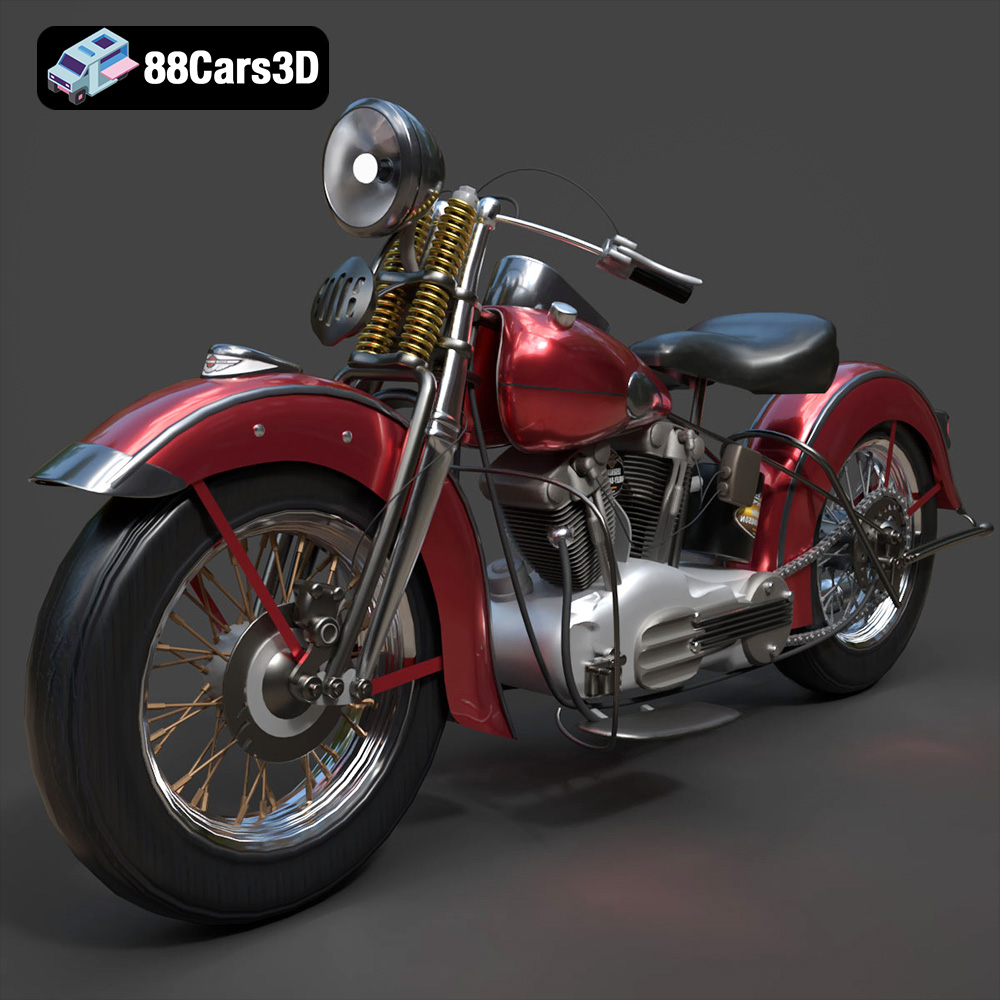
Texture: Yes
Material: Yes
Download the Harley Davidson F 1946 3D Model featuring clean geometry, realistic detailing, and a fully modeled interior. Includes .blend, .fbx, .obj, .glb, .stl, .ply, .unreal, and .max formats for rendering, simulation, and game development.
Price: $19.99
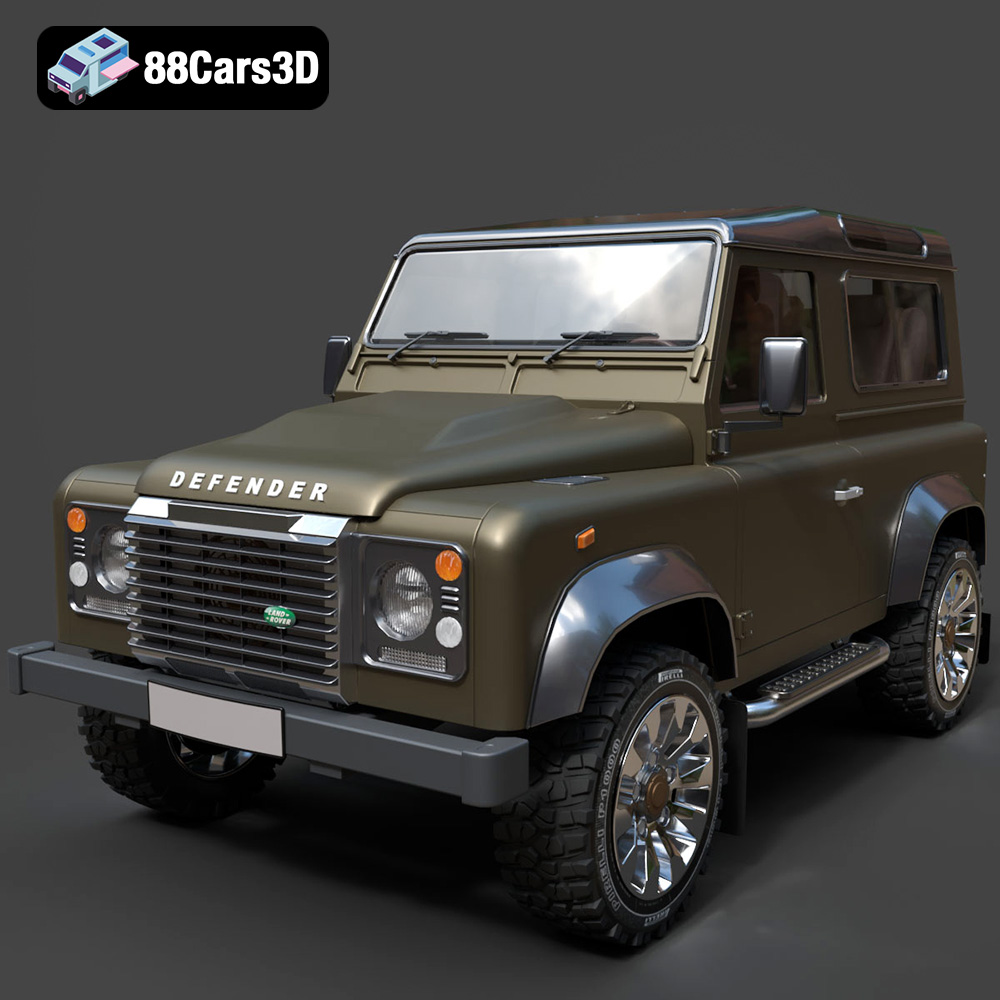
Texture: Yes
Material: Yes
Download the Land Rover Defender Works V8 3D Model featuring clean geometry, realistic detailing, and a fully modeled interior. Includes .blend, .fbx, .obj, .glb, .stl, .ply, .unreal, and .max formats for rendering, simulation, and game development.
Price: $19.99
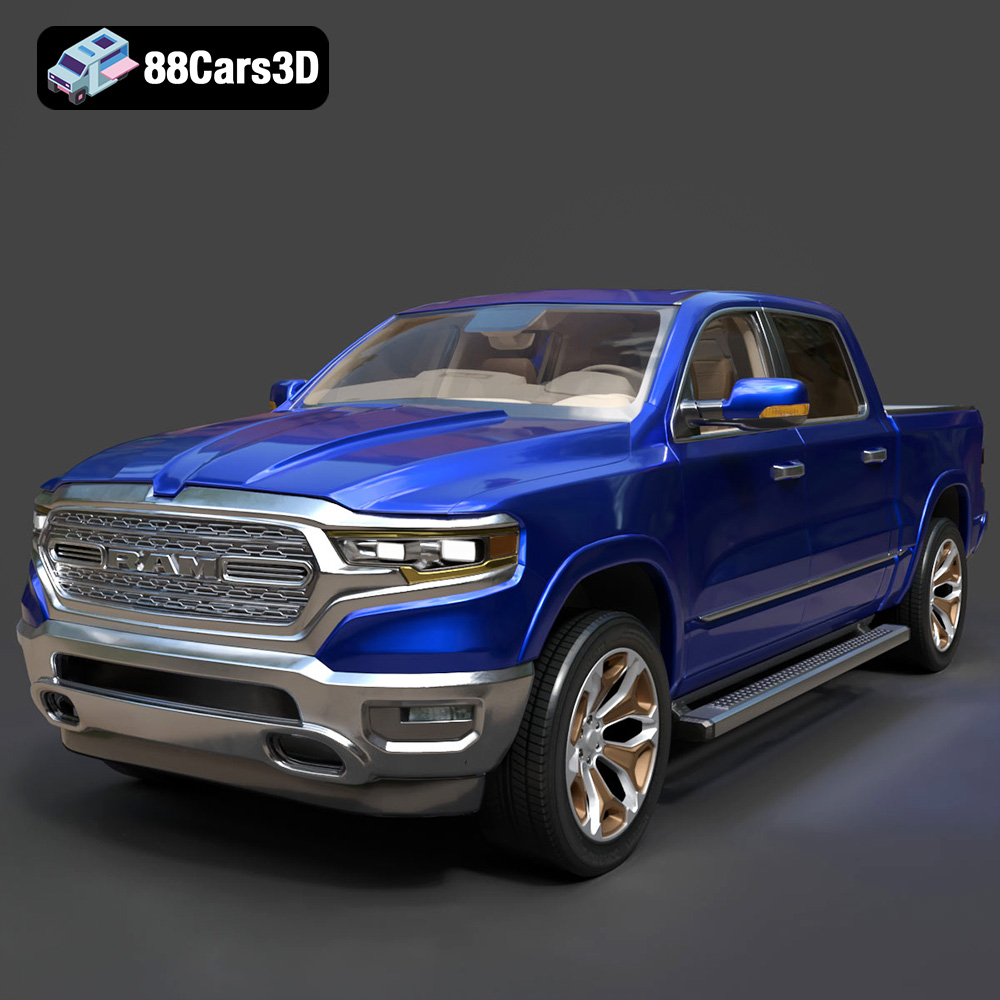
Texture: Yes
Material: Yes
Download the Dodge RAM 2019 3D Model featuring clean geometry, realistic detailing, and a fully modeled interior. Includes .blend, .fbx, .obj, .glb, .stl, .ply, .unreal, and .max formats for rendering, simulation, and game development.
Price: $19.99
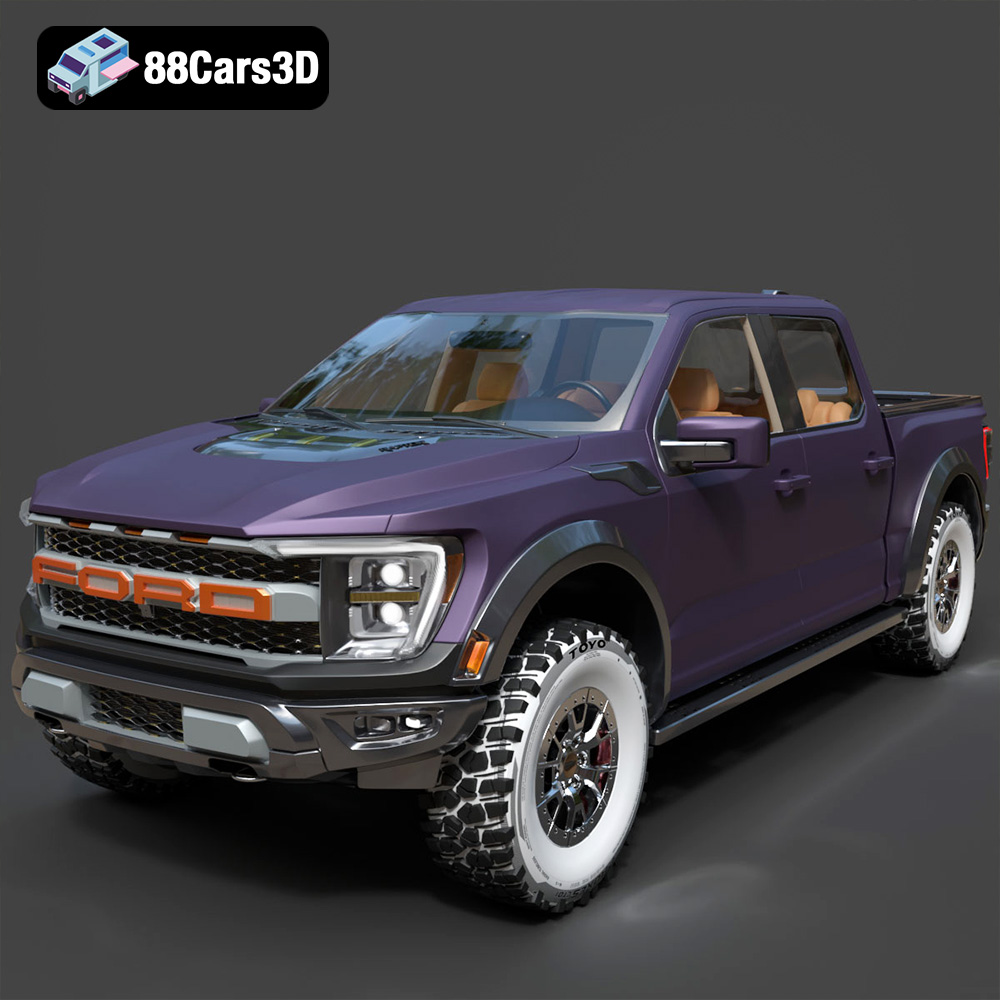
Texture: Yes | Material: Yes Download the ultra-high-detail Ford F-150 Raptor 2021 3D Model (8.73M Triangles). Features uncompromised widebody styling, fully modeled Fox Live Valve suspension, 37-inch tires, and interior. Perfect for premium VFX, cinematic rendering, and ArchViz. Includes .blend, .fbx, .obj, .glb, .stl, and .max formats.
Price: $29.99
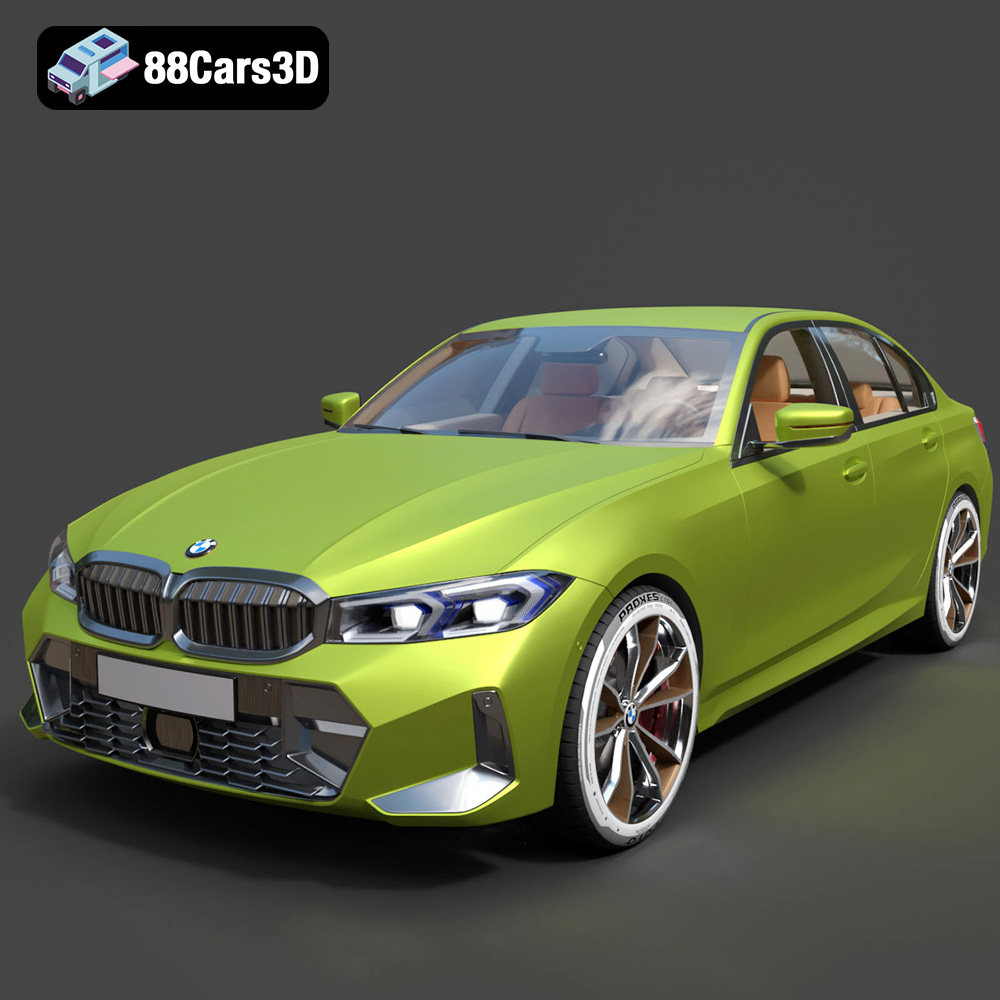
Texture: Yes | Material: Yes Download the ultra-high-detail BMW 3 Series Limousine (2022) 3D Model (4.16M Triangles). Features the modernized G20 LCI exterior, the all-new BMW Curved Display interior, and ultra-dense topology. Perfect for ArchViz, VFX, and cinematic rendering. Includes .blend, .fbx, .obj, .glb, .stl, and .max formats.
Price: $19.99
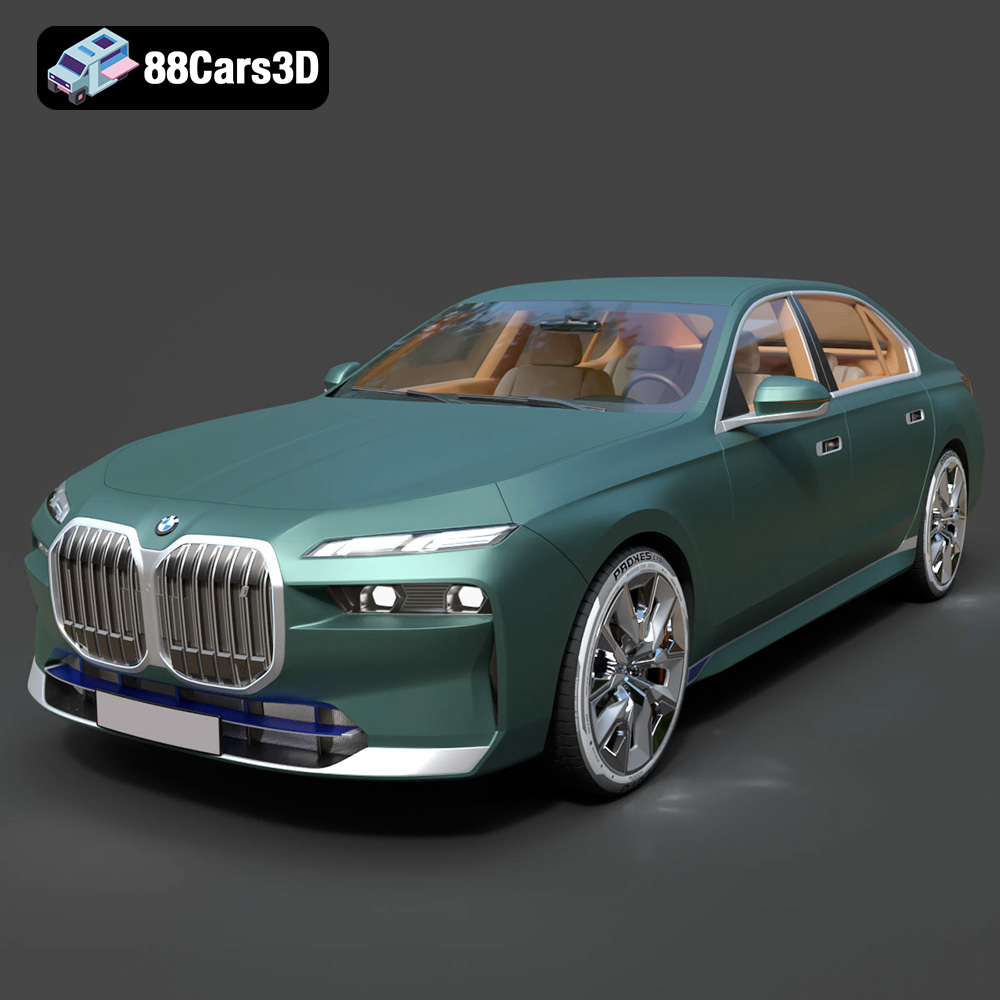
Texture: Yes | Material: Yes Download the ultra-high-detail BMW i7 (2023) 3D Model (4.14M Triangles). Features the illuminated kidney grille, split crystal headlights, fully modeled Theatre Screen interior, and monolithic luxury styling. Perfect for ArchViz, VFX, and cinematic rendering. Includes .blend, .fbx, .obj, .glb, .stl, and .max formats.
Price: $19.99
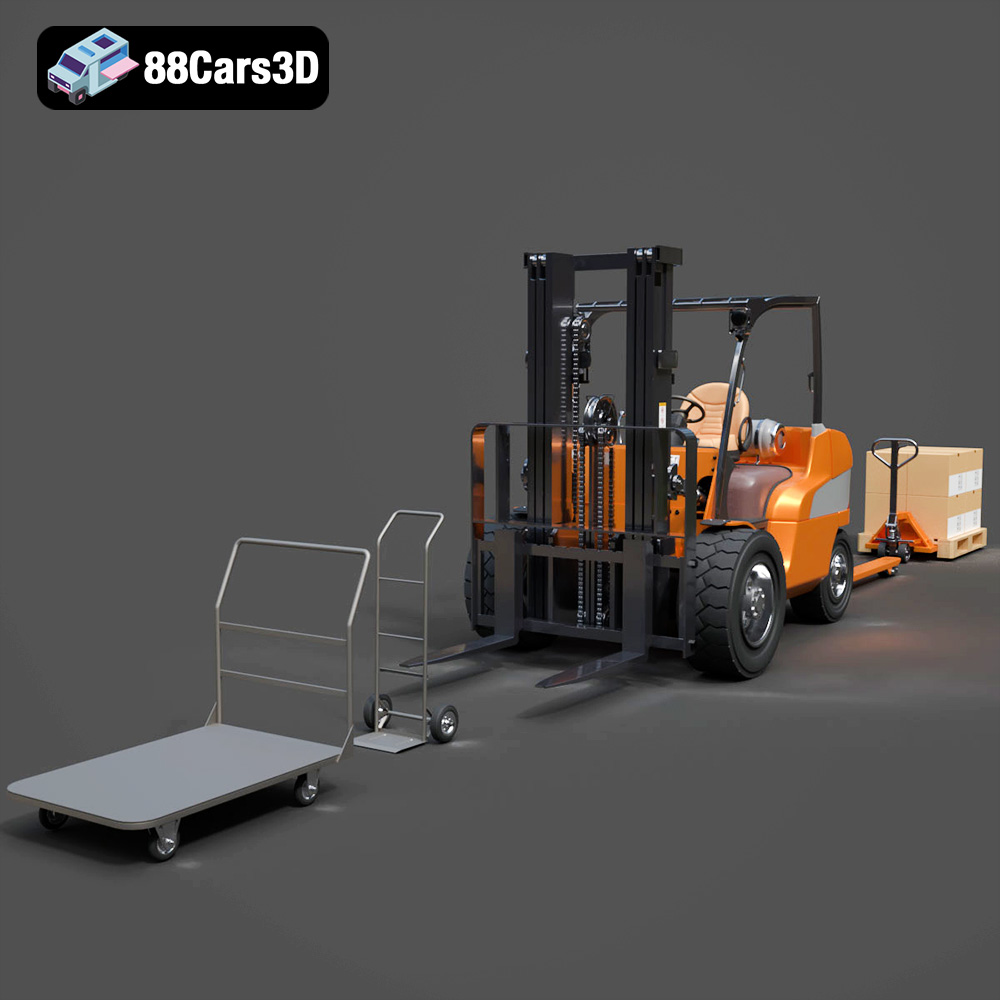
Texture: Yes | Material: Yes Download the highly detailed CAT Manual Loader & Warehouse Carts Kit 3D Model (2.4M Triangles). Features a macro-detailed hydraulic pallet jack, heavy-duty forks, and transport carts. Perfect for industrial ArchViz, factory rendering, and logistics simulations. Includes .blend, .fbx, .obj, .glb, .stl, and .max formats.
Price: $19.99
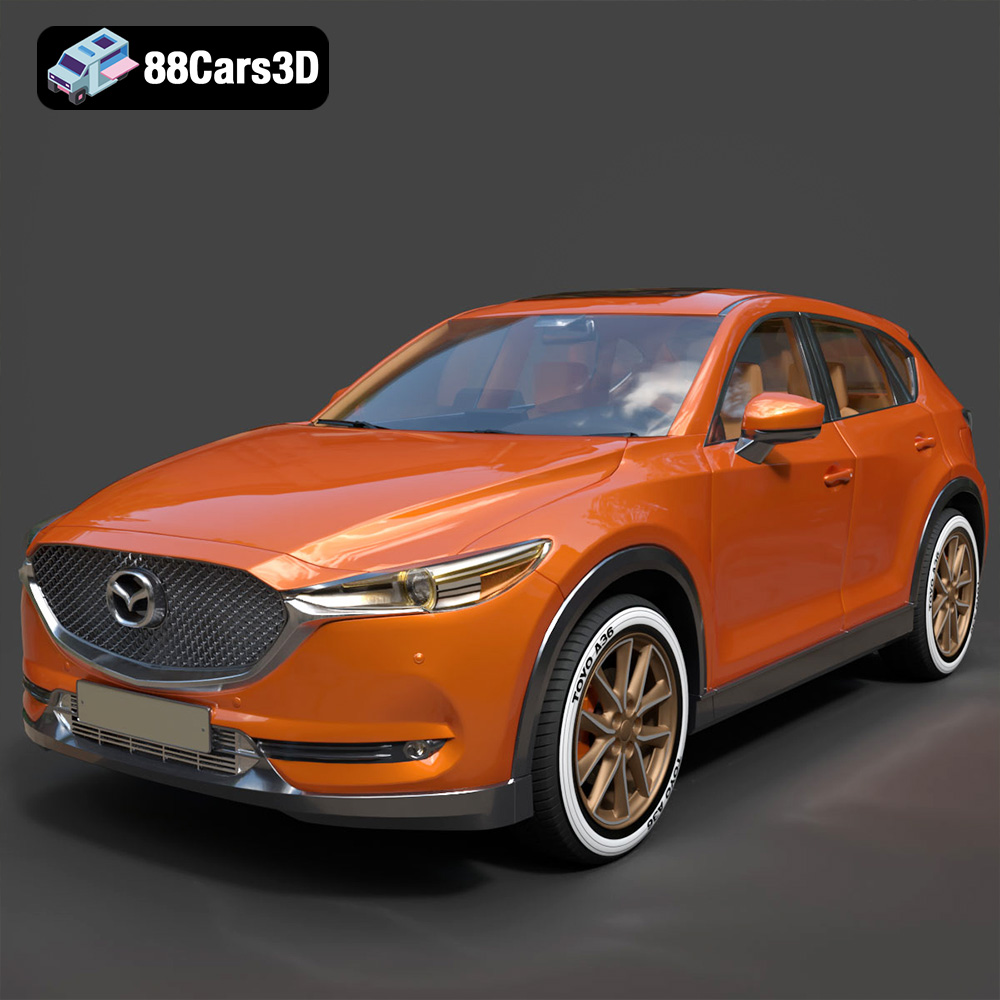
Texture: Yes | Material: Yes
Download the highly optimized Mazda CX-5 2014 3D Model (294k Triangles). Features the dynamic Kodo design language, signature grille, and a clean interior. Perfectly balanced for ArchViz, background traffic, and game development. Includes .blend, .fbx, .obj, .glb, .stl, and .max formats.
Price: $19.99
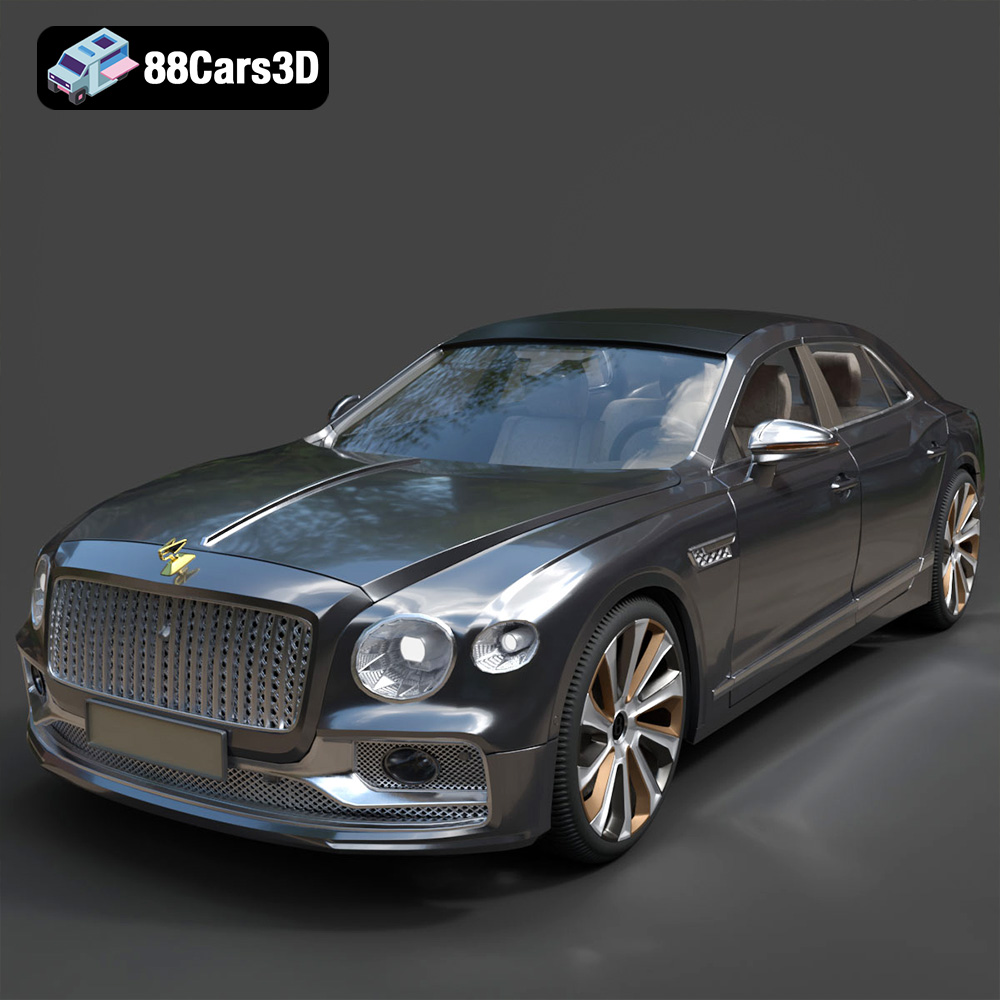
Texture: Yes | Material: Yes Download the ultra-high-detail Bentley Flying Spur Mulliner 2022 3D Model (2.94M Triangles). Features the bespoke Double Diamond grille, a fully modeled diamond-quilted interior, and exquisite luxury styling. Perfect for high-end ArchViz, VFX, and cinematic rendering. Includes .blend, .fbx, .obj, .glb, .stl, and .max formats.
Price: $19.90
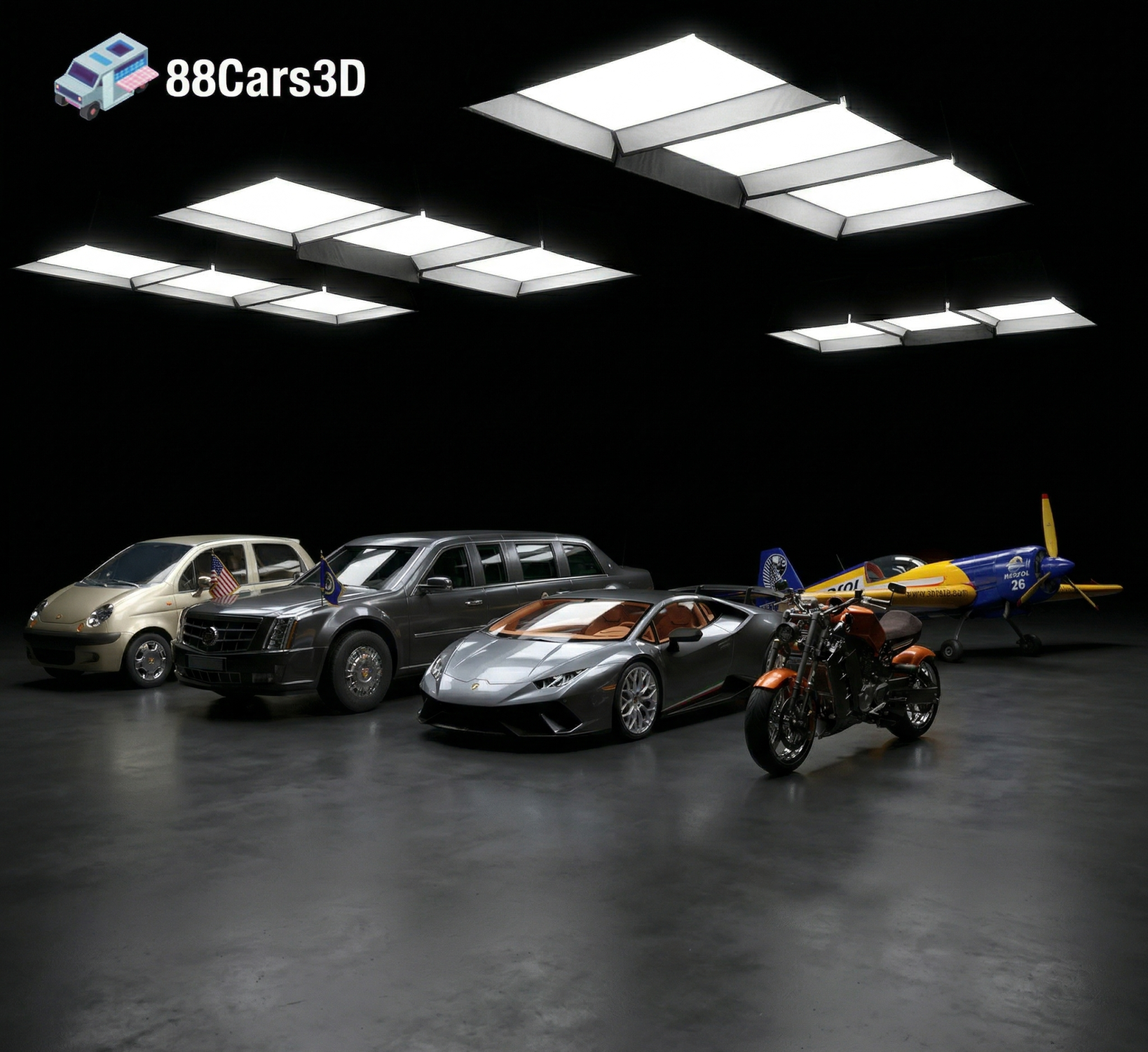
Texture: Yes | Material: Yes | 3D Printable: Yes. Download the Ultimate Creators’ Showcase featuring 5 premium 3D models: Lamborghini Huracan, ZAV Concept Motorcycle, Sukhoi SU-26, Presidential Limousine, and Daewoo Damas. Optimized for 4K CGI rendering and 3D printing. Save massive with this exclusive multi-category bundle!
Price: $99.99

