Get 50% OFF All Premium 3D & STL Models!

“`html
Unreal Engine has revolutionized how products are presented and experienced, offering unparalleled levels of realism and interactivity. Particularly in the automotive industry, interactive demos are becoming the norm, allowing potential customers to explore vehicles in stunning detail from the comfort of their homes. This article delves into the technical aspects of creating compelling interactive product demos using Unreal Engine, focusing on workflows applicable to high-quality 3D car models available on platforms like 88cars3d.com. We’ll cover everything from importing and optimizing assets to scripting interactive features with Blueprint visual scripting and leveraging cutting-edge technologies like Nanite and Lumen. By the end of this guide, you’ll have a solid understanding of the techniques required to build engaging and performant product demos that showcase your products in the best possible light.
The foundation of any successful Unreal Engine project lies in proper setup and asset preparation. This involves creating a new project with the appropriate settings and importing your 3D car model in a way that preserves its quality while optimizing it for real-time rendering. When sourcing automotive assets from marketplaces such as 88cars3d.com, you can expect high-quality models, but further optimization is often necessary.
Start by creating a new Unreal Engine project. For product demos, the “Automotive, Product Design, & Manufacturing” template offers a pre-configured environment tailored for visualization. Alternatively, the “Games” template provides more flexibility. Key settings to consider include:
Once the project is created, navigate to Project Settings and adjust the following:
Importing your 3D car model is a crucial step. Most models from 88cars3d.com are available in formats like FBX or USD, both of which are well-supported by Unreal Engine. To import:
After importing, optimization is key. Common optimization techniques include:
Physically Based Rendering (PBR) is essential for achieving realistic visuals in Unreal Engine. PBR materials simulate how light interacts with surfaces, taking into account factors like roughness, metallic properties, and ambient occlusion. High-quality 3D car models typically come with PBR textures, but you might need to adjust them within the Unreal Engine Material Editor to achieve the desired look. The Unreal Engine documentation is an invaluable resource here: https://dev.epicgames.com/community/unreal-engine/learning
PBR materials typically consist of several texture maps:
These textures work together to create a realistic appearance under various lighting conditions.
To create a PBR material in Unreal Engine:
For example, a car paint material might have a low Roughness value (e.g., 0.1) to create a glossy finish, while a tire material would have a high Roughness value (e.g., 0.8) to simulate a matte surface. Using Constant3Vector and Constant nodes allows for fine-tuning of material properties.
To create variations of a material without duplicating the entire material graph, use Material Instances. Create a Material Instance by right-clicking on a Material and selecting “Create Material Instance.” Material Instances inherit the properties of the parent Material but allow you to override specific parameters, such as the Base Color. This is particularly useful for creating different color options for the car in your demo. Each Material Instance adds very little overhead, improving performance.
Lighting is a critical element in any visualization project. Unreal Engine offers several lighting options, including traditional static and dynamic lighting, as well as its cutting-edge global illumination system, Lumen. Choosing the right lighting approach depends on the desired level of realism and the performance requirements of your project.
Traditional lighting in Unreal Engine involves using static, stationary, and movable lights. Static lights are baked into lightmaps, offering excellent performance but limited flexibility. Stationary lights can cast dynamic shadows but still rely on precomputed lighting for diffuse reflections. Movable lights are fully dynamic but are the most performance-intensive.
Lumen is Unreal Engine’s fully dynamic global illumination and reflections system. It allows for realistic lighting and reflections without the need for precomputed lightmaps. To enable Lumen:
Lumen automatically handles indirect lighting and reflections, creating a more immersive and realistic environment. However, it can be performance-intensive, especially on lower-end hardware. Performance can be improved with the use of hardware ray tracing. Lumen is excellent for scenarios where dynamic lighting is required, such as a car configurator where the environment or the car’s color changes in real-time.
Regardless of the lighting method you choose, optimization is crucial. Common optimization techniques include:
By carefully balancing visual quality and performance, you can create stunning and efficient lighting for your interactive product demos.
Blueprint visual scripting is a powerful tool for adding interactivity to your Unreal Engine projects without writing code. It allows you to create complex logic and interactions using a visual node-based interface. In the context of product demos, Blueprint can be used to implement features like door opening, light toggling, camera switching, and material customization. The simplicity and visual nature of Blueprint make it accessible to artists and designers.
Let’s start with a simple example: opening a car door. First, ensure the door is a separate Static Mesh component in your car’s Blueprint. Then:
This simple example demonstrates how Blueprint can be used to create interactive elements in your product demo. Other basic interactions include turning on headlights, changing camera views, and displaying information panels.
A more advanced application of Blueprint is creating an automotive configurator that allows users to customize various aspects of the car, such as its color, wheels, and interior. This can be achieved using:
For example, to change the car’s color, you can create a UI button for each color option. When a button is clicked, the corresponding Material Instance is applied to the car’s body material. The car configurator provides a rich interactive experience and allows potential customers to explore different configurations of the vehicle. Efficient implementation of this system is important for performance. This is where the right 3D model becomes important; platforms like 88cars3d.com offer optimized models that allow for this kind of configurator to be created with less effort.
Nanite is a virtualized geometry system in Unreal Engine that allows you to import and render incredibly high-polygon models without significant performance penalties. This is particularly beneficial for automotive visualization, where models often have millions of polygons to capture intricate details. Nanite automatically handles level-of-detail (LOD) scaling and geometry streaming, enabling you to focus on visual quality without worrying about traditional optimization techniques.
To enable Nanite for your 3D car model:
Unreal Engine will automatically process the mesh and generate Nanite data. This process may take some time, depending on the complexity of the model.
The benefits of using Nanite are significant:
However, Nanite is not a silver bullet. It’s essential to understand its limitations and use it appropriately.
While Nanite is powerful, it has some limitations:
For automotive visualization, Nanite is ideal for static car body parts and interior components. However, it may not be suitable for tires or suspension components that require deformation. In general, using Nanite with high-quality assets from platforms like 88cars3d.com yields amazing results while still maintaining good performance.
Creating interactive product demos with Unreal Engine is a powerful way to showcase products and engage potential customers. By mastering the techniques outlined in this article – from project setup and asset preparation to PBR material creation, real-time lighting, Blueprint visual scripting, and Nanite virtualized geometry – you can build compelling and performant demos that elevate the product presentation to the next level. The automotive industry, in particular, benefits greatly from these techniques. Remember to optimize your assets, experiment with different lighting approaches, and leverage Blueprint to create interactive features that allow users to explore the product in detail. With careful planning and execution, you can create unforgettable interactive experiences that drive sales and enhance brand perception. Take the next step: explore the high-quality 3D car models available on 88cars3d.com and start building your own interactive product demos today! The future of product visualization is here, and it’s powered by Unreal Engine.
“`
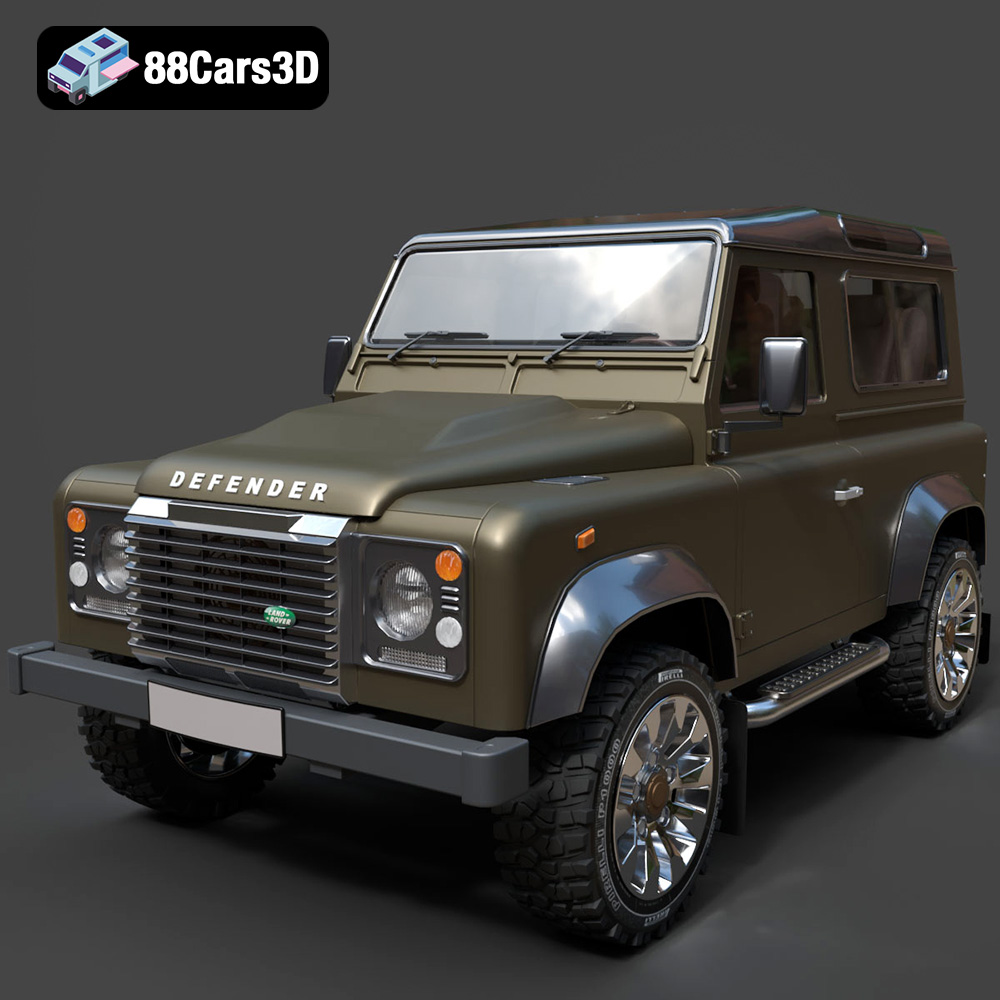
Texture: Yes
Material: Yes
Download the Land Rover Defender Works V8 3D Model featuring clean geometry, realistic detailing, and a fully modeled interior. Includes .blend, .fbx, .obj, .glb, .stl, .ply, .unreal, and .max formats for rendering, simulation, and game development.
Price: $19.99
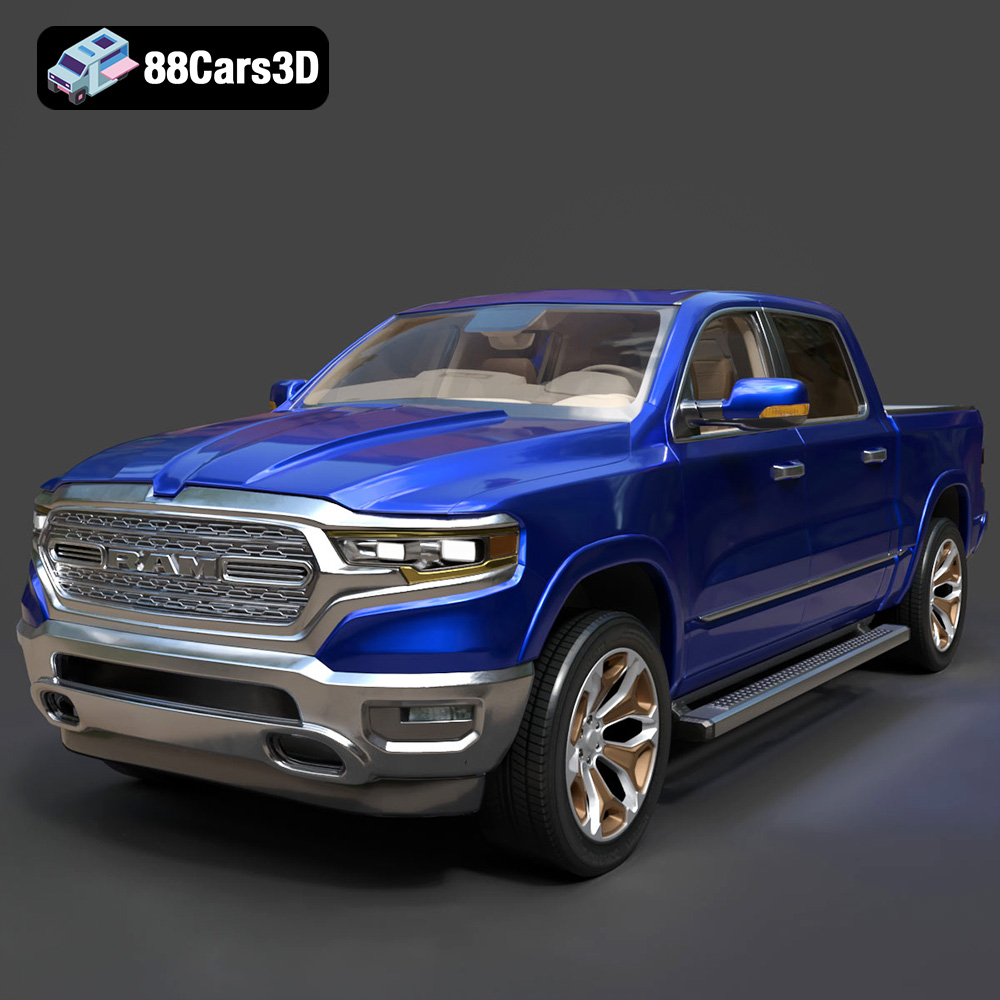
Texture: Yes
Material: Yes
Download the Dodge RAM 2019 3D Model featuring clean geometry, realistic detailing, and a fully modeled interior. Includes .blend, .fbx, .obj, .glb, .stl, .ply, .unreal, and .max formats for rendering, simulation, and game development.
Price: $19.99
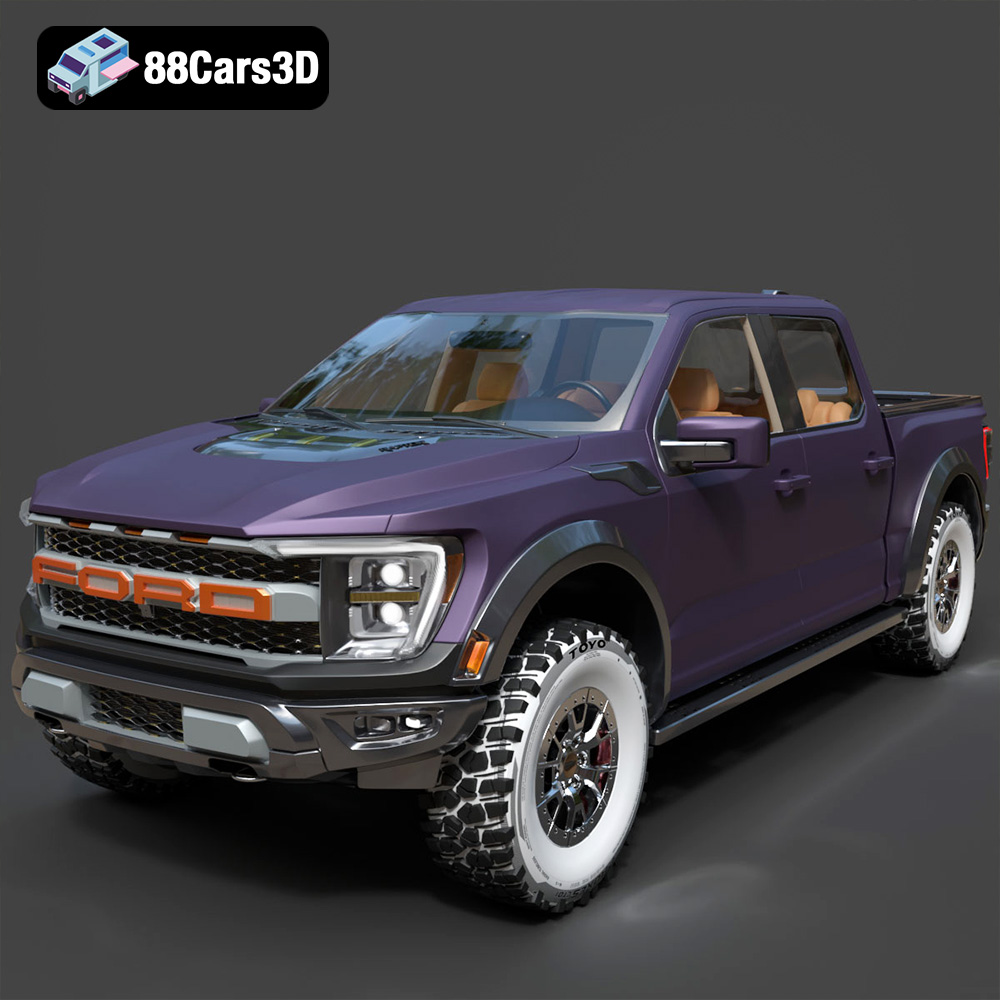
Texture: Yes | Material: Yes Download the ultra-high-detail Ford F-150 Raptor 2021 3D Model (8.73M Triangles). Features uncompromised widebody styling, fully modeled Fox Live Valve suspension, 37-inch tires, and interior. Perfect for premium VFX, cinematic rendering, and ArchViz. Includes .blend, .fbx, .obj, .glb, .stl, and .max formats.
Price: $29.99
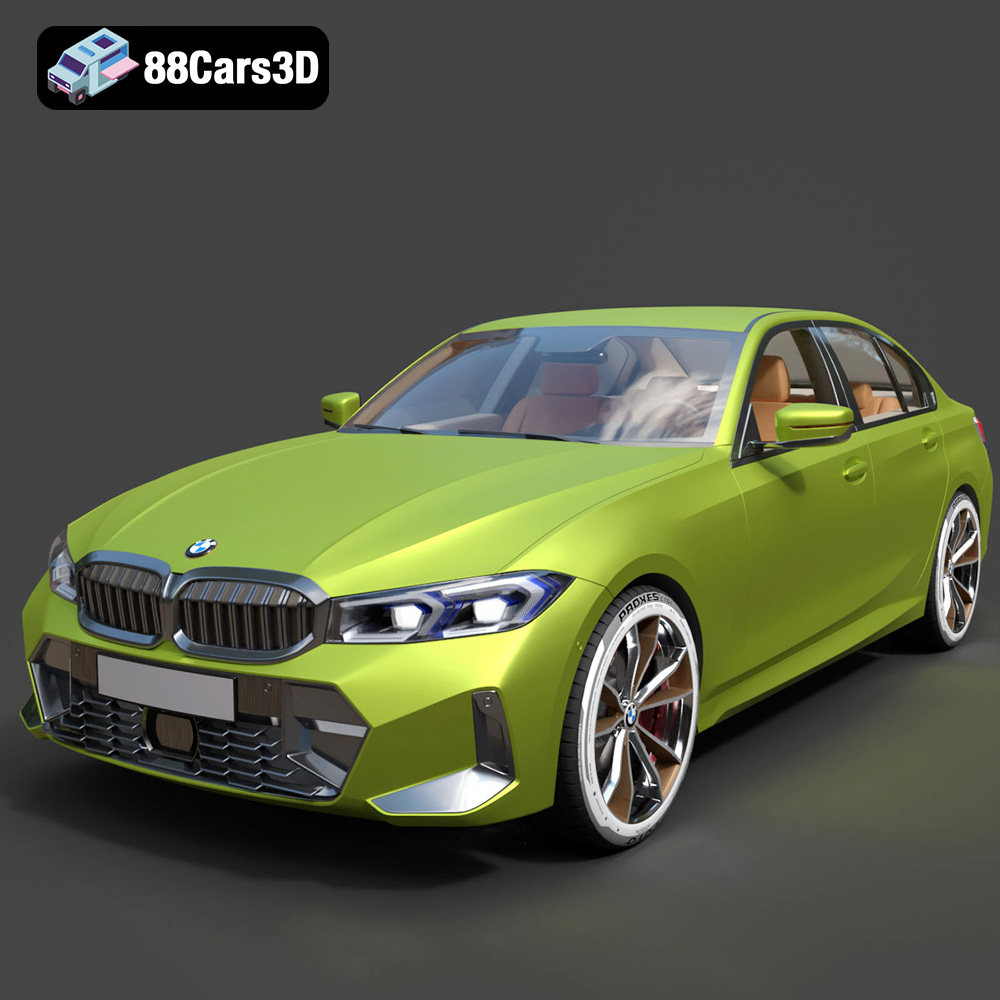
Texture: Yes | Material: Yes Download the ultra-high-detail BMW 3 Series Limousine (2022) 3D Model (4.16M Triangles). Features the modernized G20 LCI exterior, the all-new BMW Curved Display interior, and ultra-dense topology. Perfect for ArchViz, VFX, and cinematic rendering. Includes .blend, .fbx, .obj, .glb, .stl, and .max formats.
Price: $19.99
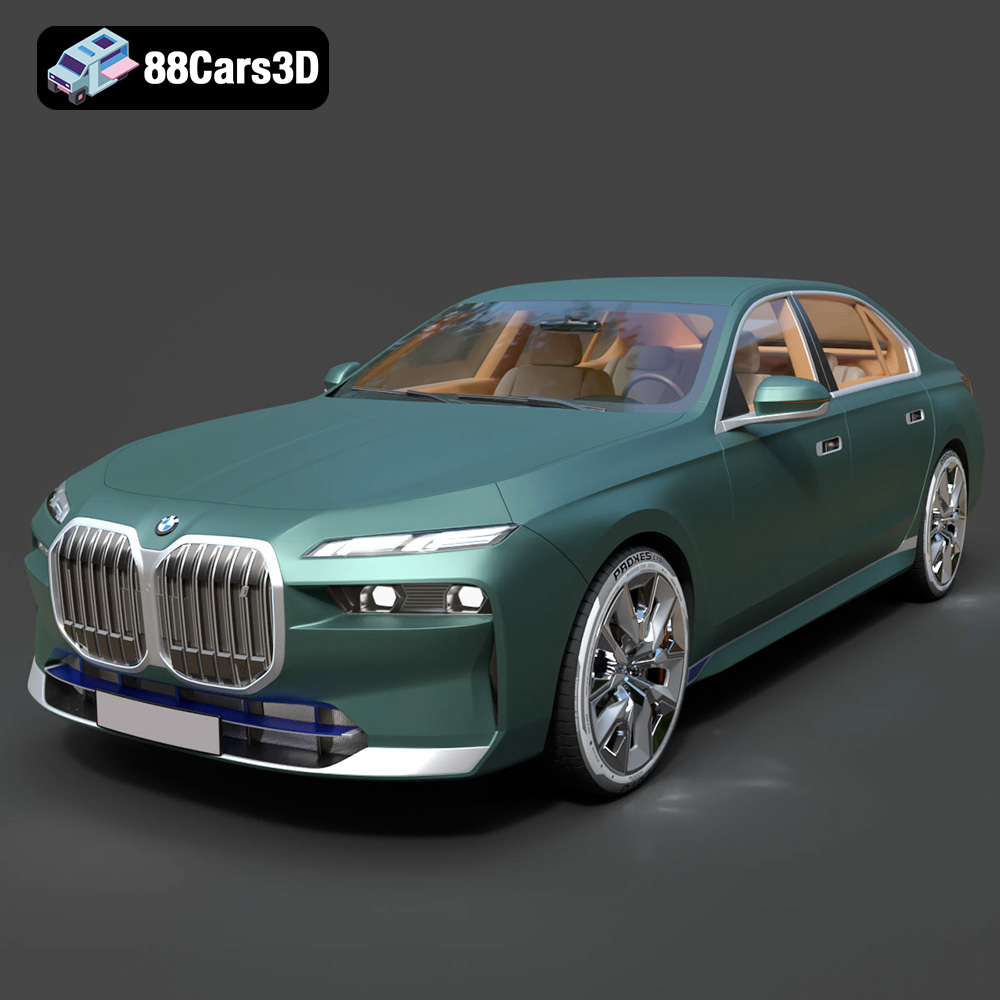
Texture: Yes | Material: Yes Download the ultra-high-detail BMW i7 (2023) 3D Model (4.14M Triangles). Features the illuminated kidney grille, split crystal headlights, fully modeled Theatre Screen interior, and monolithic luxury styling. Perfect for ArchViz, VFX, and cinematic rendering. Includes .blend, .fbx, .obj, .glb, .stl, and .max formats.
Price: $19.99
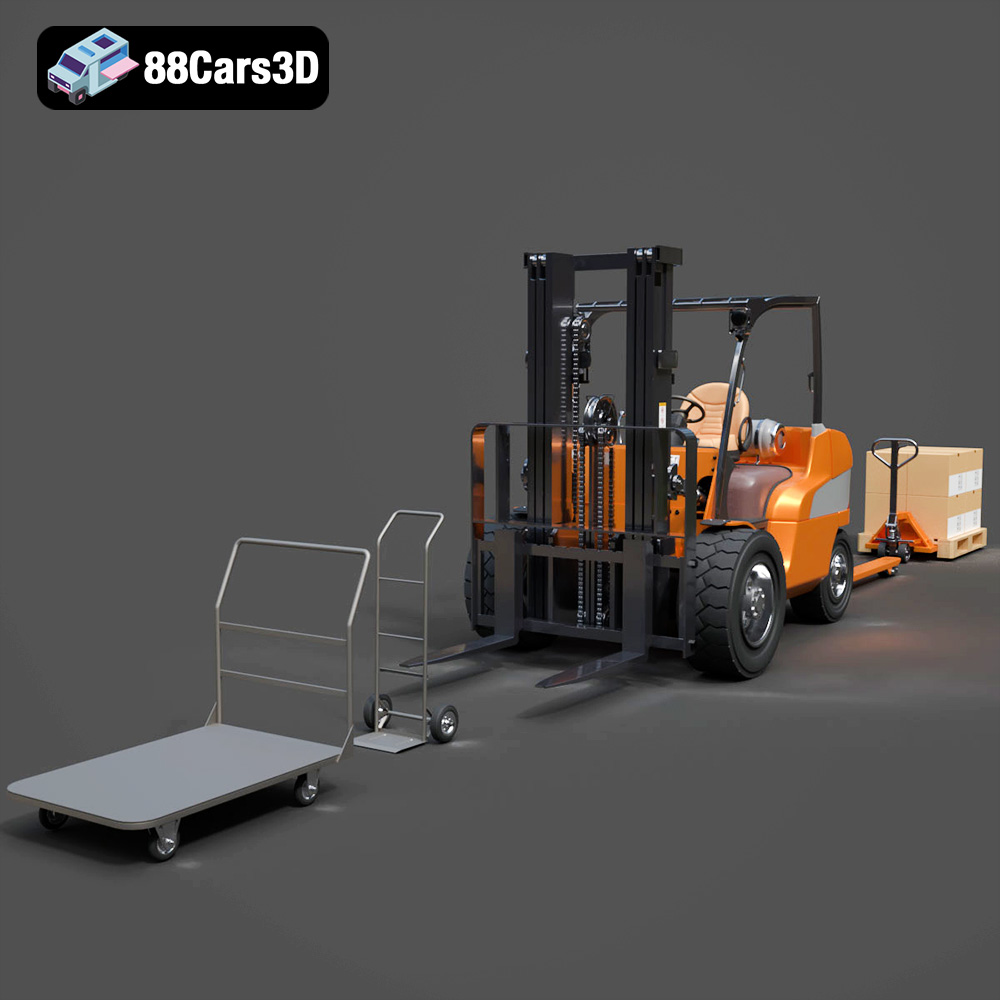
Texture: Yes | Material: Yes Download the highly detailed CAT Manual Loader & Warehouse Carts Kit 3D Model (2.4M Triangles). Features a macro-detailed hydraulic pallet jack, heavy-duty forks, and transport carts. Perfect for industrial ArchViz, factory rendering, and logistics simulations. Includes .blend, .fbx, .obj, .glb, .stl, and .max formats.
Price: $19.99
Texture: Yes | Material: Yes
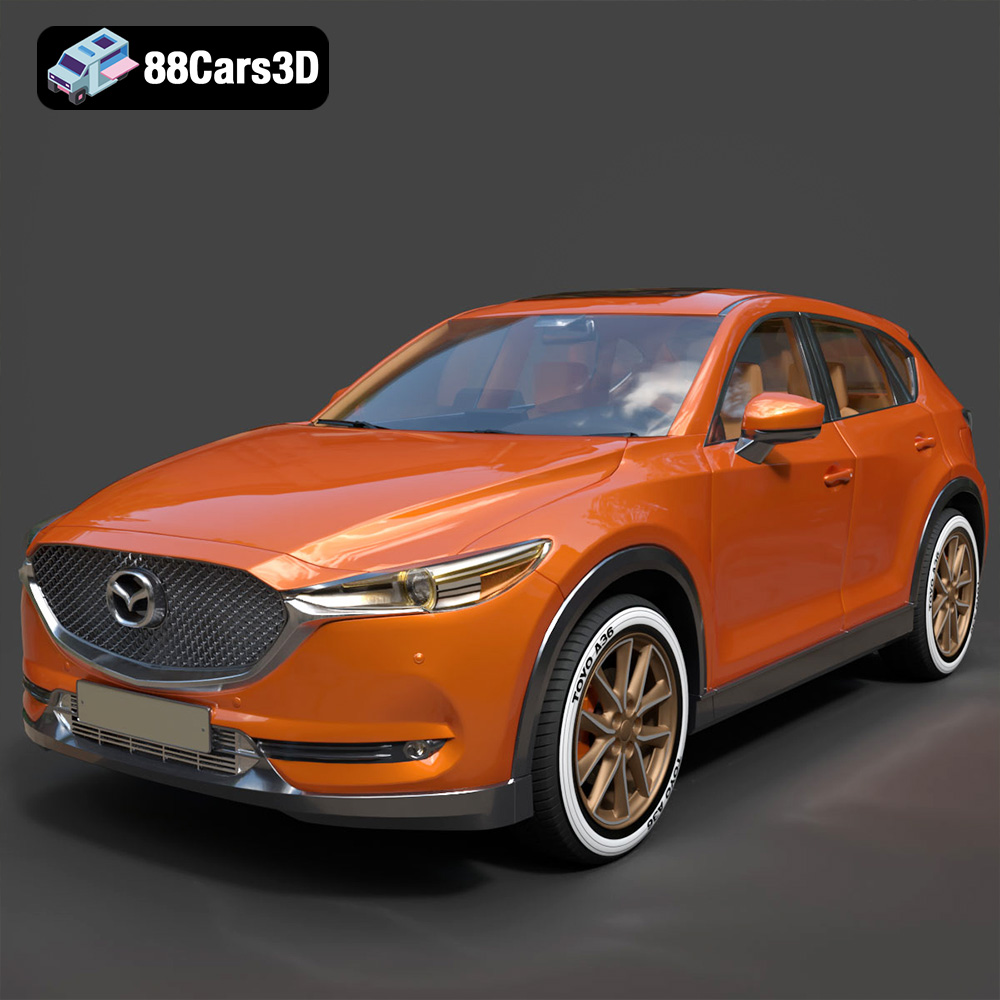
Download the highly optimized Mazda CX-5 2014 3D Model (294k Triangles). Features the dynamic Kodo design language, signature grille, and a clean interior. Perfectly balanced for ArchViz, background traffic, and game development. Includes .blend, .fbx, .obj, .glb, .stl, and .max formats.
Price: $19.99
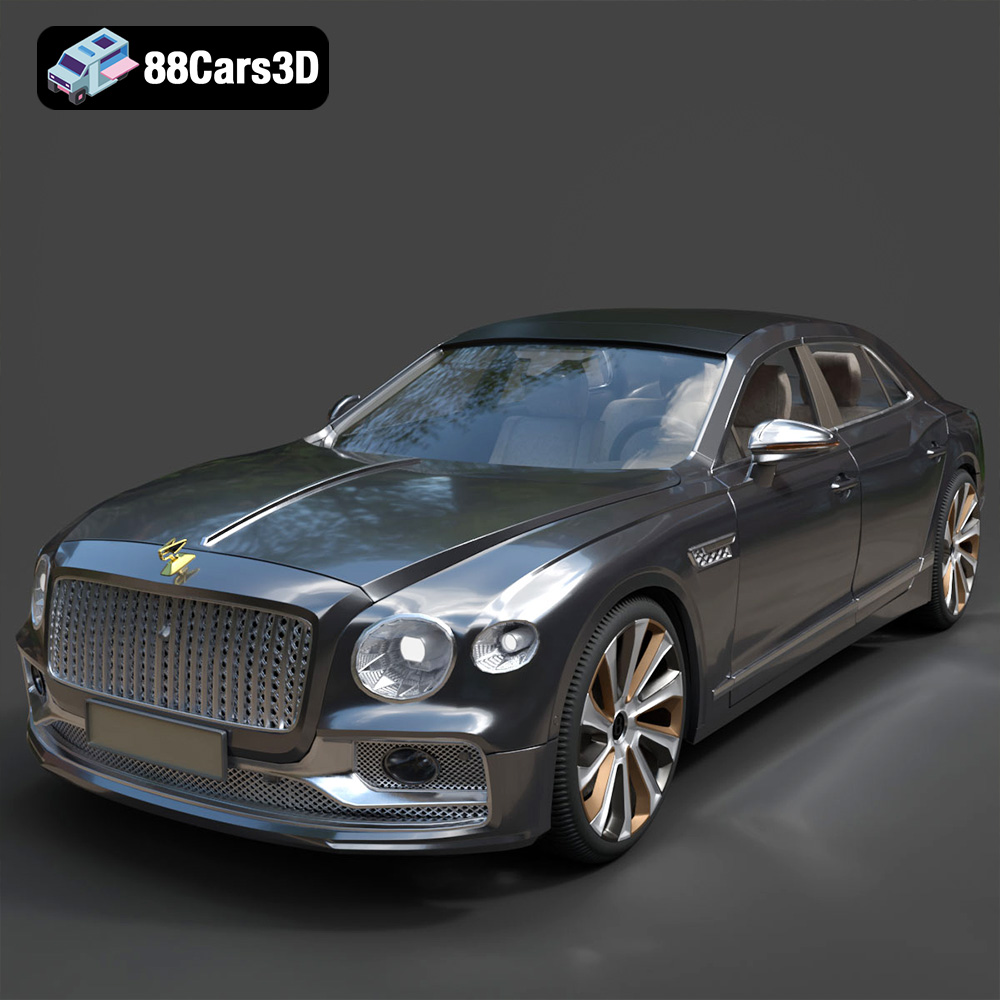
Texture: Yes | Material: Yes Download the ultra-high-detail Bentley Flying Spur Mulliner 2022 3D Model (2.94M Triangles). Features the bespoke Double Diamond grille, a fully modeled diamond-quilted interior, and exquisite luxury styling. Perfect for high-end ArchViz, VFX, and cinematic rendering. Includes .blend, .fbx, .obj, .glb, .stl, and .max formats.
Price: $19.90
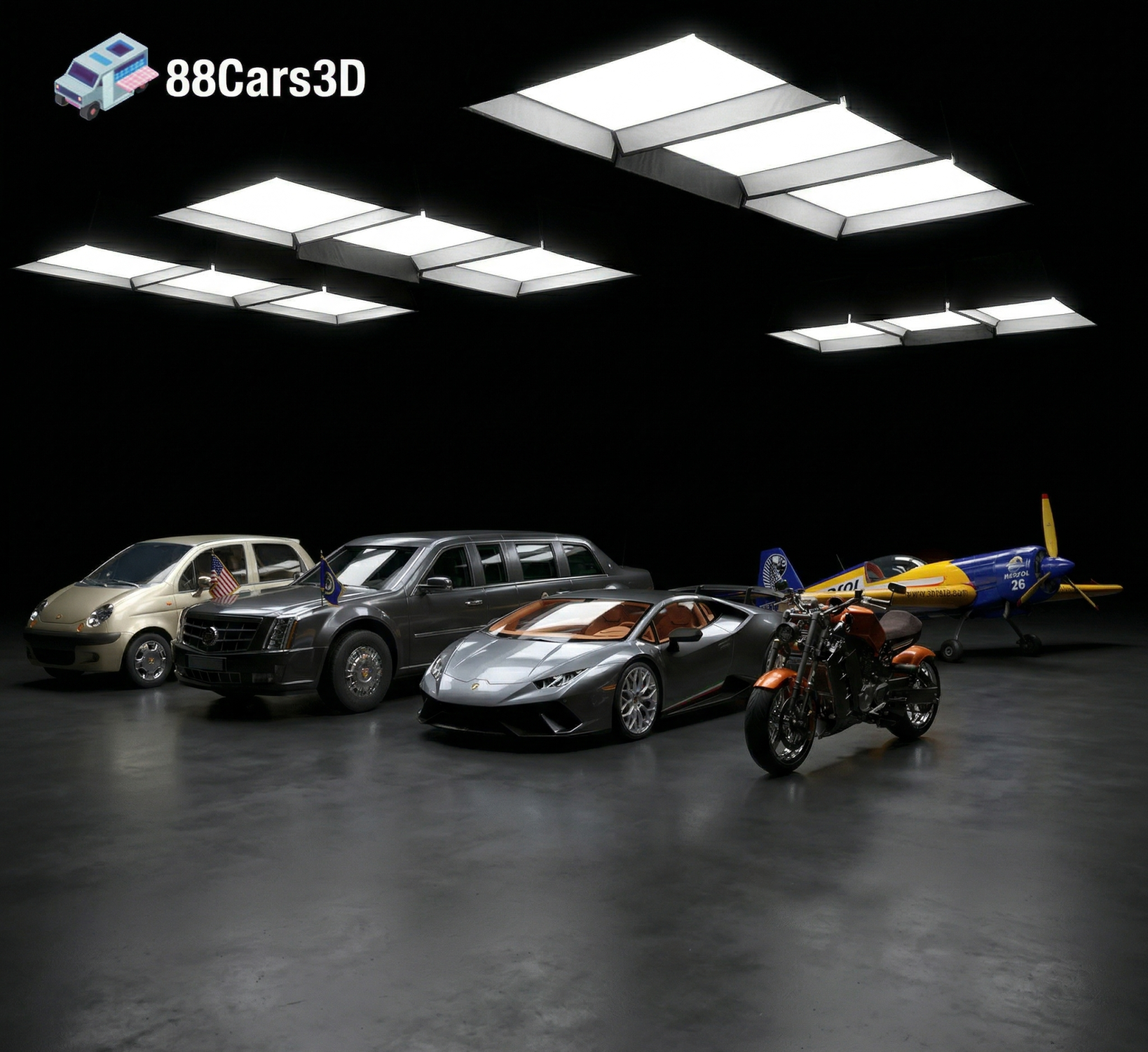
Texture: Yes | Material: Yes | 3D Printable: Yes. Download the Ultimate Creators’ Showcase featuring 5 premium 3D models: Lamborghini Huracan, ZAV Concept Motorcycle, Sukhoi SU-26, Presidential Limousine, and Daewoo Damas. Optimized for 4K CGI rendering and 3D printing. Save massive with this exclusive multi-category bundle!
Price: $99.99

Texture: Yes | Material: Yes | 3D Printable: Yes. Download the Italian Thoroughbreds Bundle featuring 5 iconic 3D models: Lamborghini Huracán Performante, Ferrari 458 Italia, Lamborghini Urus, Diablo SV, and Maserati GT. Optimized for 4K rendering and 3D printing (STL included). Save 50% with this ultimate Italian vehicle collection.
Price: $199.99

