Get 50% OFF All Premium 3D & STL Models!

“`html
The world of 3D car models is a fascinating intersection of art, engineering, and technology. Whether you’re crafting stunning automotive renderings, developing immersive game environments, or exploring the possibilities of AR/VR, high-quality 3D car models are essential. But navigating the intricacies of polygon counts, UV mapping, and file formats can be daunting. This comprehensive guide will equip you with the knowledge and techniques to master 3D car models, maximizing their potential in your projects. From understanding the nuances of various file formats to optimizing models for specific applications, we’ll cover the key areas that separate professionals from amateurs.
The quality of your 3D car models directly impacts the success of your projects. In automotive rendering, realism is paramount. A poorly constructed model with inaccurate proportions or low-resolution textures will immediately break the illusion. In game development, optimized models are crucial for maintaining performance and visual fidelity. Similarly, AR/VR applications demand lightweight, yet detailed models that can be rendered in real-time. Let’s explore why focusing on quality is so critical:
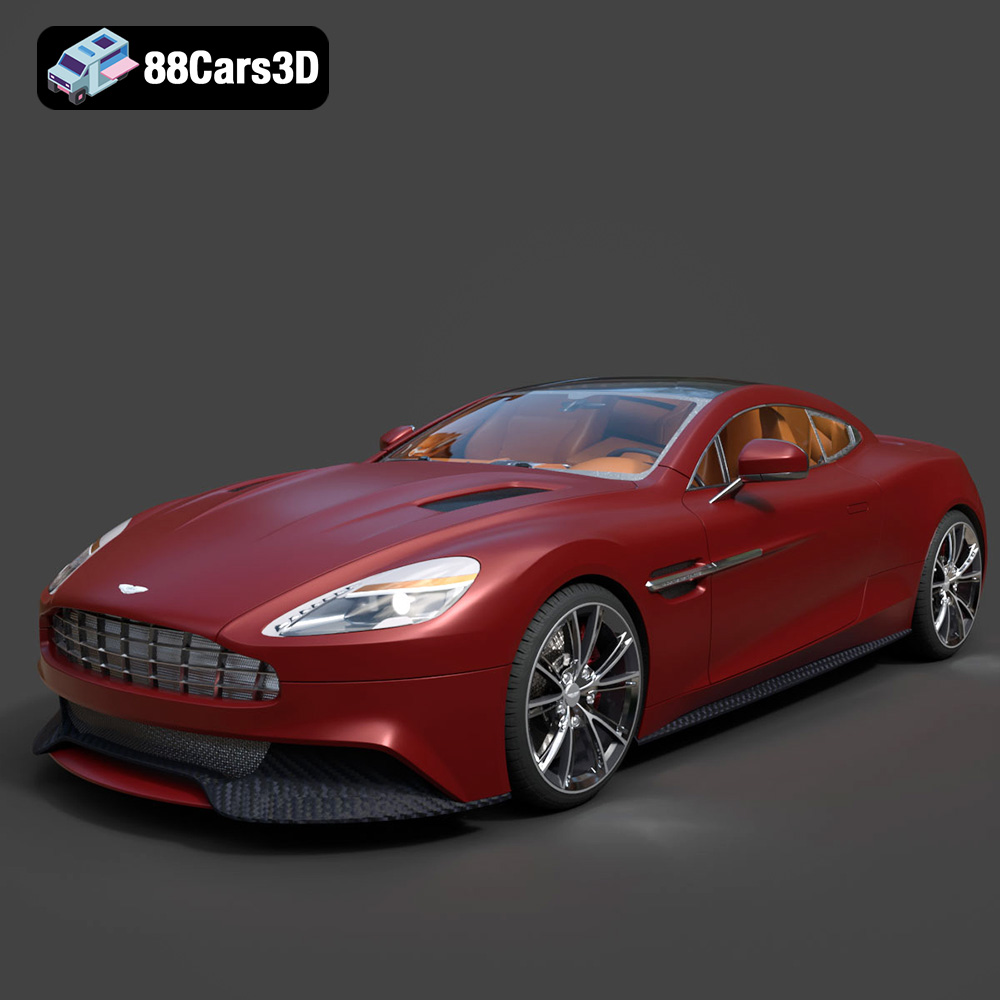
For automotive rendering, capturing the subtle curves, reflections, and textures of a car is essential. High-quality 3D car models provide the necessary geometric accuracy and detail to achieve photorealistic results. This includes accurate panel gaps, realistic materials, and meticulously crafted interiors. The investment in a well-made model translates directly into a more compelling and believable final image.
In game development, polygon count is a key performance factor. While high-resolution models are visually appealing, they can quickly overwhelm the rendering engine, leading to performance issues. The key is to strike a balance between visual quality and performance. Optimized 3D car models are carefully crafted to minimize polygon count without sacrificing essential details. This involves techniques like polygon reduction, LOD (Level of Detail) implementations, and efficient UV mapping.
AR/VR experiences demand real-time rendering of complex scenes. Low-poly models with optimized textures are essential for smooth and responsive interactions. Furthermore, the models need to be spatially accurate to maintain the illusion of a virtual object existing in the real world. High-quality 3D car models specifically designed for AR/VR platforms ensure a seamless and engaging user experience. Platforms like 88cars3d.com offer a diverse selection of models suited for various applications, including AR/VR.
Choosing the right file format is crucial for seamless integration into your workflow. Each format has its own strengths and weaknesses, impacting compatibility, file size, and the preservation of crucial data like materials and textures. Here’s a detailed look at some of the most common 3D model file formats:
.blend files are the native format for Blender, a popular open-source 3D creation suite. They contain all the scene data, including geometry, materials, textures, lighting, and animation. This format is ideal for projects that are entirely created and managed within Blender. The advantage is the complete preservation of all data, allowing for easy editing and iteration. However, compatibility with other software packages can be limited, requiring export to a more universal format.
.fbx (Filmbox) is a widely supported file format developed by Autodesk. It’s designed for interoperability between different 3D software packages and game engines like Unreal Engine and Unity. .fbx supports geometry, materials, textures, animation, and skeletal data, making it a versatile choice for game development, animation, and visualization. It is generally considered the best choice for transferring assets between different software packages due to its ability to preserve a wide range of data types.
.obj (Wavefront Object) is a simple and widely supported file format that stores only geometry data (vertices, faces, and normals) and basic material information. It doesn’t support animation or complex material properties. While its simplicity makes it highly compatible across different software packages, it lacks the advanced features of .fbx. It is often used as an intermediary format for transferring geometry between applications that don’t directly support each other’s native formats.
.glb (GL Transmission Format Binary) is a binary file format that encapsulates 3D models, materials, textures, and animations into a single file. It’s specifically designed for efficient loading and rendering in web browsers, AR/VR applications, and other real-time environments. .glb files are typically smaller and faster to load than other formats like .obj, making them ideal for online distribution and mobile devices. Its support for PBR (Physically Based Rendering) materials makes it an excellent choice for creating visually realistic models for web-based experiences.
.stl (Stereolithography) is a file format primarily used for 3D printing. It represents the surface geometry of a 3D object as a collection of triangles. It doesn’t store any color, texture, or material information. .stl files are widely supported by 3D printing software and hardware, making them the standard choice for preparing models for physical fabrication. When exporting to .stl, ensure that your model is manifold (watertight) and has properly oriented normals to avoid printing errors.
.ply (Polygon File Format) is a file format commonly used for storing 3D data acquired from 3D scanners. It can store various properties for each vertex, such as color, normals, and texture coordinates. .ply is often used in CAD applications, reverse engineering, and scientific visualization. The format allows for storing point cloud data along with mesh data.
.unreal is more of a container for assets within the Unreal Engine ecosystem than a standalone file format. When you import a model into Unreal Engine, it’s stored as a set of .uasset files. These files contain the model’s geometry, materials, textures, and other related data. This format is inherently optimized for the Unreal Engine rendering pipeline, providing the best possible performance and visual fidelity. The “.unreal” extension is used when packaging entire projects.
.max files are the native format for 3ds Max, a professional 3D modeling, animation, and rendering software. Similar to .blend files, .max files contain all the scene data, including geometry, materials, textures, lighting, animation, and rigging. They are ideal for projects created and managed within 3ds Max. Sharing .max files requires the recipient to have 3ds Max installed. For wider compatibility, exporting to .fbx is recommended.
Once you have a high-quality 3D car model, optimizing it for your specific application is crucial. This involves adjusting polygon counts, UV mapping, and materials to achieve the best possible results while maintaining performance. Different applications have different requirements. Here’s how to approach optimization for rendering, game development, and AR/VR:
Automotive rendering demands the highest level of visual fidelity. While polygon count is less of a concern than in game development, it’s still important to optimize for efficient rendering. Focus on refining the model’s surface details, creating realistic materials, and setting up appropriate lighting. This often involves using high-resolution textures, complex shaders, and advanced rendering techniques like ray tracing.
Game development requires a balance between visual quality and performance. Polygon reduction is a key technique for optimizing 3D car models for game engines. Tools like decimation modifiers and retopology can be used to reduce the number of polygons without significantly sacrificing detail. LOD (Level of Detail) implementations allow you to use lower-resolution models for distant objects, further improving performance. Efficient UV mapping and texture atlases can also help reduce draw calls and improve rendering speed.
AR/VR applications demand the most aggressive optimization techniques. Low-poly models with highly optimized textures are essential for maintaining real-time performance. Techniques like texture baking and lightmapping can be used to pre-calculate lighting effects, reducing the computational load on the rendering engine. Mobile AR/VR applications have even stricter performance constraints, requiring careful attention to detail and resource management. Finding quality low-poly models is key, and sites like 88cars3d.com can be a great resource.
Textures and materials are essential for bringing 3D car models to life. They define the surface properties of the model, including color, reflectivity, roughness, and bumpiness. Creating realistic textures and materials requires a deep understanding of PBR (Physically Based Rendering) principles and the use of specialized software tools.
PBR is a rendering technique that simulates the interaction of light with real-world materials. It uses a set of standardized parameters, such as base color, roughness, metallic, and normal map, to define the surface properties of a material. Understanding PBR principles is crucial for creating realistic and consistent materials across different rendering engines. Popular PBR workflows include the metal/roughness workflow and the specular/glossiness workflow.
Creating high-quality textures often involves a combination of photography, procedural generation, and manual painting. Software tools like Substance Painter, Quixel Mixer, and Mari provide advanced features for texture painting, material creation, and procedural texturing. These tools allow you to create complex and realistic materials with detailed surface properties.
Let’s explore some real-world examples of how 3D car models are used in various industries and applications:
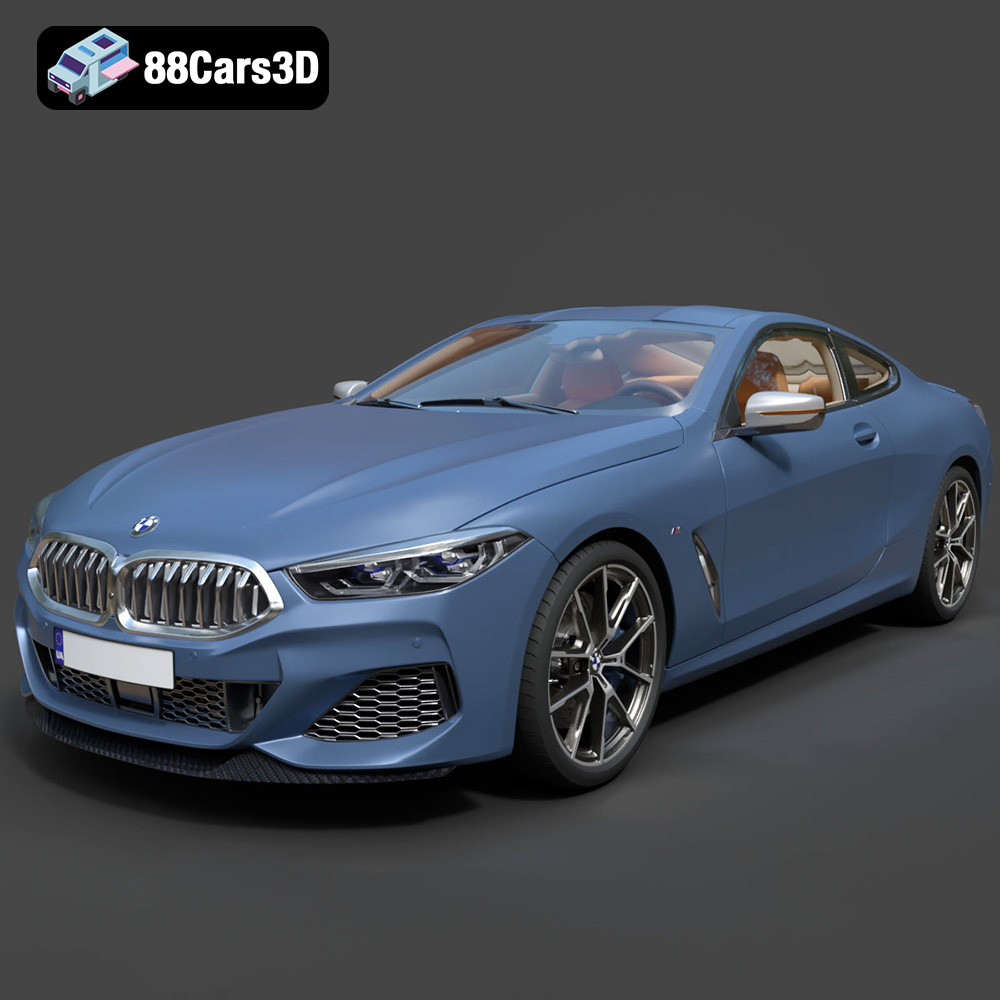
3D car models are widely used in automotive marketing for creating stunning visuals for websites, brochures, and advertisements. High-quality renderings can showcase the design and features of a car in a compelling and realistic way. 3D models also enable interactive experiences, allowing customers to customize and explore different configurations of a vehicle.
3D car models are essential assets in racing games, driving simulators, and other interactive experiences. Optimized models with realistic physics and handling characteristics create immersive and engaging gameplay. Game developers often use 3D car models as a foundation for creating custom vehicles and scenarios.
3D car models are used in architectural visualization to populate urban scenes and create realistic environments. They help to visualize the scale and context of buildings and infrastructure projects. 3D models can also be used in urban planning simulations to analyze traffic flow, parking patterns, and pedestrian movement.
Mastering 3D car models requires a blend of artistic skill and technical knowledge. From understanding the nuances of different file formats to optimizing models for specific applications, each step in the process plays a crucial role in achieving the desired results. By focusing on quality, optimizing for performance, and leveraging the right tools and techniques, you can unlock the full potential of 3D car models in your projects. Websites like 88cars3d.com are valuable resources for finding high-quality models and inspiration. Whether you’re creating stunning automotive renderings, developing immersive game environments, or exploring the possibilities of AR/VR, the knowledge and techniques outlined in this guide will help you elevate your work to the next level.
“`

Price: $129.99

Price: $99.99

Price: $89.99