Get 50% OFF All Premium 3D & STL Models!

“`html
The world of 3D printing has revolutionized model making, allowing enthusiasts and professionals alike to create incredibly detailed vehicle models. Whether you’re a hobbyist looking to build a collection of classic cars, an engineer prototyping a new design, or simply someone who appreciates the intricate beauty of automobiles, the right 3D printer is essential. This article delves into the best 3D printers for producing high-quality, detailed vehicle models, exploring the technologies, settings, and techniques necessary to achieve stunning results. We’ll cover both FDM (Fused Deposition Modeling) and resin-based printers, highlighting their strengths and weaknesses in the context of printing complex automotive designs. Get ready to dive deep into the world of 3D printing and unlock the potential to bring your favorite vehicles to life!
Before we delve into specific printer recommendations, it’s crucial to understand the key requirements for successfully printing detailed vehicle models. Resolution, accuracy, and material properties are all critical factors. Small details like grilles, emblems, and interior components demand a printer capable of capturing fine features. Dimensional accuracy ensures that parts fit together correctly, especially in multi-part assemblies. Furthermore, the chosen material should be durable and capable of withstanding post-processing techniques like sanding and painting.
The two primary 3D printing technologies for vehicle models are FDM and resin (SLA/DLP/LCD). FDM printers extrude melted plastic filament layer by layer, while resin printers use light to cure liquid resin. Each technology has its advantages and disadvantages, impacting the final quality and detail of the printed model. Understanding these differences is crucial for selecting the right printer for your needs.
FDM printing is generally more affordable and accessible, making it a popular choice for beginners. It’s well-suited for larger models and functional prototypes, but struggles with intricate details and smooth surfaces. FDM printers are versatile and can use a wide range of materials, but layer lines are typically visible, requiring post-processing to achieve a smooth finish. When downloading models from marketplaces such as 88cars3d.com, consider the model’s complexity in relation to the capabilities of your FDM printer.
Resin printing excels at producing highly detailed and accurate models with smooth surfaces. It’s ideal for intricate vehicle models with fine features, such as grilles, emblems, and interior components. Resin printers are typically more expensive than FDM printers, and the resin material itself is also pricier. However, the superior detail and surface finish often justify the higher cost for model enthusiasts. Resin printing also necessitates careful handling of the resin and proper ventilation due to its potentially harmful fumes. The post-processing steps, like washing and curing, are also more involved compared to FDM printing.
Regardless of whether you choose FDM or resin, several key printer features significantly impact the quality and ease of printing detailed vehicle models. These include build volume, print speed, bed leveling, and connectivity options. A larger build volume allows for printing larger models or multiple parts simultaneously. Faster print speeds can reduce printing time, but may compromise detail and accuracy. Automatic bed leveling ensures a consistent first layer, which is crucial for successful prints. Connectivity options like Wi-Fi and USB enable convenient file transfer and remote monitoring.
The build volume dictates the maximum size of the vehicle model you can print in one piece. For larger models, a larger build volume is essential. However, even for smaller models, a larger build volume can be beneficial for printing multiple parts simultaneously, increasing efficiency. Consider the typical size of the models you intend to print when selecting a printer. A standard build volume for FDM printers ranges from 200x200x200mm to 300x300x400mm, while resin printers typically offer smaller build volumes, ranging from 130x80x165mm to 220x128x250mm.
Faster print speeds can significantly reduce the overall printing time, but they often come at the expense of detail and accuracy. When printing detailed vehicle models, it’s generally recommended to prioritize quality over speed. Lower print speeds allow the printer to accurately deposit material and capture fine details. Experiment with different print speeds to find the optimal balance between speed and quality for your specific printer and material.
Proper bed leveling is crucial for ensuring that the first layer adheres properly to the build plate. An uneven bed can lead to warping, poor adhesion, and ultimately, a failed print. Manual bed leveling requires manually adjusting the bed screws to ensure a level surface. Automatic bed leveling, on the other hand, uses sensors to automatically compensate for any unevenness in the bed. Automatic bed leveling simplifies the printing process and ensures consistent results, especially for beginners. Many modern printers offer automatic bed leveling as a standard feature.
Slicing software converts 3D models into a series of instructions that the printer can understand. Optimizing slicing parameters is crucial for achieving the best possible print quality for vehicle models. Key parameters include layer height, infill density, support structures, and print temperature. Understanding how these parameters affect the final print is essential for fine-tuning your settings and achieving optimal results. Popular slicing software options include Cura, PrusaSlicer, Simplify3D, and Chitubox (for resin printers).
Layer height directly affects the resolution and surface finish of the printed model. Lower layer heights result in smoother surfaces and finer details, but also increase printing time. For FDM printing, a layer height of 0.1mm or less is recommended for detailed vehicle models. Resin printing allows for much smaller layer heights, often measured in microns, resulting in exceptional detail and smooth surfaces. Experiment with different layer heights to find the optimal balance between resolution and printing time.
Support structures are necessary for printing overhanging features and complex geometries. However, support structures can also leave marks on the printed model, requiring post-processing to remove them. Optimize support placement and density to minimize their impact on the final print. There are several types of support structures available, including linear supports, tree supports, and hybrid supports. Experiment with different support types to find the best option for your specific model. When using platforms like 88cars3d.com, check if the model already has optimized support structures.
Infill density refers to the amount of material used to fill the interior of the printed model. Higher infill densities increase the strength and weight of the model, but also increase printing time and material consumption. For vehicle models, a moderate infill density (15-25%) is typically sufficient. The infill pattern also affects the strength and weight of the model. Common infill patterns include grid, gyroid, and honeycomb. Experiment with different infill patterns to find the best option for your specific needs.
The choice of material significantly impacts the properties and appearance of the printed vehicle model. PLA is a common choice for FDM printing due to its ease of use and biodegradability. ABS offers greater durability and heat resistance, but is more challenging to print. PETG combines the ease of use of PLA with the durability of ABS. Resin offers exceptional detail and smooth surfaces, but requires more complex post-processing. Understanding the properties of each material is crucial for selecting the right one for your specific application.
PLA is a biodegradable thermoplastic that is easy to print and widely available. It’s a good choice for beginners due to its low printing temperature and minimal warping. However, PLA has limited heat resistance and can soften or deform at temperatures above 60°C. It’s also relatively brittle compared to other materials. PLA is suitable for display models that will not be exposed to high temperatures or stress.
ABS is a durable and heat-resistant thermoplastic that is commonly used in automotive applications. It can withstand higher temperatures than PLA and is more resistant to impact and wear. However, ABS is more challenging to print than PLA due to its tendency to warp and shrink during cooling. It requires a heated bed and a well-ventilated printing environment. ABS is a good choice for functional parts and models that will be exposed to heat or stress.
PETG combines the ease of use of PLA with the durability of ABS. It’s relatively easy to print, has good layer adhesion, and is resistant to warping. PETG also has good chemical resistance and is suitable for food contact applications. It’s a versatile material that can be used for a wide range of applications, including vehicle models. PETG offers a good balance between printability, durability, and cost.
Resin printing offers a variety of resin types with different properties. Standard resin is suitable for general-purpose printing and offers excellent detail. Tough resin is more durable and impact-resistant, making it suitable for functional parts. Flexible resin is flexible and elastic, allowing for the creation of flexible components. Choose the resin type based on the specific requirements of your vehicle model.
Post-processing is an essential step in achieving a professional finish on printed vehicle models. Common post-processing techniques include sanding, painting, and assembly. Sanding removes layer lines and imperfections, creating a smooth surface for painting. Painting adds color and detail, enhancing the realism of the model. Assembly involves joining multiple parts together to create a complete model. Proper post-processing can transform a raw print into a stunning masterpiece.
Sanding is used to remove layer lines and imperfections from the surface of the printed model. Start with coarse sandpaper (120-220 grit) to remove larger imperfections, then gradually move to finer sandpaper (400-600 grit) to smooth the surface. Wet sanding can help to reduce dust and improve the smoothness of the finish. For resin prints, isopropyl alcohol can be used to further smooth the surface.
Painting adds color and detail to the printed model, enhancing its realism. Prime the model before painting to ensure proper adhesion of the paint. Use multiple thin coats of paint to avoid runs and drips. Consider using an airbrush for a smooth and even finish. Apply a clear coat to protect the paint and add a glossy or matte finish. Many enthusiasts use automotive-grade paints for the most realistic finish.
Many vehicle models consist of multiple parts that need to be assembled. Use glue or screws to join the parts together. Ensure proper alignment before gluing or screwing the parts together. Consider using jigs or fixtures to hold the parts in place during assembly. For complex assemblies, it may be helpful to create a detailed assembly diagram.
3D printing can be a challenging process, and it’s common to encounter problems along the way. Common problems include warping, poor adhesion, stringing, and layer shifting. Understanding the causes of these problems and how to solve them is essential for successful 3D printing. Here are some troubleshooting tips for common 3D printing problems.
Warping occurs when the corners of the printed model lift off the build plate. This is often caused by poor bed adhesion or temperature fluctuations. To prevent warping, ensure that the build plate is properly leveled and cleaned. Use a heated bed to maintain a consistent temperature. Apply an adhesive such as glue stick or hairspray to the build plate to improve adhesion. Enclosing the printer can also help to maintain a consistent temperature and prevent warping.
Stringing occurs when thin strands of filament are left between different parts of the printed model. This is often caused by excessive filament extrusion or retraction settings. To prevent stringing, reduce the printing temperature and increase the retraction distance and speed. Ensure that the nozzle is clean and free of debris. Calibrate the extruder to ensure that the correct amount of filament is being extruded.
Layer shifting occurs when the printed layers are misaligned. This is often caused by mechanical problems such as loose belts or stepper motors. Ensure that the belts are properly tensioned and the stepper motors are securely mounted. Check for any obstructions that may be interfering with the movement of the print head or build plate. Lubricate the moving parts of the printer to ensure smooth operation.
Choosing the right 3D printer for detailed vehicle models is a crucial first step. Whether you opt for the affordability and versatility of FDM or the exceptional detail of resin printing, understanding the technology’s capabilities and limitations is paramount. Mastering slicing parameters, material selection, and post-processing techniques will further elevate the quality of your prints. By investing time in printer calibration, material experimentation, and continuous learning, you can unlock the full potential of 3D printing and create stunningly realistic vehicle models. Remember to leverage online resources, communities, and platforms like 88cars3d.com for high-quality STL files and inspiration. Now, it’s time to put this knowledge into action and bring your automotive dreams to life!
“`
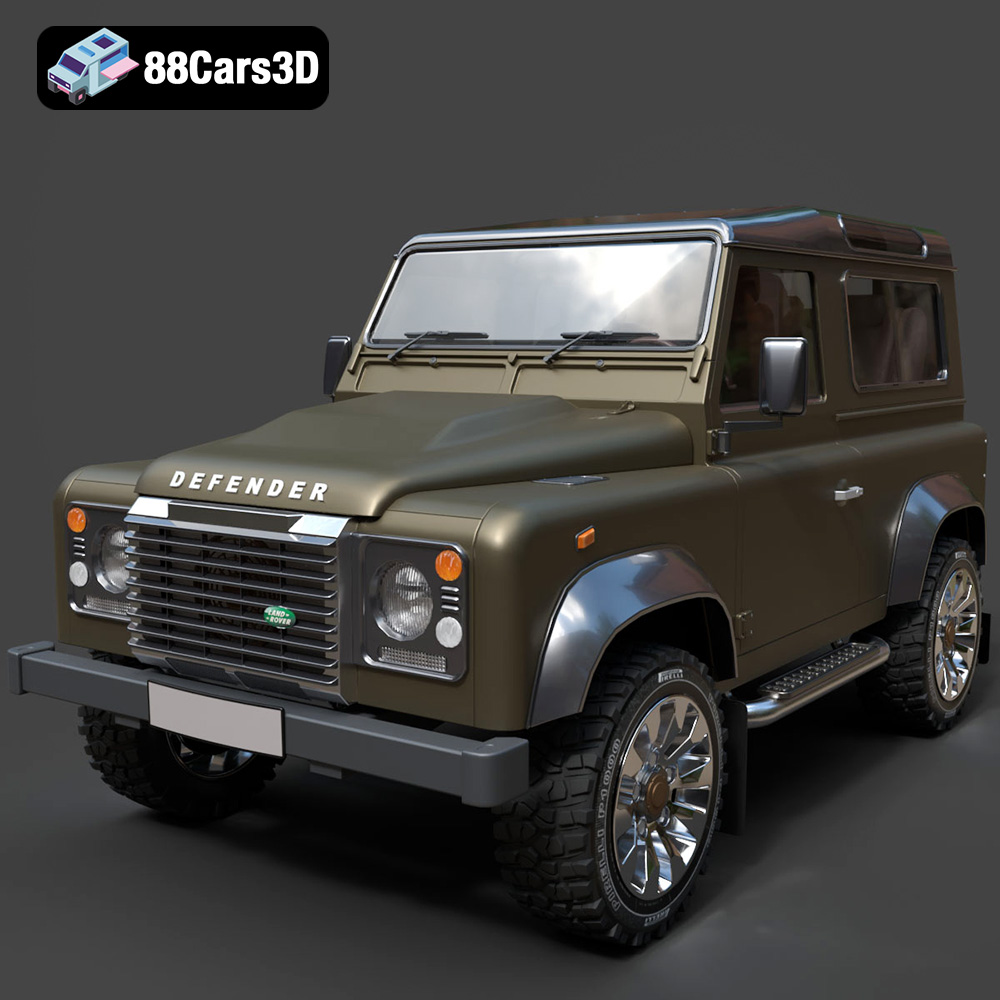
Texture: Yes
Material: Yes
Download the Land Rover Defender Works V8 3D Model featuring clean geometry, realistic detailing, and a fully modeled interior. Includes .blend, .fbx, .obj, .glb, .stl, .ply, .unreal, and .max formats for rendering, simulation, and game development.
Price: $19.99
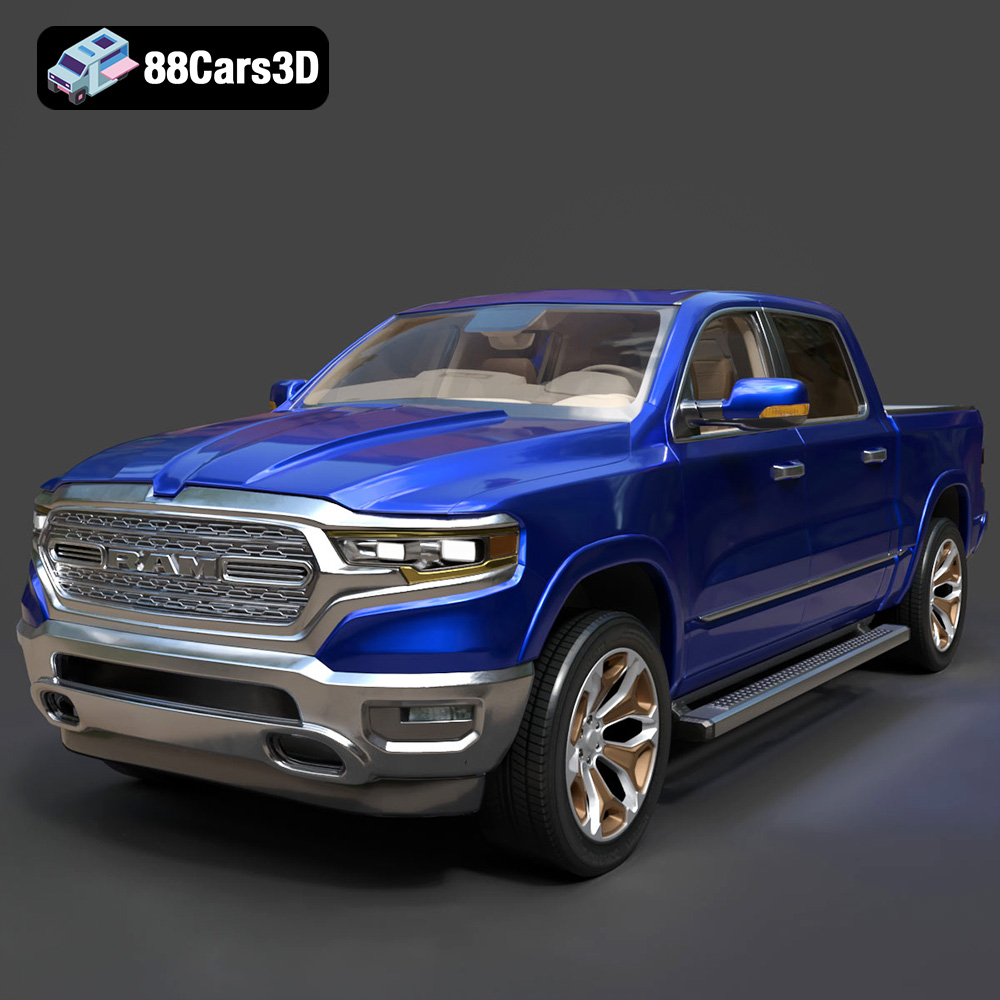
Texture: Yes
Material: Yes
Download the Dodge RAM 2019 3D Model featuring clean geometry, realistic detailing, and a fully modeled interior. Includes .blend, .fbx, .obj, .glb, .stl, .ply, .unreal, and .max formats for rendering, simulation, and game development.
Price: $19.99
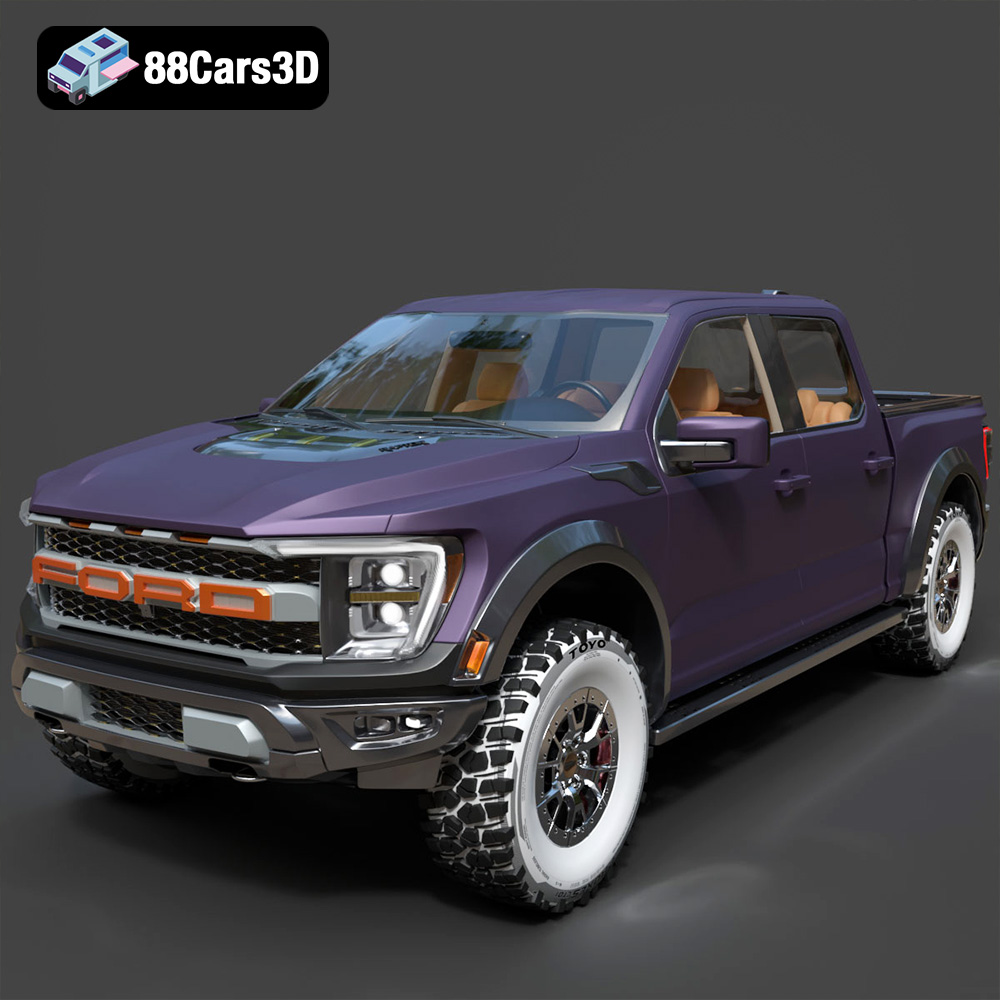
Texture: Yes | Material: Yes Download the ultra-high-detail Ford F-150 Raptor 2021 3D Model (8.73M Triangles). Features uncompromised widebody styling, fully modeled Fox Live Valve suspension, 37-inch tires, and interior. Perfect for premium VFX, cinematic rendering, and ArchViz. Includes .blend, .fbx, .obj, .glb, .stl, and .max formats.
Price: $29.99
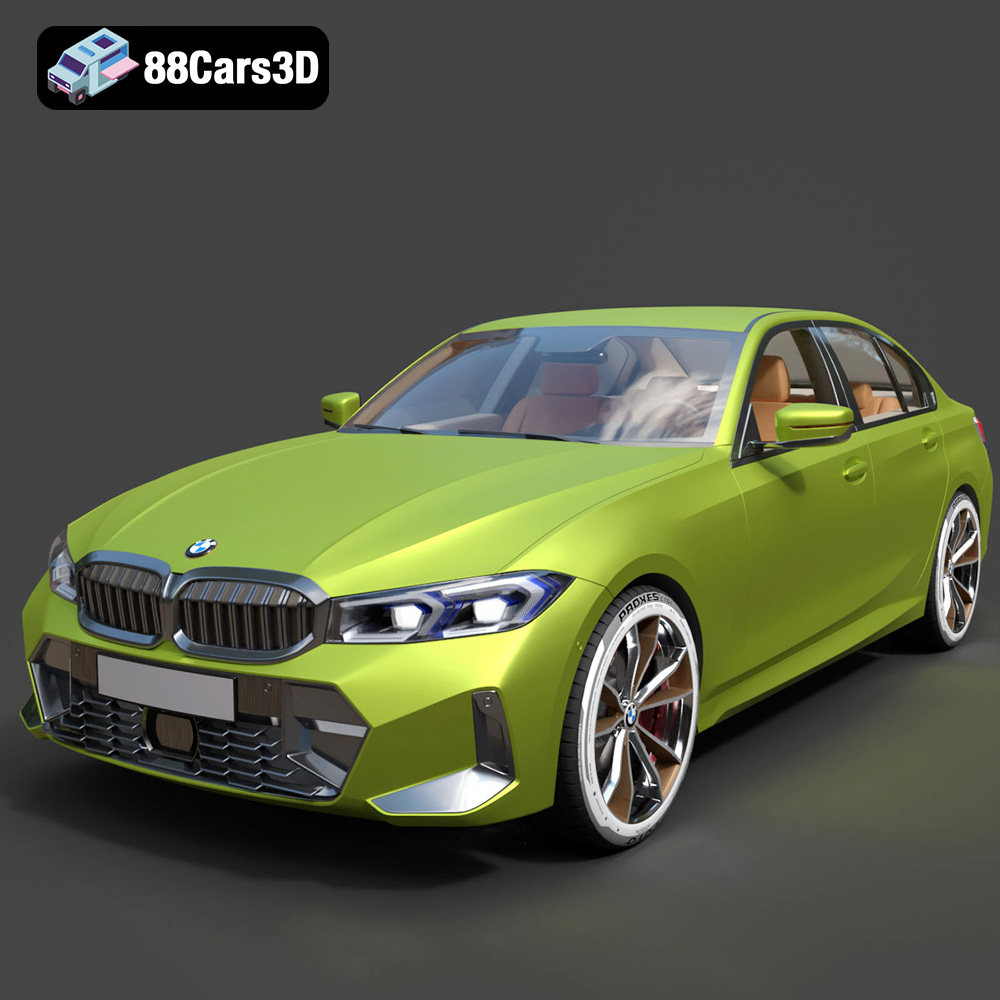
Texture: Yes | Material: Yes Download the ultra-high-detail BMW 3 Series Limousine (2022) 3D Model (4.16M Triangles). Features the modernized G20 LCI exterior, the all-new BMW Curved Display interior, and ultra-dense topology. Perfect for ArchViz, VFX, and cinematic rendering. Includes .blend, .fbx, .obj, .glb, .stl, and .max formats.
Price: $19.99
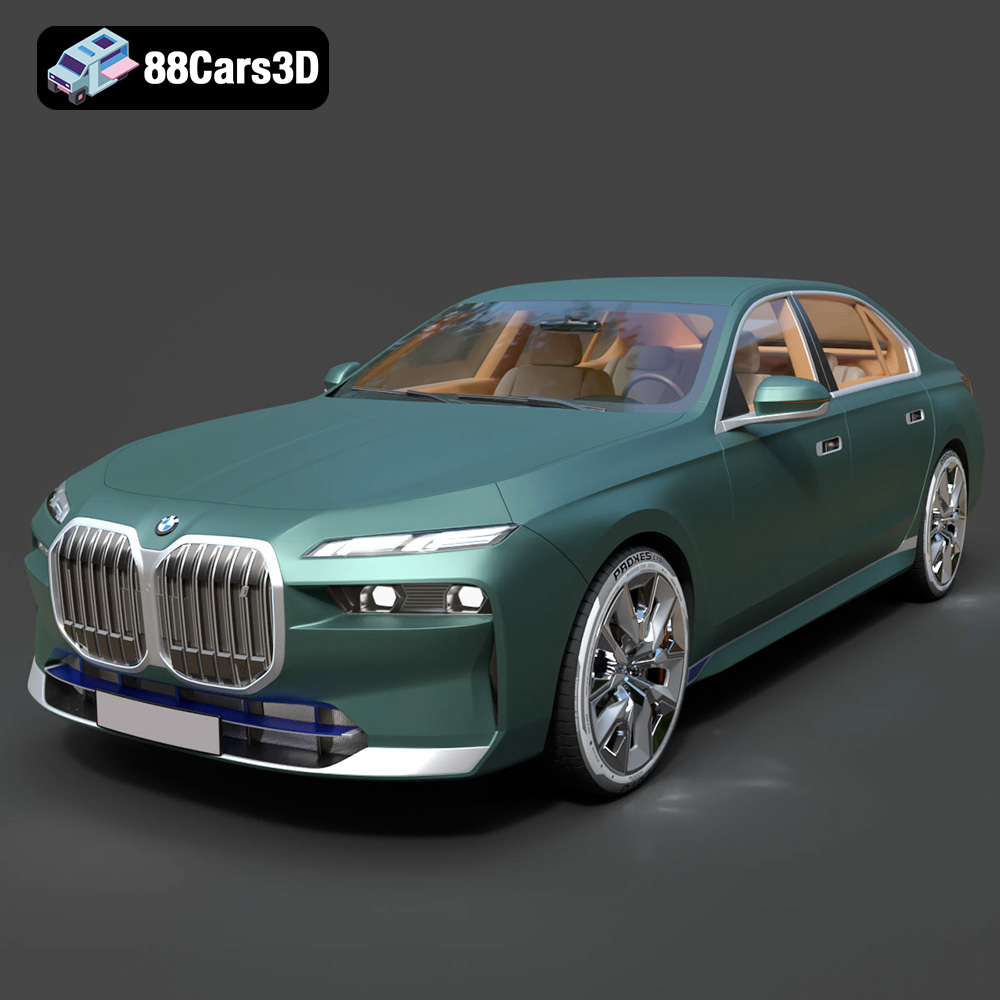
Texture: Yes | Material: Yes Download the ultra-high-detail BMW i7 (2023) 3D Model (4.14M Triangles). Features the illuminated kidney grille, split crystal headlights, fully modeled Theatre Screen interior, and monolithic luxury styling. Perfect for ArchViz, VFX, and cinematic rendering. Includes .blend, .fbx, .obj, .glb, .stl, and .max formats.
Price: $19.99
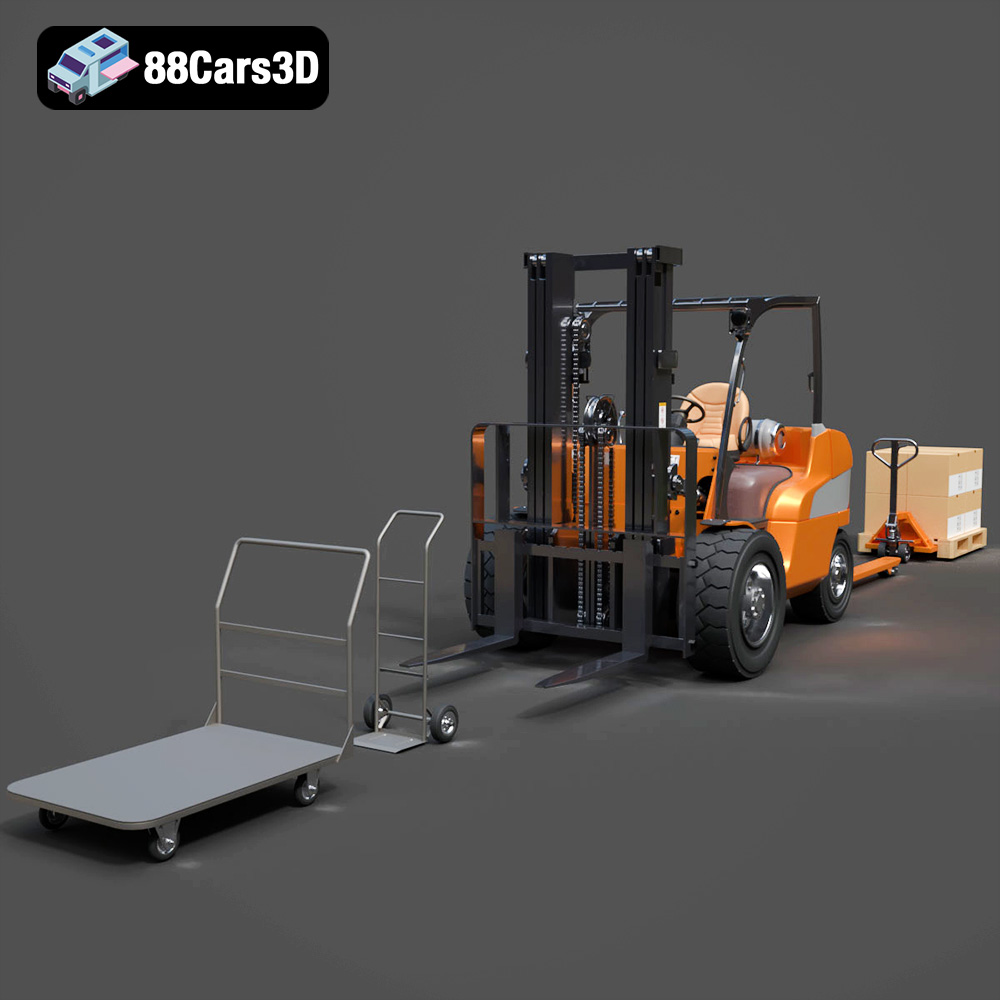
Texture: Yes | Material: Yes Download the highly detailed CAT Manual Loader & Warehouse Carts Kit 3D Model (2.4M Triangles). Features a macro-detailed hydraulic pallet jack, heavy-duty forks, and transport carts. Perfect for industrial ArchViz, factory rendering, and logistics simulations. Includes .blend, .fbx, .obj, .glb, .stl, and .max formats.
Price: $19.99
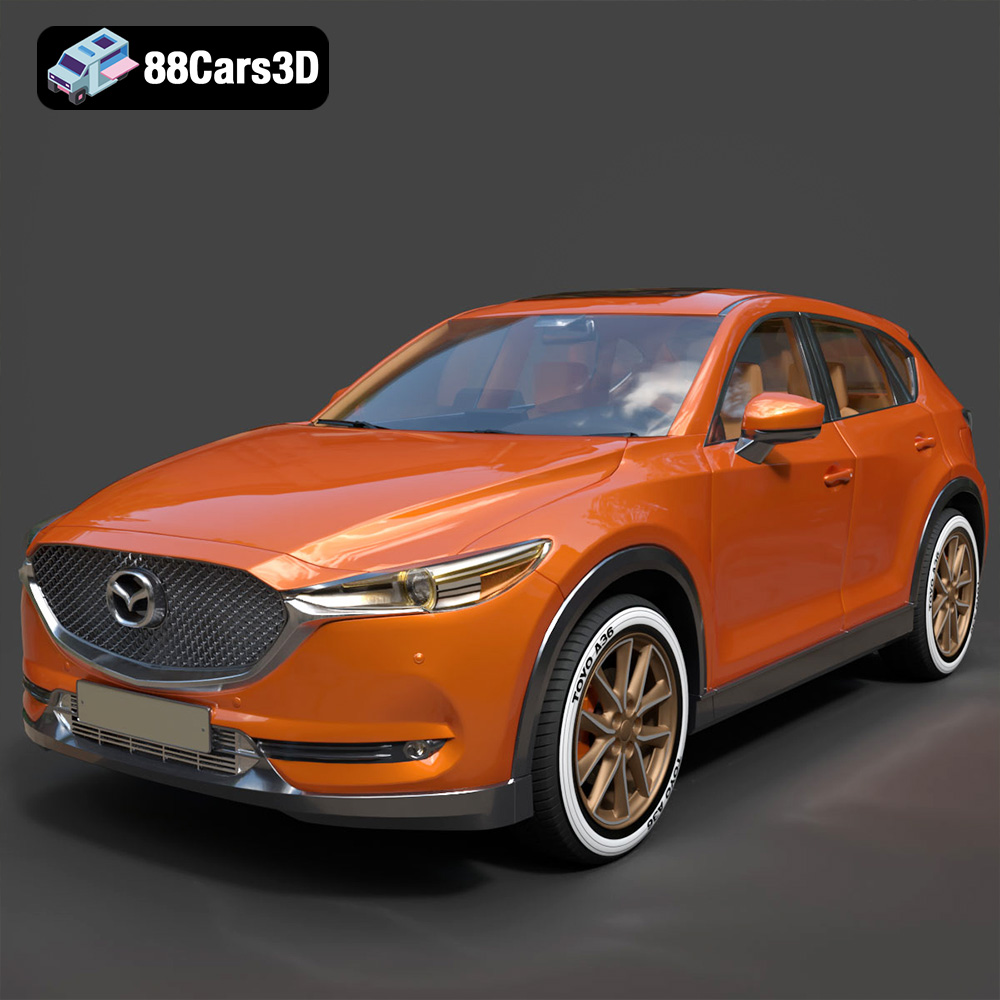
Texture: Yes | Material: Yes
Download the highly optimized Mazda CX-5 2014 3D Model (294k Triangles). Features the dynamic Kodo design language, signature grille, and a clean interior. Perfectly balanced for ArchViz, background traffic, and game development. Includes .blend, .fbx, .obj, .glb, .stl, and .max formats.
Price: $19.99
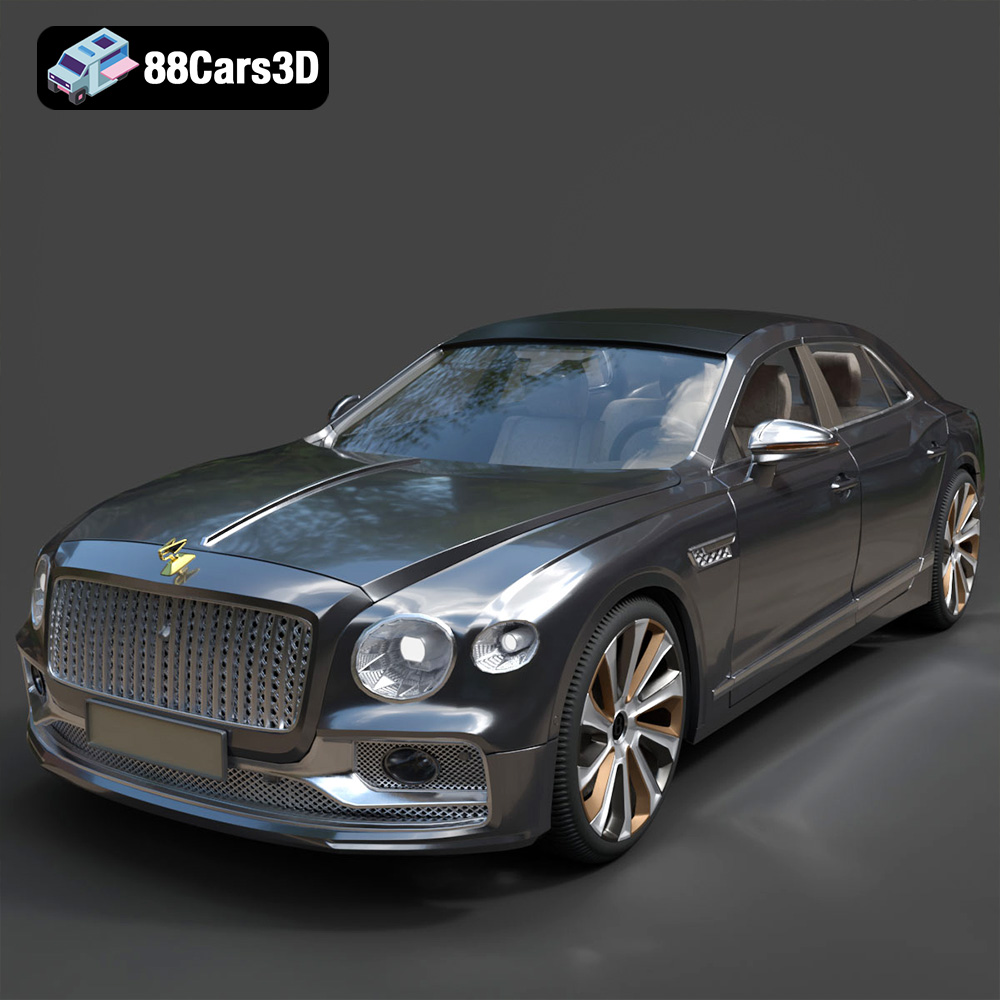
Texture: Yes | Material: Yes Download the ultra-high-detail Bentley Flying Spur Mulliner 2022 3D Model (2.94M Triangles). Features the bespoke Double Diamond grille, a fully modeled diamond-quilted interior, and exquisite luxury styling. Perfect for high-end ArchViz, VFX, and cinematic rendering. Includes .blend, .fbx, .obj, .glb, .stl, and .max formats.
Price: $19.90
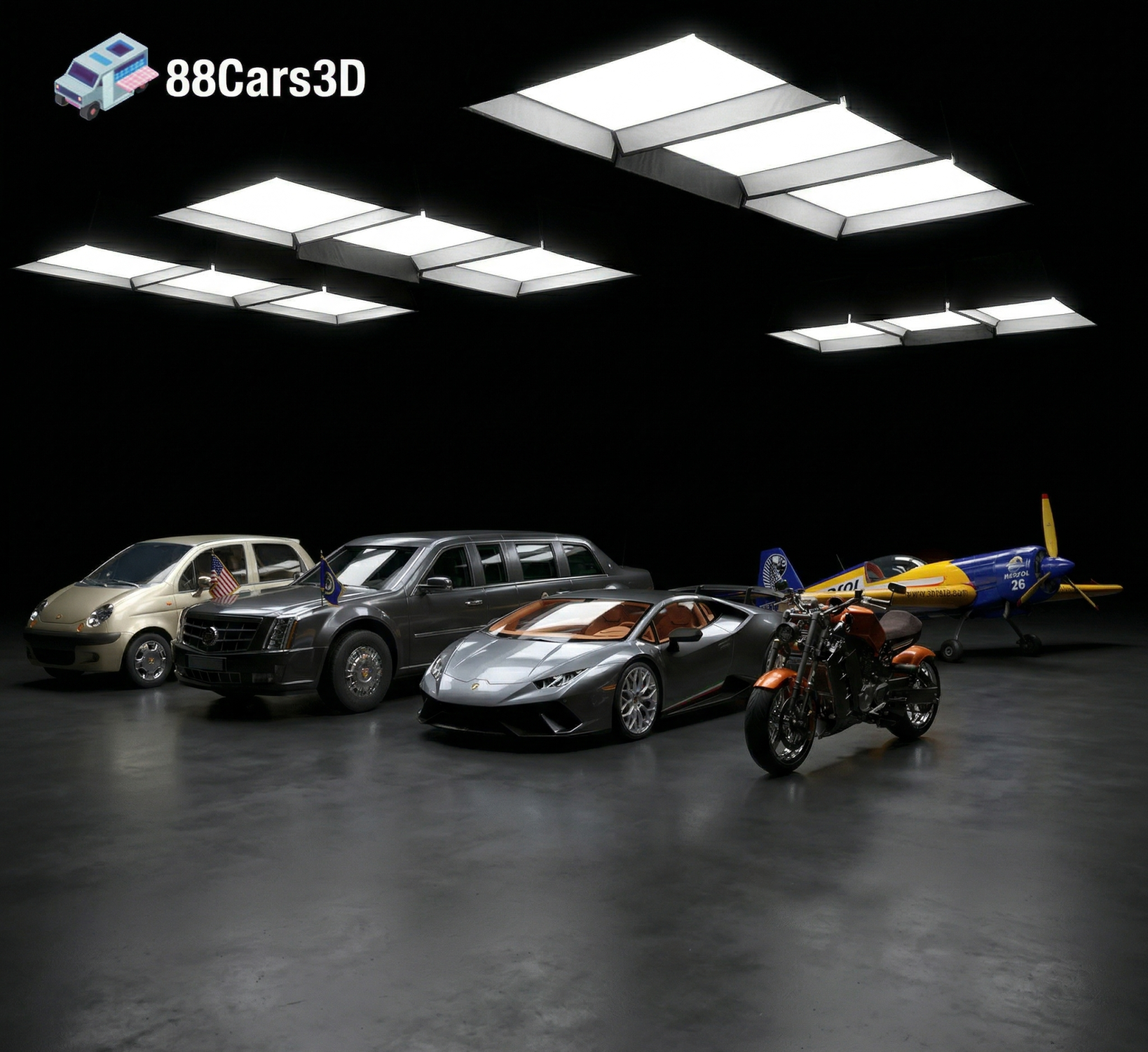
Texture: Yes | Material: Yes | 3D Printable: Yes. Download the Ultimate Creators’ Showcase featuring 5 premium 3D models: Lamborghini Huracan, ZAV Concept Motorcycle, Sukhoi SU-26, Presidential Limousine, and Daewoo Damas. Optimized for 4K CGI rendering and 3D printing. Save massive with this exclusive multi-category bundle!
Price: $99.99

Texture: Yes | Material: Yes | 3D Printable: Yes. Download the Italian Thoroughbreds Bundle featuring 5 iconic 3D models: Lamborghini Huracán Performante, Ferrari 458 Italia, Lamborghini Urus, Diablo SV, and Maserati GT. Optimized for 4K rendering and 3D printing (STL included). Save 50% with this ultimate Italian vehicle collection.
Price: $199.99

