Get 50% OFF All Premium 3D & STL Models!

“`html
3D printing has revolutionized the automotive modeling world, providing enthusiasts and professionals with unprecedented control over design and fabrication. From meticulously detailed wheels and tires to complex body panels, the possibilities are virtually limitless. However, achieving high-quality results requires a deep understanding of STL files, slicing parameters, material selection, and printer-specific settings. This comprehensive guide will equip you with the knowledge and skills to master the art of 3D printing car parts, focusing on wheels, tires, and other intricate components. We’ll explore best practices, troubleshoot common issues, and delve into advanced techniques to ensure your creations are both visually stunning and structurally sound. Whether you’re a seasoned 3D printing expert or just starting, this guide provides invaluable insights for bringing your automotive visions to life.
In this guide, you’ll learn about:
The STL (Stereolithography) file format is the cornerstone of 3D printing. It represents a 3D object as a collection of triangles, forming a mesh that approximates the surface geometry. The quality and structure of this mesh directly impact the final print. For automotive parts, particularly wheels and tires, a well-defined STL file is crucial for capturing intricate details and ensuring structural integrity.
Mesh density, also known as resolution, determines the number of triangles used to represent the object’s surface. A higher mesh density results in a smoother, more detailed print, but it also increases file size and processing time. For complex car parts like wheels with intricate spoke designs, a higher mesh density is usually necessary. A good starting point is to aim for a mesh density that captures all the fine details without making the file excessively large. Consider experimenting with different mesh densities in your 3D modeling software and evaluating the results in your slicer. Software like Blender, Meshmixer, and Netfabb allow you to manipulate the mesh and optimize it for printing.
A manifold mesh is a closed, watertight surface, essential for successful 3D printing. Non-manifold geometry, such as holes or overlapping faces, can cause slicing errors and print failures. Before printing, it’s crucial to check your STL file for errors and correct them using mesh repair software. Netfabb Basic is a popular choice for automatic error correction, while Meshmixer offers more manual control. Ensure that all edges are properly connected and that the mesh is free of self-intersections. Platforms like 88cars3d.com often provide pre-verified STL files to minimize these issues.
Best practice: Always run a mesh repair tool on your STL files before slicing. This can save you time and filament by preventing print failures.
Slicing software converts the STL file into a set of instructions for the 3D printer, defining parameters such as layer height, infill density, and print speed. Fine-tuning these parameters is essential for achieving optimal print quality, especially for detailed automotive parts. Different slicers such as Cura, PrusaSlicer, and Simplify3D offer a wide range of customizable settings, enabling precise control over the printing process.
Layer height directly affects the vertical resolution of the print. A lower layer height results in smoother surfaces and finer details but increases print time. For printing wheels and tires, a layer height between 0.1mm and 0.2mm is generally recommended for FDM printers. Resin printers, on the other hand, can achieve much finer details with layer heights as low as 0.025mm. Experiment with different layer heights to find the sweet spot between print quality and speed. For example, you might use a 0.1mm layer height for the visible surfaces of a wheel and a 0.2mm layer height for the interior.
Infill density determines the amount of material used inside the print. A higher infill density increases strength and rigidity but also increases print time and material consumption. For car parts that require structural integrity, such as suspension components or chassis parts, a higher infill density (20-50%) is recommended. For purely aesthetic parts, such as body panels, a lower infill density (10-20%) may suffice. The infill pattern also affects strength and weight. Common infill patterns include rectilinear, grid, and gyroid. Gyroid infill is known for its excellent strength-to-weight ratio.
The choice of material is crucial for the success of your 3D printing project. Different materials have different properties, such as strength, flexibility, and heat resistance, making them suitable for different applications. For car parts, common materials include PLA, PETG, ABS, TPU, and various types of resin. Understanding the properties of each material is essential for selecting the right one for your specific needs.
PLA (Polylactic Acid) is a popular choice for beginners due to its ease of printing and biodegradability. However, it has relatively low heat resistance and is not suitable for parts that will be exposed to high temperatures. PETG (Polyethylene Terephthalate Glycol-modified) offers a good balance of strength, flexibility, and heat resistance, making it a versatile option for many car parts. ABS (Acrylonitrile Butadiene Styrene) is known for its high strength and heat resistance but is more challenging to print due to its tendency to warp. When downloading models from marketplaces such as 88cars3d.com, consider the intended use of the part and select a material accordingly.
TPU (Thermoplastic Polyurethane) is a flexible material ideal for printing tires, seals, and other components that require elasticity. TPU comes in various hardness levels, typically measured on the Shore hardness scale. Softer TPUs are more flexible but may be more difficult to print. Harder TPUs offer better dimensional accuracy and are easier to print. Experiment with different TPU filaments to find the right balance of flexibility and printability for your specific application. Direct drive extruders are generally recommended for printing TPU, as they provide better control over the filament.
Support structures are temporary structures that support overhangs and bridges during the 3D printing process. They are essential for printing complex geometries, such as wheels with intricate spoke designs or body panels with large overhangs. Designing effective support structures and removing them cleanly after printing is a critical skill for achieving high-quality results.
Most slicing software offers both automatic and manual support generation options. Automatic support generation is convenient but may not always produce the most efficient or easily removable supports. Manual support generation allows for more precise control over the placement and density of supports, minimizing material usage and simplifying removal. Consider using a combination of both methods, using automatic support generation as a starting point and then manually refining the support structure as needed. Software like Meshmixer allows you to create custom support structures with ease.
The support interface is the layer that connects the support structure to the printed part. The interface density and thickness affect the ease of support removal. A thicker, denser interface provides better support but can be more difficult to remove cleanly. A thinner, less dense interface is easier to remove but may not provide sufficient support for heavy overhangs. Experiment with different interface settings to find the right balance for your specific material and geometry. After printing, carefully remove the supports using pliers, tweezers, or a sharp knife. For PLA and PETG, soaking the print in warm water can soften the supports and make them easier to remove. For ABS, using a solvent like acetone can dissolve the supports.
Post-processing is the final step in the 3D printing workflow, involving techniques such as sanding, painting, and assembly to enhance the appearance and functionality of the printed part. Proper post-processing can transform a rough 3D print into a polished, professional-looking product. For automotive parts, post-processing is essential for achieving a realistic and durable finish.
Sanding is used to smooth out layer lines and other imperfections on the surface of the print. Start with a coarse grit sandpaper (e.g., 120 grit) and gradually move to finer grits (e.g., 400 grit, 600 grit) to achieve a smooth surface. After sanding, apply a primer to fill in any remaining imperfections and provide a smooth base for painting. Choose a primer that is compatible with your chosen material. Once the primer is dry, sand it lightly with fine-grit sandpaper. Finally, apply several thin coats of paint, allowing each coat to dry completely before applying the next. Consider using automotive-grade paints for a durable and realistic finish.
Many car models consist of multiple parts that need to be assembled after printing. Use glue or screws to connect the parts securely. Pay attention to the alignment and fit of the parts to ensure a seamless assembly. Add finishing touches such as decals, chrome accents, and weathering effects to enhance the realism of the model. Platforms like 88cars3d.com offer print-ready STL files that often include instructions for assembly, making the process easier.
3D printing can be a challenging process, and it’s common to encounter issues such as warping, delamination, and stringing. Understanding the causes of these issues and knowing how to troubleshoot them is essential for achieving consistent, high-quality results. This section covers some of the most common 3D printing issues and provides practical solutions.
Warping occurs when the corners of the print lift off the build plate due to uneven cooling. This is more common with materials like ABS, which are prone to shrinking as they cool. To prevent warping, ensure that the build plate is clean and level. Use a heated build plate and set the temperature appropriately for your chosen material. Applying an adhesive such as glue stick, hairspray, or painter’s tape to the build plate can also improve bed adhesion. Enclosing the printer in an enclosure can help to maintain a consistent temperature and reduce warping. For larger parts, consider using a brim or raft to increase the contact area between the print and the build plate.
Stringing occurs when small strands of filament are left behind as the print head moves between different parts of the print. This is more common with flexible filaments like TPU. To reduce stringing, adjust the retraction settings in your slicing software. Increase the retraction distance and speed to pull the filament back into the nozzle more effectively. Lowering the printing temperature can also help to reduce stringing. Experiment with different retraction settings and temperature settings to find the optimal combination for your specific material and printer.
Mastering the art of 3D printing wheels, tires, and car parts in STL format requires a combination of technical knowledge, practical skills, and experimentation. By understanding STL file structure, optimizing slicing parameters, selecting the right materials, implementing effective support strategies, and mastering post-processing techniques, you can achieve stunning and professional-looking results. Don’t be afraid to experiment with different settings and materials to find what works best for your specific printer and application. The world of 3D printed automotive models is vast and rewarding, offering endless opportunities for creativity and innovation. With the knowledge gained from this guide, you’re well-equipped to embark on your 3D printing journey and bring your automotive visions to life. Remember to continuously learn and refine your techniques as you gain more experience, and always prioritize safety and quality in your 3D printing endeavors.
Actionable Next Steps:
“`
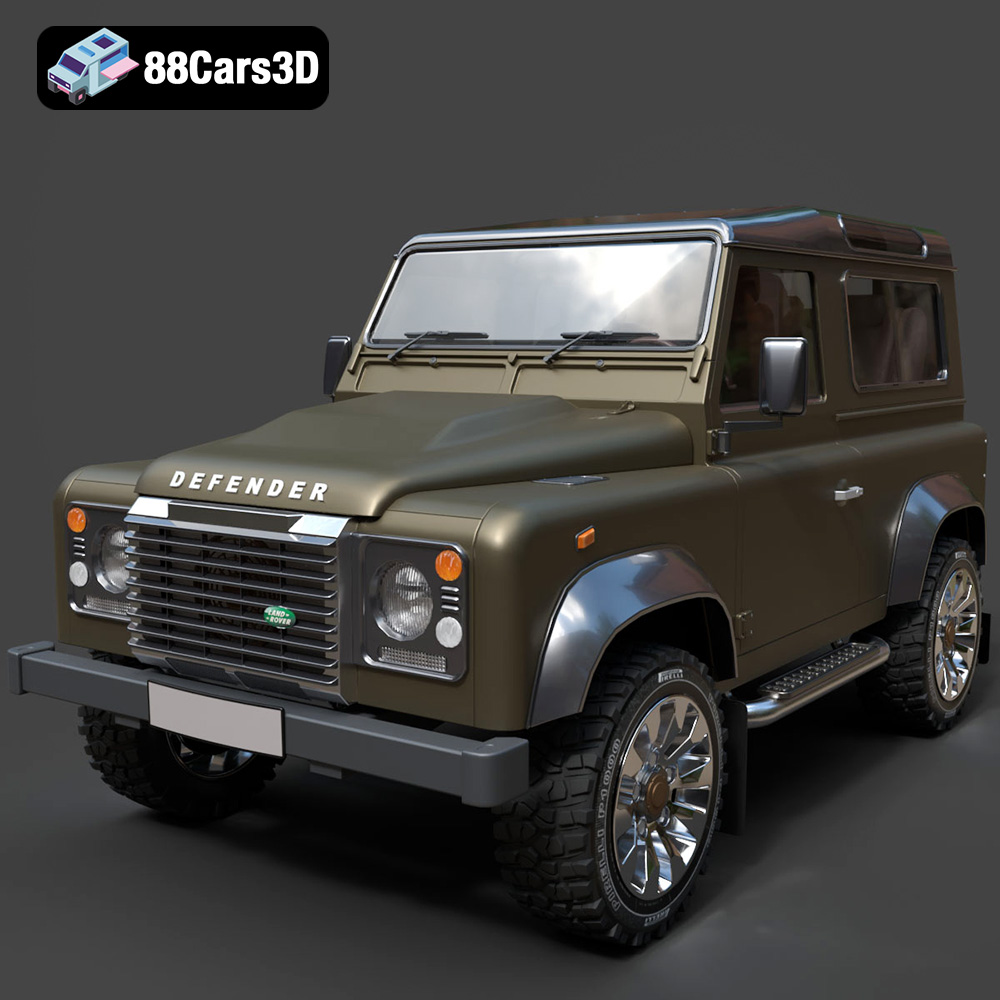
Texture: Yes
Material: Yes
Download the Land Rover Defender Works V8 3D Model featuring clean geometry, realistic detailing, and a fully modeled interior. Includes .blend, .fbx, .obj, .glb, .stl, .ply, .unreal, and .max formats for rendering, simulation, and game development.
Price: $19.99
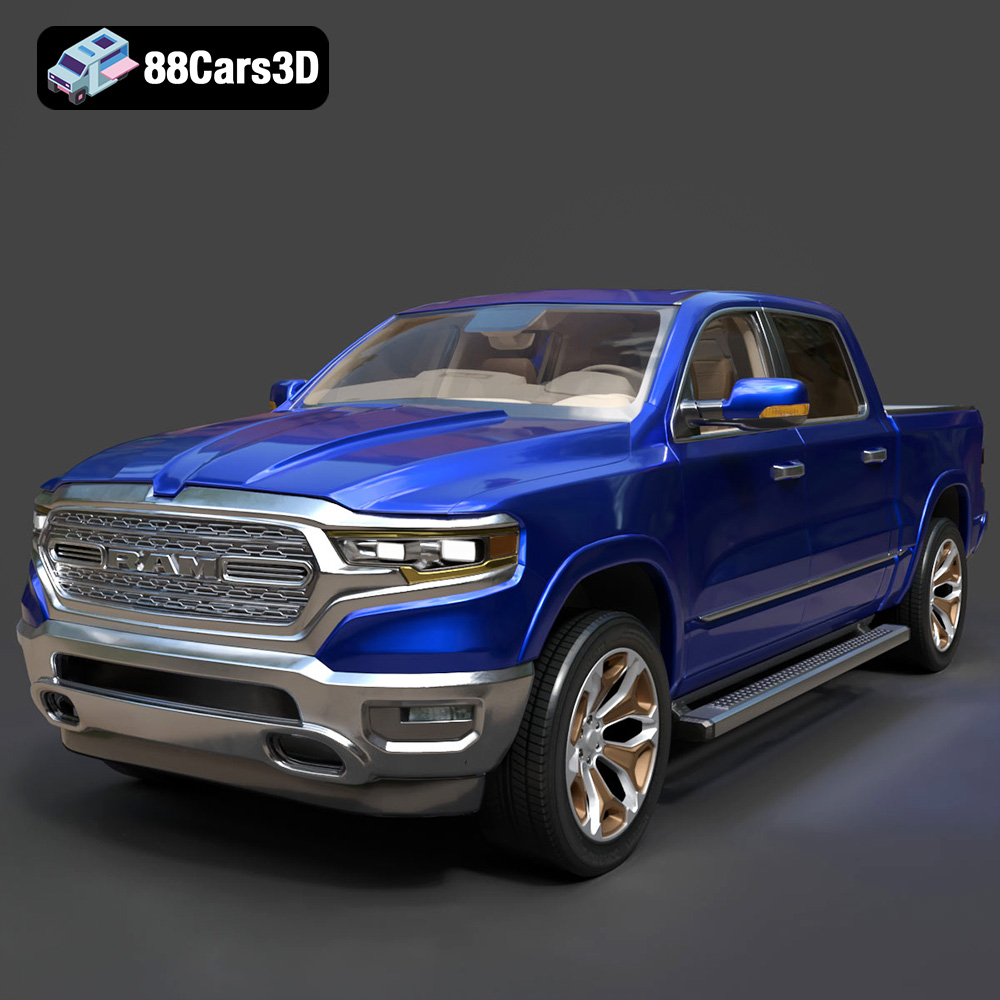
Texture: Yes
Material: Yes
Download the Dodge RAM 2019 3D Model featuring clean geometry, realistic detailing, and a fully modeled interior. Includes .blend, .fbx, .obj, .glb, .stl, .ply, .unreal, and .max formats for rendering, simulation, and game development.
Price: $19.99
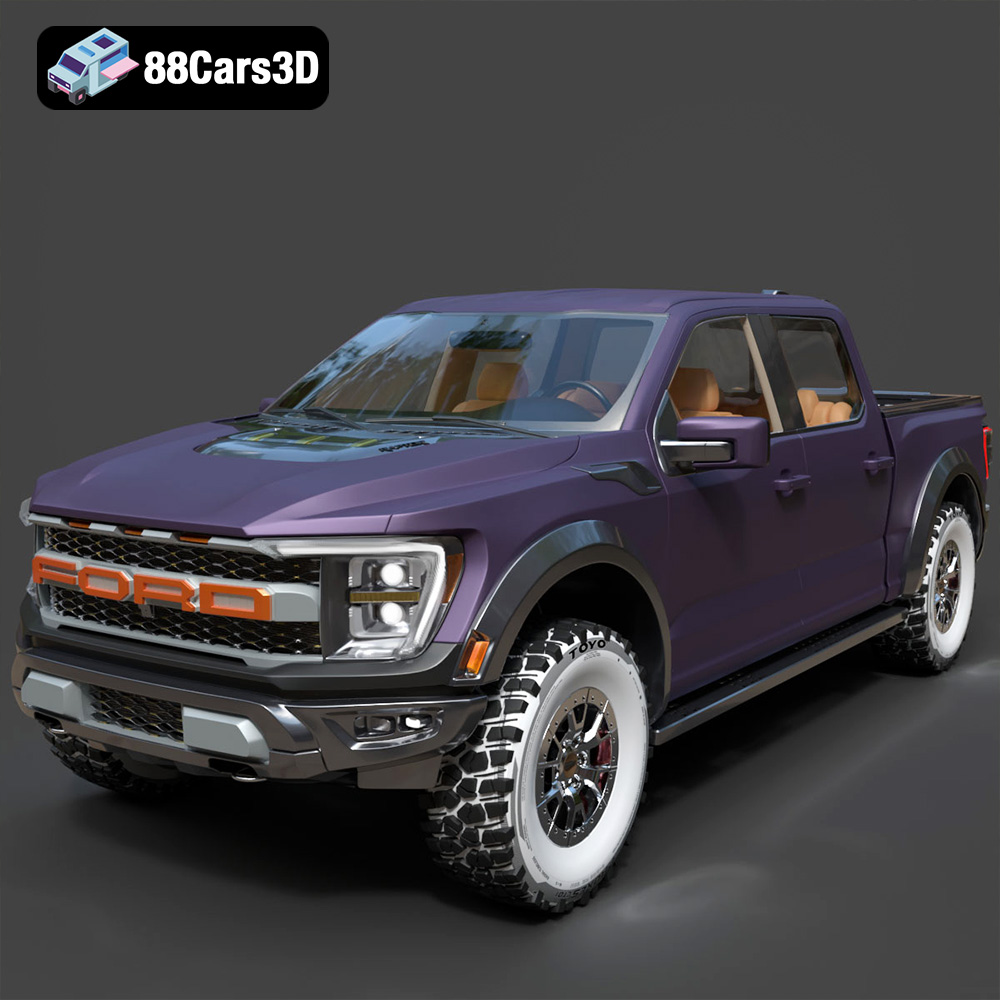
Texture: Yes | Material: Yes Download the ultra-high-detail Ford F-150 Raptor 2021 3D Model (8.73M Triangles). Features uncompromised widebody styling, fully modeled Fox Live Valve suspension, 37-inch tires, and interior. Perfect for premium VFX, cinematic rendering, and ArchViz. Includes .blend, .fbx, .obj, .glb, .stl, and .max formats.
Price: $29.99

Texture: Yes | Material: Yes Download the ultra-high-detail BMW 3 Series Limousine (2022) 3D Model (4.16M Triangles). Features the modernized G20 LCI exterior, the all-new BMW Curved Display interior, and ultra-dense topology. Perfect for ArchViz, VFX, and cinematic rendering. Includes .blend, .fbx, .obj, .glb, .stl, and .max formats.
Price: $19.99
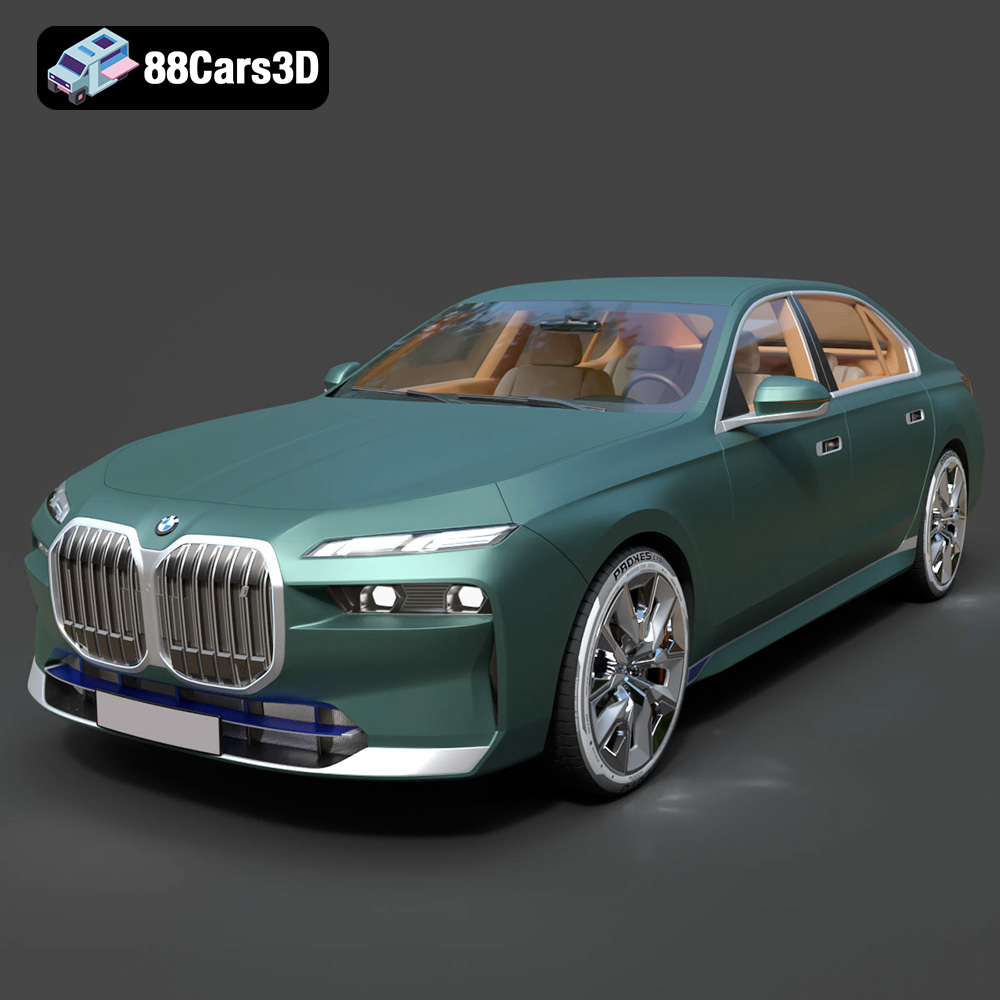
Texture: Yes | Material: Yes Download the ultra-high-detail BMW i7 (2023) 3D Model (4.14M Triangles). Features the illuminated kidney grille, split crystal headlights, fully modeled Theatre Screen interior, and monolithic luxury styling. Perfect for ArchViz, VFX, and cinematic rendering. Includes .blend, .fbx, .obj, .glb, .stl, and .max formats.
Price: $19.99
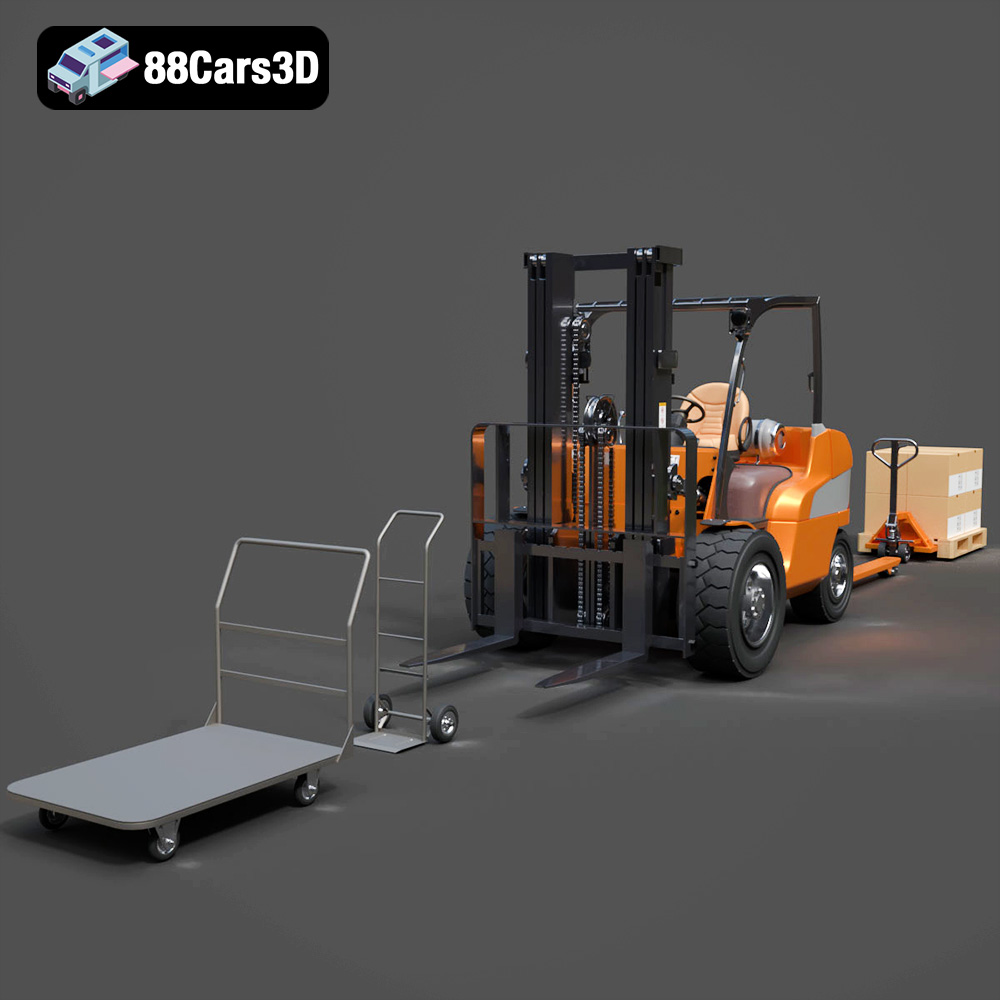
Texture: Yes | Material: Yes Download the highly detailed CAT Manual Loader & Warehouse Carts Kit 3D Model (2.4M Triangles). Features a macro-detailed hydraulic pallet jack, heavy-duty forks, and transport carts. Perfect for industrial ArchViz, factory rendering, and logistics simulations. Includes .blend, .fbx, .obj, .glb, .stl, and .max formats.
Price: $19.99

Texture: Yes | Material: Yes
Download the highly optimized Mazda CX-5 2014 3D Model (294k Triangles). Features the dynamic Kodo design language, signature grille, and a clean interior. Perfectly balanced for ArchViz, background traffic, and game development. Includes .blend, .fbx, .obj, .glb, .stl, and .max formats.
Price: $19.99
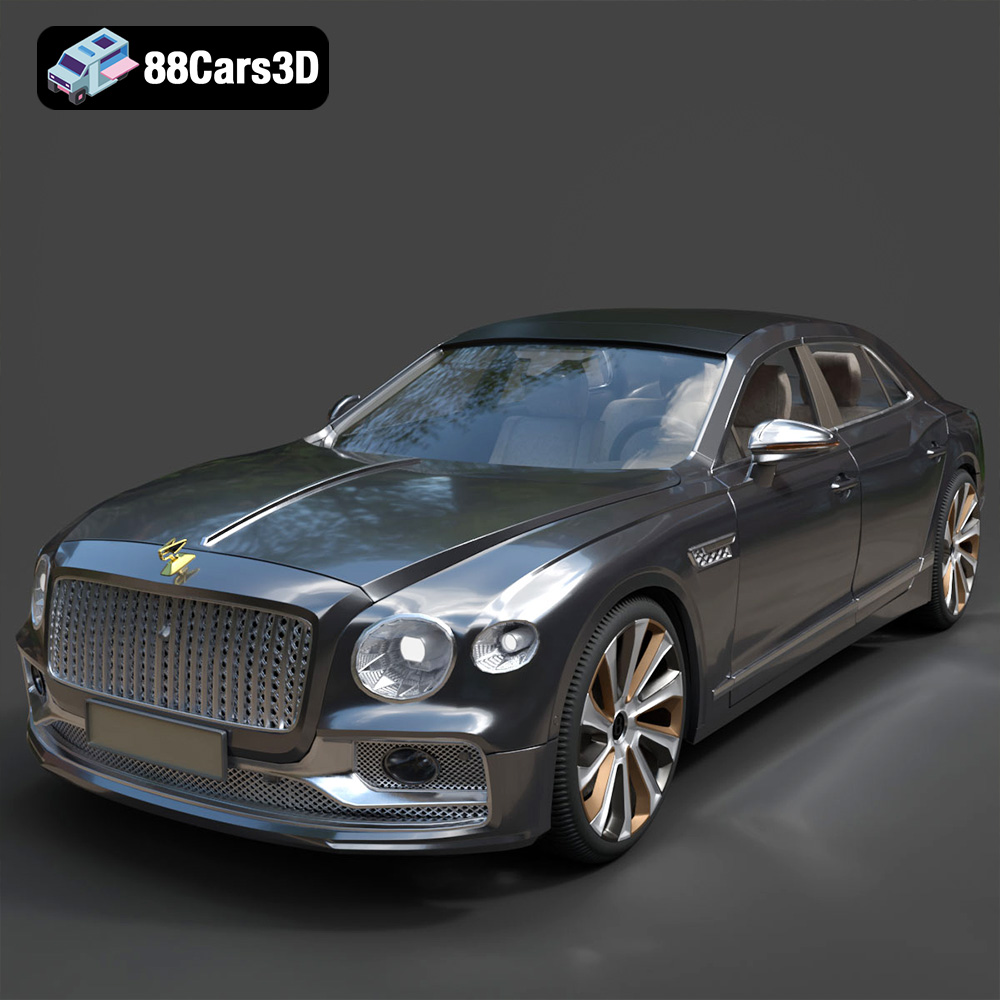
Texture: Yes | Material: Yes Download the ultra-high-detail Bentley Flying Spur Mulliner 2022 3D Model (2.94M Triangles). Features the bespoke Double Diamond grille, a fully modeled diamond-quilted interior, and exquisite luxury styling. Perfect for high-end ArchViz, VFX, and cinematic rendering. Includes .blend, .fbx, .obj, .glb, .stl, and .max formats.
Price: $19.90

Texture: Yes | Material: Yes | 3D Printable: Yes. Download the Ultimate Creators’ Showcase featuring 5 premium 3D models: Lamborghini Huracan, ZAV Concept Motorcycle, Sukhoi SU-26, Presidential Limousine, and Daewoo Damas. Optimized for 4K CGI rendering and 3D printing. Save massive with this exclusive multi-category bundle!
Price: $99.99

Texture: Yes | Material: Yes | 3D Printable: Yes. Download the Italian Thoroughbreds Bundle featuring 5 iconic 3D models: Lamborghini Huracán Performante, Ferrari 458 Italia, Lamborghini Urus, Diablo SV, and Maserati GT. Optimized for 4K rendering and 3D printing (STL included). Save 50% with this ultimate Italian vehicle collection.
Price: $199.99

