Get 50% OFF All Premium 3D & STL Models!

“`html
3D printing, especially when it comes to intricate designs like printable car models from platforms like 88cars3d.com, can be incredibly rewarding. However, the journey from digital file to tangible object is often fraught with challenges, particularly for beginners. Many new users encounter frustrating issues, resulting in failed prints and wasted filament or resin. This article delves into the top 10 mistakes beginners make when printing STL files for 3D car models, providing detailed explanations and actionable solutions to help you achieve successful and high-quality prints.
From incorrect file preparation to inadequate printer settings and support structure woes, we’ll cover the common pitfalls that trip up newcomers to the world of additive manufacturing. Learn how to avoid these mistakes and elevate your 3D printing game, ensuring you can bring those stunning car models to life with confidence and precision. Prepare to transform your 3D printing experience from frustrating to fulfilling!
One of the most common mistakes is diving straight into printing without properly preparing the STL file. STL files, while widely used, can often contain errors that lead to print failures. These errors can range from non-manifold geometry to holes in the mesh and intersecting faces. Ignoring these issues is a surefire way to end up with a deformed or incomplete print. The quality of your STL file directly impacts the final outcome, especially when printing detailed automotive models.
Mesh topology refers to the structure of the triangles that make up your 3D model. Problems arise when this structure is flawed, such as having edges that are not connected or faces that are oriented incorrectly. This leads to a non-manifold mesh, meaning the model is not a closed, watertight volume, which is essential for successful 3D printing. Using software like Netfabb or Meshmixer to analyze and repair your mesh is crucial. Netfabb offers advanced repair functionalities, while Meshmixer provides user-friendly tools for simpler corrections. Always aim for a “watertight” model before proceeding to slicing.
Software like Meshmixer and Netfabb are indispensable for repairing STL files. In Meshmixer, you can use the “Make Solid” tool to convert a non-manifold mesh into a solid, printable object. Netfabb offers more advanced features, including automatic repair scripts that can fix a wide range of errors. For example, in Netfabb, you can load your STL file and run the “Automatic Repair” script, choosing the “Standard” repair mode for most common issues. After repair, always visually inspect the model to ensure that no details have been lost or distorted during the process. When downloading models from marketplaces such as 88cars3d.com, while many are pre-repaired, a quick check never hurts.
The orientation of your model on the print bed has a significant impact on print quality, support requirements, and overall print time. Many beginners simply load the STL file into the slicer and print it in its default orientation, which is rarely optimal. Choosing the correct orientation can minimize the need for supports, reduce print time, and improve the surface finish of critical areas of your 3D car model.
Support structures are necessary for overhangs and complex geometries, but they also add to print time and can leave unsightly marks on the finished print. Orienting your model to minimize overhangs will reduce the amount of support material required. For example, if you are printing a car body, consider orienting it with the roof facing down to minimize supports inside the cabin. This reduces the amount of post-processing needed to remove supports and improve the aesthetic appeal of the final model. Clever orientation is key to efficient and clean prints.
Consider the direction of stress or potential weak points in your model when determining orientation. For example, if a particular part of your car model is likely to experience stress, orient it so that the layers are aligned in a way that strengthens that area. Printing a car chassis with the layers running horizontally along the length of the chassis will provide greater structural integrity compared to printing it vertically. Think about the function and forces acting on the printed part to optimize its strength through strategic orientation.
Printer settings are paramount to achieving successful prints. Beginners often overlook the importance of calibrating their printer and using appropriate settings for the material and model they are printing. This includes layer height, infill density, print speed, and temperature settings. Incorrect settings can lead to poor layer adhesion, warping, stringing, and other undesirable effects.
Layer height affects both the resolution and print time. A smaller layer height (e.g., 0.1mm) results in finer details but increases print time significantly. A larger layer height (e.g., 0.2mm) prints faster but sacrifices some detail. For car models, a layer height of 0.15mm to 0.2mm often strikes a good balance between detail and speed. Print speed should also be adjusted based on the material and layer height. Slower speeds (e.g., 40mm/s) generally improve layer adhesion and reduce the risk of warping, especially for larger prints. Higher speeds (e.g., 60mm/s) can be used for smaller, less detailed parts.
Each material (PLA, ABS, PETG, resin) requires specific temperature settings for optimal printing. PLA typically prints at 200-220°C with a bed temperature of 60°C. ABS requires higher temperatures, around 230-250°C with a bed temperature of 80-110°C. PETG usually prints at 220-240°C with a bed temperature of 70-80°C. Incorrect temperatures can lead to poor adhesion, warping, and other issues. Always refer to the material manufacturer’s recommendations for the best temperature settings. Also, ensure your bed is properly leveled and the first layer is adhering well to prevent warping during the print.
Support structures are crucial for printing overhangs and intricate details, but generating them correctly is an art. Beginners often use default support settings in their slicer, which can result in excessive support material, difficult removal, and damage to the printed part. Understanding different support types and how to customize them is essential for successful 3D printing.
Slicers offer various support types, including tree supports, linear supports, and grid supports. Tree supports are generally more efficient for complex geometries as they use less material and are easier to remove. Linear supports are suitable for simple overhangs, while grid supports are best for flat surfaces. Experiment with different support types to find the best option for your car model. For example, tree supports are often preferred for car bodies with curved surfaces because they provide adequate support with minimal contact points.
Most slicers allow you to customize support settings such as density, overhang angle, and support interface. Reducing support density can save material and make removal easier. Adjusting the overhang angle determines when supports are generated, preventing unnecessary support material. The support interface (the layer between the support and the model) can be adjusted to improve adhesion and prevent damage during removal. A thinner interface is generally easier to remove, while a thicker interface provides stronger support. In Cura, for instance, you can adjust the “Support Interface Thickness” and “Support Overhang Angle” under the “Support” settings.
Bed adhesion is critical for the success of any 3D print. If the first layer doesn’t adhere properly to the print bed, the entire print can fail. Beginners often underestimate the importance of a clean and properly leveled bed. Without good adhesion, warping, lifting, and other issues can derail even the most carefully planned prints.
A clean print bed is essential for good adhesion. Wipe the bed with isopropyl alcohol before each print to remove any grease or residue. For materials like ABS, using an adhesion promoter like hairspray or a specialized adhesive can improve adhesion. A level bed ensures that the nozzle is the correct distance from the bed across the entire printing surface. Use the printer’s built-in leveling function or manually adjust the bed screws to achieve a perfectly level surface. A simple test is to print a single-layer square across the entire bed and observe the layer adhesion in different areas.
Adjusting first layer settings in your slicer can also improve bed adhesion. Increasing the first layer height and width can create a stronger bond between the print and the bed. Slowing down the first layer print speed also allows the material to adhere better. In Cura, you can adjust the “Initial Layer Height” and “Initial Layer Speed” under the “Quality” and “Speed” settings, respectively. Experiment with these settings to find the optimal combination for your printer and material.
Infill density and patterns play a crucial role in the strength, weight, and print time of your 3D model. Beginners often use default infill settings, which may not be suitable for their specific application. Understanding different infill patterns and how to adjust the density can significantly impact the performance of your printed car models. For instance, a highly detailed decorative model may only need minimal infill, while a functional, load-bearing chassis requires much greater density.
Slicers offer a variety of infill patterns, including grid, honeycomb, gyroid, and triangles. Grid infill is simple and fast but can be weak in certain directions. Honeycomb infill provides excellent strength and is commonly used for structural parts. Gyroid infill is isotropic (equal strength in all directions) and is a good choice for parts that experience complex loads. Triangles infill offers a balance between strength and print time. For car models, consider using honeycomb or gyroid infill for the chassis and other load-bearing components, and grid or triangles infill for the body. Experiment with different patterns to optimize strength and weight.
Infill density is the percentage of the model’s interior that is filled with material. A higher infill density (e.g., 50%) results in a stronger but heavier and slower print. A lower infill density (e.g., 15%) results in a weaker but lighter and faster print. For decorative car models, a low infill density may be sufficient. For functional models, a higher infill density is necessary to withstand stress and impact. Generally, a range of 20-30% infill is a good starting point for most car model components. Adjust the infill density based on the specific requirements of each part.
A well-calibrated and maintained printer is essential for consistent and high-quality prints. Beginners often neglect regular maintenance tasks and fail to calibrate their printer properly. This can lead to a variety of issues, including poor print quality, inconsistent layer adhesion, and even printer damage. Regular maintenance ensures your printer operates smoothly and reliably.
Regular maintenance tasks include cleaning the nozzle, lubricating moving parts, and tightening loose screws. Clogged nozzles can cause under-extrusion and poor layer adhesion. Clean the nozzle regularly using a nozzle cleaning kit or by performing a cold pull. Lubricate the lead screws and bearings to ensure smooth movement. Check and tighten all screws and bolts to prevent vibrations and instability. A well-maintained printer will produce more consistent and reliable prints.
Printer calibration involves adjusting settings such as bed leveling, extruder calibration (E-steps), and temperature settings. Bed leveling ensures that the nozzle is the correct distance from the bed across the entire printing surface. Extruder calibration ensures that the printer is extruding the correct amount of filament. Temperature calibration ensures that the material is being printed at the optimal temperature. Follow the printer manufacturer’s instructions for calibrating your printer. There are many calibration prints available online to test different aspects of printer performance.
Post-processing is the final step in the 3D printing process and is often overlooked by beginners. This includes removing support structures, sanding, painting, and assembling the printed parts. Rushing this stage can result in a poorly finished product, diminishing the overall quality of your 3D car model.
Removing support structures can be challenging, especially for complex geometries. Use appropriate tools, such as pliers, cutters, and scrapers, to carefully remove the supports without damaging the printed part. Start by removing the larger supports first, and then work your way down to the smaller, more delicate supports. Be patient and take your time to avoid breaking any parts of the model. For delicate areas, consider using a heat gun to soften the supports before removing them. Supports are often easier to remove while the print is still warm.
Sanding and painting can significantly improve the surface finish of your 3D printed car model. Start by sanding the model with coarse sandpaper to remove any rough edges and imperfections. Then, gradually move to finer grits of sandpaper to achieve a smooth surface. Apply a primer to prepare the model for painting. Choose paints that are compatible with the material you used for printing. Apply multiple thin coats of paint, allowing each coat to dry completely before applying the next. Consider using an airbrush for a more professional finish. Clear coating adds an extra layer of protection and shine.
Different materials have different properties, such as strength, flexibility, and temperature resistance. Beginners often choose materials based on cost or availability without considering the specific requirements of their project. Selecting the right material is crucial for the functionality and durability of your 3D car model. Printing an engine block out of flexible filament will be a definite failure, for example.
PLA is a popular choice for beginners due to its ease of use and low cost. However, PLA is not very strong or heat resistant. ABS is stronger and more heat resistant than PLA, but it is more difficult to print and requires a heated bed. PETG offers a good balance of strength, flexibility, and ease of printing. Resin offers high detail, but models can be brittle. Consider the specific requirements of your car model when choosing a material. For example, if you need a strong and heat resistant part, ABS or PETG may be a better choice than PLA.
Match the material to the application of the printed part. For example, if you are printing a decorative car model that will not be subjected to any stress or heat, PLA may be a suitable choice. However, if you are printing a functional car model that will be subjected to stress and heat, ABS or PETG may be necessary. For highly detailed parts, resin printing may be the best option. Consider the environmental conditions and potential stresses that the printed part will be exposed to when selecting a material. For example, leaving a PLA printed car on the dashboard of a car in summer is not recommended!
3D printing is a learning process, and mistakes are inevitable. Beginners often get discouraged when they encounter problems and fail to learn from their mistakes. Troubleshooting and analyzing failed prints is essential for improving your 3D printing skills. Documentation and experimentation are key.
When a print fails, take the time to analyze what went wrong. Look for signs of poor bed adhesion, under-extrusion, warping, or other issues. Consult online resources and forums to learn about common causes of these problems. Adjust your settings and try again. Keep a log of your prints, including the settings you used and any problems you encountered. This will help you identify patterns and avoid making the same mistakes in the future. A failed print is a learning opportunity!
Don’t be afraid to seek help from online communities and forums. There are many experienced 3D printers who are willing to share their knowledge and expertise. Platforms like 88cars3d.com also offer resources and support for their customers. Share your experiences and ask questions. By learning from others and sharing your own knowledge, you can improve your 3D printing skills and help others avoid common mistakes. Participate in the 3D printing community to grow and learn.
Avoiding these common mistakes can significantly improve your 3D printing success rate, especially when working with intricate models from sites like 88cars3d.com. Remember to meticulously prepare your STL files, optimize print orientation and settings, manage support structures effectively, ensure good bed adhesion, choose appropriate materials, and troubleshoot any issues that arise. By paying attention to these details and continuously learning from your experiences, you can master the art of 3D printing and create stunning, high-quality car models.
Take the time to implement the tips and techniques discussed in this article. Start with a simple model and gradually increase the complexity as you gain experience. Document your settings, analyze your results, and don’t be afraid to experiment. With practice and patience, you can overcome these common mistakes and unlock the full potential of 3D printing. Happy printing!
“`
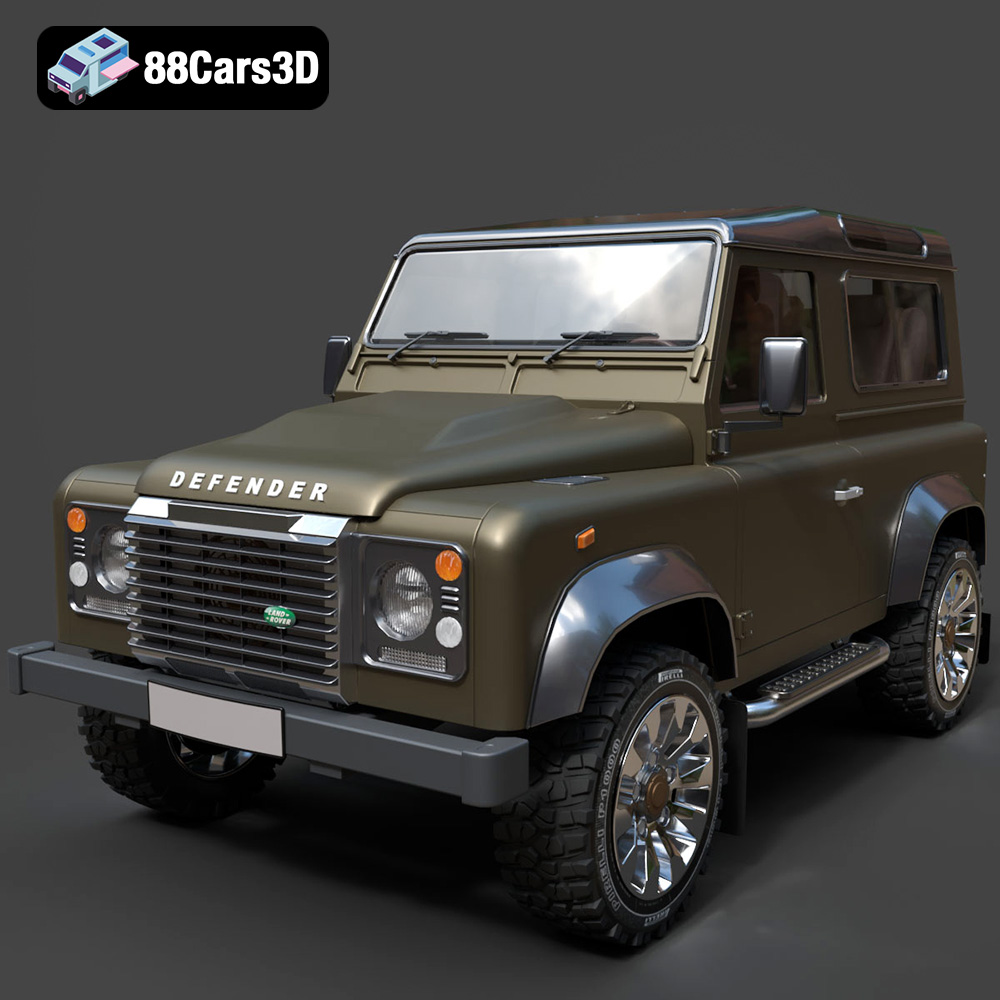
Texture: Yes
Material: Yes
Download the Land Rover Defender Works V8 3D Model featuring clean geometry, realistic detailing, and a fully modeled interior. Includes .blend, .fbx, .obj, .glb, .stl, .ply, .unreal, and .max formats for rendering, simulation, and game development.
Price: $19.99
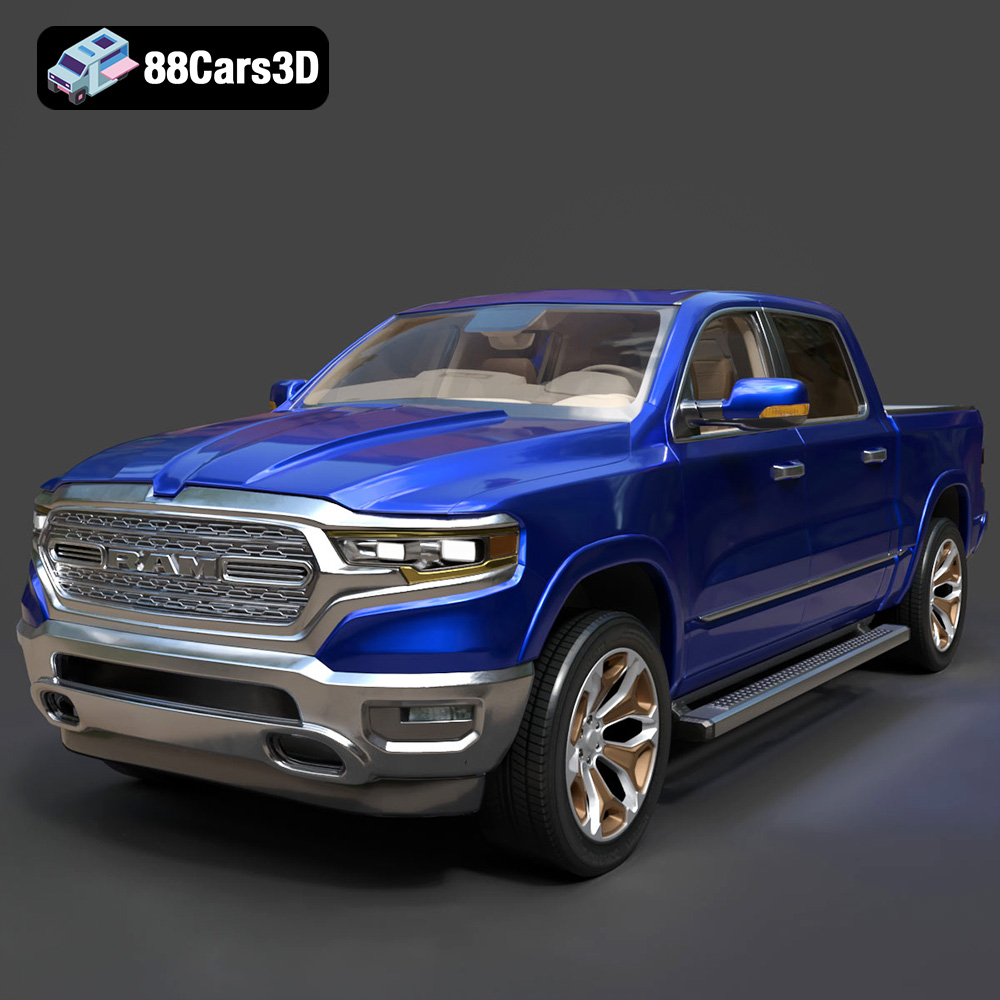
Texture: Yes
Material: Yes
Download the Dodge RAM 2019 3D Model featuring clean geometry, realistic detailing, and a fully modeled interior. Includes .blend, .fbx, .obj, .glb, .stl, .ply, .unreal, and .max formats for rendering, simulation, and game development.
Price: $19.99
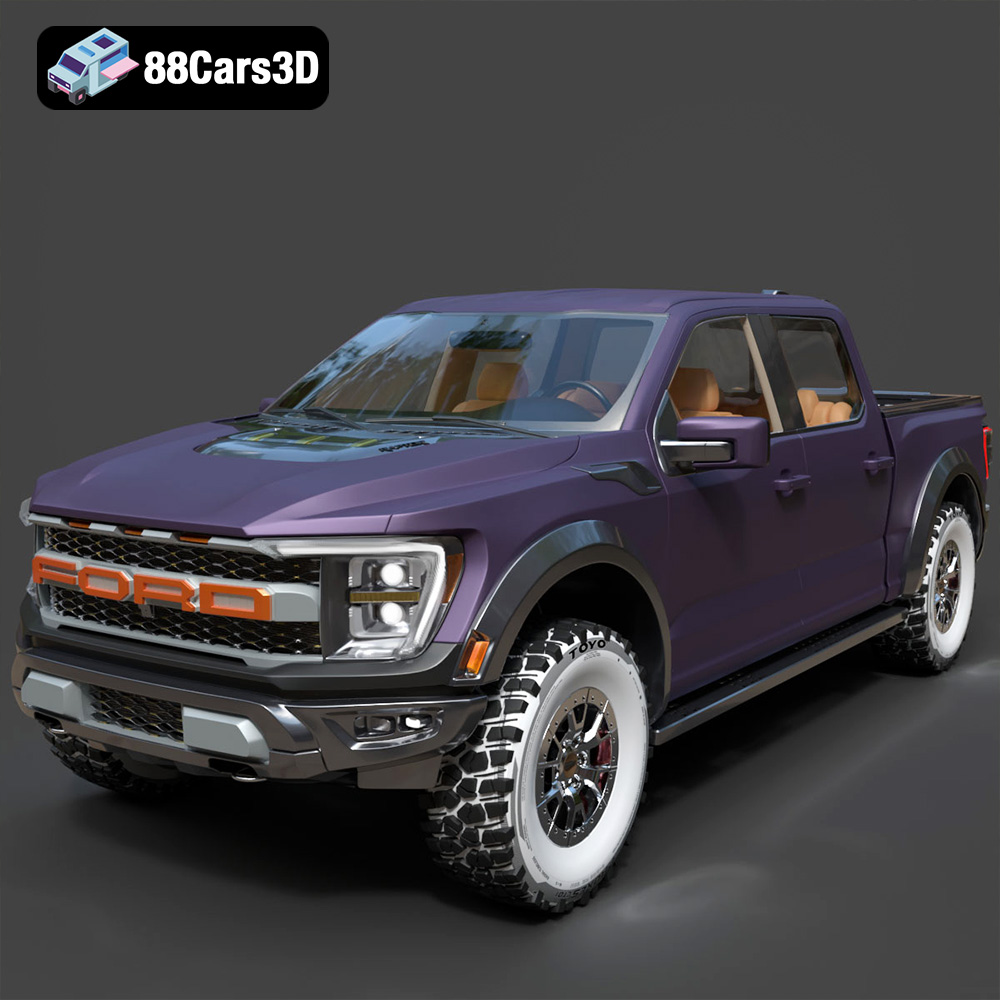
Texture: Yes | Material: Yes Download the ultra-high-detail Ford F-150 Raptor 2021 3D Model (8.73M Triangles). Features uncompromised widebody styling, fully modeled Fox Live Valve suspension, 37-inch tires, and interior. Perfect for premium VFX, cinematic rendering, and ArchViz. Includes .blend, .fbx, .obj, .glb, .stl, and .max formats.
Price: $29.99

Texture: Yes | Material: Yes Download the ultra-high-detail BMW 3 Series Limousine (2022) 3D Model (4.16M Triangles). Features the modernized G20 LCI exterior, the all-new BMW Curved Display interior, and ultra-dense topology. Perfect for ArchViz, VFX, and cinematic rendering. Includes .blend, .fbx, .obj, .glb, .stl, and .max formats.
Price: $19.99
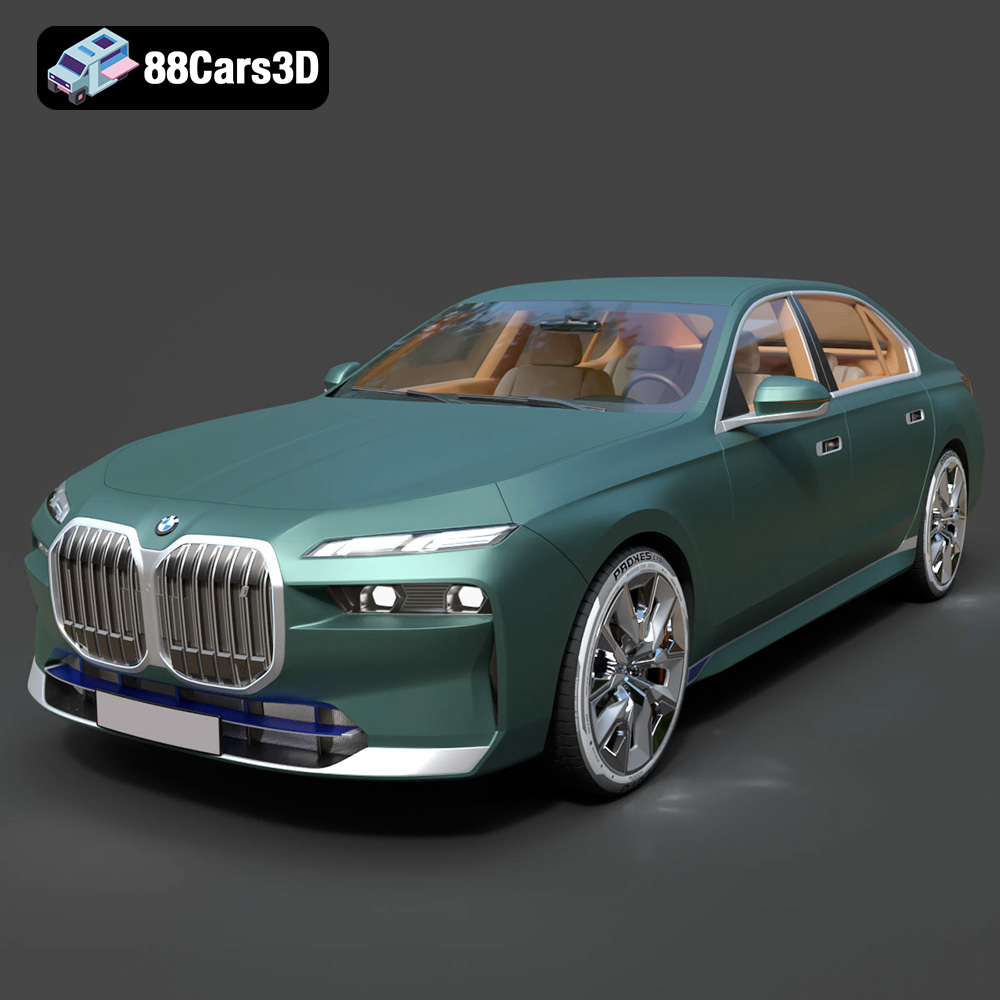
Texture: Yes | Material: Yes Download the ultra-high-detail BMW i7 (2023) 3D Model (4.14M Triangles). Features the illuminated kidney grille, split crystal headlights, fully modeled Theatre Screen interior, and monolithic luxury styling. Perfect for ArchViz, VFX, and cinematic rendering. Includes .blend, .fbx, .obj, .glb, .stl, and .max formats.
Price: $19.99
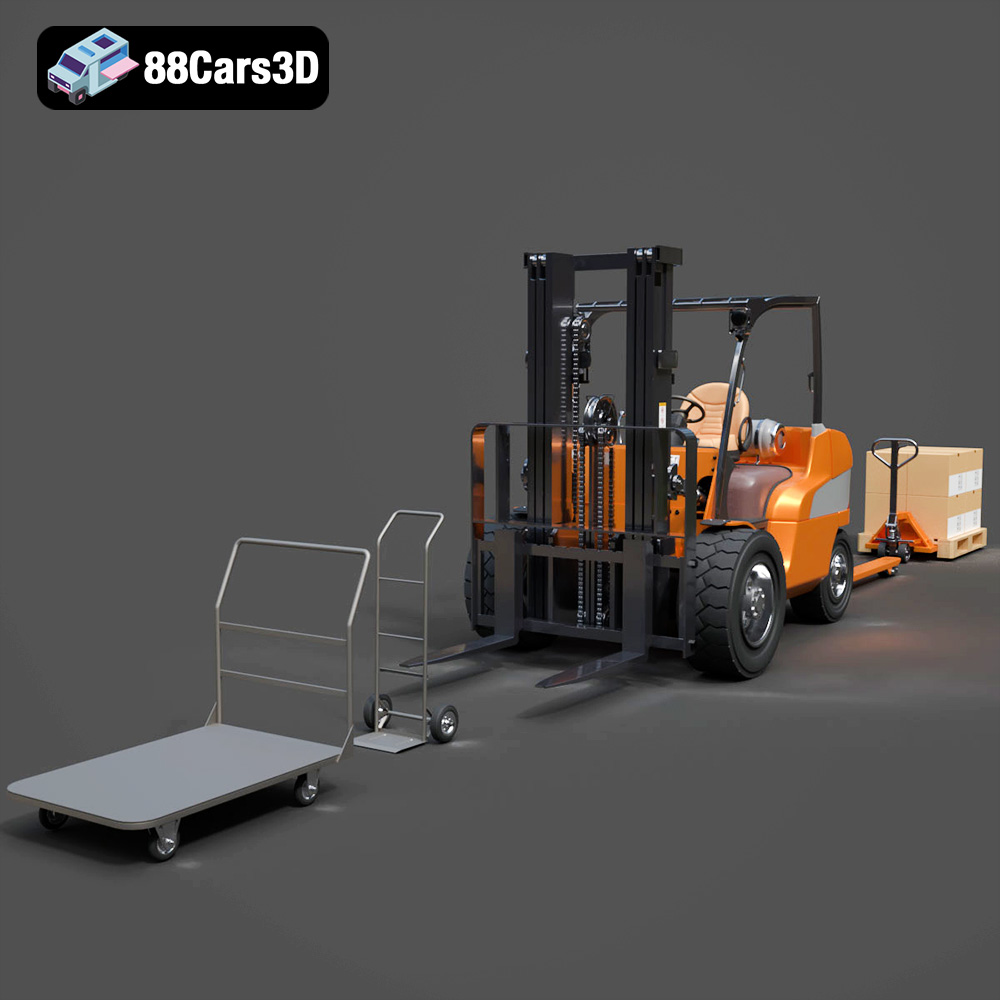
Texture: Yes | Material: Yes Download the highly detailed CAT Manual Loader & Warehouse Carts Kit 3D Model (2.4M Triangles). Features a macro-detailed hydraulic pallet jack, heavy-duty forks, and transport carts. Perfect for industrial ArchViz, factory rendering, and logistics simulations. Includes .blend, .fbx, .obj, .glb, .stl, and .max formats.
Price: $19.99

Texture: Yes | Material: Yes
Download the highly optimized Mazda CX-5 2014 3D Model (294k Triangles). Features the dynamic Kodo design language, signature grille, and a clean interior. Perfectly balanced for ArchViz, background traffic, and game development. Includes .blend, .fbx, .obj, .glb, .stl, and .max formats.
Price: $19.99
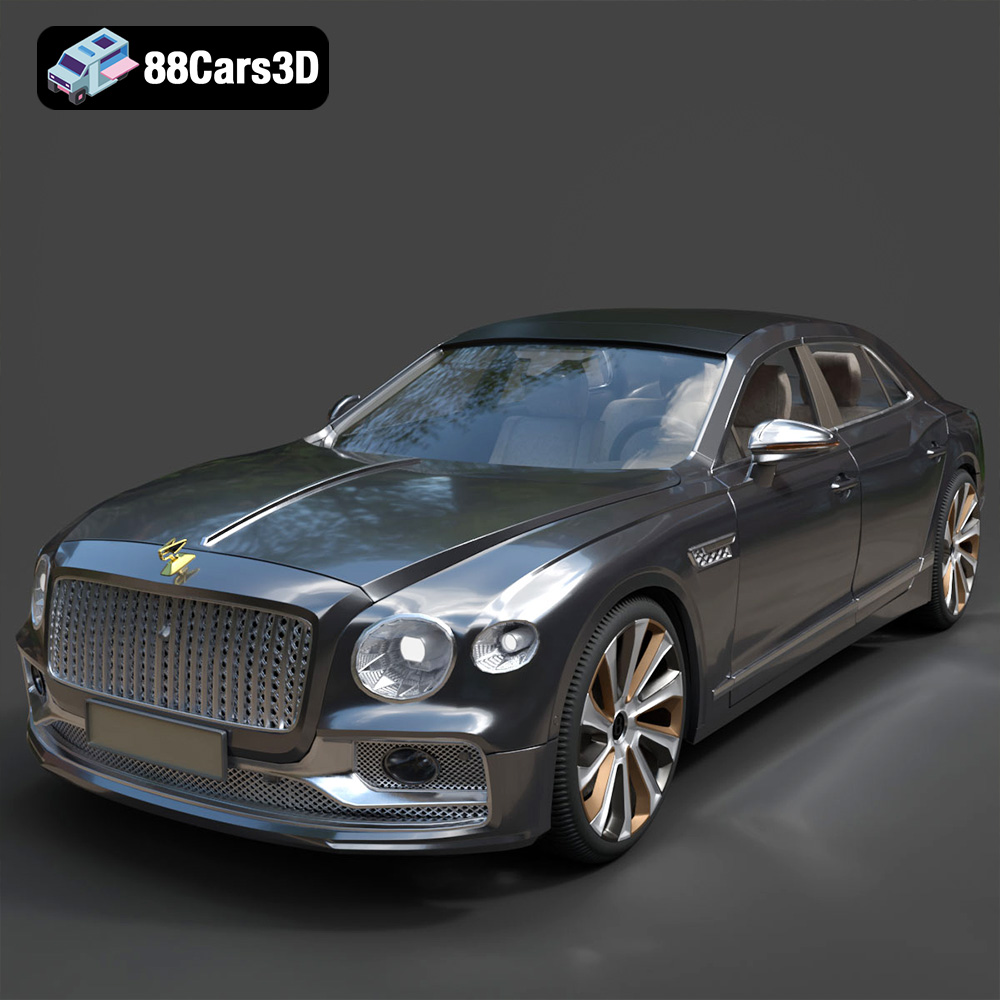
Texture: Yes | Material: Yes Download the ultra-high-detail Bentley Flying Spur Mulliner 2022 3D Model (2.94M Triangles). Features the bespoke Double Diamond grille, a fully modeled diamond-quilted interior, and exquisite luxury styling. Perfect for high-end ArchViz, VFX, and cinematic rendering. Includes .blend, .fbx, .obj, .glb, .stl, and .max formats.
Price: $19.90
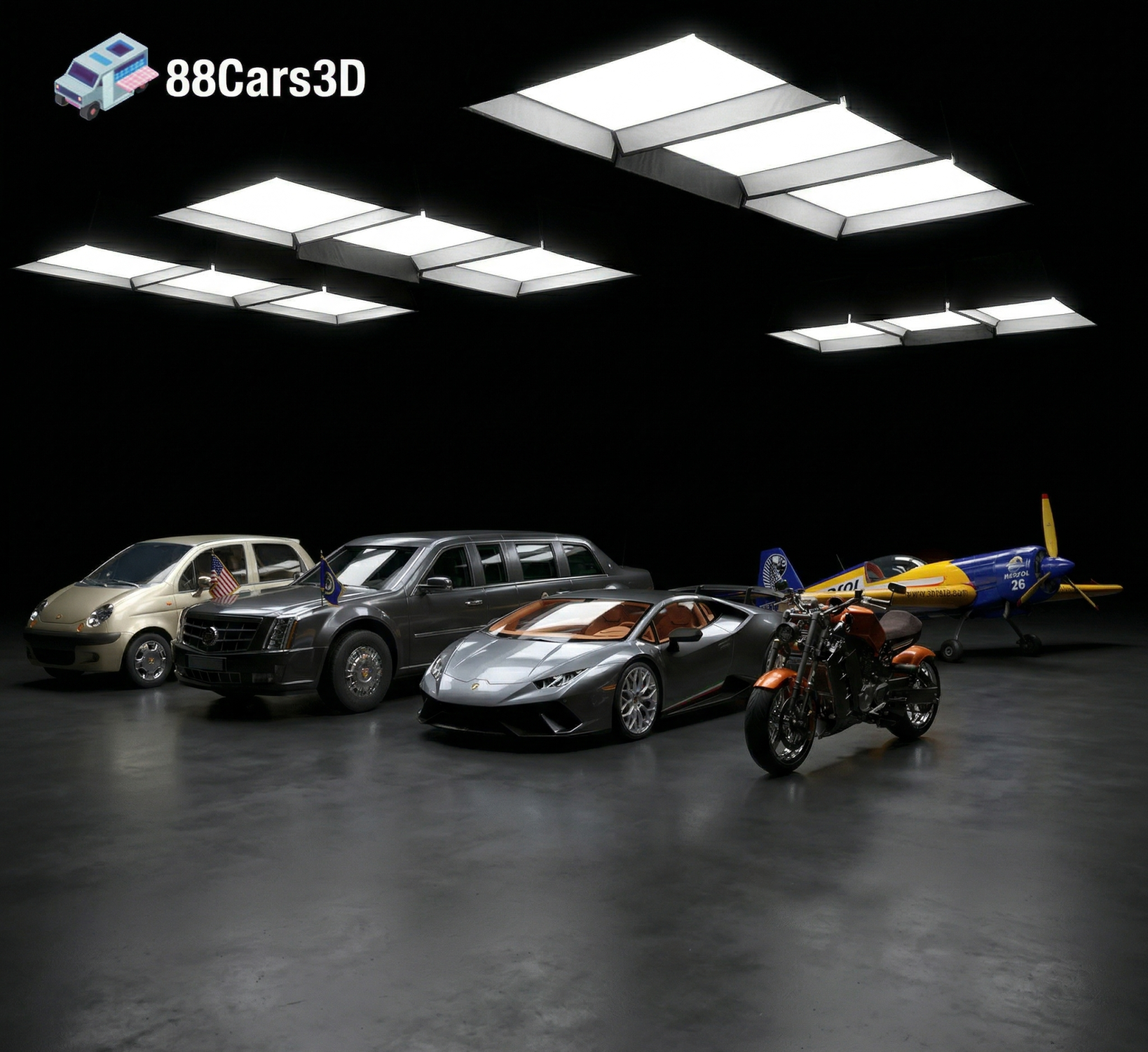
Texture: Yes | Material: Yes | 3D Printable: Yes. Download the Ultimate Creators’ Showcase featuring 5 premium 3D models: Lamborghini Huracan, ZAV Concept Motorcycle, Sukhoi SU-26, Presidential Limousine, and Daewoo Damas. Optimized for 4K CGI rendering and 3D printing. Save massive with this exclusive multi-category bundle!
Price: $99.99

Texture: Yes | Material: Yes | 3D Printable: Yes. Download the Italian Thoroughbreds Bundle featuring 5 iconic 3D models: Lamborghini Huracán Performante, Ferrari 458 Italia, Lamborghini Urus, Diablo SV, and Maserati GT. Optimized for 4K rendering and 3D printing (STL included). Save 50% with this ultimate Italian vehicle collection.
Price: $199.99

