Get 50% OFF All Premium 3D & STL Models!

“`html
Unreal Engine’s Chaos physics system has revolutionized the way we approach destruction and simulation in real-time applications. From shattering glass to crumpling car chassis, Chaos provides the tools and fidelity needed to create truly immersive and believable environments. This article delves into the intricacies of Chaos physics, exploring its core components, practical implementation within Unreal Engine, and optimization techniques for achieving stunning visual results without sacrificing performance. Whether you’re developing a high-octane racing game, a detailed architectural visualization, or a groundbreaking virtual production, understanding Chaos physics is crucial for pushing the boundaries of realism.
We’ll cover everything from setting up your Unreal Engine project for Chaos, importing and preparing 3D assets (especially focusing on automotive assets which are available from sources like 88cars3d.com), to creating compelling destruction sequences and interactive simulations using Blueprints and the various Chaos solvers. Get ready to unlock the power of physics-driven realism in your Unreal Engine projects!
Before diving into the specifics of destruction and simulation, it’s essential to configure your Unreal Engine project to properly utilize the Chaos physics system. This involves enabling relevant plugins and configuring project settings to optimize performance.
The Chaos physics system is primarily delivered through plugins. To enable it, navigate to Edit > Plugins in the Unreal Engine editor. Search for “Chaos” and ensure that the following plugins are enabled:
After enabling these plugins, you’ll be prompted to restart the Unreal Engine editor. Make sure to save your work before doing so.
Several project settings can influence the behavior and performance of the Chaos physics system. Access these settings via Edit > Project Settings.
It’s crucial to experiment with these settings to find the optimal balance between visual fidelity and performance for your specific project needs. Remember to consult the official Unreal Engine documentation for detailed explanations of each setting.
The quality and preparation of your 3D car models are paramount for achieving realistic and visually compelling destruction effects. Models sourced from platforms like 88cars3d.com often provide a solid foundation, but additional steps are required to optimize them for Chaos physics.
Before importing your 3D car model into Unreal Engine, it’s crucial to optimize it for real-time rendering and physics simulation. This typically involves:
The Voronoi Fracture tool is a powerful method of generating realistic fracture patterns for destructible meshes. It essentially breaks your model into a collection of smaller, irregularly shaped pieces.
After fracturing your model, you may need to adjust the fracture settings and re-fracture it multiple times to achieve the desired result. Pay close attention to the size and shape of the fracture pieces, as this will significantly impact the visual appearance of the destruction.
Physically Based Rendering (PBR) materials are essential for achieving realistic visuals in Unreal Engine. When creating materials for destructible car parts, it’s crucial to consider the material properties of each part and how they will be affected by damage and wear.
PBR materials are defined by a set of material properties that control how light interacts with the surface. The most important properties are:
A Master Material provides a central location for defining the base material properties and applying damage textures. This allows you to easily create variations of the material for different parts of the car.
By using a Master Material with damage textures, you can easily create realistic and visually compelling materials for your destructible car parts. Remember to use high-quality textures with appropriate resolutions to achieve the best results.
Lighting plays a crucial role in showcasing the realism of your Chaos-driven destruction. Unreal Engine offers both traditional lighting techniques and the cutting-edge Lumen global illumination and reflections system. Understanding how to leverage both is key to achieving optimal visual fidelity and performance. Lumen offers fantastic bounce lighting and realistic reflections, greatly enhancing the sense of realism when car panels are deformed and reflecting the environment in new ways. However, Lumen can be computationally expensive, so balancing its use with traditional techniques is important.
Lumen is Unreal Engine’s fully dynamic global illumination and reflections system. It’s designed to provide high-quality lighting and reflections in real-time, without the need for precomputed lightmaps. To enable Lumen:
With Lumen enabled, the scene will automatically be lit by global illumination and reflections. However, you may need to adjust the Lumen settings to optimize performance and visual quality:
For car destruction, Lumen’s dynamic reflections are particularly valuable. As the car deforms, the reflections will update in real-time, creating a more believable and immersive experience. However, keep performance in mind, especially with complex destruction scenarios.
While Lumen offers dynamic global illumination, traditional lighting techniques are still essential for controlling the overall look and feel of your scene.
Consider using a combination of static and dynamic lights to achieve the desired look and feel. For example, you could use static lights for the environment and dynamic lights for the car model. Shadow quality is crucial; experiment with shadow resolution and filtering methods to find the optimal balance.
Blueprint visual scripting is a powerful tool for creating interactive destruction and simulation experiences in Unreal Engine. It allows you to define the behavior of your Chaos-enabled objects without writing any code.
One of the most common uses of Blueprint scripting for destruction is to trigger the destruction of a Geometry Collection based on a specific event, such as a collision.
When the Collision Component is hit by another object, the Apply Damage node will apply damage to the Geometry Collection, causing it to fracture and break apart. You can use different collision types (e.g., projectile, melee) to trigger different destruction effects.
Blueprints can also be used to control the parameters of the Chaos solver at runtime. This allows you to dynamically adjust the behavior of the physics simulation based on various factors.
By controlling the Chaos solver parameters with Blueprints, you can create more sophisticated and nuanced physics simulations. For example, you could increase the gravity scale when the car is falling from a great height or decrease the damping coefficient when the car is drifting.
Chaos physics can be computationally intensive, especially with complex destruction scenarios. It’s vital to implement optimization techniques to maintain a smooth and responsive frame rate. Optimizing your car models and fracturing processes is crucial to running smooth simulations. Additionally, using techniques such as level of detail and reducing the number of active shards can help boost performance.
Level of Detail (LOD) is a technique that allows you to reduce the complexity of a mesh based on its distance from the camera. This can significantly improve performance, especially with high-polygon destructible meshes.
As the car moves further away from the camera, the lower-resolution LODs will be displayed, reducing the computational cost of rendering and simulating the mesh.
The number of active shards (fractured pieces) in a Geometry Collection can have a significant impact on performance. To reduce the active shard count, consider using the following techniques:
By reducing the active shard count, you can significantly improve the performance of your Chaos physics simulations. Remember to profile your scene regularly to identify performance bottlenecks and optimize accordingly.
Chaos physics can be leveraged to create compelling automotive configurators and interactive demos that showcase the realism and capabilities of your 3D car models. These experiences can range from simple visual customizations to complex simulations of crash testing and vehicle dynamics. When sourcing automotive assets from marketplaces such as 88cars3d.com, ensure the models are well-suited for configurator applications.
A visual customization configurator allows users to change the appearance of the car, such as the paint color, wheels, and interior trim.
For more advanced applications, you can implement crash testing and vehicle dynamics simulations using Chaos physics.
By combining Chaos physics with vehicle simulation techniques, you can create realistic and engaging automotive demos that showcase the capabilities of your 3D car models. Platforms like 88cars3d.com offer optimized models for Unreal Engine that can be directly integrated into such projects.
Unreal Engine’s Chaos physics system offers a powerful toolkit for creating realistic destruction and simulation effects. By understanding the core concepts, optimizing your assets, and leveraging Blueprint scripting, you can unlock the full potential of Chaos and create truly immersive experiences. From shattering glass to crumpling metal, Chaos allows you to bring your virtual worlds to life with unprecedented realism.
Remember to experiment with different settings and techniques to find the optimal balance between visual fidelity and performance. Continuously profile your scene to identify bottlenecks and optimize accordingly. By following these best practices, you can create stunning visual effects that push the boundaries of real-time rendering. Start by exploring the official Unreal Engine documentation and experimenting with simple scenes to get comfortable with the Chaos workflow. Then, gradually increase the complexity of your simulations and integrate them into your projects. The possibilities are endless, and the results are truly captivating.
“`
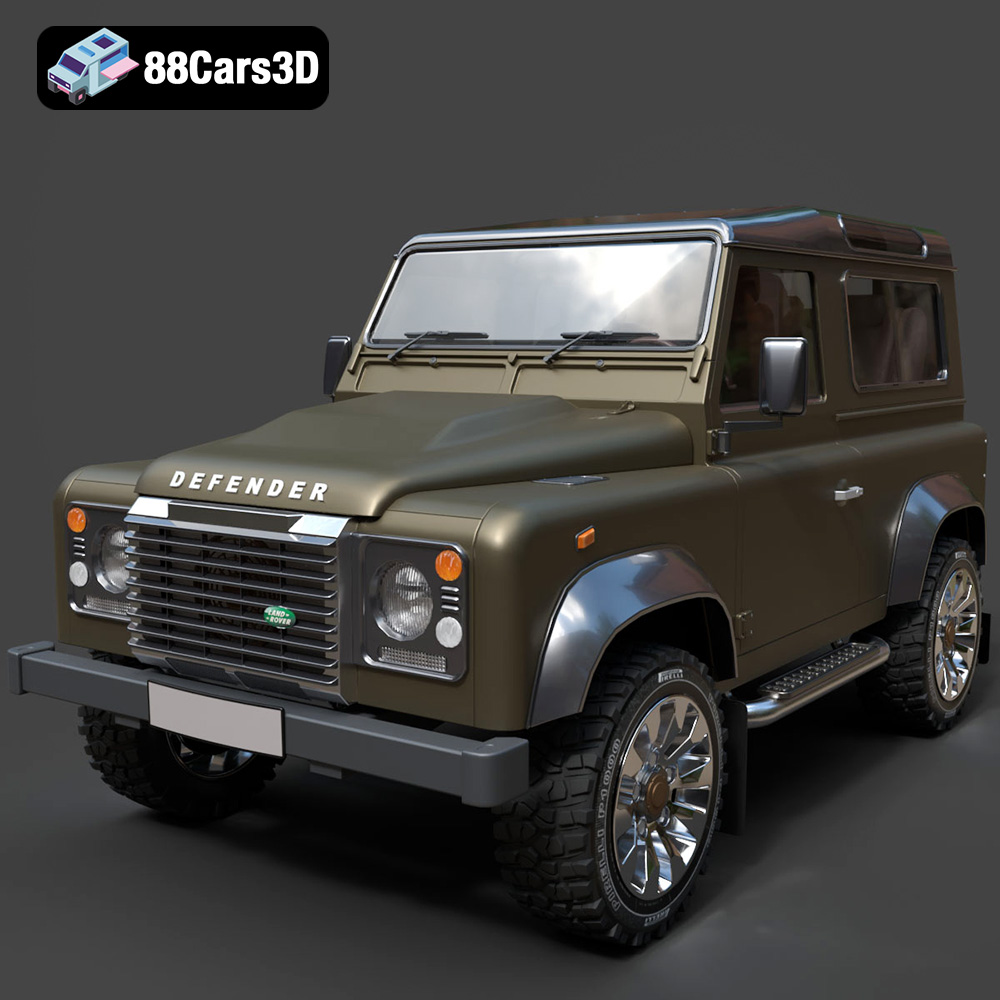
Texture: Yes
Material: Yes
Download the Land Rover Defender Works V8 3D Model featuring clean geometry, realistic detailing, and a fully modeled interior. Includes .blend, .fbx, .obj, .glb, .stl, .ply, .unreal, and .max formats for rendering, simulation, and game development.
Price: $19.99
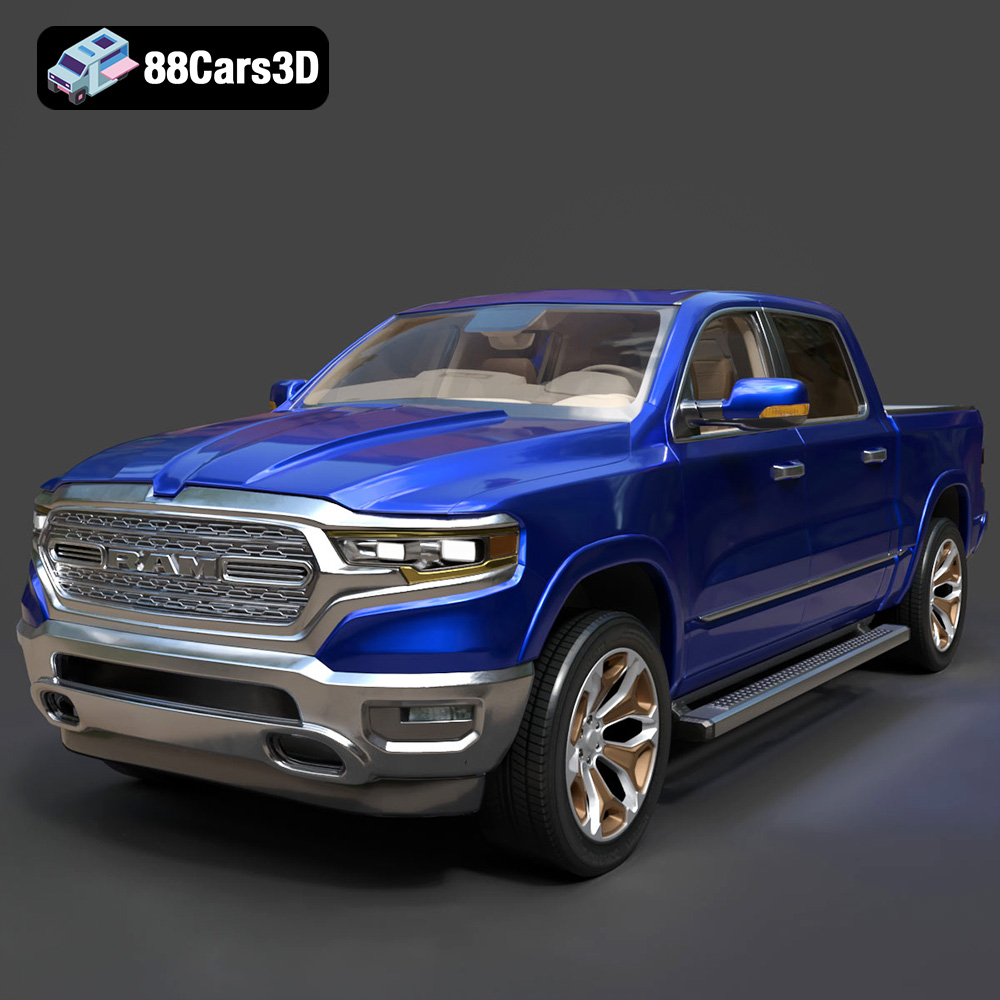
Texture: Yes
Material: Yes
Download the Dodge RAM 2019 3D Model featuring clean geometry, realistic detailing, and a fully modeled interior. Includes .blend, .fbx, .obj, .glb, .stl, .ply, .unreal, and .max formats for rendering, simulation, and game development.
Price: $19.99
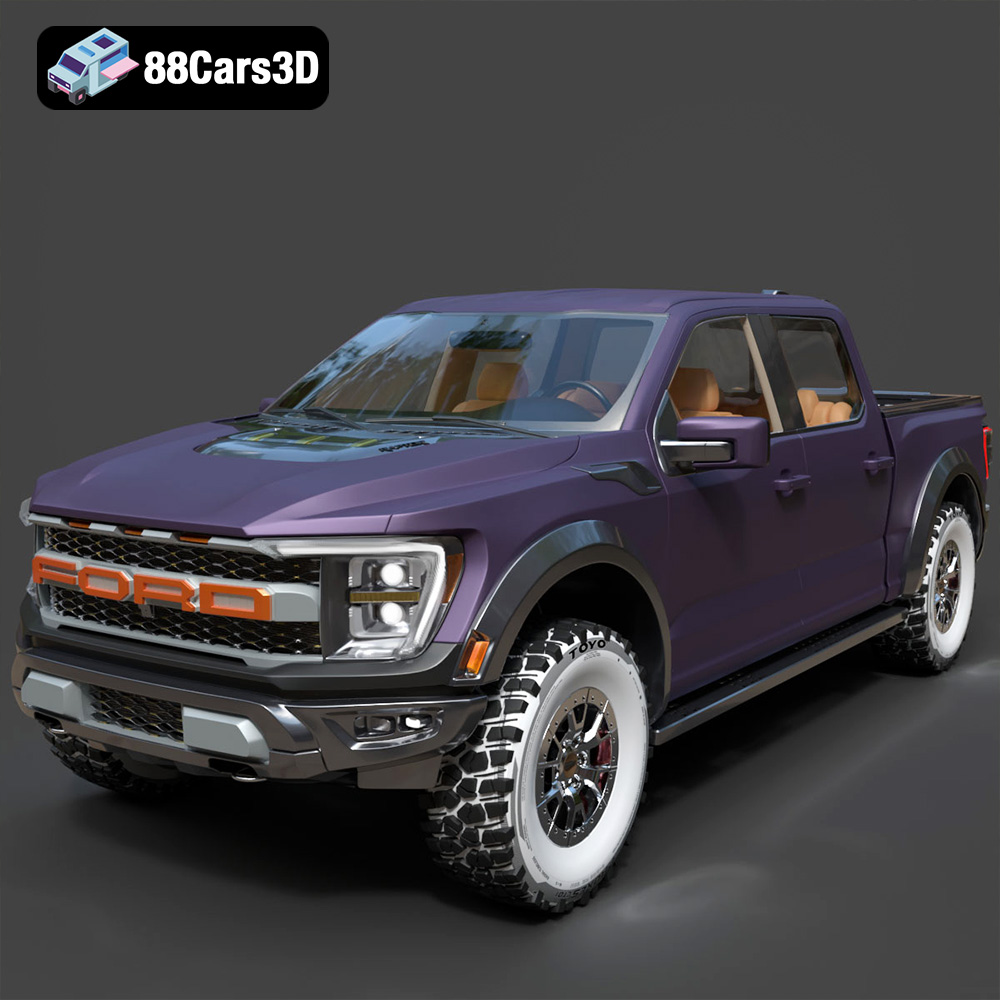
Texture: Yes | Material: Yes Download the ultra-high-detail Ford F-150 Raptor 2021 3D Model (8.73M Triangles). Features uncompromised widebody styling, fully modeled Fox Live Valve suspension, 37-inch tires, and interior. Perfect for premium VFX, cinematic rendering, and ArchViz. Includes .blend, .fbx, .obj, .glb, .stl, and .max formats.
Price: $29.99
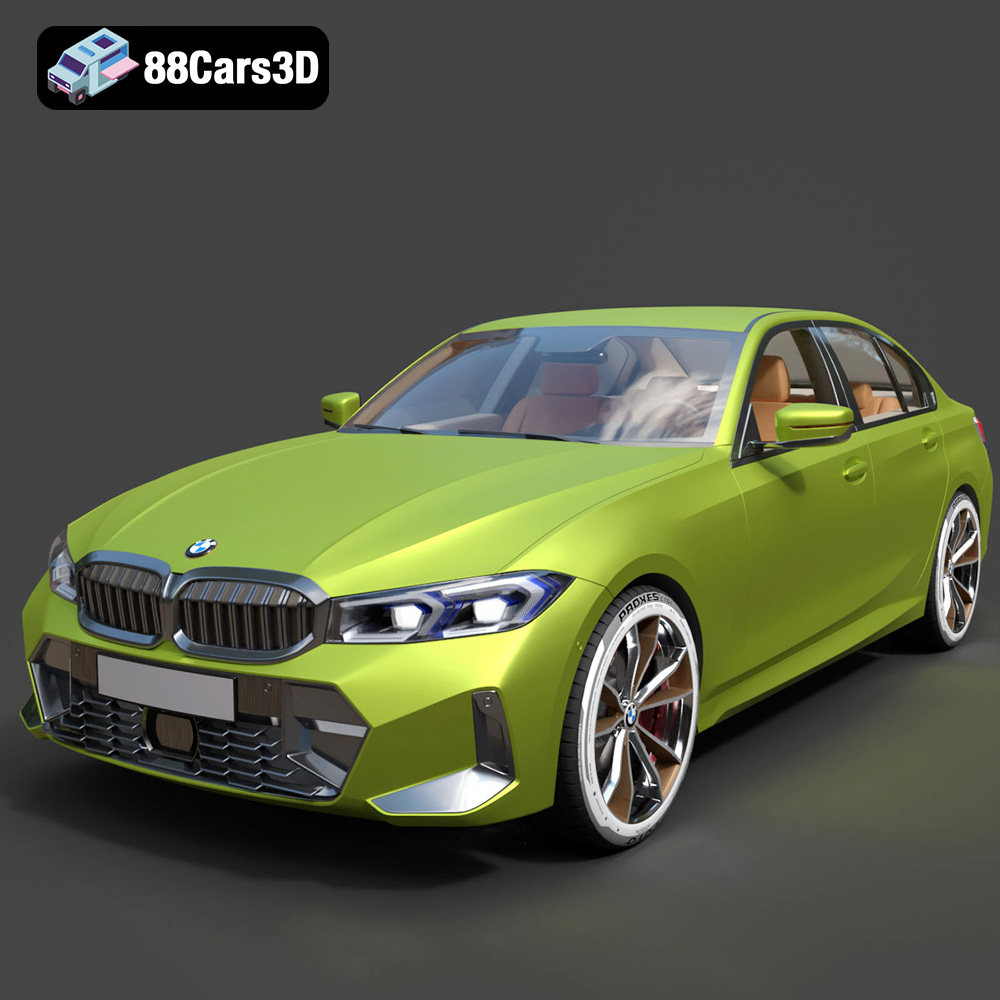
Texture: Yes | Material: Yes Download the ultra-high-detail BMW 3 Series Limousine (2022) 3D Model (4.16M Triangles). Features the modernized G20 LCI exterior, the all-new BMW Curved Display interior, and ultra-dense topology. Perfect for ArchViz, VFX, and cinematic rendering. Includes .blend, .fbx, .obj, .glb, .stl, and .max formats.
Price: $19.99
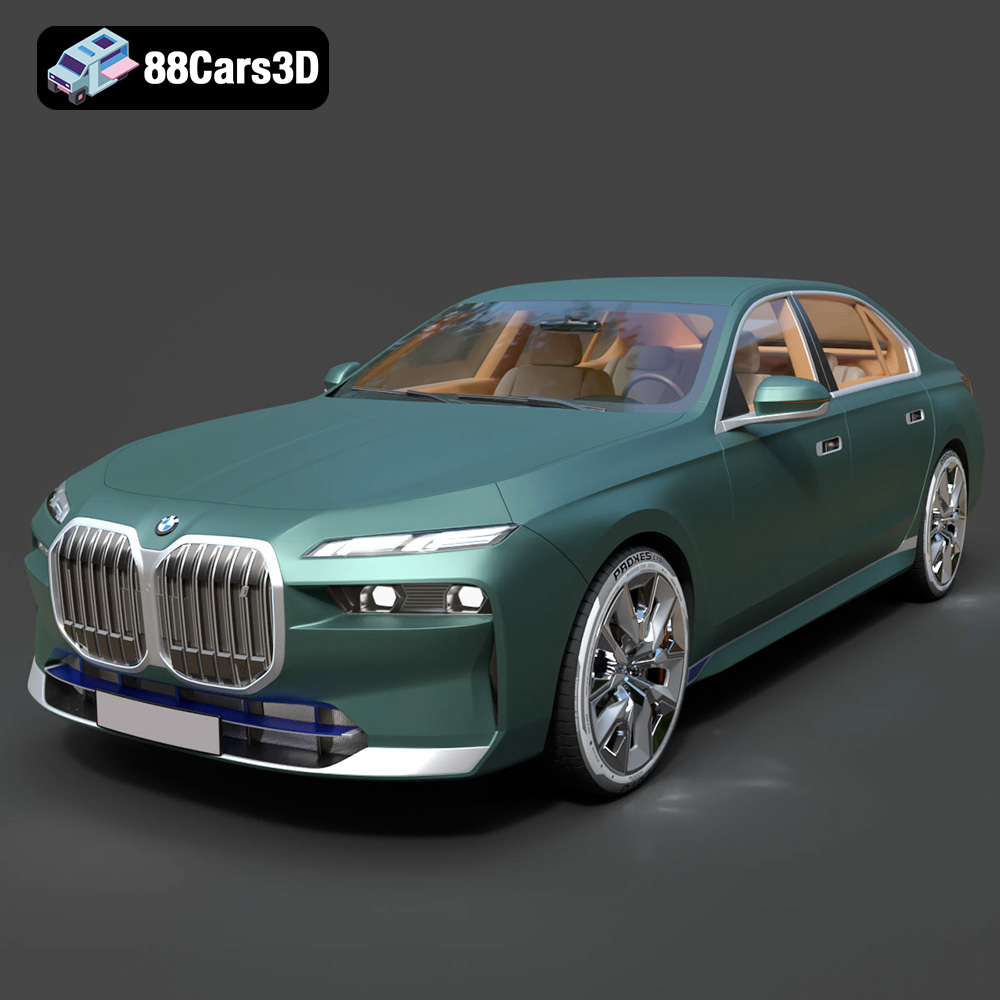
Texture: Yes | Material: Yes Download the ultra-high-detail BMW i7 (2023) 3D Model (4.14M Triangles). Features the illuminated kidney grille, split crystal headlights, fully modeled Theatre Screen interior, and monolithic luxury styling. Perfect for ArchViz, VFX, and cinematic rendering. Includes .blend, .fbx, .obj, .glb, .stl, and .max formats.
Price: $19.99
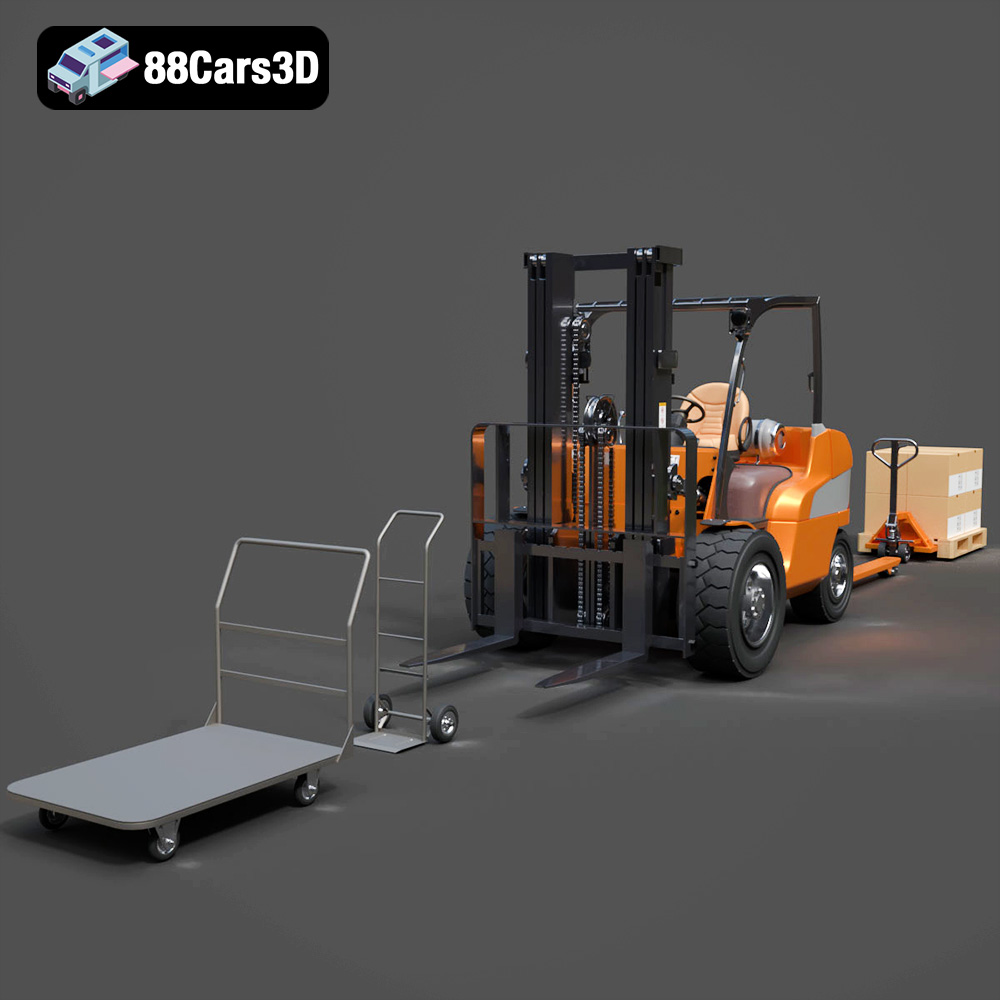
Texture: Yes | Material: Yes Download the highly detailed CAT Manual Loader & Warehouse Carts Kit 3D Model (2.4M Triangles). Features a macro-detailed hydraulic pallet jack, heavy-duty forks, and transport carts. Perfect for industrial ArchViz, factory rendering, and logistics simulations. Includes .blend, .fbx, .obj, .glb, .stl, and .max formats.
Price: $19.99
Texture: Yes | Material: Yes
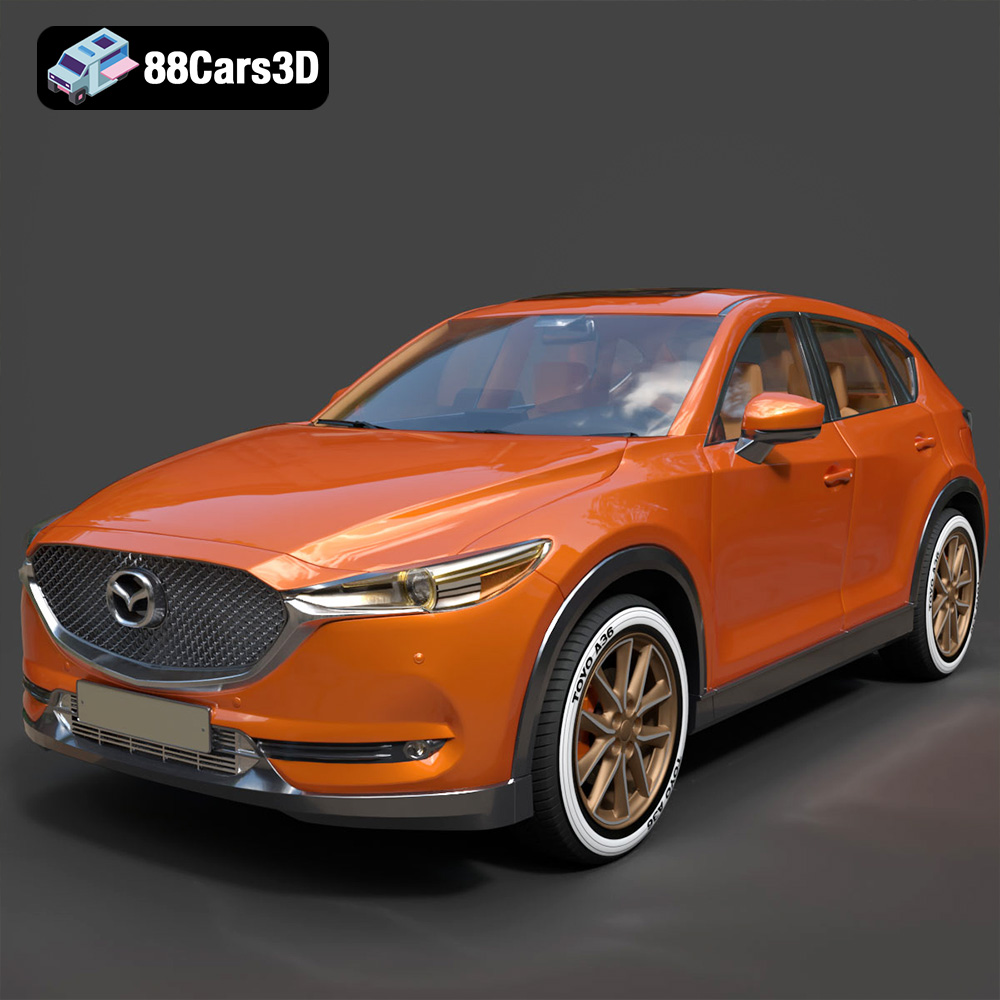
Download the highly optimized Mazda CX-5 2014 3D Model (294k Triangles). Features the dynamic Kodo design language, signature grille, and a clean interior. Perfectly balanced for ArchViz, background traffic, and game development. Includes .blend, .fbx, .obj, .glb, .stl, and .max formats.
Price: $19.99
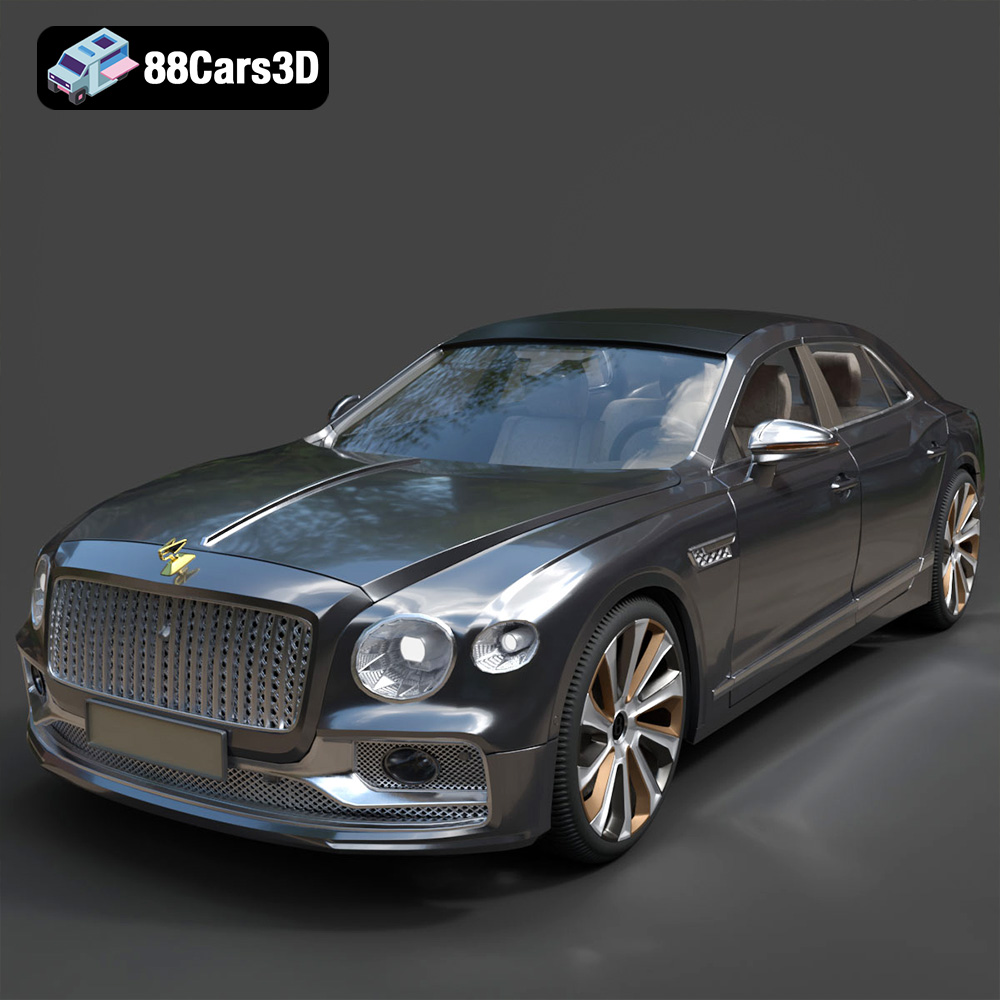
Texture: Yes | Material: Yes Download the ultra-high-detail Bentley Flying Spur Mulliner 2022 3D Model (2.94M Triangles). Features the bespoke Double Diamond grille, a fully modeled diamond-quilted interior, and exquisite luxury styling. Perfect for high-end ArchViz, VFX, and cinematic rendering. Includes .blend, .fbx, .obj, .glb, .stl, and .max formats.
Price: $19.90
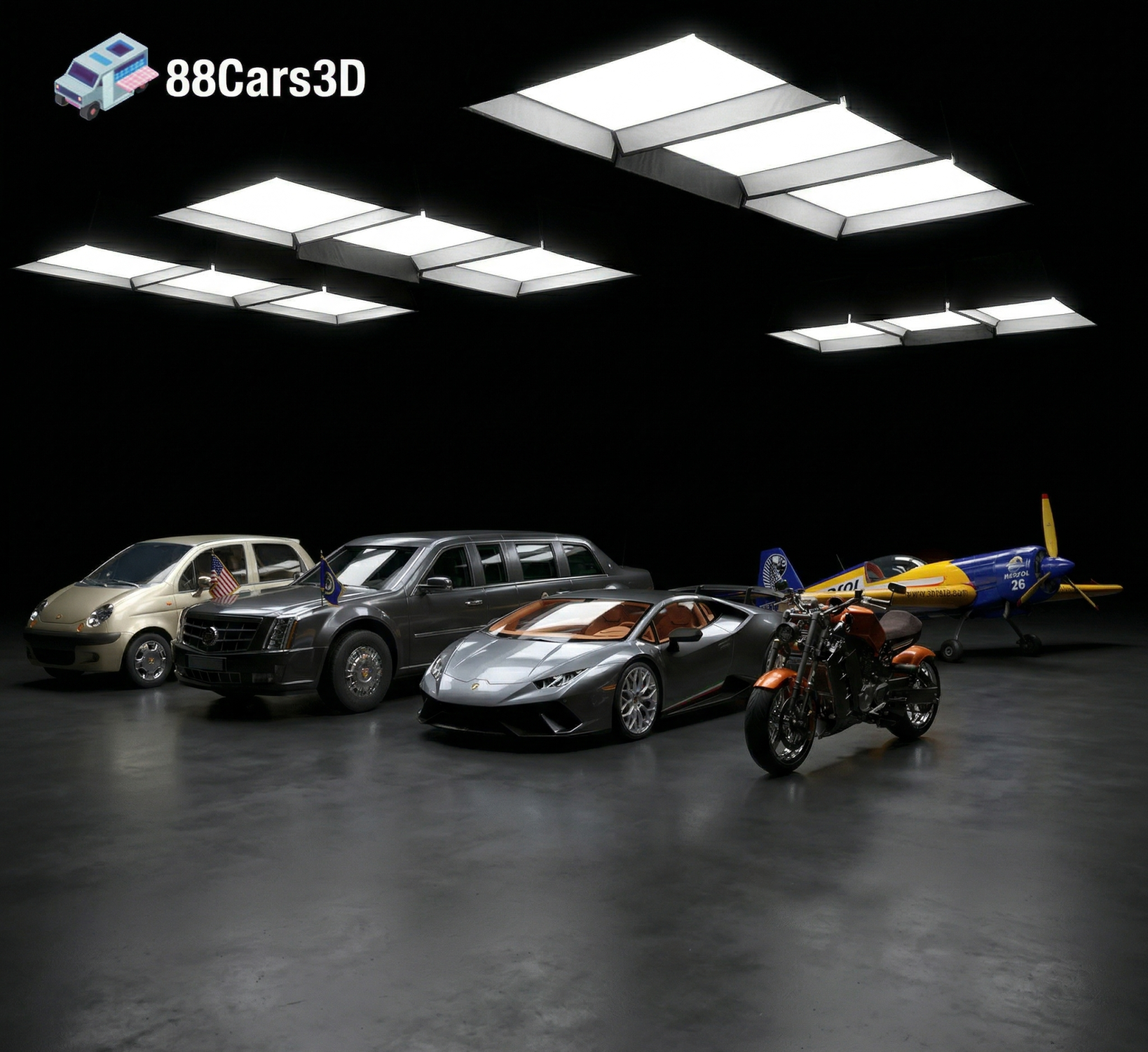
Texture: Yes | Material: Yes | 3D Printable: Yes. Download the Ultimate Creators’ Showcase featuring 5 premium 3D models: Lamborghini Huracan, ZAV Concept Motorcycle, Sukhoi SU-26, Presidential Limousine, and Daewoo Damas. Optimized for 4K CGI rendering and 3D printing. Save massive with this exclusive multi-category bundle!
Price: $99.99

Texture: Yes | Material: Yes | 3D Printable: Yes. Download the Italian Thoroughbreds Bundle featuring 5 iconic 3D models: Lamborghini Huracán Performante, Ferrari 458 Italia, Lamborghini Urus, Diablo SV, and Maserati GT. Optimized for 4K rendering and 3D printing (STL included). Save 50% with this ultimate Italian vehicle collection.
Price: $199.99

