Get 50% OFF All Premium 3D & STL Models!

“`html
Real-time architectural visualization has revolutionized the way architects, designers, and clients experience unbuilt spaces. Unreal Engine, with its powerful rendering capabilities and interactive tools, has emerged as the leading platform for creating stunning and immersive architectural walkthroughs. This comprehensive guide will walk you through the process of leveraging Unreal Engine to transform your architectural designs into captivating virtual experiences. From importing models and optimizing performance to creating interactive elements and cinematic presentations, we’ll cover everything you need to know to create professional-grade architectural visualizations.
In this guide, you’ll learn how to:
The foundation of any successful architectural walkthrough in Unreal Engine lies in proper project setup and meticulous model preparation. A well-structured project and optimized model will save you significant time and effort down the line, ensuring a smooth and efficient workflow.
Start by creating a new Unreal Engine project. Select the “Architecture, Engineering, and Construction” template. This template provides a pre-configured environment optimized for architectural visualization, including pre-built lighting setups and essential plugins. Specify a project name and location, and choose the desired quality settings. For architectural visualizations, aiming for “Maximum Quality” is generally recommended to showcase the design in its best light. Within the project settings (Edit -> Project Settings), adjust parameters like the Default Texture Settings. Ensure “Auto Generate Mip Maps” is enabled for most textures to optimize memory usage and performance. Explore the Rendering settings to customize global illumination methods (more on that later) and visual fidelity. Refer to the official Unreal Engine documentation at https://dev.epicgames.com/community/unreal-engine/learning for detailed explanations of each setting.
Importing your architectural model is a crucial step. Unreal Engine supports various file formats, including FBX, USD, and Datasmith. FBX is a common format for transferring models from 3D modeling software like Revit, SketchUp, or 3ds Max. When exporting from your modeling software, ensure that your model is properly scaled, oriented, and triangulated. Aim for a consistent unit scale (e.g., meters) to avoid scaling issues in Unreal Engine. Optimize the model’s polygon count by removing unnecessary details and using decimation techniques where appropriate. Consider using Nanite, Unreal Engine’s virtualized geometry system, for incredibly detailed models. Nanite intelligently streams and renders only the visible polygons, allowing you to use models with millions or even billions of polygons without sacrificing performance. If Nanite is enabled, the polygon count becomes less critical, but good topology remains important for other operations. When importing, pay attention to the import options, especially “Generate Lightmap UVs.” Lightmap UVs are essential for baked lighting, which can significantly improve performance.
Maintain a clear and organized hierarchy within your model. Group related objects into logical parent-child relationships. This will make it easier to manage and manipulate the model in Unreal Engine. For example, group all the components of a window into a single “Window” actor. Proper naming conventions are also crucial. Use descriptive names for all objects, materials, and textures. A well-organized project will save you countless hours of searching and debugging.
Realistic materials are essential for creating believable architectural visualizations. Unreal Engine’s Material Editor provides a powerful node-based system for creating complex and nuanced materials. By leveraging physically-based rendering (PBR) principles, you can create materials that accurately simulate the interaction of light with surfaces.
PBR materials are defined by several key properties, including base color, metallic, roughness, normal, and ambient occlusion. The base color determines the color of the surface. The metallic value controls whether the surface is metallic or non-metallic. The roughness value determines how rough or smooth the surface is. Rougher surfaces scatter light more diffusely, while smoother surfaces reflect light more specularly. The normal map adds surface detail by simulating bumps and wrinkles. The ambient occlusion map simulates the shadowing that occurs in crevices and corners. To create a PBR material, start by creating a new material in the Content Browser. Open the Material Editor and connect texture samples to the appropriate material inputs. Use high-resolution textures (e.g., 2048×2048 or 4096×4096) for close-up details. Adjust the material parameters to achieve the desired look. Use material instances to create variations of the same material without duplicating the entire material graph. This can significantly improve performance and reduce memory usage. Platforms like 88cars3d.com offer pre-made PBR materials designed for architectural visualization, saving you time and effort in material creation.
Proper UV mapping is crucial for ensuring that textures are applied correctly to your model. UV mapping defines how the 2D texture is wrapped onto the 3D surface. If the UVs are distorted or overlapping, the texture will appear stretched or tiled incorrectly. Use a UV editing tool in your 3D modeling software to create clean and optimized UVs. Aim for even spacing and minimal stretching. Avoid overlapping UVs, unless you are using a tiling texture. In Unreal Engine, you can adjust the UV tiling and offset using the “TexCoord” node in the Material Editor. Experiment with different UV transformations to achieve the desired look.
Material Instances are a powerful way to create variations of a base material without duplicating the entire material graph. This is particularly useful for architectural visualizations, where you may need to create multiple variations of the same material with different colors, roughness values, or texture variations. To create a material instance, right-click on a base material in the Content Browser and select “Create Material Instance.” Open the material instance and adjust the parameters that you want to modify. The changes will be applied to the instance without affecting the base material. This can significantly improve performance and reduce memory usage, especially in complex scenes with many different materials.
Lighting is paramount in architectural visualization. It sets the mood, highlights design features, and creates a sense of realism. Unreal Engine offers a variety of lighting options, from static and stationary lights to dynamic lights and global illumination solutions like Lumen. The choice of lighting technique depends on the desired level of realism and the performance requirements of your project.
Lumen is Unreal Engine’s next-generation global illumination and reflection system. It provides dynamic, real-time global illumination without the need for precomputed lightmaps. This allows for more flexible and iterative workflows, as you can make changes to the lighting at any time without having to rebuild the lighting. To enable Lumen, go to Project Settings -> Rendering and set “Default Global Illumination Method” to “Lumen.” Adjust the Lumen settings to fine-tune the quality and performance. Lumen is particularly well-suited for architectural visualizations, where dynamic lighting and reflections are often desired. Keep in mind that Lumen can be computationally intensive, so it’s important to optimize your scene to maintain a smooth frame rate. Using Nanite virtualized geometry can significantly improve Lumen’s performance by reducing the number of triangles that need to be processed.
Static lighting involves precomputing the lighting and storing it in lightmaps. This can significantly improve performance, but it also limits the ability to change the lighting at runtime. Stationary lighting is a hybrid approach that combines static and dynamic lighting. Stationary lights cast precomputed shadows, but they can also be modified at runtime. To use static lighting, you need to generate lightmap UVs for your model. Lightmap UVs are separate UVs that are used for storing the precomputed lighting. Adjust the lightmap resolution to control the quality of the baked lighting. Higher lightmap resolutions will result in more accurate lighting, but they will also increase the build time and memory usage. For architectural visualizations where you want to ensure the highest possible visual quality and have static elements, baked lighting remains a strong choice in some situations.
Post-processing is used to enhance the visual quality of your scene after it has been rendered. Unreal Engine provides a variety of post-processing effects, including bloom, ambient occlusion, color grading, and depth of field. These effects can be used to add a cinematic look to your architectural visualization. To add post-processing effects, add a Post Process Volume to your scene. Adjust the settings in the Post Process Volume to achieve the desired look. Experiment with different color grading settings to create a specific mood or atmosphere. Use bloom to add a soft glow to bright areas. Use ambient occlusion to enhance the shadows in crevices and corners. Be careful not to overuse post-processing effects, as they can degrade performance. Subtle adjustments are often more effective than extreme settings. Consider using LUTs (Lookup Tables) for more precise and consistent color grading across your project.
Unreal Engine’s Blueprint visual scripting system allows you to add interactive elements to your architectural walkthroughs without writing any code. With Blueprint, you can create interactive doors, lights, elevators, and other interactive features. This can significantly enhance the user experience and make your architectural visualization more engaging.
To create an interactive door, start by creating a Blueprint Actor. Add a Static Mesh component to the Blueprint and assign the door model to it. Add a Box Collision component to the Blueprint and adjust its size to encompass the door. In the Event Graph, add an “Event ActorBeginOverlap” node and an “Event ActorEndOverlap” node. These events will be triggered when the player enters and exits the collision box. Connect these events to a timeline that animates the door opening and closing. Use the “SetActorRotation” node to rotate the door around its hinge. To create an interactive light, follow a similar process. Add a Point Light component to the Blueprint. Connect the “Event ActorBeginOverlap” and “Event ActorEndOverlap” nodes to a timeline that controls the light’s intensity. Use the “SetLightIntensity” node to adjust the light’s brightness. Consider adding a sound effect to the door and light to provide additional feedback to the user.
A user interface (UI) can provide the user with information and controls within your architectural walkthrough. Unreal Engine’s UMG (Unreal Motion Graphics) system allows you to create custom UI elements. To create a UI, start by creating a new Widget Blueprint. Add widgets to the canvas, such as buttons, text boxes, and images. Bind the widgets to variables in the Blueprint’s Event Graph. Use the “Create Widget” node to create an instance of the UI and add it to the viewport. Use the “Set Input Mode Game and UI” node to enable the player to interact with the UI. For example, you could create a button that allows the user to toggle the lights on and off. You can also use UI elements to display information about the building, such as its dimensions, materials, or energy efficiency.
Navigation is essential for allowing the user to explore the architectural space. Unreal Engine provides a built-in navigation system that can automatically generate a navigation mesh. To generate a navigation mesh, add a Nav Mesh Bounds Volume to your scene and adjust its size to encompass the walkable areas. Press the “P” key to visualize the navigation mesh. To allow the user to teleport to different locations, add a series of Target Point actors to your scene. Create a UI with buttons that correspond to each Target Point. When the user clicks a button, use the “SetActorLocation” node to teleport the player to the corresponding Target Point. Consider adding a visual effect, such as a fade-out and fade-in, to smooth the transition between locations.
Maintaining a smooth and consistent frame rate is crucial for a positive user experience in real-time architectural visualizations. Unreal Engine offers a variety of optimization techniques that can be used to improve performance, including level of detail (LOD) management, occlusion culling, and material optimization.
Level of detail (LOD) is a technique that involves using different versions of the same model with varying levels of detail, depending on the distance from the camera. Closer models have more detail, while distant models have less detail. This can significantly reduce the number of polygons that need to be rendered, improving performance. To create LODs, you can use the LOD generation tools in your 3D modeling software or in Unreal Engine. When creating LODs, aim for a gradual reduction in detail as the distance increases. Avoid sudden transitions between LODs, as this can be distracting to the user. Unreal Engine can automatically switch between LODs based on the distance from the camera. As noted before, Nanite renders LOD management less crucial, as it automatically handles the level of detail streaming in the appropriate amount of detail based on screen coverage.
Occlusion culling is a technique that involves hiding objects that are not visible to the camera. This can significantly reduce the number of objects that need to be rendered, improving performance. Unreal Engine automatically performs occlusion culling, but you can also manually occlude objects using occlusion volumes. Add an Occlusion Volume to your scene and adjust its size to encompass the area that you want to occlude. Objects that are inside the Occlusion Volume will not be rendered when the camera is outside the volume. This is particularly useful for hiding objects that are behind walls or inside buildings. Proper occlusion culling can dramatically improve performance in complex architectural scenes.
Complex materials can significantly impact performance. Optimize your materials by reducing the number of instructions and texture samples. Use material instances to create variations of the same material without duplicating the entire material graph. Use low-resolution textures where appropriate. Avoid using expensive material effects, such as translucent materials, if they are not necessary. Use the Material Analyzer tool in Unreal Engine to identify performance bottlenecks in your materials. This tool can help you identify areas where you can optimize your materials to improve performance. Always profile your scene’s performance to pinpoint specific bottlenecks.
Creating a cinematic walkthrough is a great way to showcase your architectural design and create a compelling visual narrative. Unreal Engine’s Sequencer tool allows you to create cinematic sequences with camera movements, animations, and visual effects.
To create a cinematic sequence, open the Sequencer window and create a new sequence. Add a camera to the sequence and create keyframes to define its movement over time. Use the “Transform” track to control the camera’s position, rotation, and scale. Add other tracks to control other aspects of the scene, such as the lighting, materials, and animations. Use the “Event Track” to trigger events at specific points in the sequence. For example, you could trigger a sound effect or change the lighting at a specific time. Experiment with different camera angles and movements to create a visually engaging sequence. Use cinematic techniques, such as rack focus and dolly shots, to add drama and interest to your walkthrough.
Once you have created your cinematic sequence, you can render it to a video file. Unreal Engine provides several rendering options, including real-time rendering, offline rendering, and movie render queue. Real-time rendering is the fastest option, but it may not produce the highest quality results. Offline rendering produces the highest quality results, but it can be very time-consuming. The Movie Render Queue provides a balance between quality and performance. It allows you to render your sequence in multiple passes, which can improve the quality of the final result. When rendering your sequence, choose a high resolution and frame rate. Use anti-aliasing to reduce jagged edges. Use motion blur to create a smoother look. Export your sequence to a video file format that is compatible with your target platform. For example, you could export to MP4 for web distribution or to ProRes for professional editing. When sourcing automotive assets from marketplaces such as 88cars3d.com, make sure that the models and materials are optimized for high-quality rendering.
For advanced architectural visualization workflows, consider using virtual production techniques with LED walls. Unreal Engine’s ability to drive real-time content on LED walls opens up exciting possibilities for immersive presentations and interactive experiences. Virtual production allows you to combine real-world actors and props with virtual environments, creating a seamless and believable experience. This can be particularly effective for architectural walkthroughs, where you can place clients or stakeholders directly into the virtual space. Unreal Engine provides tools for calibrating and synchronizing the LED wall with the virtual environment. This ensures that the perspective and lighting are accurate, creating a convincing illusion. Virtual production workflows require specialized hardware and expertise, but they can significantly enhance the impact of your architectural visualizations.
Augmented reality (AR) and virtual reality (VR) offer immersive ways to experience architectural designs. Unreal Engine supports AR and VR platforms, allowing you to create interactive walkthroughs that can be experienced on mobile devices or VR headsets.
To create an AR/VR project in Unreal Engine, start by selecting the “AR/VR” template when creating a new project. This template provides a pre-configured environment optimized for AR/VR development. Install the necessary plugins for your target AR/VR platform, such as ARKit for iOS or ARCore for Android. Configure the project settings to enable AR/VR support. Adjust the rendering settings to optimize performance for mobile devices or VR headsets. Mobile devices have limited processing power, so it’s important to optimize your scene to maintain a smooth frame rate. VR headsets require a high frame rate to avoid motion sickness. Use level of detail (LOD) management, occlusion culling, and material optimization to improve performance. Consider using foveated rendering, which reduces the rendering resolution in the periphery of the user’s vision, to further improve performance.
To create an interactive AR/VR experience, use Blueprint visual scripting to add interactive elements to your scene. Allow the user to navigate the space using gestures or controllers. Implement interactive doors, lights, and other features. Display information about the building using UI elements. For AR experiences, use the ARKit or ARCore plugins to track the user’s position and orientation in the real world. Overlay the virtual model onto the real world. Allow the user to interact with the virtual model using touch gestures. For VR experiences, use the VR headset’s controllers to allow the user to interact with the virtual environment. Use haptic feedback to provide additional feedback to the user. Consider using spatial audio to create a more immersive sound experience. For example, you could simulate the sound of footsteps on different surfaces.
Optimizing for mobile and VR platforms requires careful consideration of performance constraints. Mobile devices have limited processing power and battery life, so it’s important to minimize the computational cost of your scene. VR headsets require a high frame rate to avoid motion sickness, so it’s crucial to optimize your scene for performance. Use level of detail (LOD) management, occlusion culling, and material optimization to improve performance. Reduce the number of draw calls. Use low-resolution textures. Avoid using expensive material effects. Consider using mobile-optimized materials. Use the Unreal Engine Profiler to identify performance bottlenecks in your scene. This tool can help you identify areas where you can optimize your scene to improve performance. Always test your AR/VR experience on the target device to ensure that it performs well.
Unreal Engine is a powerful tool for creating stunning and immersive architectural walkthroughs. By following the techniques outlined in this guide, you can transform your architectural designs into captivating virtual experiences that will impress your clients and stakeholders. From project setup and model preparation to material creation, lighting, interactivity, optimization, and rendering, we’ve covered all the key aspects of creating professional-grade architectural visualizations. Remember to leverage resources like 88cars3d.com for high-quality 3D assets that are optimized for Unreal Engine. Practice and experimentation are key to mastering Unreal Engine for architectural visualization. Start with simple projects and gradually increase the complexity as you gain experience. Explore the Unreal Engine documentation and online tutorials to learn more about the various features and tools. And most importantly, have fun!
Next Steps:
“`
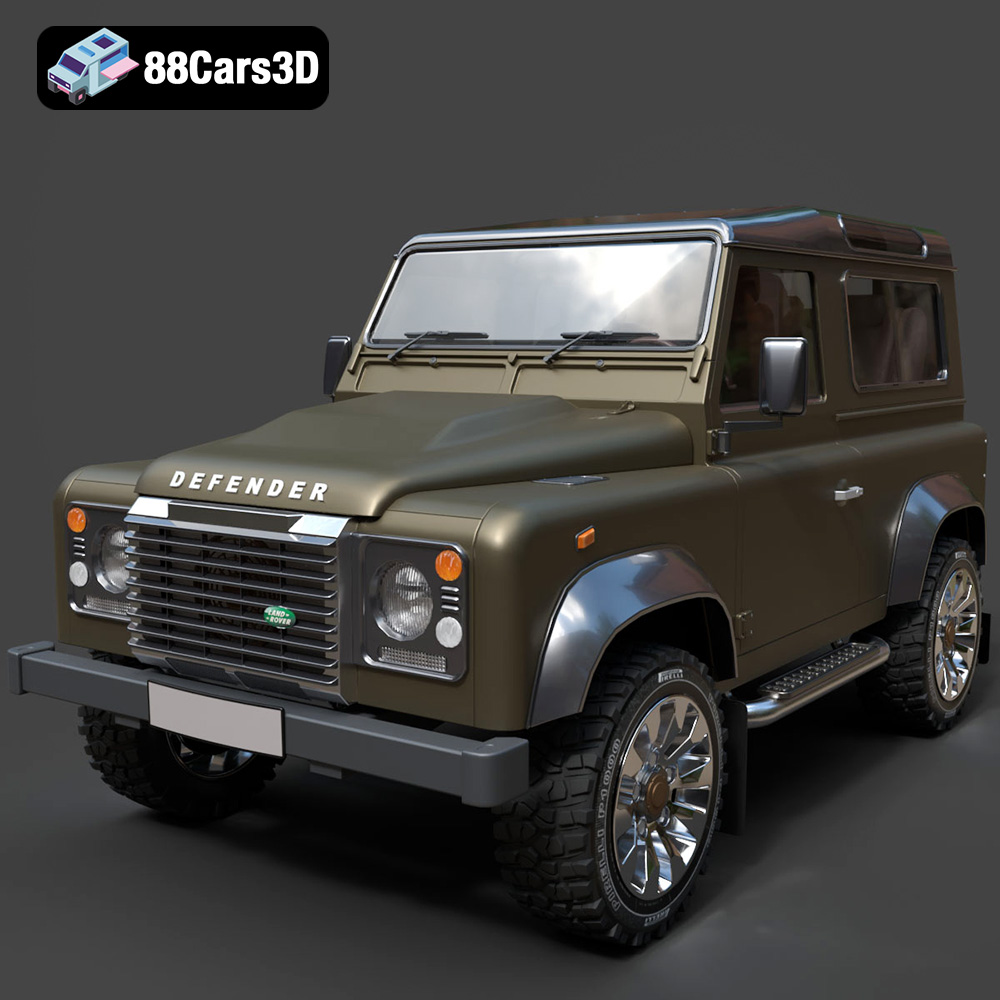
Texture: Yes
Material: Yes
Download the Land Rover Defender Works V8 3D Model featuring clean geometry, realistic detailing, and a fully modeled interior. Includes .blend, .fbx, .obj, .glb, .stl, .ply, .unreal, and .max formats for rendering, simulation, and game development.
Price: $19.99
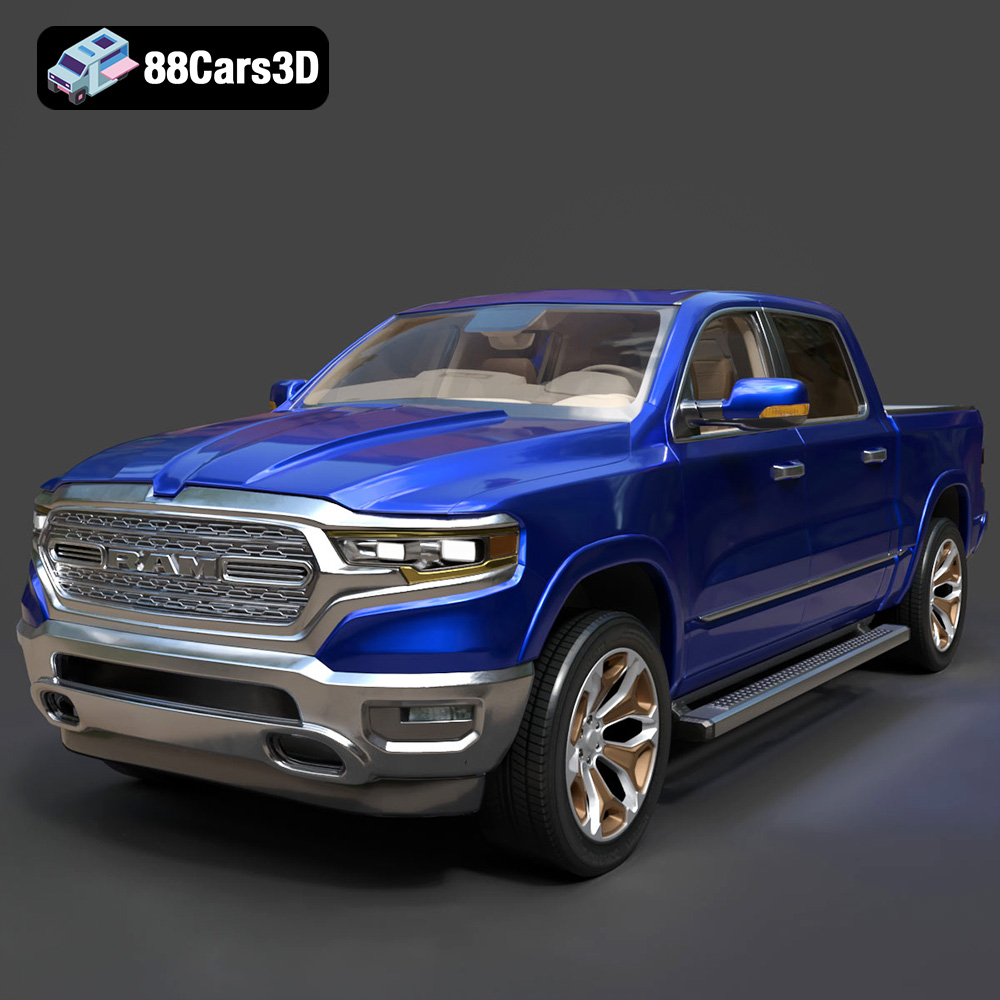
Texture: Yes
Material: Yes
Download the Dodge RAM 2019 3D Model featuring clean geometry, realistic detailing, and a fully modeled interior. Includes .blend, .fbx, .obj, .glb, .stl, .ply, .unreal, and .max formats for rendering, simulation, and game development.
Price: $19.99
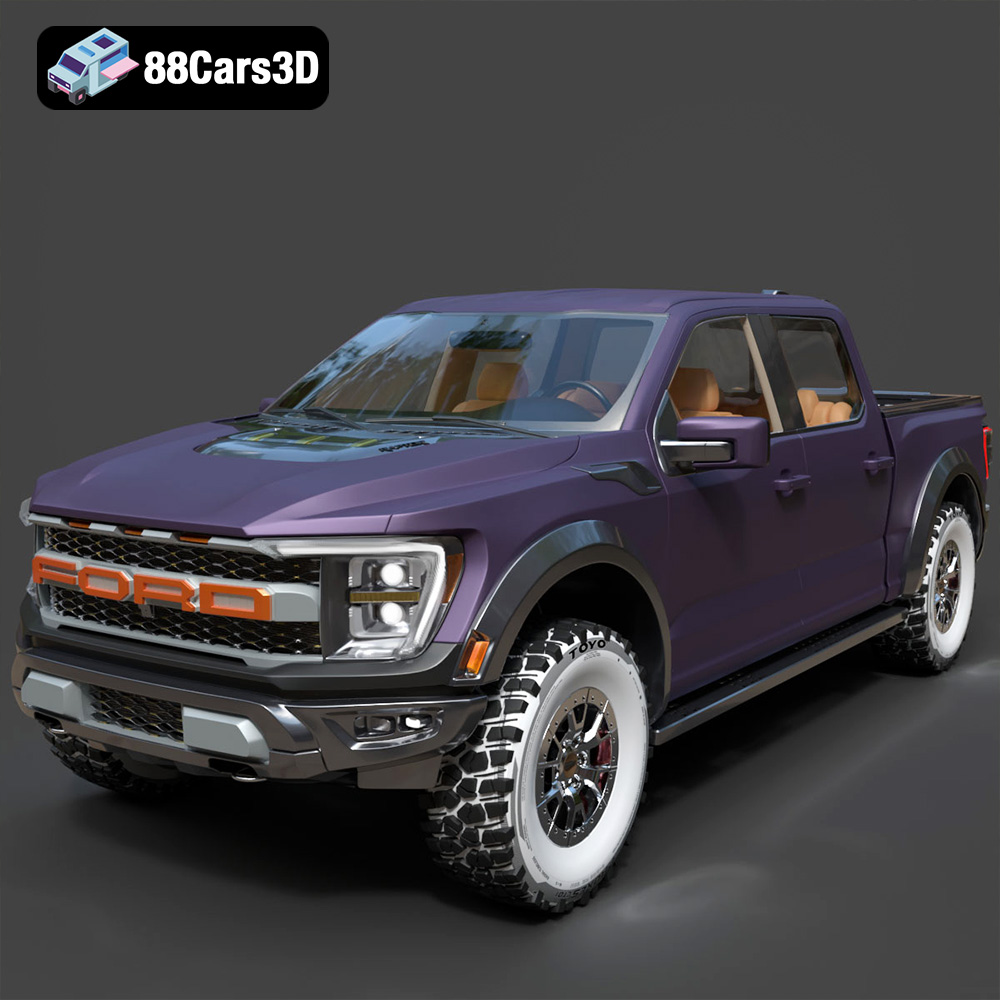
Texture: Yes | Material: Yes Download the ultra-high-detail Ford F-150 Raptor 2021 3D Model (8.73M Triangles). Features uncompromised widebody styling, fully modeled Fox Live Valve suspension, 37-inch tires, and interior. Perfect for premium VFX, cinematic rendering, and ArchViz. Includes .blend, .fbx, .obj, .glb, .stl, and .max formats.
Price: $29.99
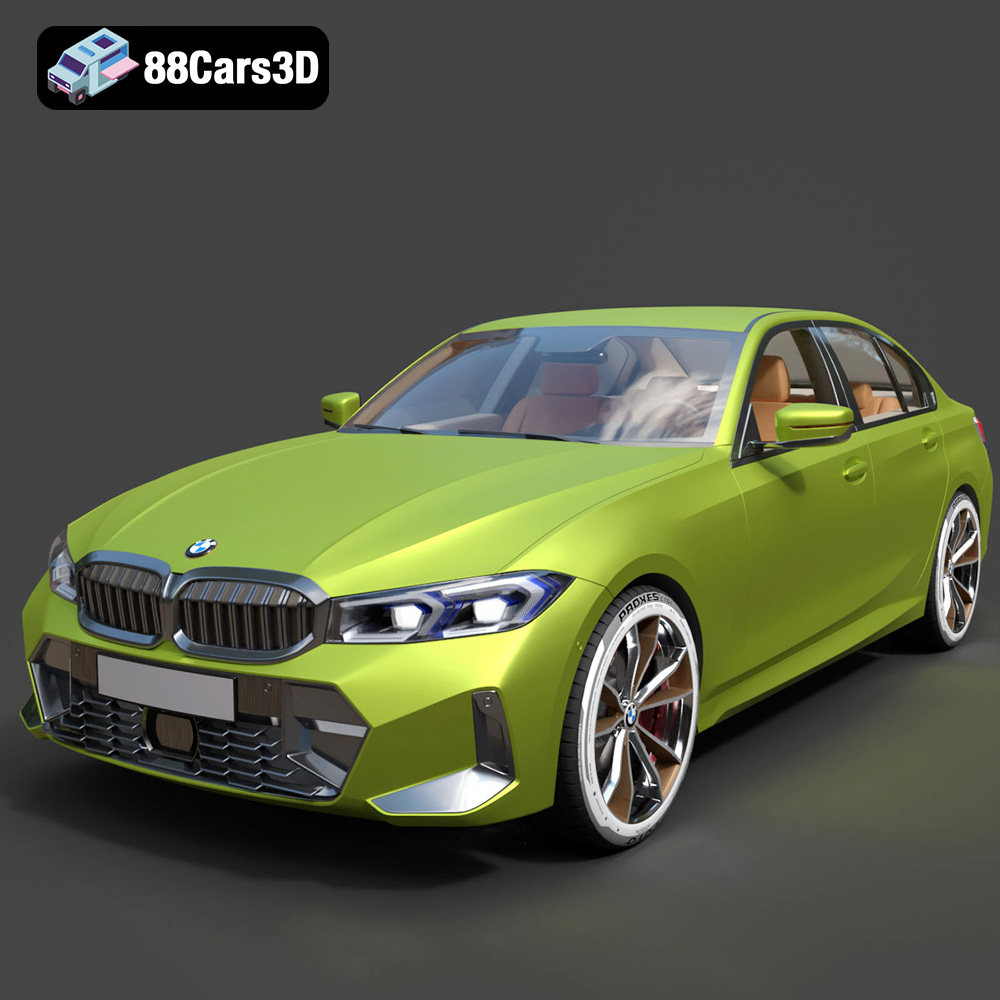
Texture: Yes | Material: Yes Download the ultra-high-detail BMW 3 Series Limousine (2022) 3D Model (4.16M Triangles). Features the modernized G20 LCI exterior, the all-new BMW Curved Display interior, and ultra-dense topology. Perfect for ArchViz, VFX, and cinematic rendering. Includes .blend, .fbx, .obj, .glb, .stl, and .max formats.
Price: $19.99
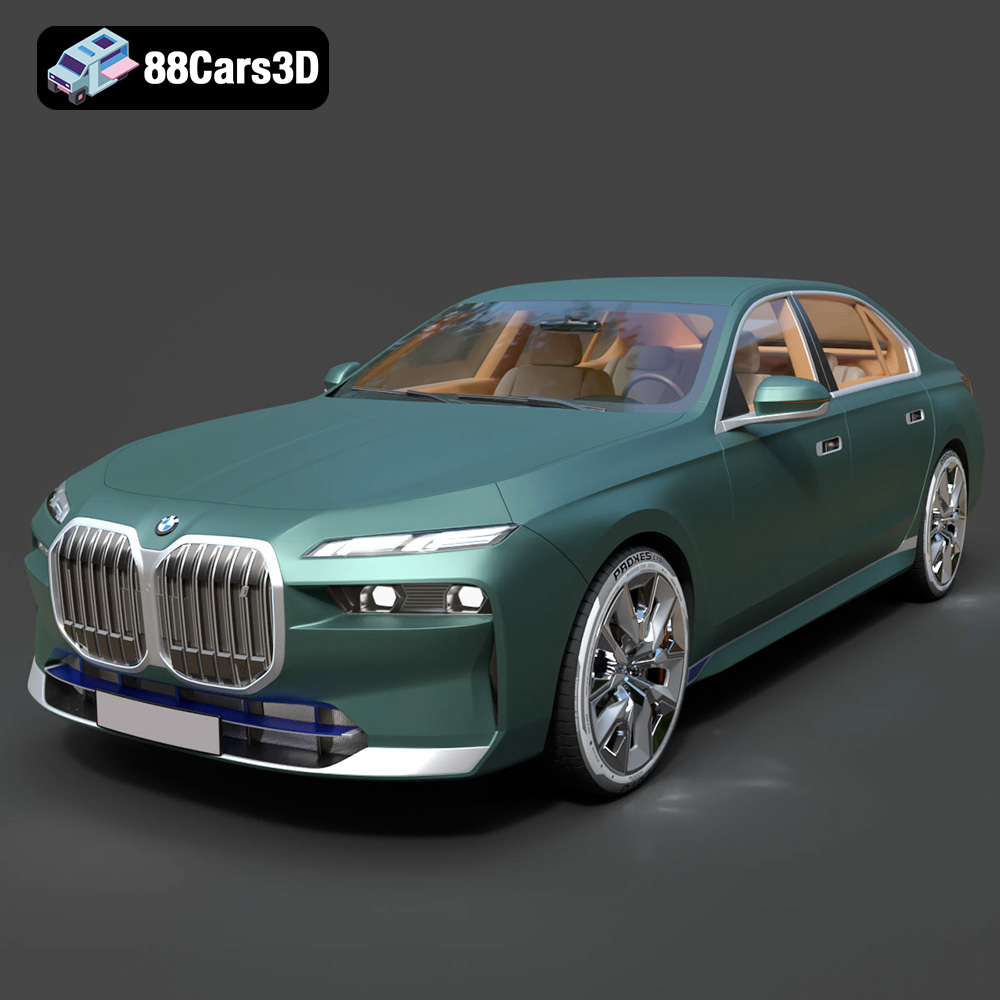
Texture: Yes | Material: Yes Download the ultra-high-detail BMW i7 (2023) 3D Model (4.14M Triangles). Features the illuminated kidney grille, split crystal headlights, fully modeled Theatre Screen interior, and monolithic luxury styling. Perfect for ArchViz, VFX, and cinematic rendering. Includes .blend, .fbx, .obj, .glb, .stl, and .max formats.
Price: $19.99
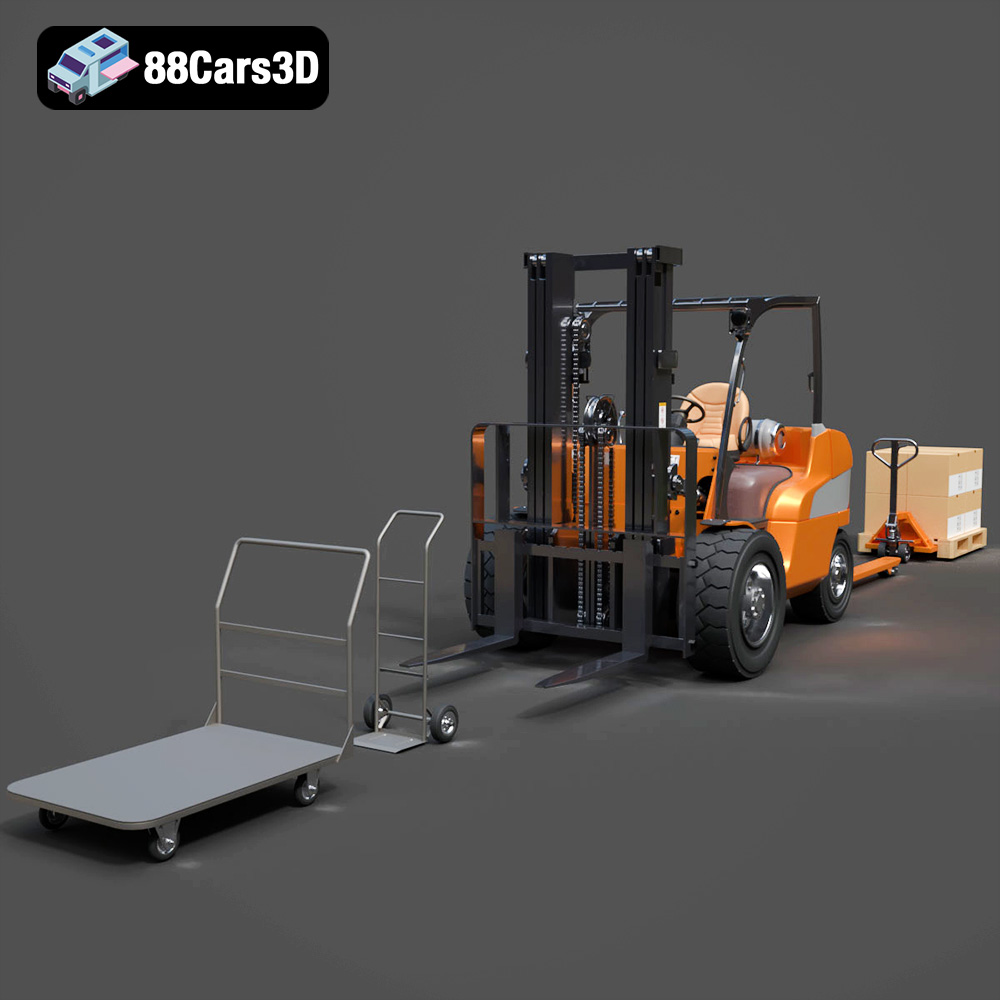
Texture: Yes | Material: Yes Download the highly detailed CAT Manual Loader & Warehouse Carts Kit 3D Model (2.4M Triangles). Features a macro-detailed hydraulic pallet jack, heavy-duty forks, and transport carts. Perfect for industrial ArchViz, factory rendering, and logistics simulations. Includes .blend, .fbx, .obj, .glb, .stl, and .max formats.
Price: $19.99
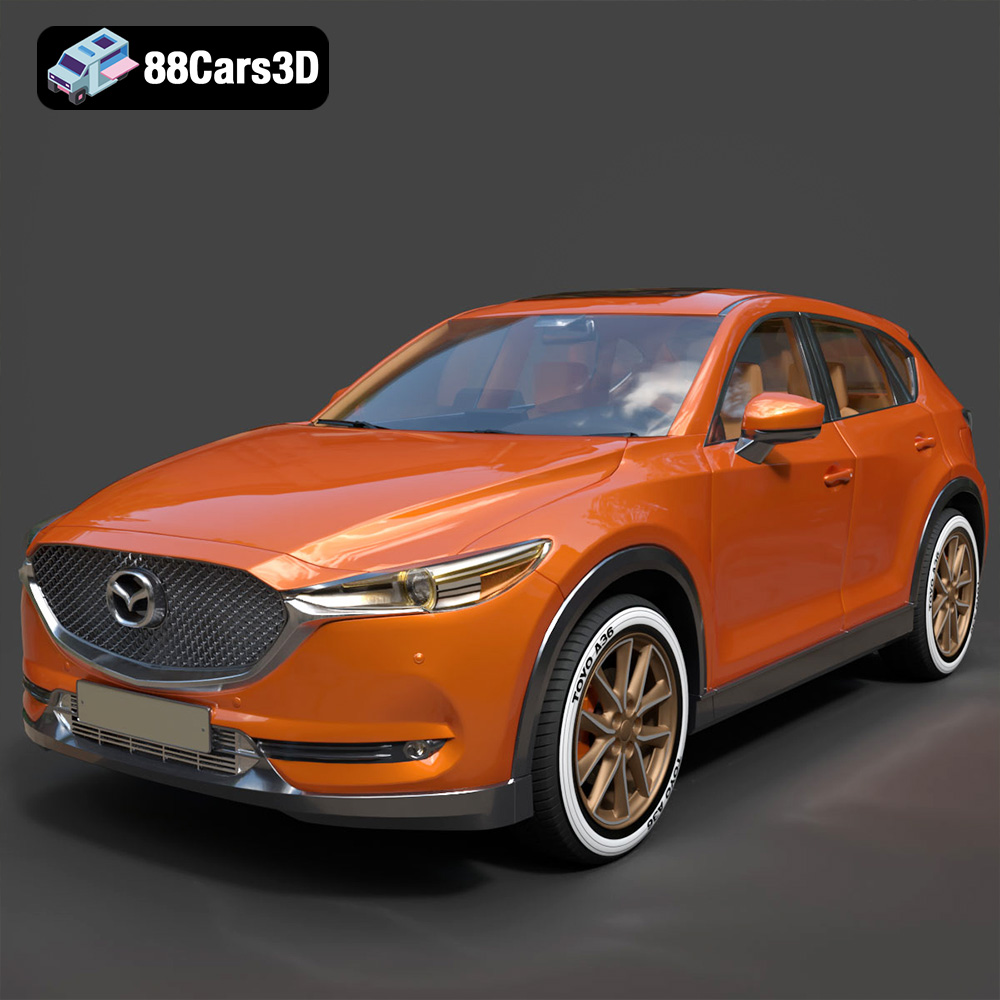
Texture: Yes | Material: Yes
Download the highly optimized Mazda CX-5 2014 3D Model (294k Triangles). Features the dynamic Kodo design language, signature grille, and a clean interior. Perfectly balanced for ArchViz, background traffic, and game development. Includes .blend, .fbx, .obj, .glb, .stl, and .max formats.
Price: $19.99
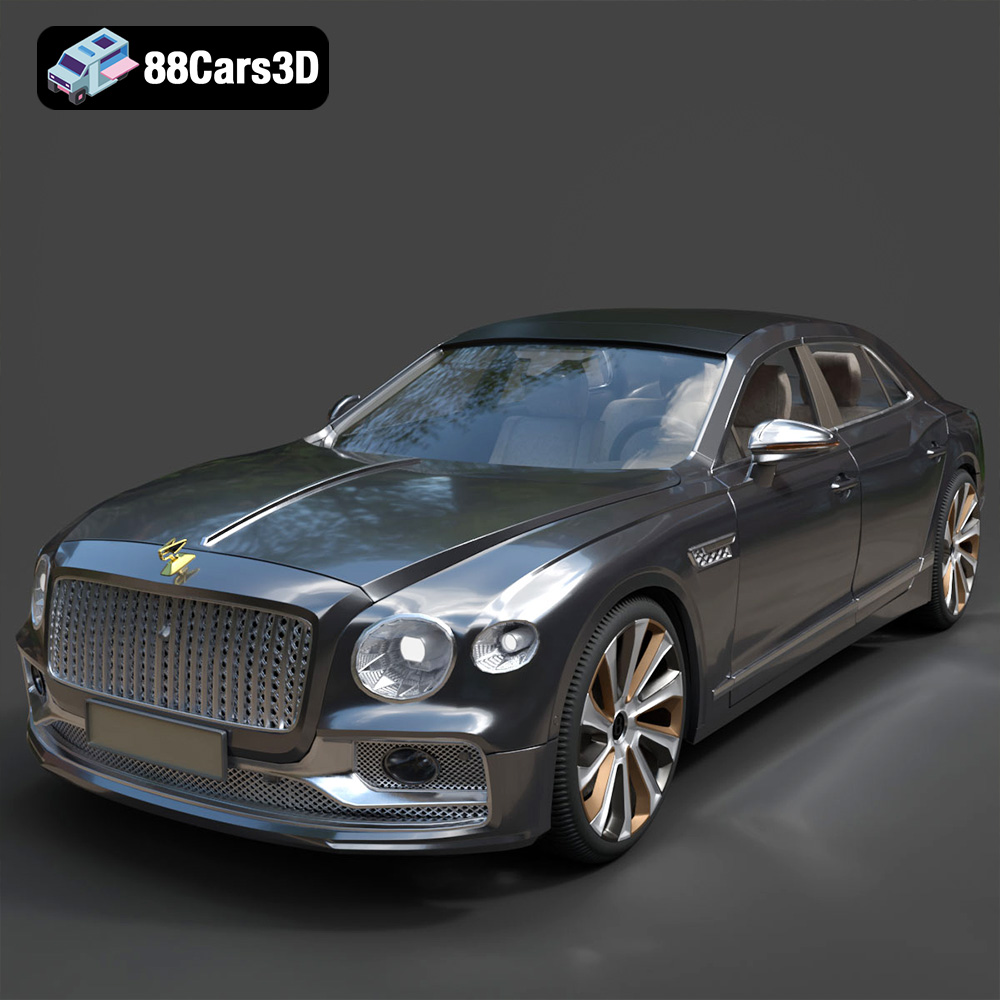
Texture: Yes | Material: Yes Download the ultra-high-detail Bentley Flying Spur Mulliner 2022 3D Model (2.94M Triangles). Features the bespoke Double Diamond grille, a fully modeled diamond-quilted interior, and exquisite luxury styling. Perfect for high-end ArchViz, VFX, and cinematic rendering. Includes .blend, .fbx, .obj, .glb, .stl, and .max formats.
Price: $19.90
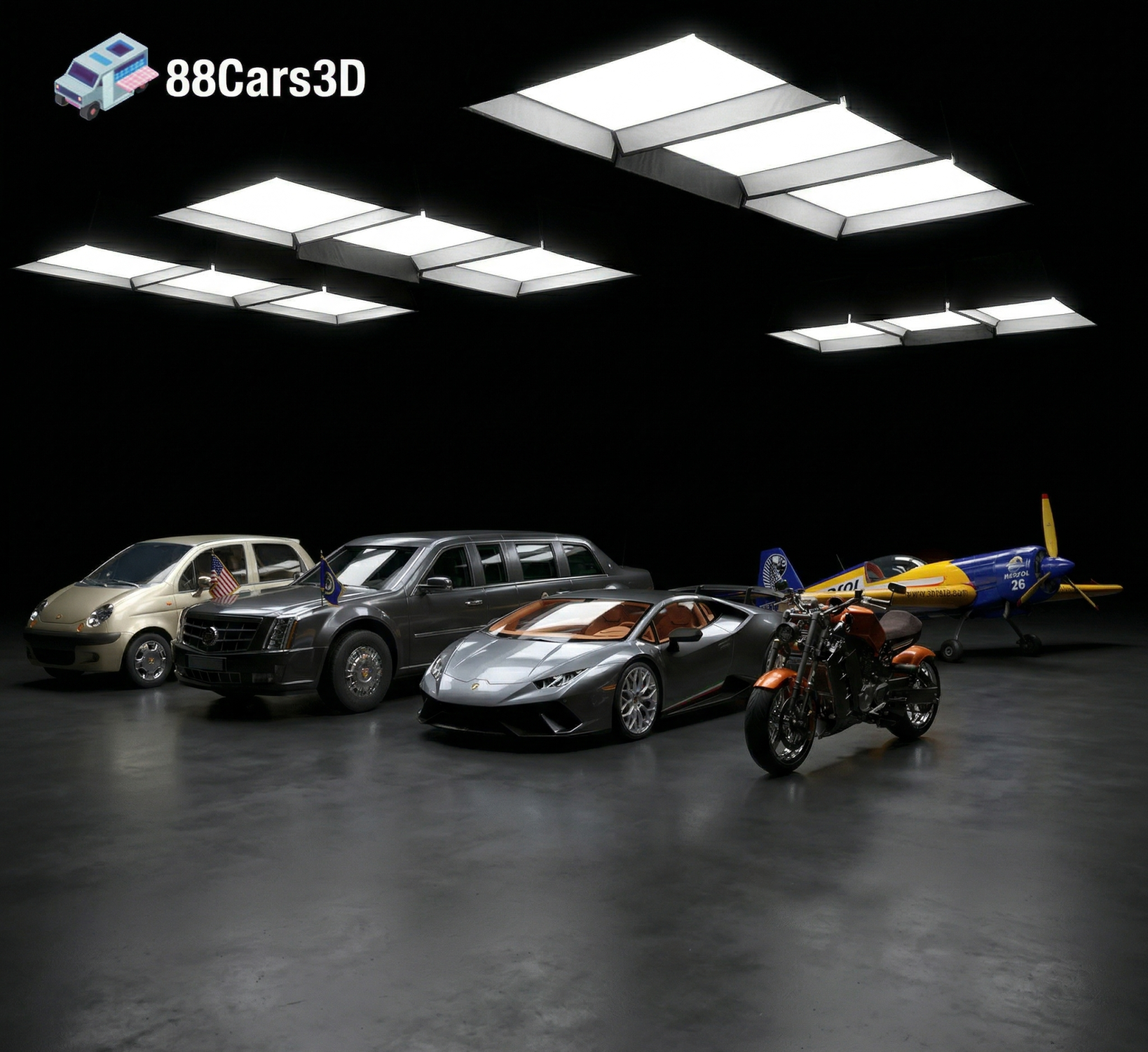
Texture: Yes | Material: Yes | 3D Printable: Yes. Download the Ultimate Creators’ Showcase featuring 5 premium 3D models: Lamborghini Huracan, ZAV Concept Motorcycle, Sukhoi SU-26, Presidential Limousine, and Daewoo Damas. Optimized for 4K CGI rendering and 3D printing. Save massive with this exclusive multi-category bundle!
Price: $99.99

Texture: Yes | Material: Yes | 3D Printable: Yes. Download the Italian Thoroughbreds Bundle featuring 5 iconic 3D models: Lamborghini Huracán Performante, Ferrari 458 Italia, Lamborghini Urus, Diablo SV, and Maserati GT. Optimized for 4K rendering and 3D printing (STL included). Save 50% with this ultimate Italian vehicle collection.
Price: $199.99

