Get 50% OFF All Premium 3D & STL Models!

“`html
The film and television industry is undergoing a seismic shift, driven by the power and flexibility of real-time rendering engines like Unreal Engine. This transition is not merely a technological upgrade; it’s a fundamental reimagining of how stories are conceived, visualized, and brought to life. In this comprehensive guide, we’ll explore how Unreal Engine is transforming film and TV production workflows, with a particular focus on integrating high-quality 3D car models into these pipelines. From previsualization to virtual production and final rendering, we’ll delve into the technical details, best practices, and industry applications that are shaping the future of cinematic storytelling. Learn how to leverage Unreal Engine, combined with readily available assets, to create stunning visuals and interactive experiences that were once considered impossible. Platforms like 88cars3d.com offer optimized models specifically designed for Unreal Engine, accelerating the creative process and enhancing realism.
Previsualization, or “previs,” is the crucial stage where the director’s vision takes its first tangible form. Traditionally, this involved storyboards and basic 3D mockups. However, Unreal Engine elevates previs to a new level of realism and interactivity. Instead of static images, directors can now explore dynamic scenes, experiment with camera angles, and refine blocking in real-time. This iterative process allows for early identification of potential problems and ensures that the final production aligns perfectly with the intended creative goals.
The first step is to create a new Unreal Engine project, selecting the “Film, Television, and Live Events” template. This template provides a pre-configured environment optimized for cinematic workflows, including post-processing settings and basic lighting setups. Import your 3D car models, preferably in FBX format, ensuring that they have clean topology and are properly UV-mapped. If you are sourcing automotive assets from marketplaces such as 88cars3d.com, verify they are built to industry standards with PBR material setups.
Utilize Unreal Engine’s Cine Camera Actor for precise control over camera settings like aperture, focal length, and depth of field. Create virtual cameras that mimic real-world camera setups, allowing you to experiment with different lenses and perspectives. Block out the scene by positioning characters (using placeholder models initially) and your 3D car models within the environment. Unreal Engine’s sequencer can be used to create basic animations and camera moves, providing a dynamic representation of the scene’s pacing and rhythm.
Virtual production represents a paradigm shift in filmmaking, allowing for real-time integration of live-action footage with virtual environments. This approach significantly reduces post-production time and costs while offering unparalleled creative control. Imagine filming actors in front of an LED wall displaying a photorealistic cityscape, complete with dynamically lit 3D car models driving by. Unreal Engine is at the heart of this revolution, providing the tools and technology needed to create immersive and believable virtual sets.
Unreal Engine powers the LED walls that serve as dynamic backdrops for virtual production shoots. The engine renders the virtual environment in real-time, synchronized with the camera’s movements. This allows for “in-camera VFX,” meaning that many visual effects are captured live on set, eliminating the need for extensive post-production compositing. Achieving seamless integration requires careful calibration of the LED wall, camera, and Unreal Engine project. This includes matching color spaces, adjusting for parallax, and ensuring accurate tracking.
Unreal Engine enables real-time compositing of live-action footage with virtual elements. Green screen technology can be used to key out actors and seamlessly place them within the virtual environment. The engine’s compositing tools allow for adjustments to color, lighting, and shadows, ensuring that the live-action and virtual elements blend seamlessly. This real-time feedback empowers directors and cinematographers to make informed decisions on set, resulting in a more efficient and creative workflow. Consider using a plugin like Ultimatte for advanced keying and compositing directly within Unreal Engine.
Photorealism is paramount in film and TV production, and Unreal Engine provides the tools necessary to achieve stunning visual fidelity. Physically Based Rendering (PBR) materials accurately simulate how light interacts with surfaces, creating realistic reflections, refractions, and textures. Combined with advanced lighting techniques, such as Lumen global illumination and ray tracing, PBR materials can transform a 3D car model into a convincingly real object.
The Unreal Engine Material Editor allows you to create complex PBR materials by connecting various texture maps, such as base color, roughness, metallic, normal, and ambient occlusion. Start by importing high-resolution texture maps for your 3D car model. Create a new material and connect the texture maps to the corresponding input parameters. Adjust the roughness and metallic values to control the surface’s reflectivity. Experiment with different material properties to achieve the desired look and feel. When creating materials, ensure your textures are power of two sizes for optimal performance (e.g., 2048×2048, 4096×4096).
Lumen is Unreal Engine’s fully dynamic global illumination and reflections system. It allows for realistic lighting that adapts to changes in the scene in real-time. Enable Lumen in your project settings and adjust the Lumen scene lighting quality to optimize for performance. Use reflection probes to capture the surrounding environment and create accurate reflections on your 3D car models. Experiment with different lighting scenarios to see how Lumen dynamically adjusts the lighting and shadows, creating a more immersive and believable scene. For more information on Lumen, refer to the official Unreal Engine documentation: https://dev.epicgames.com/community/unreal-engine/learning
Blueprint visual scripting provides a user-friendly way to add interactivity and dynamic behavior to your Unreal Engine projects without requiring traditional coding. Blueprint allows you to create complex logic by connecting nodes in a visual graph, making it accessible to artists and designers with limited programming experience. In the context of film and TV production, Blueprint can be used to create interactive elements, control camera movements, trigger animations, and even simulate vehicle dynamics in real-time.
Use Blueprint to create an interactive automotive configurator that allows users to customize the 3D car model in real-time. Create user interface elements (buttons, sliders, color pickers) that control various aspects of the car, such as paint color, wheel type, and interior trim. Use Blueprint to connect these UI elements to the corresponding material parameters and mesh components of the 3D car model. This allows users to instantly see the changes they make, providing a compelling and engaging experience.
Unreal Engine’s Chaos physics engine provides realistic vehicle dynamics simulation. Use Blueprint to integrate Chaos Vehicle Physics into your project, allowing you to simulate realistic car movements, collisions, and handling. Configure the vehicle’s engine, suspension, and tire properties to achieve the desired driving characteristics. This can be used to create realistic driving sequences or interactive driving simulations within your film or TV production.
Achieving real-time performance is crucial for virtual production and live events. Optimizing your Unreal Engine project is essential to ensure smooth frame rates and prevent performance bottlenecks. This involves optimizing 3D car models, reducing polygon counts, using Level of Detail (LOD) techniques, and optimizing materials and lighting. By carefully optimizing your project, you can achieve stunning visuals without sacrificing performance.
Nanite is Unreal Engine’s virtualized geometry system that allows you to import incredibly high-poly models without sacrificing performance. Nanite intelligently streams and renders only the visible details, allowing you to work with models containing millions or even billions of polygons. Enable Nanite for your 3D car models to unlock their full visual potential. However, be mindful of the initial processing time for Nanite conversion, as it can take a considerable amount of time for complex models. Always profile your scene to ensure optimal Nanite performance.
Level of Detail (LOD) is a technique that involves creating multiple versions of a 3D model with varying levels of detail. The engine automatically switches between these LODs based on the object’s distance from the camera. Create LODs for your 3D car models to reduce the polygon count for objects that are far away from the camera. This significantly improves performance without noticeably affecting the visual quality. Unreal Engine provides tools for automatically generating LODs, making the process relatively straightforward. Good LOD management is critical for maintaining high frame rates, especially in complex scenes.
Unreal Engine’s Sequencer is a powerful non-linear animation and cinematic storytelling tool. It allows you to create complex animations, camera movements, and visual effects sequences. Sequencer provides a visual timeline where you can add and manipulate tracks for various aspects of your scene, including camera properties, object transformations, material parameters, and audio cues. Sequencer is indispensable for creating cinematic trailers, animated shorts, and pre-rendered cutscenes for film and TV productions.
Use Sequencer to create dynamic camera animations that enhance the storytelling. Add keyframes to the camera’s position, rotation, and focal length to create smooth and cinematic camera moves. Integrate visual effects elements, such as particle systems and simulations, into your Sequencer sequences to add visual flair. Experiment with different compositing techniques and post-processing effects to achieve the desired cinematic look. The sequencer allows you to export your final sequences in various formats, suitable for both online distribution and broadcast.
Import your 3D car models into Sequencer and animate their movements using transformation tracks. Create realistic driving sequences by animating the car’s position, rotation, and speed. Use the Chaos vehicle physics system to simulate realistic car dynamics within Sequencer. Add sound effects and music to create a fully immersive cinematic experience. When importing your models into Sequencer, be sure to optimize the assets for the specific rendering needs of the scene, focusing on minimizing draw calls and texture memory usage.
Unreal Engine is transforming the film and TV industry, offering unprecedented creative control, efficiency, and visual fidelity. By leveraging the power of real-time rendering, PBR materials, Blueprint scripting, and Sequencer, filmmakers can create immersive and engaging experiences that were once considered impossible. Optimizing your project with Nanite and LOD techniques ensures smooth performance even with complex scenes and high-poly 3D car models. Remember that readily available assets from marketplaces like 88cars3d.com can significantly accelerate the creative process. As the technology continues to evolve, Unreal Engine will undoubtedly play an increasingly important role in shaping the future of cinematic storytelling. Your next steps should involve experimenting with these techniques, exploring the Unreal Engine marketplace for additional assets, and diving deeper into the official Unreal Engine documentation to unlock the full potential of this powerful engine. Embrace the future of film and TV production with Unreal Engine and create captivating stories that resonate with audiences worldwide.
“`
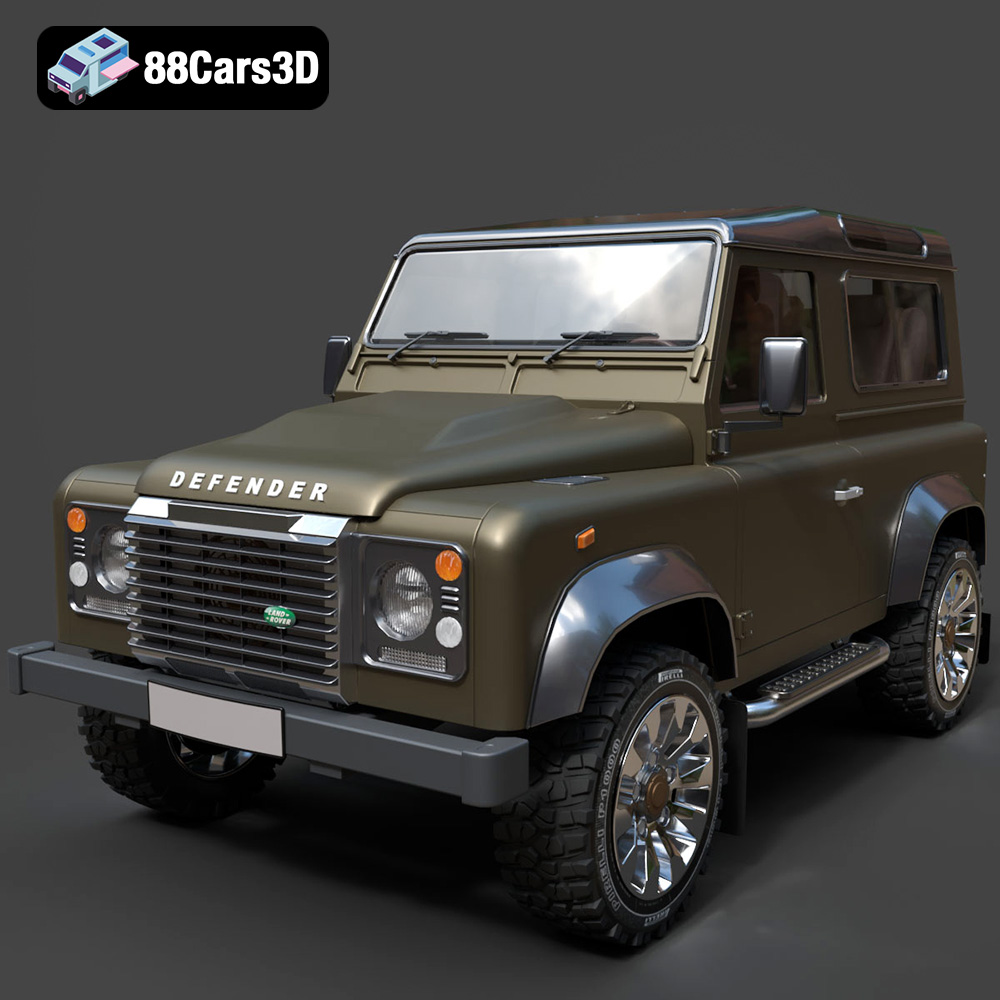
Texture: Yes
Material: Yes
Download the Land Rover Defender Works V8 3D Model featuring clean geometry, realistic detailing, and a fully modeled interior. Includes .blend, .fbx, .obj, .glb, .stl, .ply, .unreal, and .max formats for rendering, simulation, and game development.
Price: $19.99
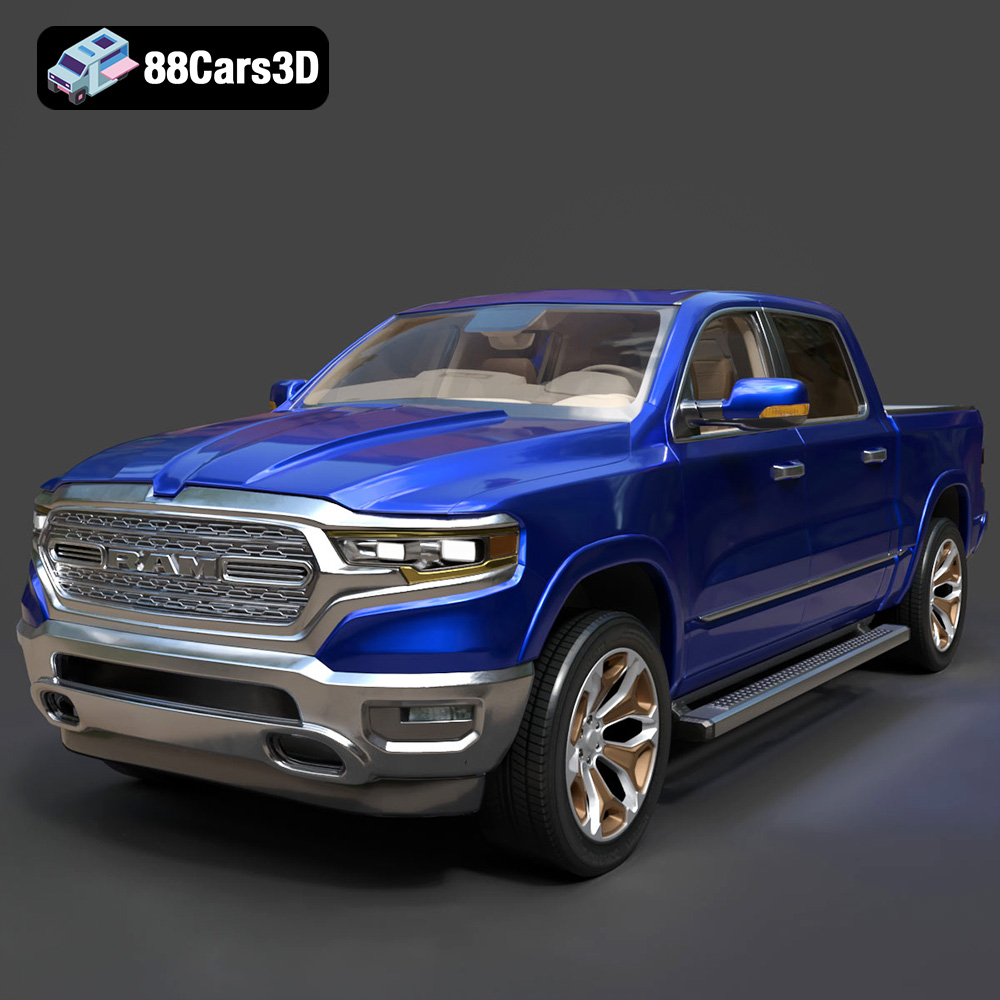
Texture: Yes
Material: Yes
Download the Dodge RAM 2019 3D Model featuring clean geometry, realistic detailing, and a fully modeled interior. Includes .blend, .fbx, .obj, .glb, .stl, .ply, .unreal, and .max formats for rendering, simulation, and game development.
Price: $19.99
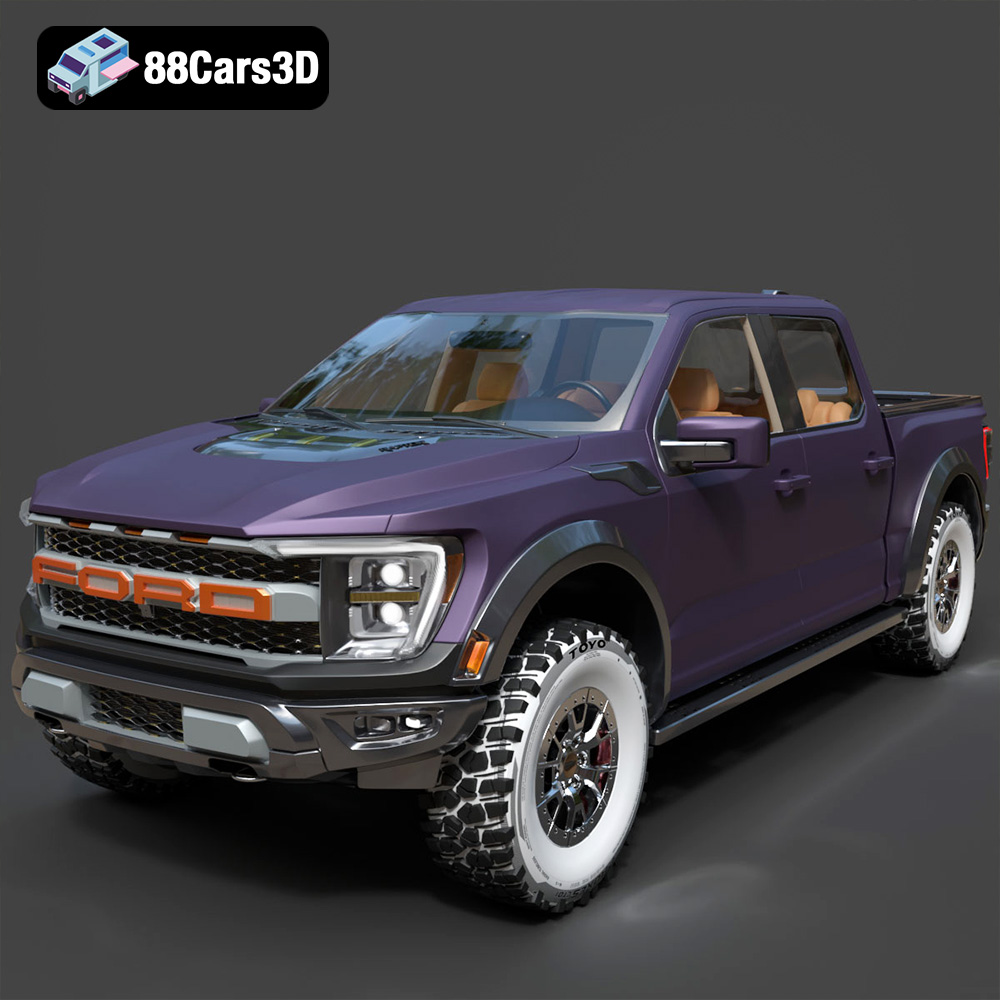
Texture: Yes | Material: Yes Download the ultra-high-detail Ford F-150 Raptor 2021 3D Model (8.73M Triangles). Features uncompromised widebody styling, fully modeled Fox Live Valve suspension, 37-inch tires, and interior. Perfect for premium VFX, cinematic rendering, and ArchViz. Includes .blend, .fbx, .obj, .glb, .stl, and .max formats.
Price: $29.99
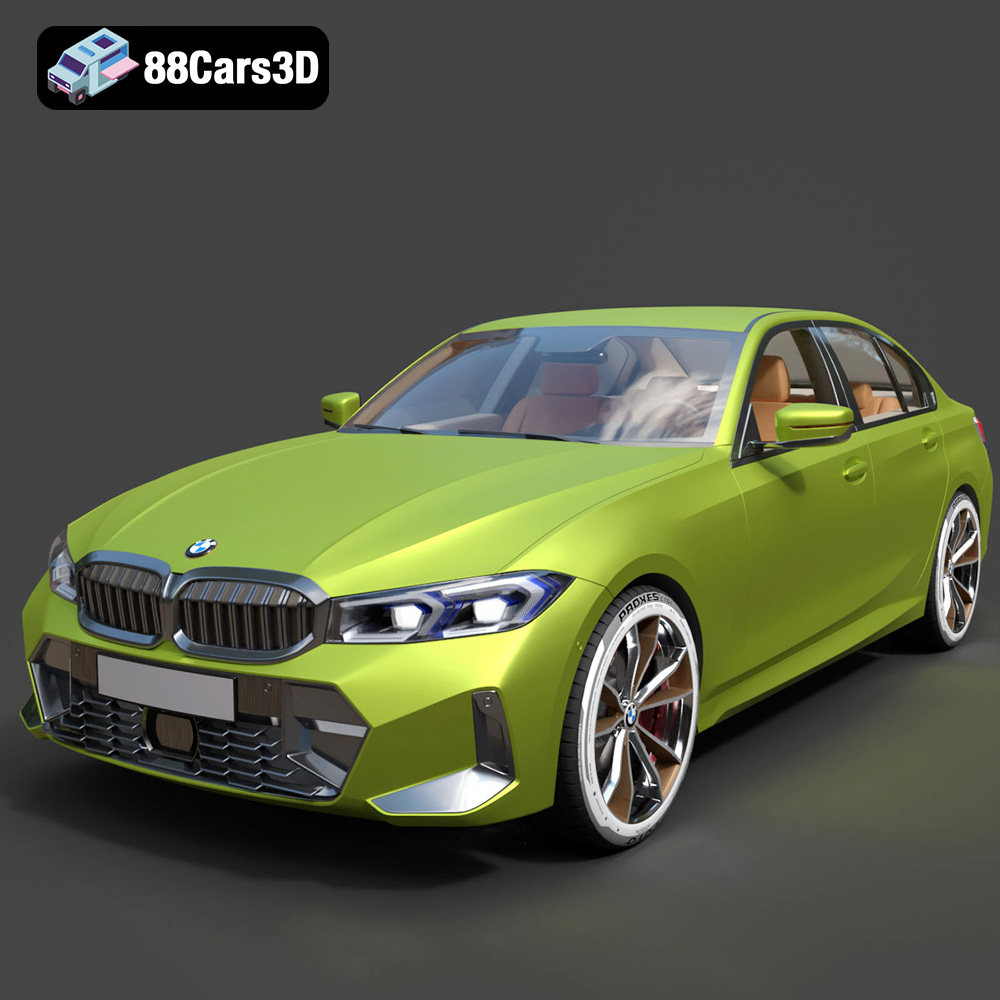
Texture: Yes | Material: Yes Download the ultra-high-detail BMW 3 Series Limousine (2022) 3D Model (4.16M Triangles). Features the modernized G20 LCI exterior, the all-new BMW Curved Display interior, and ultra-dense topology. Perfect for ArchViz, VFX, and cinematic rendering. Includes .blend, .fbx, .obj, .glb, .stl, and .max formats.
Price: $19.99
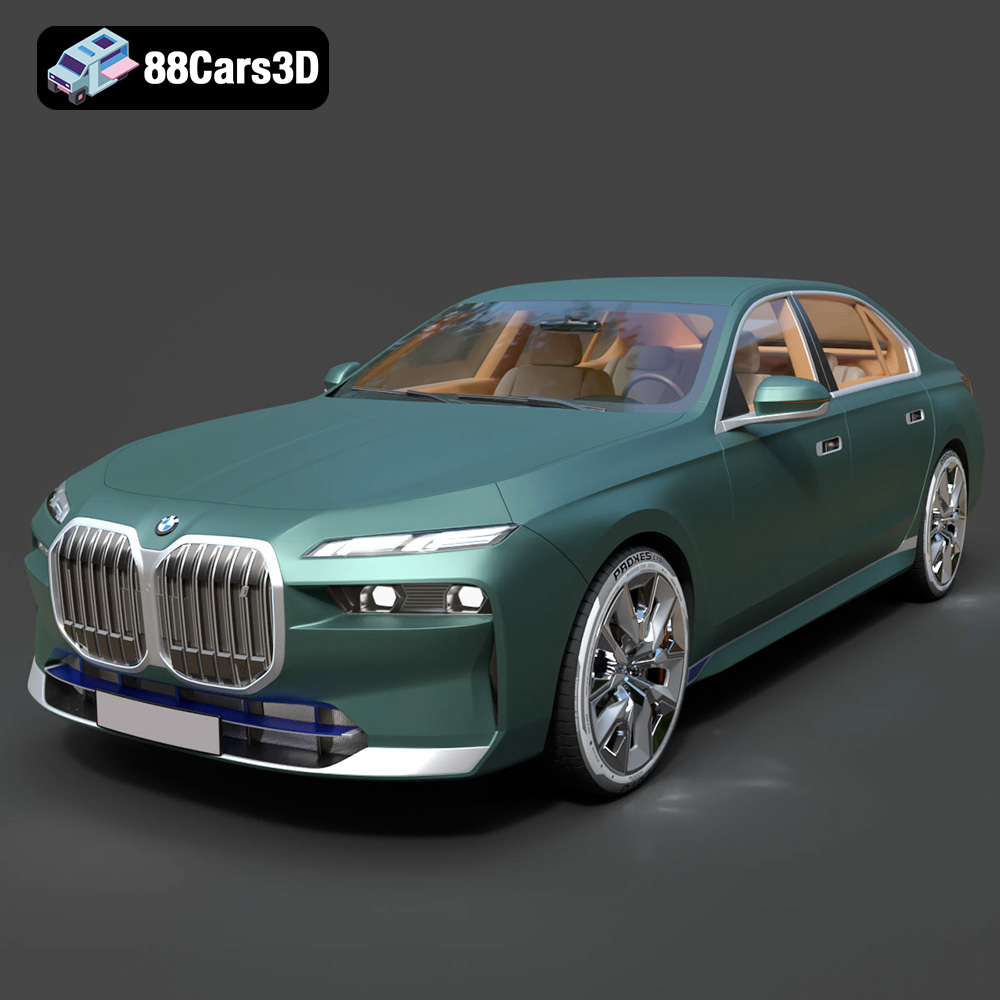
Texture: Yes | Material: Yes Download the ultra-high-detail BMW i7 (2023) 3D Model (4.14M Triangles). Features the illuminated kidney grille, split crystal headlights, fully modeled Theatre Screen interior, and monolithic luxury styling. Perfect for ArchViz, VFX, and cinematic rendering. Includes .blend, .fbx, .obj, .glb, .stl, and .max formats.
Price: $19.99
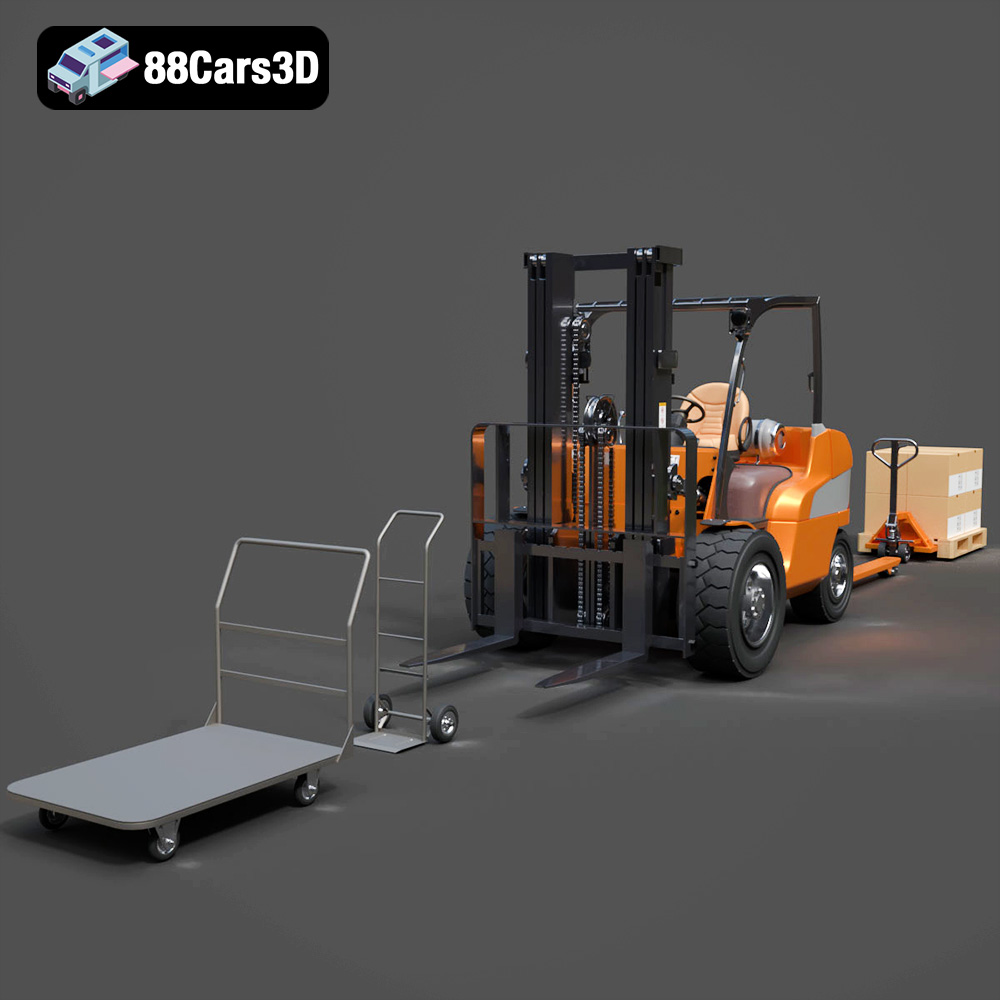
Texture: Yes | Material: Yes Download the highly detailed CAT Manual Loader & Warehouse Carts Kit 3D Model (2.4M Triangles). Features a macro-detailed hydraulic pallet jack, heavy-duty forks, and transport carts. Perfect for industrial ArchViz, factory rendering, and logistics simulations. Includes .blend, .fbx, .obj, .glb, .stl, and .max formats.
Price: $19.99
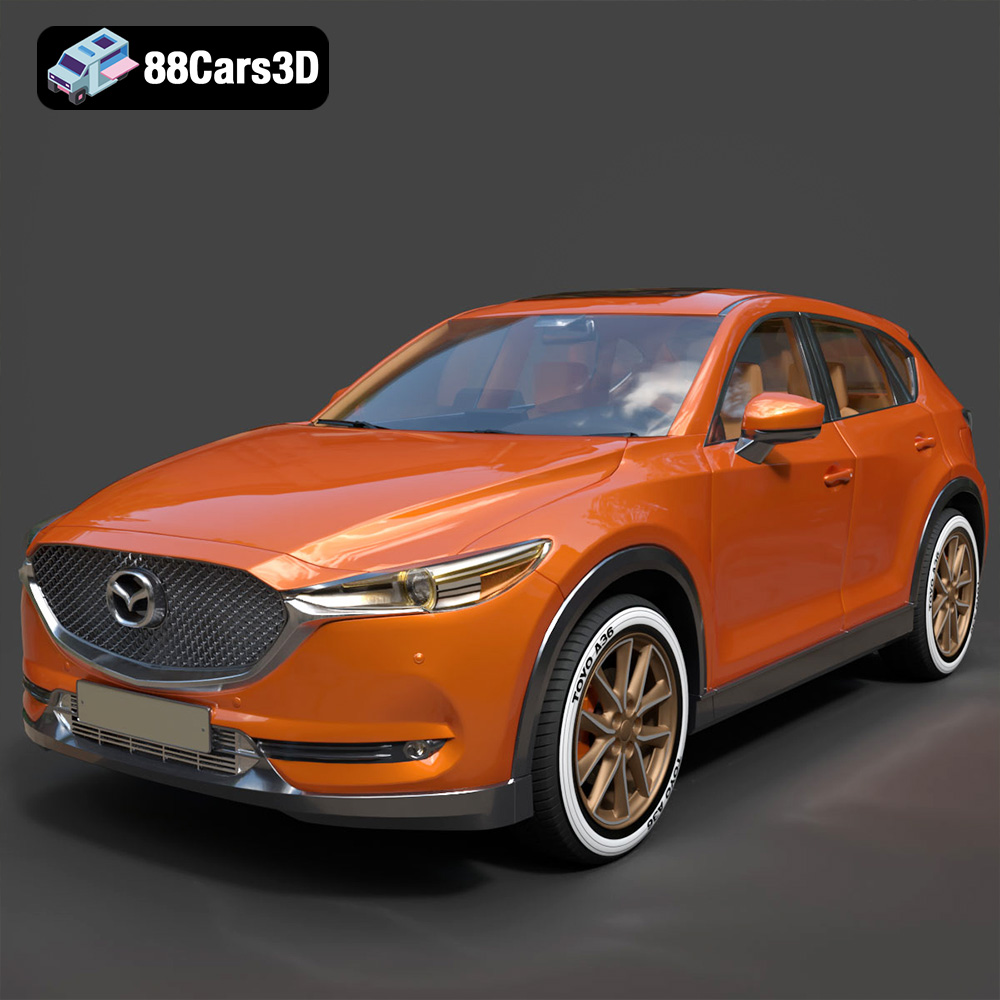
Texture: Yes | Material: Yes
Download the highly optimized Mazda CX-5 2014 3D Model (294k Triangles). Features the dynamic Kodo design language, signature grille, and a clean interior. Perfectly balanced for ArchViz, background traffic, and game development. Includes .blend, .fbx, .obj, .glb, .stl, and .max formats.
Price: $19.99
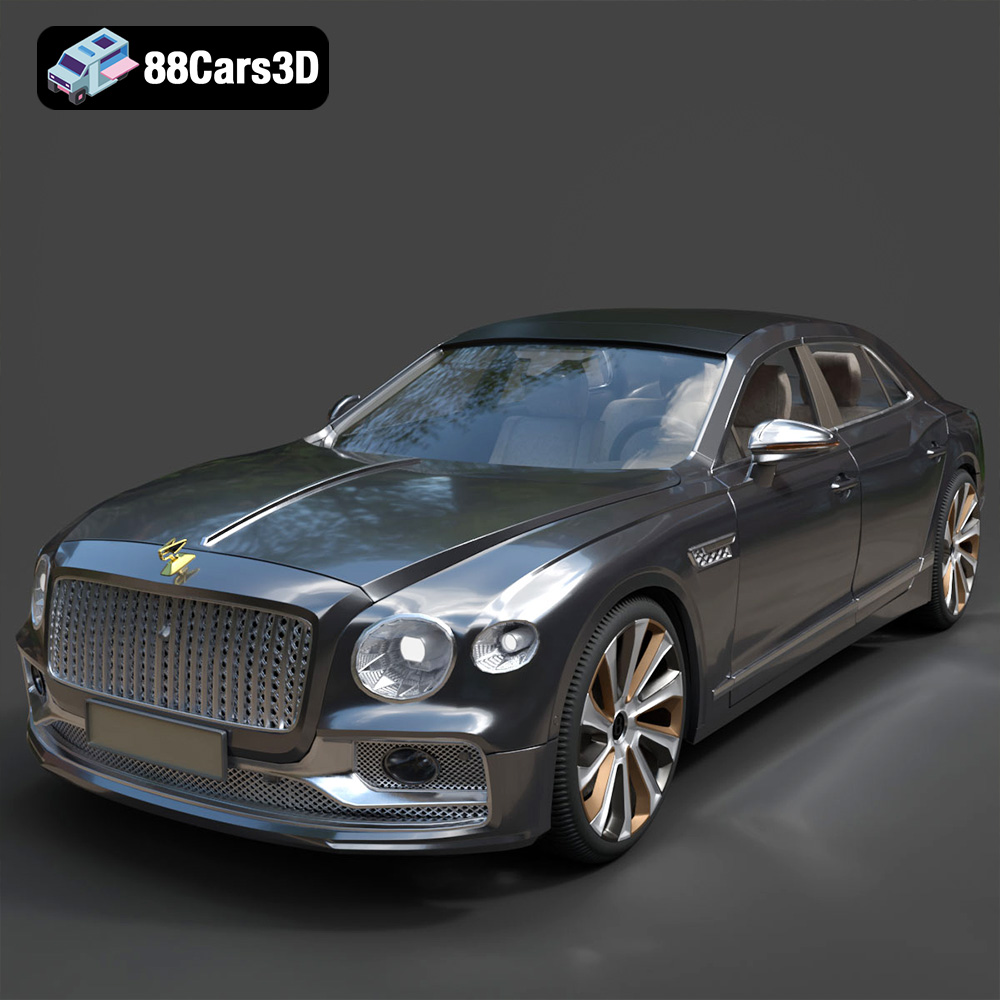
Texture: Yes | Material: Yes Download the ultra-high-detail Bentley Flying Spur Mulliner 2022 3D Model (2.94M Triangles). Features the bespoke Double Diamond grille, a fully modeled diamond-quilted interior, and exquisite luxury styling. Perfect for high-end ArchViz, VFX, and cinematic rendering. Includes .blend, .fbx, .obj, .glb, .stl, and .max formats.
Price: $19.90
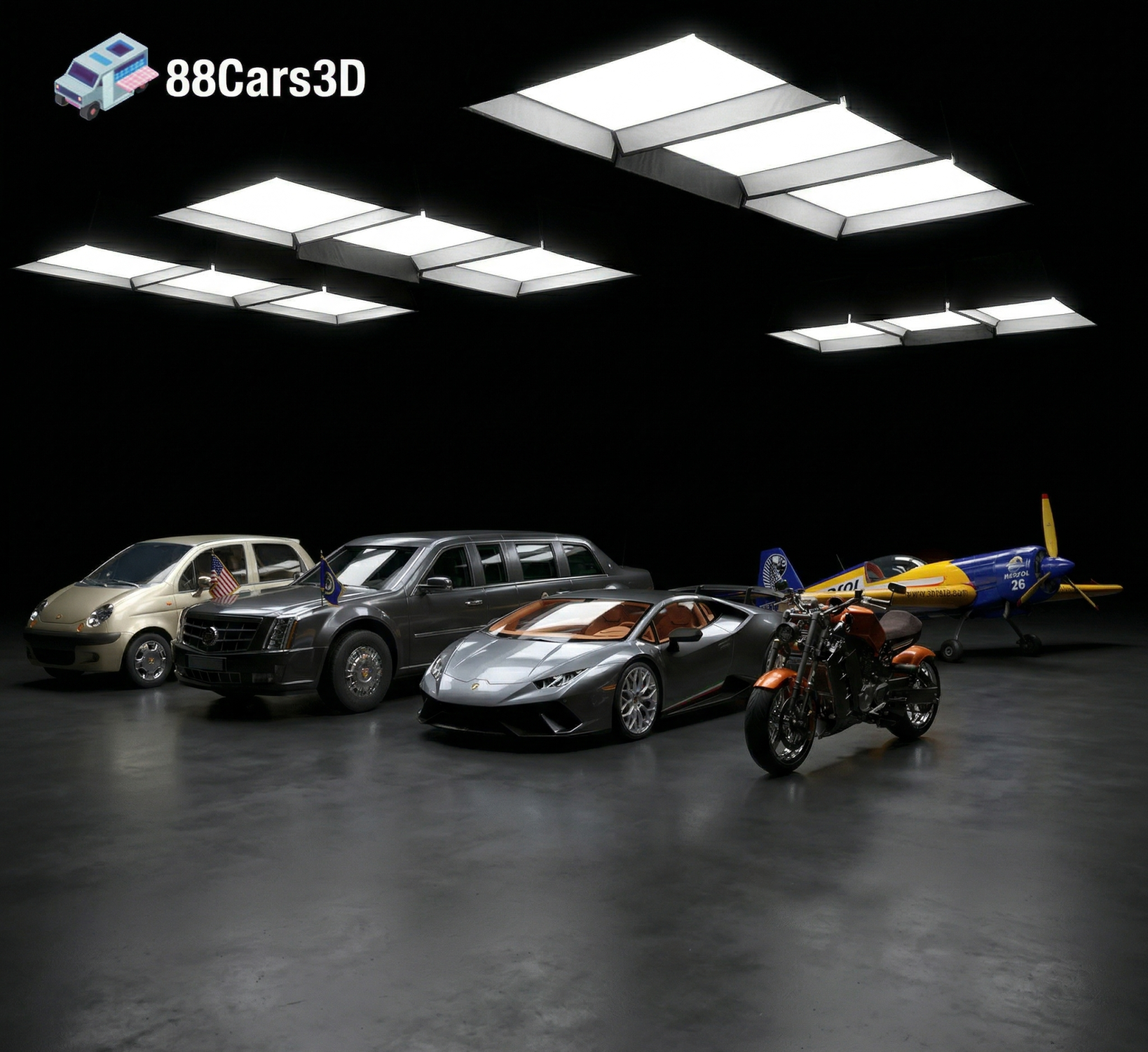
Texture: Yes | Material: Yes | 3D Printable: Yes. Download the Ultimate Creators’ Showcase featuring 5 premium 3D models: Lamborghini Huracan, ZAV Concept Motorcycle, Sukhoi SU-26, Presidential Limousine, and Daewoo Damas. Optimized for 4K CGI rendering and 3D printing. Save massive with this exclusive multi-category bundle!
Price: $99.99

Texture: Yes | Material: Yes | 3D Printable: Yes. Download the Italian Thoroughbreds Bundle featuring 5 iconic 3D models: Lamborghini Huracán Performante, Ferrari 458 Italia, Lamborghini Urus, Diablo SV, and Maserati GT. Optimized for 4K rendering and 3D printing (STL included). Save 50% with this ultimate Italian vehicle collection.
Price: $199.99

