Get 50% OFF All Premium 3D & STL Models!

“`html
The world of 3D printing has revolutionized model making, offering hobbyists and professionals unprecedented control and detail in their creations. From intricate architectural models to highly detailed printable car models found on platforms like 88cars3d.com, the possibilities are virtually limitless. But selecting the right 3D printer can be a daunting task. This comprehensive guide will break down the critical features that matter most when choosing a 3D printer for model making, covering everything from print quality and material compatibility to software integration and post-processing considerations. We’ll explore the nuances of FDM and resin printing, delve into essential printer settings, and offer actionable tips for achieving professional-grade results. Whether you’re a seasoned model maker or just starting out, this guide will equip you with the knowledge to make an informed decision and unlock the full potential of 3D printing for your projects.
When it comes to model making, print quality reigns supreme. The ability to accurately reproduce intricate details is crucial for creating realistic and visually appealing models. Key factors influencing print quality include resolution, layer height, and dimensional accuracy.
Resolution in 3D printing refers to the level of detail that can be achieved. It’s typically measured along the X, Y, and Z axes. For FDM printers, X and Y resolution are primarily determined by the nozzle diameter. A smaller nozzle (e.g., 0.25mm) allows for finer details but increases print time. Z resolution, defined by layer height, is arguably even more critical for model making. Lower layer heights (e.g., 0.05mm) create smoother surfaces and reduce the visibility of layer lines. For resin printers, resolution is determined by the pixel size of the LCD screen or the precision of the laser. Resin printers generally offer much higher resolution than FDM printers, making them ideal for highly detailed models like miniatures and jewelry.
Layer height is a crucial setting that directly impacts both print time and surface finish. Lower layer heights, such as 0.05mm to 0.1mm, produce smoother surfaces and capture finer details. This is essential for models with curved surfaces or intricate features. However, lower layer heights also significantly increase print time. Higher layer heights, such as 0.2mm to 0.3mm, are faster but result in more visible layer lines. For model making, striking a balance is key. Experiment with different layer heights to find the optimal setting for each model, considering the level of detail required and the desired print time. A good starting point is 0.1mm for detailed models and 0.2mm for larger, less intricate prints.
The two dominant 3D printing technologies for model making are Fused Deposition Modeling (FDM) and Stereolithography (SLA), often referred to as resin printing. Each has its own set of advantages and disadvantages, making them suitable for different types of models and applications. Understanding these differences is critical for selecting the right printer.
FDM printers work by extruding molten plastic filament through a nozzle, layer by layer. They are generally more affordable than resin printers and offer a wider range of material options, including PLA, PETG, ABS, and even flexible filaments. FDM printers are well-suited for larger models, functional parts, and prototypes. However, FDM prints typically have lower resolution and more visible layer lines compared to resin prints. This can be mitigated by using smaller nozzles and lower layer heights, but it will still not match the level of detail achievable with resin printing. FDM printers are a great choice for model makers who prioritize affordability, material versatility, and the ability to print larger models.
Resin printers use a liquid resin that is cured by UV light, layer by layer. They offer significantly higher resolution and detail than FDM printers, making them ideal for intricate models with fine features. Resin printers are particularly well-suited for miniatures, jewelry, dental models, and other applications where precision is paramount. However, resin printers are generally more expensive than FDM printers, and the range of available materials is more limited. Resin printing also requires more post-processing, including washing and curing the printed parts. Furthermore, resin materials can be more brittle than FDM filaments. When downloading models from marketplaces such as 88cars3d.com, consider whether the level of detail warrants the use of resin printing.
The choice of materials directly impacts the strength, durability, and aesthetic properties of your 3D printed models. Selecting a printer that supports a wide range of materials allows you to explore different textures, colors, and functionalities.
PLA (Polylactic Acid) is a biodegradable thermoplastic derived from renewable resources. It’s easy to print with, requires low printing temperatures (around 200°C), and produces minimal warping. PLA is a great choice for beginners and for models that don’t require high strength or heat resistance. It’s available in a wide range of colors and finishes, making it a versatile option for various model-making projects. However, PLA is not suitable for outdoor use or for parts that will be subjected to high temperatures, as it can soften and deform.
PETG (Polyethylene Terephthalate Glycol-modified) offers a good balance of strength, durability, and ease of printing. It’s more heat-resistant and impact-resistant than PLA, making it suitable for functional parts and models that will be subjected to more stress. PETG also has good chemical resistance, making it a good choice for parts that will come into contact with liquids. It requires slightly higher printing temperatures than PLA (around 230-250°C) and may require a heated bed. PETG is a popular choice for model makers who need a strong and durable material.
ABS (Acrylonitrile Butadiene Styrene) is a strong and heat-resistant thermoplastic commonly used in engineering applications. It’s more durable and impact-resistant than PLA and PETG, making it suitable for demanding applications. However, ABS is more difficult to print with than PLA and PETG. It requires higher printing temperatures (around 230-260°C), a heated bed, and an enclosed print chamber to prevent warping. ABS also emits fumes during printing, so good ventilation is required. While challenging, ABS is a strong contender for automotive models or other applications requiring dimensional stability at higher temperatures.
Slicing software is an essential tool for preparing 3D models for printing. It converts the 3D model (typically in STL format) into a series of instructions that the printer can understand. Choosing the right slicing software and optimizing printer settings are critical for achieving high-quality prints.
Cura and PrusaSlicer are two of the most popular and powerful slicing software options for FDM printers. Both are free and open-source and offer a wide range of features, including support generation, print profile management, and advanced settings for fine-tuning print parameters. Cura is known for its user-friendly interface and extensive plugin library, while PrusaSlicer is praised for its advanced features and accurate print predictions. Key settings to optimize for model making include layer height, print speed, infill density, and support settings. Experiment with different settings to find the optimal combination for each model.
For resin printing, Chitubox and Lychee Slicer are two leading software choices. These programs are specifically designed for SLA and DLP printing and offer features such as hollowing, support generation optimized for resin materials, and tools for efficient resin usage. Hollowing models is particularly important in resin printing to reduce material consumption and print time. Proper support structures are crucial to prevent print failures due to the weight of the model during printing. These slicers also allow you to configure parameters such as layer exposure time, lift speed, and resin density.
Support structures are essential for printing overhangs and complex geometries. However, they can also leave marks on the printed model and increase material consumption. Optimizing support structures involves carefully considering their placement, density, and type. Use automatic support generation features in your slicing software but then manually refine them to ensure they are only placed where needed and that they are easily removable without damaging the model. Experiment with different support types, such as tree supports or line supports, to find the best option for each model. Reducing the support density can also save material and reduce the amount of post-processing required.
Post-processing is an essential step in the 3D printing workflow, particularly for model making. It involves cleaning, sanding, painting, and assembling the printed parts to achieve a finished, professional-looking result.
Sanding is a common post-processing technique used to remove layer lines and smooth the surface of 3D printed models. Start with coarse sandpaper (e.g., 220 grit) to remove larger imperfections and then gradually move to finer grits (e.g., 400, 600, 800 grit) to achieve a smooth finish. Wet sanding can help to reduce dust and improve the sanding process. For resin prints, sanding is often necessary to remove support marks and smooth out imperfections. Take your time and be careful not to remove too much material, especially on delicate features. Chemical smoothing, using solvents like acetone for ABS or specific resin cleaners, can also be employed, but requires caution and proper ventilation.
Painting is a crucial step for adding color and realism to 3D printed models. Start by priming the model with a suitable primer to create a smooth and even surface for painting. Use acrylic paints or model paints for best results. Apply thin coats of paint and allow them to dry completely between coats. Use masking tape to create clean lines and protect areas that you don’t want to paint. Consider using an airbrush for more even and professional-looking results. Once the paint is dry, apply a clear coat to protect the paint and add a glossy or matte finish. For printable car models, consider using automotive paints and clear coats for a realistic finish. Platforms like 88cars3d.com offer models that benefit greatly from detailed painting and finishing.
Regular printer calibration and maintenance are essential for ensuring consistent print quality and extending the lifespan of your 3D printer. This includes leveling the print bed, cleaning the nozzle, lubricating moving parts, and updating firmware.
Proper bed leveling is crucial for ensuring that the first layer of the print adheres properly to the print bed. An uneven bed can lead to warping, poor adhesion, and failed prints. Most 3D printers have manual or automatic bed leveling systems. Follow the manufacturer’s instructions for leveling the bed. Check the bed level regularly, especially after moving the printer or changing the print bed surface. A well-leveled bed is the foundation for successful 3D printing.
A clogged nozzle can lead to poor print quality and even complete print failures. Regularly clean the nozzle to remove any accumulated filament debris. Use a nozzle cleaning tool or a thin wire to clear any obstructions. You can also perform a “cold pull” by heating the nozzle to a specific temperature and then quickly pulling out the filament to remove any stubborn clogs. Consider replacing the nozzle periodically, especially if you print with abrasive materials like carbon fiber or metal-filled filaments. Maintaining a clean and functioning nozzle is essential for consistent print quality.
Choosing the right 3D printer for model making is a crucial decision that can significantly impact the quality and efficiency of your projects. By carefully considering factors such as print quality, technology (FDM vs. resin), material compatibility, slicing software, post-processing techniques, and printer maintenance, you can select a printer that meets your specific needs and budget. Remember to prioritize resolution and detail for intricate models, explore different materials to achieve desired properties, and master slicing software to optimize print parameters. Regular calibration and maintenance will ensure consistent performance and extend the lifespan of your printer. With the right tools and techniques, you can unlock the full potential of 3D printing and create stunning, professional-grade models. Take the time to research and experiment to find the perfect setup for your model-making endeavors, and don’t be afraid to explore the vast library of printable car models and other designs available online to test your new skills!
“`
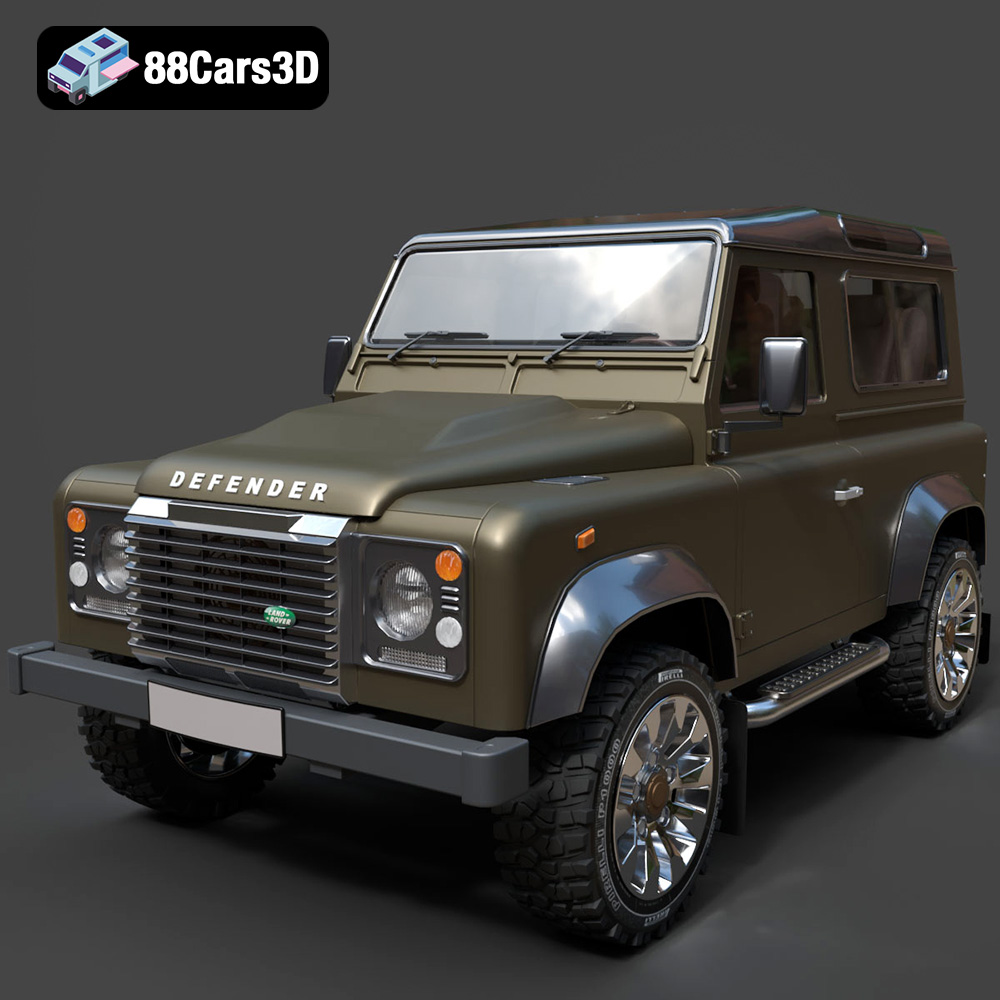
Texture: Yes
Material: Yes
Download the Land Rover Defender Works V8 3D Model featuring clean geometry, realistic detailing, and a fully modeled interior. Includes .blend, .fbx, .obj, .glb, .stl, .ply, .unreal, and .max formats for rendering, simulation, and game development.
Price: $19.99
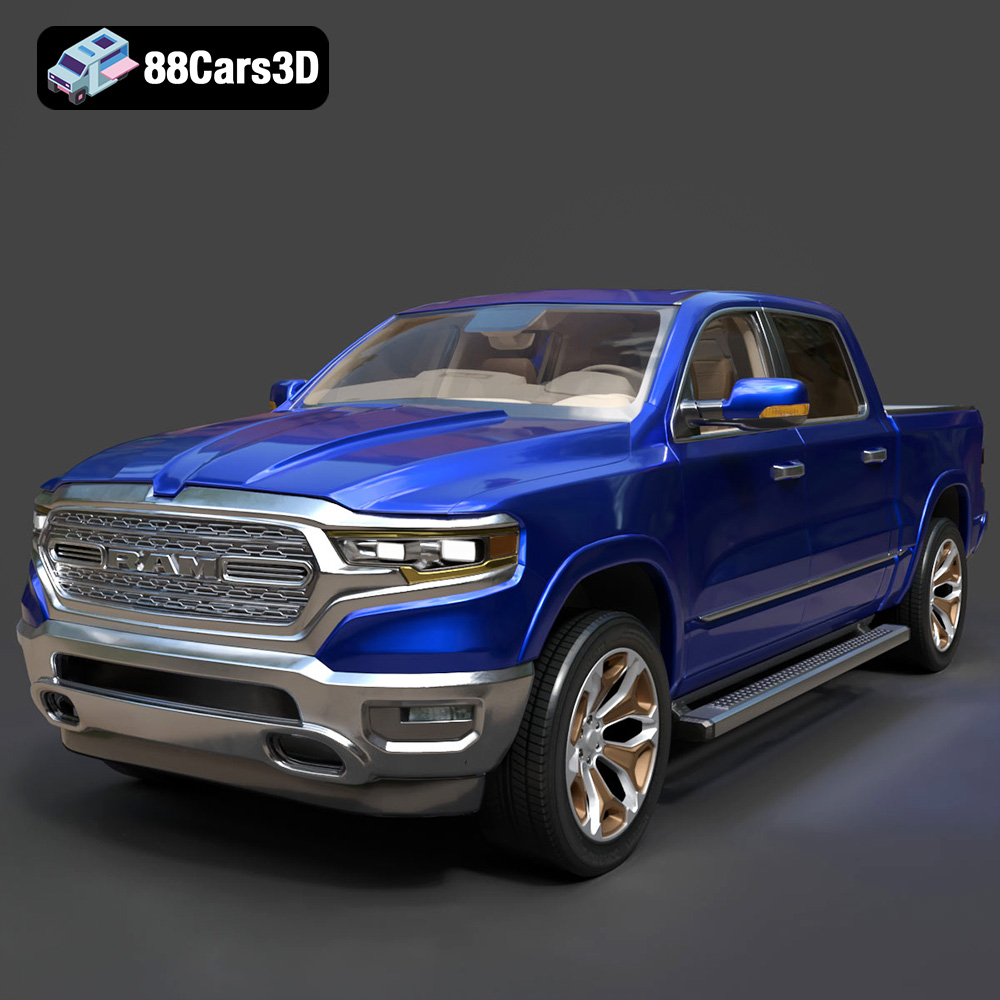
Texture: Yes
Material: Yes
Download the Dodge RAM 2019 3D Model featuring clean geometry, realistic detailing, and a fully modeled interior. Includes .blend, .fbx, .obj, .glb, .stl, .ply, .unreal, and .max formats for rendering, simulation, and game development.
Price: $19.99
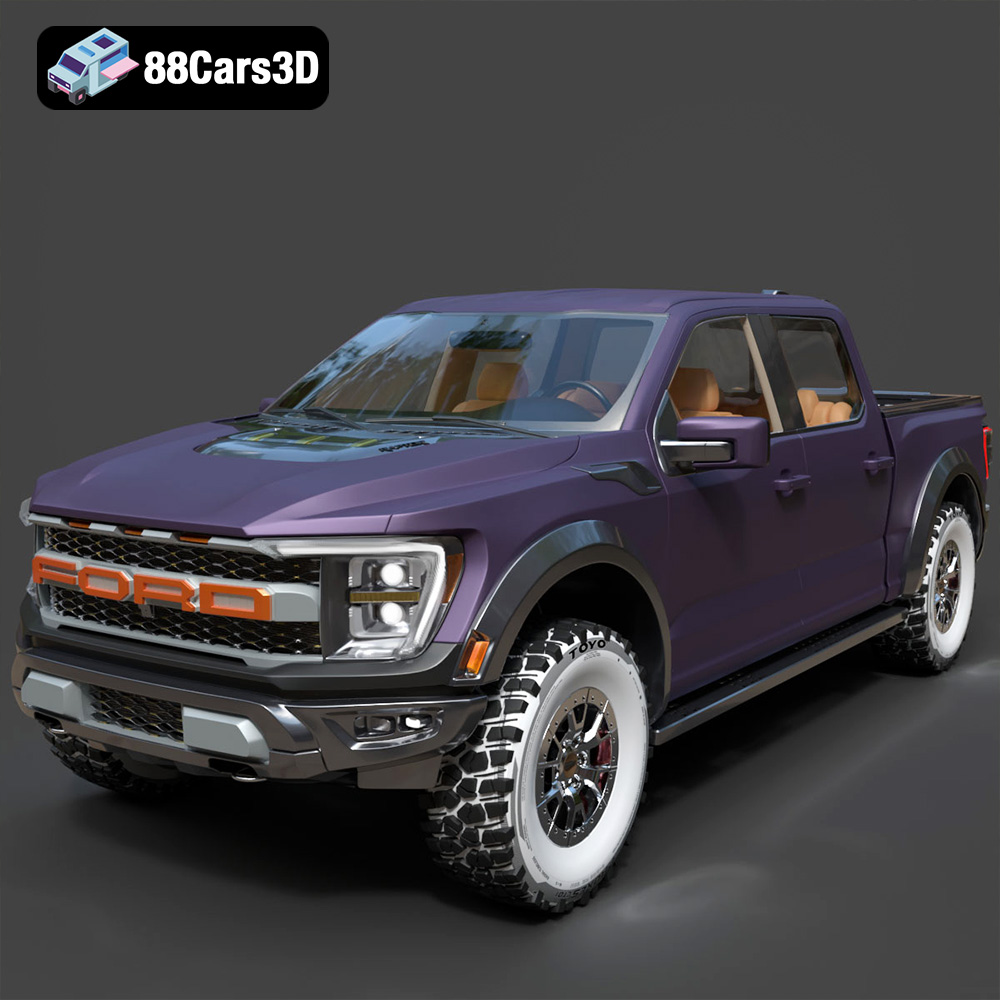
Texture: Yes | Material: Yes Download the ultra-high-detail Ford F-150 Raptor 2021 3D Model (8.73M Triangles). Features uncompromised widebody styling, fully modeled Fox Live Valve suspension, 37-inch tires, and interior. Perfect for premium VFX, cinematic rendering, and ArchViz. Includes .blend, .fbx, .obj, .glb, .stl, and .max formats.
Price: $29.99
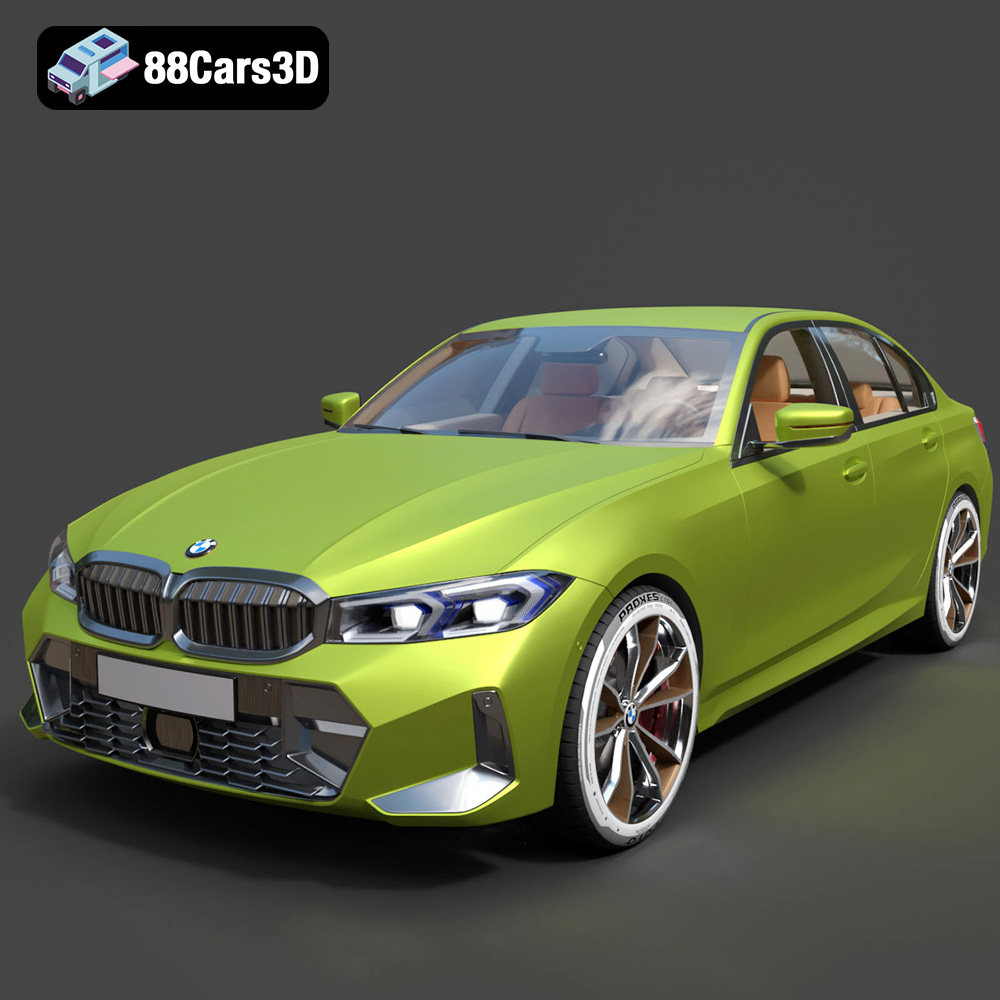
Texture: Yes | Material: Yes Download the ultra-high-detail BMW 3 Series Limousine (2022) 3D Model (4.16M Triangles). Features the modernized G20 LCI exterior, the all-new BMW Curved Display interior, and ultra-dense topology. Perfect for ArchViz, VFX, and cinematic rendering. Includes .blend, .fbx, .obj, .glb, .stl, and .max formats.
Price: $19.99
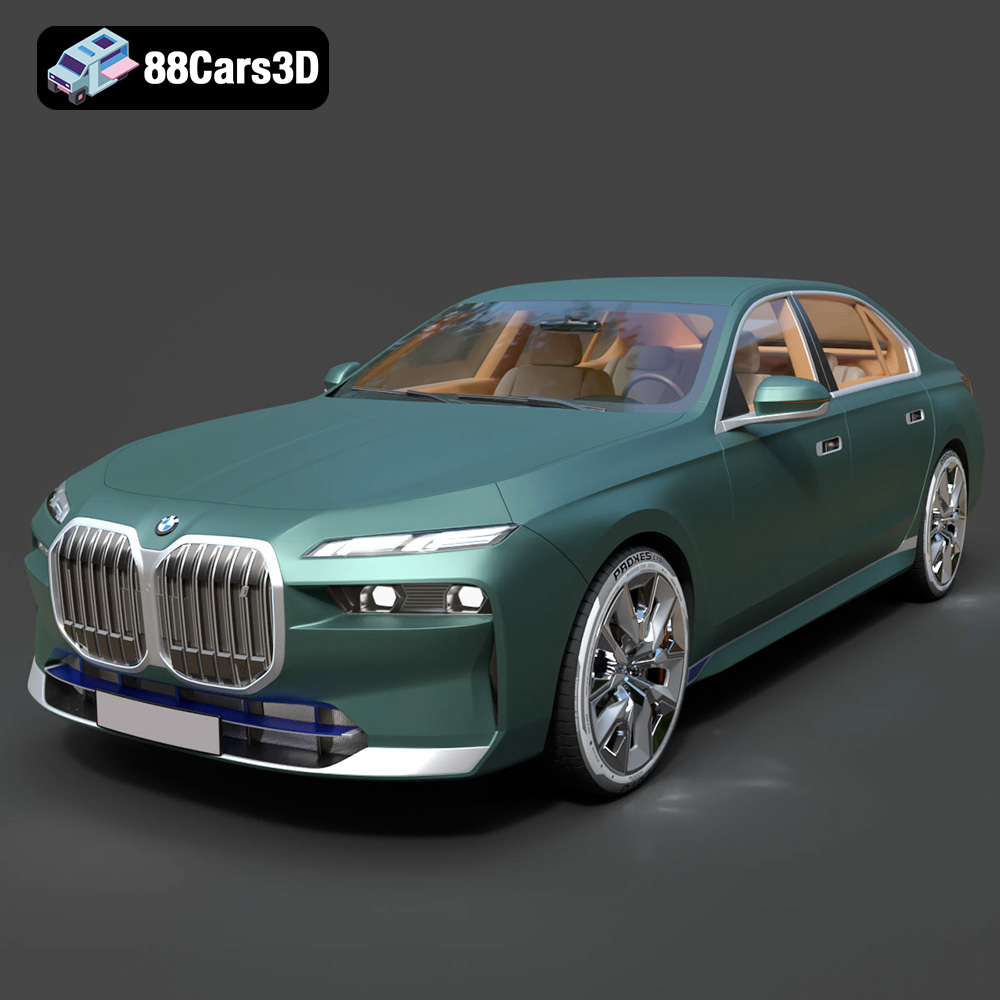
Texture: Yes | Material: Yes Download the ultra-high-detail BMW i7 (2023) 3D Model (4.14M Triangles). Features the illuminated kidney grille, split crystal headlights, fully modeled Theatre Screen interior, and monolithic luxury styling. Perfect for ArchViz, VFX, and cinematic rendering. Includes .blend, .fbx, .obj, .glb, .stl, and .max formats.
Price: $19.99
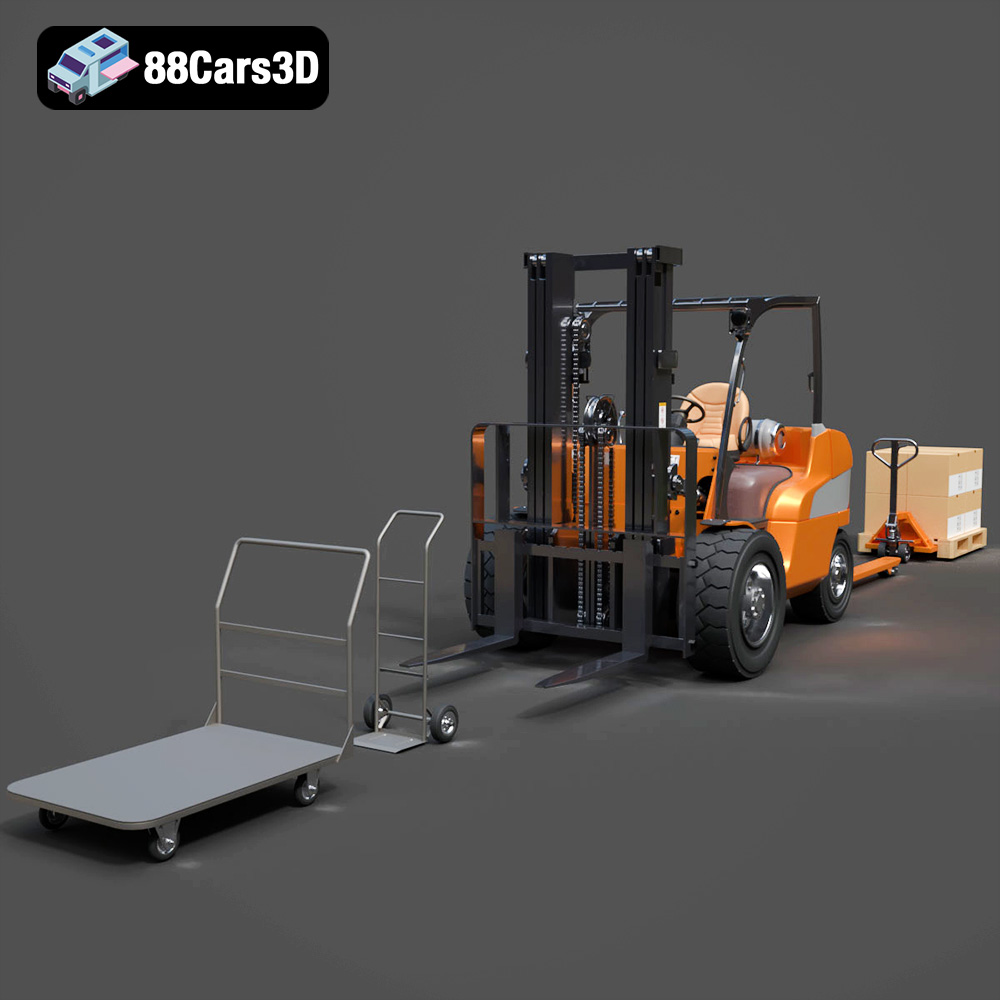
Texture: Yes | Material: Yes Download the highly detailed CAT Manual Loader & Warehouse Carts Kit 3D Model (2.4M Triangles). Features a macro-detailed hydraulic pallet jack, heavy-duty forks, and transport carts. Perfect for industrial ArchViz, factory rendering, and logistics simulations. Includes .blend, .fbx, .obj, .glb, .stl, and .max formats.
Price: $19.99

Texture: Yes | Material: Yes
Download the highly optimized Mazda CX-5 2014 3D Model (294k Triangles). Features the dynamic Kodo design language, signature grille, and a clean interior. Perfectly balanced for ArchViz, background traffic, and game development. Includes .blend, .fbx, .obj, .glb, .stl, and .max formats.
Price: $19.99
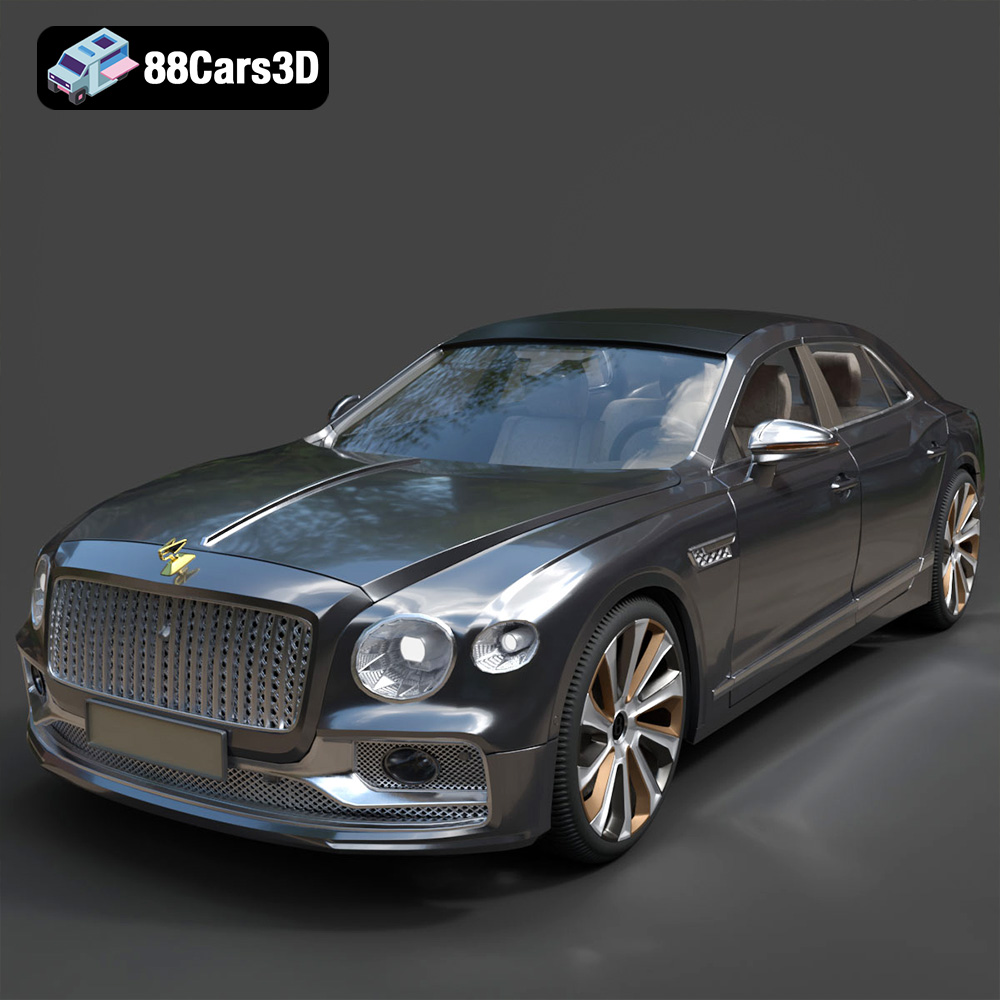
Texture: Yes | Material: Yes Download the ultra-high-detail Bentley Flying Spur Mulliner 2022 3D Model (2.94M Triangles). Features the bespoke Double Diamond grille, a fully modeled diamond-quilted interior, and exquisite luxury styling. Perfect for high-end ArchViz, VFX, and cinematic rendering. Includes .blend, .fbx, .obj, .glb, .stl, and .max formats.
Price: $19.90
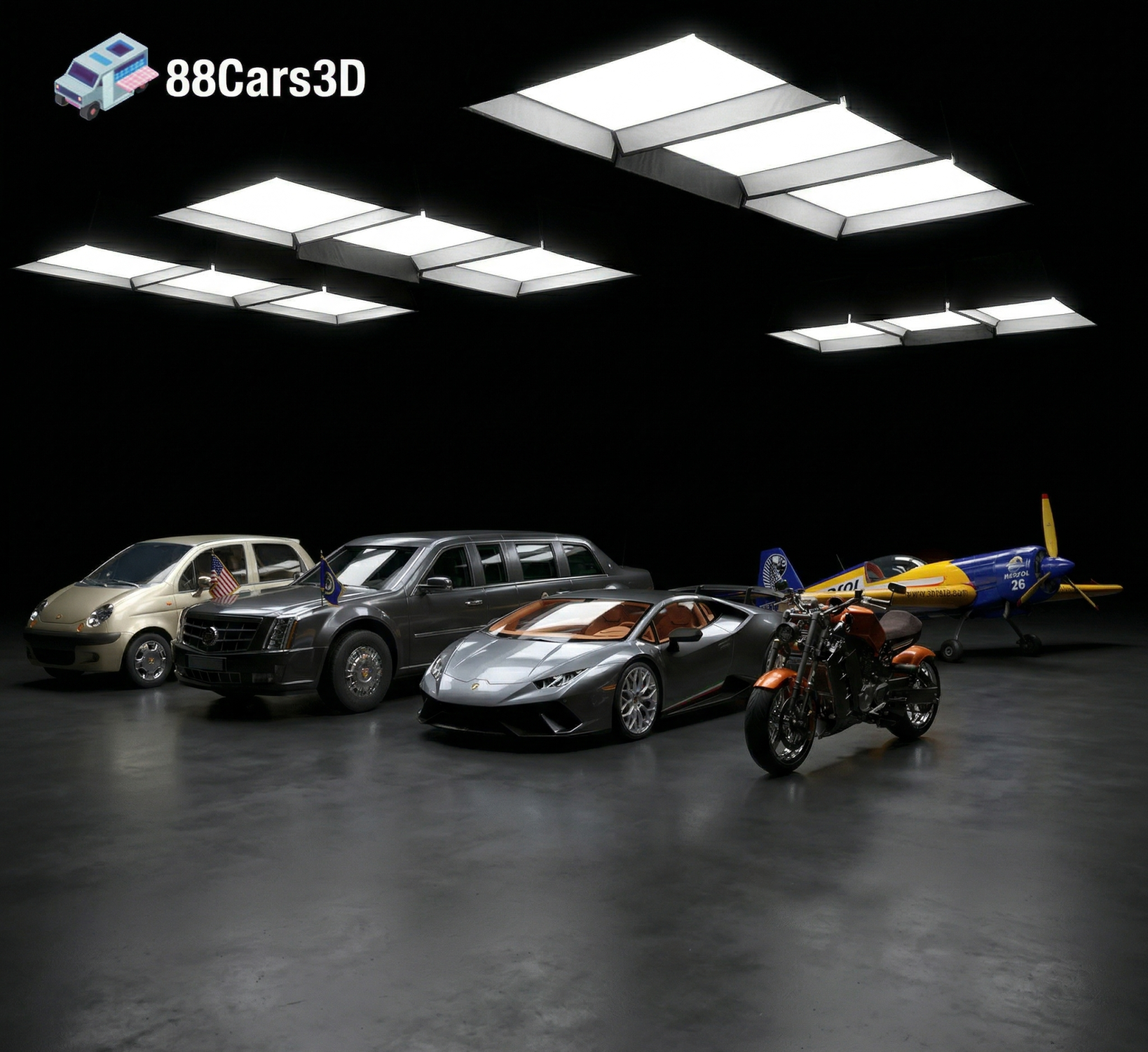
Texture: Yes | Material: Yes | 3D Printable: Yes. Download the Ultimate Creators’ Showcase featuring 5 premium 3D models: Lamborghini Huracan, ZAV Concept Motorcycle, Sukhoi SU-26, Presidential Limousine, and Daewoo Damas. Optimized for 4K CGI rendering and 3D printing. Save massive with this exclusive multi-category bundle!
Price: $99.99

Texture: Yes | Material: Yes | 3D Printable: Yes. Download the Italian Thoroughbreds Bundle featuring 5 iconic 3D models: Lamborghini Huracán Performante, Ferrari 458 Italia, Lamborghini Urus, Diablo SV, and Maserati GT. Optimized for 4K rendering and 3D printing (STL included). Save 50% with this ultimate Italian vehicle collection.
Price: $199.99

