Get 50% OFF All Premium 3D & STL Models!

In the dynamic world of 3D visualization, game development, and immersive experiences, the demand for exceptionally crafted digital assets is paramount. Automotive design, in particular, requires an unparalleled level of detail and technical precision to accurately represent the intricate forms and engineering of vehicles. Whether you’re a seasoned artist aiming for photorealistic renders, a game developer building a compelling open world, or an engineer prototyping concepts, the foundation of your success often lies in the quality of your 3D models.
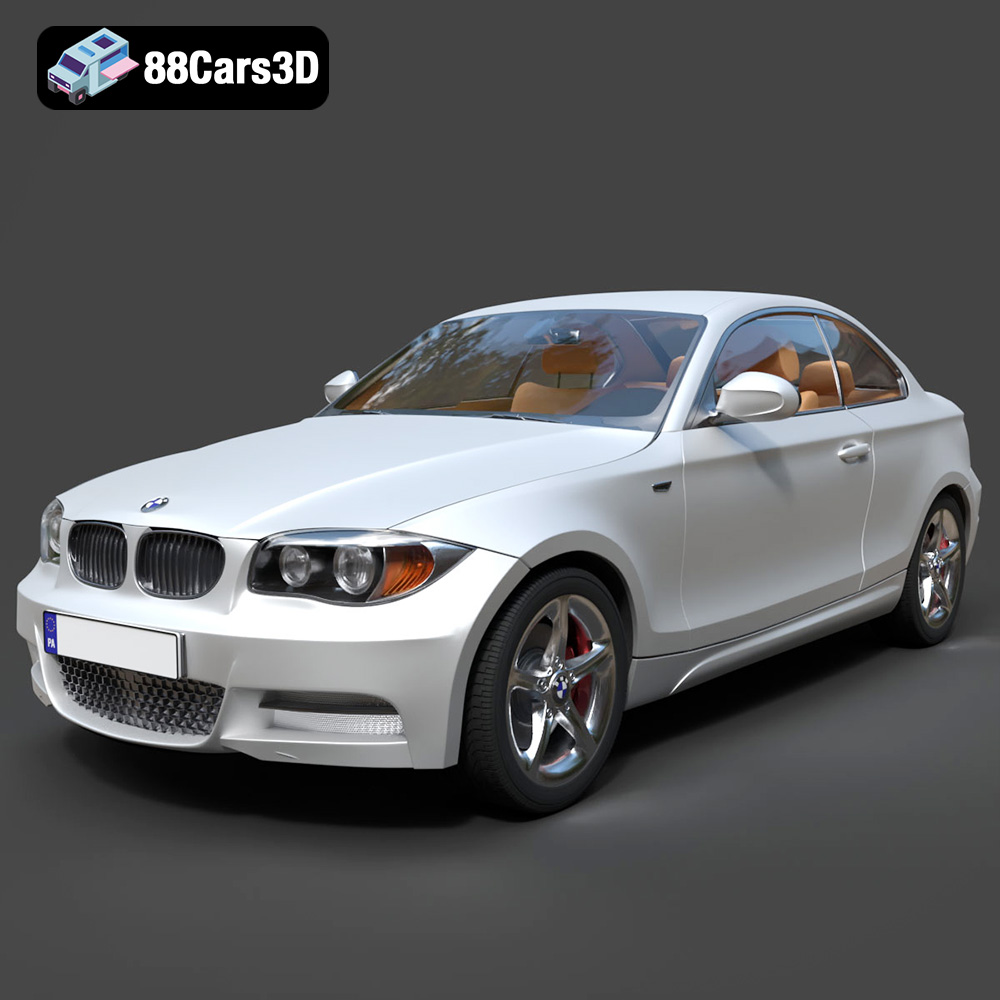
This pursuit of digital fidelity is precisely where a meticulously crafted asset like the BMW 1 Series Coupe 2009 3D Model distinguishes itself. Available on platforms such as 88cars3d.com, this model isn’t just a static representation; it’s a versatile, high-detail digital recreation of a beloved compact premium sports coupe, engineered to seamlessly integrate into a myriad of professional workflows. Its balanced chassis and distinctive BMW styling are faithfully captured, offering a robust starting point for everything from cinematic animations to interactive AR/VR showcases. This article delves deep into the technical intricacies of utilizing such a sophisticated 3D car model, exploring essential file formats, diverse application workflows, and the boundless creative possibilities it unlocks.
The journey of any 3D model, especially complex 3D car models, begins and is shaped by its file format. Each format serves specific purposes, offering different levels of data retention, compatibility, and optimization for various stages of the 3D pipeline. Understanding these distinctions is critical for professionals to ensure seamless integration, preserve data integrity, and achieve desired outcomes across diverse software and engines.
When working with a versatile asset like the BMW 1 Series Coupe 2009 3D Model, the array of included file formats isn’t just a convenience; it’s a strategic offering. Each format is tailored for distinct applications, from full-scene editing to real-time rendering or physical fabrication. Choosing the correct format at each stage of your project is key to optimizing performance, maintaining visual fidelity, and facilitating collaboration.
This comprehensive array of formats ensures that the BMW 1 Series Coupe 2009 3D Model from 88cars3d.com is not just a digital asset, but a complete solution tailored for virtually any professional need.
Delving deeper than just file formats, the intrinsic quality of a 3D model determines its usability and potential. The BMW 1 Series Coupe 2009 3D Model stands as a testament to meticulous craftsmanship, offering features that cater to the most discerning professionals. Its detailed construction ensures versatility across demanding applications, from cinematic rendering to real-time game environments.
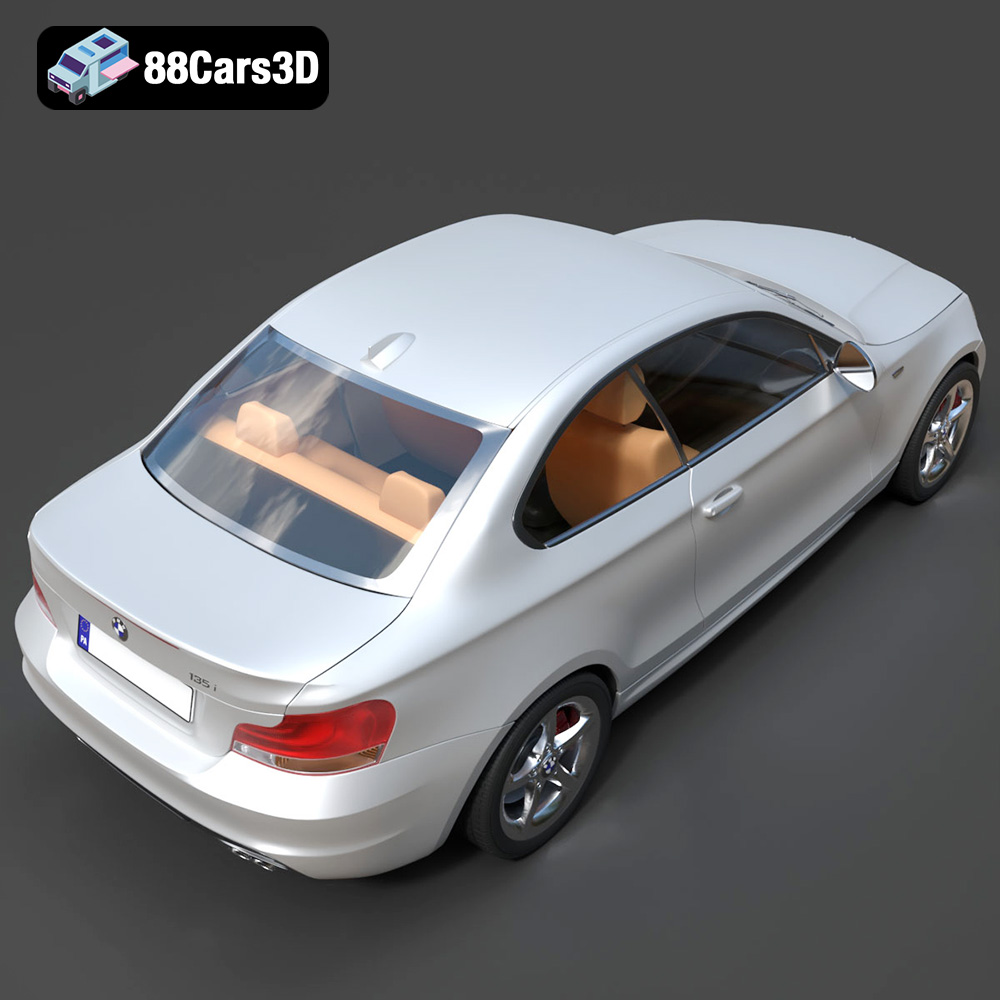
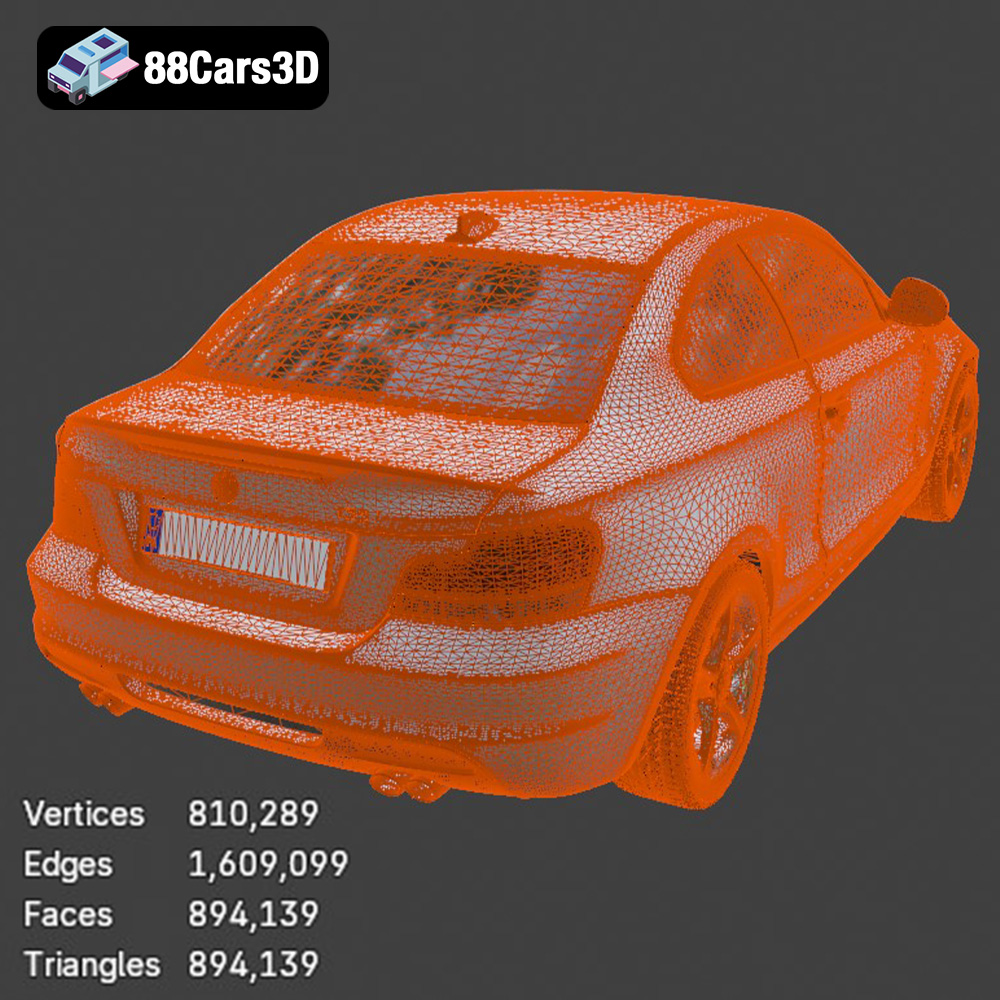
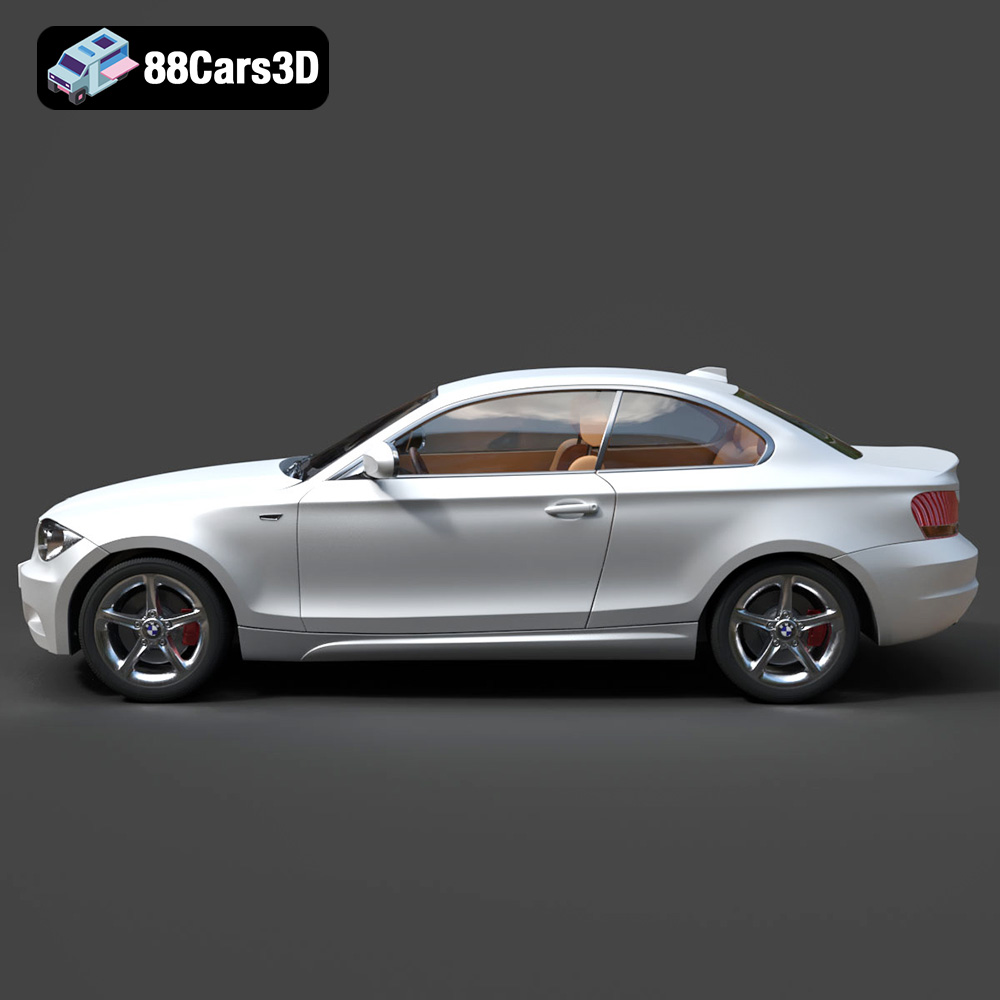
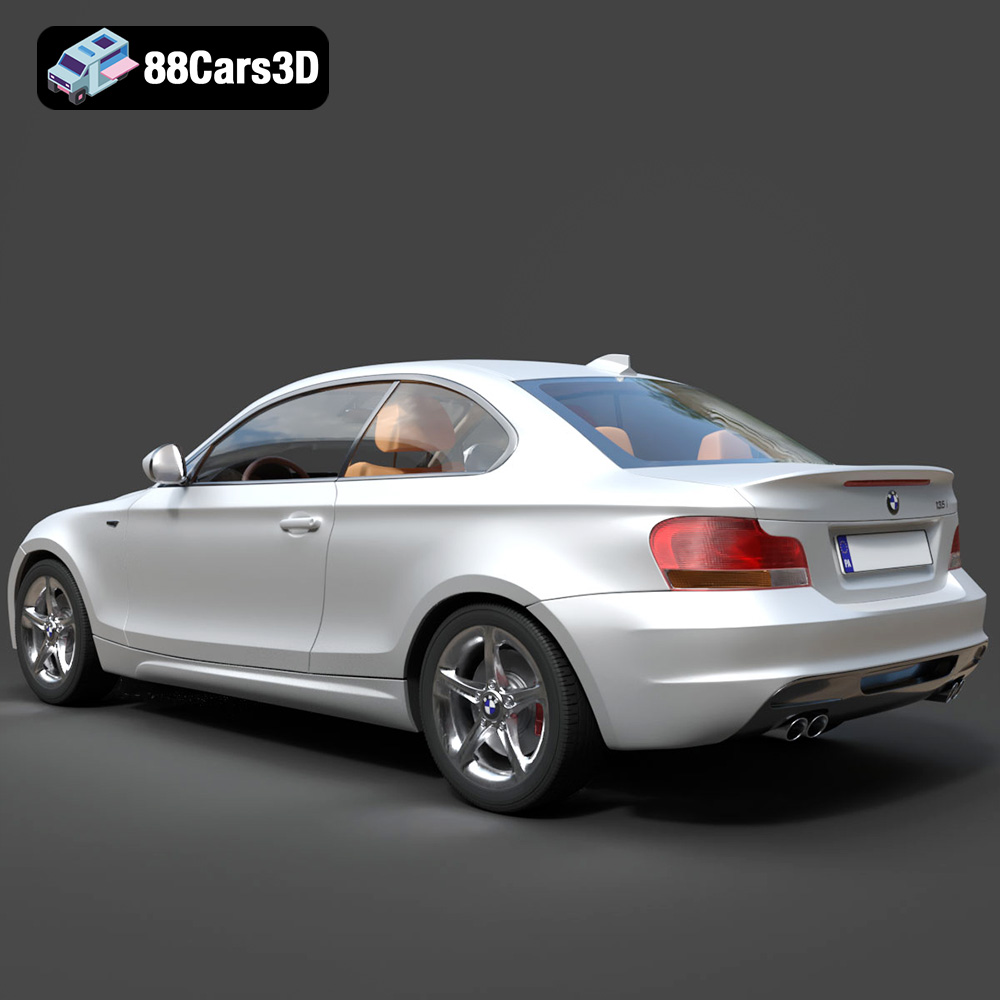
The first impression of any automotive model relies heavily on its exterior accuracy. The BMW 1 Series Coupe 2009 3D Model captures the essence of BMW’s compact coupe design, meticulously replicating its signature kidney grille, dual headlight design, and the subtle yet distinct sculpted hood lines. Crucially, the model adheres to real-world scale accuracy, ensuring that it integrates seamlessly into virtual scenes without proportion discrepancies. Technical specifications include a clean, quad-based mesh structure that allows for smooth subdivision surfacing, essential for high-fidelity renders. This clean topology also facilitates easy UV mapping, critical for applying realistic PBR (Physically Based Rendering) textures for paint, glass, and intricate alloy wheel details, complete with brake components.
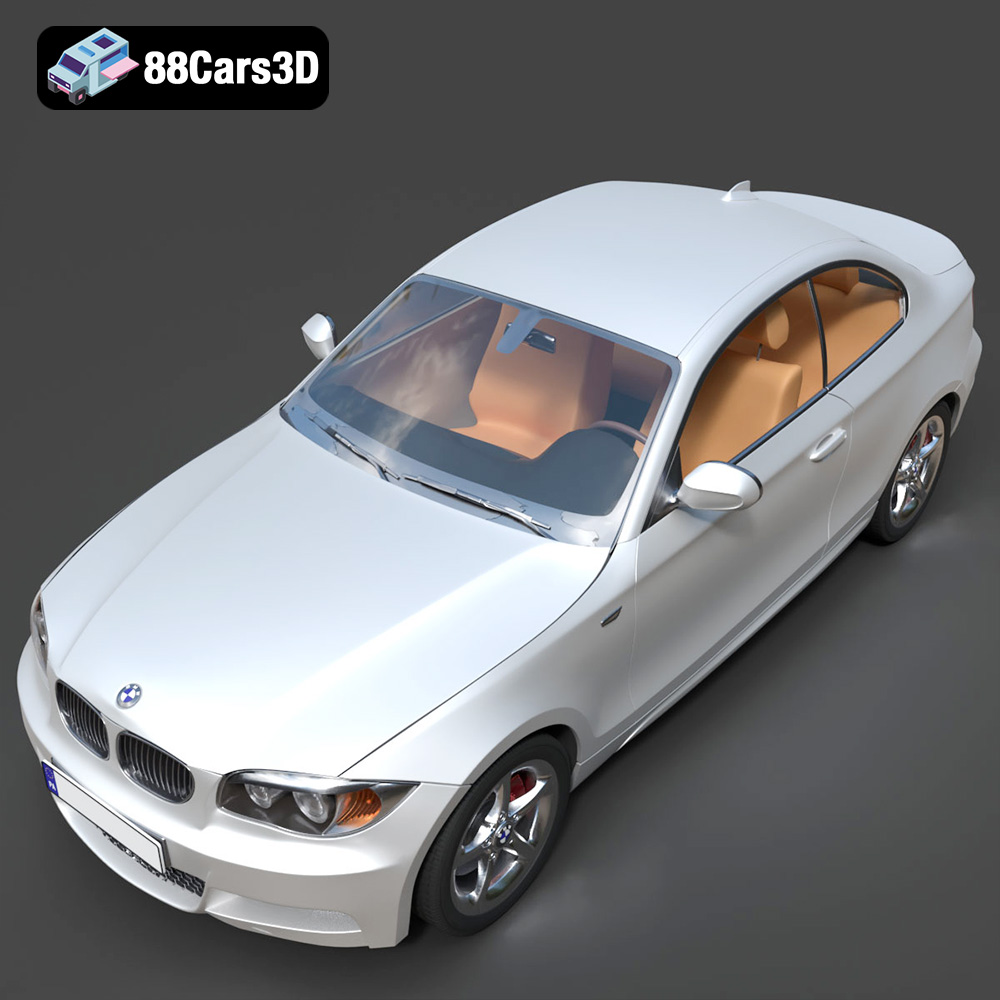
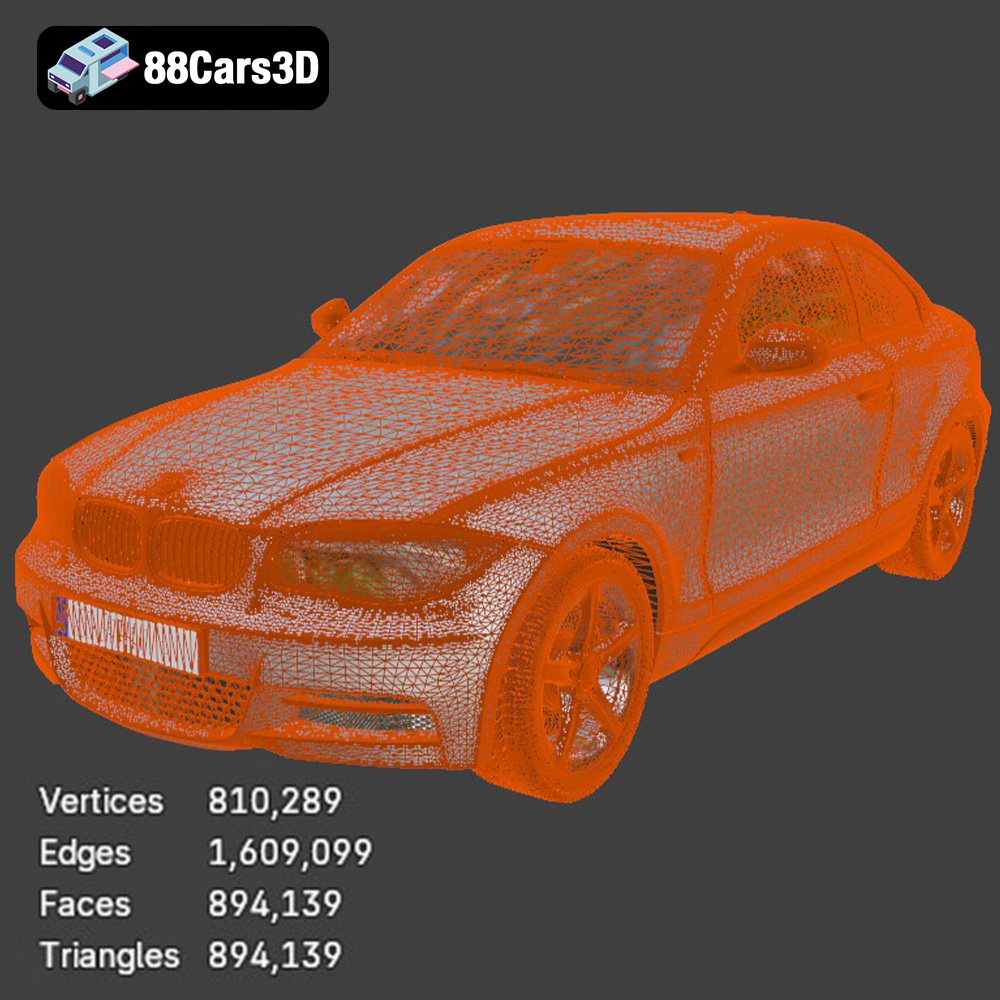
Beyond the exterior, the interior of a vehicle model is equally important, especially for close-up shots, virtual tours, or interactive experiences. This BMW 1 Series model features a detailed dashboard with an analog instrument cluster, a multifunction steering wheel, a center console with an infotainment layout, and accurately modeled front sport seats. The gear shifter and pedal detailing, along with door panel and trim representations, contribute to a comprehensive and immersive interior. The geometry is optimized, meaning polygons are intelligently distributed to provide detail where it’s needed most (e.g., dashboard curves) while keeping overall poly counts manageable for real-time engines, without sacrificing quality for high-resolution renders.
The true measure of a professional 3D car model lies in its underlying technical structure. The BMW 1 Series Coupe 2009 3D Model boasts a clean and well-organized mesh, which prevents rendering artifacts and ensures predictable deformation during animation. Real-world scale accuracy is maintained, providing a solid foundation for physics simulations and scene integration. A critical feature for any animated vehicle is the proper pivot setup for steering and wheel rotation. This model ensures that these pivots are correctly placed, saving animators countless hours of setup time. Furthermore, the optimized polygon flow is crucial for both performance and realism; it dictates how light interacts with the surfaces and how efficiently the model can be rendered in real-time applications or subdivided for ultra-high-definition cinematic work.
High-quality 3D car models like the BMW 1 Series Coupe 2009 are indispensable tools for achieving stunning visual results across various industries. From marketing campaigns to cinematic productions, the goal is often to create photorealistic or highly stylized imagery that captivates the audience. This requires not only a superb model but also a mastery of rendering software and real-time engines.
For artists and studios aiming for the pinnacle of visual realism, dedicated rendering software like 3ds Max and Blender are the platforms of choice.
In 3ds Max, the BMW 1 Series Coupe 2009 3D Model can be imported, and a scene built around it. Utilizing powerful rendering engines like V-Ray or Corona Renderer, artists can set up complex lighting scenarios with HDRI (High Dynamic Range Image) environments, creating realistic reflections and global illumination. PBR materials for paint (multi-layered with clear coat), glass, and chrome are meticulously crafted, leveraging detailed UV mapping for accurate texture application. Camera angles, depth of field, and motion blur are adjusted to cinematic standards, and post-production in software like Adobe Photoshop or After Effects further refines the final output, adding lens flares, color grading, and atmospheric effects. The .max format allows direct access to all model data and scene configurations for unparalleled control.
Similarly, Blender users can leverage the .blend file format to immediately dive into rendering with Cycles or Eevee. Cycles, Blender’s path-tracing renderer, excels at photorealism, while Eevee offers real-time rendering capabilities for rapid iteration. PBR material workflows are intuitive, allowing artists to layer materials for metallic flakes in paint, realistic tire rubber, and detailed interior surfaces. HDRI lighting, studio setups, and environmental backplates can be quickly integrated. The clean topology and well-prepared UVs of the BMW 1 Series Coupe 2009 3D Model from 88cars3d.com significantly accelerate this process, allowing artists to focus on artistic direction rather than technical cleanup.
The interactive nature of modern video games and simulations demands a different approach. Game engines like Unreal Engine and Unity require models that are optimized for real-time performance while still maintaining visual fidelity.
When integrating the BMW 1 Series Coupe 2009 into Unreal Engine, the .fbx or pre-optimized .unreal format is typically used. The import process involves configuring settings for mesh, materials, and animations. Materials are converted to Unreal’s PBR shader system, with instances created for easy color and property adjustments. Crucially, the model’s optimized geometry and polygon flow are leveraged to ensure high frame rates. Level of Detail (LOD) meshes are implemented, allowing the engine to automatically switch to lower-polygon versions of the car when it’s further from the camera, preserving performance. Collision meshes are generated for realistic physics interaction, and blueprints can be created to add interactive elements like openable doors, working headlights, or even fully drivable vehicle mechanics. The proper pivot points in the model are invaluable for setting up wheel rotation and steering animations, reducing development time considerably.
For game developers, having access to such a robust and pre-optimized asset means less time spent on asset creation and more time on gameplay, level design, and overall experience. The BMW 1 Series Coupe 2009 3D Model acts as an ideal game asset, ready for integration into open-world driving games, racing simulations, and city environments where automotive realism is key.
The applications of high-quality 3D car models extend far beyond traditional rendering and game development. Emerging technologies like Augmented Reality (AR), Virtual Reality (VR), and advanced simulation, alongside the physical world of 3D printing, are increasingly leveraging detailed digital assets to create immersive and tangible experiences.
AR and VR are transforming how we interact with products and environments. For the automotive industry, this means virtual showrooms, interactive car configurators, and immersive driving experiences. The BMW 1 Series Coupe 2009 3D Model, particularly in its optimized .glb (GL Transmission Format Binary) or well-prepared .fbx formats, is perfectly suited for these applications.
Imagine a potential buyer using an AR app on their phone to virtually place the 1 Series Coupe in their driveway, examining it from every angle, or stepping into a VR headset to experience a fully interactive virtual showroom. The model’s clean topology and PBR-ready materials ensure that it looks fantastic even in real-time, untethered environments. Low polygon count versions (LODs) derived from the main model are crucial for mobile AR performance, while higher detail versions shine in desktop VR applications. The integration of separate wheels and steering components allows for dynamic interaction, such as rotating the wheels to show off rim options or opening doors to reveal the interior.
Beyond entertainment, 3D car models are vital tools in simulation and training. Automotive engineers use them for virtual prototyping and aerodynamic analysis, while driver training programs can simulate realistic driving scenarios. The real-world scale accuracy and detailed geometry of the BMW 1 Series Coupe 2009 3D Model make it an excellent candidate for these purposes.
For driver simulators, the model can be integrated with advanced physics engines, accurately representing weight distribution, suspension dynamics, and tire grip. The detailed interior allows for a realistic first-person perspective, enhancing immersion for trainees. In engineering visualization, the model can be dissected, customized with different components, and tested in virtual wind tunnels, allowing for rapid iteration and analysis without the need for physical prototypes.
One of the most exciting aspects of digital 3D models is the ability to transform them into physical objects through 3D printing. The BMW 1 Series Coupe 2009 3D Model includes an .stl file, specifically prepared for this purpose.
3D printing requires models to have “manifold” geometry, meaning they are watertight with no gaps or intersecting faces – a characteristic of professionally prepared STL files. The product details recommend scales like 1:32, 1:24, 1:18, and 1:12, which are popular for collectible car models. For successful printing, layer height between 0.08–0.16 mm, a wall thickness of 1.2–2.0 mm, and an infill of 15–25% are suggested. Supports are often required for overhangs such as mirrors, bumper details, and underbody sections to prevent deformation during printing. Printing the body angled can result in a smoother surface finish, while printing wheels separately allows for greater detail and easier assembly. Post-processing, including sanding, priming, and applying a gloss automotive paint finish, can elevate a raw 3D print to a showroom-quality miniature. This capability offers enthusiasts and professionals alike the chance to hold a tangible representation of their favorite digital assets.
One of the most significant advantages of purchasing a high-quality, technically sound 3D model like the BMW 1 Series Coupe 2009 is the inherent flexibility it offers for customization. Far from being a static asset, it serves as a robust foundation upon which artists and developers can build unique and compelling visuals tailored to specific project requirements.
The ability to customize a vehicle’s appearance is crucial for creative expression and meeting client specifications. With the BMW 1 Series Coupe 2009 3D Model, users can effortlessly change the body color to any hue imaginable, from classic BMW shades to vibrant custom tones. Furthermore, designers can easily modify trim accents, add sport package elements, or even swap out the detailed alloy wheels for aftermarket performance rims to drastically alter the car’s character. Adjusting the ride height or stance of the vehicle can instantly shift its aesthetic from a comfortable daily driver to an aggressive track machine. The clean UV mapping and organized material IDs (typical of high-quality 3D car models) make these texture and material modifications straightforward, often requiring only simple material adjustments within your chosen rendering software.
For marketing agencies creating personalized promotional content, or game developers offering in-game customization options, this level of adaptability is invaluable. Adding custom license plates or decals further personalizes the model, allowing it to seamlessly fit into diverse narratives or branding strategies.
Beyond individual vehicle customization, the BMW 1 Series Coupe 2009 3D Model integrates seamlessly into dynamic scene building. Lighting is a powerful tool for setting mood and context. Artists can configure lighting setups for city night scenes, crisp track daylight renders, or elegant showroom showcases. The model’s optimized geometry and detailed surfaces react realistically to various lighting conditions, enhancing the overall visual impact. Whether the goal is to depict the car cruising through a bustling urban environment, parked majestically in a minimalist showroom, or performing on a race circuit, the model’s quality ensures it remains the focal point of attention. This adaptability empowers creators to tell diverse visual stories, maximizing the return on investment for such a versatile 3D car model.
The landscape of 3D visualization is continually evolving, demanding assets that are not only visually stunning but also technically robust and highly adaptable. The journey from conceptualization to final render, game integration, or physical prototype is complex, requiring precision at every step. The BMW 1 Series Coupe 2009 3D Model exemplifies what a premium digital asset should be: a meticulously crafted, versatile tool that empowers professionals across diverse sectors.
From its accurate exterior and detailed interior to its optimized mesh and comprehensive file format support, this model from 88cars3d.com streamlines demanding workflows in automotive rendering, game development, AR/VR experiences, and even 3D printing. It stands as a testament to the value of investing in high-quality 3D car models that save countless hours of development time, enhance visual fidelity, and unlock new creative possibilities. By understanding the intricacies of file formats and leveraging the technical advantages of such a well-engineered model, artists and developers can push the boundaries of what’s possible, driving innovation one pixel, or one layer, at a time. Explore this exceptional model and more at 88cars3d.com to elevate your next project.
The BMW 1 Series Coupe 2009 3D Model is a high-detail digital recreation of the compact premium sports coupe known for its balanced chassis, rear-wheel-drive dynamics, and distinctive BMW styling. The 2009 1 Series Coupe blends everyday practicality with sporty performance, making it a popular choice among driving enthusiasts. This 3D model accurately represents the signature kidney grille, dual headlight design, sculpted hood lines, compact coupe proportions, sporty side profile, rear trunk layout, and alloy wheel detailing. Built with clean topology and real-world scale accuracy, it is ideal for rendering, animation, automotive visualization, game development, and AR/VR experiences. Perfect for urban driving scenes, car commercials, open-world simulations, cinematic projects, and automotive showcases.
$9.99
.1series
.arvr
.automotive
.blend
.bmw
.bmw2009
.car3dmodel
.compactcoupe
.fbx
.gameasset
.glb
.max
.obj
.ply
.rendering
.simulation
.sportcoupe
.stl
.unreal