Get 50% OFF All Premium 3D & STL Models!

The world of 3D design is constantly evolving, offering unprecedented opportunities for artists, designers, and developers. At the heart of many visually stunning projects, from breathtaking automotive renderings to immersive game environments, lie meticulously crafted 3D car models. These digital assets are no longer a luxury; they are a necessity for anyone looking to create photorealistic visualizations, engaging interactive experiences, or high-quality 3D prints. This guide provides a comprehensive overview of how to effectively use 3D car models, covering everything from file formats and software workflows to real-world applications and optimization techniques.
Choosing the right file format is crucial for ensuring compatibility and efficient workflow. Each format has unique characteristics that make it suitable for specific applications. Let’s delve into some of the most common 3D model file formats you’ll encounter when working with 3D car models:
The .blend format is the native file format for Blender, a powerful and free open-source 3D creation suite. It’s more than just a mesh container; it stores the entire Blender scene, including objects, materials, textures, lighting, animation rigs, and even custom Python scripts. When to use it? Primarily when working exclusively within Blender. The .blend format allows for complete access and editability of all aspects of the model, making it ideal for iterative design and complex scene setups.
Filmbox, or .fbx, is a proprietary file format developed by Autodesk and is designed for interoperability between different 3D software packages. It supports a wide range of data, including geometry, textures, materials, animation, and skeletal rigs. The .fbx format is exceptionally popular in game development due to its excellent support for transferring models and animations between content creation tools like Maya, 3ds Max, and game engines like Unreal Engine and Unity. It’s ideal for game assets or any project involving multiple software packages. Its binary nature allows for smaller file sizes compared to .obj, with the added benefit of animation support.
Wavefront .obj is a simple, text-based format that stores only the geometric data of a 3D model: vertices, faces, and texture coordinates. It’s a widely supported format, making it an excellent choice for cross-software compatibility. While it doesn’t store animation or rigging information, its simplicity and universal support make it ideal for importing models into various applications, from 3D printing software to CAD programs. Materials are typically stored in a separate .mtl file that accompanies the .obj file. Use .obj when you need maximum compatibility and don’t require animation data.
.glb is a binary file format that represents 3D models in the glTF (GL Transmission Format) standard. It’s designed for efficient transmission and loading of 3D scenes in web-based applications, augmented reality (AR), and virtual reality (VR) experiences. A single .glb file contains the model’s geometry, textures, and animations, making it easy to share and deploy. It’s optimized for real-time rendering and is becoming increasingly popular for showcasing 3D car models online.
Stereolithography, or .stl, is a file format primarily used for 3D printing. It represents the surface geometry of a 3D object as a collection of triangles. It contains no color, texture, or material information. When preparing a 3D car model for 3D printing, .stl is the go-to format. Ensure your model is watertight (i.e., has no holes or gaps in the mesh) before exporting to .stl, as this is a requirement for successful 3D printing.
Polygon File Format, or .ply, is designed for storing 3D data acquired from 3D scanners. It can store vertex positions, colors, normals, and other properties. While it supports both ASCII and binary formats, its main advantage lies in its ability to store point cloud data and polygon meshes with custom properties. This makes it suitable for CAD applications, scientific visualization, and analysis where precision and detailed data are crucial. .ply is less common for general 3D modeling but valuable for representing scanned car models.
While not strictly a file format in the same vein as .fbx or .obj, the “Unreal” designation refers to assets that are specifically prepared and optimized for import into the Unreal Engine. These assets often come in the form of .uasset files within a project folder structure. When a 3D car model is labeled “.unreal,” it means it’s typically rigged, textured, and set up with materials that are directly compatible with Unreal Engine’s rendering pipeline. This significantly reduces the setup time and ensures optimal performance within the engine.
The .max format is the native file format for Autodesk 3ds Max. Similar to .blend, it stores the entire scene data, including geometry, materials, textures, lighting, animation, and rendering settings. If you’re working primarily within 3ds Max, the .max format provides the most comprehensive access to all the model’s attributes. It’s suitable for advanced animation, rendering, and complex visual effects projects within the 3ds Max environment.
Regardless of the chosen file format, optimization is key to ensuring your 3D car model performs well in its intended application. High-resolution models with excessive polygon counts can bog down rendering engines, slow down game performance, and lead to longer 3D printing times. Here’s how to optimize your 3D car models:
Reducing the polygon count without sacrificing visual quality is a crucial skill. Techniques like decimation (reducing the number of polygons while preserving the overall shape), edge collapsing (removing edges and merging adjacent faces), and remeshing (reconstructing the model with a more efficient polygon distribution) can significantly improve performance. Software like Blender, 3ds Max, and MeshLab offer tools for polygon reduction.
Efficient UV unwrapping is essential for applying textures correctly. Overlapping UVs can lead to visual artifacts, while poorly organized UVs can make texturing difficult. Texture baking involves transferring details from a high-resolution model onto a lower-resolution model as textures. This allows you to achieve a similar level of visual fidelity with significantly fewer polygons. Techniques like normal map baking, ambient occlusion baking, and curvature baking can add realistic details without increasing the polygon count. For automotive rendering, pay special attention to the UV layout on chrome trim and glass to prevent rendering artifacts.
Creating photorealistic automotive renderings requires careful attention to detail and a well-defined workflow. Here’s a breakdown of the steps involved:
The environment plays a crucial role in automotive rendering. Choose a suitable HDR environment map (HDRI) that provides realistic lighting and reflections. Alternatively, create a custom studio environment with carefully placed lights and reflectors. Use physically based rendering (PBR) materials to accurately simulate the interaction of light with different surfaces. For example, car paint often uses a layered material consisting of a base coat, a clear coat, and metallic flakes for realistic shimmer.
Accurate material creation is essential for achieving photorealism. Use PBR workflows to create materials with realistic roughness, metallic, and specular properties. High-quality textures are also crucial. Consider using high-resolution textures for the car paint, tires, and interior details. Use texture maps like normal maps and displacement maps to add surface details without increasing the polygon count. Substance Painter is an excellent tool for creating and customizing realistic materials for automotive renderings.
Integrating 3D car models into game environments requires a slightly different approach than rendering. Performance is paramount, so optimization is even more critical. Here’s how to effectively use 3D car models in game development:
LOD (Level of Detail) is a technique that involves creating multiple versions of a 3D model with varying polygon counts. The game engine automatically switches to lower-resolution versions of the model as the distance between the camera and the car increases. This helps maintain a smooth frame rate, especially in scenes with multiple cars. Implement LODs aggressively, particularly for background vehicles.
Collision meshes are simplified versions of the car model used for collision detection. They don’t need to be as detailed as the visual model, as their primary purpose is to accurately represent the car’s physical boundaries. Optimize collision meshes to minimize performance impact. Setting up realistic physics is crucial for creating believable driving dynamics. Experiment with different physics settings, such as suspension stiffness, tire grip, and engine power, to achieve the desired handling characteristics.
Augmented reality (AR) and virtual reality (VR) applications place unique demands on 3D car models. Performance is even more critical than in game development, as users are highly sensitive to lag and stuttering. Here’s how to optimize 3D car models for AR/VR:
AR applications often run on mobile devices with limited processing power. Optimize 3D car models aggressively by reducing polygon counts, using low-resolution textures, and minimizing the number of draw calls (rendering operations). Consider using baked lighting and shadows to reduce the real-time rendering workload.
In VR applications, immersion and interactivity are key. Ensure the 3D car model is highly detailed and accurately represents the real-world vehicle. Allow users to interact with the car, such as opening doors, turning on lights, and adjusting the seats. Use spatial audio to enhance the sense of presence and realism.
Let’s explore some real-world examples of how 3D car models are being used in various industries:
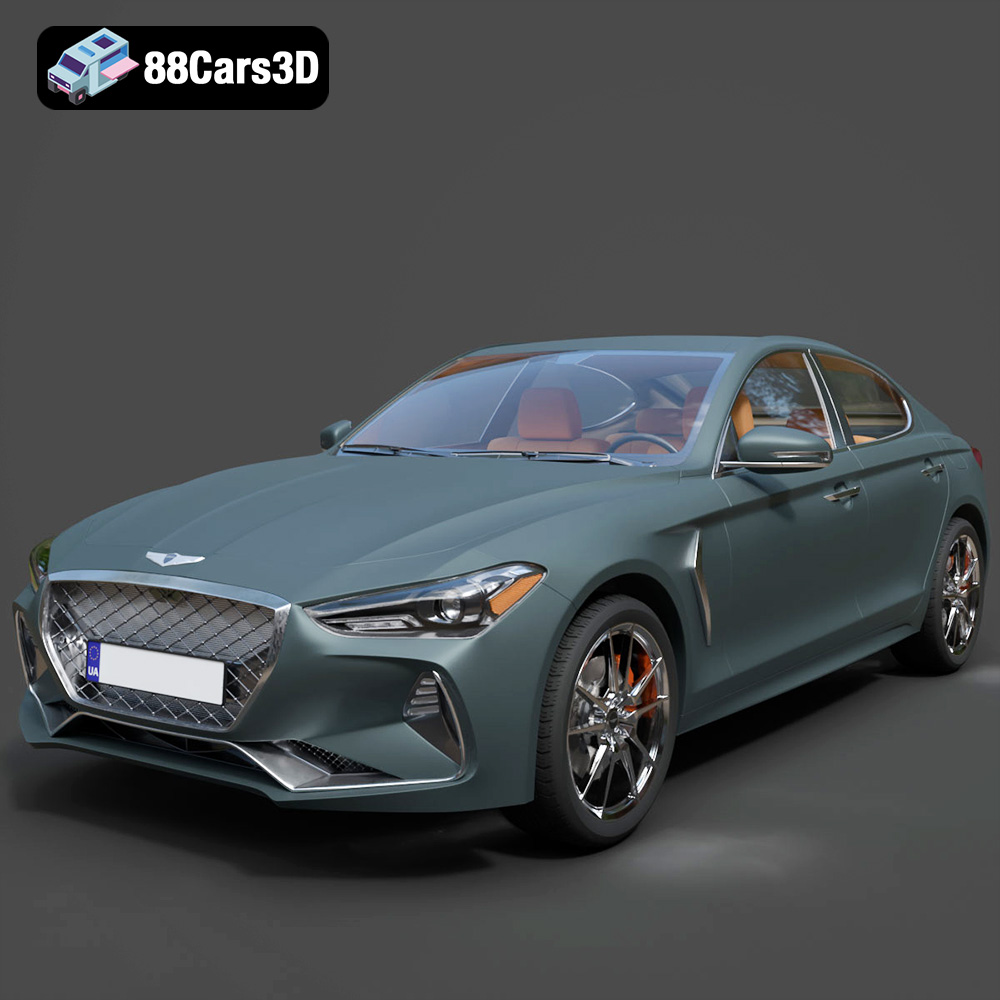
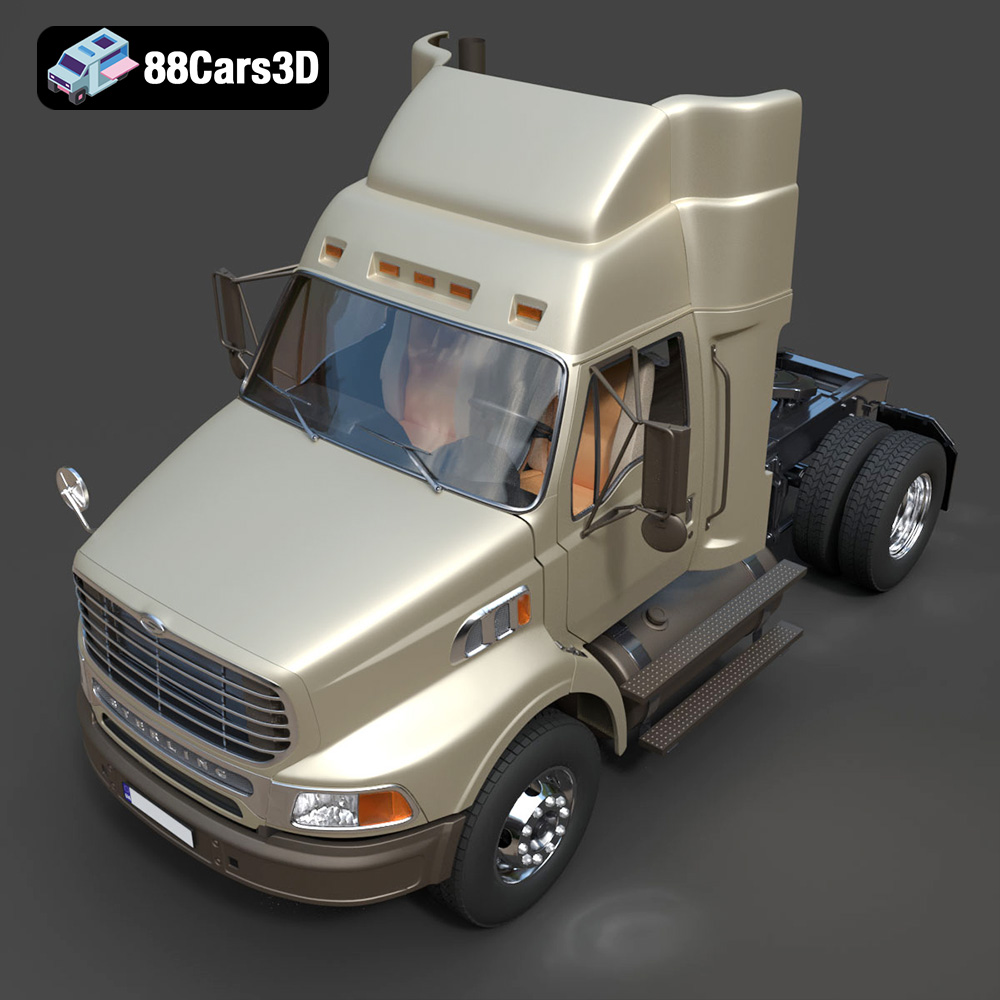
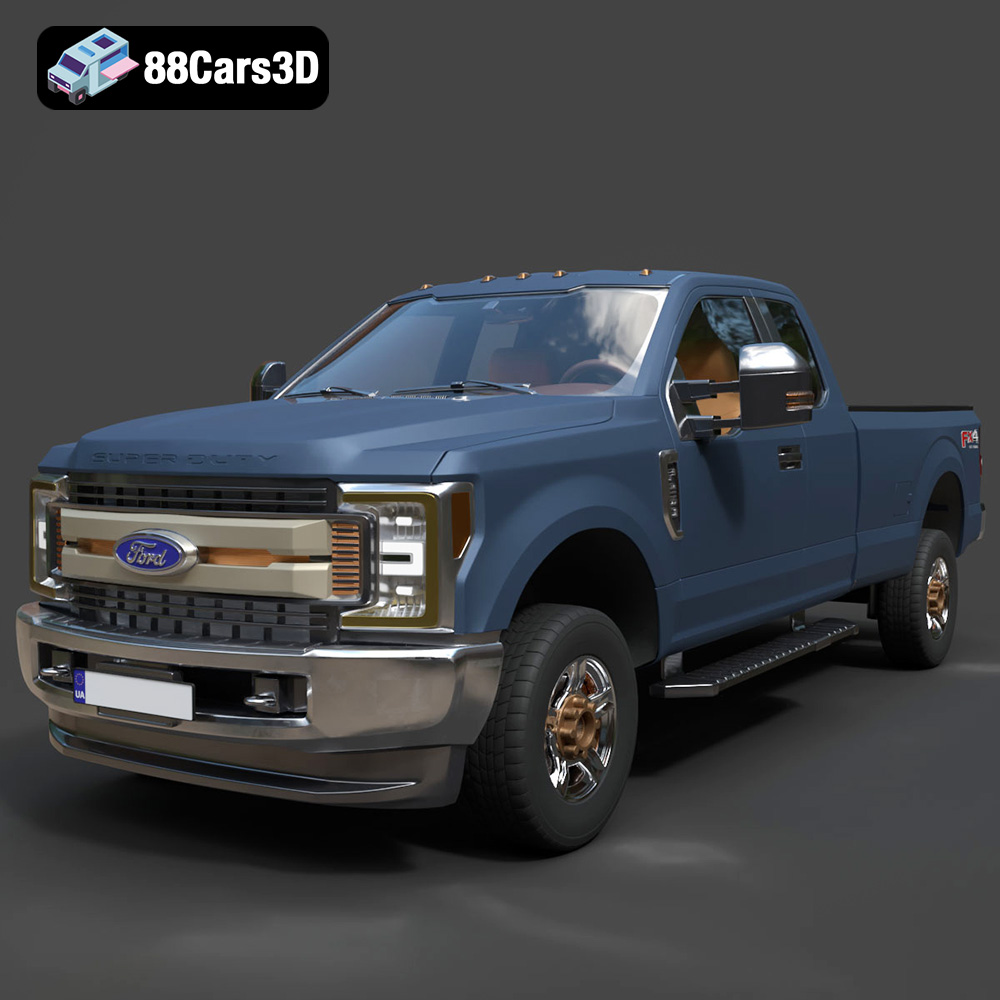
Automotive companies use 3D car models extensively for marketing and visualization purposes. They create stunning renderings and animations to showcase new car models in online configurators, brochures, and advertisements. 3D car models also enable interactive virtual tours of car interiors, allowing customers to explore the vehicle in detail from the comfort of their homes. Many car manufacturers are now moving to fully virtual photography and videography using high-quality 3D car models. Companies like 88cars3d.com are instrumental in providing the foundational assets for these endeavors.
3D car models are essential for racing games, driving simulators, and open-world games. They allow developers to create realistic and immersive driving experiences. From AAA titles to indie games, high-quality 3D car models form the backbone of vehicle simulations. The quality and realism of the 3D car models directly impact the player’s sense of immersion and enjoyment.
Finding reliable sources for high-quality 3D car models is crucial for the success of your projects. Several online marketplaces offer a wide selection of 3D car models, catering to various needs and budgets. One excellent option is 88cars3d.com, which specializes in providing meticulously crafted 3D car models for rendering, game development, and other applications. When choosing a 3D car model, consider factors such as polygon count, texture resolution, file format compatibility, and the level of detail required for your specific project.
3D car models are indispensable assets for a wide range of applications, from automotive rendering and game development to AR/VR experiences and 3D printing. By understanding the different file formats, optimization techniques, and software workflows, you can effectively leverage 3D car models to enhance your projects and create visually stunning and engaging experiences. Remember to choose high-quality models from reputable sources like 88cars3d.com and optimize them for your specific needs to achieve the best possible results.

Price: $129.99

Price: $99.99

Price: $89.99