Get 50% OFF All Premium 3D & STL Models!

“`html
Real-time global illumination is a game-changer for automotive visualization in Unreal Engine. Lumen, Unreal Engine’s fully dynamic global illumination and reflections system, offers unprecedented realism and interactivity, allowing for stunning visual quality without the performance overhead traditionally associated with baked lighting. This article provides a technical deep dive into Lumen, covering its core components, implementation strategies, optimization techniques, and its specific applications for visualizing 3D car models in Unreal Engine. We’ll explore how Lumen can elevate your automotive projects, creating immersive and photorealistic experiences.
Whether you’re an Unreal Engine developer, 3D artist, or automotive designer, understanding Lumen is crucial for creating compelling visualizations. We will cover everything from setting up your project and importing models to fine-tuning Lumen settings and optimizing for performance, ensuring your virtual vehicles shine in any lighting scenario.
Lumen is not just a single feature; it’s an integrated system that comprises several key components working in concert to achieve dynamic global illumination. Understanding these components is fundamental to effectively leveraging Lumen in your automotive projects. The two primary components are Surface Cache and Software Ray Tracing. Lumen also leverages Hardware Ray Tracing when available for higher fidelity reflections and GI.
The Surface Cache is a crucial element of Lumen’s architecture. It’s essentially a sparse voxel representation of the scene, capturing the color and normals of surfaces. This cache allows Lumen to quickly estimate the indirect lighting contribution from surrounding geometry. Unlike traditional lightmaps, the Surface Cache is dynamic, adapting to changes in the scene in real-time. The resolution of the Surface Cache can be adjusted to balance quality and performance; higher resolutions lead to more accurate lighting but can be more demanding on resources. Experimentation is key. In automotive visualization, you need good quality around the car but might be able to reduce quality in less important scene areas.
Lumen utilizes software ray tracing to sample the Surface Cache and gather indirect lighting information. While hardware ray tracing provides superior performance and visual fidelity, Lumen’s software ray tracing allows it to run on a wider range of hardware, including older GPUs that don’t support DXR or ray tracing extensions. The software ray tracing calculations determine how light bounces around the scene, creating realistic global illumination. The number of rays traced per pixel and the tracing distance impact the quality and performance. Tweaking these parameters will be essential for striking a balance between visual quality and real-time performance in your automotive scenes.
When available, Lumen can utilize Hardware Ray Tracing (DirectX Raytracing or Vulkan Ray Tracing) to significantly accelerate its calculations. This offloads the ray tracing workload to dedicated ray tracing cores on supported GPUs, resulting in improved performance and higher visual fidelity. Hardware ray tracing enables higher ray counts, longer tracing distances, and more accurate reflections, leading to more realistic and detailed lighting. Enable Hardware Ray Tracing in your project settings if your target hardware supports it. Even a mid-range RTX card will provide a massive boost over the software-only implementation.
Proper project setup is crucial for a smooth Lumen workflow. This involves configuring project settings, importing your 3D car models, and preparing them for Lumen’s dynamic lighting. It also includes setting up the basic scene structure to ensure Lumen functions correctly and efficiently. Make sure to be on Unreal Engine 5 or later to use Lumen Global Illumination.
First, ensure Lumen is enabled in your Unreal Engine project. Go to Project Settings -> Rendering -> Global Illumination and set “Global Illumination Method” to “Lumen.” Similarly, set “Reflection Method” to “Lumen.” These settings activate Lumen as the primary global illumination and reflection system in your project. Restart the editor after making these changes. Next, adjust post-processing settings to support the new lighting. Make sure that the console command “r.Lumen.TracingQuality” is set to the appropriate quality level. Higher values provide better GI and reflections at the cost of performance.
When importing 3D car models into Unreal Engine, it’s crucial to ensure they are optimized for real-time rendering. Models from platforms like 88cars3d.com are generally well-prepared, but it’s still important to verify polygon counts, UV mapping, and material assignments. High-poly models can be further optimized using Nanite (more on that later). Ensure your models have proper UVs for lightmap generation, even though Lumen is dynamic, having clean UVs can improve the accuracy of the Surface Cache. For best results, import your models as FBX files with appropriate scaling and coordinate system settings.
Create a basic scene with a ground plane and some surrounding environment elements to provide context for your 3D car model. Add a Skylight to provide ambient lighting, and adjust its intensity to suit your scene. Consider using an HDRI for more realistic and varied ambient lighting. A directional light is important to provide the main light source and create highlights on the car’s surface. Experiment with different light angles and intensities to achieve the desired look. Ensure that your lights are set to “Movable” to take full advantage of Lumen’s dynamic lighting capabilities.
Physically Based Rendering (PBR) materials are essential for achieving realistic results with Lumen. PBR materials accurately simulate how light interacts with surfaces, resulting in more believable and visually appealing renders. Unreal Engine’s Material Editor provides a powerful toolset for creating and customizing PBR materials. Good PBR materials are critical for showing off the car models available on platforms such as 88cars3d.com.
PBR materials are defined by several key properties, including Base Color, Metallic, Roughness, Normal, and Ambient Occlusion. Base Color represents the inherent color of the surface. Metallic determines how metallic the surface is, ranging from 0 (non-metallic) to 1 (fully metallic). Roughness controls the surface’s smoothness, affecting how specular highlights are reflected. A Normal map adds surface detail without increasing polygon count. Ambient Occlusion simulates the darkening of crevices and corners, adding depth to the material. Understanding how these properties interact is crucial for creating realistic-looking materials.
To create a PBR material in Unreal Engine, start by creating a new Material asset in the Content Browser. Open the Material Editor and begin connecting textures and parameters to the appropriate input pins on the Material output node. Use Texture Sample nodes to load your textures, and Constant nodes to define scalar values for properties like Metallic and Roughness. Multiply and Add nodes can be used to combine and adjust texture values. For car paint, a clear coat layer with its own roughness and normal map is often desirable. The Material Editor is also capable of more advanced effects like iridescence and color shifting based on viewing angle.
Material Instances allow you to create variations of a base material without duplicating the entire material graph. This is particularly useful for creating different color options or finishes for your 3D car model. Create a Material Instance from your base PBR material, and then adjust the parameters exposed in the Instance Editor to create different looks. This approach saves memory and reduces the complexity of your project. You can then use Blueprint scripting to dynamically change the material instances at runtime, allowing for interactive customization.
Lumen, while powerful, can be resource-intensive. Optimizing your project is crucial for achieving real-time performance, especially when working with high-poly 3D car models. Here are several techniques for optimizing Lumen without sacrificing visual quality. Optimization is key to running interactive car configurators smoothly.
Nanite is a game-changing technology in Unreal Engine 5 that allows you to import extremely high-poly models without significantly impacting performance. Nanite automatically tessellates and streams geometry based on the viewer’s distance, reducing the polygon count in areas that are far away. Enable Nanite on your 3D car models to drastically reduce their performance impact. While Lumen can handle high poly counts in general, Nanite is still a major win. To enable Nanite, simply right-click on your Static Mesh in the Content Browser and select “Enable Nanite.”
Level of Detail (LOD) models are lower-resolution versions of your 3D car model that are displayed when the object is further away from the camera. Implementing LODs can significantly reduce the rendering workload, especially in scenes with multiple vehicles. Unreal Engine can automatically generate LODs, or you can create them manually in your 3D modeling software. Configure LOD settings in the Static Mesh Editor to control the distance at which each LOD level is displayed. The reduction in polygons as the camera moves away from the car will improve performance.
Lumen offers several settings that can be adjusted to balance quality and performance. The “Tracing Quality” setting controls the quality of ray tracing calculations. Lowering this setting can improve performance but may reduce the accuracy of global illumination. The “Final Gather Quality” setting affects the quality of the final gather pass, which smoothes out the lighting. Reducing this setting can also improve performance. Experiment with different settings to find the optimal balance for your project. Consider using scalability settings to automatically adjust these parameters based on the user’s hardware.
Blueprint visual scripting provides a powerful way to create interactive experiences around your 3D car models. You can use Blueprints to create interactive configurators, showcase different features, and control the environment lighting dynamically. Blueprint is essential for creating engaging automotive visualizations.
Use Blueprint to create a user interface that allows users to customize the car’s color, wheels, interior, and other options. Create variables to store the selected options, and then use these variables to dynamically change the materials and meshes of the car. Use widgets to create buttons, sliders, and dropdown menus for the user interface. Bind the widget events to Blueprint functions that update the car’s appearance. Consider using the “Set Material” node to change the car’s paint color and the “Set Static Mesh” node to swap out different wheel models.
Use Blueprint to control the environment lighting based on user input or time of day. Create variables to store the intensity and color of the Skylight and Directional Light. Use the “Set Light Intensity” and “Set Light Color” nodes to adjust these values dynamically. Create a timeline to simulate the passage of time, and use this timeline to animate the lighting. This can create stunning day-to-night transitions, showcasing the car in different lighting conditions. Furthermore, consider linking lighting changes to specific events, like opening the car door or turning on the headlights.
Use Blueprint to create interactive demonstrations of the car’s features, such as opening doors, turning on headlights, and activating interior lighting. Use timelines and animation curves to create smooth and realistic animations. Trigger these animations using user input, such as clicking on buttons or pressing keys. Consider using the “Play Animation” node to trigger pre-made animations. Remember to optimize your animations for performance by reducing the number of keyframes and using simple animation curves.
Lumen’s real-time capabilities make it an ideal choice for virtual production workflows. By integrating your 3D car models into a virtual production environment, you can create stunning visual effects and interactive experiences. The integration of 3D car models within virtual production environments is enhanced when sourcing automotive assets from marketplaces such as 88cars3d.com, ensuring high-quality, optimized models are readily available.
LED walls are becoming increasingly popular in virtual production, providing a dynamic and immersive backdrop for live-action shoots. Integrate your 3D car models into an LED wall workflow by creating a virtual environment that matches the physical set. Use Unreal Engine’s nDisplay system to synchronize the rendering across multiple screens. Calibrate the camera and lens to match the virtual camera in Unreal Engine. This allows you to seamlessly composite live-action footage with the virtual environment, creating believable and visually stunning scenes. Ensure the 3D car model is properly lit and shadowed to match the lighting on the physical set.
Lumen’s real-time global illumination and reflections enable real-time compositing and visual effects. This allows you to create realistic lighting and reflections on your 3D car models without the need for lengthy rendering times. Use Unreal Engine’s Composure plugin to composite live-action footage with the virtual environment in real-time. This allows you to adjust the lighting, color, and other parameters on the fly, creating a more interactive and collaborative virtual production workflow. The ability to see the final result in real-time significantly reduces the turnaround time and allows for more creative experimentation.
Virtual production requires high-performance hardware and optimized workflows. Ensure your 3D car models are optimized for real-time rendering using techniques like Nanite and LOD management. Use high-performance GPUs and CPUs to handle the rendering workload. Optimize your scene for performance by reducing the number of draw calls and using efficient materials. Consider using Unreal Engine’s profiling tools to identify performance bottlenecks and optimize your scene accordingly. Virtual production environments are also extremely high-resolution so good source assets are crucial to delivering a final image that is acceptable.
Lumen Global Illumination is a transformative technology for automotive visualization in Unreal Engine. Its dynamic lighting capabilities, combined with features like Nanite and Blueprint scripting, enable the creation of stunning and interactive experiences. By understanding Lumen’s core components, optimizing your project, and leveraging Blueprint scripting, you can create photorealistic virtual environments that showcase your 3D car models in the best possible light. Platforms like 88cars3d.com offer optimized models for Unreal Engine, streamlining the process and allowing you to focus on creating compelling visualizations.
Experiment with the techniques outlined in this article, and continuously iterate to find the optimal balance between visual quality and performance. As Unreal Engine continues to evolve, Lumen will undoubtedly play an increasingly important role in automotive visualization and virtual production. Take the time to master these techniques, and you’ll be well-equipped to create cutting-edge visual experiences that push the boundaries of what’s possible.
“`
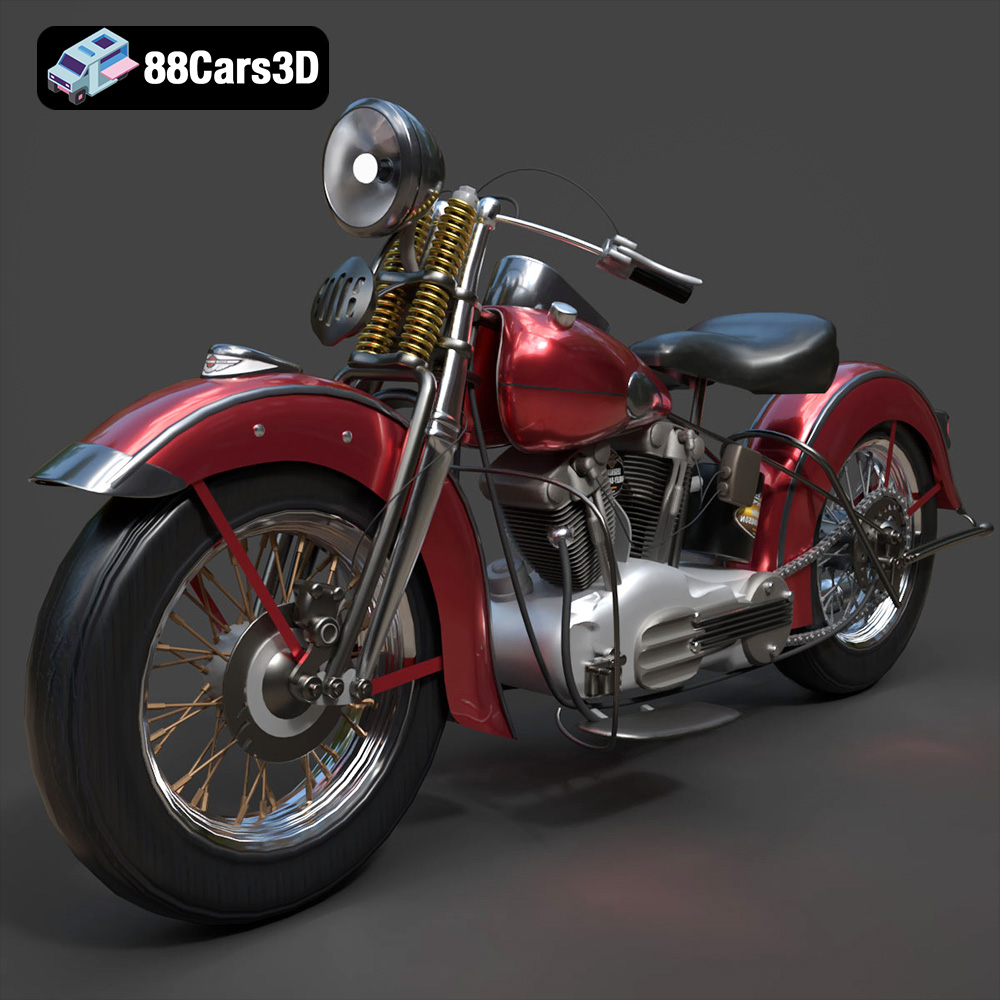
Texture: Yes
Material: Yes
Download the Harley Davidson F 1946 3D Model featuring clean geometry, realistic detailing, and a fully modeled interior. Includes .blend, .fbx, .obj, .glb, .stl, .ply, .unreal, and .max formats for rendering, simulation, and game development.
Price: $19.99
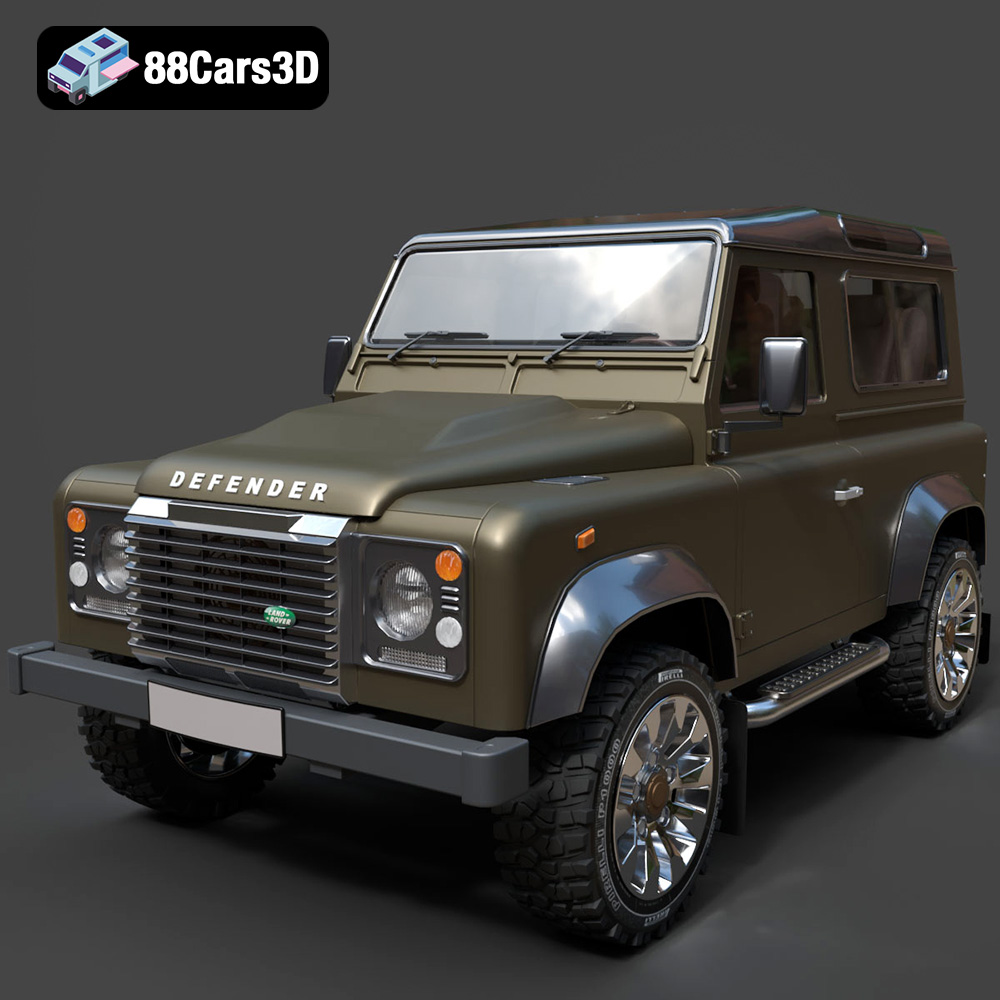
Texture: Yes
Material: Yes
Download the Land Rover Defender Works V8 3D Model featuring clean geometry, realistic detailing, and a fully modeled interior. Includes .blend, .fbx, .obj, .glb, .stl, .ply, .unreal, and .max formats for rendering, simulation, and game development.
Price: $19.99
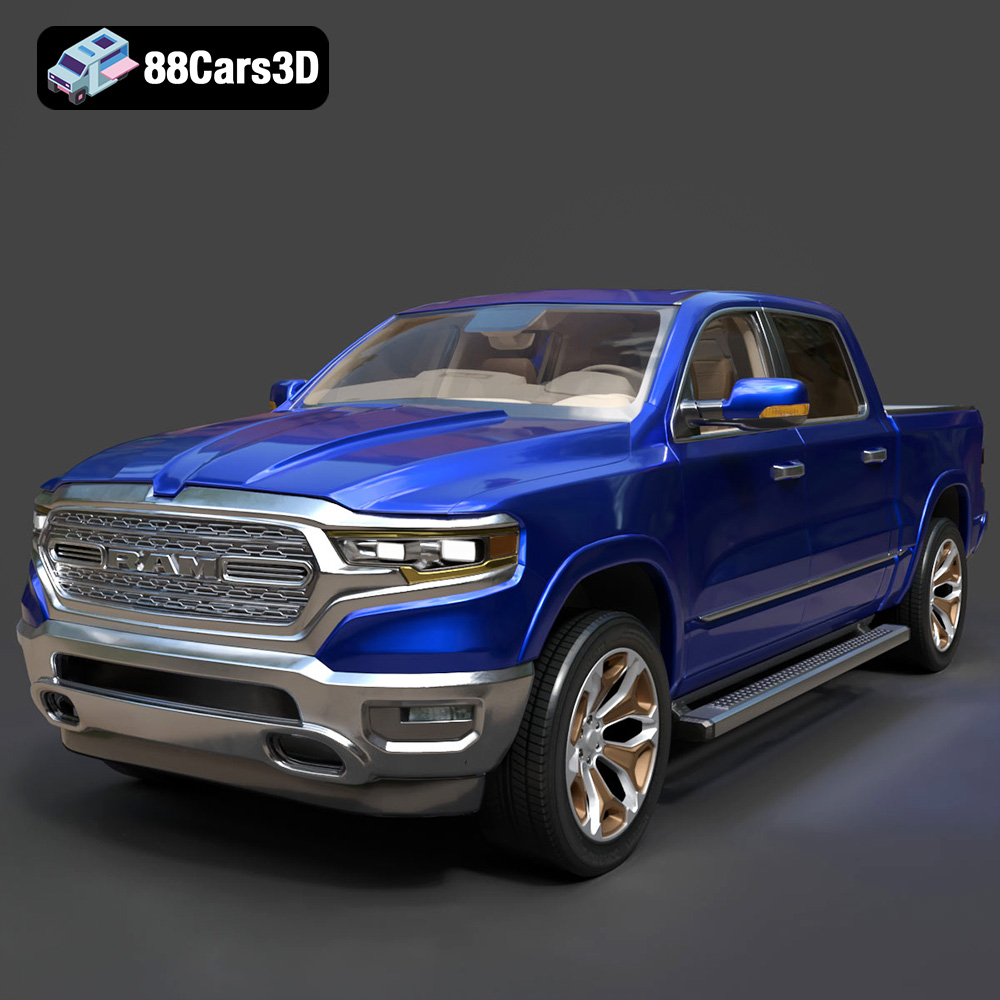
Texture: Yes
Material: Yes
Download the Dodge RAM 2019 3D Model featuring clean geometry, realistic detailing, and a fully modeled interior. Includes .blend, .fbx, .obj, .glb, .stl, .ply, .unreal, and .max formats for rendering, simulation, and game development.
Price: $19.99
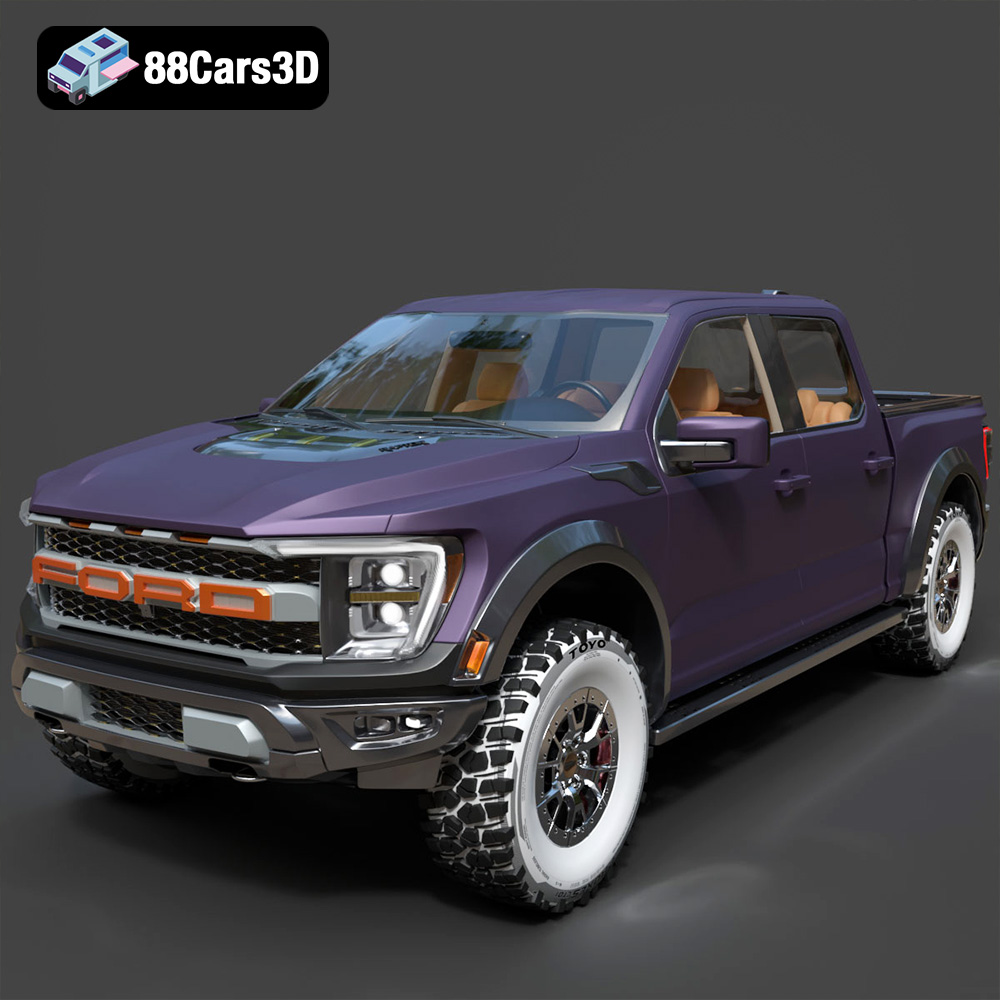
Texture: Yes | Material: Yes Download the ultra-high-detail Ford F-150 Raptor 2021 3D Model (8.73M Triangles). Features uncompromised widebody styling, fully modeled Fox Live Valve suspension, 37-inch tires, and interior. Perfect for premium VFX, cinematic rendering, and ArchViz. Includes .blend, .fbx, .obj, .glb, .stl, and .max formats.
Price: $29.99
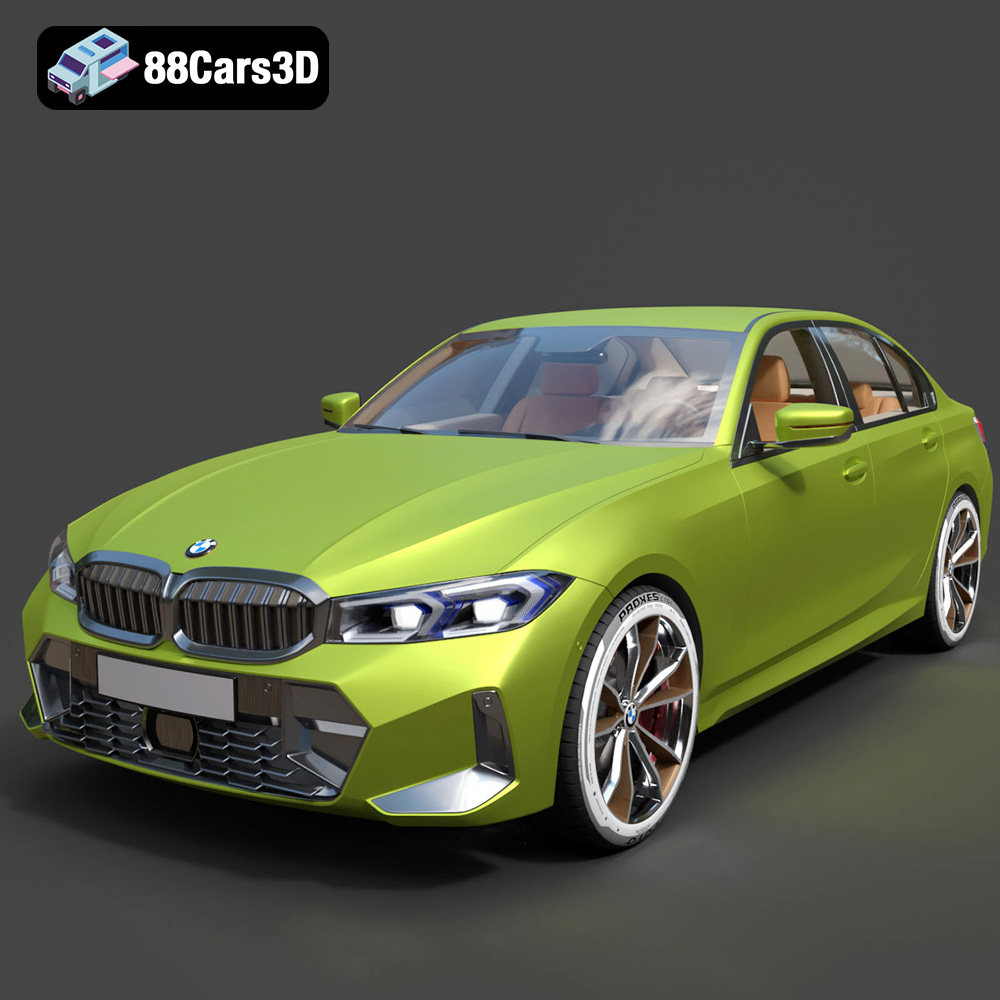
Texture: Yes | Material: Yes Download the ultra-high-detail BMW 3 Series Limousine (2022) 3D Model (4.16M Triangles). Features the modernized G20 LCI exterior, the all-new BMW Curved Display interior, and ultra-dense topology. Perfect for ArchViz, VFX, and cinematic rendering. Includes .blend, .fbx, .obj, .glb, .stl, and .max formats.
Price: $19.99
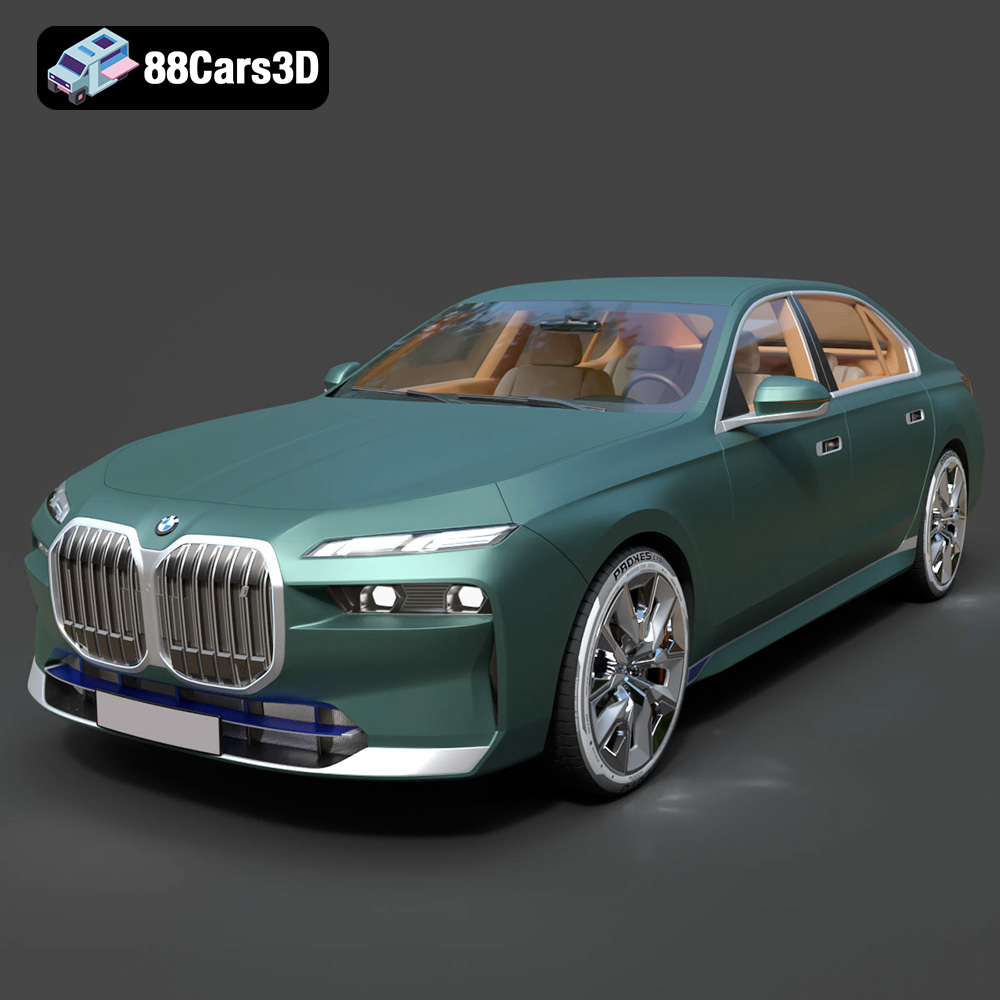
Texture: Yes | Material: Yes Download the ultra-high-detail BMW i7 (2023) 3D Model (4.14M Triangles). Features the illuminated kidney grille, split crystal headlights, fully modeled Theatre Screen interior, and monolithic luxury styling. Perfect for ArchViz, VFX, and cinematic rendering. Includes .blend, .fbx, .obj, .glb, .stl, and .max formats.
Price: $19.99
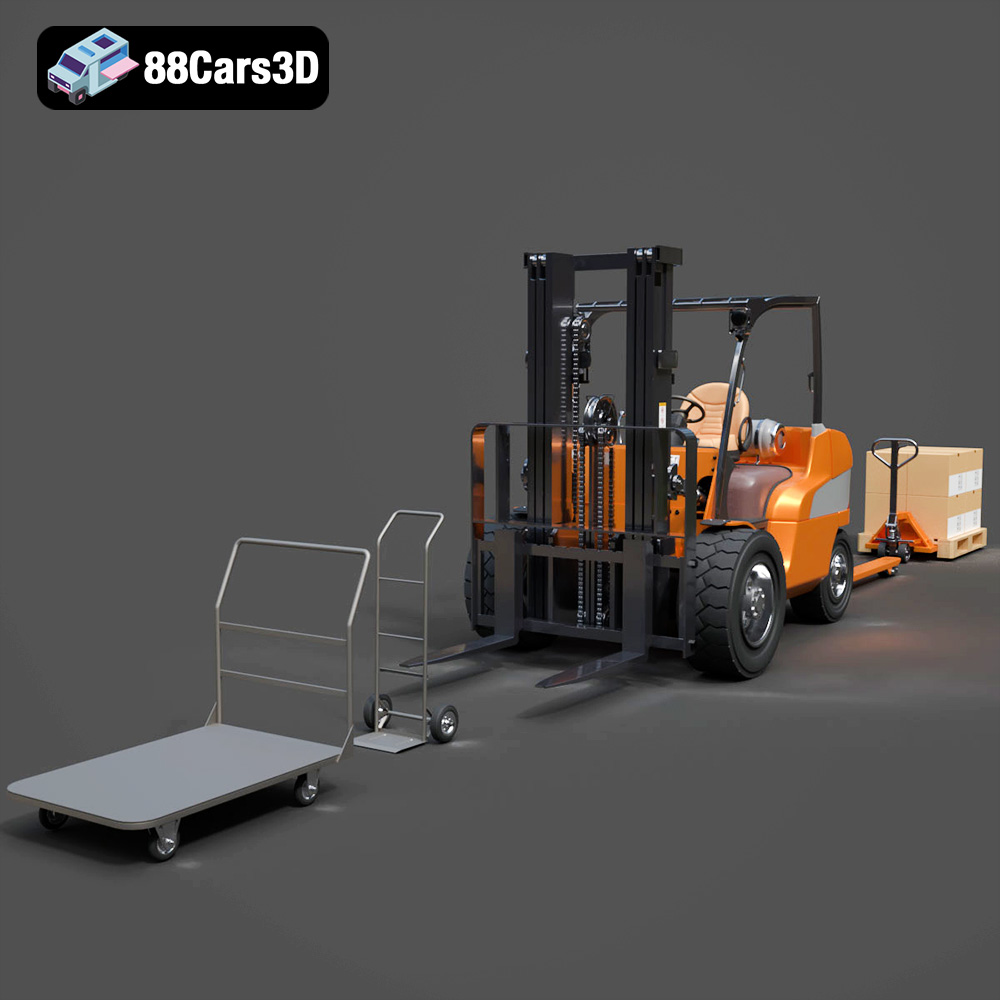
Texture: Yes | Material: Yes Download the highly detailed CAT Manual Loader & Warehouse Carts Kit 3D Model (2.4M Triangles). Features a macro-detailed hydraulic pallet jack, heavy-duty forks, and transport carts. Perfect for industrial ArchViz, factory rendering, and logistics simulations. Includes .blend, .fbx, .obj, .glb, .stl, and .max formats.
Price: $19.99
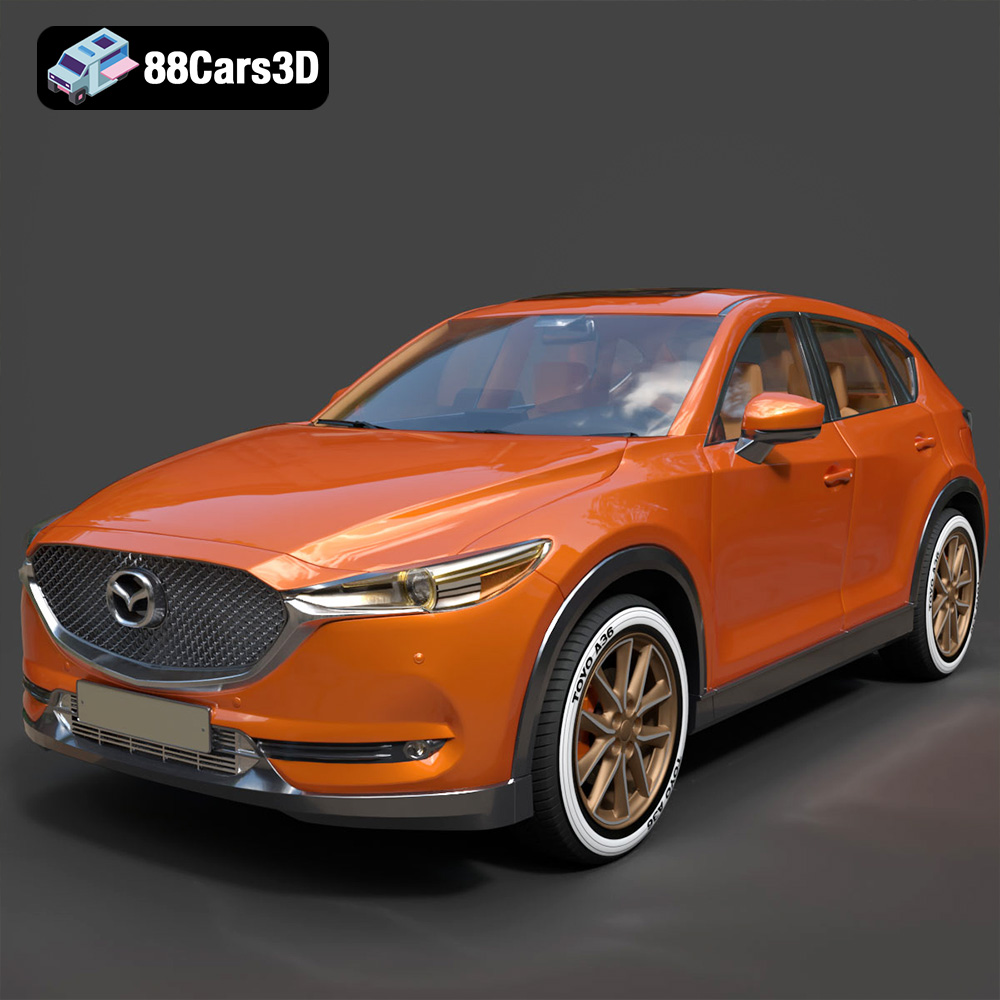
Texture: Yes | Material: Yes
Download the highly optimized Mazda CX-5 2014 3D Model (294k Triangles). Features the dynamic Kodo design language, signature grille, and a clean interior. Perfectly balanced for ArchViz, background traffic, and game development. Includes .blend, .fbx, .obj, .glb, .stl, and .max formats.
Price: $19.99
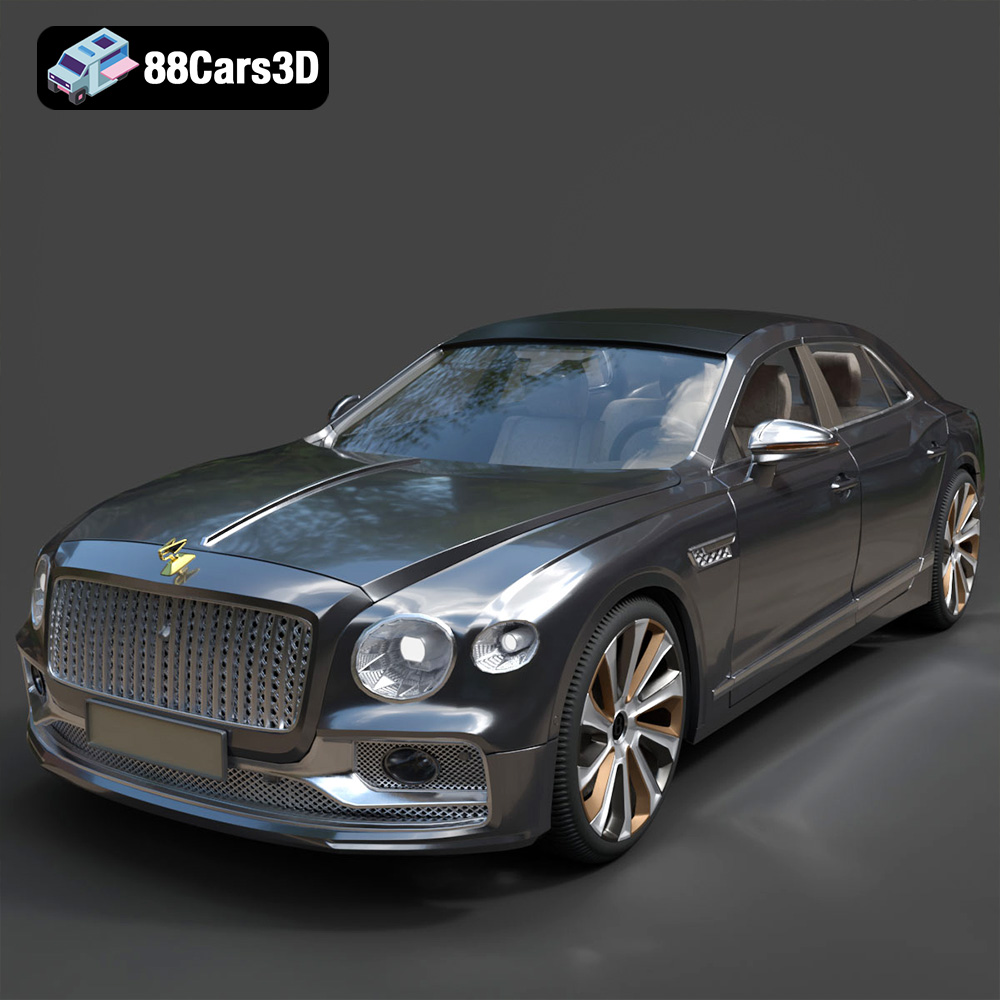
Texture: Yes | Material: Yes Download the ultra-high-detail Bentley Flying Spur Mulliner 2022 3D Model (2.94M Triangles). Features the bespoke Double Diamond grille, a fully modeled diamond-quilted interior, and exquisite luxury styling. Perfect for high-end ArchViz, VFX, and cinematic rendering. Includes .blend, .fbx, .obj, .glb, .stl, and .max formats.
Price: $19.90
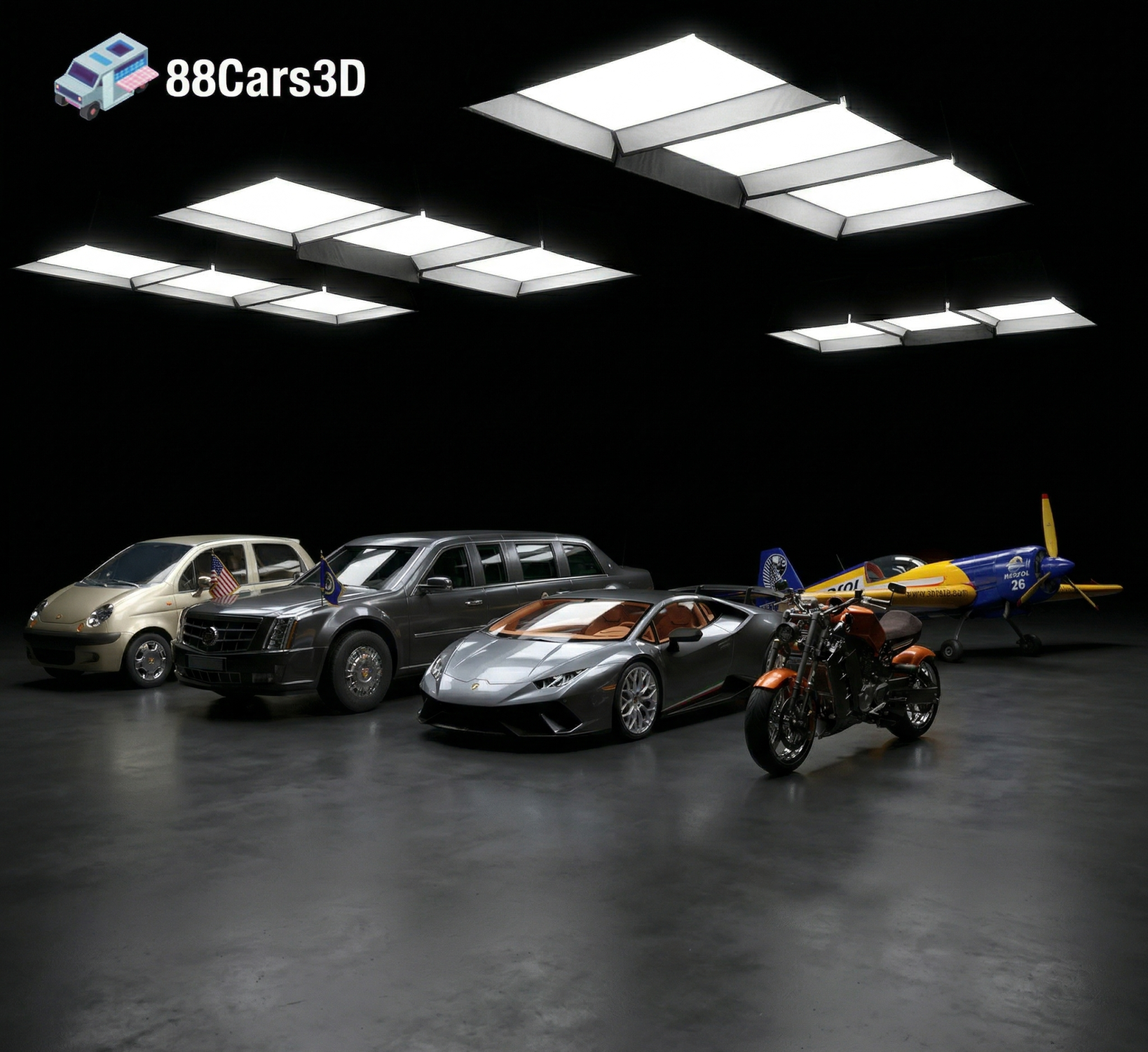
Texture: Yes | Material: Yes | 3D Printable: Yes. Download the Ultimate Creators’ Showcase featuring 5 premium 3D models: Lamborghini Huracan, ZAV Concept Motorcycle, Sukhoi SU-26, Presidential Limousine, and Daewoo Damas. Optimized for 4K CGI rendering and 3D printing. Save massive with this exclusive multi-category bundle!
Price: $99.99

