Get 50% OFF All Premium 3D & STL Models!

“`html
Creating believable and immersive environments is crucial for effective automotive visualization within Unreal Engine. Whether you’re aiming for a sun-drenched coastal highway or a rugged mountain pass to showcase your 3D car models, the landscape sets the stage. This article delves into the powerful landscape tools available in Unreal Engine, providing a comprehensive guide to terrain creation, sculpting, and optimization for projects utilizing high-quality 3D car models often sourced from platforms like 88cars3d.com. We’ll explore best practices for efficient workflows, performance considerations, and techniques to achieve photorealistic results, from initial project setup to final polish. By the end of this guide, you’ll be equipped with the knowledge to craft stunning landscapes that perfectly complement your automotive assets.
Before diving into sculpting and painting, properly configuring your Unreal Engine project is paramount. This ensures optimal performance and a smoother workflow, especially when working with detailed 3D car models and complex landscapes. A well-organized project foundation also facilitates collaboration and future scalability.
Start by creating a new Unreal Engine project, selecting the appropriate template (e.g., “Games” or “Automotive”). Once the project opens, navigate to Edit > Project Settings. Within the Project Settings, pay close attention to the following:
Remember to save your project settings after making any changes. Proper initial configuration prevents headaches down the line. Further guidance is available on Unreal Engine’s official documentation (https://dev.epicgames.com/community/unreal-engine/learning).
With the project set up, it’s time to import your chosen 3D car model. Models from 88cars3d.com often come in FBX format, which is readily supported by Unreal Engine. To import, simply drag and drop the FBX file into the Content Browser. During the import process, configure the following:
Once imported, drag the car model from the Content Browser into the viewport. Position it roughly where you want the landscape to be centered around. This initial placement will guide your terrain sculpting efforts. Adjust the car’s scale and rotation as needed for accurate proportions within the scene. Consider creating a basic scene with lighting to preview the car’s appearance before committing to extensive landscape work.
Unreal Engine’s Landscape Editor is a powerful tool for shaping realistic terrains. It offers a range of sculpting tools that allow you to raise, lower, smooth, and flatten the landscape to achieve your desired form. Mastering these tools is essential for creating visually appealing and functional environments for your automotive scenes.
The Landscape Editor is accessed through the Modes panel in the Unreal Engine editor. The interface is divided into several sections:
Familiarize yourself with the icons and options within each mode. Hovering over each tool will display a tooltip explaining its function. Experiment with different brush sizes, falloffs, and strengths to understand how they affect the terrain.
Creating a believable landscape requires more than just randomly raising and lowering the terrain. Here are some sculpting techniques to achieve realistic results:
Don’t be afraid to undo and redo your sculpting. Experimentation is key to finding what works best for your specific project. Platforms such as 88cars3d.com provide high-quality car models which can be placed in the scene as reference while sculpting. Keeping the car model in the scene helps to visualize how the landscape interacts with the vehicle.
A well-sculpted landscape is only half the battle. Realistic materials and textures are crucial for creating a visually compelling environment. Unreal Engine’s Material Editor provides a powerful toolkit for crafting custom landscape materials that react dynamically to lighting and weather conditions.
Start by creating a new material in the Content Browser. Name it something descriptive, like “M_LandscapeMaster.” Open the material editor and set the “Material Domain” to “Landscape.” This unlocks special landscape-specific nodes.
The Landscape Layer Blend node is the heart of a landscape material. It allows you to blend multiple material layers based on weightmaps painted directly onto the landscape. Each layer represents a different surface type, such as grass, dirt, rock, or sand.
By connecting the Layer Info Objects to the Landscape Layer Blend node and painting weights onto the landscape, you can seamlessly blend between different surface types. Consider using seamless textures to avoid tiling artifacts.
Lighting plays a critical role in the overall look and feel of your automotive visualization. Unreal Engine offers powerful lighting tools, including Lumen (Unreal Engine 5’s global illumination and reflection system) and traditional static and dynamic lighting methods.
Lumen provides stunning real-time global illumination and reflections, creating a more immersive and realistic lighting experience. To enable Lumen, navigate to Project Settings > Rendering and set the “Default Global Illumination Method” and “Default Reflection Method” to “Lumen.”
Lumen dynamically adjusts the lighting based on changes in the environment, such as moving the sun or adding new objects. This makes it ideal for creating interactive automotive configurators where users can change the car’s paint color or interior materials.
Even with Lumen enabled, traditional lighting techniques remain important for fine-tuning the look of your scene. Use Directional Lights to simulate sunlight, Skylights to provide ambient lighting, and Spotlights or Point Lights to highlight specific areas. Baked lighting can be used for static parts of the environment to improve performance. Consider using lightmaps with high resolution (e.g. 1024×1024 or higher) for realistic shadows and details.
Optimizing your landscape for real-time performance is crucial, especially when combined with detailed 3D car models. Unreal Engine provides several tools and techniques to minimize performance bottlenecks and maintain a smooth frame rate.
Level of Detail (LOD) is a technique that automatically reduces the complexity of the landscape as it gets further away from the camera. This reduces the number of polygons that need to be rendered, improving performance. Unreal Engine automatically generates LODs for landscapes, but you can customize the LOD settings in the Landscape Editor.
While landscapes themselves don’t directly benefit from Nanite, using Nanite for surrounding assets like trees or rocks allows for incredibly detailed environments without significant performance impact. Nanite virtualized geometry intelligently streams and renders only the necessary detail, enabling the use of film-quality assets in real-time applications.
Complex landscape materials can be a significant performance bottleneck. Here are some material optimization tips:
Regularly profile your scene using Unreal Engine’s profiling tools to identify performance bottlenecks and address them accordingly. Remember to test on your target hardware to ensure a smooth and consistent frame rate.
Unreal Engine’s Blueprint visual scripting system allows you to add interactive elements to your landscape. This opens up possibilities for creating dynamic weather systems, interactive foliage, and other engaging features. Blueprint is also invaluable for building interactive automotive configurators.
Using Blueprint, you can create a dynamic weather system that changes the look and feel of your landscape over time. This can involve:
By connecting these elements together in a Blueprint, you can create a seamless and dynamic weather system that enhances the realism of your scene.
Blueprint can be used to add interactive elements to your landscape. For example, you can create foliage that sways in the wind or reacts to the player’s movement. You can also create landscape interactions, such as footprints in the snow or dust clouds kicked up by the car’s tires. Blueprint allows for complex, dynamic interactions with the landscape that significantly improve the immersiveness of the virtual environment. When sourcing automotive assets from marketplaces such as 88cars3d.com, consider how Blueprints could be leveraged to enhance the user experience and create engaging presentations.
Creating compelling landscapes in Unreal Engine is a multi-faceted process that involves careful planning, skillful sculpting, realistic material creation, and performance optimization. By mastering the techniques outlined in this guide, you can craft stunning environments that perfectly showcase your 3D car models and create immersive automotive visualizations. Remember to leverage Unreal Engine’s powerful tools, such as Lumen and Nanite, to achieve photorealistic results while maintaining a smooth frame rate. Experiment with different techniques and workflows to find what works best for your specific project, and don’t hesitate to consult the official Unreal Engine documentation for further guidance. The skills you’ve gained will translate to more engaging and impactful automotive experiences. Next steps include experimenting with different landscape styles, exploring advanced material techniques, and diving deeper into Blueprint scripting for interactive elements. With dedication and practice, you’ll be well on your way to creating breathtaking landscapes that elevate your automotive visualizations to the next level.
“`
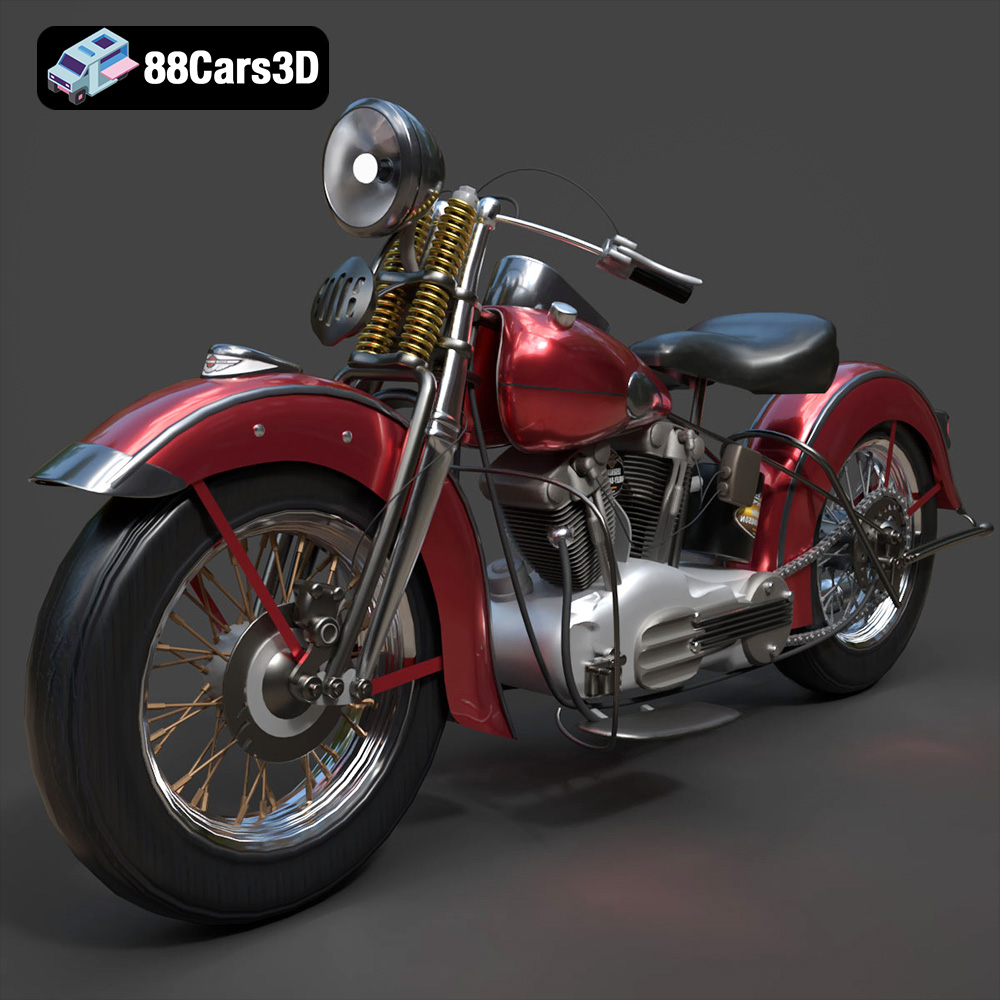
Texture: Yes
Material: Yes
Download the Harley Davidson F 1946 3D Model featuring clean geometry, realistic detailing, and a fully modeled interior. Includes .blend, .fbx, .obj, .glb, .stl, .ply, .unreal, and .max formats for rendering, simulation, and game development.
Price: $19.99
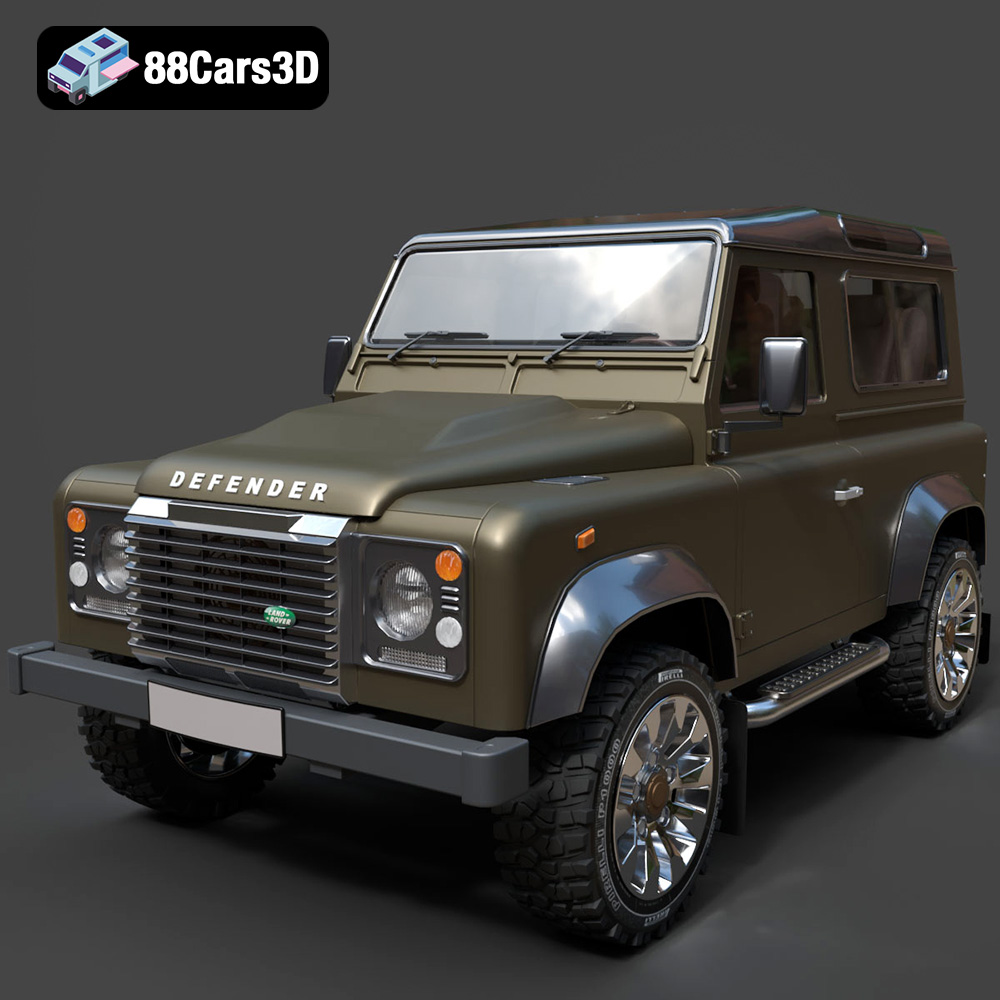
Texture: Yes
Material: Yes
Download the Land Rover Defender Works V8 3D Model featuring clean geometry, realistic detailing, and a fully modeled interior. Includes .blend, .fbx, .obj, .glb, .stl, .ply, .unreal, and .max formats for rendering, simulation, and game development.
Price: $19.99
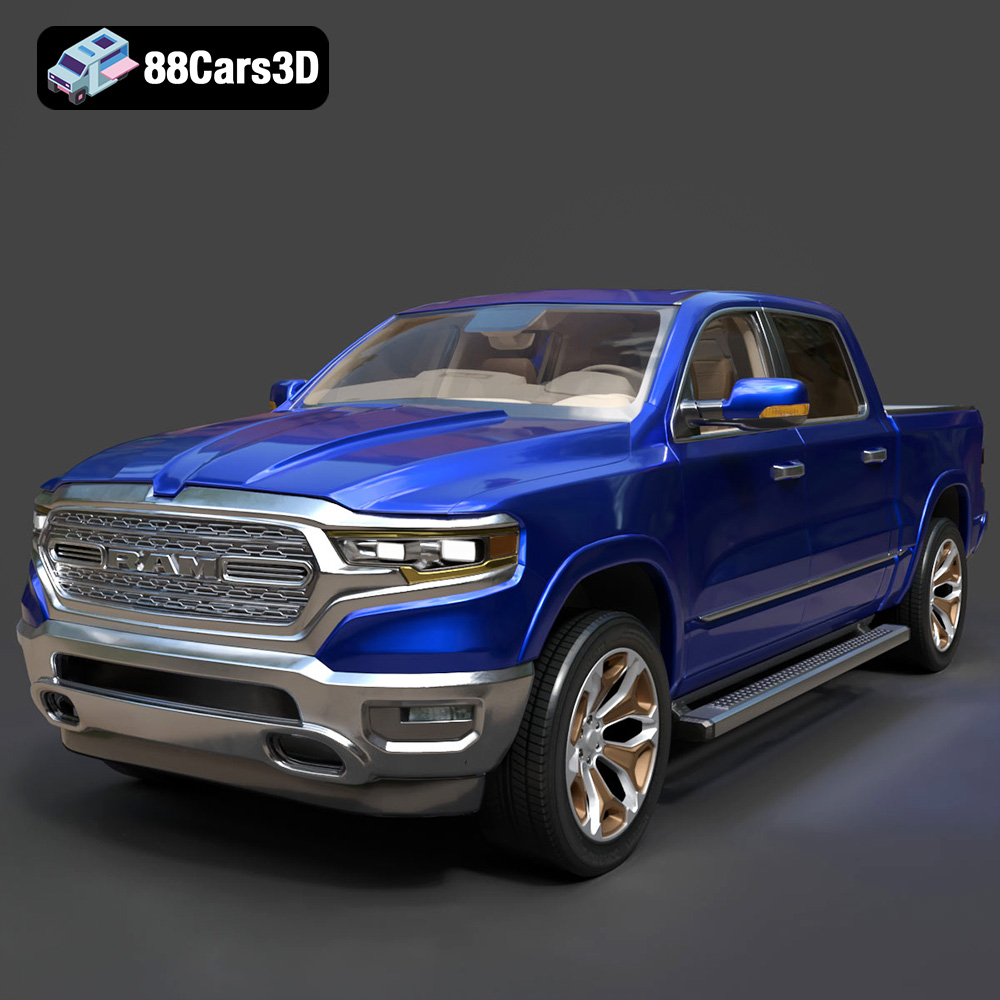
Texture: Yes
Material: Yes
Download the Dodge RAM 2019 3D Model featuring clean geometry, realistic detailing, and a fully modeled interior. Includes .blend, .fbx, .obj, .glb, .stl, .ply, .unreal, and .max formats for rendering, simulation, and game development.
Price: $19.99
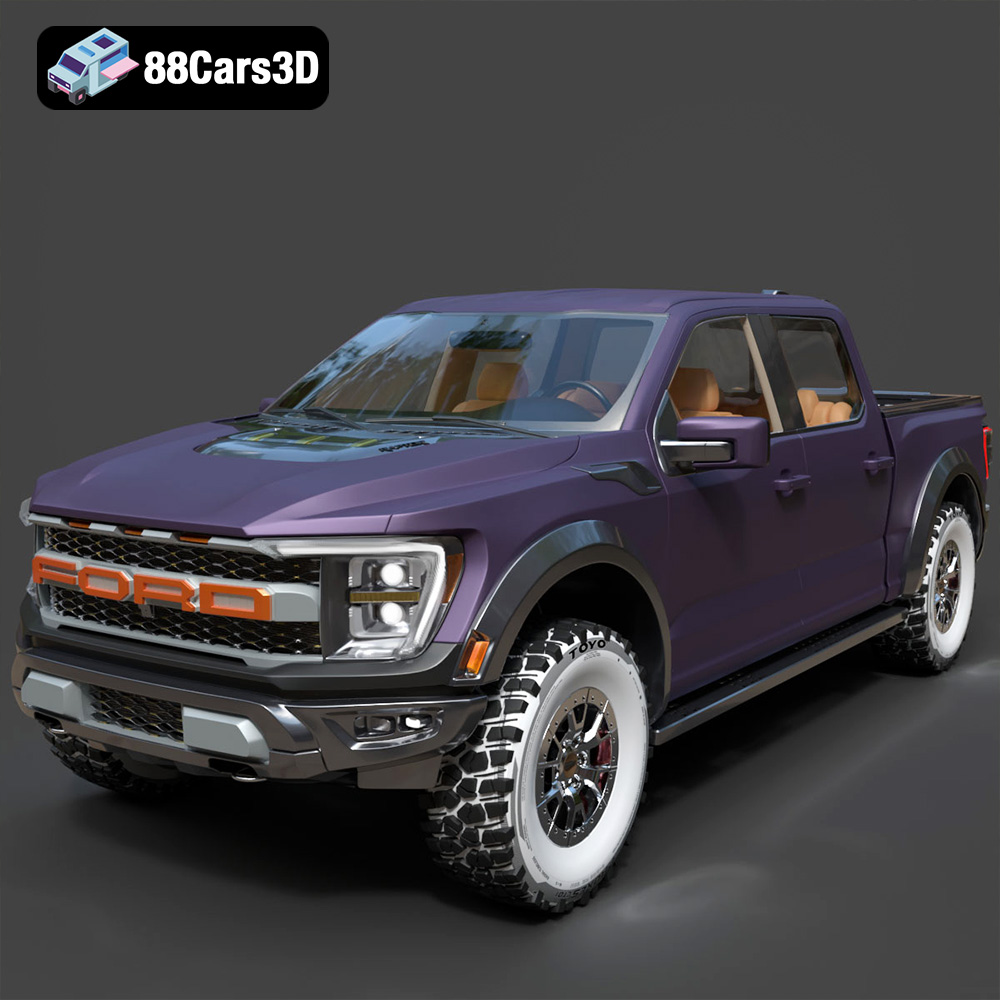
Texture: Yes | Material: Yes Download the ultra-high-detail Ford F-150 Raptor 2021 3D Model (8.73M Triangles). Features uncompromised widebody styling, fully modeled Fox Live Valve suspension, 37-inch tires, and interior. Perfect for premium VFX, cinematic rendering, and ArchViz. Includes .blend, .fbx, .obj, .glb, .stl, and .max formats.
Price: $29.99
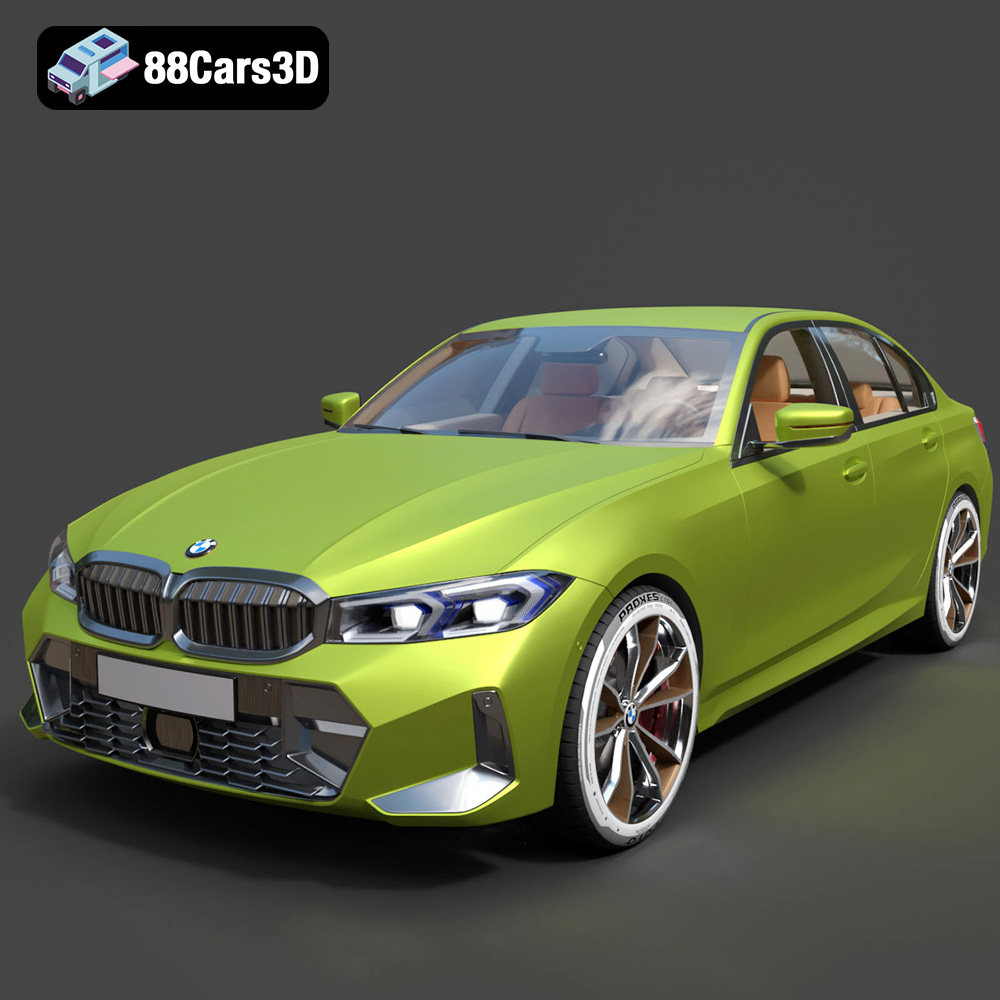
Texture: Yes | Material: Yes Download the ultra-high-detail BMW 3 Series Limousine (2022) 3D Model (4.16M Triangles). Features the modernized G20 LCI exterior, the all-new BMW Curved Display interior, and ultra-dense topology. Perfect for ArchViz, VFX, and cinematic rendering. Includes .blend, .fbx, .obj, .glb, .stl, and .max formats.
Price: $19.99
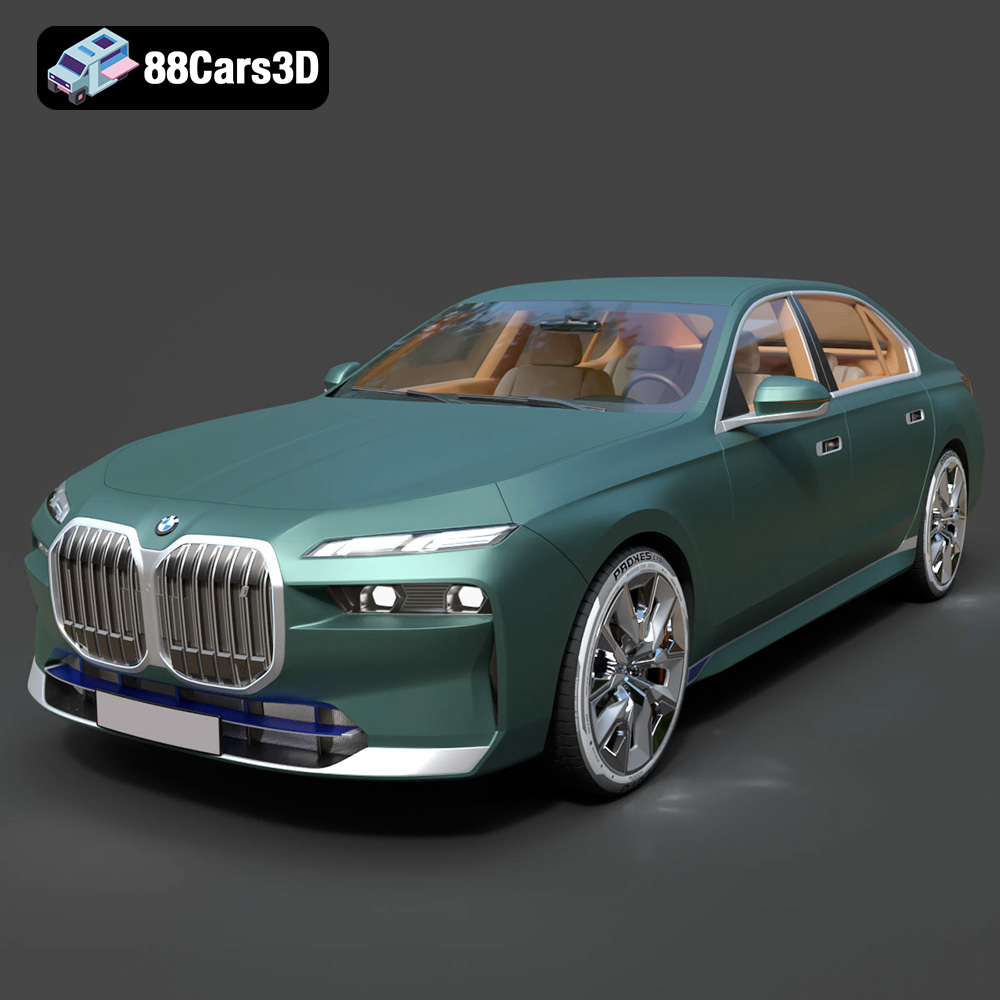
Texture: Yes | Material: Yes Download the ultra-high-detail BMW i7 (2023) 3D Model (4.14M Triangles). Features the illuminated kidney grille, split crystal headlights, fully modeled Theatre Screen interior, and monolithic luxury styling. Perfect for ArchViz, VFX, and cinematic rendering. Includes .blend, .fbx, .obj, .glb, .stl, and .max formats.
Price: $19.99
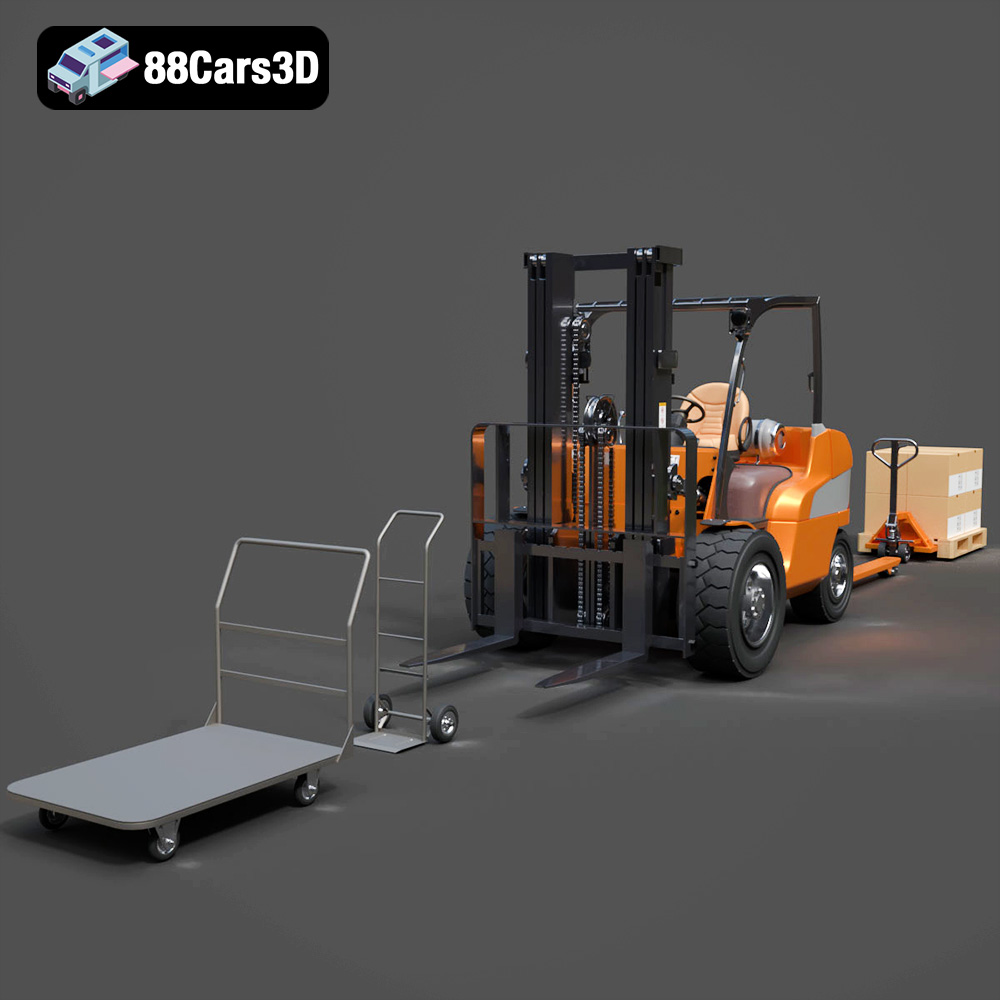
Texture: Yes | Material: Yes Download the highly detailed CAT Manual Loader & Warehouse Carts Kit 3D Model (2.4M Triangles). Features a macro-detailed hydraulic pallet jack, heavy-duty forks, and transport carts. Perfect for industrial ArchViz, factory rendering, and logistics simulations. Includes .blend, .fbx, .obj, .glb, .stl, and .max formats.
Price: $19.99
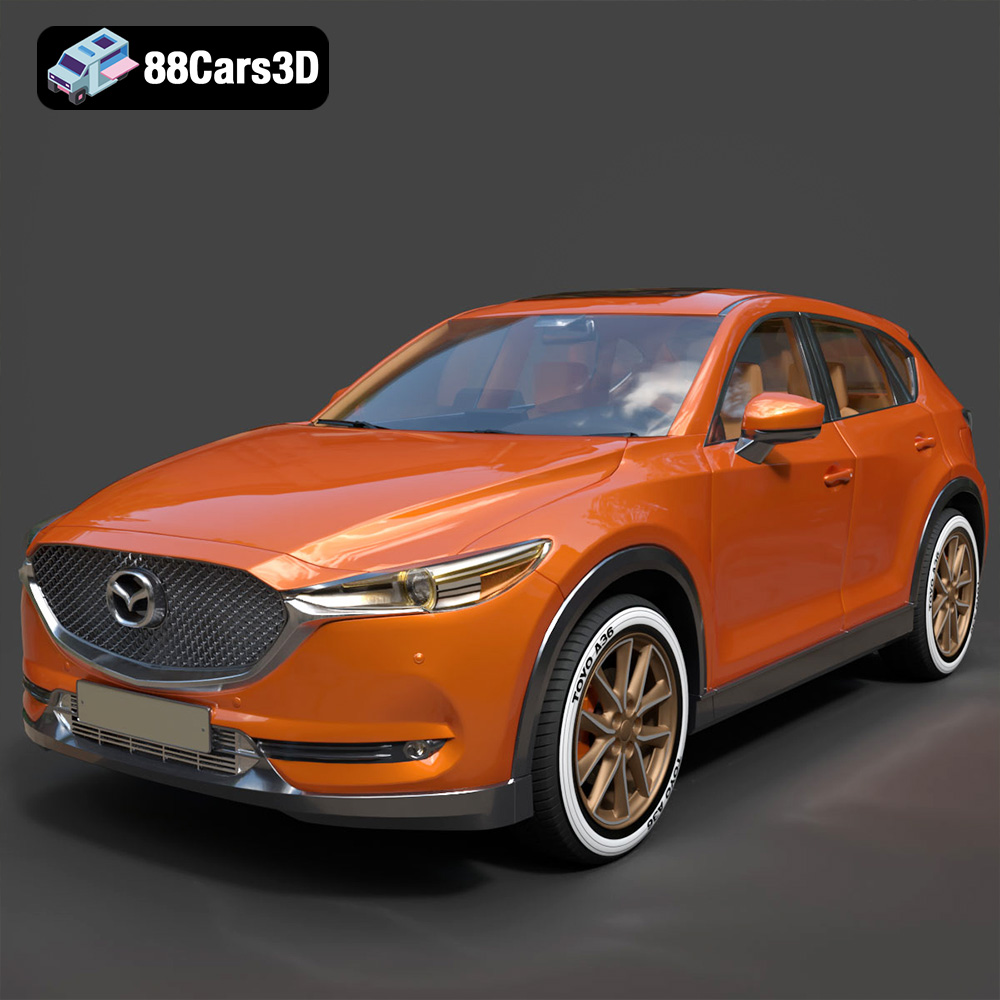
Texture: Yes | Material: Yes
Download the highly optimized Mazda CX-5 2014 3D Model (294k Triangles). Features the dynamic Kodo design language, signature grille, and a clean interior. Perfectly balanced for ArchViz, background traffic, and game development. Includes .blend, .fbx, .obj, .glb, .stl, and .max formats.
Price: $19.99
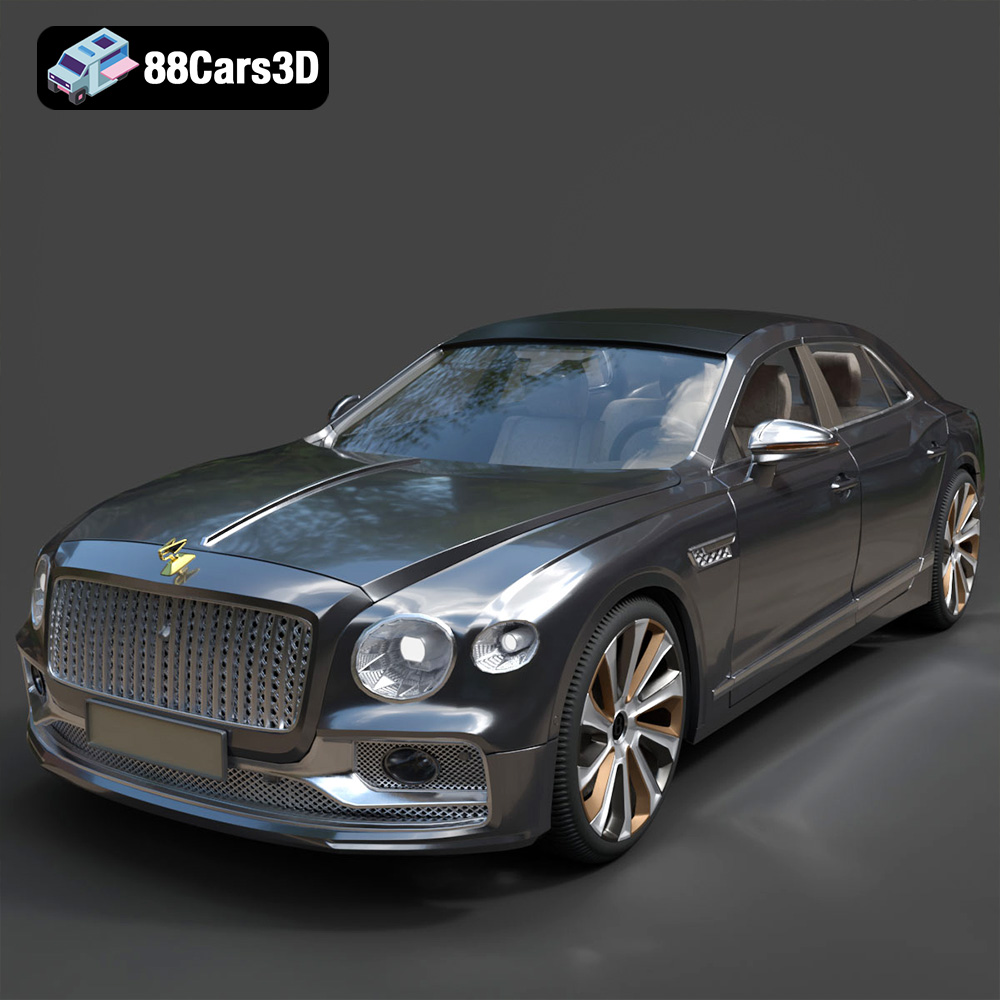
Texture: Yes | Material: Yes Download the ultra-high-detail Bentley Flying Spur Mulliner 2022 3D Model (2.94M Triangles). Features the bespoke Double Diamond grille, a fully modeled diamond-quilted interior, and exquisite luxury styling. Perfect for high-end ArchViz, VFX, and cinematic rendering. Includes .blend, .fbx, .obj, .glb, .stl, and .max formats.
Price: $19.90
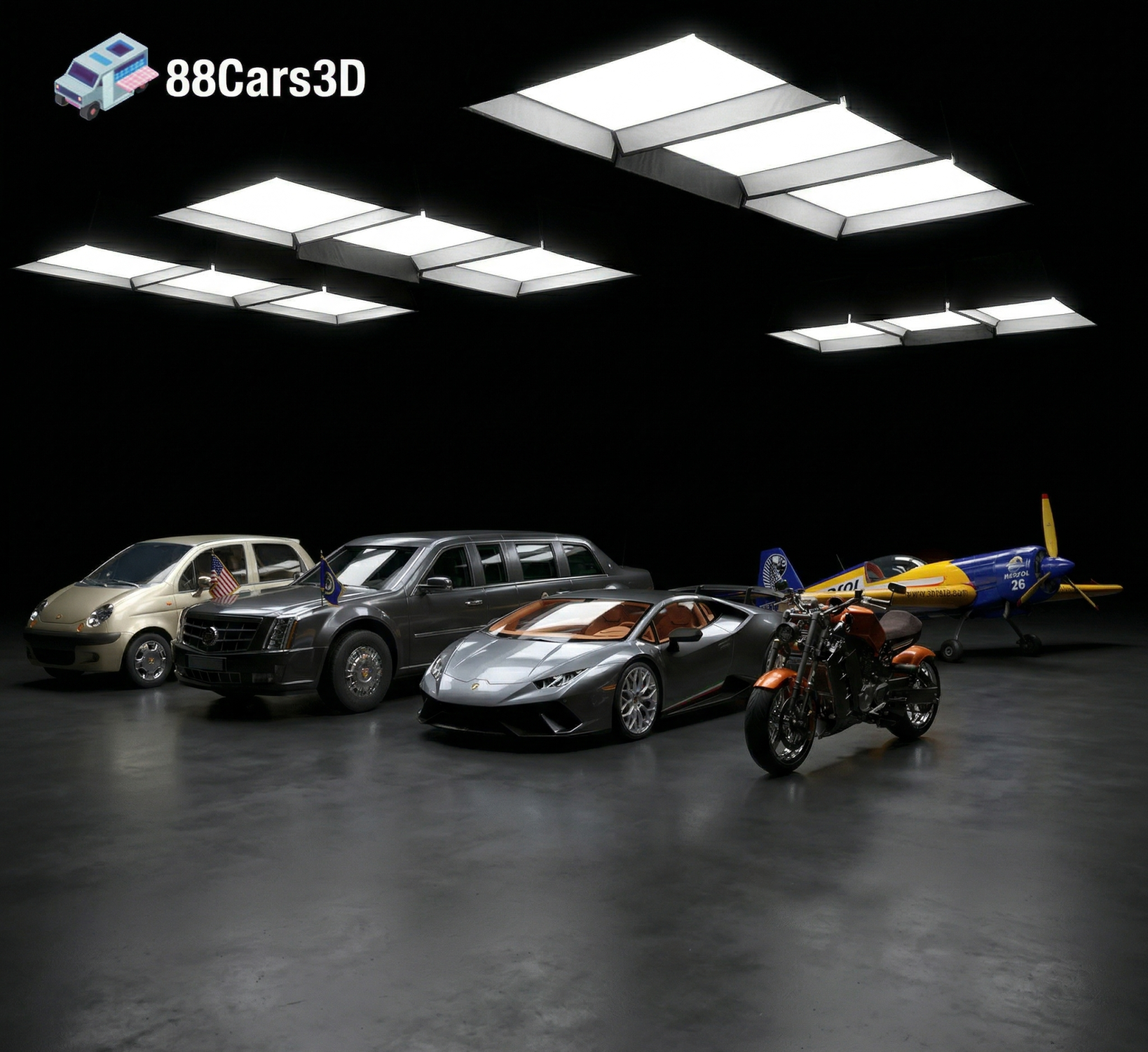
Texture: Yes | Material: Yes | 3D Printable: Yes. Download the Ultimate Creators’ Showcase featuring 5 premium 3D models: Lamborghini Huracan, ZAV Concept Motorcycle, Sukhoi SU-26, Presidential Limousine, and Daewoo Damas. Optimized for 4K CGI rendering and 3D printing. Save massive with this exclusive multi-category bundle!
Price: $99.99

