Get 50% OFF All Premium 3D & STL Models!

“`html
The journey from digital 3D model to tangible object hinges on a crucial process: slicing. Slicing software takes your STL file and translates it into a series of instructions for your 3D printer, dictating every layer, every movement, and ultimately, the quality of your final print. A poorly sliced model can lead to structural weaknesses, visible layer lines, warping, and even complete print failures. Conversely, a well-sliced model, meticulously optimized for your specific printer and material, unlocks the full potential of your 3D printer, resulting in parts with exceptional detail, strength, and aesthetic appeal. In this comprehensive guide, we’ll delve into the intricacies of STL slicing, covering everything from file preparation to advanced parameter adjustments, ensuring you achieve consistently high-quality 3D prints, whether you’re creating intricate car models from platforms like 88cars3d.com, functional prototypes, or artistic sculptures.
This guide will equip you with the knowledge to:
The STL (Stereolithography) file format is the workhorse of 3D printing. It represents the surface geometry of a 3D object as a collection of interconnected triangles. The density and arrangement of these triangles directly influence the resolution and accuracy of your printed part. While simple in concept, understanding its nuances is crucial for successful slicing.
The number of triangles used to represent a curved surface directly impacts its smoothness in the final print. Low triangle counts result in visible “faceting,” where curved surfaces appear as a series of flat planes. When preparing STL files, particularly for detailed models like the printable car models available on 88cars3d.com, ensure a sufficient level of detail during the export process from your CAD or 3D modeling software. Aim for a deviation tolerance that balances file size and surface smoothness. For example, a deviation of 0.01mm might be suitable for highly detailed parts, while 0.05mm might suffice for less critical areas. Remember that excessively high triangle counts can lead to larger file sizes and increased slicing times.
STL files can sometimes contain errors that prevent successful slicing. These errors include:
These errors can often be automatically repaired using software like Meshmixer, Netfabb Basic (now Autodesk Fusion 360), or the built-in repair tools in some slicing software. Before slicing, always inspect your STL file for errors. In Meshmixer, for instance, you can use the “Edit -> Make Solid” function to automatically repair common mesh problems. Be aware that aggressive automatic repair can sometimes alter the intended geometry, so it’s crucial to visually inspect the repaired mesh afterwards.
The 3D printing landscape is populated with a variety of slicing software, each with its own strengths and weaknesses. The “best” slicer depends on your printer type, experience level, and desired level of control. Open-source options like Cura and PrusaSlicer offer extensive customization and community support, while Simplify3D provides a more streamlined and commercially supported experience. Some manufacturers also provide their own slicers optimized for their specific printers. When downloading models from marketplaces such as 88cars3d.com, ensure your chosen slicer is compatible with the complexity and detail of the models.
Cura, developed by Ultimaker, is a free and open-source slicer known for its user-friendly interface and extensive customization options. It supports a wide range of 3D printers and materials and boasts a large and active community, making it an excellent choice for both beginners and experienced users. Cura offers a wide range of plugins that can extend its functionality, such as plugins for automatically generating support structures, optimizing print speeds, and even simulating the printing process. Experiment with different profiles and settings within Cura to find the optimal configuration for your specific printer and material.
PrusaSlicer, originally based on Slic3r, is developed by Prusa Research and is known for its precision and advanced features. It offers excellent support for Prusa printers but is also compatible with many other FDM and resin printers. PrusaSlicer excels in features like variable layer height, which allows you to optimize print quality in specific areas of your model, and adaptive infill, which adjusts the infill density based on the structural requirements of the part. It also has superior support placement algorithms. PrusaSlicer’s calibration tools are extremely valuable for tuning your printer for optimal performance, ensuring that dimensions are accurate and surface finishes are smooth. It also has a superior support placement compared to Cura.
FDM (Fused Deposition Modeling) printing involves extruding molten filament layer by layer to build a 3D object. Several key slicing parameters significantly impact the quality, strength, and speed of FDM prints.
Layer height is the thickness of each individual layer of extruded filament. Smaller layer heights result in smoother surfaces and finer details but also increase print time. Larger layer heights print faster but can lead to visible layer lines and reduced surface quality. A common starting point is 0.2mm, but you can experiment with values ranging from 0.1mm to 0.3mm depending on the desired resolution and print speed. For example, when printing a detailed car model, consider using a layer height of 0.1mm to capture fine details on the body panels and trim. Keep in mind that your nozzle size also influences the minimum achievable layer height. A good rule of thumb is to keep the layer height below 80% of the nozzle diameter.
Infill refers to the internal structure of your 3D print. Infill density, expressed as a percentage, determines how much material is used to fill the interior. Higher infill densities increase strength and weight but also consume more material and increase print time. Infill patterns affect the structural properties of the part. Common infill patterns include:
For most applications, an infill density of 20-30% is sufficient. For parts that require high strength, such as functional components for car models, consider increasing the infill density to 50% or higher. When selecting an infill pattern, consider the intended use of the part and the desired balance between strength, weight, and print time. For example, a honeycomb infill pattern might be ideal for a lightweight chassis component, while a gyroid infill pattern might be preferable for a part that needs to withstand forces from multiple directions.
Print speed and temperature are critical parameters that affect the quality and adhesion of your 3D prints. Printing too fast can lead to poor layer adhesion, stringing, and warping, while printing too slow can waste time and potentially cause overheating. The optimal print speed depends on your printer, material, and desired print quality. A good starting point is 50-60mm/s, but you may need to adjust this based on your results. Similarly, the optimal temperature depends on the material you’re using. PLA typically prints well at 200-220°C, while ABS requires higher temperatures of 230-250°C. Consult your filament manufacturer’s recommendations for specific temperature settings. Bed adhesion is also critically impacted by bed temperature settings. Experiment and fine tune until the first layer is laid down smoothly and firmly attached to the build plate.
Resin printing, also known as stereolithography (SLA) or digital light processing (DLP), uses UV light to cure liquid resin layer by layer. Slicing for resin printing differs significantly from FDM printing, with unique parameters and considerations.
In resin printing, layer height determines the resolution of the Z-axis. Lower layer heights result in finer details but increase print time. Common layer heights range from 0.025mm to 0.1mm. Exposure time is the duration that each layer is exposed to UV light. Insufficient exposure results in under-cured parts that are weak and brittle, while over-exposure can lead to excessive curing and loss of detail. The optimal exposure time depends on your resin, printer, and layer height. Start with the resin manufacturer’s recommended settings and adjust as needed. A calibration print, like the “XP2 validation matrix” is invaluable for dialing in the correct exposure time.
Support structures are essential for resin printing because they provide support for overhanging features and prevent parts from detaching from the build platform. Unlike FDM printing, where supports are often printed from the same material as the part, resin printing supports are typically printed with a specific support material that is easier to remove. The orientation of your part on the build platform also significantly affects the success of the print. Orienting parts at an angle can reduce the surface area of each layer, minimizing the peeling forces that can cause parts to detach. Hollow parts require drain holes to prevent resin from being trapped inside. Platforms like 88cars3d.com offer models with considerations for this, but always double check before slicing.
Hollowing resin prints is a common technique to reduce resin consumption and print time. By hollowing the interior of your part, you can significantly reduce the amount of resin needed to print it. However, hollow parts require drain holes to allow uncured resin to escape. Without drain holes, resin can become trapped inside the part, leading to uncured areas, increased weight, and potential cracking. Place drain holes in inconspicuous locations and ensure they are large enough to allow resin to flow freely. A good rule of thumb is to use multiple drain holes with a diameter of at least 3mm.
Slicing is only half the battle. Post-processing is crucial for achieving the desired finish and functionality of your 3D prints. This involves removing supports, cleaning up surfaces, and potentially applying coatings or finishes.
Removing support structures cleanly is essential for achieving a polished look. For FDM prints, you can use pliers, knives, or specialized support removal tools. Be careful not to damage the surface of the part. For resin prints, supports are typically more delicate and can be removed with clippers or by gently snapping them off. After removing supports, you may need to sand the surface to remove any remaining marks or imperfections. Start with coarse sandpaper and gradually move to finer grits to achieve a smooth finish.
Sanding is an important step in preparing your 3D prints for painting. Sanding removes layer lines and surface imperfections, creating a smooth surface for the primer to adhere to. Start with coarse sandpaper (e.g., 220 grit) and gradually move to finer grits (e.g., 400 grit, 600 grit, 800 grit) to achieve a smooth finish. After sanding, apply a primer coat to fill in any remaining imperfections and create a uniform surface for the paint to adhere to. Choose a primer that is compatible with your material and paint. Finally, apply several thin coats of paint, allowing each coat to dry completely before applying the next. Consider using automotive-grade paints when finishing car models for enhanced durability and realism.
Even with the best slicing techniques, problems can still arise during 3D printing. Understanding common issues and their solutions is crucial for a smooth printing experience.
Warping occurs when the corners of your print lift off the build platform due to uneven cooling. This is a common problem with materials like ABS, which are prone to shrinkage. To prevent warping, ensure your build platform is level and clean. Use a heated bed to maintain a consistent temperature. Apply a bed adhesion aid, such as glue stick, hairspray, or painter’s tape. Enclosing your printer can also help to maintain a stable temperature and reduce warping. Using a “brim” or “raft” as a bed adhesion aid can also help with warping issues.
Stringing occurs when molten filament oozes out of the nozzle during travel moves, leaving thin strands of plastic between parts. Blobs are small accumulations of excess plastic on the surface of your print. Stringing and blobs are often caused by incorrect temperature settings, retraction settings, or travel speed. Lowering the printing temperature, increasing retraction distance and speed, and optimizing travel moves can help to reduce stringing and blobs. Ensure that the “coasting” settings are calibrated for your material.
Under-extrusion occurs when not enough material is extruded from the nozzle, resulting in weak and incomplete layers. Over-extrusion occurs when too much material is extruded, resulting in blobs, ridges, and poor dimensional accuracy. Under-extrusion and over-extrusion can be caused by incorrect flow rate settings, nozzle clogs, or extruder problems. Calibrating your extruder’s e-steps (steps per millimeter) is essential for accurate extrusion. Check for nozzle clogs and ensure your filament is feeding smoothly. Make sure your filament diameter is correctly set in your slicing software.
Slicing is a critical step in the 3D printing process that directly impacts the quality, strength, and aesthetic appeal of your final prints. By understanding the intricacies of the STL file format, mastering essential slicing parameters, and troubleshooting common issues, you can unlock the full potential of your 3D printer and consistently produce high-quality parts. Whether you’re creating intricate car models from platforms like 88cars3d.com, functional prototypes, or artistic sculptures, mastering the art of the slice will elevate your 3D printing skills and enable you to bring your digital creations to life with precision and finesse. The journey from digital model to tangible reality begins with a single, well-considered slice.
Here are some actionable next steps to refine your slicing skills:
“`
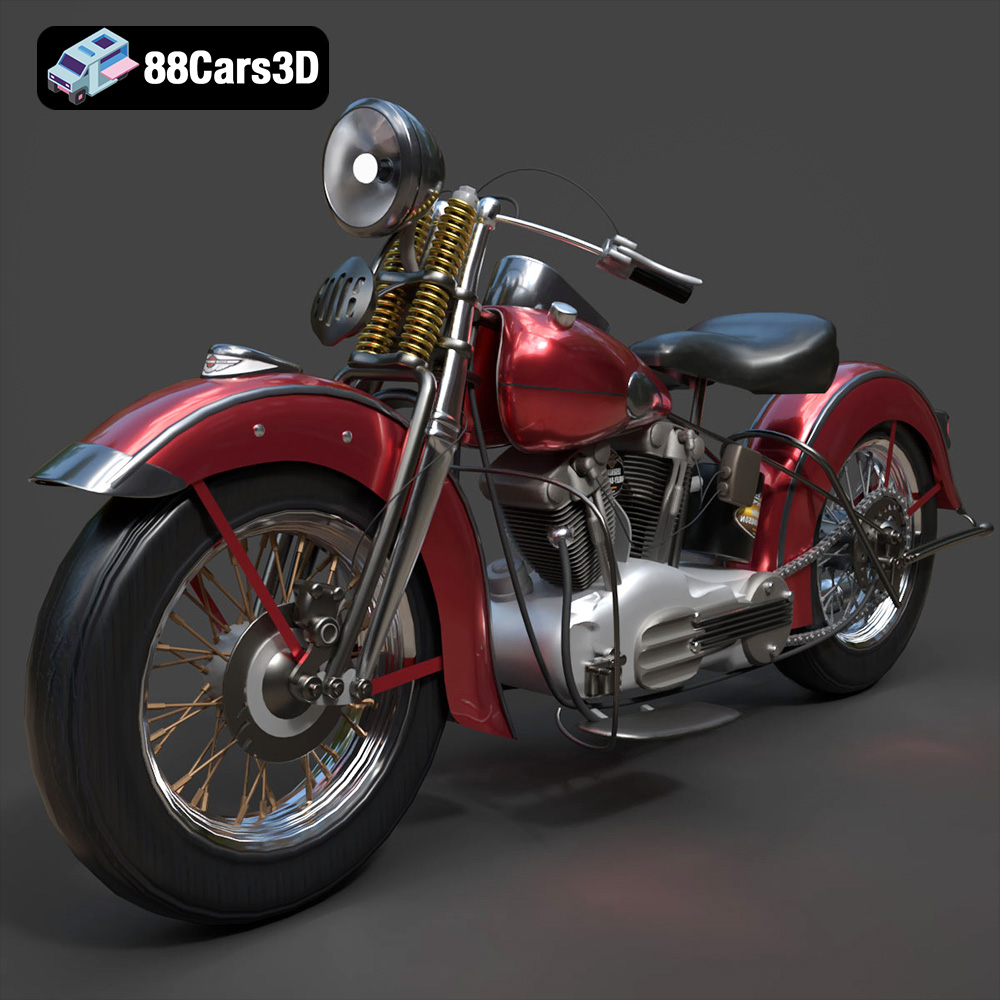
Texture: Yes
Material: Yes
Download the Harley Davidson F 1946 3D Model featuring clean geometry, realistic detailing, and a fully modeled interior. Includes .blend, .fbx, .obj, .glb, .stl, .ply, .unreal, and .max formats for rendering, simulation, and game development.
Price: $19.99
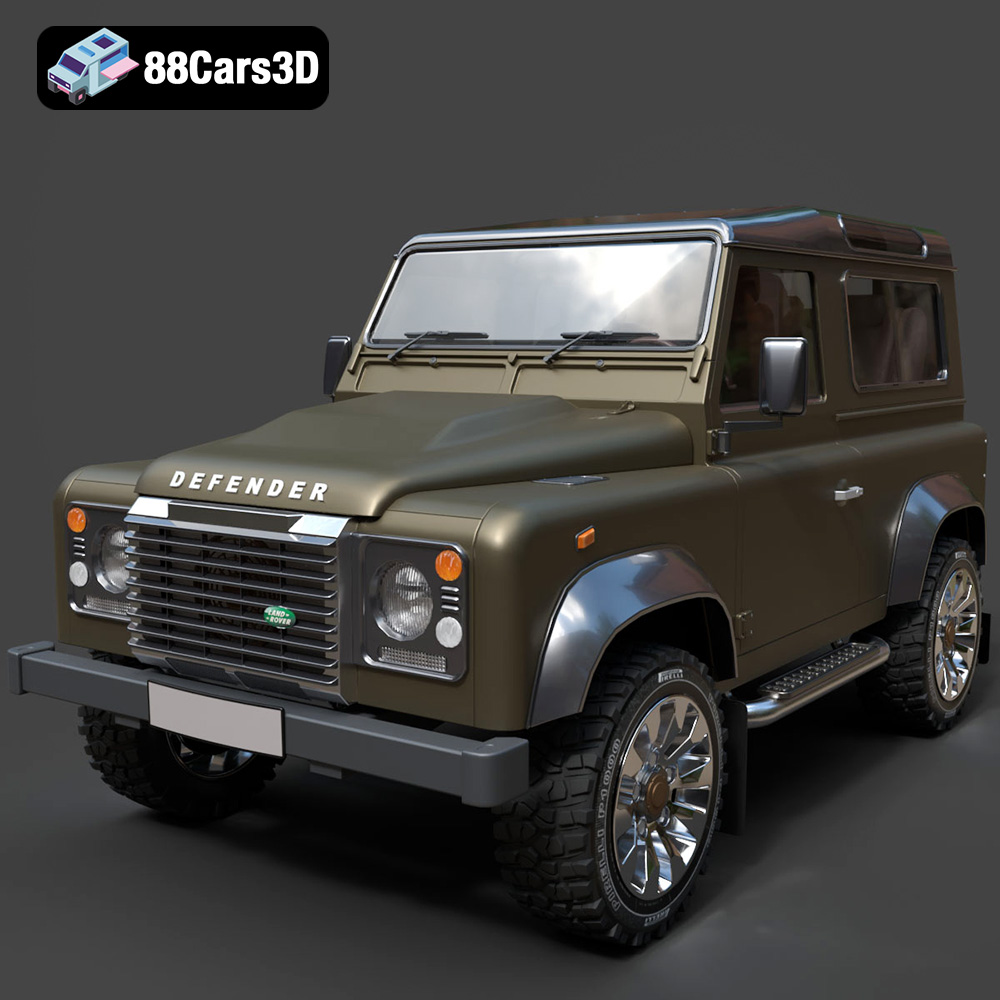
Texture: Yes
Material: Yes
Download the Land Rover Defender Works V8 3D Model featuring clean geometry, realistic detailing, and a fully modeled interior. Includes .blend, .fbx, .obj, .glb, .stl, .ply, .unreal, and .max formats for rendering, simulation, and game development.
Price: $19.99
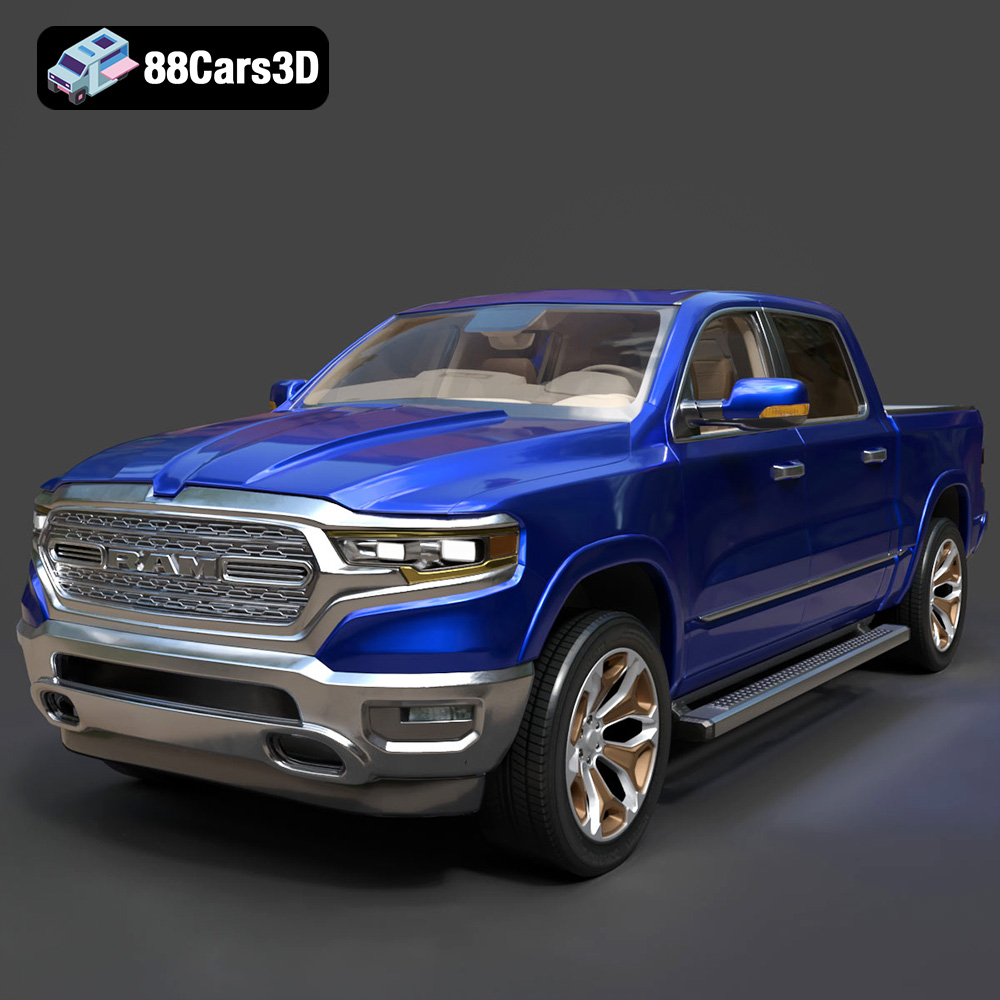
Texture: Yes
Material: Yes
Download the Dodge RAM 2019 3D Model featuring clean geometry, realistic detailing, and a fully modeled interior. Includes .blend, .fbx, .obj, .glb, .stl, .ply, .unreal, and .max formats for rendering, simulation, and game development.
Price: $19.99
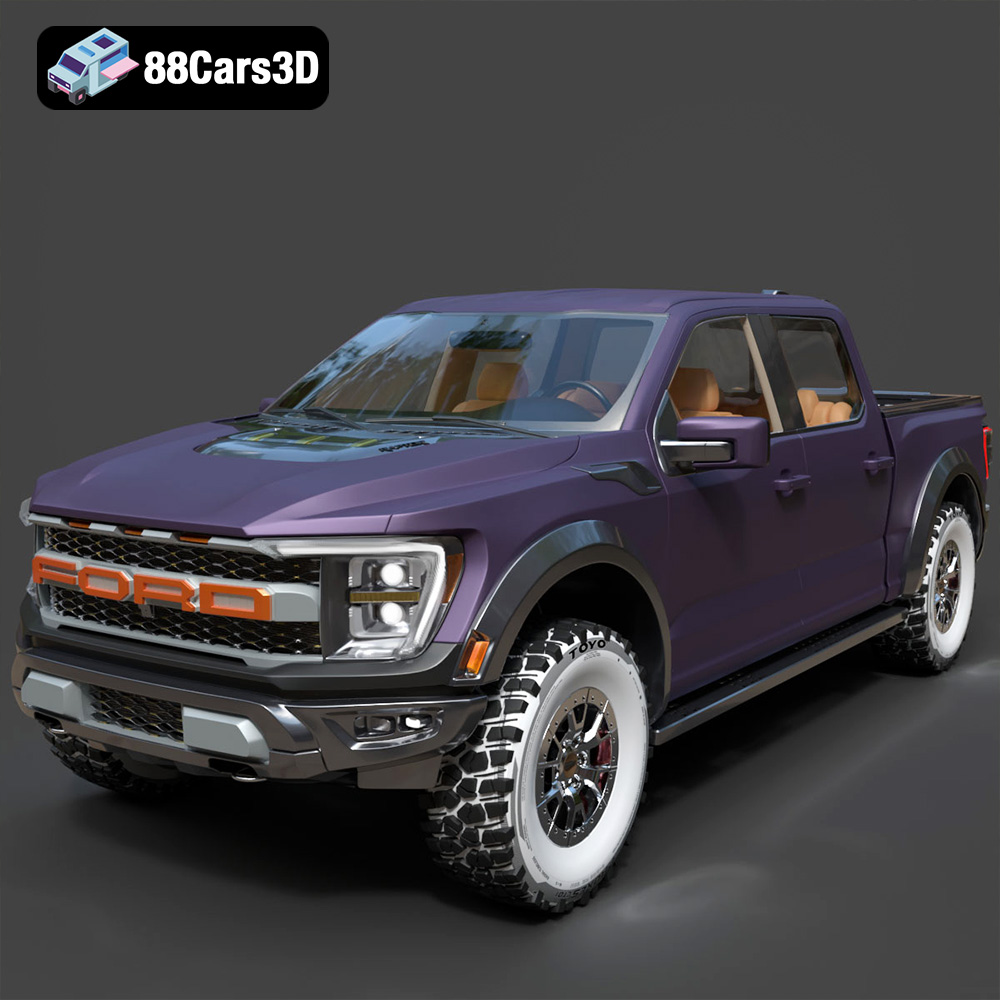
Texture: Yes | Material: Yes Download the ultra-high-detail Ford F-150 Raptor 2021 3D Model (8.73M Triangles). Features uncompromised widebody styling, fully modeled Fox Live Valve suspension, 37-inch tires, and interior. Perfect for premium VFX, cinematic rendering, and ArchViz. Includes .blend, .fbx, .obj, .glb, .stl, and .max formats.
Price: $29.99

Texture: Yes | Material: Yes Download the ultra-high-detail BMW 3 Series Limousine (2022) 3D Model (4.16M Triangles). Features the modernized G20 LCI exterior, the all-new BMW Curved Display interior, and ultra-dense topology. Perfect for ArchViz, VFX, and cinematic rendering. Includes .blend, .fbx, .obj, .glb, .stl, and .max formats.
Price: $19.99
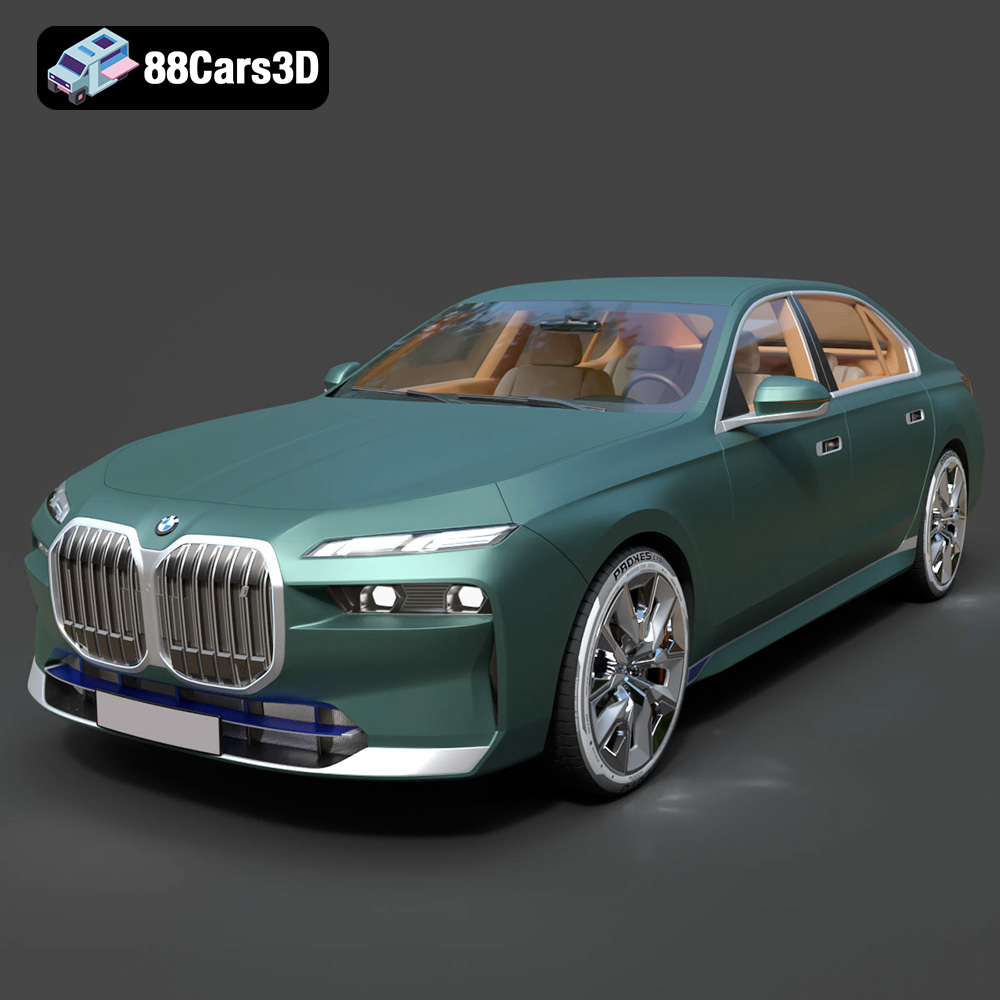
Texture: Yes | Material: Yes Download the ultra-high-detail BMW i7 (2023) 3D Model (4.14M Triangles). Features the illuminated kidney grille, split crystal headlights, fully modeled Theatre Screen interior, and monolithic luxury styling. Perfect for ArchViz, VFX, and cinematic rendering. Includes .blend, .fbx, .obj, .glb, .stl, and .max formats.
Price: $19.99
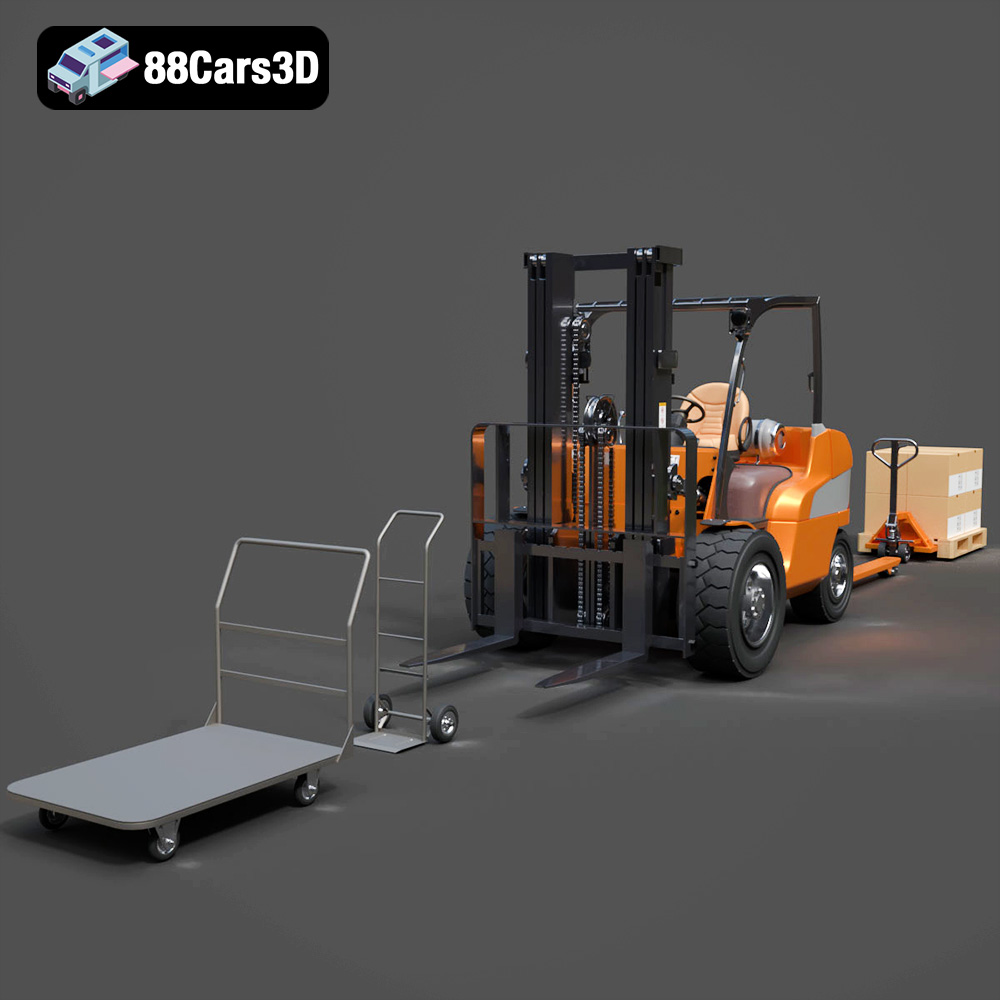
Texture: Yes | Material: Yes Download the highly detailed CAT Manual Loader & Warehouse Carts Kit 3D Model (2.4M Triangles). Features a macro-detailed hydraulic pallet jack, heavy-duty forks, and transport carts. Perfect for industrial ArchViz, factory rendering, and logistics simulations. Includes .blend, .fbx, .obj, .glb, .stl, and .max formats.
Price: $19.99

Texture: Yes | Material: Yes
Download the highly optimized Mazda CX-5 2014 3D Model (294k Triangles). Features the dynamic Kodo design language, signature grille, and a clean interior. Perfectly balanced for ArchViz, background traffic, and game development. Includes .blend, .fbx, .obj, .glb, .stl, and .max formats.
Price: $19.99
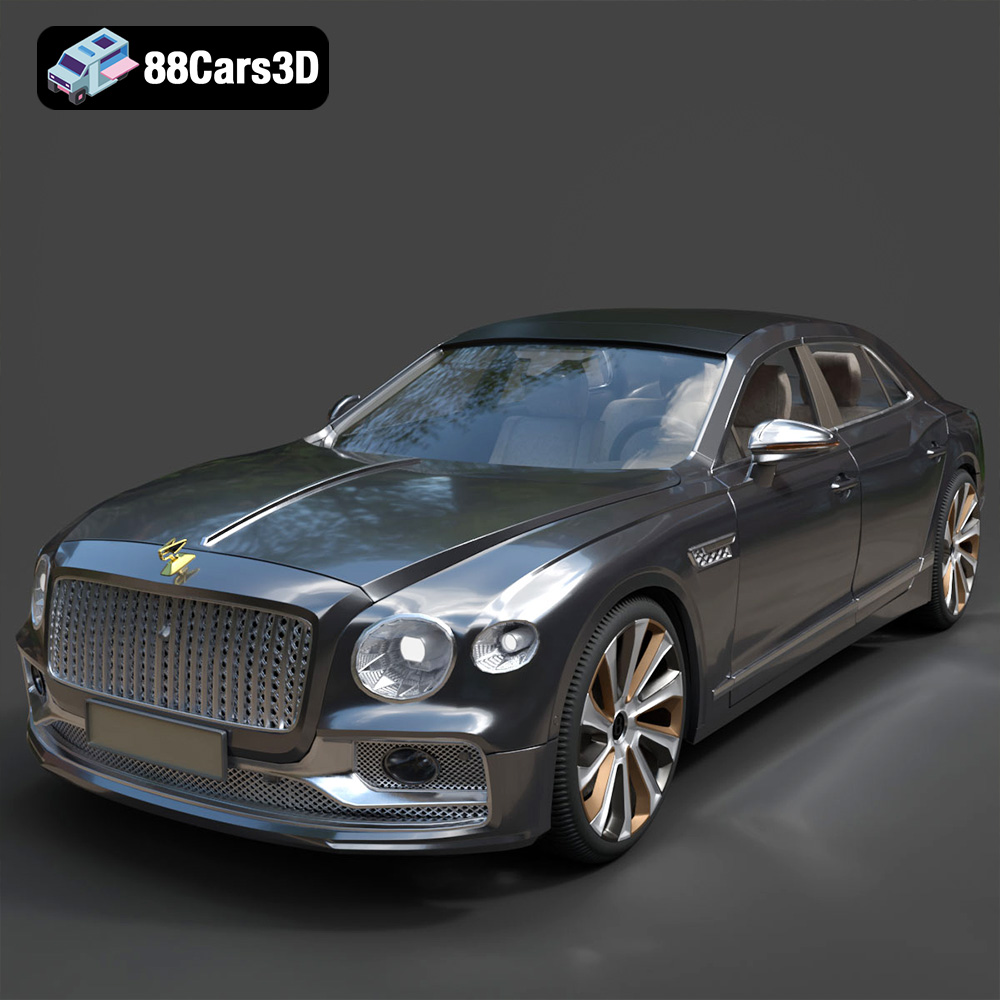
Texture: Yes | Material: Yes Download the ultra-high-detail Bentley Flying Spur Mulliner 2022 3D Model (2.94M Triangles). Features the bespoke Double Diamond grille, a fully modeled diamond-quilted interior, and exquisite luxury styling. Perfect for high-end ArchViz, VFX, and cinematic rendering. Includes .blend, .fbx, .obj, .glb, .stl, and .max formats.
Price: $19.90

Texture: Yes | Material: Yes | 3D Printable: Yes. Download the Ultimate Creators’ Showcase featuring 5 premium 3D models: Lamborghini Huracan, ZAV Concept Motorcycle, Sukhoi SU-26, Presidential Limousine, and Daewoo Damas. Optimized for 4K CGI rendering and 3D printing. Save massive with this exclusive multi-category bundle!
Price: $99.99

