Get 50% OFF All Premium 3D & STL Models!

“`html
Unreal Engine is a powerhouse for automotive visualization, game development, and creating immersive experiences. However, the complexity of these projects often leads to sprawling asset libraries and disorganized project structures. This can significantly impact workflow efficiency, team collaboration, and overall project performance. Mastering asset management and project organization is crucial for streamlining your Unreal Engine projects, especially when dealing with high-fidelity 3D car models and complex scenes. This article will guide you through the best practices for managing your assets and organizing your Unreal Engine projects for automotive visualization, ensuring a smooth and efficient workflow from start to finish. We will explore everything from establishing a consistent folder structure to utilizing Unreal Engine’s built-in asset management tools and optimization techniques, with a focus on handling the unique demands of automotive assets.
A well-defined folder structure is the foundation of any organized Unreal Engine project. It provides a clear and intuitive way to locate and manage your assets, preventing confusion and wasted time searching for specific files. Consistency is key – establishing a standard folder structure at the beginning of your project and adhering to it throughout the development process will save you countless headaches down the line. When dealing with automotive projects and 3D car models sourced from marketplaces such as 88cars3d.com, a clear structure is even more vital, as these models often come with numerous textures, materials, and meshes.
Start with broad categories that represent the major types of assets in your project. Common top-level folders include:
Within each top-level folder, create more specific subfolders to further categorize your assets. For example, inside the “Models” folder, you might have subfolders for “Cars,” “Environments,” and “Props.” Within the “Cars” folder, you could have subfolders for specific car models. Texture folders can be broken down by material type (e.g., “CarPaint,” “Chrome,” “Interior”). This granular approach makes it easy to quickly locate specific assets. For automotive visualization, consider subfolders based on car parts: “Body,” “Wheels,” “Interior,” “Lights.”
Example: Content/Models/Cars/MyCarModel/Body/MyCarModel_Body.FBX
Example: Content/Textures/CarPaint/MyCarModel_CarPaint_BaseColor.png
Adopt a clear and consistent naming convention for all your assets. This makes it easy to identify assets and understand their purpose at a glance. Common naming conventions include prefixes to indicate asset type (e.g., “M_” for materials, “T_” for textures, “SM_” for static meshes) and descriptive names that clearly identify the asset. Use underscores instead of spaces. Use abbreviations sparingly, and always document your naming conventions for your team. Consider including version numbers in your asset names for easy tracking (e.g., “SM_CarWheel_V01”). The Unreal Engine documentation (https://dev.epicgames.com/community/unreal-engine/learning) provides valuable information on best practices for asset naming and organization.
Example: SM_CarBody_Red_V02
Example: M_CarPaint_Blue
Example: T_CarPaint_Blue_Normal
Importing high-quality 3D car models into Unreal Engine is a crucial step in automotive visualization. However, simply importing the model is not enough. You need to optimize it for real-time rendering to ensure smooth performance. This involves reducing polygon count, optimizing materials, and generating LODs (Level of Detail). Platforms like 88cars3d.com offer optimized models for Unreal Engine, but further adjustments may still be necessary to achieve optimal performance in your specific project.
When importing your 3D car models, pay close attention to the import settings. Ensure that “Import Materials” and “Import Textures” are enabled if you want Unreal Engine to automatically create materials and import textures. Adjust the “Normal Import Method” to “Import Normals and Tangents” for accurate lighting. Consider enabling “Generate Lightmap UVs” if you plan to use static lighting. If the model is a skeletal mesh, ensure the skeleton is correctly assigned.
For static meshes, the “Build Settings” section allows you to control collision generation and lightmap resolution. Generating appropriate collision helps with physics simulations and character interactions. Adjusting lightmap resolution impacts the quality of static lighting.
High-polygon models can significantly impact performance. Reduce the polygon count of your car model using decimation tools in your 3D modeling software before importing it into Unreal Engine. Alternatively, Unreal Engine offers built-in tools for simplifying meshes. Generate LODs to automatically switch to lower-polygon versions of the model as the camera moves further away. This significantly reduces the rendering load on distant objects. A good rule of thumb is to aim for a 50% reduction in polygon count for each LOD level.
Nanite is Unreal Engine’s virtualized geometry system which intelligently streams and processes only the detail you can perceive. While Nanite can handle extremely high-poly models, it’s still important to optimize the base model for the best performance. Nanite works best with models that have clean topology and well-defined surfaces. Consider using Nanite for the most detailed parts of the car, such as the interior or intricate body details.
Complex materials with numerous textures and calculations can also impact performance. Optimize your materials by reducing the number of textures, simplifying the shader graph, and using texture compression. Use material instances to create variations of a master material without duplicating the entire material. This saves memory and improves performance. For automotive materials, focus on accurately representing the properties of paint, chrome, and glass. Pay attention to the roughness and metallic values to achieve a realistic look. Consider using pre-computed reflections or reflection probes to enhance the visual quality without excessive real-time calculations.
Texture compression formats like DXT or BC5 can significantly reduce texture memory usage. Choose the appropriate compression format based on the texture type (e.g., BC5 for normal maps, DXT1 for textures without alpha, DXT5 for textures with alpha). Texture streaming allows Unreal Engine to load only the necessary mipmap levels of a texture, further reducing memory usage. Adjust the texture streaming pool size in the project settings to optimize memory allocation.
Physically Based Rendering (PBR) is a rendering technique that simulates the interaction of light with surfaces in a realistic way. Unreal Engine uses a PBR workflow, which requires specific textures to define the material properties of your 3D car models. Properly implemented PBR materials are essential for achieving photorealistic results in automotive visualization. This typically involves using textures for base color, roughness, metallic, normal, and ambient occlusion.
Each PBR texture plays a specific role in defining the material’s appearance:
When sourcing automotive assets from marketplaces such as 88cars3d.com, ensure the models come with correctly authored PBR textures for best results.
Unreal Engine’s Material Editor provides a visual interface for creating and editing materials. Create a new material and import your PBR textures. Connect the textures to the corresponding input pins on the material node (e.g., connect the Base Color texture to the Base Color input). Use material functions to create more complex material effects, such as car paint flakes or clear coat layers. Experiment with different material parameters to achieve the desired look. Remember to use material instances to create variations of your master material.
Material instances allow you to create variations of a master material without duplicating the entire material. This saves memory and improves performance. You can expose parameters on the master material that can be adjusted on the material instance. This allows you to easily change the color, roughness, or metallic properties of a material without modifying the master material. Use scalar parameters for numerical values and vector parameters for colors. Consider using collections to group related parameters together. Material parameter collections allow you to control material parameters from a single location, making it easier to manage global material settings.
Lighting is a crucial aspect of automotive visualization. It significantly impacts the realism and visual appeal of your 3D car models. Unreal Engine offers two primary lighting methods: Lumen, a fully dynamic global illumination and reflections system, and traditional static and dynamic lighting techniques. Choosing the right lighting method depends on your project’s requirements and performance budget.
Lumen is Unreal Engine’s next-generation global illumination and reflections system. It provides fully dynamic lighting, meaning that light bounces and reflections update in real-time as the scene changes. This results in more realistic and immersive lighting. To enable Lumen, go to Project Settings > Rendering and set the Default Global Illumination Method and Default Reflection Method to Lumen. Lumen requires more GPU power than traditional lighting methods, but it offers significantly better visual quality. Optimize your Lumen settings by adjusting the screen space global illumination quality and the hardware ray tracing options.
Traditional lighting methods involve baking static lighting into lightmaps and using dynamic lights for movable objects. Static lighting provides excellent performance but requires careful planning and lightmap UV unwrapping. Dynamic lighting is more flexible but can be more performance-intensive. Use a combination of static and dynamic lighting to achieve the best balance between performance and visual quality. For example, you can bake the lighting for the environment and use dynamic lights for the car. Important light types are: Directional Light (simulates sunlight), Point Light (simulates a bulb), Spot Light (simulates a flashlight), and Rect Light (simulates area light from a window).
Reflection probes capture the surrounding environment and use it to create realistic reflections on your 3D car models. Place reflection probes strategically throughout your scene to capture accurate reflections. Use post-processing effects to further enhance the visual quality of your lighting. Common post-processing effects include bloom, ambient occlusion, and color grading. Experiment with different post-processing settings to achieve the desired look. Bloom can add a soft glow to bright areas, while ambient occlusion can add depth and contrast to shadowed areas. Color grading allows you to adjust the overall color palette of your scene.
Blueprints are Unreal Engine’s visual scripting system, allowing you to create interactive experiences without writing code. You can use Blueprints to create interactive car configurators, vehicle dynamics simulations, and other interactive features. Blueprints are a powerful tool for adding functionality and interactivity to your automotive visualization projects.
Use Blueprints to create an interactive car configurator that allows users to customize the car’s color, wheels, and other features. Create a user interface (UI) with buttons and sliders that control the different customization options. Use Blueprint variables to store the current configuration of the car. Use the “Set Material” node to change the car’s color based on the user’s selection. Use the “Spawn Actor” node to swap out different wheel models. Use the “Camera” controls to create different views of the car.
Unreal Engine provides a built-in vehicle physics system that you can use to simulate realistic vehicle dynamics. Use the “Vehicle Movement Component” to control the car’s movement. Adjust the vehicle’s mass, center of gravity, and suspension settings to fine-tune its handling. Use the “Input” nodes to map keyboard and gamepad inputs to the vehicle’s movement. Use the “Wheel” nodes to simulate tire friction and suspension. Use the “Collision” nodes to detect collisions with the environment.
Add interactive elements to your scene using Blueprints. For example, you can create doors that open and close when the player interacts with them. Use the “Line Trace” node to detect when the player is looking at the door. Use the “Timeline” node to animate the door opening and closing. Use the “Play Sound” node to play a sound effect when the door opens or closes. Use the “Set Visibility” node to hide or show objects based on the player’s interaction.
Nanite is Unreal Engine’s virtualized geometry system that allows you to import and render extremely high-poly models without significant performance impact. Nanite intelligently streams and processes only the detail you can perceive, allowing you to work with models that would otherwise be impossible to render in real-time. This is especially beneficial for automotive visualization, where models often contain millions of polygons to accurately represent complex details.
To enable Nanite for your 3D car model, simply import the model as a static mesh and enable the “Build Nanite” option in the import settings. Unreal Engine will automatically generate the Nanite data for the model. Nanite works best with models that have clean topology and well-defined surfaces. Consider using Nanite for the most detailed parts of the car, such as the interior or intricate body details. Nanite can be enabled on a per-mesh basis, allowing you to selectively optimize parts of your scene.
While Nanite can handle extremely high-poly models, it’s still important to understand its performance considerations. Nanite requires more memory than traditional meshes, so it’s important to have sufficient RAM. Nanite also requires a powerful GPU to process the virtualized geometry. Optimize your Nanite settings by adjusting the “Fallback Percent” and the “Trim Relative Error” values. The “Fallback Percent” controls the percentage of triangles that will be rendered using traditional methods if Nanite is not available. The “Trim Relative Error” controls the level of detail that Nanite will preserve.
Nanite is a powerful tool, but it’s not a silver bullet for performance optimization. Combine Nanite with other optimization techniques, such as LODs and material optimization, to achieve the best performance. Use LODs to reduce the polygon count of distant objects. Optimize your materials by reducing the number of textures and simplifying the shader graph. Use texture compression to reduce texture memory usage. Use occlusion culling to hide objects that are not visible to the camera.
Level of Detail (LOD) management is a crucial aspect of optimizing performance in Unreal Engine. LODs are lower-polygon versions of your 3D models that are automatically displayed as the camera moves further away. This reduces the rendering load on distant objects, improving performance without sacrificing visual quality. Proper LOD management is essential for achieving smooth frame rates in automotive visualization projects, especially when dealing with complex scenes and high-poly car models.
Unreal Engine provides a built-in tool for generating LODs for your 3D models. Select the static mesh in the Content Browser and open the Static Mesh Editor. Click on the “LOD Settings” tab and add multiple LOD levels. Adjust the reduction settings for each LOD level to control the polygon count. A good rule of thumb is to aim for a 50% reduction in polygon count for each LOD level. You can also manually create LODs in your 3D modeling software and import them into Unreal Engine.
The LOD Bias setting controls the distance at which each LOD level is displayed. Increase the LOD Bias to display lower-polygon LODs at closer distances. This can improve performance but may reduce visual quality. Decrease the LOD Bias to display higher-polygon LODs at further distances. This can improve visual quality but may reduce performance. Experiment with different LOD Bias settings to find the best balance between performance and visual quality. LOD Bias can be set globally in the project settings or on a per-mesh basis.
Occlusion culling is a technique that hides objects that are not visible to the camera. This can significantly improve performance, especially in complex scenes with many occluded objects. Distance culling is a technique that hides objects that are beyond a certain distance from the camera. This can also improve performance, especially in large open environments. Enable occlusion culling in the project settings. Adjust the distance culling settings on a per-mesh basis to control the distance at which objects are culled.
Mastering asset management and project organization is essential for creating efficient and high-performing Unreal Engine projects for automotive visualization. By establishing a robust folder structure, optimizing your 3D car models, implementing PBR materials correctly, utilizing Lumen or traditional lighting methods effectively, leveraging Blueprint visual scripting, and taking advantage of Nanite virtualized geometry, you can streamline your workflow and create stunning real-time experiences. Remember to focus on consistency, naming conventions, and performance optimization throughout the development process. By following the best practices outlined in this article, you can ensure that your Unreal Engine projects are well-organized, efficient, and visually appealing. Start implementing these techniques in your next project to experience the benefits of a well-managed and organized workflow. Continued practice and exploration of Unreal Engine’s features will further refine your skills and lead to exceptional automotive visualizations.
“`
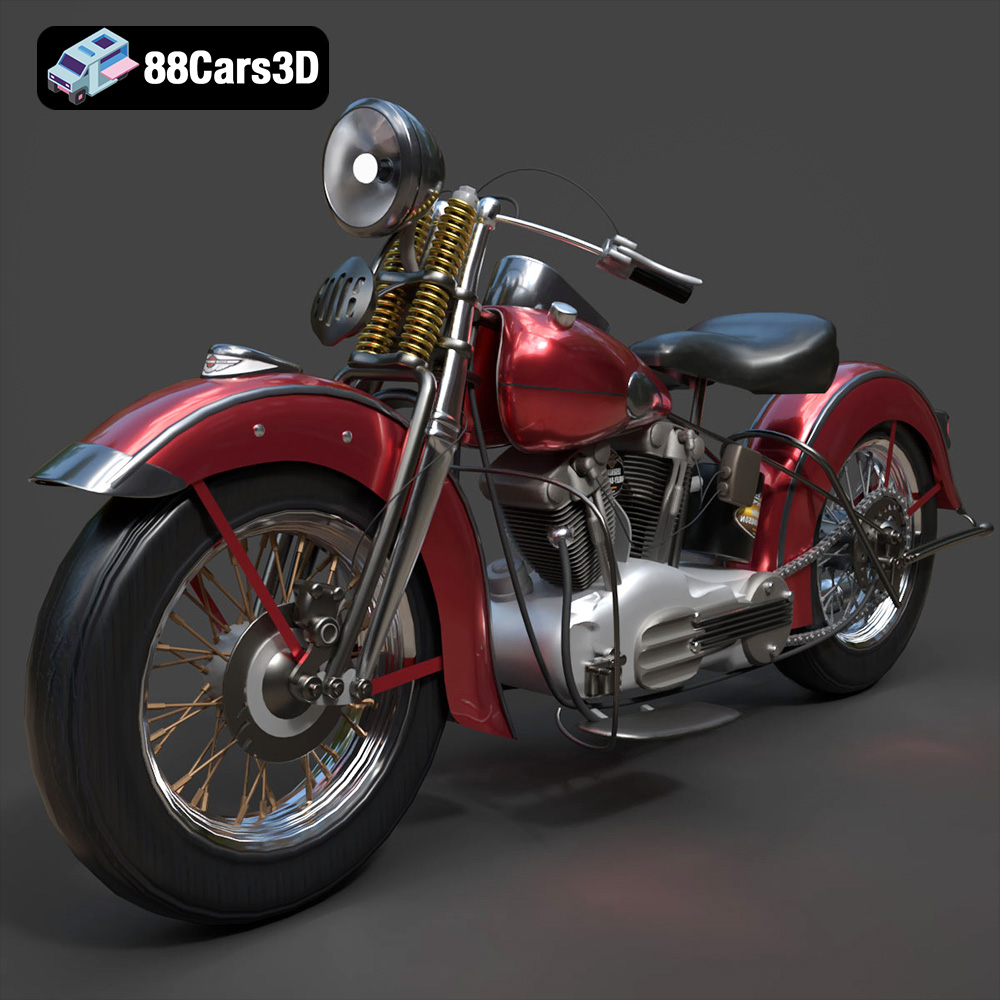
Texture: Yes
Material: Yes
Download the Harley Davidson F 1946 3D Model featuring clean geometry, realistic detailing, and a fully modeled interior. Includes .blend, .fbx, .obj, .glb, .stl, .ply, .unreal, and .max formats for rendering, simulation, and game development.
Price: $19.99
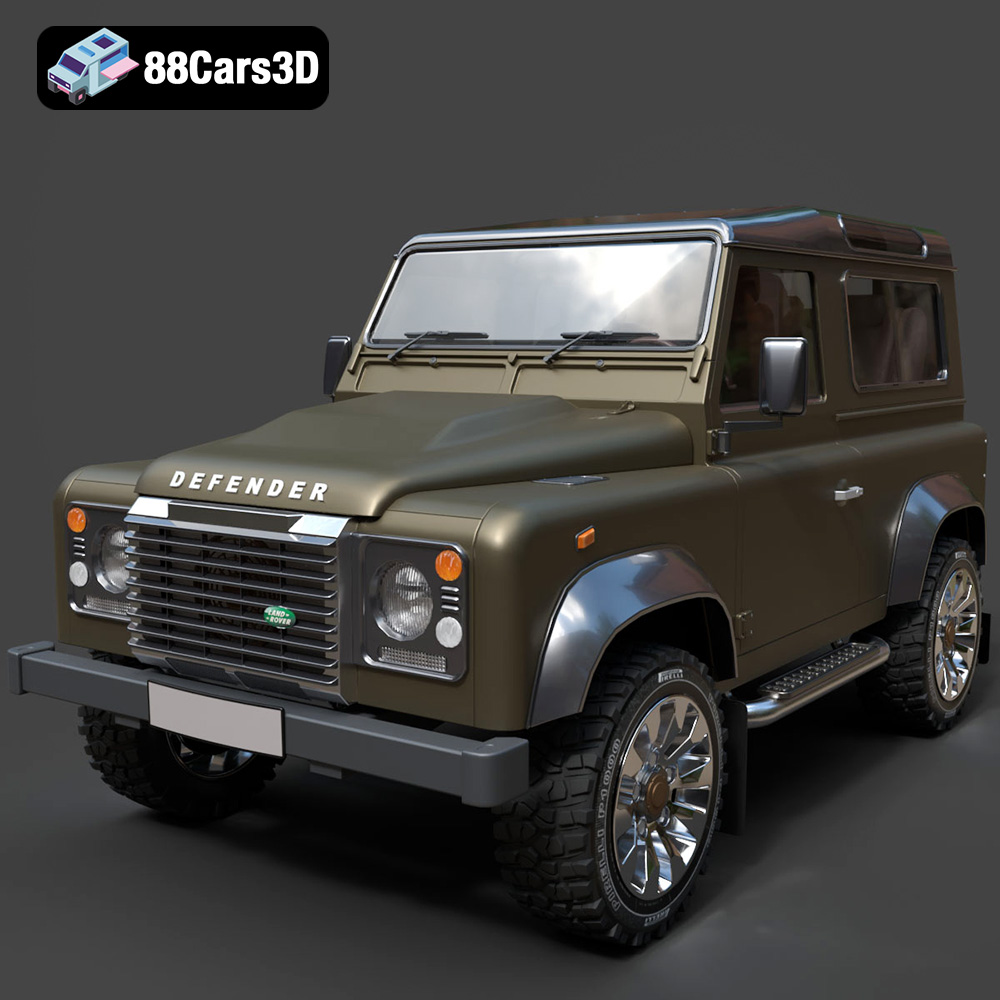
Texture: Yes
Material: Yes
Download the Land Rover Defender Works V8 3D Model featuring clean geometry, realistic detailing, and a fully modeled interior. Includes .blend, .fbx, .obj, .glb, .stl, .ply, .unreal, and .max formats for rendering, simulation, and game development.
Price: $19.99
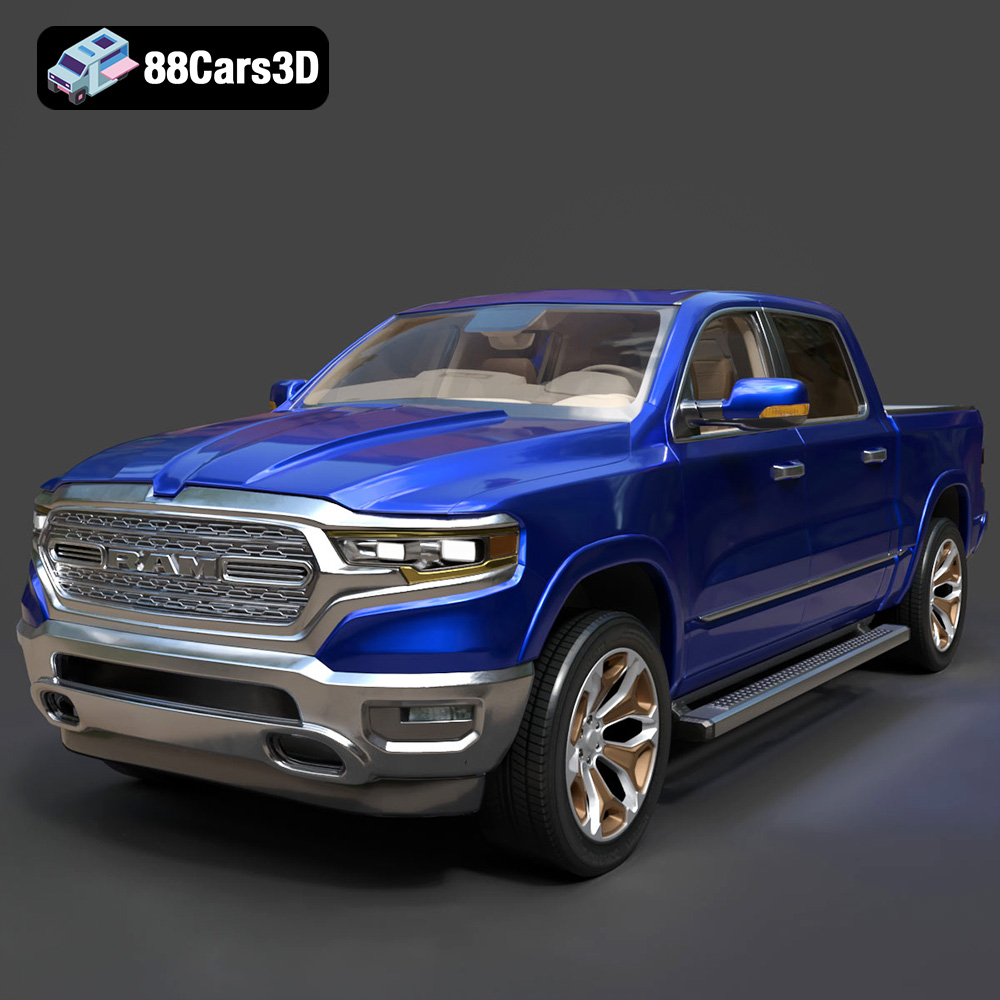
Texture: Yes
Material: Yes
Download the Dodge RAM 2019 3D Model featuring clean geometry, realistic detailing, and a fully modeled interior. Includes .blend, .fbx, .obj, .glb, .stl, .ply, .unreal, and .max formats for rendering, simulation, and game development.
Price: $19.99
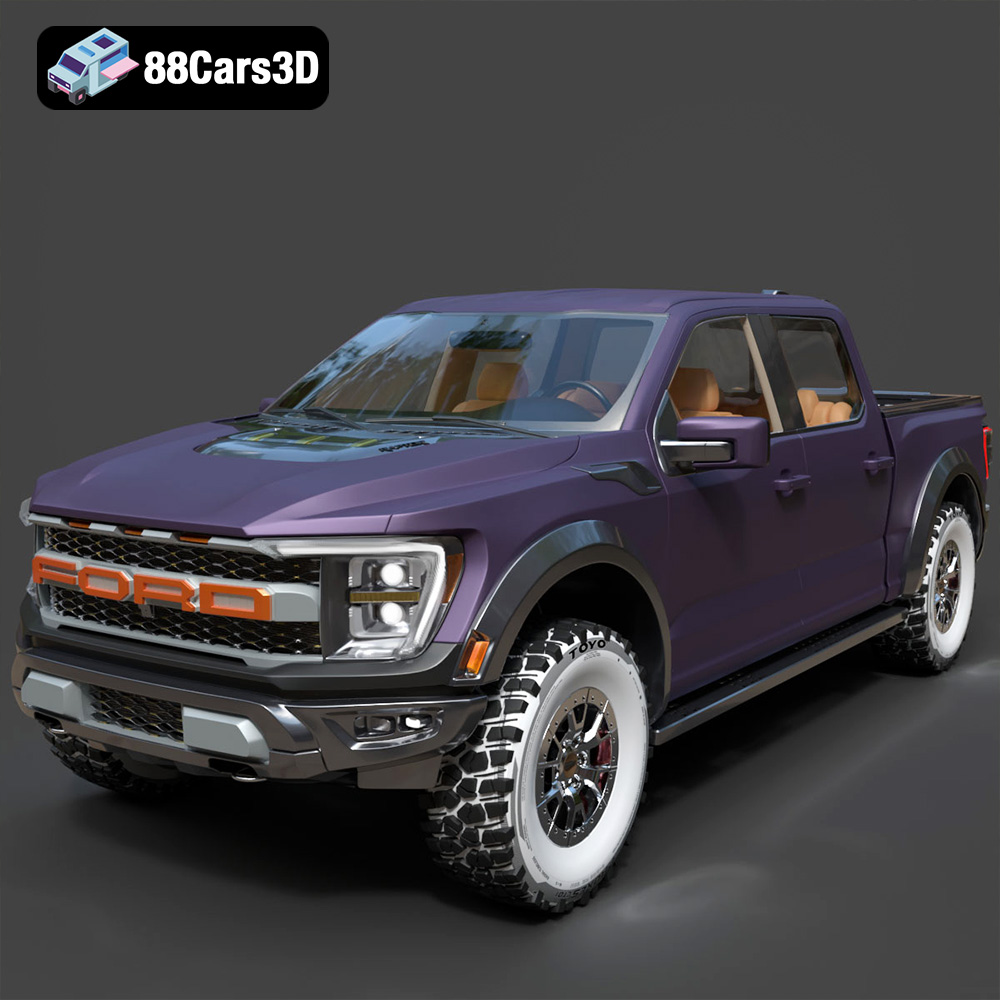
Texture: Yes | Material: Yes Download the ultra-high-detail Ford F-150 Raptor 2021 3D Model (8.73M Triangles). Features uncompromised widebody styling, fully modeled Fox Live Valve suspension, 37-inch tires, and interior. Perfect for premium VFX, cinematic rendering, and ArchViz. Includes .blend, .fbx, .obj, .glb, .stl, and .max formats.
Price: $29.99
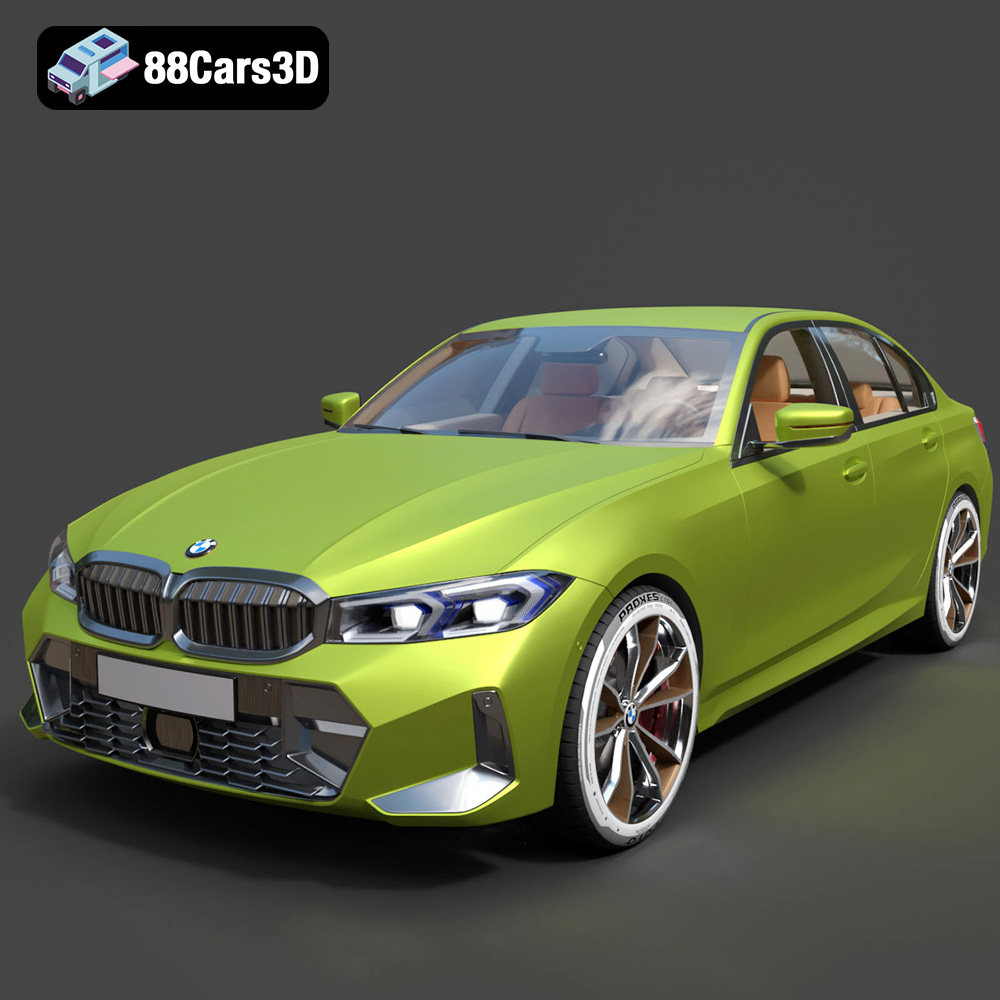
Texture: Yes | Material: Yes Download the ultra-high-detail BMW 3 Series Limousine (2022) 3D Model (4.16M Triangles). Features the modernized G20 LCI exterior, the all-new BMW Curved Display interior, and ultra-dense topology. Perfect for ArchViz, VFX, and cinematic rendering. Includes .blend, .fbx, .obj, .glb, .stl, and .max formats.
Price: $19.99
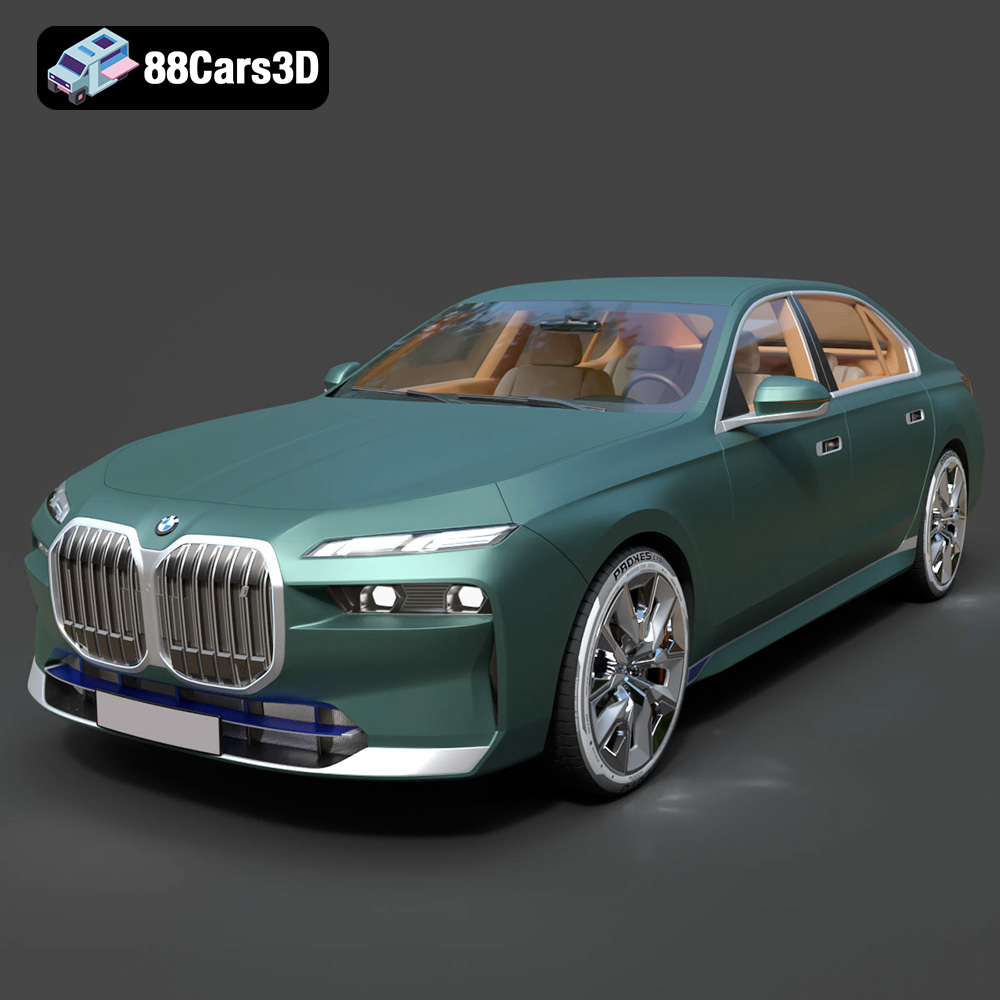
Texture: Yes | Material: Yes Download the ultra-high-detail BMW i7 (2023) 3D Model (4.14M Triangles). Features the illuminated kidney grille, split crystal headlights, fully modeled Theatre Screen interior, and monolithic luxury styling. Perfect for ArchViz, VFX, and cinematic rendering. Includes .blend, .fbx, .obj, .glb, .stl, and .max formats.
Price: $19.99
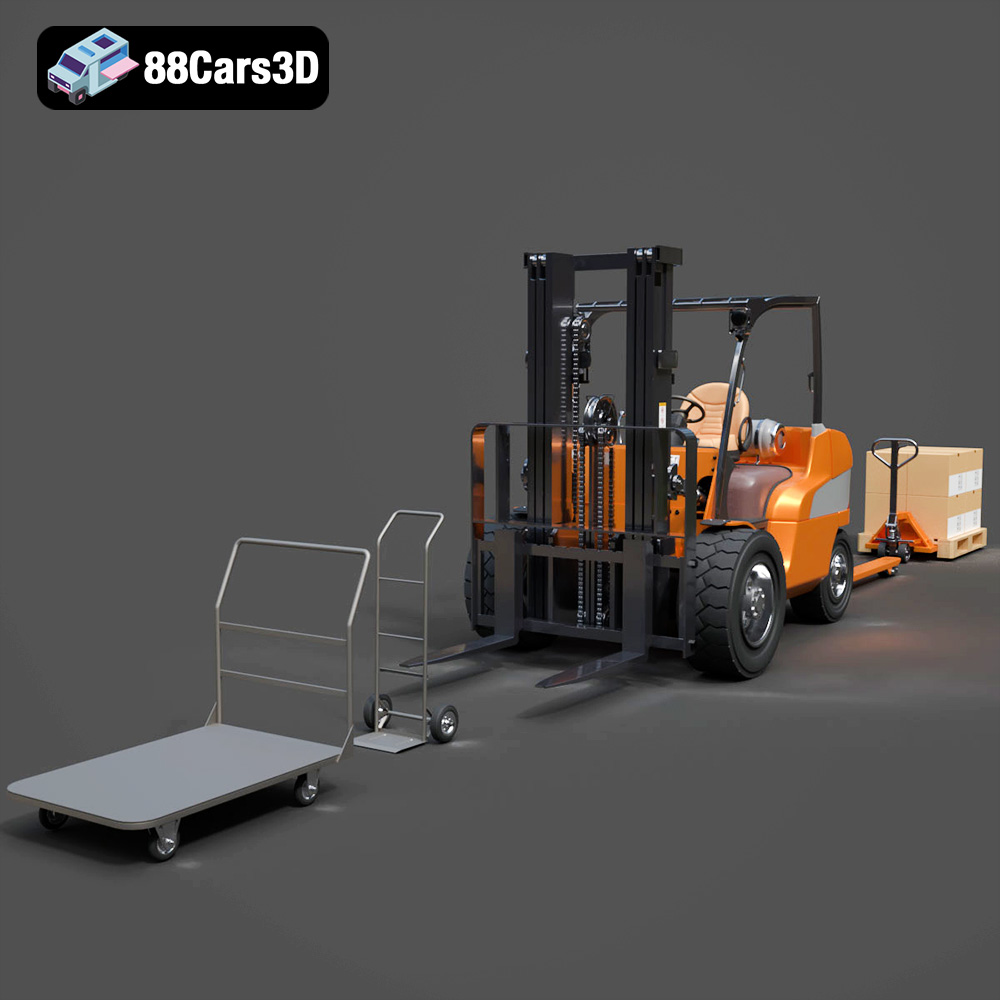
Texture: Yes | Material: Yes Download the highly detailed CAT Manual Loader & Warehouse Carts Kit 3D Model (2.4M Triangles). Features a macro-detailed hydraulic pallet jack, heavy-duty forks, and transport carts. Perfect for industrial ArchViz, factory rendering, and logistics simulations. Includes .blend, .fbx, .obj, .glb, .stl, and .max formats.
Price: $19.99
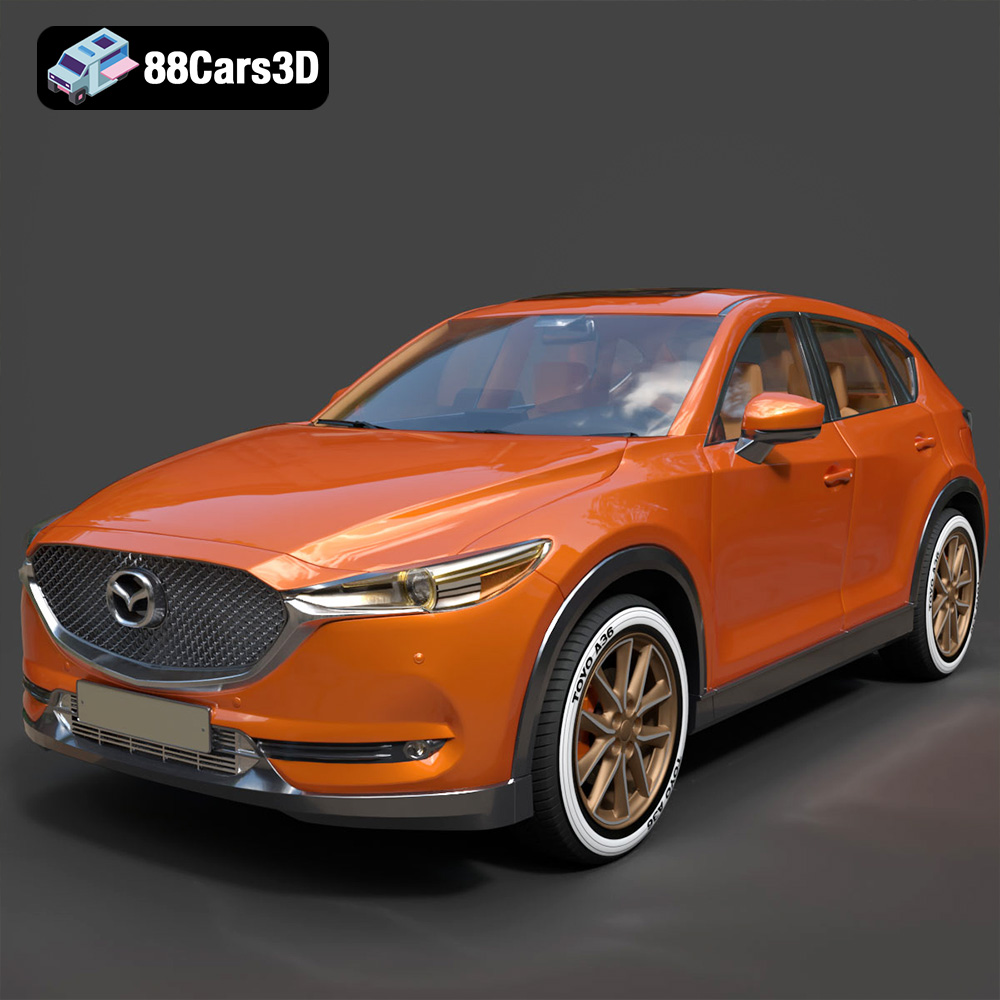
Texture: Yes | Material: Yes
Download the highly optimized Mazda CX-5 2014 3D Model (294k Triangles). Features the dynamic Kodo design language, signature grille, and a clean interior. Perfectly balanced for ArchViz, background traffic, and game development. Includes .blend, .fbx, .obj, .glb, .stl, and .max formats.
Price: $19.99
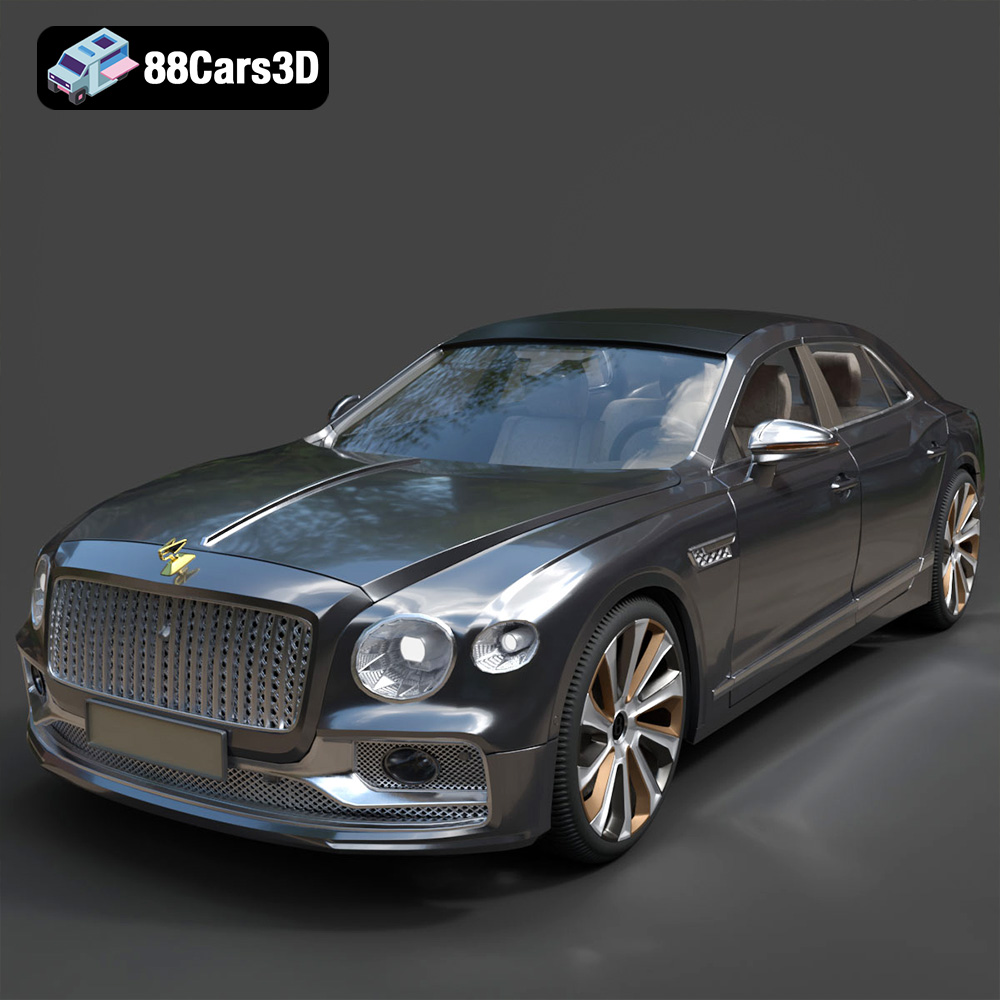
Texture: Yes | Material: Yes Download the ultra-high-detail Bentley Flying Spur Mulliner 2022 3D Model (2.94M Triangles). Features the bespoke Double Diamond grille, a fully modeled diamond-quilted interior, and exquisite luxury styling. Perfect for high-end ArchViz, VFX, and cinematic rendering. Includes .blend, .fbx, .obj, .glb, .stl, and .max formats.
Price: $19.90
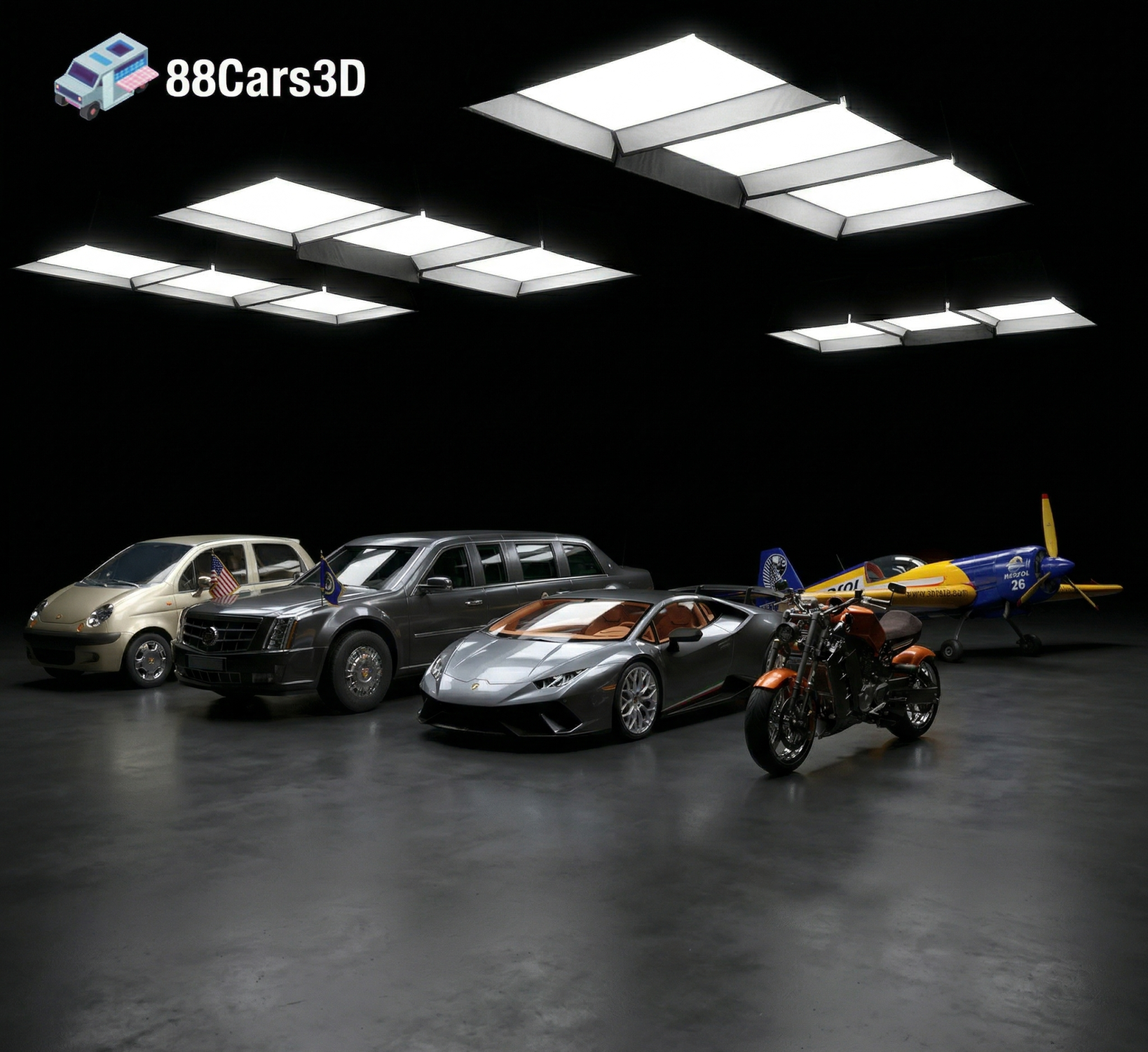
Texture: Yes | Material: Yes | 3D Printable: Yes. Download the Ultimate Creators’ Showcase featuring 5 premium 3D models: Lamborghini Huracan, ZAV Concept Motorcycle, Sukhoi SU-26, Presidential Limousine, and Daewoo Damas. Optimized for 4K CGI rendering and 3D printing. Save massive with this exclusive multi-category bundle!
Price: $99.99

