Get 50% OFF All Premium 3D & STL Models!

“`html
For automotive enthusiasts, model collectors, and 3D printing hobbyists, the ability to create detailed vehicle replicas is a thrilling prospect. The level of realism achievable with modern 3D printing technology is truly remarkable, but selecting the right printer is crucial for capturing the intricate curves, minute details, and overall accuracy of your chosen vehicle. This guide delves into the world of 3D printers best suited for printing detailed car models, exploring both FDM (Fused Deposition Modeling) and resin (Stereolithography) technologies. We’ll cover essential printer settings, slicing techniques, material choices, and post-processing tips to help you achieve professional-quality results. Whether you’re a seasoned 3D printing veteran or just starting your journey, this comprehensive guide will equip you with the knowledge to select the optimal printer and master the art of printing stunning vehicle models. Platforms like 88cars3d.com offer print-ready STL files, making the process even more accessible.
FDM printers are a popular choice for 3D printing due to their affordability, ease of use, and versatility. They work by extruding molten filament layer by layer to build the object. While not typically known for the absolute highest detail, advancements in nozzle sizes, materials, and slicing techniques have significantly improved their ability to produce intricate car models. FDM printers are particularly well-suited for larger scale models and those where functional parts (like axles or suspensions) are desired, allowing for the use of stronger and more durable materials.
One of the most critical factors influencing the detail achievable with an FDM printer is the nozzle size. A smaller nozzle diameter allows for finer layers and more precise deposition of material, resulting in smoother surfaces and sharper edges. While a standard 0.4mm nozzle is suitable for general printing, consider investing in a 0.25mm or even a 0.1mm nozzle for printing detailed vehicle models. Remember that smaller nozzles require slower print speeds and may be more prone to clogging. When printing with a smaller nozzle, reduce your layer height proportionally. For example, with a 0.25mm nozzle, a layer height of 0.1mm to 0.15mm is recommended.
The choice of filament also plays a crucial role in the final quality of your 3D printed car model. PLA (Polylactic Acid) is a biodegradable and easy-to-print material, making it a good starting point. However, it can be brittle and may not be suitable for functional parts. ABS (Acrylonitrile Butadiene Styrene) offers greater strength and heat resistance but is more challenging to print due to its tendency to warp. PETG (Polyethylene Terephthalate Glycol) strikes a good balance between ease of printing and durability, making it a popular choice for car models. Consider experimenting with different filament brands and colors to find the best option for your specific needs. For example, using a carbon fiber infused PLA can give a nice look, but can also wear out nozzles faster.
Resin printers, employing technologies like SLA (Stereolithography) and DLP (Digital Light Processing), excel at producing highly detailed and accurate 3D prints. They utilize a liquid resin that is cured layer by layer by a UV light source. This process allows for significantly finer layer resolutions and smoother surfaces compared to FDM printing, making resin printers the ideal choice for printing intricate vehicle models with complex geometries and minute details. The downside is resin printers typically have a smaller build volume, which can limit the size of the models you can print in one go, and the resin itself can be more expensive than FDM filament.
Layer height is a critical parameter in resin printing, directly affecting the smoothness and detail of the final print. Resin printers are capable of achieving extremely fine layer heights, often down to 0.01mm or even less. For detailed vehicle models, a layer height of 0.02mm to 0.05mm is generally recommended. While lower layer heights result in smoother surfaces, they also significantly increase print time. Experiment with different layer heights to find the optimal balance between detail and print speed. Keep in mind that the resin used can also affect the layer height and print speed.
Support structures are essential for resin printing, as they provide support for overhangs and prevent the model from collapsing during the printing process. However, support removal can sometimes leave blemishes on the surface of the print. To minimize these artifacts, carefully consider the placement and type of support structures. Use thinner support tips and strategically position them in areas that are less visible. Water-soluble resins are often used to print supports to make the process easier. After removing the supports, sanding and polishing can further improve the surface finish. Software like Lychee Slicer and Chitubox have advanced support generation features.
Slicing software is an indispensable tool for preparing 3D models for printing. It converts the 3D model into a series of layers and generates the G-code instructions that the printer follows. The slicing software allows you to control various print parameters, such as layer height, infill density, print speed, and support structures. Proper slicing is essential for achieving optimal print quality and minimizing printing errors. Popular slicing software options include Cura, PrusaSlicer, and Simplify3D for FDM printers, and Chitubox, Lychee Slicer, and Anycubic Photon Workshop for resin printers.
The orientation of the model on the print bed significantly affects the print quality and the amount of support required. For FDM printing, orient the model to minimize overhangs and maximize bed adhesion. For resin printing, angle the model to reduce the cross-sectional area of each layer, which can help prevent warping and improve detail. Experiment with different orientations to find the one that yields the best results. Often angling the model 45 degrees is best.
Infill density refers to the amount of material used to fill the interior of the 3D print. Higher infill densities result in stronger and more durable prints, but they also increase print time and material consumption. For car models that are primarily for display, a low infill density (e.g., 10-20%) is usually sufficient. For functional parts or models that need to withstand stress, a higher infill density (e.g., 50-75%) may be necessary. Experiment with different infill patterns, such as rectilinear, honeycomb, or gyroid, to optimize the strength and weight of your print. The gyroid infill is especially useful for strength.
Post-processing is the final step in the 3D printing process, involving various techniques to improve the appearance and functionality of the printed model. This can include removing support structures, sanding, filling gaps, priming, painting, and assembling multiple parts. Proper post-processing can significantly enhance the quality and realism of your 3D printed car models. When downloading models from marketplaces such as 88cars3d.com, consider the post-processing requirements beforehand.
Sanding and polishing are essential for removing layer lines and achieving smooth surfaces on 3D printed models. Start with coarse sandpaper to remove larger imperfections and gradually move to finer grits to refine the surface. Wet sanding can help prevent the sandpaper from clogging and produce a smoother finish. Polishing compounds can further enhance the surface finish, creating a glossy and professional look. Always wear a mask to avoid inhaling dust particles.
Painting is a crucial step in bringing your 3D printed car model to life. Start by priming the model to create a smooth and uniform surface for the paint to adhere to. Use high-quality acrylic paints or automotive paints to achieve a realistic finish. Apply multiple thin coats of paint, allowing each coat to dry completely before applying the next. Consider using masking techniques to create intricate details and color separations. Applying a clear coat will protect the paint and add a glossy finish.
Even with the best printer and settings, 3D printing can sometimes be challenging. It’s important to be prepared to troubleshoot common issues that may arise during the printing process. Here are some common problems and their solutions:
Warping occurs when the corners of the 3D print lift off the build plate during printing. This is more common with materials like ABS that are prone to shrinking as they cool. To prevent warping, ensure that the build plate is properly leveled and heated. Use a bed adhesive, such as glue stick or hairspray, to improve adhesion. Enclosing the printer can also help maintain a more consistent temperature and reduce warping.
Stringing refers to the formation of thin strands of filament between different parts of the print. This is often caused by excessive retraction distance or temperature. Reduce the retraction distance and temperature to minimize stringing. Ensure that the filament is dry, as moisture can exacerbate the problem. Increase travel speed so the nozzle spends less time moving between sections.
While the “best” printer is subjective and depends on your budget and specific needs, here are a few recommendations based on different categories:
* Best Budget FDM Printer: Ender 3 V3 SE. Known for its affordability and surprisingly good print quality, the Ender 3 V3 SE is a great entry point into 3D printing car models.
* Best High-End FDM Printer: Prusa i3 MK3S+. Renowned for its reliability, accuracy, and open-source design, the Prusa i3 MK3S+ is a top choice for serious hobbyists and professionals.
* Best Budget Resin Printer: Elegoo Mars 4. Affordable and easy to use, the Elegoo Mars 4 delivers impressive detail and resolution for its price.
* Best High-End Resin Printer: Anycubic Photon Mono X 6Ks. Boasting a large build volume, high resolution, and fast printing speeds, the Anycubic Photon Mono X 6Ks is a powerhouse for producing detailed car models.
Selecting the right 3D printer for printing detailed vehicle models is a crucial decision that impacts the final quality and realism of your creations. FDM printers offer a cost-effective and versatile solution for larger scale models and functional parts, while resin printers excel at producing highly detailed and accurate prints. By understanding the key printer settings, slicing techniques, material choices, and post-processing tips outlined in this guide, you can unlock the full potential of your 3D printer and create stunning vehicle replicas. Remember to experiment with different settings and materials to find what works best for your specific printer and model. With dedication and practice, you can master the art of 3D printing detailed car models and bring your automotive dreams to life. Be sure to check out 88cars3d.com for high-quality STL files to get you started on your 3D printing journey.
“`
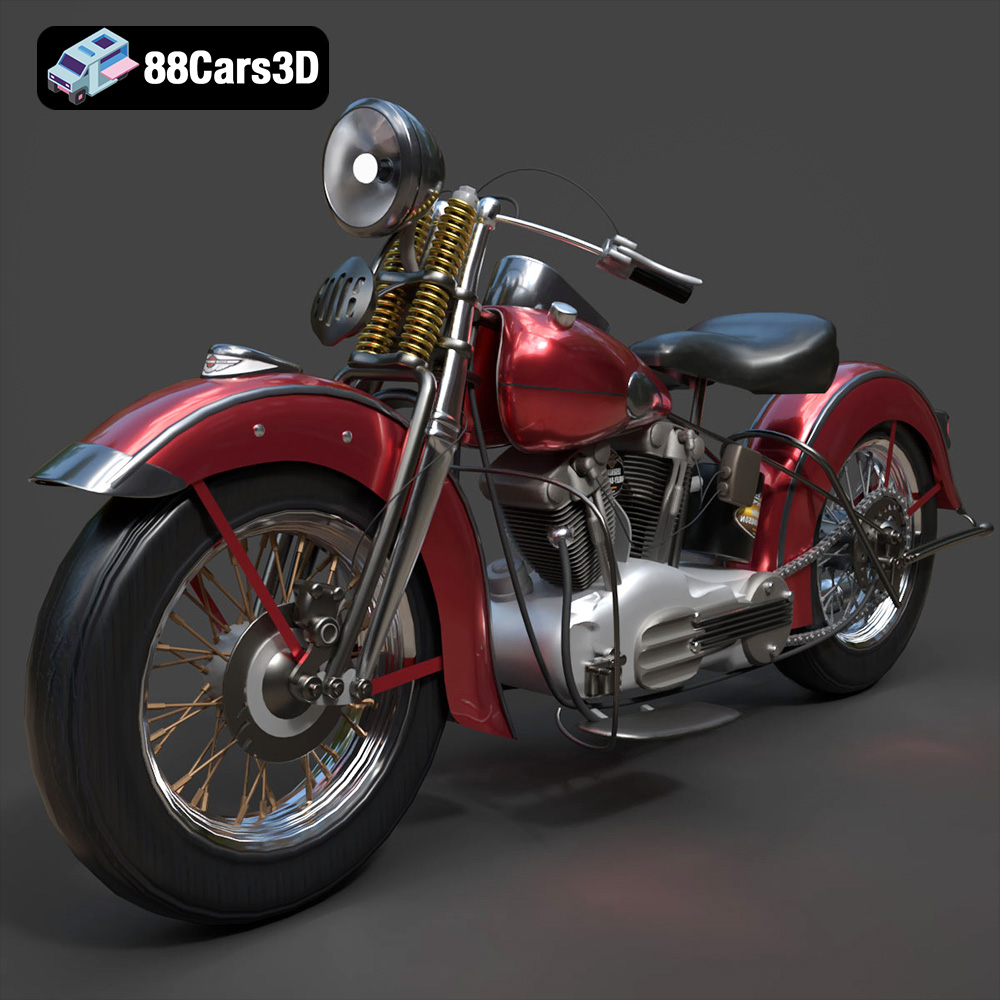
Texture: Yes
Material: Yes
Download the Harley Davidson F 1946 3D Model featuring clean geometry, realistic detailing, and a fully modeled interior. Includes .blend, .fbx, .obj, .glb, .stl, .ply, .unreal, and .max formats for rendering, simulation, and game development.
Price: $19.99
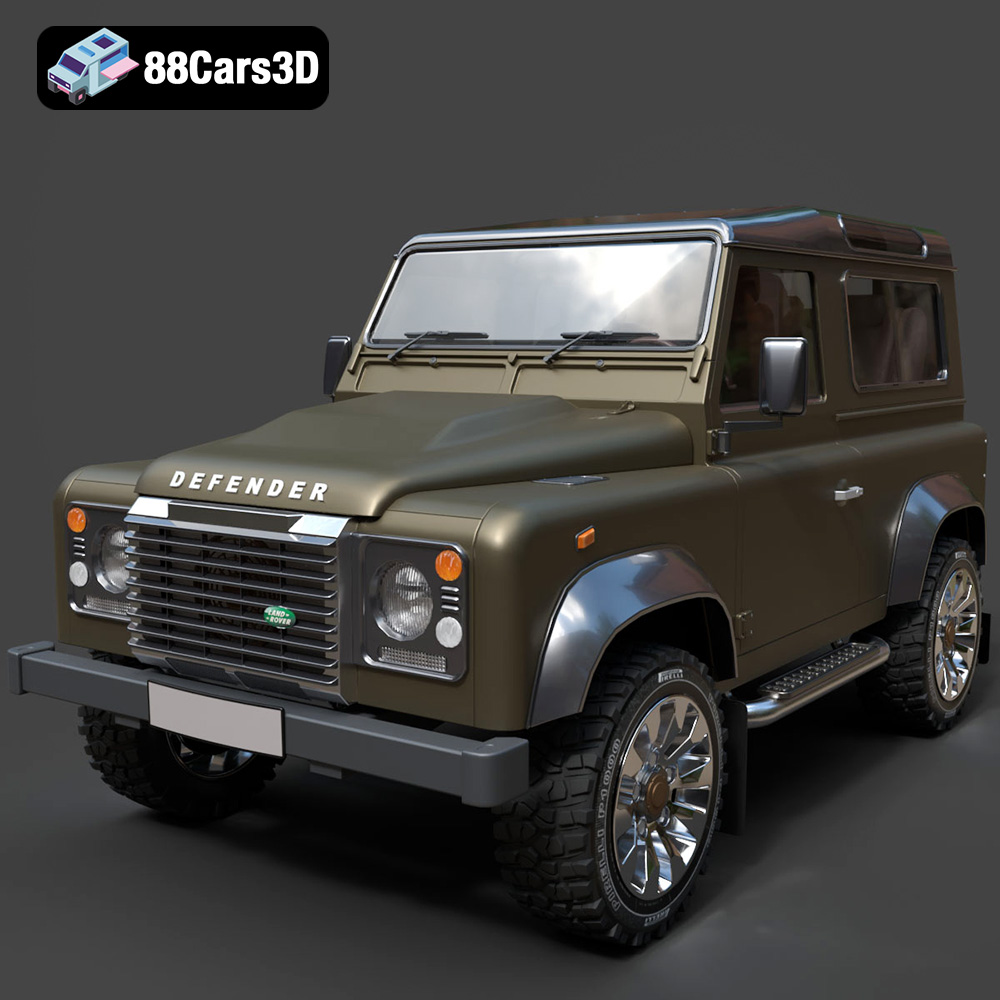
Texture: Yes
Material: Yes
Download the Land Rover Defender Works V8 3D Model featuring clean geometry, realistic detailing, and a fully modeled interior. Includes .blend, .fbx, .obj, .glb, .stl, .ply, .unreal, and .max formats for rendering, simulation, and game development.
Price: $19.99
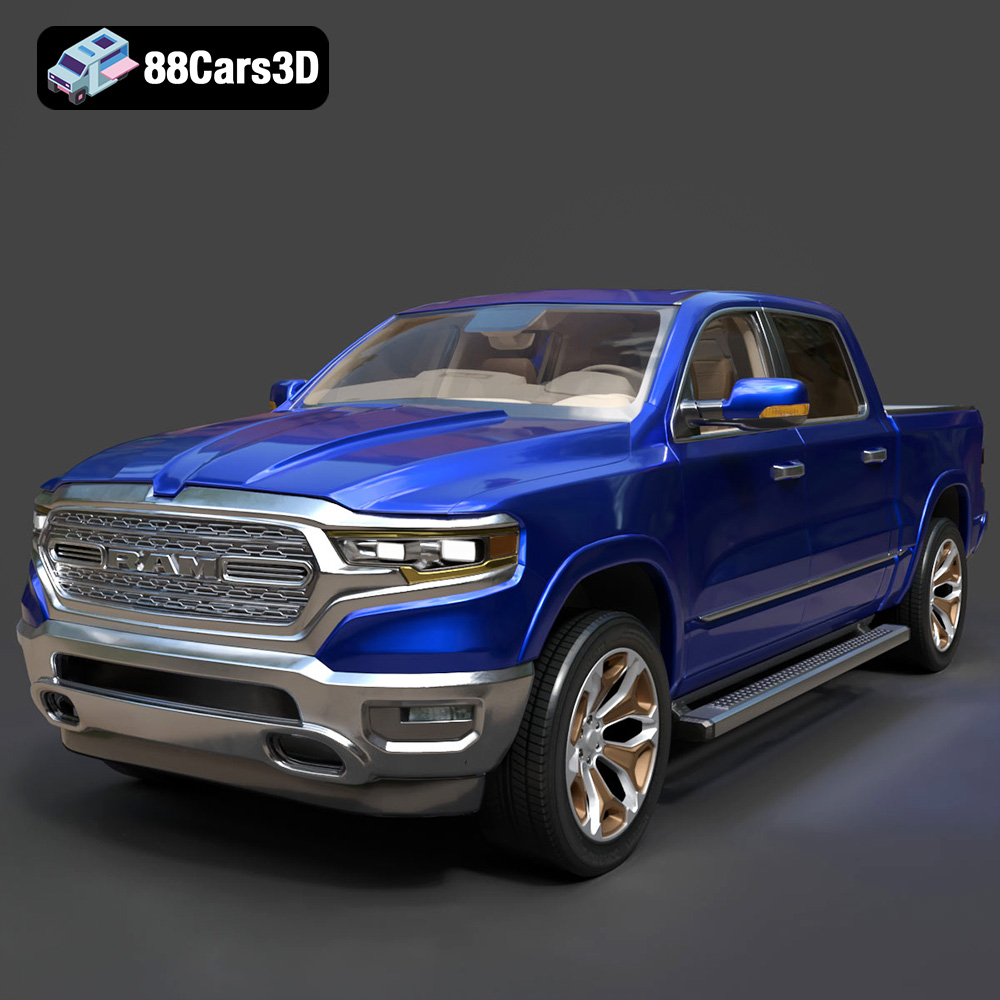
Texture: Yes
Material: Yes
Download the Dodge RAM 2019 3D Model featuring clean geometry, realistic detailing, and a fully modeled interior. Includes .blend, .fbx, .obj, .glb, .stl, .ply, .unreal, and .max formats for rendering, simulation, and game development.
Price: $19.99
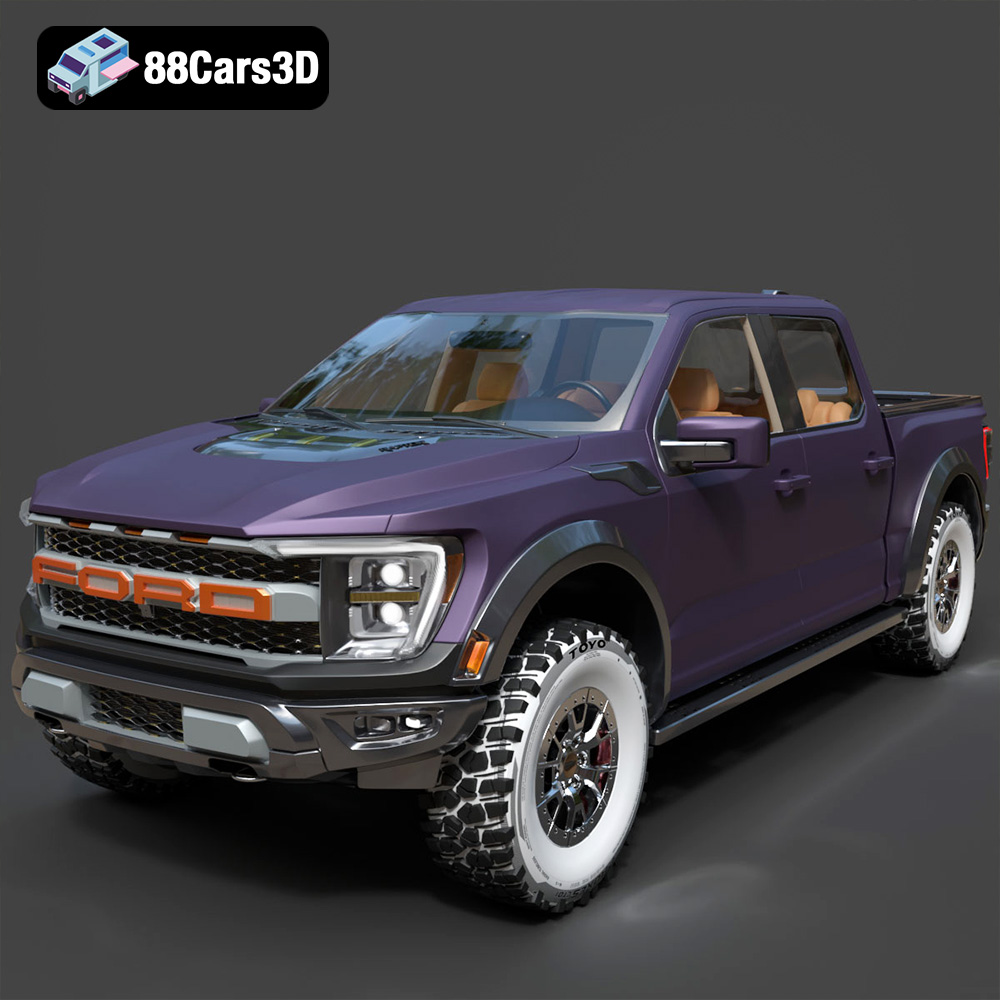
Texture: Yes | Material: Yes Download the ultra-high-detail Ford F-150 Raptor 2021 3D Model (8.73M Triangles). Features uncompromised widebody styling, fully modeled Fox Live Valve suspension, 37-inch tires, and interior. Perfect for premium VFX, cinematic rendering, and ArchViz. Includes .blend, .fbx, .obj, .glb, .stl, and .max formats.
Price: $29.99
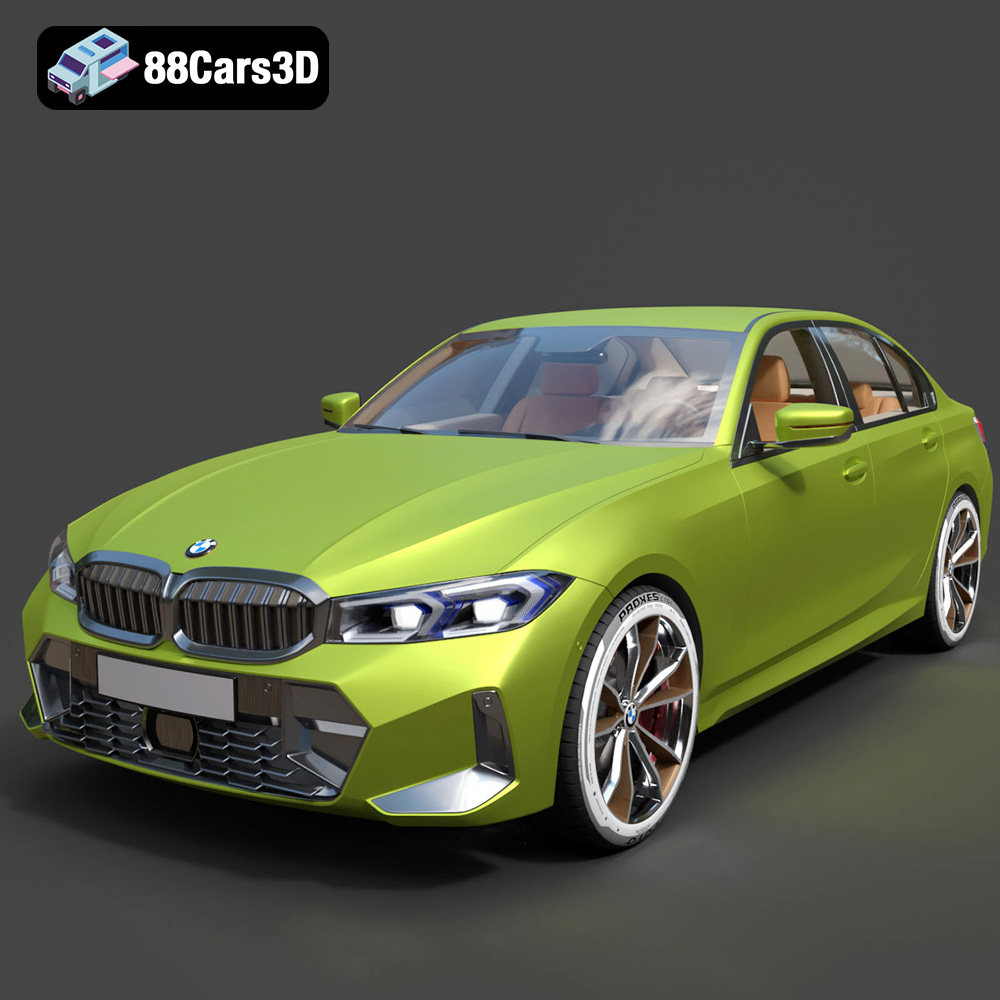
Texture: Yes | Material: Yes Download the ultra-high-detail BMW 3 Series Limousine (2022) 3D Model (4.16M Triangles). Features the modernized G20 LCI exterior, the all-new BMW Curved Display interior, and ultra-dense topology. Perfect for ArchViz, VFX, and cinematic rendering. Includes .blend, .fbx, .obj, .glb, .stl, and .max formats.
Price: $19.99
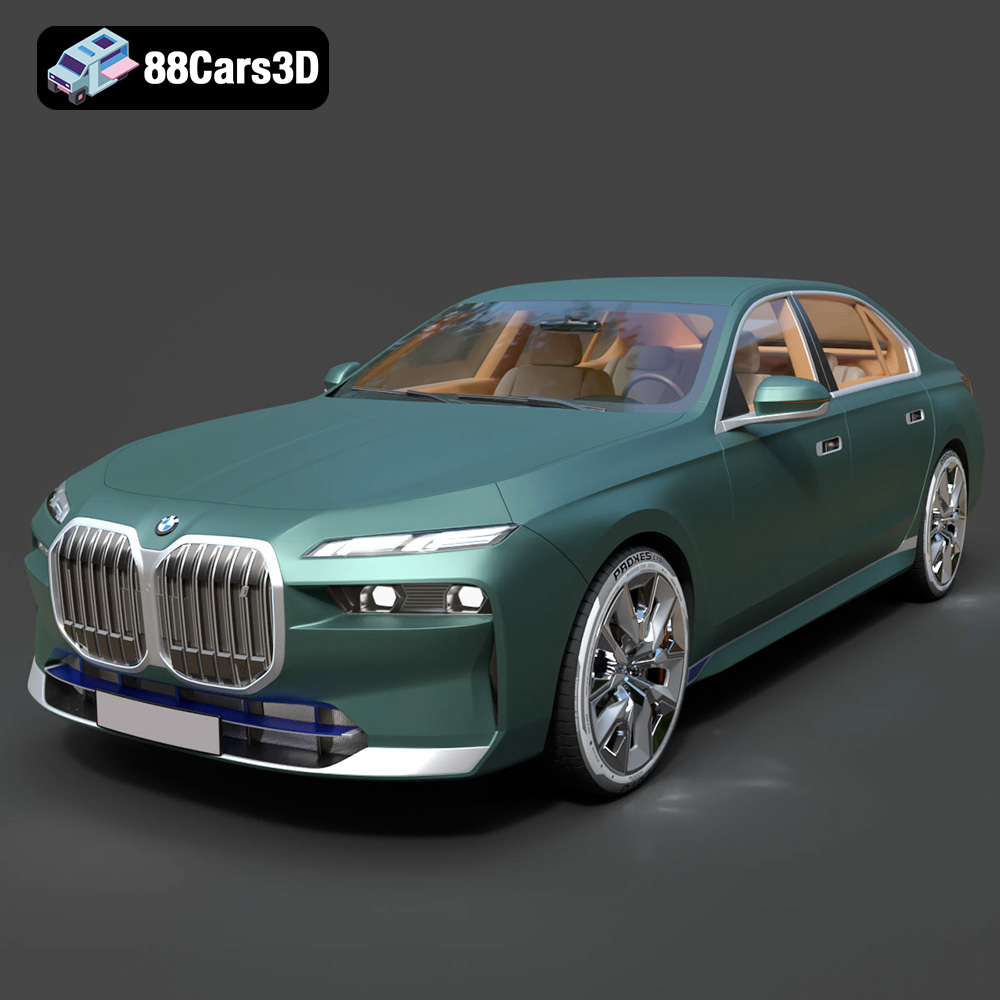
Texture: Yes | Material: Yes Download the ultra-high-detail BMW i7 (2023) 3D Model (4.14M Triangles). Features the illuminated kidney grille, split crystal headlights, fully modeled Theatre Screen interior, and monolithic luxury styling. Perfect for ArchViz, VFX, and cinematic rendering. Includes .blend, .fbx, .obj, .glb, .stl, and .max formats.
Price: $19.99
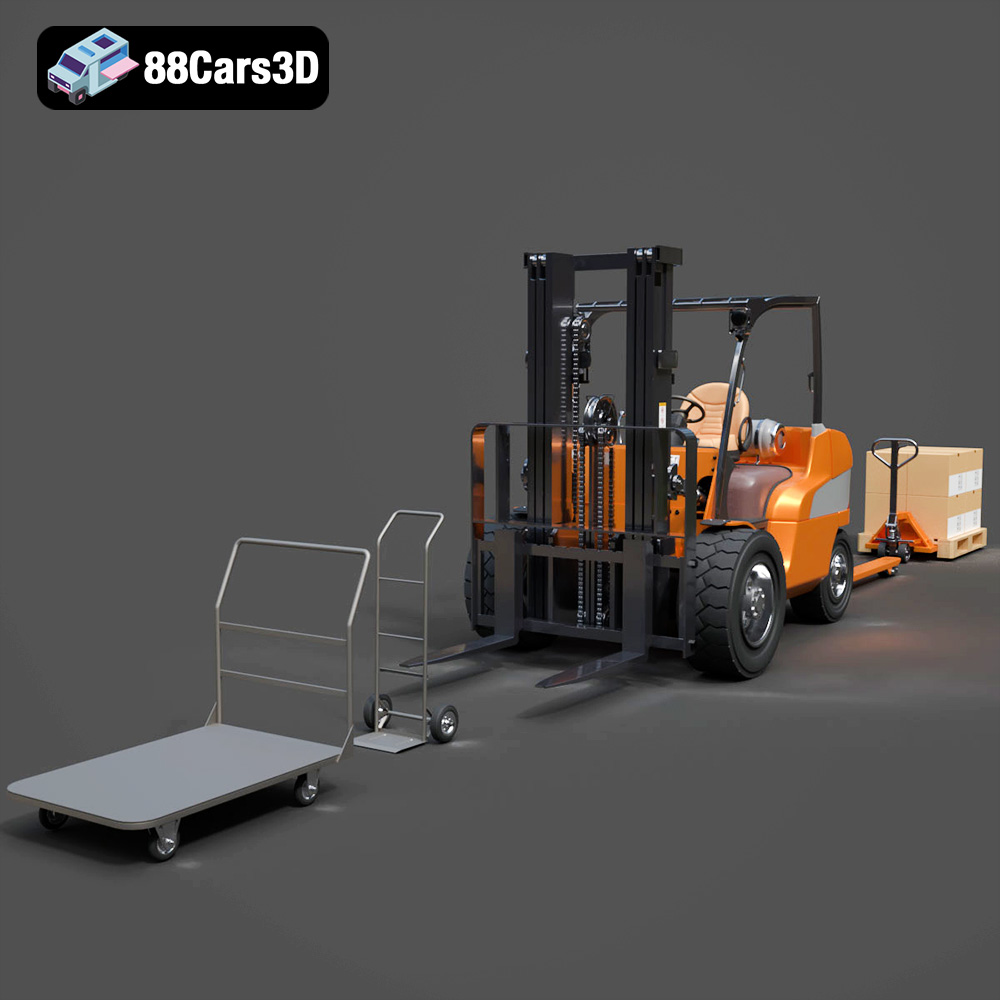
Texture: Yes | Material: Yes Download the highly detailed CAT Manual Loader & Warehouse Carts Kit 3D Model (2.4M Triangles). Features a macro-detailed hydraulic pallet jack, heavy-duty forks, and transport carts. Perfect for industrial ArchViz, factory rendering, and logistics simulations. Includes .blend, .fbx, .obj, .glb, .stl, and .max formats.
Price: $19.99
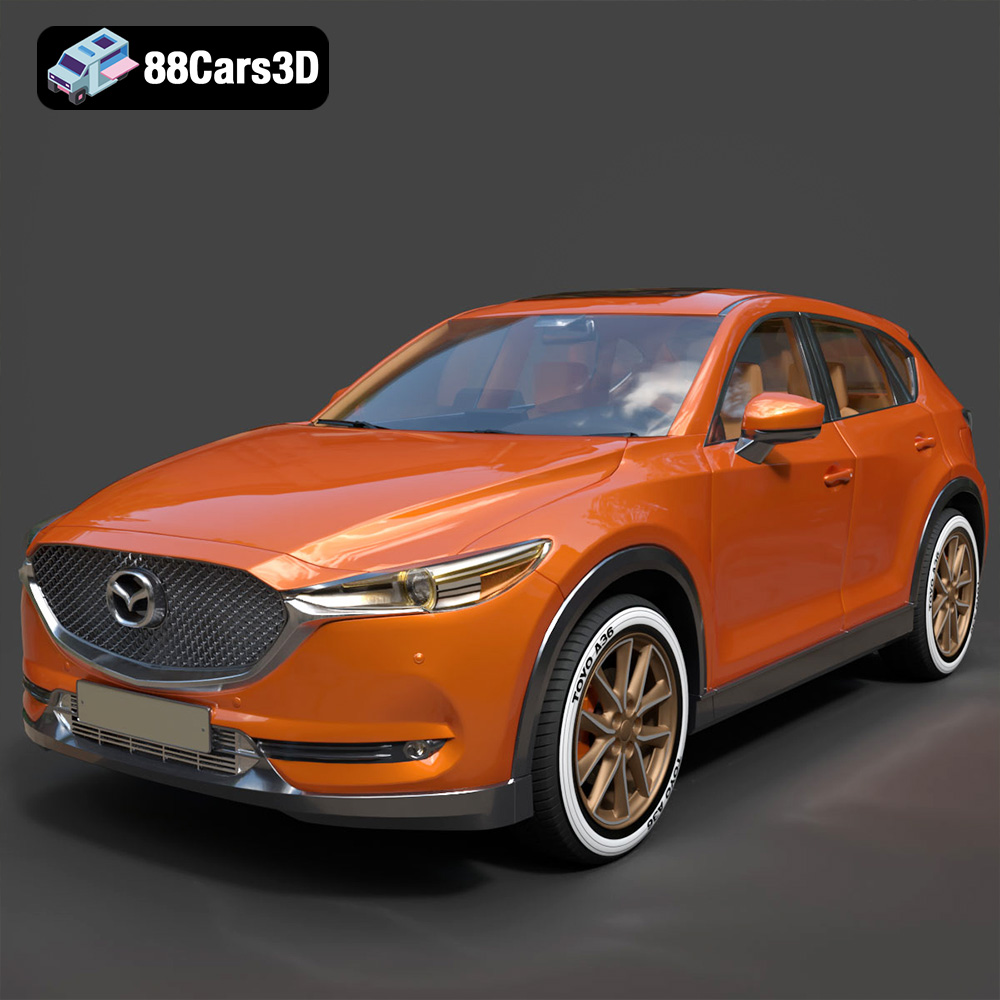
Texture: Yes | Material: Yes
Download the highly optimized Mazda CX-5 2014 3D Model (294k Triangles). Features the dynamic Kodo design language, signature grille, and a clean interior. Perfectly balanced for ArchViz, background traffic, and game development. Includes .blend, .fbx, .obj, .glb, .stl, and .max formats.
Price: $19.99
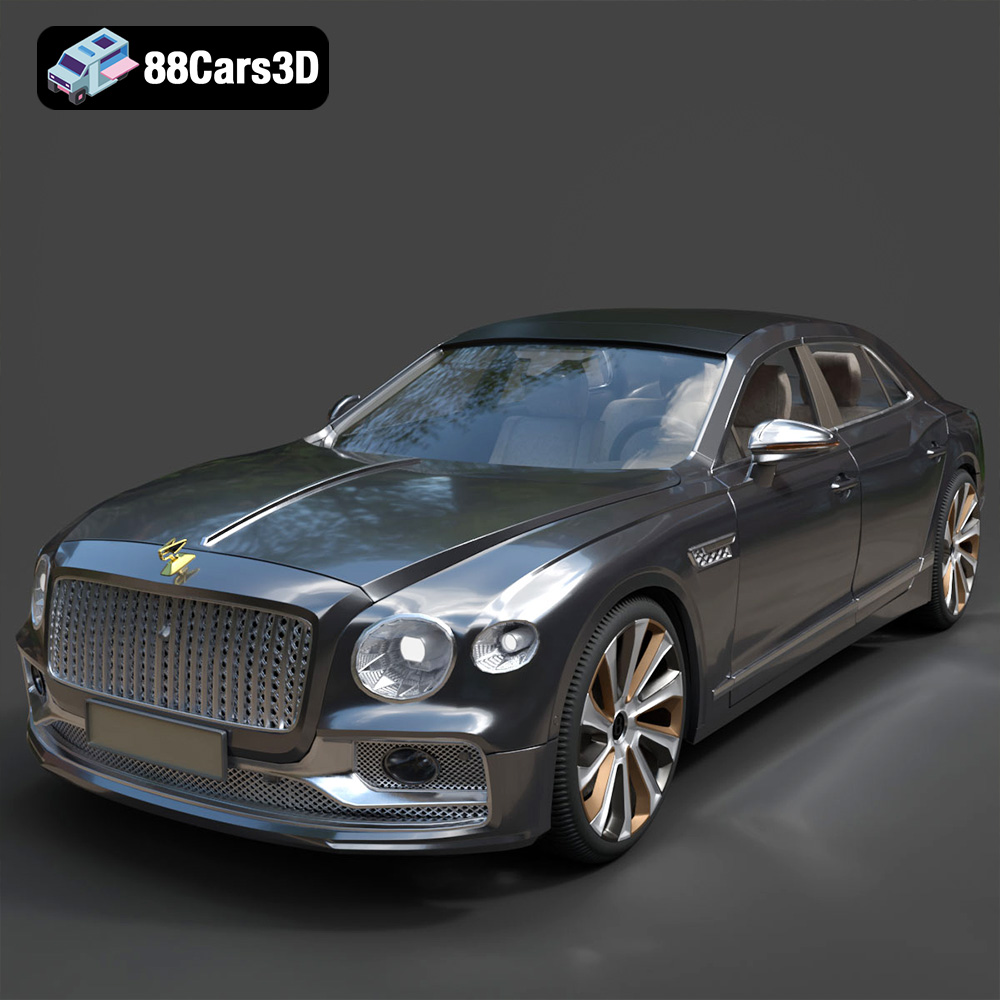
Texture: Yes | Material: Yes Download the ultra-high-detail Bentley Flying Spur Mulliner 2022 3D Model (2.94M Triangles). Features the bespoke Double Diamond grille, a fully modeled diamond-quilted interior, and exquisite luxury styling. Perfect for high-end ArchViz, VFX, and cinematic rendering. Includes .blend, .fbx, .obj, .glb, .stl, and .max formats.
Price: $19.90
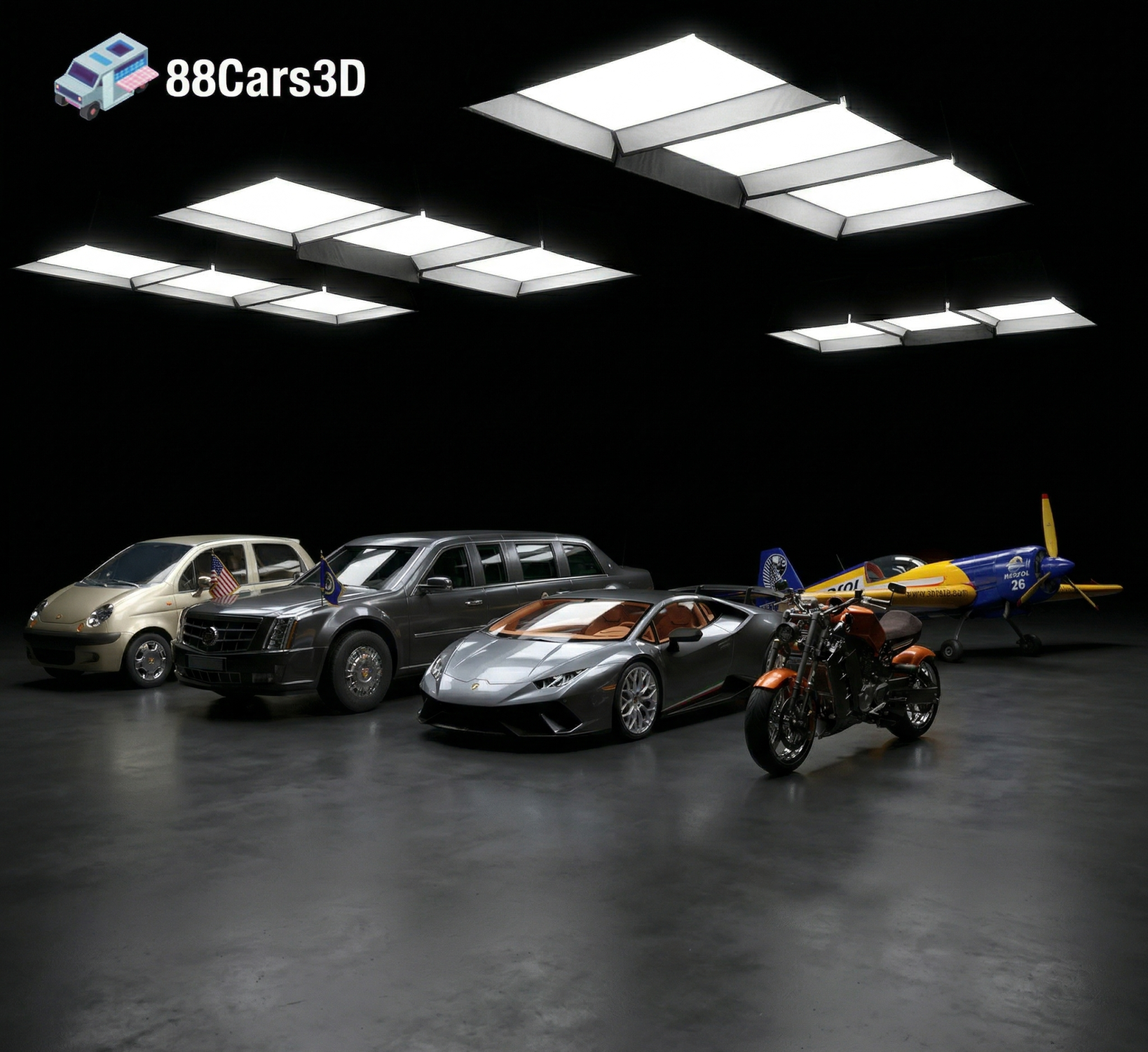
Texture: Yes | Material: Yes | 3D Printable: Yes. Download the Ultimate Creators’ Showcase featuring 5 premium 3D models: Lamborghini Huracan, ZAV Concept Motorcycle, Sukhoi SU-26, Presidential Limousine, and Daewoo Damas. Optimized for 4K CGI rendering and 3D printing. Save massive with this exclusive multi-category bundle!
Price: $99.99

