Get 50% OFF All Premium 3D & STL Models!

“`html
Creating expansive, detailed open worlds in Unreal Engine can be a daunting task. The sheer scale of these environments, coupled with the need for high fidelity and optimized performance, presents significant challenges. Fortunately, Unreal Engine offers a powerful solution: World Partition. This system is designed to efficiently manage and stream massive worlds, enabling developers to create breathtaking automotive visualizations and interactive experiences without sacrificing performance. In this comprehensive guide, we’ll explore the ins and outs of World Partition, from its fundamental principles to advanced optimization techniques, ensuring you can harness its full potential for your Unreal Engine projects. Whether you’re building a virtual proving ground, an interactive car configurator, or a cinematic showcase, understanding World Partition is crucial for success. We’ll cover everything from setting up your project to optimizing high-poly 3D car models, ensuring smooth real-time performance even in the most demanding scenarios. By the end of this article, you’ll have the knowledge and skills to confidently tackle large-scale world creation in Unreal Engine.
World Partition fundamentally changes how Unreal Engine handles level data. Instead of loading an entire level into memory at once, it divides the world into smaller, manageable units called cells. These cells are streamed in and out as the player moves around the world, allowing for a much larger overall world size without overwhelming system resources. This approach is essential for projects such as automotive visualization, where the scale of the environment often mirrors real-world locations like test tracks or cityscapes.
At the heart of World Partition are Cells. These are spatial divisions of your world, akin to tiles in a map. Think of your entire game world as a vast grid, and each cell represents a small section of that grid. The size and distribution of these cells are crucial for performance; smaller cells provide finer-grained streaming but can increase overhead, while larger cells reduce overhead but might load unnecessary content. Data Layers add another layer of control. They allow you to group actors and objects within a cell and control their visibility and loading independently. For example, you might have a “Traffic” data layer that contains all the AI-controlled vehicles in your scene. By toggling this data layer, you can easily enable or disable traffic simulation without affecting other elements of the world.
HLOD plays a crucial role in optimizing rendering performance in World Partition. It automatically generates simplified versions of distant objects, reducing the polygon count and draw calls. This is especially important when visualizing complex 3D car models. As the player moves further away from a car, the engine seamlessly switches to a lower-detail HLOD representation, preserving visual quality while minimizing performance impact. Carefully configuring HLOD settings, such as the transition distances and the complexity of the simplified meshes, is key to achieving a balance between visual fidelity and performance. See Unreal Engine’s official documentation on HLODs: https://dev.epicgames.com/community/unreal-engine/learning.
Before diving into the details, you need to configure your Unreal Engine project to use World Partition. This involves creating a new level and enabling the necessary settings. This initial setup is critical for ensuring that the system functions correctly and that your content is properly organized for efficient streaming. Using high-quality assets from platforms like 88cars3d.com can ensure a visually impressive result from the outset.
To create a new World Partition level, go to File > New Level and select the Empty Open World template. This template automatically sets up the basic World Partition configuration. You can also convert an existing level to use World Partition by right-clicking on the level in the Content Browser and selecting Convert to World Partition. However, this process can be time-consuming and may require manual adjustments to ensure optimal performance.
Navigate to World Settings (Window > World Settings) to access the World Partition settings. Here, you can configure various parameters that control how the world is divided and streamed. Key settings include:
Experiment with these settings to find the optimal balance between performance and visual quality for your specific project. Consider the size of your 3D car models and the scale of your environment when making these adjustments.
Importing high-quality 3D car models into your World Partition level requires careful consideration of optimization techniques. Models sourced from platforms such as 88cars3d.com often come with detailed meshes and high-resolution textures. While this fidelity is desirable for visual quality, it can also negatively impact performance if not properly managed. Optimizing these models is crucial for ensuring smooth real-time rendering.
Before importing your 3D car model, consider reducing its polygon count in a 3D modeling software like Blender or Maya. High polygon counts can significantly impact performance, especially when multiple cars are visible in the scene. Generate multiple LODs (Level of Detail) for each car model. LODs are simplified versions of the model that are displayed when the car is further away from the camera. Unreal Engine can automatically switch between LODs based on distance, reducing the rendering load without sacrificing visual quality. As mentioned earlier, HLODs are an automated solution for this.
High-resolution textures can also contribute to performance issues. Optimize your textures by reducing their resolution and using appropriate compression settings. Unreal Engine supports various texture compression formats, such as DXT and ASTC. Experiment with different formats to find the best balance between visual quality and file size. Consider using texture streaming to load only the necessary texture mipmaps, further reducing memory usage. When sourcing automotive assets from marketplaces such as 88cars3d.com, check that models are already optimized with appropriate texture sizes and compression settings.
Physically Based Rendering (PBR) is essential for creating realistic materials in Unreal Engine. PBR materials accurately simulate how light interacts with surfaces, resulting in more believable and visually appealing results. The Material Editor in Unreal Engine provides a powerful node-based interface for creating complex PBR materials for your 3D car models.
The core components of a PBR material are Base Color, Roughness, and Metallic. Base Color defines the fundamental color of the surface. Roughness controls how smooth or rough the surface is, affecting how light is reflected. Metallic determines whether the surface is metallic or non-metallic. For car paint, you would typically use a relatively smooth (low roughness) and non-metallic material. For chrome parts, you would use a high metallic value and a very low roughness value. Use texture maps for variation and realism. For example, a subtle roughness map can simulate imperfections in the paint.
Normal Maps add surface detail without increasing the polygon count. They simulate bumps and ridges on the surface, enhancing the visual realism of the material. Ambient Occlusion (AO) maps simulate the shadowing that occurs in crevices and corners, adding depth and detail to the material. These maps are crucial for creating realistic automotive materials. For example, a normal map can simulate the subtle texture of car paint, while an AO map can darken the areas around panel gaps and edges. Remember to properly set the tangent space of your meshes for accurate normal map rendering. Refer to Unreal Engine’s documentation for proper tangent space calculations.
Lighting plays a critical role in automotive visualization. It can dramatically affect the appearance of your 3D car models and the overall realism of your scene. Unreal Engine offers a range of lighting options, including the new Lumen global illumination and reflections system, as well as traditional lighting techniques like static and dynamic lights.
Lumen is Unreal Engine’s fully dynamic global illumination and reflections system. It allows for realistic lighting and reflections without the need for precomputed lightmaps. This is especially beneficial for open-world environments where lighting conditions can change dynamically. Lumen can handle complex lighting scenarios, such as sunlight bouncing off car surfaces and reflecting onto nearby objects. However, Lumen can be computationally expensive, especially at high settings. Experiment with different Lumen settings to find the best balance between visual quality and performance. Note that hardware ray tracing offers even higher visual fidelity but comes with a greater performance cost.
In addition to Lumen, you can also use traditional lighting techniques like Static Lights and Dynamic Lights. Static lights are precomputed and stored in lightmaps, offering excellent performance but limited flexibility. Dynamic lights are computed in real-time, allowing for dynamic lighting effects but at a higher performance cost. Consider using a combination of static and dynamic lights to achieve the desired lighting effects while maintaining good performance. For example, you might use static lights for ambient lighting and dynamic lights for headlights and brake lights.
Blueprint visual scripting allows you to create interactive automotive experiences without writing code. With Blueprint, you can define the behavior of your 3D car models and create interactive elements such as car configurators, interactive demos, and virtual showrooms. World Partition plays a critical role in these scenarios by ensuring that only the relevant parts of the world are loaded, maintaining performance even with complex interactive elements.
Using Blueprint, you can create a car configurator that allows users to customize various aspects of a 3D car model, such as paint color, wheel type, and interior trim. You can use widgets to create a user interface for the configurator. The user interface elements will then trigger events in the Blueprint graph that change material parameters or swap out static meshes. This allows users to visually customize cars sourced from platforms like 88cars3d.com.
Blueprint can also be used to create interactive demos and virtual showrooms. For example, you could create a demo that allows users to explore the features of a car, such as its engine, suspension, and interior. You could also create a virtual showroom that allows users to walk around and inspect a 3D car model in a realistic environment. World Partition ensures that the virtual showroom is streamed efficiently, maintaining performance even with high-poly car models and detailed environments.
Optimizing performance is crucial for creating smooth and responsive automotive visualizations in Unreal Engine. World Partition provides several built-in optimization features, but you can also implement additional strategies to further improve performance. These include LOD management, distance field occlusion, and careful use of post-processing effects.
Adjust the LOD Bias and Cull Distances for your 3D car models to fine-tune their level of detail based on distance. A higher LOD Bias will cause the engine to switch to lower-detail LODs earlier, reducing the rendering load. Cull Distances allow you to completely hide objects that are far away from the camera. Experiment with these settings to find the optimal balance between visual quality and performance. Be mindful of popping (sudden changes in LOD) and adjust the LOD transition distances accordingly.
Distance Field Occlusion (DFO) can improve performance by occluding objects that are hidden behind other objects. DFO uses a distance field representation of the scene to determine which objects are visible to the camera. This can significantly reduce the number of draw calls, especially in complex environments. Limit the use of expensive Post-Processing Effects, such as bloom, depth of field, and motion blur. These effects can significantly impact performance, especially at high settings. Use them sparingly and optimize their settings to minimize their performance impact. Consider using alternative techniques, such as screen-space reflections, to achieve similar visual effects with lower performance costs.
World Partition is an indispensable tool for creating massive open worlds in Unreal Engine, enabling stunning automotive visualizations and interactive experiences. By understanding its core concepts, such as cells, data layers, and HLODs, and implementing effective optimization strategies, you can create vast and detailed environments without sacrificing performance. From setting up your project to optimizing 3D car models and creating realistic materials, the techniques outlined in this guide will empower you to leverage the full potential of World Partition.
Take the time to experiment with different World Partition settings and optimization techniques to find what works best for your specific project. Consider using high-quality, optimized 3D car models from resources like 88cars3d.com to ensure a visually impressive and performant result. By mastering World Partition, you can unlock new possibilities for automotive visualization and create immersive experiences that were previously impossible. Start experimenting with these techniques today, and elevate your Unreal Engine projects to the next level.
“`
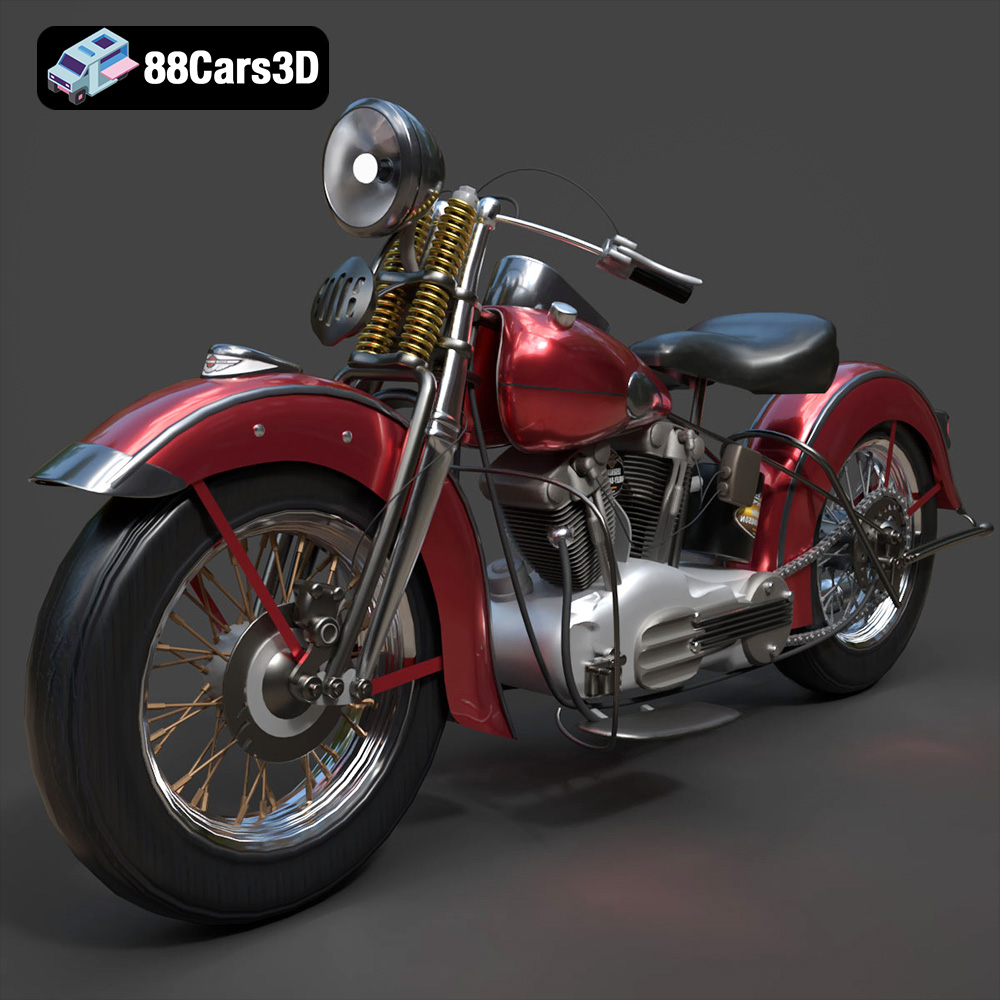
Texture: Yes
Material: Yes
Download the Harley Davidson F 1946 3D Model featuring clean geometry, realistic detailing, and a fully modeled interior. Includes .blend, .fbx, .obj, .glb, .stl, .ply, .unreal, and .max formats for rendering, simulation, and game development.
Price: $19.99
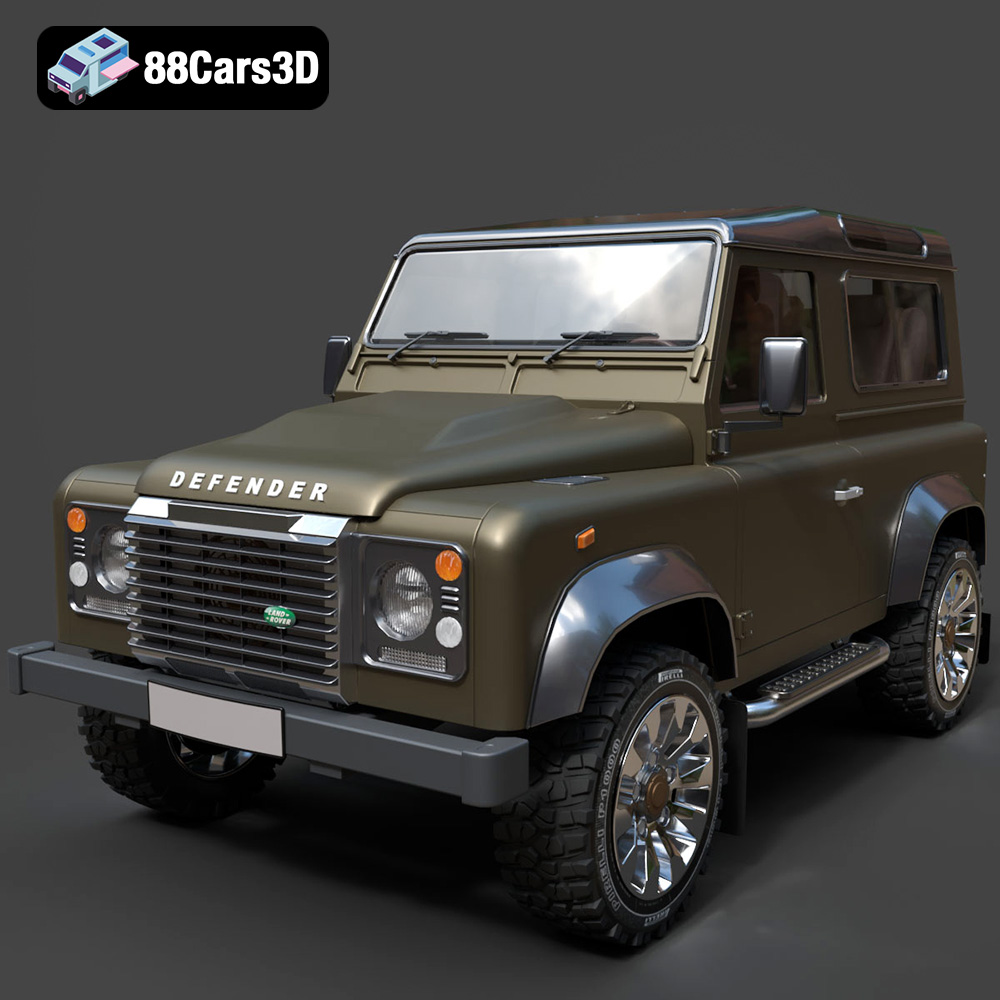
Texture: Yes
Material: Yes
Download the Land Rover Defender Works V8 3D Model featuring clean geometry, realistic detailing, and a fully modeled interior. Includes .blend, .fbx, .obj, .glb, .stl, .ply, .unreal, and .max formats for rendering, simulation, and game development.
Price: $19.99
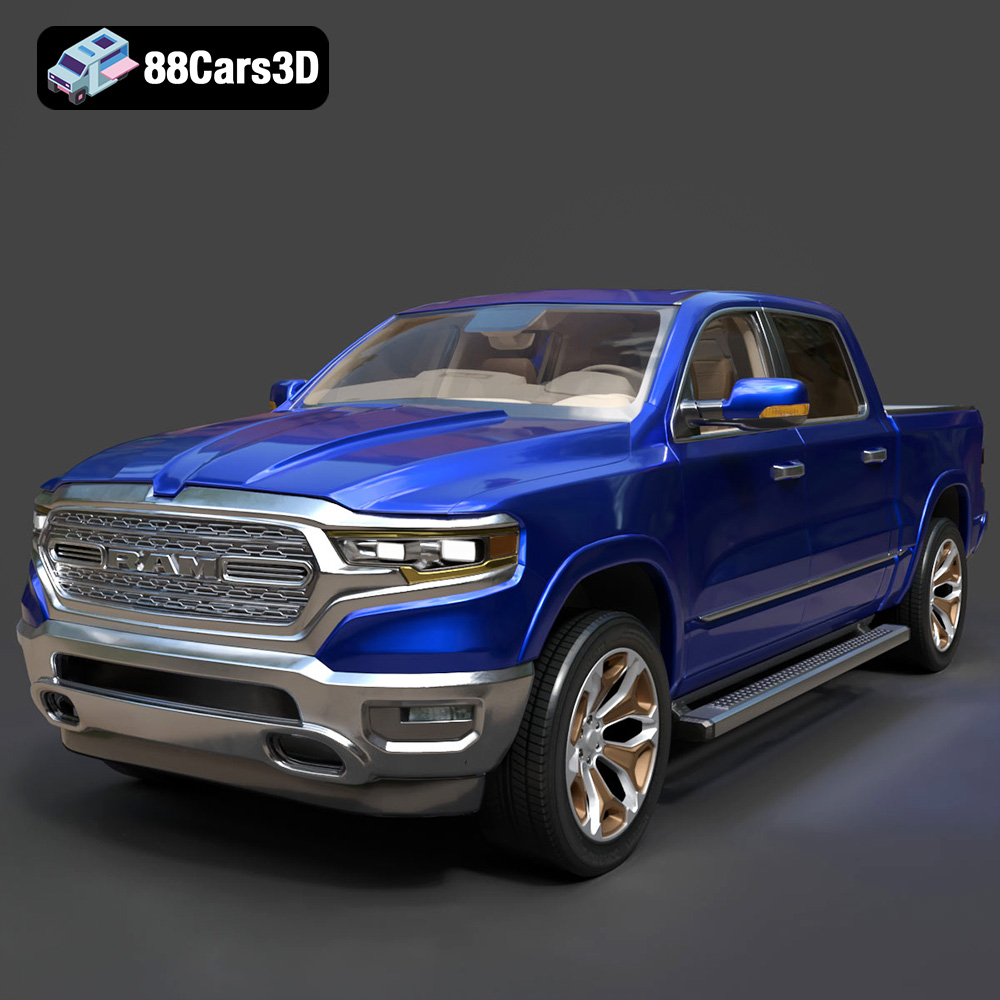
Texture: Yes
Material: Yes
Download the Dodge RAM 2019 3D Model featuring clean geometry, realistic detailing, and a fully modeled interior. Includes .blend, .fbx, .obj, .glb, .stl, .ply, .unreal, and .max formats for rendering, simulation, and game development.
Price: $19.99
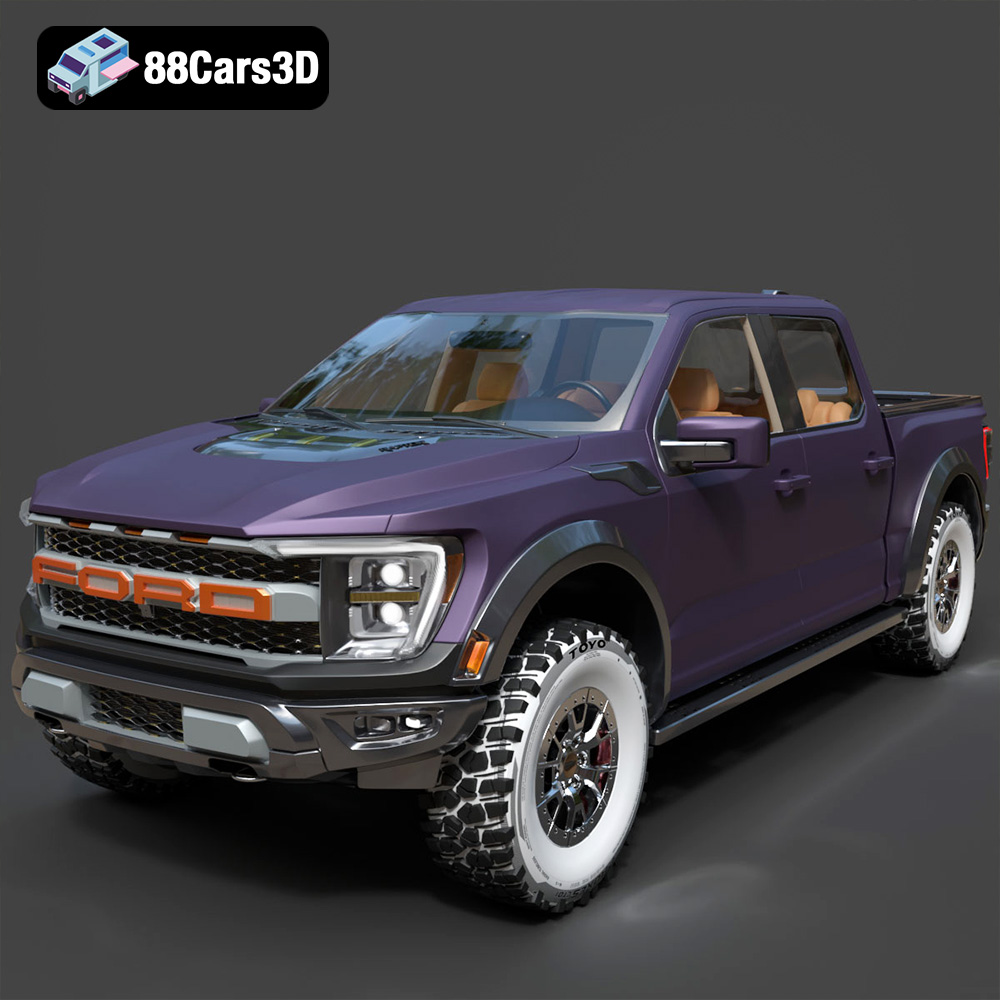
Texture: Yes | Material: Yes Download the ultra-high-detail Ford F-150 Raptor 2021 3D Model (8.73M Triangles). Features uncompromised widebody styling, fully modeled Fox Live Valve suspension, 37-inch tires, and interior. Perfect for premium VFX, cinematic rendering, and ArchViz. Includes .blend, .fbx, .obj, .glb, .stl, and .max formats.
Price: $29.99
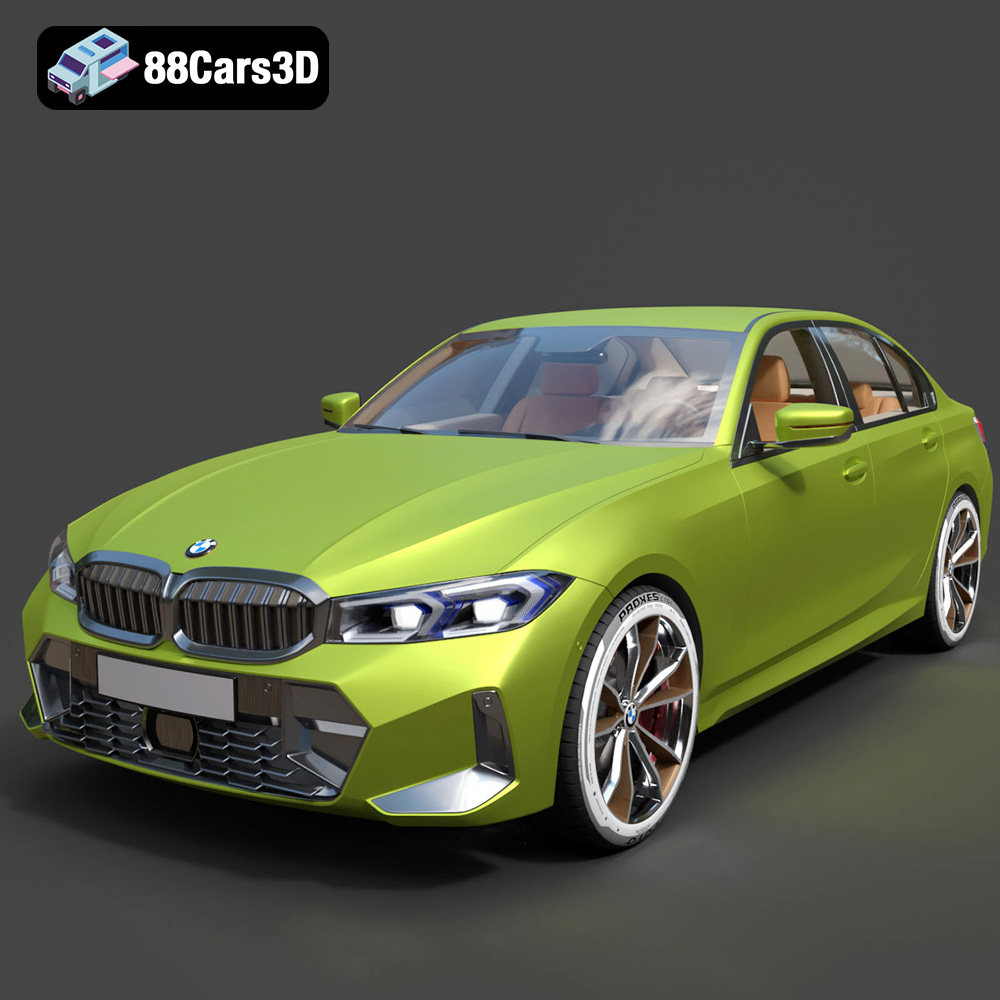
Texture: Yes | Material: Yes Download the ultra-high-detail BMW 3 Series Limousine (2022) 3D Model (4.16M Triangles). Features the modernized G20 LCI exterior, the all-new BMW Curved Display interior, and ultra-dense topology. Perfect for ArchViz, VFX, and cinematic rendering. Includes .blend, .fbx, .obj, .glb, .stl, and .max formats.
Price: $19.99
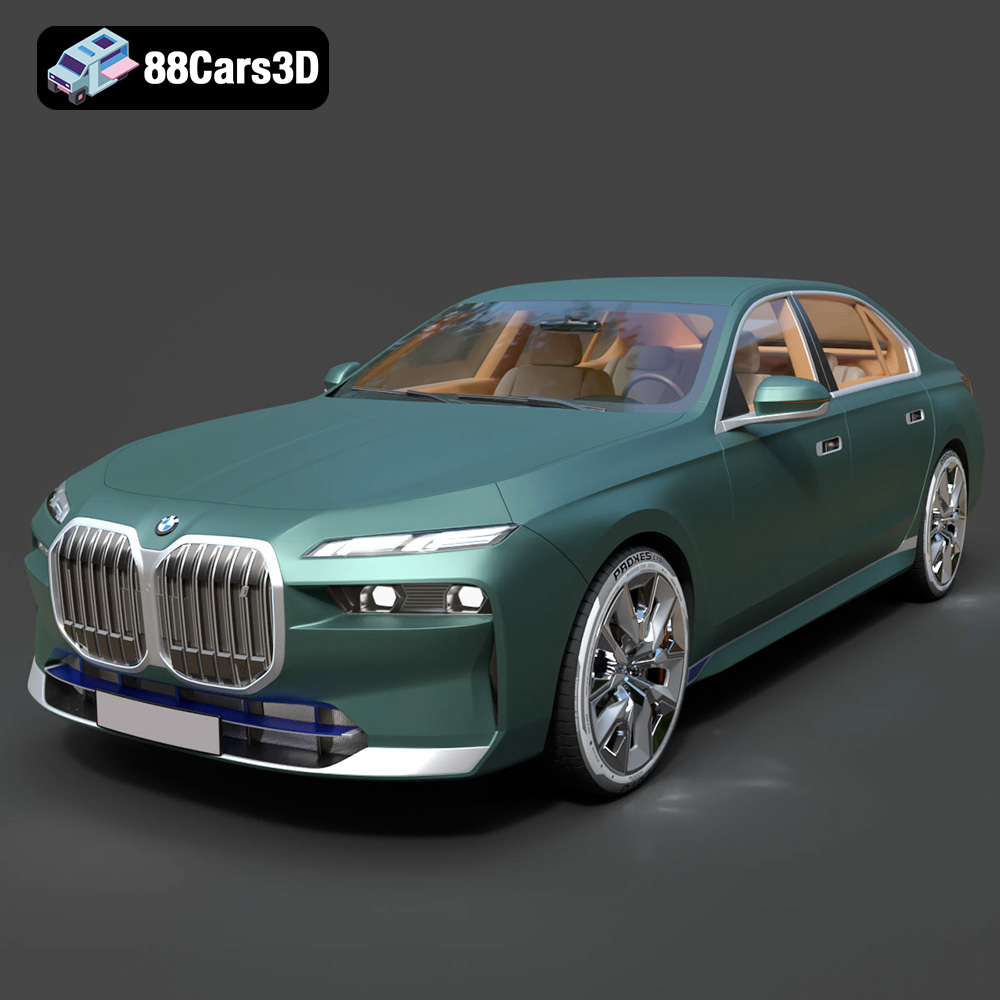
Texture: Yes | Material: Yes Download the ultra-high-detail BMW i7 (2023) 3D Model (4.14M Triangles). Features the illuminated kidney grille, split crystal headlights, fully modeled Theatre Screen interior, and monolithic luxury styling. Perfect for ArchViz, VFX, and cinematic rendering. Includes .blend, .fbx, .obj, .glb, .stl, and .max formats.
Price: $19.99
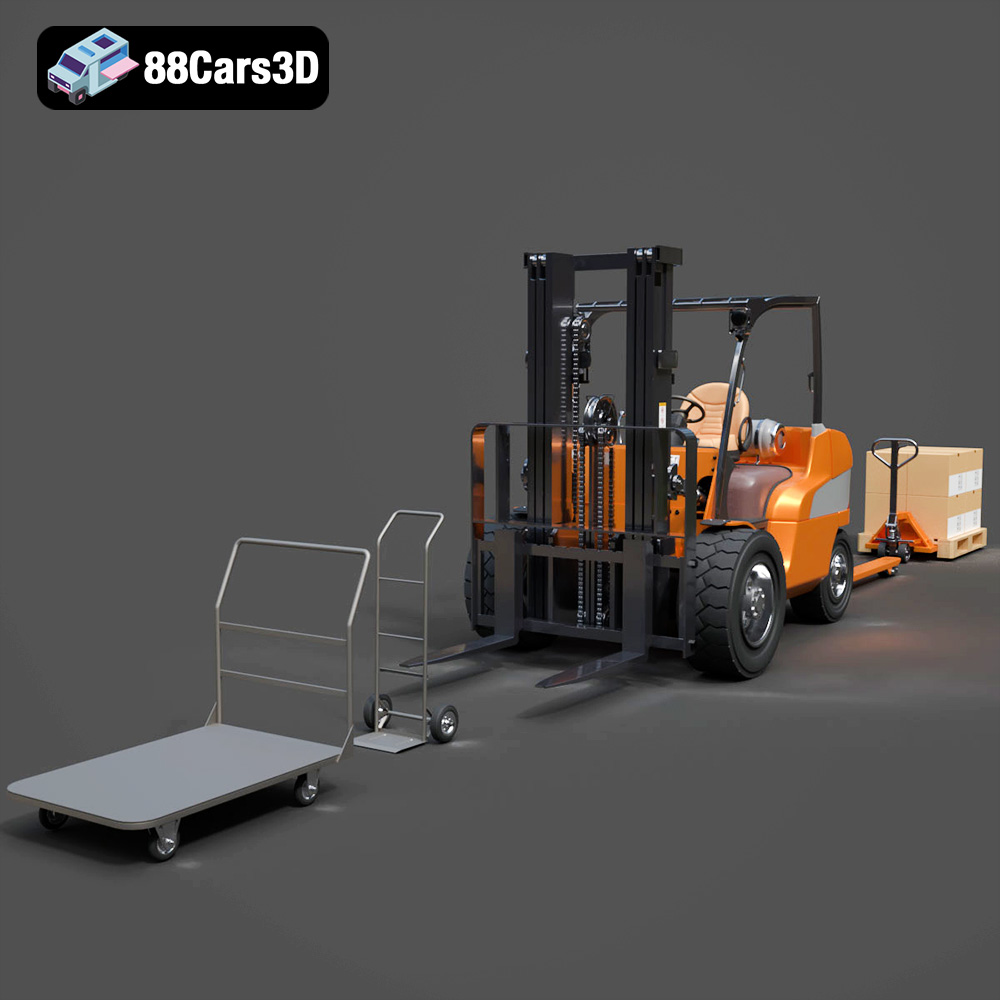
Texture: Yes | Material: Yes Download the highly detailed CAT Manual Loader & Warehouse Carts Kit 3D Model (2.4M Triangles). Features a macro-detailed hydraulic pallet jack, heavy-duty forks, and transport carts. Perfect for industrial ArchViz, factory rendering, and logistics simulations. Includes .blend, .fbx, .obj, .glb, .stl, and .max formats.
Price: $19.99
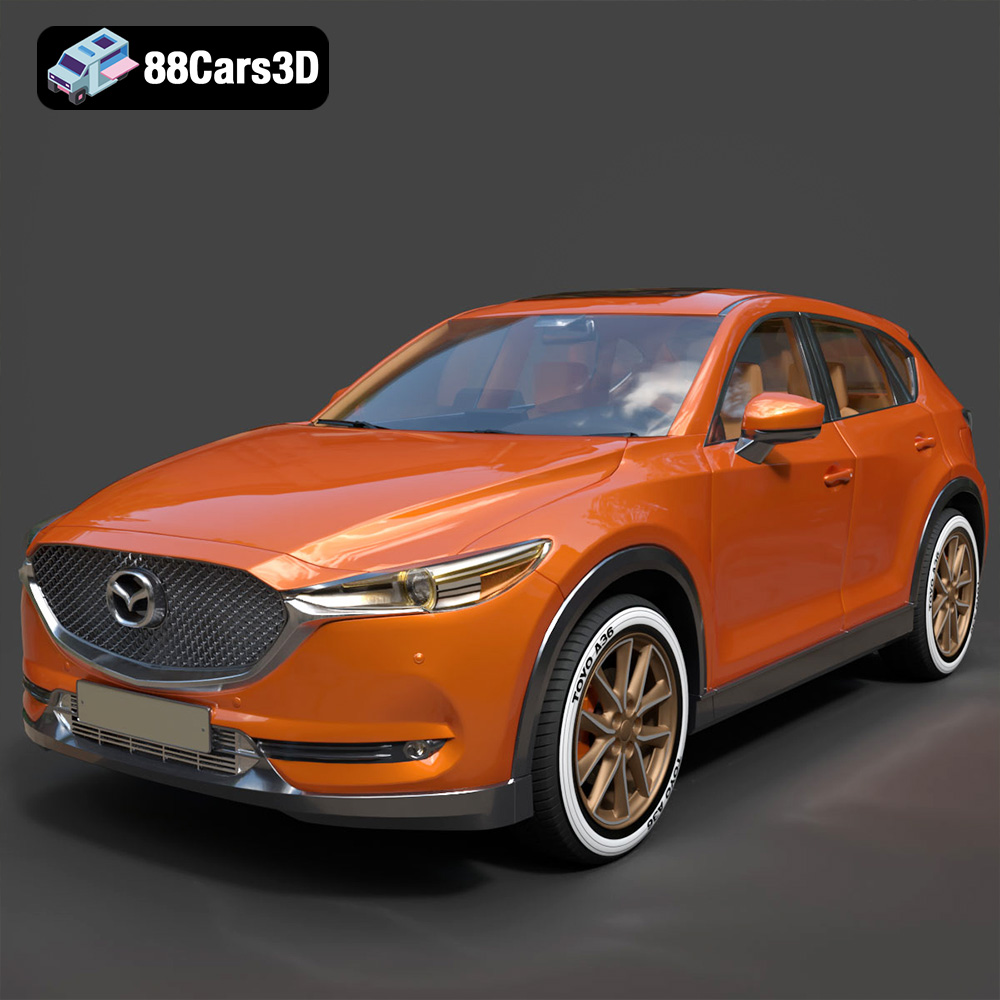
Texture: Yes | Material: Yes
Download the highly optimized Mazda CX-5 2014 3D Model (294k Triangles). Features the dynamic Kodo design language, signature grille, and a clean interior. Perfectly balanced for ArchViz, background traffic, and game development. Includes .blend, .fbx, .obj, .glb, .stl, and .max formats.
Price: $19.99
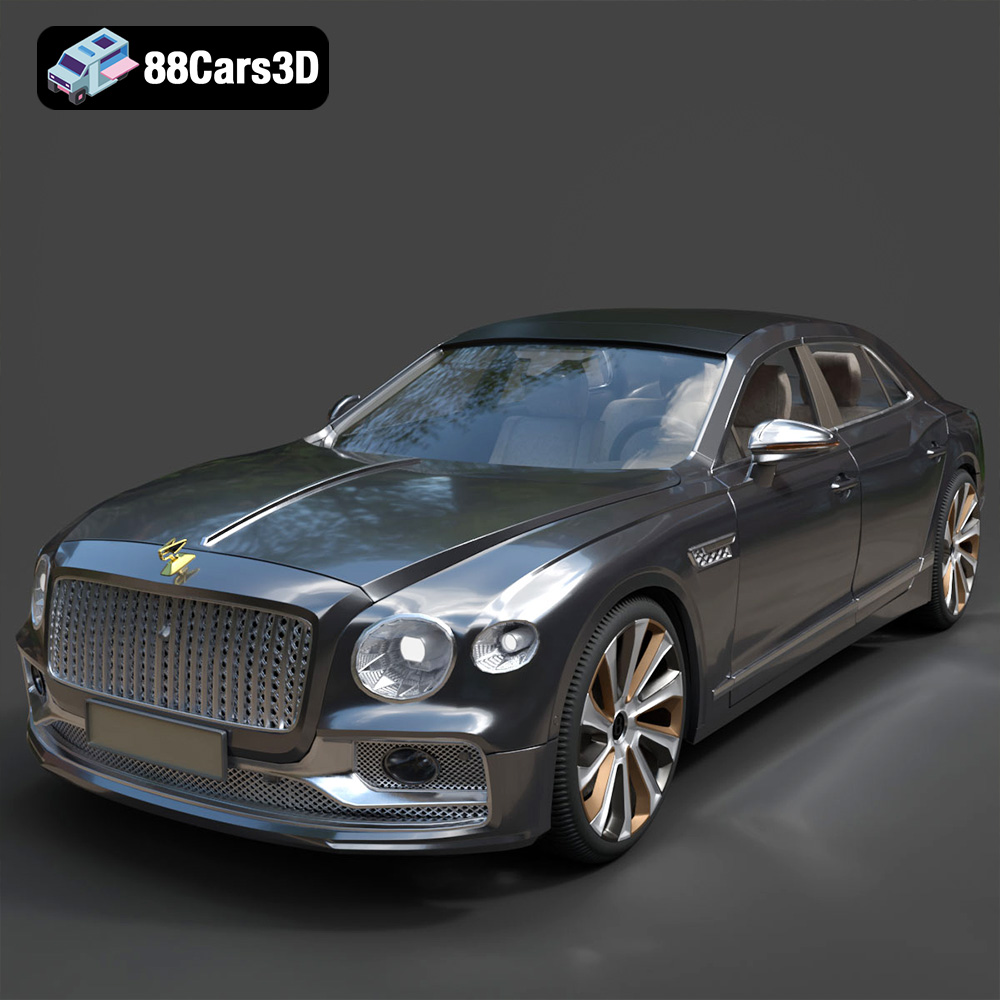
Texture: Yes | Material: Yes Download the ultra-high-detail Bentley Flying Spur Mulliner 2022 3D Model (2.94M Triangles). Features the bespoke Double Diamond grille, a fully modeled diamond-quilted interior, and exquisite luxury styling. Perfect for high-end ArchViz, VFX, and cinematic rendering. Includes .blend, .fbx, .obj, .glb, .stl, and .max formats.
Price: $19.90
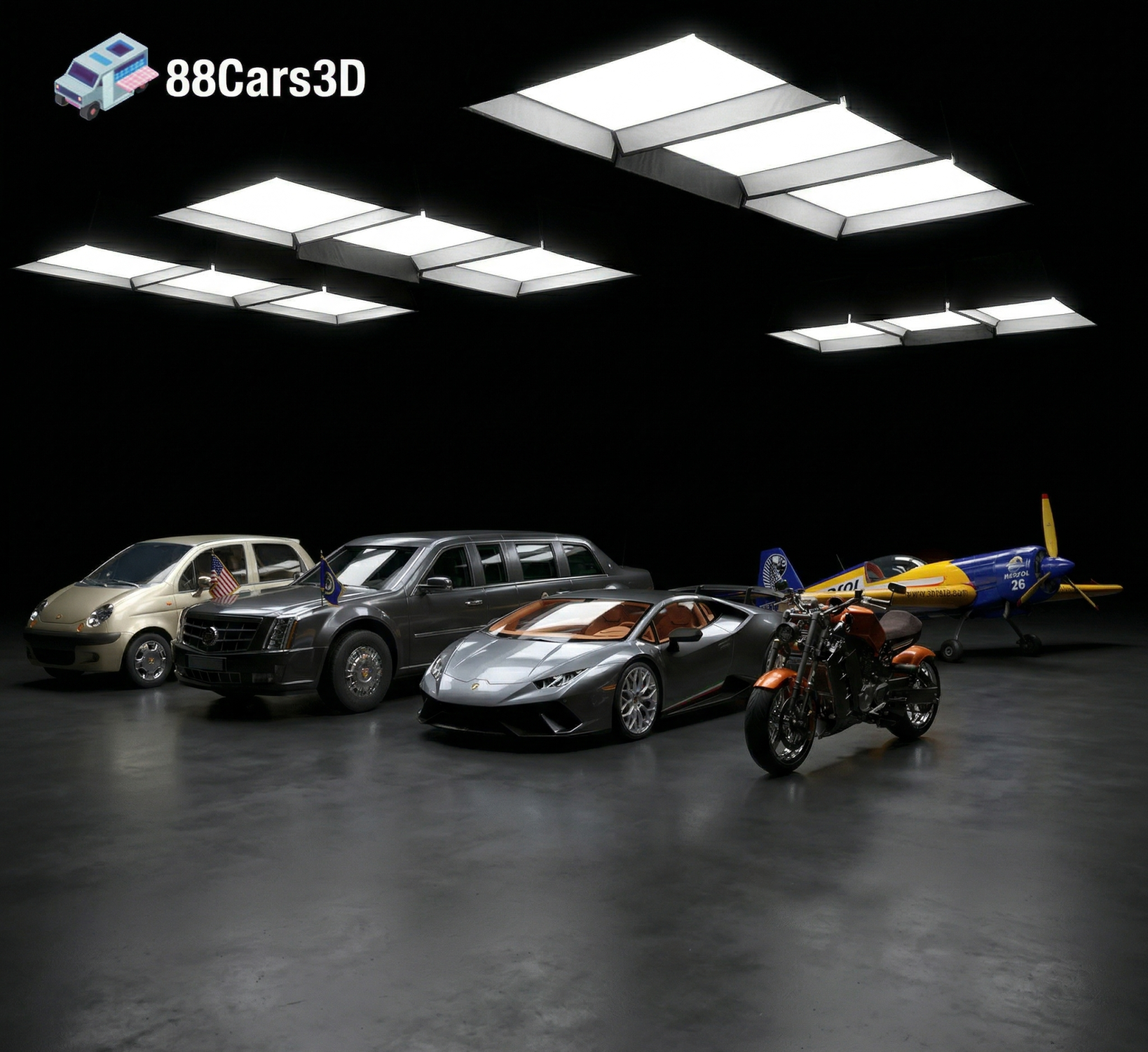
Texture: Yes | Material: Yes | 3D Printable: Yes. Download the Ultimate Creators’ Showcase featuring 5 premium 3D models: Lamborghini Huracan, ZAV Concept Motorcycle, Sukhoi SU-26, Presidential Limousine, and Daewoo Damas. Optimized for 4K CGI rendering and 3D printing. Save massive with this exclusive multi-category bundle!
Price: $99.99

