Get 50% OFF All Premium 3D & STL Models!

“`html
The journey from digital design to tangible object in 3D printing hinges on a crucial step: converting your 3D model into the STL (Stereolithography) file format. This format, the industry standard for additive manufacturing, acts as the bridge between your design software and your 3D printer. But the process isn’t always straightforward. Understanding the nuances of polygon meshes, file conversion, and optimization is vital for achieving high-quality prints, especially when dealing with intricate models like printable car models, often found on platforms like 88cars3d.com. This guide will delve into the technical aspects of converting polygon models to STL, ensuring your prints are accurate, durable, and visually stunning. We’ll cover everything from understanding STL structure to advanced mesh repair techniques, empowering you to master the art of 3D printing.
In this comprehensive guide, you’ll learn:
At its core, the STL file format represents a 3D object’s surface as a collection of triangles. This triangulation is a key simplification, allowing 3D printers to interpret the complex geometry of your design. However, the density and arrangement of these triangles significantly impact the final print quality. Understanding this fundamental aspect is crucial, especially when working with high-resolution models from marketplaces such as 88cars3d.com.
Each triangle in an STL file is defined by three vertices, each with x, y, and z coordinates in 3D space. These vertices form the corners of the triangle. Crucially, each triangle also has a normal vector, which indicates the direction the triangle is facing. The normal vector is essential for defining the “inside” and “outside” of the object, enabling the slicer to correctly interpret the model’s geometry. A properly oriented normal vector is paramount for a successful print. If the normal vectors are inverted, it can lead to printing errors or even failed prints. Inverted normals often appear as “holes” in the model during slicing.
STL files come in two flavors: ASCII and Binary. ASCII STL files are human-readable text files, making them easier to inspect and debug. However, they are significantly larger than Binary STL files, which store the data in a compact binary format. For large and complex models, Binary STL is almost always the preferred choice due to its smaller file size and faster loading times. A complex printable car model, for example, could easily exceed 100MB in ASCII format, while the same model in Binary format might be only 20MB. Modern slicing software automatically detects the file type, so you don’t usually need to worry about explicitly specifying the encoding during conversion.
Most 3D modeling software packages export models in various formats, including OBJ, FBX, and STEP. However, 3D printers primarily understand STL. Therefore, converting your polygon model (typically a mesh of quads or more complex polygons) to an STL file is an essential step. The process generally involves a few key steps: importing your model, triangulating the mesh (if necessary), setting export options, and verifying the resulting STL file.
The first step is to import your 3D model into your chosen 3D modeling or mesh editing software. Popular choices include Blender, Meshmixer, Autodesk Maya, and 3ds Max. Once imported, you may need to triangulate the mesh. This process converts any non-triangular faces (quads, ngons) into triangles. Most software has a built-in triangulation function. For example, in Blender, you can use the “Triangulate” modifier. It’s important to ensure that the triangulation process doesn’t introduce any unwanted artifacts or distortions to the model’s surface. Examine the mesh carefully after triangulation to ensure the geometry remains smooth and accurate.
When exporting to STL, you’ll typically be presented with several options that directly affect the quality and file size of the resulting STL file. The most important setting is the “resolution” or “tolerance.” This setting controls the level of detail in the triangulation process. A higher resolution (smaller tolerance) will result in a more accurate representation of the original model, but it will also increase the file size and potentially the print time. A lower resolution (larger tolerance) will result in a smaller file size, but it may also introduce faceting or loss of detail, particularly in curved surfaces. For printable car models with intricate details, a moderate resolution is usually a good compromise. Aim for a setting that preserves the key features of the model without creating an excessively large file. A typical tolerance value might be 0.01mm to 0.001mm, depending on the model’s scale and complexity. Experiment with different settings to find the optimal balance for your specific model and printer.
Once you have your STL file, the next step is slicing. Slicing software takes your STL file and converts it into a set of instructions (G-code) that your 3D printer can understand. The slicing parameters you choose will directly impact the print quality, strength, and printing time. Optimizing these parameters is crucial for achieving the desired results, especially when printing complex models.
Layer height is one of the most fundamental slicing parameters. It determines the thickness of each layer that your printer will deposit. A smaller layer height (e.g., 0.1mm or 0.05mm) will result in smoother surfaces and finer details, but it will also increase the print time and material consumption. A larger layer height (e.g., 0.2mm or 0.3mm) will print faster and use less material, but it will result in more visible layer lines and potentially reduced detail. The optimal layer height depends on the specific model, the desired level of detail, and the capabilities of your printer. For detailed models like printable car models, a layer height between 0.1mm and 0.15mm is often a good starting point. Experiment with different layer heights to find the best balance between print quality and speed.
Infill refers to the internal structure of your 3D printed object. Infill density determines the amount of material used inside the object, while the infill pattern determines how that material is arranged. A higher infill density (e.g., 50% or 100%) will result in a stronger and heavier object, but it will also increase the print time and material consumption. A lower infill density (e.g., 10% or 20%) will result in a lighter and faster print, but it will also be less strong. Common infill patterns include rectilinear, grid, honeycomb, and gyroid. The choice of infill pattern can also affect the strength and weight of the object. For example, a gyroid infill pattern is known for its high strength-to-weight ratio. For models where strength is important, such as functional parts, a higher infill density and a stronger infill pattern are recommended. For purely aesthetic models, a lower infill density may be sufficient. Slicing software like Cura and PrusaSlicer offer a wide range of infill options to choose from.
Support structures are temporary scaffolding that your 3D printer creates to support overhanging parts of your model during printing. Overhangs are sections of the model that extend outwards without any underlying support. Without support structures, these overhangs would collapse or deform during printing. Generating and removing support structures effectively is a crucial skill for successful 3D printing, especially when dealing with complex geometries.
Most slicing software offers both automatic and manual support generation options. Automatic support generation analyzes the model and automatically places supports where they are needed. This is a convenient option for simple models, but it may not always be optimal for complex models with intricate overhangs. Manual support placement allows you to precisely control where supports are placed, which can be useful for minimizing material usage and improving surface finish. For example, you might choose to manually place supports only in critical areas to avoid leaving marks on visible surfaces. Software like Meshmixer allows for very precise manual support placement. Consider using a combination of automatic and manual support placement to achieve the best results.
The type of material used for support structures can also affect the ease of removal and the surface finish of the printed part. Some materials are designed to be easily breakable or dissolvable in water or other solvents. For example, HIPS (High Impact Polystyrene) is often used as a support material for ABS prints because it can be dissolved in Limonene. PVA (Polyvinyl Alcohol) is another popular support material that is soluble in water. Interface layers are thin layers of a different material that are printed between the support structures and the model. These layers make it easier to separate the supports from the model without damaging the surface. Choosing the right support material and using interface layers can significantly improve the quality and ease of post-processing.
The choice of material is paramount in determining the final properties of your 3D printed object. Different materials offer different strengths, flexibilities, temperature resistances, and surface finishes. Understanding the characteristics of various materials is crucial for selecting the right one for your specific application.
For FDM (Fused Deposition Modeling) printing, the most common materials are PLA (Polylactic Acid), PETG (Polyethylene Terephthalate Glycol), and ABS (Acrylonitrile Butadiene Styrene). PLA is a biodegradable thermoplastic known for its ease of printing and good dimensional accuracy. It’s a good choice for aesthetic models and prototyping. PETG is a stronger and more flexible material than PLA, with better temperature resistance. It’s a good all-around material for functional parts. ABS is a strong and durable material with high temperature resistance, but it can be more difficult to print due to its tendency to warp. It’s often used for automotive parts and other applications where high strength and temperature resistance are required. Other FDM materials include Nylon, TPU (Thermoplastic Polyurethane), and PC (Polycarbonate), each with its own unique properties and applications.
For resin printing (SLA, DLP, and MSLA), the material is a liquid resin that is cured by ultraviolet light. Resin printing offers higher resolution and smoother surfaces than FDM printing, making it ideal for detailed models and jewelry. There are many different types of resin available, each with its own properties. Standard resins are good for general-purpose printing. Tough resins are stronger and more durable. Flexible resins are more flexible and impact-resistant. Castable resins are designed for creating molds for casting metal parts. Choosing the right resin is essential for achieving the desired results. When printing car models from 88cars3d.com, resin printing often provides the best level of detail.
Even with careful preparation, 3D printing failures can occur. Many of these failures are directly related to issues with the STL file itself. Identifying and addressing these issues is crucial for achieving successful prints.
A non-manifold mesh is an STL file that contains errors in its geometry, such as edges that are shared by more than two faces or faces that intersect each other. These errors can cause serious problems during slicing and printing, leading to failed prints or unexpected results. Non-manifold meshes are often caused by errors in the modeling process or by incorrect file conversion. Slicing software typically provides warnings or errors when it detects a non-manifold mesh. Mesh editing software like Meshmixer and Netfabb can be used to identify and correct these errors. These tools offer features such as “Make Manifold” and “Repair STL” that can automatically fix common mesh errors.
As mentioned earlier, inverted normals can cause significant problems during slicing. If a triangle’s normal vector is pointing in the wrong direction, the slicer may interpret the inside of the object as the outside, leading to holes or missing sections in the print. Inverted normals can be identified by visually inspecting the model in your slicing software or mesh editing software. Most software allows you to display the normal vectors to easily identify any that are pointing in the wrong direction. Meshmixer and Netfabb offer tools to automatically correct inverted normals, ensuring that all faces are oriented correctly.
Converting polygon models to STL for 3D printing is a multifaceted process that requires a solid understanding of STL file structure, slicing parameters, support generation, material selection, and troubleshooting techniques. By mastering these concepts, you can significantly improve the quality, accuracy, and durability of your 3D prints. Remember to carefully choose your slicing parameters based on the specific model and your desired results. When downloading models from marketplaces such as 88cars3d.com, pay close attention to the recommended print settings provided by the designer. Use mesh editing software to repair any errors in the STL file before printing. And don’t be afraid to experiment with different settings and materials to find what works best for you. With practice and patience, you can unlock the full potential of 3D printing and bring your digital designs to life.
Actionable Next Steps:
“`
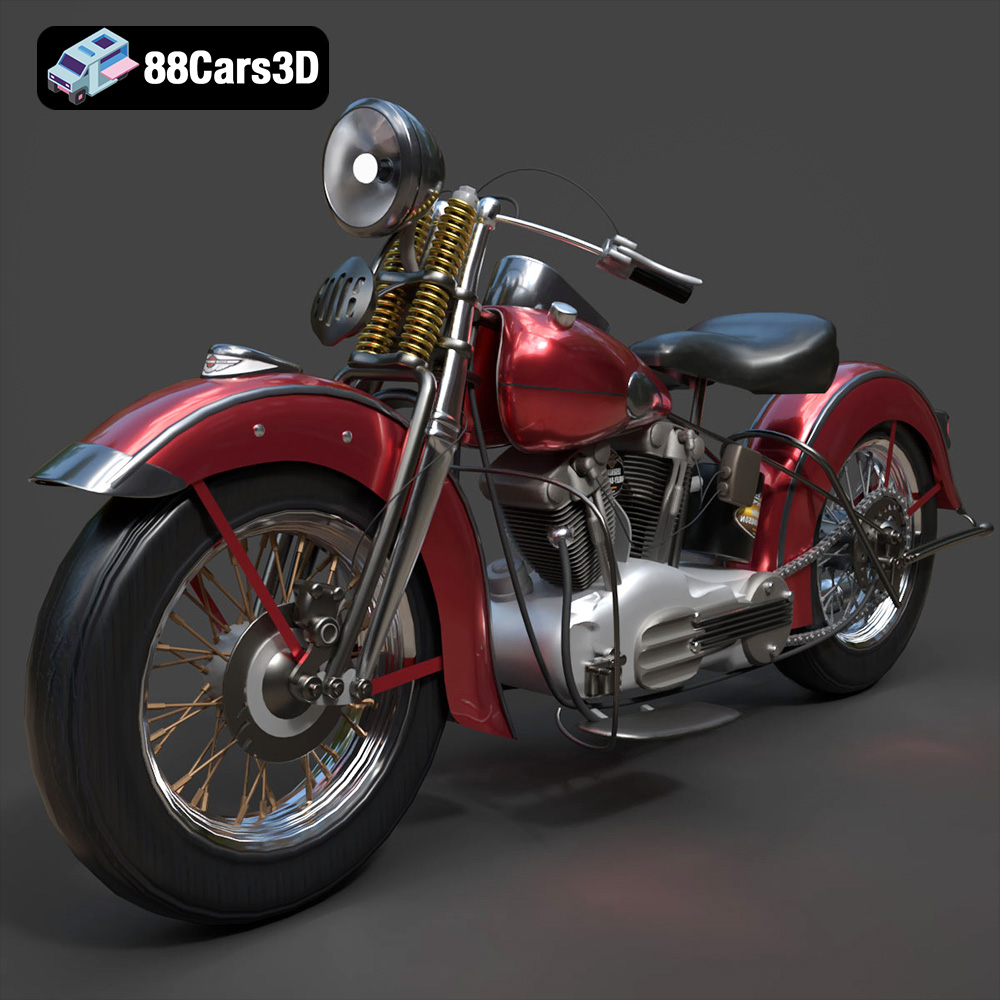
Texture: Yes
Material: Yes
Download the Harley Davidson F 1946 3D Model featuring clean geometry, realistic detailing, and a fully modeled interior. Includes .blend, .fbx, .obj, .glb, .stl, .ply, .unreal, and .max formats for rendering, simulation, and game development.
Price: $19.99
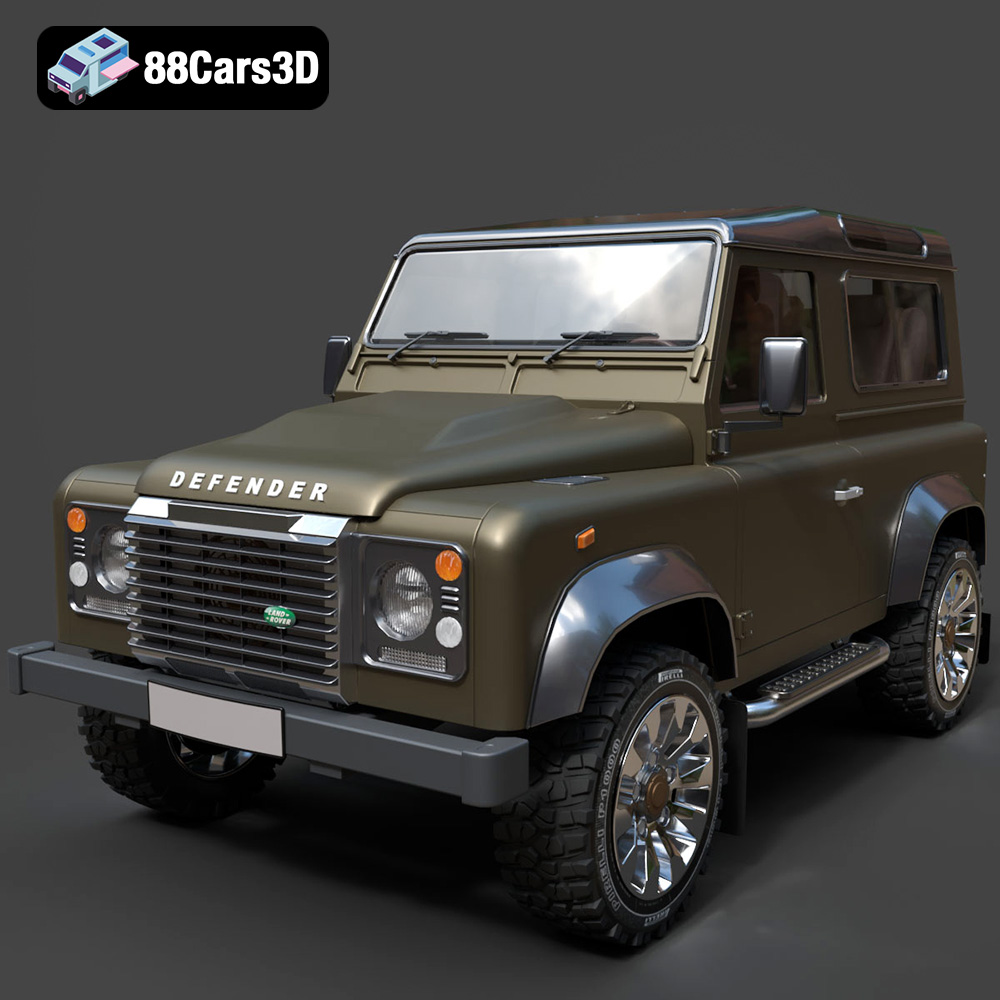
Texture: Yes
Material: Yes
Download the Land Rover Defender Works V8 3D Model featuring clean geometry, realistic detailing, and a fully modeled interior. Includes .blend, .fbx, .obj, .glb, .stl, .ply, .unreal, and .max formats for rendering, simulation, and game development.
Price: $19.99
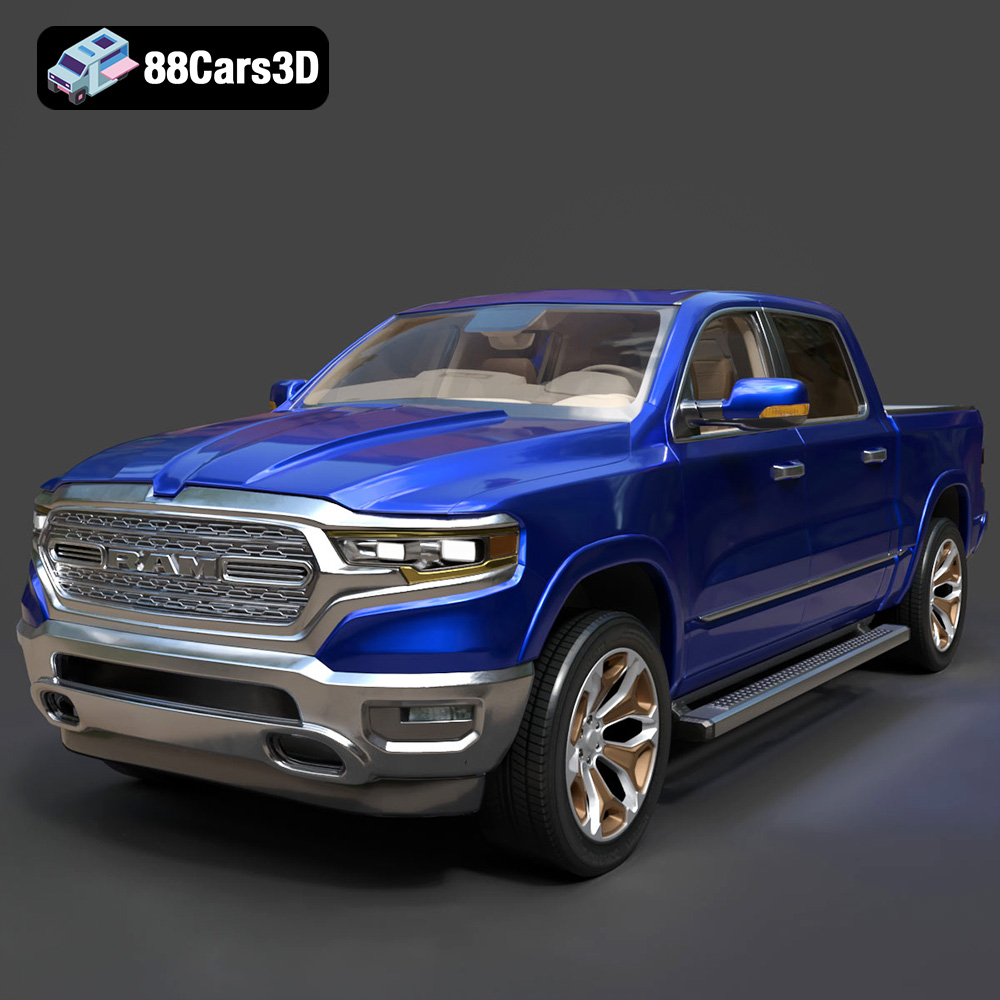
Texture: Yes
Material: Yes
Download the Dodge RAM 2019 3D Model featuring clean geometry, realistic detailing, and a fully modeled interior. Includes .blend, .fbx, .obj, .glb, .stl, .ply, .unreal, and .max formats for rendering, simulation, and game development.
Price: $19.99
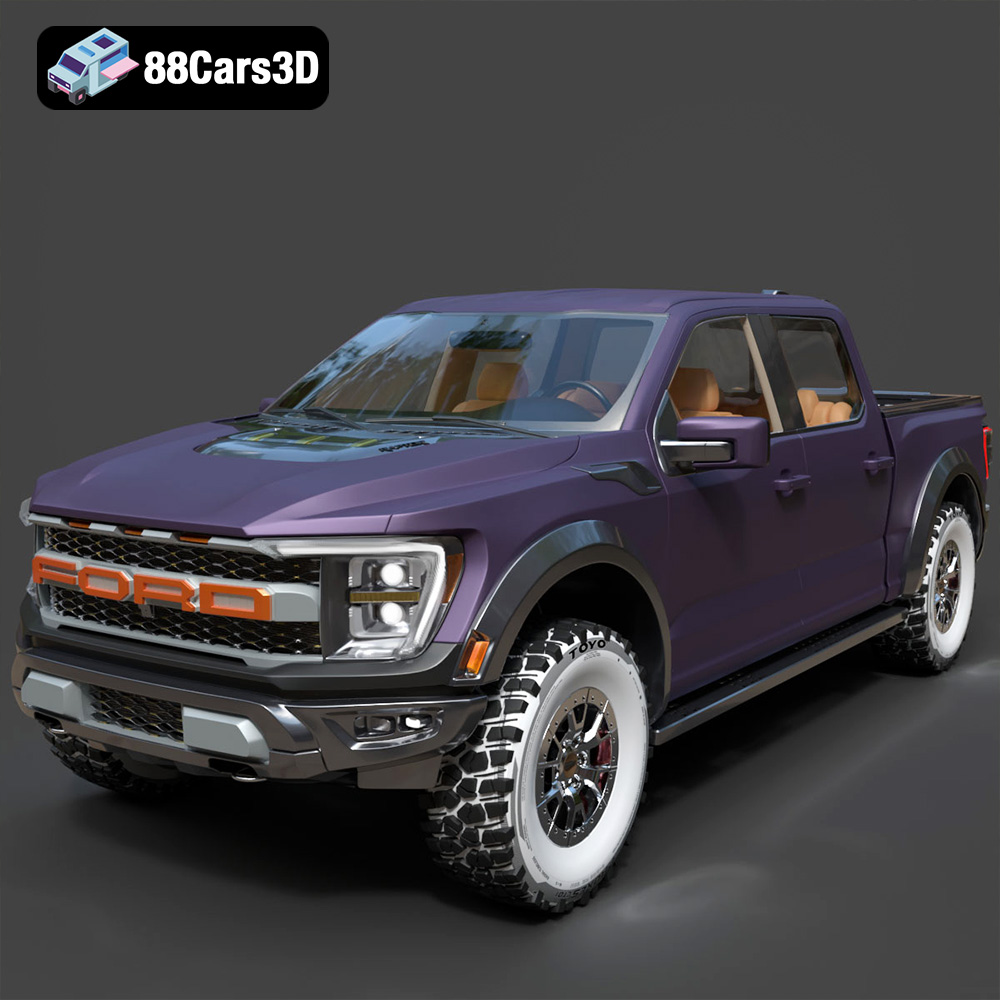
Texture: Yes | Material: Yes Download the ultra-high-detail Ford F-150 Raptor 2021 3D Model (8.73M Triangles). Features uncompromised widebody styling, fully modeled Fox Live Valve suspension, 37-inch tires, and interior. Perfect for premium VFX, cinematic rendering, and ArchViz. Includes .blend, .fbx, .obj, .glb, .stl, and .max formats.
Price: $29.99

Texture: Yes | Material: Yes Download the ultra-high-detail BMW 3 Series Limousine (2022) 3D Model (4.16M Triangles). Features the modernized G20 LCI exterior, the all-new BMW Curved Display interior, and ultra-dense topology. Perfect for ArchViz, VFX, and cinematic rendering. Includes .blend, .fbx, .obj, .glb, .stl, and .max formats.
Price: $19.99
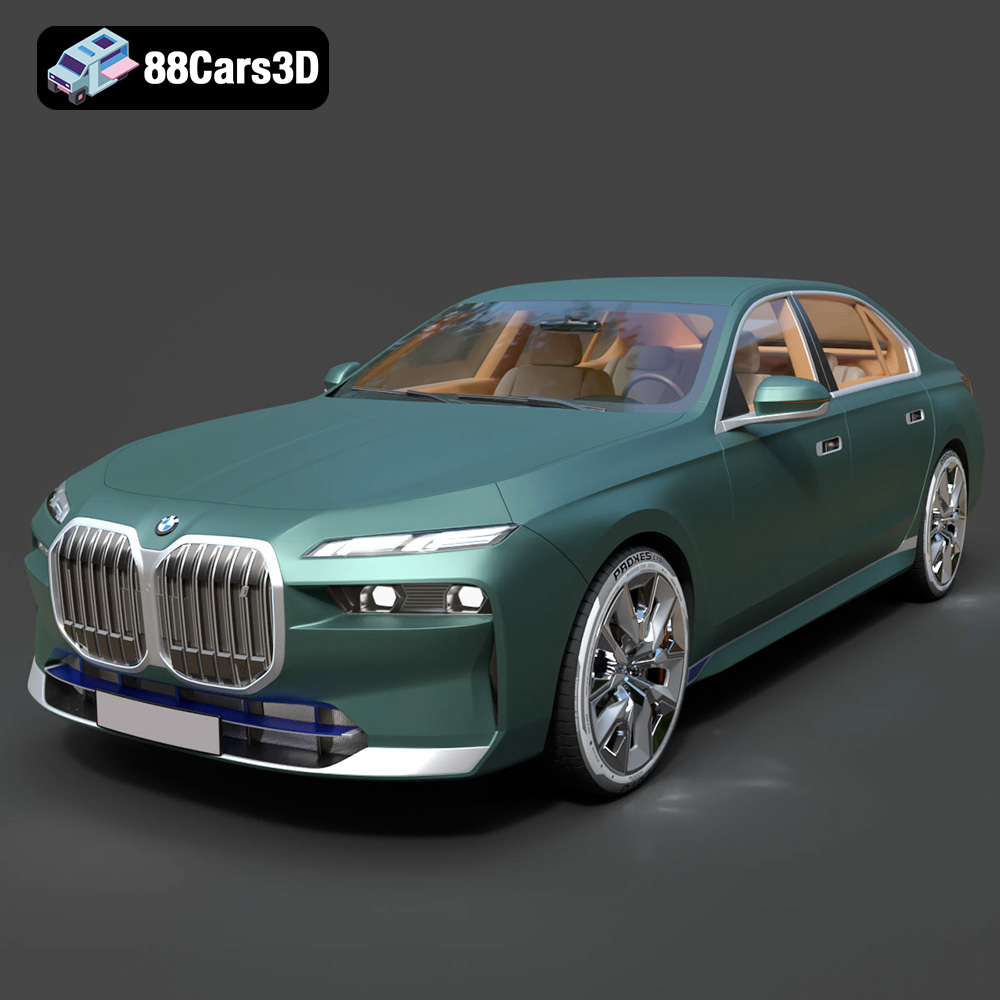
Texture: Yes | Material: Yes Download the ultra-high-detail BMW i7 (2023) 3D Model (4.14M Triangles). Features the illuminated kidney grille, split crystal headlights, fully modeled Theatre Screen interior, and monolithic luxury styling. Perfect for ArchViz, VFX, and cinematic rendering. Includes .blend, .fbx, .obj, .glb, .stl, and .max formats.
Price: $19.99
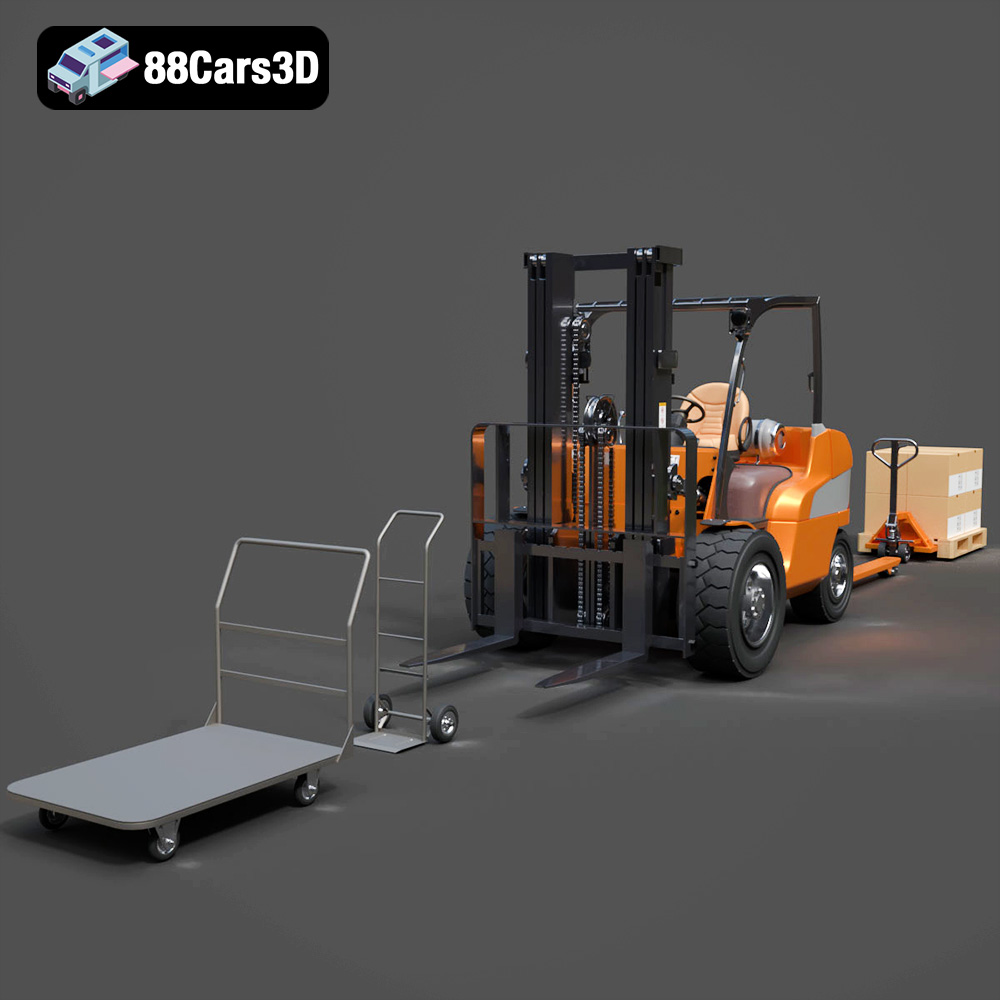
Texture: Yes | Material: Yes Download the highly detailed CAT Manual Loader & Warehouse Carts Kit 3D Model (2.4M Triangles). Features a macro-detailed hydraulic pallet jack, heavy-duty forks, and transport carts. Perfect for industrial ArchViz, factory rendering, and logistics simulations. Includes .blend, .fbx, .obj, .glb, .stl, and .max formats.
Price: $19.99

Texture: Yes | Material: Yes
Download the highly optimized Mazda CX-5 2014 3D Model (294k Triangles). Features the dynamic Kodo design language, signature grille, and a clean interior. Perfectly balanced for ArchViz, background traffic, and game development. Includes .blend, .fbx, .obj, .glb, .stl, and .max formats.
Price: $19.99
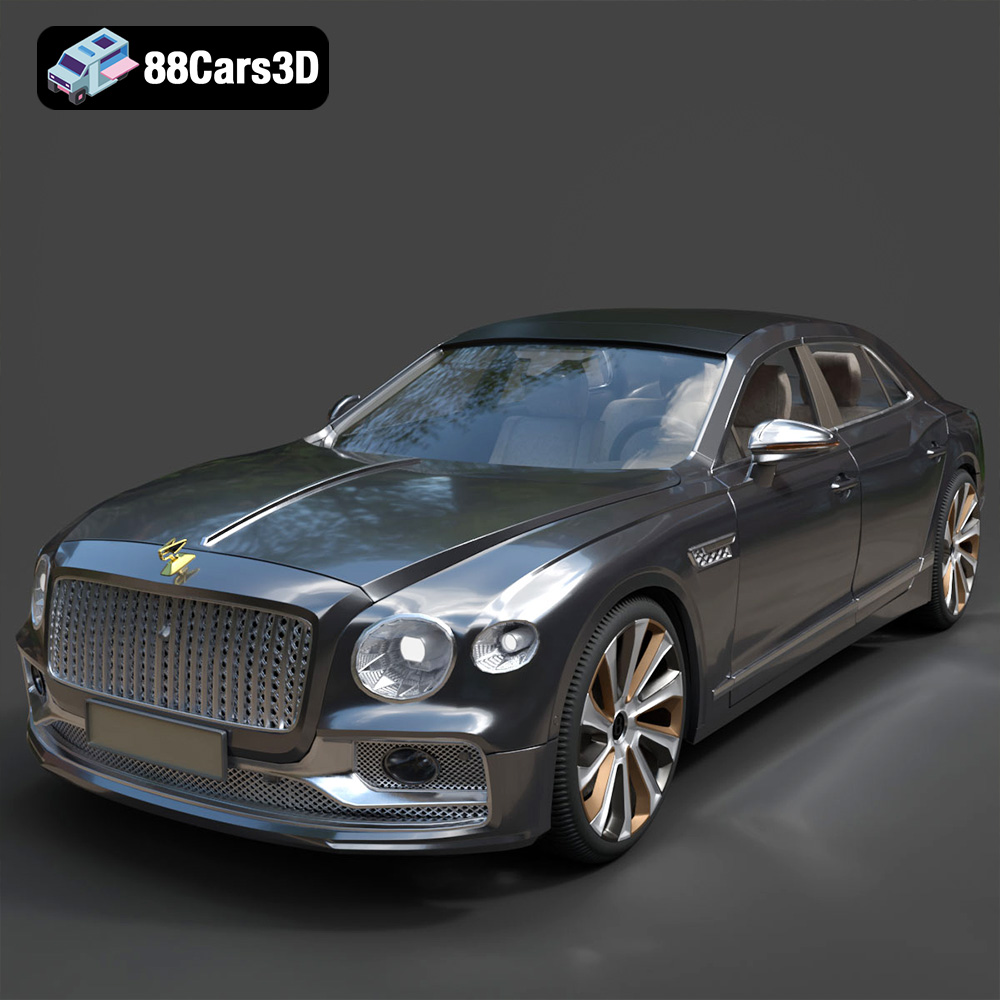
Texture: Yes | Material: Yes Download the ultra-high-detail Bentley Flying Spur Mulliner 2022 3D Model (2.94M Triangles). Features the bespoke Double Diamond grille, a fully modeled diamond-quilted interior, and exquisite luxury styling. Perfect for high-end ArchViz, VFX, and cinematic rendering. Includes .blend, .fbx, .obj, .glb, .stl, and .max formats.
Price: $19.90

Texture: Yes | Material: Yes | 3D Printable: Yes. Download the Ultimate Creators’ Showcase featuring 5 premium 3D models: Lamborghini Huracan, ZAV Concept Motorcycle, Sukhoi SU-26, Presidential Limousine, and Daewoo Damas. Optimized for 4K CGI rendering and 3D printing. Save massive with this exclusive multi-category bundle!
Price: $99.99

