Get 50% OFF All Premium 3D & STL Models!

“`html
The world of 3D printing has opened up incredible opportunities for hobbyists and collectors, especially when it comes to automotive models. Imagine creating your own miniature garage filled with meticulously detailed replicas of your favorite cars, all printed from the comfort of your home. This guide dives deep into the realm of printable car STL files, providing you with the knowledge and techniques to achieve professional-quality results. We’ll explore everything from understanding STL file structure to optimizing your 3D printer settings, mastering slicing techniques, and perfecting post-processing methods. Whether you’re a seasoned 3D printing veteran or just starting your journey, this article will equip you with the tools and insights you need to create stunning 3D-printed car models.
At the heart of every 3D-printed car model lies the STL file, the de facto standard for representing 3D surface geometry. STL, short for stereolithography, uses a mesh of interconnected triangles to approximate the surface of a 3D object. Understanding the underlying structure of these files is crucial for troubleshooting printing issues and optimizing your models for printing. Think of it like understanding the blueprint of a building before you start construction.
An STL file essentially contains a list of triangles, where each triangle is defined by three vertices (points in 3D space) and a normal vector. The normal vector indicates the direction the triangle is facing, which is crucial for the slicing software to determine the inside and outside of the model. Proper mesh topology is essential; the triangles should be connected seamlessly without gaps, overlaps, or self-intersections. Non-manifold geometry, where edges are shared by more than two triangles, is a common source of printing errors. When downloading models from marketplaces such as 88cars3d.com, you can be sure that these issues are already resolved.
STL files come in two flavors: ASCII and binary. ASCII STL files are human-readable text files, which can be useful for debugging or making small manual edits. However, they are significantly larger than their binary counterparts. Binary STL files store the triangle data in a compact binary format, resulting in smaller file sizes and faster processing. For large and complex car models, using binary STL files is highly recommended to improve slicing performance and reduce storage space. Most slicing software can handle both formats, but binary is generally preferred for its efficiency.
Slicing is the process of converting the 3D model (STL file) into a set of instructions (G-code) that the 3D printer can understand. This involves dividing the model into thin horizontal layers and generating toolpaths for the printer’s nozzle or laser. Choosing the right slicing parameters is paramount to achieving high-quality prints with fine details and structural integrity. It’s like choosing the right recipe and cooking times to bake a perfect cake.
Layer height is arguably the most critical slicing parameter. It determines the thickness of each printed layer. Lower layer heights (e.g., 0.1mm or 0.05mm) result in smoother surfaces and finer details, making them ideal for intricate car models. However, lower layer heights also increase print time significantly. Higher layer heights (e.g., 0.2mm or 0.3mm) are faster but result in more visible layer lines. Finding the right balance between resolution and print time is key. A common starting point for car models is 0.15mm, then you can adjust based on the desired level of detail and available time.
Print speed dictates how fast the printer moves while extruding material. Slower speeds generally improve print quality, especially for overhangs and intricate details. Higher speeds can lead to reduced adhesion and warping. The optimal print speed depends on the material, printer, and layer height. As a general guideline, start with 40-60mm/s for PLA and adjust as needed. Temperature settings are also crucial for material adhesion and preventing warping. The correct temperature depends on the material used. For PLA, a nozzle temperature of 200-220°C and a bed temperature of 60-70°C are typical starting points. Refer to the material manufacturer’s recommendations for specific temperature settings.
Many 3D-printed car models have overhangs or unsupported areas that require support structures to prevent them from collapsing during printing. Generating the right type of supports and removing them cleanly without damaging the model is an art in itself. Support structures act as temporary scaffolding, providing a base for the overhanging parts to be built upon. Think of them as the temporary framework used during the construction of a bridge.
There are several types of support structures, each with its advantages and disadvantages. Tree supports are efficient and use less material, but they can be more difficult to remove cleanly. Linear supports are simpler and easier to remove but use more material. Choosing the right support type depends on the geometry of the model. In Cura, you can select “Tree” or “Normal” support types. For complex car models, consider using adaptive support structures, which adjust the support density based on the overhang angle. This can help to minimize material usage and improve surface finish.
Removing supports without damaging the model requires patience and the right tools. Start by carefully detaching the supports at their base using pliers or a hobby knife. For stubborn supports, try softening them with heat from a heat gun or hairdryer. Be careful not to overheat the model, as this can cause warping. After removing the bulk of the supports, use sandpaper or a file to smooth out any remaining stubs or blemishes. For models printed with soluble support materials (e.g., PVA), you can simply dissolve the supports in water. This is particularly useful for intricate internal structures that are difficult to access manually. Platforms like 88cars3d.com offer print-ready STL files with optimized support structures.
Print orientation, the way the model is positioned on the print bed, can significantly impact print quality, support requirements, and bed adhesion. Optimizing the orientation can minimize the number of supports needed, improve surface finish, and prevent warping. Bed adhesion, the ability of the first layer to stick to the print bed, is crucial for preventing print failures. It’s like laying a solid foundation for a building; without it, the entire structure is at risk.
The ideal print orientation minimizes overhangs and maximizes the surface area in contact with the print bed. For car models, consider printing the body with the roof facing upwards or downwards, depending on the geometry. This can reduce the need for supports on the windows and roof. Experiment with different orientations to find the one that minimizes support material and maximizes print quality. Rotate the model in your slicing software and analyze the support requirements before starting the print. A few minutes spent optimizing the orientation can save hours of printing time and frustration.
Poor bed adhesion is a common cause of print failures. Ensure that the print bed is clean and level. Use a leveling tool to verify that the nozzle is at the correct distance from the bed at all points. Applying an adhesive, such as glue stick, hairspray, or painter’s tape, can improve adhesion. For materials like ABS, a heated bed is essential. Consider using a brim or raft to increase the surface area in contact with the bed. A brim is a thin layer of material that surrounds the model, while a raft is a thicker layer that provides a stable base. These can be easily removed after printing.
Infill is the internal structure of the 3D-printed model. It provides strength and rigidity while saving material. The infill pattern and density are crucial parameters that affect the model’s weight, strength, and print time. Think of infill as the internal skeleton of the car, providing structural support.
There are many infill patterns to choose from, each with its unique properties. Grid, line, and triangle patterns are common and provide good strength in all directions. Concentric infill is useful for aesthetic prints where the internal structure is visible. Gyroid infill is an advanced pattern that offers excellent strength-to-weight ratio. Experiment with different patterns to find the one that best suits your needs. In your slicing software, explore patterns like “Cubic,” “Triangles,” or “Honeycomb” and compare their material usage and print time.
Infill density is the percentage of the model’s interior that is filled with material. Higher densities result in stronger but heavier and slower prints. Lower densities save material and print time but may compromise strength. For car models that are primarily for display, a low infill density of 10-20% is often sufficient. For models that need to withstand stress or impact, a higher density of 30-50% may be necessary. Focus on increasing the wall thickness (number of perimeters) for added strength without significantly increasing infill density. Adjust the infill density based on the intended use of the model.
Post-processing is the finishing touch that transforms a raw 3D print into a polished and professional-looking model. It involves a range of techniques, including sanding, painting, and assembly. Post-processing is akin to detailing and finishing a car after it comes off the assembly line.
Sanding is used to remove layer lines and imperfections from the surface of the print. Start with coarse sandpaper (e.g., 220 grit) and gradually move to finer grits (e.g., 400, 600, 800 grit). Wet sanding can help to reduce dust and improve the surface finish. Use a sanding block to ensure that the surface remains flat and even. For hard-to-reach areas, use small sanding tools or sandpaper wrapped around a stick. Patience is key; take your time and sand evenly to avoid creating new imperfections. Chemical smoothing with acetone vapor can also be used for ABS prints, but it requires caution and proper ventilation.
Painting is used to add color and realism to the model. Prime the model with a spray primer to create a smooth and even surface for the paint to adhere to. Use acrylic paints or model paints for best results. Apply thin coats of paint and allow each coat to dry completely before applying the next. Use masking tape to protect areas that you don’t want to paint. For a glossy finish, apply a clear coat after the paint has dried. Consider using an airbrush for more precise and even paint application. Detailing brushes are essential for painting small details, such as lights, grilles, and emblems. If you want a realistic look, practice techniques such as dry brushing or weathering.
Many car models consist of multiple parts that need to be assembled. Use glue or epoxy to join the parts together. Ensure that the parts are aligned correctly before the glue dries. Use clamps or tape to hold the parts in place while the glue cures. For removable parts, consider using magnets or screws. Pay close attention to the assembly instructions and test-fit the parts before applying glue. Consider designing interlocking features into the model to aid in alignment and assembly. For complex assemblies, create a jig or fixture to hold the parts in the correct position during gluing.
The choice of material significantly impacts the appearance, strength, and durability of the 3D-printed car model. Each material has its unique properties and printing requirements. Choosing the right material is like selecting the right type of metal for different car components.
PLA is a biodegradable thermoplastic that is easy to print and widely available. It’s a good choice for beginners and for models that don’t need to withstand high temperatures or stress. PLA is available in a wide range of colors and finishes. It’s also relatively inexpensive. However, PLA is brittle and can warp at high temperatures. PLA is a good choice for display models or prototypes. Typical PLA printing settings are 200-220°C nozzle temperature and 60-70°C bed temperature.
PETG is a strong and durable thermoplastic that is more heat-resistant than PLA. It’s a good choice for models that need to withstand some stress or outdoor use. PETG is also more flexible than PLA, making it less prone to cracking. It’s available in a variety of colors and is relatively easy to print. PETG can be slightly more prone to stringing than PLA, but this can be mitigated with proper retraction settings. PETG is a good all-around choice for car models. Typical PETG printing settings are 230-250°C nozzle temperature and 70-80°C bed temperature.
ABS is a strong and heat-resistant thermoplastic that is commonly used in automotive parts. It’s a good choice for models that need to withstand high temperatures or impact. However, ABS is more difficult to print than PLA and PETG. It requires a heated bed and an enclosed printer to prevent warping. ABS also emits fumes during printing, so proper ventilation is essential. ABS is a good choice for functional car models or parts. Typical ABS printing settings are 230-250°C nozzle temperature and 80-110°C bed temperature.
Resin printing offers incredible detail and smooth surfaces, making it ideal for intricate car models. There are various types of resins available, including standard resin, tough resin, and flexible resin. Standard resin is good for general-purpose printing, while tough resin is more durable and impact-resistant. Flexible resin is used for parts that need to bend or flex. Resin printing requires a different type of printer than FDM printing (Fused Deposition Modeling) and involves post-processing steps such as washing and curing. Resin printing is a good choice for high-detail car models or miniatures. Follow the resin manufacturer’s recommendations for specific printing and curing settings.
3D printing car models is a rewarding hobby that combines technical skill with creative expression. By understanding the intricacies of STL files, mastering slicing parameters, and perfecting post-processing techniques, you can create stunning replicas of your favorite cars. Remember to choose the right materials, optimize print orientation, and pay attention to bed adhesion to minimize print failures. Platforms like 88cars3d.com offer a wide selection of high-quality, printable car models in STL format, making it easier than ever to start your 3D printing journey.
Now that you’ve armed yourself with this knowledge, it’s time to put it into practice. Start by downloading a simple car model and experimenting with different slicing parameters. Don’t be afraid to make mistakes; learning from failures is part of the process. With practice and dedication, you’ll be creating museum-quality 3D-printed car models in no time. So, fire up your 3D printer, grab your favorite STL file, and embark on this exciting adventure. The world of 3D-printed car models awaits!
“`
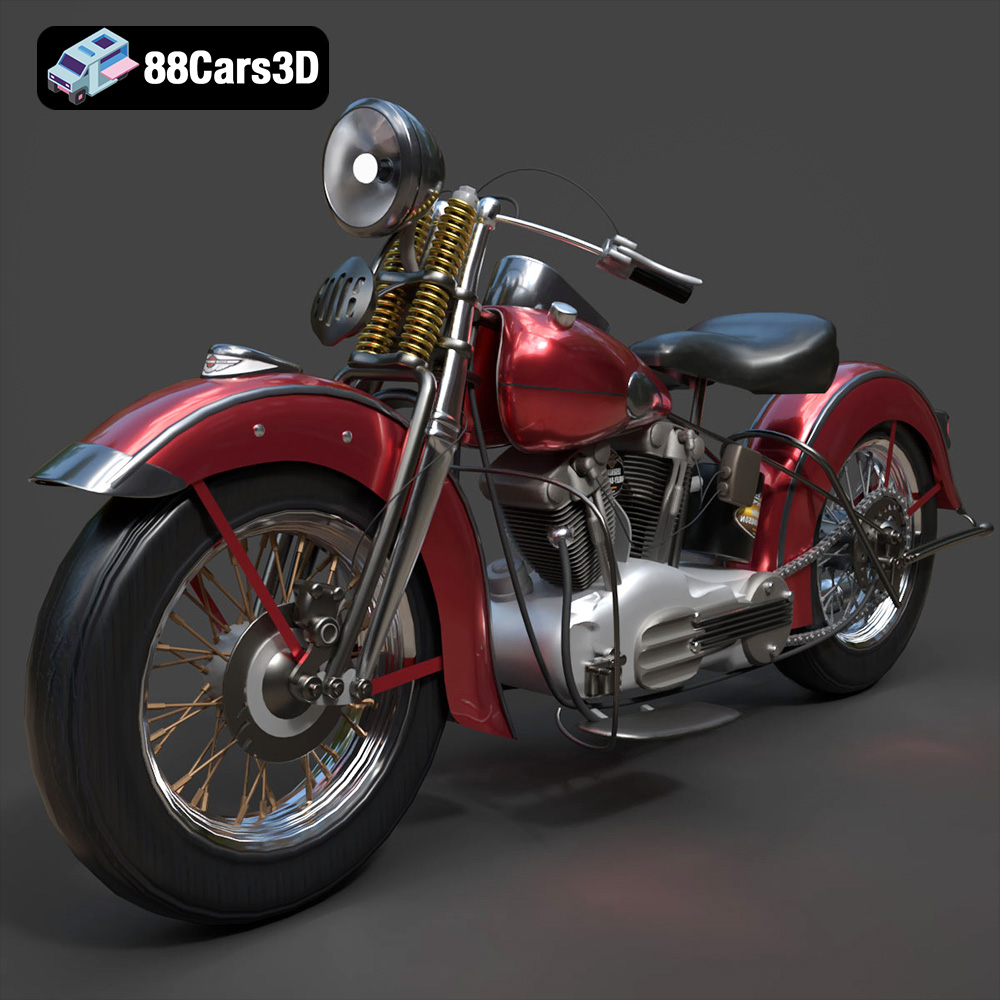
Texture: Yes
Material: Yes
Download the Harley Davidson F 1946 3D Model featuring clean geometry, realistic detailing, and a fully modeled interior. Includes .blend, .fbx, .obj, .glb, .stl, .ply, .unreal, and .max formats for rendering, simulation, and game development.
Price: $19.99
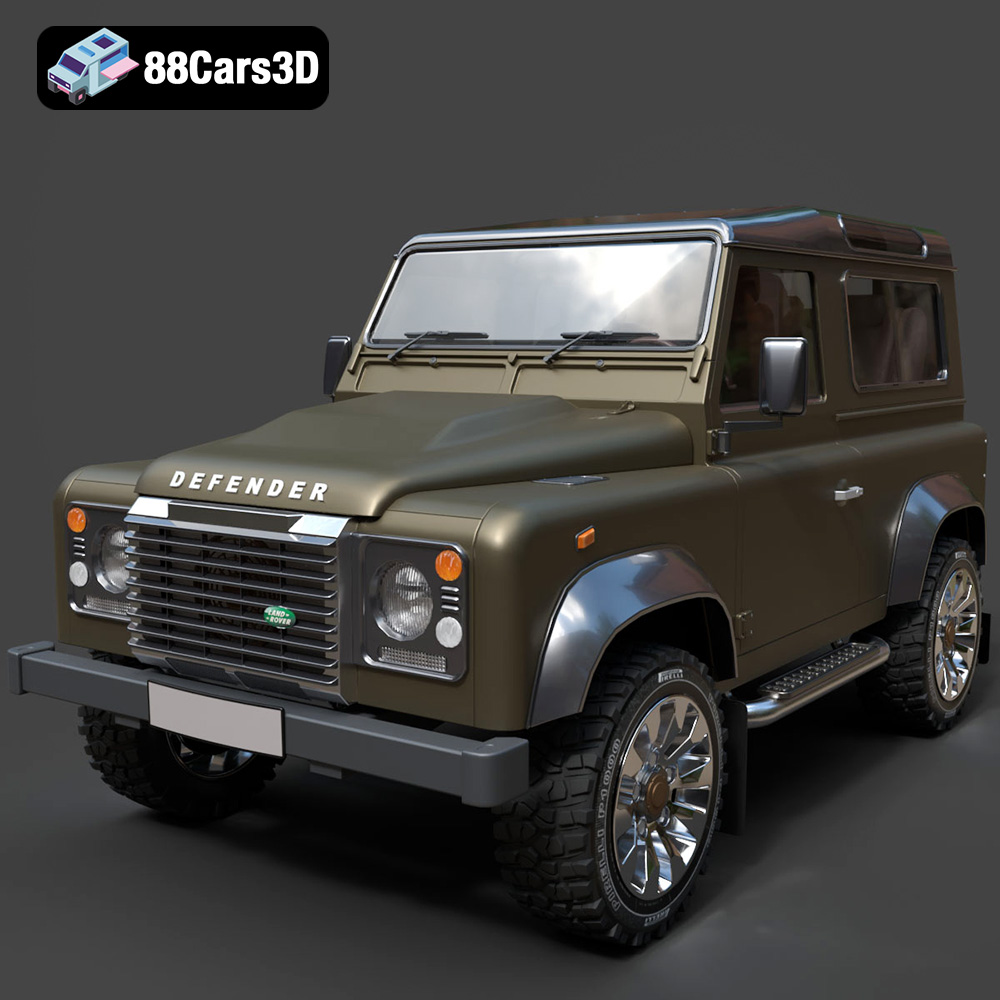
Texture: Yes
Material: Yes
Download the Land Rover Defender Works V8 3D Model featuring clean geometry, realistic detailing, and a fully modeled interior. Includes .blend, .fbx, .obj, .glb, .stl, .ply, .unreal, and .max formats for rendering, simulation, and game development.
Price: $19.99
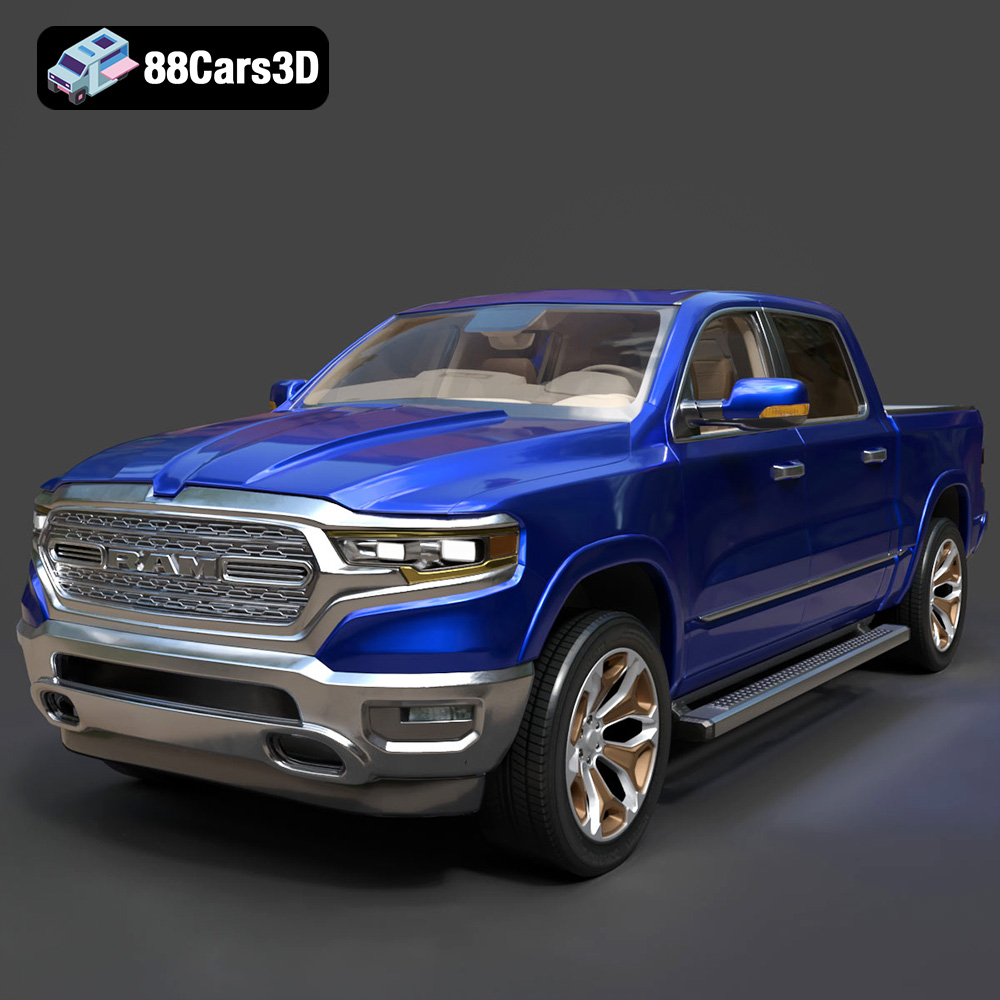
Texture: Yes
Material: Yes
Download the Dodge RAM 2019 3D Model featuring clean geometry, realistic detailing, and a fully modeled interior. Includes .blend, .fbx, .obj, .glb, .stl, .ply, .unreal, and .max formats for rendering, simulation, and game development.
Price: $19.99
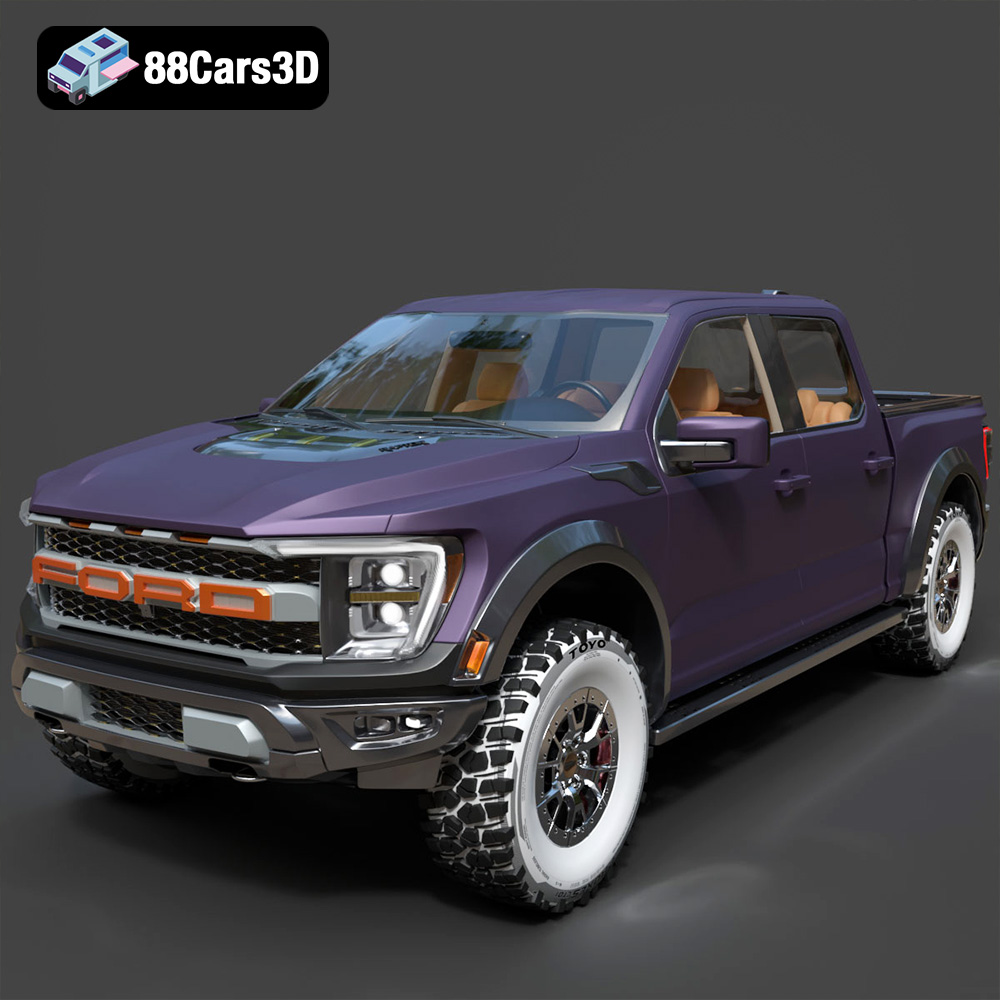
Texture: Yes | Material: Yes Download the ultra-high-detail Ford F-150 Raptor 2021 3D Model (8.73M Triangles). Features uncompromised widebody styling, fully modeled Fox Live Valve suspension, 37-inch tires, and interior. Perfect for premium VFX, cinematic rendering, and ArchViz. Includes .blend, .fbx, .obj, .glb, .stl, and .max formats.
Price: $29.99
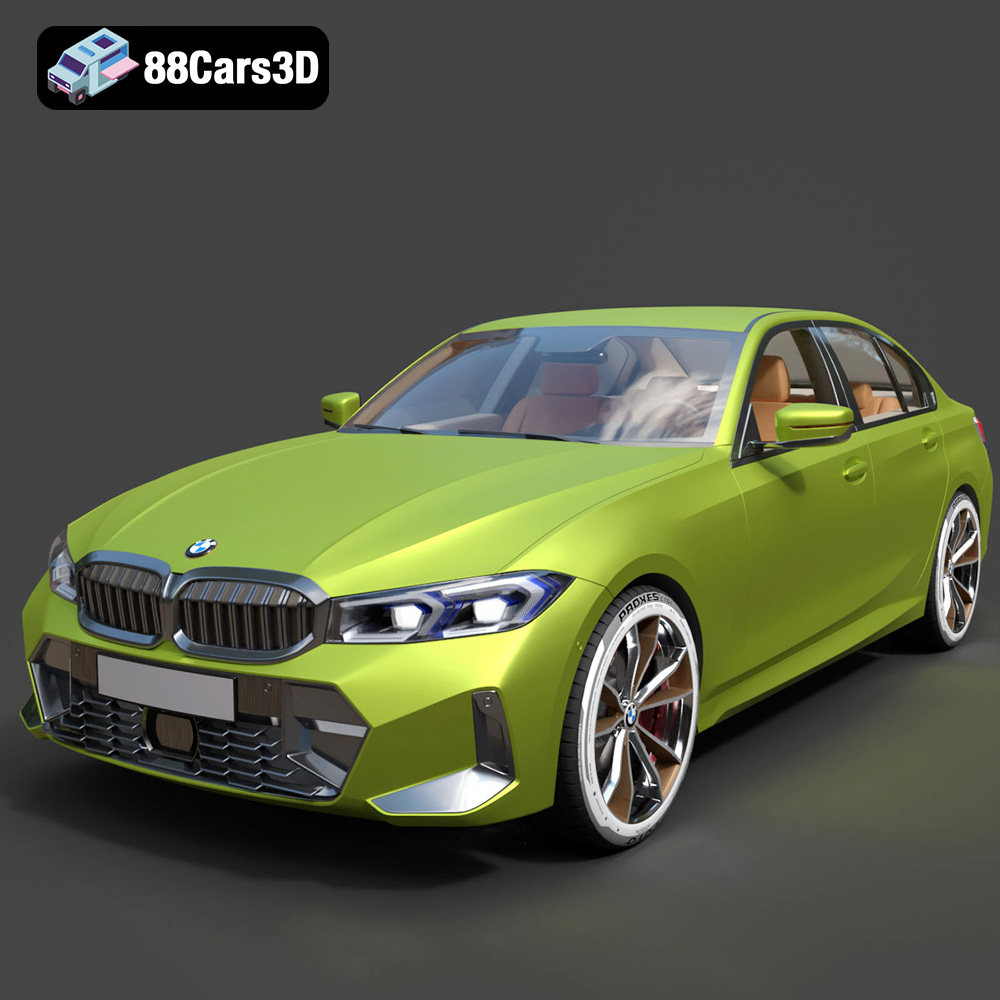
Texture: Yes | Material: Yes Download the ultra-high-detail BMW 3 Series Limousine (2022) 3D Model (4.16M Triangles). Features the modernized G20 LCI exterior, the all-new BMW Curved Display interior, and ultra-dense topology. Perfect for ArchViz, VFX, and cinematic rendering. Includes .blend, .fbx, .obj, .glb, .stl, and .max formats.
Price: $19.99
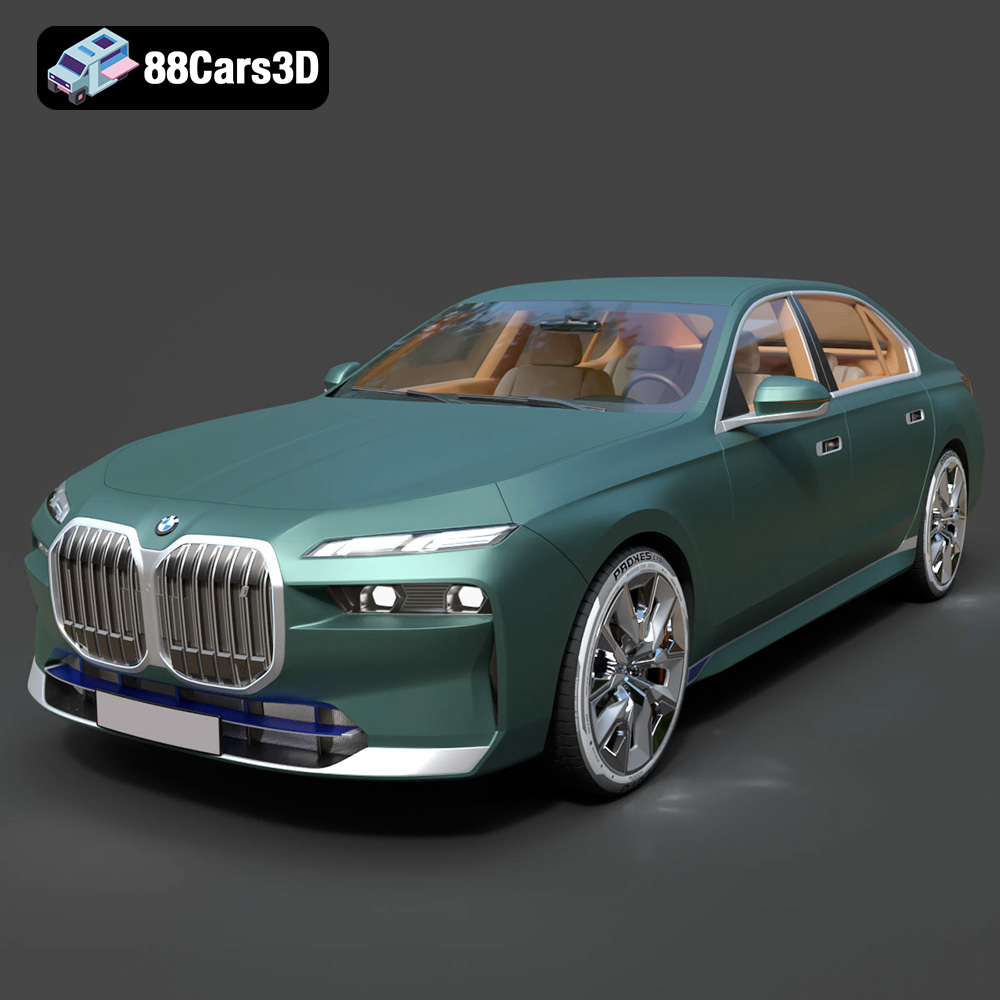
Texture: Yes | Material: Yes Download the ultra-high-detail BMW i7 (2023) 3D Model (4.14M Triangles). Features the illuminated kidney grille, split crystal headlights, fully modeled Theatre Screen interior, and monolithic luxury styling. Perfect for ArchViz, VFX, and cinematic rendering. Includes .blend, .fbx, .obj, .glb, .stl, and .max formats.
Price: $19.99
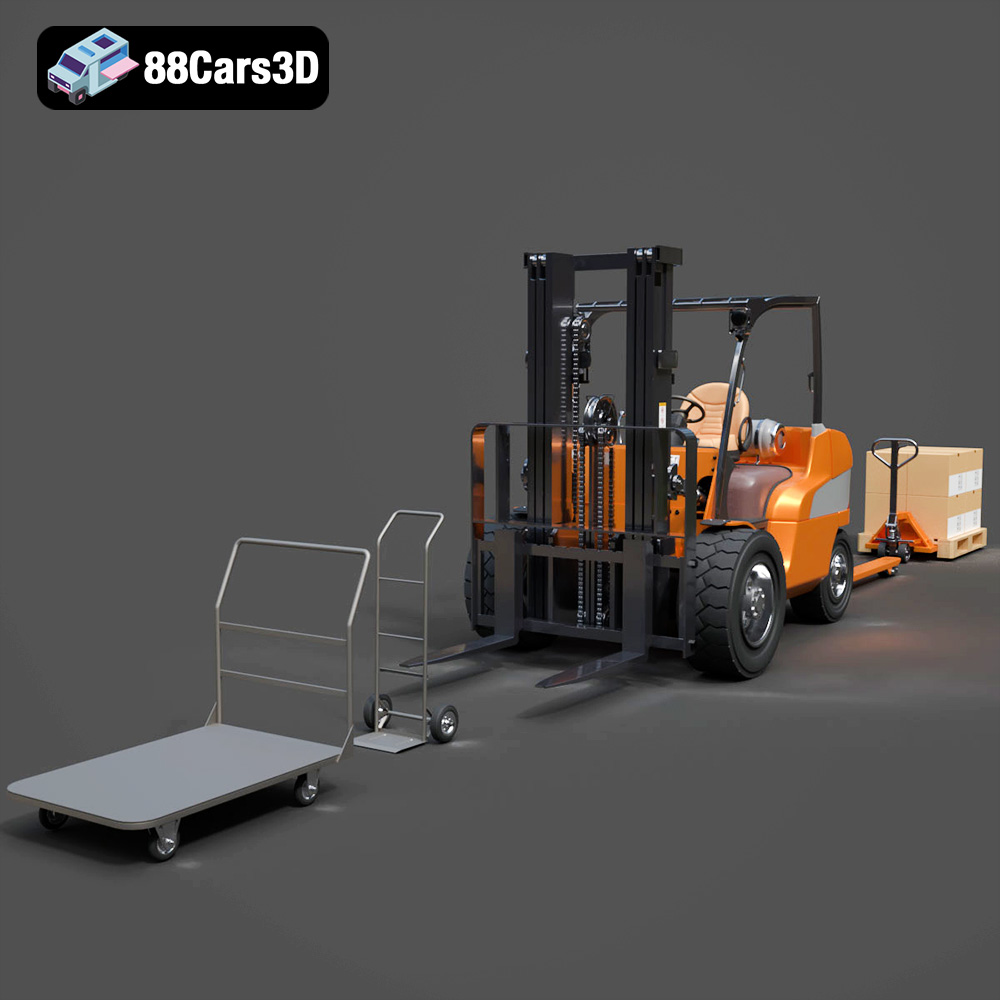
Texture: Yes | Material: Yes Download the highly detailed CAT Manual Loader & Warehouse Carts Kit 3D Model (2.4M Triangles). Features a macro-detailed hydraulic pallet jack, heavy-duty forks, and transport carts. Perfect for industrial ArchViz, factory rendering, and logistics simulations. Includes .blend, .fbx, .obj, .glb, .stl, and .max formats.
Price: $19.99

Texture: Yes | Material: Yes
Download the highly optimized Mazda CX-5 2014 3D Model (294k Triangles). Features the dynamic Kodo design language, signature grille, and a clean interior. Perfectly balanced for ArchViz, background traffic, and game development. Includes .blend, .fbx, .obj, .glb, .stl, and .max formats.
Price: $19.99
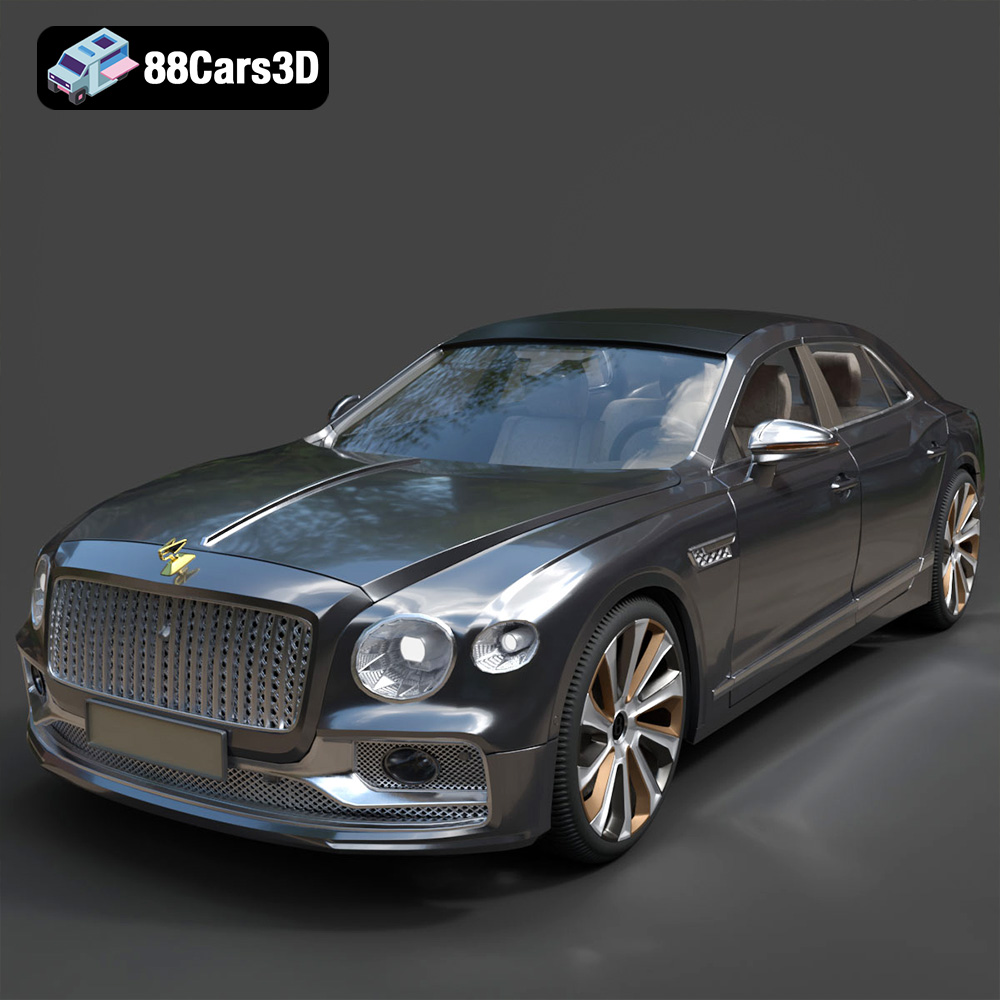
Texture: Yes | Material: Yes Download the ultra-high-detail Bentley Flying Spur Mulliner 2022 3D Model (2.94M Triangles). Features the bespoke Double Diamond grille, a fully modeled diamond-quilted interior, and exquisite luxury styling. Perfect for high-end ArchViz, VFX, and cinematic rendering. Includes .blend, .fbx, .obj, .glb, .stl, and .max formats.
Price: $19.90
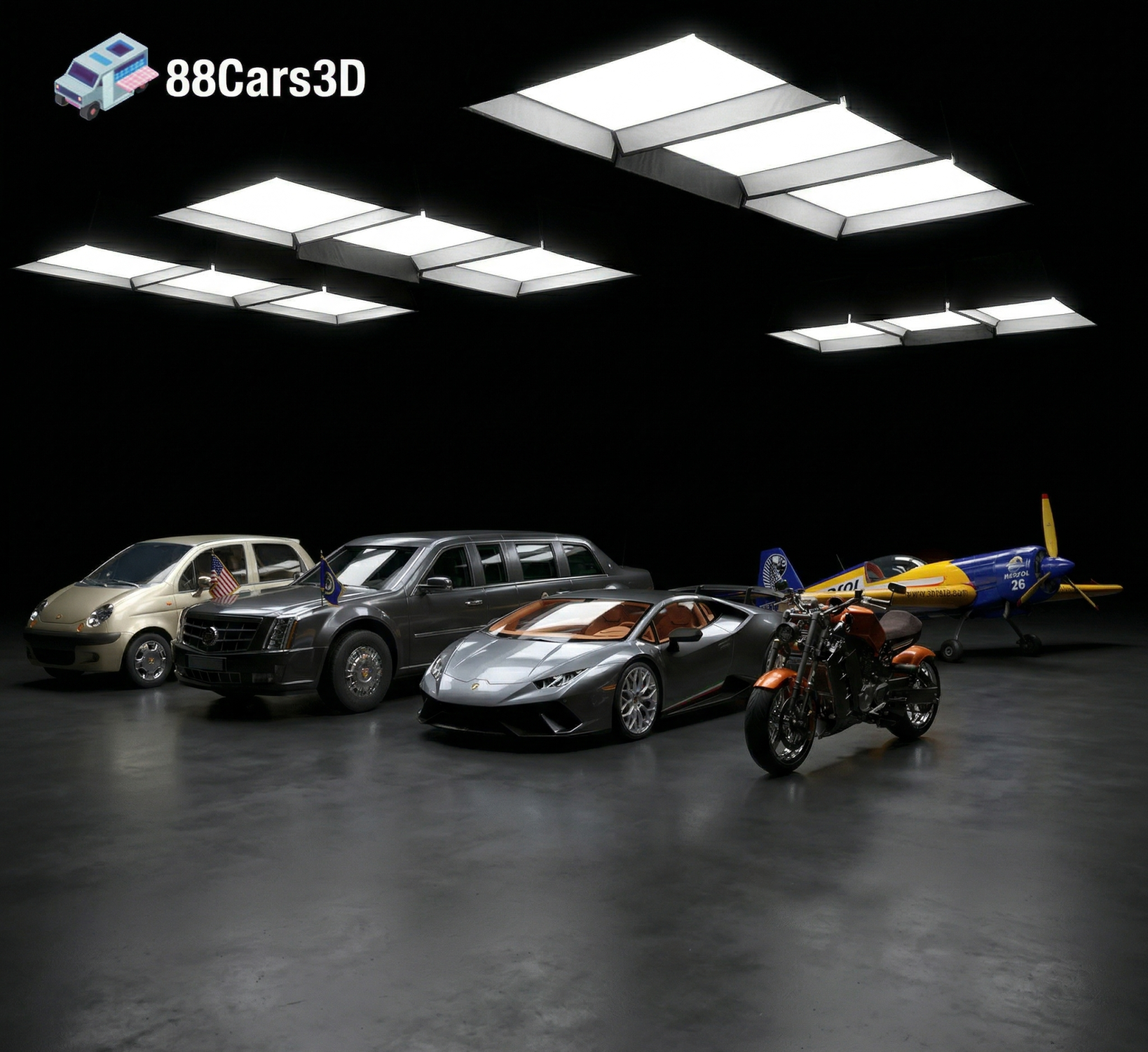
Texture: Yes | Material: Yes | 3D Printable: Yes. Download the Ultimate Creators’ Showcase featuring 5 premium 3D models: Lamborghini Huracan, ZAV Concept Motorcycle, Sukhoi SU-26, Presidential Limousine, and Daewoo Damas. Optimized for 4K CGI rendering and 3D printing. Save massive with this exclusive multi-category bundle!
Price: $99.99

