Get 50% OFF All Premium 3D & STL Models!

In the expansive and ever-evolving landscape of digital creation, high-fidelity 3D models are the backbone of innovation. From captivating cinematic sequences and groundbreaking game worlds to intricate product visualizations and immersive augmented reality experiences, the demand for meticulously crafted assets continues to soar. Professional artists, developers, and designers understand that the quality of their foundational 3D models directly impacts the final output’s realism and impact. This is particularly true in the automotive sector, where precision and aesthetic accuracy are paramount.
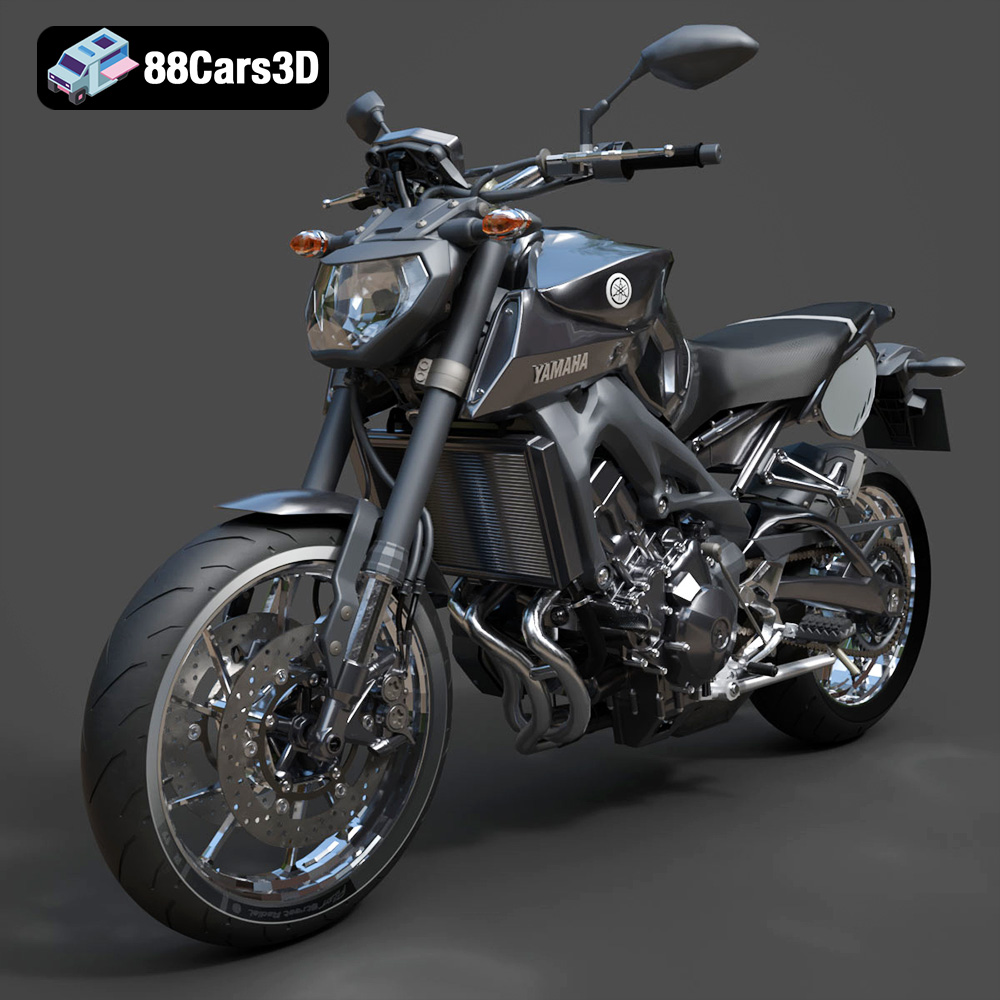
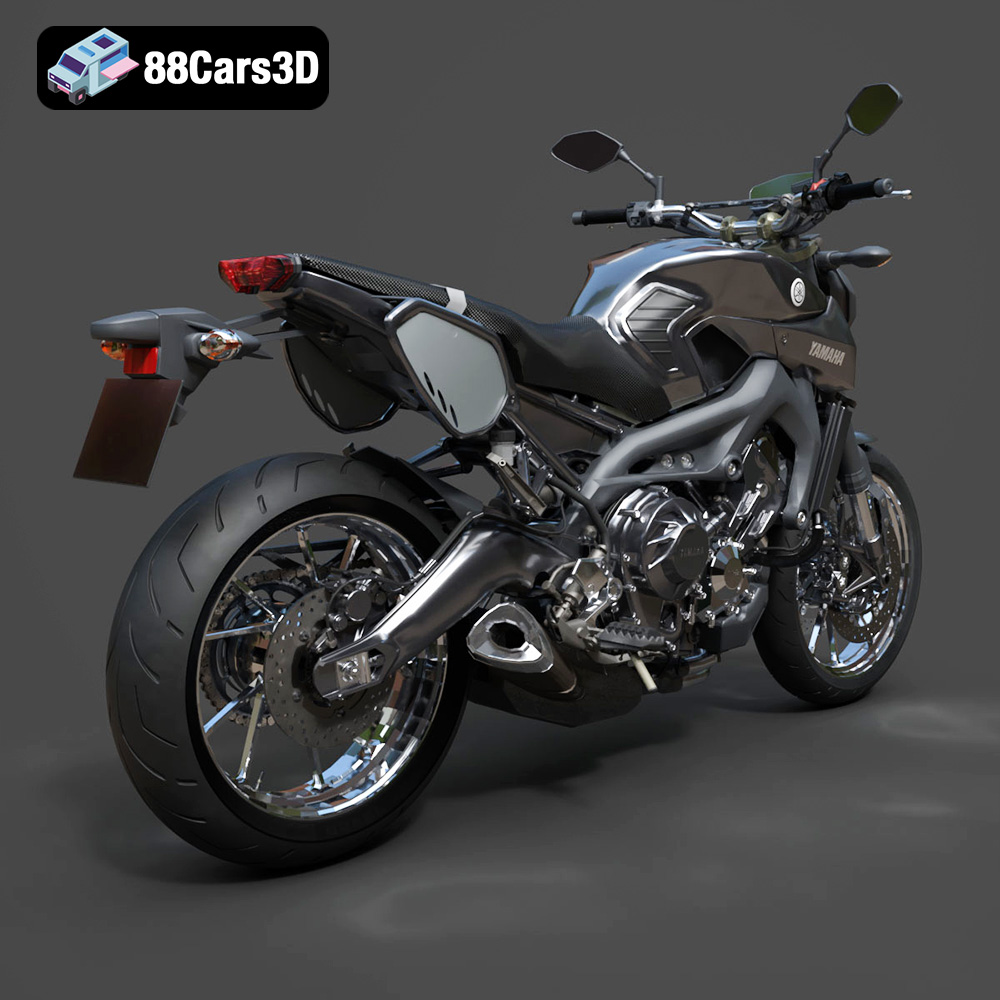
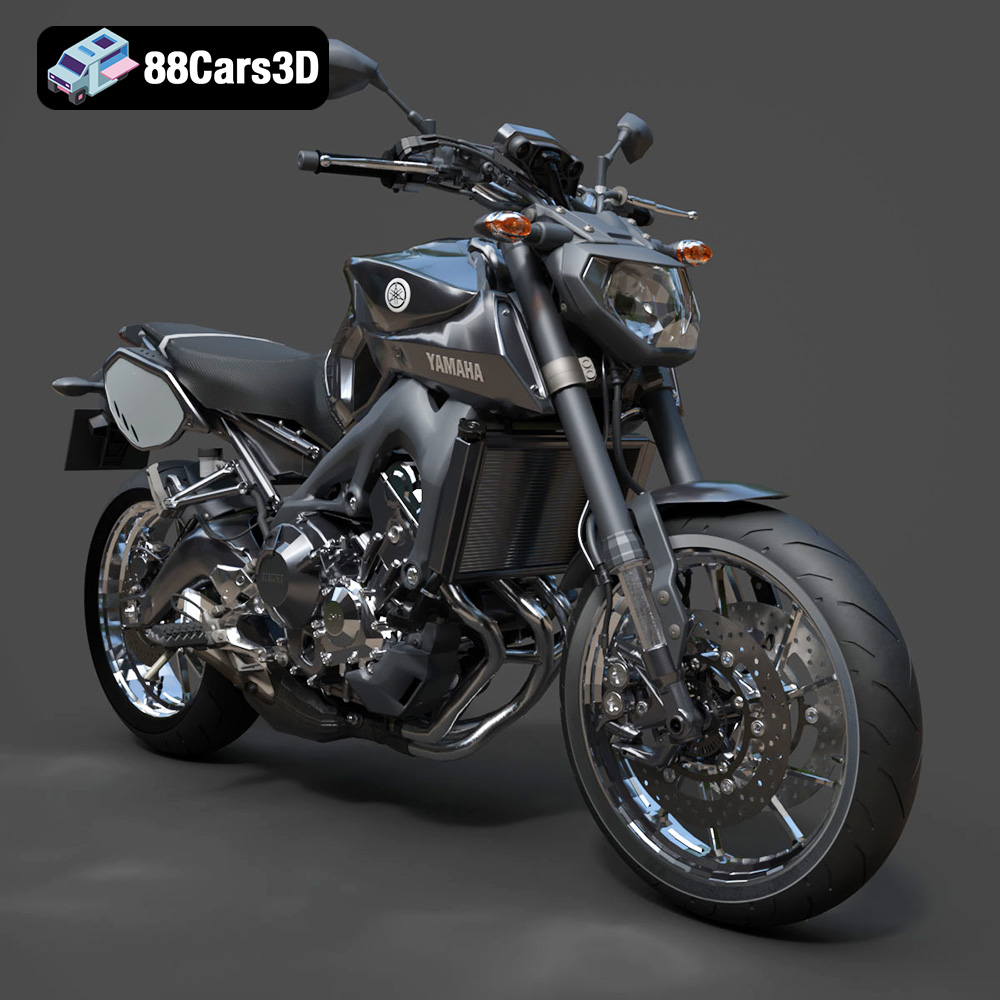
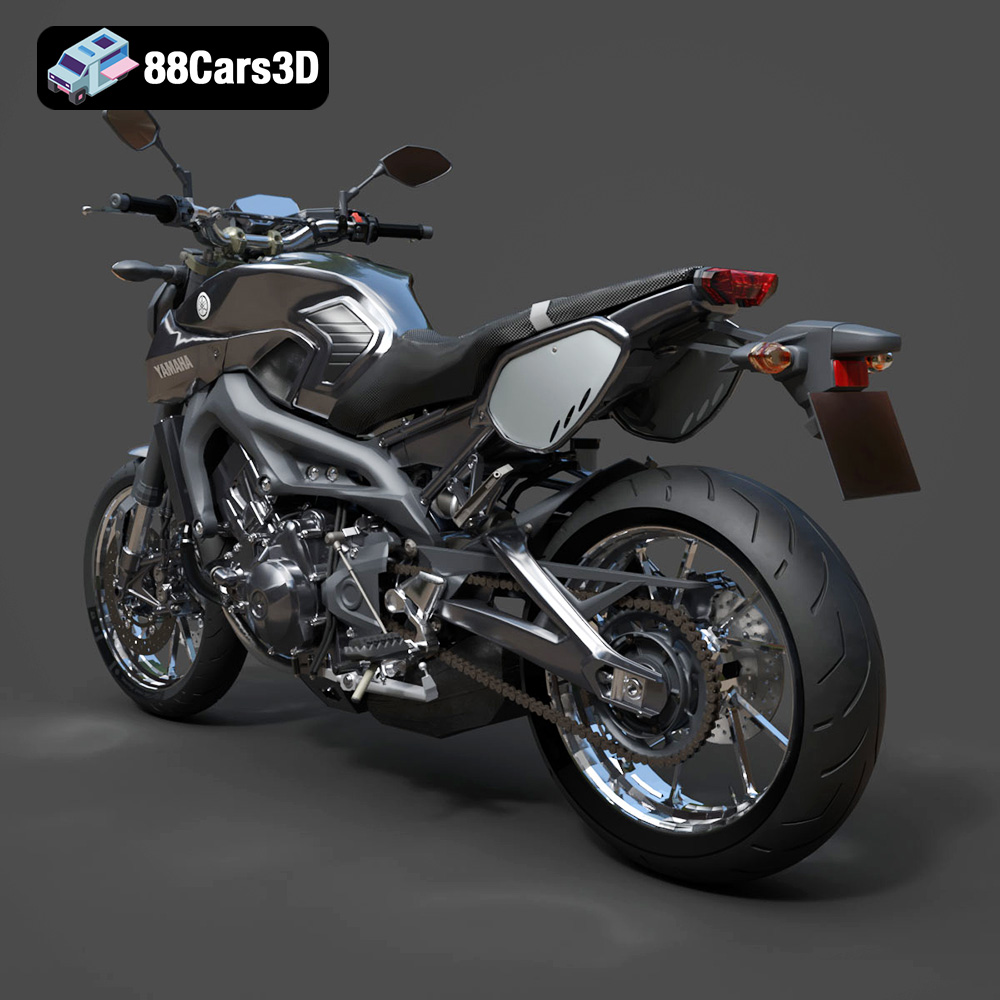
Among the myriad of vehicles that capture the imagination, motorcycles hold a unique allure. Their dynamic forms, exposed mechanics, and sense of freedom translate beautifully into the digital realm. Today, we delve into a prime example of such a high-quality asset: the Yamaha MT-09 Tracer 2015 3D Model. This versatile sport-touring motorcycle, known for its aggressive styling and powerful three-cylinder engine, has been meticulously recreated in digital form, offering an invaluable resource for professionals across numerous industries. Whether you’re aiming for photorealistic renders, seamless game integration, or even physical 3D prints, this model provides a robust starting point, available through trusted platforms like 88cars3d.com.
Throughout this comprehensive guide, we’ll explore the technical intricacies, practical applications, and creative potential unlocked by such detailed 3D models. We’ll examine specific workflows in leading software, dissect the crucial role of various file formats, and illustrate how a single, well-crafted asset can serve as a cornerstone for diverse projects, from high-stakes advertising campaigns to cutting-edge virtual reality showrooms. The journey from polygons to pixel-perfect realism is a complex one, but with the right assets, the possibilities are limitless.
The choice of a 3D model file format is far more than a simple preference; it’s a critical decision that dictates compatibility, performance, and the scope of a project. Each format is engineered with specific strengths, making certain files ideal for particular workflows, software environments, and end-use applications. When acquiring a premium asset like the Yamaha MT-09 Tracer 2015 3D Model, understanding the nuances of its included file formats is essential for maximizing its utility.
The .blend format is Blender’s native file type, encapsulating an entire Blender scene with all its data: geometry, materials, textures, lighting, cameras, animations, physics simulations, and even custom scripts. This format is a powerhouse for anyone working within the Blender environment, offering full editability and preserving all scene-specific settings. For the Yamaha MT-09 Tracer, having a .blend file means artists can dive directly into a pre-configured scene, modify materials using Blender’s Cycles or Eevee render engines, adjust the mesh, or even animate the motorcycle with minimal setup. It’s ideal for artists who intend to extensively customize or integrate the model into a larger Blender project, leveraging its robust toolkit for modeling, sculpting, and rendering.
As Autodesk’s proprietary format, .fbx (Filmbox) has become the de facto industry standard for 3D data interchange across various software packages. It excels at transferring animated 3D models, including geometry, skeletal animation, blend shapes, materials, and light information, while maintaining scene hierarchy. For the Yamaha MT-09 Tracer 3D Model, .fbx is indispensable for exporting to game engines like Unreal Engine and Unity, or for importing into other DCC (Digital Content Creation) tools such as 3ds Max, Maya, or Cinema 4D. Its widespread support makes it a cornerstone for collaborative pipelines, ensuring that the model’s structural integrity, animation pivots, and basic material assignments translate effectively across different platforms.
The .obj (Wavefront Object) format is one of the oldest and most universally supported 3D file formats. It primarily stores geometric data – vertices, normals, UV coordinates, and faces – along with references to external material files (.mtl). While .obj doesn’t typically store animation or complex scene data, its simplicity and ubiquity make it an excellent choice for straightforward mesh transfer between virtually any 3D software. For the MT-09 Tracer, the .obj file serves as a reliable fallback, guaranteeing that the core geometry of the motorcycle can be accessed and utilized even in niche or legacy applications, providing a clean mesh for sculpting or retopology if needed.
.glb (GL Transmission Format Binary) is the binary version of the glTF format, designed for efficient transmission and loading of 3D scenes and models in web and AR/VR environments. It packs all assets – geometry, textures, animations, and materials – into a single, self-contained file, making it highly optimized for real-time display. The .glb version of the Yamaha MT-09 Tracer is perfect for interactive web viewers, e-commerce product displays, augmented reality apps on mobile devices, and lightweight virtual reality experiences. Its compact size and ease of integration make it a go-to for rapidly deploying 3D content across modern digital platforms.
.stl (Stereolithography) is the standard file format for 3D printing. It represents a 3D model as a collection of unconnected triangular facets, defining only the surface geometry without color, texture, or material information. The Yamaha MT-09 Tracer 3D Model’s availability in .stl format is crucial for those looking to bring the digital design into the physical world. This allows users to 3D print scale models, prototypes, or collectible miniatures of the motorcycle. The format’s simplicity ensures broad compatibility with 3D printing software (slicers) and machines, making it accessible for personal projects or industrial prototyping.
The .ply (Polygon File Format) is another popular format for storing 3D data, particularly suited for storing data from 3D scanners. It can store not only geometry but also color, transparency, and sometimes even confidence values for each vertex. While less common for everyday artistic exchange than .fbx or .obj, .ply is valuable for applications requiring high precision or when dealing with complex, scanned real-world objects. For a detailed automotive model like the MT-09 Tracer, a .ply file might offer a robust representation for specialized engineering analysis or conversion processes, ensuring the geometric integrity is maintained for tasks beyond typical rendering.
The inclusion of an .unreal file (or an asset specifically prepared for Unreal Engine, often via .fbx import and careful setup) signifies an asset ready for immediate integration into the powerful Unreal Engine. This typically means the model has optimized meshes, proper material setup using PBR (Physically Based Rendering) workflows, correct pivot points, and possibly pre-configured LODs (Levels of Detail) and collision meshes. For the Yamaha MT-09 Tracer, an Unreal-ready asset saves countless hours for game developers or virtual production artists, allowing them to drop the model directly into a scene and begin interactive experiences, cinematics, or game development without extensive re-configuration.
The .max format is the native file type for Autodesk 3ds Max, one of the most widely used 3D modeling, animation, and rendering software packages in the architecture, engineering, and entertainment industries. Like .blend, a .max file contains the complete scene data, including geometry, materials (with complex shaders like V-Ray or Corona), lighting, cameras, and animation. For 3ds Max users, the .max file of the Yamaha MT-09 Tracer offers the highest level of control and editability. It enables direct access to the original modeling history, modifiers, and intricate material setups, making it ideal for high-end automotive rendering, detailed animation sequences, and architectural visualizations where 3ds Max is the primary tool.
In summary, the comprehensive suite of file formats provided with the Yamaha MT-09 Tracer 2015 3D Model ensures unparalleled versatility, allowing this single asset to seamlessly integrate into virtually any professional workflow, from game development to industrial design and beyond.
Automotive rendering is a specialized field where the marriage of technical skill and artistic vision creates stunningly realistic digital imagery. A high-quality 3D model, such as the Yamaha MT-09 Tracer 2015, serves as the perfect canvas for achieving photorealism, bringing digital concepts to life with breathtaking clarity. Studios leverage these models for everything from marketing materials to product design reviews.
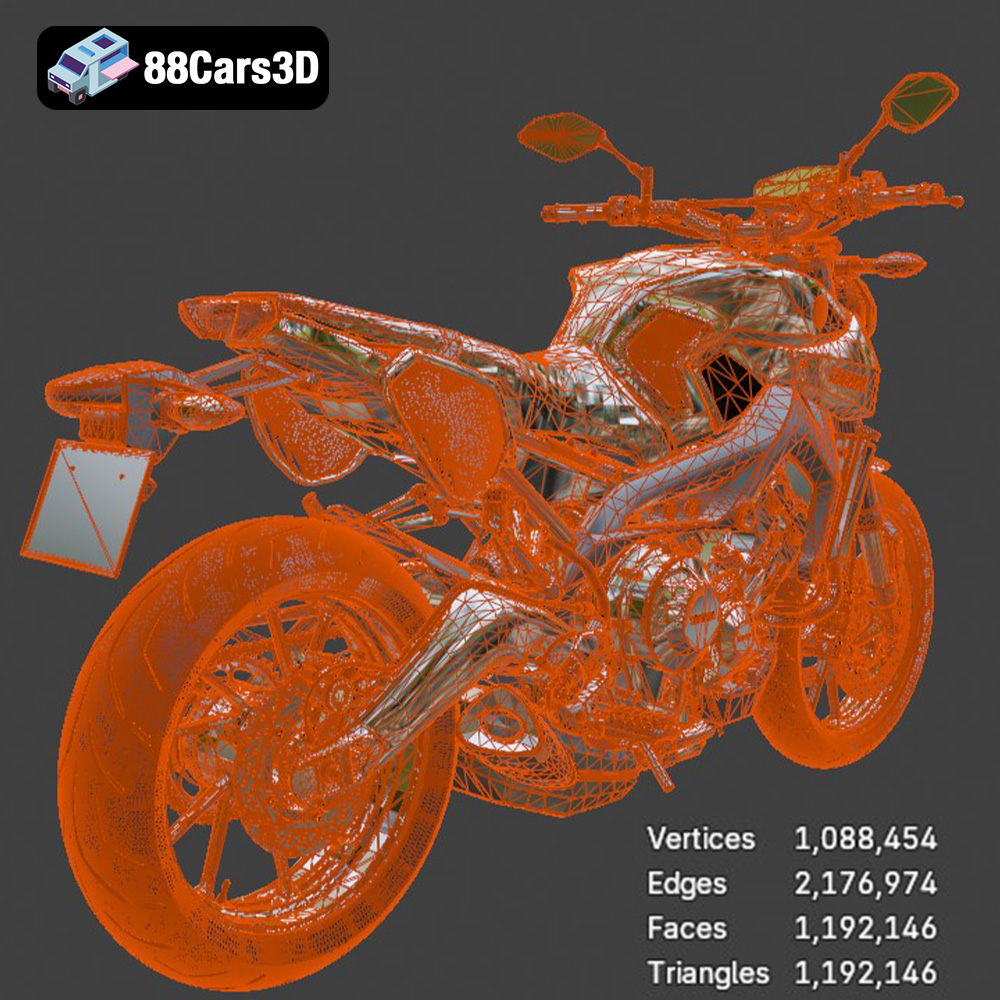
Achieving photorealism begins with the model itself. The Yamaha MT-09 Tracer 2015 3D Model boasts “clean topology and real-world scale accuracy,” which are fundamental for realistic renders. Clean topology ensures smooth subdivision and proper deformation, while real-world scale is vital for accurate lighting and material interaction. Artists typically import the model into render engines like V-Ray, Corona Renderer, Octane, or Blender’s Cycles.
The next critical step is material creation. Physically Based Rendering (PBR) workflows are essential, involving maps for albedo (color), roughness, metallic, normal, and displacement. For the MT-09 Tracer, this means meticulously recreating the gloss of the painted fairings, the subtle texture of the rubber tires, the reflectivity of the chrome exhaust, and the intricate details of the exposed frame. Lighting plays an equally crucial role. High Dynamic Range Images (HDRIs) are often used to simulate real-world lighting environments, casting accurate reflections and ambient illumination. Coupled with targeted studio lights to highlight specific features like the aggressive dual headlight assembly or the sculpted fuel tank, artists can evoke mood and depth, transforming a digital asset into a visual masterpiece.
While still renders are powerful, animating the Yamaha MT-09 Tracer unlocks a new dimension of storytelling. The product description highlights “separate wheels, steering, and suspension components for animation,” along with “proper pivot setup for steering and wheel rotation.” These technical advantages are crucial for creating dynamic sequences.
Animators can articulate the wheels for realistic rolling motion, apply subtle suspension compression as the bike navigates a virtual terrain, and animate the steering for dynamic turns. The detailed cockpit and rider area features, including the digital instrument cluster and handlebar assembly, can also be animated for added realism in first-person views or close-ups. Imagine a cinematic sequence showcasing the MT-09 Tracer carving through a winding mountain road, the light glinting off its fairings as the suspension subtly reacts to the road’s undulations. This level of detail allows for compelling visual narratives, whether for a commercial, a product launch video, or an immersive virtual experience.
The interactive nature of game development demands assets that are not only visually appealing but also highly optimized for real-time performance. For game developers, a detailed yet efficient 3D car model like the Yamaha MT-09 Tracer 2015 is a valuable commodity, providing a ready-to-use asset that can be seamlessly integrated into diverse game environments, from racing simulations to open-world adventures.
Game engines like Unreal Engine and Unity prioritize performance above all else. While high-polygon models are excellent for rendering, they can bog down game framerates. This is where optimization techniques become critical. The Yamaha MT-09 Tracer 2015 3D Model is noted for its “optimized polygon flow for performance and realism,” indicating it’s built with real-time considerations in mind. However, further optimization may still be needed depending on the target platform and graphical fidelity.
Key optimization strategies include creating Levels of Detail (LODs) – progressively lower-polygon versions of the model that swap in as the camera moves further away. Collision meshes are also essential, simpler geometric representations used by the physics engine to detect impacts, rather than the complex visual mesh. Efficient UV mapping and texture atlases, which combine multiple textures into a single sheet, minimize draw calls and improve rendering efficiency. For a model like the MT-09 Tracer, the “unreal” and “.fbx” formats are particularly beneficial, often coming with pre-configured settings that streamline the import process and reduce the need for extensive manual optimization within the engine.
Augmented Reality (AR) and Virtual Reality (VR) represent the frontier of immersive digital experiences. These platforms demand incredibly efficient 3D assets due to the high computational power required for real-time rendering at high framerates (often 90fps or more) and low latency. The Yamaha MT-09 Tracer 3D Model is ideally suited for AR/VR, particularly with its “.glb” format, which is optimized for web and mobile AR/VR applications.
Imagine a virtual showroom where prospective buyers can walk around the MT-09 Tracer, interact with its features, change colors, and even sit on it virtually. Or an AR application that places the digital motorcycle directly into a user’s driveway via their smartphone camera. The model’s “clean and well-organized mesh structure” and “optimized polygon flow” are crucial here, ensuring smooth performance even on less powerful mobile chipsets. High-quality textures and accurate scale contribute to a convincing sense of presence, making the virtual motorcycle feel tangible. For professional studios specializing in interactive demonstrations or training simulations, assets from 88cars3d.com provide a significant head start in creating these cutting-edge experiences.
The bridge between the digital and physical worlds is 3D printing, a transformative technology that allows us to manifest complex 3D models into tangible objects. For enthusiasts, designers, and engineers, the ability to 3D print a detailed model like the Yamaha MT-09 Tracer 2015 offers unique opportunities for display, prototyping, and personal customization.
The “.stl” format is the bedrock of 3D printing. The Yamaha MT-09 Tracer 2015 3D Model’s inclusion of a 3D printable STL version directly addresses this growing demand. This format reduces the complex model into a series of interconnected triangles that define its external surface, making it readily interpretable by 3D printers.
The provided “3D Print Setting” recommendations are critical for a successful print:
These guidelines are invaluable for users looking to replicate the digital model’s detail in physical form, creating impressive scale models for display or collection.
The appeal of 3D printing goes beyond mere replication; it extends to personalization. Even after converting to an STL for printing, the original 3D model (e.g., in .blend or .max) offers “Customization Options” that can be applied before printing. Users can “Change body color and accent trims” digitally, then paint the physical model to match. Adding “touring side cases or top box” or “modifying windshield height” can create a unique, personalized version of the MT-09 Tracer.
This level of customization fosters a vibrant community of makers and collectors. A 3D printed Yamaha MT-09 Tracer isn’t just a toy; it’s a testament to digital craftsmanship and personal expression. It can serve as a desktop collectible, a display piece in a man cave, or even a detailed prop for photography. The ability to iterate on designs and produce unique physical assets from a single digital source makes the 3D printable aspect of this model incredibly valuable, especially for hobbyists and professional modelers alike.
In today’s fast-paced digital industries, time is currency. Professional studios, whether in automotive design, game development, advertising, or VR/AR production, constantly seek ways to streamline their workflows and maximize efficiency without compromising on quality. High-quality, pre-built 3D models like the Yamaha MT-09 Tracer 2015 play a pivotal role in achieving this balance, offering an immediate head start on complex projects.
Building a complex 3D vehicle model from scratch can take hundreds of hours of a skilled artist’s time. This includes researching blueprints, meticulous modeling of every component, creating UV maps, texturing, rigging, and optimizing. For a studio with tight deadlines and budget constraints, commissioning or developing such an asset in-house can be a significant bottleneck.
This is where marketplaces like 88cars3d.com become indispensable. By providing access to production-ready assets like the Yamaha MT-09 Tracer 2015 3D Model, studios can bypass the initial, time-consuming modeling phase. Artists can immediately jump into creative tasks such as scene composition, lighting, animation, and unique customization. This not only reduces project turnaround times but also frees up valuable resources to focus on the unique, differentiating aspects of a project, enhancing overall quality and innovation.
The “clean and well-organized mesh structure” and “optimized polygon flow” mentioned in the product description are key indicators of a professional-grade asset. They mean less time spent on cleaning up geometry or fixing topology issues, allowing artists to integrate the model quickly and confidently into their existing pipelines.
Consider a few real-world scenarios where the Yamaha MT-09 Tracer 2015 3D Model would be a game-changer:
These examples underscore the versatility and immense value that a meticulously crafted 3D car model, particularly a motorcycle, brings to professional workflows. It transforms a potential bottleneck into a powerful accelerator, enabling creative teams to deliver exceptional results with efficiency and speed.
The world of 3D modeling is a realm of endless possibilities, constantly pushing the boundaries of what can be digitally created and experienced. At its core, the quality of any virtual project hinges on the fidelity and versatility of its foundational assets. The Yamaha MT-09 Tracer 2015 3D Model stands as a testament to this principle, offering a high-detail digital recreation of an iconic sport-touring motorcycle that caters to an incredibly broad spectrum of professional applications.
From crafting breathtaking photorealistic renders and dynamic cinematic animations to optimizing for the demanding real-time environments of game development and immersive AR/VR experiences, this model provides a robust and adaptable solution. Its “clean topology,” “real-world scale accuracy,” and thoughtfully separated components for animation underscore its professional-grade construction. Furthermore, its availability across a comprehensive array of file formats – including .blend, .fbx, .obj, .glb, .stl, .ply, .unreal, and .max – ensures seamless integration into virtually any production pipeline, empowering artists and developers with unparalleled flexibility.
Whether your goal is to populate a virtual world, generate compelling marketing visuals, create interactive product demonstrations, or even bring the digital design into the physical realm through 3D printing, the Yamaha MT-09 Tracer 2015 3D Model proves to be an invaluable asset. It exemplifies how carefully engineered 3D car models can accelerate workflows, enhance creative output, and open new avenues for innovation across diverse industries. For those seeking such meticulously prepared assets to elevate their projects, platforms like 88cars3d.com serve as a crucial resource, connecting creators with the high-quality models they need to succeed.
The Yamaha MT-09 Tracer 2015 3D Model is a high-detail digital recreation of the versatile sport-touring motorcycle known for its aggressive styling, lightweight chassis, and dynamic three-cylinder performance. Designed for both urban riding and long-distance touring, the 2015 MT-09 Tracer combines sporty DNA with comfort-oriented ergonomics. This 3D model accurately represents the sharp front fairing, dual headlight assembly, adjustable windscreen, exposed frame structure, sculpted fuel tank, stepped seat configuration, and sport-touring exhaust system. Built with clean topology and real-world scale accuracy, it is ideal for rendering, animation, automotive visualization, game development, and AR/VR experiences. Perfect for urban environments, mountain road scenes, touring simulations, cinematic projects, and motorcycle games.
$9.99