Get 50% OFF All Premium 3D & STL Models!

“`html
Augmented Reality (AR) is revolutionizing how we interact with the world, blending digital content seamlessly with our physical surroundings. Unreal Engine, with its powerful rendering capabilities and robust development tools, is at the forefront of AR development, particularly in automotive visualization. Imagine showcasing a 3D car model right on your driveway, or customizing its features with a simple touch on your phone. This article explores the intricacies of building AR applications with Unreal Engine, focusing on utilizing high-quality 3D car models to create engaging and interactive experiences.
We’ll cover project setup, model optimization, material creation, and interactive design using Blueprint visual scripting. You’ll learn how to leverage Unreal Engine’s features to achieve photorealistic rendering and optimal performance for AR devices. Let’s embark on this journey to bring automotive dreams to life through the power of AR!
Before diving into the specifics of automotive AR, we need to establish a solid foundation with a properly configured Unreal Engine project. The project setup involves selecting the appropriate template, configuring project settings, and importing necessary plugins. This initial step is crucial for ensuring a smooth development workflow and optimal AR performance. When sourcing automotive assets from marketplaces such as 88cars3d.com, ensuring compatibility with your Unreal Engine version is paramount.
For AR development, the “AR Template” is the ideal starting point. This template provides a pre-configured setup with essential AR components, including camera tracking, plane detection, and basic AR functionalities. To create a new project, open Unreal Engine and select “Games” as the category, then choose the “AR Template.” Give your project a descriptive name, such as “AutomotiveAR,” and specify a location on your drive.
Once the project is created, you need to configure the project settings to optimize it for AR development. Go to “Edit” -> “Project Settings” to access the configuration panel. The crucial settings are under the “Platforms” section. For Android development, you’ll need to configure the Android SDK and NDK paths. For iOS development, ensure you have Xcode installed and configured properly. Enable “Mobile HDR” and set the “Mobile Content Scale” to a suitable value (e.g., 0.5) to balance visual quality and performance. Consider using Vulkan as the rendering API for Android devices for improved performance. You can find more detailed information on project settings at https://dev.epicgames.com/community/unreal-engine/learning.
The core of any automotive AR application lies in the 3D car model. Importing and optimizing these models for real-time rendering in Unreal Engine is crucial for achieving realistic visuals and smooth performance. Optimizing geometry, materials, and textures are essential steps. Platforms like 88cars3d.com offer optimized models for Unreal Engine, but further tweaks might be necessary depending on your specific project requirements.
Unreal Engine supports various 3D file formats, including FBX, USD, and USDZ. FBX is a common choice for its versatility and compatibility. To import a 3D car model, simply drag and drop the FBX file into the Content Browser. During the import process, you can configure various import settings, such as material import, skeletal mesh options, and animation import. Ensure that “Import Materials” and “Create Physics Asset” are enabled if applicable. If you have separate texture files, place them in the same folder as the FBX file, and Unreal Engine will automatically recognize them during the import process.
High-polygon models can significantly impact performance, especially on mobile AR devices. Optimizing the geometry involves reducing the polygon count while preserving the visual fidelity of the car model. You can use various techniques, such as decimation, mesh simplification, and level of detail (LOD) generation. Unreal Engine’s built-in LOD system allows you to create multiple versions of the model with decreasing polygon counts. To create LODs, right-click on the static mesh asset in the Content Browser and select “Create LODs.” Configure the LOD settings based on the desired level of simplification. For example, you can set LOD0 to 100% of the original polygon count, LOD1 to 50%, and LOD2 to 25%. This ensures that the model’s complexity is dynamically adjusted based on its distance from the camera, improving performance without sacrificing visual quality.
Physically Based Rendering (PBR) is essential for achieving realistic visuals in Unreal Engine. PBR materials accurately simulate how light interacts with surfaces, resulting in more convincing and immersive rendering. Creating PBR materials involves using a set of texture maps, such as base color, normal, roughness, metallic, and ambient occlusion, to define the material properties. The Unreal Engine Material Editor provides a powerful visual interface for creating and editing materials. When purchasing assets from 88cars3d.com, you can expect to find models with well-crafted PBR materials ready for use in your Unreal Engine projects.
Each PBR texture map plays a specific role in defining the material’s appearance.
To create a PBR material, open the Material Editor by double-clicking on a material asset in the Content Browser. Add the necessary texture samples by dragging and dropping the texture files into the Material Editor. Connect the texture sample outputs to the corresponding material inputs, such as “Base Color,” “Normal,” “Roughness,” and “Metallic.” Adjust the material parameters, such as “Roughness” and “Metallic,” to fine-tune the material’s appearance. You can use scalar parameters to create adjustable material instances, allowing you to easily modify the material properties without modifying the base material. For automotive applications, pay close attention to the car paint material. Experiment with clear coat layers and micro-scratching textures to enhance realism. The Material Editor also supports advanced features like shader functions and custom expressions, allowing you to create complex and unique materials.
Blueprint visual scripting is a powerful feature in Unreal Engine that allows you to create interactive experiences without writing code. It provides a node-based interface for defining game logic, controlling object behavior, and handling user input. For AR applications, Blueprint can be used to implement features such as car customization, interactive demonstrations, and augmented reality overlays. Interactivity brings the automotive AR experience to life, allowing users to explore and personalize their virtual vehicles.
Let’s create a simple car configurator that allows users to change the car’s paint color. First, create a Blueprint class based on the “Actor” class. Add a Static Mesh component to the Blueprint and assign the 3D car model to it. Create a variable of type “Material Interface” and name it “PaintMaterial.” In the Event Graph, add a custom event called “ChangeColor.” Inside the “ChangeColor” event, create a “Create Dynamic Material Instance” node and connect the “PaintMaterial” variable to the “Parent” input. Connect the “Static Mesh” component to the “Target” input of a “Set Material” node. Connect the output of the “Create Dynamic Material Instance” node to the “Material” input of the “Set Material” node. Finally, add a “Set Vector Parameter Value” node to set the color of the dynamic material instance. Connect the “Execution” pins and the “Material Instance” pin appropriately. Now, you can call the “ChangeColor” event with a desired color to dynamically change the car’s paint color. You can bind this event to a user interface button or gesture to allow users to interactively change the color.
To make the car interactive in AR, you can use the ARKit or ARCore plugins to detect touch events on the screen. When a touch event is detected, you can perform a raycast to determine if the touch intersects with the car model. If it does, you can trigger an interaction, such as rotating the car, opening the doors, or displaying information about the car’s features. Use the “Line Trace by Channel” node to perform the raycast. Connect the touch location to the “Start” and “End” inputs of the “Line Trace by Channel” node. If the “Return Value” of the “Line Trace by Channel” node is true, it means the raycast hit the car model. You can then use the “Break Hit Result” node to extract information about the hit, such as the hit location and the hit component. Use this information to trigger the desired interaction. For example, you can add a rotation component to the car model and update its rotation based on the touch input.
Unreal Engine’s Nanite and Lumen technologies are game-changers for achieving stunning visuals with optimized performance. Nanite allows you to import film-quality assets with billions of polygons without manual optimization, while Lumen provides dynamic global illumination and reflections in real-time. These features are particularly beneficial for automotive visualization, where visual fidelity is paramount. Using Nanite and Lumen allows you to showcase the intricate details of your 3D car models with realistic lighting and reflections.
To enable Nanite for a 3D car model, right-click on the static mesh asset in the Content Browser and select “Enable Nanite.” This will automatically convert the mesh to Nanite format, allowing it to be rendered with a virtually unlimited polygon count. After enabling Nanite, you may need to adjust the “Nanite Settings” in the Static Mesh Editor to optimize performance. The key settings are “Fallback Percent Triangles” and “Trim Relative Error.” “Fallback Percent Triangles” determines the percentage of triangles to use for fallback meshes when Nanite is not available. “Trim Relative Error” controls the level of simplification applied to the mesh. Experiment with these settings to find the optimal balance between visual quality and performance.
To enable Lumen, go to “Edit” -> “Project Settings” -> “Rendering” and set the “Global Illumination” and “Reflections” methods to “Lumen.” Adjust the Lumen settings to fine-tune the lighting quality and performance. The key settings are “Lumen Global Illumination Quality” and “Lumen Reflections Quality.” Set these settings to “Epic” for the highest visual quality, but be aware that this may impact performance. For mobile AR applications, you may need to reduce these settings to “High” or “Medium” to maintain a smooth frame rate. Experiment with different Lumen settings to find the optimal balance between visual quality and performance for your target device. You can also use Lumen’s emissive lighting to enhance the car’s interior lighting and create a more immersive experience.
Optimizing performance is critical for delivering a smooth and responsive AR experience. Mobile devices have limited processing power and memory compared to desktop computers, so it’s essential to optimize your AR application to run efficiently. This involves optimizing geometry, materials, textures, and lighting. Utilizing LODs, texture compression, and efficient shader techniques are vital for maintaining a high frame rate and preventing performance bottlenecks. Effective optimization ensures that your automotive AR application runs smoothly on a wide range of devices.
The first step in optimizing performance is to identify the bottlenecks. Unreal Engine provides various profiling tools that can help you identify areas of your application that are causing performance issues. The “Stat GPU” command displays the GPU performance statistics, such as frame time, draw calls, and shader complexity. The “Stat RHI” command displays the rendering hardware interface statistics, such as memory usage and buffer allocations. The “ProfileGPU” command allows you to capture a detailed GPU profile, which can be analyzed to identify specific shaders and draw calls that are causing performance issues. Use these profiling tools to identify the bottlenecks in your AR application and focus your optimization efforts on those areas. You can find more detailed information on profiling tools at https://dev.epicgames.com/community/unreal-engine/learning.
Once you have identified the bottlenecks, you can implement various performance-enhancing techniques to improve the performance of your AR application.
Building AR applications with Unreal Engine for automotive visualization is a rewarding journey that combines cutting-edge technology with creative design. By understanding the fundamentals of project setup, model optimization, material creation, and interactive design, you can create compelling AR experiences that showcase 3D car models in a realistic and engaging way. Leveraging features like Nanite and Lumen unlocks the potential for photorealistic rendering, while Blueprint visual scripting empowers you to create interactive demonstrations and car configurators.
Remember to prioritize optimization to ensure smooth performance on mobile devices. Explore the resources available on platforms like 88cars3d.com for high-quality 3D car models that are optimized for Unreal Engine. Experiment with different techniques and features to discover what works best for your specific project. The future of automotive visualization is in AR, and Unreal Engine provides the tools and capabilities to bring your automotive dreams to life. Take the next step and start building your own immersive AR experiences today!
“`
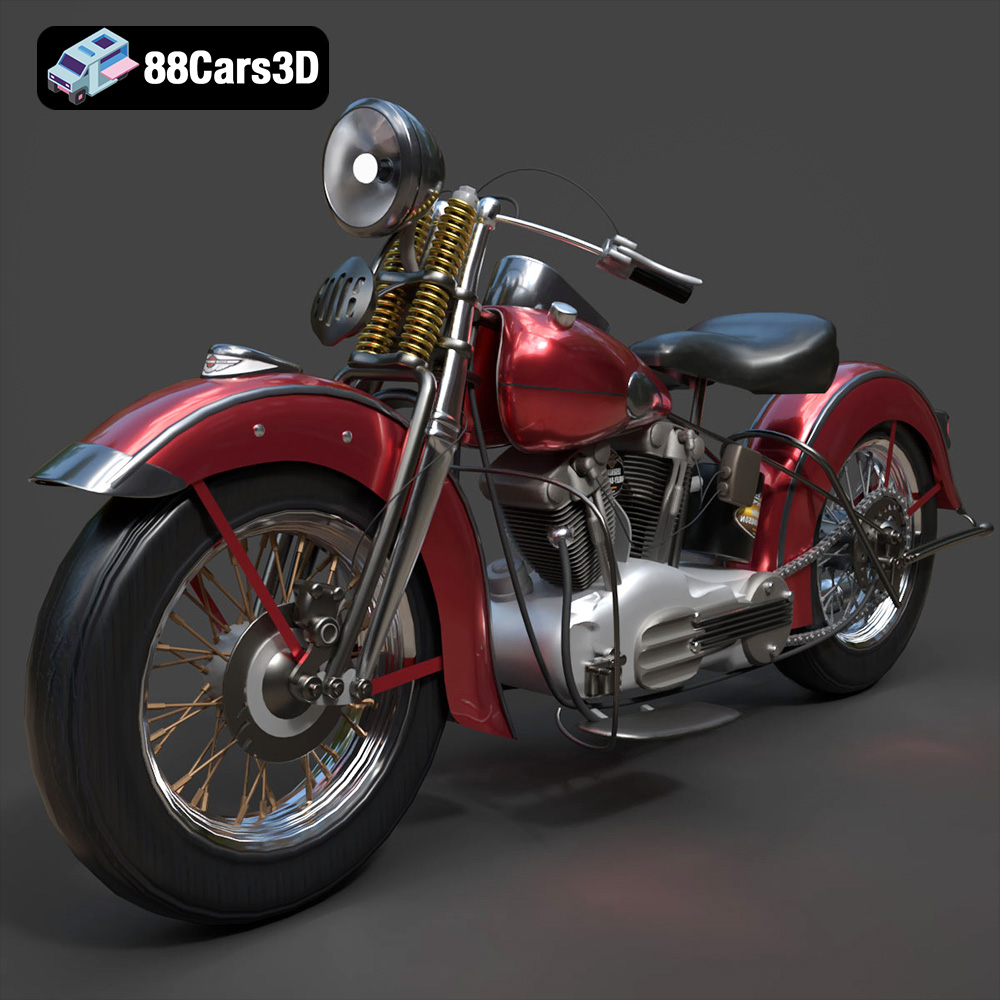
Texture: Yes
Material: Yes
Download the Harley Davidson F 1946 3D Model featuring clean geometry, realistic detailing, and a fully modeled interior. Includes .blend, .fbx, .obj, .glb, .stl, .ply, .unreal, and .max formats for rendering, simulation, and game development.
Price: $19.99
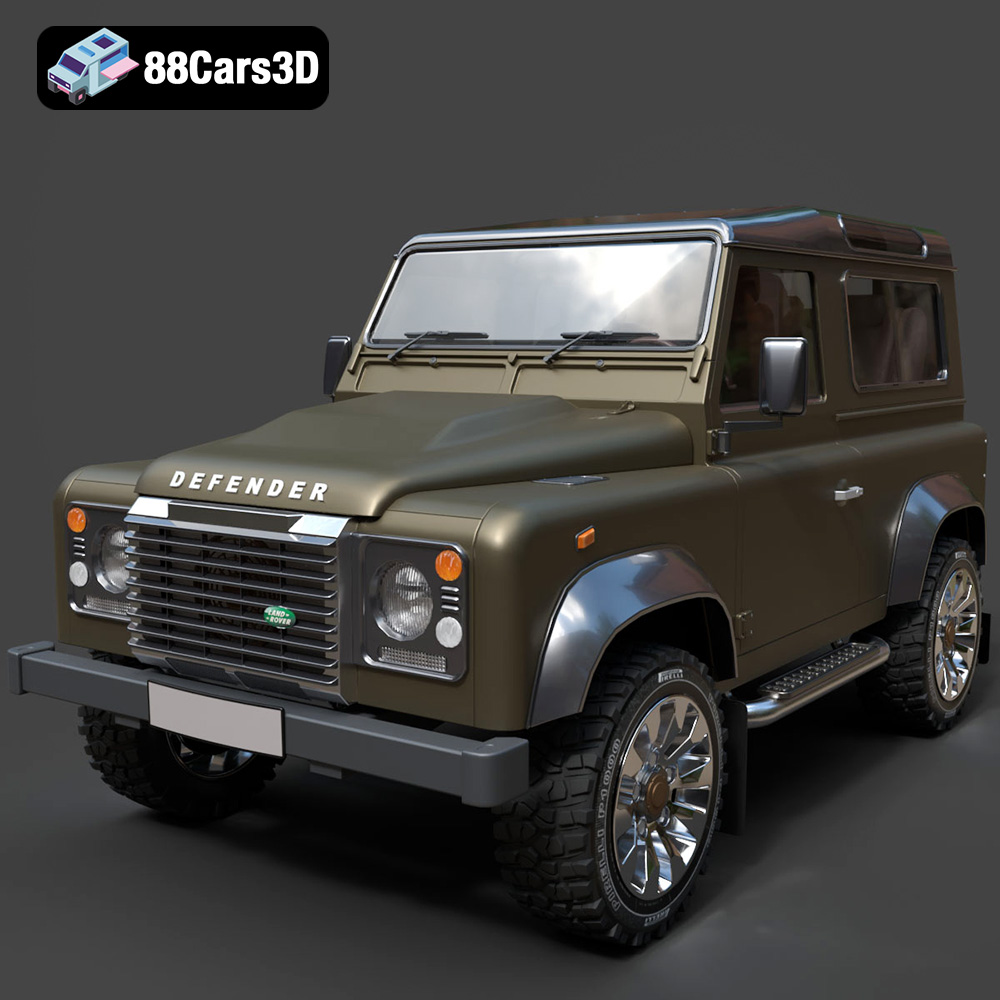
Texture: Yes
Material: Yes
Download the Land Rover Defender Works V8 3D Model featuring clean geometry, realistic detailing, and a fully modeled interior. Includes .blend, .fbx, .obj, .glb, .stl, .ply, .unreal, and .max formats for rendering, simulation, and game development.
Price: $19.99
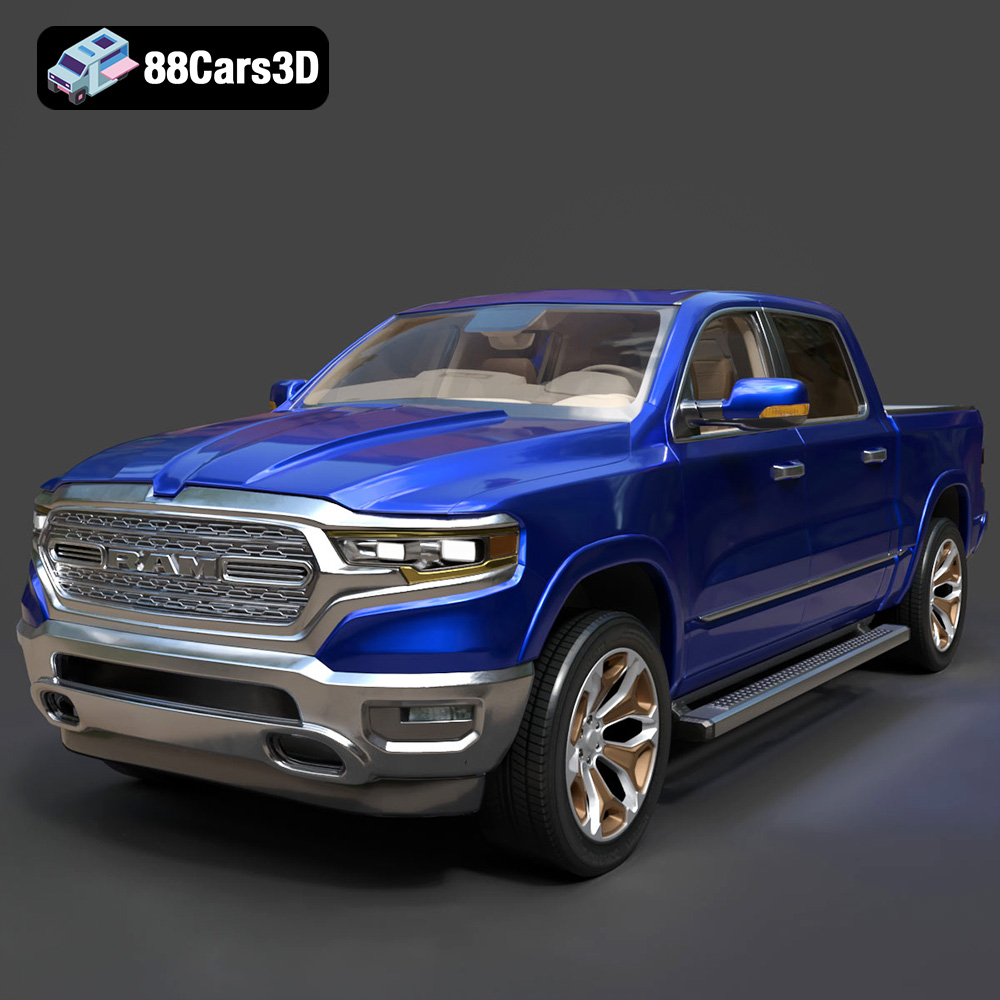
Texture: Yes
Material: Yes
Download the Dodge RAM 2019 3D Model featuring clean geometry, realistic detailing, and a fully modeled interior. Includes .blend, .fbx, .obj, .glb, .stl, .ply, .unreal, and .max formats for rendering, simulation, and game development.
Price: $19.99
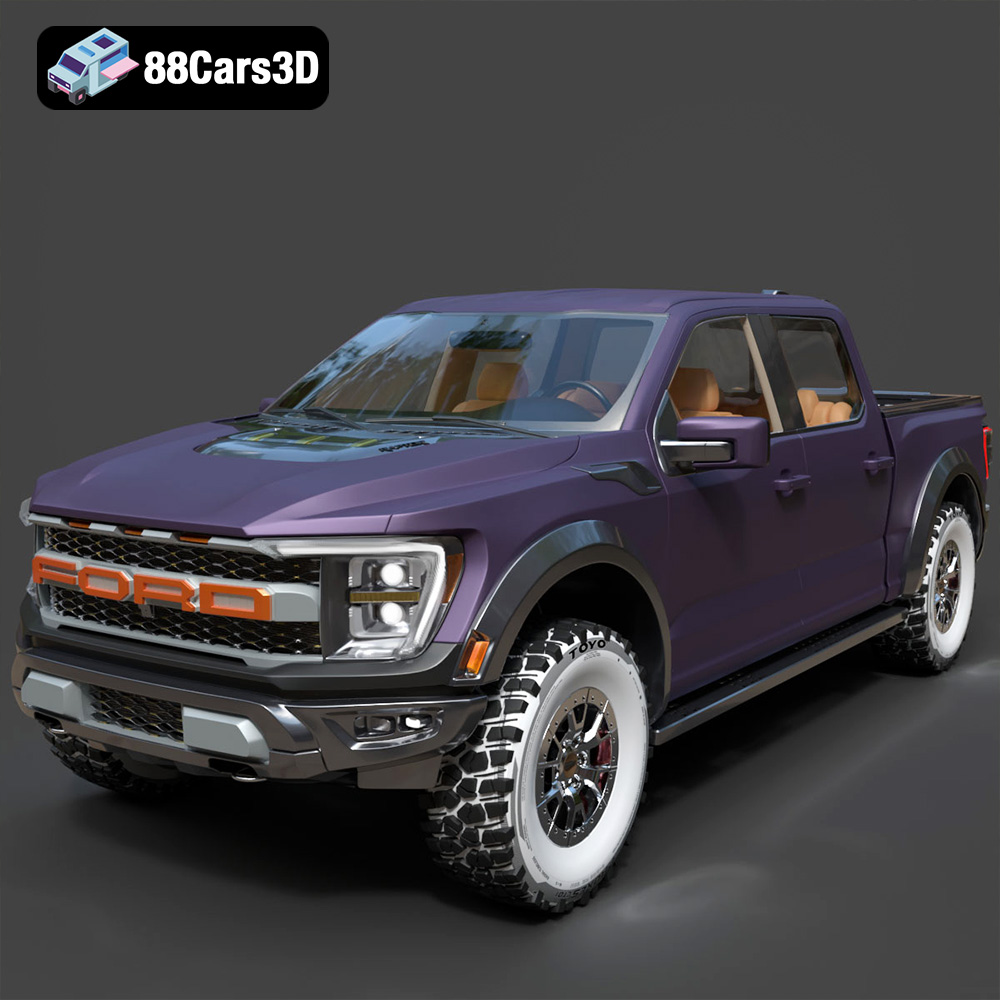
Texture: Yes | Material: Yes Download the ultra-high-detail Ford F-150 Raptor 2021 3D Model (8.73M Triangles). Features uncompromised widebody styling, fully modeled Fox Live Valve suspension, 37-inch tires, and interior. Perfect for premium VFX, cinematic rendering, and ArchViz. Includes .blend, .fbx, .obj, .glb, .stl, and .max formats.
Price: $29.99
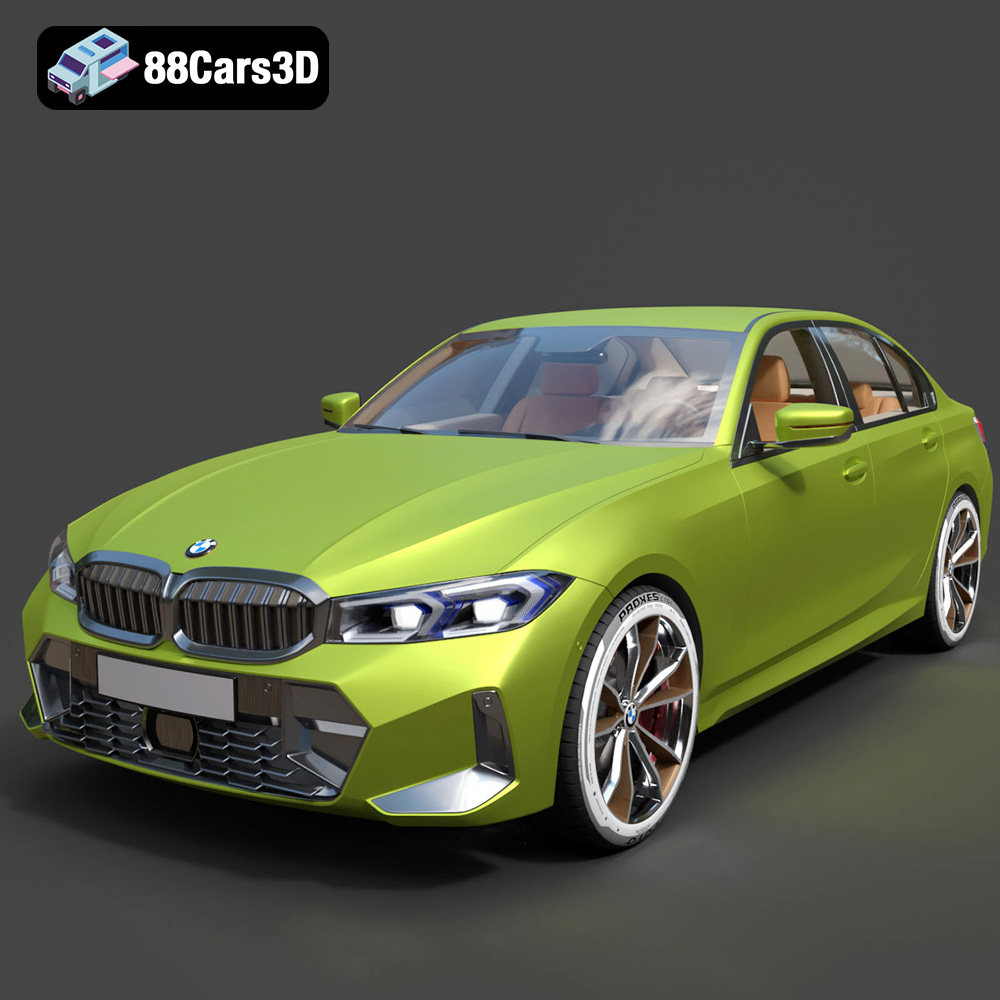
Texture: Yes | Material: Yes Download the ultra-high-detail BMW 3 Series Limousine (2022) 3D Model (4.16M Triangles). Features the modernized G20 LCI exterior, the all-new BMW Curved Display interior, and ultra-dense topology. Perfect for ArchViz, VFX, and cinematic rendering. Includes .blend, .fbx, .obj, .glb, .stl, and .max formats.
Price: $19.99
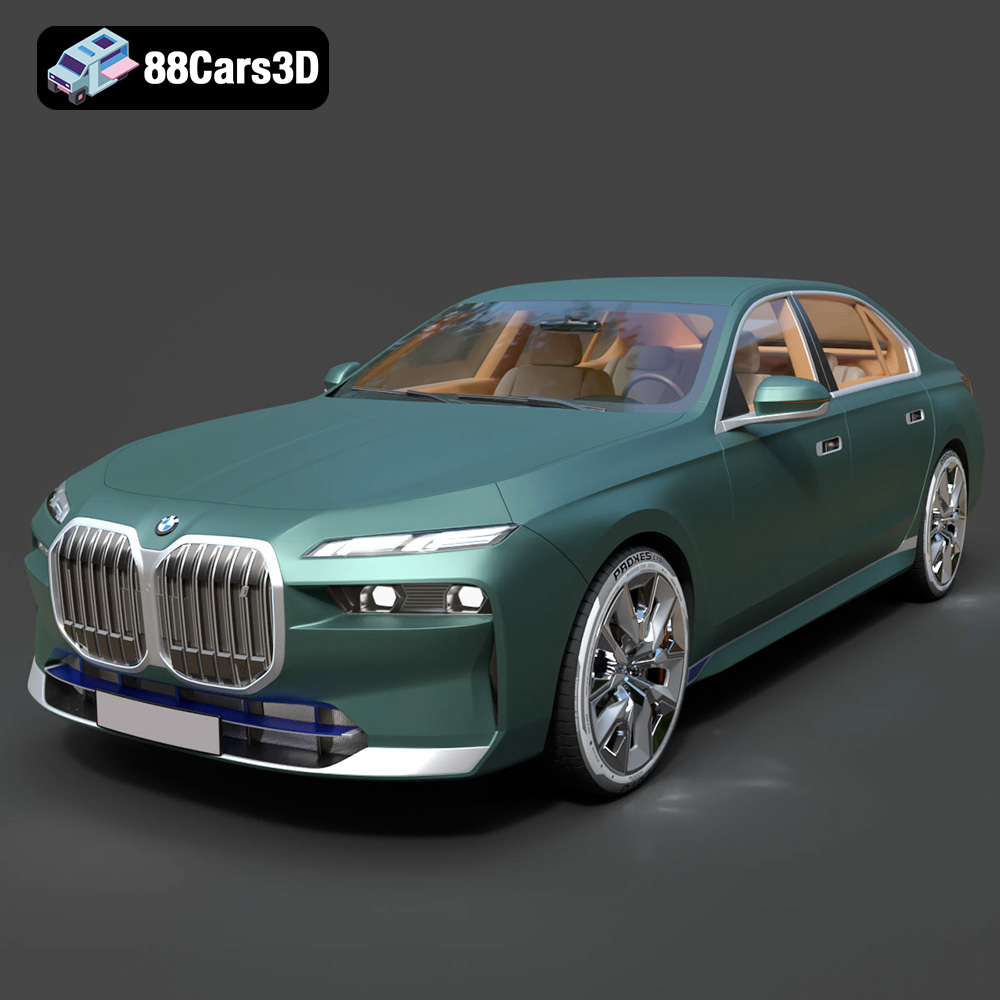
Texture: Yes | Material: Yes Download the ultra-high-detail BMW i7 (2023) 3D Model (4.14M Triangles). Features the illuminated kidney grille, split crystal headlights, fully modeled Theatre Screen interior, and monolithic luxury styling. Perfect for ArchViz, VFX, and cinematic rendering. Includes .blend, .fbx, .obj, .glb, .stl, and .max formats.
Price: $19.99
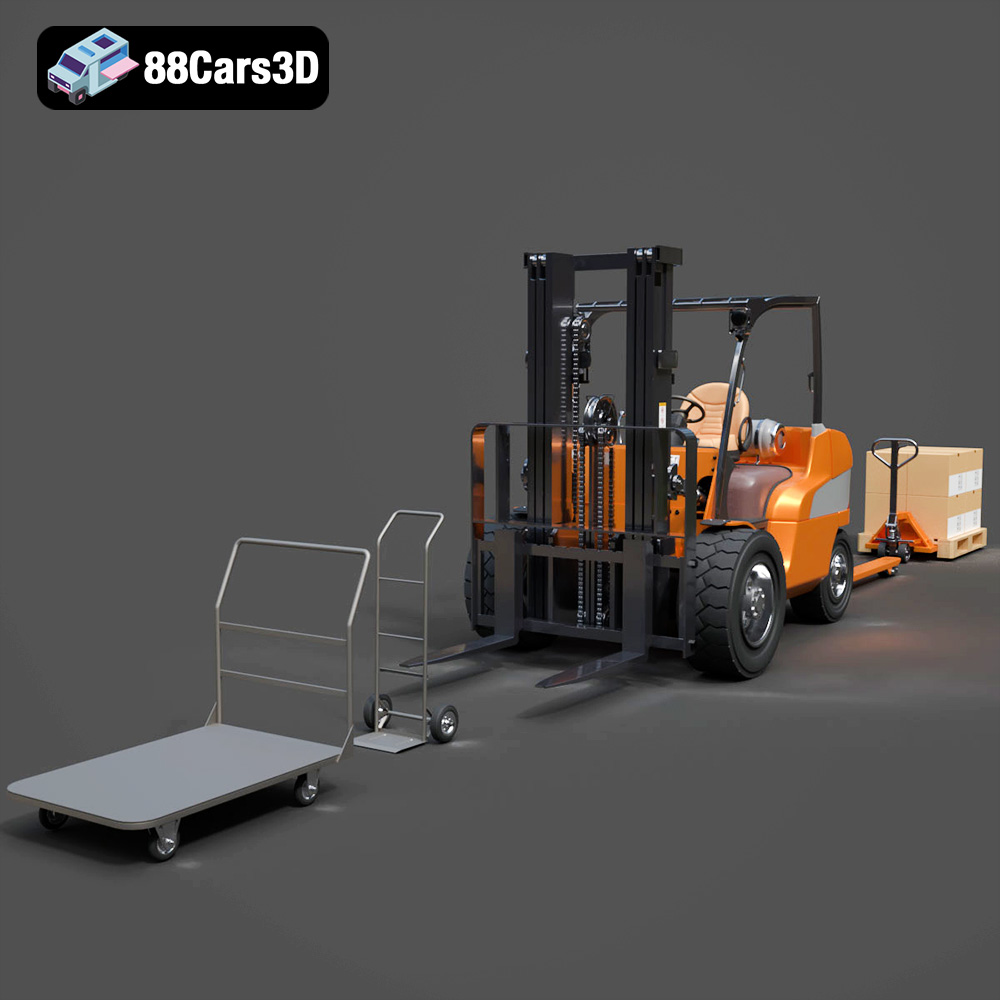
Texture: Yes | Material: Yes Download the highly detailed CAT Manual Loader & Warehouse Carts Kit 3D Model (2.4M Triangles). Features a macro-detailed hydraulic pallet jack, heavy-duty forks, and transport carts. Perfect for industrial ArchViz, factory rendering, and logistics simulations. Includes .blend, .fbx, .obj, .glb, .stl, and .max formats.
Price: $19.99
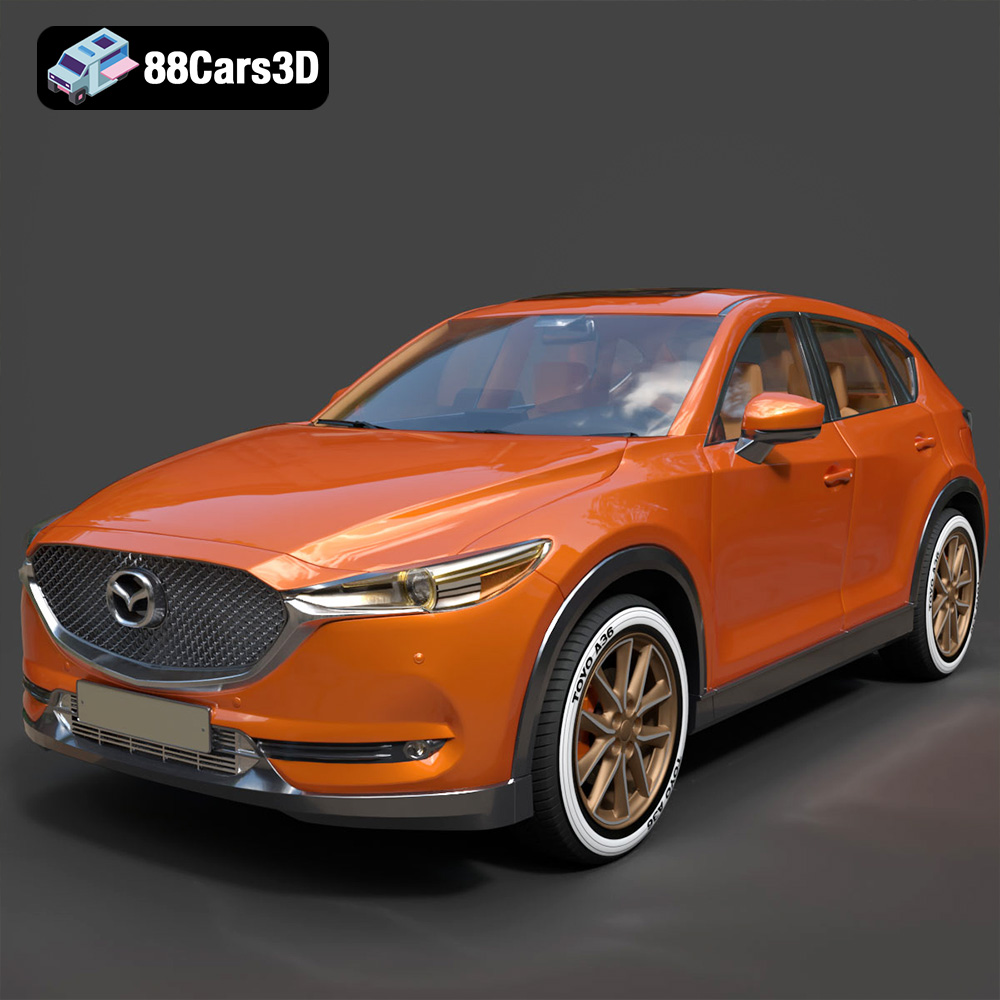
Texture: Yes | Material: Yes
Download the highly optimized Mazda CX-5 2014 3D Model (294k Triangles). Features the dynamic Kodo design language, signature grille, and a clean interior. Perfectly balanced for ArchViz, background traffic, and game development. Includes .blend, .fbx, .obj, .glb, .stl, and .max formats.
Price: $19.99
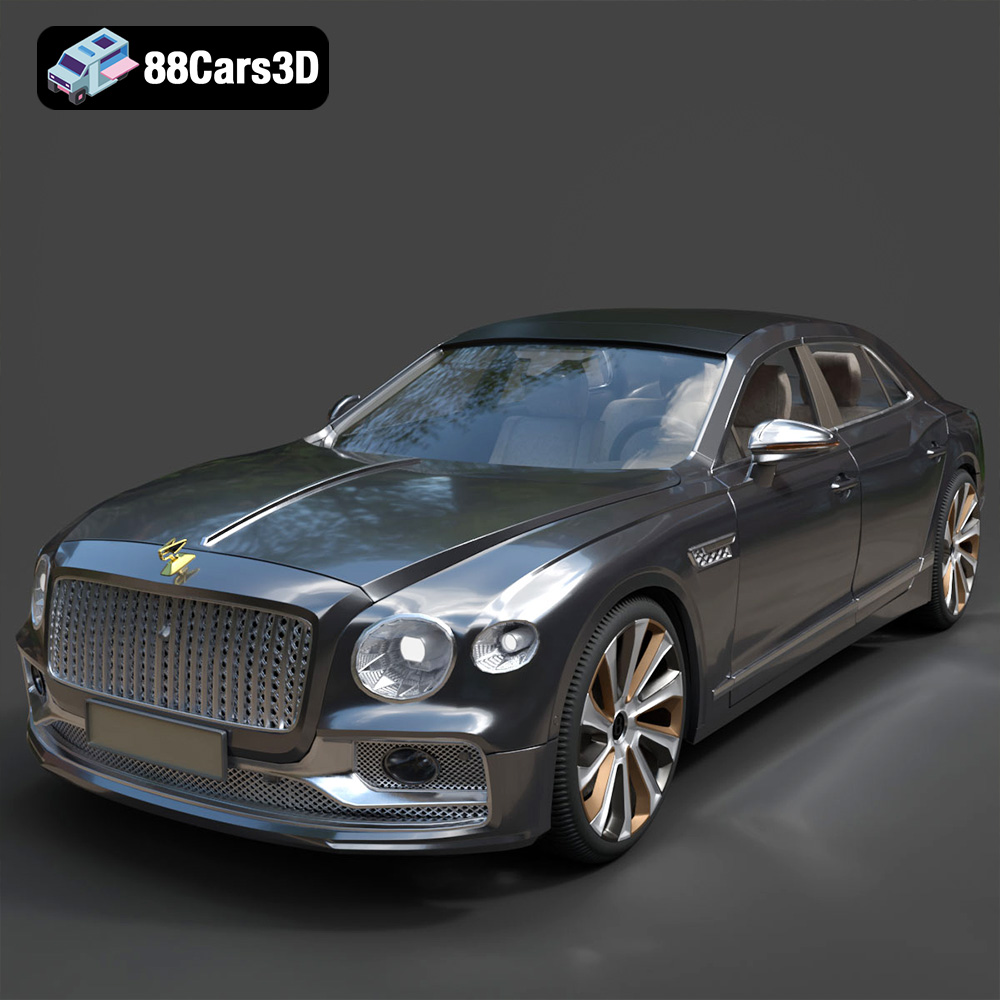
Texture: Yes | Material: Yes Download the ultra-high-detail Bentley Flying Spur Mulliner 2022 3D Model (2.94M Triangles). Features the bespoke Double Diamond grille, a fully modeled diamond-quilted interior, and exquisite luxury styling. Perfect for high-end ArchViz, VFX, and cinematic rendering. Includes .blend, .fbx, .obj, .glb, .stl, and .max formats.
Price: $19.90
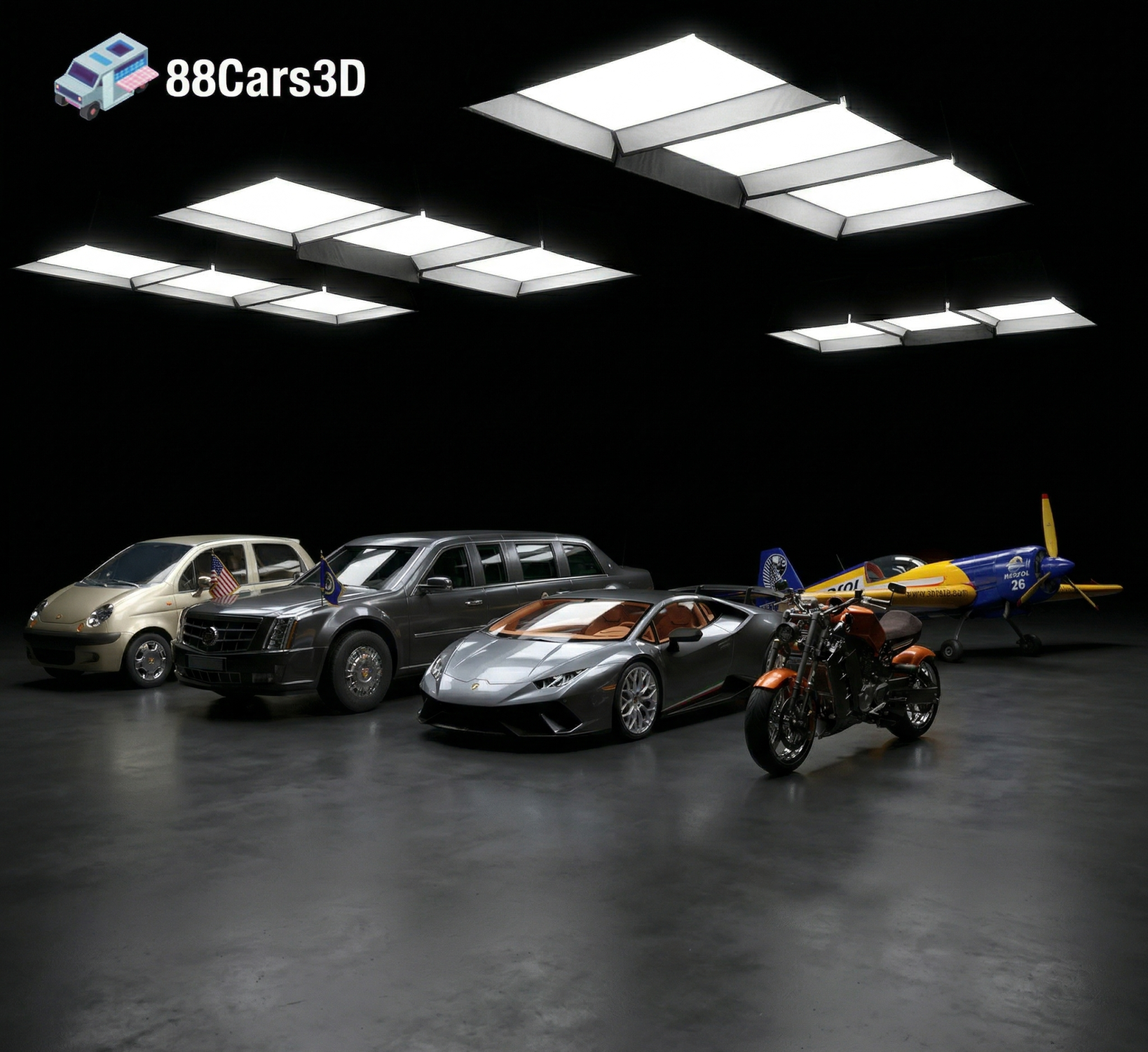
Texture: Yes | Material: Yes | 3D Printable: Yes. Download the Ultimate Creators’ Showcase featuring 5 premium 3D models: Lamborghini Huracan, ZAV Concept Motorcycle, Sukhoi SU-26, Presidential Limousine, and Daewoo Damas. Optimized for 4K CGI rendering and 3D printing. Save massive with this exclusive multi-category bundle!
Price: $99.99

